
Free visual inspection and a written scope of work before any mitigation begins - photos, moisture readings, and drying logs go in your claim file
The scope we write is the scope we bill. Anything new gets shown to you, in writing, before we touch it.
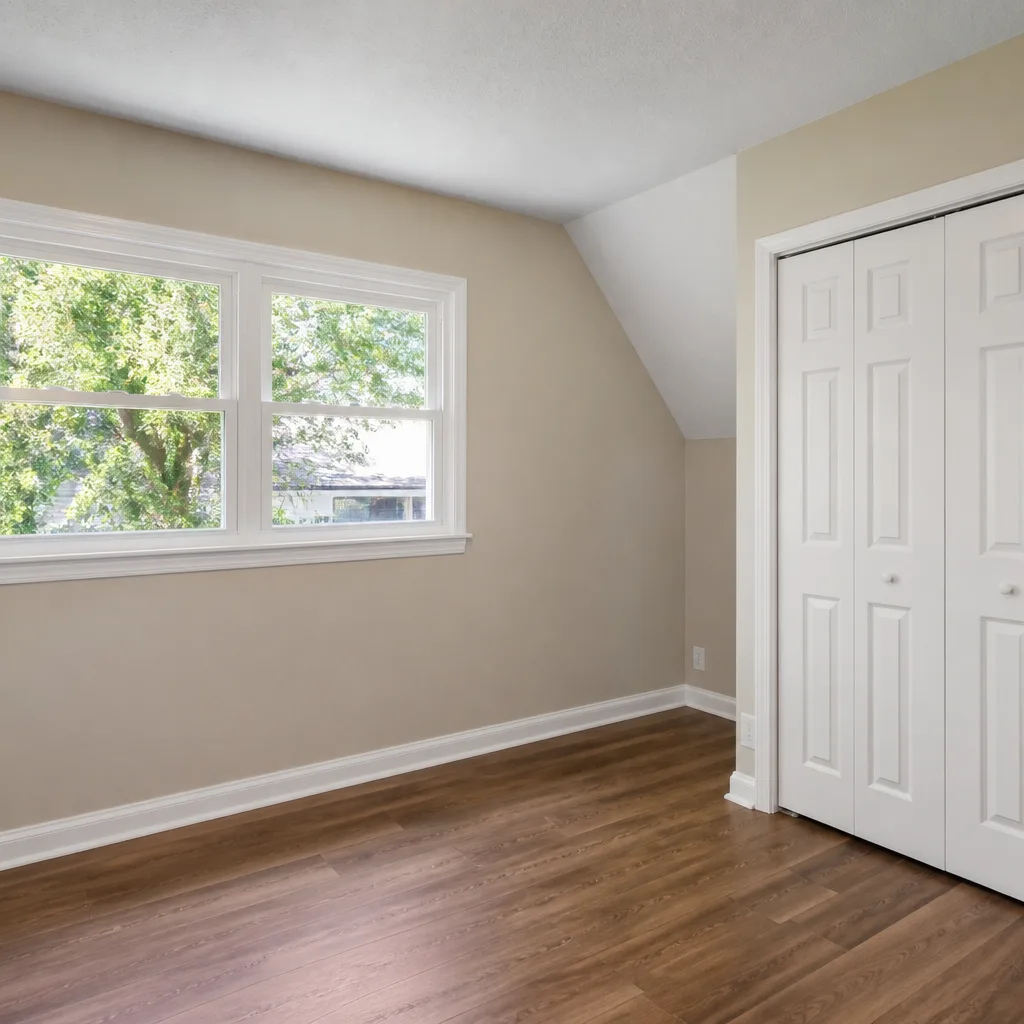
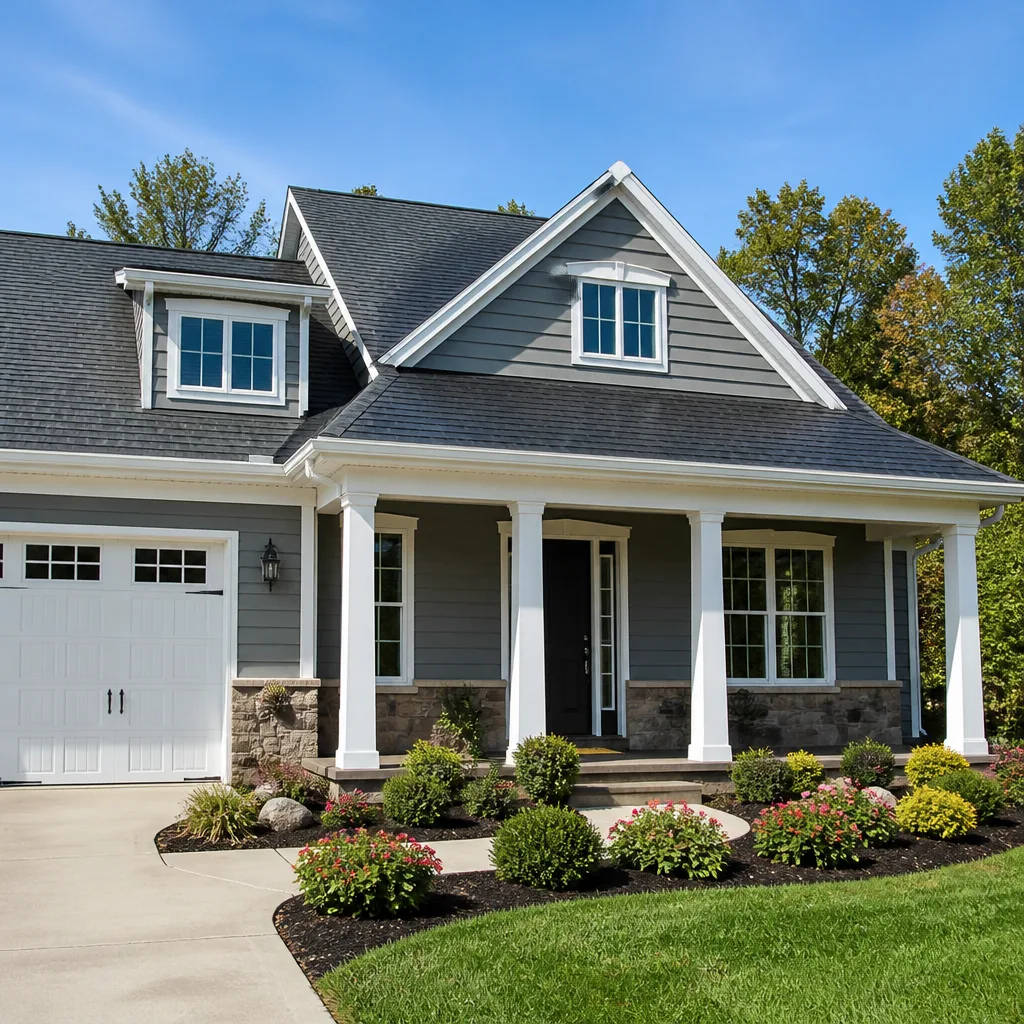
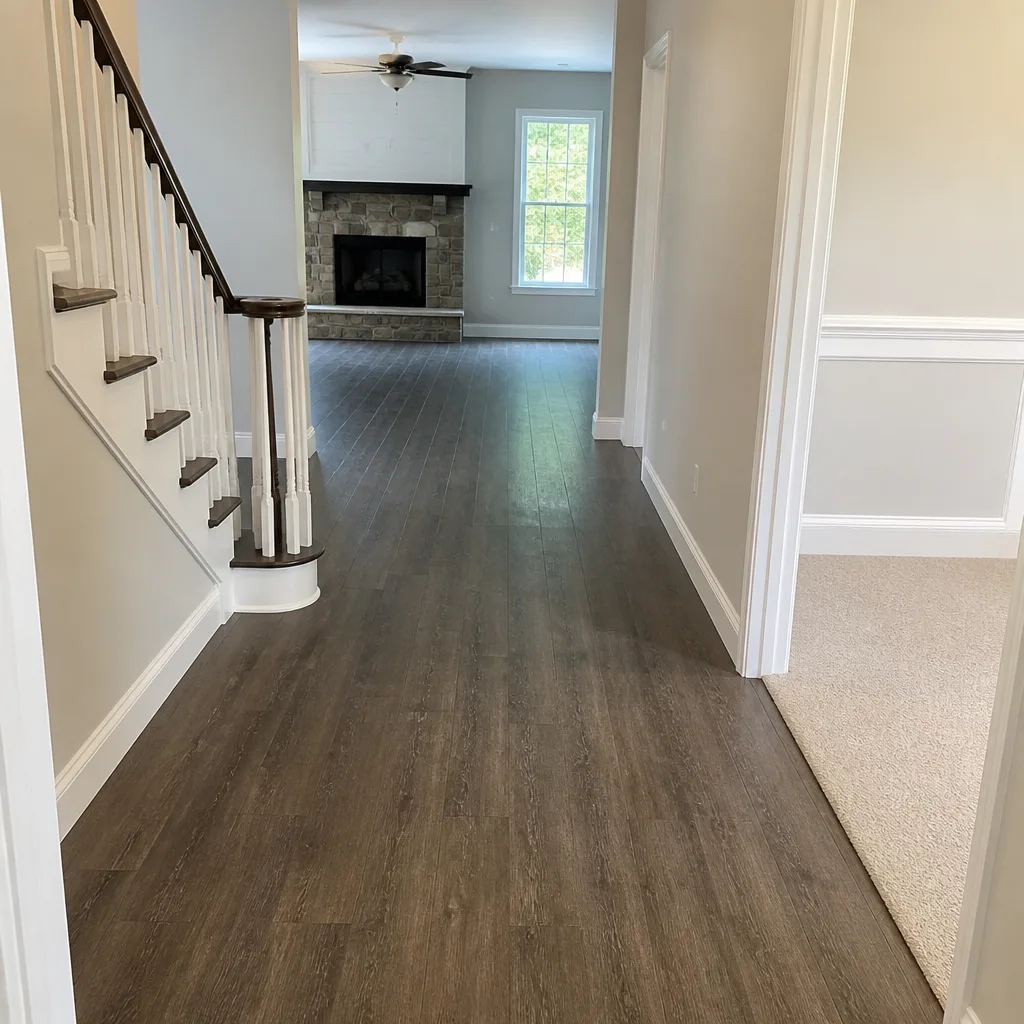
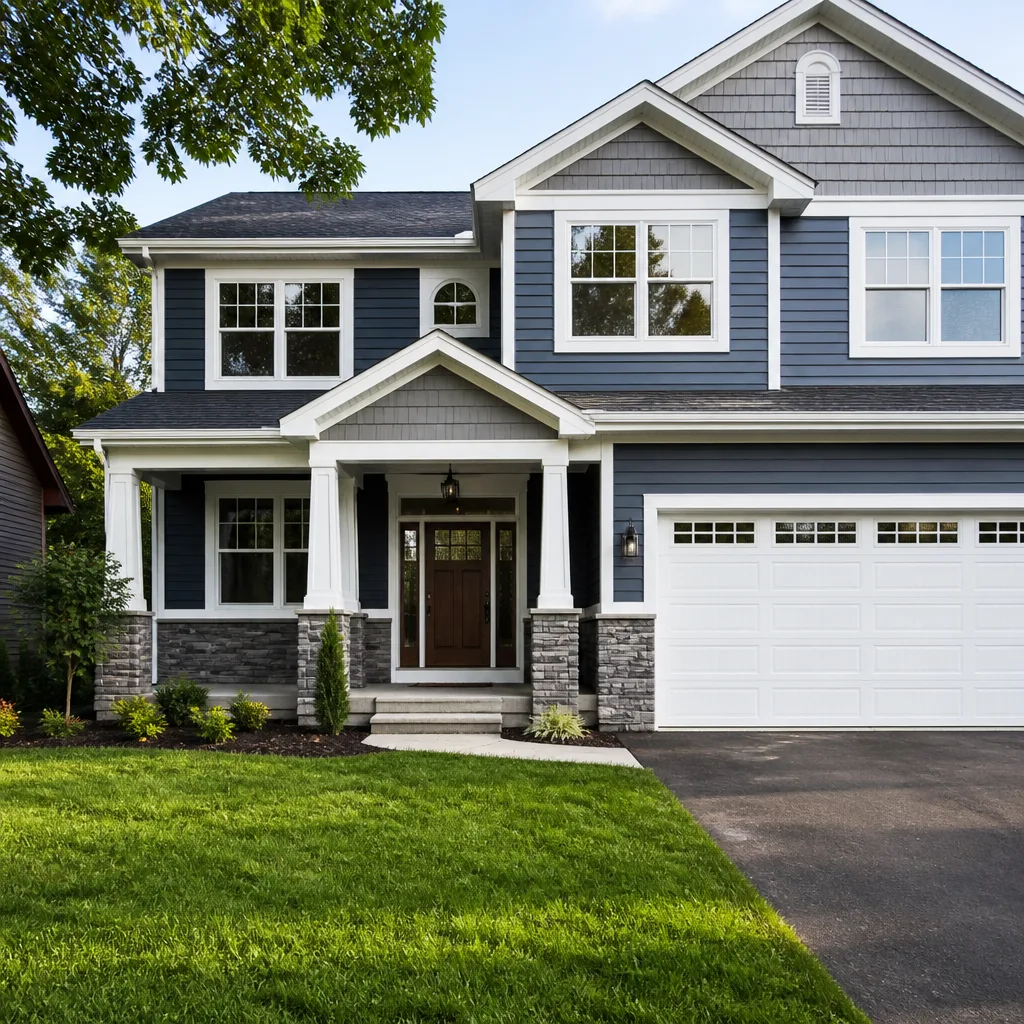
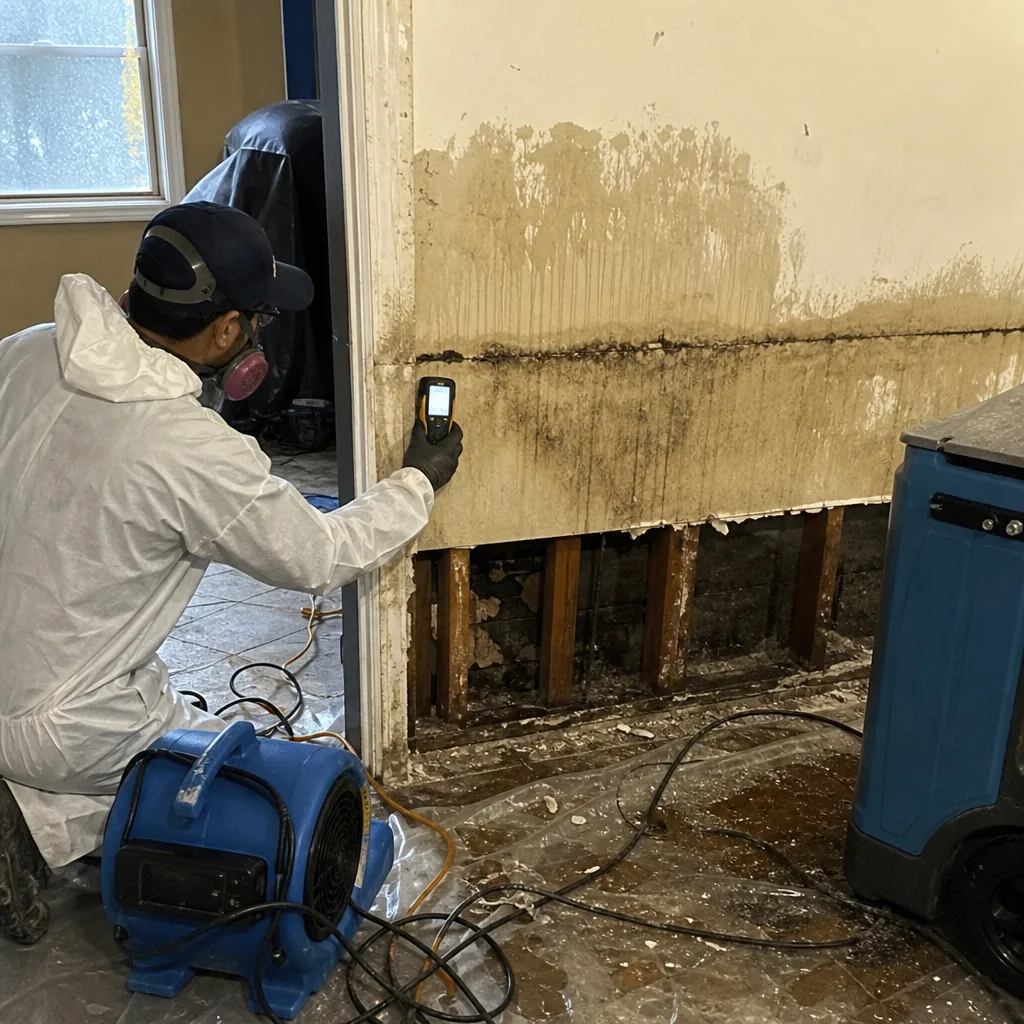 Before
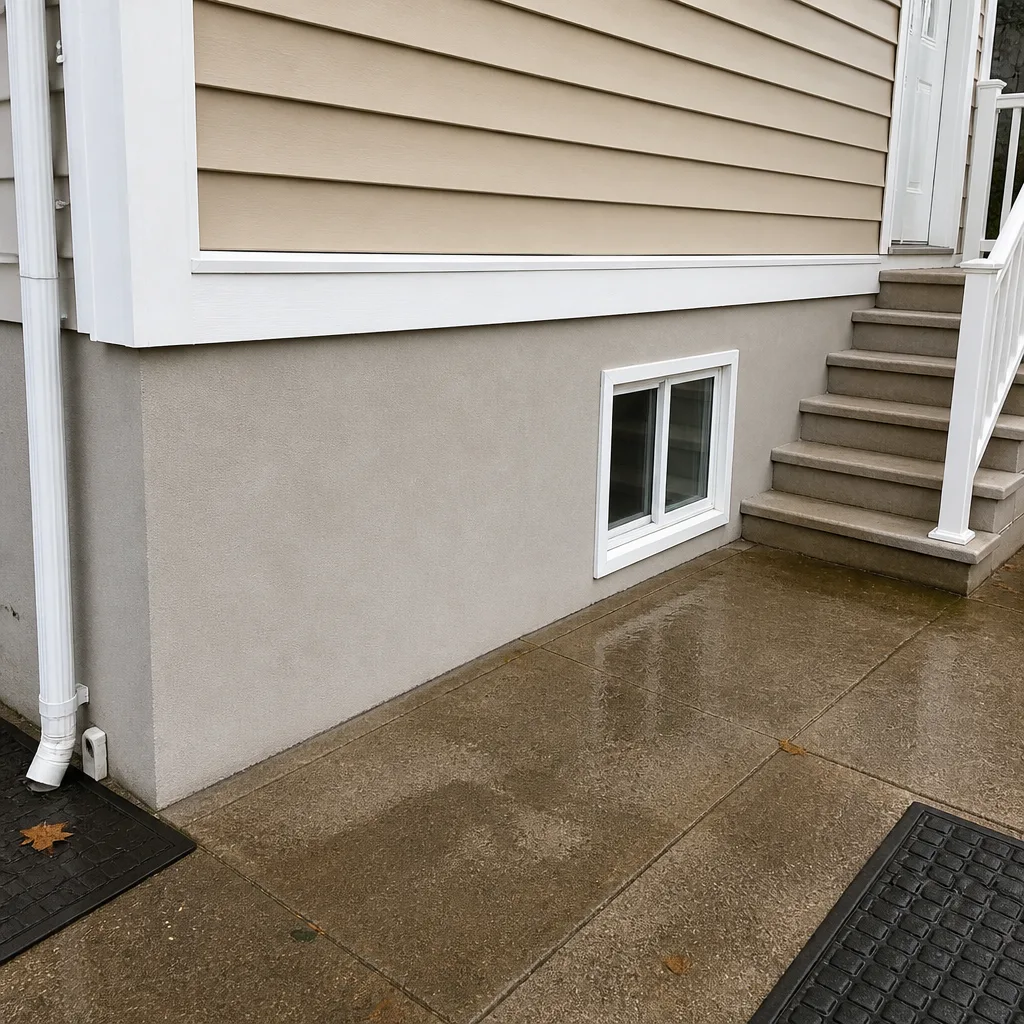 After
After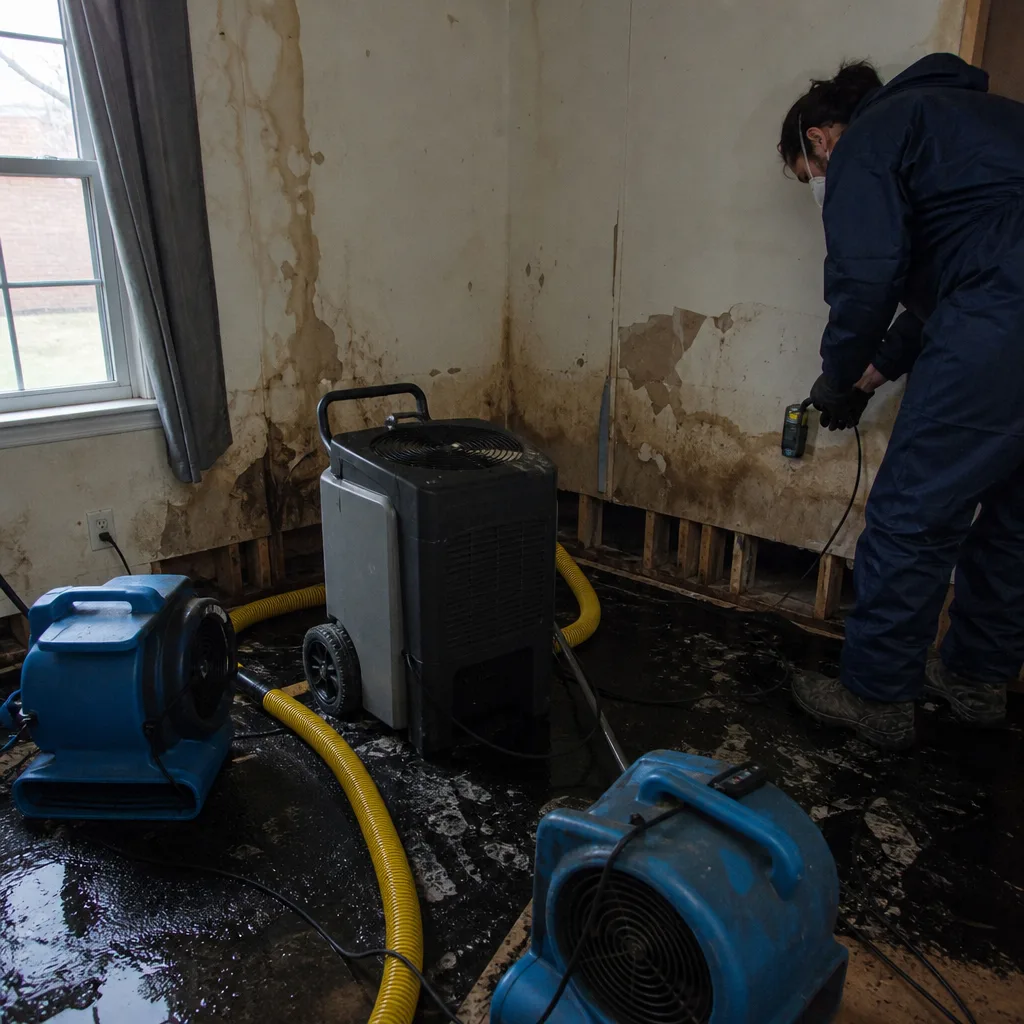 Before
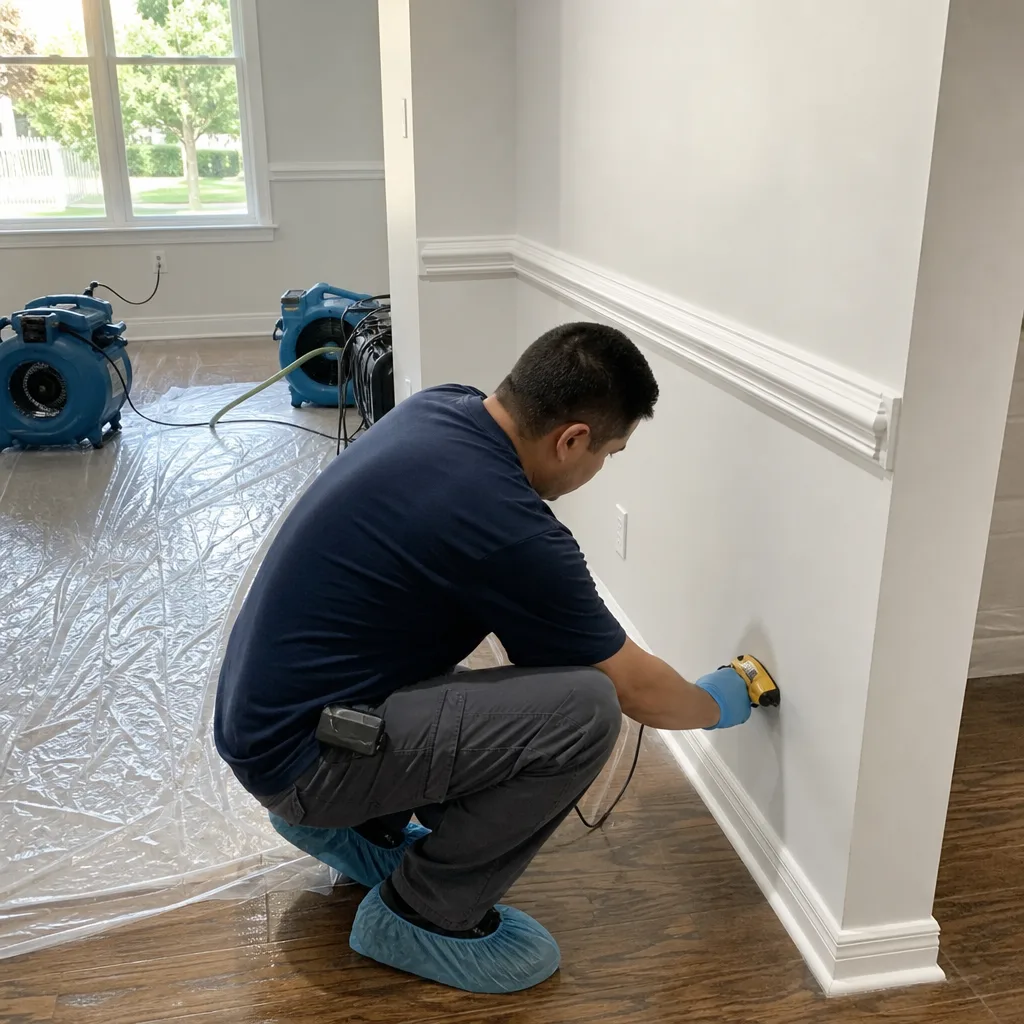 After
After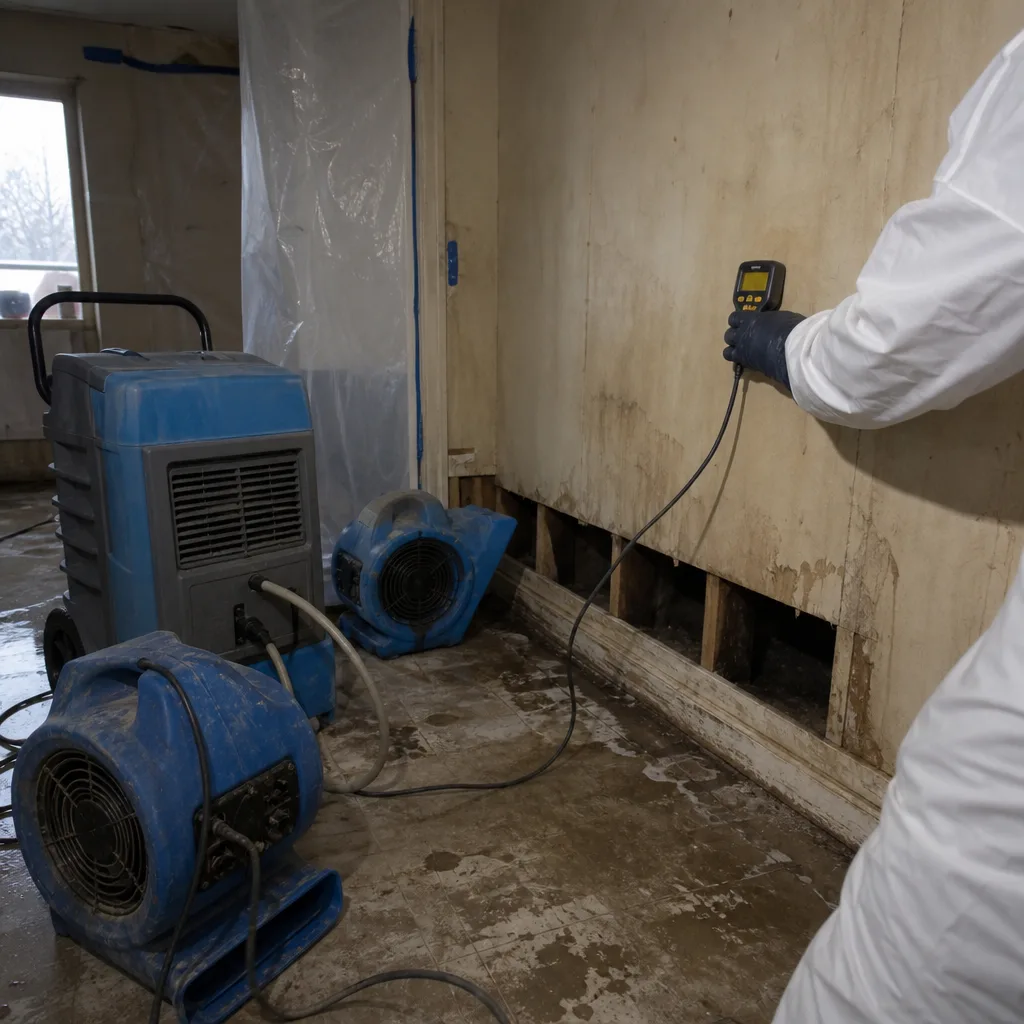 Before
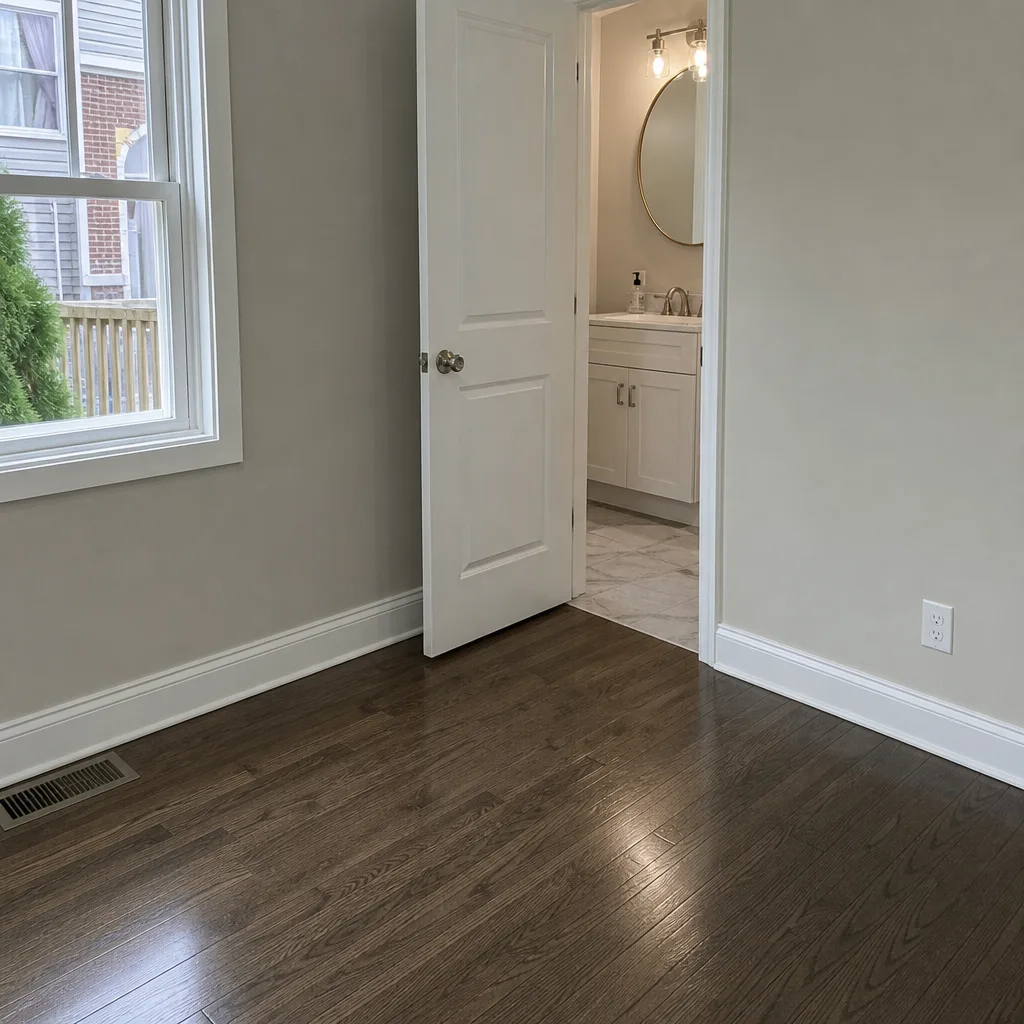 After
After24/7 Emergency Fire & Smoke Damage Restoration in Washington Square
A kitchen fire on Washington Square North, a mattress smolder in a pre-war apartment, an electrical short behind an 1820s lath wall. Fire and smoke damage in Washington Square moves fast, and so do we. Our crews are dispatched inside the Washington Square area around the clock, with live phone answer 24 hours a day. Call (551) 348-8481 and a real person picks up, not a recording. Within 45 minutes a background-checked, IICRC-certified technician is on site for a free visual inspection, because the first hour determines whether smoke odor sets permanently into horsehair plaster and wide-plank floors or gets contained. We start extraction and stabilization the same visit. One crew, one scope of work, one name to hold accountable from first response to finished rebuild.
Understanding Fire & Smoke Damage Restoration Severity in Washington Square Properties
Fire and smoke damage comes in distinct categories, and Washington Square’s housing stock makes every category worse for the unprepared. Soot residue isn’t one thing. Dry soot from fast-burning paper and wood settles as fine black dust that works into every crack in 200-year-old plaster. Wet soot from smoldering synthetics leaves a sticky, acidic film that etches marble fireplace surrounds and brass hardware within days. Protein smoke from kitchen fires is nearly invisible but penetrates paint, shellac, and horsehair in hours, leaving an odor that returns every humid June until the source is treated. Then there’s smoke migration: it travels through the wall cavities, floor joist bays, and chimney flues of Federal rowhouses in ways modern construction would have blocked. Washington Square’s brick party walls, shared between landmarked rowhouses, carry smoke laterally into neighboring properties. You can’t clean what you haven’t mapped, which is why our first step is always the same. Identify the soot type, track the smoke path, document the original fabric before any equipment moves.
Why Washington Square Property Owners Choose Floodline Restoration Co.
- 45-minute response commitment - a certified crew reaches Washington Square addresses fast, because smoke that sits for a weekend is smoke that never fully leaves original plaster.
- 24/7 live answer - a live dispatcher picks up at 2 a.m. on a holiday weekend. Not a phone tree. Not a callback. We answer.
- IICRC-certified crews, FSRT and OCT trained - our techs certify in Fire & Smoke Restoration and Odor Control, so the same person running the air scrubber is the one documenting that the dry standard was met.
- Free visual inspection - before anyone touches a wall, we walk the property and explain the exact scope, with photographs of everything we find.
- Direct insurance billing - we bill your carrier directly and speak with the adjuster ourselves, so you never play messenger.
- One team from extraction to reconstruction - no handing your rowhouse off to a different crew mid-job. The certified tech on day one is on the rebuild crew at the end.
Our Fire & Smoke Damage Restoration Process
Inspection & Assessment
We arrive within 45 minutes, photograph every affected wall section, and identify soot type, smoke path, and structural condition. In Washington Square’s landmark district, this documentation becomes the LPC file for every repair decision that follows.
Extraction & Stabilization
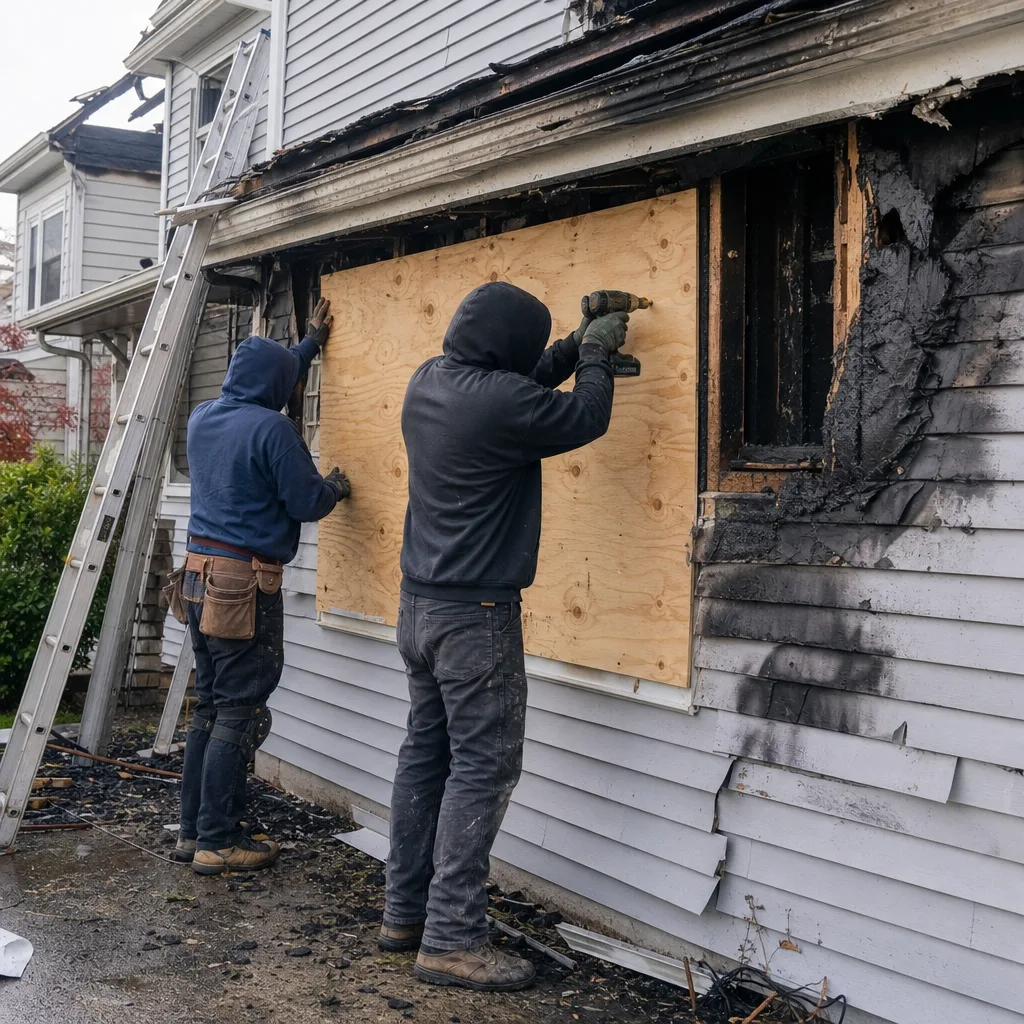
We remove standing water from fire suppression, board up damaged windows and doors, and tarp roof breaches. Stabilization happens before anything dries, so no further damage spreads through the rowhouse overnight.
Drying & Dehumidification
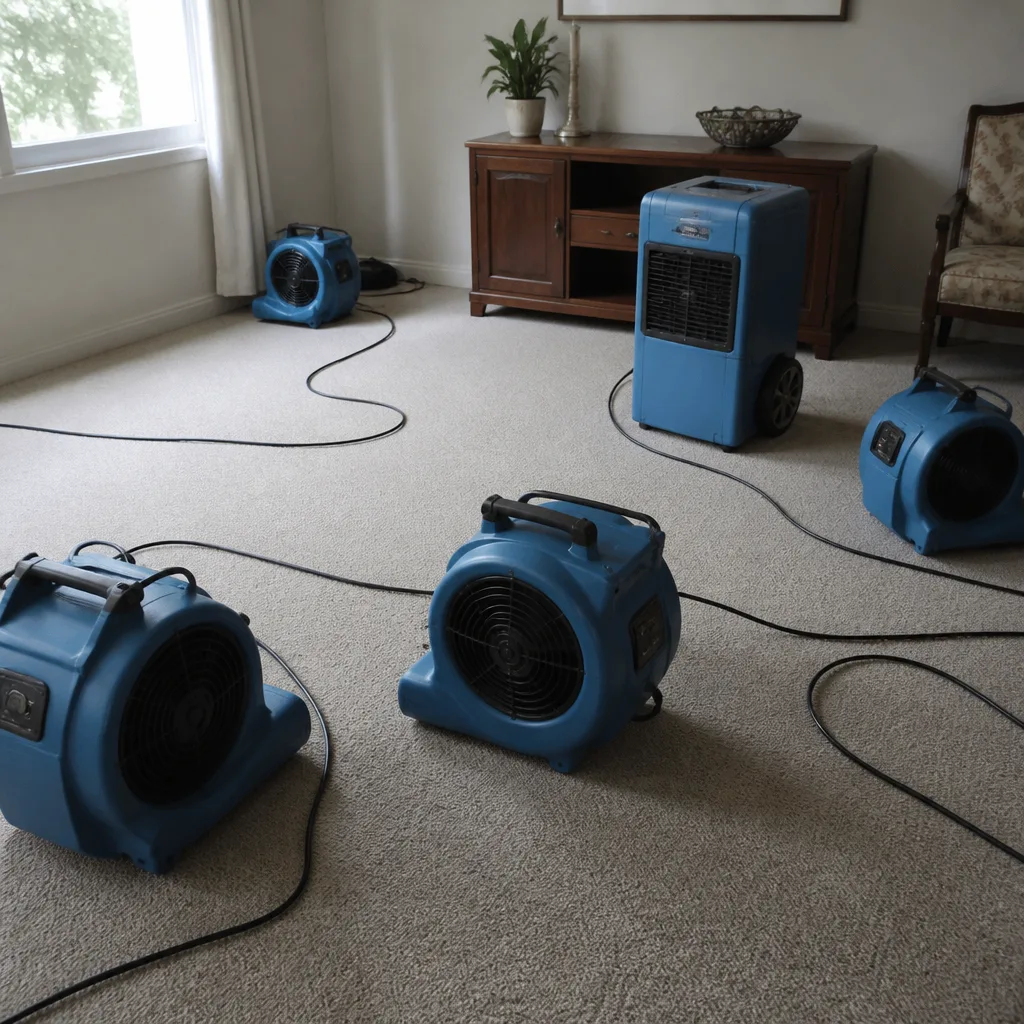
Dri-Eaz air movers and Phoenix dehumidifiers are set on a moisture map, not scattered at random. For 200-year-old horsehair plaster, we dry at a controlled rate that prevents cracking and delamination the LPC would flag.
Cleaning & Sanitization
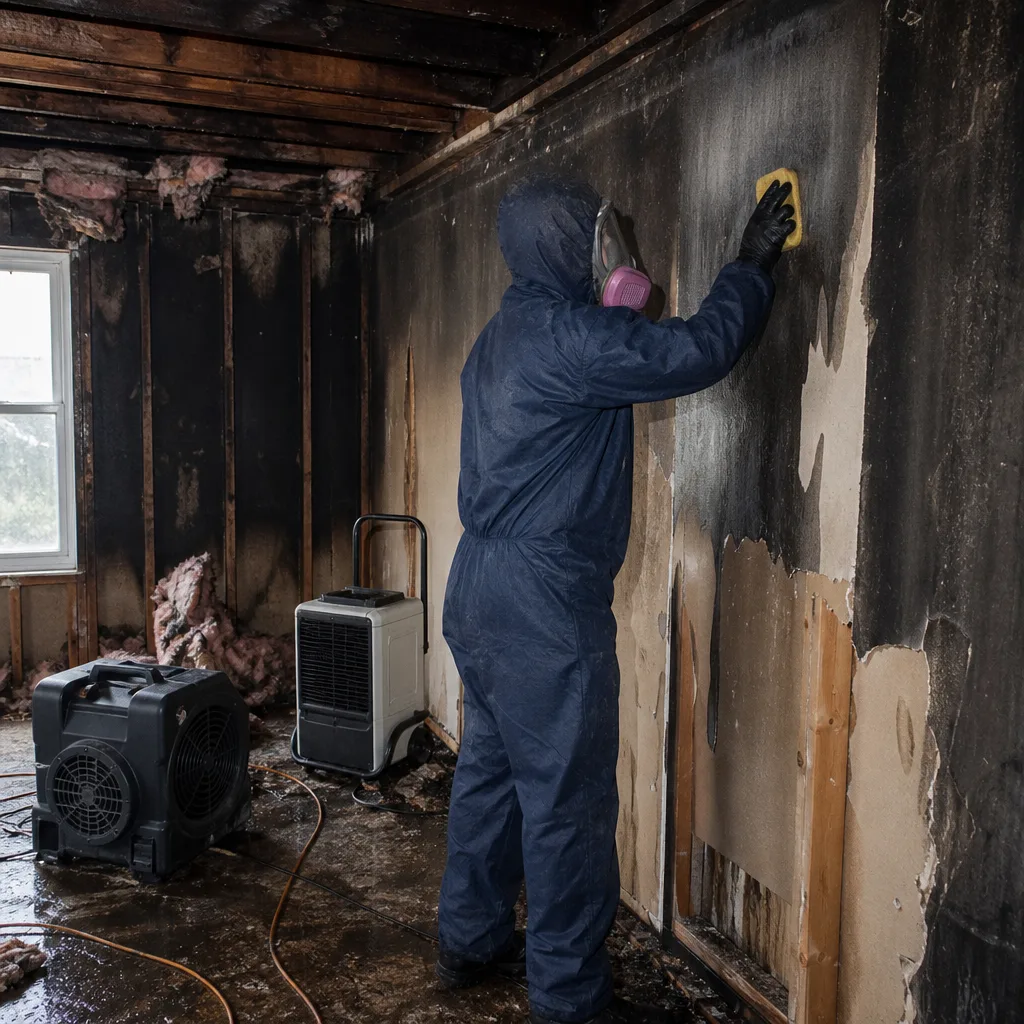
HEPA air scrubbers run continuously, walls are dry-sponged rather than saturated, and every surface is treated for the specific soot type. We don’t use modern chemicals on period surfaces without testing for compatibility first.
Odor Removal & Deodorization
Thermal fogging, hydroxyl generators, and injection into wall cavities reach smoke molecules deep inside original plaster and structural framing. For wide-plank floors and period furnishings, we use low-moisture methods that preserve the wood.
Repairs & Restoration
Full reconstruction with LPC-appropriate materials: horsehair plaster patches, lime-based finishes, period molding profiles. The same crew that read the moisture map on day one rebuilds what needs rebuilding, and hands you a written scope.
Need Emergency Fire & Smoke Damage Restoration in Washington Square Now?
Crews minutes away, answering live 24 hours a day. The sooner we start, the less it costs.
Working With Your Insurance Company
A fire in a landmarked Washington Square rowhouse involves more than your carrier. It involves the NYC Landmarks Preservation Commission, your building’s co-op or condo board if you’re in a pre-war apartment, and sometimes a neighbor whose shared party wall took smoke damage. We handle the carrier side directly. From the first hour, we document every room with photographs, moisture readings, and a written note on any item that requires period-appropriate replacement rather than standard modern repair. Our line-item scope uses industry-standard pricing software, so the estimate speaks the same language as the adjuster. We speak with the adjuster ourselves, answer their questions, and submit directly to your carrier. You get a copy of everything.
What We Provide Your Insurer
- Thorough documentation of the loss
- Photos of all damage, room by room
- Moisture readings and drying logs
- A detailed, line-item scope of work
- Direct coordination with your carrier
Built for Washington Square’s Loss Calendar
Washington Square gets fire and smoke losses differently through the year, and 42 years of New York restoration taught us what to expect. January and February bring electrical fires from age-old heating systems in Federal-era rowhouses and space heaters overloading pre-war wiring. The brick walls hold cold, pipes freeze, and every fix someone tried for two generations fails at once. Spring thaw means basement seepage up through the old bluestone foundations, and with it, smoke damage losses tied to malfunctioning sump pumps and dehumidifiers. Summer thunderstorm season pushes sewer backups into cellars beneath the 19th-century street grid, water meeting electrical systems and causing secondary fire risks. August brownouts overload the aging circuits in some Washington Square buildings. October through December are the candle season, holiday lights on old wiring, kitchen fires in townhouse galley kitchens. Every season in the Village has its own way of starting fires in very old buildings.
Fire & Smoke Damage Restoration Across Washington Square’s Neighborhoods
Washington Square isn’t monolith, even inside the Greenwich Village Historic District. Washington Square North, anchored by the famous Row of 1830s Greek Revival houses, means full LPC coordination for any visible repair, horsehair plaster and period moldings everywhere, and zero tolerance for modern materials on street-facing elements. The block of Washington Square South, largely NYU-adjacent pre-war apartment buildings and library-adjacent institutional structures, requires navigating building management plus LPC review on exterior elements. The blocks where Sullivan and MacDougal run south toward Bleecker and Minetta are thick with 1840s and 1850s rowhouses converted to multi-unit apartments, where smoke travels through shared stairwells and joist spaces across three or four units at once. The tree-lined side streets where Waverly Place and Washington Place run east and west carry smaller mid-19th-century rowhouses with rear extensions added over a century ago. Every single response route has a different building type, a different board, and a different set of losses.
Specialized Fire & Smoke Damage Restoration Services We Offer in Washington Square
Fire Damage Cleanup
We remove charred building material, clean structural framing, and stabilize the site. In an 1830s rowhouse, that means preserving what’s sound and documenting everything, because demolition without a pre-loss record invites a stop-work order from the LPC.
Smoke & Soot Removal
Soot removal on original plaster is not wallpaper-scrubbing. We use dry sponge methods first, chemical sponges on some surfaces, and controlled vacuuming with HEPA filtration. The goal is cleaning, not erasing two centuries of surface character. We know the difference, and so does the Commission.
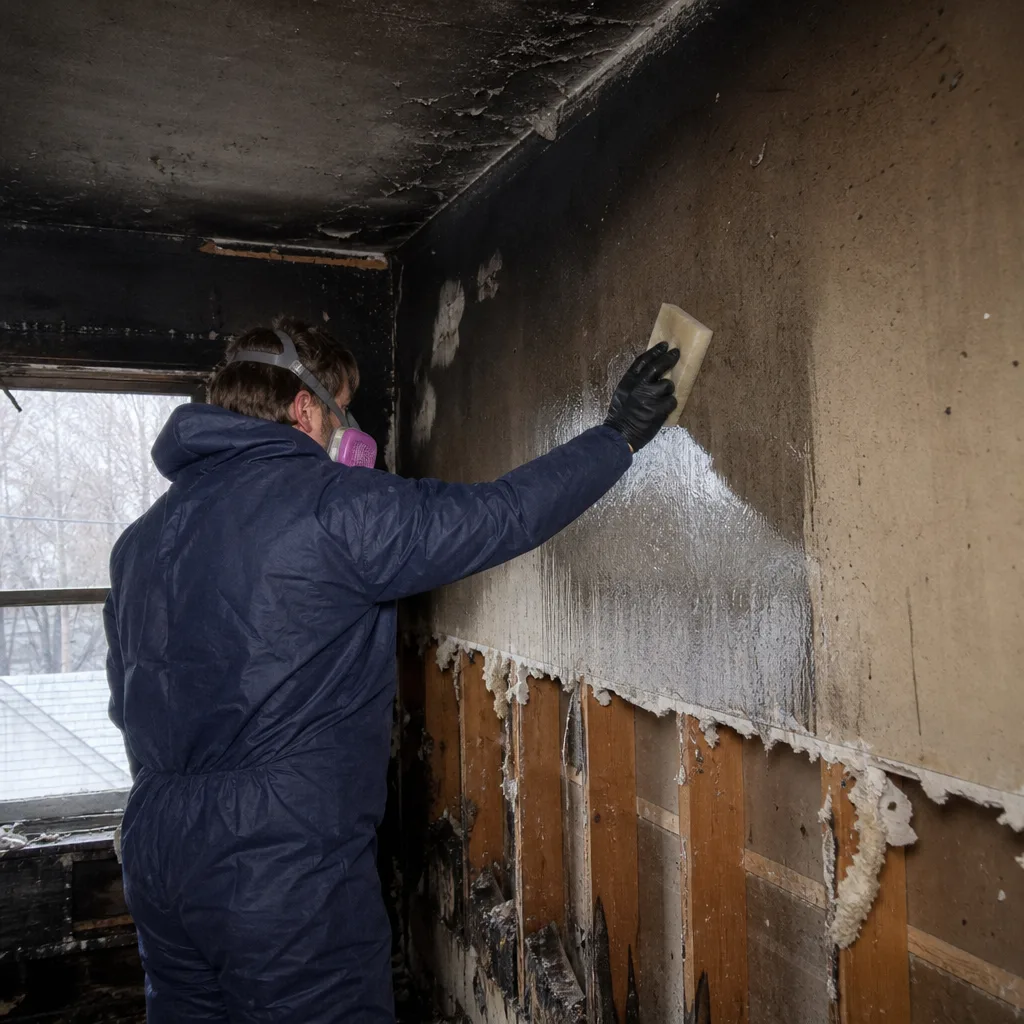
Odor Removal & Deodorization
Smoke odor in Washington Square’s old buildings lives in places you cannot see: behind wainscoting, inside hollow lath bays, under six-inch baseboards. We use hydroxyl generators and thermal fogging after sealing the structure, not as a substitute for it. If the char is still there, the odor is still there. We remove the char first, then treat the air and surfaces.
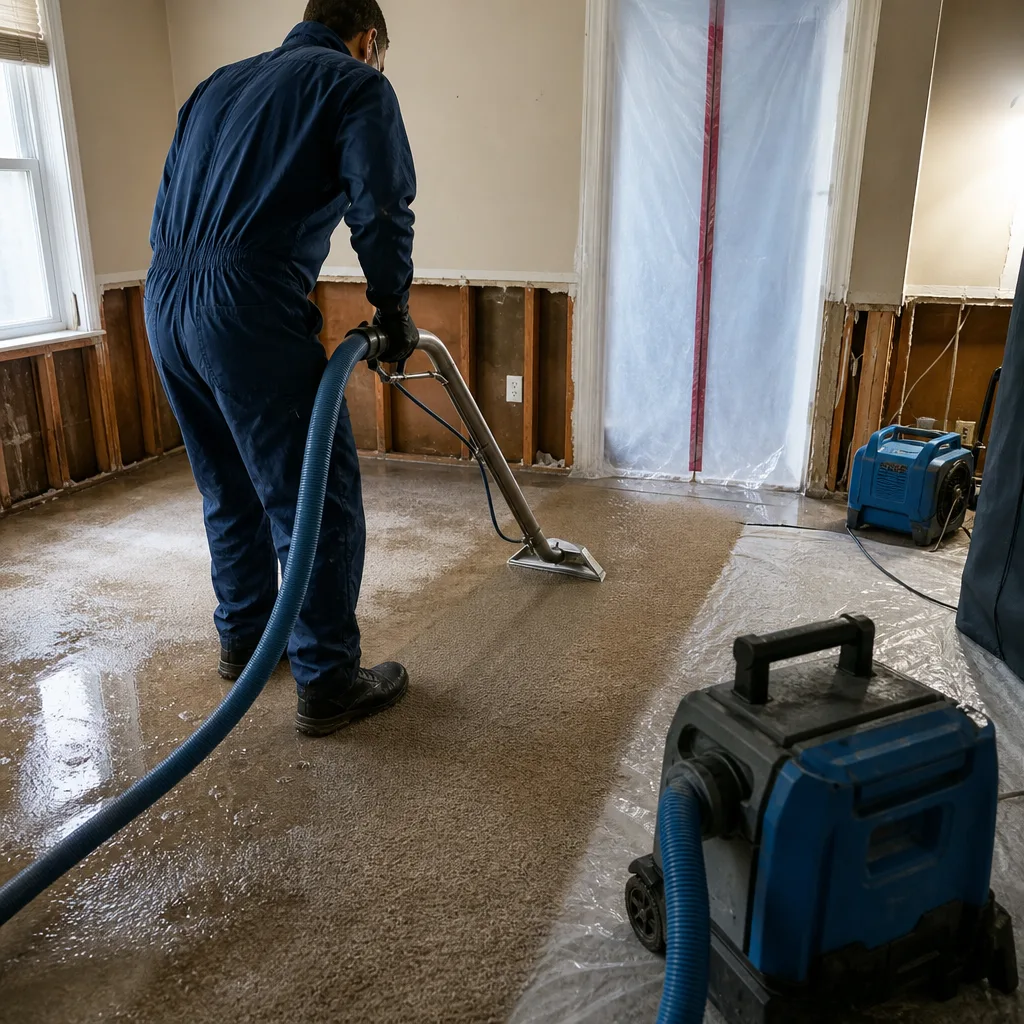
Contents Cleaning & Pack-Out
Your furniture, rugs, books, and personal items go to our contents cleaning facility for specialized treatment and storage while the structure is restored. For smoke-damaged period furnishings, this is where the difference shows. We’ve returned 1840s sideboards and family oil paintings to Washington Square homes looking the way they did before the fire.
Emergency Board-Up & Tarping
After a fire, the building sits open, and the Village neighborhood sits close. We board and tarp within hours, using methods that don’t damage brick lintels or period window surrounds. Security for the home and the block, done with preservation in mind.
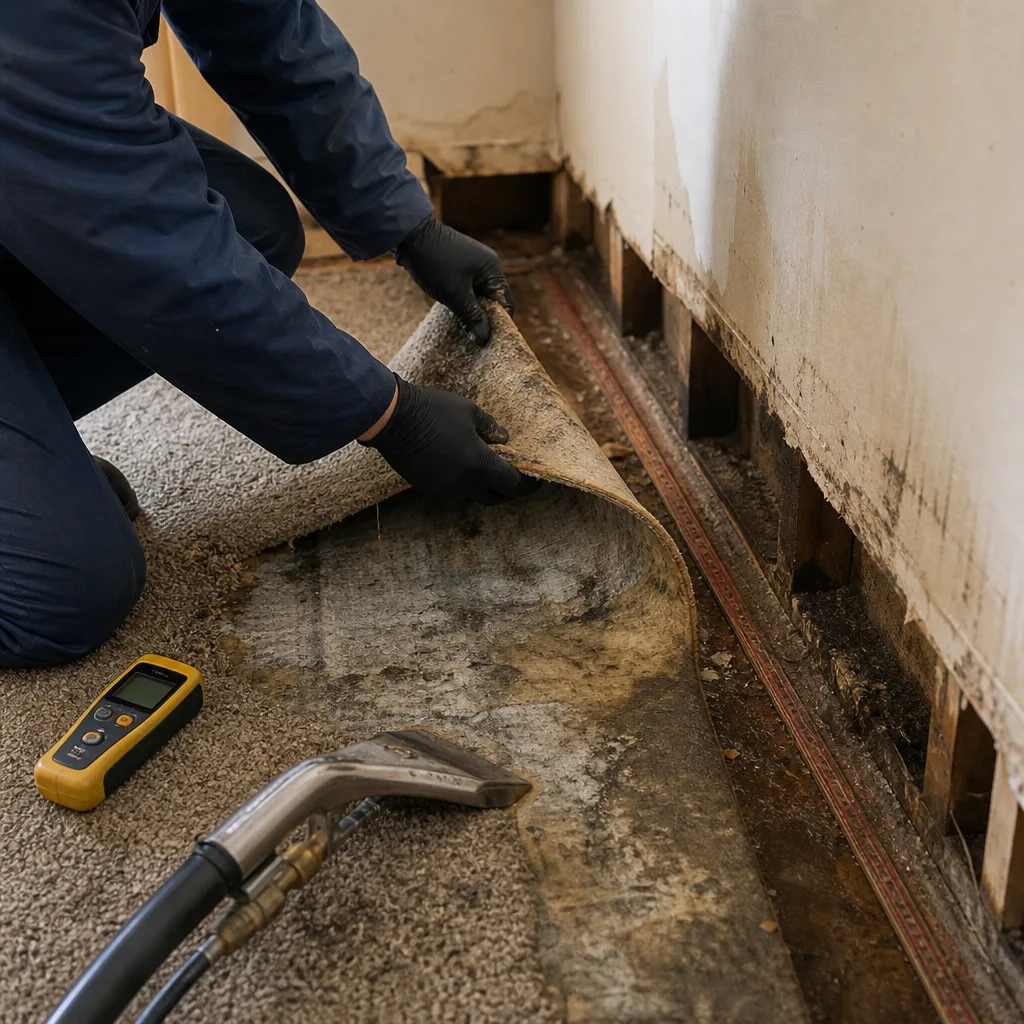
Structural Fire Repair
Charred joists, burned framing, compromised lath. We rebuild with period-appropriate materials and methods, coordinated with the LPC from the first structural assessment. If the fire was in a shared wall, we coordinate with the adjacent property owner too. The same crew that did the demolition does the rebuild.
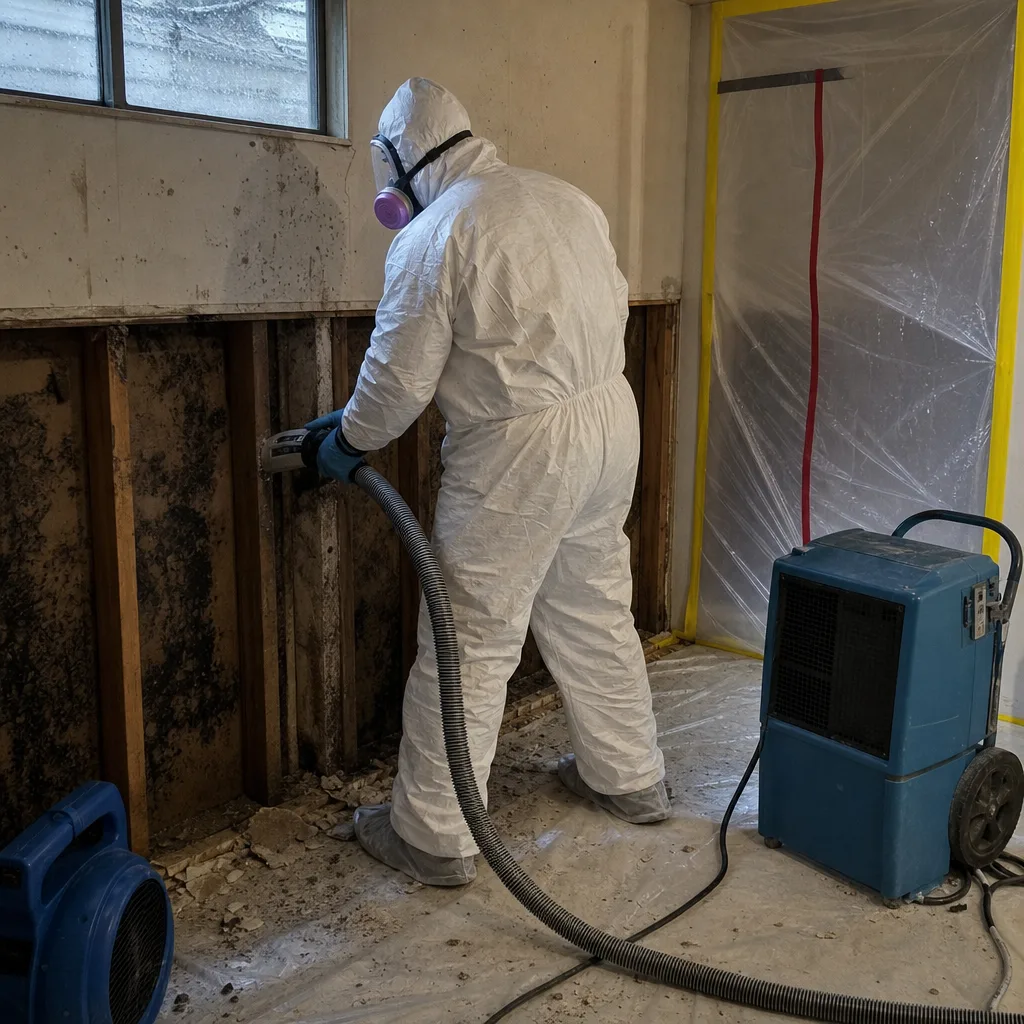
What happens when you call
- 1
A real person answersNo phone trees - you reach a local pro.
- 2
You get an upfront price rangeHonest numbers before anyone is dispatched.
- 3
A background-checked tech heads outLicensed & insured, dispatched right away.
- 4
You approve before work beginsNothing starts until you say go.
Fire & Smoke Damage Restoration Costs in Washington Square, NY
Straight numbers, because a square deal means you know the range before we start. Emergency board-up and tarping in Washington Square runs $450 to $900 depending on openings and access. Basic smoke and soot cleaning in a single-room kitchen fire typically runs $1,800 to $4,200. A full odor removal and deodorization treatment for a rowhouse apartment with contents pack-out runs $5,500 to $12,000. Complete fire restoration including structural repair, period plasterwork, and rebuild on a landmarked Washington Square property commonly runs $25,000 to $85,000 with LPC compliance work included. What moves the price: the size of the fire area, the soot type, whether we’re dealing with horsehair plaster or standard drywall, and how far smoke migrated through the building. Most homeowner policies cover fire and smoke damage restoration, and we bill your carrier directly. The free visual inspection gets you a firm written scope, not an estimate that drifts after the demo starts. Call (551) 348-8481 and we’ll walk the property and hand you numbers.
We Also Serve Cities Near Washington Square
Floodline Restoration Co. provides Fire & Smoke Damage Restoration throughout the surrounding Manhattan neighborhoods. We respond to fire and smoke losses in Midtown West, Midtown Manhattan, Murray Hill, and the Upper West Side with the same live 24/7 dispatch, IICRC-certified crews, and 90-Day Done Right Promise. Wherever the fire, one crew, one scope, one written guarantee.
Serving Washington Square, NY - Our Local Coverage Area
We’re based in the Washington Square area and know this community well. Use the map below to see our service coverage - if you’re nearby, we can almost certainly help.
Washington Square Fire & Smoke Damage Restoration Questions, Answered
Do I need LPC approval before smoke and soot removal on Washington Square North?
For interior smoke and soot removal with no structural alteration, LPC approval is generally not required. So, consistent with LPC guidance, the moment any visible exterior repair or interior alteration to protected fabric is involved, we coordinate with the Landmarks Preservation Commission before work begins, and document every step. For Washington Square North rowhouses inside the Greenwich Village Historic District, that documentation is non-negotiable.
Can you dry a 1820s rowhouse interior without damaging the original horsehair plaster?
Yes, by controlling the drying rate. Plaster that’s two centuries old contains horsehair fiber and lime that cracks if dried too quickly. Our techs set Dri-Eaz air movers and Phoenix dehumidifiers on a moisture map and pull moisture at a controlled, monitored rate. Daily readings until the dry standard is met, and the log goes to you and your carrier.
What happens to smoke-damaged original wide-plank floors in a pre-war Washington Square apartment?
We assess first, then clean with low-moisture methods designed for old wood. If the smoke damage is surface-level, dry sponge and HEPA vacuuming often restore the floor. If the smoke penetrated deep into the wood, we may need to sand and refinish with period-appropriate finishes. Replacement is a last resort, and we’d document the original boards thoroughly before any work.
How do you handle sewer backup smoke odor in a basement that has old cast-iron lines?
Treat the source first. Sewer backup smoke odor is not a paint-over job. We identify the exact path of the sewer gas, seal the compromised section of cast-iron line or replace it with period-appropriate material, then treat the surrounding air and surfaces. The odor doesn’t return when the source is gone. Call (551) 348-8481 for an inspection.
Will restoration to pre-loss condition need historically correct materials that a standard supplier doesn’t carry?
Yes, in most landmarked Washington Square buildings. Period moldings, horsehair plaster, lime-based finishes, and specific brick profiles are not stock items at a big-box store. We order through restoration suppliers who carry period-appropriate materials, and our crews install them to LPC documentation standards. That’s the difference between a repair that passes and a repair that gets flagged.
How fast can you actually get to a Washington Square fire loss?
We commit to 45 minutes for Washington Square addresses. Our crews stage nearby, and live dispatch coordinates the closest certified technician, not the next name on a list. The first hour after smoke damage is when the odor sets or gets stopped. Call (551) 348-8481 now, and we’ll be on site before the adjuster calls back.
Will insurance cover the full fire and smoke restoration on a landmarked property?
Most homeowner policies cover fire and smoke restoration, including the additional cost of period-appropriate materials when the property is landmarked. We document everything from the first hour, bill your carrier directly, and speak with the adjuster ourselves. If your policy has specific language about LPC compliance, we walk through it with you before the scope is final.
What should I do in the first 30 minutes after a fire in a Washington Square building?
Call (551) 348-8481. Then, do not touch or clean anything. Do not run fans, do not open windows more than needed for air, and do not try to wipe soot from walls. Wrong cleaning sets the smoke. Keep everyone out of the affected rooms, turn off the electricity if it’s safe to do so, and wait for the certified crew. We’ll direct you from there.
Written by Curt Bowman, Owner at Floodline Restoration Co., serving Washington Square and surrounding New York City neighborhoods. Founded in 2010, built around a dispatch board, not a sales desk.