
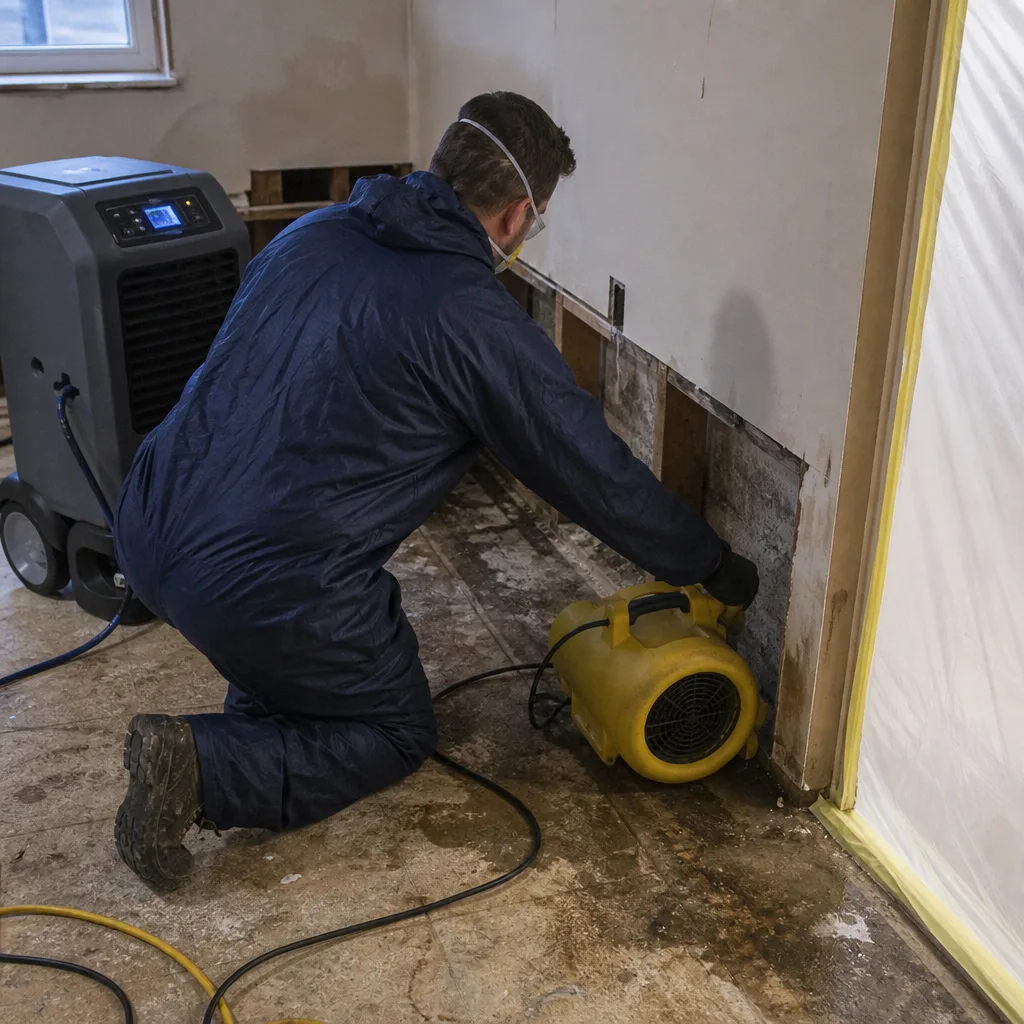
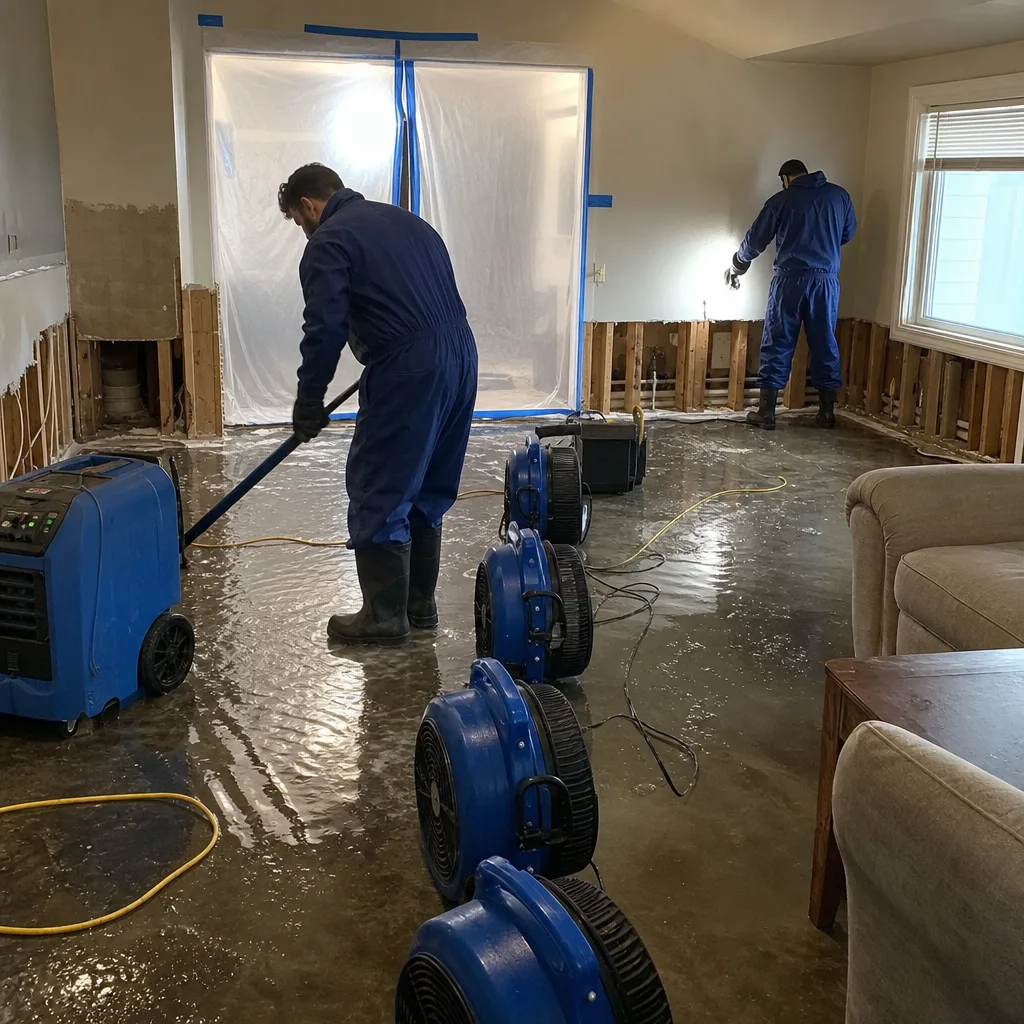
Free visual inspection and a written scope of work before any mitigation begins - photos, moisture readings, and drying logs go in your claim file
The scope we write is the scope we bill. Anything new gets shown to you, in writing, before we touch it.
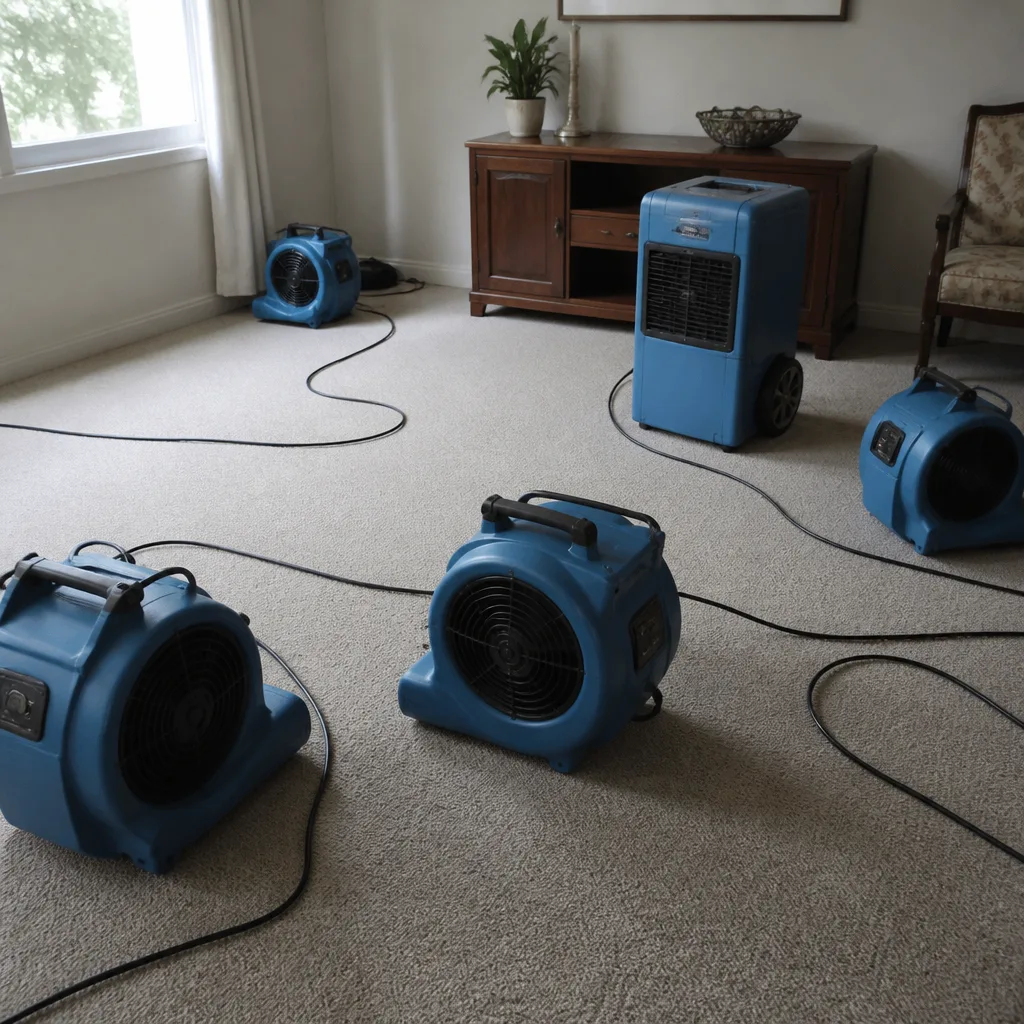
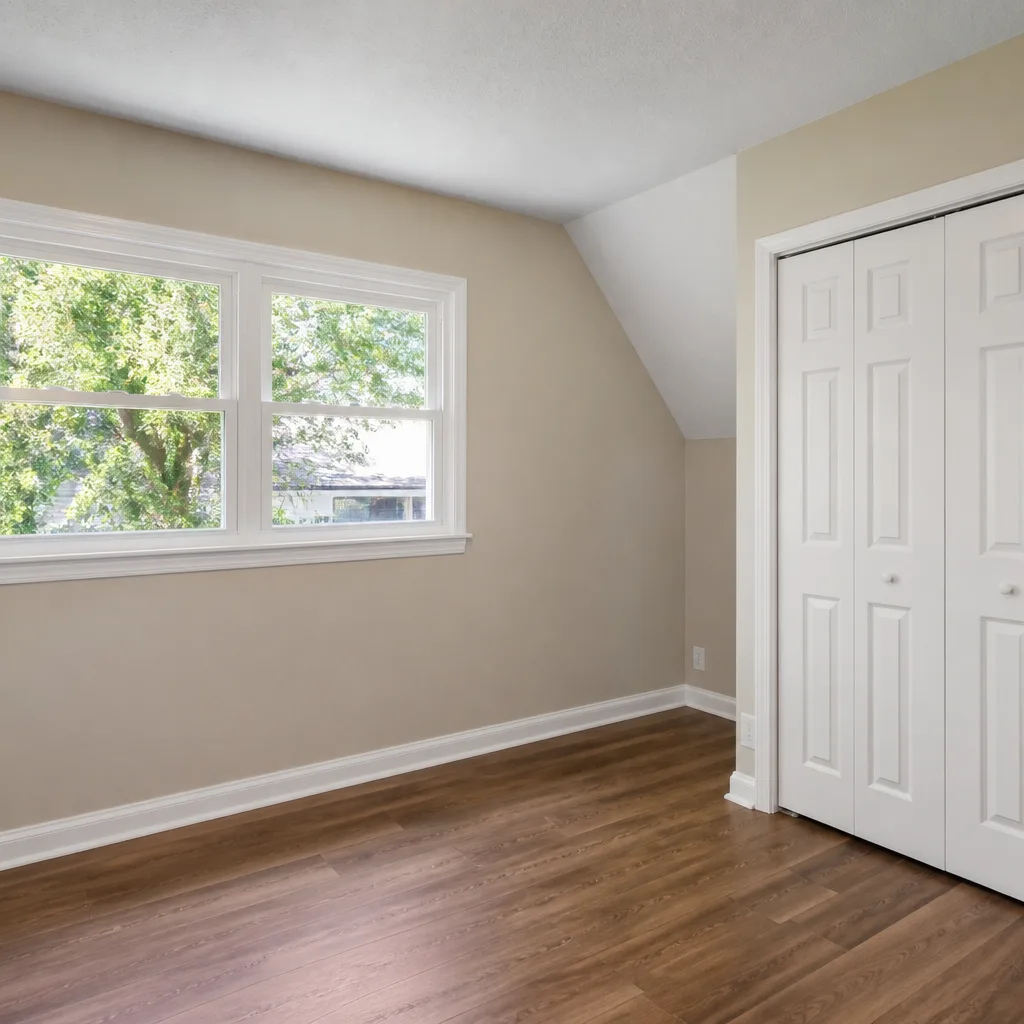
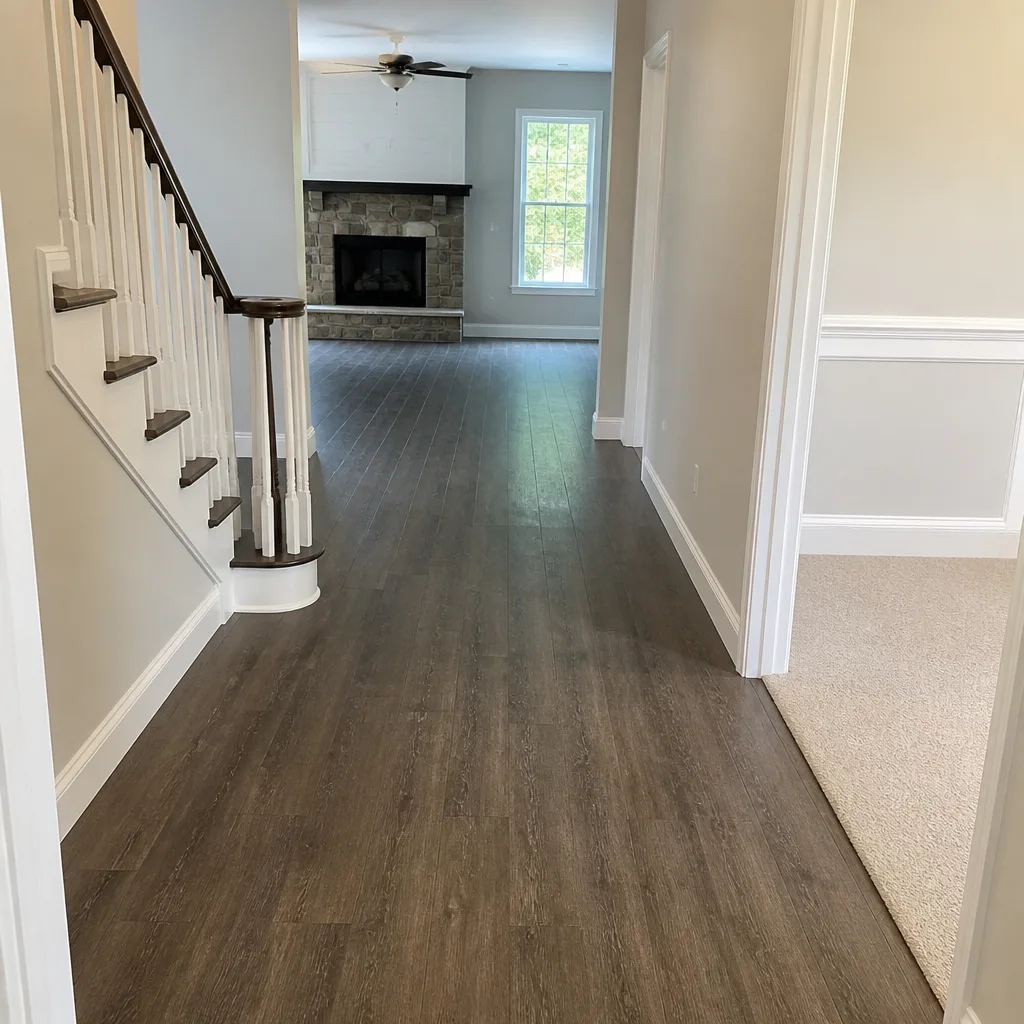
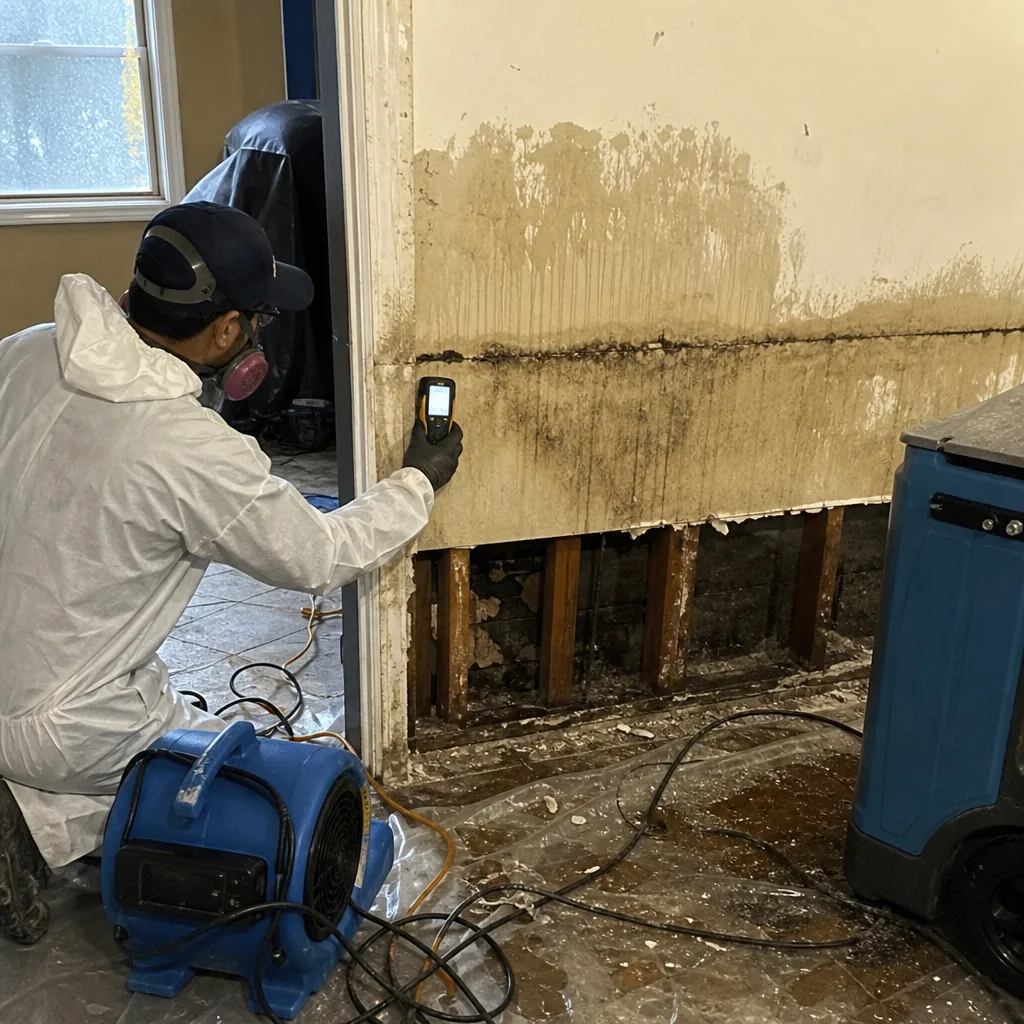 Before
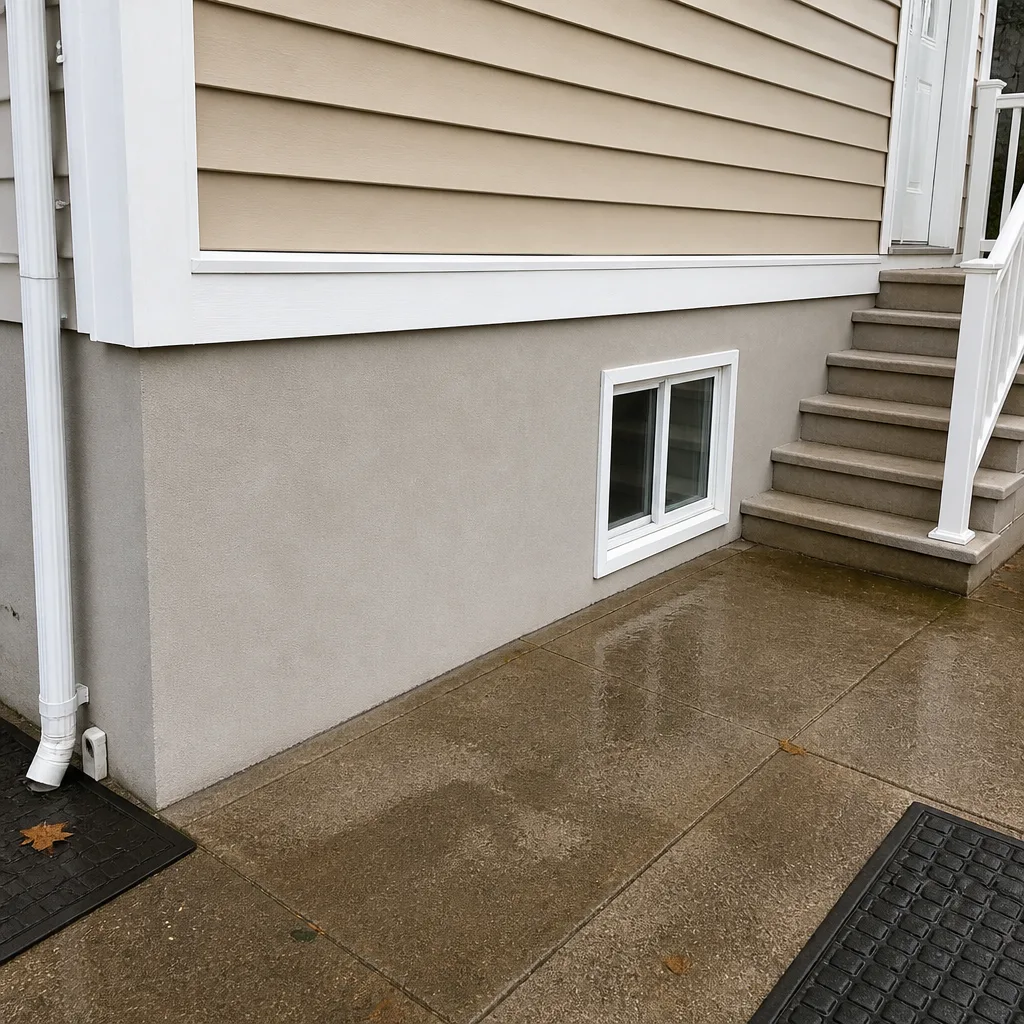 After
After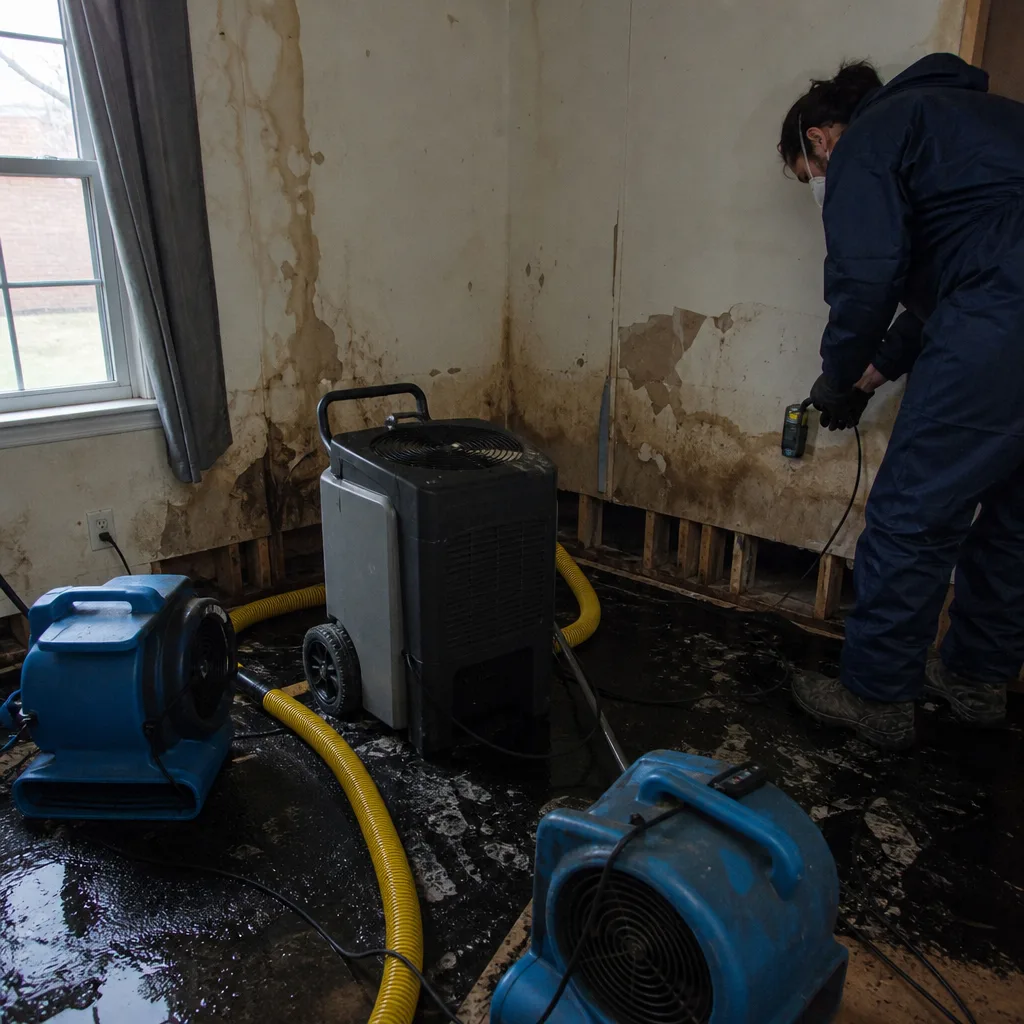 Before
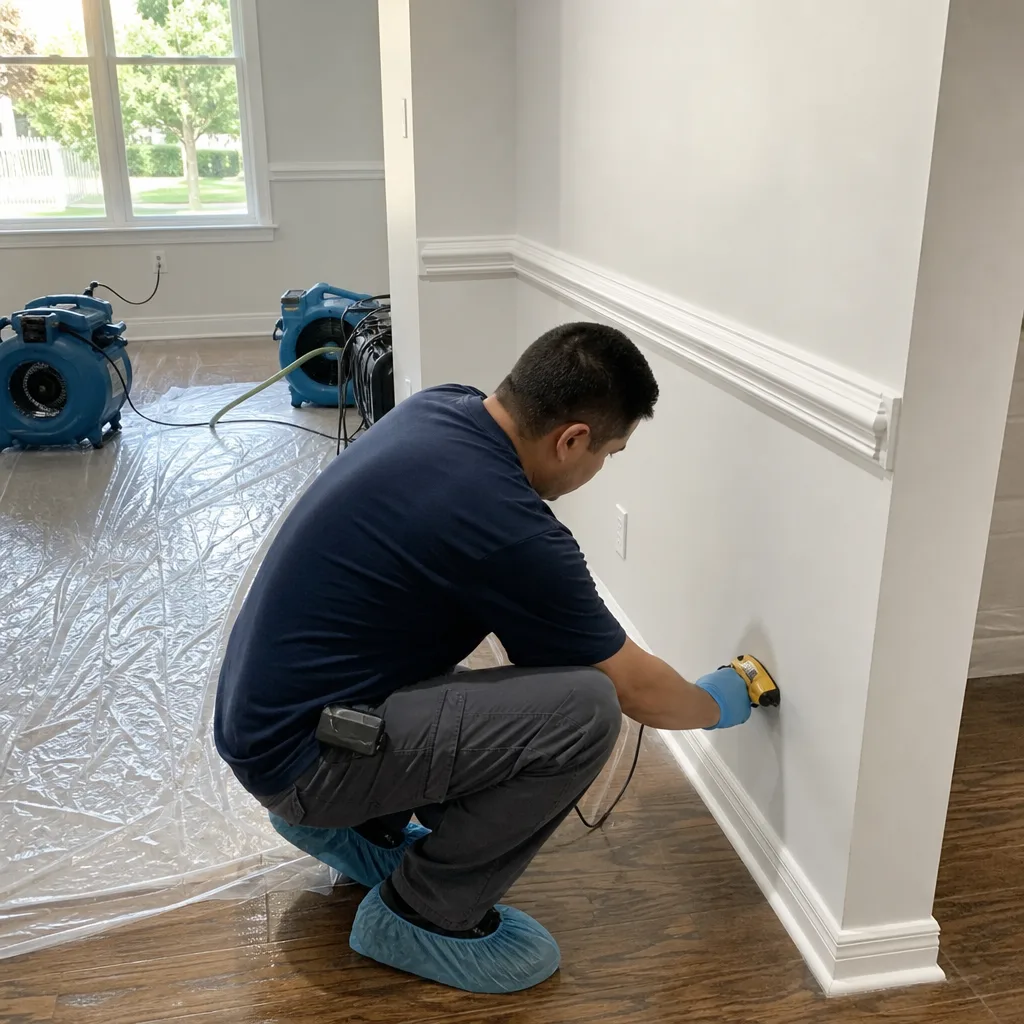 After
After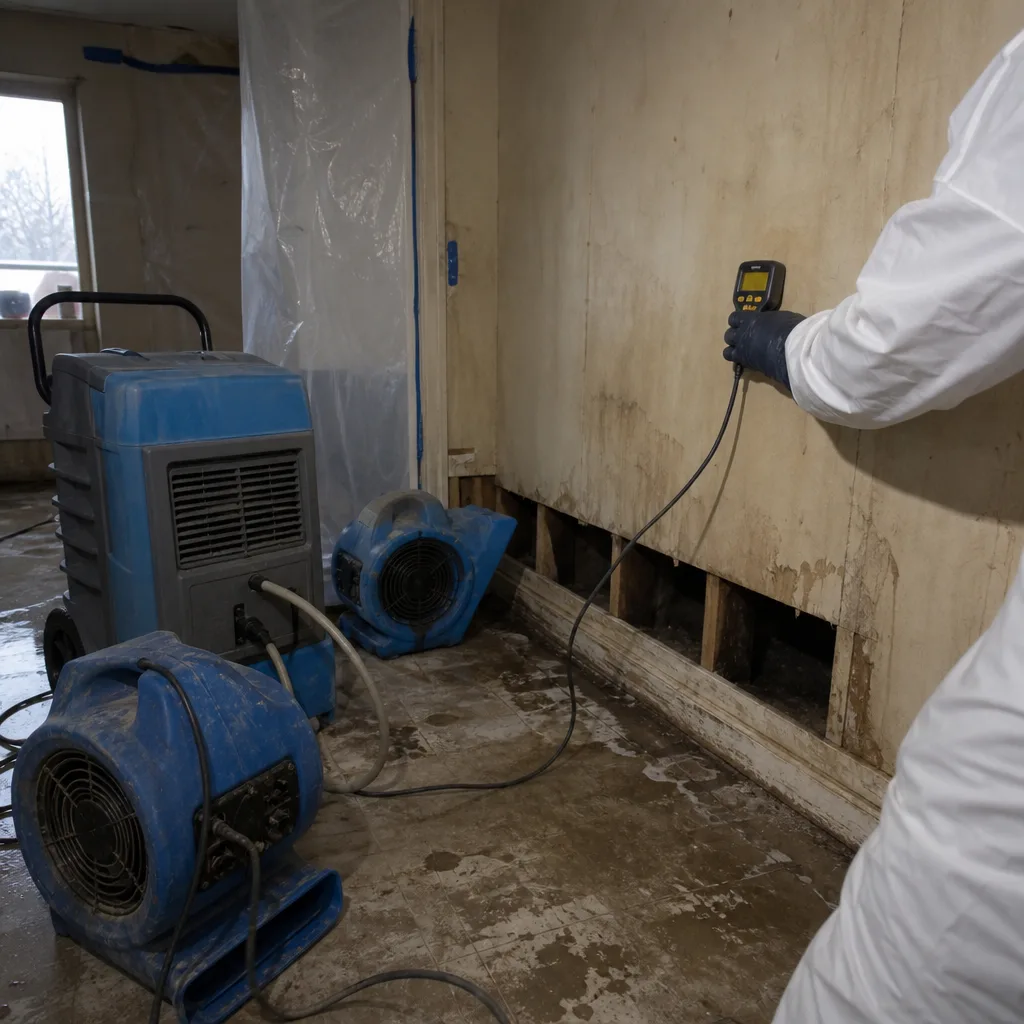 Before
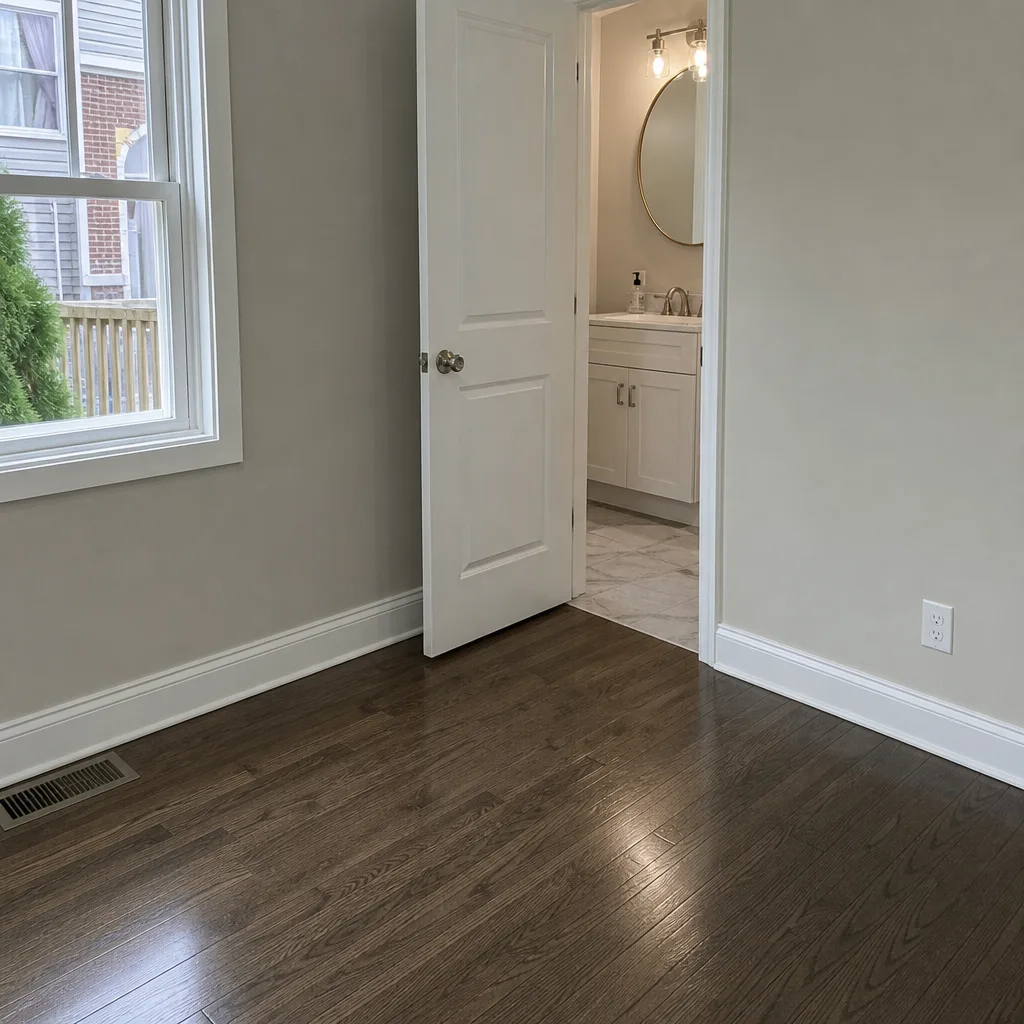 After
After24/7 Emergency Sanitization Services in Upper Manhattan
A full sanitization of a single apartment in Upper Manhattan typically runs $425-$780. A multi-floor event from a shared steam-pipe burst costs more because containment, pack-out, and phased antimicrobial treatment across several units take longer. Time matters here more than in a single-family house. In a pre-war brick tenement, moisture and bacteria move laterally through plaster-and-lathe walls into the apartment next door within hours. Call (551) 348-8481 the moment you suspect contamination. We answer live, 24 hours a day, and we dispatch crews to Upper Manhattan the same visit.
What happens when you call
- 1
A real person answersNo phone trees - you reach a local pro.
- 2
You get an upfront price rangeHonest numbers before anyone is dispatched.
- 3
A background-checked tech heads outLicensed & insured, dispatched right away.
- 4
You approve before work beginsNothing starts until you say go.
Understanding Sanitization Services Severity in Upper Manhattan Properties
Sanitization in Upper Manhattan means something different than it does in a newer suburb. The housing stock runs heavily toward 1890s-1940s brick tenements and pre-war elevator buildings in Harlem, Hamilton Heights, Washington Heights, and Inwood. Inside those buildings, you’ll find thick plaster-and-lathe walls, cast-iron plumbing stacks, and steam-radiator distribution. All three change the severity calculation.
Category 1 water, clean supply-line water, demands drying and surface disinfection. Category 2 water, like a radiator overflow carrying rust and sediment, requires antimicrobial treatment on porous materials. Category 3 water, what comes out of a backed-up sewer line in East Harlem’s combined-sewer zone, is contaminated and calls for full containment, removal of porous materials like carpet and upholstery, and commercial-grade fogging. The big difference up here is shared walls. Moisture wicking through a party wall between two apartments can cause hidden mold behind period millwork even when the visible floor area appears fine. That’s why we run moisture mapping with thermal imaging before we declare a unit dry.
Need Emergency Sanitization Services in Upper Manhattan Now?
Crews minutes away, answering live 24 hours a day. The sooner we start, the less it costs.
Why Upper Manhattan Property Owners Choose Floodline Restoration Co.
- 45-minute response commitment to Upper Manhattan. We know the routes down Broadway, St. Nicholas Avenue, and Dyckman Street. A live dispatcher confirms a crew the moment you call.
- Live answer, 24/7. Never an automated system. A person picks up at 2 a.m. Not a recording. Not a callback queue. That’s the way Curt Bowman built the company in 2010, and we haven’t changed it.
- IICRC-certified crews. Our technicians hold WRT, FSRT, and AMRT certifications and train to RIA and IFA standards. Uniformed, background-checked, and up front about what they see.
- Free visual inspection. We walk the affected area, run moisture readings, and tell you what’s actually needed. No obligation and no pressure.
- Direct insurance billing. We document everything from the first hour and work with your adjuster directly, so you never carry the message between us and the carrier.
- One team from extraction to reconstruction. The same crew that sets up containment also handles the finish work, including plaster skim-coating when period moldings have to be removed and reset.
Our Sanitization Services Process
Inspection & Assessment
We walk every affected room and the units above and below when accessible. Thermal imaging and moisture meters tell us where water and bacteria have traveled inside shared plaster walls. We categorize the loss, photograph everything, and explain the scope in writing before work begins.
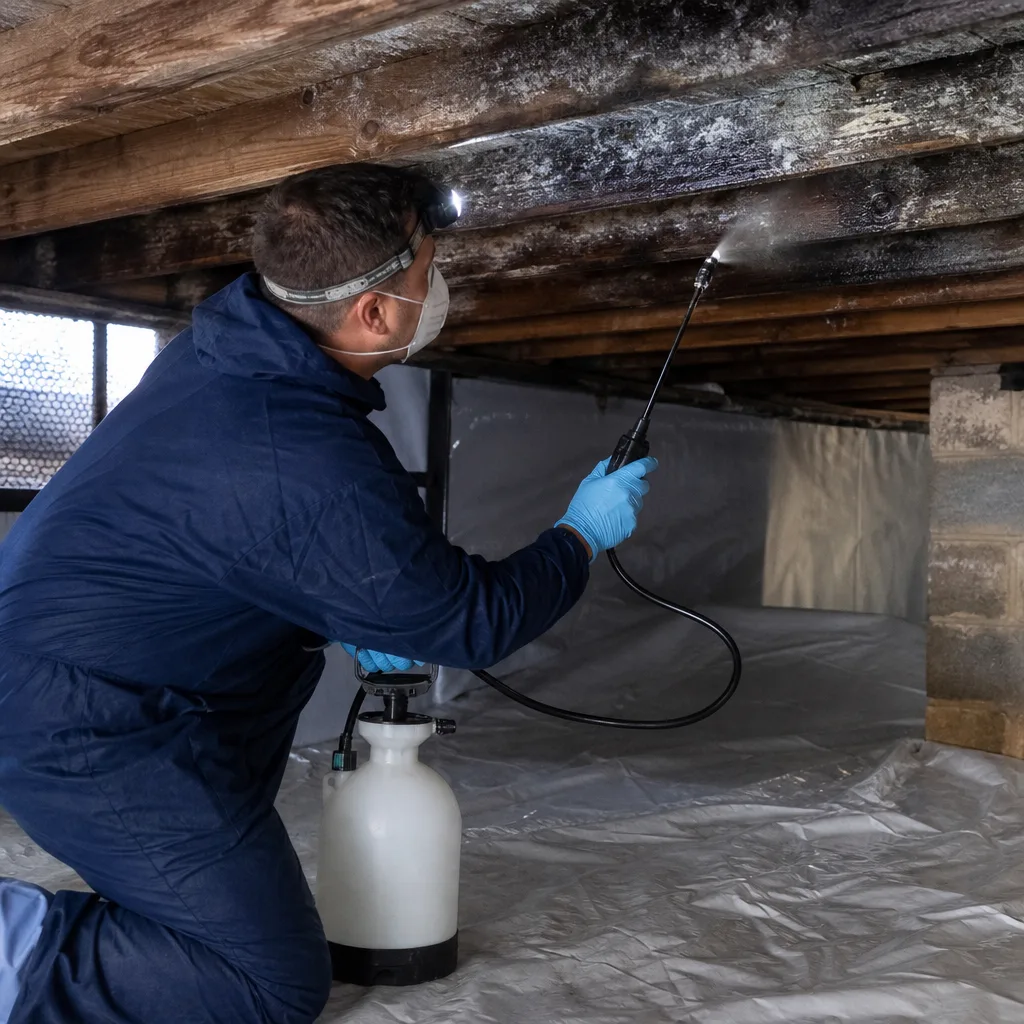
Extraction & Stabilization
Standing water and saturated materials come out first. When a supply line or steam-pipe fails in a six-story walk-up, extraction often runs across multiple floors at once. We coordinate with building management for stairway access and electrical shut-offs.
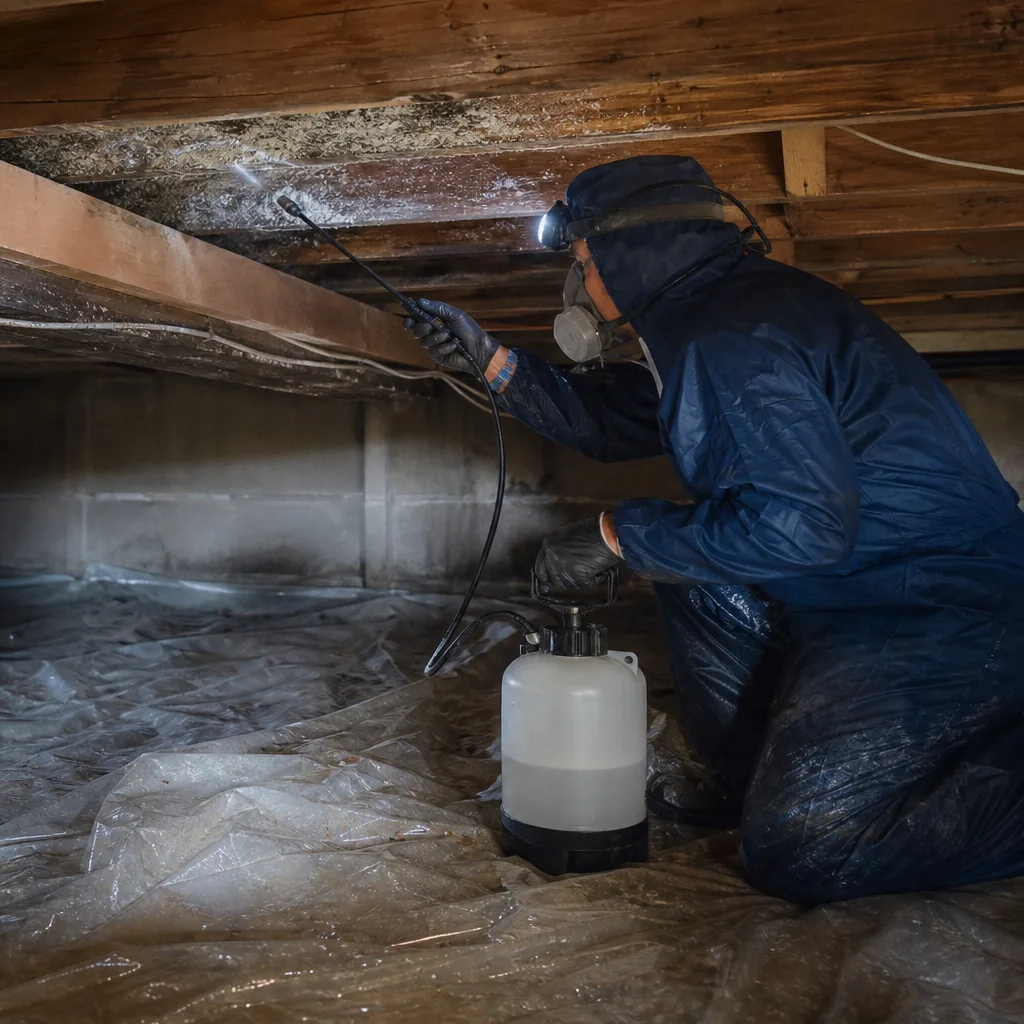
Drying & Dehumidification
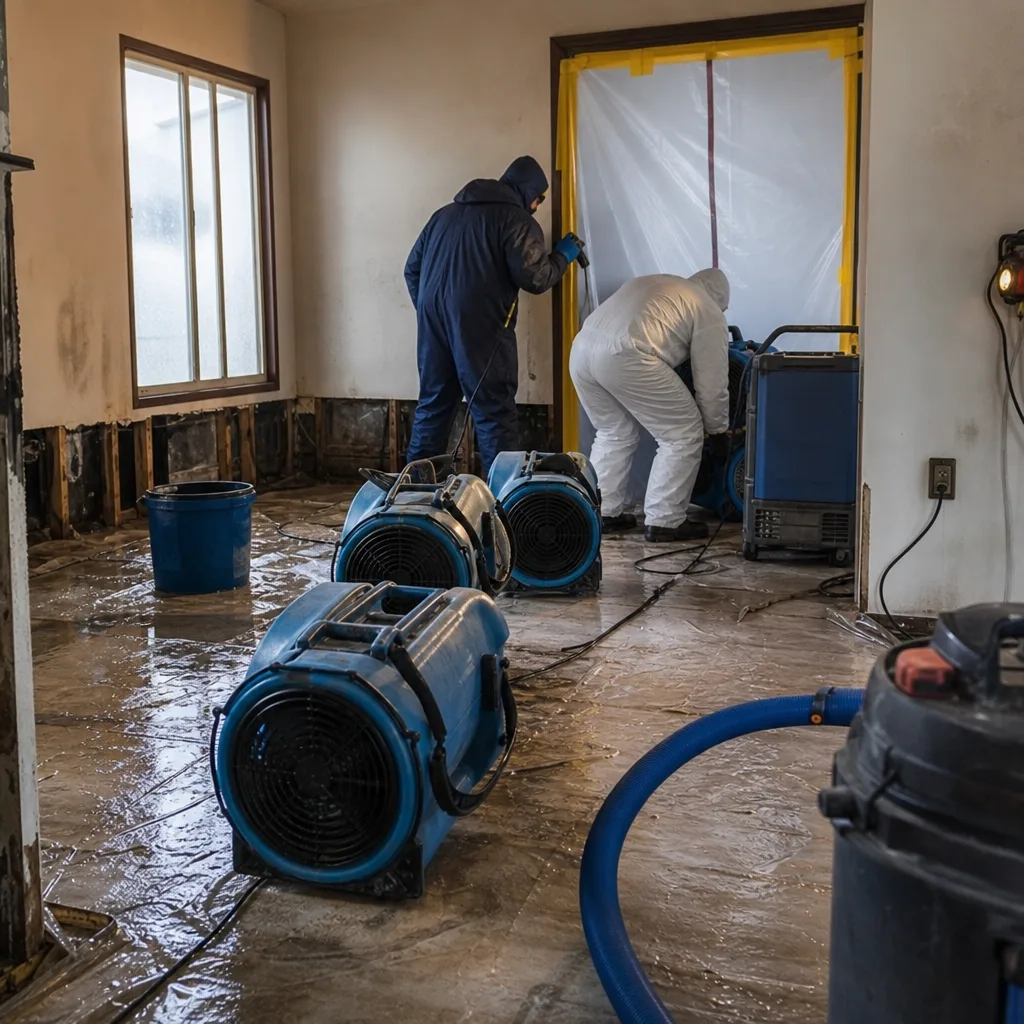
Dri-Eaz and Phoenix air movers and dehumidifiers get placed according to a moisture map. Plaster-and-lathe dries slower than drywall, so daily readings continue until we hit the dry standard. The homeowner and the carrier both get the log.
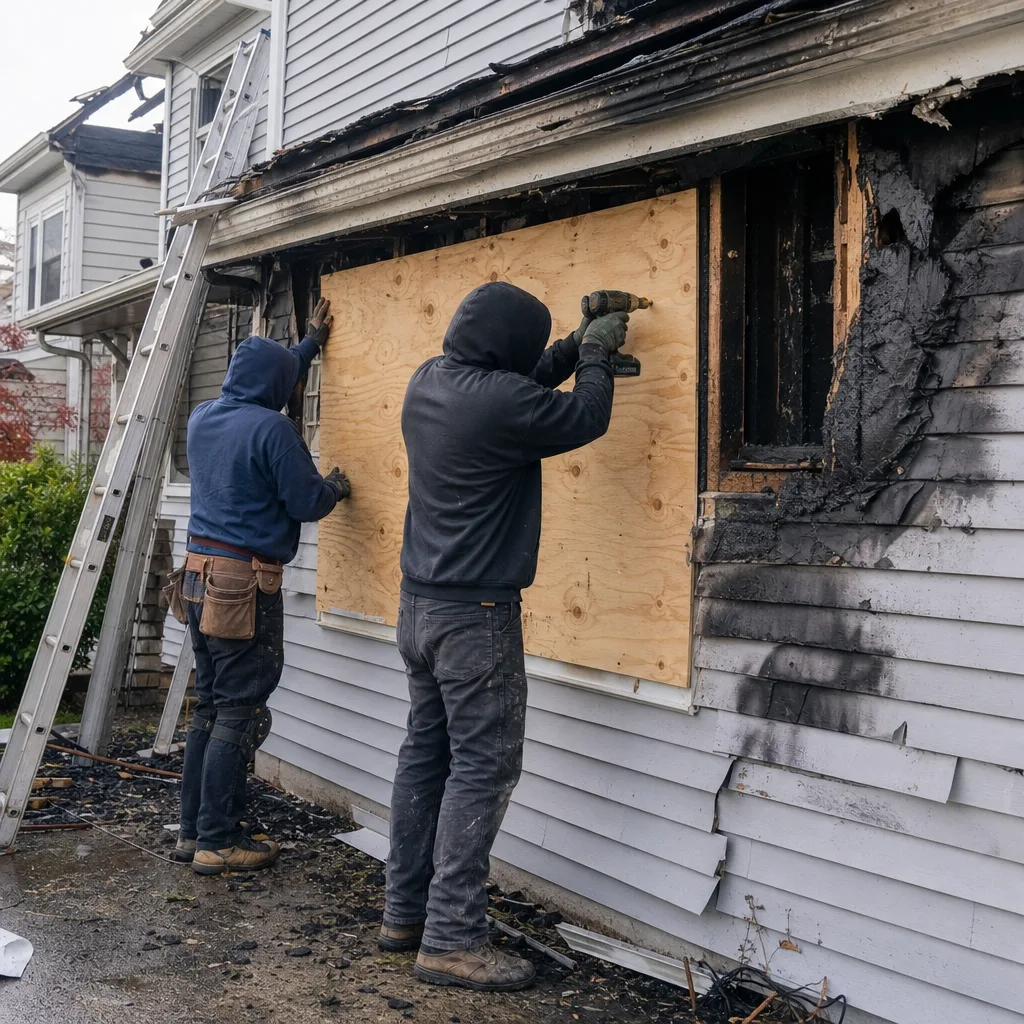
Cleaning & Sanitization
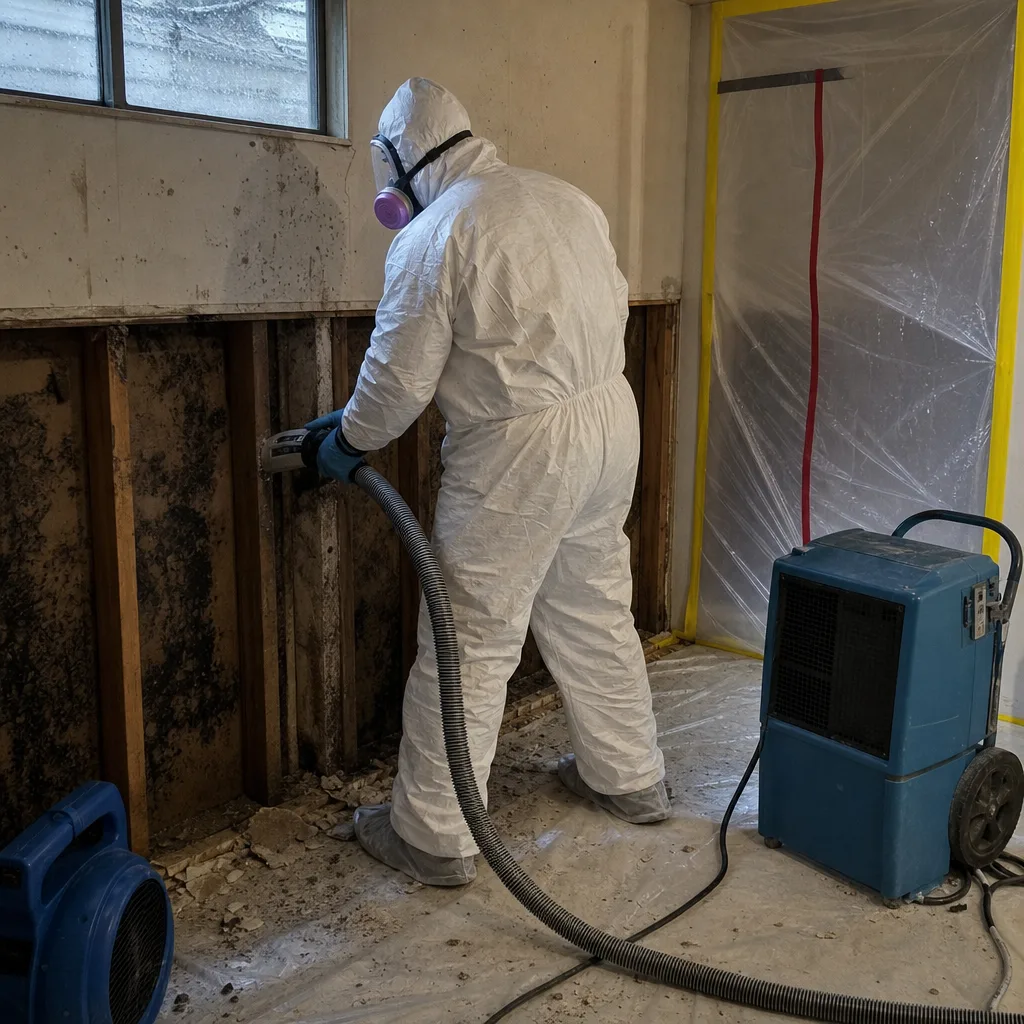
HEPA air scrubbers run continuously while we clean surfaces. We use hospital-grade disinfectants rated for the pathogens and contamination category present. Porous items that can’t be cleaned are inventoried and removed per IICRC standards, not left to dry and hope.
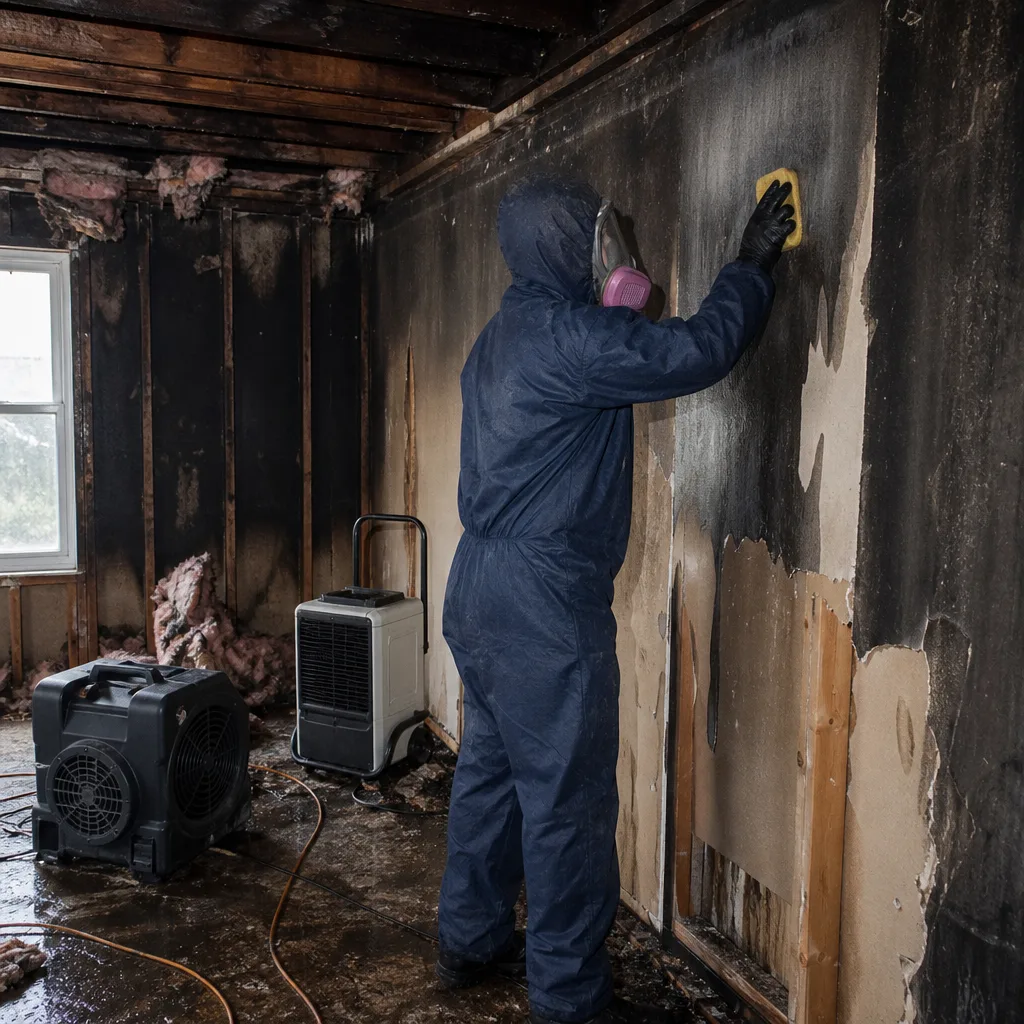
Specialty Treatment
Commercial-grade fogging for viral and bacterial decontamination, targeted odor neutralization with air scrubbers and thermal fogging, and air duct sanitization where contaminated air has moved through common ventilation. This step gets adjusted for NYCHA high-rises and pre-war layouts.
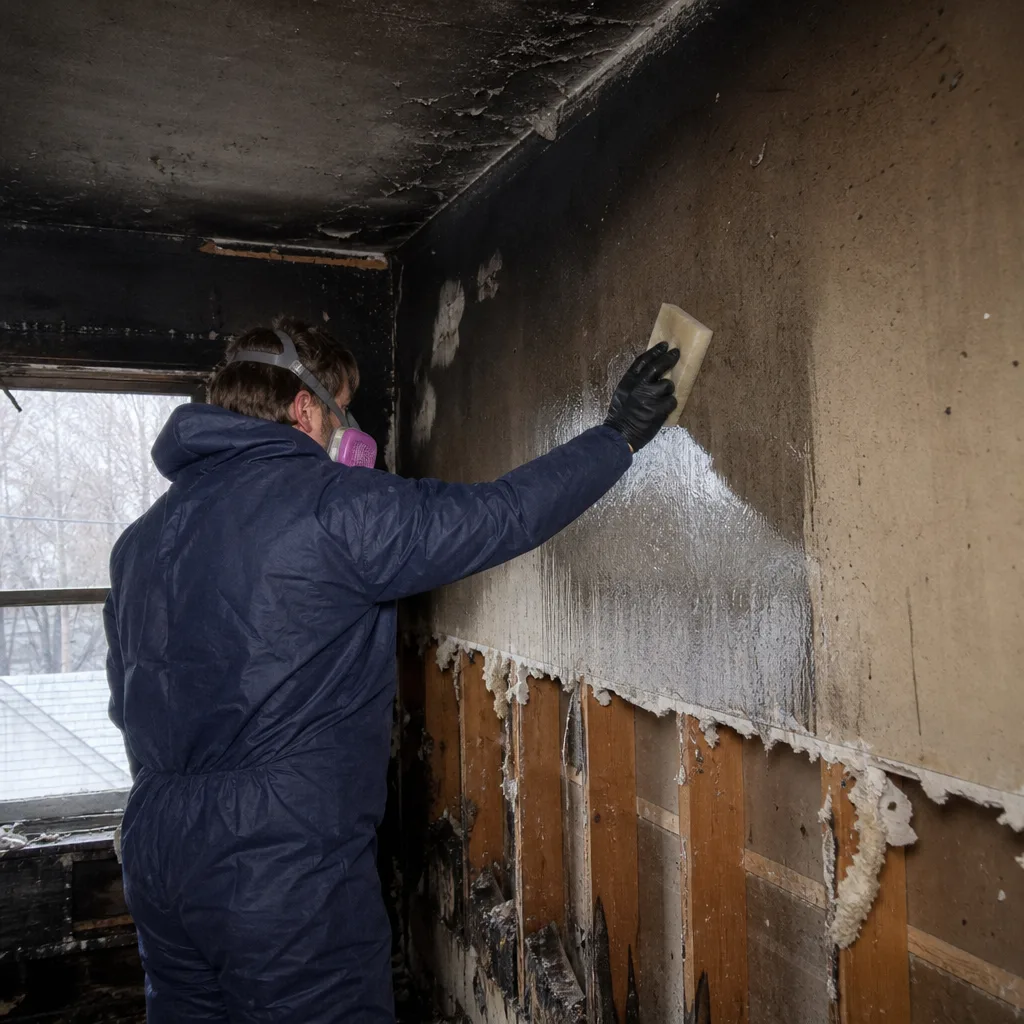
Repairs & Restoration
Where sanitization uncovered a larger failure, we fix it. Galvanized stack repairs, plaster skim-coating, period molding replacement, and repainting. We do the rebuild ourselves, so the job stays whole from first extraction to final walkthrough.
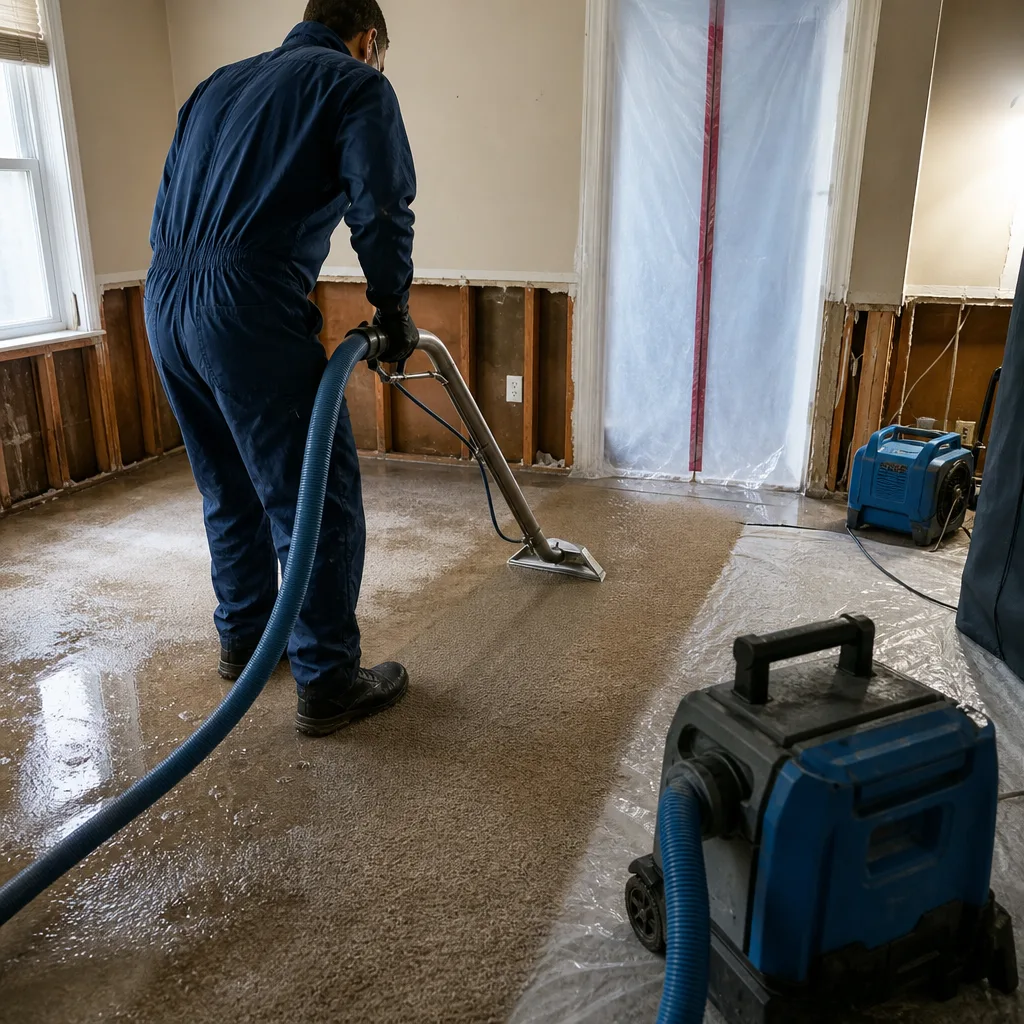
Need Emergency Sanitization Services in Upper Manhattan Now?
Crews minutes away, answering live 24 hours a day. The sooner we start, the less it costs.
Working With Your Insurance Company
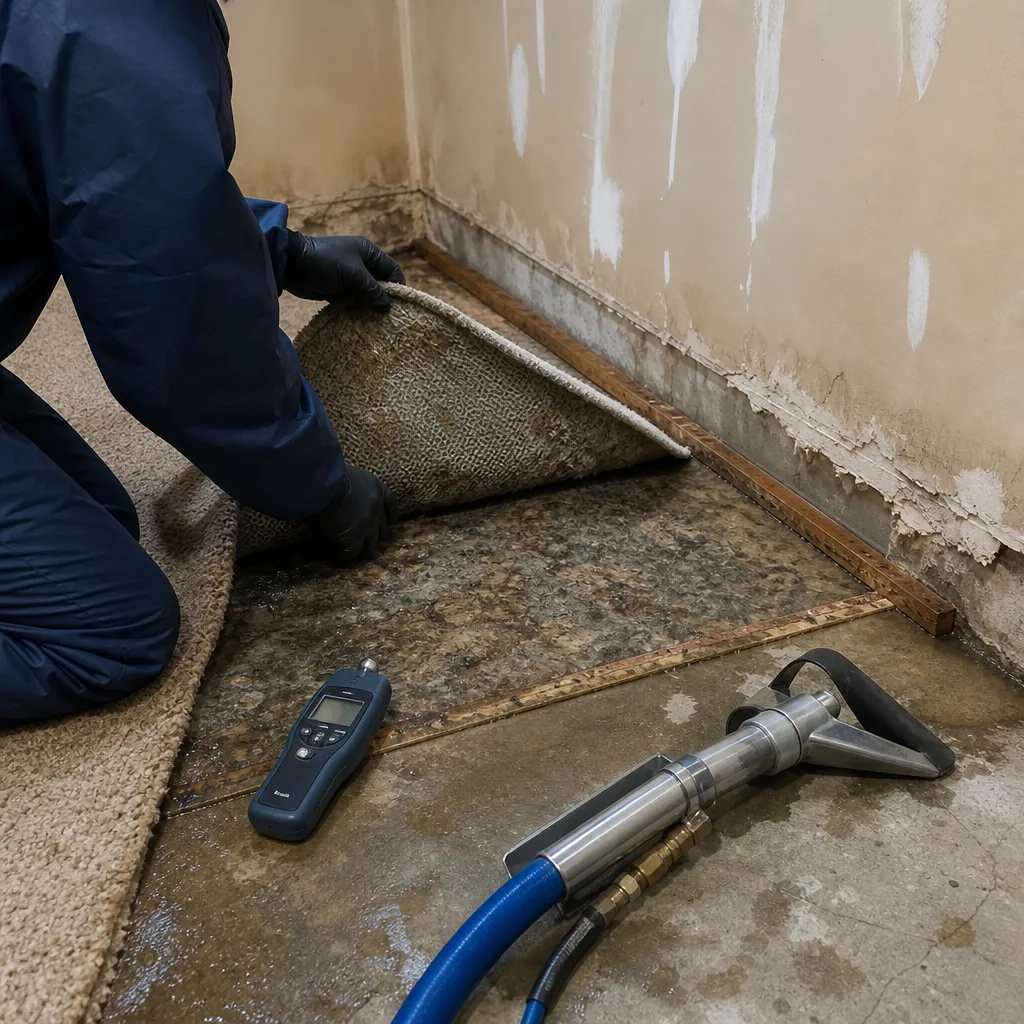
Most sanitization work in Upper Manhattan touches an insurance claim somewhere, whether it’s a single policy or five at once in a multi-floor steam-pipe failure. We document from the first hour and bill the carrier directly, so you don’t fund the cleanup out of pocket and wait for reimbursement. Our estimates use industry-standard pricing software carriers recognize. We send photos room by room, moisture readings, drying logs, and a line-item scope of work, and we talk to the adjuster directly. When building management, unit owners, and multiple adjusters are all involved, one clear set of documentation keeps the claim moving.
What We Provide Your Insurer
- Thorough documentation of the loss
- Photos of all damage, room by room
- Moisture readings and drying logs
- A detailed, line-item scope of work
- Direct coordination with your carrier
Built for Upper Manhattan’s Loss Calendar
October and November are the busiest sanitization months in Upper Manhattan’s pre-war buildings. That’s when supers fire up steam boilers after months off, and thermal shock cracks old radiator supply pipes and blows corroded steam-trap fittings. The resulting water release floods multiple floors in one night, and Category 2 and 3 contamination follows. Every fall, we pre-schedule crews for exactly this.
Winter brings deep freezes that burst supply lines in exterior walls along Fort Washington Avenue and Riverside Drive. Spring thaw pushes groundwater into basements in lower Harlem and East Harlem, where aging combined sewers back up during heavy rainfall. Summer thunderstorms flash-flood ground floors near the Harlem River. The pattern is consistent enough that Sanitization Services scheduling up here tracks the building calendar, not just the weather forecast.
Sanitization Services Across Upper Manhattan’s Neighborhoods
In Washington Heights, the elevator buildings clustered around 181st Street and Fort Washington Avenue hold original plaster walls that hide moisture for days. We route extra air movers there and run longer drying cycles than we would in a sheetrock building. In Hamilton Heights, the limestone and brownstone rows along Convent Avenue share party walls. A sanitization job in one unit often means checking the adjoining parlor floor for hidden wicking behind the baseboards.
Harlem’s stock is mixed: pre-war six-story walk-ups, some gut-renovated and some not. Renovated units with modern drywall dry faster. Original units do not. Parts of East Harlem and Harlem have NYCHA high-rises with deferred maintenance, where chronic roof and plumbing failures mean repeat sanitization after every storm. Inwood, up near Dyckman Street and Broadway, holds some of the oldest wood-frame and brick buildings in the borough. Decades of moisture in those structures mean odor neutralization is just as important as surface disinfection.
We run response routes along Broadway, St. Nicholas Avenue, and the Harlem River Drive corridor, so a crew can reach Washington Heights, Inwood, Hamilton Heights, Harlem, or East Harlem quickly at any hour.
Specialized Sanitization Services Services We Offer in Upper Manhattan
Deep Disinfection
For Upper Manhattan apartments recovering from a Category 3 sewage backup or a supply-line failure that sat over a weekend, we apply hospital-grade disinfectants to hard surfaces and treat salvageable soft goods. This is a standard step after extraction, but in pre-war buildings with original wood flooring, it also means injecting drying equipment beneath floorboards rather than just mopping up surface water.
Virus & Bacteria Decontamination
Post-illness cleanup in NYCHA high-rises and older elevator buildings, where common ventilation paths connect units, requires more than wiping down counters. We run HEPA air scrubbers during and after treatment, and we fog when the situation calls for it. The goal is to stop recontamination through shared air and shared surfaces.
Odor Neutralization
Older Inwood buildings, especially the pre-1920 brick and wood-frame buildings, absorb decades of moisture into plaster and wood. After a sewage backup or a slow plumbing leak, the smell can linger long after the visible damage is gone. We use thermal fogging and air scrubbing to neutralize odor at its source, not cover it with fragrance.
Air Duct Sanitization
In Upper Manhattan elevator buildings, hallway and unit ventilation systems can carry microbes from one apartment into another. After a contamination event, we clean and sanitize accessible duct runs and replace filters. This matters most in buildings with central air or shared exhaust risers.
Commercial-Grade Fogging
Fogging reaches the surfaces you can’t wipe: inside closets, behind radiators, along crown moldings, in the gap behind a built-in china cabinet. In a six-story tenement, where apartment layouts repeat floor after floor, fogging gets consistent coverage across all affected units in less time than manual disinfection alone. We use hospital-grade disinfectants rated for the pathogens present and run the treatment only after surfaces are clean.
Sanitization Services Costs in Upper Manhattan, NY
Here’s what we typically see in Upper Manhattan. A single-unit deep disinfection after a clean-water pipe burst runs $425-$780. Adding commercial-grade fogging pushes the range to $600-$950. Air duct sanitization in a pre-war apartment typically runs $350-$650, depending on the length and condition of the duct runs. Odor neutralization with thermal fogging runs $300-$700. A multi-floor event from a shared steam-pipe failure can run $3,000-$9,000 because you’re paying for containment, pack-out, phased antimicrobial treatment, and drying across several apartments at once.
What moves the price: number of affected floors, whether containment is required, whether porous contents need inventory and disposal, and how much plaster repair is needed after drying. Insurance typically covers sanitization when it follows a covered loss like a burst pipe or sewer backup. Post-illness cleanup is usually out of pocket. The free visual inspection is how you get a firm scope in writing before we start. No surprises on the bill. That’s how Curt Bowman has run it since 2010.
We Also Serve Cities Near Upper Manhattan
Our crews routinely respond to Midtown West, Washington Square, Midtown Manhattan, and Murray Hill. If your building sits just below 110th Street, the same team, the same equipment, and the same process apply.
Upper Manhattan Sanitization Services Questions, Answered
How does sanitization after a steam-pipe burst in a pre-war Washington Heights apartment building differ from a single-family home?
It differs because water and bacteria move through shared plaster-and-lathe walls and common plumbing chases into adjacent apartments, not just the unit where the pipe failed. We set up containment across affected floors, moisture-map the party walls, and coordinate with building management and multiple adjusters. A single-family home usually means one contained area, one claim, and one drying plan. A six-story tenement means phased drying floor by floor and treatment behind walls you can’t see. Call (551) 348-8481 for an exact scope, and the estimate is free.
Can you sanitize original plaster walls and period moldings without damaging them after a Category 3 sewer backup in Harlem?
Yes. Plaster walls can be sanitized and dried without demolition in most cases, but the process is slower than drywall and requires daily moisture readings. Contaminated wallpaper or peeling paint gets removed, and the plaster beneath gets treated and dried. Period moldings get hand-cleaned rather than stripped. When moldings must be removed to reach hidden contamination, we cut them carefully and reinstall them after treatment. Not every contractor does this, but it’s part of our finish restoration work.
Why do you recommend fogging for post-illness cleanup in NYCHA high-rises in East Harlem?
Because high-rise units share ventilation and air exchange paths. Manual wiping cleans what you can reach. Fogging reaches what you can’t: behind radiators, inside closets, along coves and crown moldings. In a high-rise where units stack vertically and air moves between floors, fogging provides more consistent microbial reduction across the entire unit, not just the main living areas.
What should building management expect during a multi-floor sanitization after a Harlem sewer backup?
Expect a written scope before work starts, containment barriers on affected floors, HEPA air scrubbers running continuously, and daily moisture logs. We coordinate with your super for water shut-off and elevator access, photograph everything for the insurance carrier, and handle debris removal. The biggest coordination piece is usually unit access. We work around tenant schedules where possible, but speed matters in Category 3 losses, so we aim to start containment within hours.
How do you handle odor neutralization in old Inwood buildings where decades of moisture have soaked into plaster and wood?
We find the moisture source first. Old Inwood buildings often have multiple areas of chronic dampness, not one clean break. Once the source is fixed, we dry the affected structure, then use thermal fogging and air scrubbing to neutralize odor molecules in the plaster and wood rather than masking them. If the odor remains after drying, the plaster or flooring may need to be removed and replaced. That decision comes from moisture readings, not guesswork.
How fast can a sanitization crew actually reach Upper Manhattan?
We commit to a 45-minute response time to Upper Manhattan from our New York City dispatch. A live person answers the phone at any hour, confirms your address, and dispatches the nearest crew. In a multi-floor contamination event, we can often have containment started within hours. Call (551) 348-8481 and you’ll hear a person, not a recording.
Will insurance cover sanitization after a sewer backup in an Upper Manhattan apartment?
Yes, in most cases, when the loss falls under a covered peril in your policy, sewer backup coverage applies if you carry that endorsement. Many New York City policies include it, but older policies sometimes don’t. We document the loss from the first hour, coordinate directly with your adjuster, and bill the carrier. You’ll want to confirm your specific coverage, but we’ll help you work through the claim with your carrier.
What should I do in the first 30 minutes after a sewage backup or burst pipe in Upper Manhattan?
Stop the water if you can safely reach the shut-off. If it’s a steam-pipe or sewer backup, don’t attempt to fix it yourself. Move people and pets away from the affected area. Don’t run fans or your HVAC system, which can spread contaminated air. Then call us at (551) 348-8481. The sooner containment starts, the less we have to remove.
Serving Upper Manhattan, NY - Our Local Coverage Area
We’re based in the Upper Manhattan area and know this community well. Use the map below to see our service coverage - if you’re nearby, we can almost certainly help.
Why the Building Matters More Than the Damage
Most sanitization companies treat the visible affected unit and stop. In Upper Manhattan, that’s not enough. The same vertical plumbing stack that serves a sixth-floor apartment in Washington Heights also runs through every unit below it. When a supply line fails on the fourth floor, water follows the stack and the joists down. Treating only the wet unit overlooks moisture wicking through shared party walls into the apartments on either side. We handled a steam-pipe failure in a 1912 six-story brick tenement in Hamilton Heights last November. A corroded steam-trap fitting blew during boiler startup and released Category 2 water across floors three through five. We set negative air containment on all three floors, moisture-mapped the original plaster walls, and ran commercial-grade fogging after extraction. But because the building had shared stacks, we also packed out furniture from the unit directly below to prevent mold growth inside the 24-hour window. That’s the difference between cleaning a room and sanitizing a building.
So the real question isn’t just what was released, it’s where it traveled. In pre-war construction, water and airborne contaminants travel through cavities that don’t exist in modern drywall construction. We sequence sanitization around Upper Manhattan’s shared plumbing stacks, steam-heat cycles, and plaster-and-lathe construction. That’s the information a generic sanitization page never gives you. And it’s why Sanitization Services in Upper Manhattan call Floodline Restoration Co. rather than a franchise crew from out of borough.
Call (551) 348-8481 for a free visual inspection and a written scope. Done right, and backed in writing.
Written by Curt Bowman, Owner at Floodline Restoration Co., serving Upper Manhattan since 2010.
Why Upper Manhattan Chooses Floodline Restoration Co.
We set the standard for sanitization services in Upper Manhattan.
Documented for Your Claim
Every job is photographed before, during and after, with moisture logs where they apply. We hand the full file to your adjuster and bill your insurance directly - you are never the one relaying it.
Licensed & Insured
Fully certified technicians who meet all local and state licensing requirements.
Upfront Pricing
No hidden fees, no surprises. You approve the price before any work begins.
Guaranteed Work
Every repair and installation is backed by our workmanship warranty and satisfaction guarantee.
How It Works in Upper Manhattan
Getting your sanitization services handled is simple and fast.
Call or Request a Free Estimate
Tell us about your sanitization services needs and we provide an upfront, transparent quote - no obligation, no hidden fees.
Licensed Technician Dispatched
A background-checked, certified technician arrives in Upper Manhattan - typically within 30-60 minutes, with parts stocked on the truck.
Problem Solved, Guaranteed
We complete the job to your full satisfaction, backed by our warranty and 100% satisfaction guarantee.
What happens when you call
- 1A real person answersNo phone trees - talk to a local sanitization services pro.
- 2You get an upfront price rangeHonest numbers before anyone is dispatched. No surprises.
- 3We come out and measureLicensed & insured, at a time that suits you - the visit and the quote are both free.
- 4You get the price in writingLine-itemed, yours to keep, and nothing starts until you say go.
What Upper Manhattan Customers Say
Trusted by homeowners across Upper Manhattan and surrounding areas.
"Second property they have dried out for us. Same process both times, meter readings logged on every visit and the log handed over at the end. Our adjuster said it was the cleanest file he had seen all year."
"We had a musty smell in the hall closet for months. He tested first, found the leak inside the wall, sealed the area off with plastic before opening anything, and put the whole scope in writing before asking for a signature."
"Water heater flooded the finished side of the basement at two in the morning. A person answered, not a machine, and a crew was pulling water before sunrise. Everything got photographed before they moved a thing, which made the insurance claim painless."
Our Work in Upper Manhattan
A look at recent damage restoration projects across Upper Manhattan and surrounding areas.
Ready for Sanitization Services in Upper Manhattan?
Call now for a free estimate - or request one below. Licensed, insured, and here with fast after-hours help in Upper Manhattan.
(551) 348-8481Request a Free Estimate in Upper Manhattan
Tell us about your sanitization services needs - we'll respond within the hour.