
Free visual inspection and a written scope of work before any mitigation begins - photos, moisture readings, and drying logs go in your claim file
The scope we write is the scope we bill. Anything new gets shown to you, in writing, before we touch it.
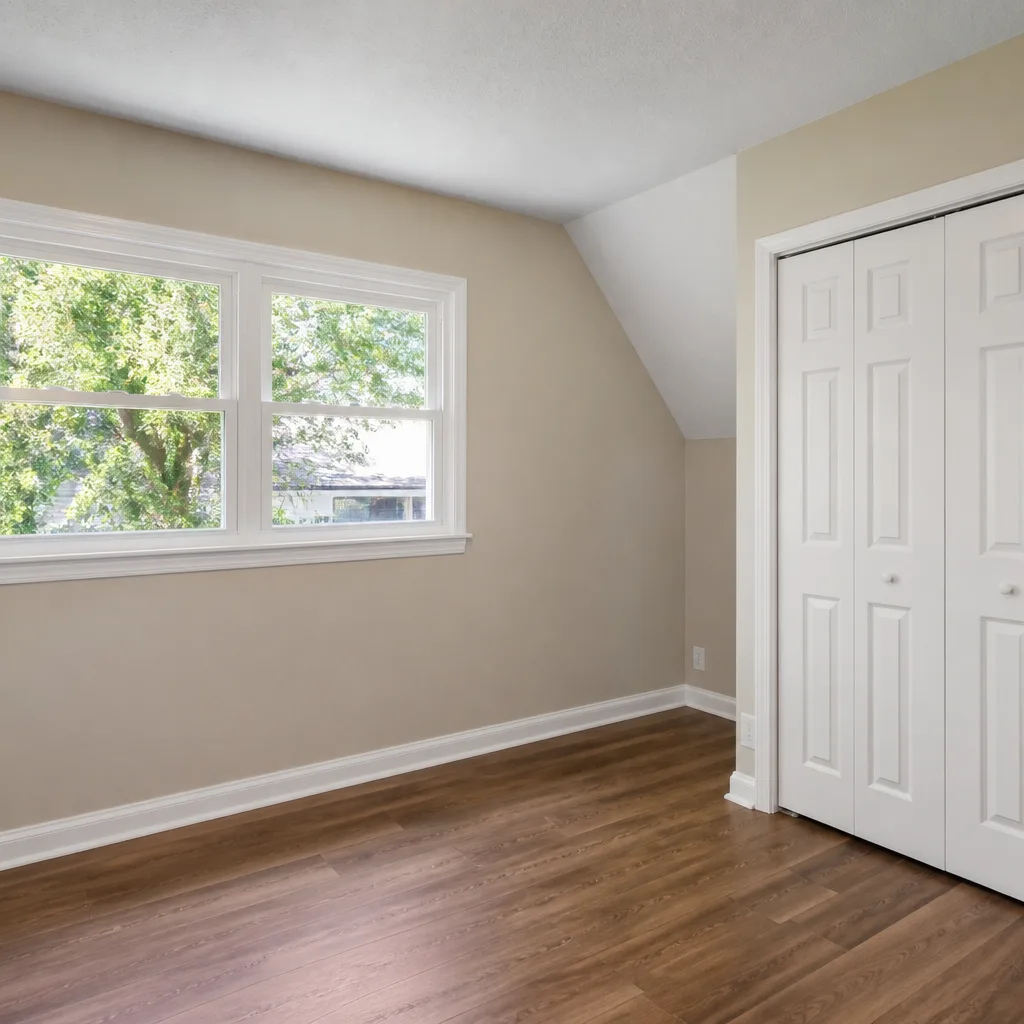
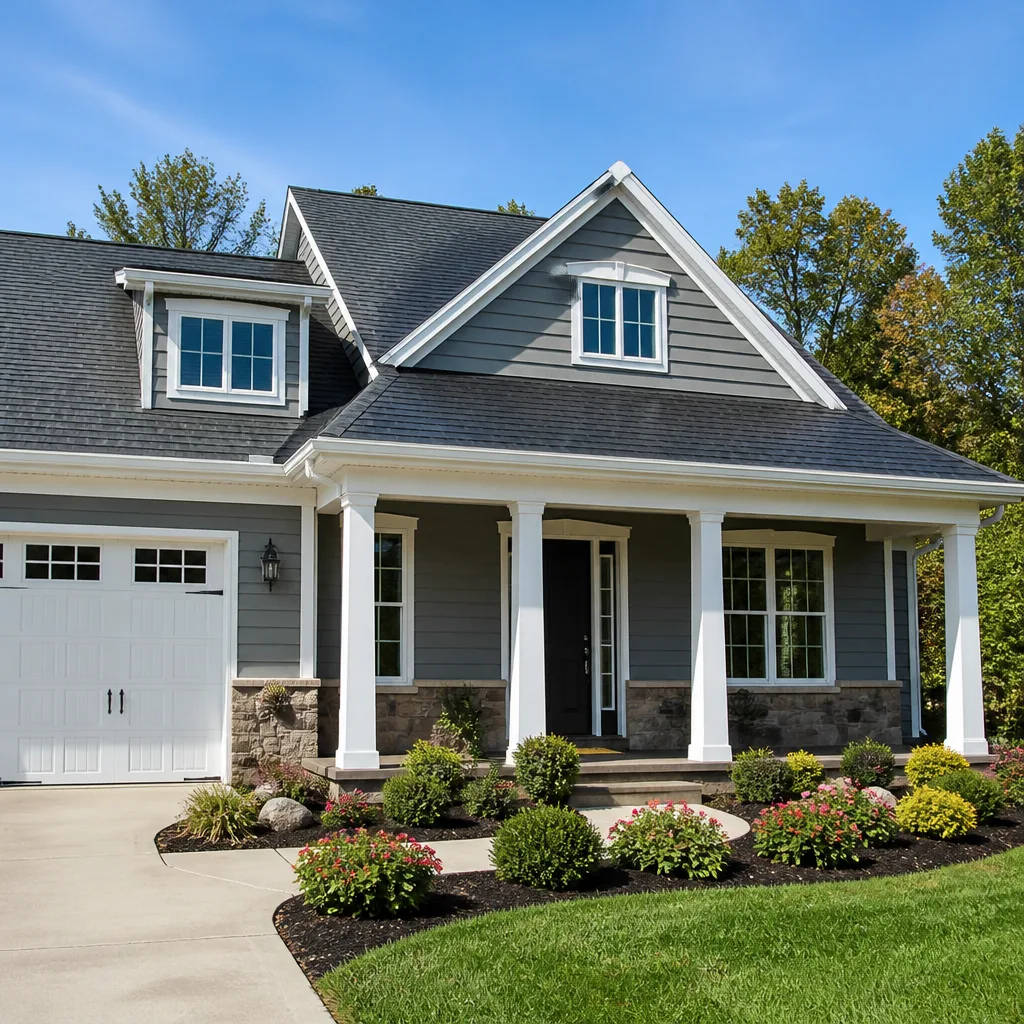
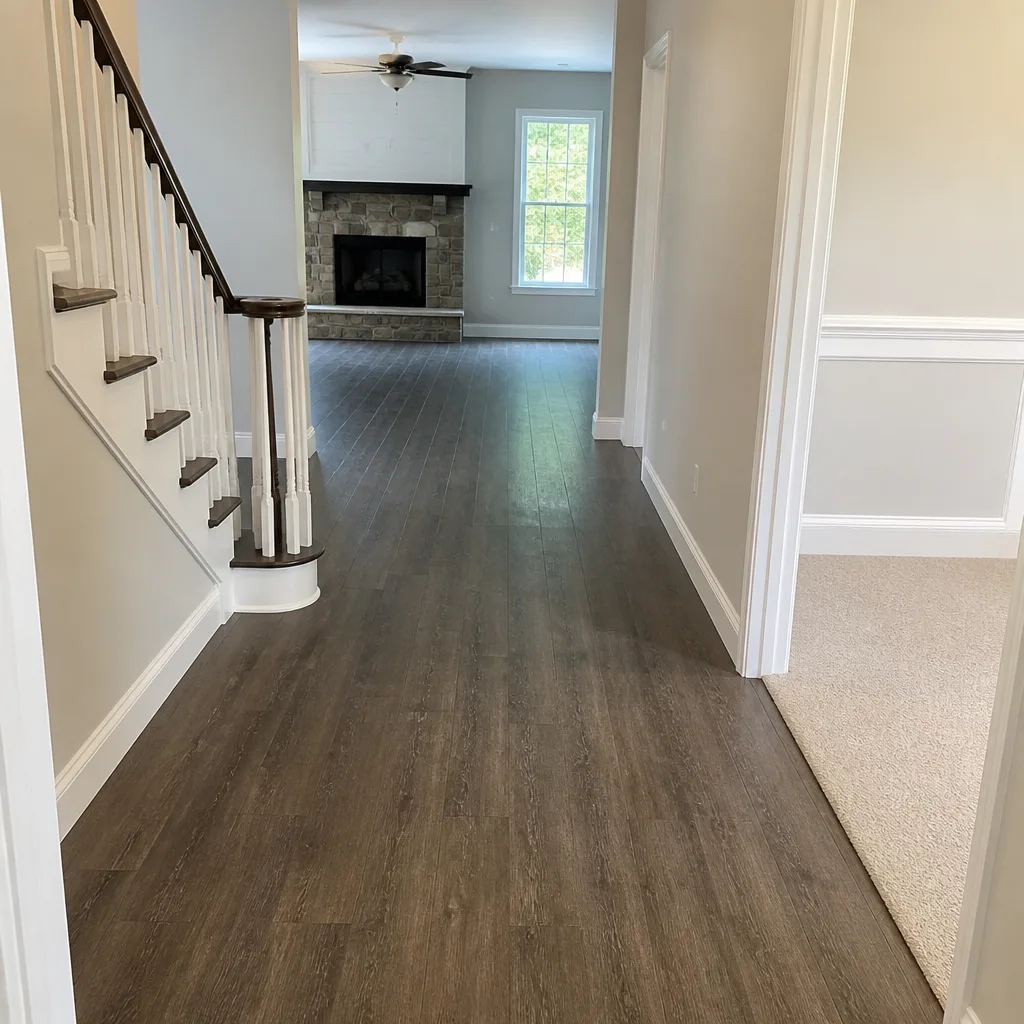
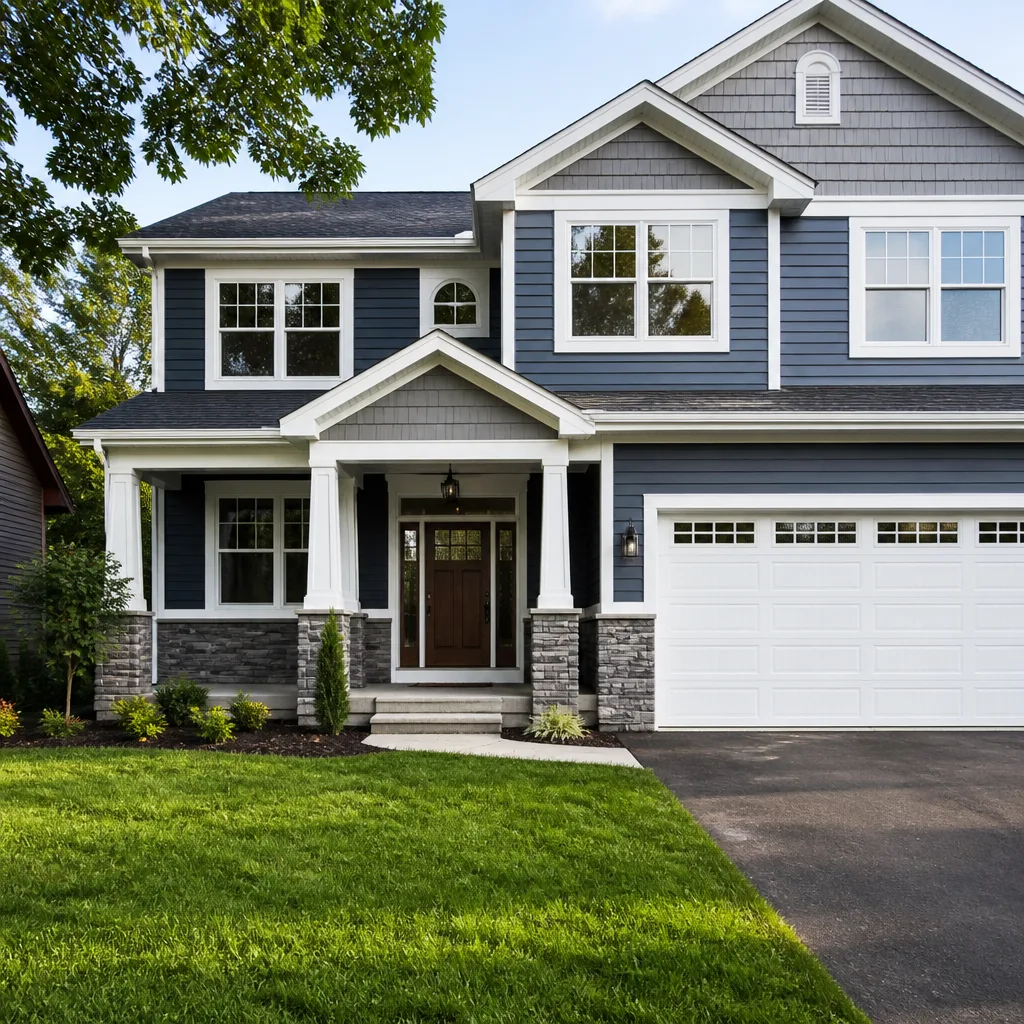
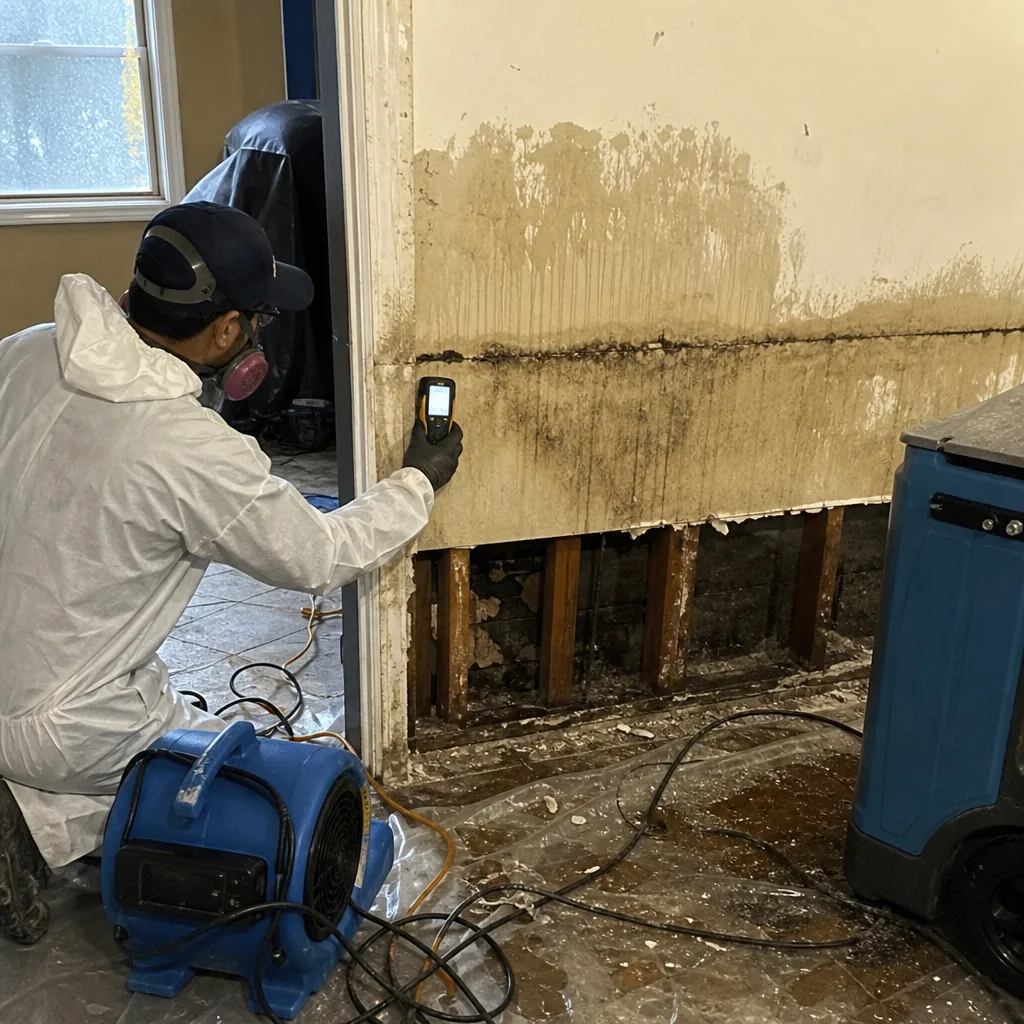 Before
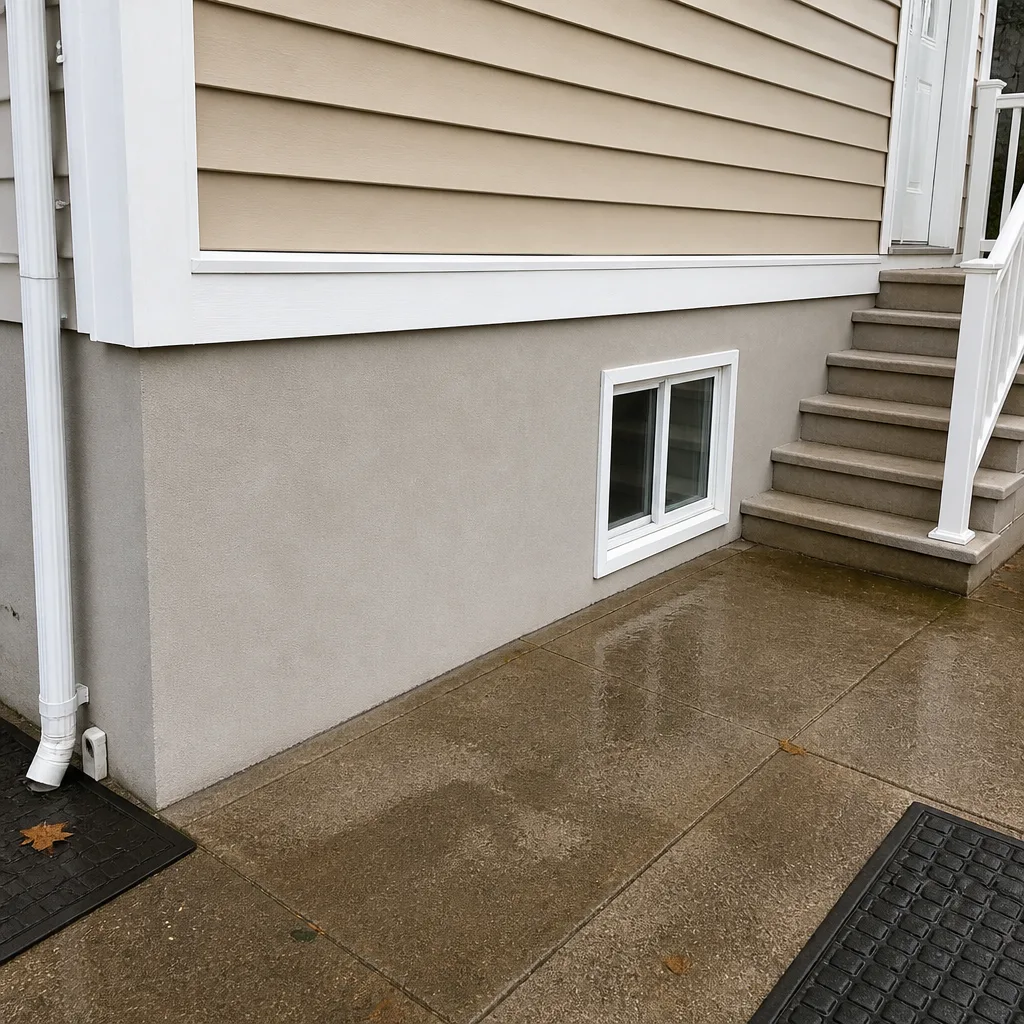 After
After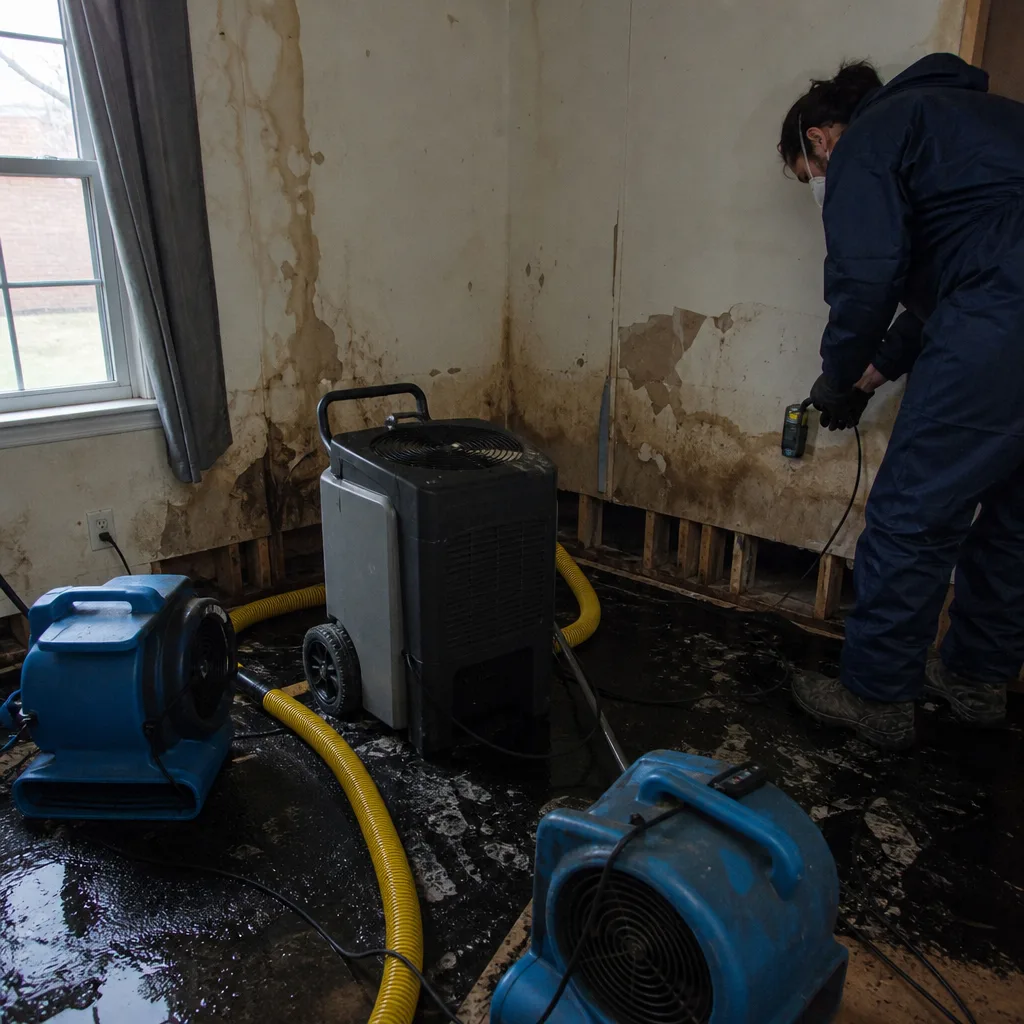 Before
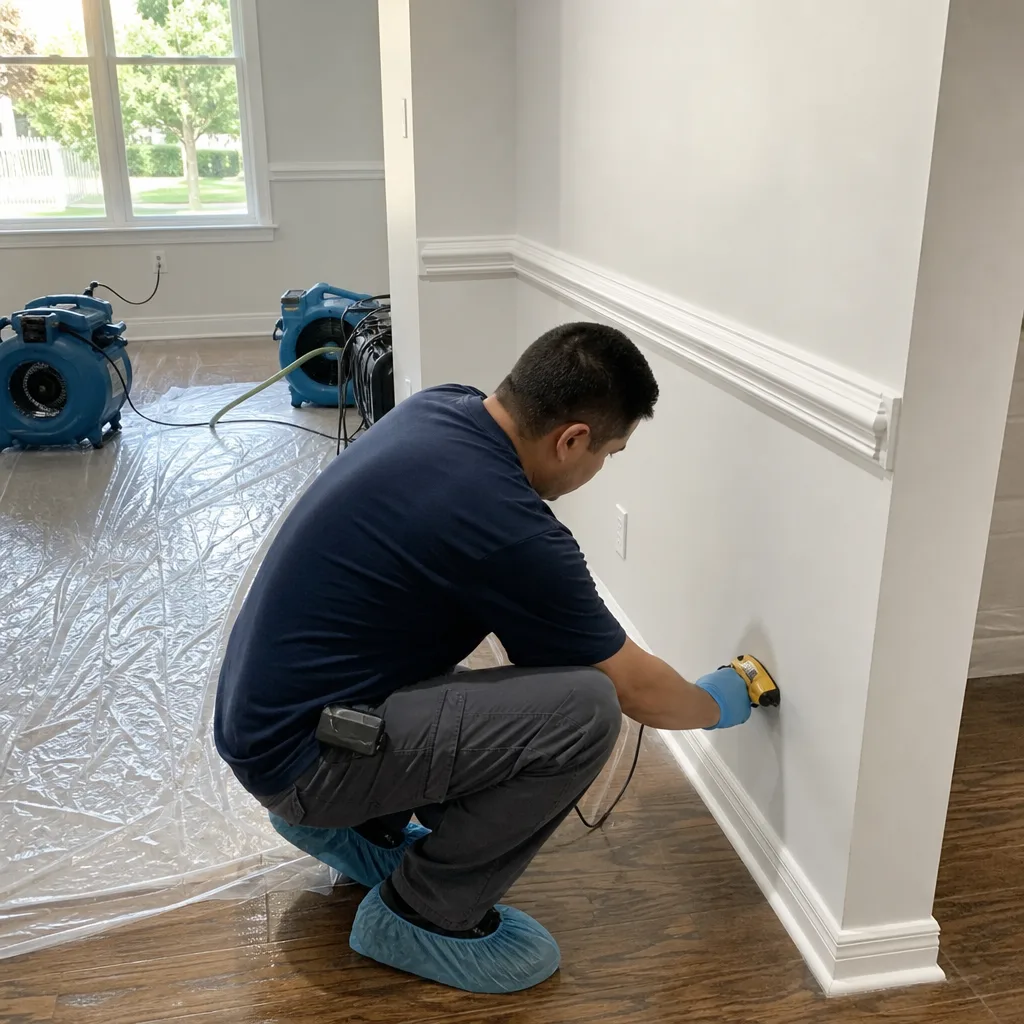 After
After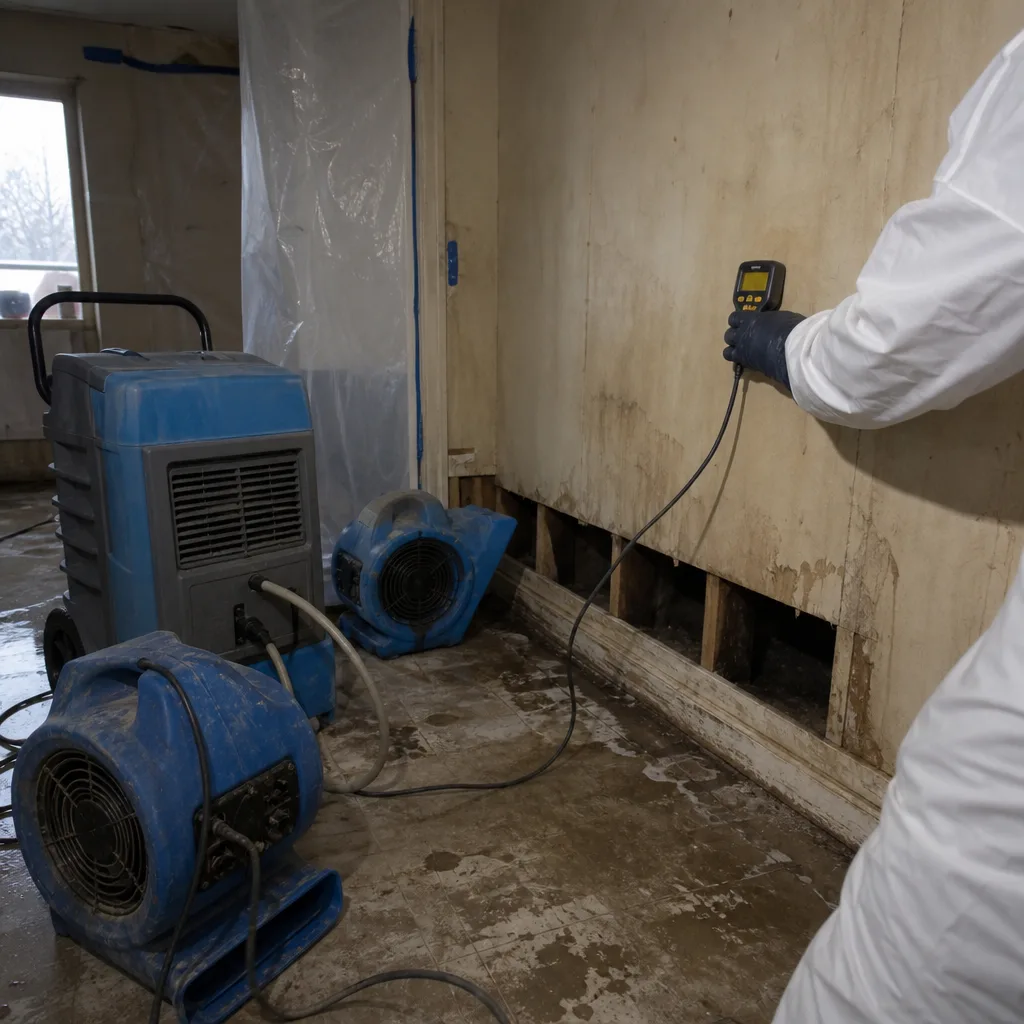 Before
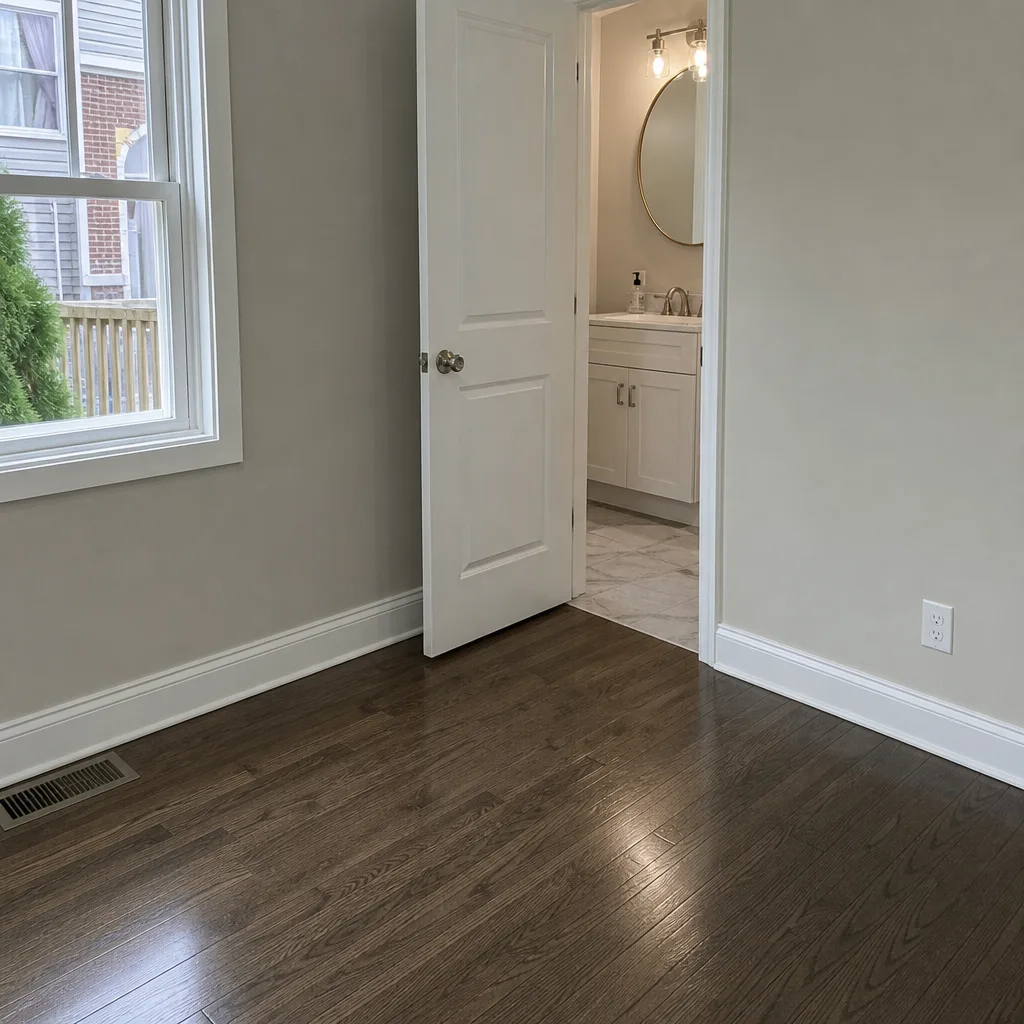 After
After24/7 Emergency Storm & Disaster Restoration in North Bergen
Storm damage in North Bergen moves fast, and so do we. Our crews answer live at (551) 348-8481 any hour, any day, and we dispatch certified technicians to North Bergen neighborhoods immediately. The first hour after a sewage backup, roof blow-off, or wind-driven water intrusion determines whether you’re facing cleanup or full reconstruction. We arrive with moisture meters, containment supplies, and extraction equipment already on the truck. One call starts the whole process: a free visual inspection, a written scope, and a plan to stop the damage where it stands.
Understanding Storm & Disaster Restoration Severity in North Bergen Properties
North Bergen’s housing stock splits into two clear categories: pre-war brick and frame multi-family buildings from the 1920s through 1950s, and post-war garden-apartment complexes from the 1960s and 1970s. Both present distinct restoration challenges. The older buildings retain original cast-iron drain lines, galvanized supply pipes, and plaster-over-lath walls. The plaster hides moisture in wall cavities and often contains asbestos in the joint compound, which means selective demolition requires testing before any wall comes open. The newer garden apartments suffer from aging flat roofs and failed pitch pockets, sending water down through multiple floors before anyone notices a stain on a ceiling.
Water damage breaks into three categories. Category 1 is clean water from a burst supply line. Category 2 is gray water with some contamination. Category 3 is what North Bergen sees most after storms: sewage-contaminated water from surcharged combined sewer mains backing up through floor drains. Category 3 requires full containment, HEPA air scrubbing, antimicrobial treatment, and disposal of affected porous materials. We carry the full IICRC protocol for each category, and we write the moisture map before we cut anything.
Why North Bergen Property Owners Choose Floodline Restoration Co.
- 45-minute response commitment. When a basement is filling or a roof is open to rain, we move now. Our North Bergen dispatch routes the nearest available crew to your block immediately, not after a call-back.
- A live person answers, 24/7. No automated system, no voicemail, no “press 2 for emergencies.” You get a trained dispatcher who can authorize a crew at two in the morning.
- IICRC-certified crews. Our technicians hold WRT, FSRT, and AMRT certifications and work to RIA and IFA standards. They know what Category 3 water does to 1920s brick basements because they’ve restored dozens of them in North Bergen.
- Free visual inspection. We walk the damage with you before any work begins. You get a written scope and a straight answer about what needs to happen and what can wait.
- Direct insurance billing. We bill your carrier directly and handle adjuster communication. You are not the messenger between our crew and your insurance company.
- One team from extraction to reconstruction. The same certified crew that extracts Category 3 water on day one handles daily moisture readings, rebuilds the walls, and hands you the drying log. No mid-job handoff to a different company.
Our Storm & Disaster Restoration Process
Inspection & Assessment
We walk every affected room, map moisture with thermal imaging and hygrometers, and identify the water source and category. For pre-war plaster walls, we flag potential asbestos in joint compound before any demolition starts. You get a written scope before we touch a single wall.
Extraction & Stabilization
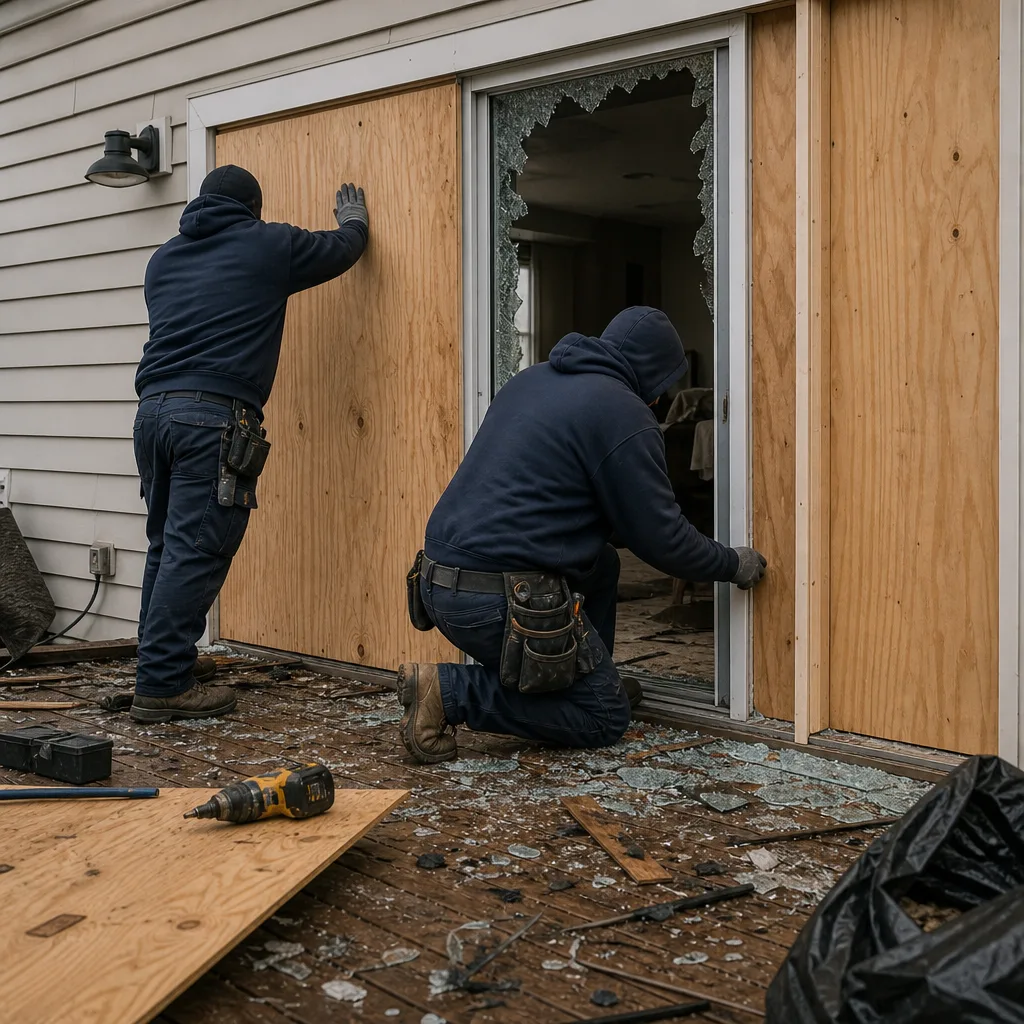
We extract standing water with truck-mounted and portable extraction units, then stabilize the structure. If wind damage has opened your roof or windows, we board up and tarp immediately to stop further intrusion. Emergency board-up is part of the same visit.
Drying & Dehumidification
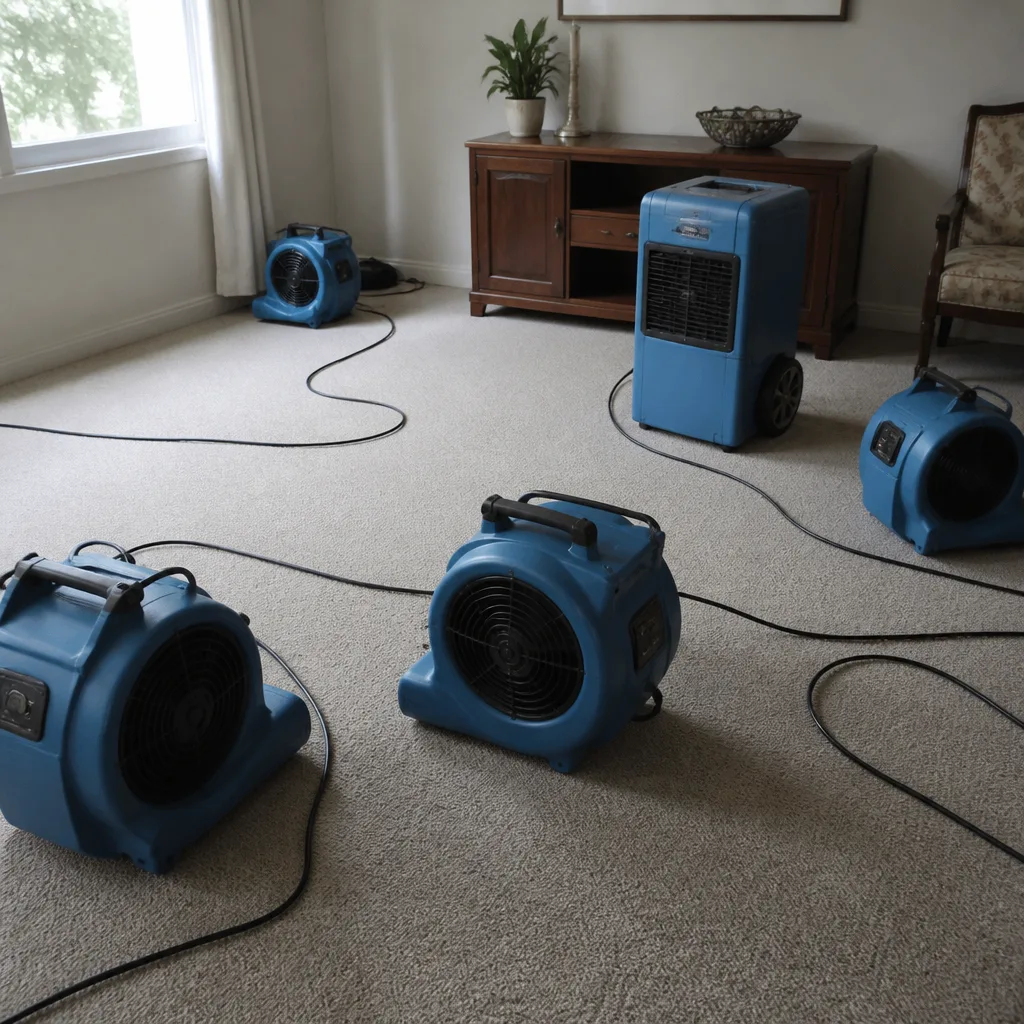
We set Dri-Eaz and Phoenix air movers and dehumidifiers, place Injectidry systems into wall cavities where plaster hides moisture, and log daily readings until the dry standard is met. In North Bergen’s plaster-over-lath walls, this takes longer than drywall and we plan for it.
Cleaning & Sanitization
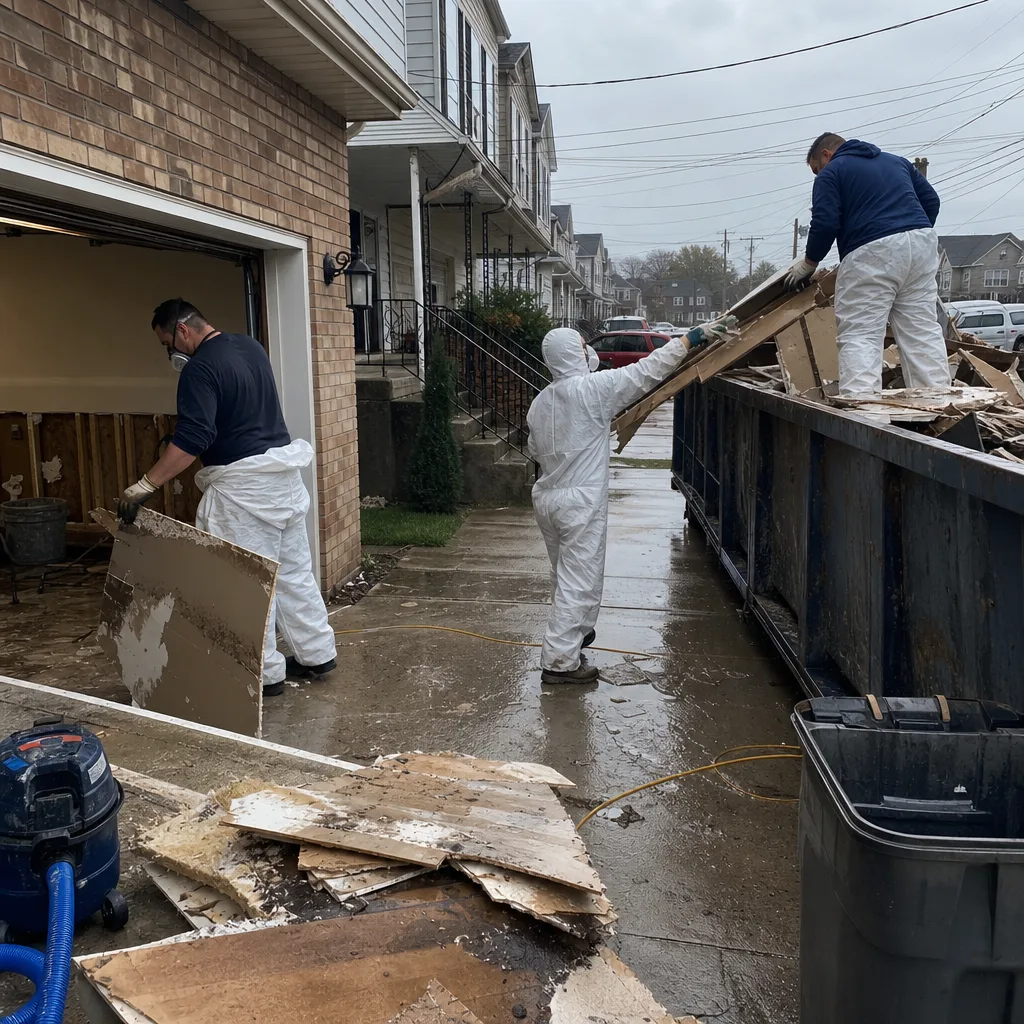
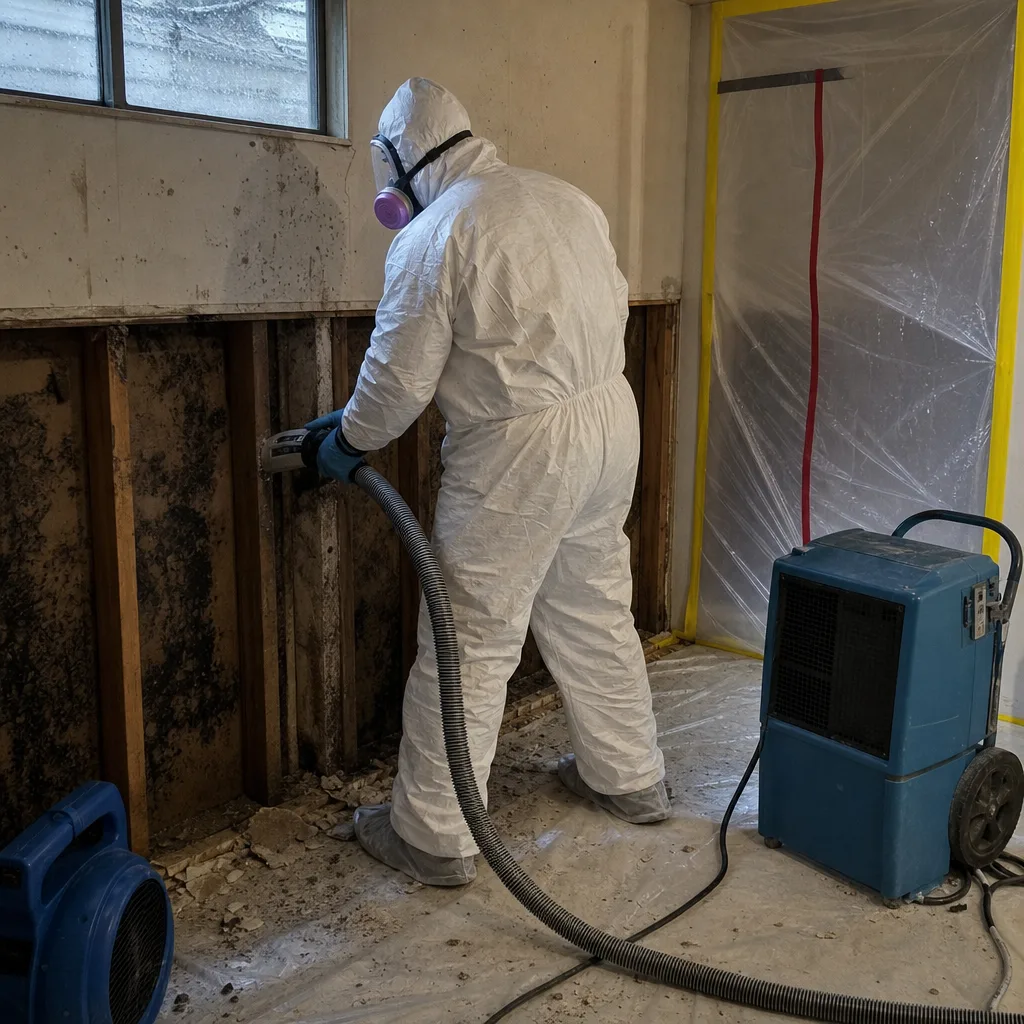
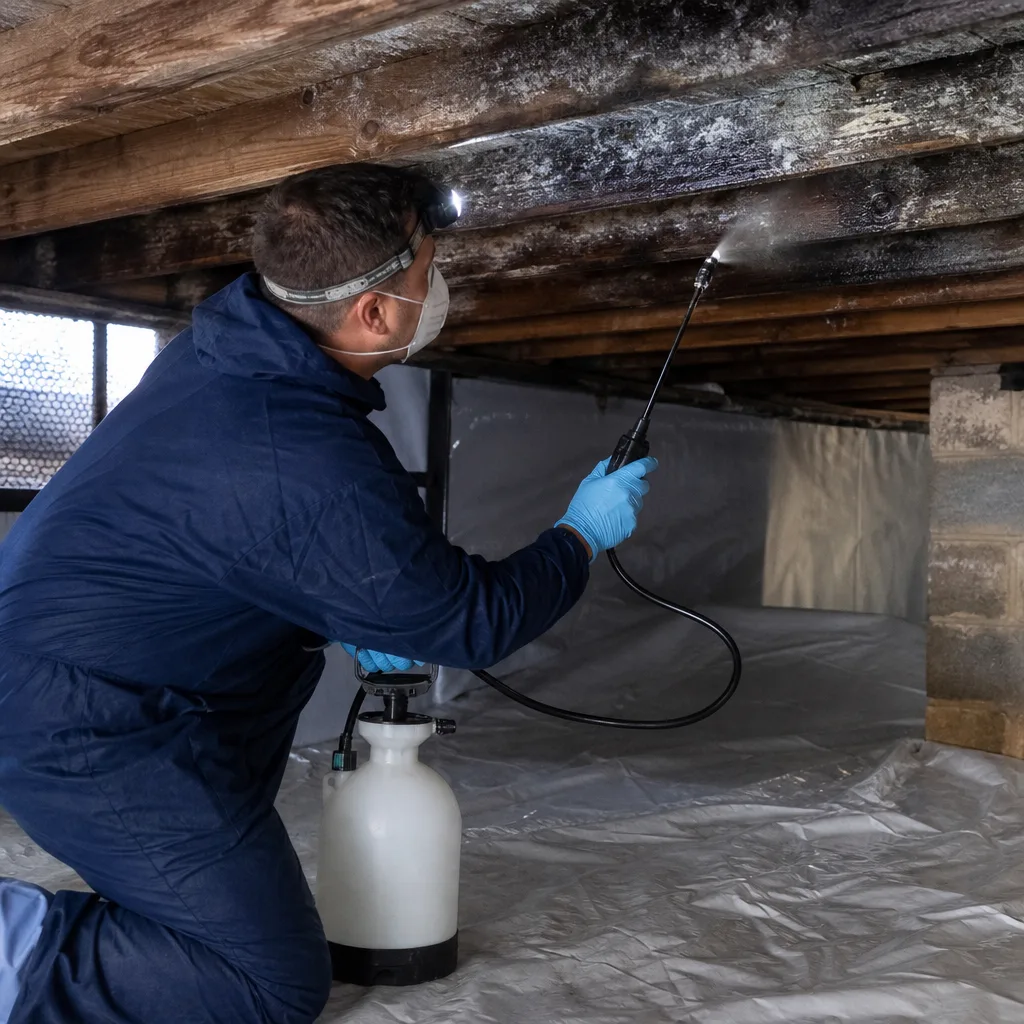
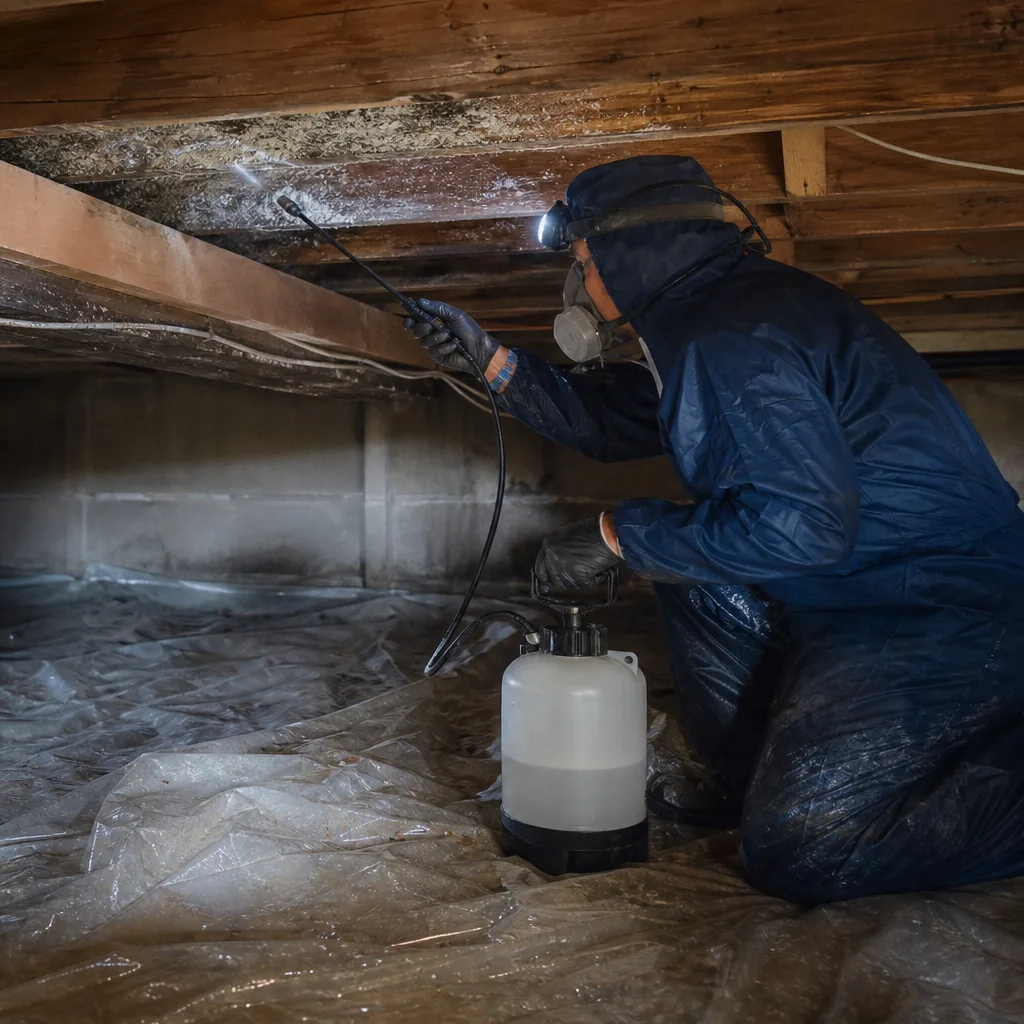
For Category 3 sewage events, we contain affected areas, run HEPA air scrubbers, and apply antimicrobial treatments to all exposed surfaces. We dispose of contaminated porous materials like carpet, pad, and saturated plaster according to IICRC protocol.
Storm-Specific Treatment
North Bergen wind events drive rain through parapets and brick facades. We treat wind-driven moisture differently than rising water: injecting wall cavities, treating brick spalling, and sealing envelope gaps before interior refinishing begins.
Repairs & Restoration
The same crew that extracted the water rebuilds the walls, floors, and finishes. We match plaster, reinstall millwork, and leave the space ready for occupancy. The 90-Day Done Right Promise covers the work in writing.
Need Emergency Storm & Disaster Restoration in North Bergen Now?
Crews minutes away, answering live 24 hours a day. The sooner we start, the less it costs.
Working With Your Insurance Company
Property owners in North Bergen file storm claims every year, and the ones who document early get paid faster. We photograph everything before demolition begins, we log moisture readings every day, and we write a line-item scope that mirrors your policy’s covered perils. When your adjuster calls, we talk to them directly. No middleman, no he-said-she-said. We built this company around direct carrier billing because Curt Bowman watched too many homeowners get stuck holding a mitigation bill while the insurance company argued with a contractor they’d never met. We hand your insurer the evidence they need to approve the claim, and we stand behind our scope in writing.
What We Provide Your Insurer
- Thorough documentation of the loss
- Photos of all damage, room by room
- Moisture readings and drying logs
- A detailed, line-item scope of work
- Direct coordination with your carrier
Built for North Bergen’s Loss Calendar
North Bergen’s storm restoration calendar follows a pattern we’ve mapped over hundreds of calls. January and February bring freeze-thaw cycles at the Palisades ridge elevation, and exposed supply pipes in uninsulated pre-war common hallways burst with regularity. March through April brings nor’easters, and those hit North Bergen differently than the river towns. The elevated ridge exposes rooftops to higher sustained wind than Hoboken or Jersey City feel at sea level, so parapet failures and wind-driven rain penetrate aging brick facades here more aggressively. May through September delivers thunderstorms, and the real problem is never the rain volume. It’s the bedrock. The Palisades basalt refuses to absorb rainfall, so runoff overloads the township’s combined sewer mains, and four or five neighboring basements on the streets west of the ridge crest surcharge within hours of each other. October through December brings the first cold snaps and another round of pipe failures in the same aging housing stock. We stage equipment accordingly, because in North Bergen, clustered same-storm calls are the norm, not the exception.
Storm & Disaster Restoration Across North Bergen’s Neighborhoods
The streets west of Boulevard East, near 72nd Street and 74th Street, hold dense blocks of 1920s four-family brick buildings with original cast-iron drain lines. When a surcharged sewer main pushes back, it backs up into multiple basements within minutes. We keep extra extraction units staged for these blocks during heavy rain because the calls come in clusters. Up along Kennedy Boulevard, the mix shifts toward post-war garden apartments with flat roofs and pitch pockets that fail in high winds, sending water down through stacked units. In the Woodcliff section and near the James J. Braddock North Hudson Park, we see more roof damage and wind-driven envelope failures than sewage backups, but the same pre-war plaster walls hide water just as effectively once it gets inside. The area around 79th Street and Bergenline carries heavy multi-family density with tight alley-load access. Our crews navigate double-parked sedans, narrow walkways, and absent parking with compact equipment and staged dispatch. In every North Bergen neighborhood, the housing stock is older than the infrastructure serving it, and that gap is where storm restoration work concentrates.
Specialized Storm & Disaster Restoration Services We Offer in North Bergen
Storm Damage Cleanup
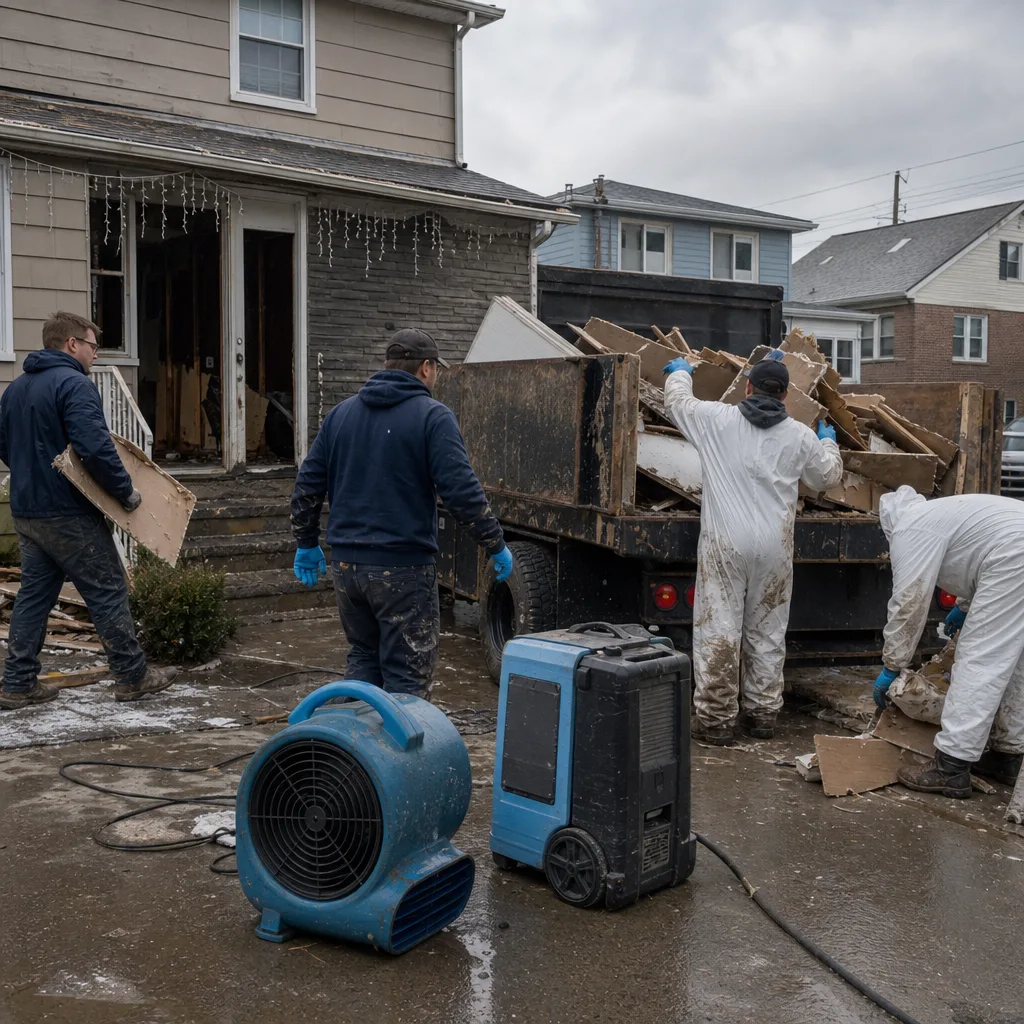
After a nor’easter or severe thunderstorm, we remove saturated debris, extract standing water, and dry affected spaces to the IICRC dry standard. In North Bergen’s brick multi-family buildings, cleanup means more than mopping: it means moisture mapping behind plaster walls, air movement in tight basements, and daily readings until the structure is dry. We handle the whole cleanup, not just the visible part.
Flood Damage Restoration
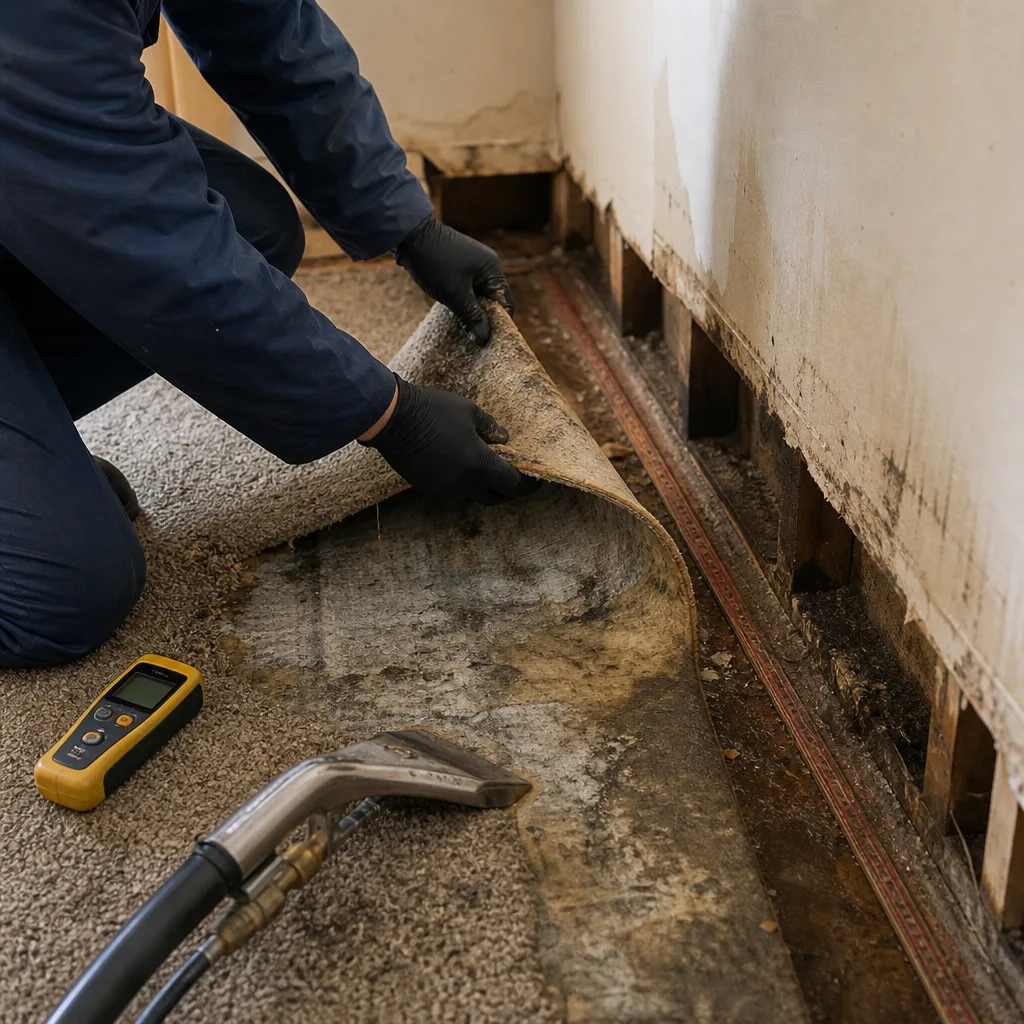
North Bergen floods differently than Hoboken. Here it’s sewage-contaminated Category 3 water rising through floor drains, not Hudson River surge rolling down streets. We treat every basement flood as potentially contaminated, set containment, HEPA-scrub the air, and remove affected materials. Our Storm & Disaster Restoration team is certified for exactly this work.
Emergency Board-Up
Broken windows from wind-thrown debris, failed parapets, and roof openings need immediate attention. We board up and tarp within the same visit as our inspection, using HUD-compliant materials and hurricane straps where needed. In North Bergen’s exposed ridge locations, wind can reopen an unsecured tarp overnight, so we anchor everything.
Roof Tarping
The Palisades ridge puts North Bergen roofs under more wind load than the river valley towns. Flat roofs on 1960s and 1970s garden apartments are especially vulnerable to parapet failure and pitch-pocket leaks. We install reinforced tarps that hold through sustained wind, covering the damaged area and preventing water from migrating into lower units while a permanent roof repair is scheduled.
Debris Removal
Storm debris in North Bergen’s tight lots and alley-load buildings creates access hazards for residents and delays for restoration work. We remove downed branches, damaged building materials, and storm-generated waste as part of the restoration scope, keeping walkways clear and the job site workable.
What happens when you call
- 1
A real person answersNo phone trees - you reach a local pro.
- 2
You get an upfront price rangeHonest numbers before anyone is dispatched.
- 3
A background-checked tech heads outLicensed & insured, dispatched right away.
- 4
You approve before work beginsNothing starts until you say go.
Storm & Disaster Restoration Costs in North Bergen, NJ
Storm restoration pricing in North Bergen’s market runs on the scope, not the square footage alone. Emergency board-up and tarping typically runs $400 to $900 depending on how many openings need covering and whether we’re working from ladders or lifts. Basement sewage extraction and sanitation for a single-family rowhouse starts around $1,800 to $3,500, while a multi-unit building with Category 3 water spread across stacked floors runs $5,000 to $18,000 depending on how much plaster wall must come out and whether asbestos testing and abatement enter the picture. Drying alone, with professional-grade Dri-Eaz and Phoenix equipment and daily monitoring, runs $150 to $400 per day per affected floor. Most North Bergen homeowners pay nothing out of pocket for the mitigation portion because we bill their carrier directly. The free visual inspection produces a written scope before you commit to anything. Call (551) 348-8481 and we’ll walk the damage with you and put numbers on paper.
We Also Serve Cities Near North Bergen
Our crews work across North Bergen and the surrounding Hudson County municipalities daily. You’ll find us in Weehawken, Union City, Secaucus, and Hoboken, often on the same day. The same live dispatch, the same certified crews, the same written guarantee.
Serving North Bergen, NJ - Our Local Coverage Area
We’re based in the North Bergen area and know this community well. Use the map below to see our service coverage - if you’re nearby, we can almost certainly help.
North Bergen Storm & Disaster Restoration Questions, Answered
Why do North Bergen basements flood with sewage during ordinary rainstorms?
North Bergen sits on the Palisades basalt escarpment, a near-impervious bedrock that prevents rainfall from percolating into the ground. Storm runoff overwhelms the township’s aging combined sewer mains, which then surcharge and push sewage-contaminated Category 3 water back through floor drains into basements. This is structural to the geography and infrastructure, not a sign your drain lines failed. Streets west of the ridge crest, where terrain flattens and runoff concentrates, see four or five neighboring basements back up within hours of each other during a single heavy rain. Call (551) 348-8481 when it happens; we stage equipment for clustered calls like this.
How quickly should I start water extraction after a North Bergen storm backup?
Within the first hour if possible. Sewage-contaminated water begins saturating plaster walls, wicking into framing, and creating conditions for mold within 24 to 48 hours. In North Bergen’s pre-war plaster-over-lath construction, water hides in wall cavities where it does not show on the surface, so delay means more demolition later. Our crews answer live and dispatch to North Bergen within 45 minutes. The sooner extraction starts, the less wall comes out.
Do I need asbestos testing before tearing out wet plaster walls in my North Bergen building?
Yes, if your building was built before the 1980s. Much of North Bergen’s 1920s through 1950s housing stock used joint compound that contains asbestos. Cutting into wet plaster without testing releases fibers into the air and can shut down the entire project. We flag this during inspection and arrange testing through a licensed environmental firm before any selective demolition begins. The testing adds a day or two to the front end and prevents a far longer shutdown later.
What’s different about storm restoration in North Bergen compared to Hoboken or Jersey City?
Hoboken and Jersey City flood from Hudson River surge and tidal inundation. North Bergen floods from sewage backups caused by the Palisades basalt preventing rainfall absorption and overwhelming combined sewer mains. That means North Bergen’s storm restoration calls are disproportionately Category 3 sewage events rather than clean-water floods. It also means the damage cascades through stacked units in multi-family buildings, requiring containment on each floor and coordination of multiple insurance claims from one incident. Our crews carry different equipment and follow different protocols here than they would in a river-surge flood zone.
Can your crew handle multiple units in the same building for one storm event?
Yes, and this is standard practice in North Bergen. When a sewer main surcharges, every unit above the backup point is affected. We set containment on each floor, extract from each affected space, and run separate drying chambers per unit. During a March nor’easter, our crew responded to a 1920s four-family brick building on 72nd Street where wind-driven rain had penetrated the parapet and combined with a surcharged sewer main to flood basements and first-floor units. We set containment on each floor, extracted Category 3 water, and ran Dri-Eaz air movers and dehumidifiers while moisture mapping guided selective demolition of plaster-over-lath walls, all while coordinating three separate insurance claims from a single incident.
Will my insurance cover storm damage restoration in North Bergen?
Most homeowners policies cover sudden and accidental storm damage, including sewage backup if you carry the endorsement. Coverage varies by carrier and policy language, so we document everything from the first hour: photos, moisture readings, drying logs, and a line-item scope that matches your policy’s covered perils. We bill your carrier directly and talk to your adjuster directly. You never have to play messenger. The free inspection gives you a written scope you can send to your insurer before any work begins.
How long does structural drying take in North Bergen’s older buildings?
Longer than drywall construction. Plaster-over-lath walls hold water in cavities, and brick exterior walls wick moisture inward. Expect three to five days of active drying for a typical basement sewage event in a pre-war building, and up to ten days when wind-driven rain penetrated multiple floors. We log daily moisture readings until the dry standard is met, and we hand you the log. No shortcuts on drying time, because the 90-Day Done Right Promise means we’d be the ones coming back to fix it.
What should I do in the first 30 minutes after a storm backup in North Bergen?
Do not enter standing water if electrical outlets or appliances are submerged. Shut off power at the breaker if you can reach it safely. Do not flush toilets or run water, which adds to the backup. Call (551) 348-8481 and describe what you see. A live dispatcher will tell you what to do next and get a crew moving toward your address. Take photos from a safe distance for your insurance file. Then stay out of the water and wait for our technicians, who arrive with equipment and containment supplies ready.
Written by Curt Bowman, Owner at Floodline Restoration Co., leading certified storm and disaster restoration crews across North Bergen and Hudson County.