
Free visual inspection and a written scope of work before any mitigation begins - photos, moisture readings, and drying logs go in your claim file
The scope we write is the scope we bill. Anything new gets shown to you, in writing, before we touch it.
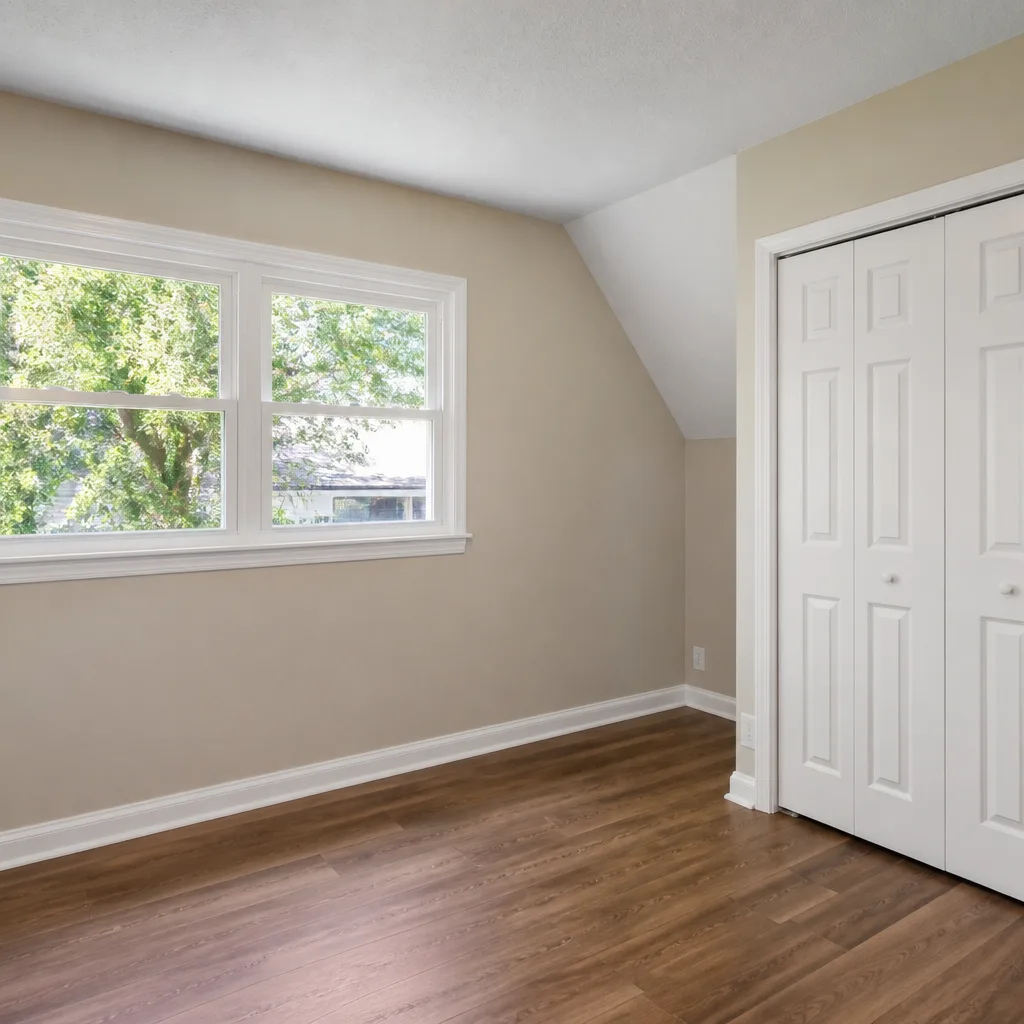

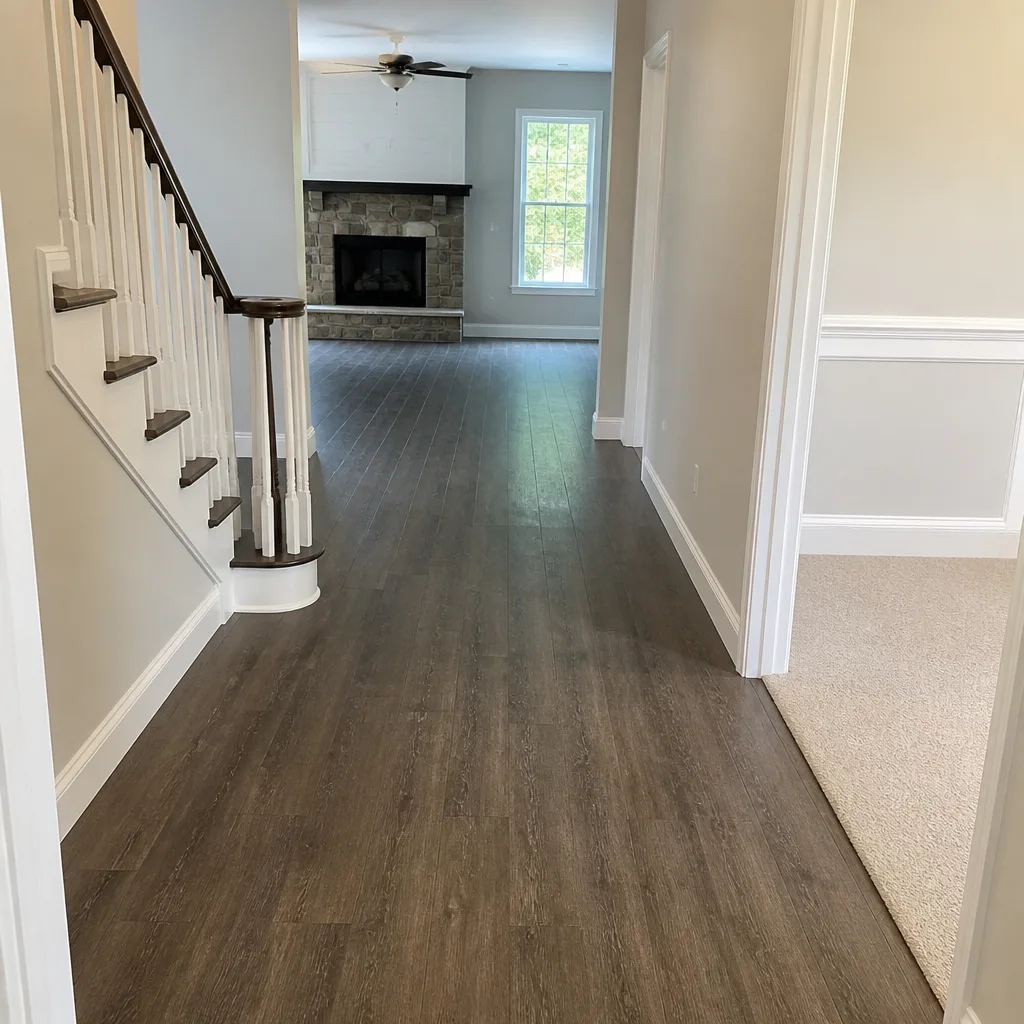

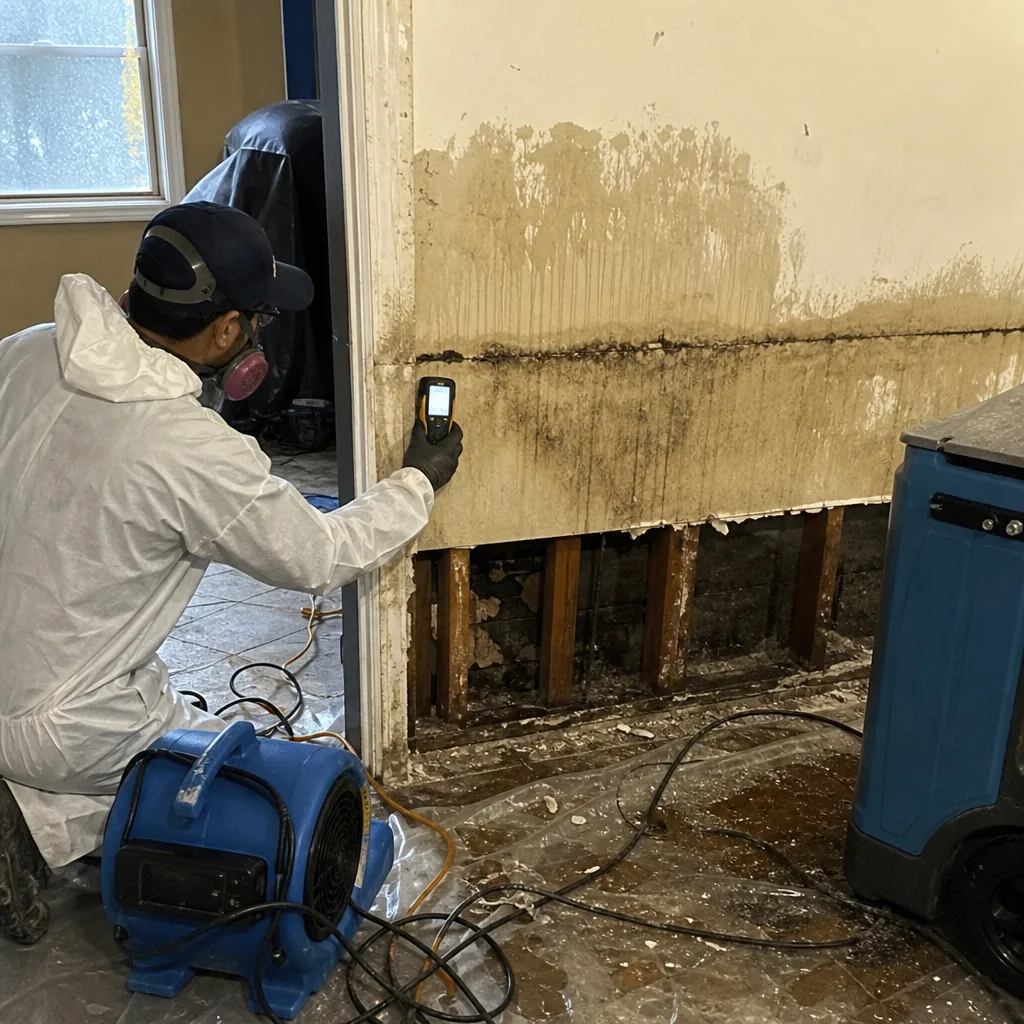 Before
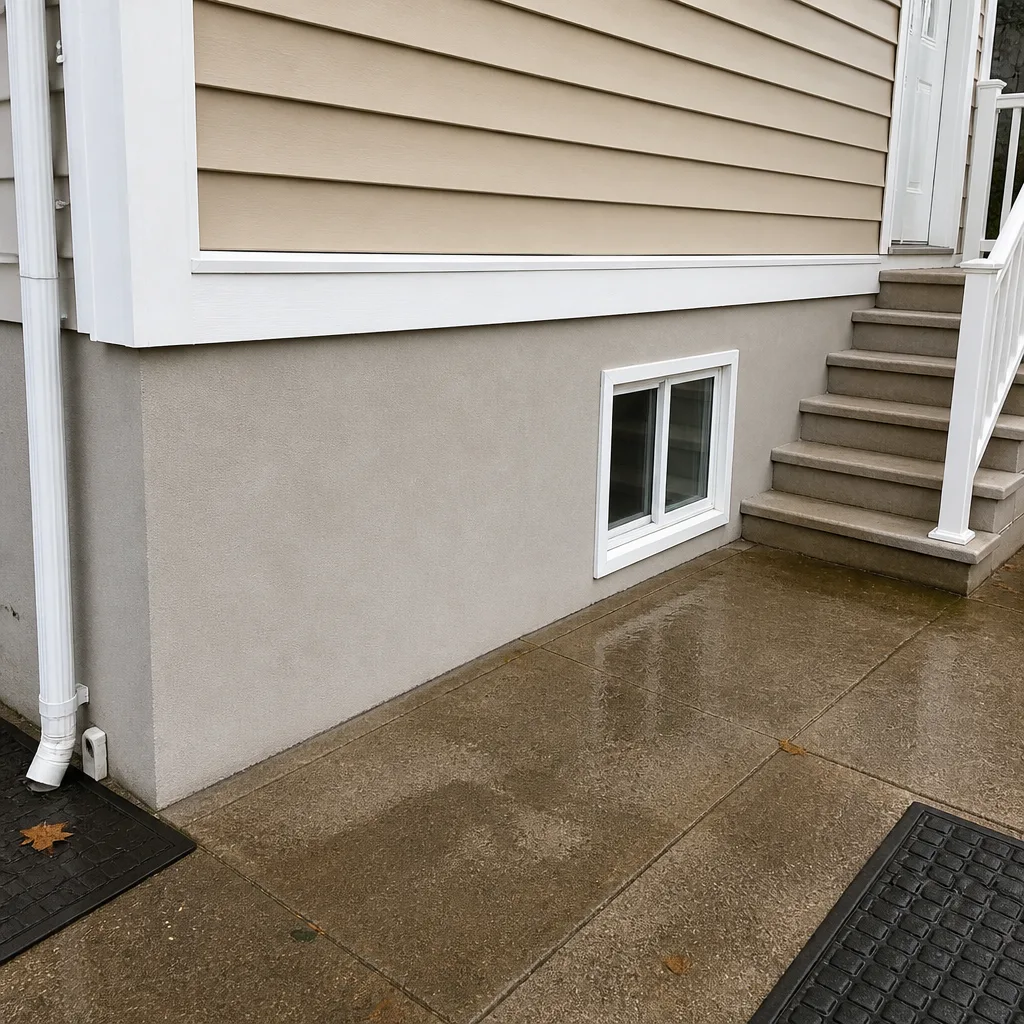 After
After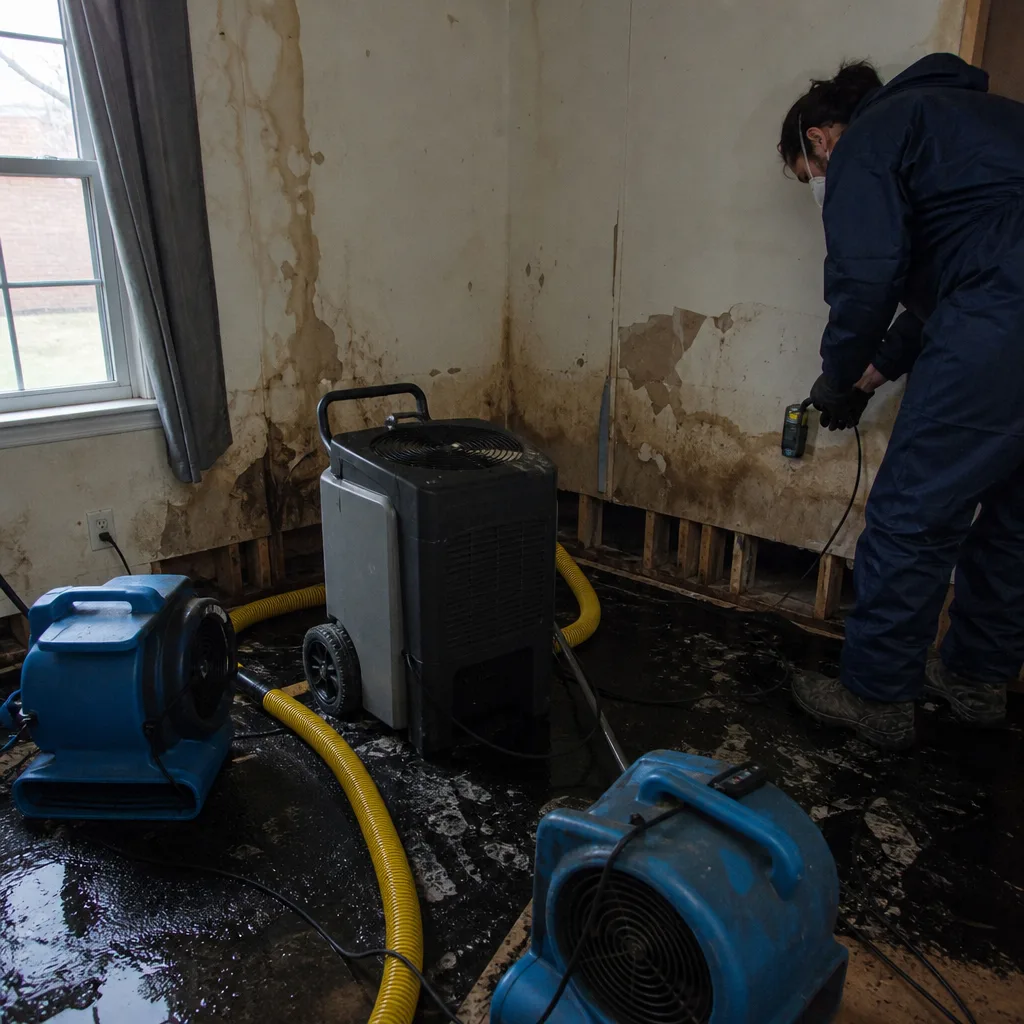 Before
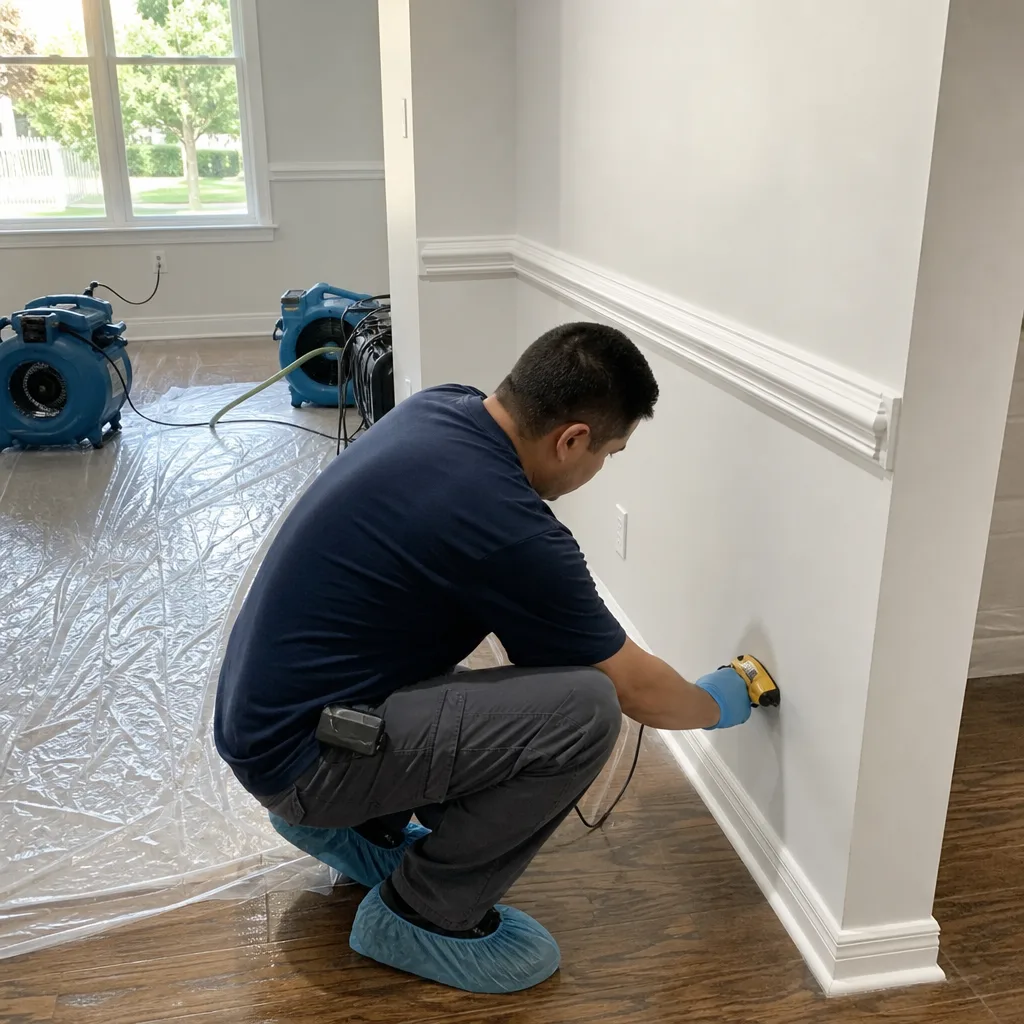 After
After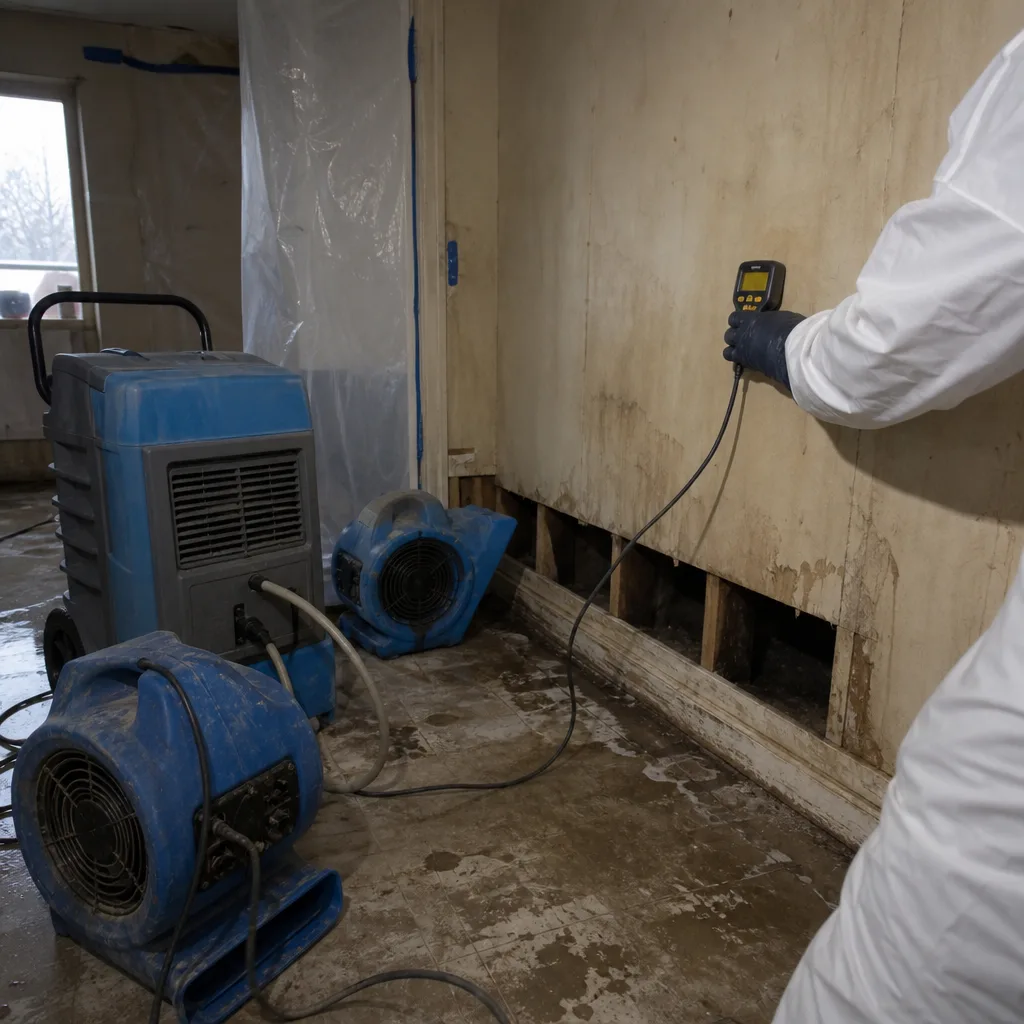 Before
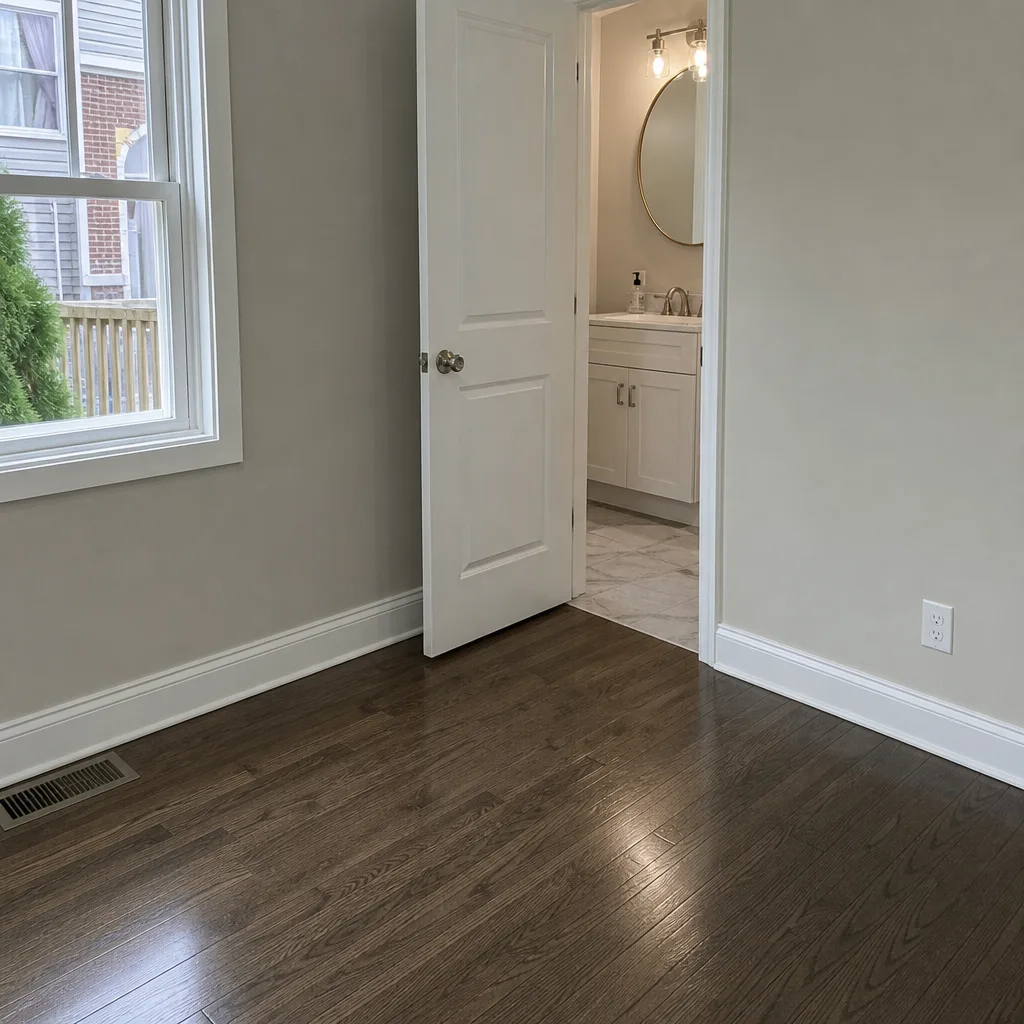 After
After24/7 Emergency Storm & Disaster Restoration in Union City
Storm damage in Union City rarely waits for a convenient hour, and neither do we. A live dispatcher answers (551) 348-8481 at 2 a.m., noon, or any time in between - not a recording, not a callback queue. Our crews reach addresses across Union City within about 45 minutes of your call, because the first hour after a roof breach or burst pipe determines whether you’re facing a contained cleanup or a cascading multi-floor restoration. We arrive with moisture meters, thermal imaging cameras, and the equipment to start extraction the same visit. The inspection is free, the assessment is honest, and you’ll know exactly what we found and what needs to happen next before we touch a single wall.
Understanding Storm & Disaster Restoration Severity in Union City Properties
Storm damage in Union City operates on a different severity scale than it does in most of New Jersey. The housing stock here is overwhelmingly pre-WWII brick tenements and attached row houses, buildings that run four to six stories with shared masonry walls, original cast iron drain stacks, and galvanized supply lines that have been in service since before most of us were born. When water moves through these buildings, it moves vertically. Category 2 water - the kind that carries significant contamination - can travel from a fifth-floor burst pipe down through four occupied apartments in under two hours, saturating plaster, lath, and hardwood before anyone on the second floor even notices a ceiling stain. Stormwater intrusion at the garden level behaves differently again. The dense impervious surfaces and steep grade along the Hudson Palisades ridge funnel runoff straight toward foundation walls, where hydrostatic pressure pushes Category 3 water - stormwater and anything it picked up along the way - through mortar joints and into basement units. Proper restoration here means moisture mapping every affected surface, not just the visible one, because what appears to be a single-unit ceiling stain is frequently the bottom floor of a four-story water column. We log daily readings until the dry standard is met, and we don’t sign off until every number says the building is actually dry.
Why Union City Property Owners Choose Floodline Restoration Co.
- Live answer, always. A real person picks up the phone 24 hours a day, every day. That’s a Floodline policy, not a scheduling goal.
- 45-minute response commitment. When crews are dispatched within Union City, we target arrival inside 45 minutes. The water doesn’t wait, and we don’t either.
- IICRC-certified crews. Our technicians hold IICRC credentials including WRT (Water Damage Restoration Technician), FSRT (Fire & Smoke Restoration Technician), and AMRT (Applied Microbial Remediation Technician) designations. They’re background-checked and uniformed, so you know who’s in your building.
- Free visual inspection. Before any work begins, we walk the affected area with you, explain what we’re seeing, and lay out the scope in plain language.
- Direct insurance billing. We bill your carrier directly and coordinate with the adjuster. You’re not playing messenger between us and the insurance company.
- One team from extraction to rebuild. The same Floodline crew that runs the first moisture reading handles the drying, the antimicrobial treatment, and the rebuild work. No mid-job handoff, no inherited strangers.
Our Storm & Disaster Restoration Process
Inspection & Assessment
We start with thermal imaging and moisture mapping to find every wet surface, including the ones behind walls and under floors. In Union City’s multi-story buildings, that means inspecting the units above and below the visible damage, because water doesn’t respect floor lines.
Extraction & Stabilization
Standing water comes out immediately using truck-mounted and portable extraction units. If a roof has been breached, we install emergency tarping or board-up the same visit to stop additional water from entering the building.
Drying & Dehumidification
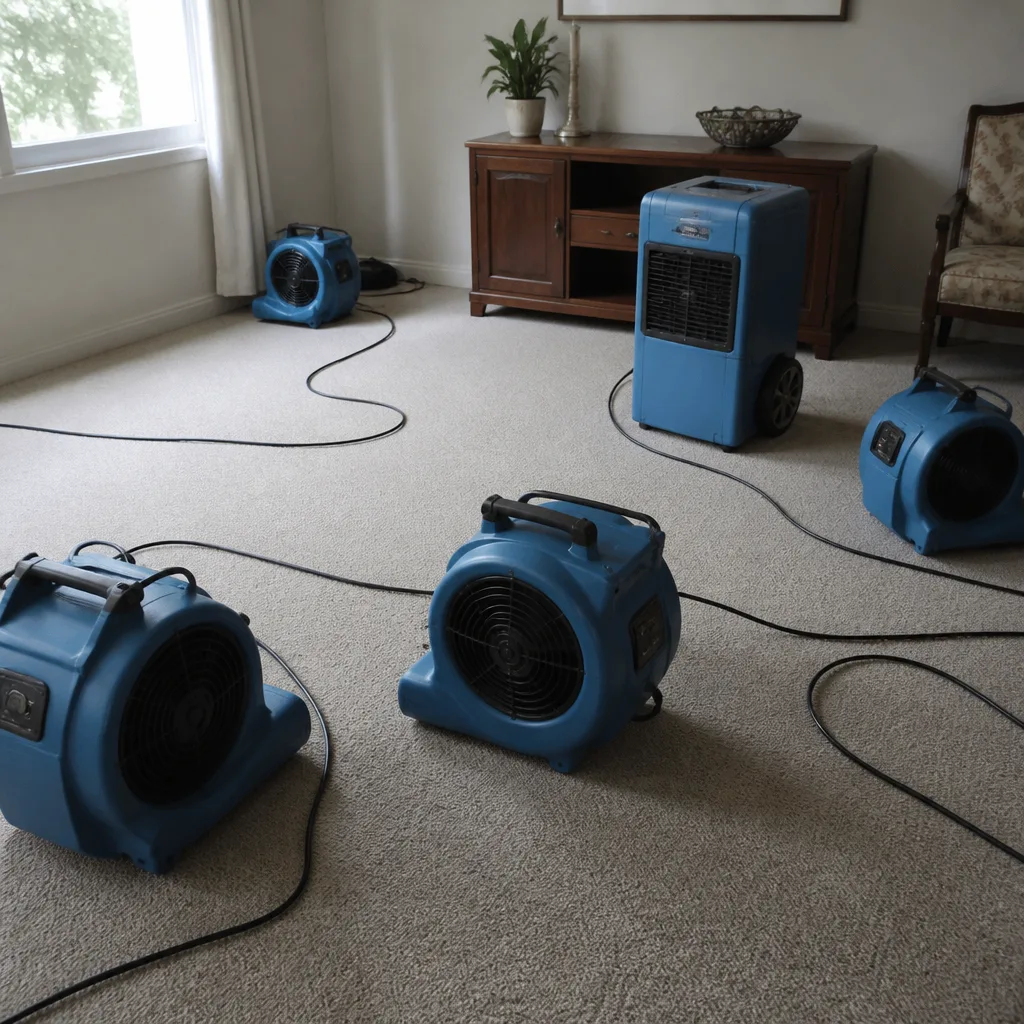
Professional-grade Dri-Eaz and XPOWER air movers and dehumidifiers are placed according to a drying map, not scattered randomly. We take daily moisture readings and log them until every affected material reaches the dry standard.
Cleaning & Sanitization
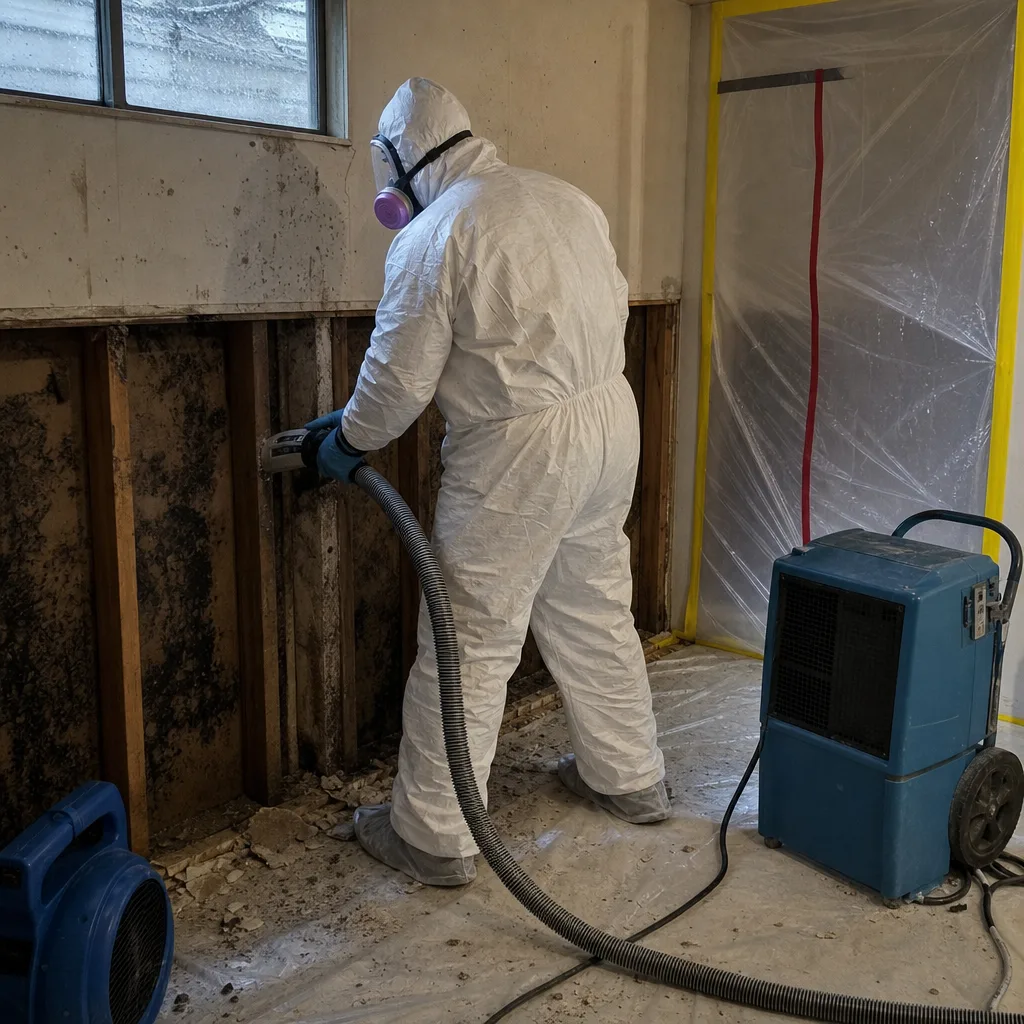
Surfaces that contacted stormwater or Category 2 water receive antimicrobial treatment. We clean what’s salvageable and remove what isn’t, with containment set up to prevent cross-contamination to dry areas.
Asbestos & Hazmat Coordination
This step is where Union City separates the professionals from everyone else. Original steam risers in many pre-war tenements here are wrapped in asbestos insulation. If water damage exposes or disturbs that wrap, we coordinate abatement before drying continues, so the job doesn’t stall halfway through.
Repairs & Restoration
The same Floodline crew that dried the structure handles the rebuild - drywall, flooring, trim, and paint. We don’t hand you off to a subcontractor we’ve never met. The job isn’t done until the 90-Day Done Right Promise is in your hands, in writing.
Need Emergency Storm & Disaster Restoration in Union City Now?
Crews minutes away, answering live 24 hours a day. The sooner we start, the less it costs.
Working With Your Insurance Company
Most Union City storm damage claims involve more than one affected party. When water from a fifth-floor pipe leak ends up in the third-floor apartment below, there are two insurance carriers, two adjusters, and usually a frustrated tenant or two standing in the middle. We handle that so you don’t have to. From the first hour on site, we’re photographing everything, logging moisture readings, and building a line-item scope of work that speaks the language adjusters expect. Curt Bowman founded Floodline Restoration Co. in 2010 around a dispatch board, not a sales desk, and that operational approach carries through to how we handle claims: document everything, communicate directly with the carrier, and never ask the homeowner to play messenger. Direct insurance billing is standard on every job we take in Union City.
What We Provide Your Insurer
- Thorough documentation of the loss
- Photos of all damage, room by room
- Moisture readings and drying logs
- A detailed, line-item scope of work
- Direct coordination with your carrier
Built for Union City’s Loss Calendar
Union City’s storm damage season doesn’t follow a single clean arc; it pulses all year and peaks in ways that catch out-of-town restoration crews flat-footed. January and February bring the deep freezes that burst galvanized supply lines and steam risers in uninsulated pre-war walls, and when a pipe lets go in a six-story building off Palisade Avenue, the water finds its way down fast. March and April bring thaw and hard spring rain, which is when garden-level units along New York Avenue and Summit Avenue start seeing seepage through foundation walls as saturated ground pushes water into basements. July and August mean sudden, violent thunderstorms that overwhelm Union City’s aging storm sewer infrastructure, turning roof drains and internal leaders into pressurized water columns that back up through flat-roof membranes and into top-floor ceilings. Then come the nor’easters in late fall, with wind-driven rain that finds every loose coping stone and tired membrane seam on a flat roof and works it until it fails. Add the original cast iron drain stacks still in service in many tenements - corroded from the inside out after ninety years of use - and you have a building stock that requires year-round vigilance. We built our Storm & Disaster Restoration response around that reality.
Storm & Disaster Restoration Across Union City’s Neighborhoods
Response routes matter in Union City because the streets were laid out for a city a fraction of its current density. When we get a call from the high-rise section along Palisade Avenue near Washington Park, we know we’re often dealing with postwar construction that has its own failure patterns - spalling parapet walls, failing roof membranes over large floor plates, and internal drainage systems that haven’t been scoped in decades. A few blocks west, around Bergenline Avenue, the buildings shift to attached brick tenements and row houses from the 1910s through 1930s, where steam risers, shared party walls, and original plumbing stacks dominate the risk profile. Down toward the 47th Street corridor and the northern blocks near North Hudson Park, we see more single-family attached housing with basement apartments and garage-level units that funnel stormwater directly into living spaces during heavy rain. The west side slopes down toward the Turnpike and the Hackensack River basin, where the grade runs toward the building rather than away from it, and garden-level flood damage is a recurring storm category. Each neighborhood has its own access constraints too - narrow streets in the older sections, tight alley access, limited parking for equipment vans - and our crews know which streets to approach from which direction when minutes count.
Specialized Storm & Disaster Restoration Services We Offer in Union City
Storm Damage Cleanup
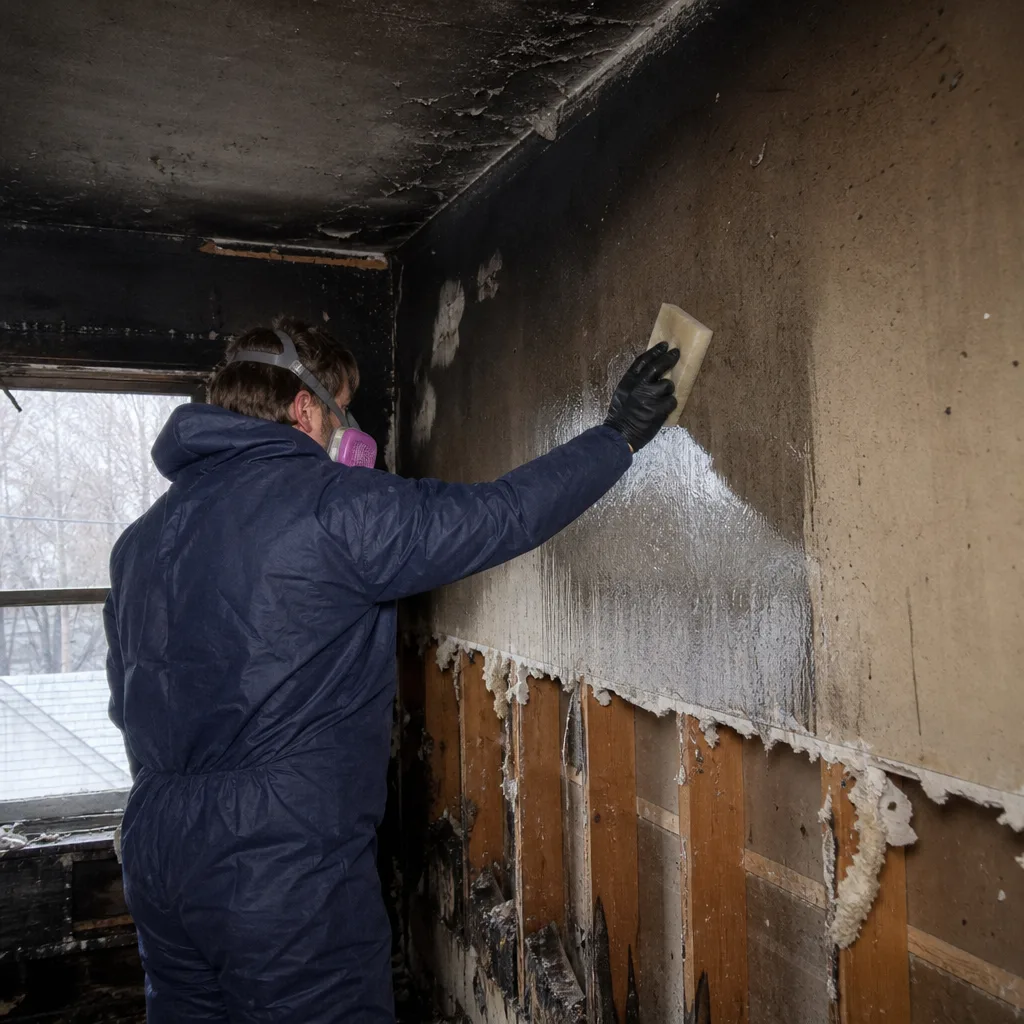
After a storm tears through Union City, the damage is rarely limited to one apartment. We remove saturated materials, dry affected surfaces, and treat for contamination. In multi-story tenements, that means coordinating with neighbors whose units share walls or ceilings with the affected space, because stormwater doesn’t stop at the property line.
Flood Damage Restoration
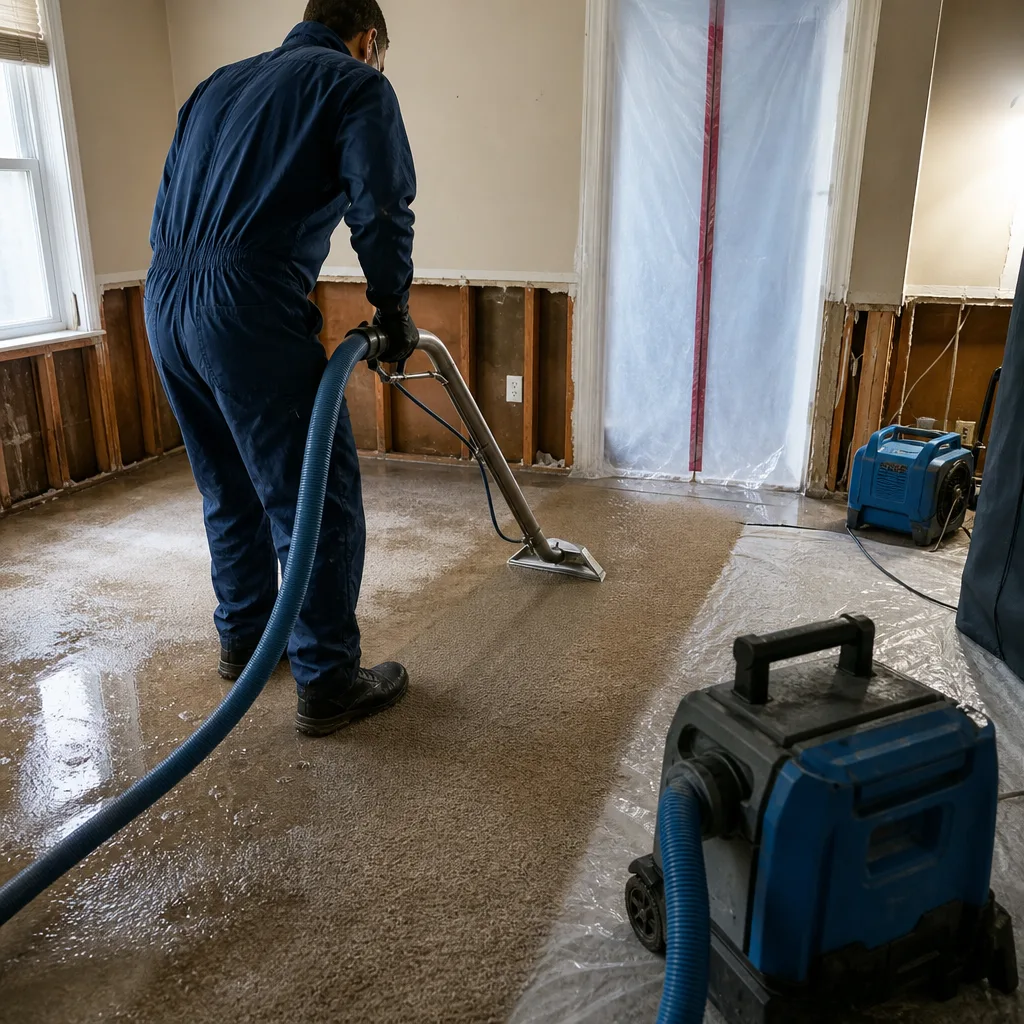
Garden-level and basement flooding off Summit Avenue or near the western slope is a different animal from a roof leak. We extract, moisture-map the shared concrete block walls, and dry with the same rigor we’d apply to a finished living room. Skimping on wall drying in a $2,000-a-month garden unit today creates a $12,000 mold problem six months from now.
Roof Tarping
Flat roof membranes on Union City’s pre-war tenements pond water by design - they’re meant to drain through internal leaders, not off the edges. When a membrane splits during a nor’easter, tarping is a stopgap that buys time, but it has to be done right. We check the internal drains before we secure the tarp, because a tarped roof with clogged drains still sends water into top-floor ceilings. That’s the difference between a completed storm job and a repeat call.
Emergency Board-Up
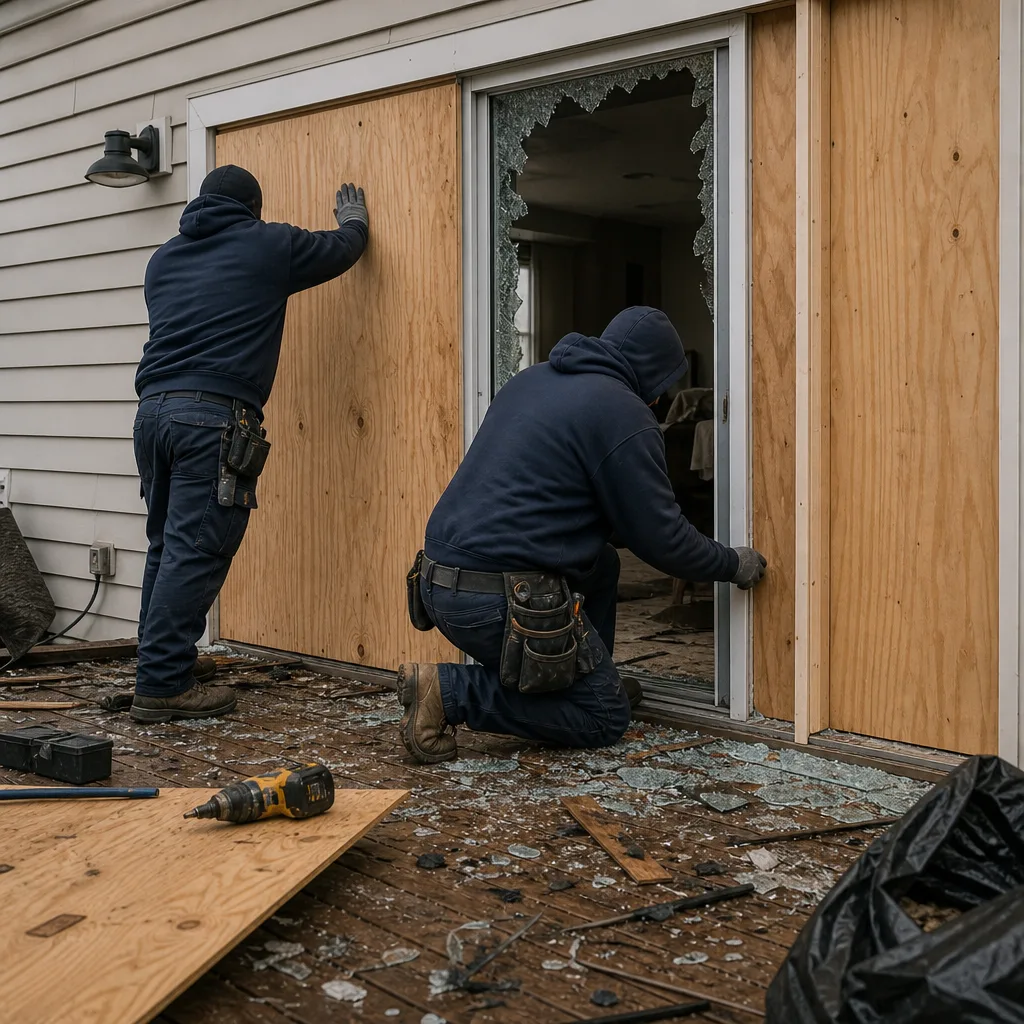
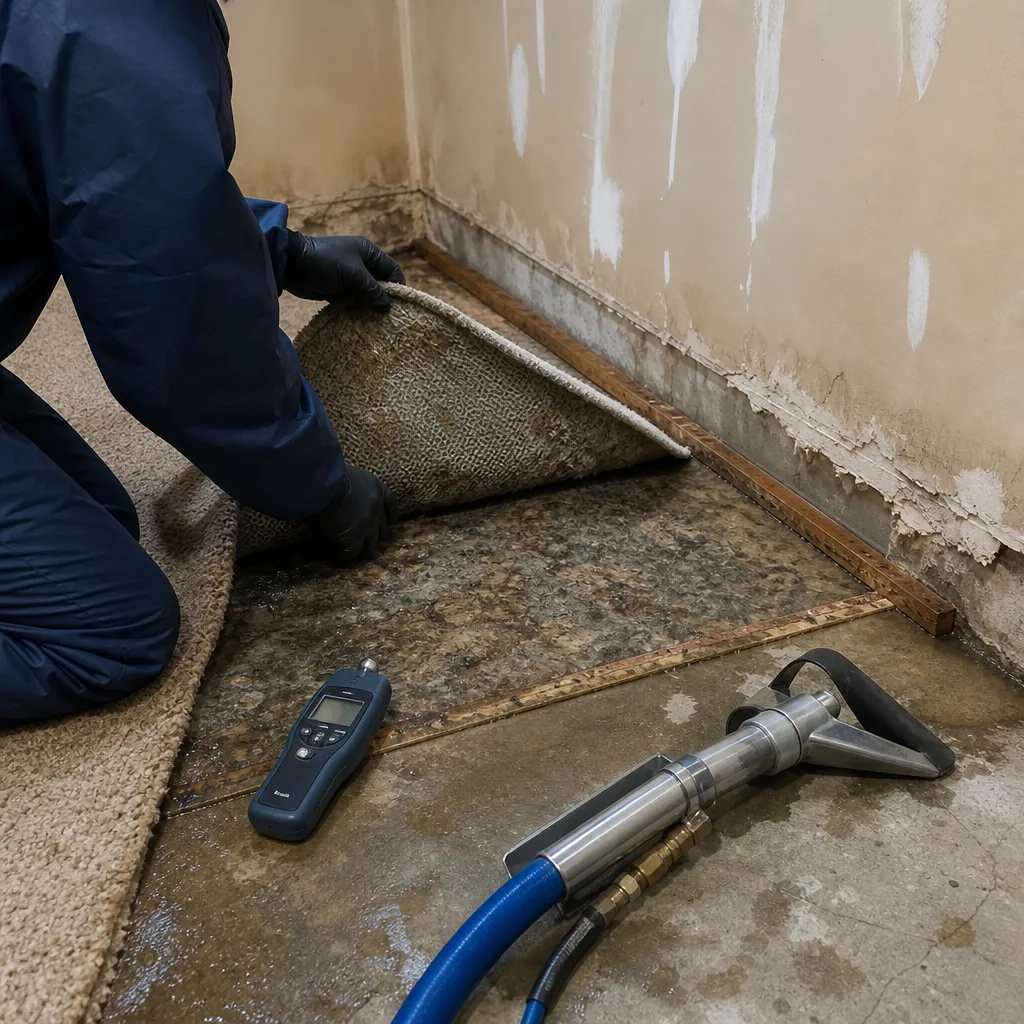
Broken windows, wind-damaged doors, or a section of wall that’s compromised call for immediate board-up to keep weather and unauthorized entry out. We install it the same day we’re called, and we don’t leave openings that let rain follow the stud cavities into lower units.
Debris Removal
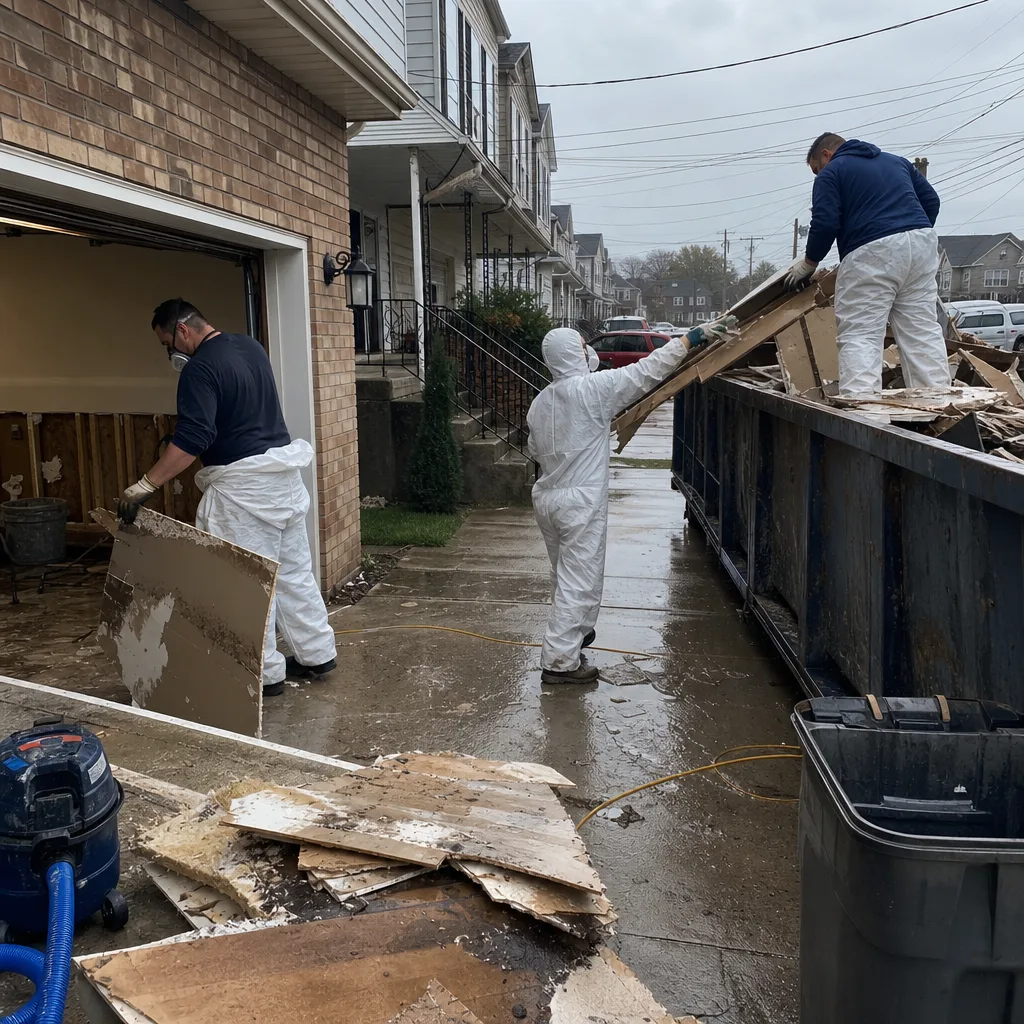
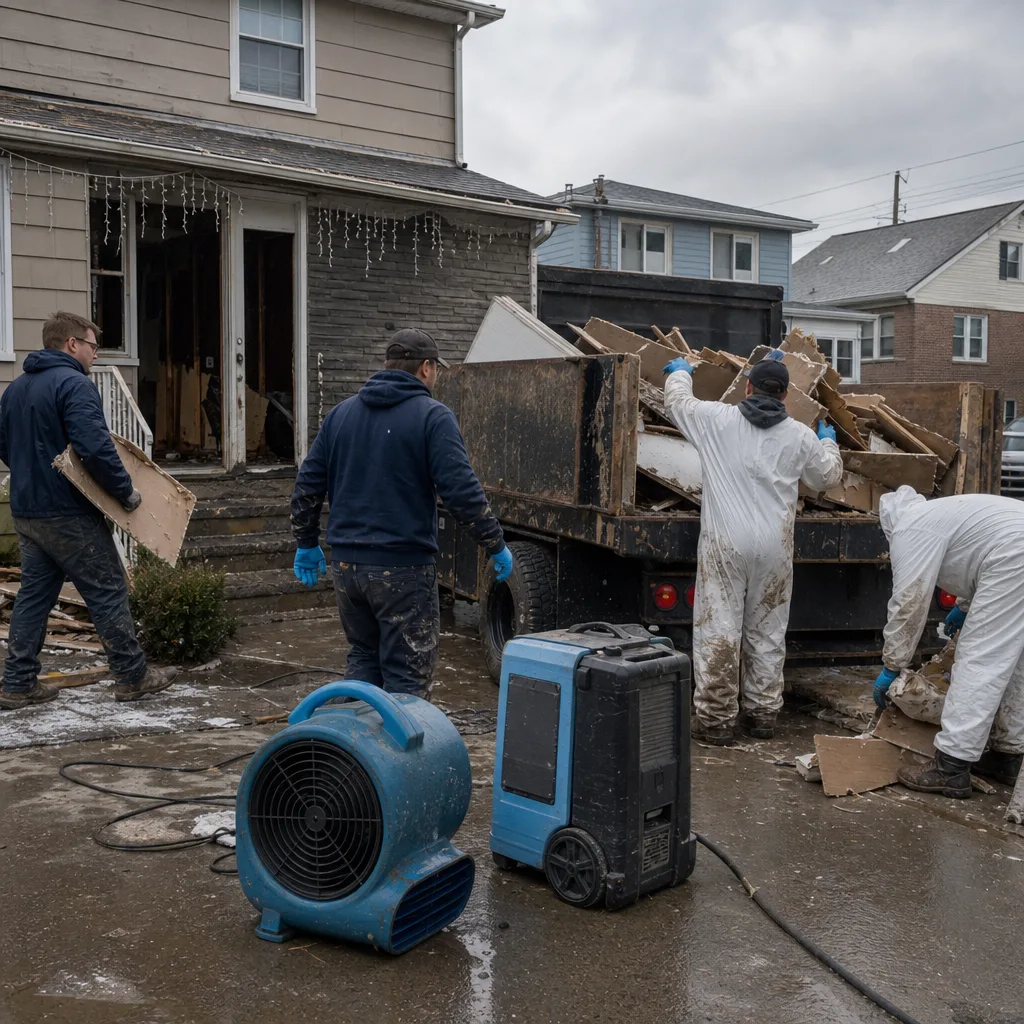
Storm debris in a city as dense as Union City is a public safety issue as much as a private one. We remove tree limbs, construction debris, and damaged contents quickly, and we know the local disposal requirements for mixed storm waste.
What happens when you call
- 1
A real person answersNo phone trees - you reach a local pro.
- 2
You get an upfront price rangeHonest numbers before anyone is dispatched.
- 3
A background-checked tech heads outLicensed & insured, dispatched right away.
- 4
You approve before work beginsNothing starts until you say go.
Storm & Disaster Restoration Costs in Union City, NJ
Honest numbers matter, especially when you’re standing in a wet apartment at 3 a.m. trying to figure out what this is going to cost. A straightforward stormwater extraction and drying job in a single Union City apartment typically runs between $2,800 and $6,500. When water has traveled through multiple floors - the stacked-apartment scenario that defines this city - the scope expands accordingly, and a full multi-unit restoration following a single pipe burst commonly falls between $12,000 and $35,000 before rebuild work begins. Roof tarping on a typical flat-roofed tenement runs $450 to $1,200 for an emergency tarp, depending on roof access and size. Board-up services start around $350 for one or two openings. The factors that move the price: how many units are affected, whether asbestos abatement is triggered by exposure of wrapped steam risers, how much drywall and flooring must be removed, and how long drying equipment needs to run. Most storm damage in Union City is covered by insurance, minus your deductible, and we handle that billing directly. The free visual inspection we offer gives you a firm, line-item scope before any work is authorized - no surprises on the back end. Call (551) 348-8481 for an exact quote; the estimate costs you nothing.
We Also Serve Cities Near Union City
Floodline Restoration Co. runs crews into Weehawken, Hoboken, North Bergen, and Secaucus as well. If your property sits in one of those communities and you’ve taken storm damage, the same live-answer dispatch line applies: (551) 348-8481. We coordinate our Union City crews with neighboring service areas based on who can get to you fastest, which usually means we’re already close.
Union City Storm & Disaster Restoration Questions, Answered
How does Union City’s building density affect the cost and timeline of storm damage restoration?
Union City’s density multiplies the scope of a restoration job far faster than in typical suburban settings. A single pipe burst on the fourth floor of a six-story tenement is rarely a one-unit job; water tracks down through framing, electrical chases, and floor cavities into the apartments below, and each additional affected unit adds drying time, containment requirements, and cost. A job that’s $4,000 in a standalone house can easily become $20,000 in a Union City tenement because the water didn’t stay where it started. That’s why our initial inspection maps the whole column of units, not just the one that called.
My top-floor apartment has a ceiling leak after a storm. Is it always a roof membrane problem?
Not always, but it usually involves the roof in some way. Union City’s flat roofs are designed around internal drainage - leaders that run down through the building. When those drains clog with leaves or debris during a storm, water ponds on the membrane and finds every worn seam, loose flashing point, or cracked penetration. But the leak could also be coming from an overflowing roof drain that’s backing up into a leader pipe, or from wind-driven rain entering through a coping stone gap at the parapet. We start the inspection at the roof itself before tearing into your ceiling, because fixing drywall without addressing the roof means the next storm repeats the whole mess.
Can you restore water damage in a garden-level unit without disturbing my upstairs neighbors?
In most cases, yes. Garden-level flood damage from stormwater intrusion typically originates at the foundation walls, not from plumbing above, so the affected area is contained to your unit. We set containment barriers, run our drying equipment inside your space, and use negative air pressure where needed to keep airborne contaminants from migrating. The structural drying we do in your walls and floor slab doesn’t require access to the units above, unless moisture readings show water has wicked upward through the floor framing - which does happen in older buildings. If that’s the case, we’ll talk to you before touching anything outside your unit.
Does Union City require anything special before you can dry out water damage?
Union City’s older building stock triggers requirements that newer suburban homes don’t face. The big one is asbestos: original steam risers in many pre-war tenements are wrapped in asbestos insulation. If water damage exposes that wrap, or if drying equipment vibration could disturb it, abatement must be coordinated before drying work continues. There are also building permit requirements for structural repairs and electrical work, and multi-unit buildings may need coordination with the building owner or HOA. We handle all of this as part of the scope. The homeowner’s job is to call us; ours is everything after that.
How quickly can you start water extraction after a storm in one of Union City’s six-story walk-ups?
We aim to have crews on site within about 45 minutes of your call anywhere in Union City. Six-story walk-ups don’t slow us down - our techs carry equipment up stairwells daily, and that’s factored into our dispatch planning. Extraction starts the same visit in nearly every case, and the first drying equipment is often running before we leave that day. The sooner you call after noticing water, the more floor covering, drywall, and personal property can typically be salvaged. For an emergency, call (551) 348-8481 - someone answers live at any hour.
Will my insurance cover storm damage restoration, and do you work with my carrier directly?
Most storm damage in Union City - wind-driven roof leaks, pipe bursts from freezing, stormwater backup - is covered under standard homeowners or commercial property policies, subject to your deductible. Some exclusions apply, particularly for sump pump failures or sewer backups without specific endorsements. We document everything from the first hour, photograph all damage, and provide the moisture readings and line-item scope your adjuster needs to process the claim. Then we bill your carrier directly. You’re not out-of-pocket for the full restoration while waiting on reimbursement, and you’re not making a dozen phone calls between us and the insurance company.
How long does drying and full restoration take in a Union City multi-story building?
Structural drying typically runs three to five days for a contained single-unit water event. When multiple stacked apartments are involved, drying extends - often seven to ten days - because the moisture column is deeper, more material is saturated, and we’re running equipment across several floors simultaneously. Full restoration, including drywall replacement, flooring, and paint, usually adds another one to three weeks depending on scope. The 90-Day Done Right Promise covers all of it: if something isn’t right after we finish, we make it right, in writing.
What should I do in the first 30 minutes after discovering storm damage in my Union City apartment?
First, protect yourself: turn off electricity to the affected area if water is present and you can reach the panel safely. Second, call (551) 348-8481. Don’t wait to see if it stops. Move small valuables and electronics out of the water’s path if you can do so safely, but don’t wade through standing water that could be energized or contaminated. Don’t turn off the building’s main water supply unless you know where it is and that it won’t affect other units. The faster extraction starts, the less structural damage the building sustains, and the sooner your life gets back to normal.
Serving Union City, NJ - Our Local Coverage Area
We’re based in the Union City area and know this community well. Use the map below to see our service coverage - if you’re nearby, we can almost certainly help.
Local Knowledge That Shows Up When It Counts
Union City is one of the most densely populated municipalities in the entire United States, and that single fact reshapes storm damage restoration here more than any equipment spec or certification list. A roof leak or burst steam riser in a four-to-six-story pre-war tenement cascades through stacked apartments, generating multi-party insurance claims and requiring coordinator-level management between tenants, landlords, and carriers. That’s structurally unlike anything a suburban New Jersey restorer handles. Our crew was called to a six-story brick tenement off Bergenline Avenue after a corroded galvanized supply line let go behind a fifth-floor kitchen wall. Water tracked down through four occupied apartments within two hours, so we set containment on each floor, ran moisture mapping with Dri-Eaz and XPOWER equipment, and coordinated pack-out for tenants before cutting drywall to expose the soaked framing. The scope of work ended with structural drying across three units and antimicrobial treatment behind every baseboard. Mold remediation in one unit can cross shared walls and floors into neighboring dwellings before the source is even identified. When we inspect water damage in a Union City tenement, we don’t just look at the apartment that called - we map the units above, below, and beside it. That’s the only way to actually finish the job.
Written by Curt Bowman, Owner at Floodline Restoration Co. Our team provides Storm & Disaster Restoration services throughout Union City, backed by the 90-Day Done Right Promise, in writing, on every job.
For immediate Storm & Disaster Restoration in Union City, call (551) 348-8481. Live dispatch, 24 hours a day, every day. The free inspection gives you a firm scope before any work starts, and the 90-Day Done Right Promise is yours in writing, no arguing, no fine print. Done right - and backed in writing. We stand behind it.