
Last updated August 25, 2026
Free visual inspection and a written scope of work before any mitigation begins - photos, moisture readings, and drying logs go in your claim file
The scope we write is the scope we bill. Anything new gets shown to you, in writing, before we touch it.


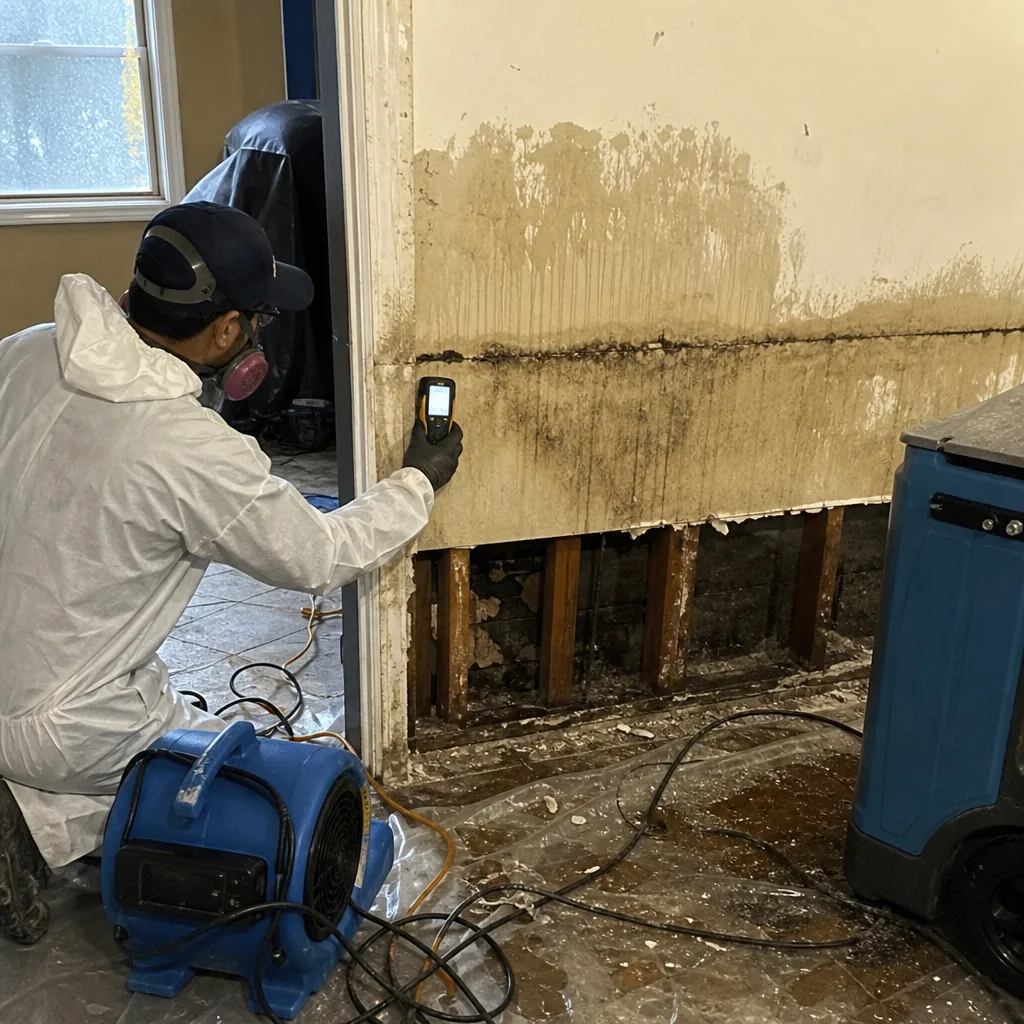 Before
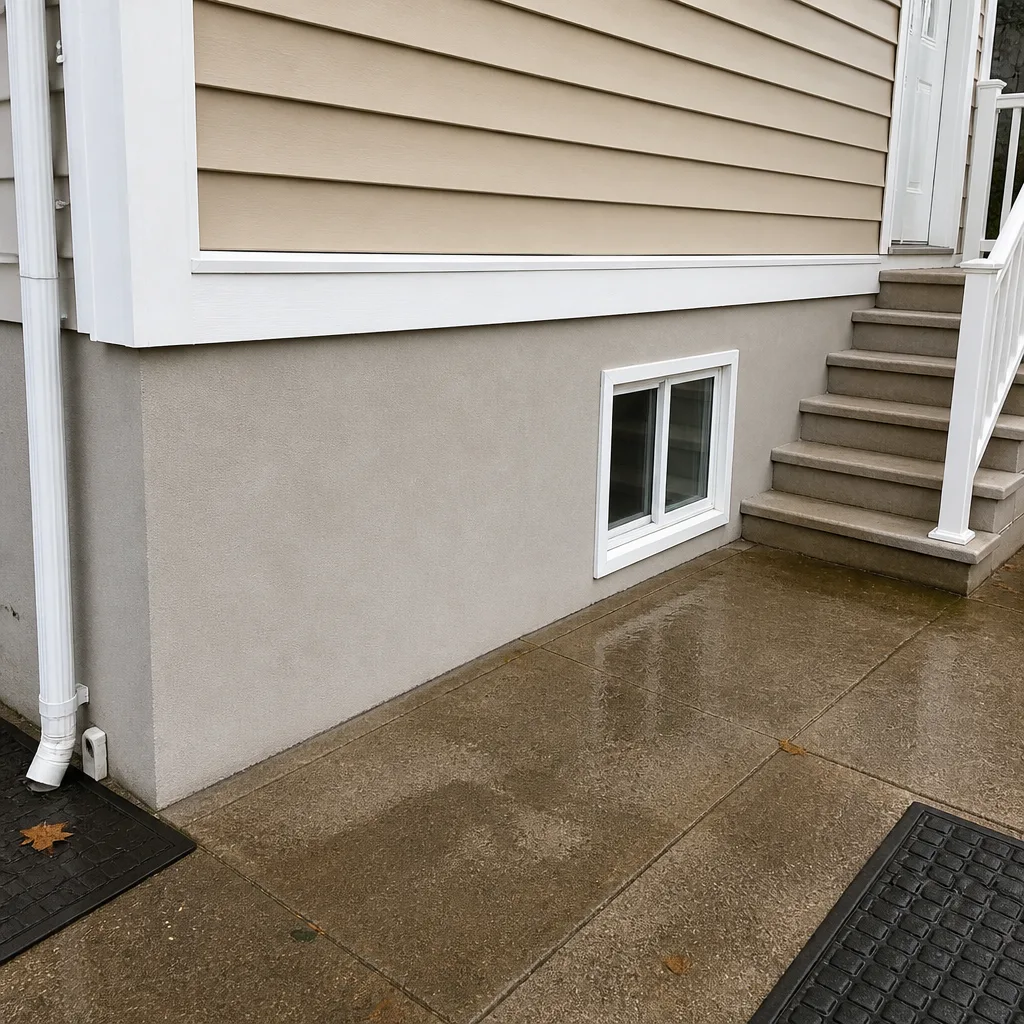 After
After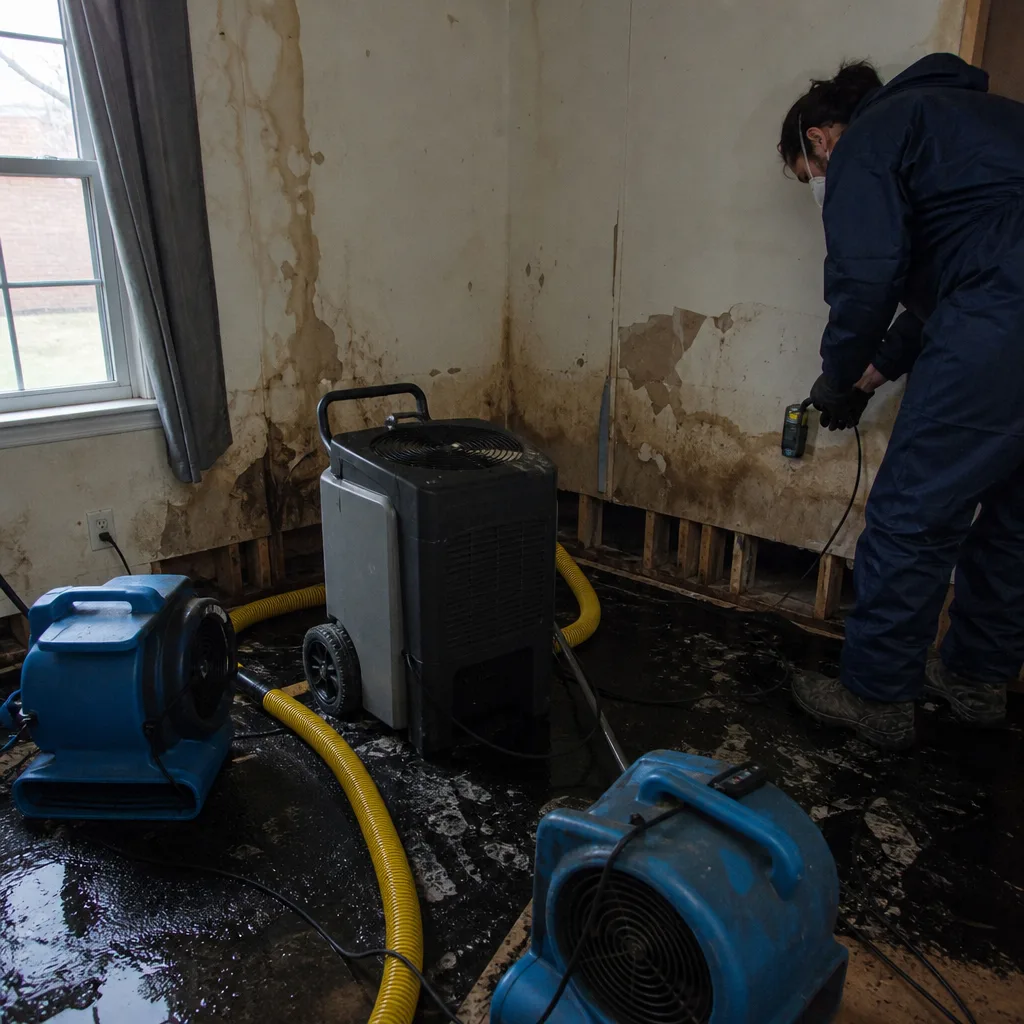 Before
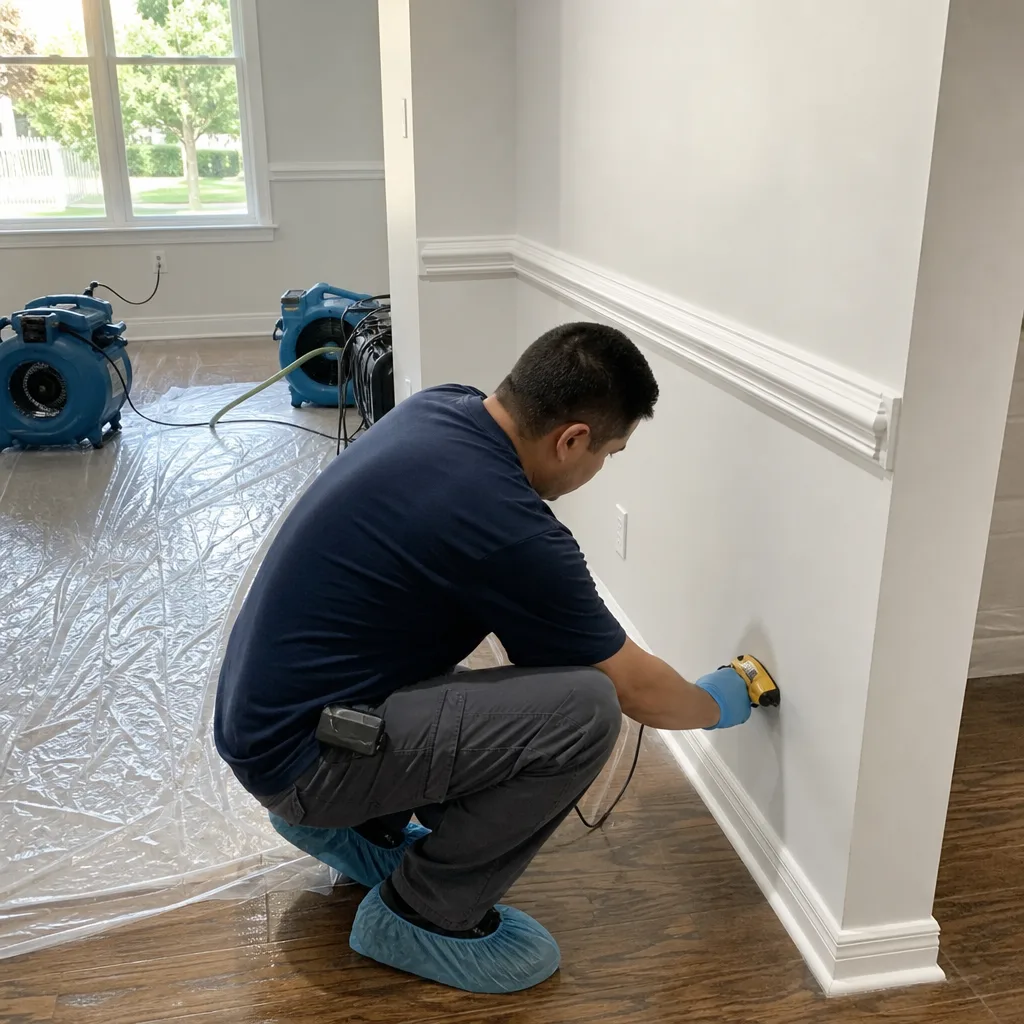 After
After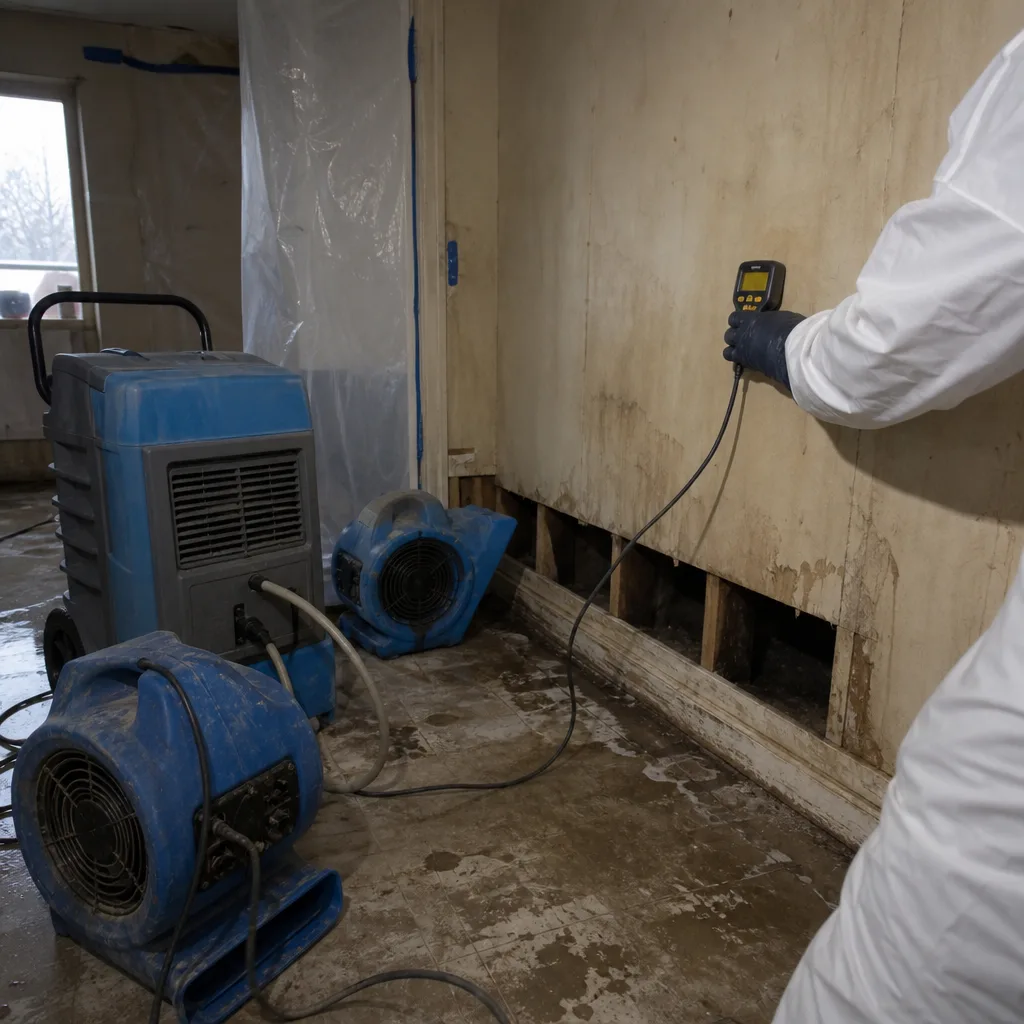 Before
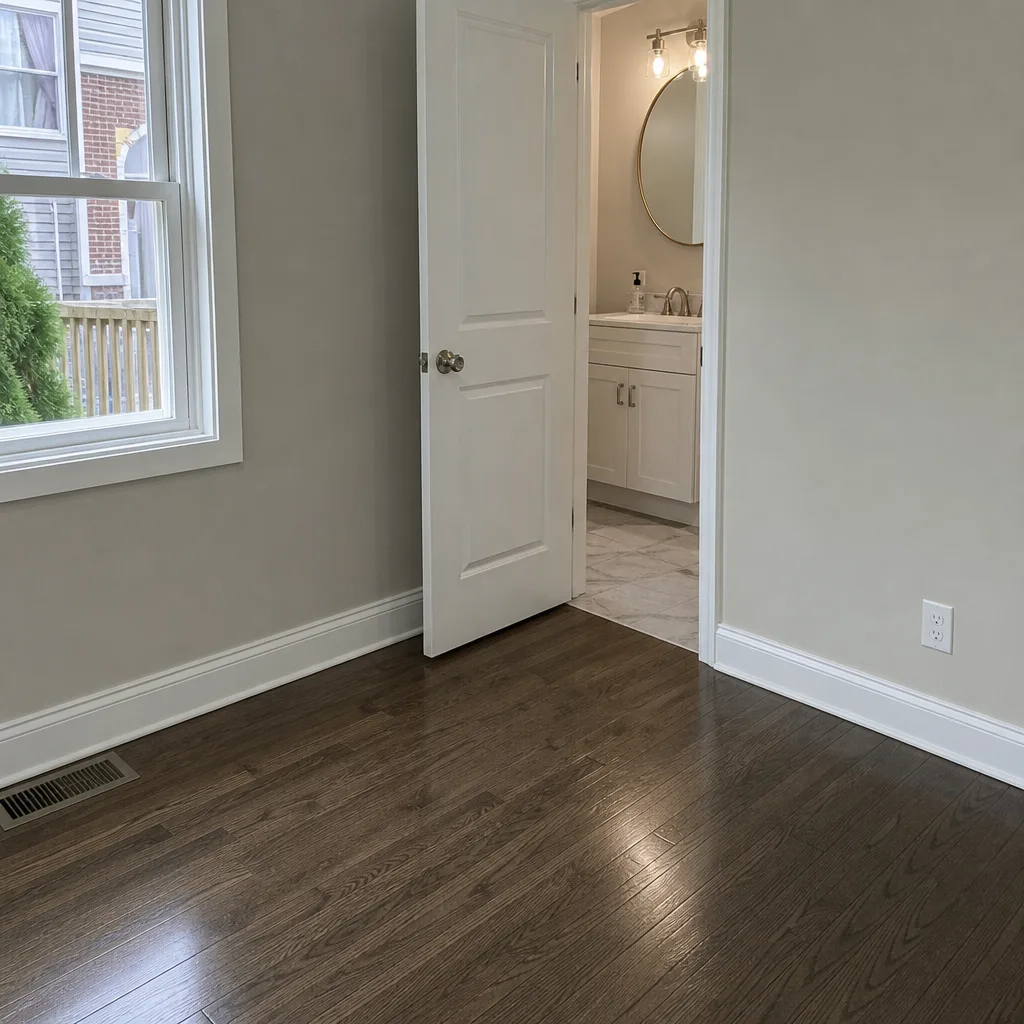 After
AfterThe Complete Guide to Damage Restoration in Union City
Most homeowners in Union City discover the true cost of water damage months after the water itself is gone. Mold moves in quietly. Drywall wicks moisture into hidden cavities. A floor that looked dry on the surface keeps swelling underneath. The New Jersey climate doesn’t help: long humid summers and sudden coastal storms mean a damp house doesn’t dry out on its own. This guide walks through the full restoration process from first response to final rebuild, explains when a homeowner can handle cleanup and when a certified crew is non-negotiable, and sets honest expectations for timeline, cost, and what “done right” actually looks like in a Union City home.
Quick Answer
Damage restoration in Union City means removing water, sewage, soot, or mold; drying the structure to a measurable standard; treating contamination; and rebuilding what can’t be saved. For anything beyond a small spill on tile, the work requires professional moisture-mapping equipment and a written drying log. Union City homeowners should expect same-day emergency response, daily moisture readings, direct insurance billing, and a written guarantee covering the completed work.
Table of Contents
- What Is Damage Restoration, Exactly?
- How Water Damage Restoration Works in Union City
- Mold Remediation: When Drying Isn’t Enough
- Fire & Smoke Restoration: What Gets Saved, What Gets Rebuilt
- Sewage Cleanup & Biohazard Work: The Safety Standard
- Storm & Disaster Restoration: Flooding, Leaks, and the Next Northeast Storm
- What Does Restoration Cost in Union City, and Will Insurance Cover It?
- Common Mistakes to Avoid
- When to Call a Professional
- Frequently Asked Questions
- The Bottom Line
What Is Damage Restoration, Exactly?
Damage restoration is the full process of returning a home to safe, livable condition after water, fire, mold, sewage, or storm damage. It is not a cleaning service and it is not a handyman repair. Restoration starts with emergency mitigation: stopping the source, extracting standing water, and setting up drying equipment fast enough to prevent secondary damage. It continues with structural drying confirmed by daily moisture readings, not by touch. Then comes remediation of any contamination, whether that’s mold growth, soot residue, or biohazard material. Finally, reconstruction returns the home to its pre-damage condition or better.
The distinction between mitigation and reconstruction matters in Union City because many companies only do one or the other. A mitigation crew dries the house and leaves. A separate contractor handles the rebuild. The homeowner ends up as the project manager, the messenger between two companies and the insurance carrier, and the one left holding responsibility when something fails. At Floodline Restoration Co., we handle every phase with the same certified crew, from first extraction to finished trim. The Floodline Restoration Co. home page outlines the full service range, but the short version is this: when we start a job, we finish it.
Restoration work is also governed by industry standards, not personal opinion. The IICRC sets the drying standards that legitimate restoration companies follow. RIA and IFA credentials cover additional restoration and forensic cleanup disciplines. When a Union City homeowner asks how we know a wall is dry, the answer is a measured moisture content compared against a dry standard for that material, not a guess from a technician who touched the drywall and said it felt fine.
How Water Damage Restoration Works in Union City
Water damage repair in Union City typically takes three to five days for drying alone, with reconstruction adding anywhere from a few days to several weeks depending on how much material gets removed. The process follows the same sequence whether the water came from a burst supply line, a failed water heater, an overflowing tub, or a roof leak.
Union City’s housing stock makes water damage particularly unforgiving. Many homes are older frame construction with plaster and lath, balloon framing, or finished basements that hold moisture against foundation walls. Basements that stay damp through a New Jersey summer are already close to the mold threshold before a pipe bursts. When water arrives, it doesn’t take long for a small leak to become a remediation job.
Here is the restoration sequence, step by step:
- Inspection and moisture mapping. A certified technician identifies the water source, shuts it down if needed, and uses moisture meters and thermal imaging to map where water has traveled. Water moves inside wall cavities and under flooring far beyond the visible puddle. We mark the floodline: the highest point water reached, the honest line that defines the scope.
- Extraction. Standing water is removed with professional-grade extraction equipment. Speed matters here. The longer water sits, the deeper it wicks into porous materials and the more likely mold becomes.
- Controlled demolition. Saturated materials that cannot be saved, such as soaked drywall, padding, or carpet, are cut out and removed. Material that can be dried stays in place.
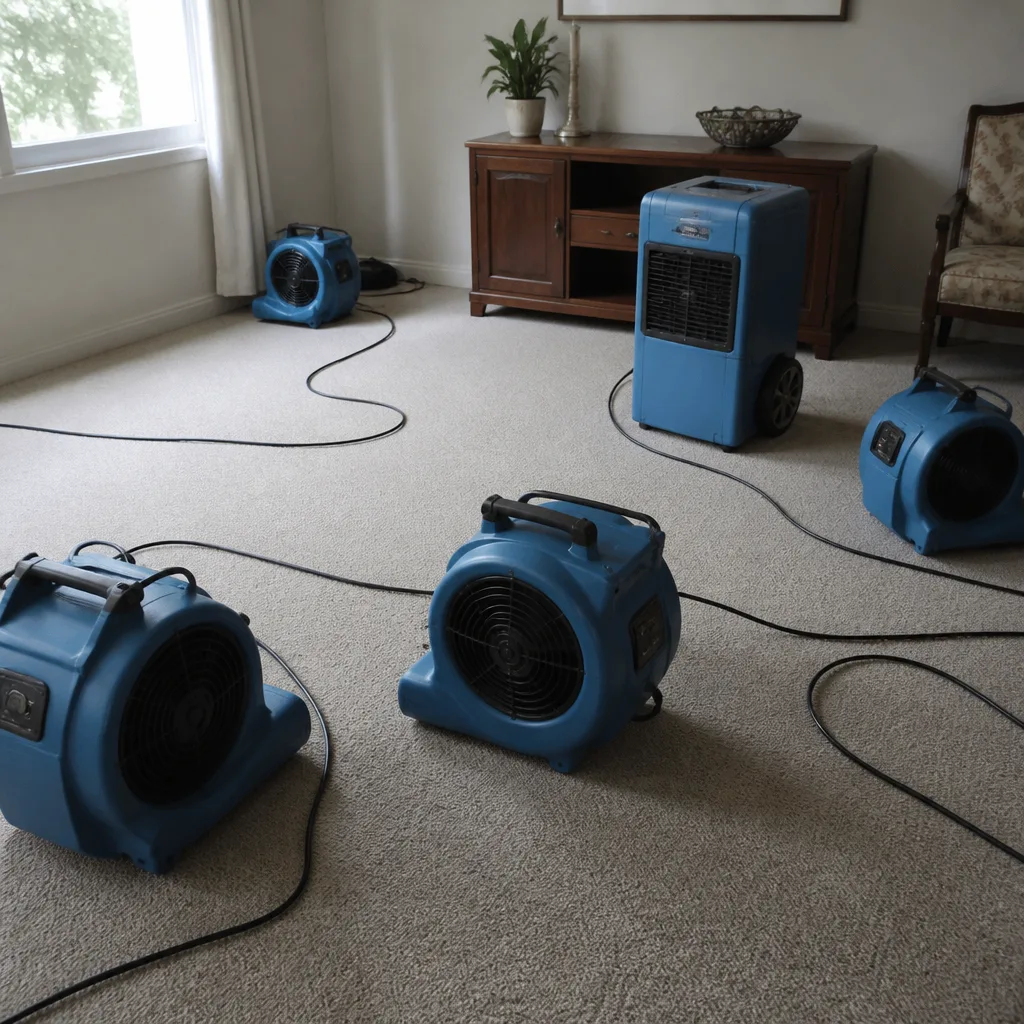
- Structural drying. Professional-grade air movers, dehumidifiers, and specialty drying systems like Injectidry panels run continuously. Daily moisture readings are logged. The dry standard is a measured number, not a feeling.
- Sanitizing and deodorizing. Dried surfaces are treated to prevent microbial growth, and the affected area is cleaned before reconstruction begins.
- Reconstruction. The same crew that did the extraction and drying rebuilds the walls, floors, and finishes. No handoff, no new contractor, no repeated explanations to a new foreman.
In our experience working throughout Union City, the most common sources of water damage are supply-line failures on washing machines, water heaters that reach end of life and crack, and slow leaks under kitchen sinks that go unnoticed for months. The slow leaks are often the worst, because by the time water shows through drywall, the framing behind it has been wet for weeks.
Mold Remediation: When Drying Isn’t Enough
Mold remediation is the controlled removal of mold growth and the correction of the moisture problem that allowed it to grow. It is not just spraying bleach on a wall. Bleach does not kill mold roots in porous materials, and disturbing mold without containment spreads spores through the home. Proper remediation follows a containment-first standard: seal the work area, control airflow with negative pressure, remove contaminated material, clean remaining surfaces, and verify with post-remediation air or surface samples.
Mold in Union City homes often shows up where homeowners don’t look: behind basement drywall, in crawl spaces, under window sills where condensation collects, and in bathroom ceilings under an upstairs leak. The humid months from June through September are when we get the most calls. A finished basement that was fine all winter can show visible mold by late summer if the foundation wall is holding moisture.
The process follows five steps:
- Assessment and moisture source correction. Mold cannot be permanently removed until the water source is fixed. We map the moisture, confirm the source, and plan remediation around it.
- Containment. The affected area is sealed with plastic sheeting, and negative air pressure keeps spores from circulating into the rest of the house.
- Removal. Mold-contaminated materials such as drywall, insulation, and carpet are cut out and bagged for disposal. Semi-porous surfaces like studs are sanded or wire-brushed. Non-porous surfaces are HEPA-vacuumed and wiped down.
- Cleaning and treatment. Remaining surfaces are cleaned with appropriate antimicrobial treatments, and the area is thoroughly HEPA-vacuumed to capture airborne spores.
- Verification and rebuild. Post-remediation sampling confirms the job is complete. Reconstruction follows, with the same crew handling both phases.
Mold work is one area where DIY attempts cause the most expensive problems. We’ve been called to Union City homes where a homeowner sprayed a basement wall with bleach, painted over it, and listed the house for sale, only to have the inspector find active mold behind the paint. Proper remediation costs less than the price reduction on a flagged sale, and it’s the only method that actually resolves the problem.
Fire & Smoke Restoration: What Gets Saved, What Gets Rebuilt
Fire and smoke restoration in Union City typically costs between $3,000 and $15,000 for moderate damage, with extensive rebuilds running higher. The work has two distinct phases: smoke and soot mitigation, then reconstruction. Both need to happen, and they need to happen in the right order, because soot that gets sealed inside a rebuild keeps off-gassing for years.
Smoke damage behaves counterintuitively. Soot is acidic and begins etching surfaces within hours. It travels far from the fire itself: into closed drawers, behind baseboards, inside HVAC ducting. A small kitchen grease fire can leave smoke residue in a bedroom on the second floor without a single burn mark on the path between them. Odors embed in soft materials like carpet, upholstery, and insulation, and cleaning those materials does not always fix the odor.
The restoration sequence for fire damage:
- Emergency board-up and stabilization. Broken windows, damaged roofs, and structurally compromised sections are secured to prevent further damage and unauthorized entry.
- Water extraction (if suppressant water was used). Fire damage and water damage usually go together. The fire gets put out; the water does its own damage. Both are addressed in the same visit.
- Soot and smoke residue cleaning. Non-porous surfaces are cleaned with specialized sponges and detergents. Porous materials that cannot be properly cleaned are removed.
- Deodorization. Ozone, hydroxyl, or thermal fogging treatments neutralize smoke odor at the source.
- Structural repair and rebuild. Framing, drywall, electrical, flooring, paint, and finishes are restored by the same crew.
Union City homes close together, especially in the denser residential blocks off Bergenline Avenue, means smoke damage from a neighbor’s fire can enter your home even when your own walls never see a flame. The shared walls of attached homes carry smoke through any void. If your house smells like smoke after a fire next door, the soot has already settled somewhere, and it needs professional attention before the odor sets permanently.
Sewage Cleanup & Biohazard Work: The Safety Standard
Sewage cleanup and biohazard remediation is the most heavily regulated category of restoration work because the health risks are immediate and serious. Sewage contains pathogens including E. coli, hepatitis A, and parasites. Blood and other biological fluids carry bloodborne pathogens that require specific handling, disposal, and PPE protocols. This is not a category where a homeowner should attempt cleanup with household cleaners. The safety standard exists for a reason.
Sewage backups in Union City most commonly come from combined storm and sanitary sewers during heavy rain events, from main line blockages in older homes with clay or cast-iron pipes, and from tree roots that have slowly compromised lateral lines. The Union City sewer system sees significant load during summer thunderstorms, and homes with basement bathrooms or laundry rooms below grade are at the highest risk when the system backs up.
The technical standard for sewage remediation follows IICRC protocols for category 3 water, which is classified as grossly contaminated. The process: remove standing sewage water with dedicated extraction equipment; remove and dispose of contaminated porous materials including carpet, pad, drywall, and insulation; pressure-wash and treat remaining structural surfaces; dry to standard with daily moisture logs; and verify the space is safe for reconstruction. Personal protective equipment for technicians is mandatory throughout, including respirators, gloves, eye protection, and full-body suits where warranted.
It’s important for Union City homeowners to understand that floodwater from a storm, even if it did not originate in a sewer line, is still considered category 3 water once it has mixed with ground runoff, which carries waste, chemicals, and bacteria. Basement flooding after a heavy storm deserves the same safety protocols as a sewer backup. Biohazard and crime scene cleanup services follow the same containment and disposal framework, carried out with the same professional discipline and an awareness that we are working in a home, not just a job site.
Storm & Disaster Restoration: Flooding, Leaks, and the Next Northeast Storm
Storm and disaster restoration in Union City takes two forms: wind and rain damage from coastal storms and nor’easters, and urban flooding from overwhelmed drainage systems. Both happen fast, both create water damage, and both need the same first response: secure the property, stop the water, extract and dry. The difference is scale. A storm that hits an entire neighborhood means every restoration company is stretched thin, and homeowners with a relationship to a local company get priority response.
We’ve worked through enough New Jersey storm events to know what the first 24 hours look like after a hurricane or a major coastal storm. Roofs lose shingles and let water into attic spaces. Windows leak around flashing. Basement sump pumps fail when power goes out. Gutters overflow and send water against the foundation. Homes that never had a water problem develop one during a single afternoon of heavy rain.
Storm response follows the same technical sequence as water damage restoration, with three additions specific to storms:
- Roof tarping and emergency repair. If the water came through the roof, a temporary covering stops additional water before drying begins. Drying a house with a leaking roof is wasted effort.
- Power and safety assessment. Floodwater and electrical systems are a dangerous combination. The power is shut down to affected areas until they are dry and inspected.
- Long-moisture monitoring. After a major storm, homes in Union City stay damp for weeks as humidity stays elevated. Daily moisture readings through the full drying cycle are not optional; they are the standard.
Homeowners can prepare for the next nor’easter with a few specific steps: know where your main water shutoff is before you need it, keep gutters clear through the fall, check the sump pump battery backup each spring, and store valuables in basement areas on shelves rather than directly on the floor. Preparation reduces damage; it doesn’t eliminate it. When a storm does hit, the same certified crew that handles a small pipe leak will handle a flooded basement, because the process and the standard are identical.
What Does Restoration Cost in Union City, and Will Insurance Cover It?
Water damage restoration in Union City typically costs between $2,500 and $7,500 for moderate jobs involving extraction, drying, and limited reconstruction. Mold remediation runs $1,500 to $6,000 depending on the affected area and whether reconstruction follows. Sewage cleanup starts around $3,000 and scales with square footage. Fire damage restoration runs $3,000 to $15,000 for moderate damage, with larger rebuilds priced by scope in a written estimate before work begins. Storm damage is priced the same way, based on measured moisture, affected materials, and reconstruction requirements.
Here is a breakdown of typical Union City pricing by category:
- Water extraction and drying only (no reconstruction): $2,500 to $5,000, depending on square footage and equipment days.
- Mold remediation (containment, removal, cleaning, verification): $1,500 to $6,000 for typical basement or bathroom jobs.
- Sewage backup cleanup and sanitization: $3,000 to $8,000 depending on the affected area and material removal.
- Fire and smoke restoration with limited rebuild: $5,000 to $15,000; full kitchen rebuilds and structural work run higher.
- Reconstruction after any of the above: Priced by written scope; Union City material and labor rates apply.
Insurance coverage depends on the cause of the damage and the specifics of the policy. Sudden and accidental water damage, such as a burst pipe, is generally covered by standard homeowners policies. Gradual damage, such as a slow leak that ran for months, is generally excluded, because insurers consider it a maintenance issue. Flood damage from rising groundwater or an overflowed storm sewer typically requires a separate flood insurance policy; standard homeowners insurance does not cover flood. Sewer backup often requires a specific rider. Mold remediation is covered only when it results from a covered water loss. Fire and smoke damage are covered by standard policies, subject to the deductible.
At Floodline Restoration Co., we bill the insurance carrier directly and provide photo documentation of every phase of the job. The homeowner never plays messenger between us and the adjuster. We also provide a written scope of work before reconstruction starts, priced line by line, so there are no surprises on the bill. That’s the square deal that Union City homeowners repeatedly tell us matters most.
Common Mistakes to Avoid
- Waiting to call until the water “looks ready” to clean up. Every hour of standing water increases the migration depth into drywall, flooring, and framing. What starts as a $3,000 drying job becomes a $12,000 reconstruction job when the walls stay wet overnight.
- Trusting visual dryness instead of measured moisture. Drywall and subfloor feel dry long before they reach the dry standard. Only a moisture meter gives a number, and that number is what the insurance carrier accepts.
- Using bleach on visible mold. Bleach doesn’t kill mold roots in porous material, and it adds water to the surface, which mold appreciates. Proper remediation requires containment and material removal.
- Hiring a company that only does mitigation, or only does reconstruction. In Union City, where many homes are older and jobs require careful sequencing, the handoff between two companies creates blame-shifting, delays, and cost overruns. One company, one standard, one guarantee is less expensive in the long run.
- Not checking credentials before signing a contract. The restoration industry attracts contractors who buy a truck and a dehumidifier and call themselves professionals. Ask for IICRC certification, ask for proof of insurance, and ask for a written guarantee. Legitimate companies show you these things without a pause.
- Assuming a finished basement will dry on its own in New Jersey humidity. A Union City summer holds moisture in the air at 70 to 80 percent relative humidity for weeks. A damp basement without active drying equipment will grow mold before fall.
- Letting the insurance adjuster’s first offer dictate the scope. Adjusters respond to documentation. Daily moisture readings, photographs, and a written scope from a restoration company that knows Union City building conditions are the evidence that gets claims approved properly.
When to Call a Professional
Any damage involving standing water beyond a hand-wrung towel, sewage, mold larger than a bathroom tile, fire or smoke residue, or a flooded basement after a storm belongs in the hands of a certified professional, not a bucket and a fan. The line is not about difficulty; it’s about hidden moisture, contamination, and the permanent damage that happens when a house isn’t dried to a measurable standard. If you can see water, smell mold, or smell smoke, the damage has already moved beyond surface level. Floodline Restoration Co. offers free estimates in Union City, and a live person answers the phone 24 hours a day at (551) 348-8481, every day of the year.
Frequently Asked Questions
Floodline Restoration Co. has a live dispatcher answering the phone 24 hours a day, 7 days a week, and in most cases a certified crew reaches Union City homes the same day you call, with extraction equipment running during the first visit. Water damage waits for no one, so our dispatch board is built for speed without cutting corners on the documented process. Call (551) 348-8481 when you need us; someone answers every time.
Sudden and accidental water damage like a burst pipe is typically covered under standard homeowners insurance, while gradual leaks, floodwater from rising groundwater, and sewer backups may require specific riders or separate flood insurance. The only way to know for sure is to file the claim with proper documentation. We photograph every phase, provide daily moisture logs, and bill your carrier directly so you are not the go-between.
You know by the moisture reading, not by touch. A dried Union City basement should have wood and drywall moisture readings within the normal range for that material, confirmed with a professional moisture meter and logged over consecutive days until the dry standard holds. If someone tells you it feels dry, ask for the number. We hand every homeowner a moisture log.
Yes, because the mold you can see is typically a fraction of the colony behind the wall, under the floor, or inside the HVAC system where air is moving spores through the house. A small visible spot behind a basement wall in a Union City home can mean a much larger colony feeding on the back side of the drywall. Proper containment and removal is the only way to actually resolve it.
The 90-Day Done Right Promise, which we call the Keystone Standard, says that if the work is not done right, we make it right, in writing, with no arguments and no paperwork battles. It’s tied to our K.E.Y.S. values code: Krafted right, Every time, Your home first, Standing behind it. If a problem emerges within 90 days, we fix it. The promise is written into the scope before work starts.
A company that plans to be in Union City in thirty years answers the phone with a person, trains apprentices into journeymen, and stands behind its work because its reputation is tied to the neighborhood, not a regional call center. We’ve proudly served local communities for over 42 years, and the same certified crew that reads the moisture map on day one handles daily readings, hands the log to you and your carrier, and rebuilds what needs rebuilding. Call (551) 348-8481 for an exact estimate, free at any hour.
The Bottom Line
Damage restoration in Union City is a technical discipline with a measurable standard, not a judgment call. The work requires certified crews using professional-grade equipment, daily moisture documentation, and a written guarantee that survives the final invoice. When the job is handled by a single company from extraction through rebuild, the homeowner gets one name to hold accountable and one standard to judge. Water, fire, mold, and sewage damage are all resolvable when they are addressed quickly and properly. The line the water left is where the work starts; the guarantee is where it ends. At Floodline Restoration Co., we’ve been doing exactly that since 2010, and we answer the phone when you call. Reach us at (551) 348-8481 for a free estimate, any hour, any day.
Written by Curt Bowman, Owner at Floodline Restoration Co., serving Union City since 2010.