
Last updated August 25, 2026
Free visual inspection and a written scope of work before any mitigation begins - photos, moisture readings, and drying logs go in your claim file
The scope we write is the scope we bill. Anything new gets shown to you, in writing, before we touch it.
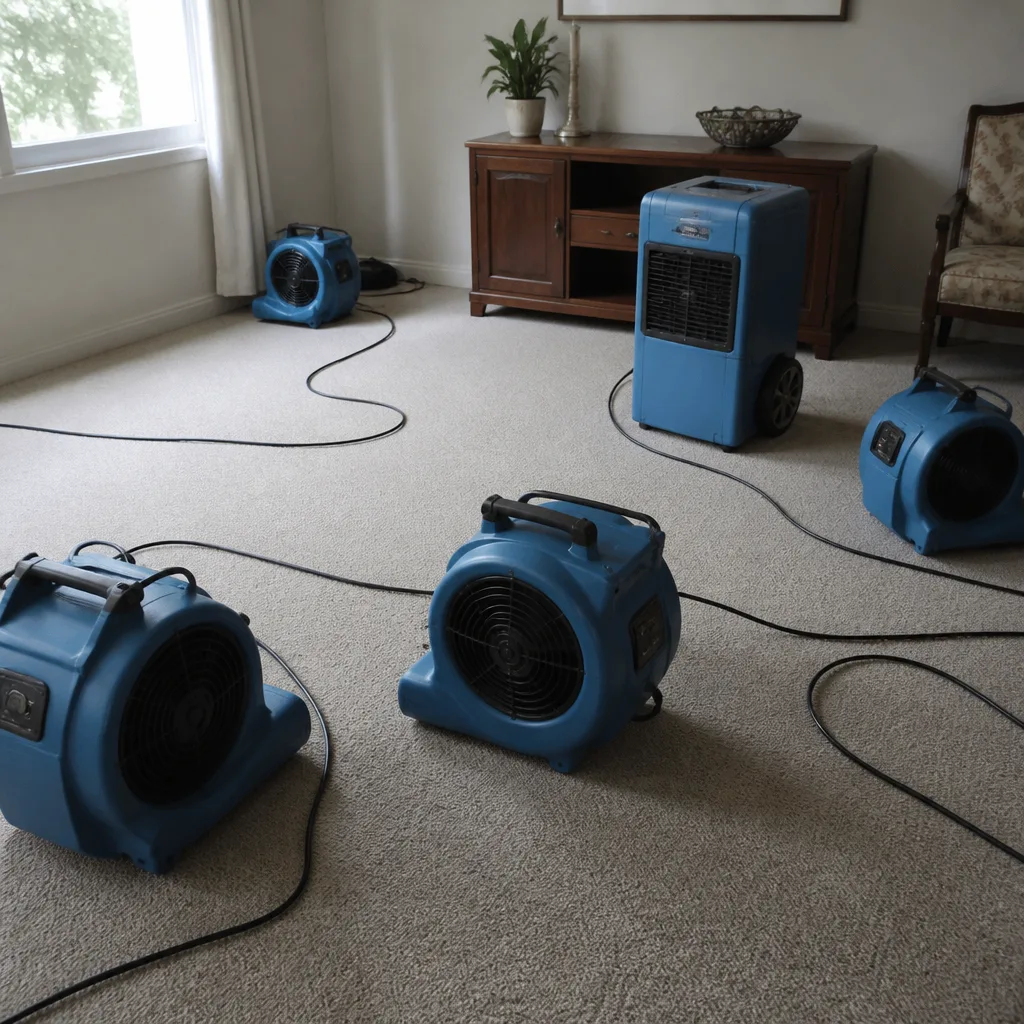

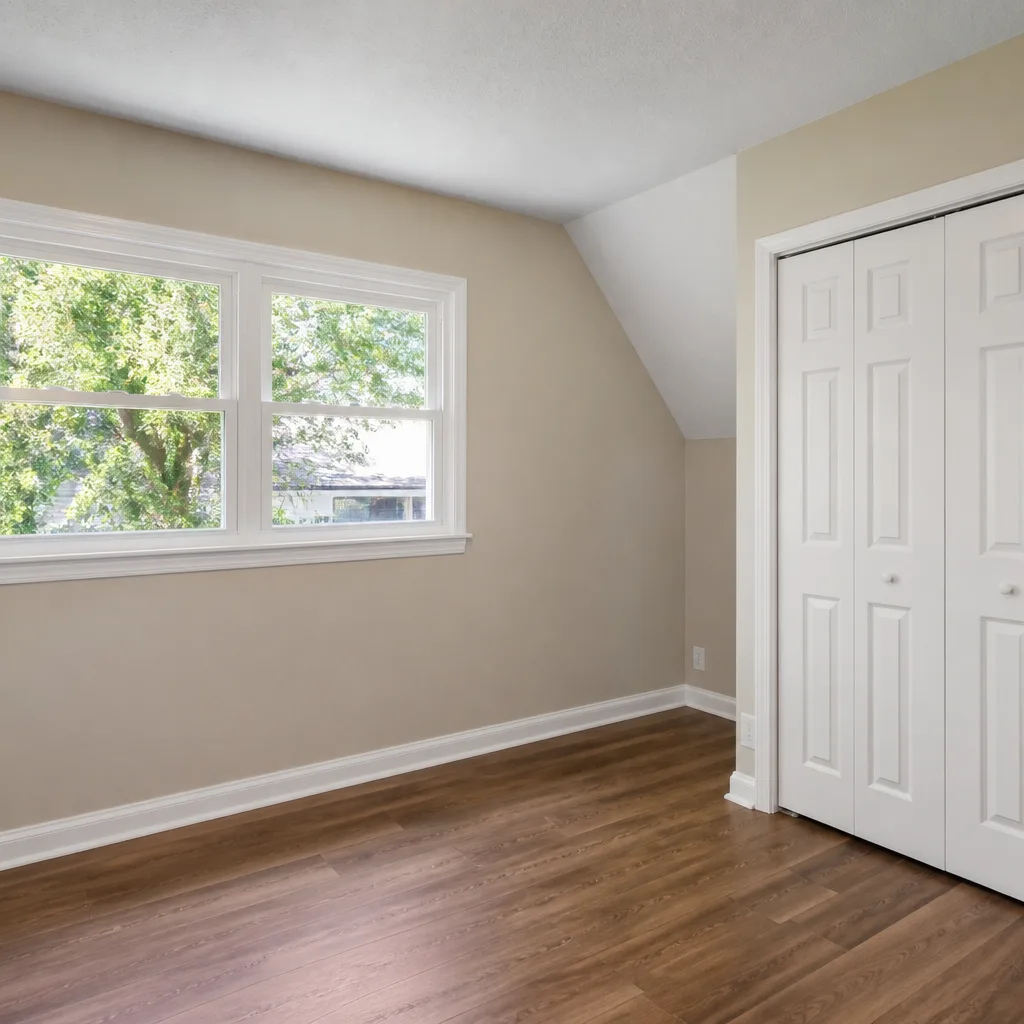



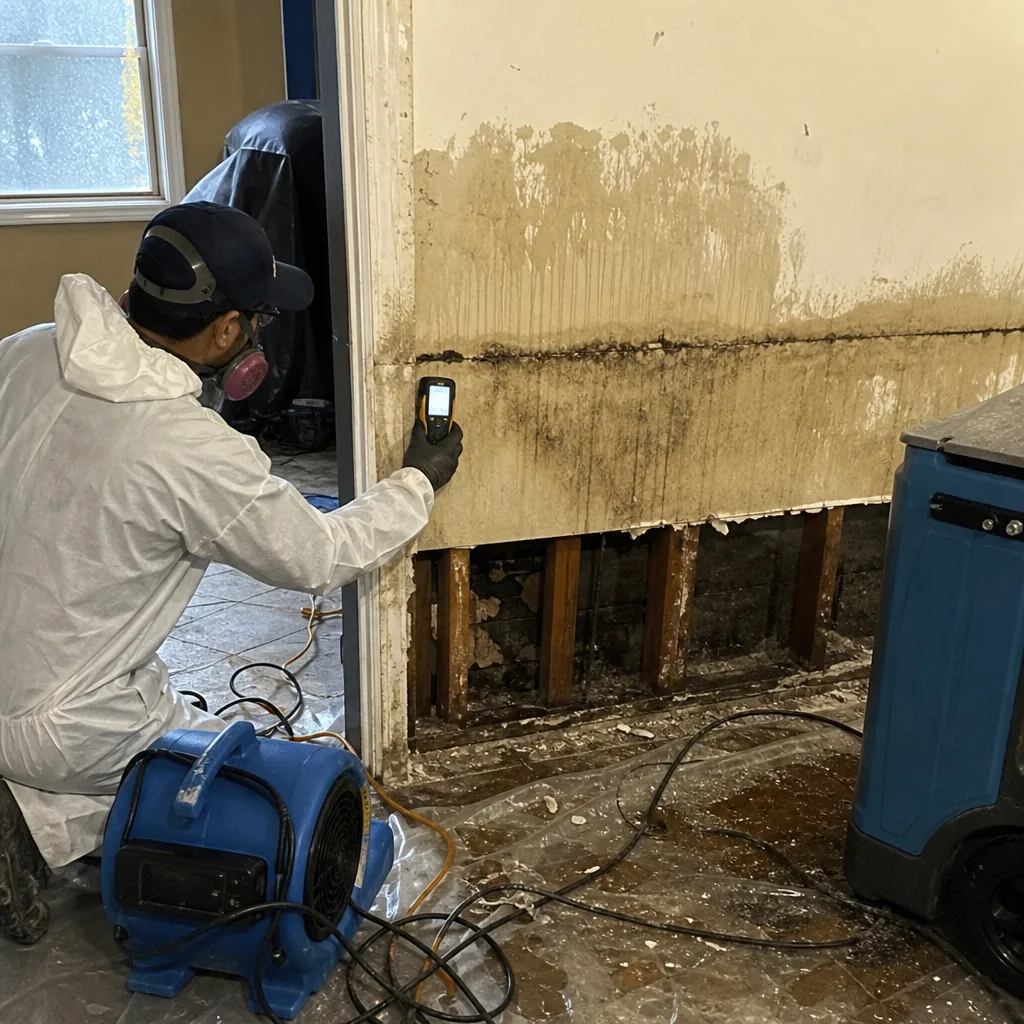 Before
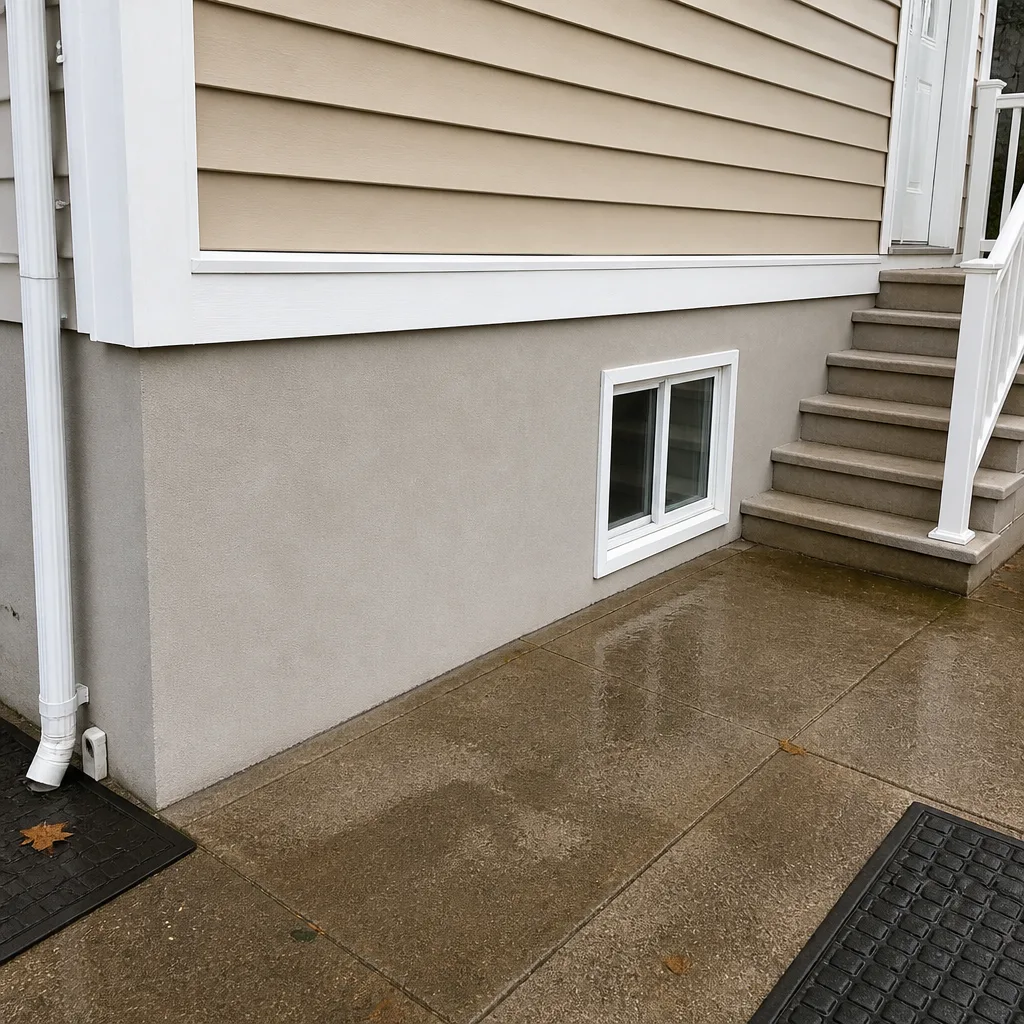 After
After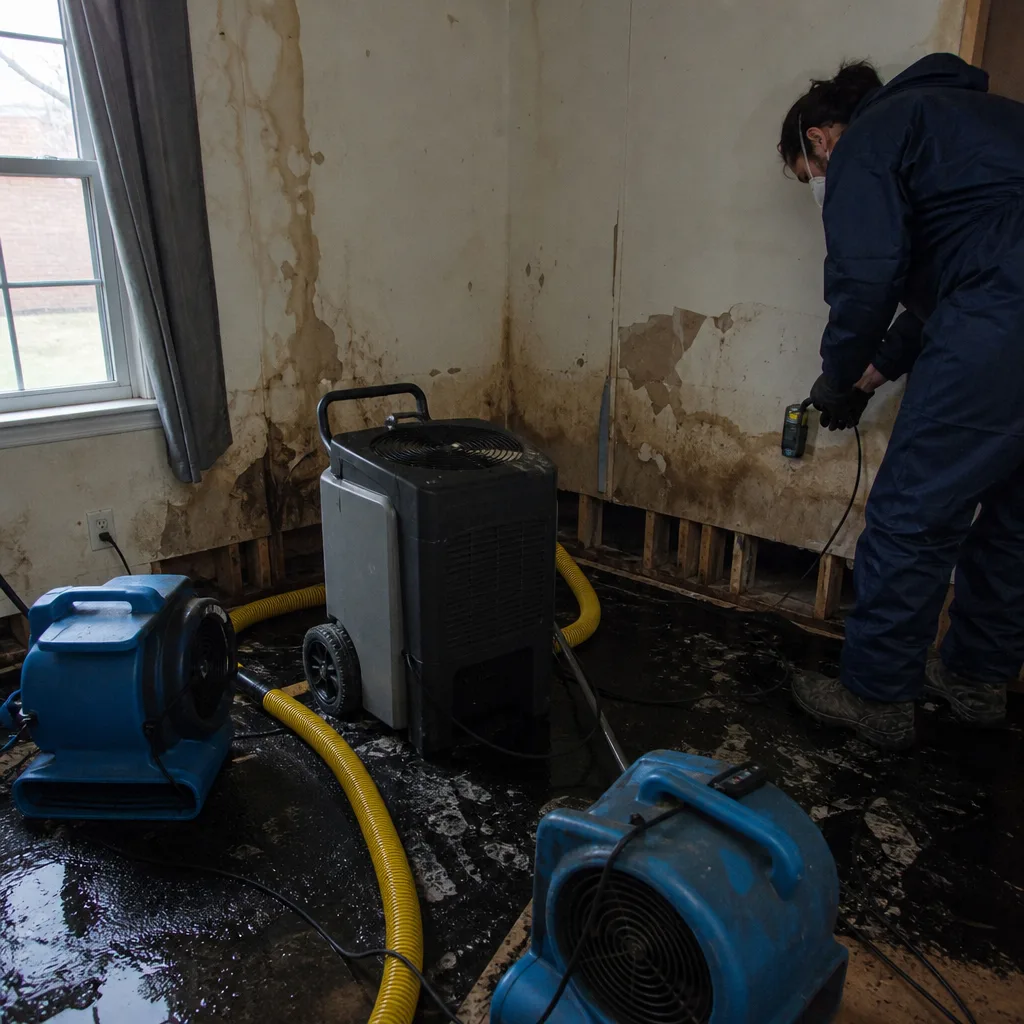 Before
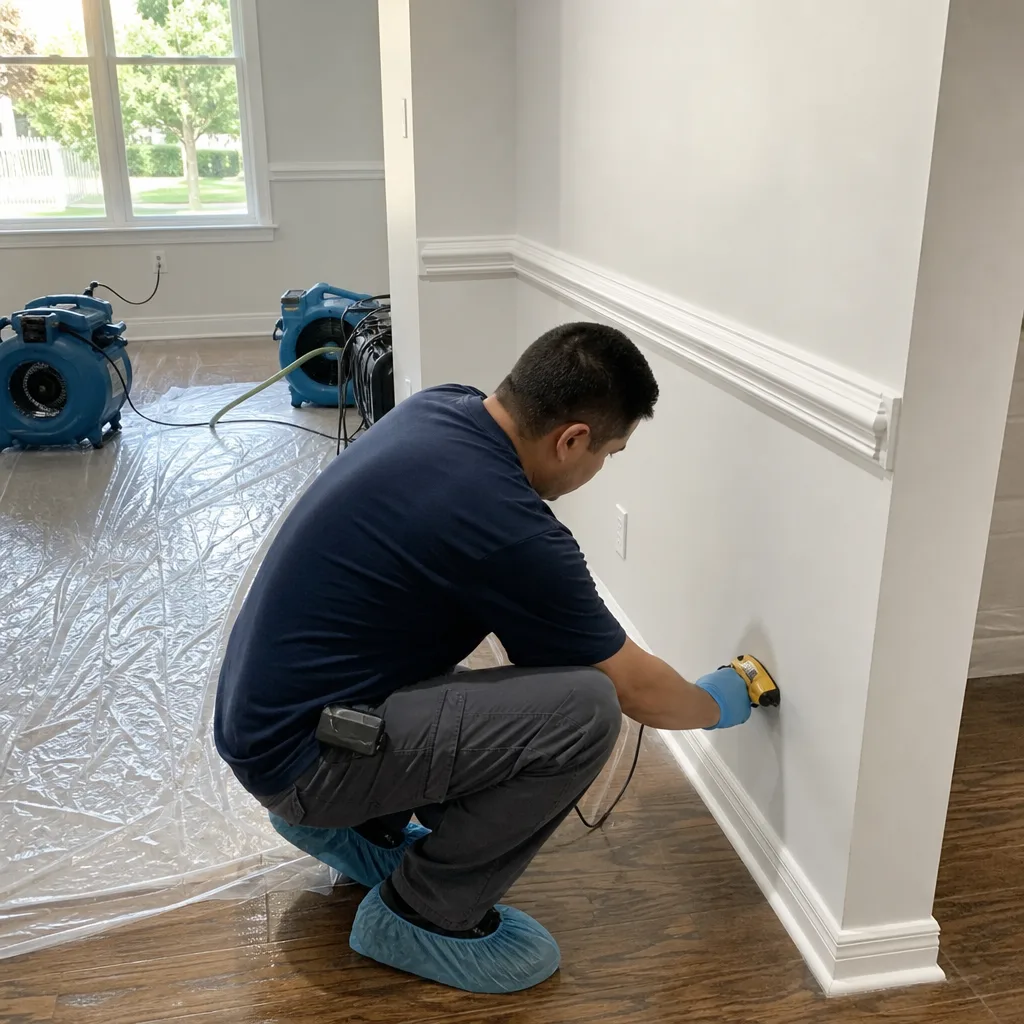 After
After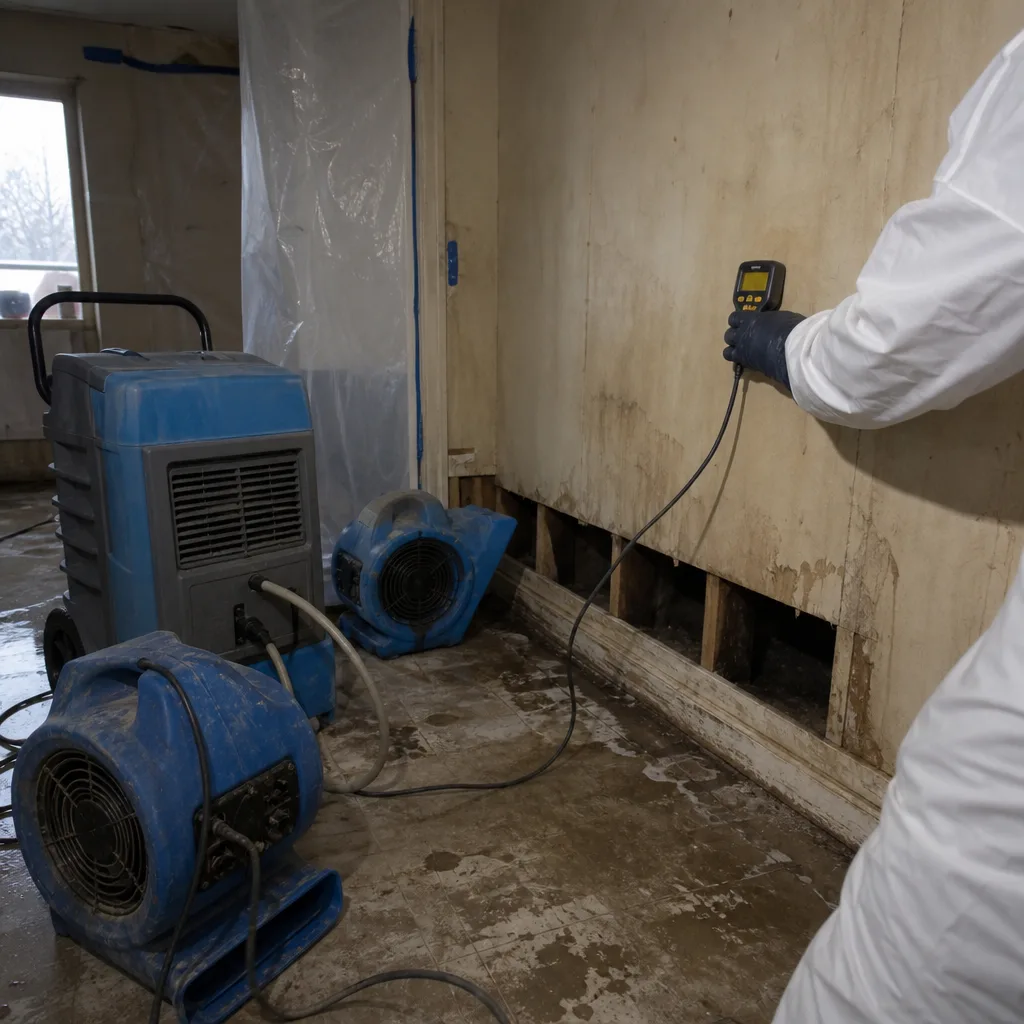 Before
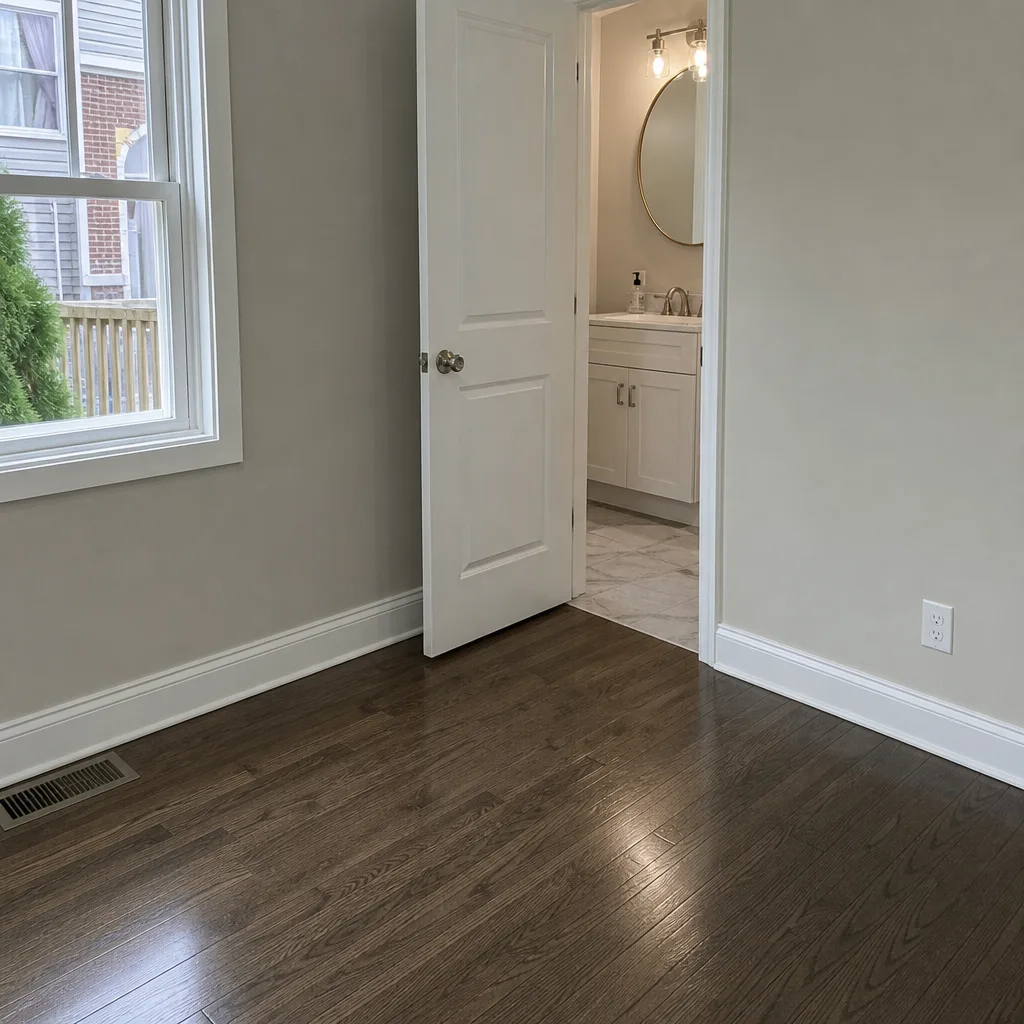 After
AfterWater Damage Restoration Maintenance Checklist for Union City Homeowners
Union City’s housing stock is dense, older, and built in rows, which means one flooded kitchen or failed water heater in a fourth-floor walk-up rarely stays contained to that unit. We see the same pattern every winter: a supply line lets go at 2 a.m., water finds the path of least resistance through floor joists, and by morning three floors and two neighbors are involved. This guide gives you a working checklist, season by season and system by system, so you catch the slow leaks before they become a restoration job, and know exactly what to do when one becomes an emergency anyway. Union City homes built before 1980 have plumbing and drainage realities that newer construction doesn’t, and the checklist that follows is written for those realities.
Quick Answer
The most effective water damage prevention for Union City homeowners is a twice-a-year walkthrough: inspect supply lines, appliance hoses, water heater condition, sump pump operation, exterior grading, and ceiling stains, then act on anything that looks worn, damp, or corroded within 30 days. Most water damage starts as a slow, silent leak that was visible for weeks before it failed. If you do find active water, shut the source, move valuables, and call (551) 348-8481 for extraction the same day; drying begins within hours, not days.
Table of Contents
- The Seasonal Maintenance Calendar
- Supply Lines and Appliance Hoses: The Most Common Failure Point
- Water Heater Inspection and Replacement Windows
- Basement, Crawl Space, and Foundation Water Management
- Gutters, Downspouts, and Exterior Grading
- Bathroom and Kitchen Seal Maintenance
- What to Do in the First 60 Minutes After a Leak
- Common Mistakes to Avoid
- When to Call a Professional
- Frequently Asked Questions
- The Bottom Line
The Seasonal Maintenance Calendar
Union City gets the full swing: humid summers that push moisture into crawl spaces and basements, hard freezes in January and February that split pipes in unheated entryways, and spring rains that test every grade line and roof flashing on the block. A seasonally framed checklist is easier to keep than a single overwhelming list. Here is the cadence we recommend to homeowners in Union City and the surrounding Hudson County neighborhoods.
Spring (March and April)
- Walk the exterior after the last freeze. Check foundation walls for new cracks, efflorescence (white chalky deposits), or dark staining that means water is wicking through masonry.
- Clean gutters and downspouts. Union City’s street trees drop enough leaf material to clog a downspout by late April, and a clogged downspout at the roofline sends water straight down the wall and into the foundation.
- Test the sump pump if you have one. Pour a bucket of water into the pit and confirm the float triggers and the discharge line carries water at least six feet from the foundation.
- Inspect washing machine and dishwasher supply hoses. Rubber hoses degrade faster in humid utility closets than anywhere else in the house.
Summer (June through August)
- Check condensation lines on air conditioning systems. A clogged condensate line drips into the mechanical closet or ceiling cavity for weeks before anyone notices the stain.
- Run water in rarely used bathrooms and floor drains. Dry P-traps let sewer gas in, but neglected plumbing also hides slow supply-line drips behind pedestal sinks and under vanities.
- Monitor basement humidity. In Union City, a basement that stays above 60 percent relative humidity through August is feeding mold and damaging stored materials, even without a visible leak.
Fall (October and November)
- Disconnect and drain exterior hoses. A hose left attached to a frost-free sillcock can still hold water against the valve seat and split the line inside the wall on the first hard freeze.
- Inspect the water heater. Look at the top, the connections, and the floor around the tank. Rust flakes, damp spots, or a bulging seam mean the tank is nearing the end.
- Check all shutoff valves. Turn each fixture and appliance valve off and on once. If one is seized or starts dripping from the stem, replace it before winter.
Winter (December through February)
- Keep heat at 55 degrees minimum in any space with plumbing, including vacant units and enclosed porches. A frozen and split pipe in an unheated mudroom is one of the most common winter losses we restore in Union City.
- Open cabinet doors under kitchen and bath sinks on the coldest nights. It lets warm interior air reach supply lines run on exterior walls.
- Check ceilings and top-floor walls after heavy snow or ice. Ice dams and wind-driven rain leave telltale yellow or brown stains that are small on day one and much larger by day ten.
Supply Lines and Appliance Hoses: The Most Common Failure Point
In our experience, more than half of the interior water damage in Union City homes starts at a braided stainless steel supply line or an appliance hose that looked fine from the outside. The failure is almost never the hose itself. It’s the rubber washer inside the coupling, the crimp at the fitting, or the shutoff valve behind the toilet that has been slow-leaking into the subfloor for a year. This is the highest-return area on any maintenance checklist because it is cheap to inspect and catastrophic to ignore.
Use this order of inspection, from most likely to least likely to fail:
- Washing machine hoses. Both hot and cold. Look for bulges, cracks at the crimp, or rust-colored staining at the ends. Replace rubber hoses with reinforced braided stainless steel lines, and replace even those every five to seven years.
- Dishwasher supply line and drain connection. Check the floor under the front kickplate for swelling or dark staining. A dishwasher that drips with each cycle will rot the cabinet base and the subfloor below it before the floor covering shows anything.
- Toilet supply lines and fill valves. Rock each toilet gently. If it moves, the wax ring and supply line are both stressing. Check the floor around the base for softness or discoloration.
- Under-sink supply lines. Run a dry paper towel along the bottom of each shutoff valve and the compression fittings. Any moisture means a slow leak that will eventually let go.
- Refrigerator ice maker lines. The push-in fittings on plastic icemaker tubing are prone to failure when the line is routed behind the unit and gets pinched during cleaning or moving.
If you find a pinhole leak or a failed line in a Union City home, the water has usually been running inside a wall cavity or cabinet for longer than the visible damage suggests. Shut the fixture valve, not just the appliance, and get a moisture reading. A professional-grade moisture meter detects elevated moisture inside drywall and subfloor before staining appears, which is the difference between a $300 dry-out and a full cabinet and floor replacement.
Water Heater Inspection and Replacement Windows
Tank water heaters in Union City homes fail in predictable ways, and almost all of them give warning. The challenge is that the warning lives in a basement corner, a closet, or a utility room nobody enters for weeks. A water heater that lets go at 3 a.m. releases 40 to 75 gallons of hot water into the lowest point of the house, and in a row home or a stacked condo building, that water moves down and out into neighboring units and common areas.
Here is the complete inspection, which takes about ten minutes:
- Age first. The manufacture date is in the serial number on the rating plate. Most tank water heaters in Union City’s water conditions last 8 to 12 years. If the unit is older than ten years, you are on borrowed time, and the condition inspection matters less than the replacement date.
- Seams and welds. Look along the top and bottom seams for rust bubbles, mineral crust, or moisture beads. A water heater rusts from the inside out, so a crusty seam means the tank wall is thin.
- Anode rod and sediment. If the unit makes popping or rumbling sounds when heating, sediment has built up. Sediment traps heat against the tank bottom and accelerates corrosion. Annual flushing extends tank life, but a ten-year-old tank that has never been flushed is often too far gone for maintenance.
- The floor around the base. Water on a concrete basement floor will puddle and evaporate. The stain remains. In an upper-floor utility closet, look for darkening of the wood, swelling, or a musty smell when the door has been closed.
- Pressure relief valve. Lift the lever briefly. It should release hot water through the discharge pipe and reseat itself. If it is stuck, sealed, or corroded, replace the valve. A seized relief valve removes the tank’s only overpressure safety mechanism.
Union City’s municipal water supply is treated and generally consistent, but hardness and sediment levels vary by building age and whether the building had a whole-house filter. If you have copper pipes with original galvanized supply legs, rust particles from the pipes themselves settle into the tank and accelerate failure. A water heater in a home with mixed galvanized and copper plumbing needs a plumber’s eye every few years, not just a visual from the homeowner.
Basement, Crawl Space, and Foundation Water Management
Union City sits on terrain that ranges from nearly flat at the western end near the Meadowlands to a noticeable climb east toward Palisade Avenue and the top of the hill. That slope means groundwater and storm runoff move through some neighborhoods with real force, and basements on the lower streets are more likely to see water during heavy storms than homes up the hill. And in row housing, a neighbor’s foundation issue, gutter failure, or unsealed party wall becomes your moisture problem within a season.
Here is what actually matters for managing water below grade:
- Grade the soil away from the foundation. The first line of defense is not a sump pump; it is six inches of fall over the first ten feet from the wall. Union City’s tight lots make regrading difficult, but even a shallow swale or a regraded window well moves water away from the wall instead of into it.
- Check the foundation wall from the inside after any heavy rain. Look for dark streaks, damp patches that don’t dry, or a white crust forming on the masonry. These are signs that hydrostatic pressure is pushing water through the wall, not just a surface puddle.
- Maintain the sump pump before the storm season, not during it. Unplug the pump for a few seconds, plug it back in, and listen for clean operation. Check the discharge line for kinks, freezing blockages in winter, and a check valve that keeps discharged water from flowing back into the pit.
- Seal foundation cracks early, but know the limits. An interior crack injection can stop a weeping foundation wall leak when water is not being forced through under pressure. When the water table is high enough that water enters through wall and floor joints, no surface sealing will hold; that’s a drainage and pump problem, not a sealant problem.
- Track moisture, not just visible water. A basement that never floods but always feels damp is actively damaging stored items, building materials, and air quality. If a dehumidifier runs constantly and the air still feels heavy, you have a moisture source that needs to be found.
In Union City specifically, many older basements were never designed to be finished spaces. The stone or brick foundations breathe, and they need to be allowed to do so. Installing drywall and insulation directly against a working foundation without a vapor profile and drainage plane creates a hidden mold chamber inside the wall. If you are finishing a basement in an older Union City home, understand the wall assembly before the first stud goes in.
Gutters, Downspouts, and Exterior Grading
The smallest and least expensive components of a home’s water management system are also the most frequently neglected. Union City’s blocks are dense with mature street trees, and a single maple or sycamore can fill a gutter run with enough leaf material in one fall to render the entire downspout system useless by winter. When gutters overflow, water lands at the foundation line every time it rains, and over a few years, that concentrated water works its way into the basement or crawls under the footing.
Work through this sequence twice a year, in late fall and again in early spring:
- Clear all gutter runs by hand or with a gutter scoop. Do not rely on leaf guards. They reduce the load but do not eliminate it, and in Union City’s freeze-thaw cycles, trapped wet debris against a leaf guard freezes and warps the gutter itself.
- Flush the downspouts with a garden hose. A downspout that flows slowly during a test will overflow at the elbow during a real storm, and the backwater will push up under the shingles at the roof edge.
- Extend every downspout discharge at least six feet from the foundation. In tight Union City yards and areaways, a splash block that lets water pool four feet from the wall is still sending water back toward the footing.
- Inspect the roofline while you are at it. Missing shingles, lifted flashing, or a sagging gutter run all concentrate water at one point on the wall. A single failed roof boot or pipe collar can drip into the wall cavity for months before interior staining appears.
One Union City specific: many homes share a downspout or discharge onto a neighbor’s property at the lot line. If your system discharges onto the property line, pipe it properly or discuss a shared solution with the neighbor. In a row of attached homes, every foundation shares water, and the driest basement on the block belongs to the homeowner who fixed their own discharge first and then checked on the house uphill.
Bathroom and Kitchen Seal Maintenance
Caulk, grout, and fixture seals fail in slow motion. A tub surround or shower pan that has lost its seal lets water run behind tile and into the wall framing every single time someone showers, and in a Union City home with original plaster and wood lath walls, that water sits and rots the structural framing behind the wall. By the time the tile feels loose, the framing repair is significant.
Set a recurring reminder to inspect these seals every six months:
- Shower and tub surrounds. Look for cracked grout lines, missing caulk at the tub-to-tile transition, and any tile that moves when pressed. The tub-to-tile joint is the single most common place water leaves the shower. Use a flexible sealing product designed for wet areas; rigid grout alone will always crack at that transition.
- Shower door frames and curbs. Water that collects on the outside of a shower curb after every shower means the door sweep or the curb seal has failed. A constant trickle at the curb rots the subfloor directly under the shower, which is among the most expensive isolated repairs in a home.
- Kitchen sink rims and disposal connections. Run the sink full, then release the water while running a dry hand along the underside of the sink rim, the basket strainer, and the disposal connection. Any moisture at all means a gasket or putty seal has failed, and the cabinet floor below is absorbing the leak.
- Toilet bases and supply connections. A toilet that rocks slightly is working the wax ring loose with every use. The first sign is often a faint sewer odor that comes and goes, not visible water. Reset the toilet and replace the ring before the subfloor rots.
In a multi-unit building, leaks in bathroom and kitchen seals move through the building in ways a single-family home does not. Water from a fourth-floor bath leak in a Union City walk-up will stain the third-floor ceiling, pool in the second-floor wall cavity, and show up as a drip in the first-floor storefront. The delay between the original leak and the visible damage is often months, which is why a small seal failure is a building issue, not just a unit issue.
What to Do in the First 60 Minutes After a Leak
When a pipe bursts, a water heater lets go, or a supply line fails, the first hour sets the scope of the damage. The water that is removed in the first hour does less damage than the water that is still running two hours later, and every hour of standing water increases the likelihood of mold and structural damage. Here is the sequence we give every Union City homeowner, in order of importance:
- Stop the water. Shut the fixture valve first if there is one. If not, shut the main water valve. Every homeowner should know where the main shutoff is before an emergency, not discover it during one. In Union City row homes and older buildings, the main shutoff is sometimes in a basement shared with another unit or behind an access panel in a common hall. Know where it is now.
- Kill the power if water is near any outlet, appliance, or the electrical panel. Do not walk through standing water to reach a breaker in a wet area. Call a professional first if the panel is in water or water is running through a light fixture or outlet.
- Move what can be moved. Rugs, electronics, furniture, paper, and anything stored on the floor. Water wicks upward through cloth and wood quickly, and the first items you move are the ones you save.
- Call for extraction the same day. A professional restoration company brings the extraction equipment, but just as importantly, brings the moisture meters that tell you how far the water has traveled behind walls and under flooring. Union City homes with original hardwood floors and plaster walls hide water better than modern construction, and the invisible water is what causes the lasting damage.
- Document everything. Take photos before anything is moved, including the source, the standing water, and the affected rooms. Photos taken in the first hour are the clearest record for insurance.
The “wait and see if it dries” approach is the most expensive decision a homeowner can make after a water event. Standing water in a heated Union City home reaches the dew point inside wall cavities within 48 hours, and once mold starts, the remediation scope, cost, and time expand significantly. Extraction and drying are always cheaper and faster than remediation.
Common Mistakes to Avoid
- Overlooking the shutoff valves. Most fixture and appliance shutoff valves in Union City homes have not been operated in a decade. When the emergency comes, the valve is seized, and the water keeps running while the homeowner searches for the main. Operate every valve twice a year and replace any that leak from the stem.
- Painting over a stain instead of finding the source. A ceiling stain that comes back after repainting is active moisture, not a cosmetic issue. In an old Union City building, that stain may be coming from two floors up and traveling through a common wall cavity.
- Relying on a dehumidifier to dry a real leak. A homeowner-grade dehumidifier removes humidity from the open air but does not dry the inside of a wall cavity or under vinyl flooring. A professional dry-out uses air movers, injection drying, and daily moisture readings to reach the dry standard, and that equipment operates at a scale a portable unit cannot match.
- Ignoring the slow drip under the sink. A fitting that drips once every few seconds is losing hundreds of gallons a year. The cabinet floor, the subfloor, and the joist below are all absorbing that water, and by the time the cabinet shelf warps, the structural repair is underway.
- Using the wrong sealant for the job. Caulk chosen for a tub surround, grout used at a transition joint where caulk belongs, or a kitchen sealant applied in a wet area without proper cure time all fail early and channel water into the exact place the seal was supposed to protect.
- Waiting to call for professional help after a visible flood. The first 48 hours decide whether the damage stays a drying job or becomes a mold job. Every hour of delay in Union City’s humid spring and summer months works against the homeowner.
- Hiring a cut-rate crew with no moisture log. A low bid that dries only what is visible leaves the real damage behind. Every professional drying job should produce a moisture log showing daily readings until the dry standard is met, and the homeowner should see that log.
When to Call a Professional
Some water problems are maintenance items a careful homeowner can manage. Replacing a supply line, recaulking a tub, cleaning a gutter. But a handful of situations require a trained technician with professional-grade equipment and a written scope. Call a restoration professional when water has been running inside a wall or ceiling cavity for more than a few hours, when standing water covers a finished floor, when the water source is a sewer backup or a contaminated supply, when you smell mold or see staining returning after a previous repair, or when the electrical panel or any wiring is involved. In these scenarios, Floodline Restoration Co. offers free estimates in Union City. Call (551) 348-8481 and a live person answers, day or night. Our technicians are background-checked, uniformed, and trained to IICRC standards, and we bring moisture meters on every visit so the first assessment is grounded in readings, not guesses.
Frequently Asked Questions
Twice a year, in late fall before the freeze season and in early spring after the last hard freeze, is the minimum for most Union City homes. Homes with basements below grade, older plumbing, or a history of water problems benefit from quarterly checks of the key failure points: supply lines, appliance hoses, water heater condition, sump pump operation, and ceiling stains. The Floodline Restoration Co. home page lists the systems we check on a free estimate visit.
The most common cause is a failed supply line or appliance hose, followed closely by water heater failure. In attached housing, the damage is worse because water travels through shared wall cavities and affects neighboring units. We inspect more braided supply lines and washing machine hoses in Union City than any other component.
You can dry visible surface water, but you cannot dry the inside of wall cavities, under flooring, or inside ceiling bays without professional drying equipment. Homeowner-grade equipment changes the air in the room, not the moisture trapped inside building materials. A professional dry-out uses air movers, injection drying, and daily moisture readings from brands like Dri-Eaz equipment to confirm the dry standard is actually met.
Mold can begin growing within 24 to 48 hours in a warm, humid Union City summer. In winter, the timeline extends, but the building materials are still holding moisture that will support growth as soon as temperatures rise. The first 48 hours are the critical window for extraction and drying before mold becomes a distinct remediation project.
Coverage depends on the source. Sudden and accidental events like a burst supply line or a water heater failure are typically covered. Gradual leaks, lack of maintenance, and some ground water events have different standing under most policies. We work directly with insurance carriers, bill them directly, and provide the photo documentation and adjuster coordination that make a claim move faster. Call (551) 348-8481 for an exact read on your situation; estimates are free.
A moisture log is a written record of daily moisture readings taken in every affected area from the first day of drying until the dry standard is met. It proves that hidden cavities are dry, not just the visible surfaces. We give the log to the homeowner and the carrier on every job. It is the difference between a dry-out that is actually done and a dry-out that only looks done.
The 90-Day Done Right Promise is our written guarantee: if the work is not done right, we make it right, with no paperwork battles and no arguing. We call it the Keystone Standard because it holds the whole job to the same expectation, from the first extraction to the final rebuild. Every Floodline Restoration Co. job, including every Union City job, carries that promise in writing.
The Bottom Line
Water damage in Union City homes is usually the end of a long, quiet story that started months earlier with a slow drip, a worn hose, a clogged gutter, or a failing seal. The maintenance checklist in this guide is the interruption of that story: a twice-a-year walkthrough, a ten-minute water heater check, a dry hand run along every supply line and cabinet floor, and a refusal to paint over a stain without finding its source. When active water does appear, the first hour decides the cost, and the first phone call should be to a live person who can send a certified crew the same day. Keep the checklist. Call (551) 348-8481 when it finds something. We have been serving Union City since 2010, and we stand behind every job in writing.
Written by Curt Bowman, Owner at Floodline Restoration Co., serving Union City since 2010.