
Last updated August 25, 2026
Free visual inspection and a written scope of work before any mitigation begins - photos, moisture readings, and drying logs go in your claim file
The scope we write is the scope we bill. Anything new gets shown to you, in writing, before we touch it.


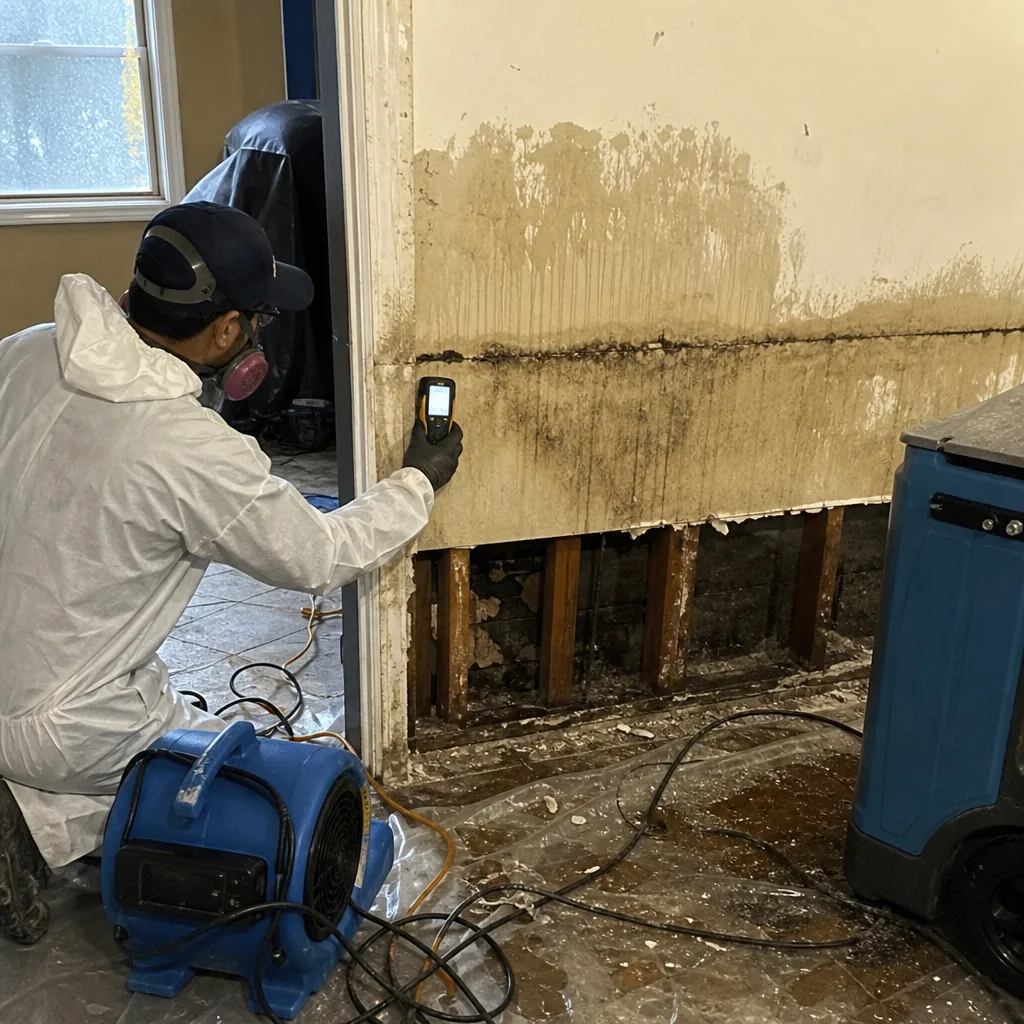 Before
 After
After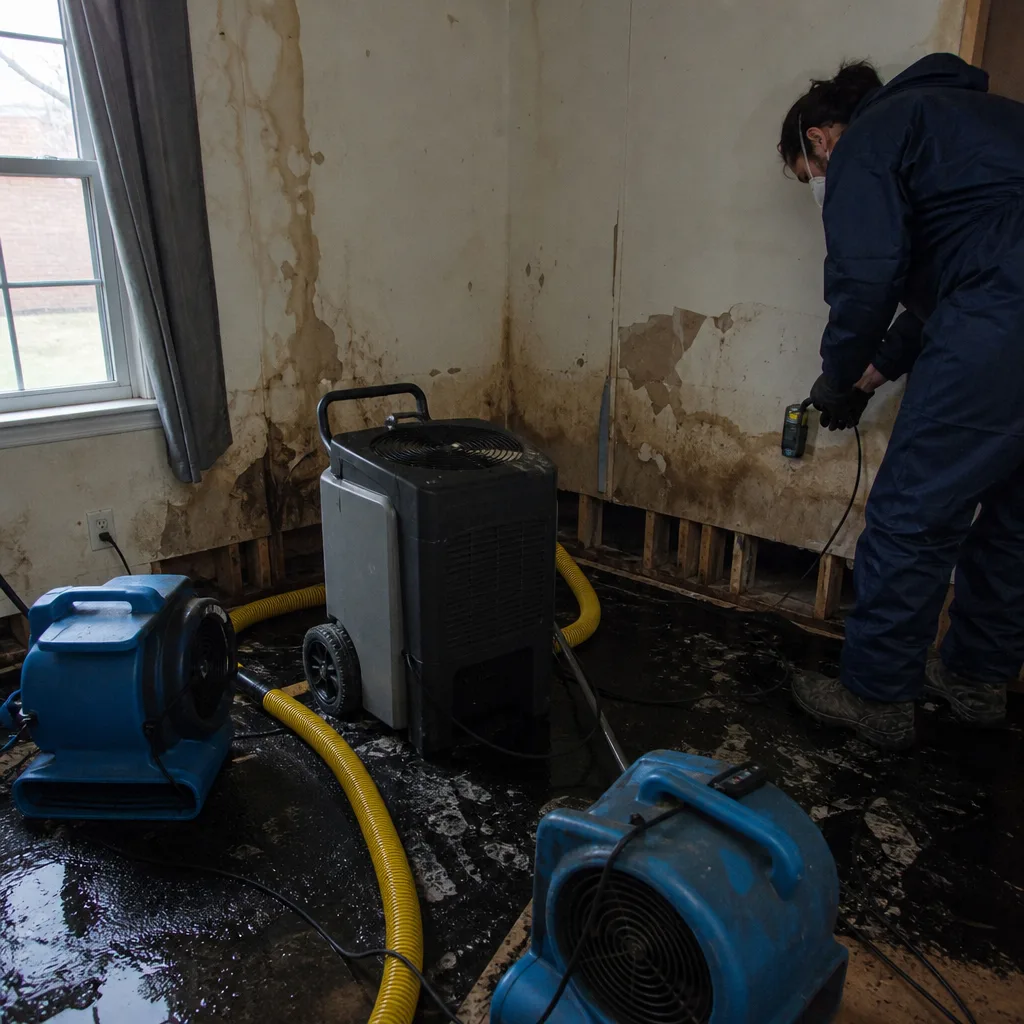 Before
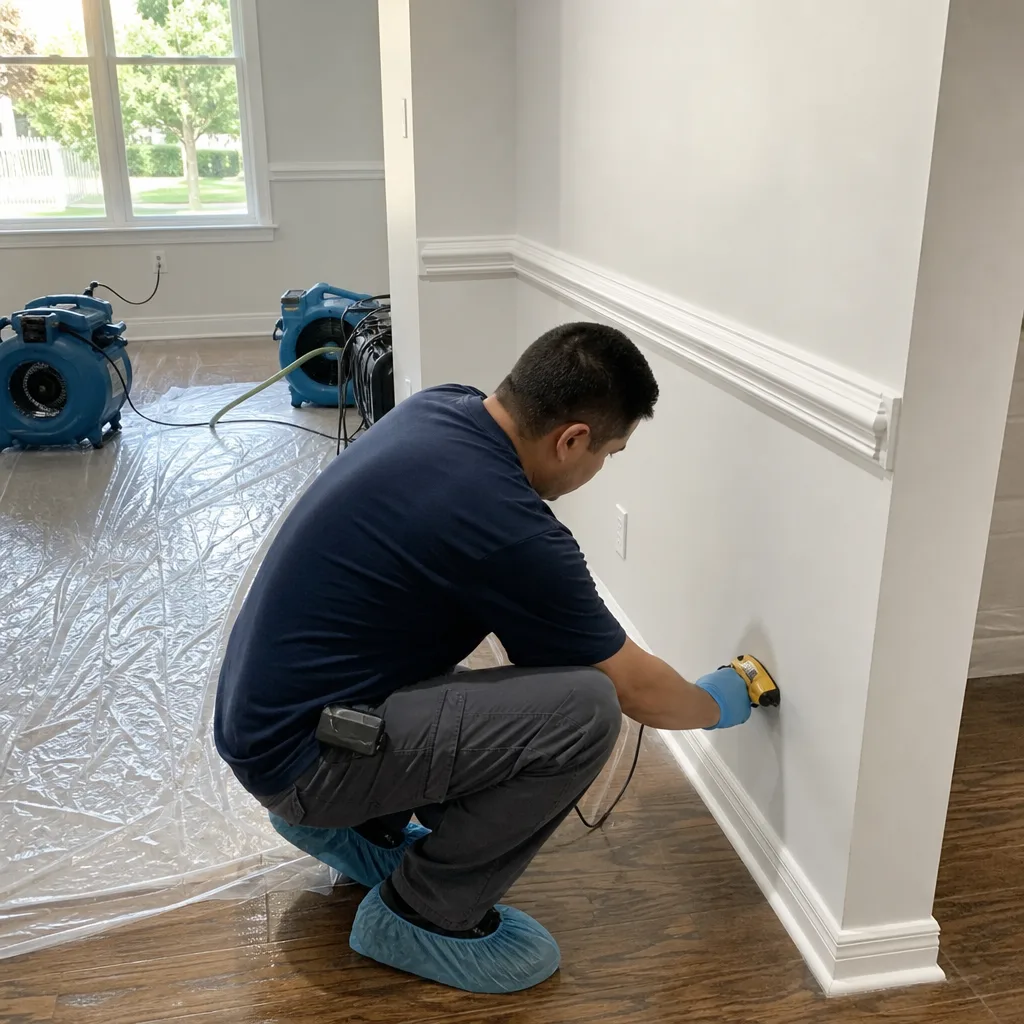 After
After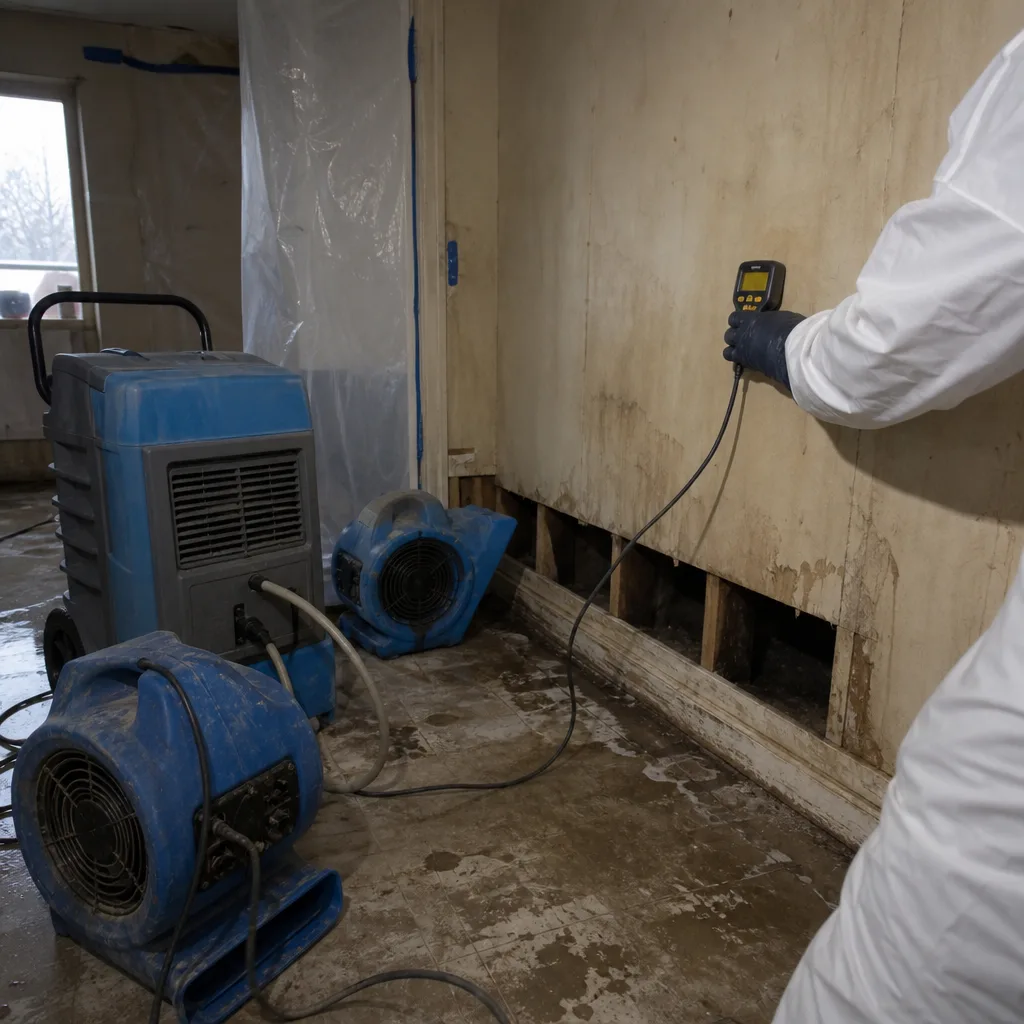 Before
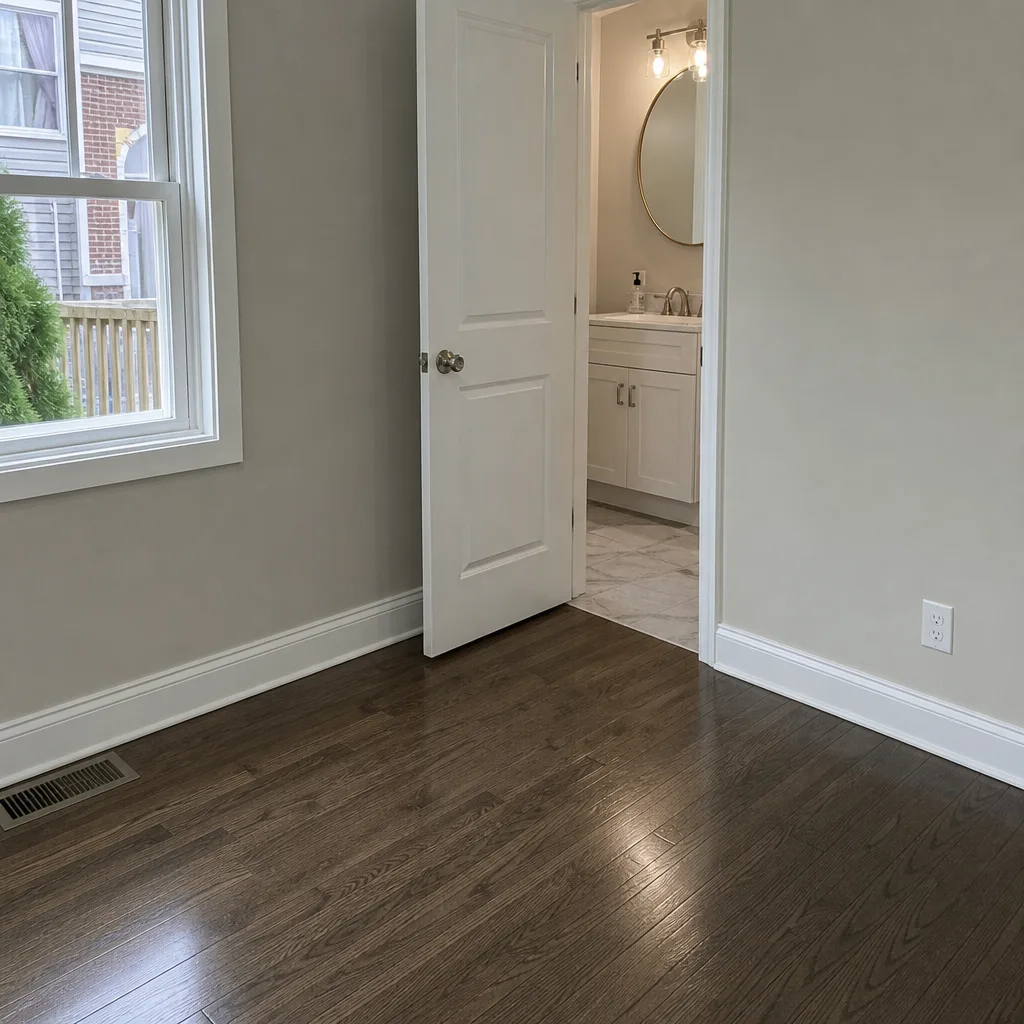 After
AfterDamage Restoration Permits, Codes & Inspections in NJ: What You Need to Know
Every year, hundreds of New Jersey homeowners finish a flood or fire repair only to learn their insurance claim is stalled, or a future home sale is threatened, because a required permit was never pulled. The water recedes, the studs dry, and life moves on. Then the paperwork catches up. This guide walks through the permits, building codes, and inspections that govern damage restoration across New Jersey, with the specific market realities we see in Union City and Hudson County. You will learn what triggers a permit, who pulls it, what an inspector actually checks, and how to avoid the expensive mistakes that surface months or years after the crew has gone.
Quick Answer
In New Jersey, damage restoration work requires a construction permit whenever the repair goes beyond cosmetic finishes and touches structural framing, electrical wiring, plumbing lines, or mechanical systems. Municipalities enforce the state’s Uniform Construction Code (UCC), but local building departments, including Union City’s, often add their own documentation requirements for water, fire, and mold remediation. A homeowner who skips permits on structural restoration risks denied insurance claims, failed future inspections, and mandatory tear-out work at resale.
Table of Contents
- When a Permit Is Required for Restoration Work in NJ
- The Uniform Construction Code: What It Actually Governs
- Who Pulls the Permit: Homeowner, Contractor, or Adjuster
- Post-Damage Inspections: What the Inspector Checks
- Union City & Hudson County: Local Code Realities
- The Mitigation vs. Reconstruction Line: When Extraction Needs No Permit
- Asbestos, Lead, and Hazardous Material Rules During Restoration
- Timeline and Cost: What Permits Add to a Restoration Job
- Common Mistakes to Avoid
- When to Call a Professional
- Frequently Asked Questions
- The Bottom Line
When a Permit Is Required for Restoration Work in NJ
The simplest rule: if the damage forced you to open a wall, and what is inside that wall got wet, burned, or was removed, you are likely in permit territory. Restoration work in New Jersey splits into two legal categories. Mitigation (extraction, drying, temporary board-up, content cleaning) generally needs no permit. Reconstruction (removing and replacing drywall, insulation, framing, wiring, or plumbing) generally does. The line between them is where most homeowner confusion starts, and where many unpermitted jobs begin.
New Jersey’s Uniform Construction Code requires a construction permit for any work that involves the structural integrity of a building, the enclosure (walls, roof, floors), electrical systems, plumbing systems, or mechanical systems. A flood that soaked the bottom two feet of drywall in a Union City finished basement may only require tearing out wet drywall and insulation. That part, by itself, may pass as mitigation. But if the water reached the electrical outlets on that wall, if any wire was exposed to moisture, or if a structural sill plate shows rot, a subcode official can require permits for the electrical repair and the framing replacement.
Fire damage almost always triggers permits because fire compromises structural members, and because smoke moves through wall cavities, forcing full gut work down to the studs. Sewage backups present a health hazard that requires specific remediation protocols, and when the contaminated material comes out, the replacement work that follows falls under the same permit rules as any remodel. The practical question to ask is not “was there damage” but “what has to be rebuilt” because the rebuild is what gets inspected.
Work That Typically Requires a Permit in NJ
- Replacement of any structural framing member: floor joists, wall studs, sill plates, roof rafters, or ceiling joists.
- Electrical work beyond replacing a like-for-like fixture: new wiring, rewiring of damaged circuits, moving outlets, or installing a new subpanel.
- Plumbing work beyond unclogging a drain: replacement of supply lines, drain lines, sewer connections, or a water heater.
- Mechanical work: furnace repair or replacement after flood or fire exposure, duct replacement, or any modification to gas lines.
- Changes to a building’s footprint, load path, or fire-rated assemblies, including replacing a fire-rated door or wall after a fire.
Work That Typically Does NOT Require a Permit in NJ
- Water extraction, drying, and dehumidification using professional-grade equipment.
- Replacing like-for-like drywall panels where no structural member is touched.
- Painting, trim replacement, floor refinishing, and other cosmetic finishes.
- Cleaning contents, textiles, and furniture after smoke or water exposure.
- Mold remediation that removes contaminated drywall but does not require structural replacement (check with the local office - Union City has been known to ask for documentation).
The Uniform Construction Code: What It Actually Governs
New Jersey operates under the Uniform Construction Code, known in the trade simply as the UCC. The UCC is a state law adopted in 1975 and updated continually, and it creates one construction code for all 565 municipalities. The state writes the code; each town enforces it through its own construction office. That local enforcement is where restoration work gets complicated. What a building official in Union City wants to see on a flood repair may look different from what an official in a rural South Jersey township asks for, even though both work from the same code book.
The UCC is divided into subcodes: building, plumbing, electrical, and fire protection. A single restoration job can trigger inspections under multiple subcodes. A bathroom flood that rotted a floor joist and shorted a circuit means a building subcode inspection for the framing and a separate electrical subcode inspection for the wiring. Each subcode official operates independently. They do not coordinate schedules. The homeowner, or the contractor acting for them, manages the sequence.
One thing we have learned from years of restoration work in Union City: the UCC does not care why the work is being done. A new wall is a new wall. A new circuit is a new circuit. The code applies the same standard to a remodel done for style and a repair done after a sewer line broke. There is no “damage exception.” Some homeowners assume emergency work gets looser treatment. It does not. The code still requires the same framing fasteners, the same wire gauge, the same fire-blocking, and the same moisture-resistant materials, whether the old wall came down in a flood or a homeowner took it down with a hammer.
Replacement materials must meet current code, not the code that was in effect when the house was built. A 1920s row house in Union City with the original plaster-and-lath walls, once opened for water damage, will not be allowed to close back up with the old construction methods. The new drywall, insulation, and vapor barrier must meet the 2021 New Jersey edition of the International Residential Code with New Jersey amendments, which the state adopted effective in 2023. For homeowners in older housing stock, that often means the restoration job includes compliance upgrades to insulation, electrical grounding, or smoke detector placement that were not part of the original house.
Who Pulls the Permit: Homeowner, Contractor, or Adjuster
Legally, the homeowner is always responsible for ensuring a permit is obtained. That responsibility cannot be delegated by contract, no matter what paperwork the contractor signs. But in practice, the permit is usually pulled by whoever is performing the regulated work. The question of who should pull it matters because it determines who is on the hook when the inspection fails.
In a typical restoration scenario, the licensed contractor pulls the permit because the contractor is the one performing the work that the inspector will review. This is the cleanest arrangement and the one we use on every reconstruction job. The permit application identifies the contractor’s name and license number, the scope of work, the estimated cost, and the specific subcodes being invoked. The contractor schedules inspections, walks the job with the inspector, and corrects any deficiencies found. When the work passes, the contractor closes the permit, and the homeowner receives the final approval sticker and the certificate of occupancy or continued use, if one is required.
Some homeowners try to pull the permit themselves to save money. On a small job, that can work. On a restoration job that touches framing, electrical, or plumbing, pulling the permit yourself means you, the homeowner, are the one who has to know the code, argue the code with the inspector, and fix the code violations. That is a burden most people do not want. It also creates a liability gap: if the work fails later and an unpermitted contractor did the labor, the homeowner has no leverage in the dispute.
The insurance adjuster does not pull permits. The adjuster reviews the damage, writes the scope, and issues payment. But the adjuster has no legal authority to approve construction, and a check from the carrier does not replace a building permit. We have seen homeowners in Union City accept an insurance settlement, hire a crew, complete the repair, and then discover at a refinance that no permit was ever filed. The bank refuses the loan until the work is inspected retroactively. Retroactive permits are possible, but they are slower, more expensive, and often require opening walls to prove the work was done to code. The smarter path is to treat the permit as part of the insurance claim from the start. We document it, we bill it, and the carrier pays it as a direct cost of restoration.
Floodline Restoration Co. has handled permit coordination as a standard part of every full reconstruction job since 2010. We pull the permit, we schedule the inspections, we stand with the inspector on the day of the visit, and we deliver the closed permit to the homeowner with the rest of the job file. There is a handoff document, and the homeowner never chases the building department. If the building official needs something revised, that is on us, not on the homeowner.
Post-Damage Inspections: What the Inspector Checks
Once the permit is filed and the work begins, the municipality schedules inspections at specific points in the job. The exact sequence depends on the scope, but a typical structural restoration follows a predictable pattern. Understanding this sequence helps homeowners know what is normal and when to push back.
Step-by-Step: Typical Inspection Sequence for a Water or Fire Restoration Job
- Rough framing inspection: After the studs are repaired or replaced, and before insulation and drywall go up. The building subcode official checks joist spans, connection details, fire-blocking, and any structural changes. This inspection fails if the inspector cannot see the framing.
- Rough electrical inspection: While the walls are open. The electrical subcode official checks wire runs, box fill, grounding, and circuit protection. Any water-damaged wire must be replaced with new wire, not spliced.
- Rough plumbing inspection: If supply or drain lines were replaced. The plumbing subcode official checks pipe material, slope, venting, and pressure test results if required.
- Insulation inspection: In some municipalities, an inspector must see the insulation in place before drywall covers it. Union City generally requires this on exterior-wall work.
- Final inspection: After drywall, paint, trim, and fixtures are complete. The building subcode official verifies the finished work matches the permit scope and that smoke detectors, fire separation, and egress requirements are met.
- Permit closure: The last step. All subcode approvals are recorded, the permit is marked closed, and the homeowner receives the final paperwork. A copy goes to the insurance carrier if the claim is open.
Inspectors in New Jersey are state-licensed and work for the municipality, not for the contractor. Their job is code compliance, not design review, and they do not appraise the quality of the work beyond what the code requires. A crooked tile line may irritate a homeowner but is not a code violation. A missing fire-block above a first-floor wall is a code violation, and the inspector will fail it. We appreciate inspectors who are thorough. A rigorous inspection protects the homeowner from a repair that looks fine but hides a problem behind the drywall.
In our experience in Union City, the inspection process moves faster when the permit application is clean, the scope is described accurately, and the contractor shows up with a written plan. When a permit is filed with vague language or an underestimated cost, the building department asks more questions, schedules more visits, and slows the whole job. The fix is simple: file the permit properly the first time. Curt Bowman built our permit process around that principle. We would rather spend an extra 45 minutes on the front end than lose a week to rescheduled inspections.
Union City & Hudson County: Local Code Realities
Union City sits on the Hudson Palisades, in one of the most densely populated square miles in the country. The housing stock is old, the lots are narrow, and the buildings are close together. Those three facts shape every restoration job we do here. A water loss in a Union City brownstone or multifamily building is rarely contained to one unit. A roof leak travels down through three floors before it shows up as a ceiling stain. That kind of damage touches multiple units, which means multiple owners, multiple insurance policies, and sometimes multiple building permits.
Union City’s construction office enforces the UCC with a few local realities worth knowing. First, because so much of the city’s housing is attached or semi-attached, any work that removes a common wall or affects a party wall triggers review for fire separation. An inspector will not allow a restoration job to close a wall if the fire-rated assembly between units has been compromised. Second, the city has a rental inspection program, and any rental property with damage must be restored to a condition that passes the city’s habitability standards before a tenant can return. Third, Union City lies in a flood zone in some low-lying stretches near the Hudson, and the floodplain administrator may have a say in any restoration that touches a basement or ground floor in those zones.
Hudson County adds another layer. The county health department gets involved in sewage backups, and the county construction board of appeals handles disputes that a local office cannot resolve. For most homeowners, the county is invisible. The pain point, when it comes, is the paperwork trail. A Union City homeowner whose sewer line backed up during a heavy rain may find themselves dealing with the city construction office, the county health department, the insurance carrier, and the restoration contractor, all at once. We have walked that road many times, and the path through it is consistent: document everything, pull the permit, keep the moisture log, and hand the paperwork to the people who need it. The Floodline Restoration Co. home office has lived in that system since 2010.
One other Union City reality: parking. Inspectors need access, and crews need to move equipment. It is a small thing, but it changes scheduling. We coordinate with the building department to give inspectors a workable arrival window, and we have a process for equipment staging that does not block the narrow streets. A restoration job in a city this dense is a logistics puzzle before it is a construction project. The permit is the easy part; the street is the challenge.
The Mitigation vs. Reconstruction Line: When Extraction Needs No Permit
Time is the enemy in water damage, and the first few hours after a loss are the most important. Homeowners often worry that by calling a restoration company before they have a permit, they are doing something wrong. They are not. The emergency response, the part where the water comes out and the drying begins, does not require a permit in New Jersey. That work is standardized mitigation, and the goal is simply to stop the damage from spreading.
What counts as mitigation? Extraction of standing water. Placement of air movers and dehumidifiers. Removal of wet carpet, pad, and unsalvageable drywall that is already loose. Board-up of broken windows. Tarping of a damaged roof. Content packing and removal for cleaning. All of this can and should begin immediately, before any permit is filed. A good restoration company will have equipment running on the day of the call. In Union City, where a basement flood in one row house can soak the shared foundation wall of the neighboring house within hours, speed matters more than paperwork.
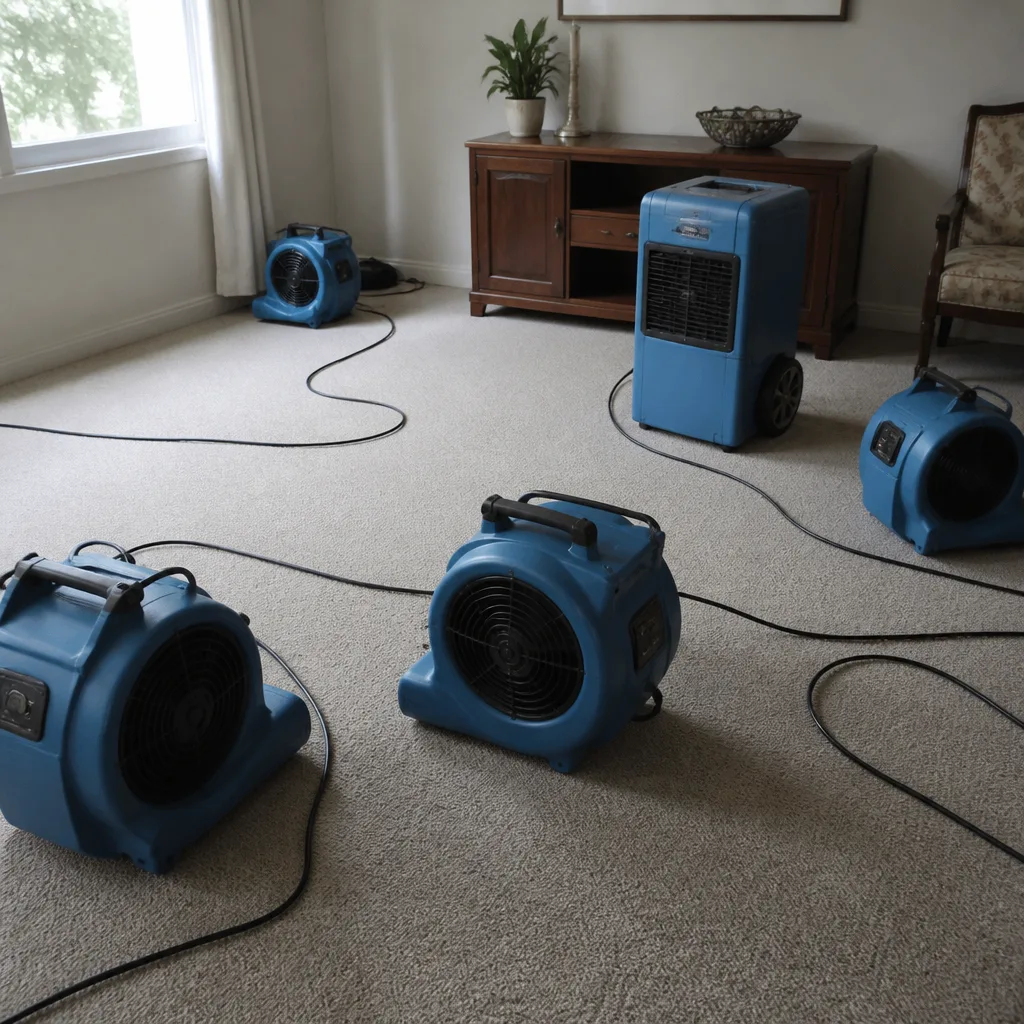
In the trade, the equipment matters. We run Dri-Eaz dehumidifiers, Phoenix air movers, XPOWER fans, B-Air filtration, and Injectidry systems for drying wall cavities and under hardwood floors. The drying program is documented with daily moisture readings, and the log goes to both the homeowner and the carrier. That log shows the dry standard was met before the rebuild began. It is the bridge between mitigation and reconstruction. When the structure tests dry, the mitigation phase is complete. The reconstruction phase, the part that needs a permit, begins.
The line between the two is not always obvious, and this is where an experienced company earns its keep. A wall that looks fine from the outside may be wet inside. An Injectidry system pulling water out of a wall cavity for three days may reveal that the bottom plate of the wall is rotted. The permit question then becomes a structural question. When we find that, we stop, document it, and write the scope change. The homeowner and the carrier both see the same photo, and the permit gets amended if it needs to be. There is no guessing. The moisture meter tells the truth, and the truth gets written down.
Homeowners sometimes ask us to skip the permit because the job is “just a repair.” We do not skip permits on structural work. The 90-Day Done Right Promise, the Keystone Standard we put in writing on every job, does not extend to work that violates the building code. A repair that was never inspected is not done right; it is just done. The line the water left is where we start, and the permit is part of finishing the job properly.
Asbestos, Lead, and Hazardous Material Rules During Restoration
Old houses hide old materials. In Union City, much of the housing stock predates 1978, and a meaningful share predates World War II. When water or fire damage forces a wall open in a house built before 1978, federal law requires the assumption that lead paint is present. When a house built before 1980 has damaged flooring, pipe insulation, or popcorn ceiling, asbestos may be present. Neither material is a reason to panic, but both are a reason to follow protocol.
The Environmental Protection Agency’s Renovation, Repair and Painting (RRP) Rule requires that any contractor disturbing more than six square feet of interior painted surface in a pre-1978 home be certified in lead-safe work practices. That certification covers containment, cleanup, and verification. For a restoration job in an older Union City house, the contractor needs to know the age of the home before opening walls. A quick lead test determines whether the RRP protocols apply. If lead is present, the work area gets contained, dust is controlled, and the cleanup is verified by a clearance test. The homeowner gets a copy of the records.
Asbestos is a different process. If the restoration reaches materials that may contain asbestos, and those materials are friable (crumbling, or will be made friable by the work), a licensed asbestos abatement contractor must handle removal before the restoration crew proceeds. New Jersey’s Department of Health regulates asbestos abatement, and the rules are specific. A restoration crew that accidentally tears out asbestos pipe insulation during a sewage cleanup creates a much larger problem than the sewage itself. A certified inspector tests the material first. This is a conversation we have with homeowners early on any job in an older building.
Sewage and Category 3 water bring their own hazards. Bacteria, viruses, and parasites live in black water, and the personal protective equipment is not optional. Restoration crews wear respirators, gloves, full suits, and boot covers, and the contaminated material gets bagged and disposed of as regulated waste, not tossed in a construction dumpster. The state’s solid waste rules apply, and the carrier typically covers the disposal cost as part of the claim. A homeowner should never handle raw sewage cleanup without professional equipment and training.
The honest summary: hazardous material rules add steps, time, and cost to a restoration job, but they exist because the alternative is worse. A lead-dusted house is a health risk. An asbestos exposure is a lifetime risk. A sewage spill that is not properly disinfected is a disease risk. We treat these protocols as a non-negotiable part of the job, because the 90-Day Done Right Promise means nothing if the house is done wrong in a way that makes someone sick.
Timeline and Cost: What Permits Add to a Restoration Job
Permits cost money, but not as much as most homeowners expect. In New Jersey, permit fees are based on the estimated cost of the work, using a formula set by the state and adjusted by the municipality. For a typical restoration job with a construction cost between $5,000 and $25,000, the permit fee usually runs between $150 and $600. The exact number depends on the scope and the number of subcodes involved. A job that touches framing, electrical, and plumbing pays fees for each subcode, plus a base building permit fee. In Union City, the construction office can provide the exact schedule, and a contractor who files regularly will know the number before the application goes in.
Timeline is the bigger variable. A simple water damage repair that requires only a building permit might get the permit issued within a week in Union City, with the inspection scheduled a few days after the rough work is ready. A complex fire restoration touching structural, electrical, plumbing, and fire protection subcodes might take two to three weeks for permit review, then a series of inspections spaced across the job. The restoration itself usually takes longer than the permit process. What slows homeowners down is not the permit; it is a contractor who does not know how to schedule inspections, or a job that gets done without a permit and then has to be undone.
One thing we tell every homeowner considering a restoration project: the permit fee is a rounding error on the total job, but the cost of a missing permit can dwarf the entire claim. An unpermitted structural repair discovered at resale can mean tearing out completed work, paying for an engineer’s report, paying double the original permit fees as a penalty, and losing the buyer while the mess gets sorted out. We have seen it happen. The square deal is to pull the permit on the front end, bill it to the insurance claim where it belongs, and build the inspection schedule into the project plan from day one.
Floodline Restoration Co. includes permit coordination as a line item on every full reconstruction estimate. No surprises on the bill. The homeowner sees the permit fee, the carrier sees the permit fee, and the building department sees the application with the correct scope and a realistic cost estimate. In Union City, we know the people at the construction office, and we know what they will ask for before they ask. That local knowledge keeps jobs moving.
Common Mistakes to Avoid
- Treating a structural repair as cosmetic. A homeowner who replaces a rotted floor joist with a new one, without a permit, has done regulated work without approval. The fix is worse than the original problem, because the repair is now a liability.
- Accepting an insurance settlement and starting work before the scope is agreed. The carrier’s first number is often not the final number. If the walls are already open, documenting the full scope becomes harder, and the homeowner pays the difference out of pocket.
- Hiring a contractor who “does not need a permit.” Any contractor who says that on structural work is either unlicensed or willing to cut corners. Neither is someone you want in your house.
- Not photographing the damage before demo. Once the wet drywall is in the dumpster, the evidence is gone. The carrier needs photos, the permit office may want them, and the homeowner needs them for their own file.
- Letting the permit lapse. A permit that is issued but never inspected, or never closed, is a standing problem. Some homeowners find open permits from previous jobs when they try to sell. The time to close a permit is when the work is done, not years later.
- Filing the permit with an inaccurate cost estimate. Under-reporting the job’s value to save on fees is a red flag to building officials and can trigger an audit. File the real number.
- Restoring a rental unit without checking the city’s habitability rules. In Union City, a rental property with water or fire damage must pass a reinspection before the tenant returns. Landlords who skip this step face fines and tenant disputes.
When to Call a Professional
Any time structural damage is visible, or water has been sitting long enough to soak into framing, a professional restoration company is the right call. The signs are specific: a sagging ceiling after a roof leak, a floor that bounces or creaks after a flood, a breaker that keeps tripping after water reached an outlet, a smoke smell that persists after a fire. These are not DIY moments. The permit process is the contractor’s job to manage, and the inspection is the proof the job was done to code.
Floodline Restoration Co. offers free estimates in Union City. Call (551) 348-8481 and a live person answers, any hour, any day. We will look at the damage, tell you honestly whether a permit is required, and if it is, we will pull it and run the inspections as part of the job. No pressure. Just a square deal, in writing, with the 90-Day Done Right Promise behind it.
Frequently Asked Questions
If the water damage is limited to extraction and drying, no permit is required. If the repair involves replacing drywall, insulation, framing, electrical wiring, or plumbing lines, a construction permit is required under the state’s Uniform Construction Code. The determining factor is not the water, but what gets rebuilt after the water is gone.
The homeowner is legally responsible, but in practice the licensed contractor handling the reconstruction pulls the permit. The permit application names the contractor’s license and scope of work, and the contractor manages the inspection schedule. A contractor who performs regulated work without a permit leaves the homeowner exposed.
Most property insurance policies treat permit fees and inspection costs as part of the covered loss, provided the work is part of an approved claim. We bill the permit fee directly to the carrier as a line item on the reconstruction scope, and the homeowner does not front the cost. The key is documenting the permit as a required part of the repair, not an optional extra.
The work exists, but it is not legally approved. If the municipality learns of the work, it can require a retroactive permit, which usually means opening finished walls to prove the work meets code. A home sale or refinance can be blocked by an open or missing permit. The municipal construction office in Union City takes retroactive permits case by case, and the process is slower and more expensive than pulling the permit correctly the first time.
Mold removal itself generally does not require a building permit, because remediation is treating the contaminated material, not replacing it. However, if remediation removes drywall or insulation and the rebuild follows, the rebuild may require a permit. Mold work in a pre-1978 home also brings lead-safe work rules into play, and in severe cases, an industrial hygienist’s clearance may be requested before the space is reoccupied.
In Union City, a live dispatcher answers the phone 24 hours a day, seven days a week. Extraction and drying can begin the same visit, and the permit process starts as soon as the scope of reconstruction is known. The emergency response does not wait for a permit; the rebuild does. Call (551) 348-8481 at any hour and a person picks up.
The Bottom Line
Damage restoration in New Jersey is governed by the Uniform Construction Code, enforced locally, and funded largely through insurance. The permit is not an obstacle; it is the document that proves the repair was done to a standard the state recognizes. Skipping it saves nothing in the long run and risks everything the homeowner has already lost once. In Union City, the oldest housing stock and the densest neighborhoods make the process a little more involved, but the path is well-worn. Pull the permit. Schedule the inspections. Close the permit. Keep the paper. That is the whole game, and it is one we have been playing since 2010.
Written by Curt Bowman, Owner at Floodline Restoration Co., serving Union City since 2010.