
Last updated August 25, 2026
Free visual inspection and a written scope of work before any mitigation begins - photos, moisture readings, and drying logs go in your claim file
The scope we write is the scope we bill. Anything new gets shown to you, in writing, before we touch it.
 Before
 After
After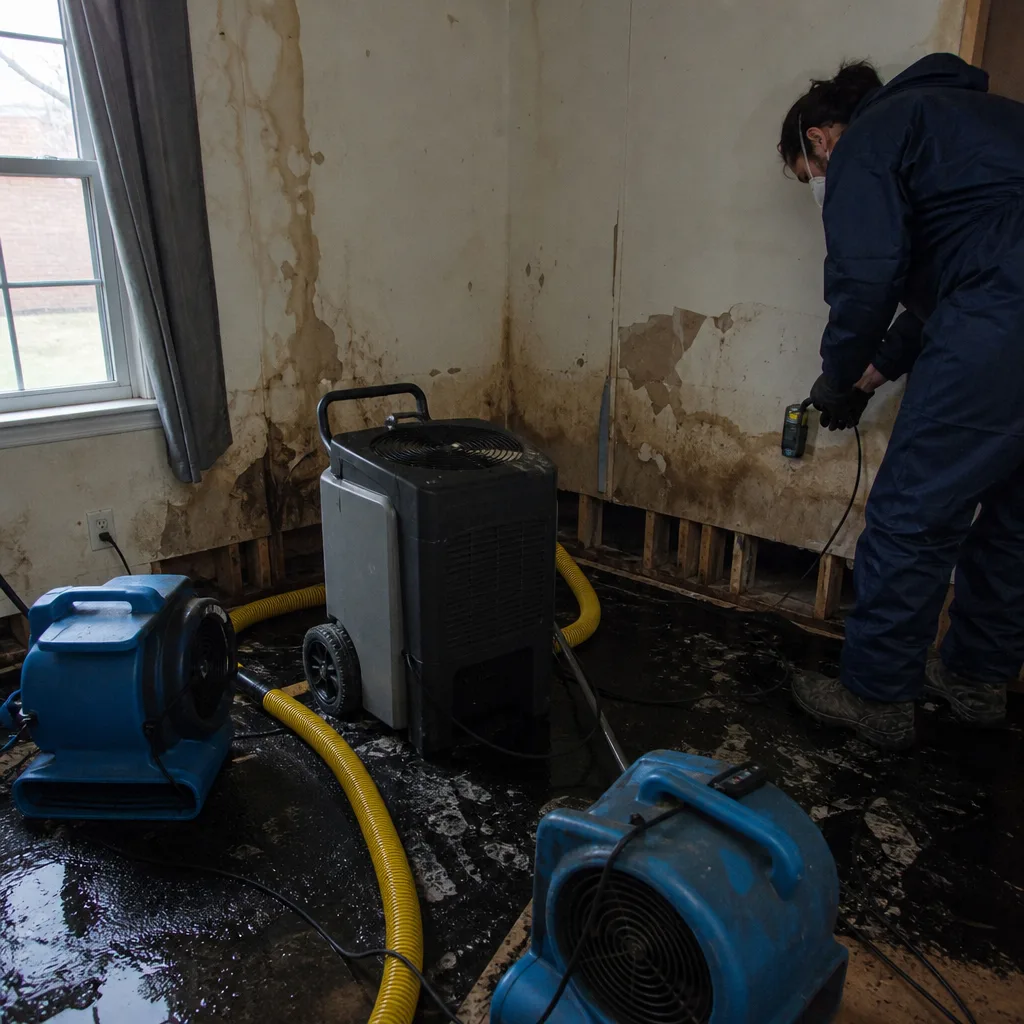 Before
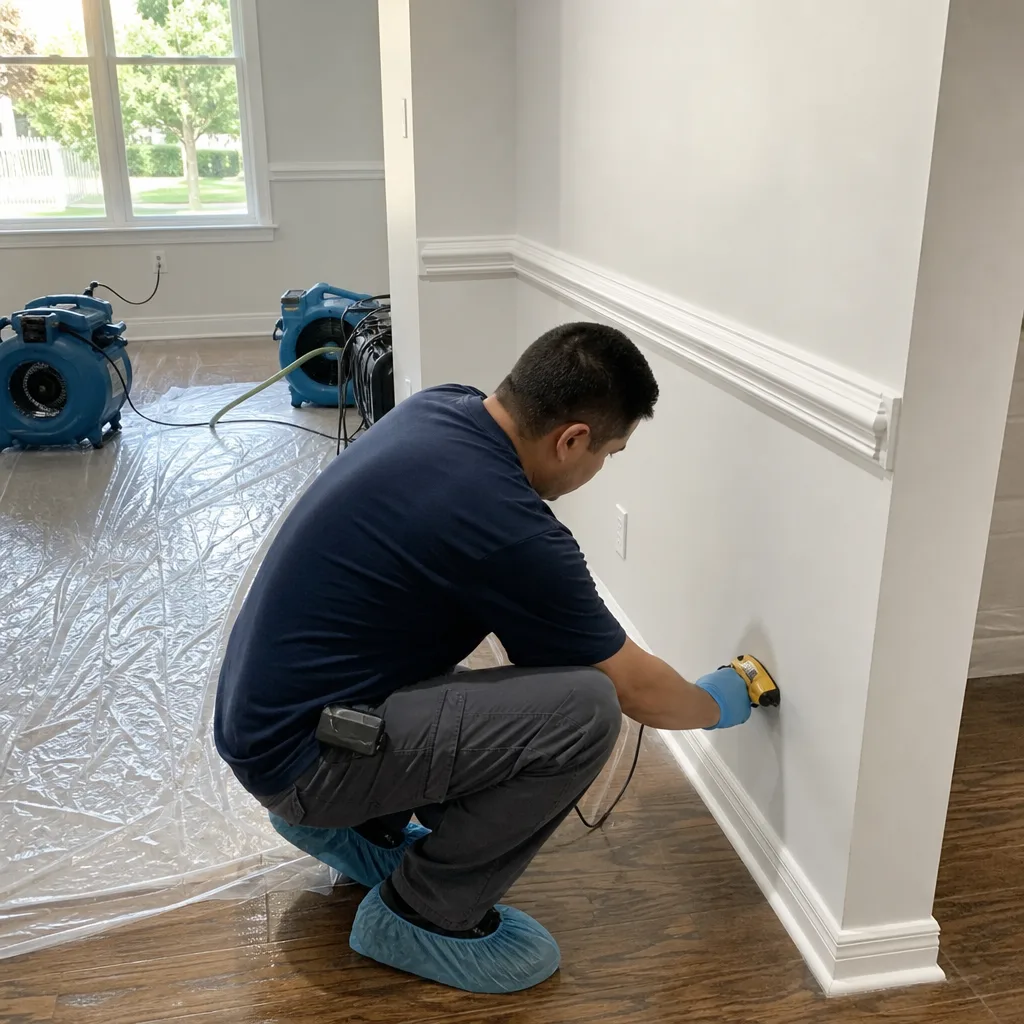 After
After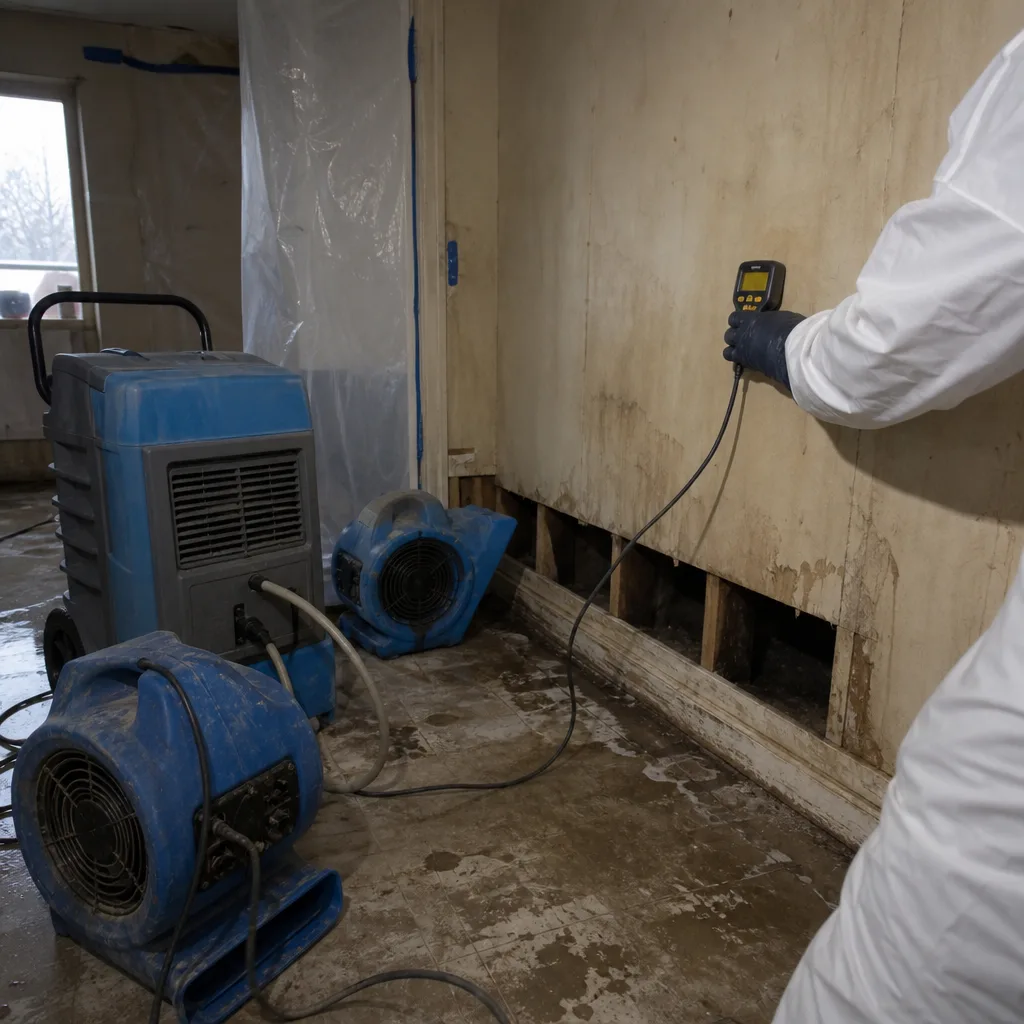 Before
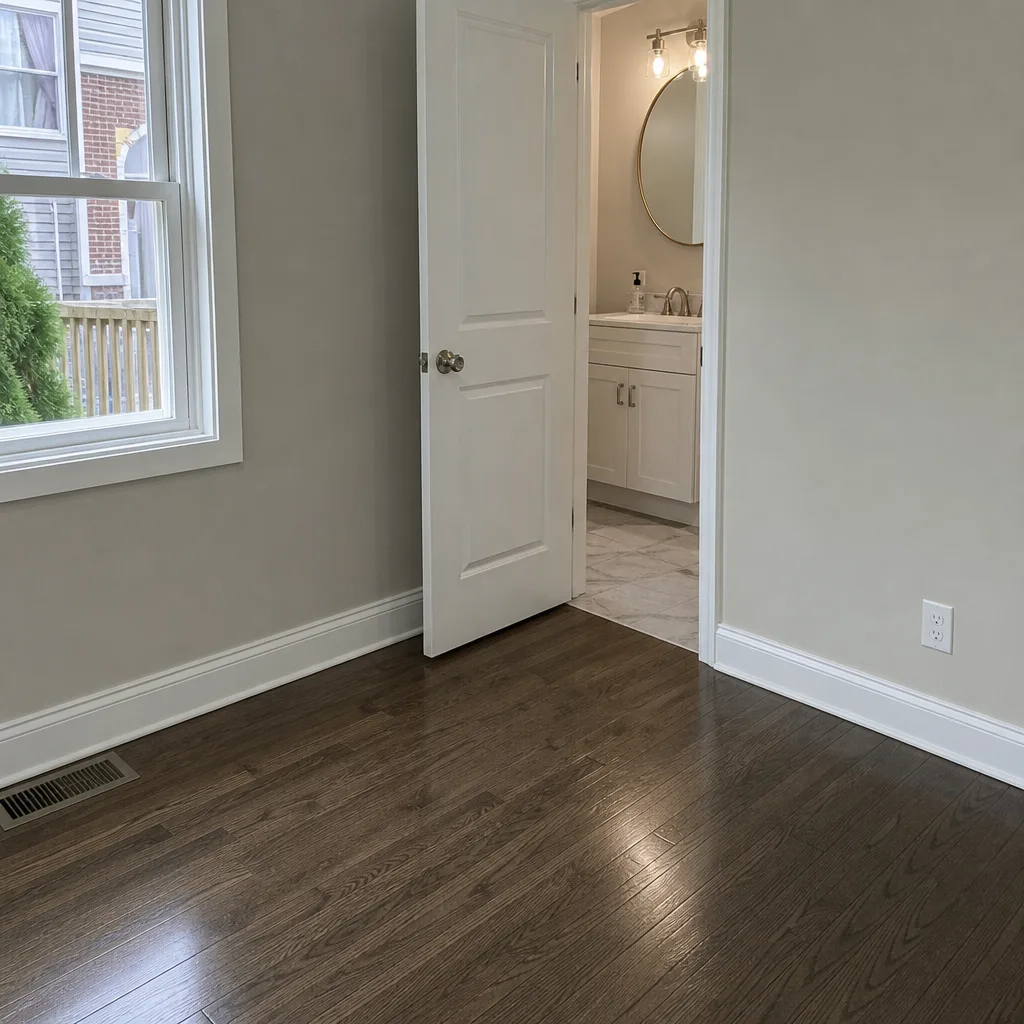 After
AfterDamage Restoration Cost Breakdown: The Union City Homeowner’s Reference for 2026
Here’s a number most Union City homeowners never see coming: the average water damage claim in Hudson County runs between $3,500 and $7,200 before the rebuild even starts. That’s not catastrophic flooding. That’s a failed supply line under a third-floor kitchen sink in a three-family on Bergenline Avenue, quietly soaking two floors of framing overnight. Sewage backups, roof leaks, a frozen pipe that let go during a January cold snap in a 1920s walk-up off Summit Avenue. The damage compounds by the hour, and so does the bill. This guide breaks down what restoration actually costs in Union City in 2026, where the money goes, what insurance typically covers, and what local factors drive prices up or down. By the end, you’ll know what a fair quote looks like before you ever pick up the phone.
Quick Answer
Water damage restoration in Union City typically costs $2,500 to $7,500 for a standard single-room incident, with sewage cleanup running higher at $4,000 to $10,000 due to biohazard protocols and disposal fees in Hudson County. Mold remediation averages $1,500 to $4,500 per affected area, fire restoration starts around $3,000 and can reach $30,000+ depending on structural involvement, and full reconstruction after any of these runs $15,000 to $60,000+. The single biggest cost variable isn’t the damage itself; it’s how many hours passed before professional extraction started.
Table of Contents
- Water Damage Restoration Costs in Union City
- Sewage Backup Cleanup: What It Costs and Why It’s Pricier
- Mold Remediation Cost Breakdown
- Fire and Smoke Damage Restoration Costs
- Reconstruction After a Loss: The Real Numbers
- How Insurance Affects Your Restoration Bill
- Union City-Specific Cost Factors
- Common Mistakes to Avoid
- When to Call a Professional
- Frequently Asked Questions
- The Bottom Line
Water Damage Restoration Costs in Union City
Water damage restoration in Union City runs $2,500 to $7,500 for a typical single-room incident, assuming the water was clean (supply line, radiator, rainwater through a roof breach) and crews arrived within 24 hours. The price includes extraction, drying equipment placement, daily moisture monitoring, and sanitization. If the water sat for more than 48 hours or came from a contaminated source, the number moves into sewage territory, which we’ll cover separately.
Most Union City homes fall into one of three building types, and each carries different restoration costs:
- Pre-war walk-ups and brownstones (common near Palisade Avenue and along Summit and Hudson): Plaster walls, balloon framing, and decades of layered renovations. Water travels vertically fast in these structures. Drying is slower because plaster holds moisture longer than drywall. Expect the higher end of the range.
- Mid-century brick apartment buildings (dense throughout the 22nd Street corridor): Concrete and brick with limited cavity space means water spreads laterally across floors instead of down walls. Neighboring units are almost always affected, which drives up square footage and cost.
- Newer construction and renovated condos (near the Hudson-Bergen Light Rail stops): Modern drywall and insulation dry faster, but open floor plans mean one leak can affect multiple connected spaces.
Where the Money Goes
- Emergency extraction: $400 to $1,200 for the first visit. Includes truck-mounted extraction units, pump-out of standing water, and initial moisture mapping.
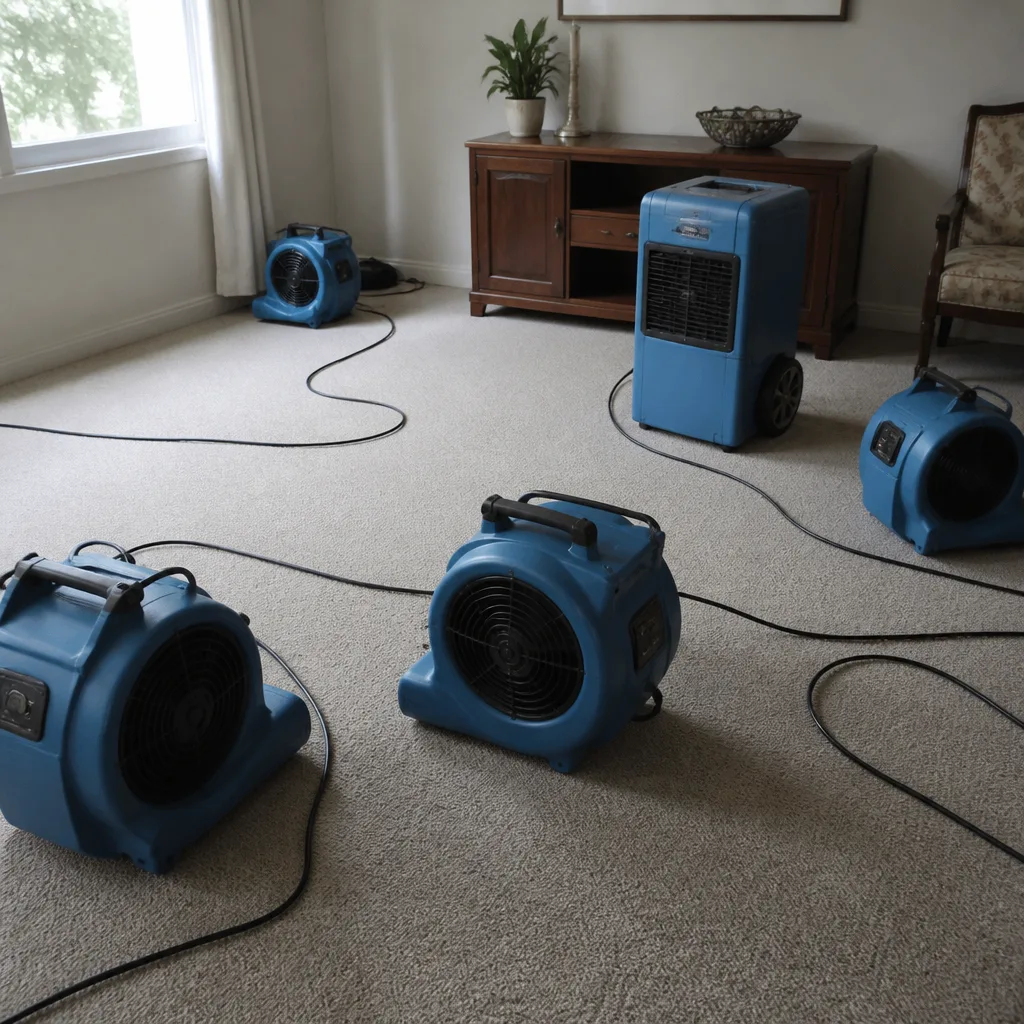
- Drying equipment placement: $200 to $500 per day for professional-grade dehumidifiers and air movers. Most jobs need 3 to 5 days of continuous drying. We run Dri-Eaz and Phoenix units, which move more air than rental-grade equipment and reach dry standard faster.
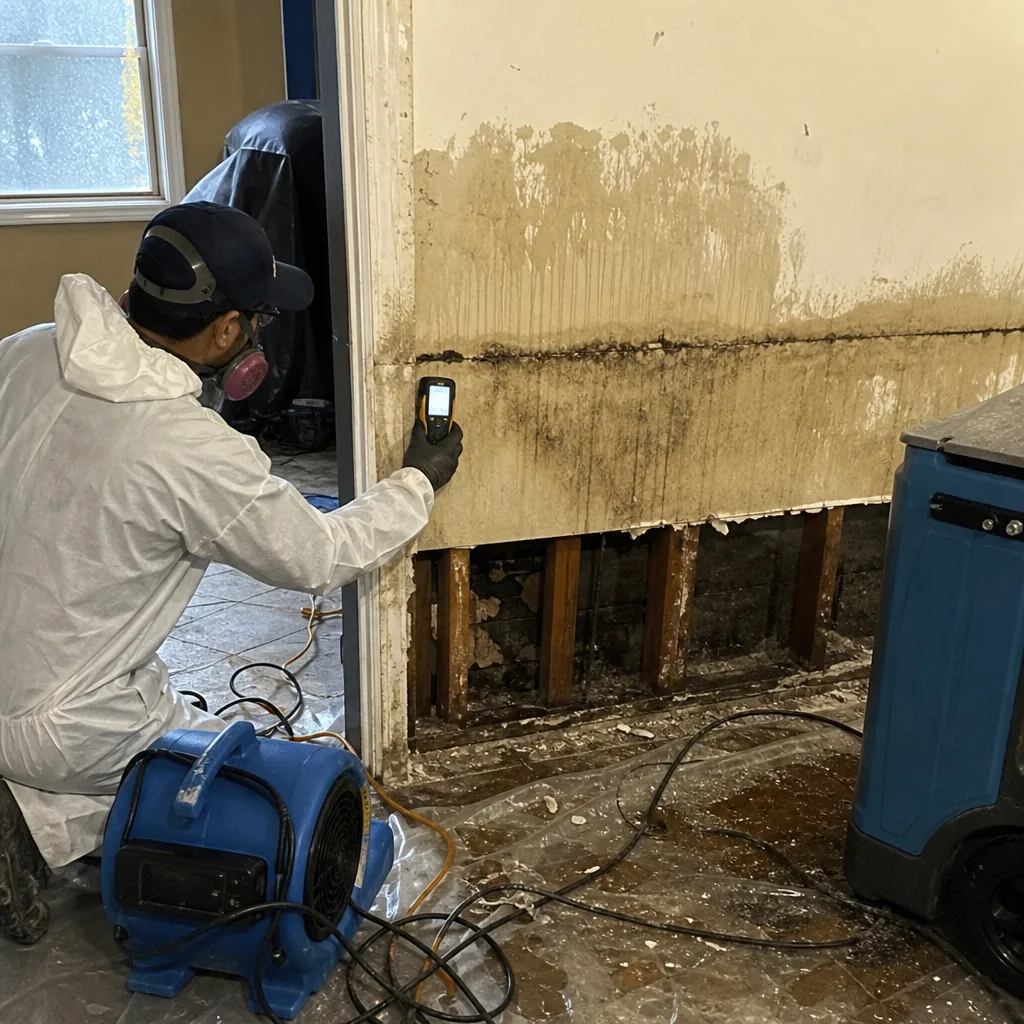
- Moisture monitoring: $150 to $350 total for daily readings until the structure hits dry standard. Without documentation, insurance adjusters often push back on equipment days billed.
- Demolition and disposal: $500 to $2,000 depending on what comes out. Wet drywall, insulation, baseboards, and carpet pad all go. In older Union City buildings, we sometimes find asbestos in flooring materials, which adds abatement cost under separate permitting.
- Antimicrobial application and deodorization: $200 to $600. Prevents the mold that follows water damage within 48 to 72 hours in Hudson County’s humid summers.
A documented moisture log matters more than most homeowners realize. Carriers reimburse equipment days far more readily when daily readings show progress toward dry standard. We hand that log to the homeowner and the carrier on every job, which means no disputes about whether the equipment ran four days or seven.
Sewage Backup Cleanup: What It Costs and Why It’s Pricier
Sewage cleanup in Union City costs $4,000 to $10,000 for a standard basement or ground-floor backup, and the higher price has nothing to do with upselling. Sewage is a biohazard. The water itself requires different handling, different disposal, and different personal protective equipment for every technician who enters the space.
Union City’s combined sewer system handles both storm runoff and sanitary waste. During heavy summer downpours or rapid snowmelt, the system backs up into low-lying basements. Homeowners along the Kennedy Boulevard corridor and the lower blocks near the Hackensack River side see this more often, especially in buildings with floor drains below street level.
What Sewage Cleanup Includes
- Containment and safety setup: The affected area gets sealed off with negative air pressure so aerosolized contaminants don’t spread through the rest of the home. This is not optional for sewage work.
- Solid waste removal and extraction: Everything the water touched gets removed or treated. Porous materials like carpet, pad, drywall, and upholstered furniture are disposed of under waste regulations. Hard surfaces get extracted, scrubbed, and disinfected.
- Drying and humidity control: Sewage water saturates deeper into concrete and framing. Drying takes longer, and daily moisture readings still apply until dry standard is met.
- Disinfection and clearance testing: The space is treated with antimicrobial agents appropriate for Category 3 water. We document the process for the insurance carrier.
- Restoration planning: Once the environment is safe, the rebuild begins. Flooring, drywall, and fixtures get restored to pre-loss condition or better where code requires.
The most common question is whether insurance covers a sewer backup. The answer depends on the policy. Many Union City homeowners only find out after a loss whether their policy includes a sewer or water backup endorsement. Without it, the cleanup and rebuild are out of pocket. We bill carriers directly, which removes the homeowner from the payment chase, but coverage limits still apply.
Mold Remediation Cost Breakdown
Mold remediation in Union City runs $1,500 to $4,500 per affected area, with whole-basement treatments reaching $8,000 or more when the growth spread behind finished walls. The variance comes from square footage, containment complexity, and how long the moisture problem existed before anyone noticed it.
Three local factors make mold a recurring issue in Union City. First, the summer humidity off the Hudson River keeps relative indoor moisture high from June through September. Second, poorly vented bathrooms and kitchens in older buildings trap moisture. Third, slow leaks behind walls go undetected for months, producing growth that’s only found when a remodel opens the wall or a musty smell becomes impossible to ignore.
What Mold Remediation Includes
- Inspection and moisture source identification: $150 to $350. Includes identifying the moisture source. Remediation without fixing the source is just mold’s waiting room.
- Containment: $300 to $800. The area is sealed with plastic sheeting and negative air machines so spores don’t circulate through the home during removal.
- HEPA filtration: Included with professional remediation. Air scrubbers capture airborne spores during and after material removal.
- Removal of affected materials: $500 to $1,800. Drywall, insulation, carpet, and sometimes framing get removed. Porous materials cannot be reliably cleaned once mold has colonized them.
- Antimicrobial treatment and drying: $300 to $700. Treated surfaces get dried to prevent regrowth.
- Post-remediation verification: We document the final condition with moisture readings and visual clearance. Some homeowners request third-party testing, which runs $200 to $600 in the Union City area.
The fastest way to misunderstand mold remediation is to think of it as cleaning. Cleaning addresses what’s visible. Remediation addresses the spore load in the air, the moisture that feeds the colony, and the building materials that can’t be saved. Our technicians train to IICRC and RIA standards, which means the same fundamentals apply whether the growth is behind a closet wall on New York Avenue or under a kitchen cabinet in a condo near Liberty Plaza.
Fire and Smoke Damage Restoration Costs
Fire damage restoration in Union City starts around $3,000 for a contained kitchen fire and reaches $30,000 or more when structural framing burned or smoke travelled through multiple floors of a multi-family building. The gap is wide because fire damage is never just one type of damage; it’s heat damage, smoke residue, water from suppression, and often structural compromise in the same event.
A fire in one unit of a Union City three-family almost always means smoke migration into shared hallways, stairwells, and neighboring apartments. Smoke pressures its way through gaps in balloon framing, around plumbing penetrations, and through shared wall cavities. The restoration scope is rarely limited to the unit where the fire started.
Fire Restoration Cost Components
- Emergency board-up and tarping: $500 to $1,500. Secures the property against weather and entry while the restoration plan comes together.
- Water extraction from fire suppression: $800 to $2,500. The water used to put out the fire does its own damage, and it’s usually mixed with smoke particulates.
- Soot and smoke residue cleaning: $1,500 to $6,000 depending on square footage and surface types. This includes walls, ceilings, flooring, and sometimes contents. Soot from synthetic materials (plastics, foams) is acidic and etches surfaces quickly if not removed.
- Ozone or thermal fogging for odor: $300 to $900 per treatment. Smoke odor lives in porous materials and returns without proper odor treatment.
- Structural repairs and rebuild: $5,000 to $25,000+ depending on burned framing, damaged electrical, and finish materials.
One thing most Union City homeowners don’t expect after a fire is how quickly water from the fire department compounds the damage. That suppression water sits in wall cavities and under flooring, feeding mold growth within days. A fire restoration is often a water restoration running on the same clock. The two are not separate jobs.
Reconstruction After a Loss: The Real Numbers
Reconstruction after water, fire, or mold damage in Union City runs $15,000 to $60,000+ for full-room builds, with whole-floor renovations in older structures reaching $100,000 or more when framing, electrical, and plumbing all require updating to current code. This is the phase where restoration stops and construction begins, and it’s where many restoration companies bow out. We don’t.
The biggest cost driver in Union City reconstruction is code compliance. When a 1920s building loses a wall to water damage, the rebuild isn’t just replacing what was there. Current Hudson County codes require updates to electrical, insulation, and sometimes plumbing that weren’t code at original construction. A $2,000 wall replacement can become a $6,000 wall when the wiring behind it must be brought to current standard.
Why Reconstruction Costs What It Costs in Union City
- Dense, multifamily construction: Most Union City housing stock is attached or semi-attached. Working on shared walls, getting materials through narrow stairwells, and coordinating with neighbors all add labor hours.
- Material access: Delivery trucks can’t park on Bergenline Avenue the way they can on a suburban cul-de-sac. Materials get staged, moved, and carried, which takes time.
- Code-driven upgrades: Any opened wall is an opportunity for the inspector to require current-code electrical, insulation, and fire-stopping. That’s good for the homeowner long-term but adds cost now.
- Permit fees and inspection scheduling: Union City building department fees and the time required for inspections are part of every legitimate reconstruction quote.
- Matching existing finishes: Pre-war buildings have trim profiles, floor patterns, and wall textures that aren’t off-the-shelf at the local supply house. Matching them takes custom work.
We approach reconstruction the way we approach every phase: a written scope before work starts, a price that doesn’t move unless the scope changes in writing, and the same crew from first extraction through final paint. The homeowner never plays messenger between us and the carrier, and the 90-Day Done Right Promise applies to the finished build, not just the emergency work. That guarantee is one reason we named it the Keystone Standard: every phase of the job depends on the one before it, and we stand behind the whole thing in writing.
How Insurance Affects Your Restoration Bill
Most Union City homeowner policies cover sudden and accidental water damage, fire, and wind-related storm damage. They do not cover gradual leaks, flooding from rising water (that’s separate flood insurance), or mold growth that resulted from an unreported long-term moisture issue. Where the line falls between “sudden” and “gradual” is often where restoration bills get contested.
The restoration company’s documentation practices directly affect what the carrier reimburses. Photo documentation of initial damage, daily moisture readings, equipment logs, and a written scope of work all serve as evidence. When any piece is missing, the adjuster has reason to reduce the settlement. We submit direct to the carrier with every job, which means the documentation flows to the right desk the first time. The homeowner isn’t playing courier.
What never helps is waiting. A water loss reported on day seven with no photos from day one looks different to an adjuster than the same loss documented from hour three. Mitigation costs are reimbursable on standard policies. Reconstruction is reimbursable up to policy limits. But the story has to be documented from the beginning.
Union City-Specific Cost Factors
Union City’s building stock, infrastructure, and climate create cost factors that don’t appear in national restoration pricing guides. Homeowners comparing Union City quotes against generic online estimates will always see local variation, and here’s why.
Housing Density and Multifamily Construction
Union City is the most densely populated city in New Jersey. Most homes share walls, floors, or ceilings with at least one neighboring unit. When water moves through a shared wall cavity, the restoration scope extends to the neighbor’s side. That’s not a markup; it’s reality. Drying one unit while the shared wall stays wet means the moisture comes back.
Older Building Stock
A significant portion of Union City’s housing dates to the early 20th century. Balloon framing, plaster walls, and decades of renovation layers all change how water moves and how drying works. Plaster holds moisture longer than drywall. Closed wall cavities from old renovations create hidden channels where water travels far from the original leak.
Combined Sewer Backups
Union City operates on a combined sewer system. Heavy rain overwhelms the system, and basements below street level take the backup. Homeowners on lower blocks and near storm drains see this pattern repeatedly. A check valve and a sump pump help, but when the system is overwhelmed, even protected basements can fail.
Humidity and Mold Growth Timing
Union City’s summer humidity means mold starts colonizing wet materials within 48 to 72 hours, faster in unventilated basements. The window between a water event and the onset of mold is shorter here than in drier climates, which means the cost of waiting is higher. In our experience, a water loss left unmitigated through a single hot weekend is almost always a mold job by Tuesday.
Permit and Disposal Costs
Hudson County disposal fees for construction debris and contaminated materials run higher than in surrounding areas farther from urban transfer stations. Permit costs in Union City are modest, but the time required for inspections on reconstruction work adds to the schedule and the labor bill.
Common Mistakes to Avoid
- Waiting to “see if it dries on its own”: Water in wall cavities and under flooring doesn’t dry on its own in Union City’s climate. It soaks deeper, feeds mold, and turns a mitigation job into a reconstruction job. Every 24 hours of delay expands the scope.
- Using a shop vac and box fans for a flooded room: Consumer equipment moves surface water. It can’t reach the water in drywall, underlayment, and framing. The surface feels dry while the structure stays soaked, and mold grows where nobody’s looking.
- Filing an insurance claim without documentation: A claim filed with no photos, no moisture readings, and no equipment log gives the adjuster room to reduce the settlement. Documented losses settle closer to the actual scope.
- Choosing a restoration company that stops at mitigation: If your mitigation company hands the rebuild to a separate contractor, you become the project manager between two companies and your insurance carrier. A Floodline Restoration Co. home job goes from extraction to finished rebuild with one crew and one written guarantee.
- Accepting a quote with no written scope: Any restoration quote without a line-item scope is an estimate, not a contract. The scope is what keeps the price from growing once walls are open. We write the scope before work starts and price it honestly.
- Overlooking the neighbor’s unit in a shared building: In attached Union City buildings, water damage rarely respects the property line. An unaddressed wet shared wall means the problem returns to your side within months.
- Skipping the moisture log: Daily readings prove the structure hit dry standard. Without them, you’re trusting someone’s word that the job is dry. We hand the log to the homeowner and carrier on every job.
When to Call a Professional
Call a professional restoration company the moment standing water appears, sewage backs up, smoke has travelled beyond the room of origin, or you smell mold in a space you can’t see. The window for effective mitigation is measured in hours, not days. If the water source is contaminated (sewage, toilet overflow, stormwater), if the water touched drywall or flooring, if the event happened while the home was empty for more than a day, or if you’re not certain the structure is dry, a certified crew with professional-grade equipment will find what consumer tools miss. Curt Bowman founded Floodline Restoration Co. in 2010 on the principle that homeowners deserve one company accountable for the whole job. We answer the phone with a live dispatcher at any hour, and crews dispatch from Union City.
Floodline Restoration Co. offers free estimates in Union City. Call (551) 348-8481 and a live person will answer, even at 2 a.m.
Frequently Asked Questions
Water damage restoration in Union City typically runs $2,500 to $7,500 for a single-room incident with clean water and prompt response. Larger losses, contaminated water, or damage involving multiple floors push the cost to $10,000 or more. The definitive price comes from an on-site moisture assessment, not a phone estimate. Call (551) 348-8481 for a free on-site evaluation.
Insurance covers sudden and accidental water damage, fire, and most storm damage on standard homeowner policies. It does not cover gradual leaks, flood damage from rising groundwater, or mold from an unreported long-term moisture issue. If your coverage is unclear, ask the restoration company to document the loss thoroughly from the first visit, which protects your claim.
A Floodline Restoration Co. crew can reach most Union City homes within 60 to 90 minutes of your call, with extraction running on the same visit. We answer phones with a live dispatcher 24 hours a day, seven days a week, so you’re never leaving a voicemail while water spreads through your floors.
If water touched drywall, insulation, flooring, or any enclosed cavity, you need full mitigation and drying, not surface cleaning. A surface cleaning leaves the structure wet, and wet framing in Union City’s summer humidity grows mold within days. Remediation is less expensive than the rebuild that follows an unmitigated loss.
We bill the carrier directly and communicate with your adjuster throughout the job, so you’re not translating restoration terminology or chasing paperwork. Documentation, moisture logs, and the written scope all go to the carrier with the claim. You stay informed, but you’re never the messenger.
Extraction starts the same visit, drying runs three to five days for a standard loss, and straightforward rebuilds finish within two to four weeks. Complex losses involving multiple rooms, sewage, or structural repair take longer. The schedule comes in writing before work starts, and we stand behind it.
The Bottom Line
Restoration costs in Union City reflect the city’s building density, older housing stock, climate, and infrastructure. A fair water damage restoration runs $2,500 to $7,500, sewage cleanup $4,000 to $10,000, mold remediation $1,500 to $4,500, fire restoration $3,000 to $30,000+, and reconstruction $15,000 to $60,000+. The number that matters most is the one you can’t afford to pay twice: the cost of waiting. Every hour the water sits, every day the leak goes unreported, every weekend the mold grows, the final bill moves up. The surest way to keep the number honest is to hire one company that handles the whole job, documents every step, bills the carrier directly, and stands behind it in writing. That’s the job we’ve been doing since 2010.
Call Floodline Restoration Co. at (551) 348-8481 for a free estimate. A live person answers, day or night, and a certified crew from Union City reaches your door fast.
Written by Curt Bowman, Owner at Floodline Restoration Co., serving Union City since 2010.