
Last updated August 25, 2026
Free visual inspection and a written scope of work before any mitigation begins - photos, moisture readings, and drying logs go in your claim file
The scope we write is the scope we bill. Anything new gets shown to you, in writing, before we touch it.



 Before
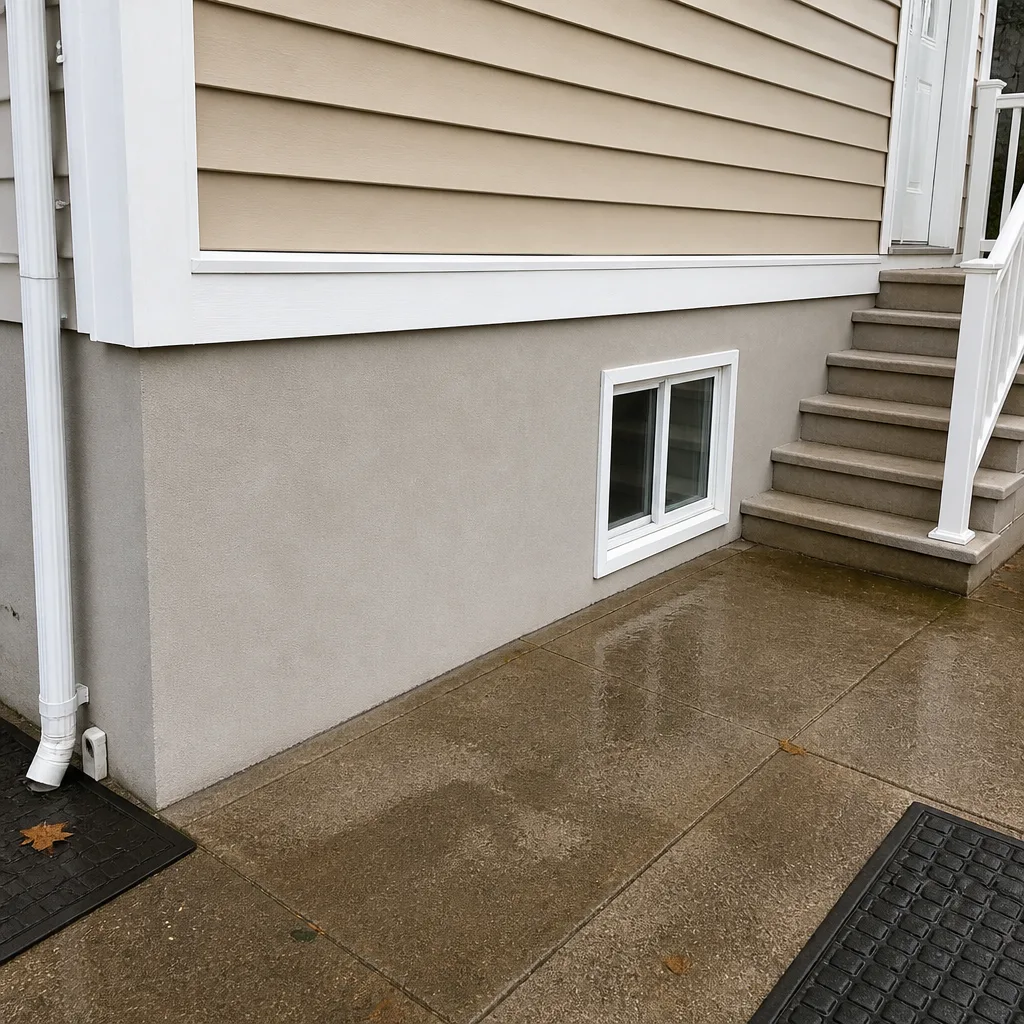 After
After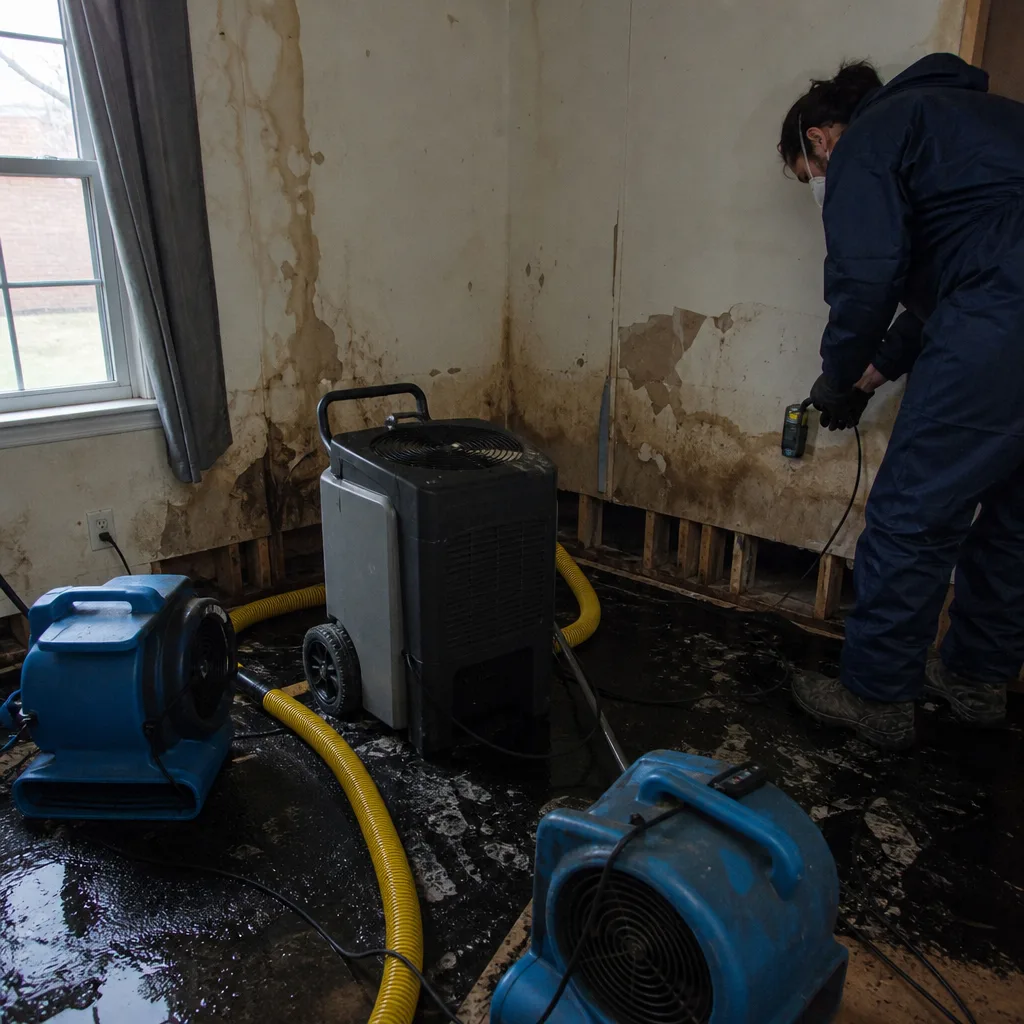 Before
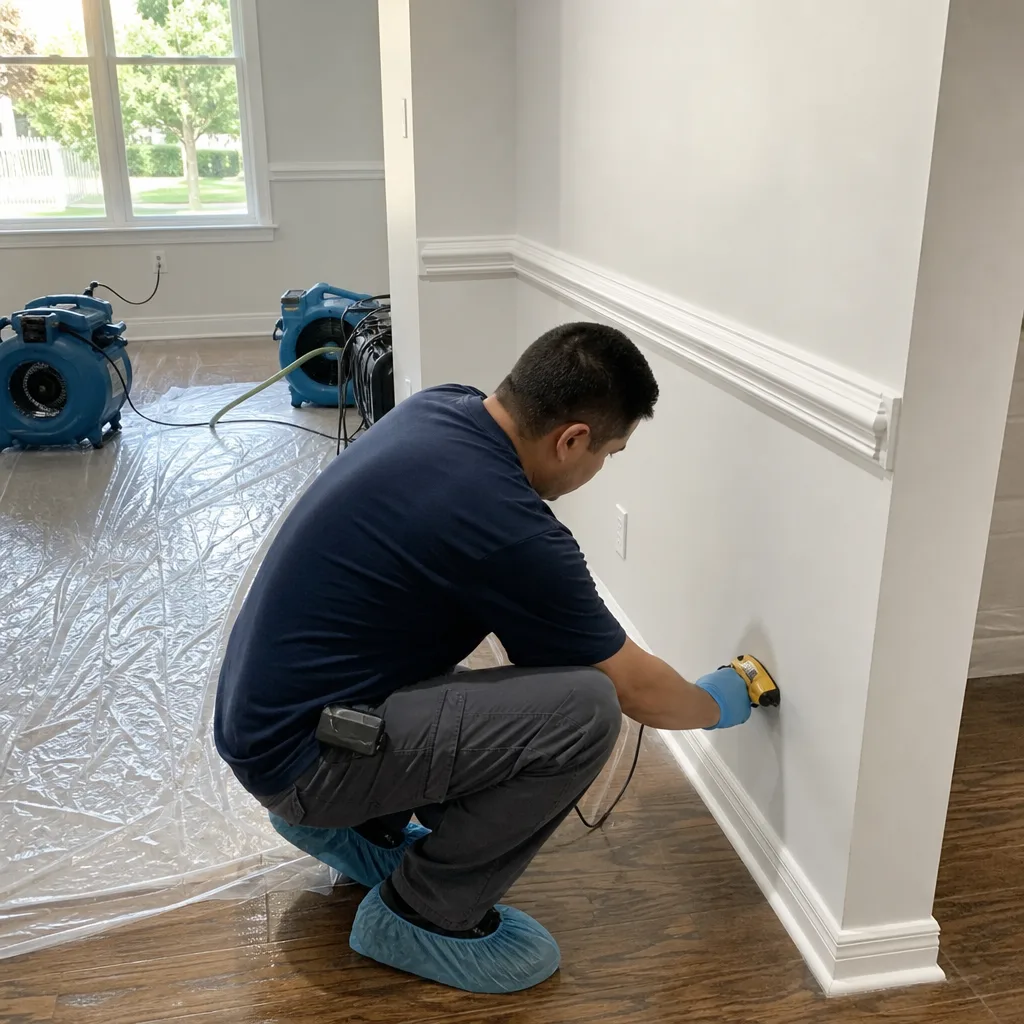 After
After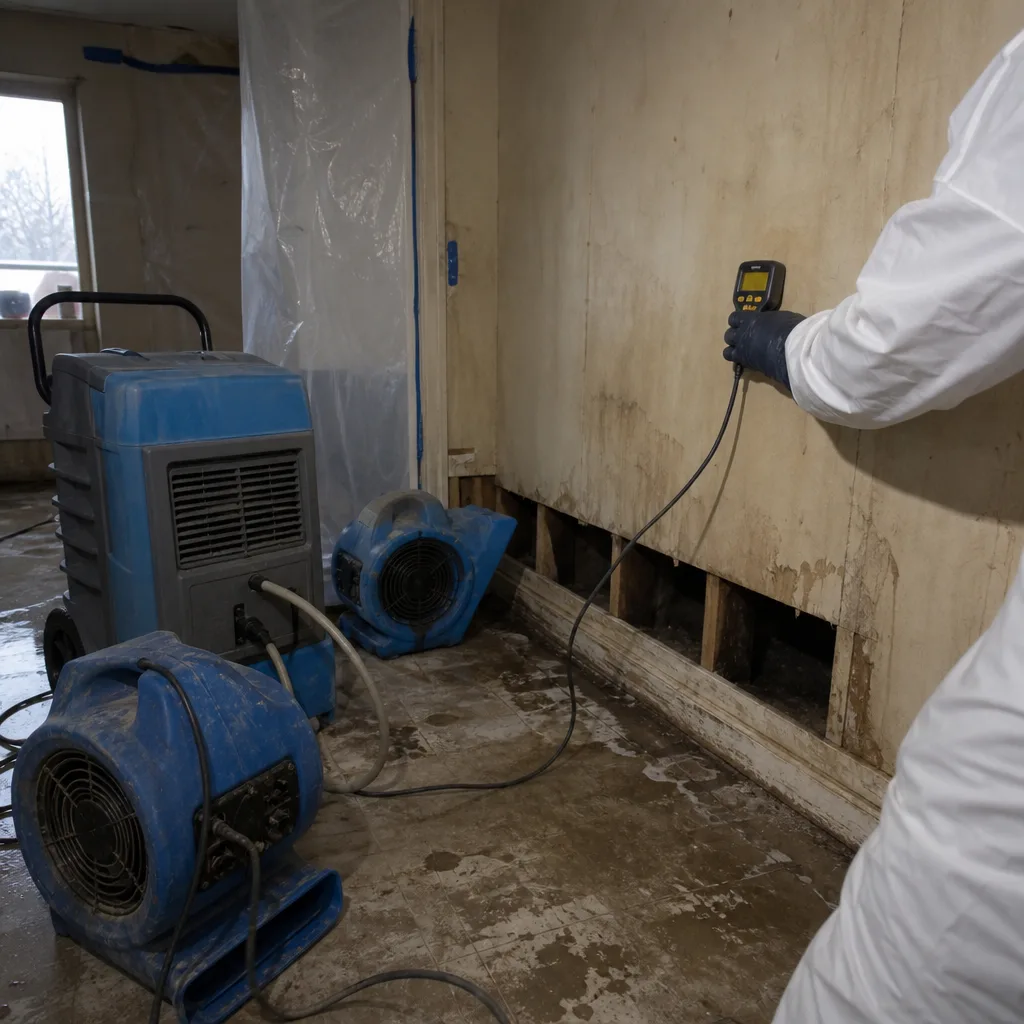 Before
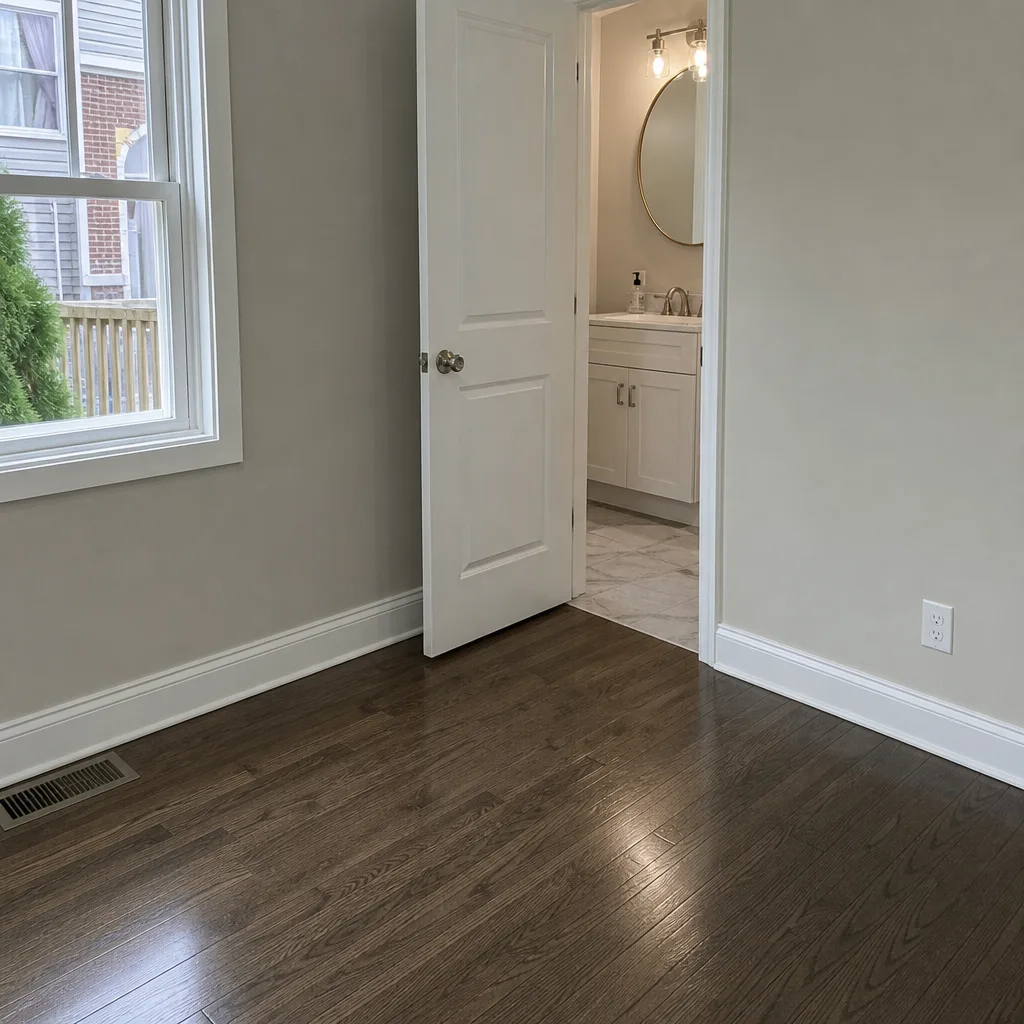 After
AfterDIY vs Professional Damage Restoration: The Union City Homeowner’s Decision Guide
Most Union City homeowners don’t realize that the first 48 hours after water damage decide whether a room gets dried out or gutted to the studs. The difference rarely comes down to effort. It comes down to equipment, moisture mapping, and knowing what’s hiding inside a wall cavity that never looks wet from the outside. This guide walks through what a homeowner can safely handle, what goes wrong when a restoration job is underestimated, and where the line sits between a weekend project and a call to a certified crew. We’ve worked in homes across Union City for over a decade, and we’ve rebuilt plenty of spaces where a well-intentioned DIY attempt made the final repair twice as expensive.
Quick Answer
For small, clean-water spills that you catch immediately and can dry within 24 hours, a careful DIY response works in Union City. Anything involving sewage, hidden moisture behind drywall, mold growth, fire residue, or water that sat for more than a day belongs in the hands of a professional restoration company with commercial drying equipment and a written guarantee. The risk with DIY isn’t the work itself; it’s the moisture you can’t see, which keeps working long after the surface feels dry.
Table of Contents
- What DIY Can Actually Handle in Union City
- Where DIY Goes Wrong: The Hidden Moisture Problem
- The Real Cost Comparison: DIY vs Professional Restoration
- The Insurance Angle: Who Pays for What
- Why Equipment Matters More Than Effort
- Union City-Specific Factors That Change the Math
- Mold, Sewage, and the Safety Line
- Common Mistakes to Avoid
- When to Call a Professional
- Frequently Asked Questions
- The Bottom Line
What DIY Can Actually Handle in Union City
A homeowner with a shop vac, some towels, and a box fan can genuinely finish certain jobs. The key is knowing what “small” means before you start. A supply line leak under a bathroom sink that you catch within the hour, with water pooling on tile or linoleum and no path into drywall, is a reasonable DIY job. So is a dishwasher overflow onto a vinyl kitchen floor, or a window leak during a storm that you towel up immediately and track for a few days after. In these cases, the water never had time to migrate into wall cavities, under baseboards, or through floor seams.
Here’s a practical rule we use on our own jobs: if the water stayed on a non-porous surface and you can dry it completely within 24 hours, you likely don’t need us. Run a fan, keep air moving, check the area daily for a week. Watch for any buckling, discoloration, or a musty smell that develops days later. Smell is often the first sign that moisture found a place you couldn’t reach. In Union City’s older housing stock, particularly the pre-war brick and frame homes near Bergenline Avenue and the side streets off Palisade Avenue, water travels fast through old plaster and lathe, and it doesn’t always show itself where you expect it.
A Basic DIY Drying Kit
- A wet/dry shop vac rated for water pickup
- Multiple high-volume fans (box fans work for small jobs)
- A dehumidifier, ideally one rated for the square footage of the room
- A moisture meter, which costs $30 to $60 at any hardware store
- Plastic sheeting to isolate the wet area if needed
You can buy all of that for under $200. For the smallest spills, it’s enough. The moment you need to cut into drywall, lift flooring, or question whether the water reached insulation, the math changes.
Where DIY Goes Wrong: The Hidden Moisture Problem
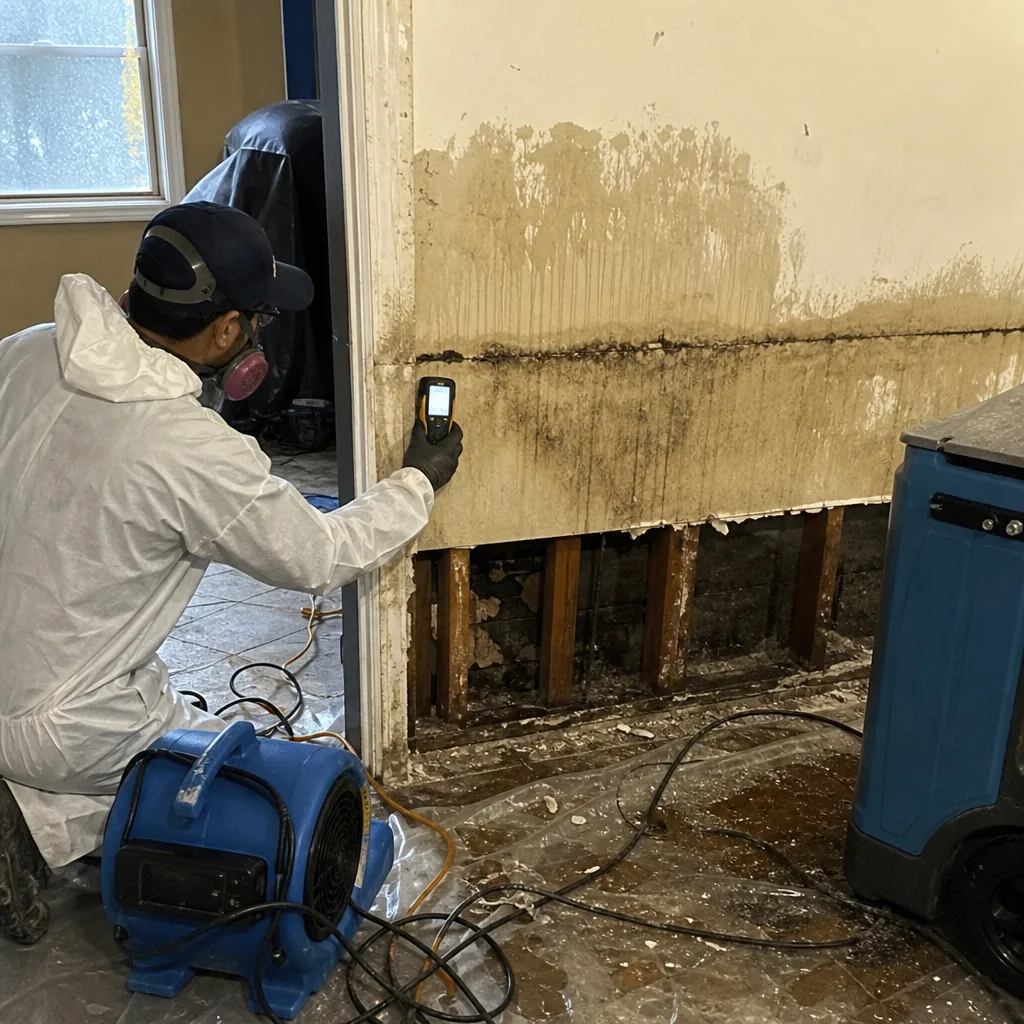
The most expensive water damage in Union City homes is not the flood everyone sees. It’s the slow leak that ran behind a wall for two weeks before anyone noticed. We’ve opened up walls on New York Avenue where the drywall looked fine from the living room side, but the back side was covered in mold and the studs read 40% moisture content on a meter. The homeowner had painted over a water stain six months earlier and thought the problem was solved.
Water inside a wall cavity behaves differently than water on a floor. It wicks upward through drywall, saturates insulation, and settles into the bottom plate of the wall framing. A fan blowing on the surface does almost nothing for the cavity behind it. That moisture needs negative air pressure, injection drying into the cavity itself, or opening the wall up. Without a moisture meter and the experience to know where to check, a homeowner is guessing. And guesses in restoration are expensive.
This is where professional-grade equipment changes the outcome. We run Floodline Restoration Co. home jobs with Dri-Eaz dehumidifiers and high-velocity air movers, plus Injectidry systems that force dry air directly into wall and ceiling cavities. The goal is not to make the surface feel dry. The goal is to hit the dry standard: a moisture content reading that matches the building’s baseline, documented daily in a log we hand to the homeowner and the insurance carrier. That log is what keeps mold from appearing three months later.
The Real Cost Comparison: DIY vs Professional Restoration
Here’s what homeowners in Union City typically pay, based on the work we see and the prices in this market.
Water Damage Restoration Costs in Union City
- DIY small spill cleanup: $50 to $250 for fans, a dehumidifier rental, and cleaning supplies
- Professional small water extraction (single room, clean water): $400 to $900
- Professional full dry-out with equipment placement and monitoring: $1,500 to $3,500
- Mold remediation after improper DIY drying: $2,000 to $8,000 depending on square footage
- Full rebuild of a water-damaged room with new drywall, insulation, and flooring: $4,000 to $12,000
The pattern is consistent: the DIY route costs less in the first week and often costs two to three times more in the first year. We’ve rebuilt bathrooms and kitchens in Union City where the initial leak repair might have cost $800, but the eventual mold remediation and structural repair totaled over $15,000 because moisture sat undetected. The expensive part was never the drying. It was the months of damage that happened after the surface looked dry.
We stand behind our work with the 90-Day Done Right Promise, given in writing. If something isn’t done right, we make it right. No paperwork battles, no arguing. That guarantee only works if the drying is done correctly the first time, which is why we use moisture maps from day one and daily readings until the dry standard is met.
The Insurance Angle: Who Pays for What
Most Union City homeowners’ policies cover sudden and accidental water damage, which includes burst pipes, appliance failures, and storm-related intrusion. They typically do not cover gradual damage from a long-running leak, which is exactly the kind of problem a DIY fix can accidentally create. If you dry a room yourself and mold appears four months later, your carrier may classify the mold as a maintenance issue rather than a covered loss. The documentation matters.
Professional restoration companies document everything. We take photos, log moisture readings daily, and coordinate directly with your adjuster so you never play messenger between the restoration crew and the insurance carrier. That coordination is the single biggest trust factor in this niche. When a homeowner tries to manage a claim themselves after a DIY attempt, they’re usually submitting receipts and hoping the carrier accepts the work. When a certified company handles the job, the carrier gets a documented scope of loss, daily drying logs, and a final report that triggers payment. In Union City, where many homes are older and replacement costs run high, that documentation often makes the difference between full coverage and a partial payout.
Our no-hassle upfront pricing with direct insurance billing means you know the cost before the work starts, and the carrier gets billed directly. No surprises on the bill, and none of the back-and-forth that turns a restoration into a part-time job.
Why Equipment Matters More Than Effort
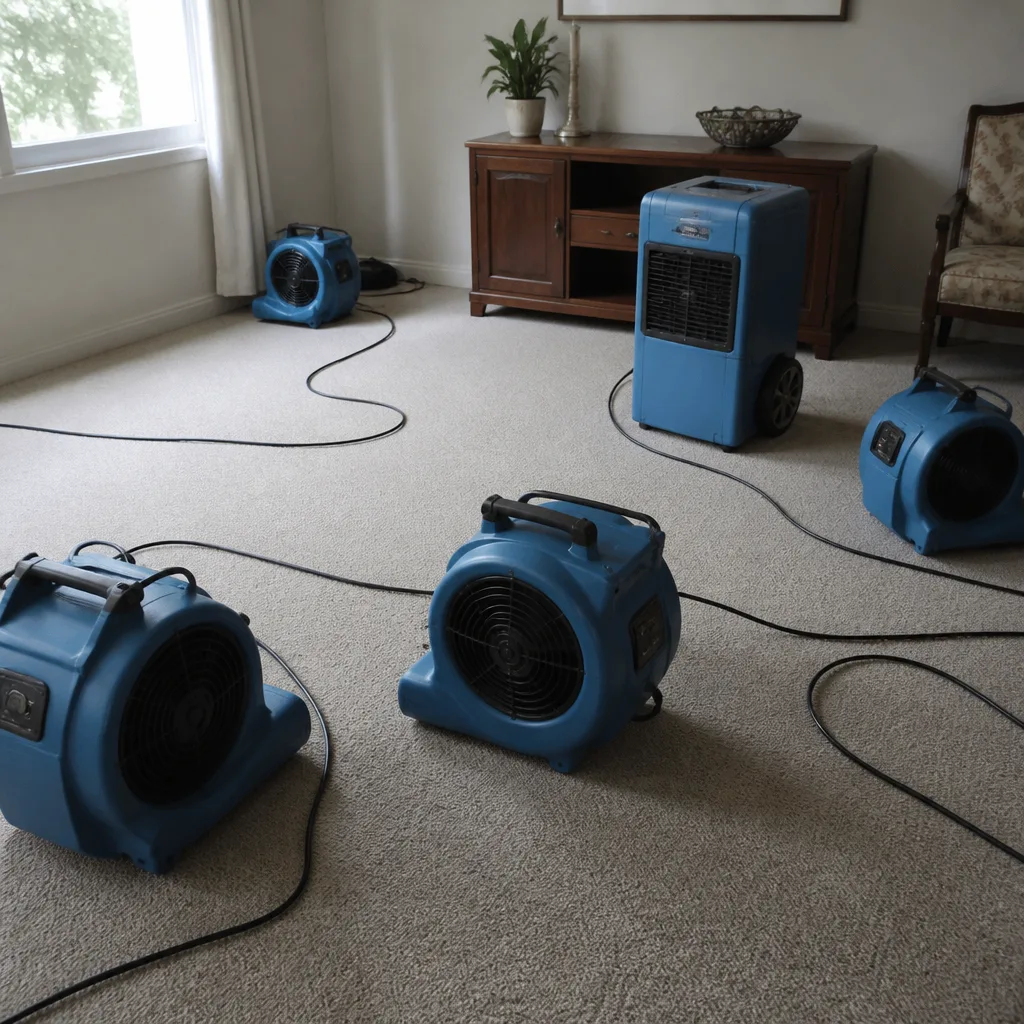
A restoration crew can show up with a hundred dollars’ worth of box fans and move a lot of air around. That’s not drying; that’s circulating moisture. The difference between a professional dry-out and a homeowner’s attempt is measurable in grains per pound of air, which is how restoration professionals talk about humidity. A Dri-Eaz or Phoenix dehumidifier pulls water out of the air at a rate no residential unit can match. XPOWER air movers create the airflow pattern that forces moisture out of materials. Injectidry systems push air into cavities that would otherwise stay wet for weeks. B-Air equipment does the heavy lifting on larger commercial builds.
We use those brands because they hold up on job after job, and because the equipment matters less than the plan behind it. A moisture map, drawn on day one with a meter and a plan, tells the crew where to place each piece of equipment. That map gets checked daily. When readings hit the dry standard, the equipment comes out and the log gets handed to the homeowner and the carrier. That’s the entire job, and it’s not something a rental counter at a hardware store can replicate.
Our technicians are background-checked, uniformed, and certified to IICRC, RIA, and IFA standards. They’ve done this thousands of times. The certification matters because proper drying is a technical process with real consequences when it’s done wrong, not a matter of pointing fans at a wet spot and hoping.
Union City-Specific Factors That Change the Math
Union City’s housing stock creates challenges that a generic online guide won’t mention. We’ve worked in the multi-family buildings along Summit Avenue and New York Avenue where a leak on the fourth floor shows up on the second floor’s ceiling two days later. In those buildings, water travels through floor joists, along pipes, and behind shared walls, which means a “small” leak in one unit is often a building-wide drying job. DIY drying in a condo or co-op almost never works because the moisture source is outside the unit you’re drying.
The climate matters too. Union City gets hot, humid summers that slow down natural drying and push moisture deeper into porous materials. A basement that would dry on its own in Arizona will stay wet for weeks in a New Jersey August. That’s why basement floods, which are common in the low-lying streets near the Meadowlands, need mechanical dehumidification almost every time. A fan alone won’t beat a Hudson County summer.
Many Union City homes were built before modern building codes, which means lead paint, asbestos in old flooring, and plaster walls that hold water differently than modern drywall. Cutting into those walls without knowing what’s behind them creates a safety issue on top of a moisture issue. We handle that by scoping the job first, telling you what we’re cutting into and why, and getting a written scope agreed to before the work starts. That’s a square deal: no surprises on the bill.
Mold, Sewage, and the Safety Line
There’s a line in restoration that a homeowner should not cross, and it’s drawn at mold and sewage. Both are health hazards, and both require containment, negative air pressure, and professional-grade antimicrobial treatments that aren’t sold at retail. Sewage cleanup, in particular, is not a DIY job under any circumstances. Category 3 water, as it’s classified in the industry, contains bacteria, viruses, and parasites that become airborne during drying. A homeowner with a shop vac and a box fan can spread that contamination throughout the house in an afternoon.
Mold is the slower version of the same problem. By the time mold is visible on a wall in Union City, the colony usually extends well behind the surface into the wall cavity. Disturbing it during a DIY cleanup releases spores into the air, where they settle into carpets, HVAC systems, and every other room in the house. Professional mold remediation creates a containment area, establishes negative air pressure so spores can’t escape, removes the affected materials, and treats the surrounding area. The work itself involves protective equipment and specific protocols that exist for a reason.
If you see mold larger than a small patch, or if the water source is a sewer backup, stop and call a professional. This is the one area where the risk of doing it wrong isn’t measured in dollars but in the health of everyone living in the home. We treat mold and sewage jobs as full-cycle projects: remove the contamination, dry the structure, and rebuild what needed to come out, all with the same certified crew and the same written guarantee.
Common Mistakes to Avoid
- Painting over a water stain without checking the wall cavity. The stain comes back, and by then mold has usually started behind the drywall. In Union City’s older homes, the wall behind a stain is rarely dry.
- Turning off drying equipment too early. A surface that feels dry to the touch can still hold enough moisture in the drywall and framing to grow mold. Use a moisture meter, not your hand.
- Using a residential dehumidifier from a department store for a basement flood. It will run for weeks and never hit the dry standard. Commercial dehumidifiers pull moisture at five to ten times the rate.
- Wait-and-see after a leak in a multi-family building. In Union City’s attached buildings, water from the unit above keeps coming until the source is fixed. The damage gets worse every day you wait.
- Throwing away wet carpet but leaving the pad and subfloor. The pad holds water like a sponge, and the subfloor underneath stays wet for weeks. Both need to come out or be mechanically dried.
- Not documenting the damage before cleanup. Insurance claims need photos, a written scope, and a timeline. A homeowner who tears everything out on day one often has trouble proving the extent of the loss.
- Assuming a musty smell will fade on its own. It won’t. A musty smell is microbial activity, and it means moisture is still present somewhere you can’t see.
When to Call a Professional
Call a restoration company when the water source is sewage or gray water from a dishwasher or washing machine that sat overnight. Call when water has touched drywall, insulation, or hardwood flooring. Call when you smell mold but can’t find the source. Call when the leak came from above your unit in a multi-family building. Call when the flood happened while you were away and the water sat for more than a day. Call when your insurance carrier asks for professional documentation. And call when the job is simply bigger than you want to manage with fans and a shop vac. Floodline Restoration Co. offers free estimates in Union City. Call (551) 348-8481 and a live dispatcher picks up, day or night. A certified crew reaches the job and extraction is running the same visit.
Frequently Asked Questions
You can dry it yourself if the water stayed on a non-porous surface, you caught it within the hour, and you can fully dry the area within 24 hours using fans and a dehumidifier. If the water reached drywall, flooring, or wall cavities, call a professional for a moisture assessment. Call (551) 348-8481 for a free estimate in Union City.
The biggest mistake is assuming the surface dryness means the structure is dry. Moisture inside wall cavities, under flooring, and behind baseboards keeps damaging the home for months after a DIY cleanup. A moisture meter and professional drying log prevent that from happening.
Most Union City homeowners’ policies cover sudden and accidental water damage, such as a burst pipe or appliance failure. Gradual damage from a long-running leak is usually not covered, which is why undocumented DIY repairs can be a problem. We coordinate directly with your adjuster and bill the carrier directly.
We answer the phone with a live dispatcher 24 hours a day, 7 days a week. In most cases, a certified Floodline Restoration Co. crew reaches the job the same visit and starts extraction immediately. For water and sewage jobs, speed matters most in the first 48 hours.
If mold is visible on drywall or you smell it in multiple rooms, the colony is usually larger than the visible patch and requires professional remediation with containment and negative air pressure. Surface cleaning alone doesn’t remove mold inside the wall cavity, and disturbing it can spread spores through the house.
Small single-room extractions start around $400 to $900. A full dry-out with equipment placement and monitoring typically runs $1,500 to $3,500 depending on square footage and the water category. Estimates are free, and we provide a written scope before work starts. Call (551) 348-8481 for exact pricing.
The Bottom Line
Union City homes, built across generations with materials and layouts that don’t match modern assumptions, punish guesses. A small, clean-water spill caught immediately is a reasonable DIY job. Everything else, from hidden moisture to mold to sewage, needs the equipment, certification, and written documentation that a professional restoration company provides. The cost of professional drying is predictable and usually covered by insurance. The cost of a DIY mistake shows up months later, after mold has spread and the claim window has closed. When in doubt, get the moisture map and the written guarantee. Done right, and backed in writing.
Written by Curt Bowman, Owner at Floodline Restoration Co., serving Union City since 2010.