
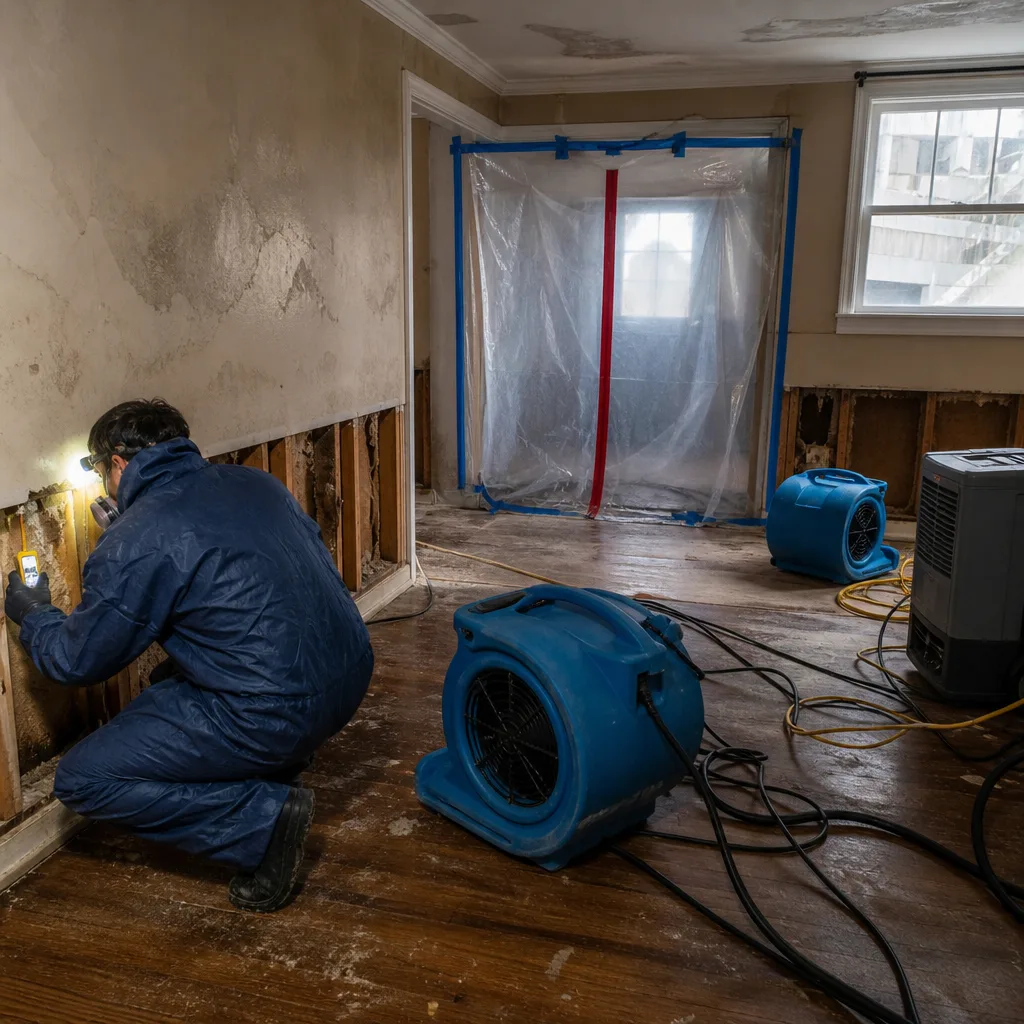
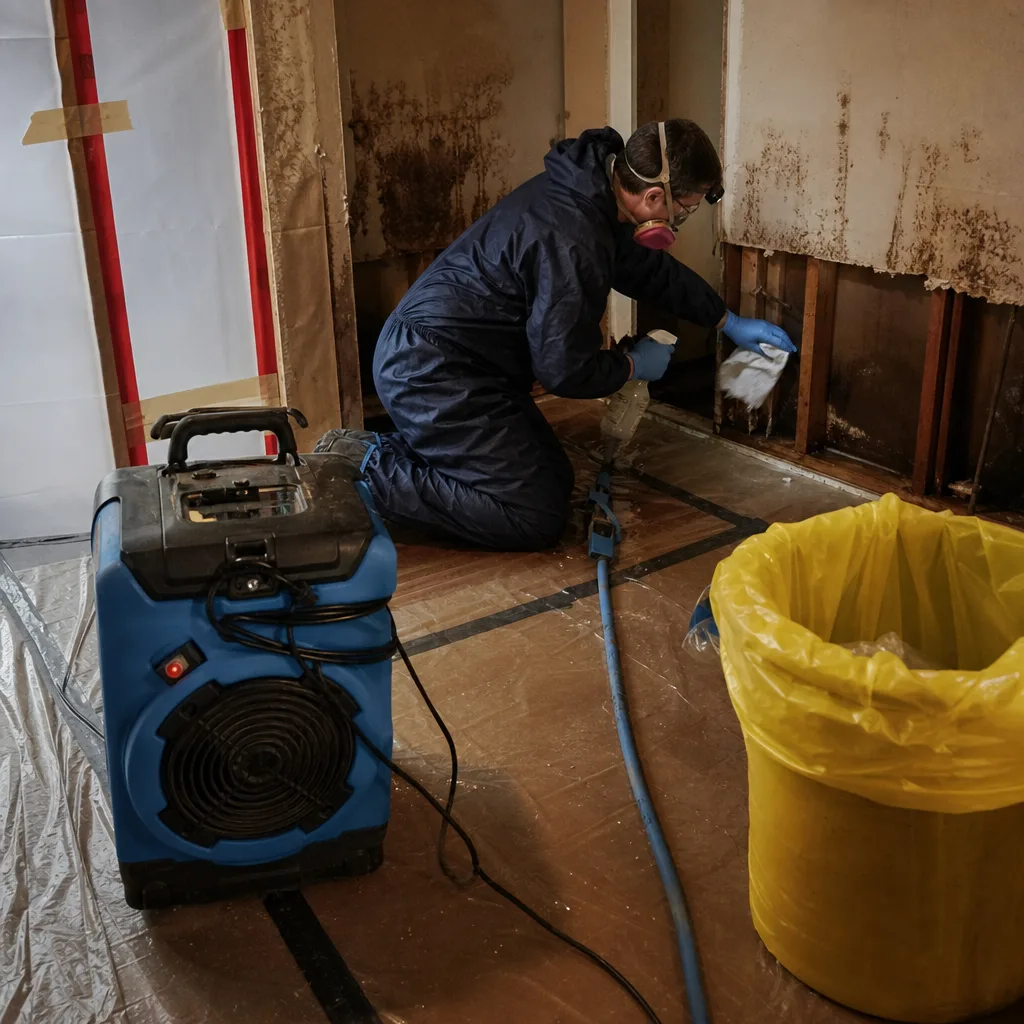
Free visual inspection and a written scope of work before any mitigation begins - photos, moisture readings, and drying logs go in your claim file
The scope we write is the scope we bill. Anything new gets shown to you, in writing, before we touch it.
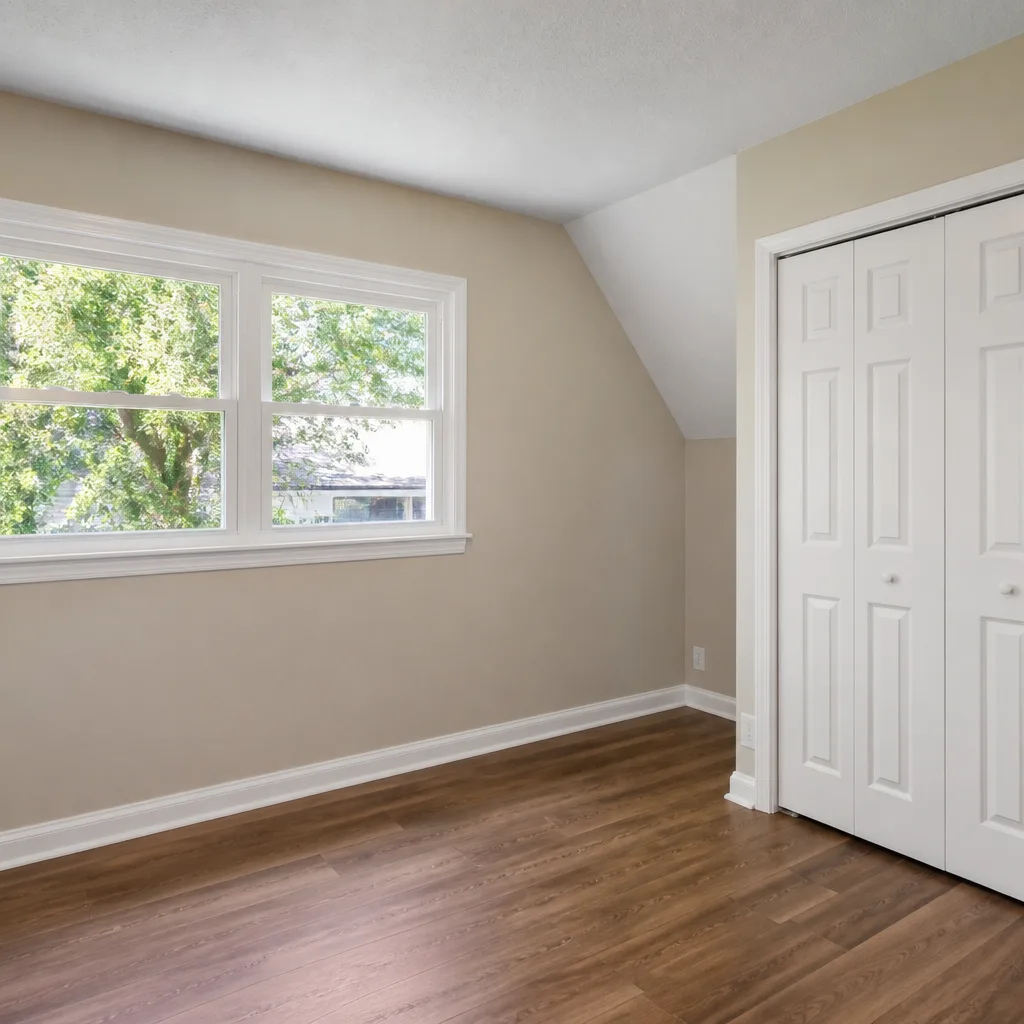
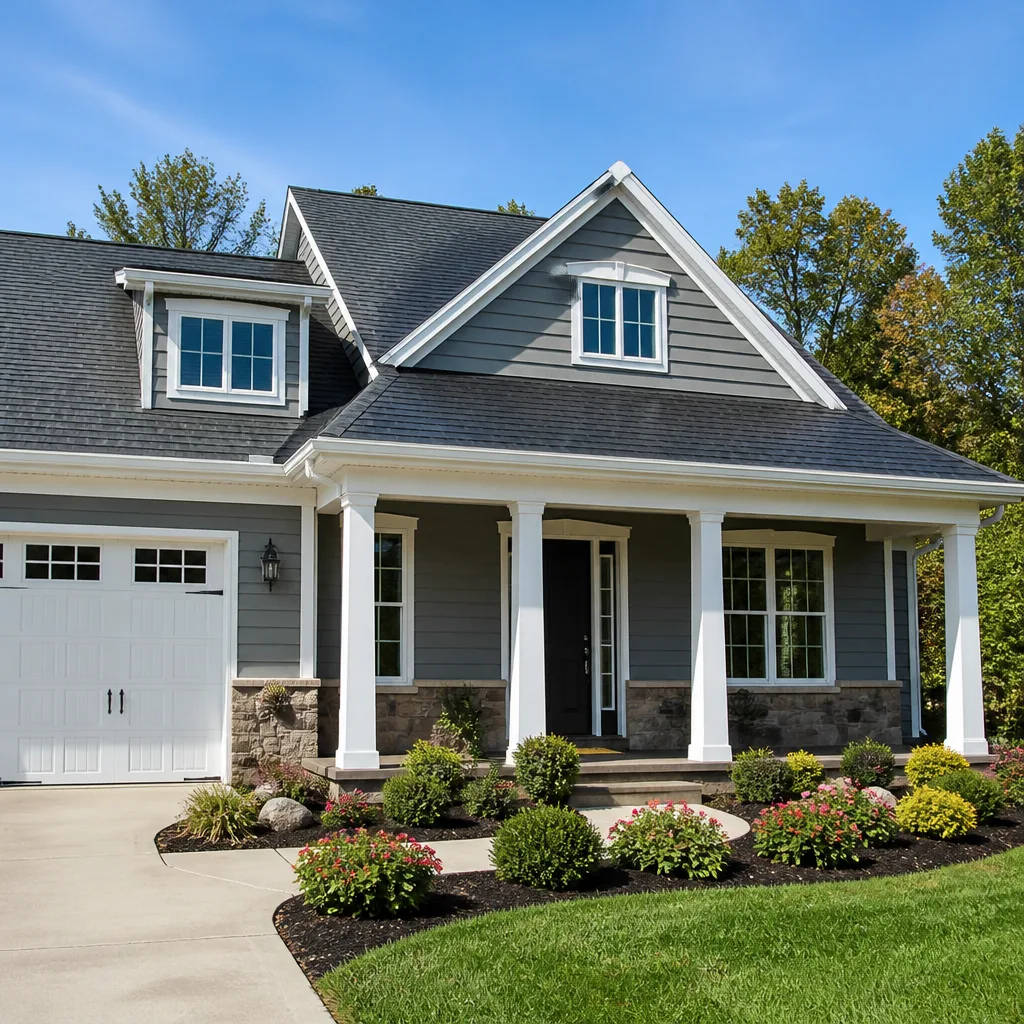
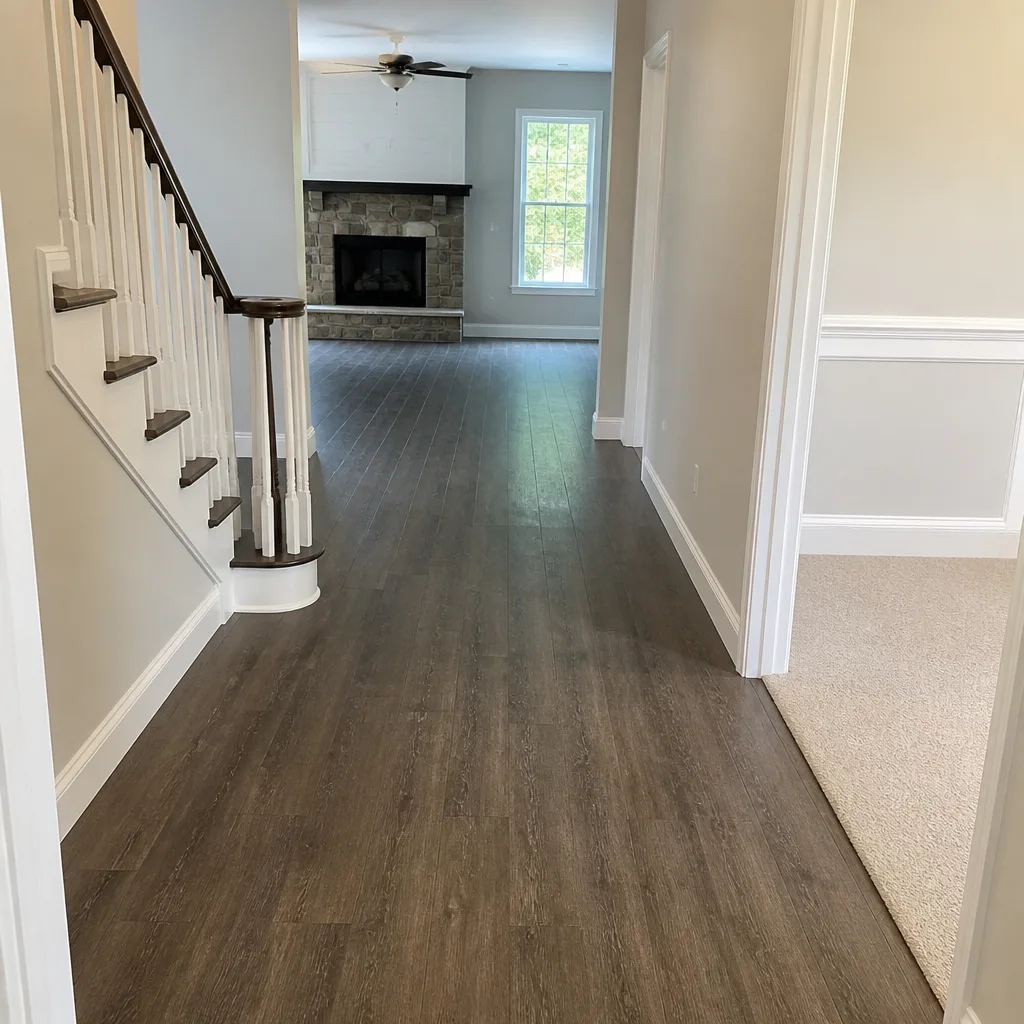
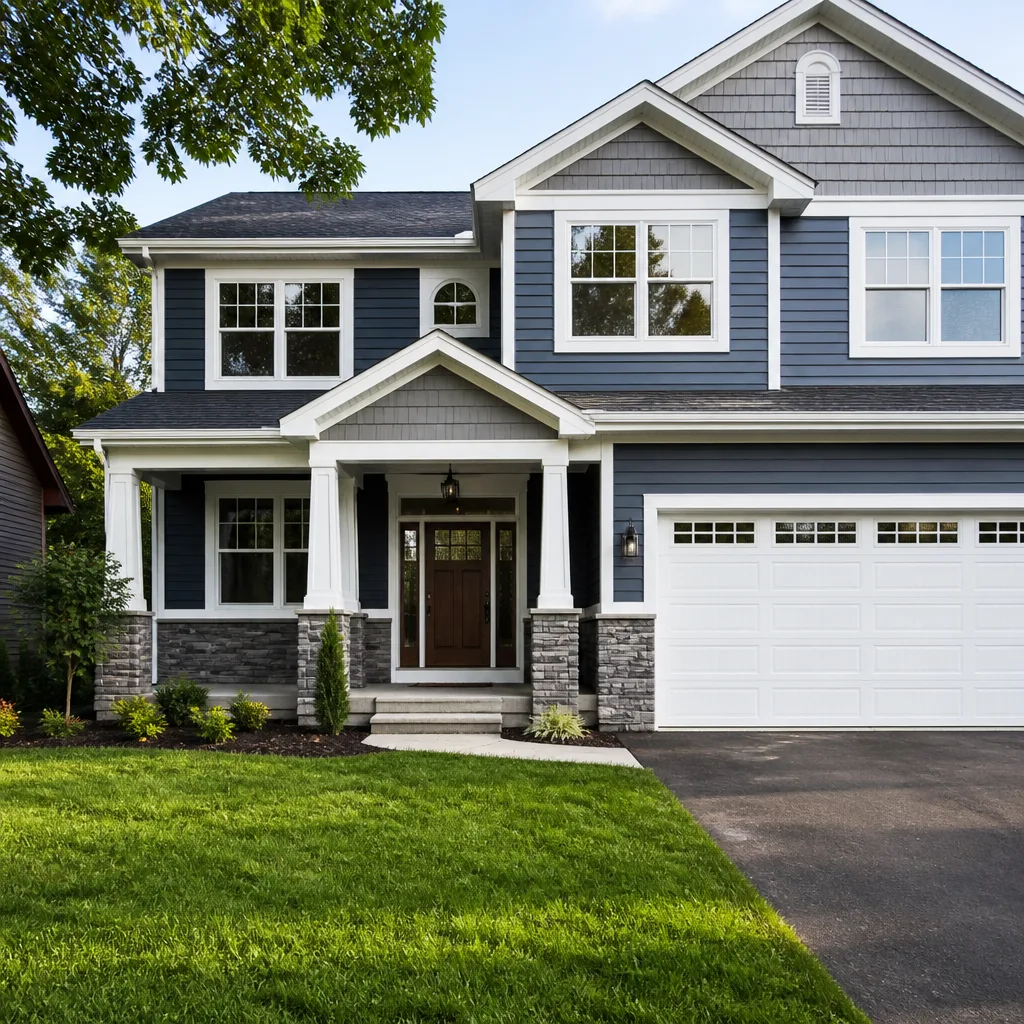
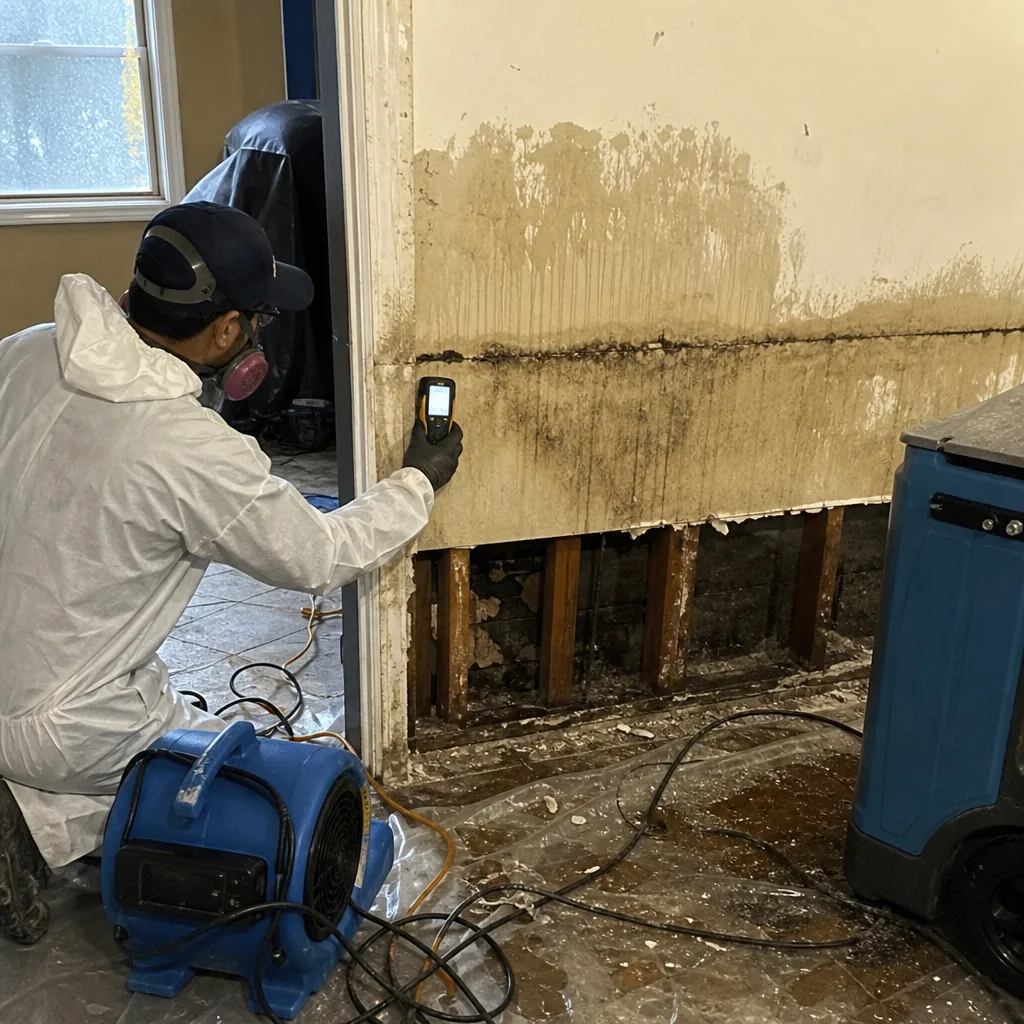 Before
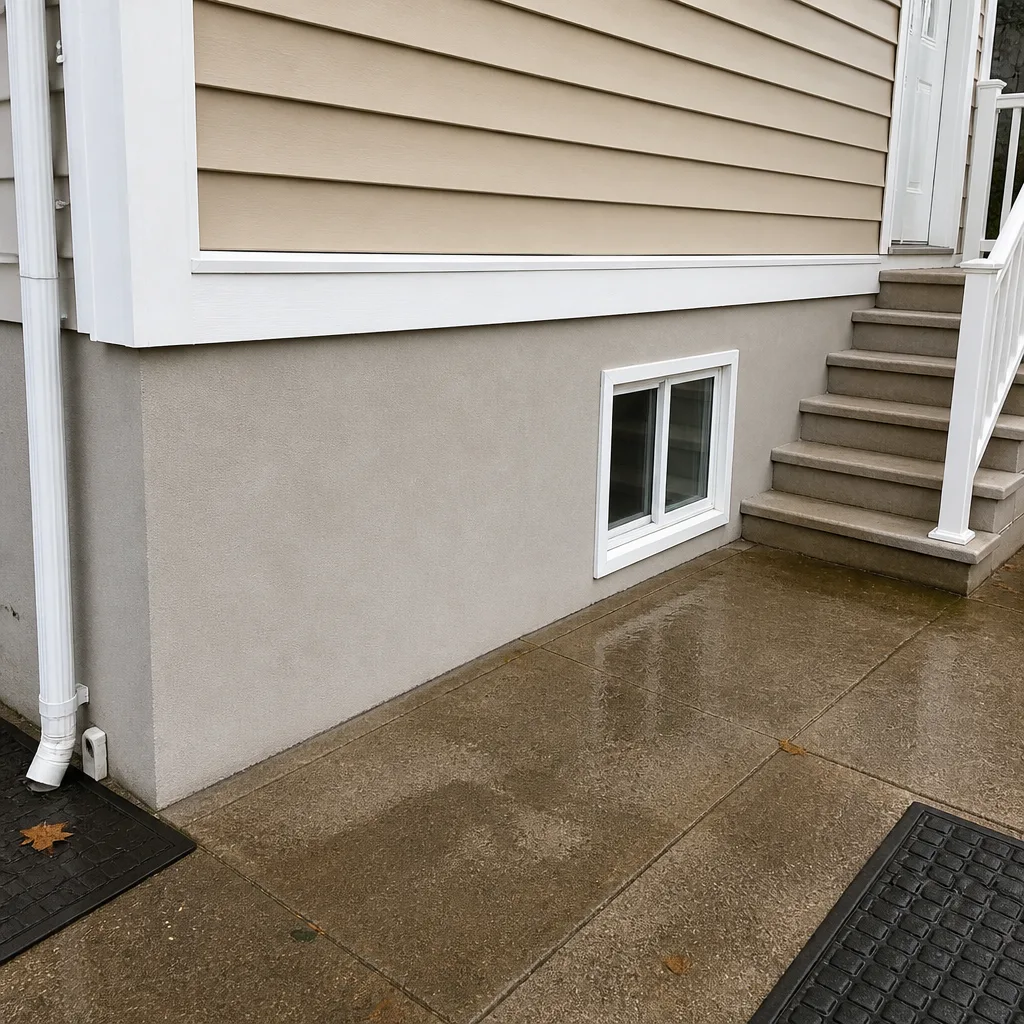 After
After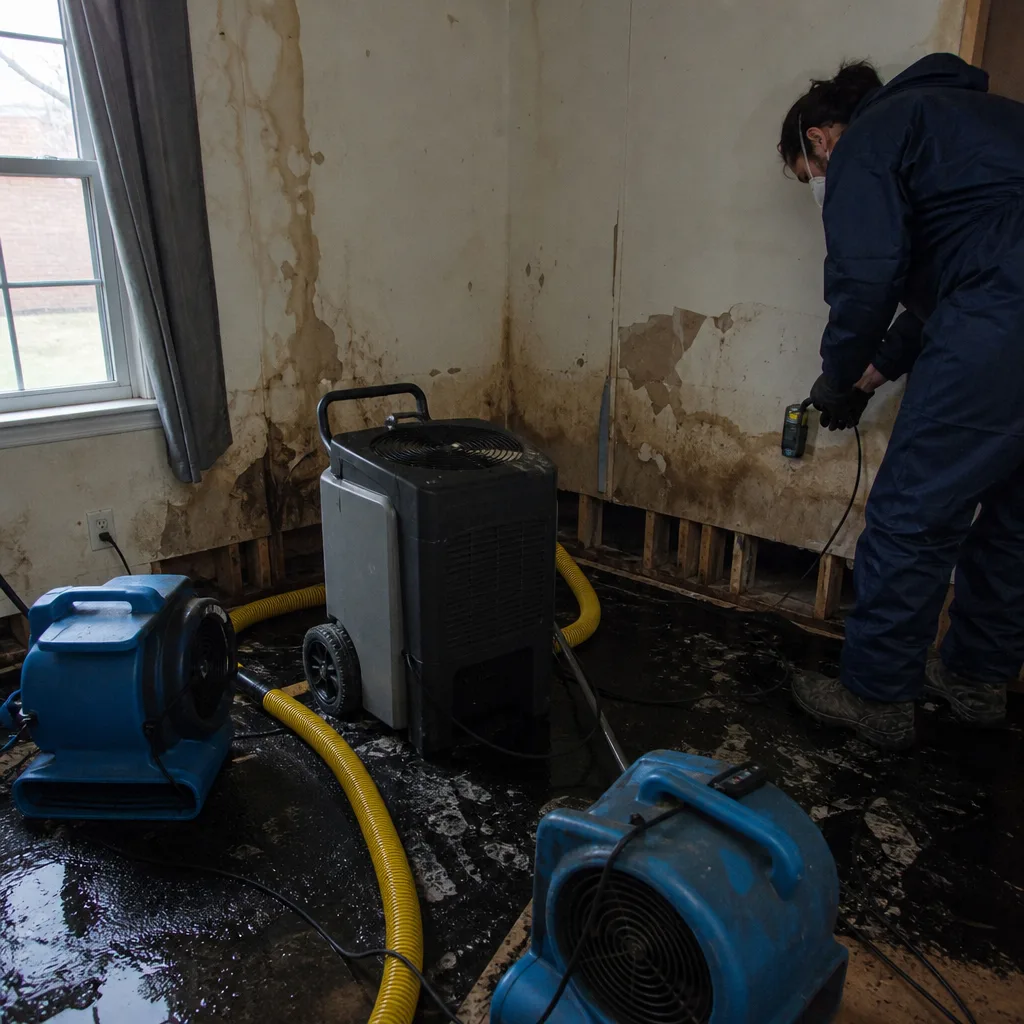 Before
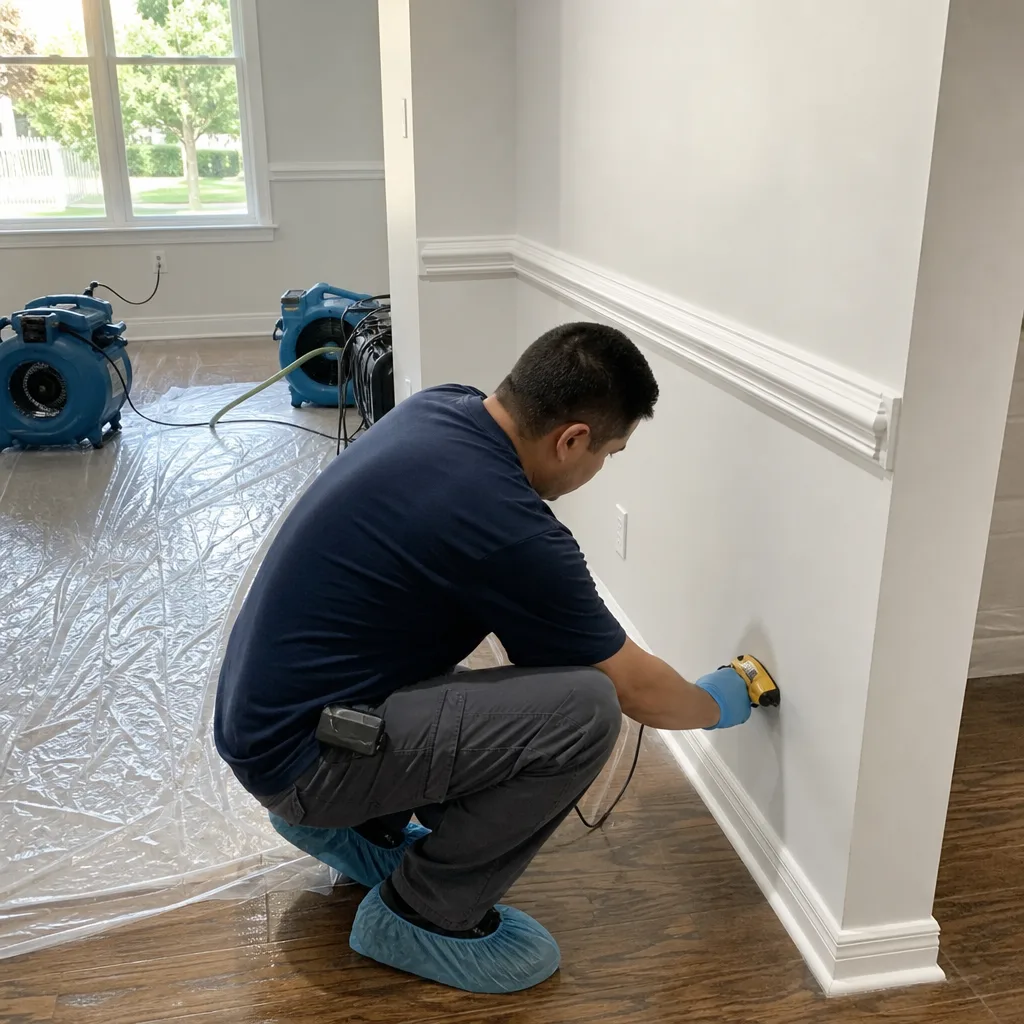 After
After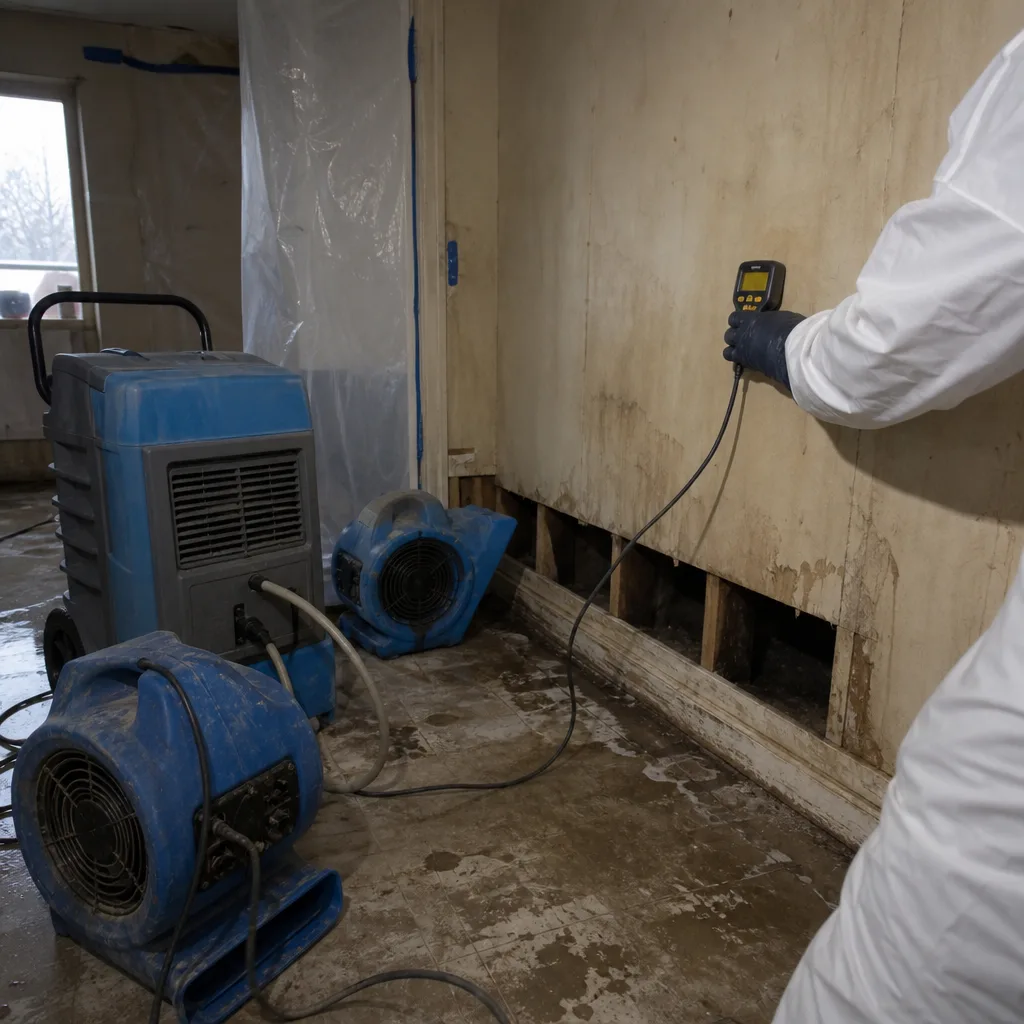 Before
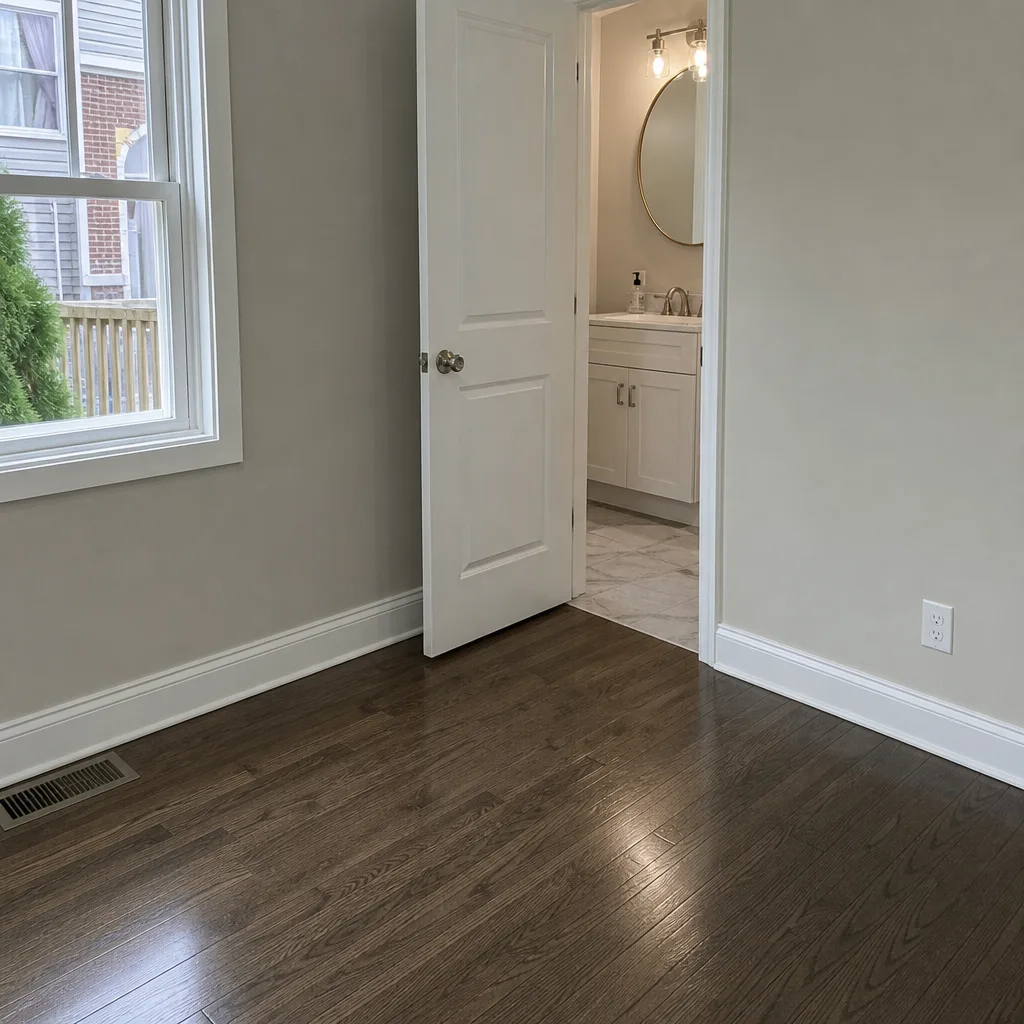 After
After24/7 Emergency Biohazard & Crime Scene Cleanup in Upper Manhattan
Biohazard and crime scene cleanup in Upper Manhattan requires immediate containment, not just cleaning. A trauma, unattended death, or hoarding situation inside a pre-war tenement on West 145th Street or Fort Washington Avenue doesn’t stay contained to one apartment for long; decomposition odor and airborne pathogens move through shared plumbing chases, hallway doors, and the building’s common stairwell. Call (551) 348-8481 and a live dispatcher answers, any hour, and a certified Floodline Restoration Co. crew heads into Upper Manhattan right away. We secure the scene, contain the affected unit, and start source removal the same visit, because every hour a biohazard sits in a plaster-and-lathe apartment, it works deeper into material that cannot simply be wiped clean.
Understanding Biohazard & Crime Scene Cleanup Severity in Upper Manhattan Properties
In Upper Manhattan, the severity of a biohazard cleanup is rarely about the size of the affected room. It’s about absorption. The vast majority of residential buildings from Harlem through Hamilton Heights, Washington Heights, and Inwood were built between the 1890s and 1940s with porous plaster-and-lathe walls, not modern drywall. Blood, bodily fluids, and decomposition byproducts do not pool on plaster; they wick into it. Once biological material penetrates the plaster key coat and reaches the wood lathe behind it, surface sanitizing is not enough. The area must be either removed in place or treated with antimicrobial agents after controlled demolition down to the studs. Our team follows IICRC standards for biohazard remediation, using containment barriers, negative air pressure, HEPA filtration, and moisture and protein-residue testing to confirm that the affected surfaces are biologically safe. We also offer Sanitization Services - Upper Manhattan for situations requiring thorough disinfection.cally clean, not just visually clean. We map the affected area the same way we map water damage: with hygrometers and thermal imaging to locate saturation that travels behind walls and under flooring. In a pre-war building, that saturation often follows the shared plumbing stack, which means a single-unit cleanup becomes a multi-unit containment job. That is the specific risk we plan for on every Upper Manhattan call, and it is not something a standard cleaning crew is trained to handle.
Why Upper Manhattan Property Owners Choose Floodline Restoration Co.
- 45-minute response commitment. From our New York City dispatch, we get a certified crew moving toward Upper Manhattan immediately. A time-stamped scope is in hand before work starts.
- 24/7 live answer, every call. You reach a person at 2 a.m., not a recording. A live dispatcher routes the nearest available crew the same minute.
- IICRC, RIA, and IFA-certified crews. Our technicians are background-checked, uniformed, and trained for trauma, hoarding, and infectious disease cleanup. We do not send general labor.
- Free visual inspection with a written scope. Before any chargeable work begins, you get a line-by-line scope you approve. No surprises on the bill, ever.
- Direct insurance billing. We document from hour one, shoot room-by-room photos, and coordinate with your adjuster so you never play messenger between us and the carrier.
- One team, start to finish. The same Floodline Restoration Co. crew that contains the scene handles removal, sanitization, and any repair or rebuild. No mid-job handoff to a different company.
Our Biohazard & Crime Scene Cleanup Process
Inspection & Assessment
We walk the affected unit and any adjacent spaces on the same floor or stack. Using thermal imaging and moisture meters, we locate where fluids and odor have migrated, then write a specific containment plan for your building’s layout.
Containment & Source Removal
We seal the unit entry with containment barriers and run negative air pressure with HEPA scrubbers so aerosols and odor do not reach common hallways or stairwells. Affected materials are removed under controlled conditions and sealed for compliant disposal.
Structural Drying & Stabilization
After removal, the affected studs, subfloor, and cavities are dried to a measurable standard. In plaster-and-lathe construction, this phase keeps hidden moisture from re-activating biological growth later. If moisture came from a pipe or flood, we also provide Water Damage Restoration in Upper Manhattan.
Cleaning & Sanitization
All remaining surfaces get professional-grade antimicrobial treatment per IICRC biohazard protocols. We swab and re-test. If a surface fails, it gets treated again. There is no “good enough” pass.
Odor Neutralization
We treat the air space, wall cavities, and plumbing chases with odor counteractants and, where needed, hydroxyl or ozone generation in unoccupied spaces. Odor is addressed at the source, not masked.
Repairs & Restoration
Where plaster was removed or flooring was pulled, our reconstruction crew repairs to match the period details of your building: skim-coating plaster, matching baseboard profiles, refinishing wood floors. This is part of our Commercial Restoration in Upper Manhattan. We finish, then we stand behind it in writing with our 90-Day Done Right Promise.
Need Emergency Biohazard & Crime Scene Cleanup in Upper Manhattan Now?
Crews minutes away, answering live 24 hours a day. The sooner we start, the less it costs.
Working With Your Insurance Company
Most biohazard and crime scene cleanup claims in Upper Manhattan involve a homeowner’s or co-op shareholder’s policy, and many include a building master policy when common areas or shared systems are affected. We have handled hundreds of these claims and we know what carriers need. From the first hour on site, we photograph everything, log moisture and contamination readings, and document the precise scope of affected surfaces. We write estimates in the format insurers recognize, and our team communicates directly with your adjuster. You do not chase paper. You do not argue line items. We provide the evidence and the scope, and you get a square deal: no surprises on the bill.
What We Provide Your Insurer
- Thorough documentation of the loss
- Photos of all damage, room by room
- Moisture readings and drying logs
- A detailed, line-item scope of work
- Direct coordination with your carrier
Built for Upper Manhattan’s Loss Calendar
Biohazard and trauma cleanup calls in Upper Manhattan do not follow a neat seasonal calendar the way water damage does, but there are patterns. The steam-heat cycle in pre-war buildings is one of them. Every October and November, when superintendents across Washington Heights, Inwood, and Harlem fire up boilers for the first time since spring, thermal shock cracks old radiator supply pipes and blows steam-trap fittings. This is a well-known local failure mode that floods multiple floors overnight. But here is the biohazard connection: blood, bodily fluids, and decomposition residue that were not fully remediated from a previous incident become re-activated by heat. Odor that seemed gone in August comes back in October, because the source was never fully removed from the plaster. We see this every fall: a family calls about a “strange smell” when the heat kicks on, and the source is a half-remediated biohazard from months earlier. Our team knows to check wall cavities and plumbing chases, not just the room where the original incident happened. Another peak comes in January and February, when deep freezes burst supply lines and leave water standing long enough to create secondary biological hazards. And all year long, the Harlem River-adjacent areas of East Harlem and lower Harlem see basement sewer backups during heavy rain events, because the combined sewer system there overwhelms more easily than the higher-elevation ridges in Washington Heights and Inwood. Sewage brings Category 3 water and biological contamination that requires full biohazard remediation, not just a mop and a fan.
Biohazard & Crime Scene Cleanup Across Upper Manhattan’s Neighborhoods
We know the difference between a sixth-floor walk-up off St. Nicholas Avenue in Washington Heights and a courtyard building in Hamilton Heights. The walk-up means carrying containment equipment, HEPA scrubbers, and removal bags up five flights with no service elevator. The courtyard building means coordinating disposal through a narrow basement corridor and reserving elevator time. In Inwood, the hill-and-valley street grid off Broadway creates parking and access constraints that affect how quickly we can stage equipment. In East Harlem, NYCHA high-rise buildings often have chronic plumbing failures that leave biohazard risks in basement-level common areas, requiring coordination with building management and multiple insurance adjusters at once. Along the 125th Street corridor, we work in mixed-use buildings where commercial tenants on the ground floor share vertical stacks with residential apartments above. Our Biohazard & Crime Scene Cleanup team plans for the actual building, the actual stairwell, the actual refuse room, and the actual co-op or management company rules before we arrive. That local knowledge is the difference between a cleanup that gets finished and one that stalls in the building’s own bureaucracy.
Specialized Biohazard & Crime Scene Cleanup Services We Offer in Upper Manhattan
Crime Scene Cleanup
A crime scene in a pre-war Upper Manhattan apartment is not a matter of wiping down one room. Blood and bodily fluids penetrate plaster, seep into hardwood seams, and travel along baseboards. We contain the scene from the common hallway inward, remove affected materials to compliant disposal, treat the structural cavity, and verify with protein-residue testing. Building management and the co-op board see a documented, professional scope, not a mess left at the curb.
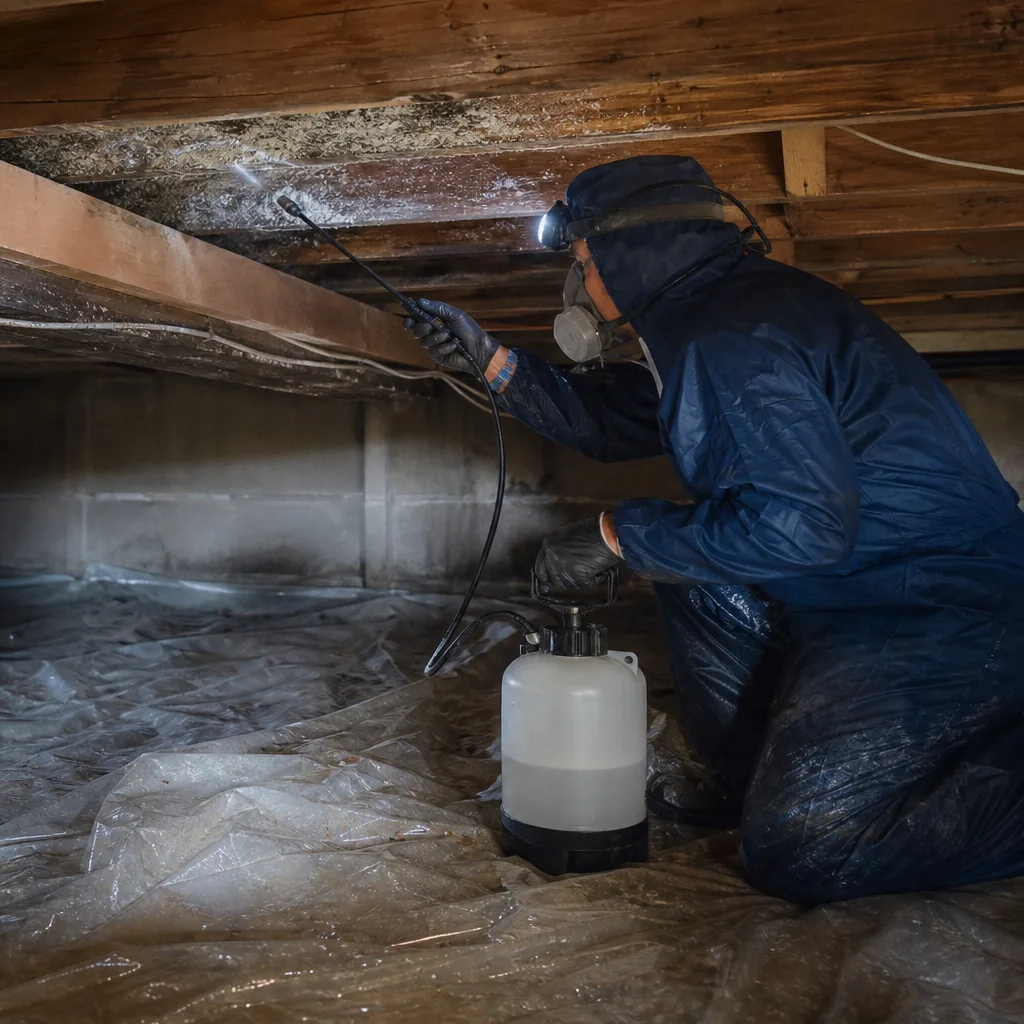
Trauma & Unattended Death Cleanup
Unattended deaths in Upper Manhattan are often discovered days or weeks after the fact, and decomposition byproducts have already moved into the plaster and shared wall cavities by then. Our team handles the full remediation: source removal, structural treatment, and odor work that addresses the plumbing chase and common hallway, not just the unit. A fifth-floor walk-up off St. Nicholas Avenue is not a mystery to us. We have worked that building type dozens of times.
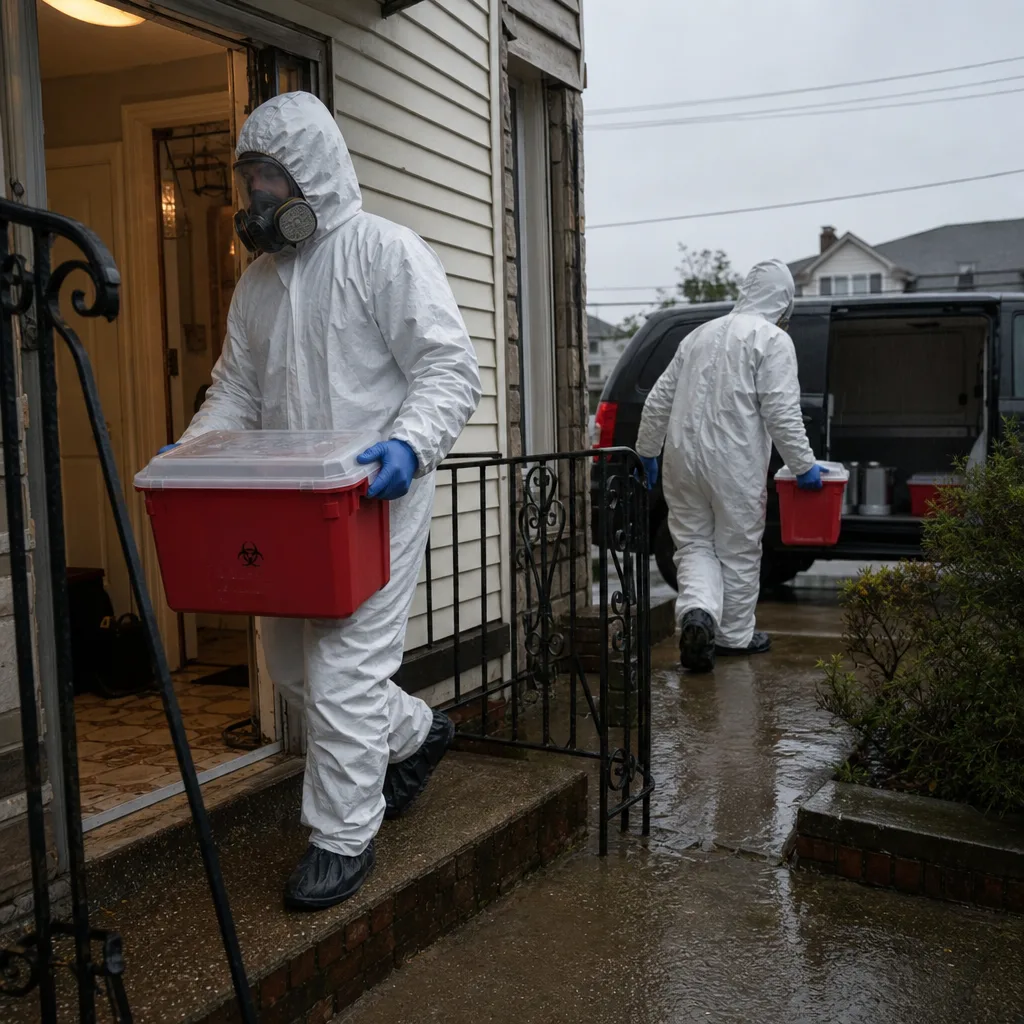
Hoarding Cleanup
Hoarding situations in Upper Manhattan walk-ups create a specific set of access and disposal problems. There is often no service elevator, the refuse room is too small for the volume of debris, and the co-op board wants it handled without drawing attention. We coordinate discreet removal, sort salvageable belongings per the client’s wishes, and document everything for the building and the insurer. Our team works with compassion and without judgment, and we leave a clean, sanitized unit.
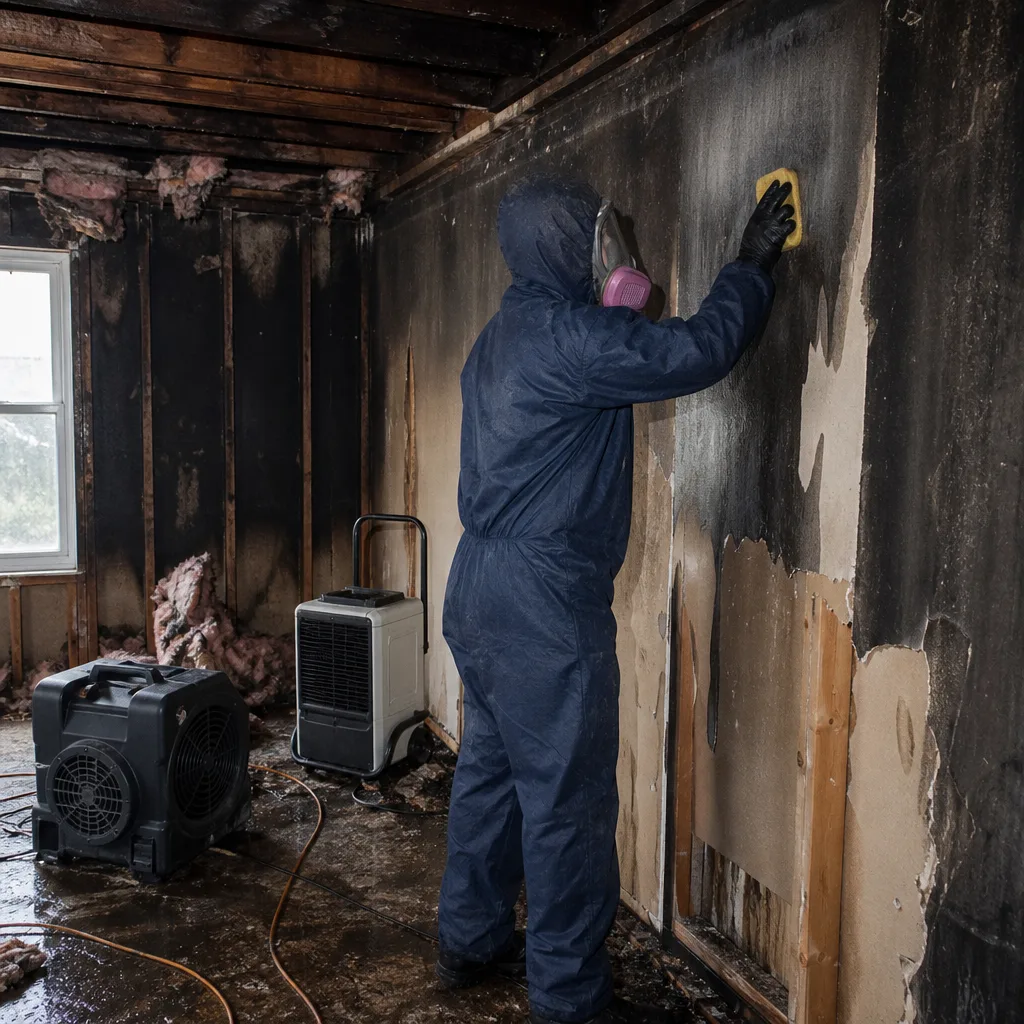
Blood & Bodily Fluid Cleanup
Bloodborne pathogen risks require more than gloves and bleach. Our crews follow IICRC biohazard protocols: full PPE, containment, controlled removal of affected porous materials, and verified sanitization of non-porous surfaces. In a building with shared hallway doors and no vestibule airlock, containment is not optional. We seal the unit before work begins so aerosols never reach a neighbor’s apartment.
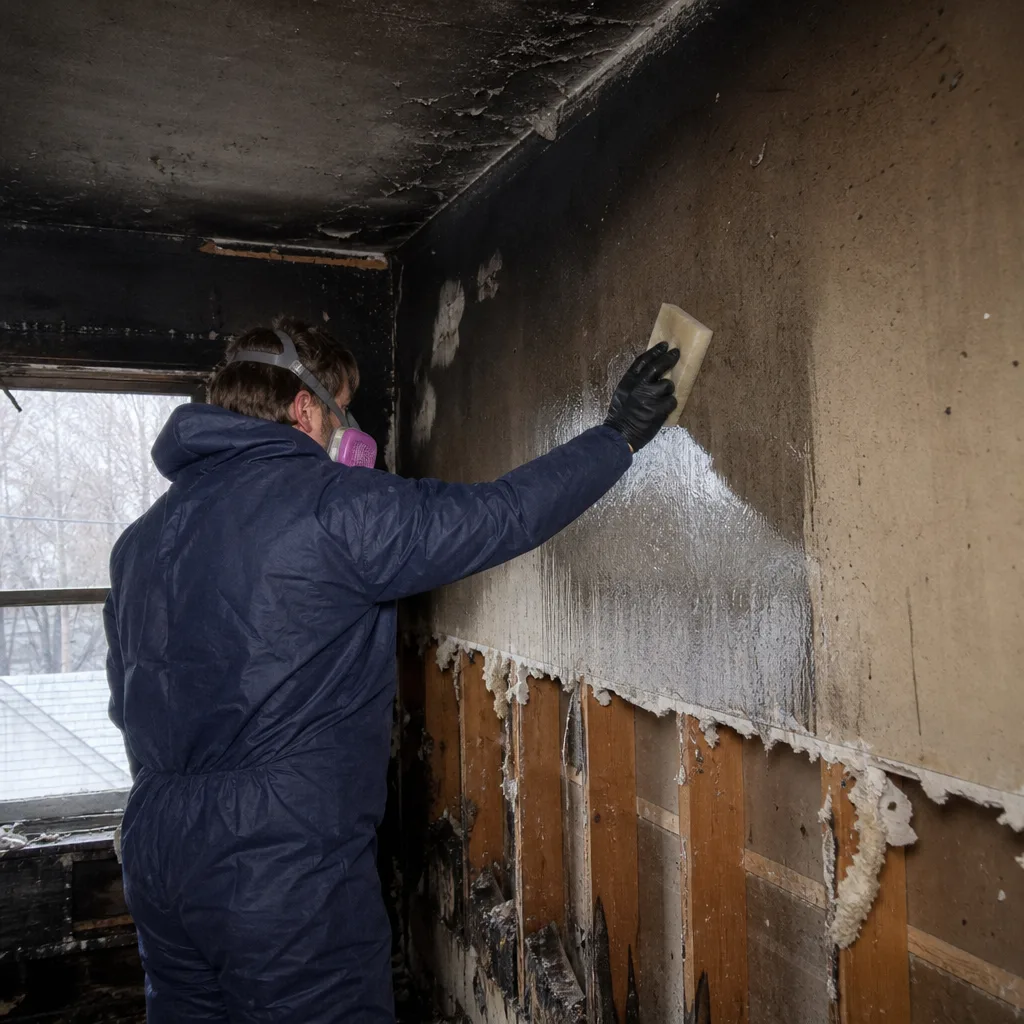
Infectious Disease Disinfection
When a resident has an infectious illness, the unit needs a documented disinfection, not a general cleaning. We treat high-touch surfaces, air spaces, and shared building contact points, and we provide written verification of the work for the family and the building. This is frequently needed in Upper Manhattan’s co-op and condo buildings, where the board requires professional certification before allowing re-occupancy.
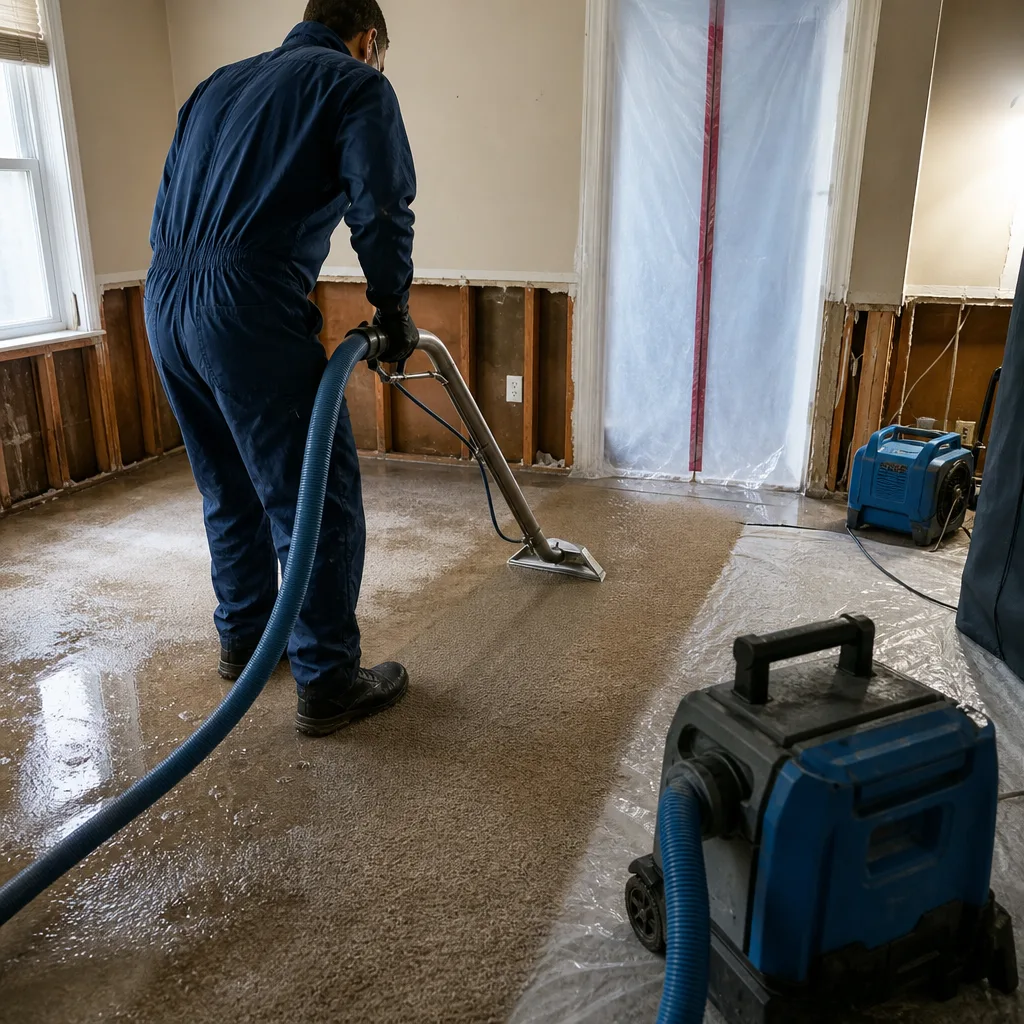
What happens when you call
- 1
A real person answersNo phone trees - you reach a local pro.
- 2
You get an upfront price rangeHonest numbers before anyone is dispatched.
- 3
A background-checked tech heads outLicensed & insured, dispatched right away.
- 4
You approve before work beginsNothing starts until you say go.
Biohazard & Crime Scene Cleanup Costs in Upper Manhattan, NY
In Upper Manhattan, a typical unattended death cleanup in a one-bedroom pre-war apartment runs $3,500 to $7,500, depending on how far decomposition has penetrated the plaster and flooring. Crime scene cleanup in a similar unit runs $2,500 to $6,000, with higher costs when the affected area extends into multiple rooms or shared cavities. Hoarding cleanup in a walk-up runs $1,500 to $4,500 per room, reflecting the labor cost of stair access, sorting, and compliant disposal. Blood and bodily fluid cleanup for a single room falls between $1,200 and $3,000. Infectious disease disinfection for an apartment unit runs $800 to $2,200. These are honest ranges for this market. What moves the price is absorption depth, stair access, and whether building management requires additional containment beyond the unit door. Most homeowner’s policies cover these claims; we bill your insurer directly and handle the adjuster communication. Call (551) 348-8481 and we will schedule a free visual inspection, then hand you a written, line-item scope before any work begins.
We Also Serve Cities Near Upper Manhattan
Floodline Restoration Co. provides the same 24/7 live dispatch and certified biohazard cleanup to the neighborhoods and areas around Upper Manhattan, including Midtown West, Washington Square, Midtown Manhattan, and Murray Hill. If you are in one of those areas and need immediate help, call the same number and a live dispatcher routes the nearest crew.
Serving Upper Manhattan, NY - Our Local Coverage Area
We’re based in the Upper Manhattan area and know this community well. Use the map below to see our service coverage - if you’re nearby, we can almost certainly help.
Upper Manhattan Biohazard & Crime Scene Cleanup Questions, Answered
How do you contain a crime scene cleanup in a pre-war building where apartments share a common hallway and stairwell?
We set containment at the apartment door and run negative air pressure with HEPA scrubbers to keep aerosols and odor from reaching the common hallway. In most Upper Manhattan buildings, there is no vestibule airlock, so we build one with containment poles and plastic sheeting before any work begins.
Does an unattended death cleanup in a plaster-and-lathe apartment require removing the plaster, or can it be sanitized in place?
If decomposition byproducts have penetrated the plaster and reached the wood lathe, proper remediation means removing the affected plaster down to the studs. Surface sanitizing alone leaves biological residue that re-odors when the steam heat cycles on. We remove only what testing shows is contaminated, then treat and rebuild.
What do you do with hoarding debris from an Upper Manhattan walk-up when there’s no service elevator?
We hand-carry bagged debris down the stairs in controlled trips, using the building’s freight or service stairwell when available. We coordinate with building management to reserve elevator time where one exists, and we arrange compliant disposal from the curb. Nothing goes down the shared trash chute without building approval.
Do you need to shut down the steam heat or plumbing riser during a crime scene cleanup in a pre-war building?
Usually not. We may ask the super to isolate the affected radiator or valve if we need access to a wall cavity, but we do not require a building-wide shutdown for most biohazard work. When we do need a riser shut, we coordinate it with building management in writing so no tenant is surprised.
How fast can you start a trauma cleanup in Washington Heights or Inwood?
Our 45-minute response commitment applies across Upper Manhattan. A live dispatcher takes your call at any hour and a certified crew heads to Washington Heights, Inwood, Hamilton Heights, or Harlem immediately, with containment equipment on the truck.
Will my insurance cover biohazard cleanup in an Upper Manhattan co-op?
Most shareholder and homeowner policies cover biohazard remediation following a crime, trauma, or unattended death. The building’s master policy may also apply when common areas or shared systems are involved. We document from hour one and coordinate directly with your adjuster so coverage is applied correctly.
Can I stay in the apartment during the cleanup?
No. For your safety and to protect the containment, the affected unit must remain unoccupied during active remediation. In most Upper Manhattan apartments, neighboring units can remain occupied while we work, because containment and negative air pressure keep the work area isolated.
What should I do in the first 30 minutes after discovering a biohazard situation?
Do not touch anything. Close the door to the affected room or unit. Do not run fans or open windows, because that pushes airborne contaminants into shared hallways and neighboring apartments. Call (551) 348-8481 and a live dispatcher will get a Floodline Restoration Co. crew moving toward Upper Manhattan right away.
Floodline Restoration Co. has served Upper Manhattan and the surrounding New York City area for over 42 years, with live 24/7 dispatch, certified technicians, and a written 90-Day Done Right Promise on every job. From Washington Heights walk-ups to Inwood courtyard buildings and Harlem brownstones, our Upper Manhattan crews handle Biohazard & Crime Scene Cleanup the way it must be done: contained, documented, and finished to a standard we put in writing. Call (551) 348-8481 for a free estimate and a square deal, no surprises on the bill.
Written by Curt Bowman, Owner at Floodline Restoration Co., serving Upper Manhattan since 2010.