
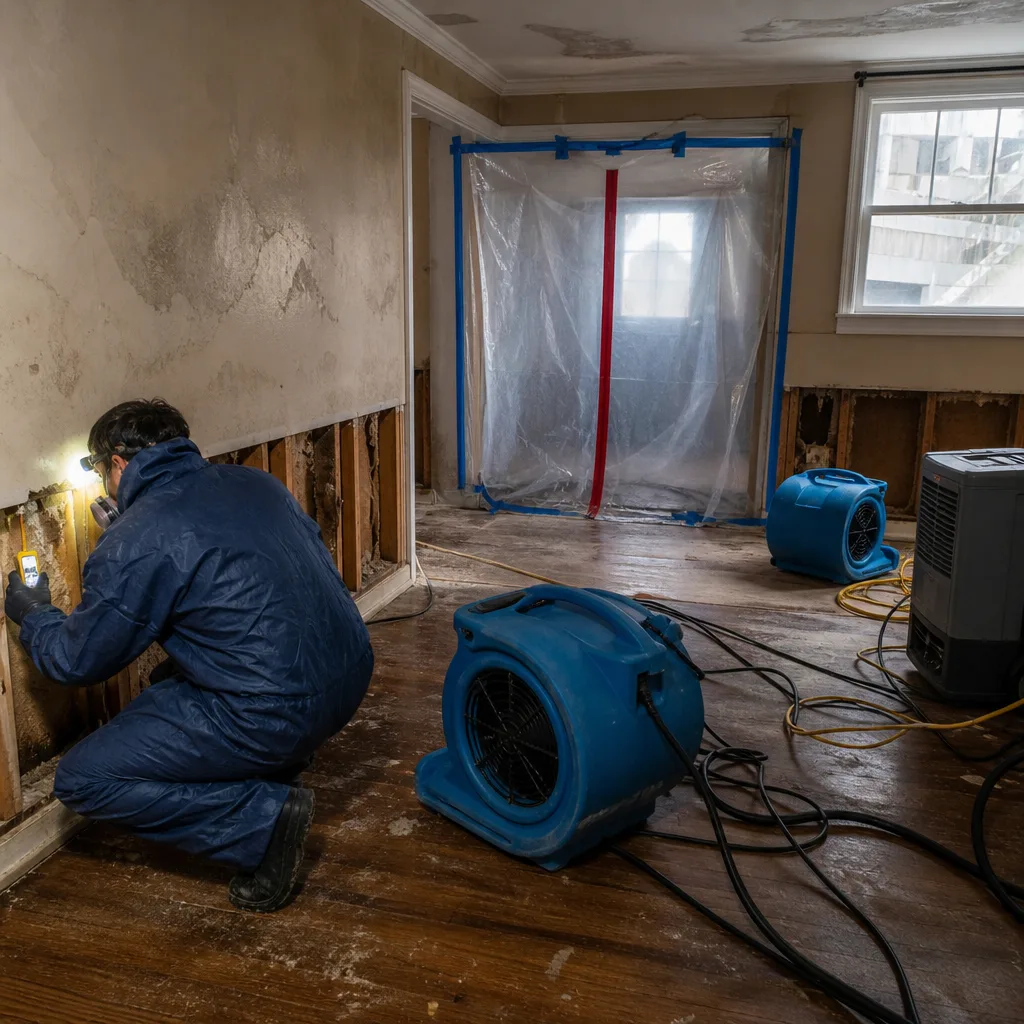
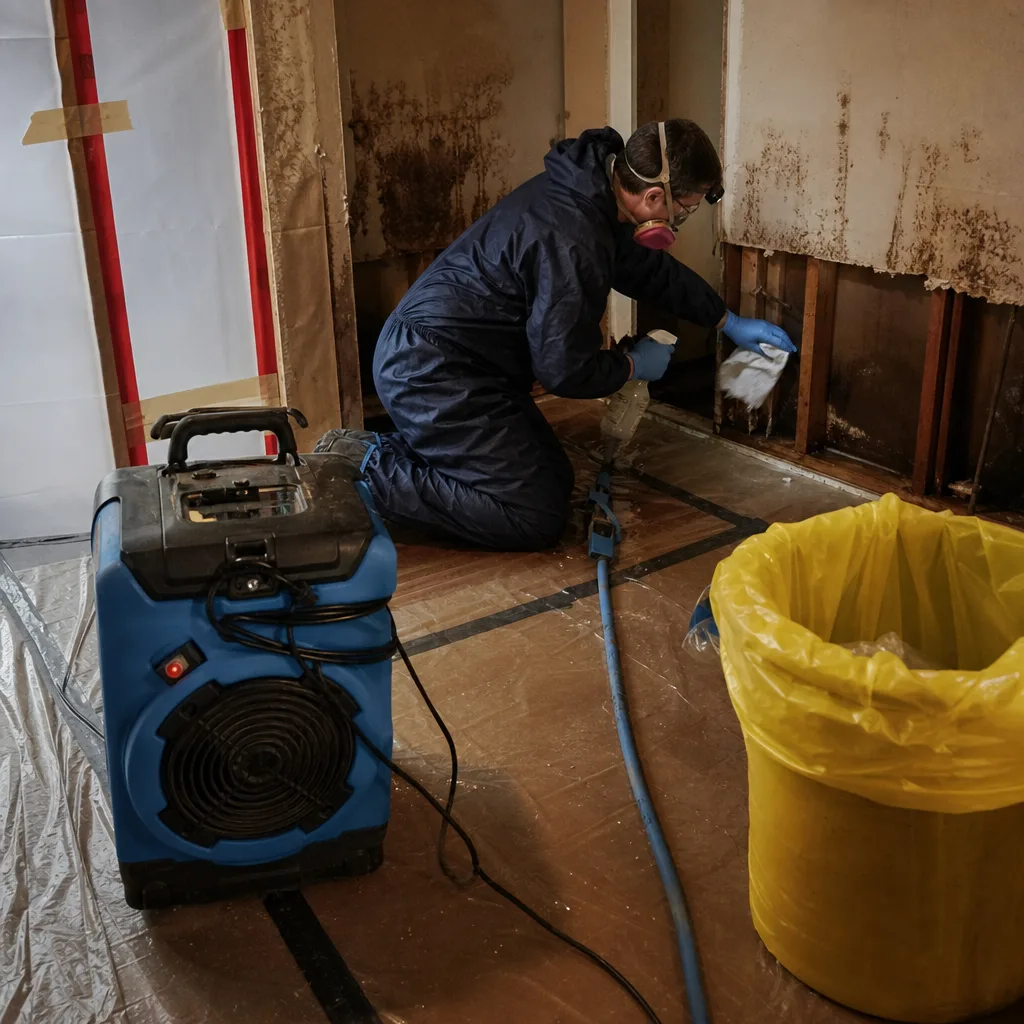
Free visual inspection and a written scope of work before any mitigation begins - photos, moisture readings, and drying logs go in your claim file
The scope we write is the scope we bill. Anything new gets shown to you, in writing, before we touch it.
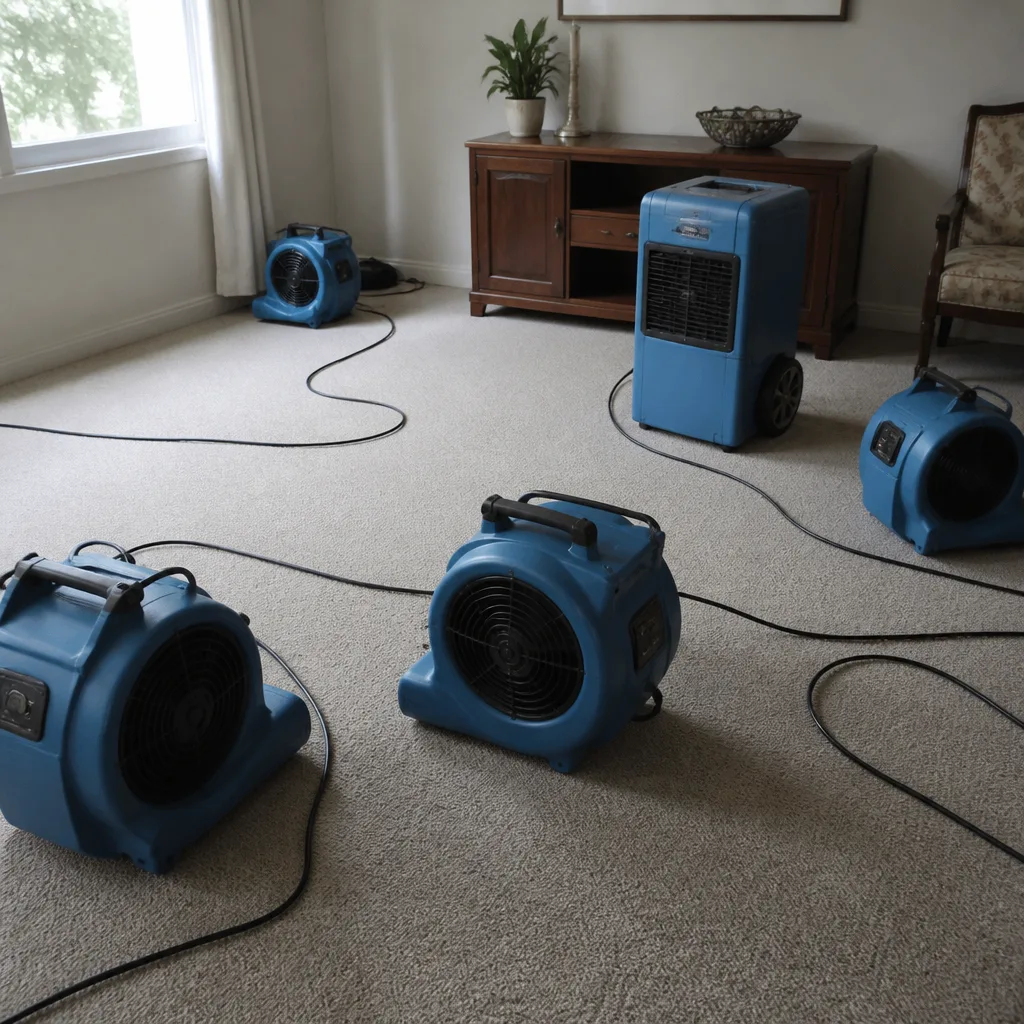
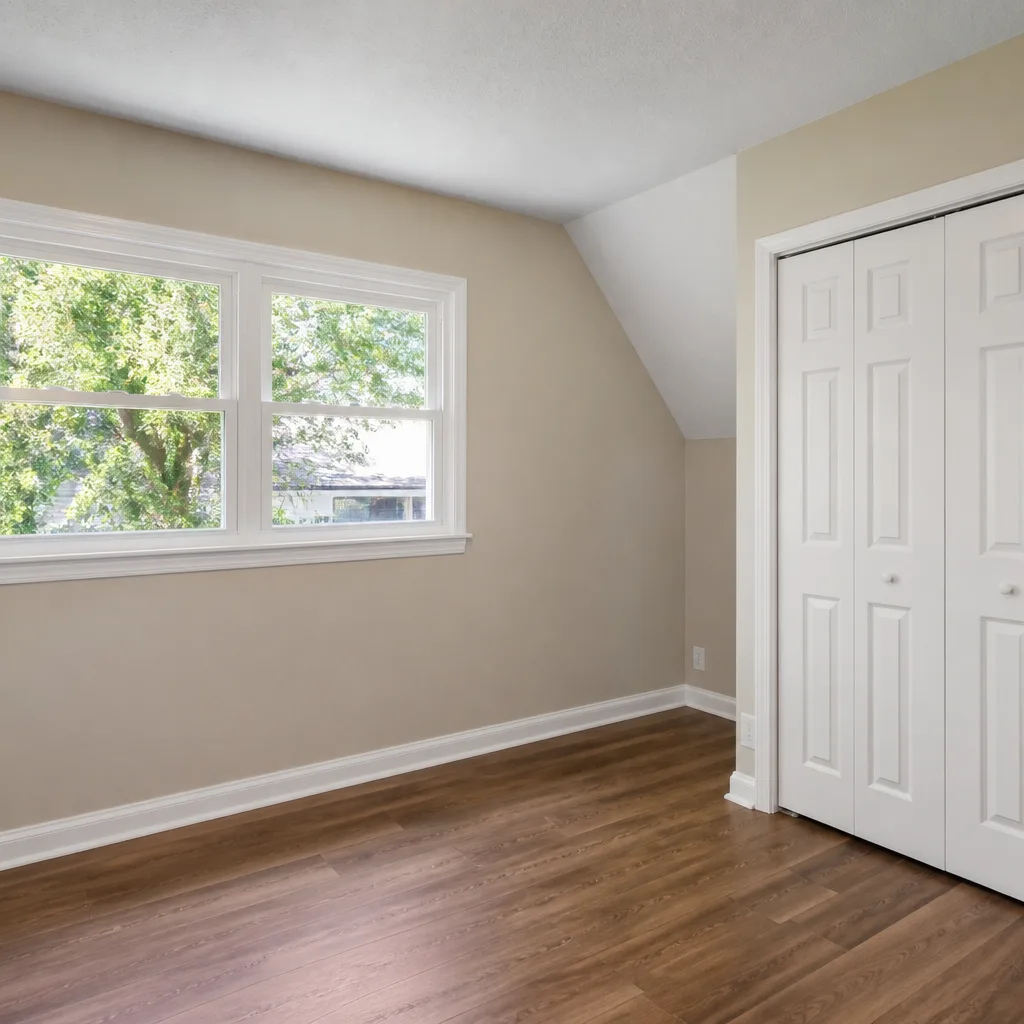
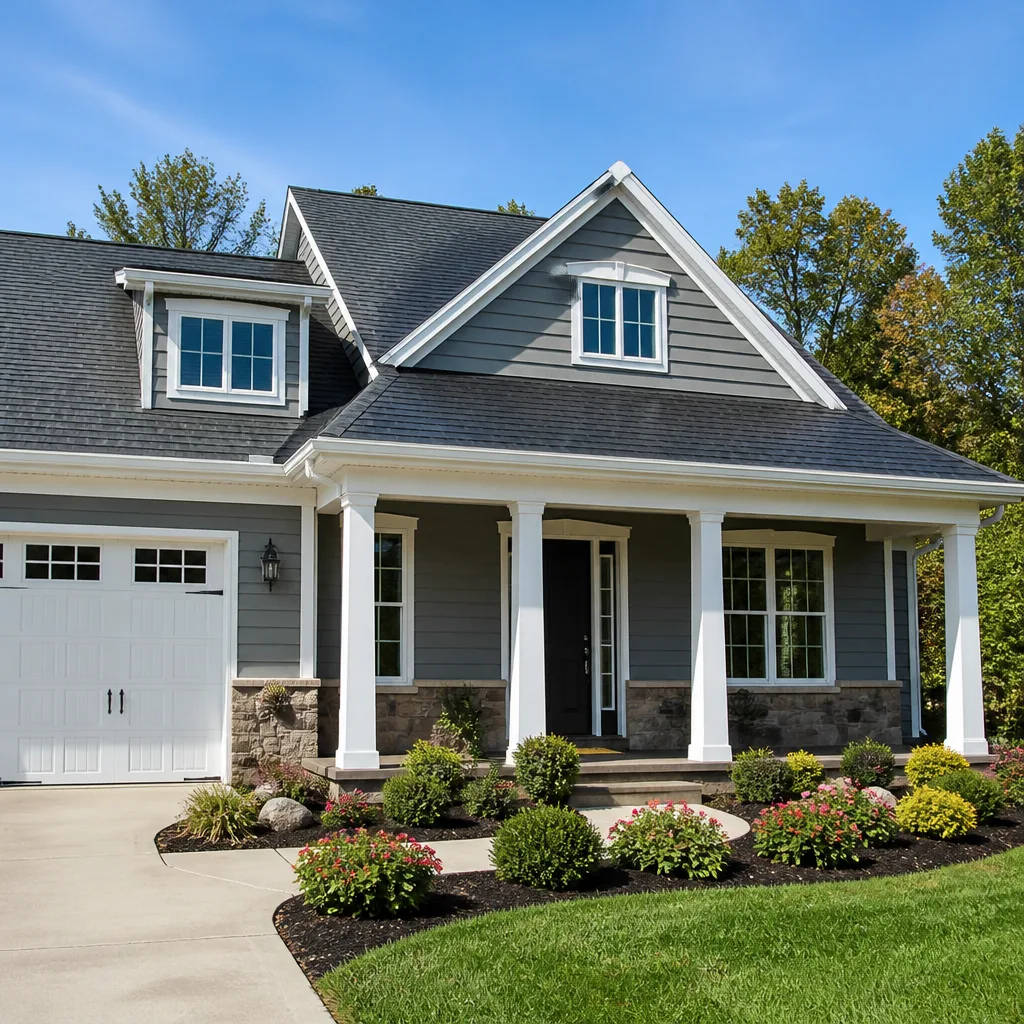
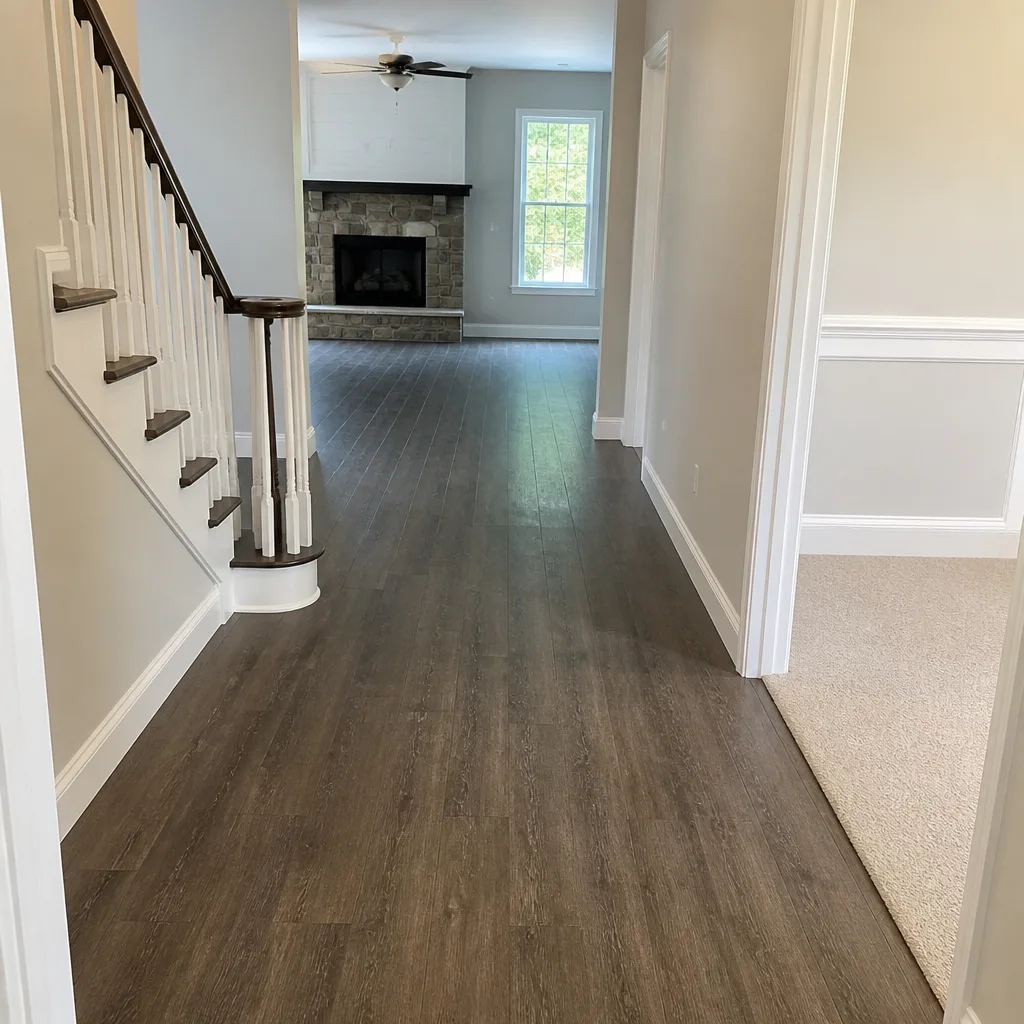
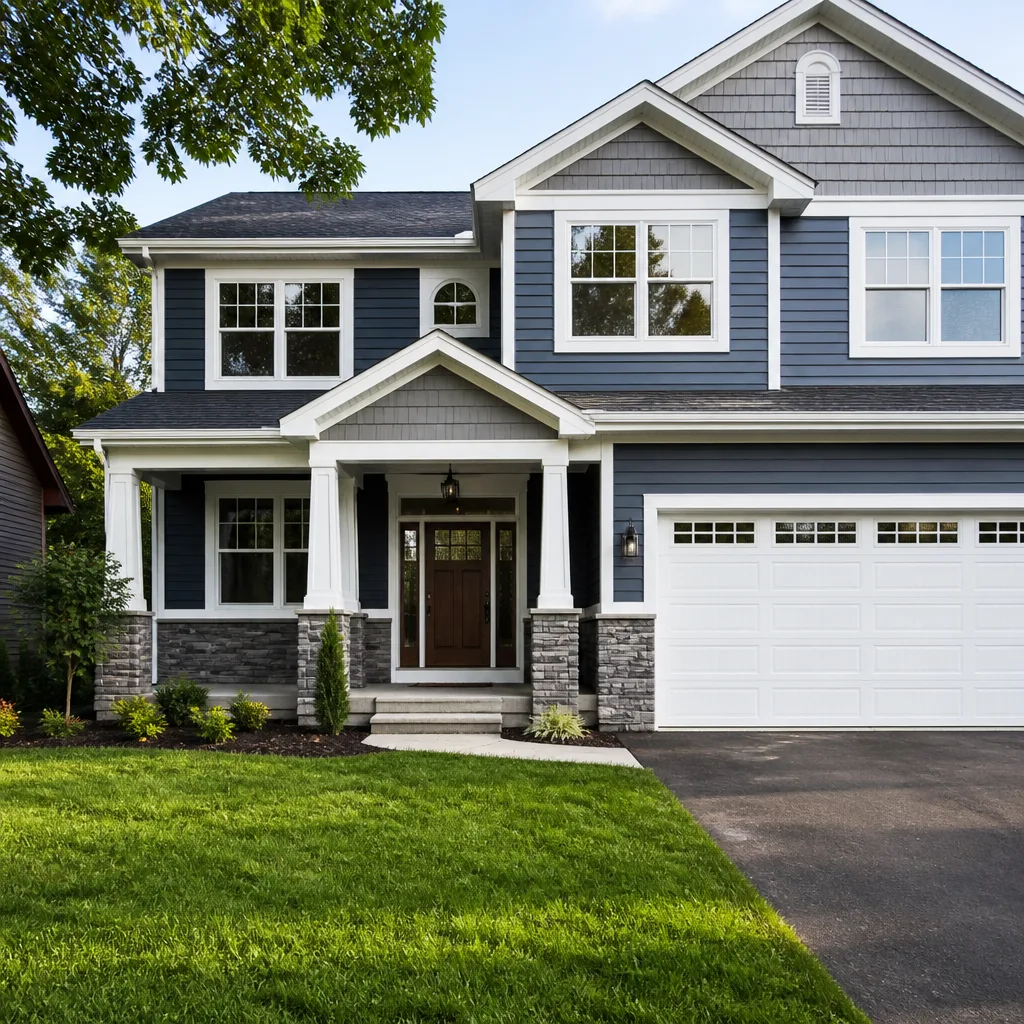
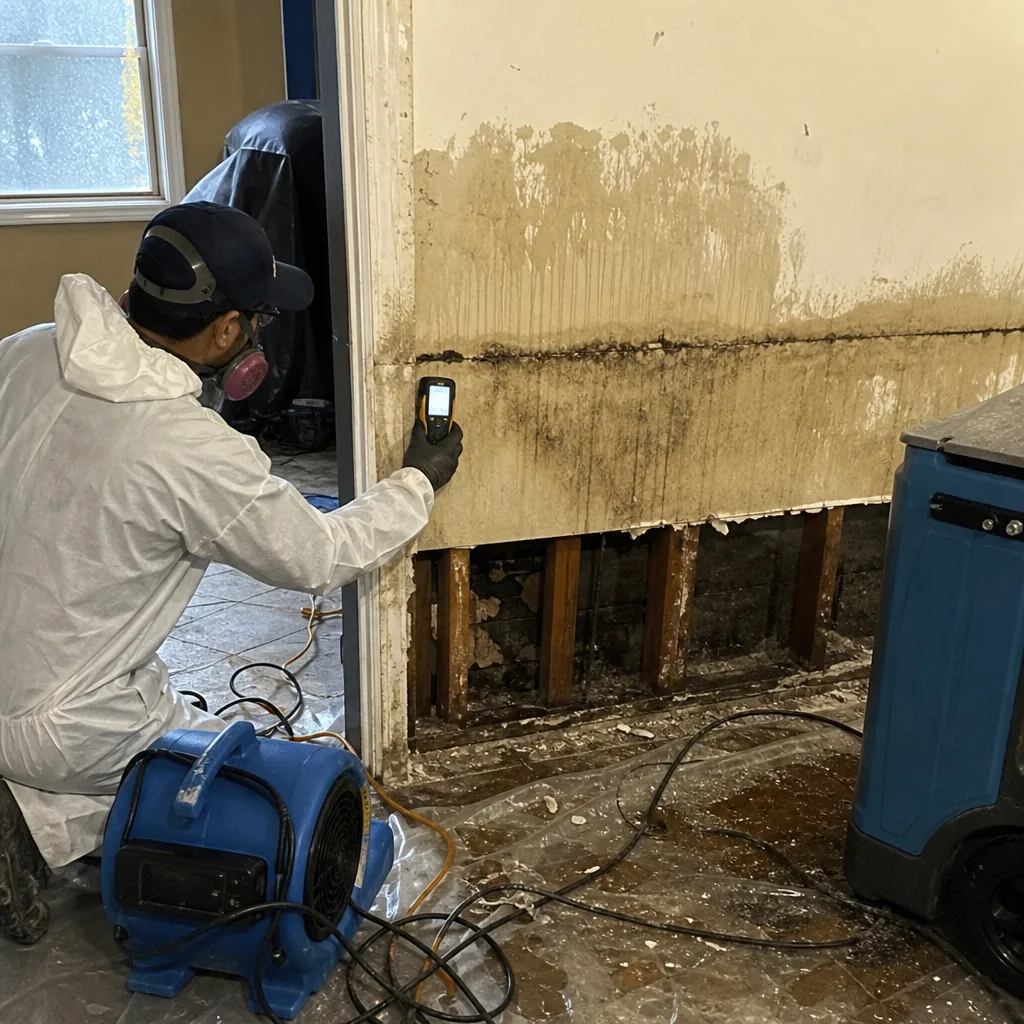 Before
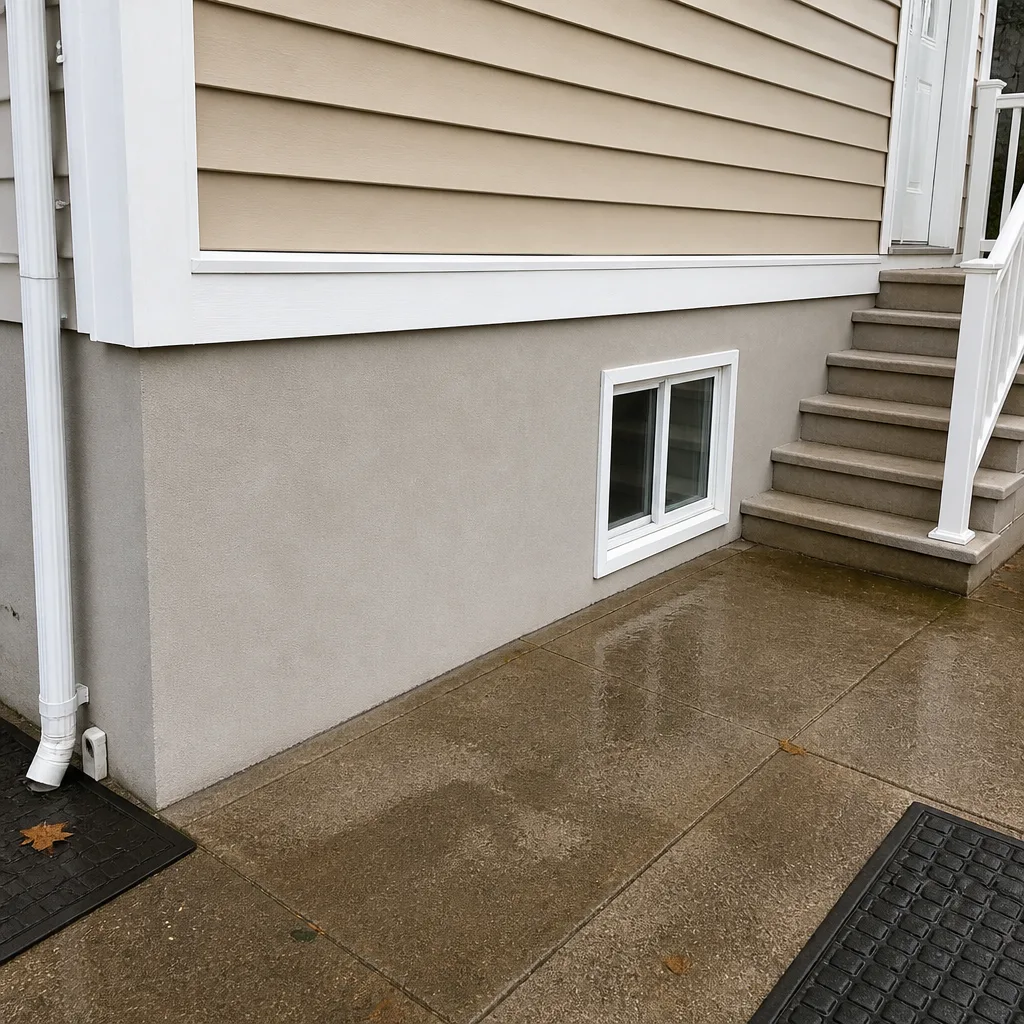 After
After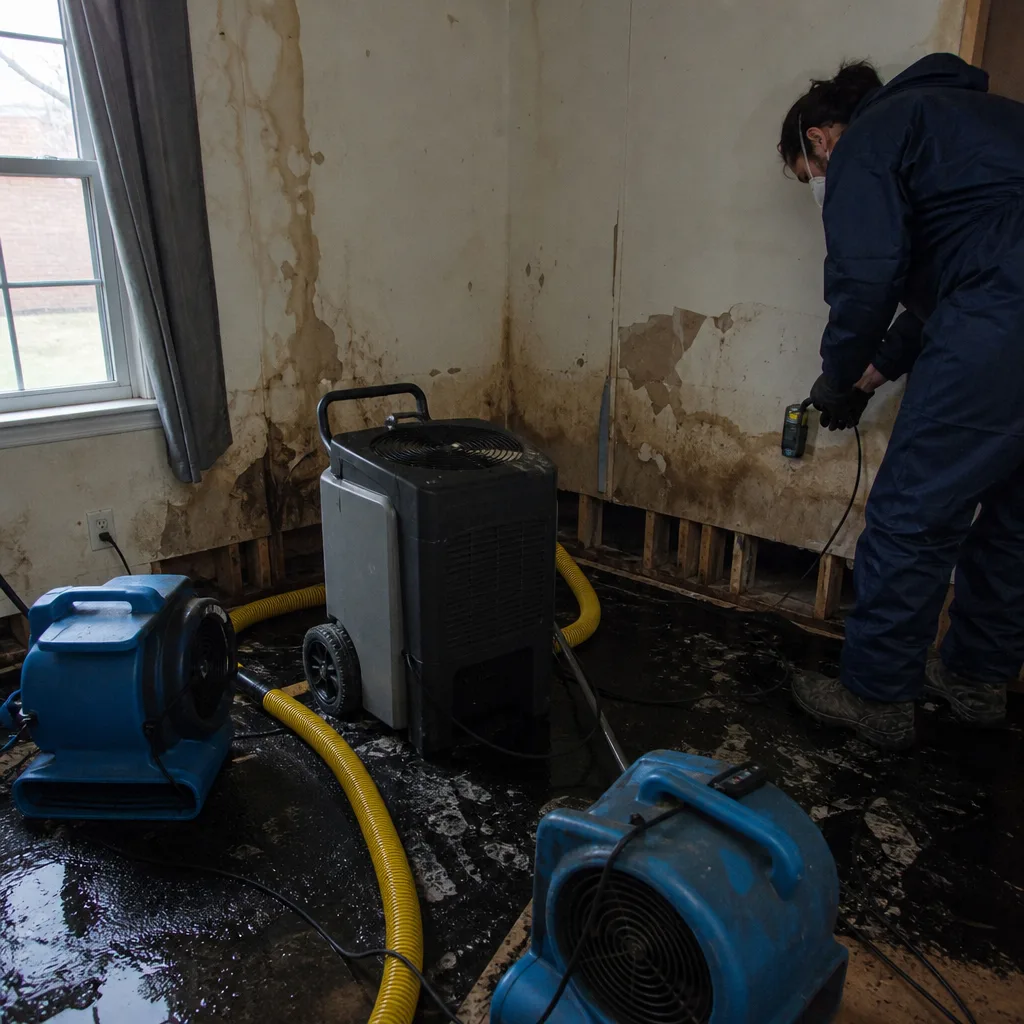 Before
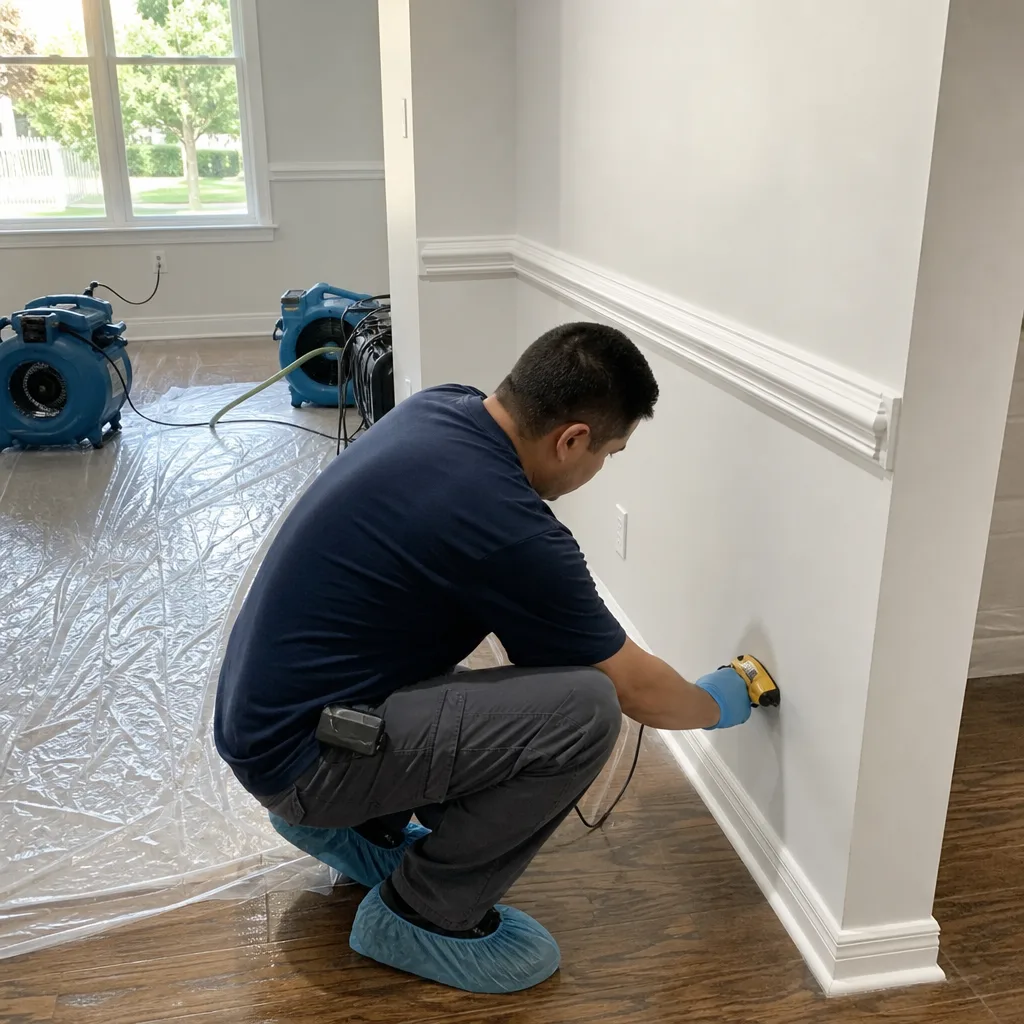 After
After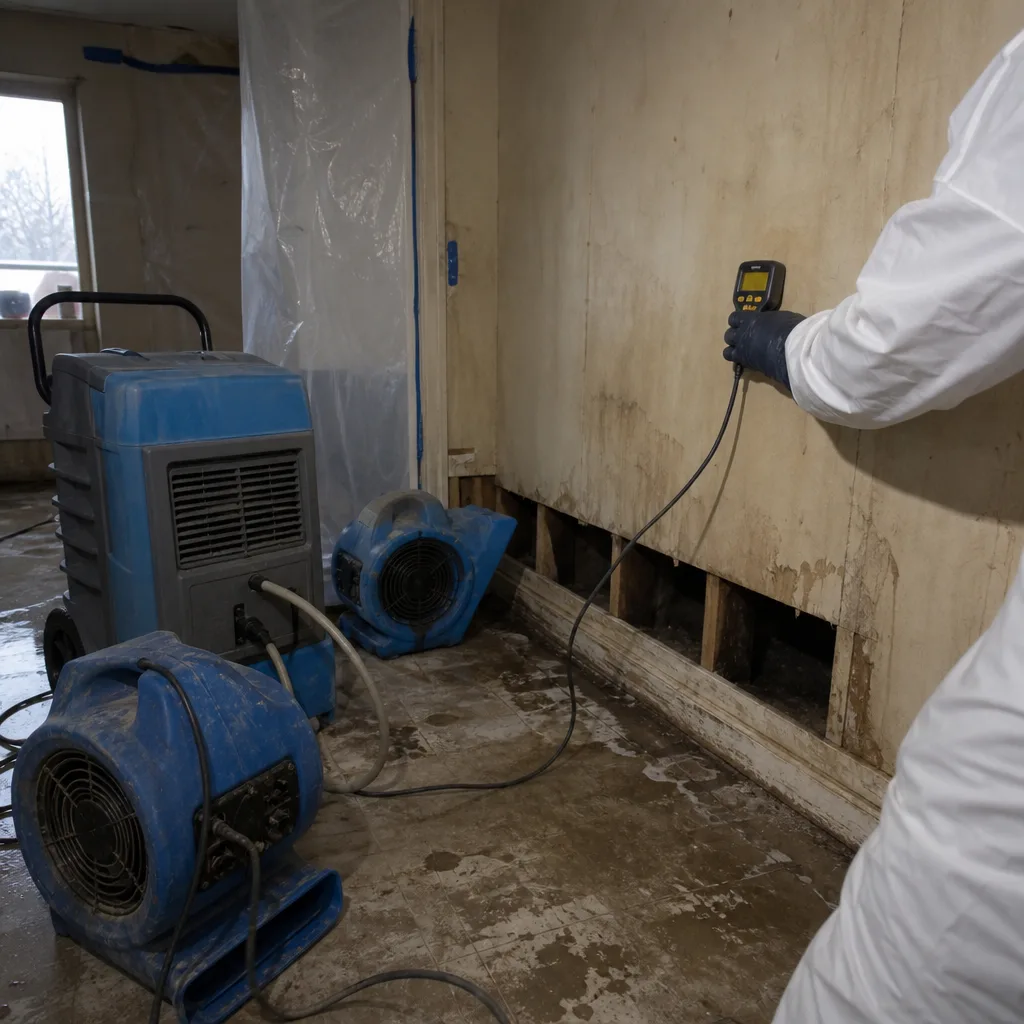 Before
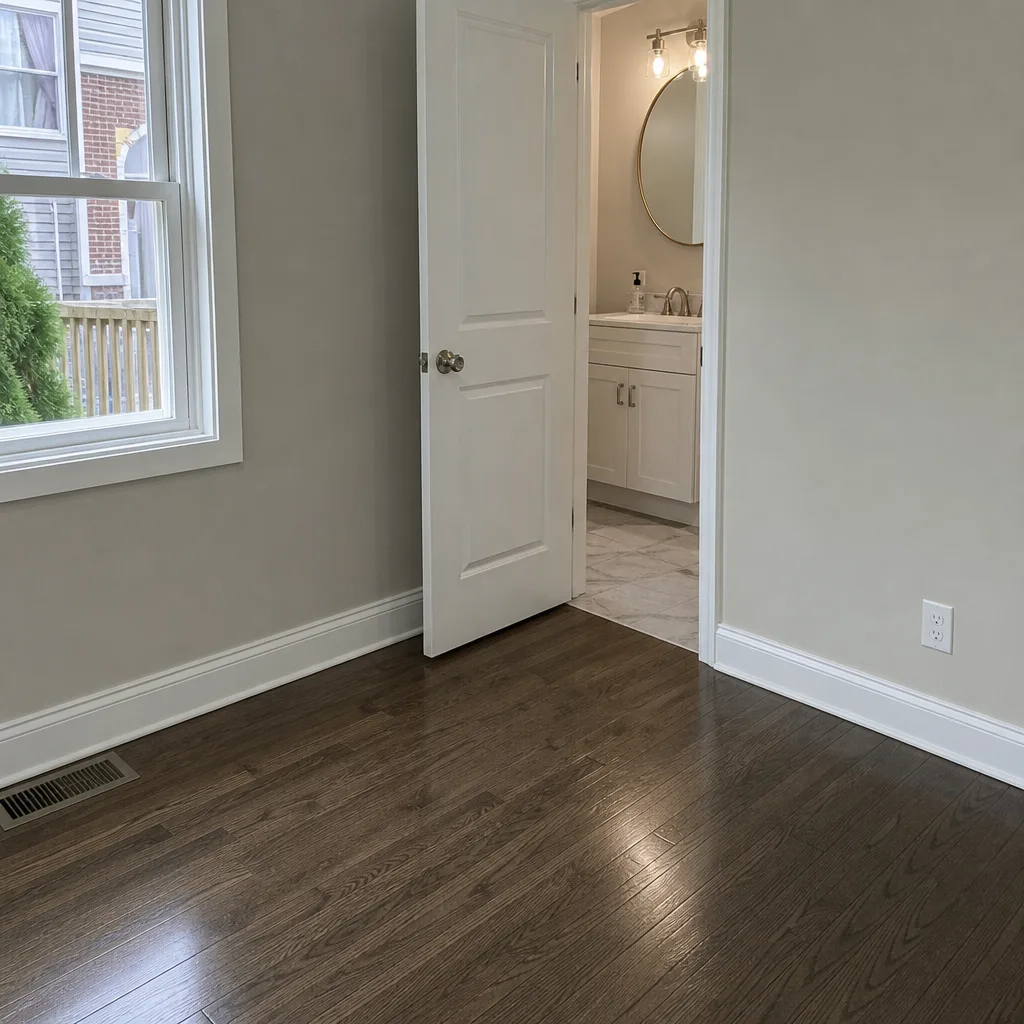 After
After24/7 Emergency Biohazard & Crime Scene Cleanup in Upper West Side
Biohazard and crime scene cleanup in Upper West Side typically runs $1,500 to $7,500 depending on the scope of contamination, the number of affected rooms, and whether demolition of plaster or flooring is required by the co-op board. Our crews reach Upper West Side addresses within 45 minutes, any hour, any day. Call (551) 348-8481 and a live dispatcher answers. No recording, no answering service, no callback later.
Blood, bodily fluids, and decomposition byproducts don’t wait. They wick through plaster-over-lath walls and into original herringbone parquet floors within hours. In a pre-war co-op on Riverside Drive or West End Avenue, that means the unit below yours is at risk before the day is out. The first call you make should be to a certified biohazard team that can set up containment tonight, not to someone who schedules an estimate for Thursday. We dispatch from our New York City office directly into the Upper West Side, and we’re ready the moment you call.
Understanding Biohazard & Crime Scene Cleanup Severity in Upper West Side Properties
Biohazard contamination falls into categories that dictate how we approach the work. Category 1 is clean water, the kind you’d see from a busted supply line. Category 2 carries contaminants from washing machines or overflowing sinks. Category 3 is the dangerous category, and that’s where most Upper West Side biohazard jobs land: blood, bodily fluids, decomposition fluids, sewage backup from the cast-iron drain stacks in these pre-war buildings. This is the category that requires full containment, antimicrobial treatment, and often demolition of saturated building materials.
What makes Upper West Side buildings different is how they hold moisture and how they share air. Plaster-over-lath absorbs fluids and holds them far longer than drywall. The original one-pipe steam systems cycle air between units. And the building’s shared air shafts, common in 1900s through 1940s co-ops, can carry odor and airborne pathogens from a contaminated unit to neighbors on multiple floors. When we assess a biohazard loss in this neighborhood, we don’t just look at the affected apartment. We look at what’s below it, what’s beside it, and what’s breathing the same air.
Why Upper West Side Property Owners Choose Floodline Restoration Co.
- 45-minute response commitment: When a death or trauma event occurs, we arrive within 45 minutes of your call. Our crews stage from the New York City office and know the Upper West Side’s buildings, supers, and board expectations.
- 24/7 live answer, never an automated system: Call (551) 348-8481 at 3 a.m. on a Sunday. A person picks up. That person dispatches a crew. That crew arrives. Every time.
- IICRC-certified crews with the right credentials: Our biohazard technicians hold IICRC certifications in Water Damage Restoration (WRT), Applied Microbial Remediation (AMRT), and Fire and Smoke Restoration (FSRT), plus training to RIA and IFA standards. They show up uniformed, background-checked, and ready.
- Free visual inspection: Before any work begins, we walk the affected space with you, explain what we see, and give you a written scope. No charge for the inspection, no obligation to proceed.
- Direct insurance billing: We document everything from hour one, we submit directly to your carrier, and we coordinate with your adjuster. You never play messenger between us and the insurance company.
- One team from extraction to reconstruction: We don’t hand your Upper West Side co-op off to a third-party contractor after the cleanup. The same certified crew that sets up containment is the crew that rebuilds the plaster, restores the parquet, and finishes the job.
Our Biohazard & Crime Scene Cleanup Process
Inspection & Assessment
We walk the property fully suited in PPE, identify every affected surface, and map the contamination. Thermal imaging and moisture meters tell us how far fluids have traveled through plaster, subfloor, and adjacent cavities. We document everything with photos, including what we find before any work begins.
Containment & Stabilization
Before anything else, we seal the affected area with 6-mil poly sheeting and establish negative air pressure using HEPA-filtered air scrubbers. In an Upper West Side building with shared hallways and air shafts, this is the step that protects your neighbors. We coordinate with the building super for riser access and any board-required notifications.
Removal of Contaminated Materials
Saturated plaster, flooring, cabinetry, and personal items that cannot be salvaged are removed under containment. In pre-1978 Upper West Side buildings, we check for asbestos-containing materials before cutting into pipe insulation, floor tile mastic, or textured plaster. No surprise stop-work orders.
Cleaning & Sanitization
Every affected surface gets antimicrobial treatment appropriate for the biohazard present. We use hospital-grade disinfectants registered with the EPA for bloodborne pathogens, applied with the dwell times required to be effective against the specific contaminants we identified in assessment.
Odor & Airborne Pathogen Clearance
HEPA air scrubbers run continuously. Hydroxyl generators and ozone treatment (in unoccupied spaces) neutralize odor molecules that have penetrated plaster and wood. We take air samples and surface samples for ATP and bacterial clearance testing before releasing the space.
Repairs & Restoration
Plaster patches, floor refinishing, paint matching pre-war colors, moldings replicated to match original millwork. The same crew handles it. We submit the final scope, photos, drying logs, and clearance documentation to your carrier and hand you the completed file.
Need Emergency Biohazard & Crime Scene Cleanup in Upper West Side Now?
Crews minutes away, answering live 24 hours a day. The sooner we start, the less damage spreads to neighboring units.
Working With Your Insurance Company
Biohazard and crime scene cleanup claims on the Upper West Side are rarely simple. Co-op boards have their own insurance. The building’s managing agent has a preferred vendor list. Your adjuster wants documentation. The unit below you has a claim against the building’s policy. We handle that. From the first hour, we photograph every stage of the loss, log moisture readings and air sampling results, and build a line-item scope of work that matches what your carrier expects to see. We talk to your adjuster directly. We coordinate with the board’s managing agent. You don’t carry paperwork between offices.
What We Provide Your Insurer
- Thorough documentation of the loss, from first response to final clearance
- Photos of all damage, room by room, before and after
- Moisture readings and drying logs for every affected area
- A detailed, line-item scope of work with no vague “miscellaneous” charges
- Direct coordination with your carrier, your adjuster, and the building’s managing agent
Built for Upper West Side’s Loss Calendar
Biohazard and trauma events on the Upper West Side don’t follow a tidy seasonal schedule, but the building conditions that amplify them do. In January and February, deep-freeze cycles stress the original one-pipe steam systems in these pre-war buildings. A radiator valve failure can flood a studio on West 96th Street, and if that same unit was already compromised by hoarding conditions, the combination becomes a Category 3 biohazard job inside twelve hours. Spring thaw brings rainwater infiltration behind aging limestone and brick facades, which turns small leaks into mold-behind-plaster problems that complicate any interior cleanup.
Summer brings the city’s thunderstorm flash flooding, which backs up the cast-iron drain stacks that serve dozens of units at once. And nor’easters, common in fall and late winter, drive wind-driven rain through spalling mortar joints on Riverside Drive and West End Avenue facades. When a biohazard event happens alongside any of these moisture issues, the job is never just a surface cleanup. The moisture has to be mapped, dried, and cleared before the biohazard work can be certified complete. We’ve built our process around the way these old buildings actually behave.
The Co-op Board Bottleneck: How Upper West Side Cleanup Really Works
On the Upper West Side, a biohazard event in one unit almost never stays in one unit. The neighborhood’s 10 to 20-story pre-war co-ops and rentals mean a single unattended death in a studio unit can require coordination with building management, the co-op board, and two or three separate insurance carriers before our techs can even set up containment. Demolition of affected plaster or wood often needs board approval, and depending on the building’s landmark status, sometimes Landmarks Preservation Commission review. That’s a bottleneck unique to this neighborhood.
We once handled an unattended death cleanup in a sixth-floor unit at The Belnord on West 86th Street, where decomposition fluids had saturated the original herringbone parquet and seeped into the ceiling of the co-op below. Our crew set up full containment in the unit’s foyer, ran antimicrobial treatment on all affected surfaces, and used moisture mapping to track Category 3 water migration into the subfloor, coordinating with the building super for riser shutoff and the board’s managing agent for scope-of-work approval before removing a single section of plaster. That job took eleven days, not the two it would take in a suburban house. It’s the reality of this building stock, and it’s why we don’t give you a cookie-cutter timeline.
Delay in board approval is not a small inconvenience. It’s the difference between a contained cleanup and a multi-floor mold and odor remediation problem. Blood and bodily fluids continue wicking through plaster-over-lath while everyone waits for a board vote. In pre-1978 construction, skipping an asbestos survey before cutting into pipe insulation or floor tile mastic can release friable asbestos and force an immediate stop-work that doubles the timeline. And in hoarding situations, trying to address a Category 3 water event without proper containment and negative air pressure spreads pathogens through the building’s shared hallways and ventilation. We push the paperwork hard so the work starts right, and starts now.
Biohazard & Crime Scene Cleanup Across Upper West Side’s Neighborhoods
Our response routes across the Upper West Side treat each section of the neighborhood according to its building reality. Along Riverside Drive and West End Avenue, we see the grand pre-war co-ops from the 1910s and 1920s, the limestone-and-brick buildings where historic detail means any demolition has to go through board review and sometimes the Landmarks Preservation Commission. The Belnord, the Apthorp, and the unbroken line of co-ops on West End Avenue all require a different approval rhythm than we’d use anywhere else.
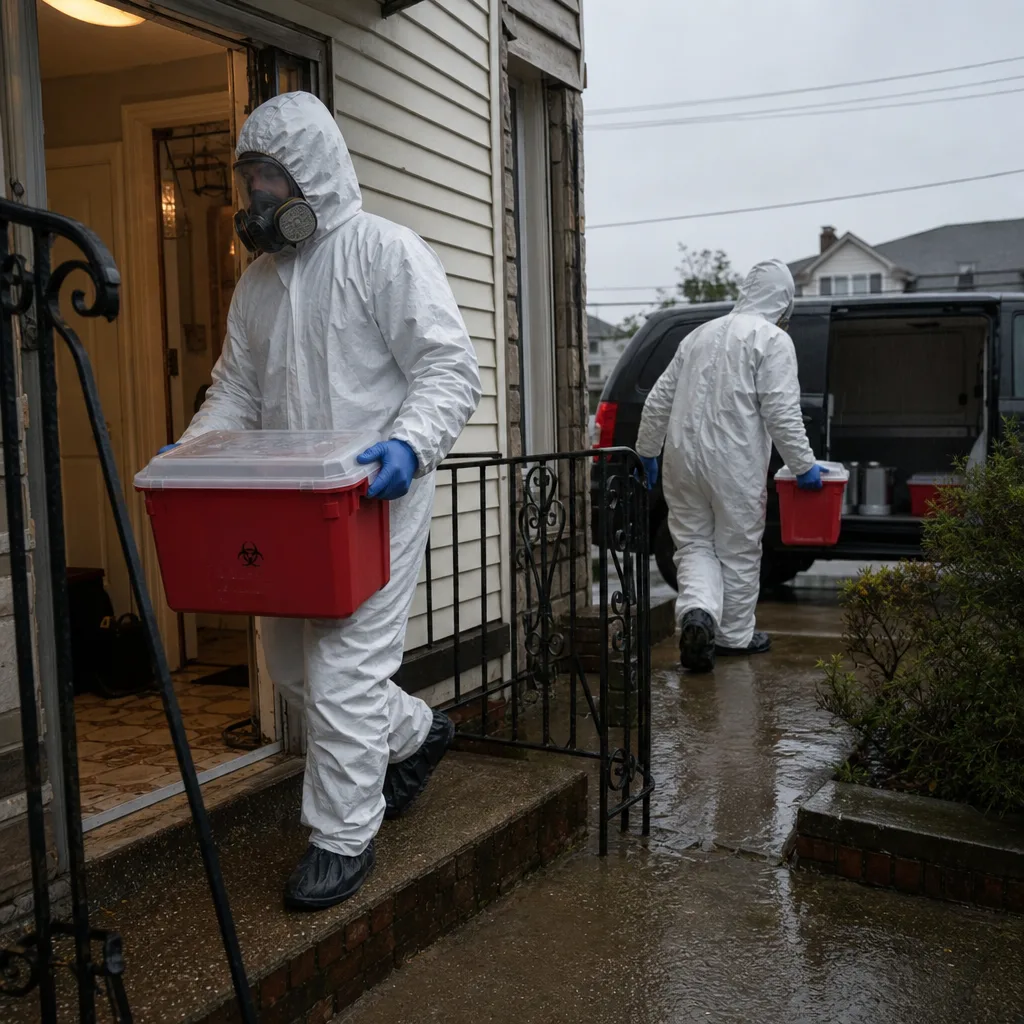
Central Park West facing the park, between 72nd and 96th, has some of the largest apartments and strictest boards in the city. Decomposition odor travels through shared air shafts there faster than anywhere else we work, because the buildings are deep and the corridors long. On the side streets, Broadway between 86th and 96th brings mixed-use buildings where retail tenants below residential units add another party to every notification. And Amsterdam and Columbus Avenues, with their denser pre-war rentals, tend toward smaller units where a hoarding situation in a 250-square-foot studio creates a containment challenge you simply don’t face in a house with a driveway.
Specialized Biohazard & Crime Scene Cleanup Services We Offer in Upper West Side
Trauma & Unattended Death Cleanup
Decomposition fluids in an Upper West Side pre-war apartment penetrate plaster, subfloor, and often the joist bays between units. We handle every stage, from the first walk-through in full PPE to the final clearance testing. We document what we find in writing, with photos, before any board approval is requested. The work is always done with containment, negative air pressure, and antimicrobial treatment appropriate for Category 3 contamination.
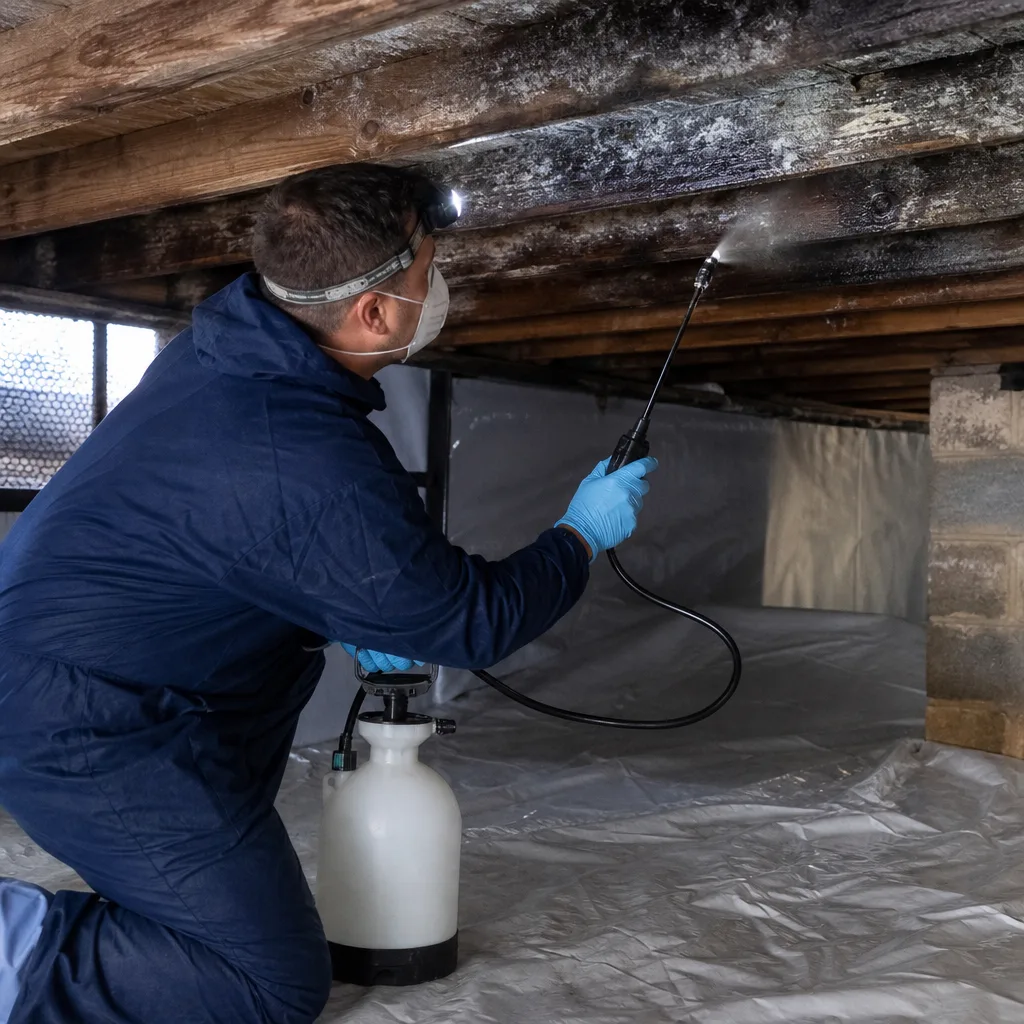
Crime Scene Cleanup
Bloodborne pathogens require the same rigor whether the scene is a private apartment on Riverside Drive or a commercial space on Columbus Avenue. We follow OSHA bloodborne pathogen standards, use EPA-registered disinfectants with proper dwell times, and remove all contaminated materials under controlled conditions. We also coordinate with NYPD scene release requirements so the cleanup can start the moment we’re cleared to enter.
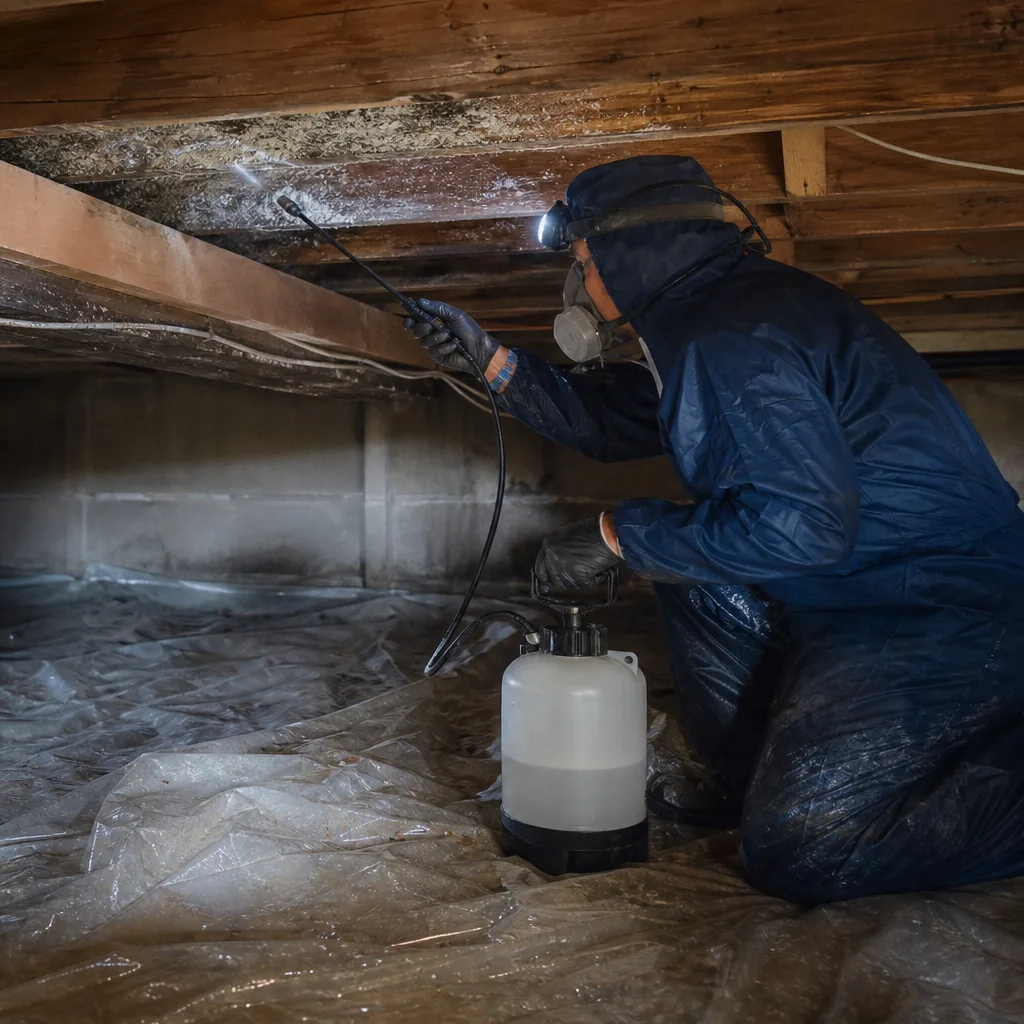
Hoarding Cleanup
Hoarding cleanup in a 15th-floor Upper West Side unit is not a dumpster-out-the-window job. We work with building management on elevator scheduling and freight access, sort salvageable items from debris, and bring in licensed biohazard handling for any food waste, rodent waste, or human waste discovered in the layers. Negative air pressure and HEPA filtration run continuously so the rest of the floor is not exposed. We also connect homeowners with aftercare resources so the space stays safe.
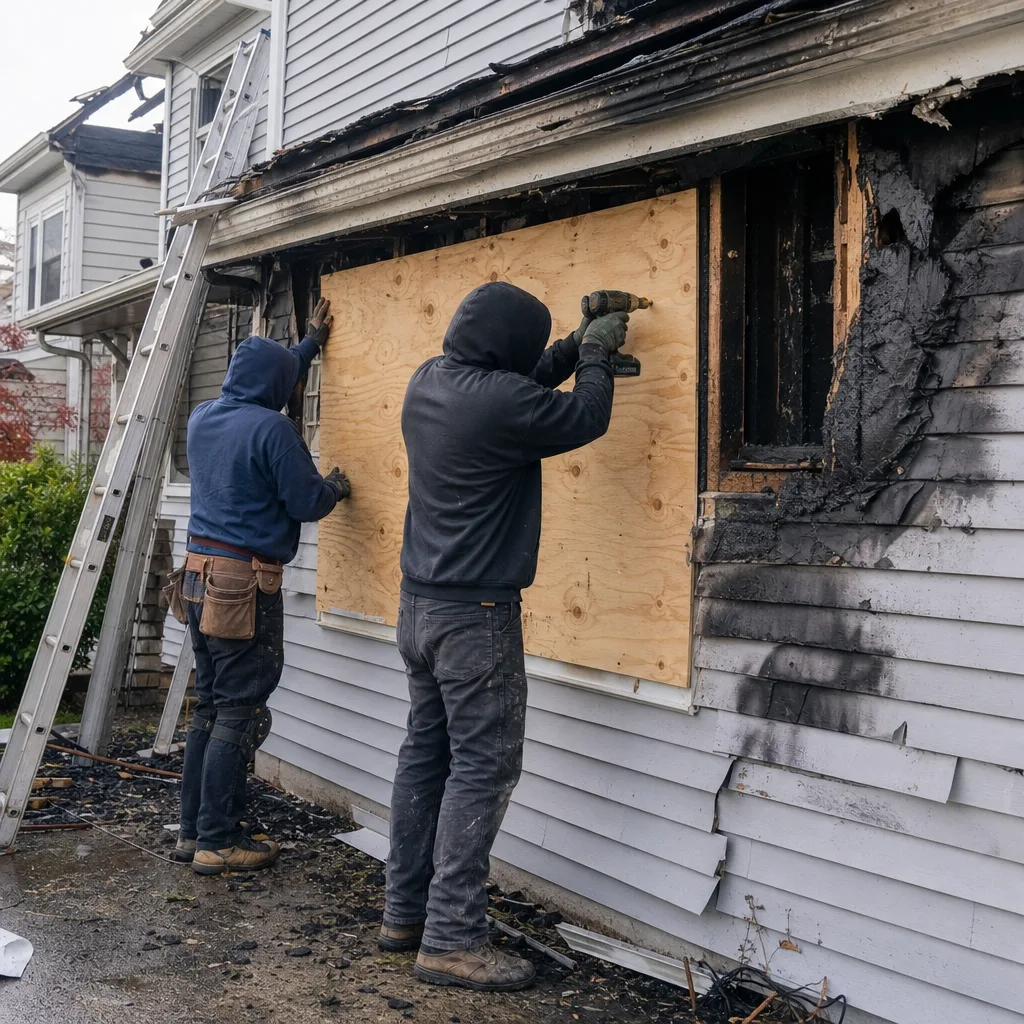
Blood & Bodily Fluid Cleanup
Blood from a medical event, an accident, or a crime can soak through carpet, pad, and into the original wood floors common in Upper West Side pre-wars. We remove all affected porous materials, treat non-porous surfaces with hospital-grade antimicrobials, and run ATP surface testing to verify the space is biologically clean before we release it. Documentation goes to your carrier and the board if required.
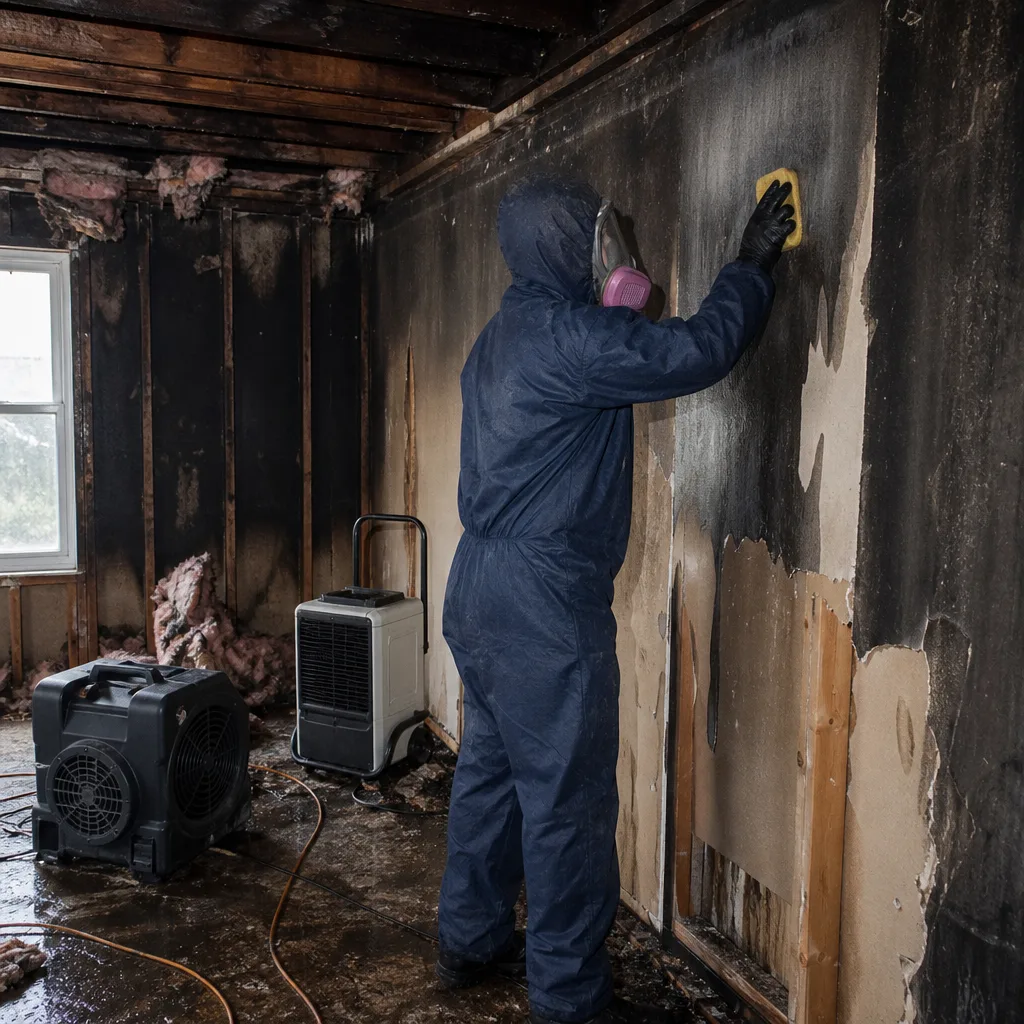
Infectious Disease Disinfection
Situations involving MRSA, C. diff, COVID, flu, or other pathogens in a shared building require disinfection that goes beyond what a cleaning service can provide. We use EPA-registered disinfectants with appropriate contact times, fog the affected space for even coverage, and provide written verification of the treatment. In buildings with shared forced-air or steam heat, we also assess whether corridor pressurization is contributing to spread and advise on what the board can do.
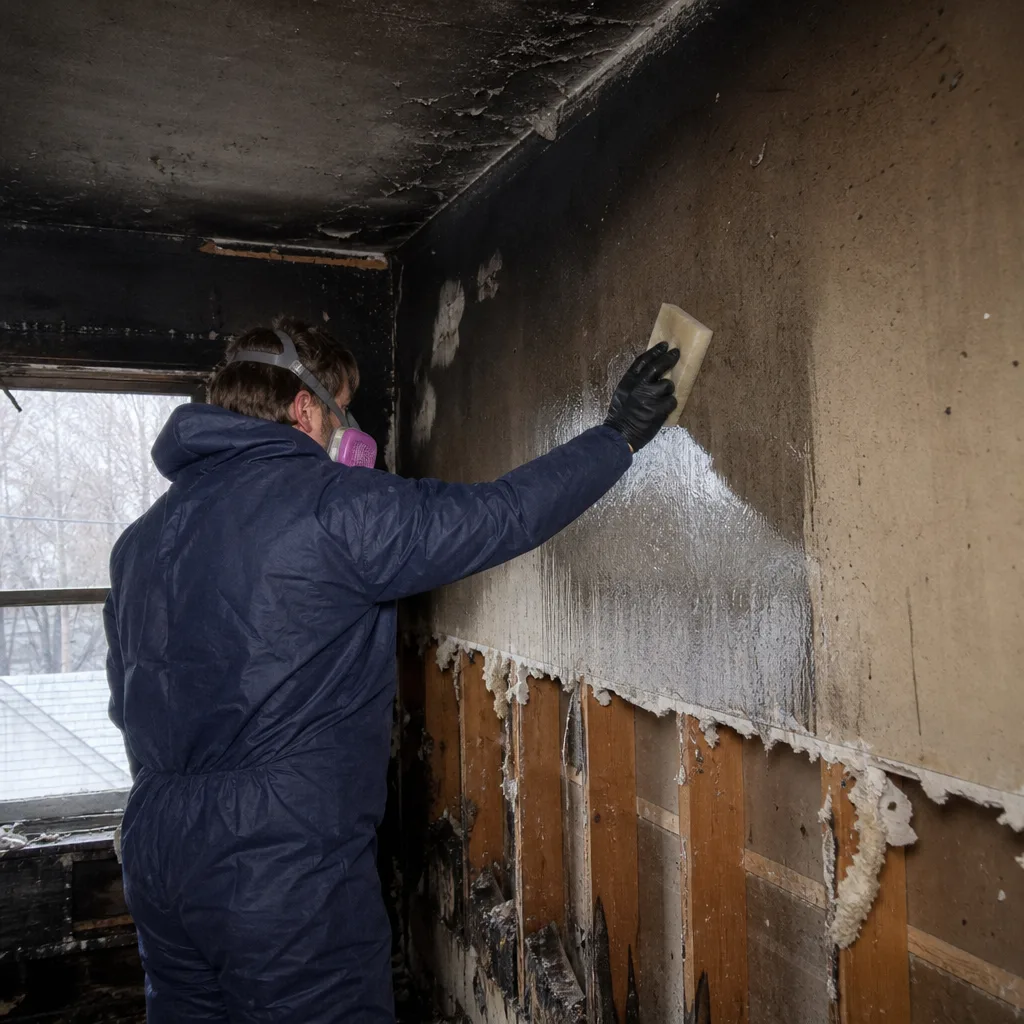
What happens when you call
- 1
A real person answersNo phone trees - you reach a local pro.
- 2
You get an upfront price rangeHonest numbers before anyone is dispatched.
- 3
A background-checked tech heads outLicensed & insured, dispatched right away.
- 4
You approve before work beginsNothing starts until you say go.
Biohazard & Crime Scene Cleanup Costs in Upper West Side, NY
A trauma or unattended death cleanup in a one-bedroom Upper West Side co-op typically runs $2,500 to $5,000. That includes containment, materials removal, antimicrobial treatment, air scrubbing, and clearance testing. When demolition is required - which it almost always is when fluids have penetrated plaster or wood - the range moves to $5,000 to $15,000, depending on how many rooms and whether asbestos abatement is triggered. Hoarding cleanups in this neighborhood’s smaller units generally fall between $3,000 and $9,000, with the higher end reserved for Category 3 water involvement or rodent waste requiring specialized disposal.
Two things move the price more than anything else on the Upper West Side. The first is board-mandated scope. If the co-op board requires a specific contractor or additional testing, those costs get added to the claim. The second is asbestos. Pre-1978 buildings almost always test positive for asbestos in pipe insulation, floor mastic, or textured plaster, and abatement is a separate, regulated process. We walk every job with you before any work begins, give you a written scope, and nothing gets done that wasn’t agreed to in writing. Call (551) 348-8481 for a free inspection and a firm number, not an estimate with asterisks.
We Also Serve Cities Near Upper West Side
Our biohazard and crime scene cleanup crews also respond throughout Midtown West, Washington Square, Midtown Manhattan, and Murray Hill. Same 45-minute response commitment, same live dispatch at (551) 348-8481, and the same written-scope promise on every job. If you’re a board member or managing agent with a building anywhere in Manhattan, we work with you the same way we work with owners on the Upper West Side.
Serving Upper West Side, NY - Our Local Coverage Area
We’re based in the Upper West Side area and know this community well. Use the map below to see our service coverage - if you’re nearby, we can almost certainly help.
Upper West Side Biohazard & Crime Scene Cleanup Questions, Answered
How does Floodline Restoration Co. handle the co-op board approval process for a biohazard cleanup in an Upper West Side pre-war building?
We prepare a detailed scope of work with photos, contamination mapping, and proposed materials removal, then submit it directly to your board’s managing agent. We’ve worked with boards at The Belnord, The Apthorp, and dozens of smaller co-ops on West End Avenue and Riverside Drive, so we know what triggers Landmarks Preservation Commission review and what doesn’t. Our goal is board approval within 24 hours so containment and cleanup can start before contamination spreads to adjacent units.
What are the asbestos risks during a trauma cleanup in an older Upper West Side apartment?
Pre-1978 buildings nearly always contain asbestos in pipe insulation, floor tile mastic, or textured plaster. Cutting into these materials without testing can release friable asbestos fibers, which triggers an immediate stop-work and mandatory abatement. We test before we cut, every time, and we include asbestos survey results in the documentation we provide to your board and your insurer. It adds a step, but it prevents a much longer and more expensive interruption.
Can you clean a hoarding situation in a 15th-floor unit without shutting down the whole floor?
Yes. We set up containment inside the unit with negative air pressure, so contaminated air is pulled into HEPA-filtered scrubbers rather than into the hallway. We coordinate with the building super for freight elevator scheduling and use sealed bags and containers for all removed material. Neighboring units stay occupied, and we take air samples in the corridor before, during, and after the work to prove it.
How do you prevent cross-contamination between units when a death occurs in an Upper West Side rental with shared air shafts?
Containment is the first physical step of every job. We seal the unit’s doorways with 6-mil poly, establish negative air pressure with HEPA air scrubbers, and monitor pressure differentials throughout the work. For buildings with shared air shafts, we also inspect the shaft access points and advise the board on whether additional sealing is needed. This is standard biohazard practice, but it’s absolutely critical in pre-war Upper West Side buildings where air moves between units through original plaster and shaft walls.
Does Floodline Restoration Co. work directly with the building super on a crime scene cleanup in a pre-war co-op?
Yes, from the first hour. The super controls access to risers, shut-off valves, freight elevators, and sometimes electrical panels. We coordinate with them for everything we need, and we keep the managing agent informed in writing. If the board requires a specific vendor for any portion of the work, we document that requirement and work within it. No crew member ever starts demolition without the super knowing exactly what’s coming down and when.
How fast can your team actually get to an Upper West Side address?
Within 45 minutes of your call, any time of day or night. Our crews stage from our New York City office and know the Upper West Side’s buildings well enough that we don’t waste time figuring out access or parking. Call (551) 348-8481 and a live dispatcher confirms the crew’s ETA while you’re still on the phone.
Will insurance cover biohazard cleanup in a co-op or rental on the Upper West Side?
Most homeowners and co-op policies cover biohazard cleanup when it’s tied to a covered loss, like an unattended death, crime, or water event that caused the contamination. Renters’ policies may cover contents but not the building structure. We work with all carriers, submit directly, and coordinate with the building’s own insurance when the loss crosses multiple units. The key is documentation from hour one, which is what we provide.
What should I do in the first 30 minutes after discovering a biohazard situation in my Upper West Side apartment?
Don’t enter the affected area. Don’t try to clean it yourself. Close the door, keep people and pets out, and call (551) 348-8481 immediately. If there’s a building super, notify them that a biohazard cleanup crew is on the way. The faster containment starts, the less contamination spreads through shared walls, floors, and air shafts. That’s the single biggest cost driver in these pre-war buildings: not the first hour, but the hours after.
Written by Curt Bowman, Owner at Floodline Restoration Co., serving Upper West Side since 2010.