
Last updated August 25, 2026
Free visual inspection and a written scope of work before any mitigation begins - photos, moisture readings, and drying logs go in your claim file
The scope we write is the scope we bill. Anything new gets shown to you, in writing, before we touch it.
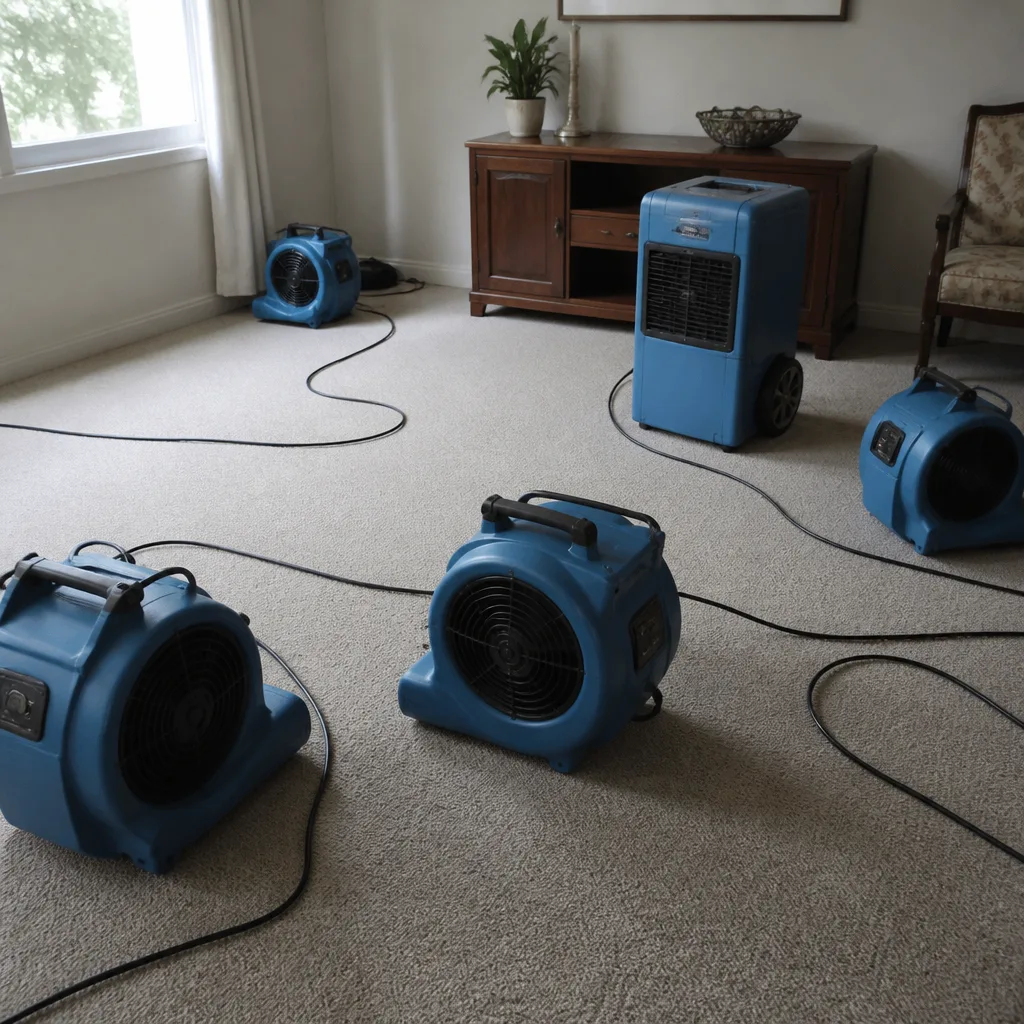

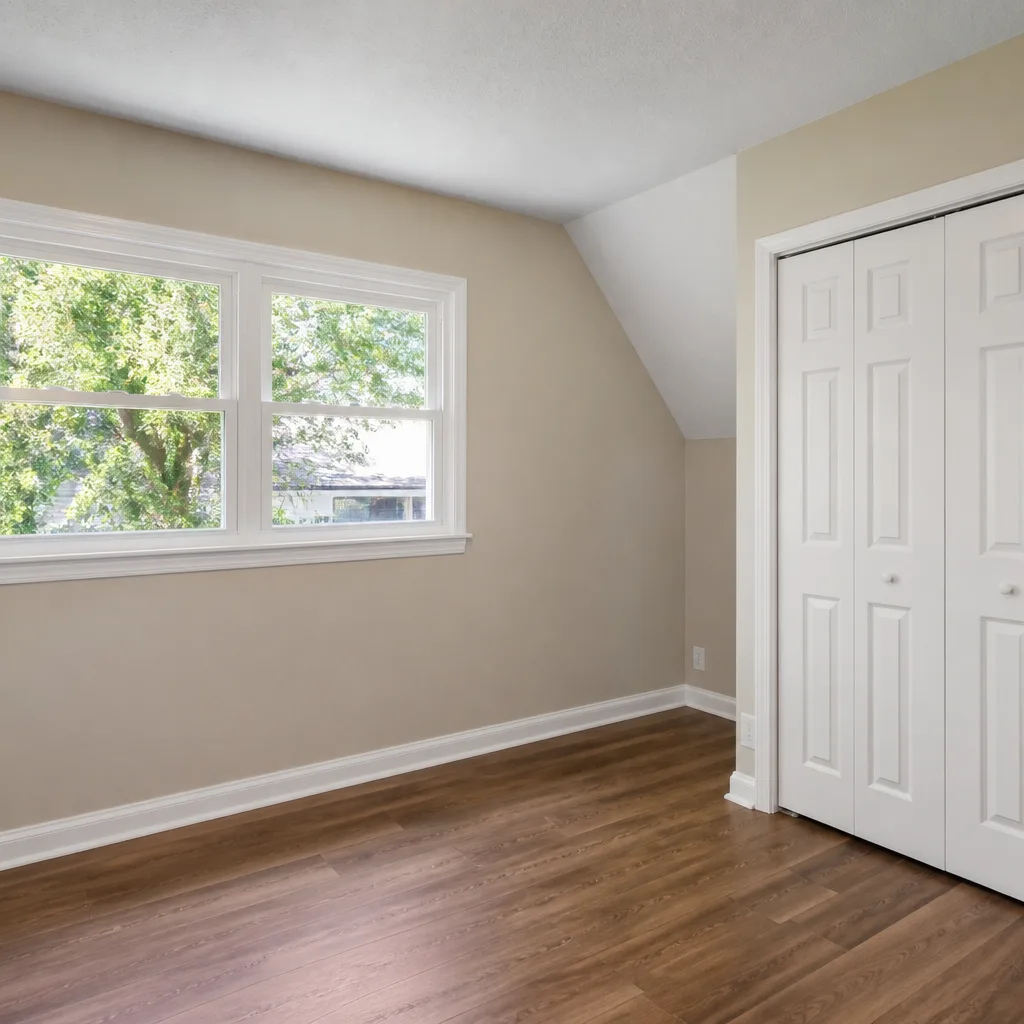

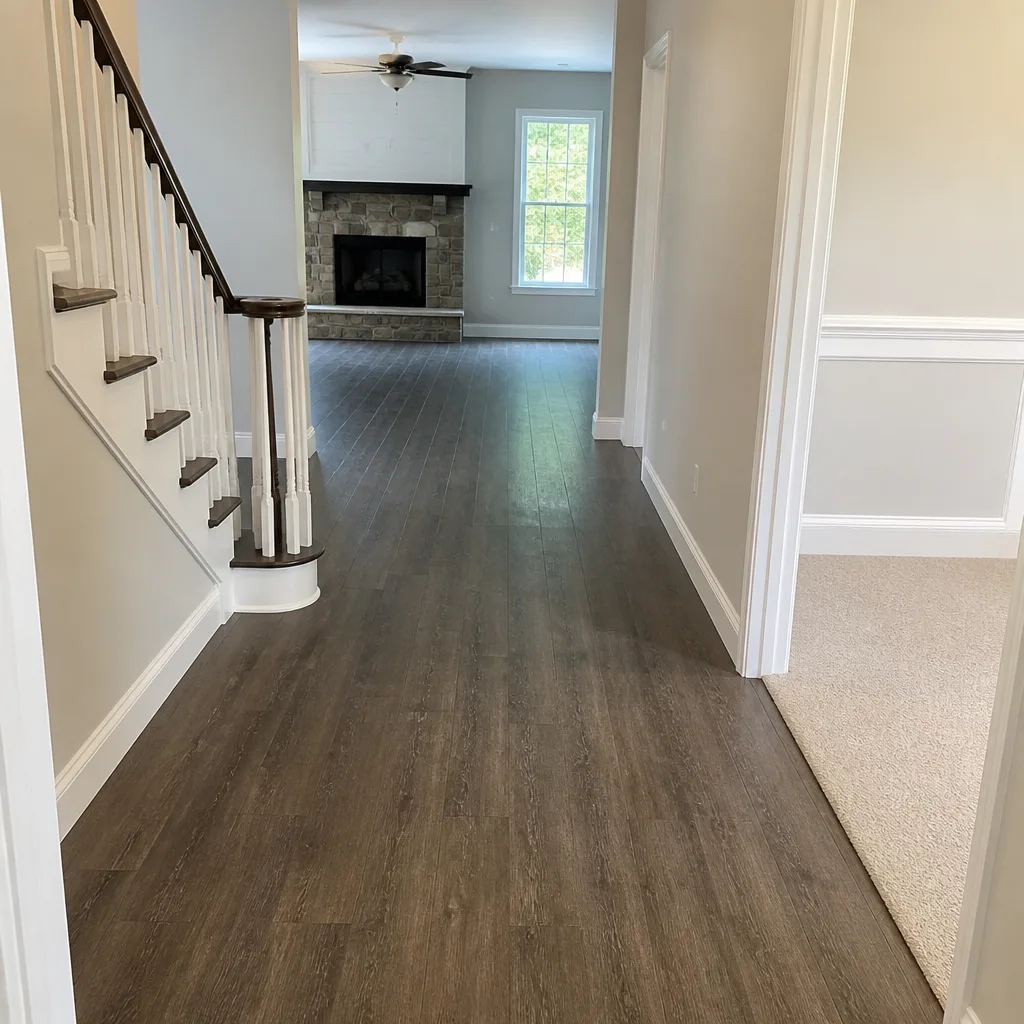

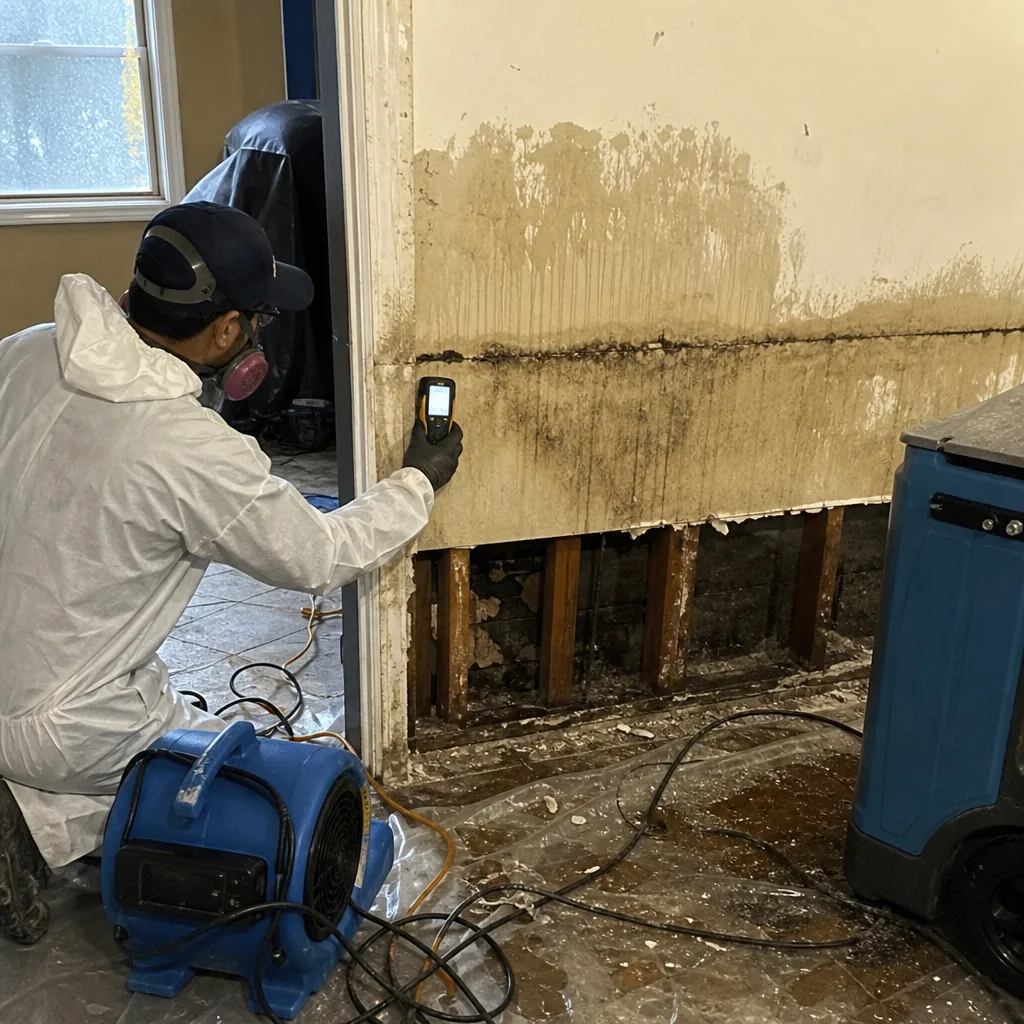 Before
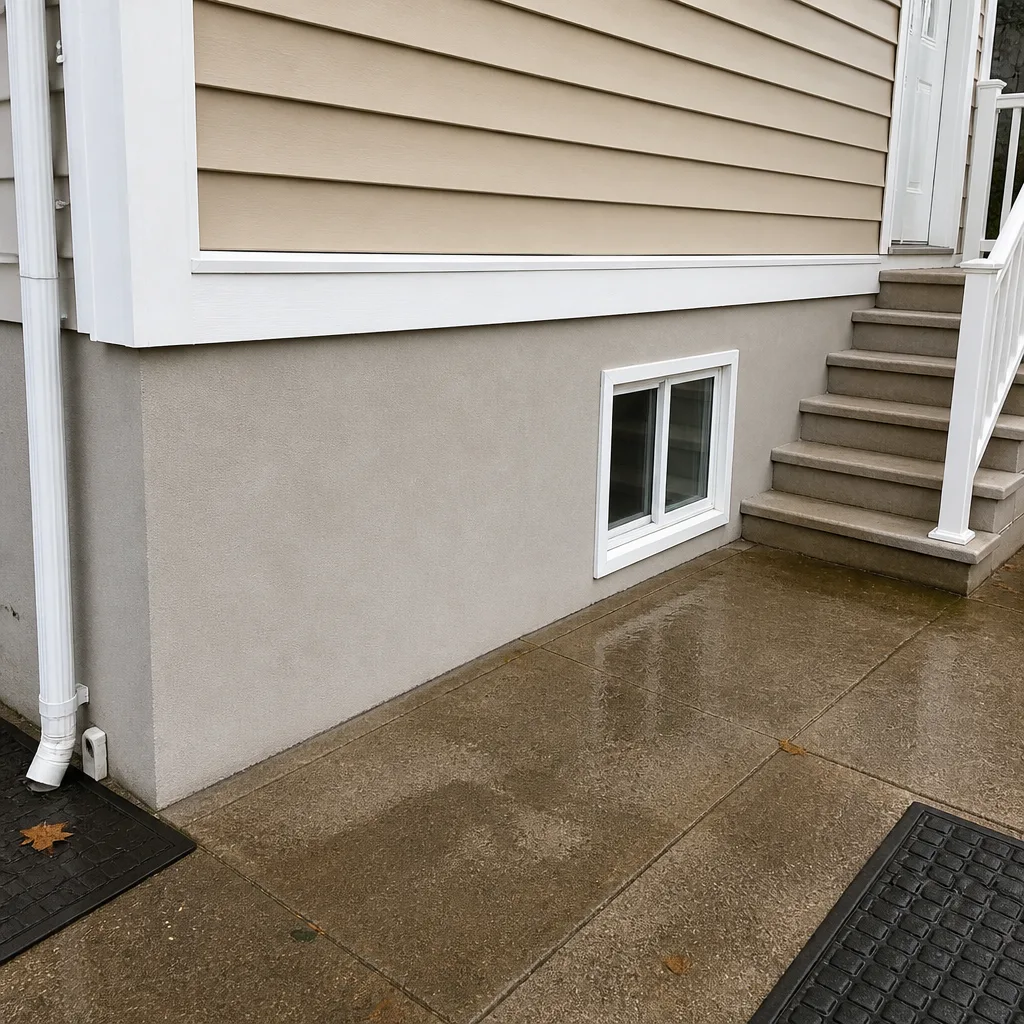 After
After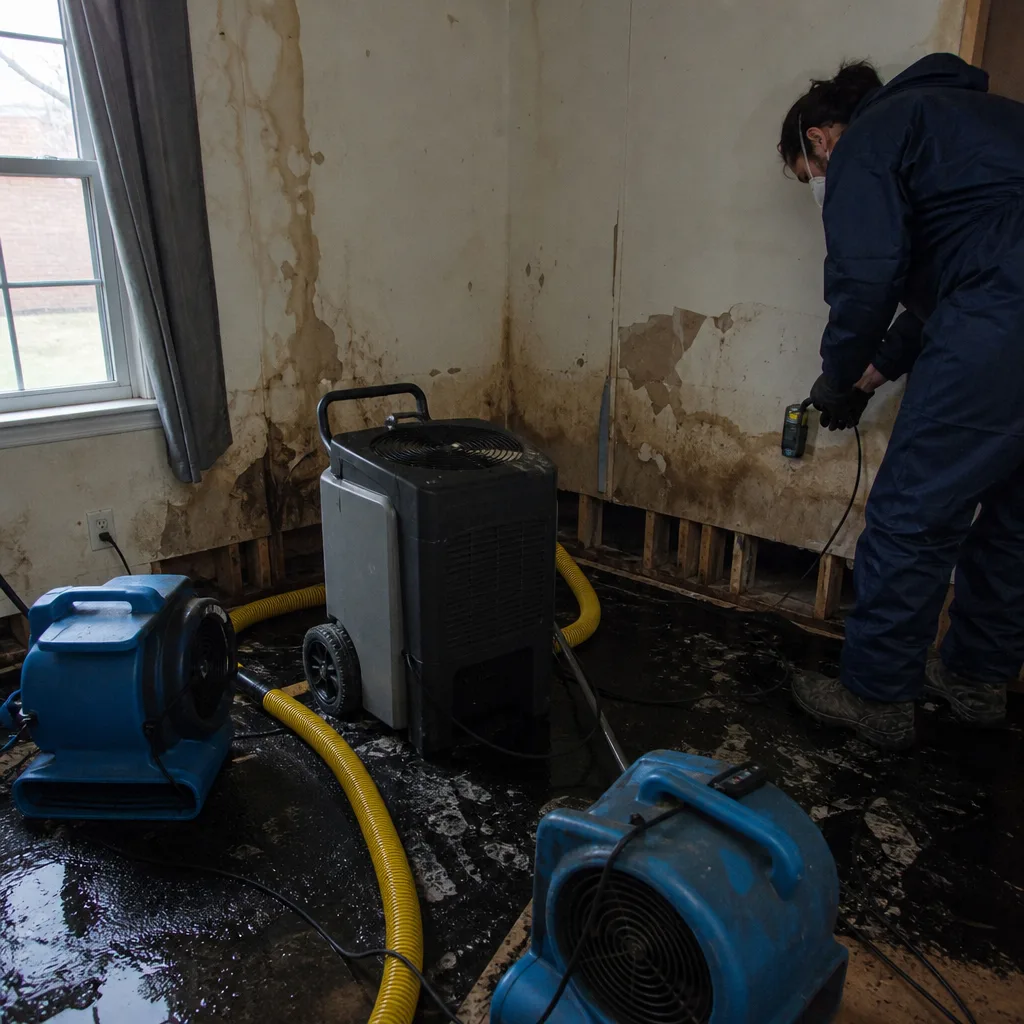 Before
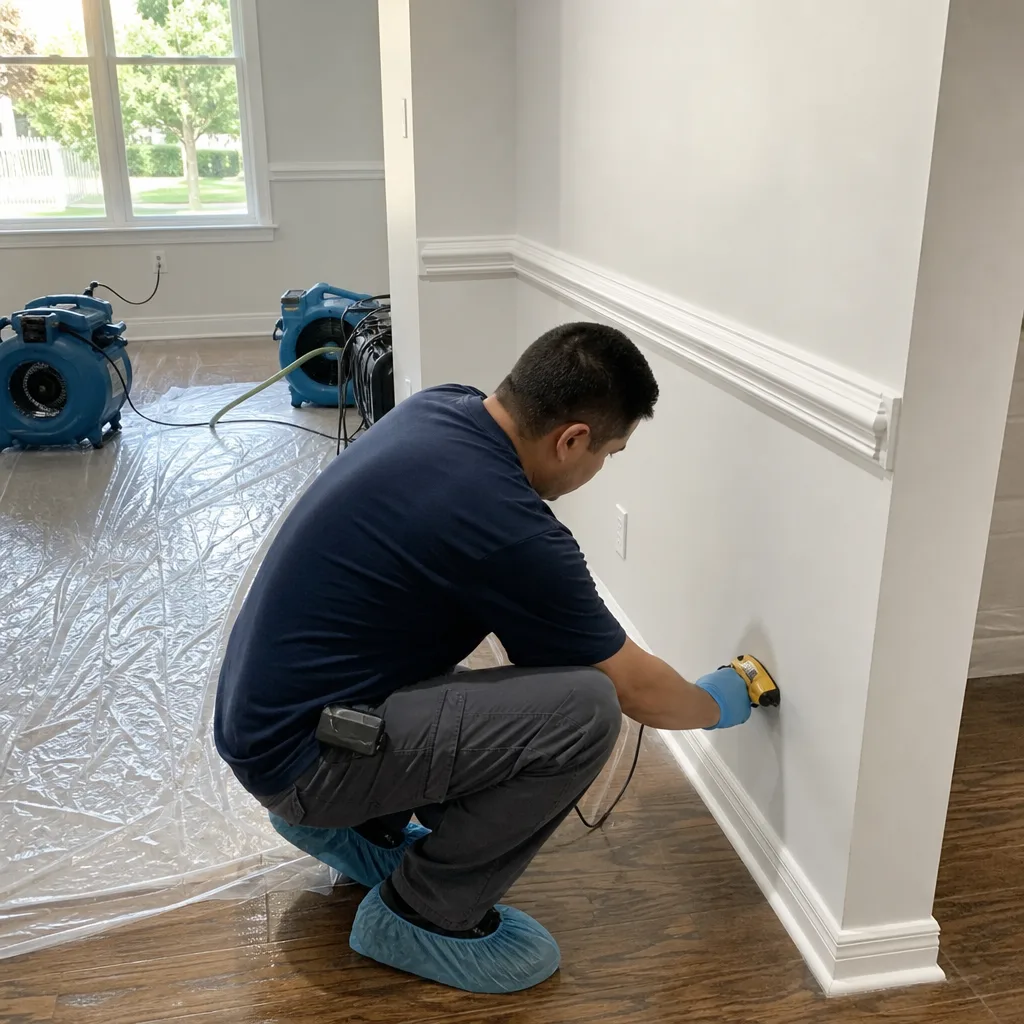 After
After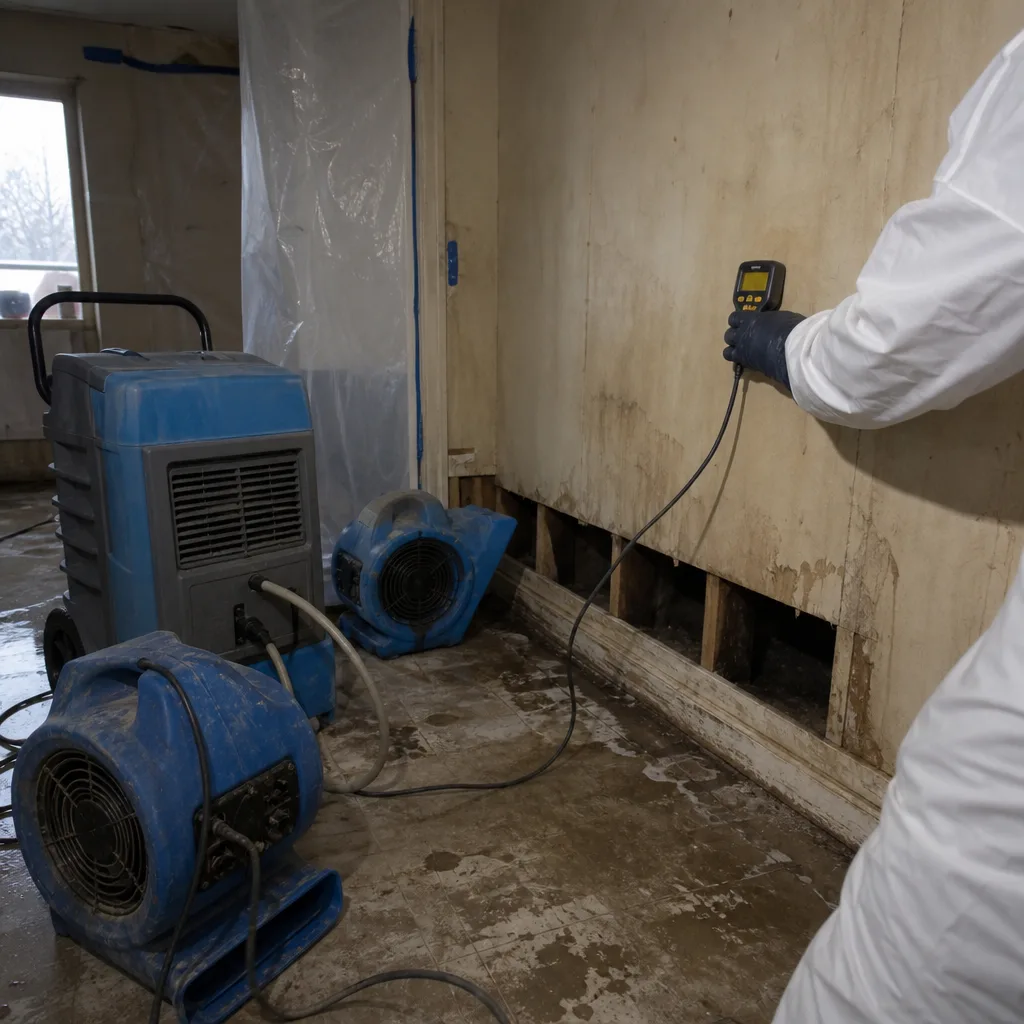 Before
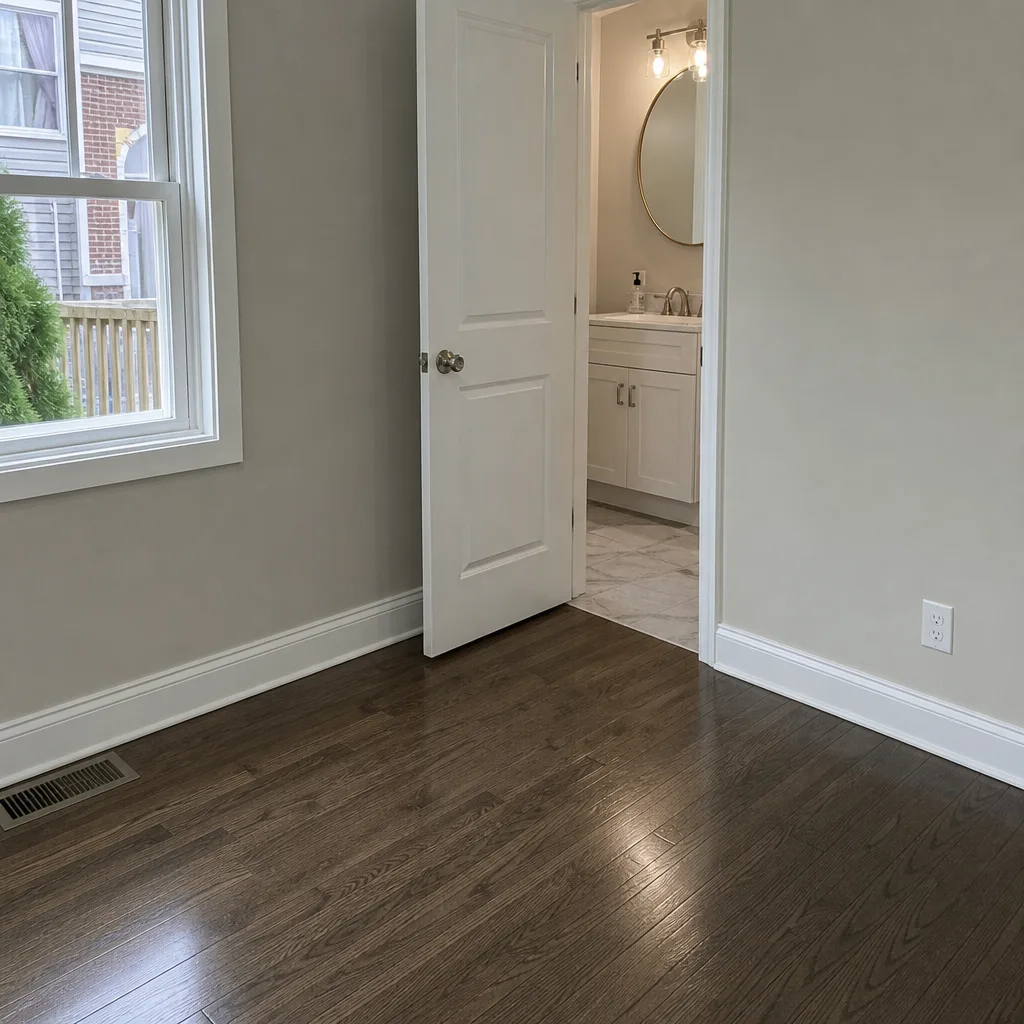 After
AfterDamage Restoration Warning Signs: A Union City Homeowner’s Reference Guide
Most Union City homeowners don’t discover water damage by seeing water. They discover it by smelling it, by feeling a soft spot underfoot, or by watching a paint bubble grow in the corner of a room that hasn’t seen rain in weeks. By the time damage is visible, it has usually been working quietly for months behind walls and under floors. This guide walks through the warning signs that matter in Union City specifically, where hundred-year-old row houses, shared masonry walls, and Hudson County humidity create conditions that newer construction doesn’t have. You’ll learn what to look for, what each sign actually means, and when a repair is genuinely urgent versus when it can wait a week.
Quick Answer
The earliest warning signs of damage in a Union City home are usually not water itself, but secondary effects: a musty smell that comes and goes, baseboards pulling away from the wall, floorboards that spring when stepped on, and window condensation that never fully clears. If you notice any one of these, remove the source of moisture first if you can safely identify it, then get a professional moisture assessment before the damage spreads into framing, subfloor, or neighboring units. In a row house or attached building, a slow leak in one unit routinely migrates into the units on either side within 90 days.
Table of Contents
- Water Stains That Appear Without a Visible Leak
- Musty Smells That Come and Go
- Walls and Floors That Move When They Shouldn’t
- Condensation and Humidity You Can’t Explain
- Peeling Paint, Bubbling Plaster, and Falling Caulk
- Mold Signs: What’s Surface, What’s Structural
- Foundation and Masonry Warnings Specific to Union City
- Plumbing Warning Signs Hidden in Plain Sight
Water Stains That Appear Without a Visible Leak
A brown or yellow ring on a ceiling or upper wall is the most common warning sign Union City homeowners call us about, and in our experience, roughly half of these stains are not from an active leak at the stain site. Water travels. In a typical Union City row house, a roof leak at the parapet can run down an interior channel between brick wythes and surface twenty feet away, on a different floor. A stain directly under a bathroom often traces back to a failing wax ring or a supply line behind a vanity, not to the shower pan above. The lesson is that the stain tells you water has been present, but it does not tell you where the water entered.
Union City’s housing stock makes this worse. Many homes were built between 1880 and 1930, with plaster over wood lath, balloon framing, and multiple renovations layered on top of original construction. Water can enter at the roof line, follow a joist, and drip onto a plaster ceiling two floors down. By the time the stain appears, the wood behind it has often been absorbing moisture for months.
What to do when you see a stain:
- Mark the edges of the stain with a pencil and note the date. If it grows, you have active moisture. If it doesn’t, it may be old damage.
- Press the stained area lightly with a fingertip. If it feels soft, spongy, or gives under pressure, the material is saturated or already deteriorating.
- Look directly above the stain in the room above, and in the attic if accessible. If you can’t find a source, the leak is inside a wall or ceiling cavity.
- Call for a moisture assessment with a thermal imaging camera. A trained technician using IICRC-standard equipment can trace moisture behind finished surfaces without opening walls unnecessarily.
One Union City-specific point: if you live in an attached row house or a condo, the water source may be in the neighbor’s unit. Shared roof drains, party walls, and stacked plumbing mean a leak three doors down can present as a stain in your stairwell. The earlier this is identified, the clearer the insurance picture becomes.
Musty Smells That Come and Go
A musty smell in a Union City home is almost always microbial activity: mold or mildew growing somewhere damp. The smell comes and goes because mold releases spores and gases in cycles, often tied to humidity changes. You notice it on humid days, after rain, or when you return from a trip and the house has been closed up. That pattern, more than the smell itself, is the warning sign. A steady smell might be old carpet or a forgotten drain. A smell that waxes and wanes with weather is active biological growth responding to moisture.
In Union City, the most common hidden locations are:
- Behind baseboards on exterior walls, especially north-facing walls that stay cool
- Under kitchen and bathroom sinks, where slow supply-line drips go unnoticed
- Inside wall cavities around windows that were installed without proper flashing
- Beneath first-floor flooring over a damp basement or crawlspace
- Inside closets on shared party walls, where the neighbor’s moisture migrates through old masonry
The smell itself is not the primary problem. Mold that is actively growing releases spores into your indoor air, and those spores are drawn through the house by your heating and cooling system. The longer growth continues, the larger the remediation area becomes. What starts as a two-foot section of mold behind a baseboard can become a full wall cavity remediation if the moisture source isn’t addressed.
We tell Union City homeowners this: don’t mask the smell with air fresheners or dehumidifier beads. Find the moisture source. If you can’t find it within a day of looking, call a professional who can. Trained technicians following IICRC and RIA standards use moisture meters and thermal imaging to locate hidden damp spots in minutes, not days.
Walls and Floors That Move When They Shouldn’t
Baseboards should sit flush against the wall. Floorboards should not flex when you walk across them. Drywall seams should stay invisible under paint. When these things change, it’s a warning sign that moisture has changed the materials beneath them.
In Union City homes, we see three movement-related warning signs most often:
Baseboard gap: The baseboard pulls away from the wall, leaving a visible crack at the top edge or separating at outside corners. This happens when the wall’s bottom plate or the subfloor behind the baseboard swells. In a home with wood lath and plaster, the lath itself can swell and push the baseboard outward. This is common after a slow leak in a nearby plumbing line, a failed window flashing, or even repeated condensation from a window air conditioner running all summer.
Spongy floor: A floor that bounces or feels soft underfoot near a tub, toilet, dishwasher, or exterior door indicates subfloor damage. In Union City’s older homes, many subfloors are plank-style boards that rot from the top down when water sits on them. The finished flooring above (hardwood, vinyl, or tile) can look perfectly fine while the structure below is compromised. If a floor tile cracks without impact, or a vinyl seam lifts, consider it a moisture flag until proven otherwise.
Doors and windows that stick: A door that suddenly rubs its frame, or a window that no longer opens smoothly, can indicate swelling in the surrounding framing from elevated moisture. This is especially telling when it happens seasonally or after heavy rain. In a balloon-framed row house, moisture in one wall can affect door operation on a different floor entirely.
These changes matter because they indicate a structural or semi-structural problem, not a cosmetic one. Once subfloor or framing begins to deteriorate, the repair scope expands from drying and patching to actual replacement. The earlier movement is caught, the more likely the repair stays small. Floodline Restoration Co. home documents every moisture reading from day one, so homeowners have a written record of what was wet, what was dried, and what was rebuilt, if it comes to that.
Condensation and Humidity You Can’t Explain
Union City sits in a humid continental climate zone, with warm, wet summers and cold winters that drive warm indoor air against cold exterior surfaces. Condensation forms when warm, moisture-laden air touches a cooler surface: the inside of a window pane, the face of an exterior wall, the underside of a roof deck. Some condensation is normal in winter. Persistent condensation, or condensation in new locations, is not.
Specific warning signs in Union City homes include:
- Water beading on the inside of windows even when the heat has been on for hours
- Condensation on walls, not just glass, especially behind furniture or curtains
- Frost inside closets on exterior walls during cold snaps
- Wetness around window frames after rain, even when the window is closed
- A humid feel upstairs that never resolves with ventilation
Window condensation has two common causes in our area: failed or absent insulation in the wall around the window, or a moisture source inside the house that keeps indoor humidity abnormally high. That source could be a damp basement, an unvented dryer, a shower without a working exhaust fan, or a slow leak. None of these resolve on their own.
The practical test is the humidity reading. A simple hygrometer from a hardware store should read between 30 and 50 percent in winter inside a Union City home. If you’re consistently above 60 percent without running a humidifier, something is adding moisture to your air. A professional assessment with a thermo-hygrometer and thermal imaging can locate the source, whether it’s a plumbing leak, a roof issue, or simply a ventilation deficiency that’s been ignored for years.
Peeling Paint, Bubbling Plaster, and Falling Caulk
Paint and caulk are the canaries of a Union City home’s envelope. Both materials fail visibly when the substrate beneath them carries moisture, and both failures are easy to spot before structural damage becomes severe.
Peeling paint on an interior wall or ceiling means water is being pushed through the surface, not just dampness in the room. The moisture dissolves the bond between paint and plaster or drywall, and the paint lets go. If the peeling is in a bathroom, the cause might be a humidity problem. If it’s in a hallway, bedroom, or stairwell, it’s more likely a leak above or behind the wall.
Bubbling plaster in an older Union City home is a different animal. Plaster holds moisture differently than drywall. When plaster gets wet repeatedly, it can delaminate from its lath keys and bulge outward. A soft, hollow-sounding spot on a plaster wall tells you the plaster is no longer keyed to its lath. That’s a repair that involves cutting out the damaged plaster, drying the cavity, and patching with compatible materials. If ignored, the plaster eventually falls off in sheets.
Falling or cracked caulk around tubs, sinks, windows, and exterior trim reads as a minor nuisance, but it’s actually a moisture pathway. Caulk is the last line of defense between water and the wall cavity. When it fails, every shower or heavy rain sends water into a place it should never go. In Union City’s older bathrooms, we’ve opened walls behind tubs and found years of accumulated moisture behind caulk that looked weathered but intact from the outside.
Any of these three signs warrants a closer look. If the area is damp to the touch or has softened underlying material, moisture is active. If it is dry but visible, the damage may be old, but the cause should still be identified so it doesn’t repeat.
Mold Signs: What’s Surface, What’s Structural
Mold in a Union City home is rarely the first event. It’s the result of a moisture problem that preceded it. When you see mold, two questions matter: how much, and where the moisture is coming from. The first question determines the remediation approach. The second determines whether the mold will return.
Surface mold on a bathroom ceiling or a window sill is common in our climate and often manageable with cleaning and improved ventilation, provided the growth area is small (generally under ten square feet) and the surface is non-porous or semi-porous. But mold that appears on drywall, wood framing, insulation, or carpet padding is in the material, not just on it. Cleaning the surface doesn’t address the colony extending through the material.
Specific warning signs in Union City homes:
- Discoloration that returns within weeks after you clean it
- Mold on walls or ceilings below a bathroom or kitchen on the floor above
- Mold growing around a window frame from the inside, indicating failed flashing or sealant
- Black, green, or white fuzzy growth inside closets on shared walls
- A persistent musty smell in a room where no mold is visible
Mold remediation is not a place for experimentation. Proper containment, air filtration, and material removal are governed by IICRC standards, which certified technicians follow on every job. In Union City’s attached housing, containment matters doubly, because opening a moldy wall cavity without negative air pressure sends spores throughout the home and potentially into neighboring units. If you see mold over a large area or in multiple rooms, or if anyone in the house has respiratory symptoms that improve when they leave, call a professional before disturbing it.
We also recommend homeowners document what they see with photos before any cleanup begins. That documentation matters for insurance claims, and it matters for your own record of what was there. Floodline’s technicians document every step of remediation, from initial assessment to final clearance, using photo evidence and written logs that the homeowner and insurance carrier can both review.
Foundation and Masonry Warnings Specific to Union City
Union City’s housing stock sits on a mix of soil types, with much of the city’s older construction built on shallow foundations of stone, brick, or early concrete. These foundations were never waterproofed by modern standards. They were built to breathe, with lime mortar that allowed moisture to pass through and evaporate. Over time, that balance fails, and the signs show up on interior walls and floors.
Foundation-related warning signs in Union City include:
- Efflorescence: white, chalky mineral deposits on basement walls or floors, indicating water passing through masonry
- Horizontal cracks in basement walls, which suggest lateral pressure from saturated soil
- Vertical or stair-step cracks in foundation walls that grow over several months
- A damp or wet basement floor after rain, with no visible plumbing leak
- An earthy smell in the basement that intensifies in spring and fall
Most Union City basements are at least somewhat damp. The question is degree. A basement that stays damp through dry weeks is receiving groundwater, not just condensation. A basement that floods only during heavy rain has a drainage or grading problem that can often be addressed with proper perimeter drainage, sump pump installation, or exterior waterproofing. A basement with standing water after every rain needs professional assessment.
We see seasonal patterns in Union City: spring and fall bring the most basement water because the ground is saturated and the temperature swings drive moisture through porous masonry. Homes built into the side of the Palisades slope have additional hydrostatic pressure against their downhill walls. If you live on a slope-side street, watch your downhill-facing basement wall carefully during and after heavy rain.
Plumbing Warning Signs Hidden in Plain Sight
Union City’s older homes often have original plumbing that has been repaired, extended, and partially replaced over decades. Galvanized steel supply lines, cast iron drain lines, and lead service connections are common in homes built before 1950. These materials corrode from the inside, and the warning signs are often subtle until a failure occurs.
Plumbing warning signs that precede a visible leak:
- Water pressure that drops noticeably in one fixture but not others
- Brown or rust-colored water when you first turn on a tap
- A faint running-water sound when no fixture is in use
- Warm spots on the floor, indicating a hot water line leaking beneath
- Higher water bills without a corresponding change in usage
- Gurgling sounds from drains, suggesting a blockage developing in a shared line
In Union City’s attached homes, plumbing lines often run through shared walls or between floors in ways that make access difficult. A slow leak in a supply line behind a tiled bathroom wall may not become visible for months. The first sign might be a stain on the ceiling of the room below, or a warm spot on the floor, or simply a water bill that ticks upward.
Here’s a practical step: read your water meter before you go to bed and again before anyone uses water in the morning. If the reading changes overnight, you have a leak somewhere in your system. This is the simplest diagnostic a Union City homeowner can perform, and it costs nothing. If the meter has moved, call a plumber or a damage restoration company that can trace the leak. Finding it early is the difference between a $300 repair and a $30,000 remediation and rebuild.
Common Mistakes to Avoid
- Waiting for a stain to dry on its own. A water stain on a ceiling or wall indicates the material was saturated. The surface may dry, but the moisture behind it cannot evaporate quickly through painted finishes, and the damage continues out of sight.
- Treating the smell instead of the source. Ozone machines, air fresheners, and scented candles mask musty odors temporarily. The mold or damp material causing the smell remains, and so does the health concern and structural deterioration.
- Assuming a small stain means a small problem. In Union City’s older homes, water often travels far from its entry point. A two-inch stain on a ground-floor ceiling can be the visible tip of a leak that has saturated a joist cavity on the second floor.
- Opening up a wall to “take a look” without containment. If mold is present, opening a wall cavity releases spores into the living space. Professional remediation uses containment barriers and negative air pressure for a reason.
- Ignoring a drafty or damp basement because “it’s always been like that.” Years of elevated basement humidity in Union City’s climate leads to mold, wood rot, and eventually structural problems. A basement that is always damp is a basement that is always deteriorating.
- Filing an insurance claim before getting a professional assessment. A restoration professional with IICRC training can document the damage, identify the cause, and write a scope in the language carriers expect. This often leads to better claim outcomes than a homeowner’s verbal description of what happened.
- Replacing flooring or drywall before finding and fixing the moisture source. A new floor over a rotting subfloor will fail. A painted wall over a wet cavity will peel. The source comes first, always.
When to Call a Professional
Call a professional when the warning sign indicates active moisture from an unidentified source, when the affected area is larger than a few square feet, when mold is visible on porous materials, or when anyone in the home has respiratory issues that seem worse indoors. Also call if the damage is in a shared wall or floor of an attached building, since a neighbor’s unit may be involved and the insurance picture gets complicated. If you see warped floors, sagging ceilings, or water traveling between floors, don’t wait. Floodline Restoration Co. offers free estimates in Union City, and a live person answers the phone 24/7. Call (551) 348-8481 and describe what you’re seeing; we’ll tell you whether it’s urgent and what the next step should be.
Frequently Asked Questions
Water damage restoration in Union City typically ranges from $800 to $4,500 for extraction, drying, and basic repairs, depending on the size of the affected area, the category of water, and how long the water has been present. A small supply-line leak caught early under a sink might cost under $1,000, while a slow roof leak that has saturated a ceiling and wall cavity over months can run over $5,000 once drywall, insulation, and flooring are addressed. The only way to get a precise number for your home is a professional assessment with a moisture meter. Call (551) 348-8481 and we’ll assess the damage and give you a written scope and price before any work begins.
Most Union City homeowner’s policies cover sudden and accidental water damage, such as a burst pipe or an overflowing appliance, but they typically exclude damage from gradual leaks, groundwater, or flood water unless you carry separate flood insurance. The single most important thing you can do is document everything with photos and a written record, and have a professional assessment done before making repairs. Floodline Restoration Co. works directly with insurance carriers, documents everything with photos and moisture logs, and bills the carrier directly so you never have to play messenger between us and your adjuster.
A live person answers Floodline’s phone at any hour, and in most Union City neighborhoods our certified crew can be at your door within 60 to 90 minutes of your call. Extraction is running the same visit, because standing water does more damage every hour it sits. The sooner we get there, the less needs to be torn out and rebuilt, and the more likely your floors and walls can be dried in place rather than replaced.
If the mold covers less than about ten square feet and is on a non-porous surface like tile or glass, cleaning it yourself with soap and water or a commercial mold cleaner is reasonable, provided you wear gloves and a mask and address the moisture source. If the mold is on drywall, wood, insulation, or carpet, or if it covers a larger area, professional remediation is the right call, because porous materials hold mold below the surface where cleaning cannot reach. In Union City’s row houses, professional containment also prevents spores from spreading into other rooms and neighboring units during removal.
Yes. Floodline coordinates directly with your insurance carrier, provides photo documentation and moisture logs, and bills the carrier directly for covered work. You receive a copy of everything, and you are never left to relay information between your restoration company and your adjuster. This is standard practice on every job we do in Union City, from small leak mitigation to full reconstruction after a fire or storm.
Mark the stain with a pencil, take a photo, and check the floor above for any visible water source. If you can shut off the water to a leaking fixture, do so. Then call a professional to locate the actual source of the moisture before opening any walls or ceilings. If the ceiling is bulging or sagging, place a bucket underneath and stay out of the room until a professional arrives; a waterlogged ceiling can collapse without warning. Floodline Restoration Co. answers the phone live at (551) 348-8481 and will walk you through the first steps over the phone while a crew is dispatched.
The Bottom Line
Damage in a Union City home is rarely a sudden event. It’s the visible end of a process that has been running for weeks or months behind finished surfaces. The earliest warnings are subtle: a musty smell that shifts with the weather, a baseboard pulling away, a floor that yields underfoot, a stain that keeps growing, a water bill that ticks upward. Each sign is an opportunity to fix a small problem before it becomes a large one. The pattern matters more than any single sign. Watch for changes, document what you see, and when you’re not sure, call someone who does this work every day. Floodline Restoration Co. serves Union City with a 90-Day Done Right Promise, a live person on the phone at any hour, and a written scope before any work begins. Call (551) 348-8481 for a free estimate.
Written by Curt Bowman, Owner at Floodline Restoration Co., serving Union City since 2010.