
Dri-Eaz Water Damage Restoration in Union City: A Homeowner’s Guide
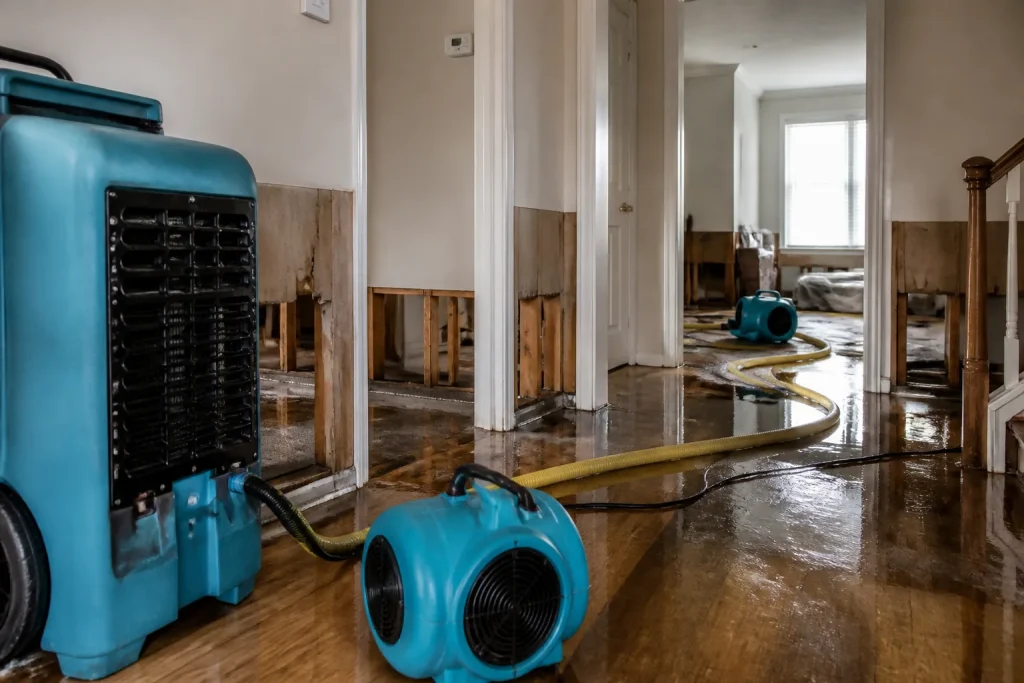
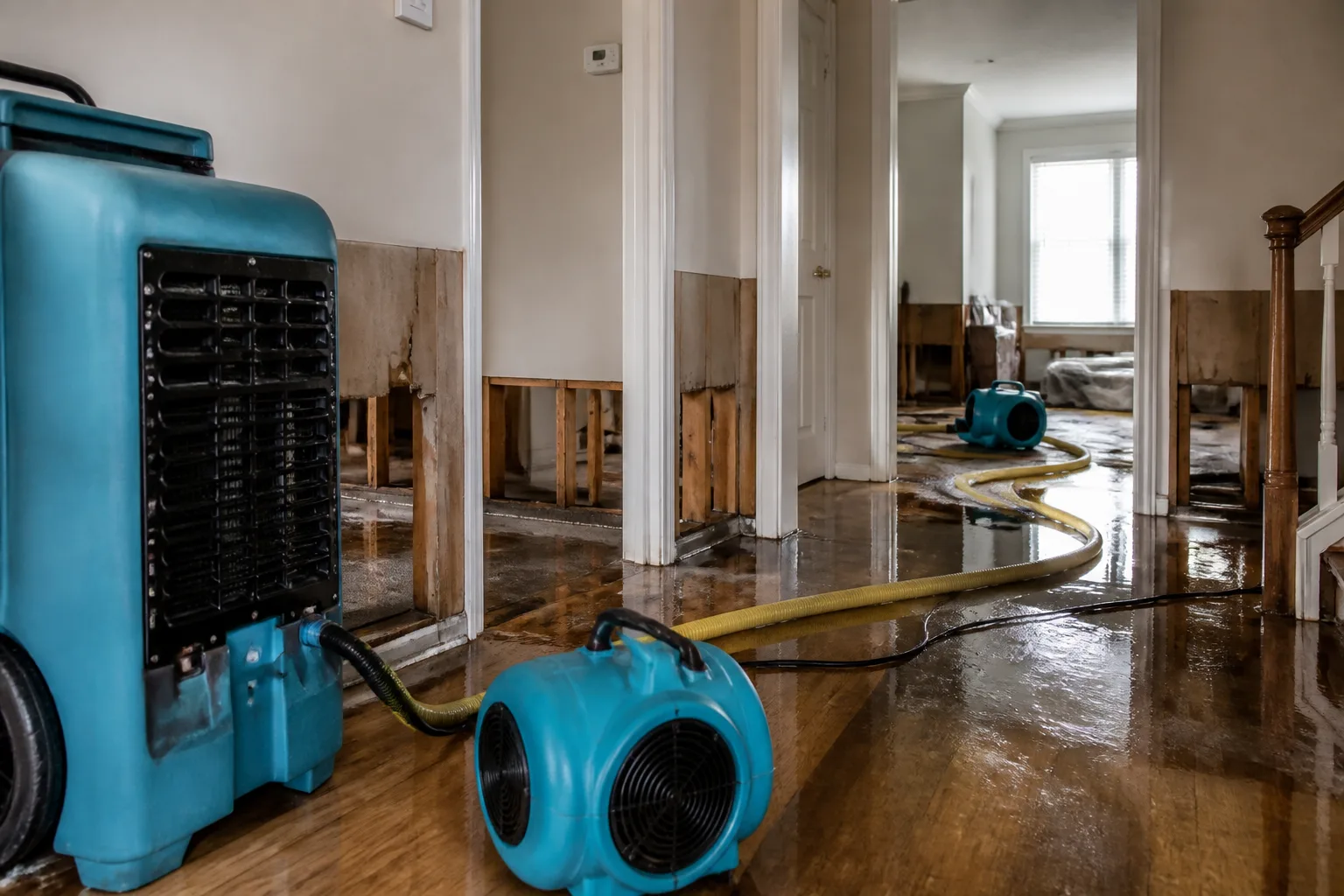
A contractor can rent a Dri-Eaz LGR 7000XLi for $85 a day and still leave your walls wet for three weeks. The machine doesn’t dry your home. The drying plan does. This guide explains what Union City homeowners should watch the crew do with the equipment, not just what equipment shows up.
If you’re standing in a flooded basement on Palisade Avenue right now, here’s the short answer: Dri-Eaz dehumidifiers are among the best professional drying machines made, but they only work if someone knows how to read the data they generate. If you’d rather not wait through a drying curve, call Floodline Restoration Co. at (551) 348-8481 and a live dispatcher will send a certified crew.
What LGR Technology Actually Does (That a Hardware-Store Dehumidifier Can’t)
LGR stands for Low Grain Refrigerant. A grain is a unit of moisture weight. One pound equals 7,000 grains. On a Union City August afternoon, outdoor air might carry 110 grains per pound (GPP). A dry room sits around 40 GPP. A wet one after a Category 2 loss can hit 90 or more.
Here’s the difference that matters. A standard dehumidifier from a hardware store pulls moisture until the air hits roughly 60 grains per pound, then basically quits. It moves water out, but slowly, and it can’t push a room below the humidity level where mold stops growing. An LGR unit keeps pulling down to 32 GPP or lower. That low-grain air then acts like a sponge against your wet drywall and framing. The water doesn’t just evaporate; it gets pulled out fast.
For context, a Dri-Eaz LGR 7000XLi removes about 70 pints per day at standard conditions. Phoenix and XPOWER make comparable machines. But the number on the spec sheet matters less than whether the technician knows how to read the room. In Union City’s humid summers, when outdoor humidity spikes to 80%, a correctly placed LGR unit can hold an interior space at 30% RH while the walls release moisture. That’s the entire game.
We pulled a Dri-Eaz LGR 7000XLi out of a basement over near Union City High School last summer where a sump pump failed during a thunderstorm. The homeowner had been running two big box dehumidifiers on high for four days. The moisture meter still showed 45% wood moisture content in the baseboards, which should sit around 9 to 12%. Within 72 hours of proper LGR placement, the reading was back under 15%. The machine mattered. But where it went mattered more.
The Daily Readings: What Your Drying Log Should Show
Every professional drying job using Dri-Eaz equipment should generate a daily log with three numbers: temperature, relative humidity, and grains per pound. The technician writes these down. The homeowner can ask to see them. It’s not proprietary. It’s not complicated. It’s how you know the plan is working.
- Grains per pound (GPP): This is the amount of absolute moisture in the air. It should trend down steadily as the Dri-Eaz unit runs. If it stalls for two consecutive days, something is off: an air leak, a closed door, or a hidden pocket behind a wall that isn’t exposed.
- Relative humidity (RH%): Target range during active drying is 30 to 50%. Below 30% and wood floors can gap and cup. Above 50% and drying slows, plus mold risk climbs.
- Temperature: Warmer air holds more moisture. In a Union City row home in July, a drying chamber naturally runs hot. The LGR unit’s heat output actually helps evaporation. But if the room goes above 90°F, the technician should rotate equipment or vent the space.
Here’s the part most Union City homeowners don’t know: you can ask for the log. The drying plan isn’t a secret. A legitimate restoration company hands over daily readings without blinking. If the crew can’t produce one or gets defensive about it, that tells you something about the quality of the job. Insurance carriers increasingly require psychrometric logs before they’ll approve a claim’s drying portion. Without them, an adjuster has no evidence the drying was actually done. The invoice line item for “Dri-Eaz rental, 5 days” doesn’t prove anything by itself. The daily GPP and RH readings do.
Our Floodline Restoration Co. home page covers this as part of every water job. No exceptions.
Placement Beats Quantity: How a Drying Chamber Should Look in a Union City Row Home
The biggest mistake we see in Union City, especially in the multi-family homes between Bergenline Avenue and Kennedy Boulevard, is too much equipment in the wrong places. A contractor shows up, drops two LGR units and three air movers in the center of the room, plugs everything in, and drives off. The homeowner sees a lot of machines and assumes it’s working. It’s not.
A correctly staged drying chamber looks specific:
- Air movers aimed at wet surfaces at a 45-degree angle. Not facing each other. Not pointed at the ceiling. The air needs to shear across the face of the wet drywall to pull moisture out of the material. The seam where the drywall meets the baseboard is critical. That’s where capillary action pulls water up from the floor.
- One LGR unit per enclosed wet area. A basement, a bathroom, and a hallway are three separate enclosed spaces. One dehumidifier can’t dry all three effectively, even a Dri-Eaz 7000XLi. Doors and geometry matter more than square footage.
- Floors left open. Carpet padding is almost always removed and discarded after clean water loss. The carpet can sometimes be dried and re-installed if it’s lifted on blocks. Padding acts like a sponge and isn’t worth trying to save.
- Walls opened only if necessary. If the moisture meter reads above 20% wood moisture content behind drywall, the drywall should be cut out so the Dri-Eaz unit can pull the framing dry. Sealed-in water doesn’t dry through gypsum board. It just grows mold inside the wall cavity.
A Category 2 loss, the technical term for water that came from a washing machine overflow or a toilet with no sewage, can dry in three days with correct placement. The same water in the same house with sloppy placement can drag out for ten days. The longer it runs, the higher the bill and the higher the mold risk. That’s not an opinion. That’s the difference between a psychrometric plan and a rental receipt.
This is why we run Water Damage Restoration in Union City jobs with the same crew from extraction through the final moisture reading. The technician who sets the equipment on day one is the one writing the numbers on day three. He knows where the water went because he watched it move.
Dri-Eaz Data and Your Insurance Claim
Insurance carriers have changed how they evaluate water damage claims in the last several years. The days of “here’s our drying invoice, please pay it” are largely gone, particularly in Hudson County. Adjusters want documented proof. That means:
- A moisture map from day one: Where was the water, and what were the initial readings? This establishes the scope.
- A daily drying log from the Dri-Eaz equipment: GPP, RH%, and temperature readings showing the drying curve trending down on schedule.
- A final reading at or below the dry standard: The industry dry standard is generally 15% wood moisture content or within 3% of the unaffected area’s baseline, whichever is higher.
Without this documentation, a carrier can delay payment, request re-inspection, or deny the drying portion and only cover the obvious repairs. That leaves the homeowner holding the equipment bill. We’ve walked into too many Union City homes after a prior company “finished” drying where the only record was a handwritten invoice. The walls were dry by then, so there was no way to reconstruct proof. The claim stalled. The homeowner paid out of pocket.
Floodline bills the carrier directly, but the documentation still matters. We handle the paperwork, but the homeowner should know what good documentation looks like. It looks like a daily log, not a final bill.
This applies to mold work as well. A documented drying curve is the best defense against a later Mold Remediation in Union City claim. If the drying log shows the room hit the dry standard on day four, and mold appeared six months later, the evidence points to a new leak, not a failed drying job.
When to Call a Pro (and When a Rental Machine Is Fine)
There’s a version of this job where you can handle it yourself. If a small supply line leaked onto a tile floor, you caught it within an hour, you mopped up the visible water, and you can run a fan for a day, you probably don’t need a restoration company. Rent a dehumidifier if you want, or buy a decent consumer model. Watch the area for two weeks. If nothing warps or smells, you’re clear.
But here’s the line we use: if the water was deep enough to touch drywall, if it ran for more than a few hours, or if it came from anything other than a clean supply line, call. There’s no rental machine from a hardware store that will fix water inside a wall cavity. There’s no fan that reaches a wet sill plate under the baseboard. Moisture trapped behind drywall becomes mold in 48 to 72 hours in Union City’s summer humidity. That’s not a slow decline. That’s a biological clock.
Certain situations cross into Fire & Smoke Damage Restoration in Union City territory too, when a fire in one unit sends water through every floor below it. Those jobs always need professional equipment and documentation from minute one.
If water touched electrical panels, gas appliances, or anything involving structural framing, do not attempt the drying yourself. Call a licensed restoration company. Same for any sewage or Category 3 loss. The Dri-Eaz machine is safe. The job you’re using it on might not be.
The Bottom Line
A Dri-Eaz dehumidifier is a professional instrument. It produces real, trackable data that can dry a Union City home in three days or expose a contractor who’s guessing. The thing to remember is simple: the machine is only as good as the person reading it. If you’re hiring a company for water damage, ask two questions: Will you give me a written drying log with daily readings, and will the same crew set the equipment and take the readings? If the answer to either question is vague, keep looking.
If you’re in Union City and need help, Floodline Restoration Co. offers free estimates. We answer the phone with a live person around the clock, and every job is backed by the 90-Day Done Right Promise, in writing. Call (551) 348-8481.
Frequently Asked Questions
Dri-Eaz LGR units pull air down to 32 grains per pound or lower, which is far drier than a standard consumer dehumidifier can reach. That low-grain air actively pulls moisture out of drywall, framing, and flooring. A store-bought machine stops making meaningful progress around 60 GPP, which is still humid enough for mold growth.
Ask for the daily moisture log. It should show grains per pound trending down, relative humidity staying between 30 and 50%, and temperature readings taken in the wet area. If readings stall for two days, the drying chamber has a problem. A legitimate company will hand over the log without hesitation.
Most homeowners policies cover professional water damage drying, but carriers increasingly require psychrometric logs and daily readings as proof the drying was actually completed. Without documentation, the drying portion of your claim can be delayed or denied. Make sure your restoration company provides written records.
A properly placed Dri-Eaz LGR unit can dry a Category 2 clean water loss in three to five days in most Union City homes. Walls that are opened correctly and floors that are lifted on blocks dry faster than sealed cavities. Poor placement can drag the same job out to ten days or longer. Call Floodline Restoration Co. at (551) 348-8481 for an on-site assessment and a real drying timeline.
Written by Curt Bowman, Owner at Floodline Restoration Co., serving Union City since 2010.
Need Damage Restoration Help?
Call Floodline Restoration Co. - licensed & insured, here with fast after-hours help in Union City.
(551) 348-8481