
Last updated August 25, 2026
Free visual inspection and a written scope of work before any mitigation begins - photos, moisture readings, and drying logs go in your claim file
The scope we write is the scope we bill. Anything new gets shown to you, in writing, before we touch it.

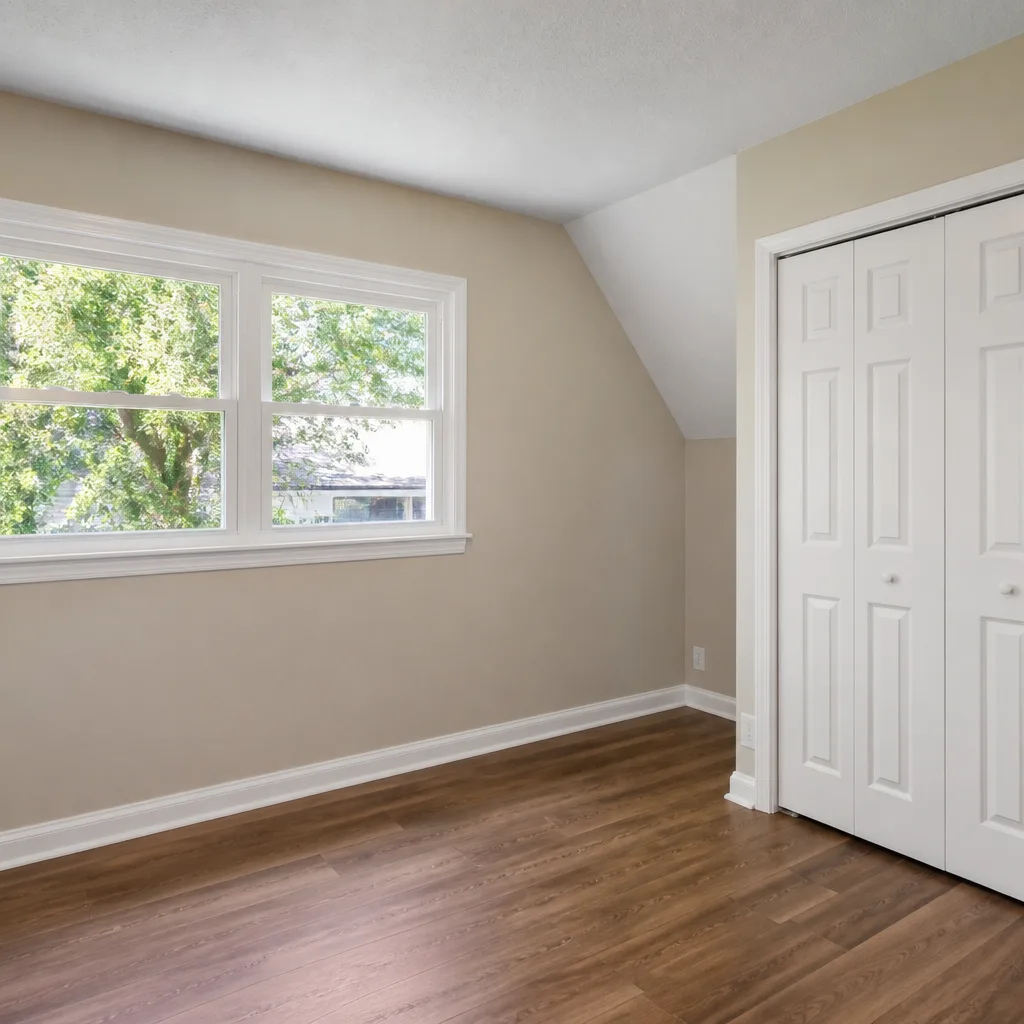

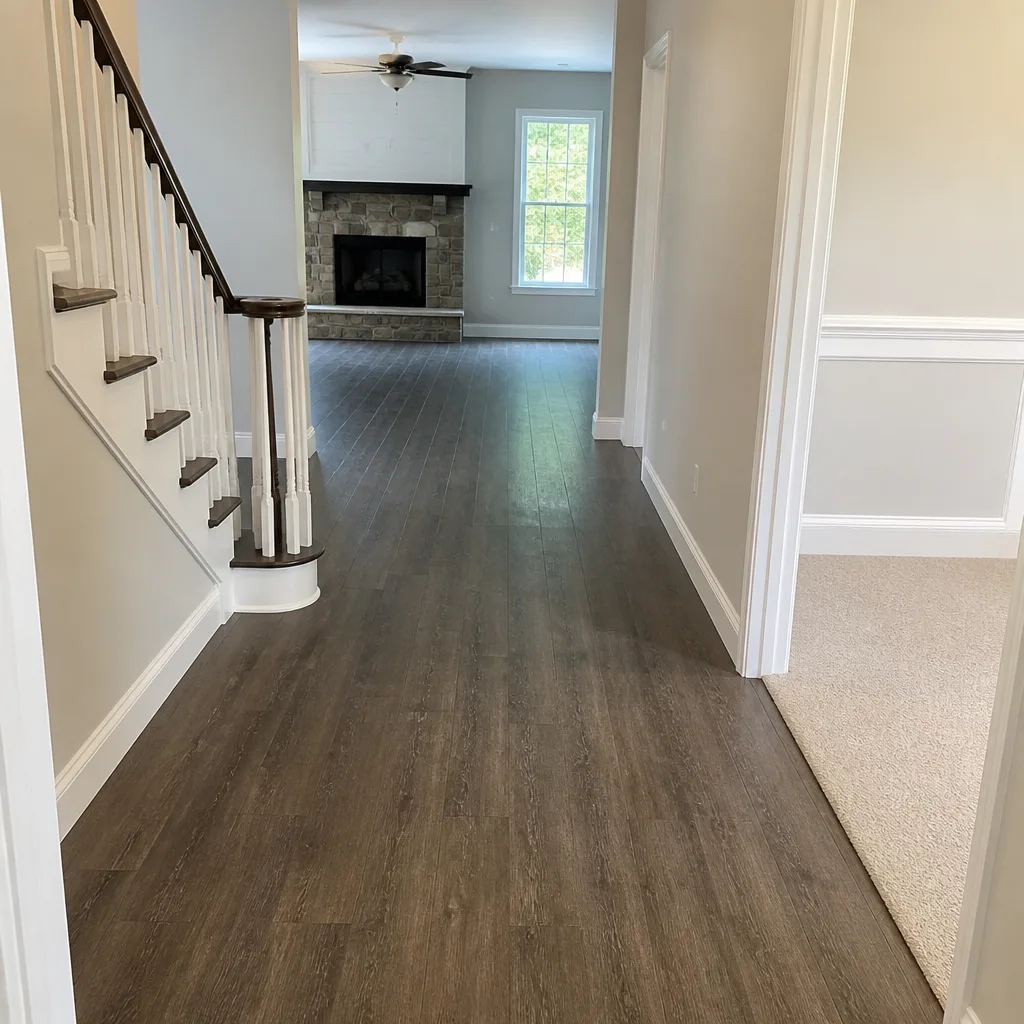

 Before
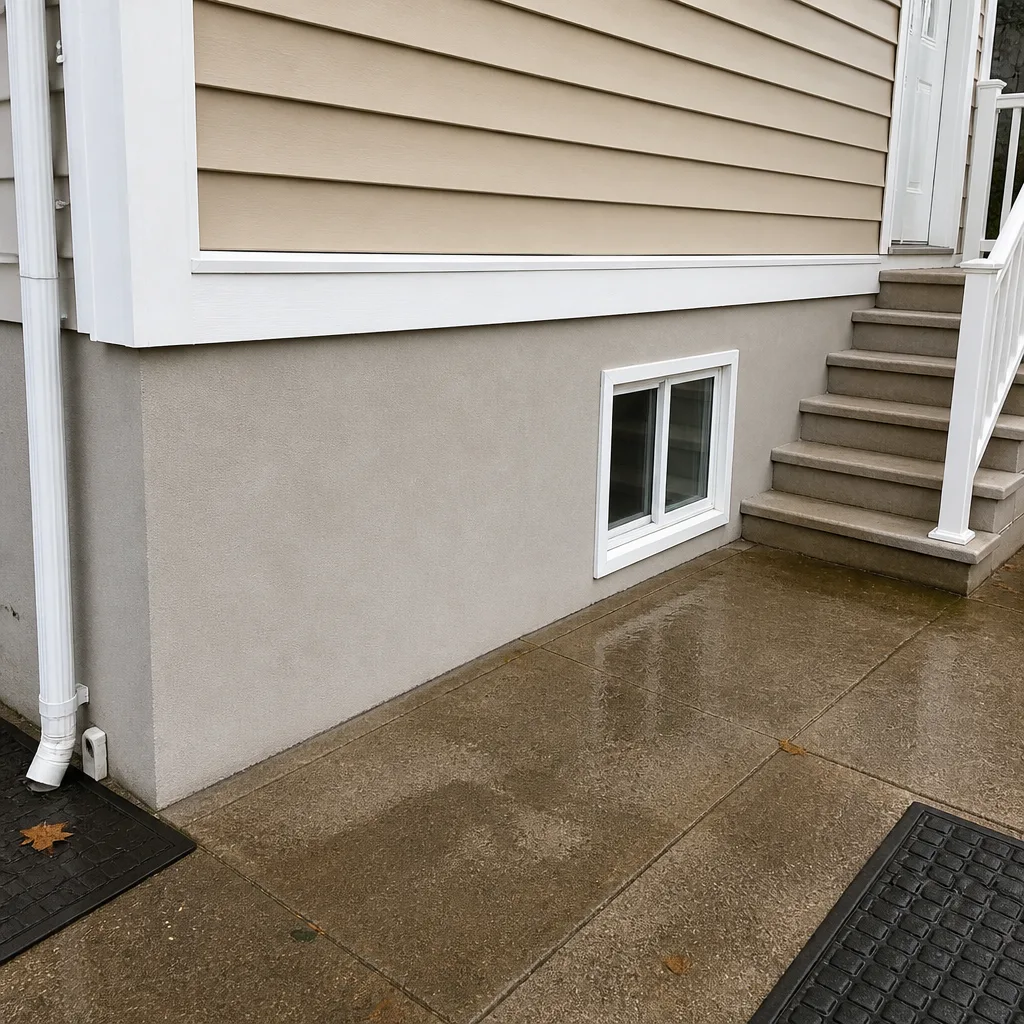 After
After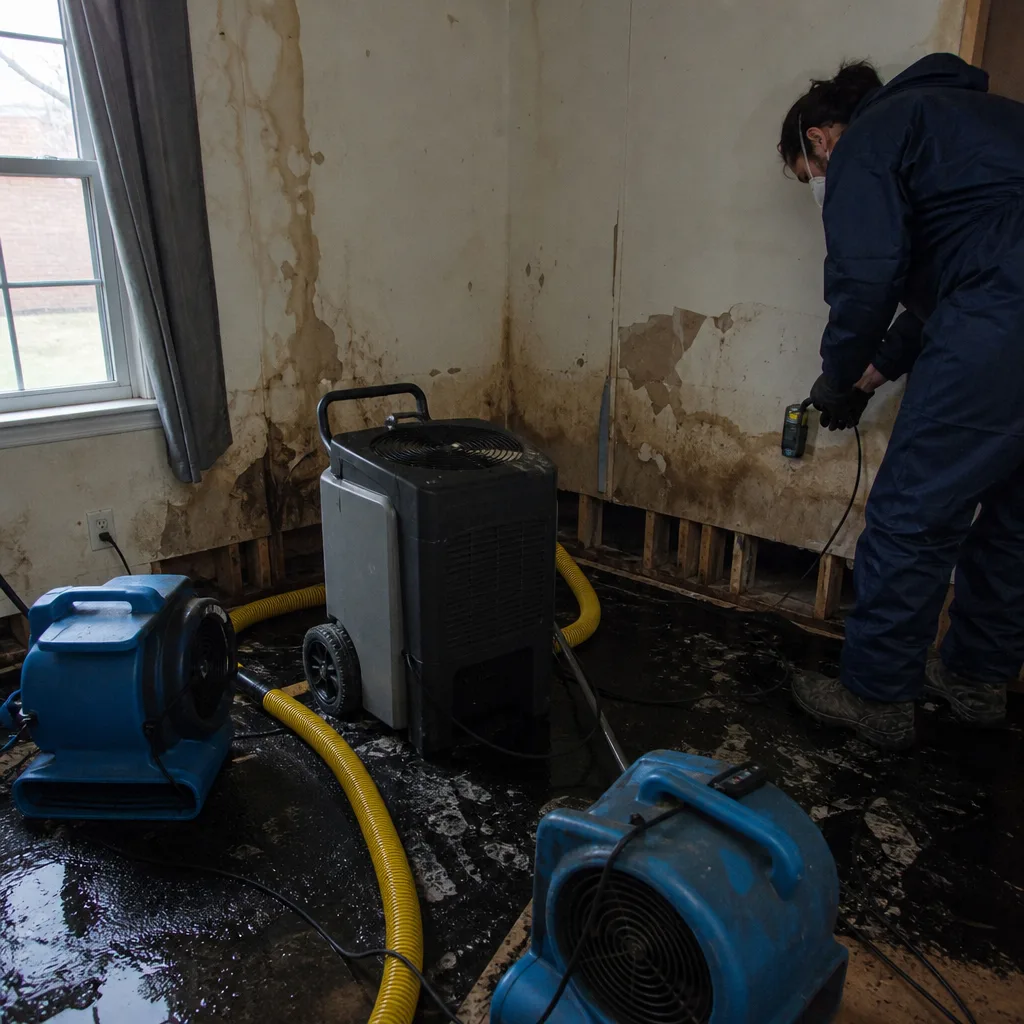 Before
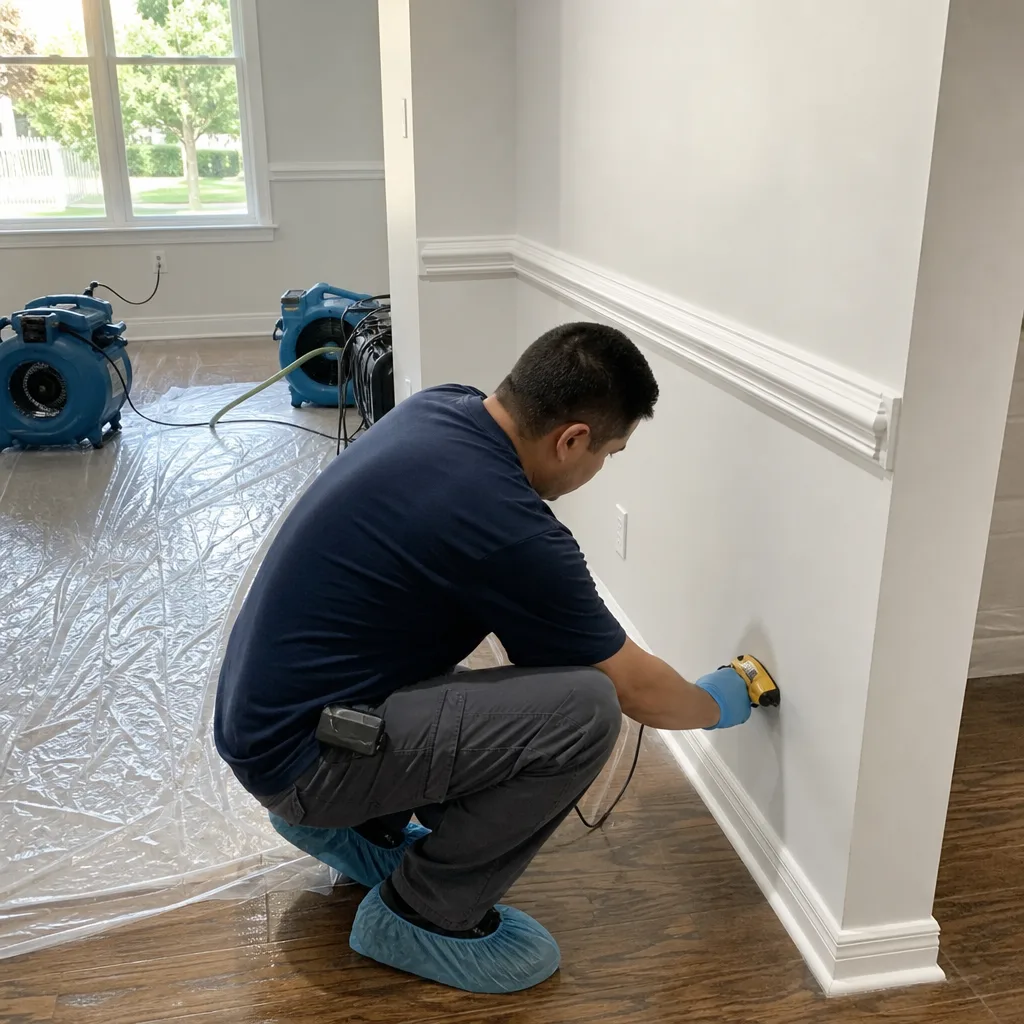 After
After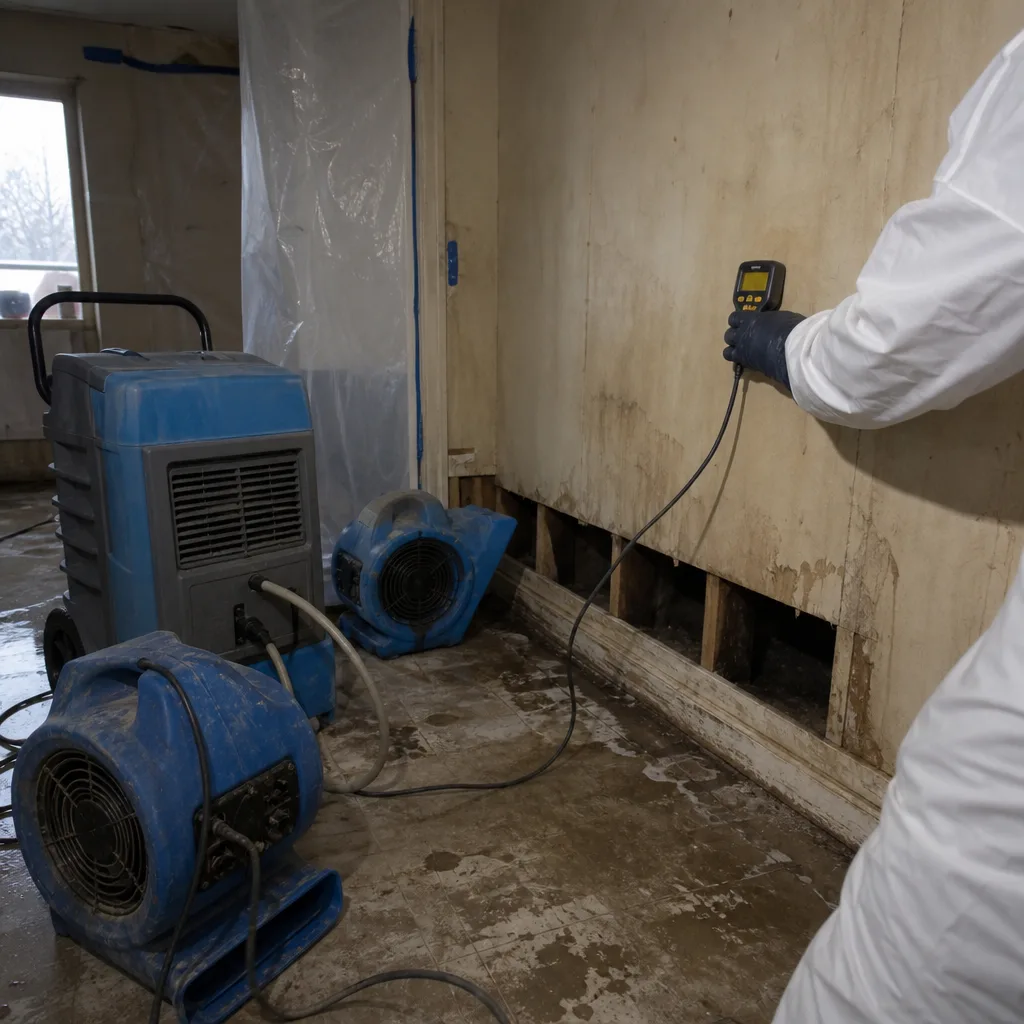 Before
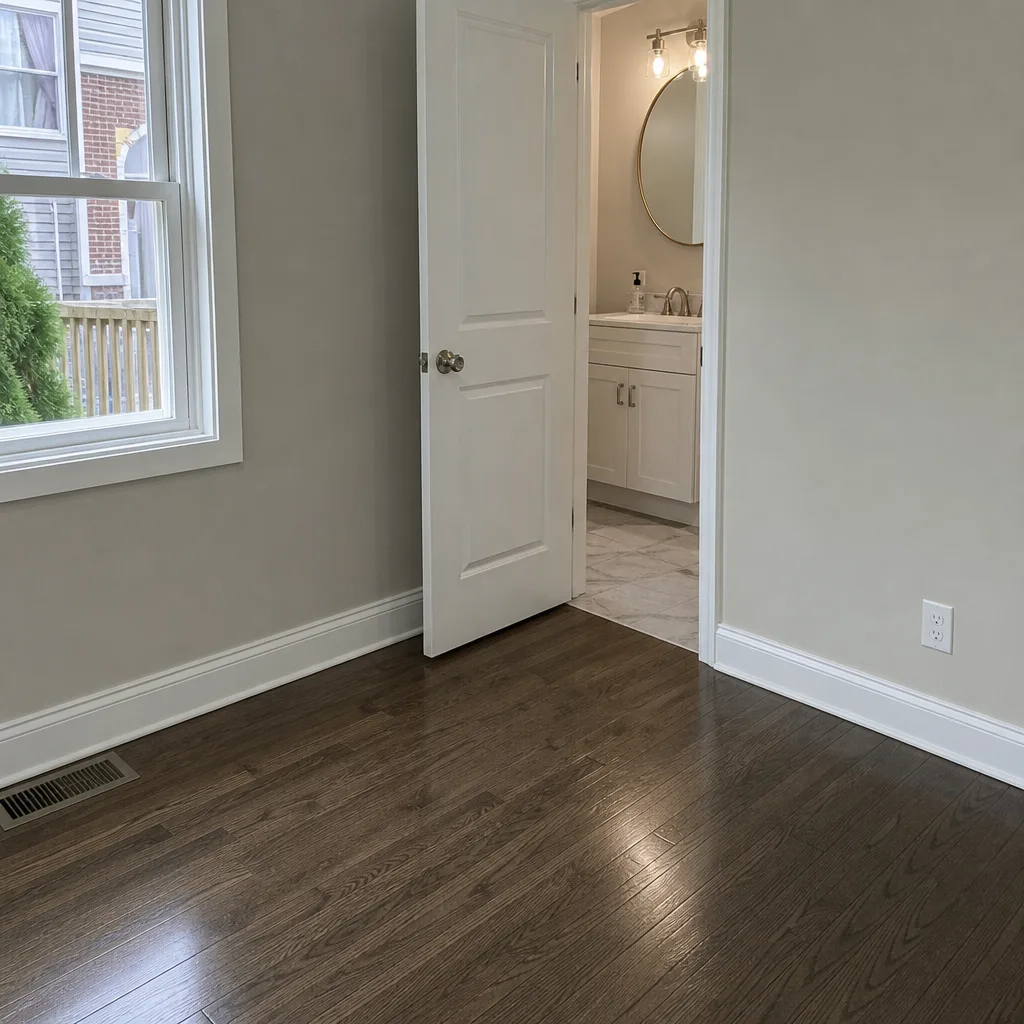 After
AfterSeasonal Damage Restoration Care for Union City: Year-Round Homeowner’s Guide
Union City sits in a strange weather pocket. We’re not in the flood plains of the Passaic River basin, and we’re not up in the Watchung hills where snow piles up. We’re in between - dense streets, older housing stock, flat roofs, and basements that were never designed for the rainfall we now get in March and September. That positioning creates a specific pattern of seasonal damage that most national guides miss entirely. This guide covers what actually happens to Union City homes month by month, what you can prevent with a Saturday afternoon, and what needs a certified crew on the same day it’s discovered.
Quick Answer
The most damaging seasons for Union City homes are late winter through early spring (frozen pipe bursts and roof ice melt) and the September-November fall storm window (flat roof pooling, basement seepage, and drainage backups). A $89 seasonal tune-up in October and again in March catches about 70% of what turns into a called-in emergency by January or April. When water does get in, the first 48 hours determine whether you’re looking at a dry-out or a mold remediation - so the answer to “when should I call?” is always the day you see it.
Table of Contents
- Winter in Union City: Frozen Pipes, Roof Ice, and the January Thaw Cycle
- Spring Melt and the First Big Rains: Basement Seepage Season
- Summer in Union City: Humidity, Condensation, and Hidden Mold Growth
- Fall Storm Season: Flat Roofs, Clogged Drains, and the Nor’easter Risk
- The Flat Roof Problem: Why Union City Homes Fail Differently
- Basement Water Management for Older Union City Housing Stock
- Seasonal Damage and Insurance: What to Document Before You Call
- Why the 48-Hour Rule Matters More Than Any Product You Can Buy
- Common Mistakes to Avoid
- When to Call a Professional
- Frequently Asked Questions
- The Bottom Line
Winter in Union City: Frozen Pipes, Roof Ice, and the January Thaw Cycle
Union City’s winter isn’t a deep freeze - it’s a freeze-thaw-freeze-thaw pattern that does more damage than a solid cold snap. Pipes in uninsulated exterior walls or unheated basements freeze on the cold nights, then crack as they warm unevenly. The break often doesn’t show itself until the ice plug melts, which is why so many Union City homeowners discover a burst pipe on a random 45-degree Tuesday in February, not during the cold snap itself.
What we see most often, in our experience, is the supply line running to an outdoor spigot or the copper in a bay window bump-out. These are the spots with the least airflow and the most exposure. The fix before the freeze is simple: shut off interior valves to outdoor spigots, drain the line, and leave cabinet doors under kitchen and bath sinks open on nights below 20°F. The second part is what most people skip - a slow drip on the furthest faucet, about the width of a pencil lead, keeps water moving just enough to prevent ice plugs from forming in the first place.
Roof ice is the other January problem. Floodline Restoration Co. home has responded to ceiling collapses on Washington Street and New York Avenue that started with an ice dam on a flat roof edge. When snow melts and re-freezes at a roof’s edge, the water backs up under the roofing material and finds its way into the ceiling below. The tell-tale sign is a water stain on the ceiling that gets larger after warm days but doesn’t dry out - that means the water is active, not old. If you see that in January, don’t wait for spring. The stain is the urgent signal.
Spring Melt and the First Big Rains: Basement Seepage Season
By March, the ground around Union City is saturated. When the first heavy spring rains hit, the water table rises and it has to go somewhere. For older homes built on the clay-heavy soil common in Hudson County, that “somewhere” is often the joint between a foundation wall and a basement floor. The seepage starts slow - a damp corner, a slight musty smell, maybe a small puddle that appears after rain and disappears a day later. Homeowners mistake it for a one-time thing. It isn’t.
The spring seepage season in Union City runs from late February through early May. During that window, basements that have been dry for years can suddenly show persistent dampness simply because the groundwater conditions changed. A saturated rain year upstream means a wet basement on Palisade Avenue; it doesn’t matter how well your sump pump worked last spring.
What to do in March and April:
- Check the basement perimeter after every heavy rain. Look for dark patches on the floor where the wall meets the concrete.
- Clean and test your sump pump by pouring a bucket of water into the pit and watching it cycle. If it doesn’t kick on, you need service before the next storm.
- Clear any debris from the outside grade around the foundation. Soil should slope away from the house at least 6 inches over the first 10 feet.
- If you see active water - not just dampness - call a restoration company that day. Active water intrusion in spring rarely stops on its own.
A note on the $89 Seasonal Tune-Up: this is the single best-dollar-value service we offer for spring readiness. It covers the basics - sump pump cycle test, dehumidifier check, drainage inspection, and a visual assessment of the foundation perimeter. It catches problems before they become a carpet-soaking emergency.
Summer in Union City: Humidity, Condensation, and Hidden Mold Growth
Union City summers are humid. Not the dry heat of the Southwest - the kind of humidity that makes a basement feel like a sponge by July. When outdoor air is 80% relative humidity and it finds its way into a cool basement, the moisture condenses on cold surfaces: pipes, concrete walls, AC ductwork. That condensation is water. It sits, it soaks into drywall and wood, and it creates the exact conditions mold needs to colonize. The mold doesn’t care that it’s summer. It cares that there’s moisture and cellulose.
In our experience, the most common summer discovery is mold on the back side of furniture pushed against a basement wall, or inside a closet that doesn’t have airflow. The mold was there for weeks or months before anyone noticed, because the humidity made the wall damp enough for growth but not wet enough to be obvious. The fix for prevention is mechanical dehumidification - a unit sized for the square footage, running on a humidistat, not a timer. The fix for existing mold is not bleach on a sponge. Bleach doesn’t kill mold at the root; it bleaches the surface and drives the colony deeper into porous material.
What we tell Union City homeowners about summer humidity:
- Your basement dehumidifier should be set to 50% relative humidity, not “comfortable.” Mold grows above 60%.
- If the dehumidifier runs constantly and never reaches its target, the unit is undersized or there’s active water intrusion feeding the humidity.
- Condensation on copper pipes in summer is normal - condensation on drywall or ceiling joists is not. That’s a ventilation problem or an air leak from a conditioned space.
- Inspect behind stored boxes and furniture at least once a month during July and August. The earlier you find a mold bloom, the smaller and cheaper the remediation.
Fall Storm Season: Flat Roofs, Clogged Drains, and the Nor’easter Risk
September through November is when Union City gets hit. The remnants of Atlantic hurricanes, early nor’easters, and sustained heavy rainfall all converge on the same window. Unlike a summer thunderstorm that dumps an inch in 20 minutes and passes, a fall nor’easter can deliver 2 to 4 inches over 36 hours. That duration is the problem - it gives water time to find every entry point.
The two systems that fail first in Union City’s fall storms are flat roof drains and exterior basement stairwells. Flat roof drains clog with leaves from the street trees on Bergenline and Summit Avenues, then the roof becomes a shallow pond. Water depth of just 1 inch over a flat roof adds roughly 5 pounds of load per square foot. On a 1,000-square-foot roof, that’s 5,000 pounds of water sitting where it shouldn’t be. It finds its way through the membrane at the seams and flashing points, and it usually shows up first as a water stain on the top-floor ceiling or a drip around a light fixture.
Exterior stairwells - common on the hillside homes in Union City - collect leaves faster than you’d think. When the drain at the bottom of the stairwell clogs, the stairwell fills like a bathtub. The water pushes against the basement door and works its way under the threshold. We see this every single fall. The prevention is one hour of cleaning every October: clear the roof drains, clear the stairwell drain, and check the basement door weatherstripping.
Fall to-do list for Union City homeowners:
- Get on your roof or have someone look at it in mid-October. Clear every drain and scupper of leaves and debris.
- Clean exterior stairwell drains and any area drains around the foundation.
- Check window wells. If they don’t have covers, add them. Water entering through a window well is one of the most preventable fall water damage sources.
- Inspect the roof membrane for cracks, blisters, or pulled seams. A $200 patch in October beats a $12,000 ceiling repair in December.
- Test the sump pump one more time before the November rain window.
The Flat Roof Problem: Why Union City Homes Fail Differently
Flat and low-slope roofs are standard on Union City’s attached rowhouses and older apartment buildings. They’re not inherently bad - they’re just unforgiving. A pitched roof sheds water by gravity. A flat roof has to be maintained; when the drain clogs or the membrane ages, the water doesn’t slide off. It pools, it freezes in winter, and it accelerates membrane failure in summer heat. Every year a flat roof goes without an inspection is a year it’s silently losing its waterproofing.
The lifespan of a flat roof membrane in Hudson County’s climate is typically 12 to 18 years, depending on the material and the quality of the original install. After that point, it’s not a question of if it leaks - it’s when. The March rain or the October nor’easter just picks the date.
Signs a flat roof is approaching failure:
- Visible cracks or alligatoring in the membrane surface
- Blisters - air or moisture trapped under the membrane
- Ponding water that remains 48 hours after rain stops
- Pulled flashing or lifted seams around vent pipes and parapet walls
- Soft spots in the deck when walked - this means the substrate is already saturated
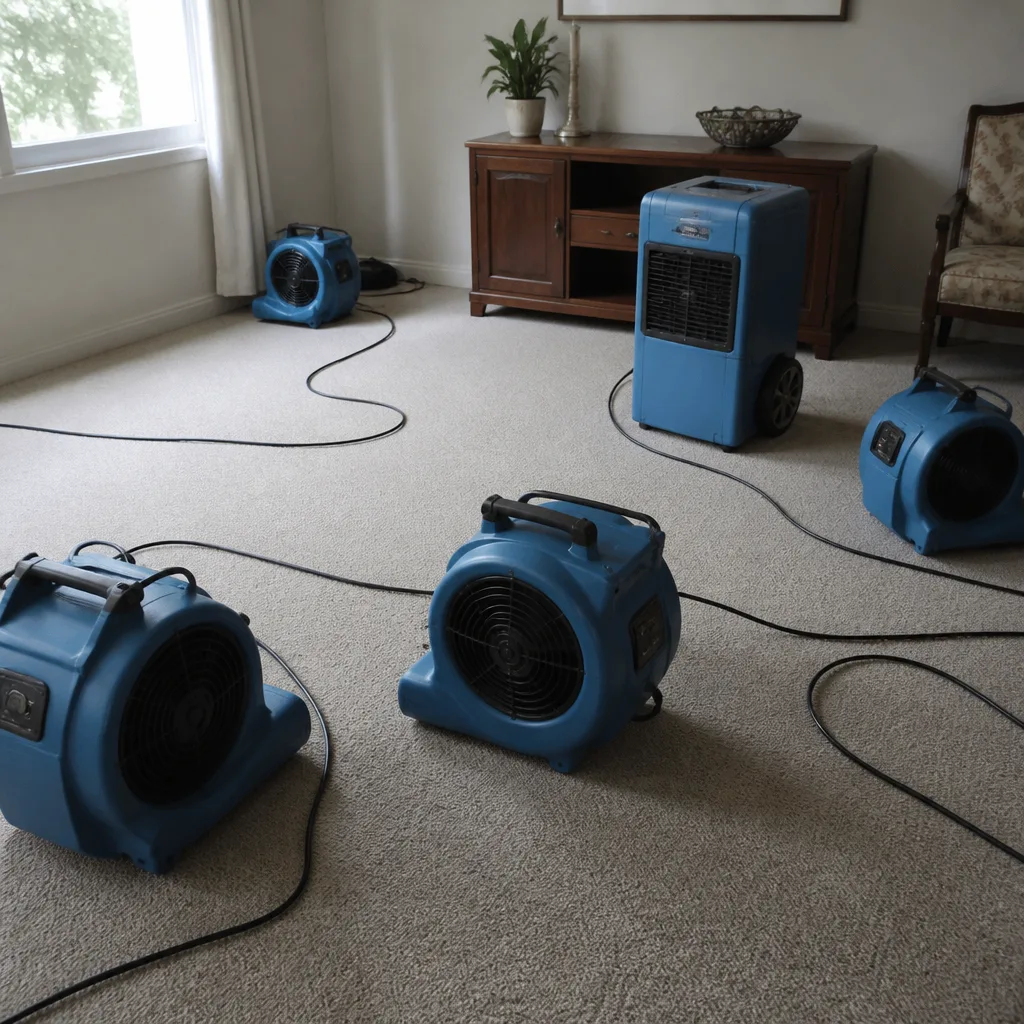
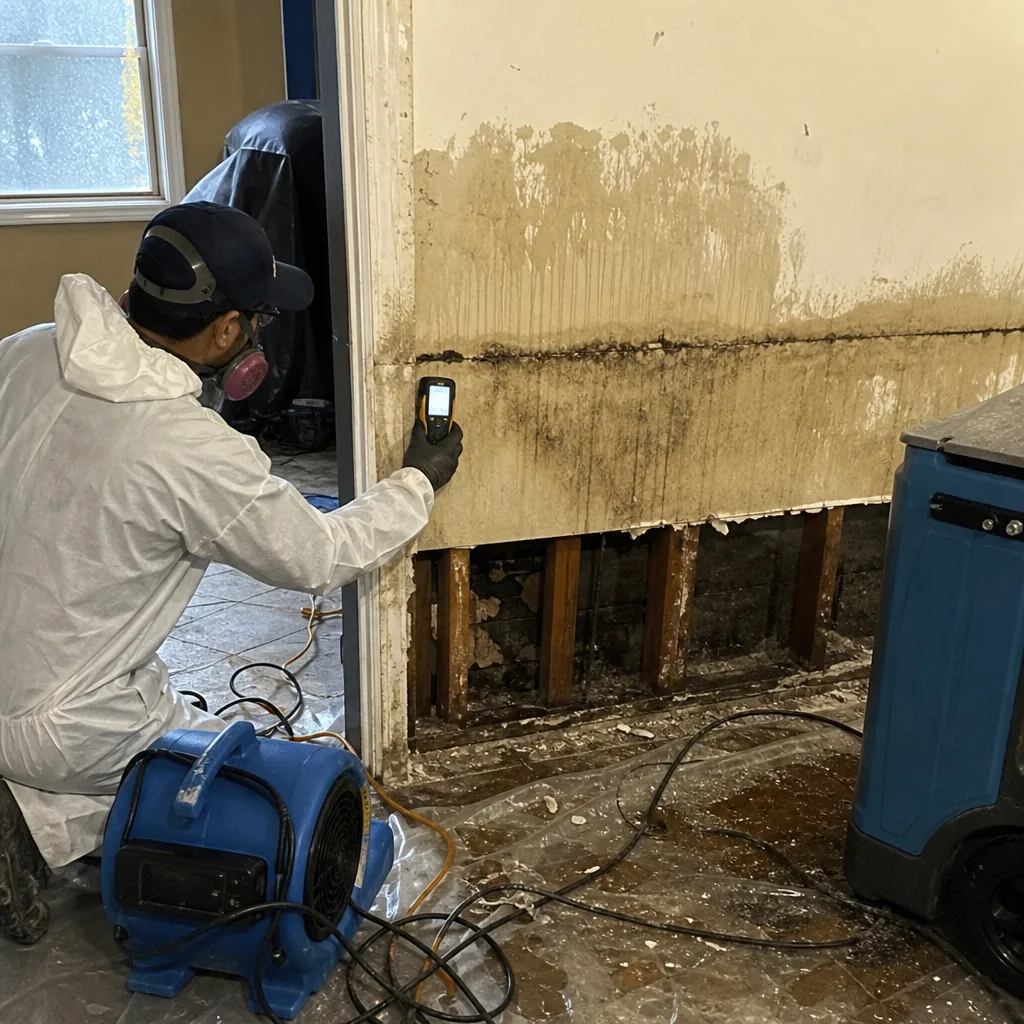
When a flat roof does let go, the damage usually isn’t limited to the roof itself. Water travels down through the ceiling cavity, soaks insulation, and arrives in the rooms below as a slow ceiling leak that’s often mistaken for a plumbing problem. By the time the stain appears on Sheetrock, the insulation above has been wet for days or weeks. The restoration work then includes drying the ceiling cavity itself, not just patching the roof and repainting the stain. That’s the work that requires professional-grade drying equipment - Dri-Eaz dehumidifiers, Phoenix air movers, and moisture meters used daily until the structure reaches the dry standard. Once it’s dry, the rebuild follows. This is exactly the kind of job Floodline Restoration Co. handles start to finish, from the initial extraction and drying log to the final coat of paint on the rebuilt ceiling. We don’t hand the job off mid-stream, and the homeowner never has to coordinate between a mitigation crew and a separate contractor. The same crew that reads the moisture map on day one rebuilds what needs rebuilding and hands the homeowner the completed moisture log with the 90-Day Done Right Promise in writing.
Basement Water Management for Older Union City Housing Stock
Many Union City homes were built before modern waterproofing standards existed. Foundation walls were made of stone or brick with lime mortar - materials that breathe and move with the ground. They were never meant to be waterproof; they were expected to be damp sometimes. That worked fine for a century, until finished basements became living space. Now the basement that was a coal storage room is a family room with drywall and carpet, and the old masonry is still breathing groundwater vapor into it.
The reality for older Union City basements is that you’re managing water, not eliminating it. No interior coating or paint-on waterproofing will stop hydrostatic pressure from the outside. Water under pressure finds a way through, and when the barrier is on the wrong side of that pressure, the barrier loses. The correct approach is a drainage strategy - interior French drains, a properly sized sump pump with a backup, and dehumidification controlled by a humidistat.
That said, there’s a big difference between a damp basement and an actively wet one. A damp basement can be managed with ventilation and a dehumidifier. Active water intrusion - a puddle that forms after rain, a stream running across the floor, water staining that’s dark and expanding - needs professional assessment. The line between the two is important because the treatment is fundamentally different. Damp is a humidity problem. Wet is a drainage or structural problem, and waiting on a wet basement makes the eventual repair bigger and more expensive. Water is doing something every hour it sits there - wicking into drywall, rusting the furnace, decaying wooden framing, and colonizing mold in the dark. The line the water left is where we start, and the earlier we start, the less of the basement has to be torn out and rebuilt.
Seasonal Damage and Insurance: What to Document Before You Call
Insurance covers sudden and accidental damage. It doesn’t cover gradual deterioration. That distinction controls almost every seasonal damage claim in Union City. A burst pipe in January - covered. A slow leak from an aging roof that drips for three months and causes a mold bloom in April - probably not covered, because the insurer calls it a maintenance failure. The line between those two scenarios is often decided by documentation: what you noticed, when you noticed it, and what you did about it.
Before calling your insurance company after a water event, document the following:
- Photos and video of the damage from multiple angles, including the source if visible
- The date and time you discovered it, written down
- A note of the weather conditions at the time - was it raining? Was it freezing? This matters for storm-versus-maintenance determination
- Any receipts for recent maintenance you’ve done - a roof inspection in October carries a lot of weight in a December claim
- A record of who you called and when, including the restoration company’s arrival time
Floodline Restoration Co. provides photo-documented assessments on every job and coordinates directly with your adjuster. Direct insurance billing takes the homeowner out of the messenger role entirely. You shouldn’t have to translate between the restoration crew and the claims department. We bill the carrier directly for covered work, and we provide written scope documentation that matches what the adjuster expects to see. It’s a square deal: no surprises on the bill, and no paperwork battles after the fact.
Why the 48-Hour Rule Matters More Than Any Product You Can Buy
Mold colonization begins between 24 and 48 hours after water intrusion. That’s not a guideline; it’s biological reality. Mold spores are already in every home in Union City, dormant on every surface. They don’t need to be introduced. They need moisture and a food source, and water damaged drywall is a food source. When spores land on wet paper and the temperature is above about 65°F, germination starts within a day. By day two, the colony is establishing. By day five, it’s producing new spores and spreading.
That’s why speed is the entire game in water damage restoration. A same-day response with extraction equipment running takes a situation that could become a mold remediation and reduces it to just a dry out. The same volume of water that creates a $3,000 drying job on day one creates a $15,000 mold remediation and rebuild on day five. The arithmetic is brutal and it’s real.
This is why Floodline Restoration Co. built the company around live 24/7 dispatch. A live person answers the phone at 2 a.m., not a recording. A certified crew reaches the job and extraction is running that same visit, because the difference between “same visit” and “tomorrow morning” is measured in mold growth, not convenience. Our technicians arrive background-checked and uniformed, trained to IICRC, RIA, and IFA standards, with Dri-Eaz dehumidifiers, Phoenix air movers, and Injectidry systems ready to go. Then the moisture log starts. Daily readings, written down, shared with the homeowner and the carrier, until the structure meets the dry standard - not a guess, not a “feels dry to me,” but a documented measurement. That log is the proof that the job was done right, and it’s part of what gets handed over with the 90-Day Done Right Promise at the end of the job.
Common Mistakes to Avoid
- Waiting to see if it dries on its own. Water in a wall cavity or under a floor doesn’t dry on its own in Union City’s humid climate. It moves, it soaks deeper, and it starts mold. The delay always costs more than the prompt call would have.
- Using a household fan instead of a dehumidifier. A fan moves air but doesn’t remove moisture. It can actually spread the problem by blowing humid air into drier areas. Wet building materials need mechanical dehumidification to reach the dry standard.
- Painting over a water stain. The stain tells you water was there. Painting over it hides the symptom without addressing the source. If the source is still active, the stain comes back through the paint within months, and the hidden material keeps absorbing water the whole time.
- Skipping the seasonal tune-up because everything seems fine. The phrase “seems fine” is how every $20,000 restoration story starts. Water damage is structural rot and mold growth in slow motion. The $89 tune-up is the cheapest insurance available against it.
- Assuming homeowner’s insurance covers everything. Gradual leaks and long-term seepage are commonly denied. Sudden bursts and storm damage are commonly covered. Knowing which category your situation falls into matters before you start making repairs.
- Cleaning mold with bleach. Bleach kills surface mold but doesn’t penetrate porous materials. The roots survive, the mold returns, and the homeowner has breathed bleach fumes and done nothing but cosmetically change the surface. Professional mold remediation removes the colonized material or properly treats it with the right antimicrobials - not household bleach.
- Ignoring a small leak because it’s “not that bad.” In our experience, the small leak that dripped for a month is usually the one that rotted the subfloor and grew mold behind the baseboard. Water damage is exponential, not linear. The longer it runs, the faster it compounds.
When to Call a Professional
Some seasonal damage is a Saturday afternoon fix: clearing a window well, unclogging an exterior drain, tightening a loose downspout connection. Other situations need a certified crew on the same day. Call a professional when you see active water coming into the house, when a ceiling stain is growing, when you can smell a musty odor you didn’t have before, when the breaker trips after water exposure, or when you discover mold larger than about 10 square feet. These are not DIY scenarios, and the cost of the wrong DIY approach consistently exceeds the cost of the professional call made early. Floodline Restoration Co. offers free estimates in Union City - call (551) 348-8481 and a live person answers. If it can wait, we’ll tell you it can wait. If it can’t, the crew is on the way.
Frequently Asked Questions
Water damage restoration in Union City typically costs between $1,800 and $6,500 depending on the scope: source of water, size of the affected area, how long the water has been present, and what materials need removal or repair. A small, same-day dry-out of a contained area might run under $2,000, while a full basement with contaminated water and finish materials involved can exceed $6,000. The single biggest cost variable is time - the longer water sits, the more material removal is required. Call (551) 348-8481 for an exact quote. Estimates are free.
Insurance covers sudden and accidental water damage, like a burst pipe or a storm-driven leak that happened in one event. Gradual damage from a slow leak or long-term seepage is typically considered a maintenance issue and is often denied. The best way to protect a claim is to document the discovery date, photograph everything, and call a restoration company that provides photo-documented assessments and coordinates directly with your adjuster. Floodline Restoration Co. bills the carrier directly for covered work.
A live dispatcher answers the phone 24 hours a day at Floodline Restoration Co. If you’re calling about active water, a crew is dispatched immediately and extraction starts on the same visit. We don’t make homeowners wait overnight with water in the house, because every hour of delay increases the damage, the mold risk, and the final bill. The 24/7 dispatch line is (551) 348-8481.
Mold exposure can cause respiratory irritation, allergic reactions, and more serious health effects for people with asthma, immune conditions, or pre-existing lung issues. The health hazard isn’t the only concern - mold is actively degrading whatever it’s growing on. Small surface mold on non-porous material can sometimes be cleaned by a homeowner, but mold on drywall, wood, or insulation requires professional remediation to remove the colony at the root, not just bleach the surface. When in doubt, it’s better to have it assessed by a certified professional.
Twice a year - once in October before the fall storm season, and once in March after the winter freeze-thaw cycle. These are the two windows when Union City homes are most vulnerable. The $89 Seasonal Tune-Up covers the high-risk basics: sump pump test, drainage inspection, dehumidifier check, and a foundation perimeter assessment. Most homeowners schedule it as a spring-and-fall routine, the same way they’d change smoke detector batteries.
The 90-Day Done Right Promise is Floodline Restoration Co.’s written guarantee, known internally as the Keystone Standard. If the work isn’t done right within 90 days of completion, we make it right - in writing, no paperwork battles, no arguing. It’s backed by the K.E.Y.S. values code: Krafted right, Every time, Your home first, Standing behind it. Every job we complete in Union City carries this promise.
The Bottom Line
Seasonal damage in Union City follows a predictable calendar: frozen pipes and ice dams in January, basement seepage in March, humidity-driven mold in July, and roof and drain failures in October. Most of what turns into a $20,000 restoration starts as a $200 repair that got deferred. The homeowners who fare best are the ones who treat their home like a system that needs seasonal attention, document problems the day they appear, and call a professional early when water is involved. A $89 tune-up in the right season, a cleared drain in October, and a phone call on the first day of a leak - that’s the entire defensive playbook. The rest is what Floodline Restoration Co. does after the water line is drawn.
If you’re seeing damage now, call (551) 348-8481. A live person answers, and the estimate is free.
Written by Curt Bowman, Owner at Floodline Restoration Co., serving Union City since 2010.