
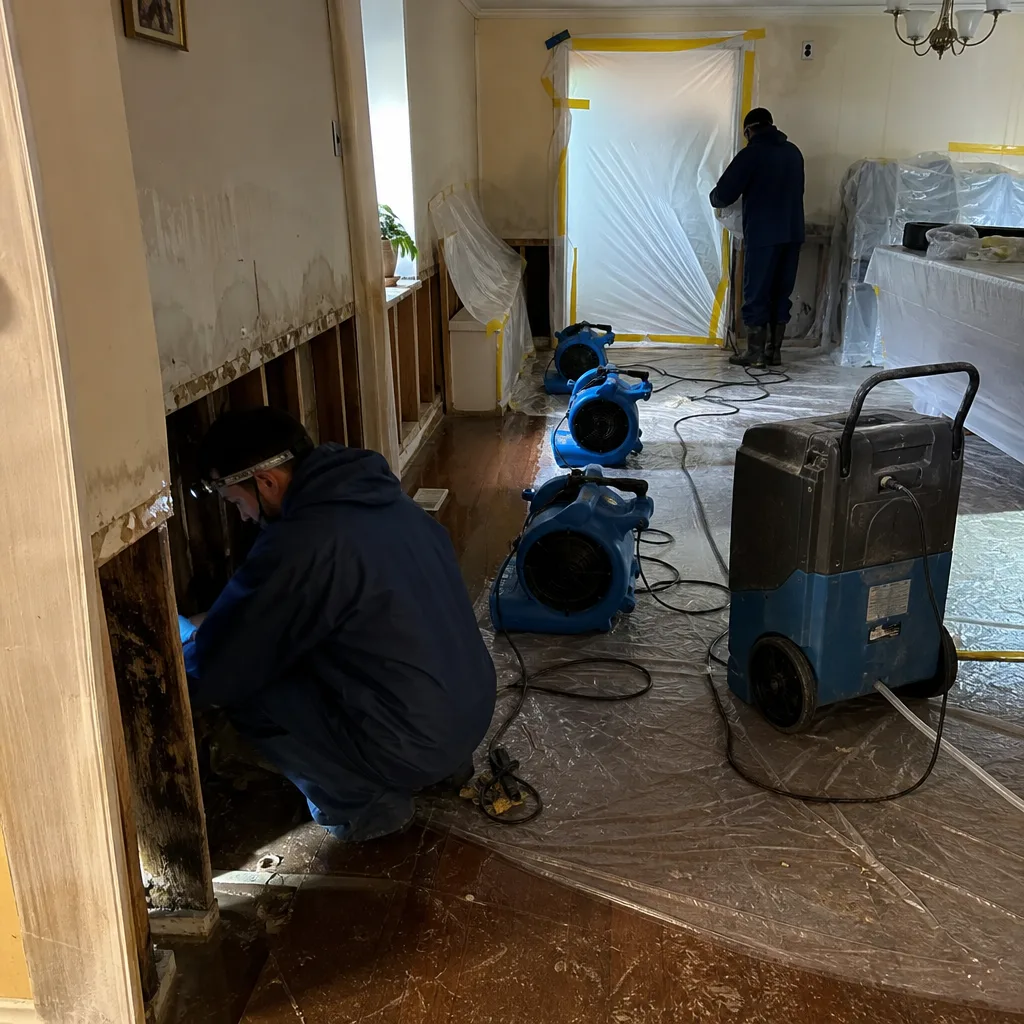
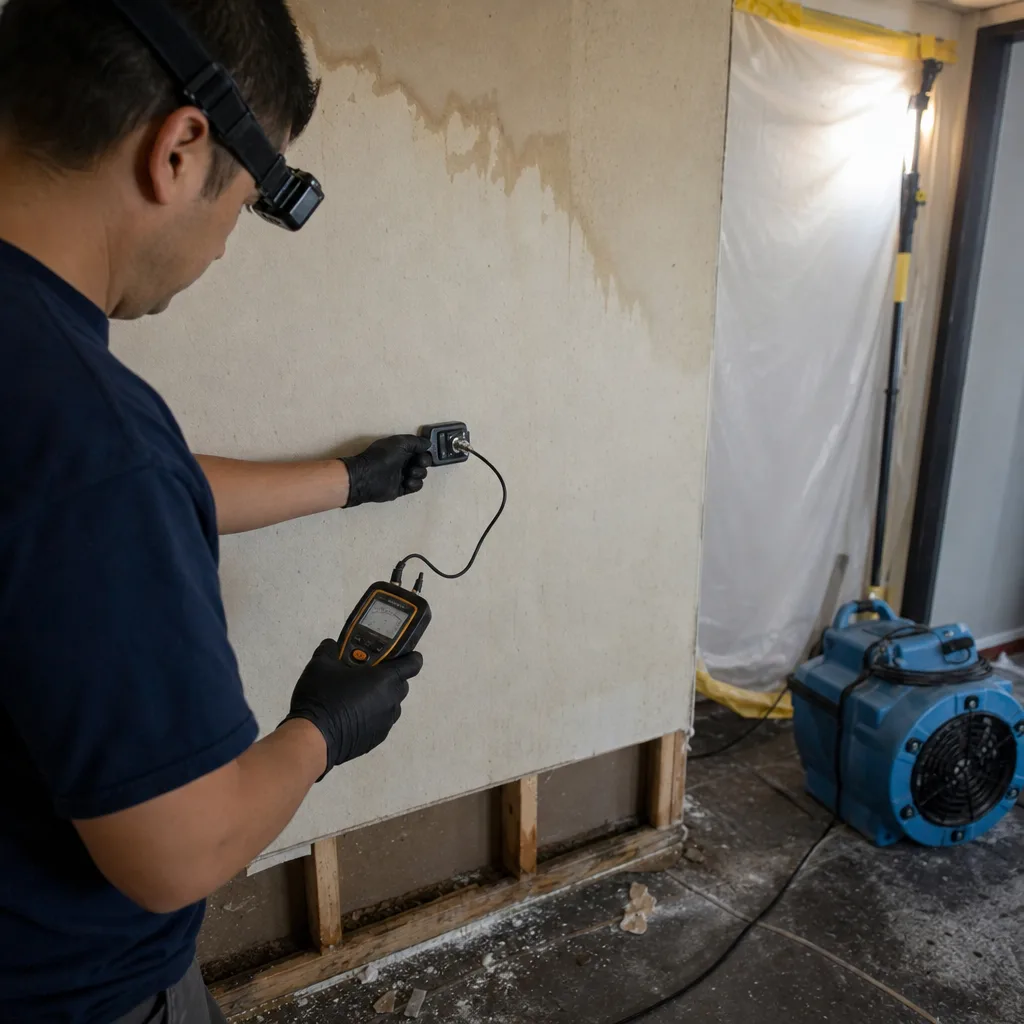
Free visual inspection and a written scope of work before any mitigation begins - photos, moisture readings, and drying logs go in your claim file
The scope we write is the scope we bill. Anything new gets shown to you, in writing, before we touch it.
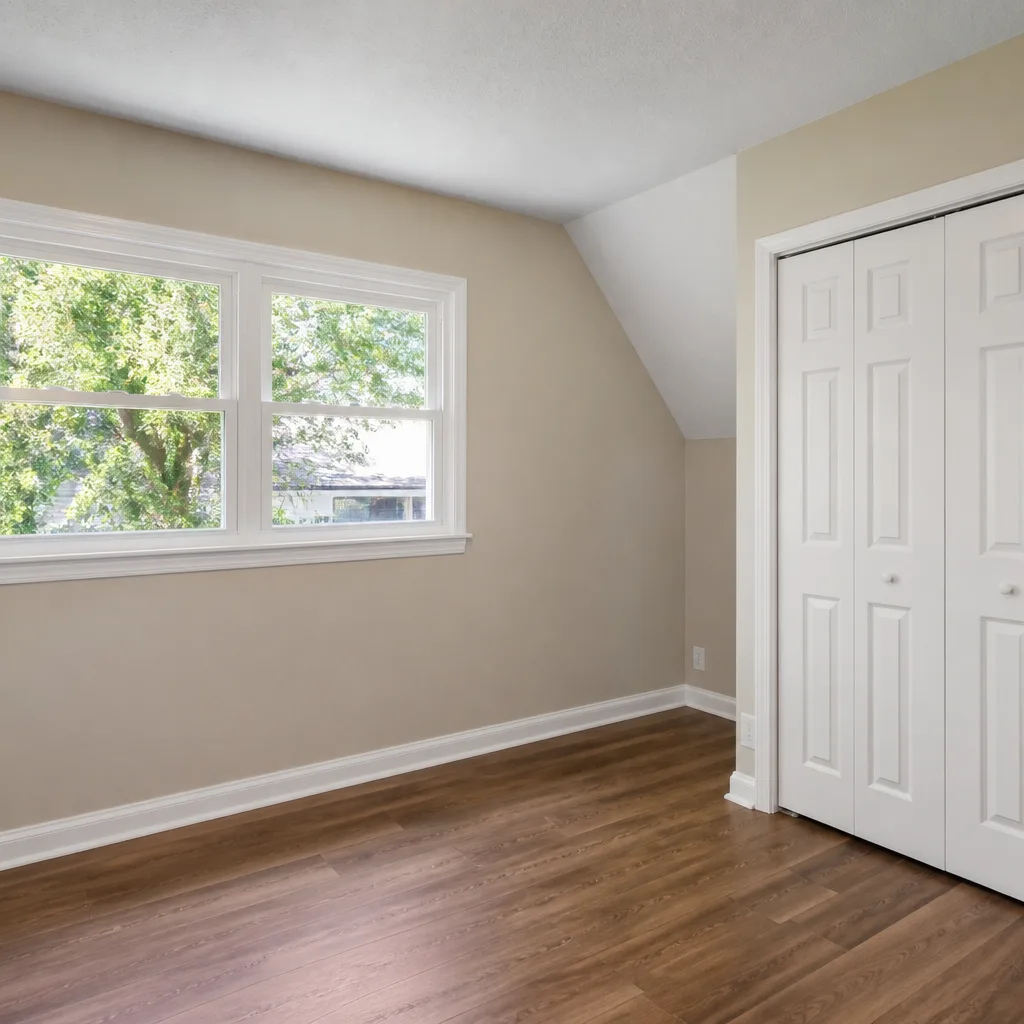
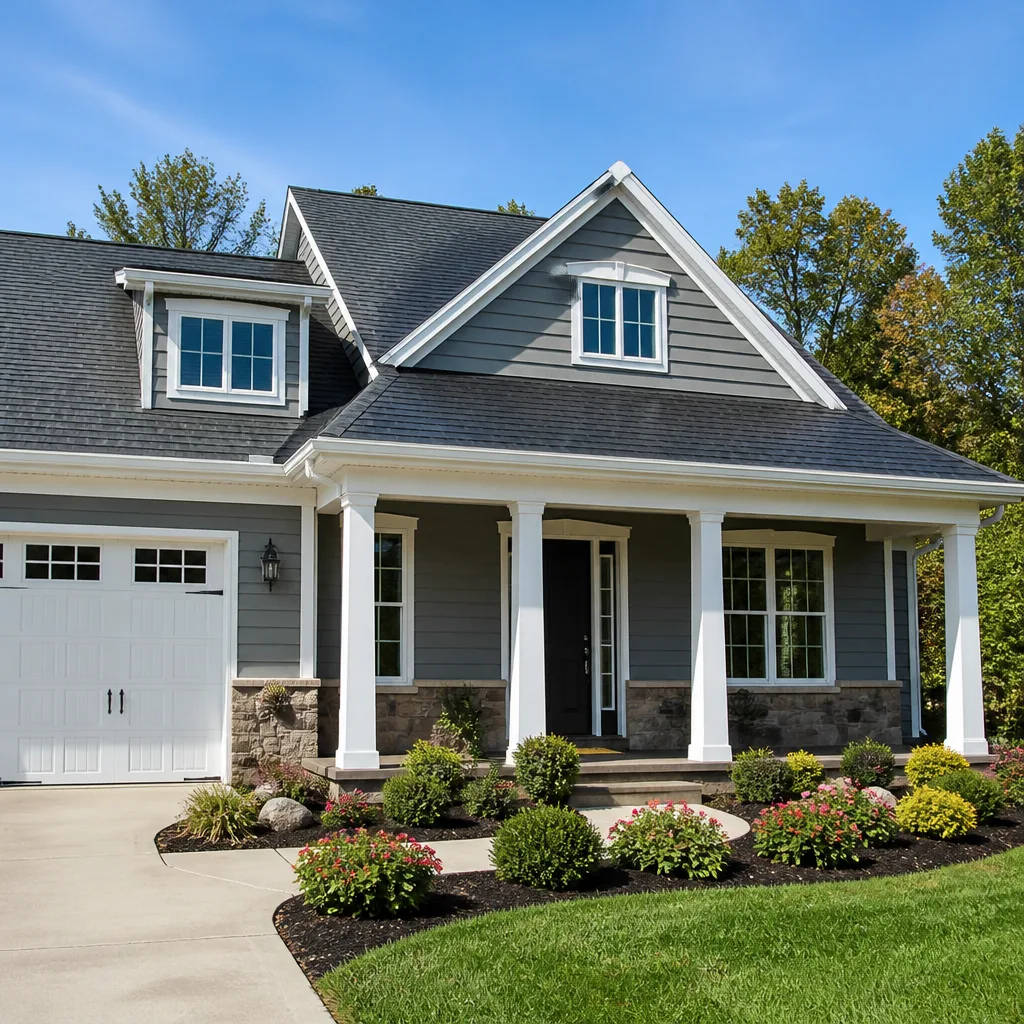
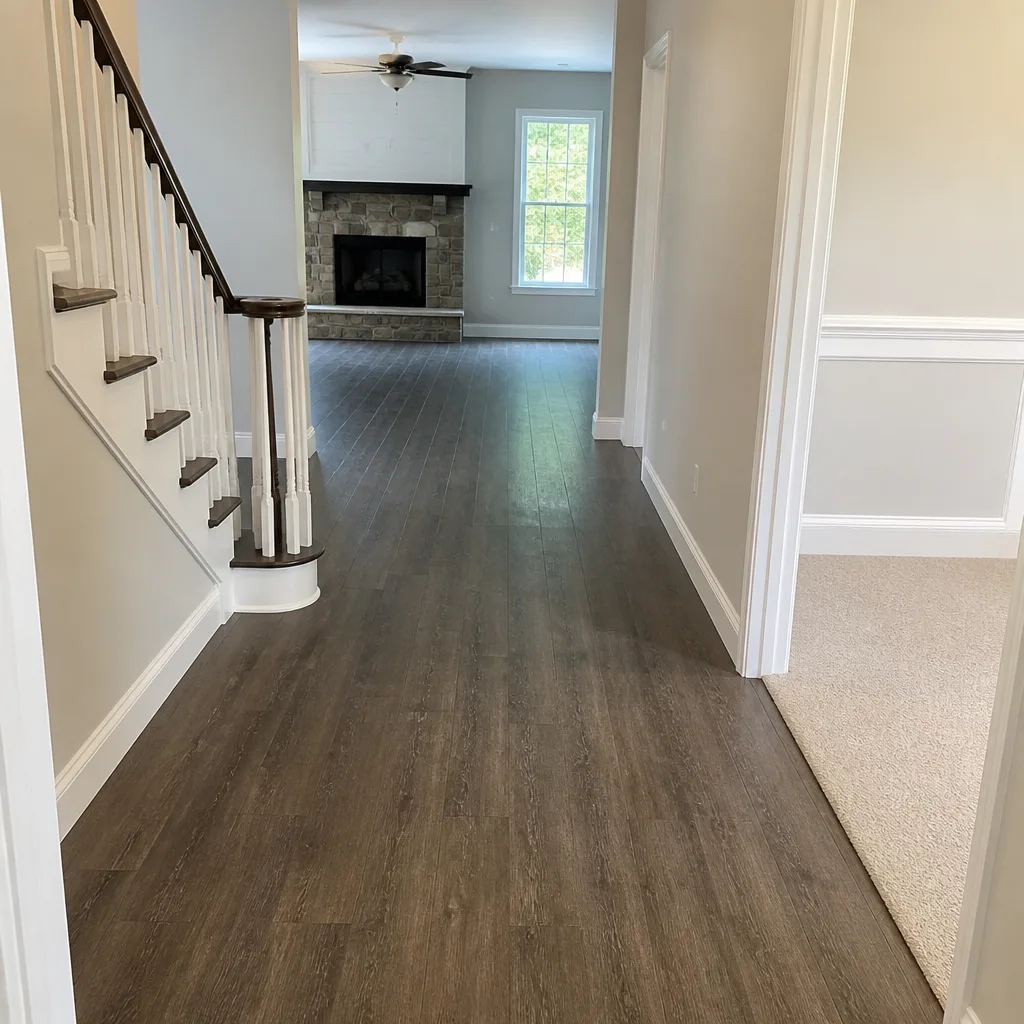
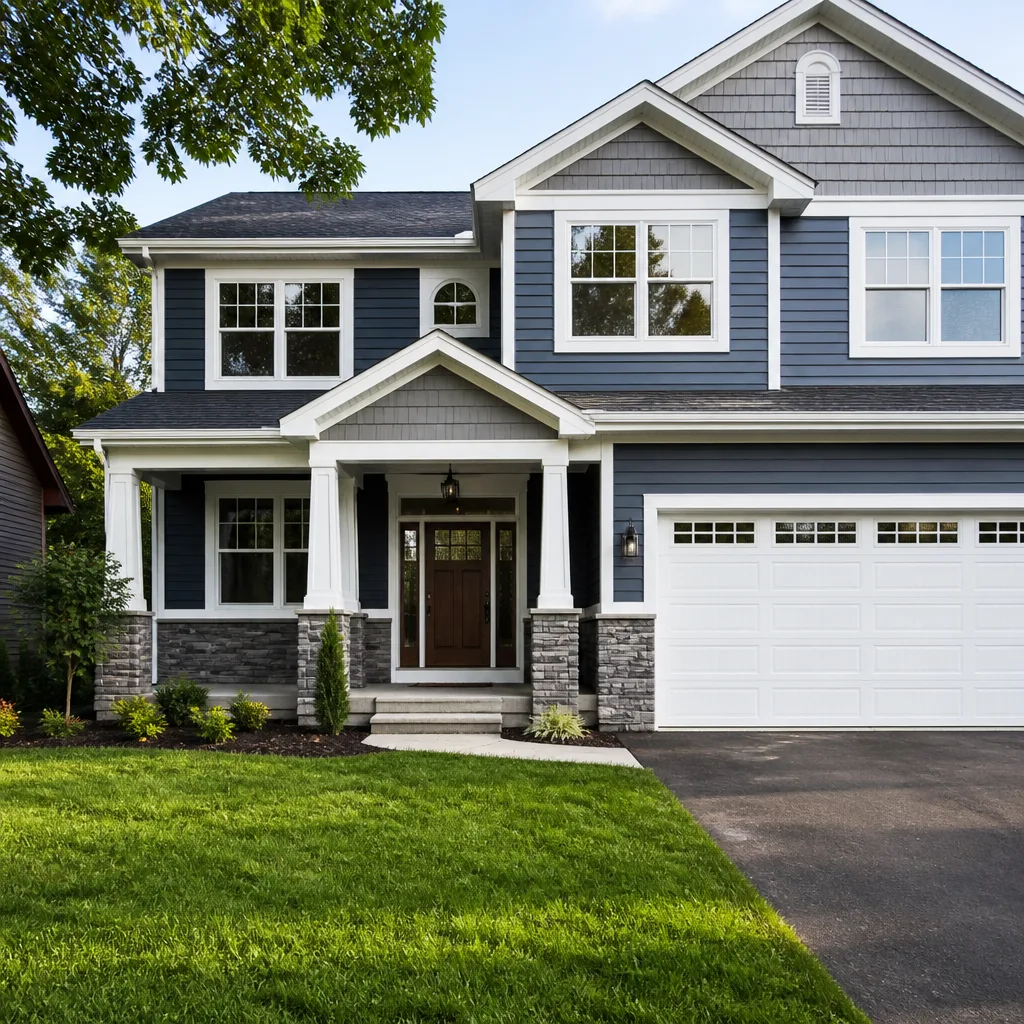
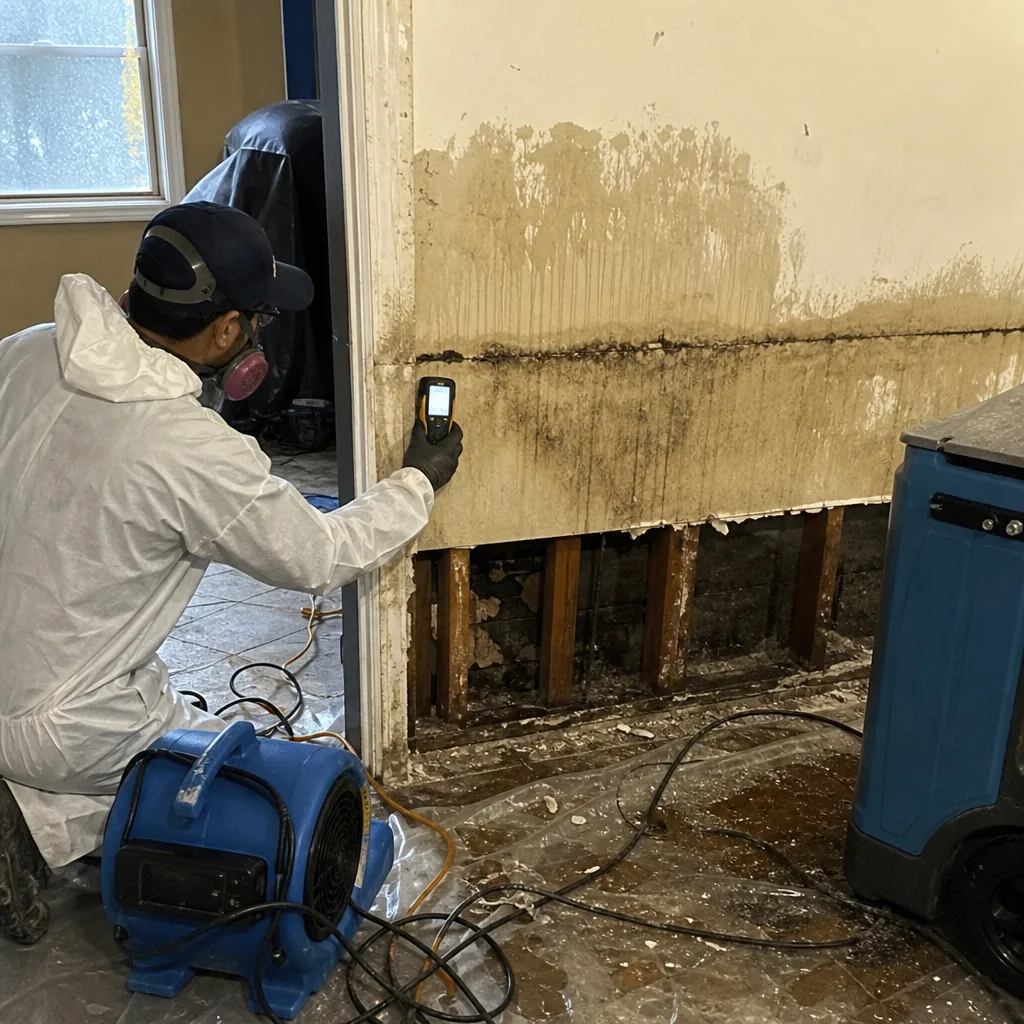 Before
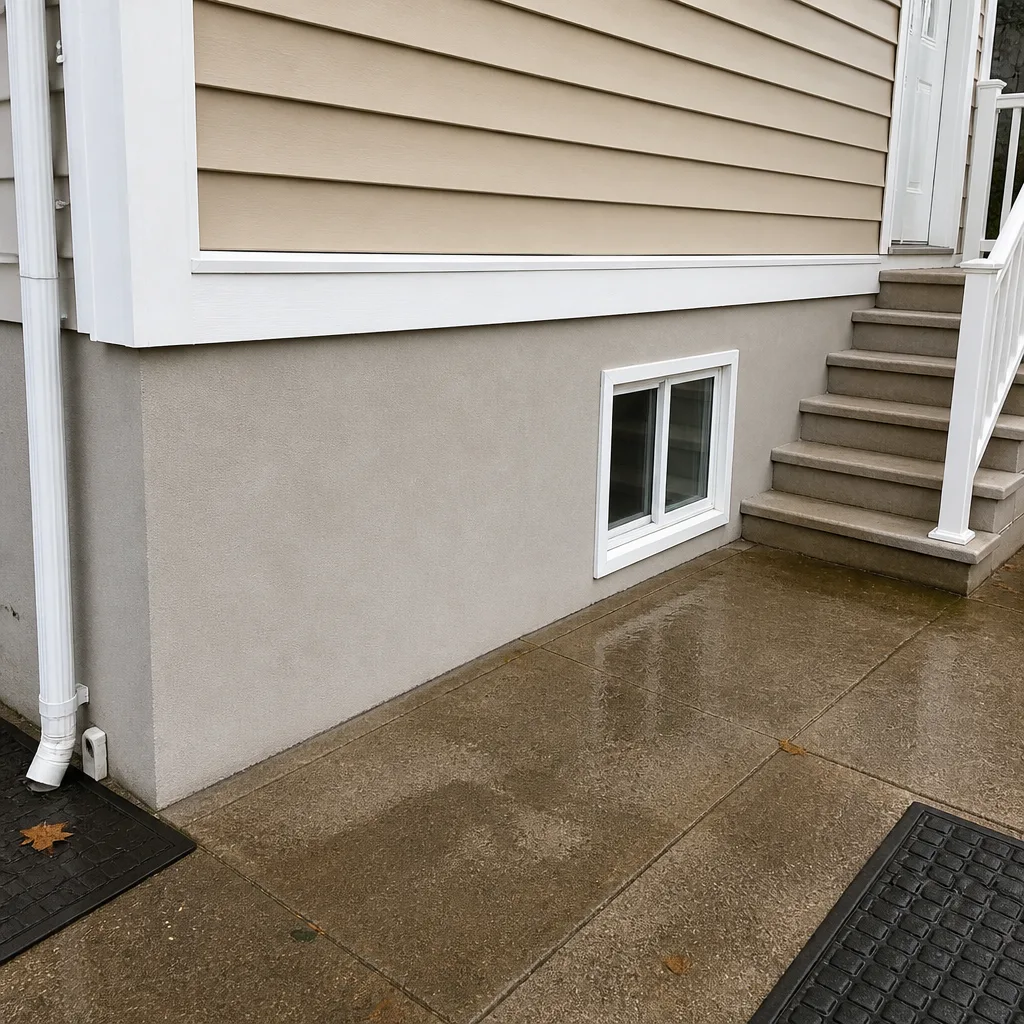 After
After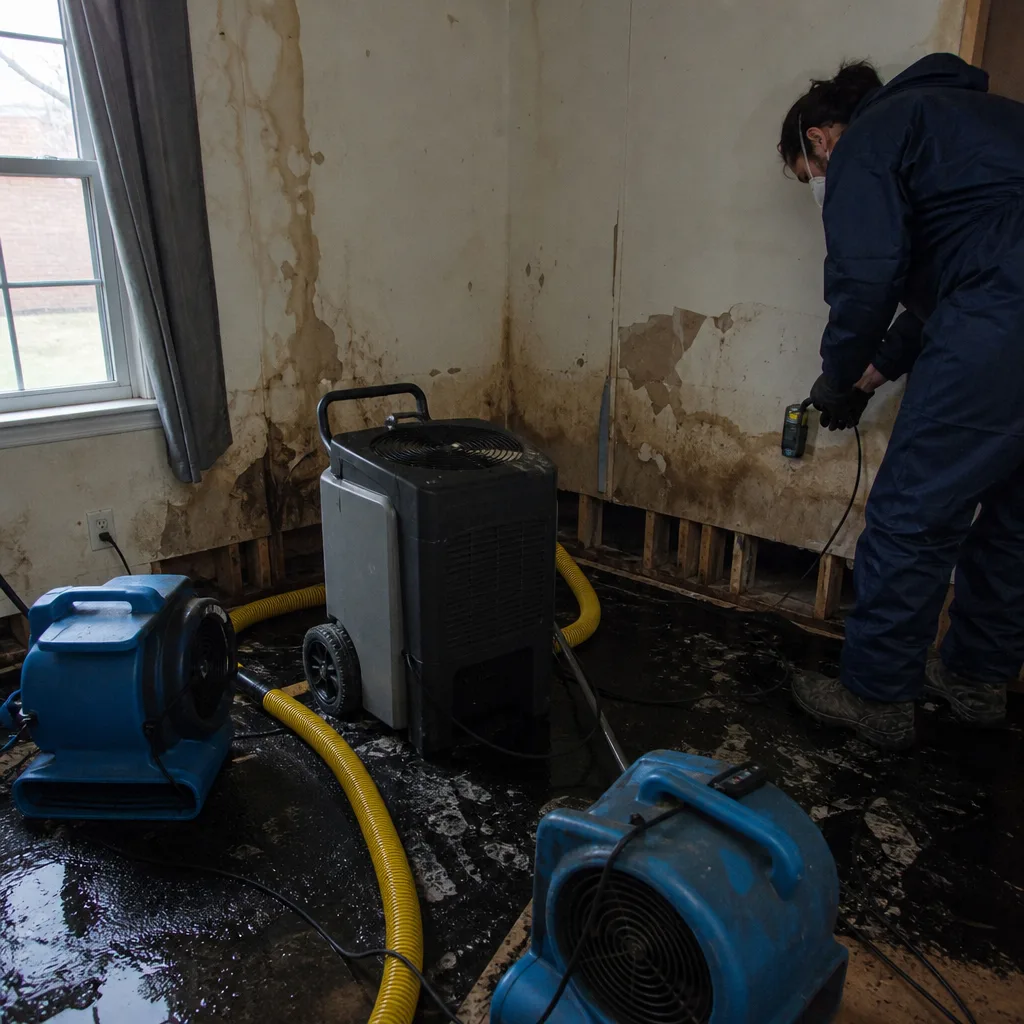 Before
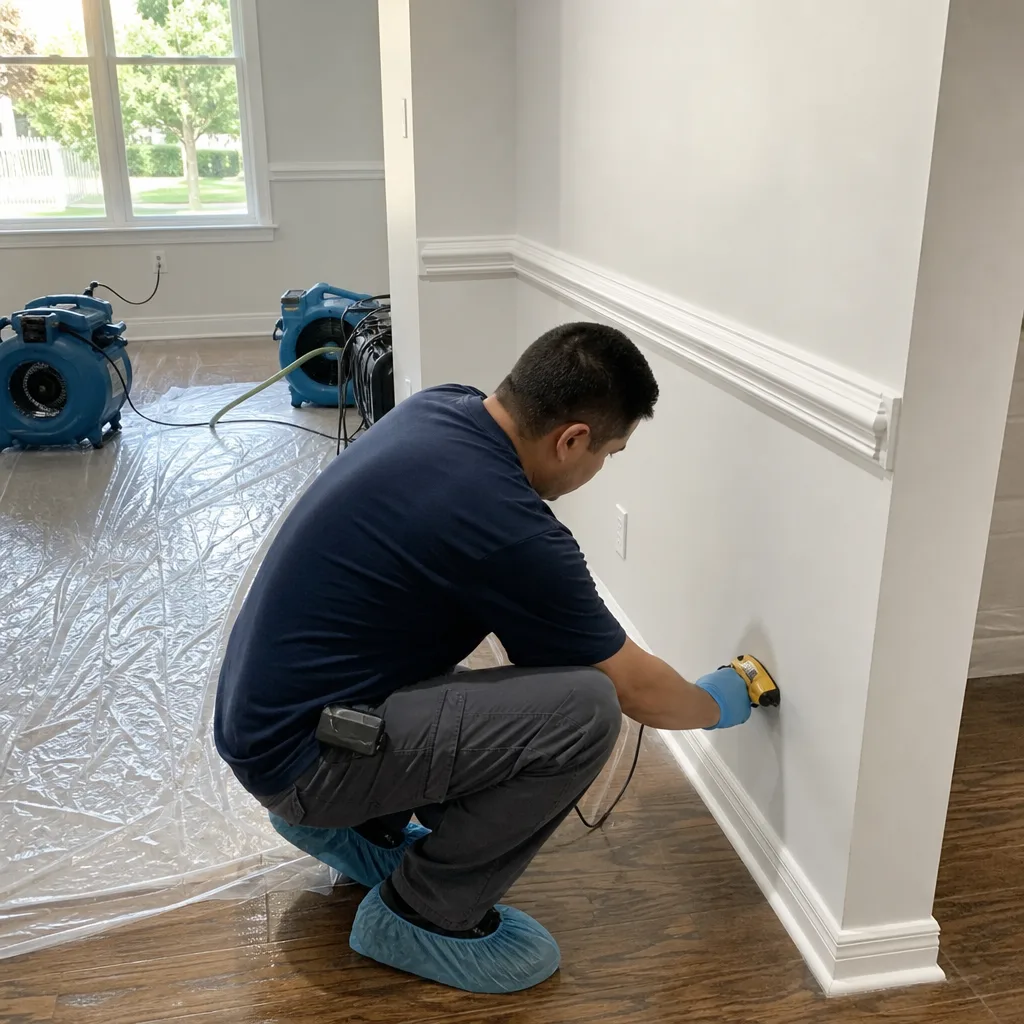 After
After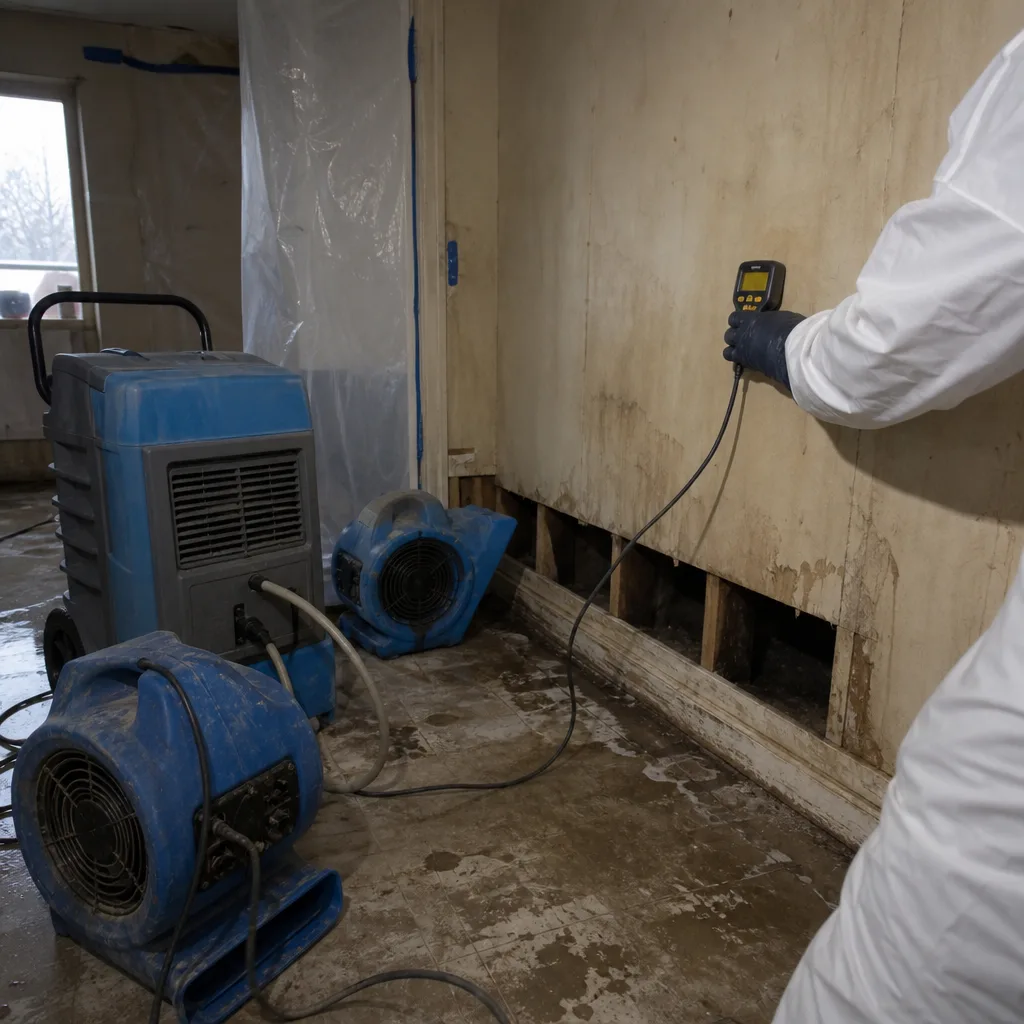 Before
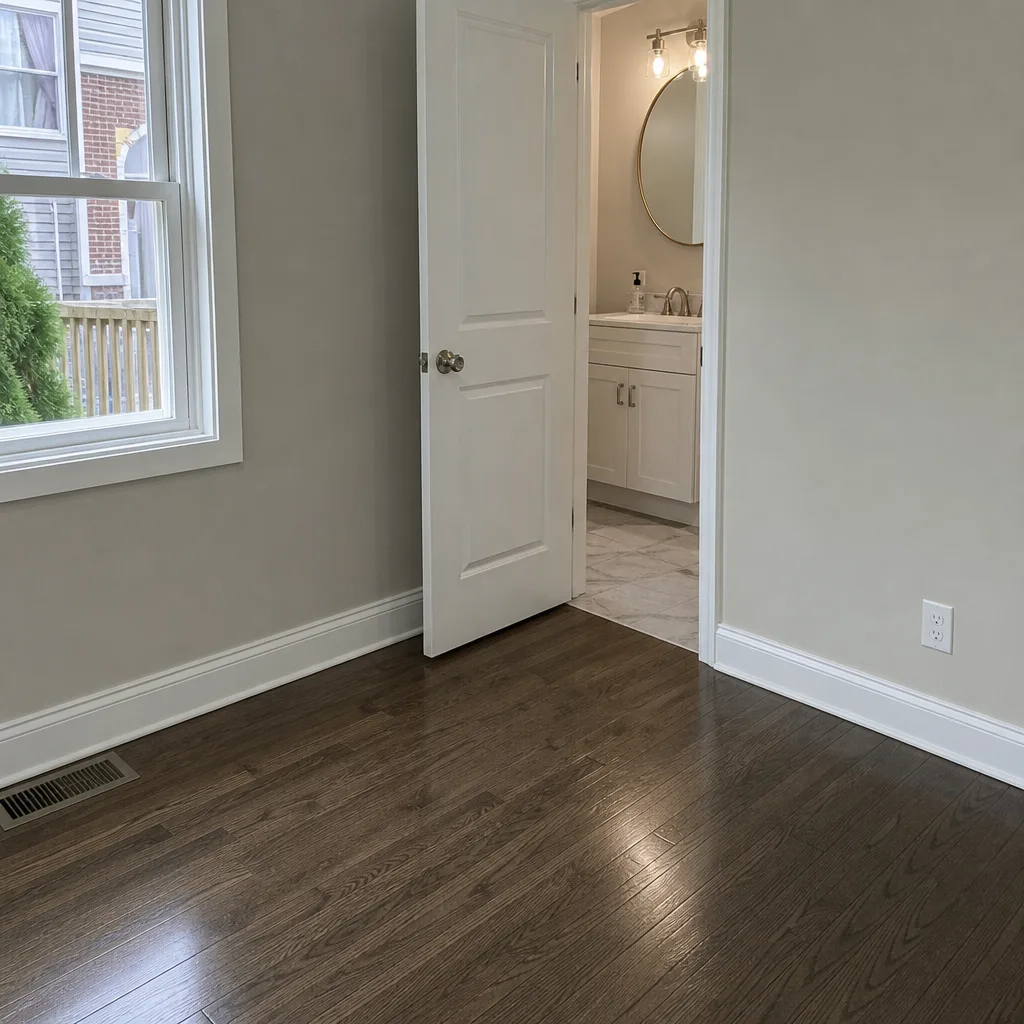 After
After24/7 Emergency Commercial Restoration in Murray Hill
Commercial water or fire damage in Murray Hill doesn’t wait for business hours, and neither do we. Floodline Restoration Co. answers live at (551) 348-8481 around the clock, every day of the year, and our crews reach Murray Hill buildings fast enough to stop a Category 2 riser weep before it becomes a three-unit claim. The first hour determines whether plaster can be dried in place or must be cut out, so call the moment you see staining, buckling, or smell trapped moisture. A free visual inspection puts eyes on the problem, and extraction equipment goes to work the same visit.
Understanding Commercial Restoration Severity in Murray Hill Properties
Murray Hill’s commercial stock runs on pre-war geometry: 1920s-to-1940s masonry towers, cast iron drain stacks, steam risers, and plaster assemblies that hold water like a sponge. A Category 1 water loss, clean supply water from a burst line, dries faster than a Category 2 weep from a cast iron riser carrying soap-laden sink waste. Category 3 water, sewage or East River storm surge, means cutting out affected materials, not drying them. The severity of a Murray Hill commercial loss is rarely about the volume of water alone. It’s about the water’s category, the wall assembly’s age, and how many co-op units share the affected riser before anyone notices. Moisture mapping with thermal imaging and hygrometers tells us what’s wet inside those thick plaster walls, because by the time a ceiling stain shows on the floor below, water has usually been traveling for weeks.
Why Murray Hill Property Owners Choose Floodline Restoration Co.
- 45-minute response commitment in Murray Hill: we confirm dispatch while you’re still on the phone and crews roll from our New York City office straight to your building.
- Live answer, 24/7: a real dispatcher picks up at two in the morning. Not a recording, not a callback queue. You’ll know in one call whether we’re coming.
- IICRC-certified crews: our technicians hold WRT and FSRT certifications and train to RIA and IFA standards, which matters when a co-op board asks for credentials before granting access.
- Free visual inspection: we assess the loss, classify the water category, and hand you a written scope at no charge before any work is authorized.
- Direct insurance billing: we coordinate with your carrier and the building’s master policy from day one, so you’re never the messenger between two adjusters.
- One team from extraction to rebuild: the same certified crew that reads the moisture map handles daily drying logs and rebuilds what needs rebuilding. No handoff, no inherited crew.
Our Commercial Restoration Process
Inspection & Assessment
We inspect the loss, identify the water category, and map moisture through walls, floors, and adjacent units. In Murray Hill co-ops, we also confirm whether board approval is required before any demolition starts.
Extraction & Stabilization
Standing water comes out with truck-mounted extraction units. We stabilize the affected area with containment barriers to stop contaminated air and moisture from migrating into dry units.
Drying & Dehumidification
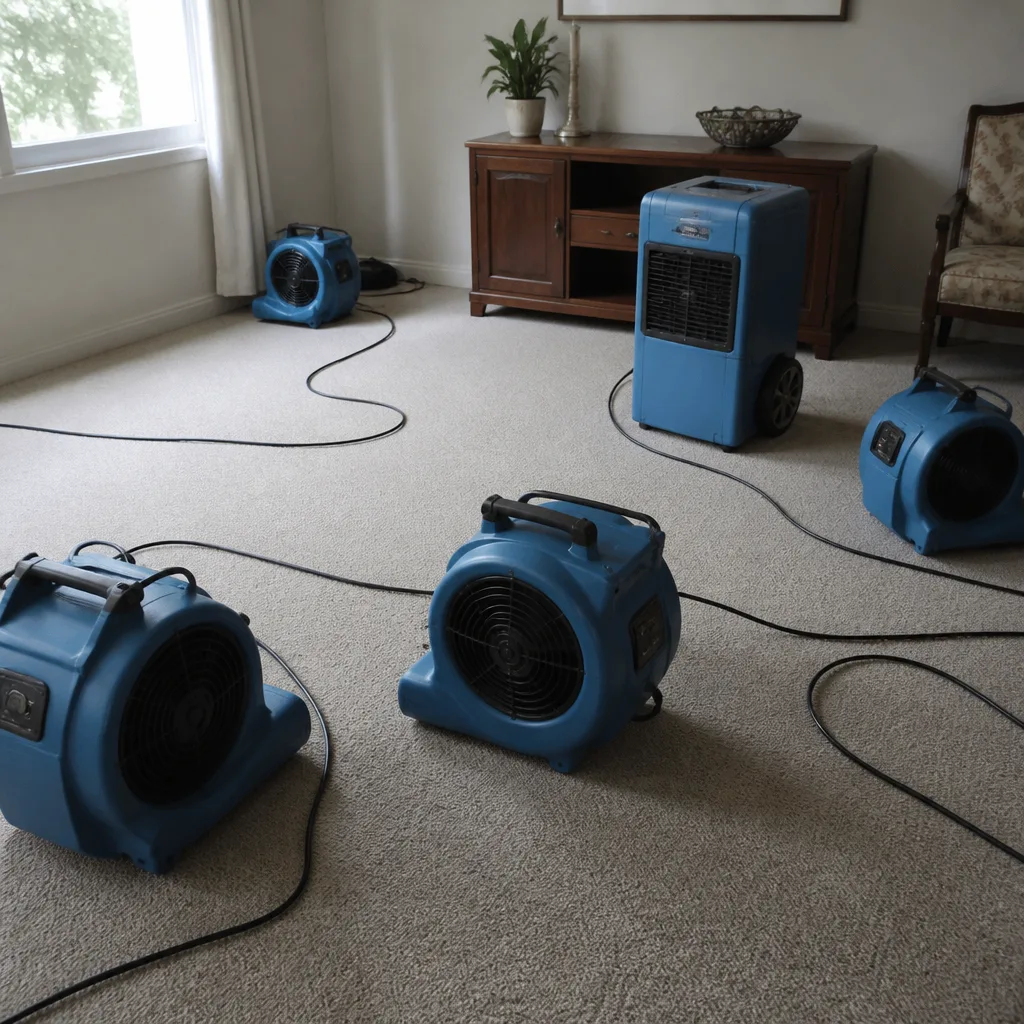
Phoenix axial air movers and Dri-Eaz dehumidifiers run inside the affected envelope. Daily moisture readings are logged until the dry standard is met, and that log goes to you and your carrier.
Cleaning & Sanitization
Affected surfaces are cleaned and treated with antimicrobial agents appropriate to the water category. HEPA air scrubbers run during and after material removal to capture airborne particulates.
Cast Iron Riser & Structural Treatment
In pre-war Murray Hill buildings, we inspect the original cast iron stacks for weeping, scaling, or active leaks. When a riser is the source, we isolate the section and coordinate access with the building’s management before opening the wall.
Repairs & Restoration
We rebuild plaster walls, replace damaged flooring, restore affected commercial spaces, and hand you the completed scope with documentation for your insurer. Every job carries our 90-Day Done Right Promise in writing.
Need Emergency Commercial Restoration in Murray Hill Now?
Crews minutes away, answering live 24 hours a day. The sooner we start, the less it costs.
Working With Your Insurance Company
Commercial losses in Murray Hill rarely involve one policy. A riser weep in a co-op on East 38th Street can trigger the building master policy, the affected unit’s individual insurance, and a neighbor’s claim in the same afternoon. We carry the documentation burden for you from hour one: classified water categories, photo evidence, moisture logs, and a line-item scope written to the standards your carrier expects. Our team communicates directly with adjusters, including multiple adjusters on shared-wall claims, so you don’t become the go-between. Every estimate follows industry-standard pricing, which keeps approvals moving.
What We Provide Your Insurer
- Thorough documentation of the loss
- Photos of all damage, room by room
- Moisture readings and drying logs
- A detailed, line-item scope of work
- Direct coordination with your carrier
Built for Murray Hill’s Loss Calendar
Murray Hill’s commercial losses follow a pattern anyone who’s worked these buildings for years can predict. January and February bring deep freezes that split supply lines in unheated mechanical rooms, sending water down through multiple floors before the first tenant notices. Spring thaw and heavy rain pressure the sub-grade boiler rooms and English basements along the cross streets, especially in converted brownstones. Summer thunderstorms dump flash water into sub-grade retail spaces and storage rooms along the East River side of the neighborhood, where drainage runs downhill toward the 34th Street corridor. Nor’easters remain a recurring driver for basement-level flooding, a risk this stretch of Manhattan has known since Hurricane Sandy’s surge reached lower-lying blocks in 2012, which is why Storm & Disaster Restoration in Murray Hill stays part of our core response. And the oldest buildings, the 1920s towers on 36th through 38th Streets, lose cast iron risers and steam lines on their own schedule, unrelated to weather. We plan for all of it, year round.
Commercial Restoration Across Murray Hill’s Neighborhoods
Murray Hill isn’t one building type. The Park Avenue South corridor runs with mid-rise pre-war office conversions and commercial storefronts, where a single floor can house a dental practice, a law office, and a co-op apartment, all served by the same aging riser stack. The side streets between Lexington and Third Avenues hold the neighborhood’s densest concentration of 1920s and 1930s co-ops, which is where we most often see steam riser weeps and cast iron lateral failures that cross two or three units before surfacing. Down toward the East River, the blocks near the 34th Street corridor sit lower and take on more flood and basement seepage work after heavy rain or nor’easter surge. The brownstones on the cross streets, Italianate survivors from the neighborhood’s earlier life, bring below-grade English basements and moisture trapped behind thick masonry party walls. Each of these zones has different access rules, different boards, different policies, and different failure modes. A restoration plan has to match the block, not just the building type.
Specialized Commercial Restoration Services We Offer in Murray Hill
Multi-Unit & HOA Restoration
Co-op and condo losses in Murray Hill run on governance: boards vote on access, building managers hold keys to the riser closets, and multiple unit owners share the same cast iron stacks. Our Commercial Restoration team sequences board approval, building access, and mitigation in the right order so work doesn’t stall waiting for a vote while mold gains ground behind plaster. We document everything in the format boards and property managers need.
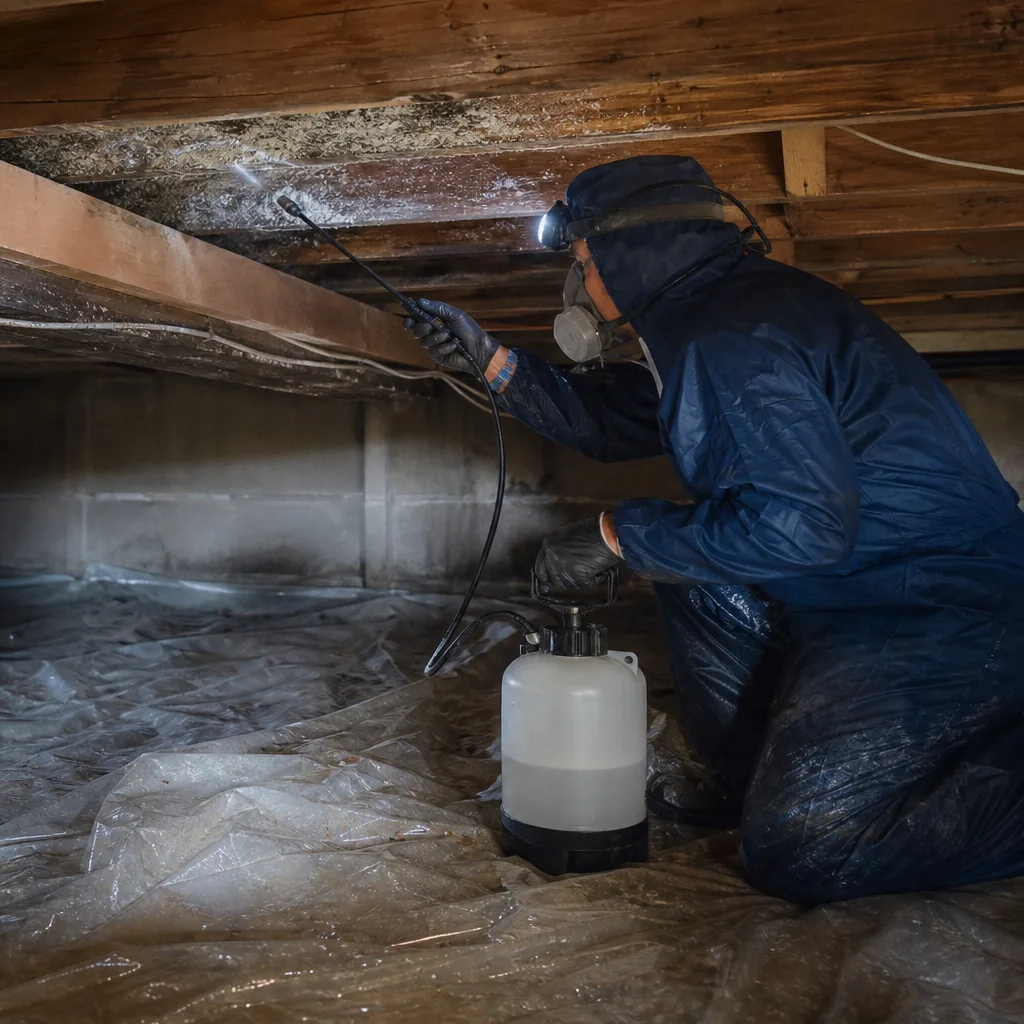
Large-Loss Response
When a riser lets go on the 10th floor of a Park Avenue South pre-war and water reaches the lobby by morning, the scope spans multiple floors, multiple tenants, and multiple policies. Floodline dispatches the crew size and equipment count the building needs, runs extraction and drying across all affected levels simultaneously, and coordinates with every adjuster in the chain. One Commercial Restoration in Murray Hill loss, one responsible crew, one coherent plan from the top floor down.
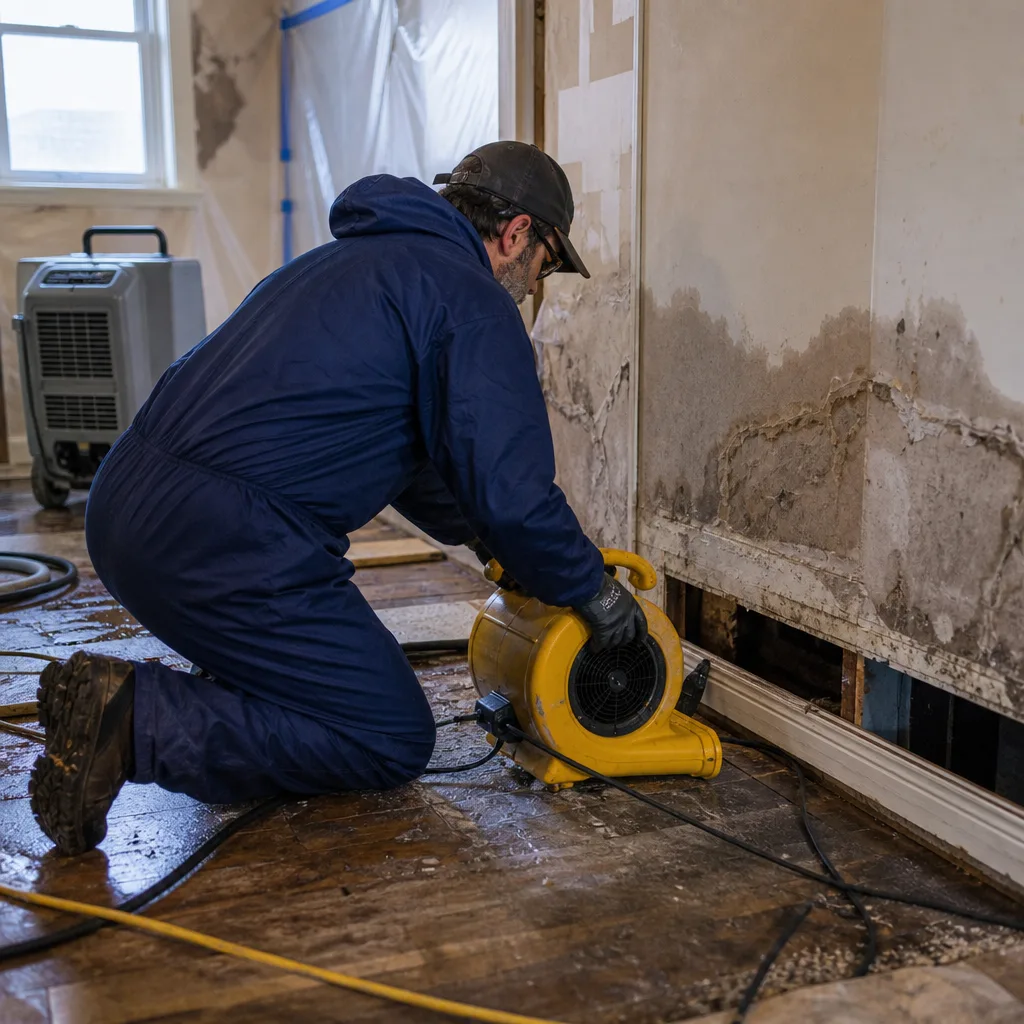
Business Interruption Minimization
A closed office, dental practice, or retail space on Lexington Avenue loses money every day the door stays shut. We prioritize getting commercial tenants back to revenue: fast extraction, targeted drying inside occupied walls where safe, and a clear schedule for rebuild. For Murray Hill storefronts and professional suites, our goal is the shortest defensible interruption, documented for the carrier so the business interruption claim holds up.
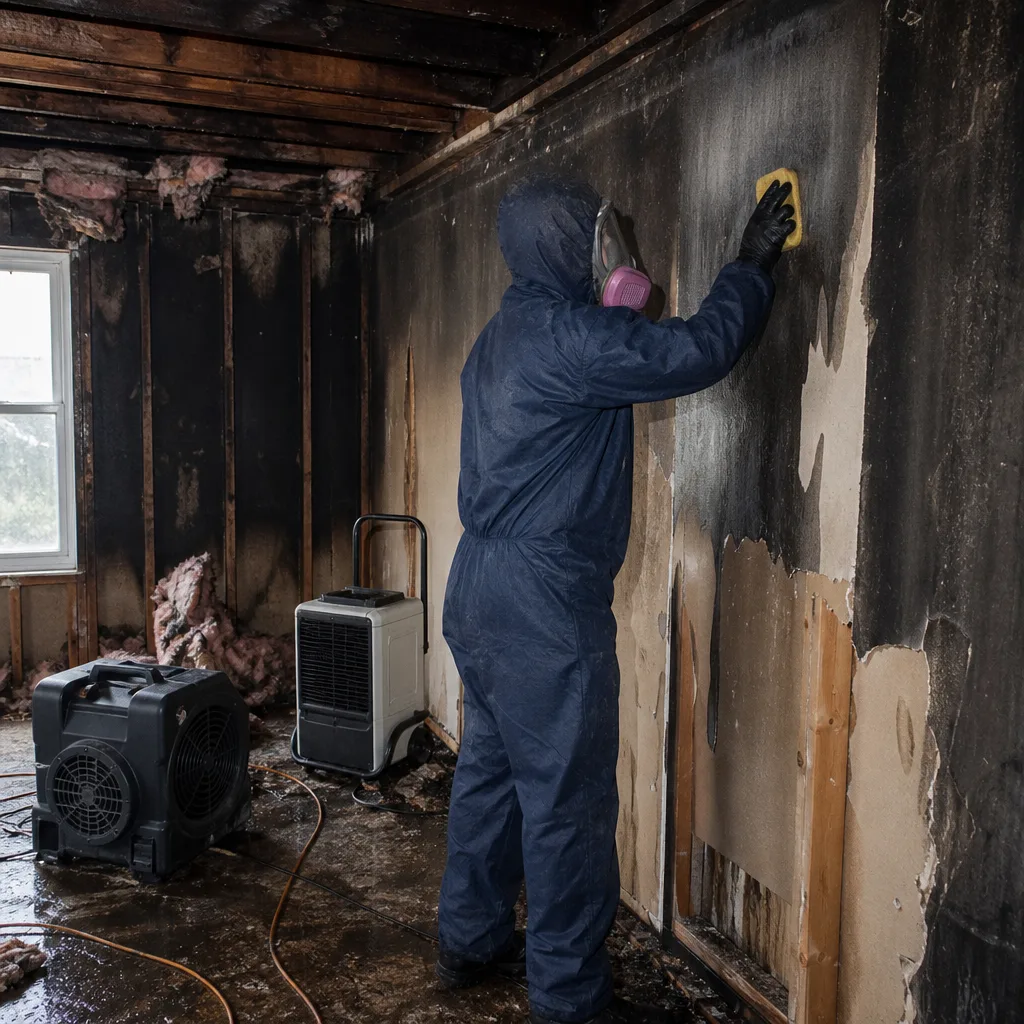
Office & Retail Restoration
Water in a Murray Hill office often hides above a dropped ceiling or inside a shared wall before it drips onto someone’s desk. We inspect those concealed spaces because that’s where pre-war plumbing runs. Retail spaces at street level face their own issues: slab moisture, sub-grade seepage after heavy rain, and front-of-house finishes that need to look right when the door reopens. Our crew handles the full restoration, from the wet ceiling tiles to the finished storefront.
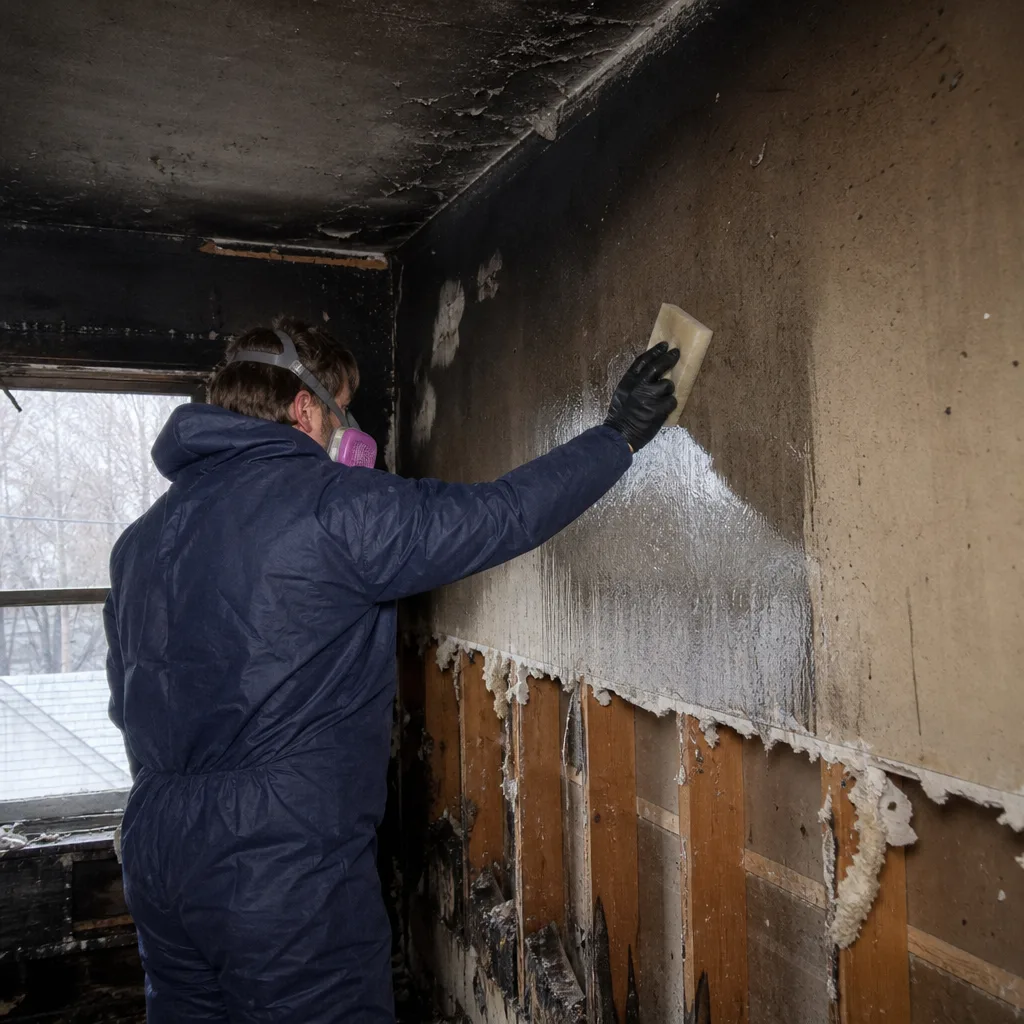
Industrial Facility Cleanup
The sub-grade mechanical rooms, boiler rooms, and storage areas under Murray Hill’s pre-war buildings function as industrial spaces. They hold original electrical, steam, and water infrastructure, often below grade where East River storm surge and nor’easter flooding hit hardest. Our Murray Hill crews handle these utility spaces with the same moisture mapping and drying discipline as any factory floor, because the building above depends on what happens down there.
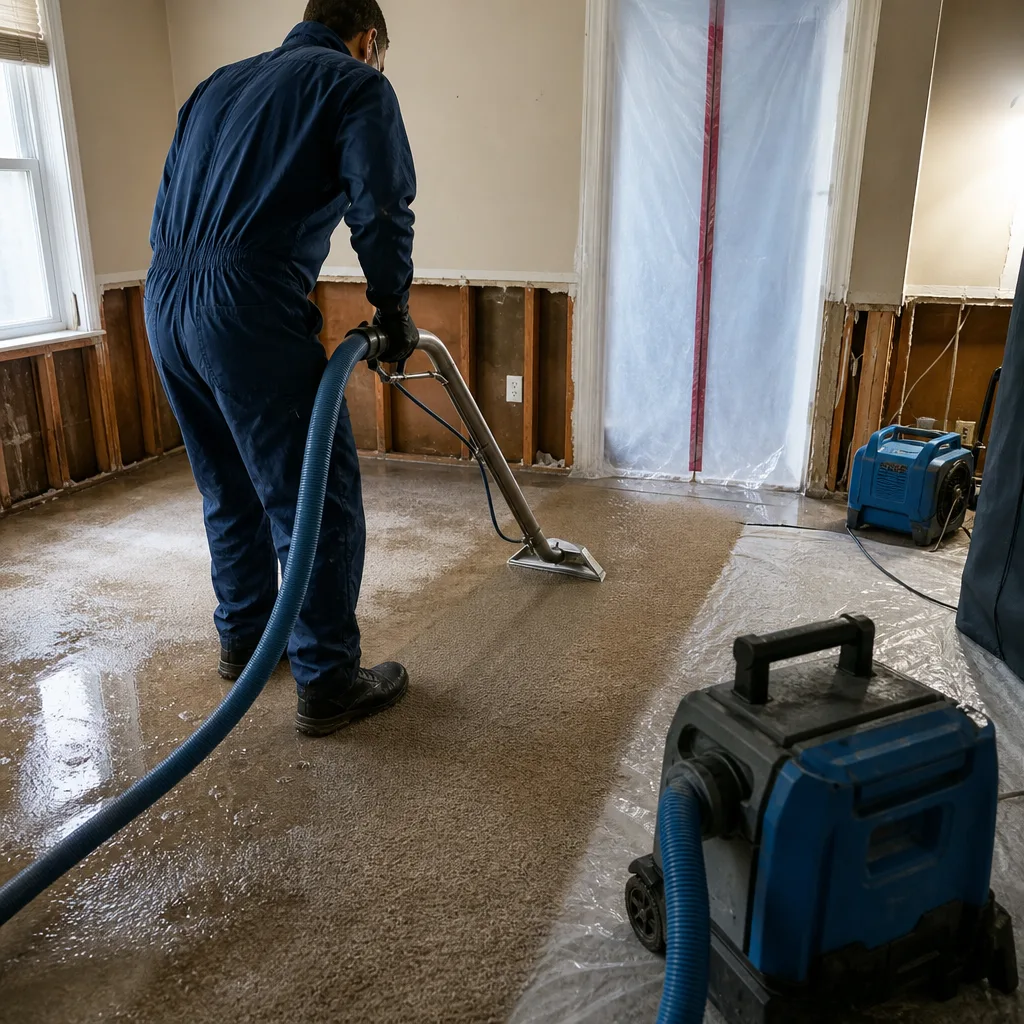
What happens when you call
- 1
A real person answersNo phone trees - you reach a local pro.
- 2
You get an upfront price rangeHonest numbers before anyone is dispatched.
- 3
A background-checked tech heads outLicensed & insured, dispatched right away.
- 4
You approve before work beginsNothing starts until you say go.
Commercial Restoration Costs in Murray Hill, NY
What should a Murray Hill property owner expect to pay? A contained Category 1 water loss in a single commercial suite, extraction plus drying and minor repair, typically runs $3,200 to $7,500 depending on access and square footage. A multi-unit riser weep that crosses two or three co-op units and requires board-coordinated demolition, containment, drying, and plaster restoration usually lands between $18,000 and $45,000. Sewage or Category 3 storm surge losses start higher, often $25,000 and up, because contaminated materials come out, not get dried. What moves the price: the water category, how many floors and units are affected, whether board votes delay access, and whether original plaster and parquet can be saved. Insurance covers most of these losses under the appropriate policy, and we bill your carrier directly. Call (551) 348-8481 for a free visual inspection and a firm written scope. Estimates are free.
We Also Serve Cities Near Murray Hill
Floodline Restoration Co. serves commercial properties throughout the surrounding Manhattan neighborhoods, including Midtown West, Washington Square, Midtown Manhattan, and the Upper West Side. If your building sits just outside Murray Hill proper, call us, and we’ll confirm coverage for your exact address.
Serving Murray Hill, NY - Our Local Coverage Area
We’re based in the Murray Hill area and know this community well. Use the map below to see our service coverage - if you’re nearby, we can almost certainly help.
Murray Hill Commercial Restoration Questions, Answered
Who has to approve a commercial water damage restoration when a cast iron riser weeps in a Murray Hill co-op?
The co-op board or the building’s managing agent almost always has to approve access to the riser and any demolition before work begins, because the riser is building infrastructure, not unit property. In practice, that means the board votes on access, the managing agent schedules the riser shutoff, and your crew waits on both before opening a wet wall. Floodline sequences this approval into the plan from the first visit so mitigation starts the moment the vote clears, not days later. Call (551) 348-8481 and we’ll walk you through what your building requires.
Can a Category 2 or Category 3 water loss in a Murray Hill office be dried in place, or does material have to come out?
Category 2 water, the soapy waste water from a cast iron riser or sink drain, means affected porous materials like plaster, drywall, and insulation should be cut out, not dried in place. Category 3 water, sewage or storm surge, is cut out on principle. Drying in place is only defensible for Category 1 clean water losses. In a pre-war Murray Hill building, the category matters more than the volume, so we classify the water before we write the scope. Call (551) 348-8481 for a free classification and written plan.
How long can mold colonize behind a 1930s plaster wall before a Murray Hill tenant notices it?
Mold can colonize and spread behind a 1930s plaster wall within 48 to 72 hours of sustained moisture, and in Murray Hill’s humid summers it often stays hidden for weeks or months before a tenant smells it or sees staining. The thick masonry and plaster assembly traps moisture, and the colony grows outward from the source while the visible surface stays intact. By the time it surfaces, the Mold Remediation - Murray Hill footprint has usually crossed into adjoining units. If you suspect hidden moisture, call (551) 348-8481 for a thermal and moisture inspection.
Does Floodline Restoration handle water damage that crosses multiple co-op units on Park Avenue South?
Yes. Multi-unit and shared-wall losses are precisely what our Murray Hill work looks like. We contain the affected floors, map moisture across every unit the water touched, coordinate with each unit owner’s adjuster and the building’s master policy carrier, and run one drying plan across the whole stack. No piecemeal crews, no finger-pointing between units. Call (551) 348-8481 and we’ll dispatch a crew that’s handled Park Avenue South stacks before.
What happens if a downstairs neighbor in a Murray Hill brownstone sees ceiling staining weeks after a washer drain overflows?
That staining usually means water has been wicking through the floor assembly since the original overflow, and what’s visible is only the bottom edge of a much larger wet area. In a brownstone with an English basement, that moisture may also be pulling humidity up from below grade. We inspect the ceiling cavity, map the moisture, classify the water, and determine whether drying in place is viable or material must come out. The sooner it’s opened, the smaller the cut. Call (551) 348-8481 for a free inspection.
How fast can Floodline Restoration reach a Murray Hill commercial property after I call?
We commit to a 45-minute response in Murray Hill from our New York City dispatch, with a live dispatcher confirming the crew’s ETA on your first call. Extraction equipment goes to work the same visit. The first hour of a water loss determines how much plaster can be saved, so we treat every Murray Hill call as time-sensitive. (551) 348-8481 is live right now.
Will a commercial restoration claim in Murray Hill raise my building’s insurance rates?
That’s a carrier decision, but a properly documented restoration with classified water categories, moisture logs, and line-item scopes gives your insurer what it needs to settle the claim cleanly. A sloppy or under-documented job can cost more in disputes than the claim itself. We bill directly and speak the adjuster’s language. Call (551) 348-8481 to start a claim with documentation from hour one.
What should a Murray Hill property owner do in the first 30 minutes after discovering commercial water damage?
Call Floodline Restoration Co. at (551) 348-8481 first. Then shut off the water source if you can reach it safely, move electronics and documents out of the wet path, and photograph everything before anything dries or gets moved. Do not open walls or pull wet plaster yourself; the water category matters for insurance, and opening a Category 2 or 3 loss wrong spreads contamination. We’ll be on site quickly and take it from there.
When a cast iron riser weeps behind a 1930s plaster wall in Murray Hill, the loss is rarely contained to one unit. Our crews know these buildings: the board votes, the shared-wall triggers, the cast iron stacks that run through a dozen floors of co-op ownership, and the Murray Hill Fire & Smoke Damage Restoration protocols when a loss involves more than water. We plan around all of it. Led by Curt Bowman, Floodline Restoration Co. has answered live around the clock for years, and we’ll be there when you call. Done right, and backed in writing by our 90-Day Done Right Promise. Call (551) 348-8481 for a free estimate, day or night.
Written by Curt Bowman, Owner at Floodline Restoration Co., serving Murray Hill and surrounding Manhattan neighborhoods.