
Free visual inspection and a written scope of work before any mitigation begins - photos, moisture readings, and drying logs go in your claim file
The scope we write is the scope we bill. Anything new gets shown to you, in writing, before we touch it.
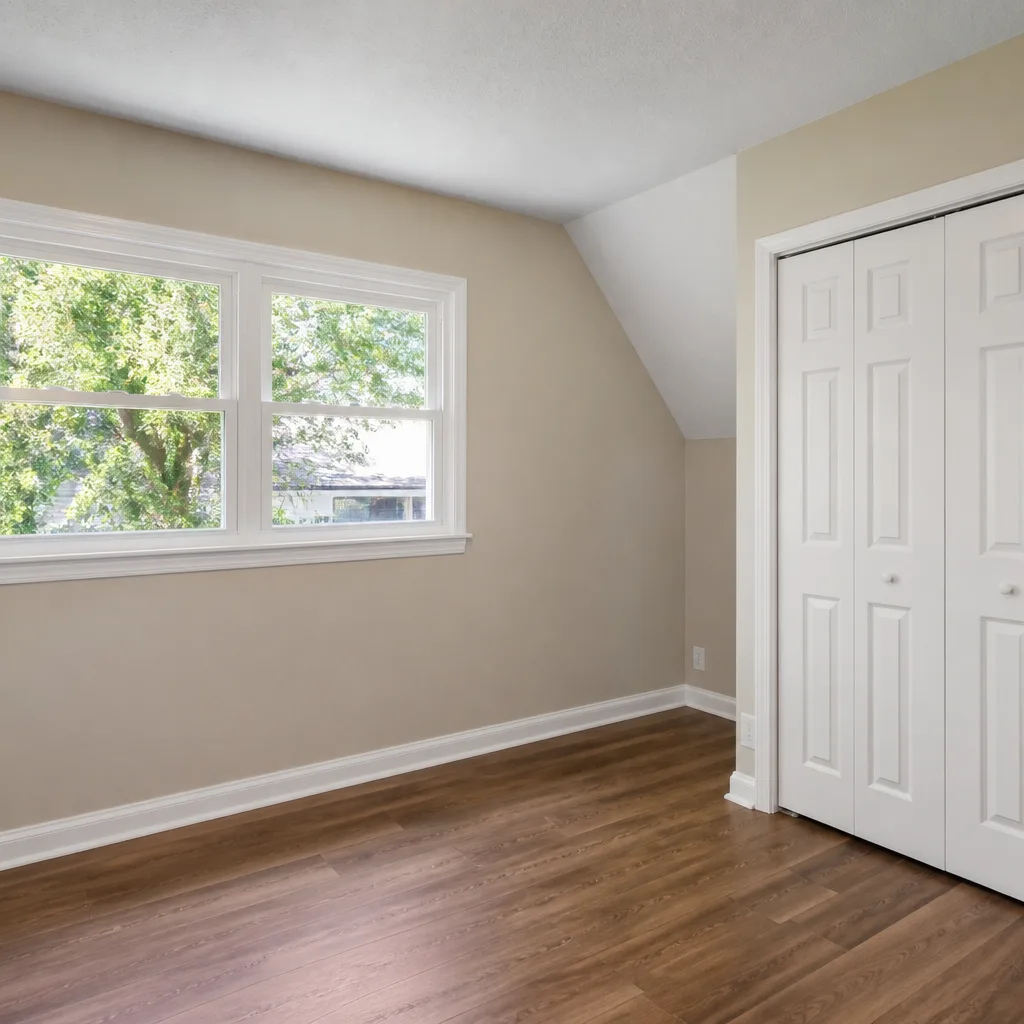
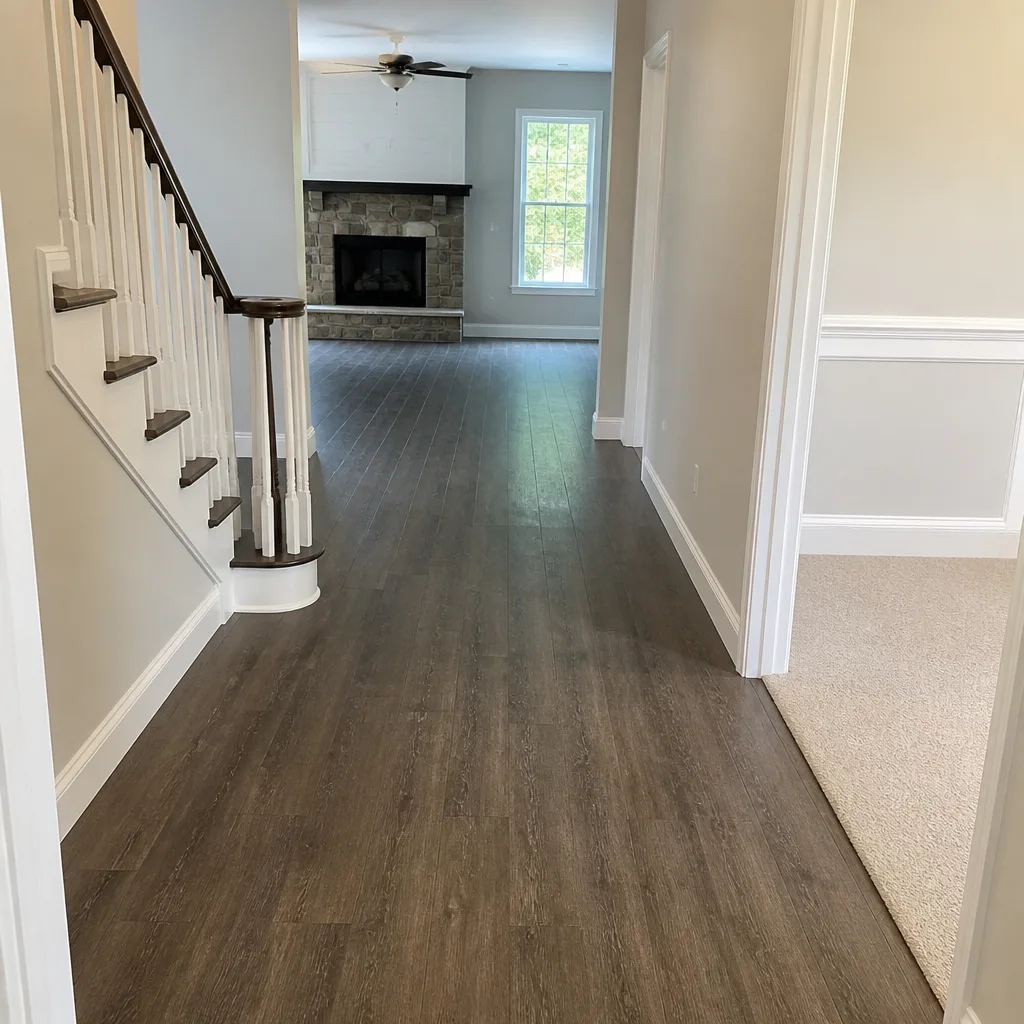
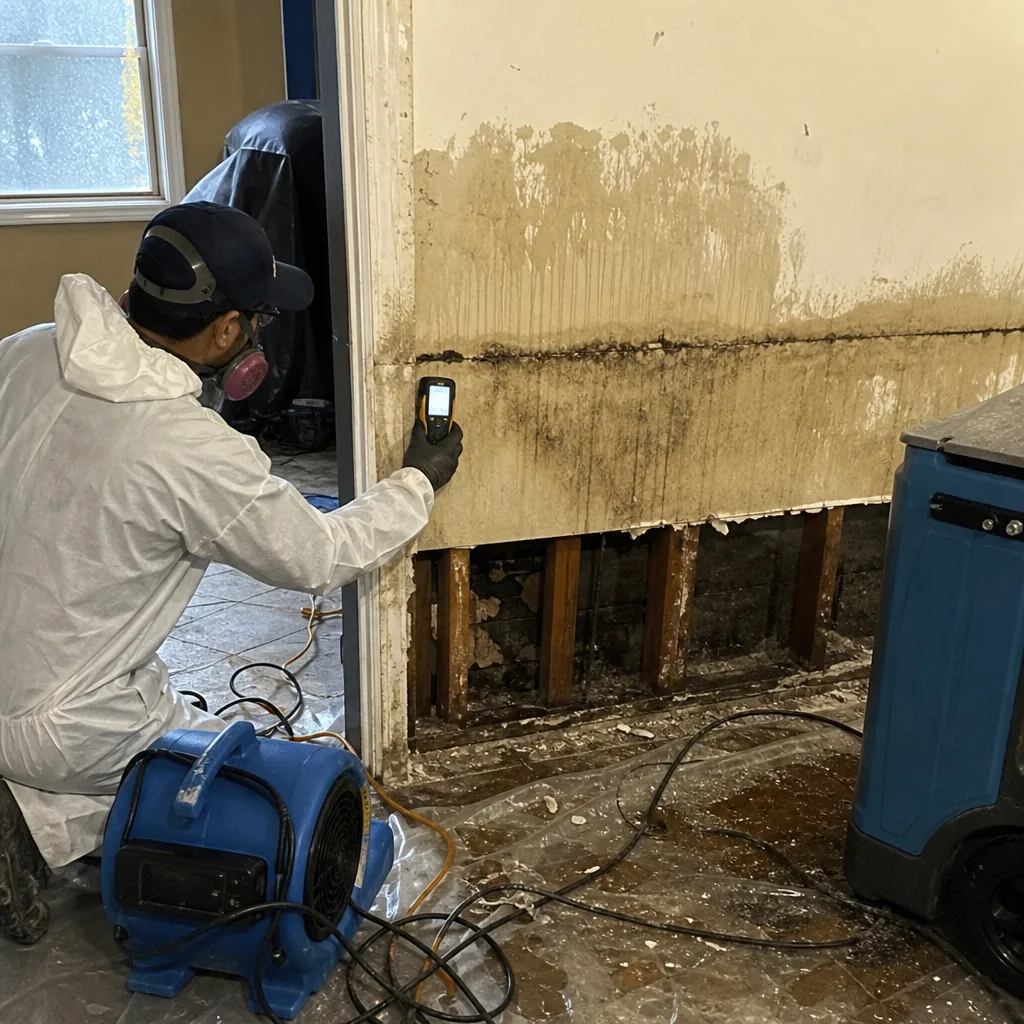 Before
 After
After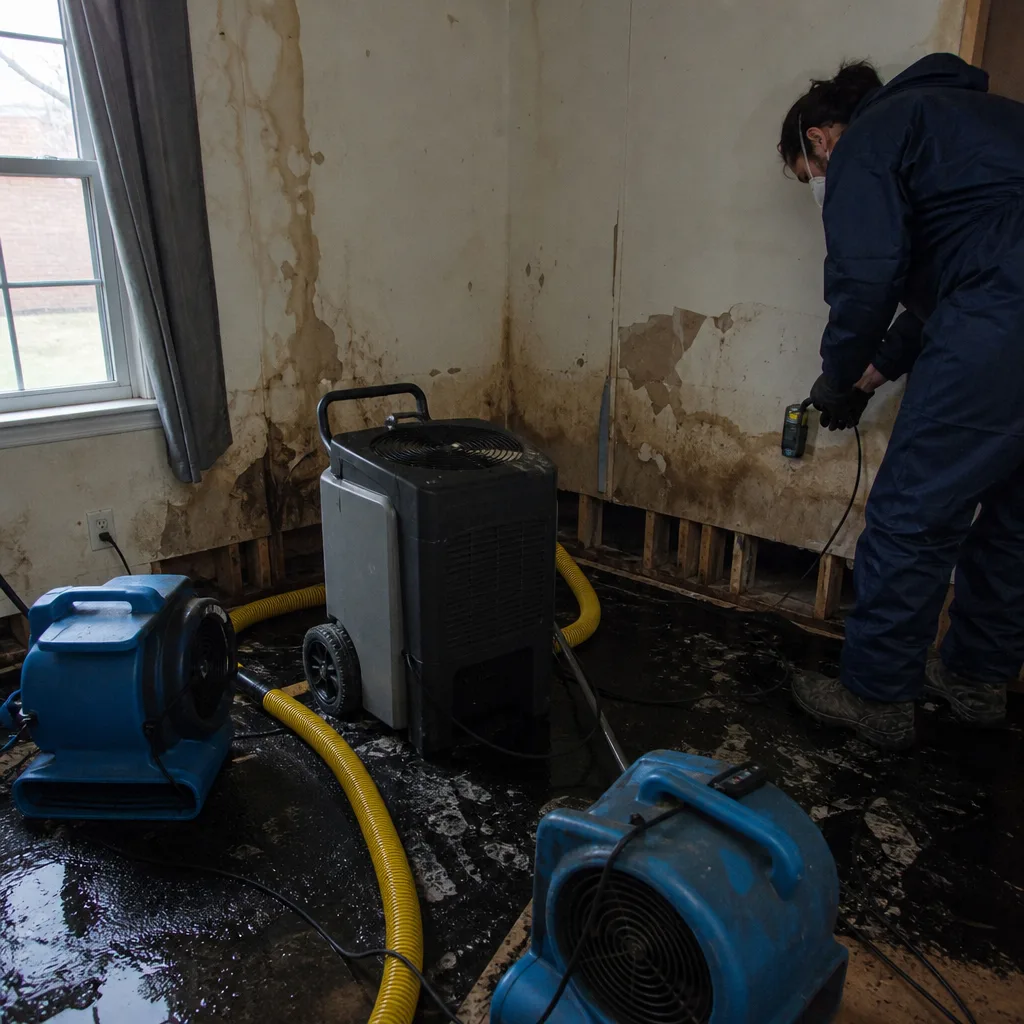 Before
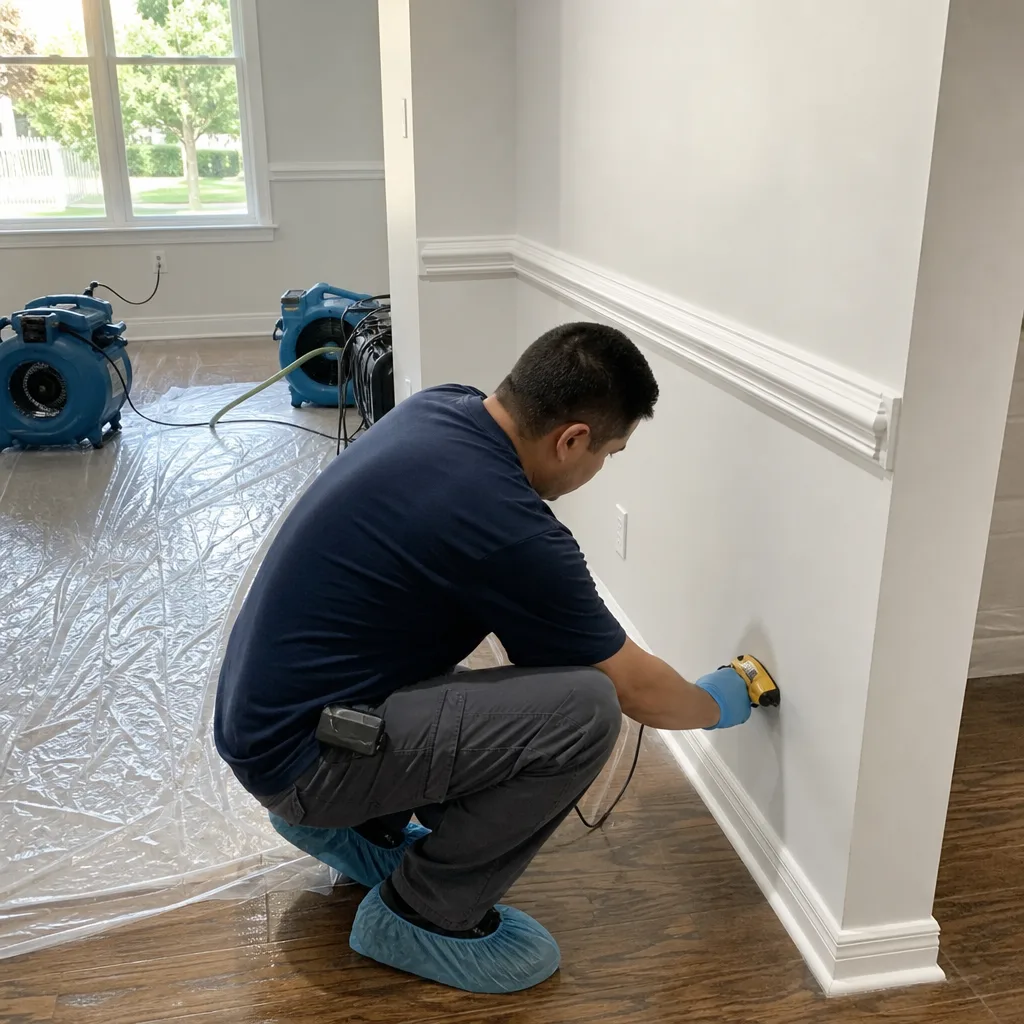 After
After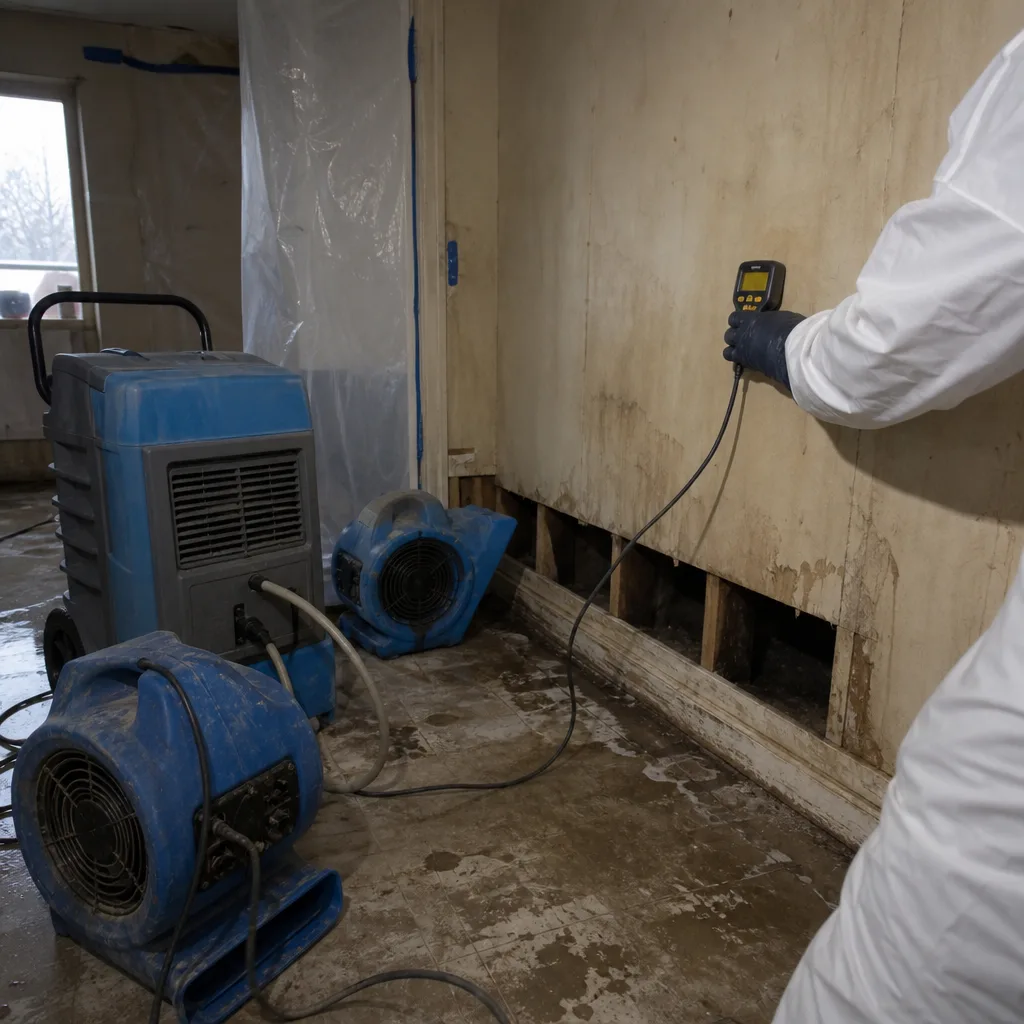 Before
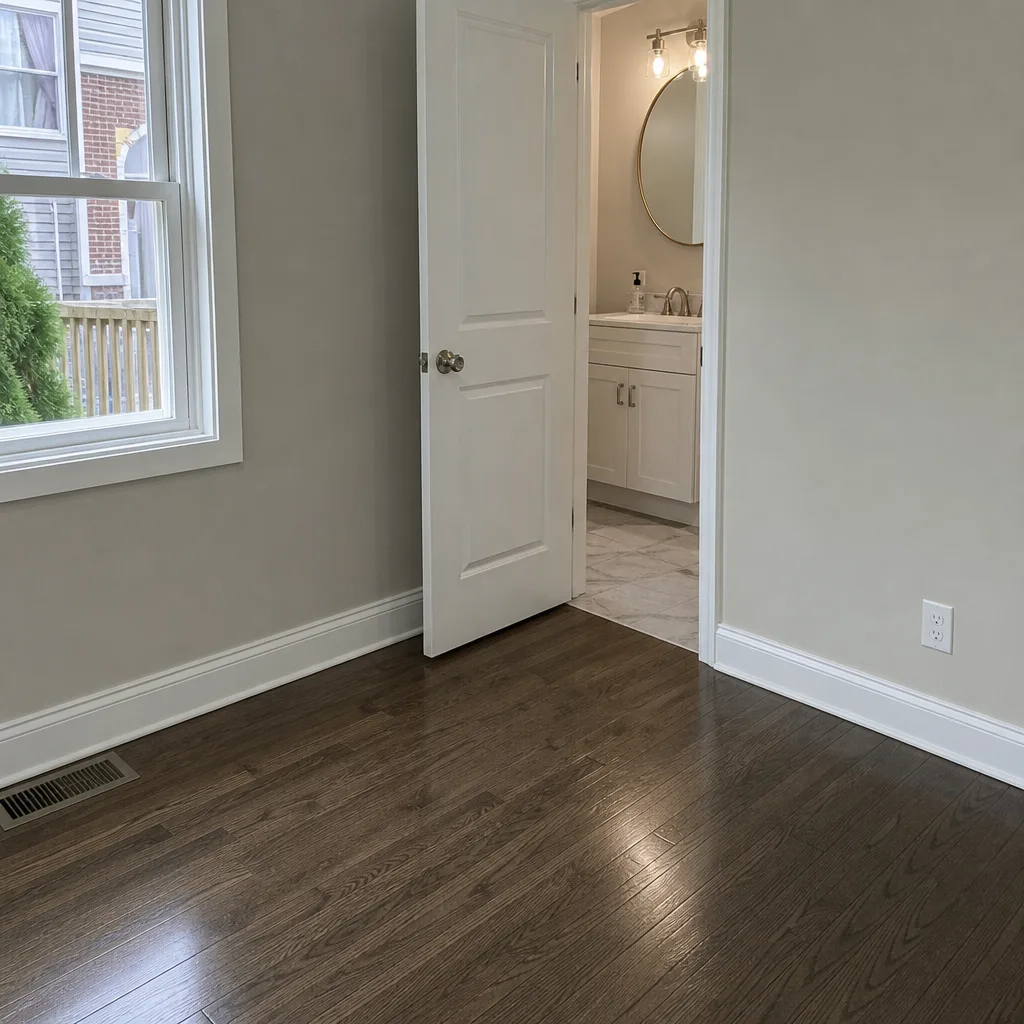 After
After24/7 Emergency Storm & Disaster Restoration in Washington Square
Storm and disaster restoration in Washington Square has to move fast, but it also has to move carefully. This neighborhood sits almost entirely inside the Greenwich Village Historic District, which means the Landmarks Preservation Commission (LPC) has a say in nearly every repair. Our crews answer live 24 hours a day at (551) 348-8481, and we dispatch into Washington Square immediately, with a certified team that knows both the urgency of the damage and the paperwork the LPC will require. The first hour after a storm or sewer backup matters most: contaminated water is still spreading, plaster is still absorbing, and wood flooring is still swelling. We start extraction the same visit and document everything the LPC and your insurer will need, from the first photo to the final drying log.
Understanding Storm & Disaster Restoration Severity in Washington Square Properties
Washington Square’s housing stock changes how we classify and treat every loss. The Federal and Greek Revival rowhouses from the 1820s through 1850s, plus the pre-war apartment buildings along the square, still stand on original horsehair plaster up to two inches thick, wide-plank pine floors, and cast-iron or galvanized supply lines that have been in service for well over a century. When storm water or sewer backup enters those buildings, we’re almost always dealing with Category 3 water: blackwater carrying sewage, bacteria, and whatever the combined sewer system pushed up through the basement drains. That changes everything about the job. Category 3 requires full containment, antimicrobial treatment, and careful disposal of saturated porous materials. We moisture-map every affected surface with thermal imaging and hygrometers, then run structural drying with professional-grade Dri-Eaz dehumidifiers and Injectidry wall systems that dry plaster in place rather than tearing it out. In a historic rowhouse, the goal is preservation first, demolition only when no other option exists.
Why Washington Square Property Owners Choose Floodline Restoration Co.
- Response inside 45 minutes. We commit to it, and live dispatch means a real person confirms the crew’s ETA while you’re still on the phone.
- 24/7 live answer, every day. You call (551) 348-8481 at 2 a.m., a dispatcher picks up. Not a recording. A person who can send help.
- IICRC-certified crews. Our technicians hold WRT, FSRT, and AMRT certifications, trained to the standards the insurance industry recognizes.
- Free visual inspection. Before any drying equipment goes in, we assess the loss, map the moisture, and explain what we found in plain terms.
- Direct insurance billing. We bill your carrier directly and keep you out of the reimbursement loop. You never play messenger between us and the adjuster.
- One team, start to finish. Extraction, drying, rebuild. The same background-checked, uniformed crew handles every phase. No mid-job handoff to strangers.
Our Storm & Disaster Restoration Process
Inspection & Assessment
We walk the affected areas, photograph and sample every wall section that may be historic, and locate the full extent of the water or structural damage with thermal imaging and moisture meters. On a Washington Square rowhouse, this documentation also establishes pre-loss condition for the LPC.
Extraction / Stabilization
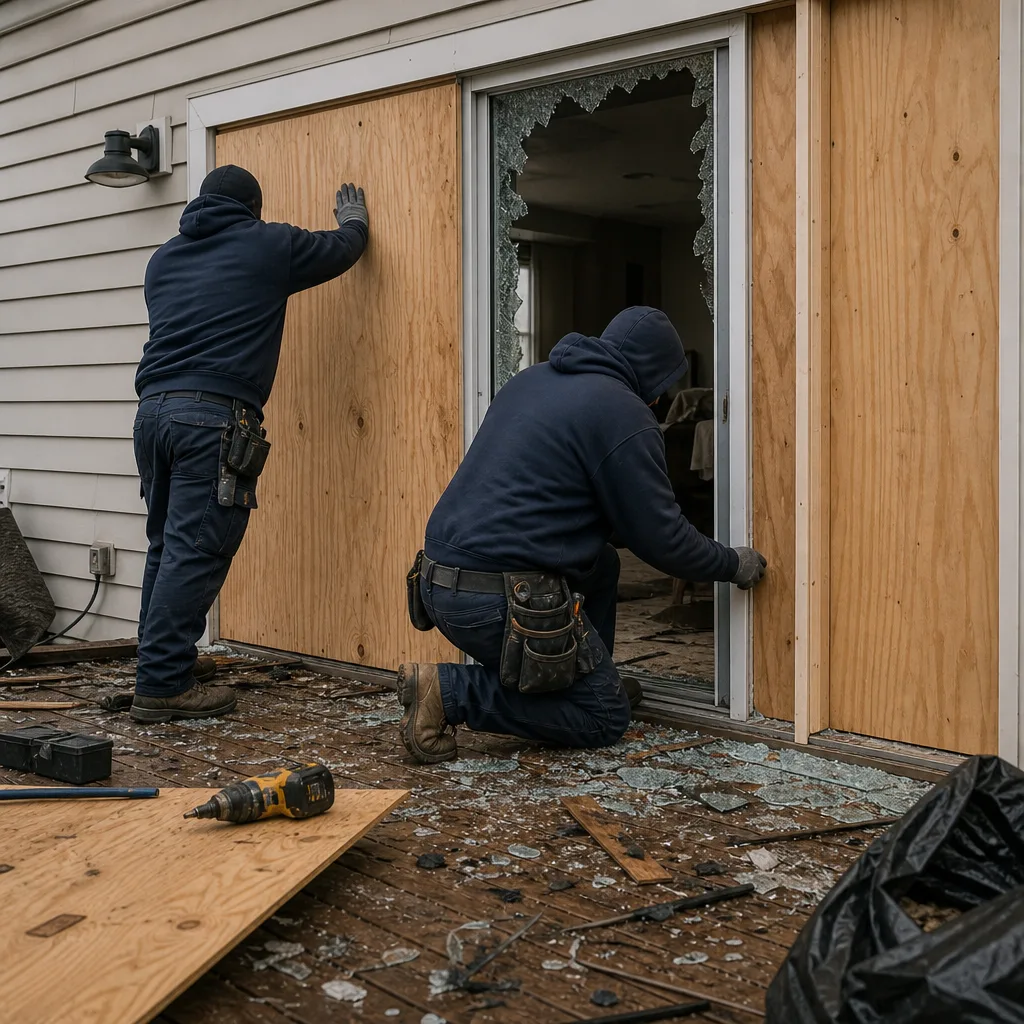
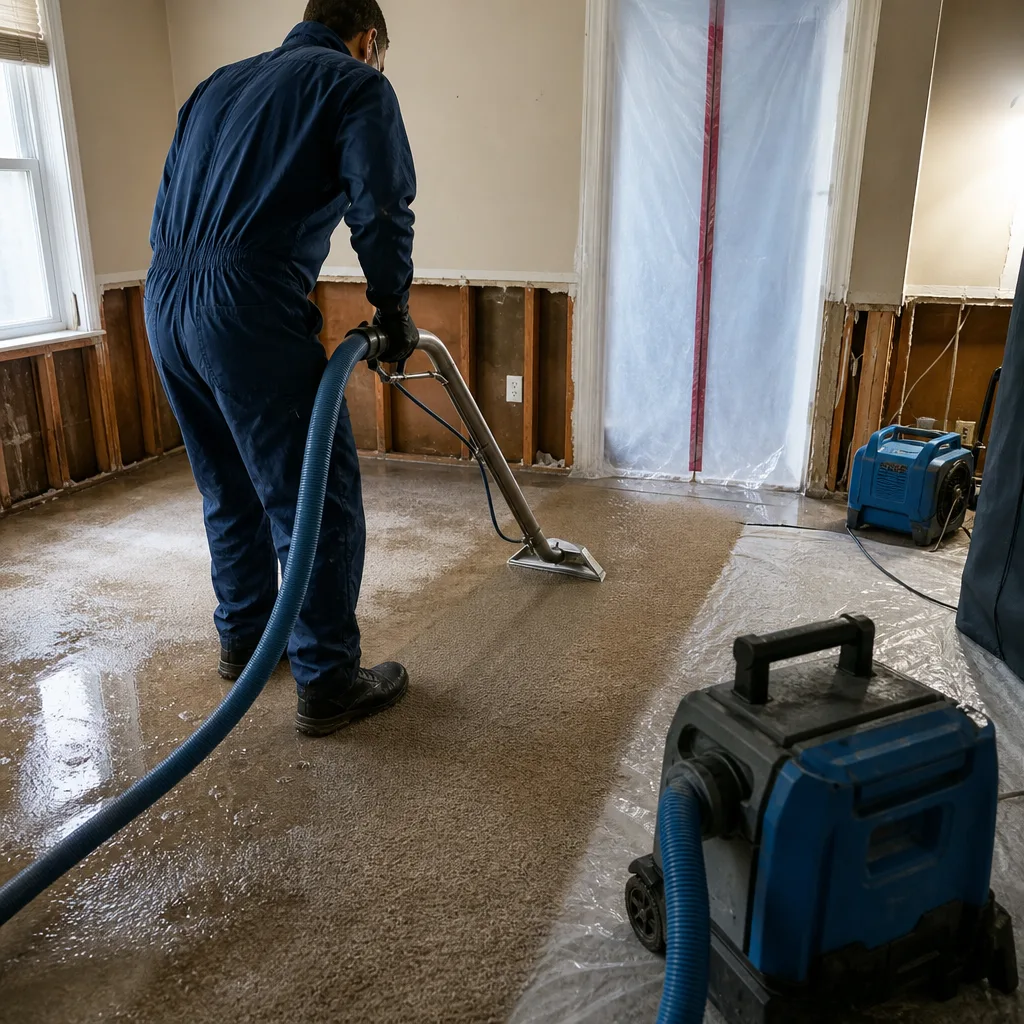
Standing water comes out immediately with truck-mounted extraction and submersible pumps. If storm damage opened a window, door, or roof section, we board up and tarp with materials that keep the building weather-tight while we work.
Drying & Dehumidification
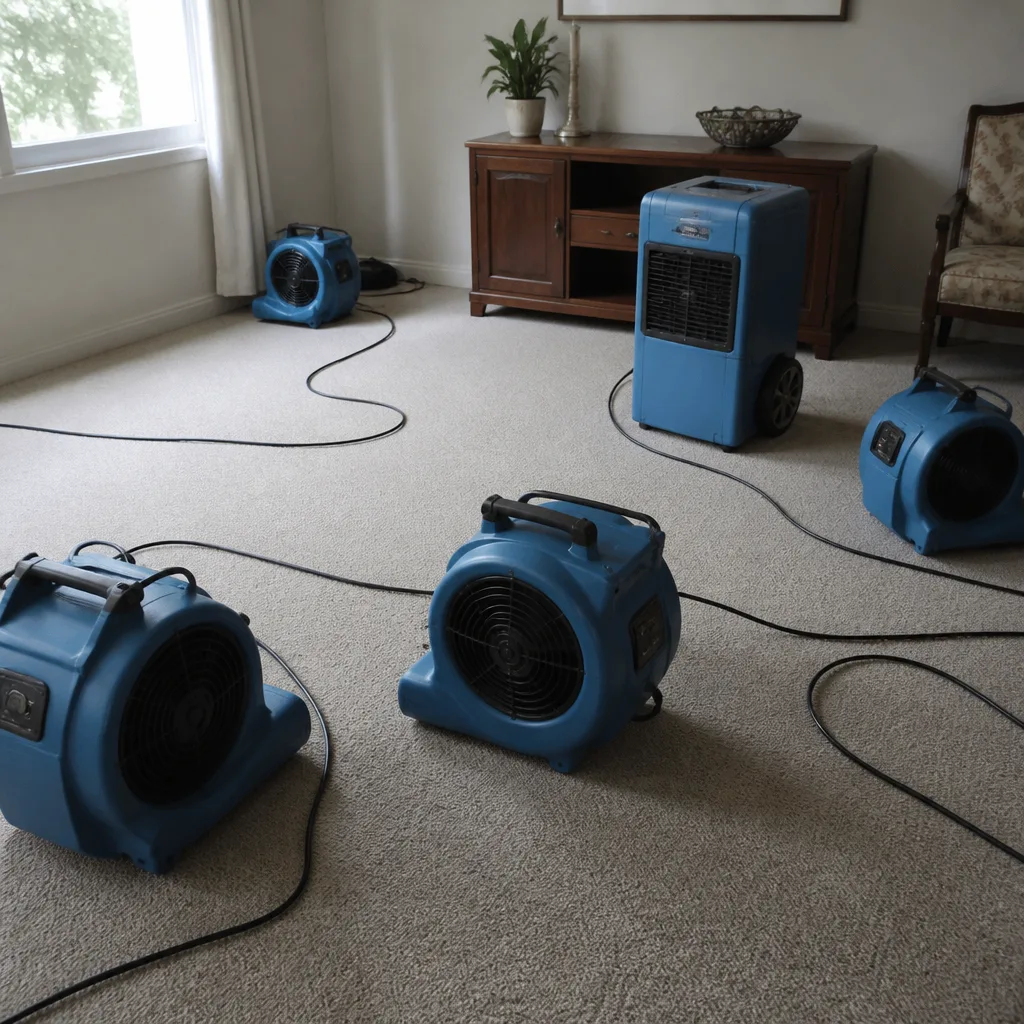
We place Dri-Eaz LGR dehumidifiers and high-velocity air movers according to a moisture map, not guesswork. Injectidry systems pull moisture from inside plaster wall cavities without tearing out original plaster. Daily readings get logged until we hit the dry standard.
Cleaning & Sanitization
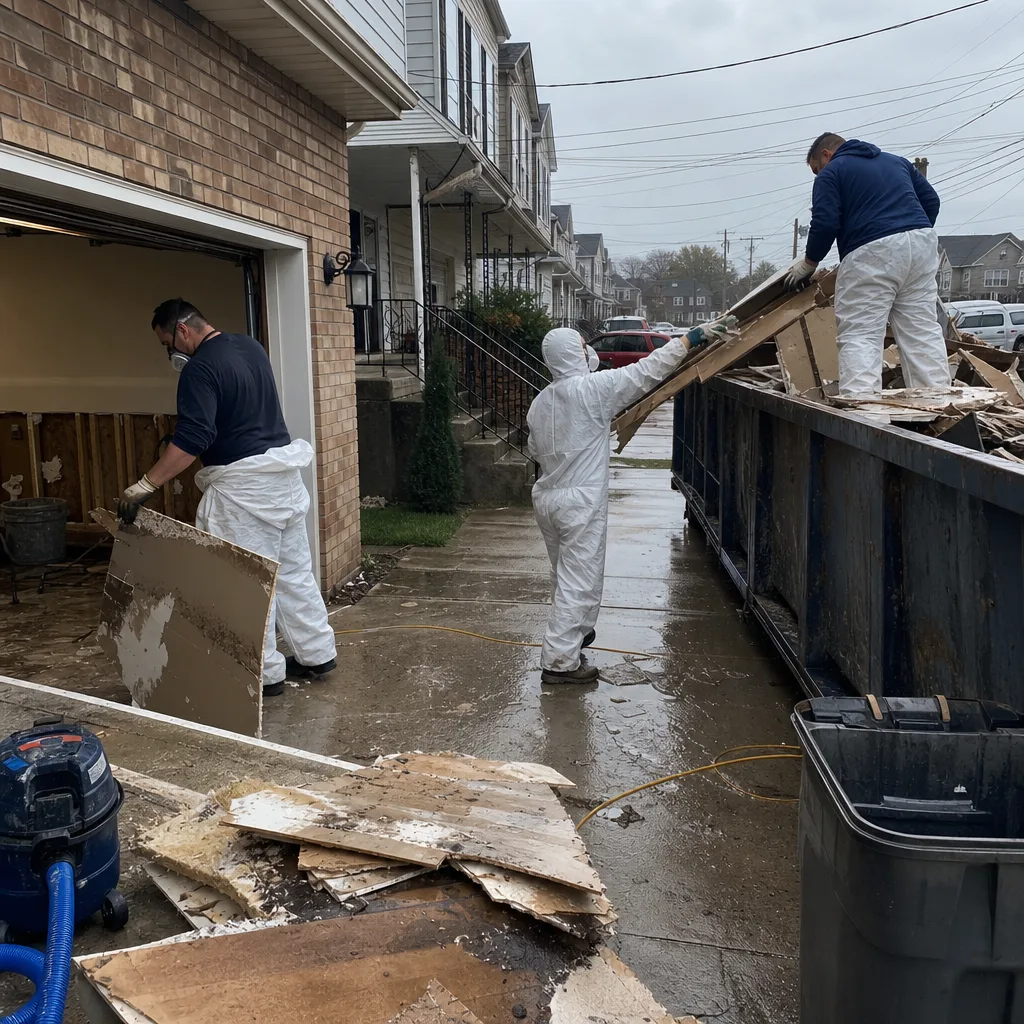
For Category 3 losses, we contain the area, treat affected surfaces with EPA-registered antimicrobials, and remove saturated porous materials that cannot be safely dried. HEPA air scrubbers run during the entire process to capture airborne contaminants.
Specialty Treatment for Storm & Disaster Damage
Window and roof openings get emergency board-up and tarping rated for exposure. Debris is cleared and hauled. We photograph every step for your insurer and, where the LPC has jurisdiction, document that all visible work used period-appropriate methods and materials.
Repairs & Restoration
We rebuild what needs rebuilding, replace what needs replacing, and leave the property dry, clean, and restored to a condition that matches the building’s original character. Before we finish, we walk the job with you and hand over the moisture log, the photos, and the 90-Day Done Right Promise in writing.
Need Emergency Storm & Disaster Restoration in Washington Square Now?
Crews minutes away, answering live 24 hours a day. The sooner we start, the less it costs.
Working With Your Insurance Company
Most storm and disaster losses in Washington Square are covered under homeowner policies, but the claim still has to be documented correctly from the first hour. Our team photographs the damage room by room, logs every moisture reading, and writes a line-item scope of work that matches what carriers expect. We communicate directly with your adjuster, send them the documentation as we go, and bill the carrier directly so you’re not fronting money and waiting on reimbursement. When the LPC is involved, we also provide the documentation your carrier needs to show that the repair work met landmark requirements, not just standard building codes.
What We Provide Your Insurer
- Thorough documentation of the loss
- Photos of all damage, room by room
- Moisture readings and drying logs
- A detailed, line-item scope of work
- Direct coordination with your carrier
Built for Washington Square’s Loss Calendar
Washington Square takes its storm damage in seasonal waves. January and February bring deep freezes that snap the aging galvanized supply lines inside uninsulated rowhouse walls, flooding basements and first floors from within. March and April thaw the ground and raise the water table, pushing groundwater into the old stone and brick cellar foundations along Washington Square North and the side streets off Fifth Avenue. Summer thunderstorms overwhelm Manhattan’s combined sewer system in minutes, and when the storm drains back up, the sewage comes up through basement floor drains in the oldest rowhouses first. September and October bring nor’easters with wind-driven rain that finds every cracked window lintel and loose roof flashing on a pre-war building. Knowing which season produces which loss means we arrive with the right equipment and the right approach already in hand.
Storm & Disaster Restoration Across Washington Square’s Neighborhoods
The buildings change block by block, and so does the way we respond. On Washington Square North, the landmarked “Row” of 1830s brick rowhouses requires us to treat every wall as historic fabric; we photograph and sample before we dry. Around the southeast corner near NYU’s Silver Center and the Judson Memorial Church area, the pre-war apartment buildings share party walls, which means a Category 3 backup on one side of a wall has to be contained and treated on both sides before drying begins. The blocks between MacDougal Street and University Place hold a mix of mid-rise flats and converted townhouses where original plaster still covers many walls. And around Washington Mews, the former carriage houses and studios present their own challenge: old brick party walls, shallow cellars, and floor plans that were never designed for modern drying equipment. Our crews know these blocks because we’ve worked them.
Specialized Storm & Disaster Restoration Services We Offer in Washington Square
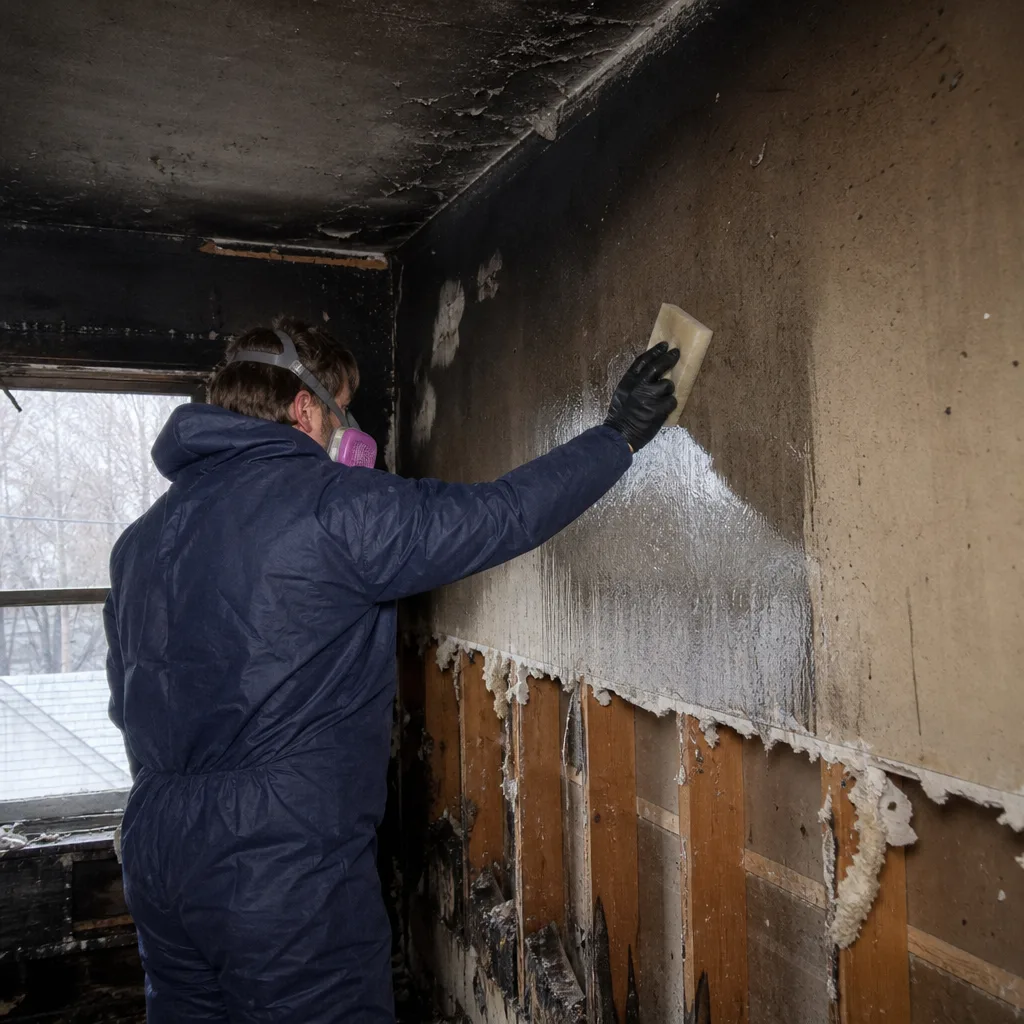
Storm Damage Cleanup
When wind and rain breach a window or wall in Washington Square, the cleanup has to account for contaminated debris, soaked insulation, and the potential for mold growth inside wall cavities within 48 hours. We remove the debris, assess the envelope, and make the building dry and stable before the LPC even asks for a scope.
Flood Damage Restoration
Flood damage in this neighborhood usually means sewage. We treat every basement backup in the Washington Square Historic District as a Category 3 loss by default: containment, extraction, antimicrobial treatment, and drying protocols that preserve the original plaster and wood above while the cellar gets thoroughly decontaminated.
Emergency Board-Up
A broken window on a Washington Square rowhouse can’t be replaced with any standard sash. Board-up buys you time with weather-tight, LPC-compliant temporary materials while we source or fabricate the period-appropriate window, door, or shutter the Landmarks Commission will approve. Boarding up is not the repair; it’s the stabilized pause before the right repair.
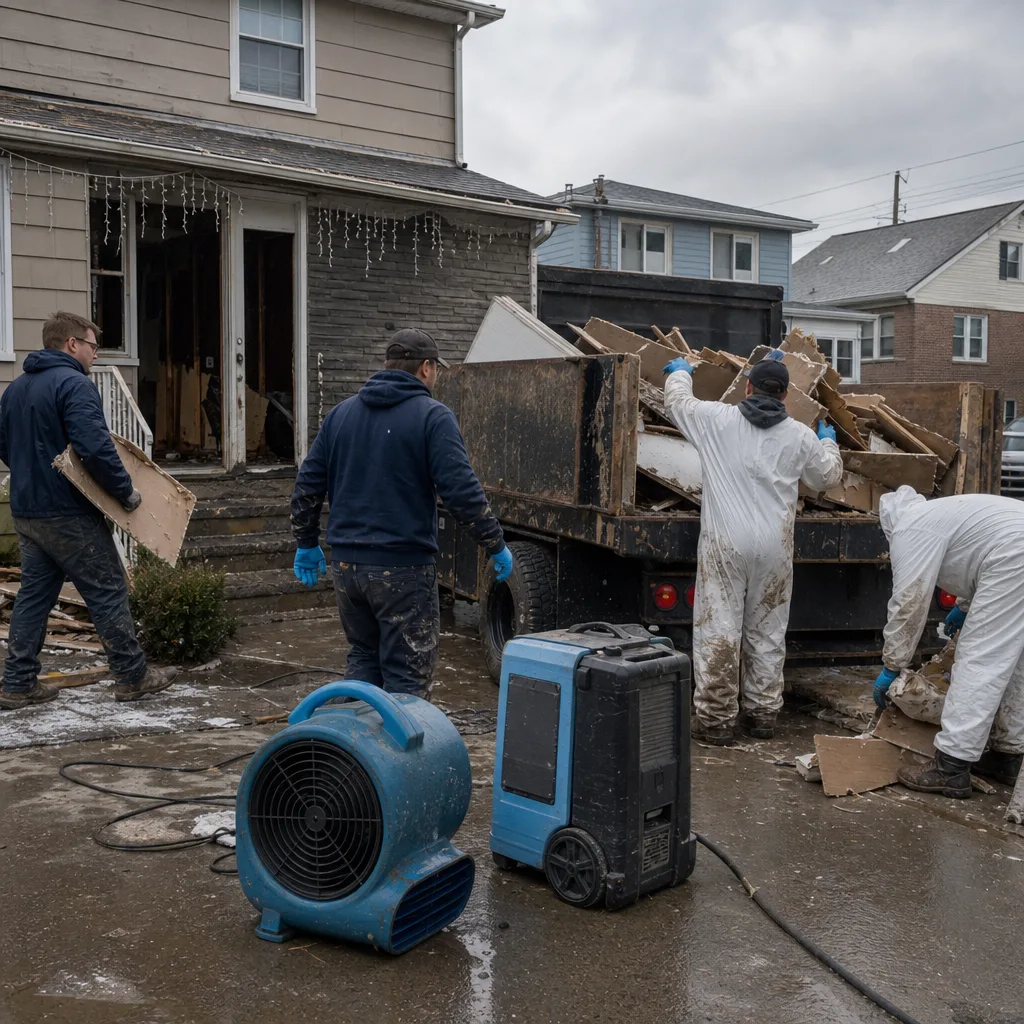
Roof Tarping
Nor’easter wind damage to a flat or low-slope roof on a pre-war apartment building or rowhouse needs tarping within hours. We secure the damaged area with commercial-grade tarps that keep rain out while a permanent, LPC-compliant roofing repair is scoped and scheduled.
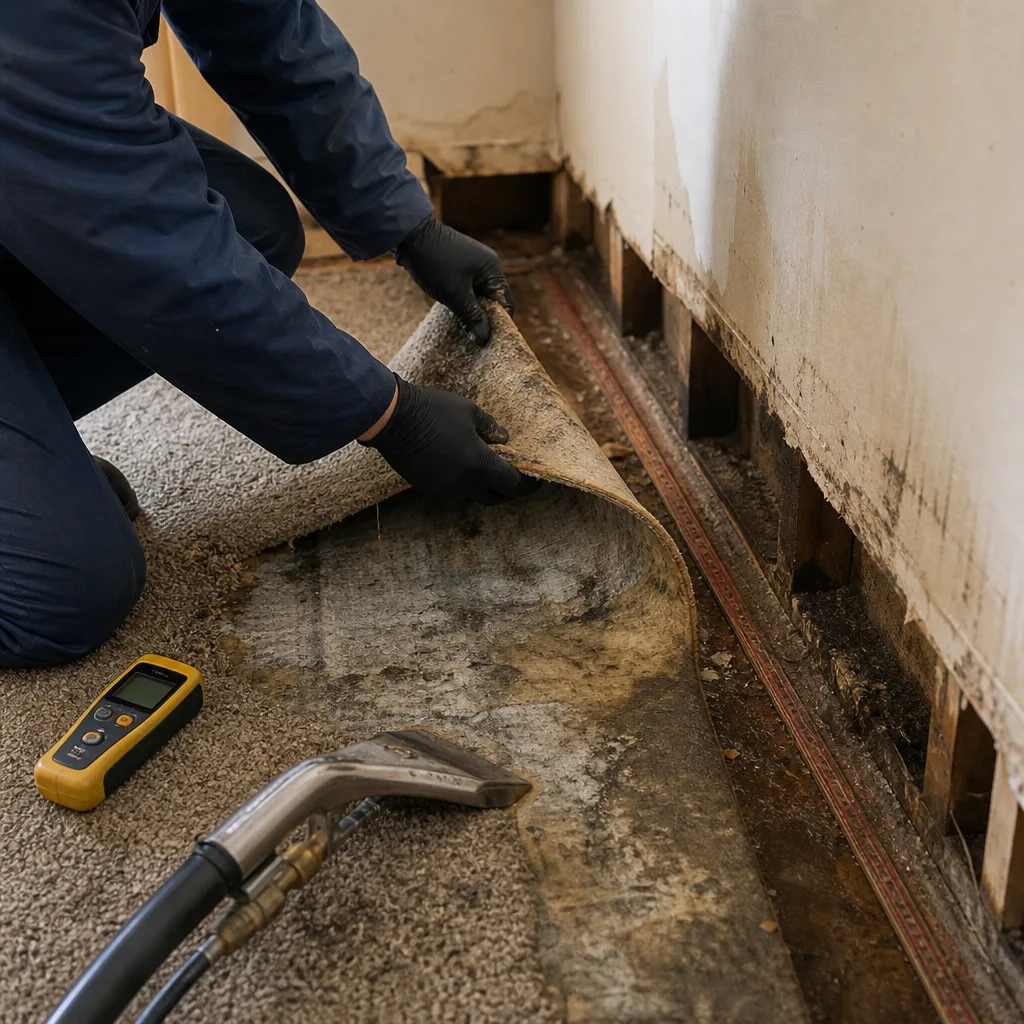
Debris Removal
Storm debris in a protected historic district can’t be hauled off as ordinary construction waste. We sort and document what came from where, keep anything that might be required for an insurance or LPC repair claim, and dispose of contaminated debris according to local regulations.
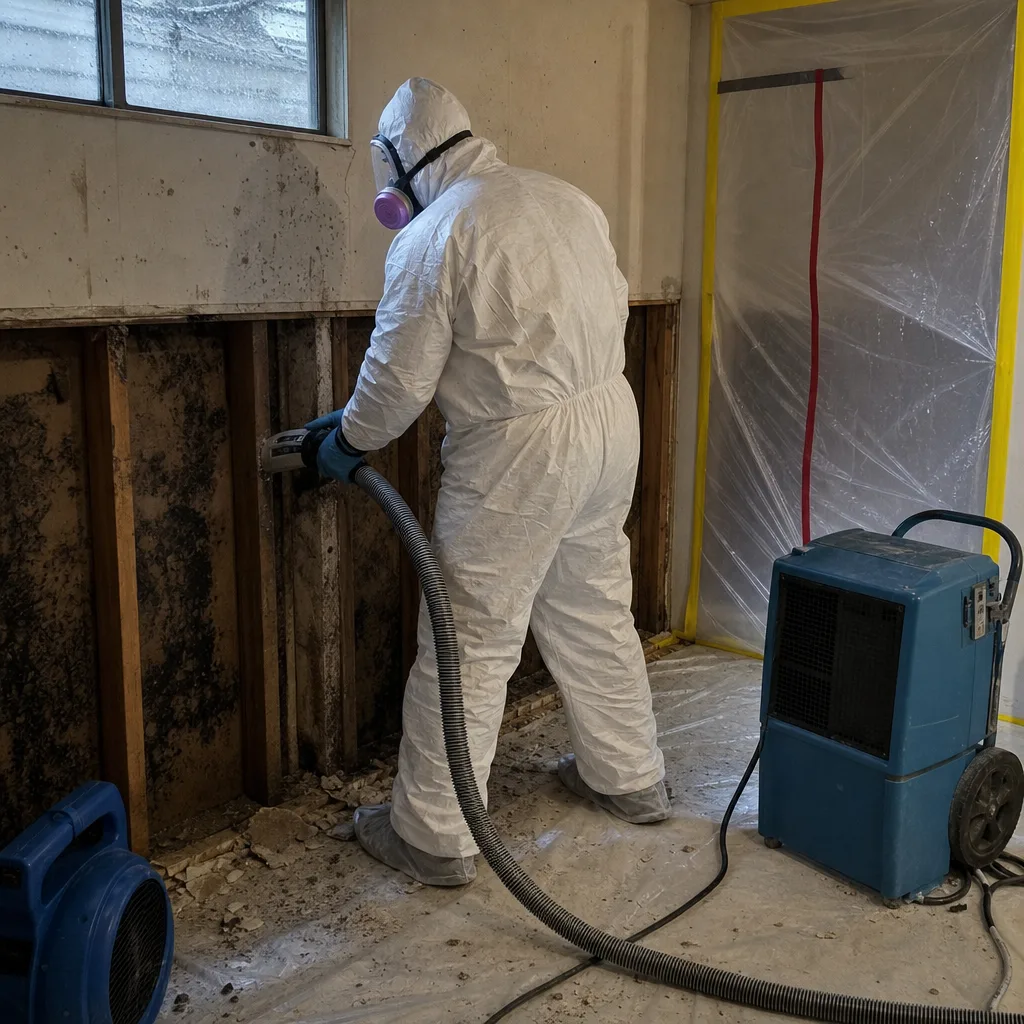
What happens when you call
- 1
A real person answersNo phone trees - you reach a local pro.
- 2
You get an upfront price rangeHonest numbers before anyone is dispatched.
- 3
A background-checked tech heads outLicensed & insured, dispatched right away.
- 4
You approve before work beginsNothing starts until you say go.
Storm & Disaster Restoration Costs in Washington Square, NY
Because Washington Square’s buildings are older and many are landmarked, restoration costs here run higher than in nearby Midtown or Murray Hill. A standard Category 3 basement backup in a Washington Square rowhouse typically runs $4,500 to $12,000 for extraction, containment, antimicrobial treatment, and structural drying, depending on square footage and how far the water wicked into plaster walls. Emergency board-up after storm damage generally runs $600 to $1,800 per opening, depending on size and access. Roof tarping on a flat pre-war roof usually lands between $1,200 and $3,500, depending on the area and the anchoring method. Storm damage cleanup with debris removal can run $3,000 to $9,000, with the higher end reflecting the documentation and material sourcing the LPC requires. The single biggest variable is whether the job turns from drying into reconstruction. We offer a free visual inspection and a written scope before any work begins, so you know the number before you commit. Call (551) 348-8481 for an exact quote.
We Also Serve Cities Near Washington Square
Floodline Restoration Co. serves Washington Square and the surrounding Manhattan neighborhoods where our crews work the same historic housing stock daily: Storm & Disaster Restoration for Midtown West, Midtown Manhattan, Murray Hill, and the Upper West Side. When you call, our dispatcher routes the nearest available certified crew to your address.
Serving Washington Square, NY - Our Local Coverage Area
We’re based in the Washington Square area and know this community well. Use the map below to see our service coverage - if you’re nearby, we can almost certainly help.
Washington Square Storm & Disaster Restoration Questions, Answered
How does the NYC Landmarks Preservation Commission (LPC) process affect storm damage restoration in Washington Square?
The LPC must review and approve virtually any exterior repair or visible interior alteration in the Greenwich Village Historic District, which includes most of Washington Square. In practice, that means a storm-damaged window, door, or roof section cannot simply be replaced with a modern equivalent; you need period-appropriate materials and a documented method. Our crews photograph and sample before any work begins, and our scope of work is written to satisfy both your insurance carrier and the LPC.
Can you dry horsehair plaster walls after a flood without removing them?
Yes, in most cases. Horsehair plaster from the 1820s through 1850s is surprisingly resilient, and with Injectidry wall drying systems and controlled dehumidification we can pull moisture out of the plaster and its lath backing without demolition. We only remove plaster when it has lost structural integrity or is too contaminated with Category 3 water to safely preserve. Removing it without LPC documentation is exactly what triggers stop-work orders in Washington Square.
What kind of water damage is most common in Washington Square basements?
Category 3 blackwater from sewer backups is the dominant water damage scenario. Manhattan’s combined sewer infrastructure runs beneath the 19th-century street grid, and heavy rain pushes sewage up through basement floor drains in the oldest rowhouses. That water requires full containment, antimicrobial treatment, and disposal of saturated porous materials. It is not a mop-and-fan situation.
Do you need LPC approval to board up a window after storm damage in Washington Square?
Emergency board-up to stabilize a building is generally allowed without prior LPC approval, because the immediate goal is weather protection and security. The permanent repair that follows, however, does require LPC review. We document the board-up, then work through the LPC process for the replacement window, sash, or shutter so you don’t get a stop-work order on the permanent fix.
How do you handle mold prevention in old rowhouses with thick plaster walls?
Mold prevention in a Washington Square rowhouse starts with aggressive structural drying behind the plaster, not just on the surface. We use moisture meters and thermal imaging to identify hidden water in wall cavities, then dry those cavities with Injectidry systems while HEPA air scrubbers run. Antimicrobial treatment follows for Category 3 losses, and we log daily moisture readings until the dry standard is met, which is the real mold prevention.
How fast can you get to a Washington Square address?
We commit to a 45-minute response for emergency storm and disaster calls in Washington Square. Our live dispatcher confirms the call, routes the nearest available certified crew, and gives you an ETA while you’re still on the phone.
Will my insurance cover storm and disaster restoration in a landmarked building?
Most homeowner policies cover storm and flood damage restoration regardless of landmark status, but the LPC process can complicate the claim if it’s not documented properly. We provide the photos, moisture logs, and written scope your carrier needs, and we bill the carrier directly. Where LPC compliance affects the repair, we document that too, so your claim doesn’t stall over a landmark issue.
What should I do in the first 30 minutes after storm or flood damage in Washington Square?
Call (551) 348-8481. Then, if you can safely reach the breaker panel, cut power to the affected area. Do not enter standing water if it may be contaminated with sewage. If water is coming from a burst pipe, shut the main water valve. Take photos of the damage if it is safe to do so. Do not attempt to dry historic plaster yourself with household fans; the wrong drying method can cause more damage than the water.
Washington Square is a tiny neighborhood with a very specific set of problems: landmarked buildings, thick historic plaster, aging cast-iron supply lines, and a combined sewer system that backs up into old basements whenever the rain comes hard. The job isn’t just to make it dry. It’s to make it dry without losing what makes the building worth preserving.
That’s the work we do. One team from the first extraction to the final coat of paint. A written scope before work starts. Direct billing to your carrier. And the 90-Day Done Right Promise in writing: if it’s not done right, we make it right. No arguing, no paperwork battles. Call (551) 348-8481 for a free estimate, any hour, any day.
Written by Curt Bowman, Owner at Floodline Restoration Co.