
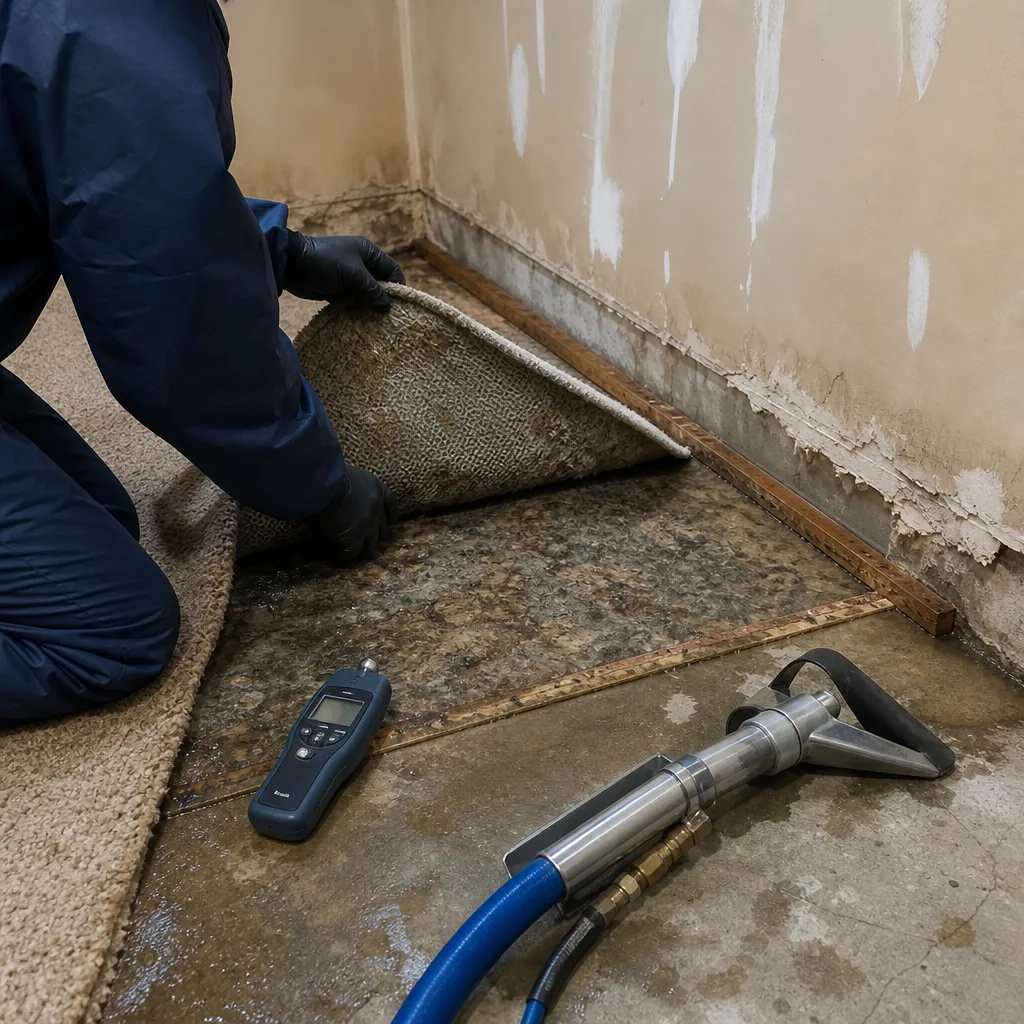
Free visual inspection and a written scope of work before any mitigation begins - photos, moisture readings, and drying logs go in your claim file
The scope we write is the scope we bill. Anything new gets shown to you, in writing, before we touch it.
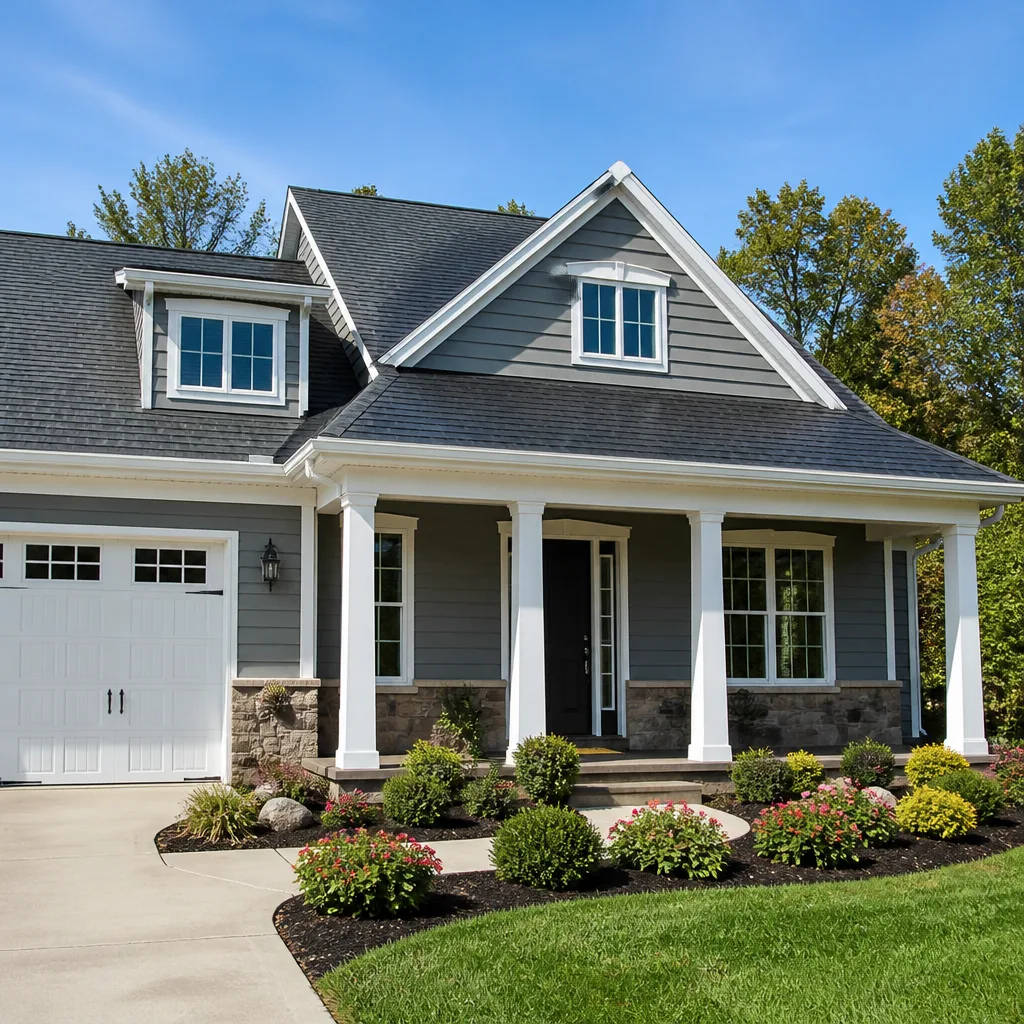
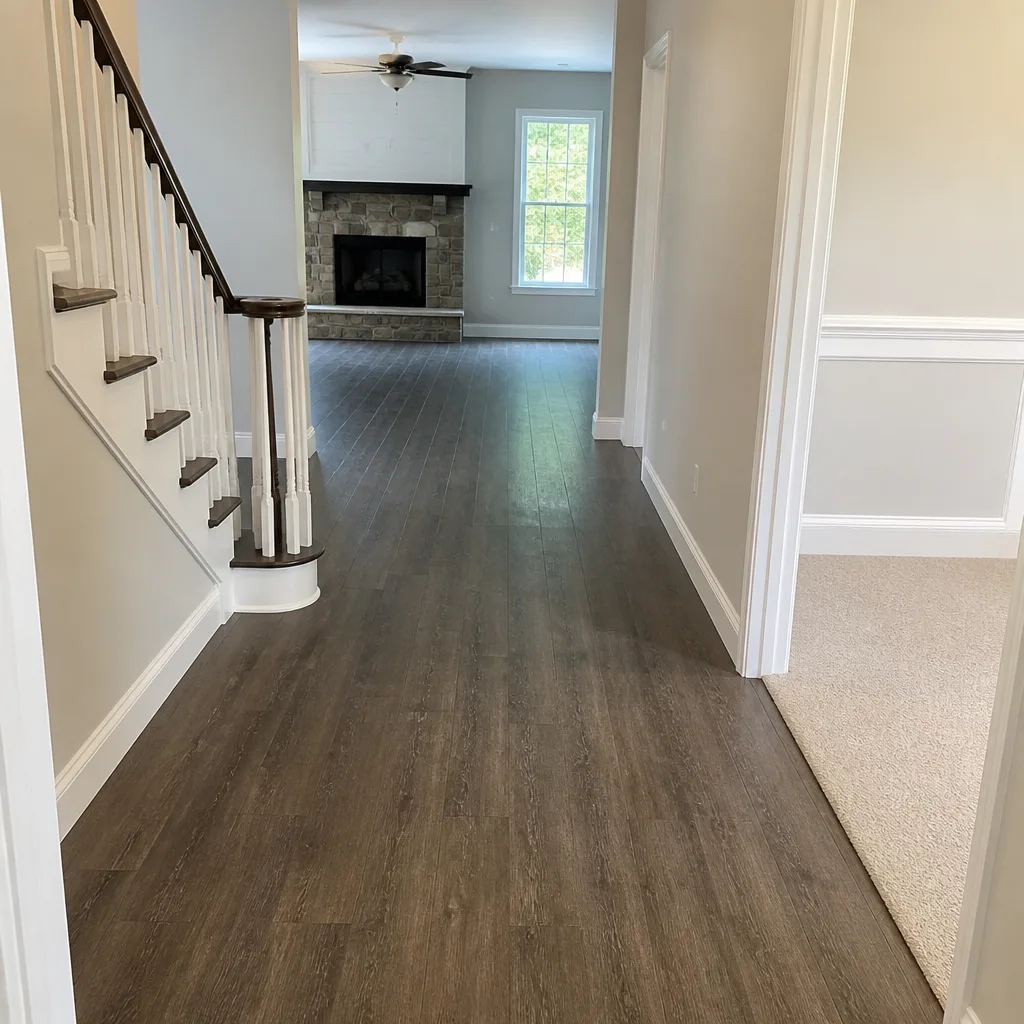
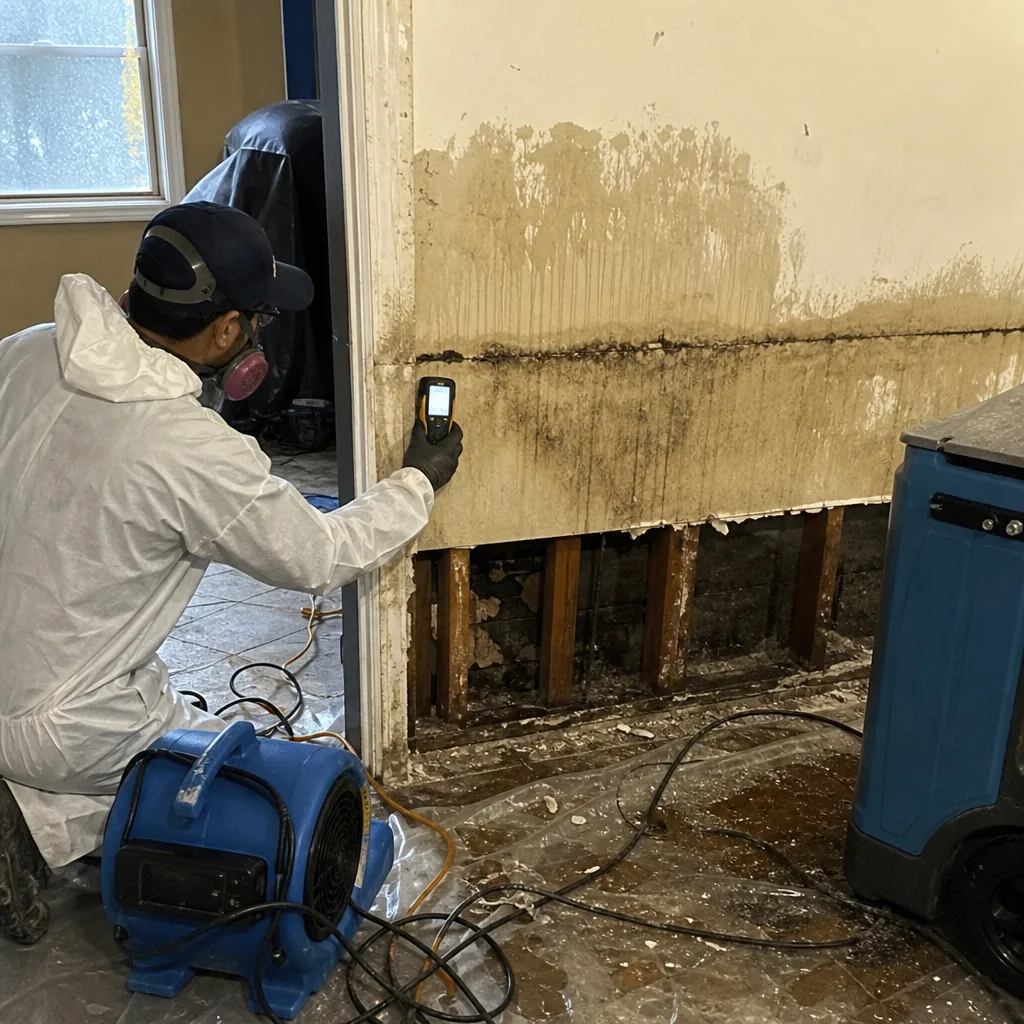 Before
 After
After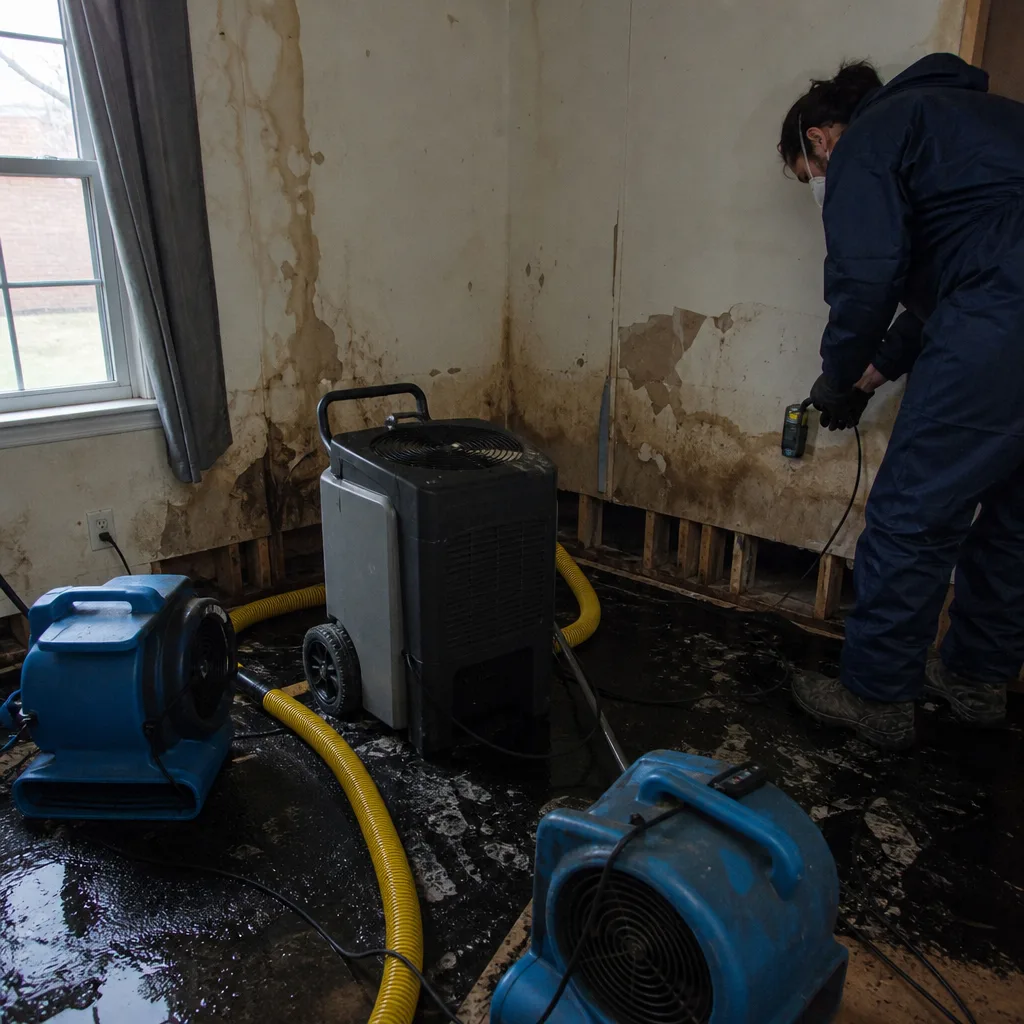 Before
 After
After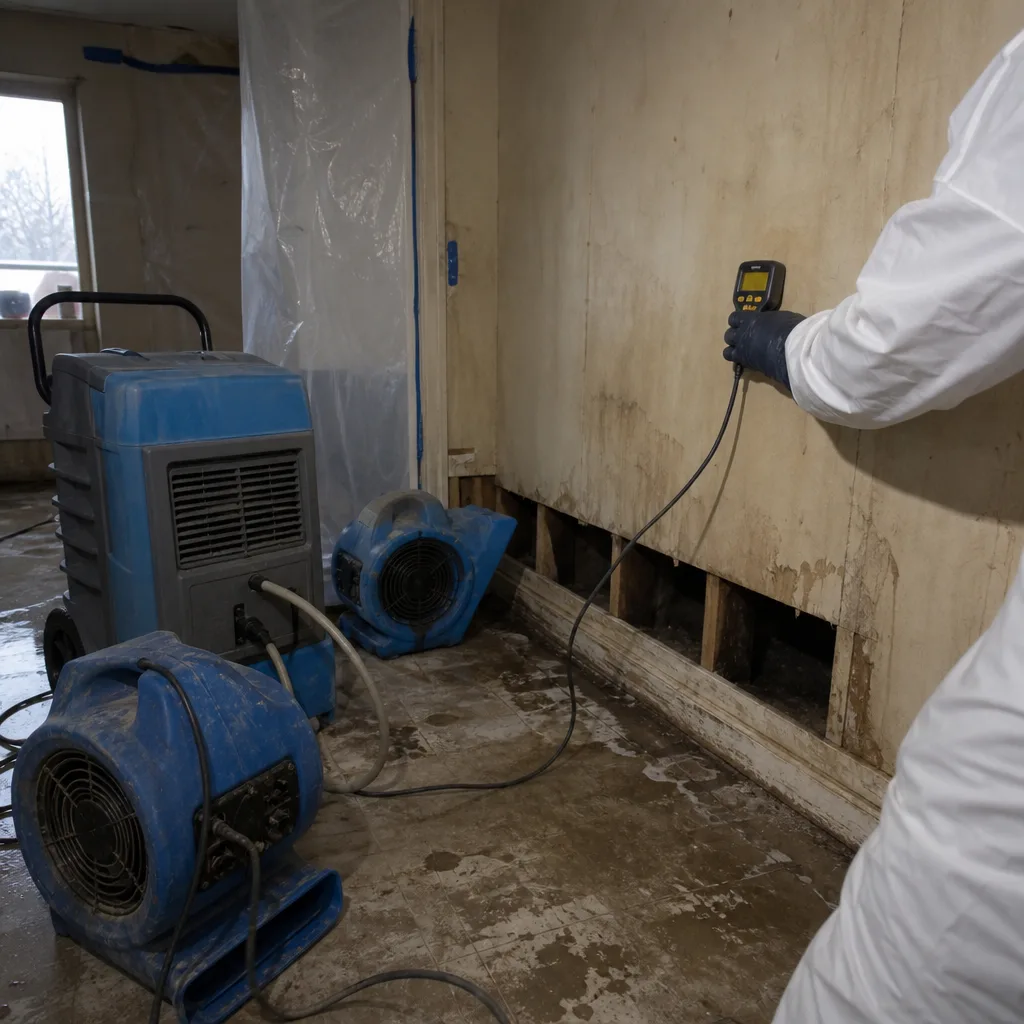 Before
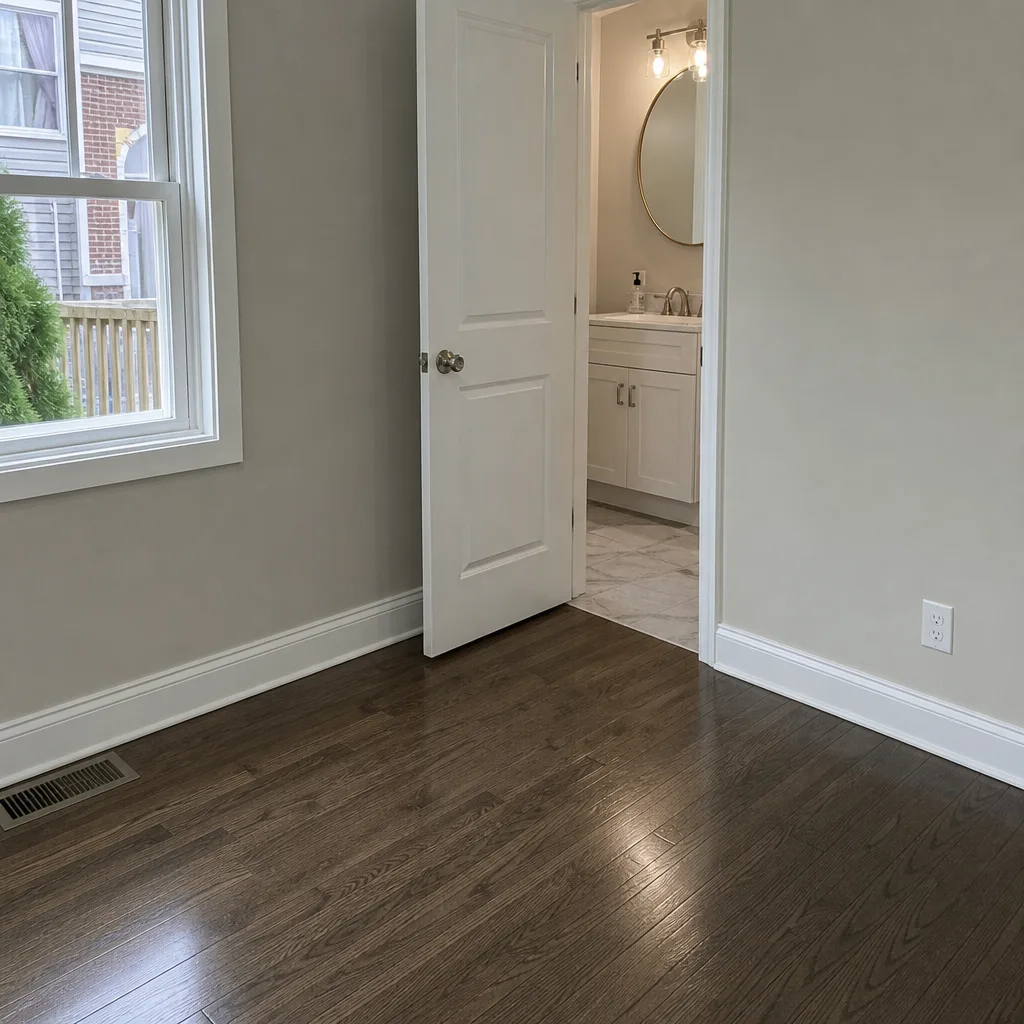 After
After24/7 Emergency Water Damage Restoration in Murray Hill
Water damage restoration in our Murray Hill service area typically runs $2,800-$11,000 depending on how far the water has traveled through pre-war plaster walls and parquet floors, and how many units are involved. If you’re dealing with a burst pipe, a failed steam riser, or a washing machine drain that just flooded your co-op, call (551) 348-8481 right now. A live dispatcher answers 24 hours a day, and our first truck reaches most Murray Hill addresses within 45 minutes. The first hour decides whether you’re dealing with one room or three units below you. We arrive, we assess, we start extraction. Same visit.
Understanding Water Damage Restoration Severity in Murray Hill Properties
Murray Hill has three distinct severity profiles, and they almost always trace back to the building’s age and mechanicals. First, there’s Category 1 water from a clean supply line or steam radiator. In a 1920s co-op on East 36th Street, that water wicks behind plaster and follows cast iron riser channels downward, hiding for days or weeks before the neighbors below call the super about ceiling staining. Second is Category 2 gray water from failed washing machine drains or condensate lines. By the time it surfaces two floors down, it’s picked up dust, old lath debris, and whatever else lives inside a century-old wall cavity. Third is Category 3 black water from sewer backups and storm surge. Murray Hill’s lower blocks near the East River, particularly sub-grade mechanical rooms and English basement brownstones on the cross streets, saw this during Sandy in 2012 and remain exposed during nor’easter-driven flooding. In dense pre-war buildings, Category 2 water ignored for 48 hours becomes a shared-wall problem: moisture maps across multiple units, co-op board involvement, and a scope that expands from one apartment to three. That’s not scare language. That’s what we see monthly in this neighborhood.
Why Murray Hill Property Owners Choose Floodline Restoration Co.
- 45-minute response commitment: Our dispatch board tracks every truck in Manhattan. When you call from a pre-war high-rise on Park Avenue South, we tell you exactly who’s coming and when. We’ll be there when we say.
- 24/7 live answer, every single time: No recording, no call tree. A real person picks up at 2 a.m., takes your address, and starts the crew rolling. That matters when water is running through three floors of plaster.
- IICRC-certified crews, including WRT and ASD: Our technicians hold Water Damage Restoration Technician and Applied Structural Drying certifications, and train to RIA and IFA standards. They read moisture maps, not guesswork.
- Free visual inspection before any work begins: We walk the loss with you, explain what we’re seeing, and hand you a written scope before a single air mover goes in. No surprises on the bill.
- Direct insurance billing: We deal with the carrier directly, provide photo documentation and line-item estimates, and take that administrative weight off your shoulders.
- One team from extraction to reconstruction: The same crew that sets the drying chamber on day one is the crew that rebuilds the wall. No mid-job handoff, no inherited strangers.
Our Water Damage Restoration Process
Inspection & Assessment
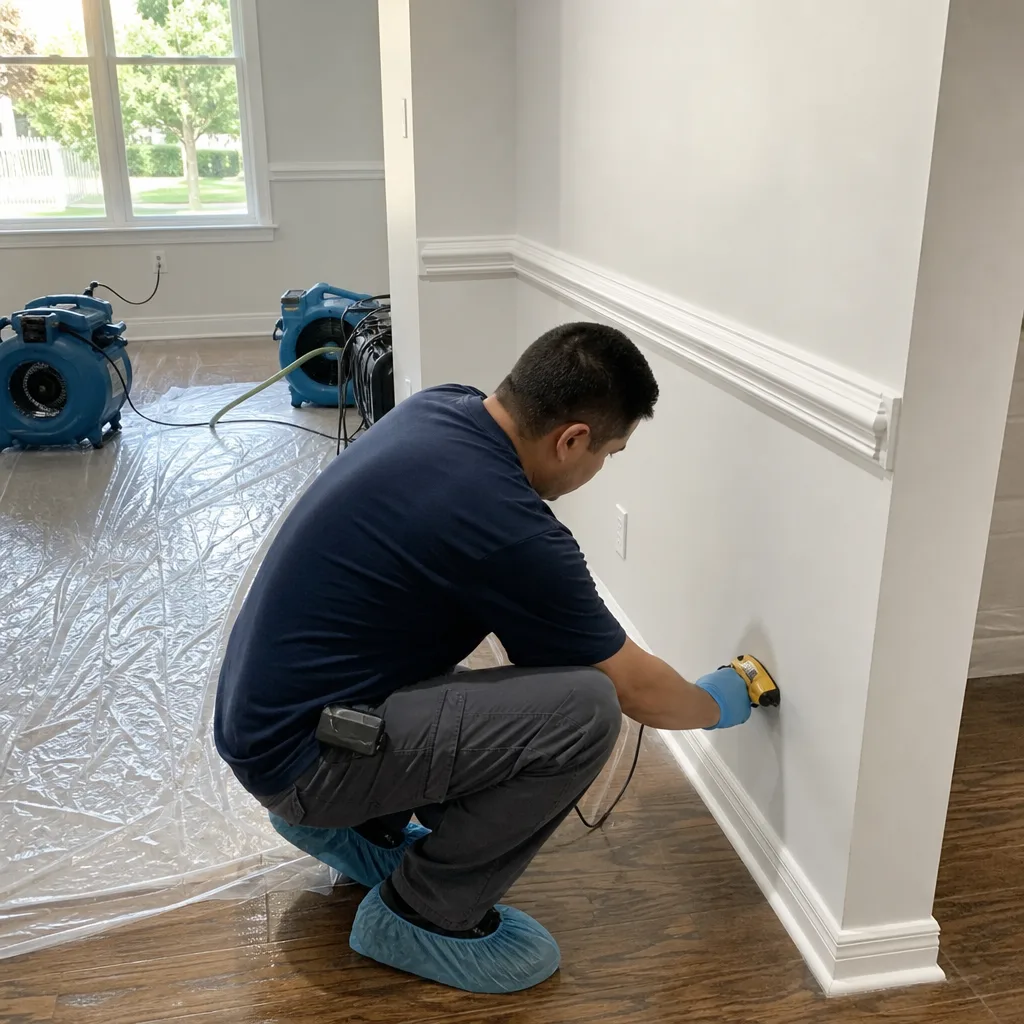
We start by mapping the water’s path with thermal imaging and penetrating moisture meters. In Murray Hill co-ops, that means checking the unit above, the unit below, and the wall cavities connecting them. The line the water left is where we start.
Extraction & Stabilization
Standing water comes out first. We use truck-mounted extractors for larger floods and portable units for tight pre-war hallways and walk-ups. The goal in the first hour is simple: stop the spread.
Drying & Dehumidification
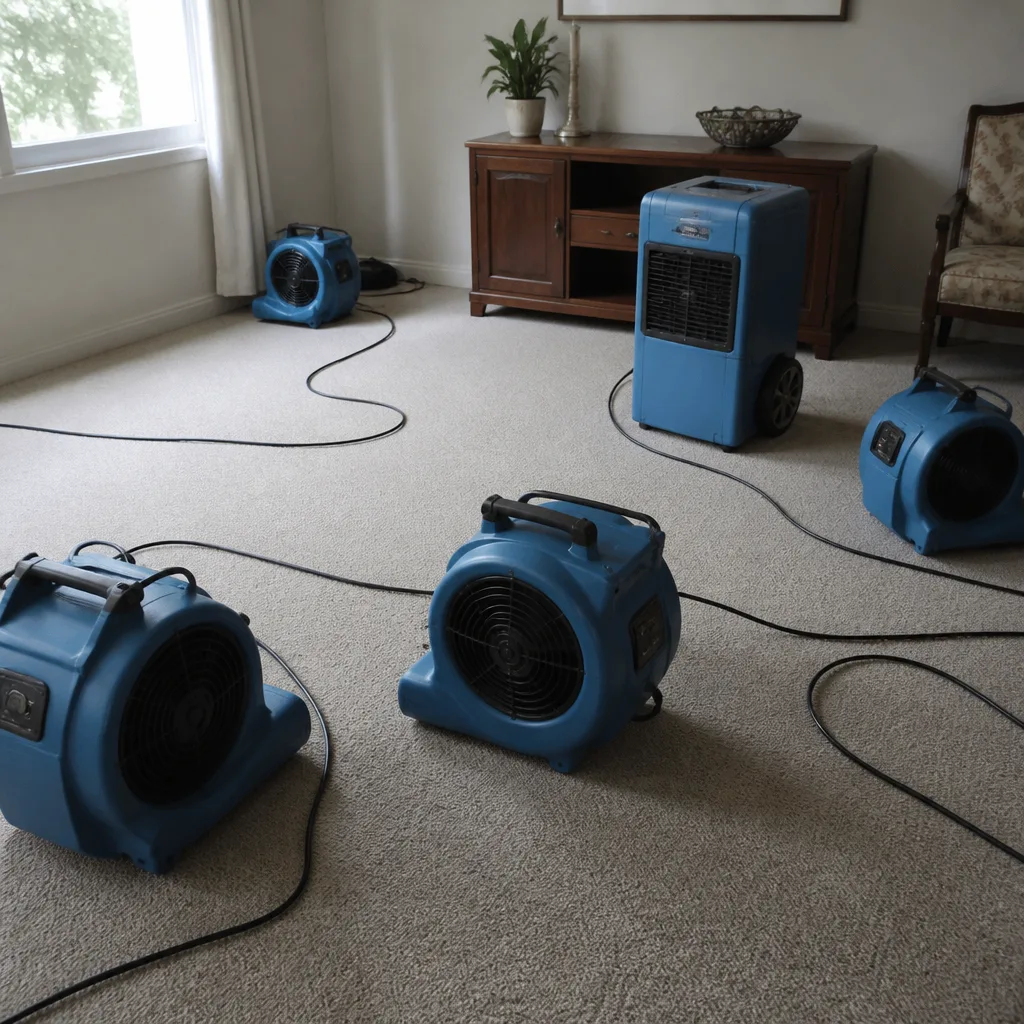
We set Dri-Eaz air movers and Phoenix dehumidifiers sized for Murray Hill’s dense masonry envelopes. Daily readings go into a moisture log that you and your insurer both receive. Drying continues until we hit the dry standard, not a day sooner.
Cleaning & Sanitization
After structural drying, we clean and sanitize all exposed surfaces. If the event involved Category 2 or 3 water, we remove saturated porous materials rather than trying to dry them in place. Plaster, parquet, and cast iron each get handled differently.
Containment & Air Scrubbing
In tight pre-war hallways and units with shared walls, we build proper containment before any demolition or drying work starts. HEPA air scrubbers run continuously. This keeps the moisture and any disturbed particulate from spreading into your neighbor’s unit.
Repairs & Restoration
Once everything is dry and logged, the same crew rebuilds. Walls, floors, millwork. We restore original parquet where we can and match plaster profiles where we must. Done right, and backed in writing.
Need Emergency Water Damage Restoration in Murray Hill Now?
Crews minutes away, answering live 24 hours a day. The sooner we start, the less it costs.
Working With Your Insurance Company
Water damage in a Murray Hill co-op or condo quickly becomes a multi-party claim. The leak may have started in the unit above, but the damage is in yours, and the shared-wall clause means the building’s policy gets pulled in too. We handle that straight. From the first hour, our crews photograph every affected room, log daily moisture readings, and build a line-item scope of work that matches what the carrier’s adjuster needs. You never play messenger between us and the insurer. If the adjuster has questions, we answer them directly. If the board asks for documentation before approving access, we hand them exactly what they asked for. Curt Bowman’s crews have done this across Murray Hill long enough to know the paperwork is part of the work, and we treat it that way.
What We Provide Your Insurer
- Thorough documentation of the loss
- Photos of all damage, room by room
- Moisture readings and drying logs
- A detailed, line-item scope of work
- Direct coordination with your carrier
Built for Murray Hill’s Loss Calendar
Murray Hill’s water damage season runs all year, but it shifts shape. January deep freezes are the worst. Supply lines buried in uninsulated exterior walls of pre-war buildings freeze and burst, particularly on the northern exposures along East 38th and 39th Streets where original piping has been doing this dance since the Coolidge administration. February and March bring the thaw: ice in the drainage stacks lets go, and suddenly water is coming through ceilings six floors down. Summer thunderstorms overwhelm old roof drains on flat-roof co-ops, sending water down interior bulkheads and into top-floor plaster. Nor’easters from October through April push East River surge into basement mechanical rooms and English basement brownstones on the cross streets between Lexington and Third, which is why we offer our Storm & Disaster Restoration in Murray Hill. We keep equipment staged for the whole calendar because in Murray Hill, the next water event is never more than a few weeks out. And when the steam risers on 36th through 38th Streets decide to weep, which they do without warning, the loss starts silently behind plaster and builds for days before anyone knows. We answer the phone at 2 a.m. because that’s when Murray Hill finds out.
Water Damage Restoration Across Murray Hill’s Neighborhoods
Murray Hill is compact but its water damage profile shifts block by block. Along Park Avenue South, the signature pre-war co-ops between 34th and 38th Streets run 10 to 20 stories with shared cast iron stacks. A pipe failure on the 14th floor becomes a ceiling stain on the 11th before anyone in between opens a wall. Response means knowing which building’s freight elevator runs at night and which super needs to be called first. On the cross streets between Lexington and Third, the converted Italianate brownstones have English basements below grade. Those basements take water during heavy storms when the old clay laterals can’t keep up, and they need extraction and drying that respects 150-year-old stone and brick. Over toward Second Avenue, the post-war mid-rises have different mechanicals but the same vertical spread problem: a dishwasher drain on the ninth floor ends up in the lobby ceiling. And in the blocks around Tudor City on the east edge, the tower layouts have long interior corridors and dense unit stacking that make containment and air movement trickier than a suburban basement. We know each corridor, each building type, and each failure pattern. That’s the local knowledge that keeps a one-unit mitigation from turning into a three-unit claim.
Specialized Water Damage Restoration Services We Offer in Murray Hill
Emergency Water Extraction
When water is actively running through a Murray Hill co-op, extraction is the first line of defense. We bring truck-mounted and portable extractors sized for pre-war hallways, unit door clearances, and freight elevator dimensions. Every minute of delay sends water further into parquet, plaster, and the floor assembly below. We start extraction on the same visit.
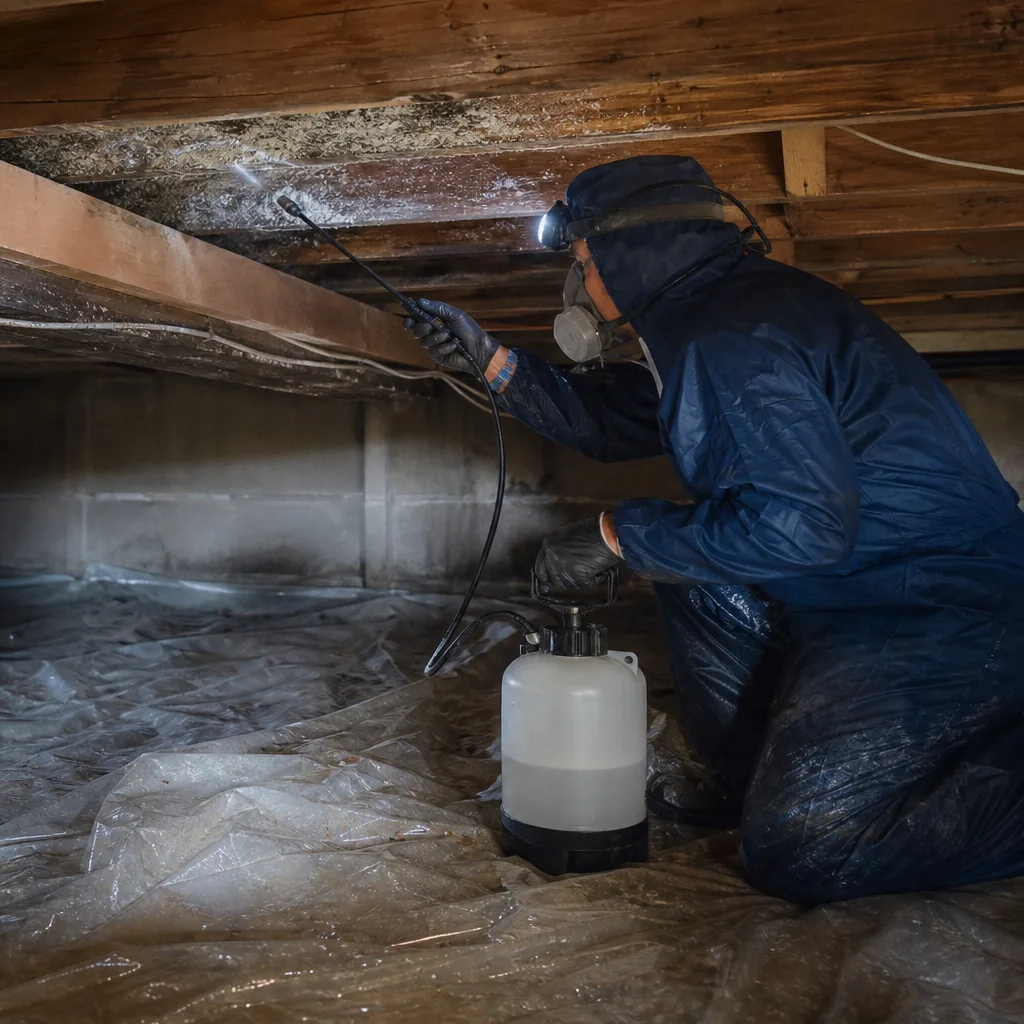
Structural Drying & Dehumidification
Drying a pre-war plaster wall is nothing like drying suburban drywall. The material is denser, the cavities are deeper, and the cast iron risers running inside the wall act as thermal sinks that keep the cavity cool and damp. We use Dri-Eaz air movers and Phoenix dehumidifiers laid out to push air through wall cavities and sub-flooring, with daily hygrometer readings until we hit the dry standard. You get the log. Your insurer gets the log. No one has to wonder if it was done right.
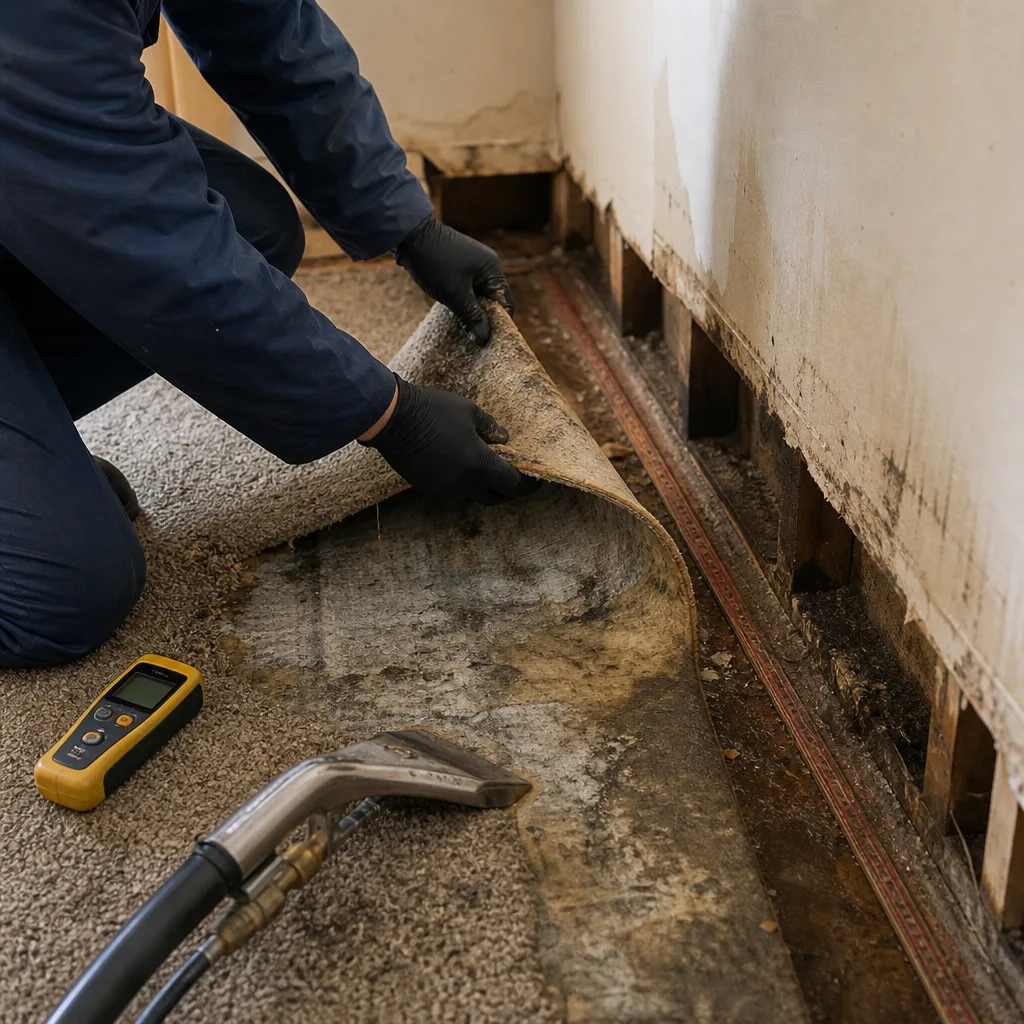
Burst Pipe Restoration
A frozen supply line in an exterior-facing wall on East 37th Street can release hundreds of gallons before the shutoff is reached. By then the water has found every downward path available: chases, riser slots, electrical conduit. We trace the water’s entire vertical path, not just the room where the ceiling opened. Burst pipe restoration in Murray Hill means treating the stack, the units below, and the shared wall assembly as one connected system, which it is.
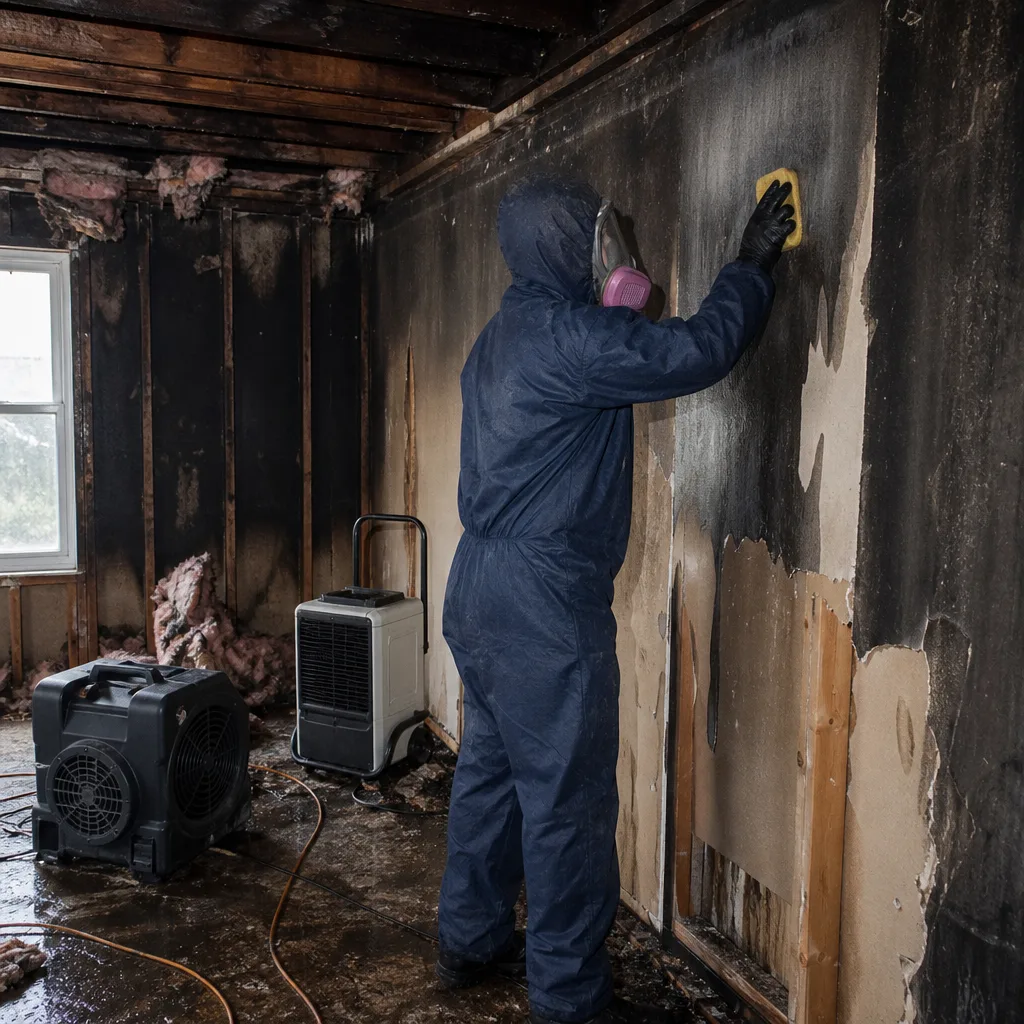
Flood Cleanup
Sewage Cleanup - Murray Hill and storm surge events hit differently than pipe breaks. The water arrives dirty, often Category 3, carrying whatever the East River and the city’s old sewer laterals brought with it. Flood cleanup here means removal of saturated porous materials, thorough sanitization, and building drying that respects below-grade masonry that wants to hold moisture for weeks. We don’t dry contaminated materials. We remove them.
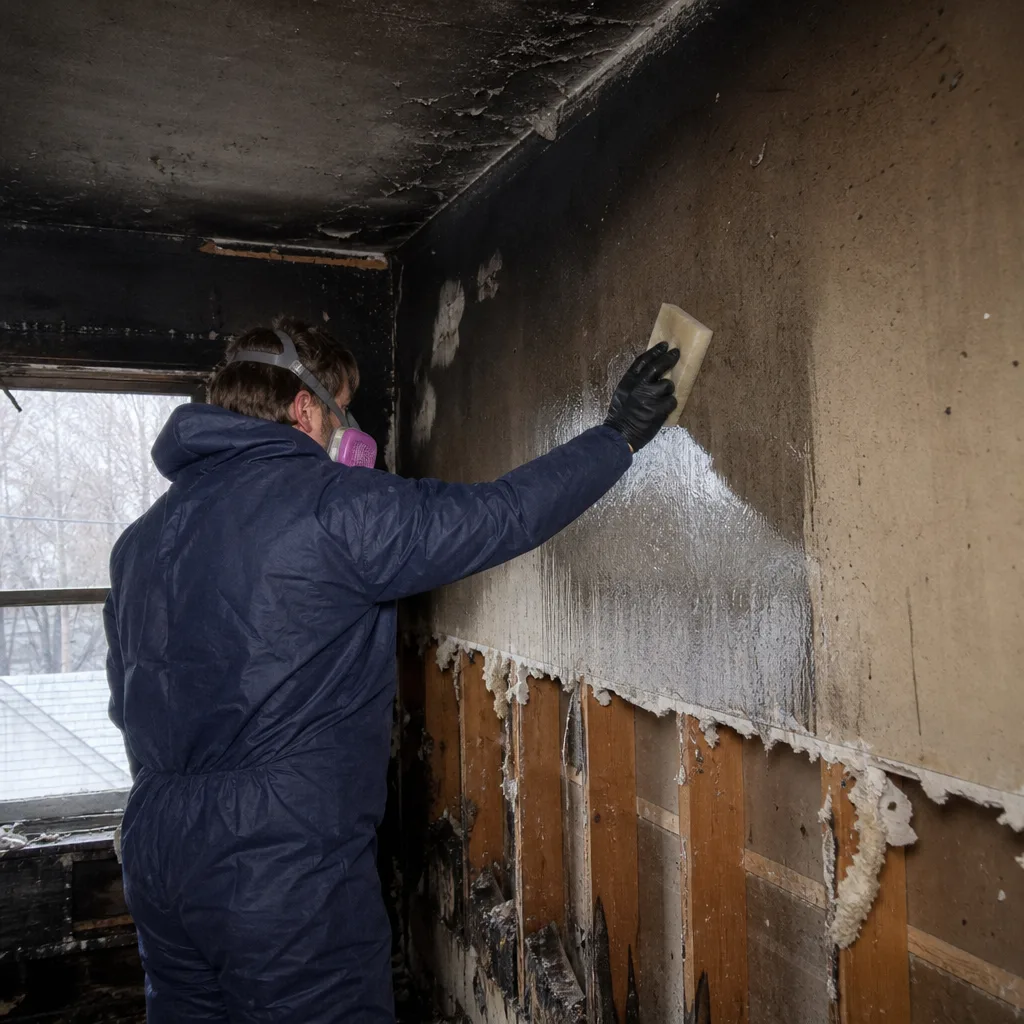
Basement Water Removal
The English basements in Murray Hill’s brownstone stock are particularly vulnerable after heavy rain. Sump failures, weeping foundation walls, and old clay laterals backing up all put water exactly where it shouldn’t be. We extract first, then address the source, then dry to standard. In a below-grade brownstone basement with limited ventilation, drying takes longer than in a high-rise interior. We plan for that from the first reading.
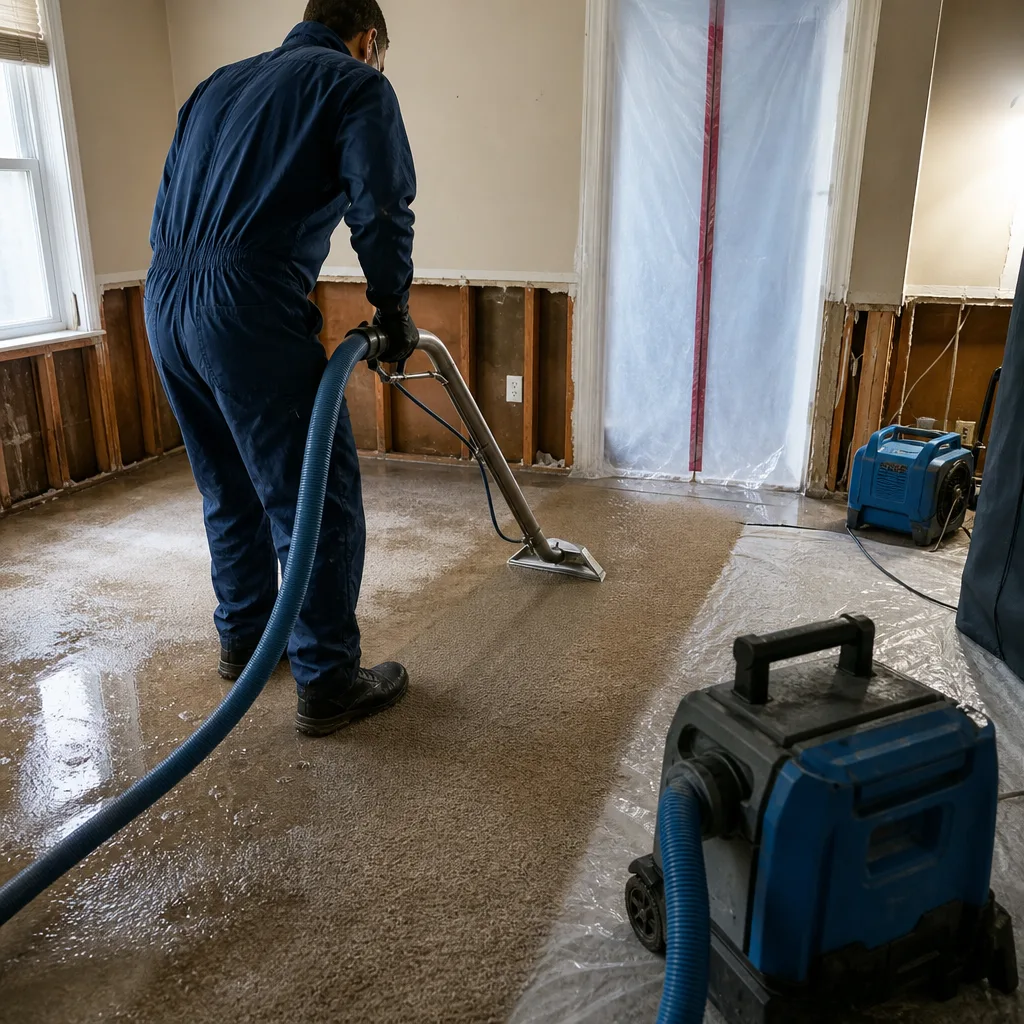
Ceiling & Roof Leak Water Damage
Flat roofs drain poorly on aging co-ops, and the interior bulkheads many Murray Hill buildings use to route plumbing create straight-line paths for water. By the time a ceiling stain appears in a top-floor unit, water may have already saturated insulation and soaked into the lath above. We open only what’s needed, map the moisture, and dry the assembly before patching and repainting. More importantly, we tell you if the roof leak that started the damage is still active. Drying under an active leak is a waste of everyone’s time.
What happens when you call
- 1
A real person answersNo phone trees - you reach a local pro.
- 2
You get an upfront price rangeHonest numbers before anyone is dispatched.
- 3
A background-checked tech heads outLicensed & insured, dispatched right away.
- 4
You approve before work beginsNothing starts until you say go.
Water Damage Restoration Costs in Murray Hill, NY
In Murray Hill’s high-rise co-op market, costs trend higher than in outer-borough single-family homes for a simple reason: access and vertical spread. A modest Category 1 ceiling leak contained to one room usually runs $2,800-$5,500. A burst riser that affects three units and requires board-approved access, containment across multiple floors, and extended structural drying typically lands between $8,000 and $18,000. Flood cleanup involving Category 3 water in a basement or sub-grade mechanical room can run $6,500-$20,000+ depending on how much saturated material must be removed and replaced. What moves the price: how many units are involved, whether the leak is still active, whether the co-op board requires a specific contractor protocol, whether the elevator needs a reserved time window, and how far the water traveled inside wall cavities before it was caught. We provide a free visual inspection and a written scope before work starts. That number is the number. Seniors and veterans always get 5% off, and any repair over $250 qualifies for a $50 discount. Call (551) 348-8481 and we’ll give you a square deal: a firm scope, direct insurance billing, and no surprises on the bill.
We Also Serve Cities Near Murray Hill
Floodline Restoration Co. serves the neighborhoods that surround Murray Hill, including Midtown West, Washington Square, Midtown Manhattan, and the Upper West Side. Wherever the address, you’ll get the same live 24/7 answer and the same 90-Day Done Right Promise in writing. The crew that knows Murray Hill’s risers also knows its neighbors’ buildings.
Serving Murray Hill, NY - Our Local Coverage Area
We’re based in the Murray Hill area and know this community well. Use the map below to see our service coverage - if you’re nearby, we can almost certainly help.
Murray Hill Water Damage Restoration Questions, Answered
How do you handle water damage in a Murray Hill co-op when the leak originated in another unit?
We treat the affected unit as our client’s loss while coordinating with the originating unit’s owner, the co-op board, and both insurance carriers. Documentation starts immediately because the shared-wall clause means multiple policies are already in play. We work from the first hour to map the full vertical path of the water, not just the room where it surfaced.
Why does my Murray Hill building require co-op board approval before you can open walls for drying?
Because your walls contain shared building systems: cast iron risers, steam lines, and structural masonry that belongs to the building, not the unit. The board’s management company must sign off before we cut into shared surfaces, and they often require proof of insurance and a detailed work plan. We provide both quickly, and we’ve done this dance hundreds of times in Murray Hill co-ops.
How fast can you respond to a burst pipe in a high-rise on Park Avenue South?
Most Murray Hill addresses are reached within 45 minutes. A live dispatcher answers at any hour, takes your address, and starts a crew immediately. In a Park Avenue South high-rise, that 45 minutes is often the difference between a one-unit extract and a three-floor mitigation.
What happens if my steam radiator leaks and water has been soaking into the plaster for weeks before I noticed?
We handle it as a long-duration saturation event. The water has likely wicked through plaster, sub-flooring, and possibly into the unit below. We map the full path with thermal imaging, establish containment if mold is present, and dry to standard over several days. The longer the saturation, the more material replacement is usually required. We show you exactly what must go and what can be saved.
Do you need special access for drying equipment in older Murray Hill buildings with narrow doorways and freight elevators?
Yes. Pre-war buildings have freight elevators with limited hours and narrow doorways that a standard dehumidifier won’t always clear. We use compact, professional-grade Phoenix and Dri-Eaz units designed for exactly this access problem, and we coordinate elevator reservations with your super or management company so drying starts without delay.
Will my insurance cover this, or is it out of pocket?
Most standard co-op and condo policies cover sudden and accidental water damage, including burst pipes and overflowing drains. Long-term leaking or seepage is often excluded, which is why documentation from the first hour matters so much. We bill the carrier directly and provide the adjuster with everything they need: photos, moisture logs, and a line-item scope. You never have to negotiate alone.
Do I really need full structural drying, or can I just run a fan and paint over it?
In Murray Hill’s plaster-and-lath walls, a fan won’t reach the cavity where the water is actually sitting. Painting over damp plaster traps moisture, and you’ll see mold blooming under the new paint within weeks. Structural drying with proper air movement and dehumidification is the only way to get the cavity dry. It costs less than tearing out the wall later.
Who deals with my co-op board and building management?
We do. We prepare the access requests, the work plans, and the insurance documentation the board asks for. We’ve worked with boards across Murray Hill and know what each type of building requires. You stay informed, but you don’t have to run point. Call (551) 348-8481 and we’ll start the process immediately.
Written by Curt Bowman, Owner at Floodline Restoration Co., standing behind every job with the 90-Day Done Right Promise.