
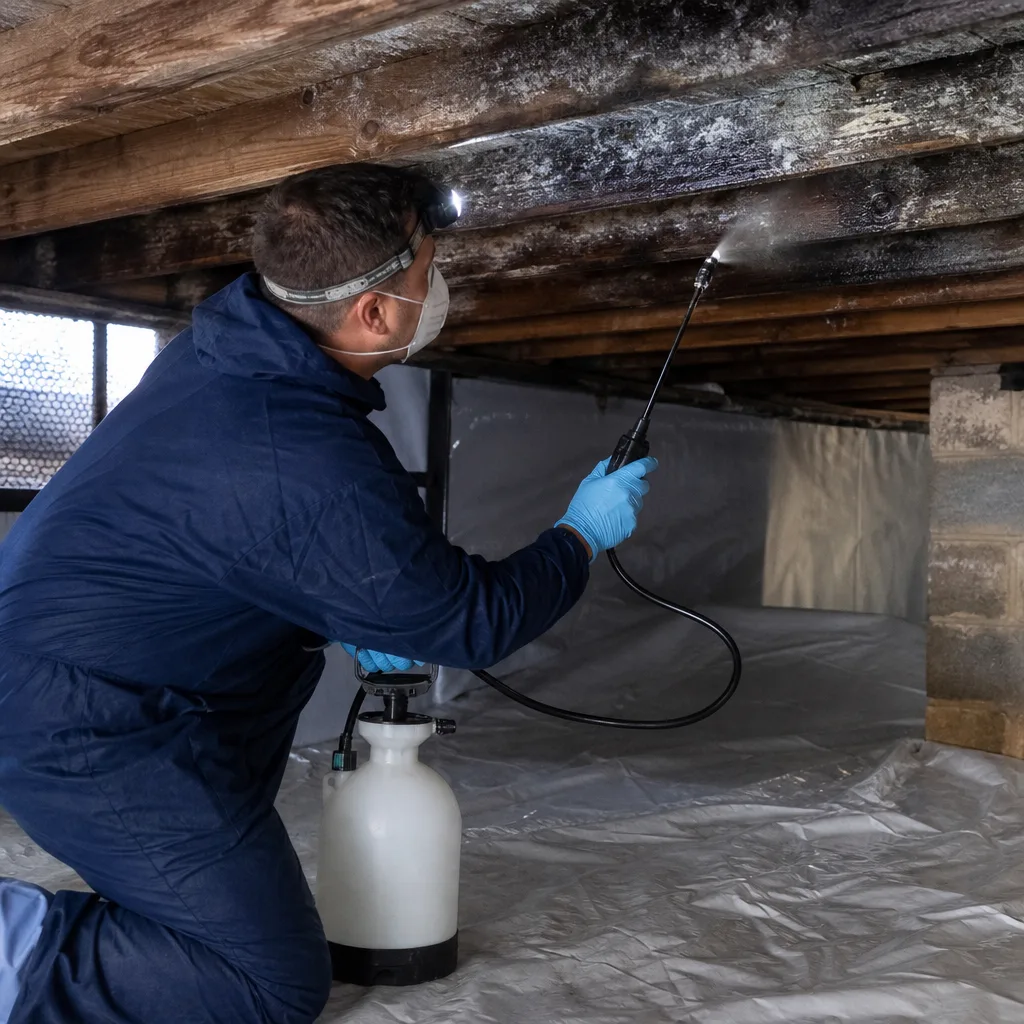
Free visual inspection and a written scope of work before any mitigation begins - photos, moisture readings, and drying logs go in your claim file
The scope we write is the scope we bill. Anything new gets shown to you, in writing, before we touch it.
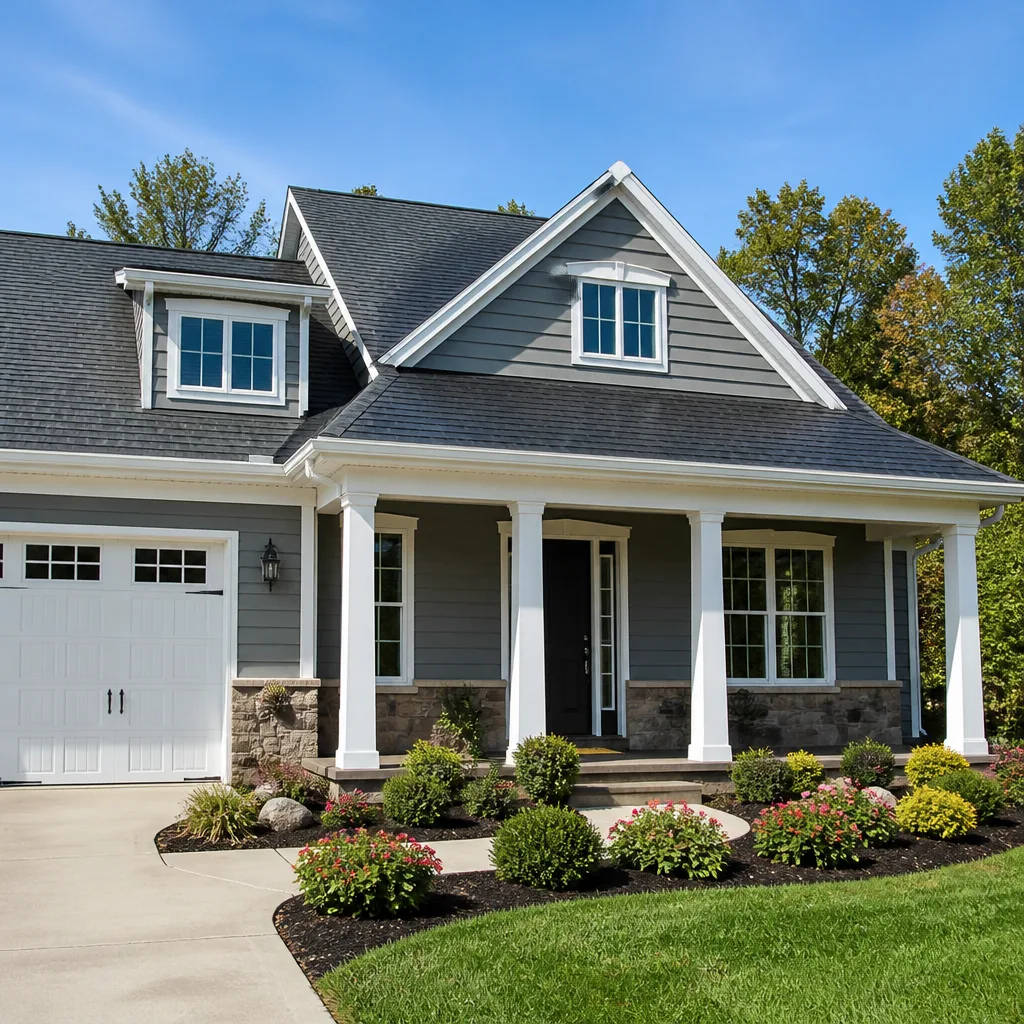
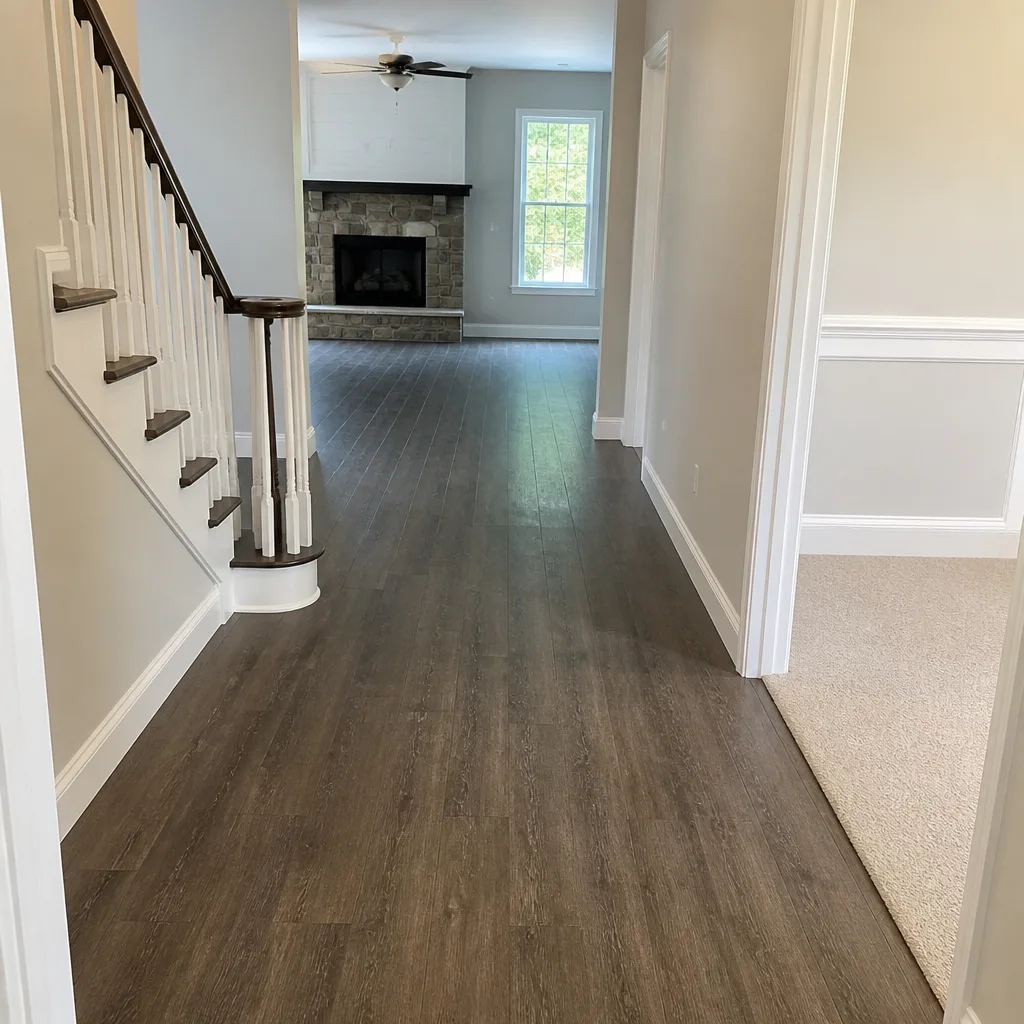
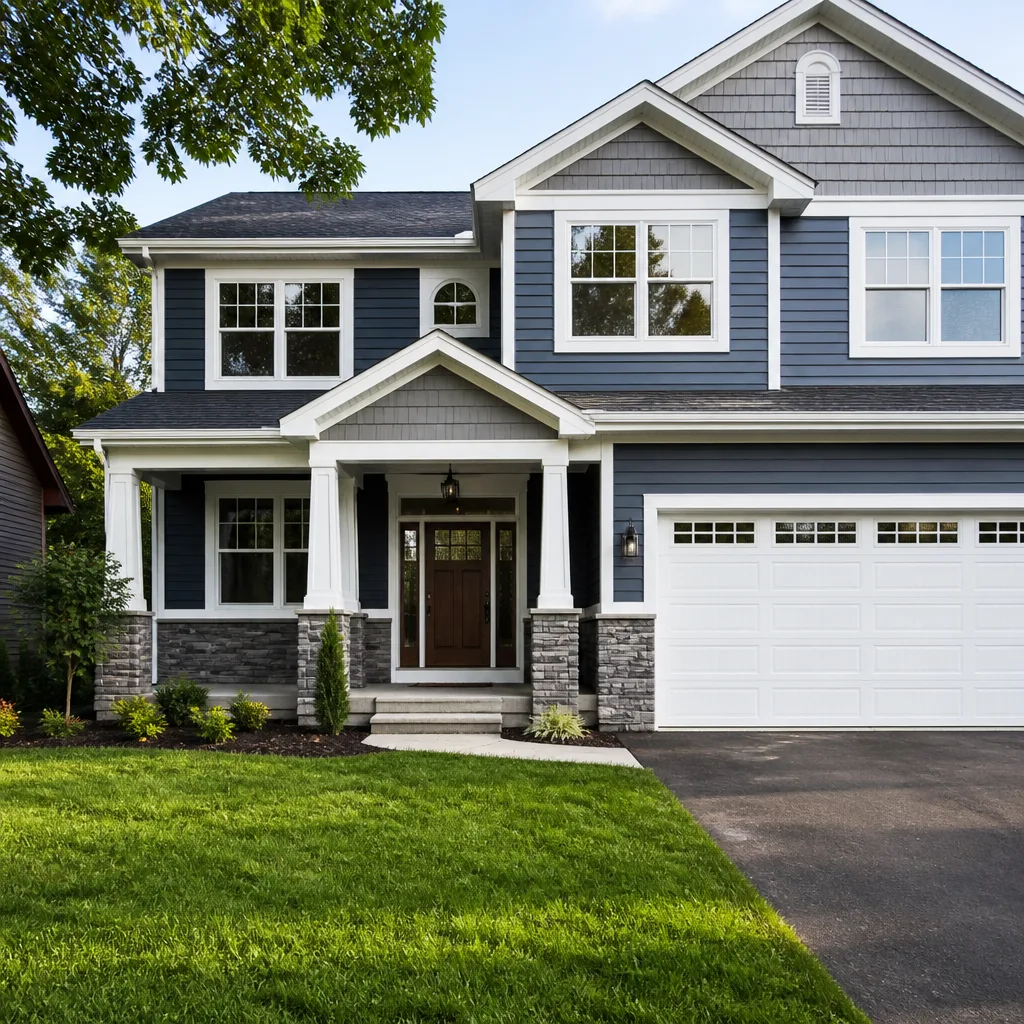
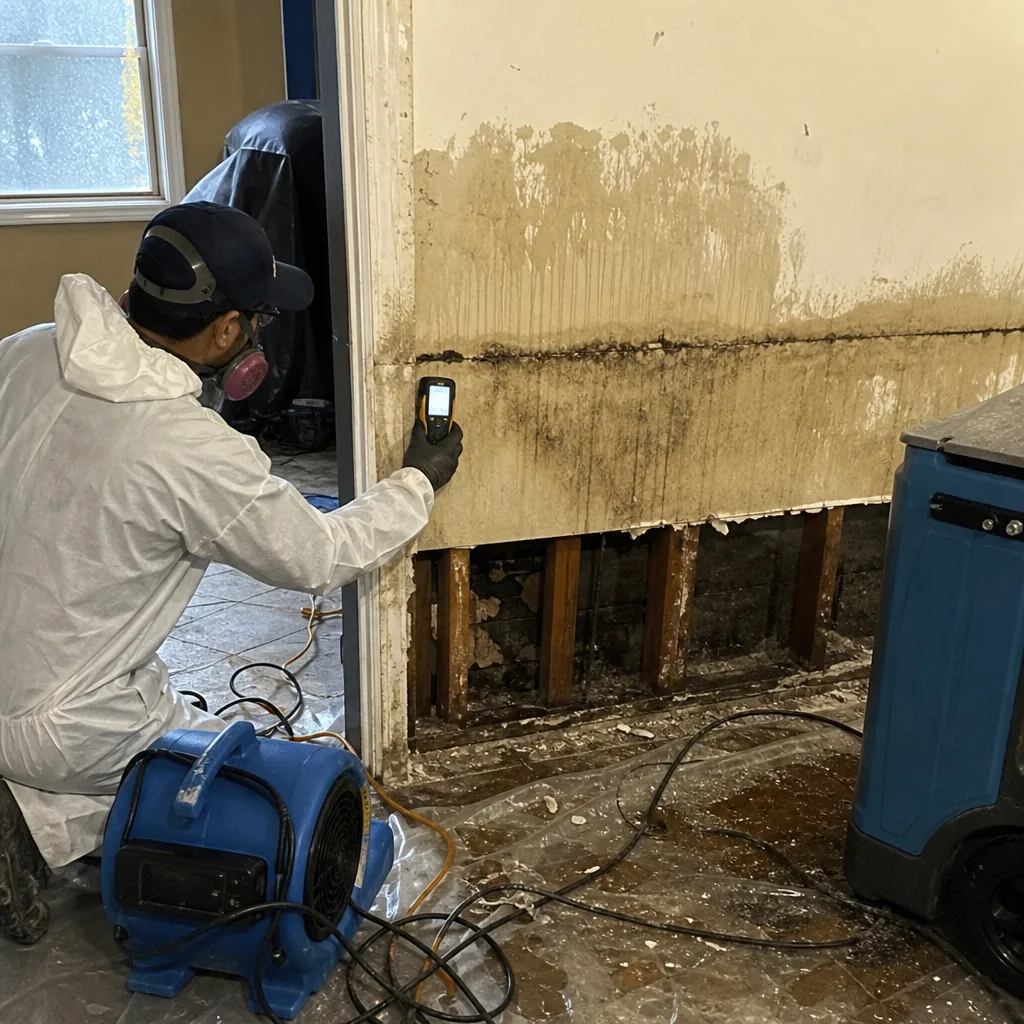 Before
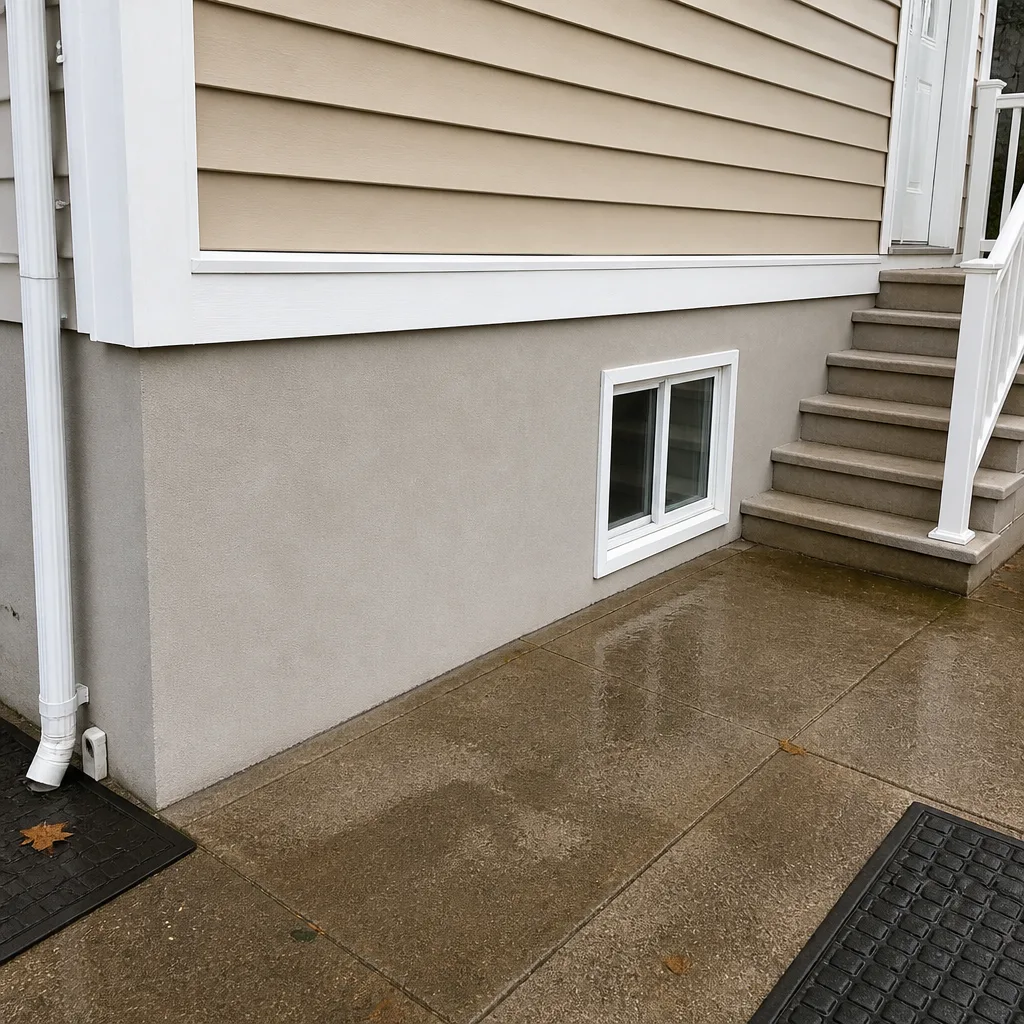 After
After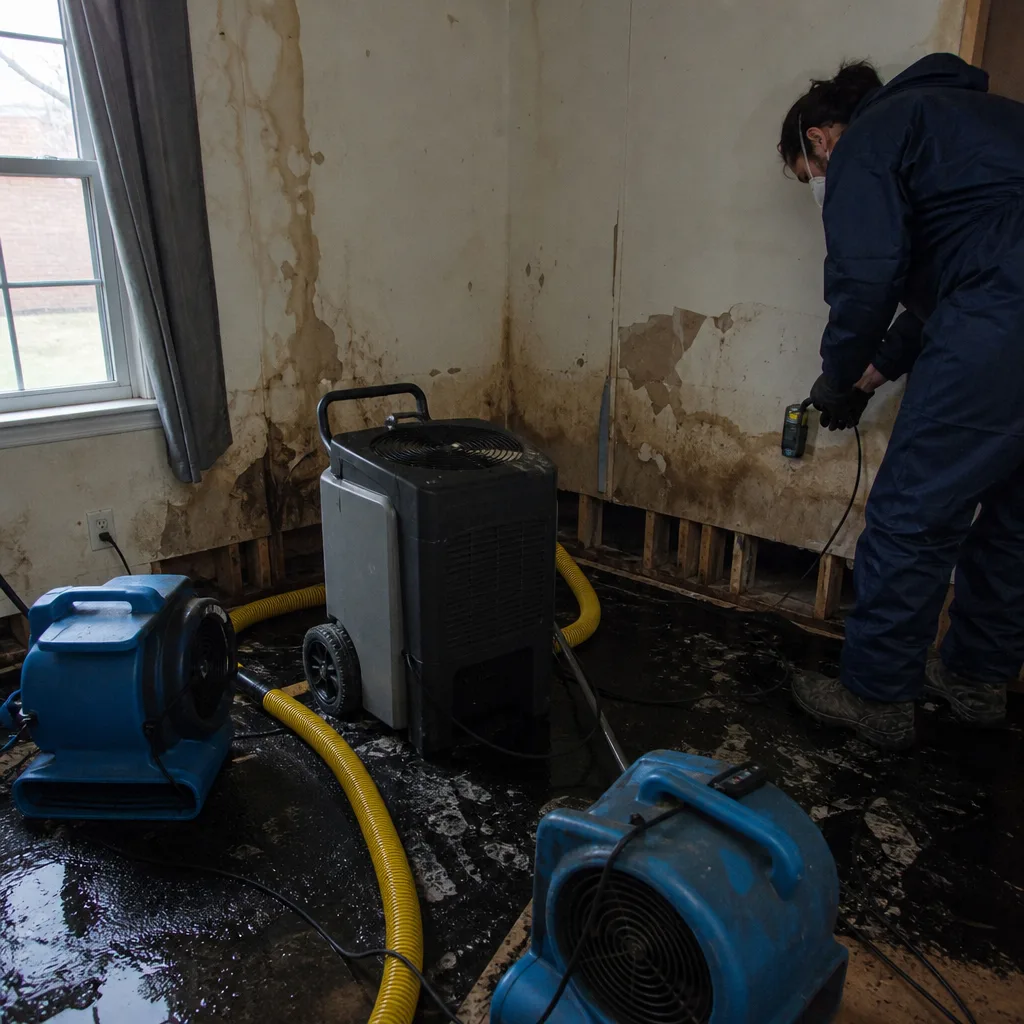 Before
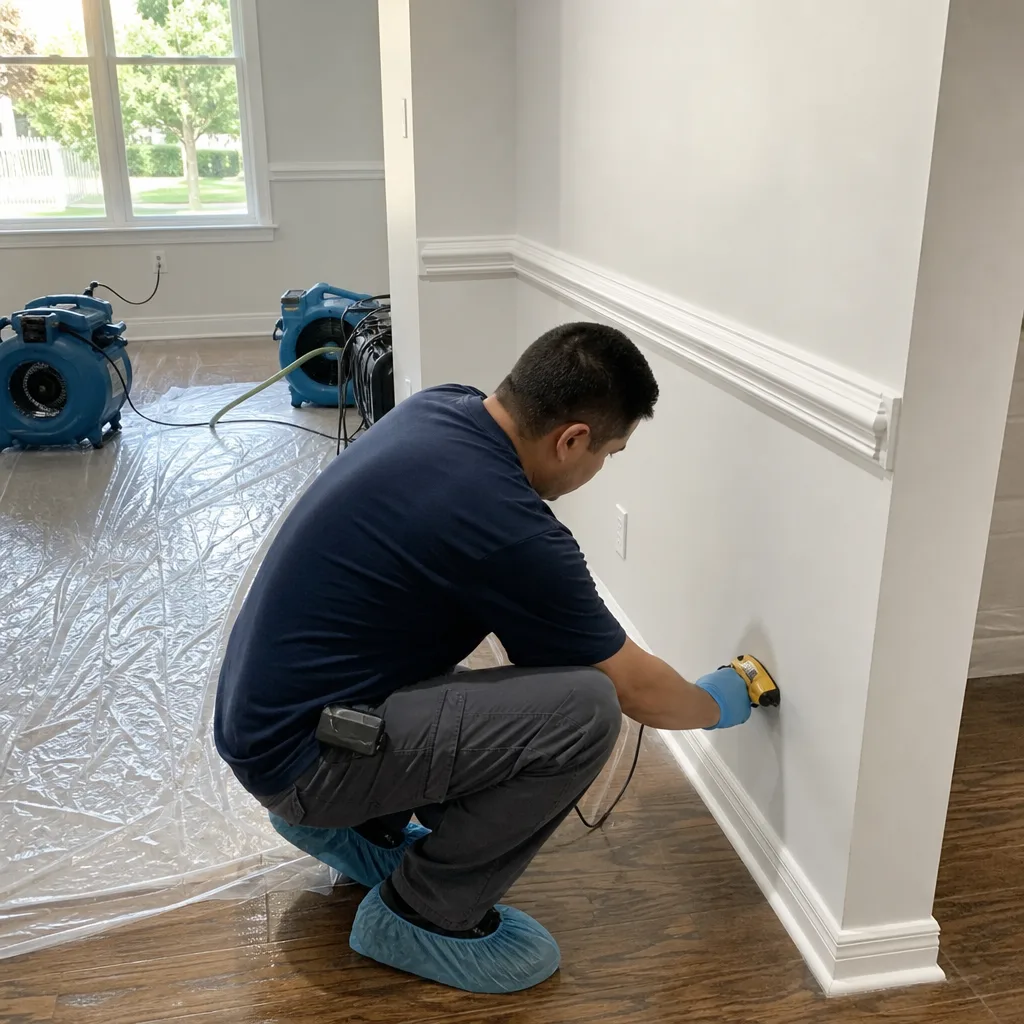 After
After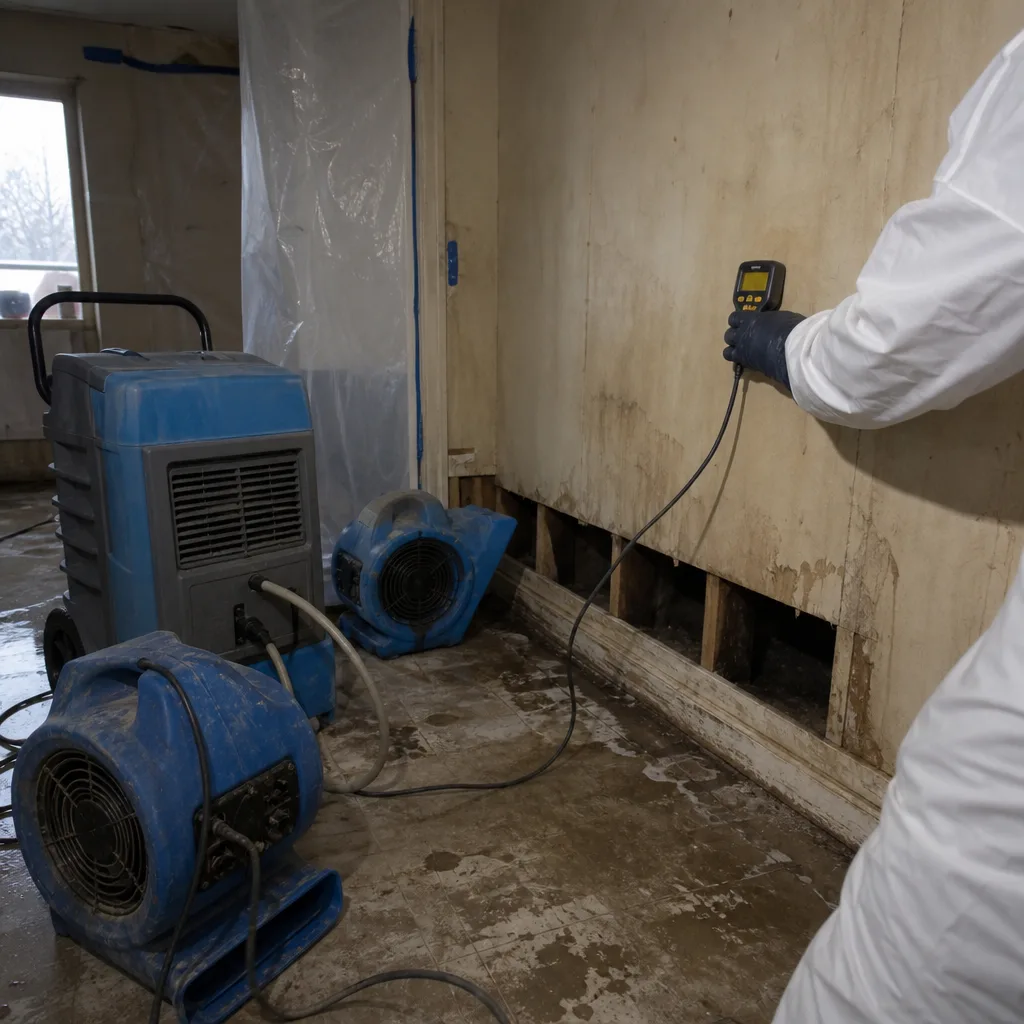 Before
 After
After24/7 Emergency Mold Remediation in Washington Square
Mold remediation in Washington Square typically costs $1,800-$6,500 depending on how far the contamination has spread, with most pre-war rowhouse jobs landing between $2,400 and $4,200. Our crews answer live around the clock and can reach an address near Washington Square Park within 45 minutes. Call (551) 348-8481 any hour, any day. A real dispatcher picks up. No recording, no callback queue.
Mold doesn’t wait for business hours, and neither do we. In a Washington Square rowhouse with two-inch-thick horsehair plaster, a small leak that sat over a weekend becomes a wall cavity problem by Tuesday. The first hour after you discover mold is when we map the moisture, set containment, and stop spores from moving into adjoining rooms through shared walls and old floor joists. That first hour matters more in Washington Square than almost anywhere else in Manhattan, because the housing stock is older, the walls are thicker, and the Landmarks Preservation Commission watches every alteration.
Our Mold Remediation team knows this neighborhood’s buildings the way a good mechanic knows a specific engine. We’ve worked inside Federal and Greek Revival rowhouses on Washington Square North, pre-war co-ops off Fifth Avenue, and basement apartments in converted carriage houses. Each building type fails differently, and we bring the right equipment and documentation for each one.
Understanding Mold Remediation Severity in Washington Square Properties
Mold damage falls into three practical categories. The first is surface contamination, typically from condensation or a small plumbing leak, where mold grows on the face of a wall but hasn’t penetrated the substrate. The second is cavity colonization, where mold has established inside wall assemblies, behind baseboards, or under flooring. The third is structural contamination, where mold and moisture have compromised framing, subfloor, or plaster keys, and the affected material has lost integrity.
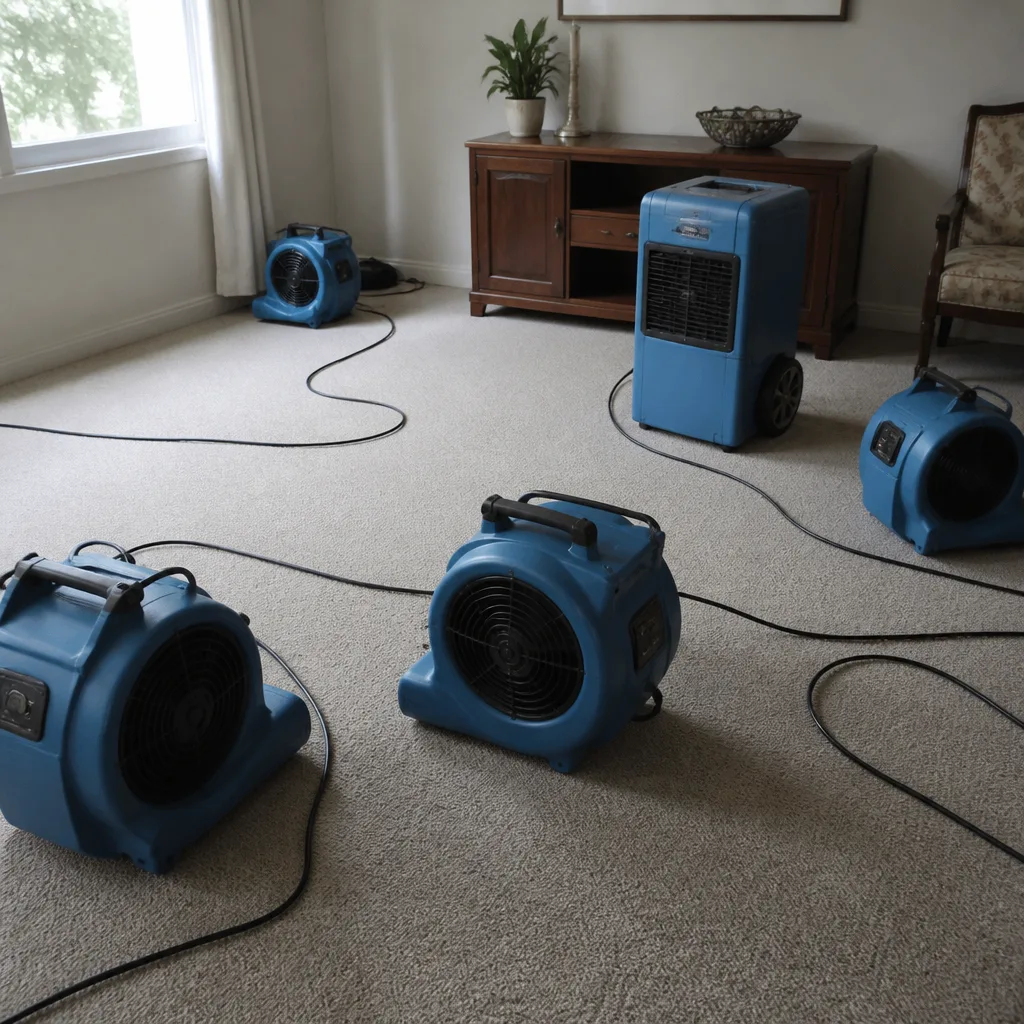
Washington Square buildings skew toward the second and third categories because of what they’re made of. Original horsehair plaster, common in every rowhouse from the 1820s through the 1850s, holds moisture like a sponge. When a Category 3 sewer backup floods a basement on MacDougal Street or Washington Mews, the contaminated water wicks upward through lime plaster and lathe. Surface cleaning won’t touch it. We set up HEPA-filtered negative air containment, remove only the contaminated material, and run moisture mapping daily until the dry standard is met. The thick plaster walls in these buildings dry slowly. That’s a fact of the construction, not a shortcoming in equipment. We use Dri-Eaz dehumidifiers sized for high-grain loads and Phoenix air movers positioned for cross-flow through wall cavities.
In newer drywall construction, you cut out the affected panel and move on. In a Washington Square landmark, every wall section we remove is documented first. The Landmarks Preservation Commission requires period-appropriate repair methods and materials when original fabric is altered. We photograph, sample, and log every wall section before any demolition begins. That’s not bureaucracy. That’s the cost of protecting a house that’s stood since before the Civil War.
Why Washington Square Property Owners Choose Floodline Restoration Co.
- 45-minute response commitment. We dispatch from our New York City office with crews staged to reach Washington Square addresses fast. When mold is active, every hour spreads the affected area.
- 24/7 live answer, always a person. Call at 2 a.m. and Curt Bowman’s dispatch board picks up. A real human, not a phone tree. You tell us what you see. We tell you what happens next.
- IICRC-certified crews, trained to RIA and IFA standards. Our technicians hold relevant certifications including water damage restoration and applied microbial remediation. Background-checked, uniformed, and accountable.
- Free visual inspection. Before any work is approved, we walk the affected area and tell you what we found. If it’s a stain and not mold, we say so. A square deal means not overselling.
- Direct insurance billing. We document everything from hour one, build a line-item scope, and talk to your adjuster directly. You don’t carry paperwork between us and the carrier.
- One team from containment to rebuild. The same crew that sets up negative air and removes contaminated plaster is the crew that repairs it. No mid-job handoff to a subcontractor you’ve never met.
Our Mold Remediation Process
Inspection & Assessment
We begin with moisture mapping across the affected area using thermal imaging and hygrometers. In a Washington Square rowhouse, that means checking wall cavities behind horsehair plaster, subfloor joist bays, and basement foundation walls. We photograph everything before touching anything, which matters when LPC documentation is required.
Containment & Source Control
Before any material is disturbed, we set up containment with HEPA-filtered negative air machines. In tight pre-war apartments, this means sealing doorways with 6-mil poly and running an air scrubber that changes room air at least six times per hour. We also stop the water source, whether that’s a leaking supply line or groundwater intrusion through a 19th-century fieldstone foundation.
Water Extraction & Drying
For mold caused by standing water or sewer backup, we extract first using truck-mounted or portable extraction units suited to basement access. Then Dri-Eaz dehumidifiers and Phoenix air movers run continuously, positioned to pull moisture through thick plaster and wide-plank flooring. Daily moisture readings are logged until the dry standard is met, typically 3 to 7 days in these old buildings.
Cleaning & Sanitization
Affected surfaces are HEPA-vacuumed and treated with EPA-registered antimicrobials appropriate for the material type. Original plaster that can be saved is cleaned, not ripped out. LPC compliance means we treat preservation as a requirement, not an option. Contaminated material that cannot be restored is bagged and removed through proper channels.
Air Quality Restoration
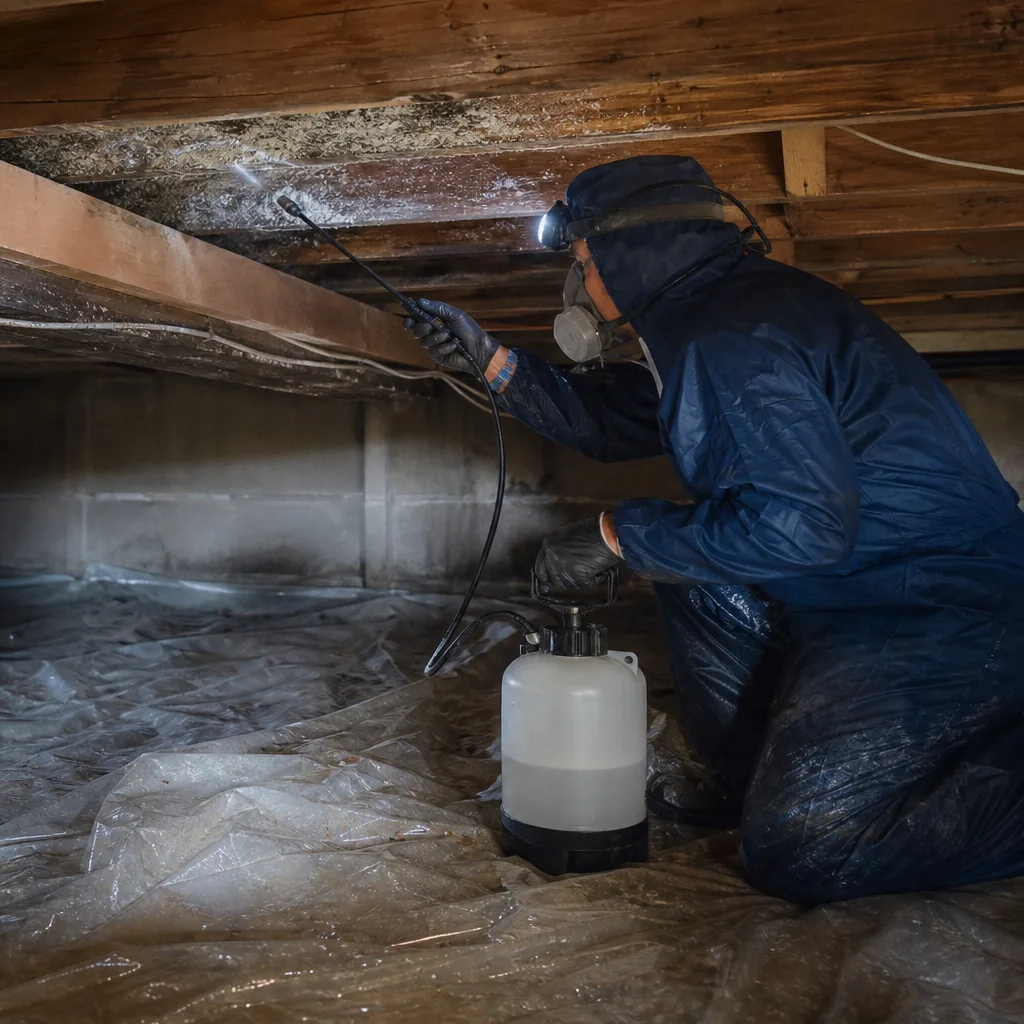
After remediation, we run HEPA air scrubbing to bring airborne spore counts down to normal background levels. We also address the humidity that caused the mold in the first place, sizing dehumidifiers and, where needed, recommending sealed crawl space encapsulation or ventilation corrections.
Repairs & Restoration
The same crew that removed contaminated plaster rebuilds it. If we cut out a section of horsehair wall, we repair it with materials and methods consistent with the building’s historic fabric and LPC requirements. The 90-Day Done Right Promise covers the entire scope, in writing.
Need Emergency Mold Remediation in Washington Square Now?
Crews minutes away, answering live 24 hours a day. The sooner we start, the less it costs.
Working With Your Insurance Company
Mold claims succeed or fail on documentation. If a pipe burst or sewer backup caused the mold, your carrier will want proof of the original water loss, the drying effort, and the scope of microbial remediation. We build that file from the first phone call. Photos of the affected rooms before any work starts. Moisture readings that show the extent of saturation. A line-item scope that separates water damage restoration from mold remediation. Daily drying logs with time-stamped readings. And our team talks to your adjuster directly. You don’t translate our jargon for them and theirs for you. We’re in the room at the same table, working the claim.
What We Provide Your Insurer
- Thorough documentation of the loss
- Photos of all damage, room by room
- Moisture readings and drying logs
- A detailed, line-item scope of work
- Direct coordination with your carrier
Built for Washington Square’s Loss Calendar
Washington Square’s mold season doesn’t follow a single pattern. It follows the calendar of an old neighborhood with old pipes and an old sewer system that sits beneath a 19th-century street grid. January and February bring deep freezes that burst aging supply lines inside the rowhouses, flooding basements and saturating the brick party walls that run between buildings. March and April bring thaw and spring rain, which push groundwater into shallow fieldstone foundations and keep cellar humidity running near saturation for weeks. Summer thunderstorms overwhelm the combined sewer system in a matter of minutes, sending Category 3 blackwater backup through floor drains and basement toilets. September’s remnants of tropical storms bring the same, running up MacDougal and Sullivan Streets, into basement apartments and under wide-plank floors. Nor’easters in fall and winter coat roofs and drive wind-driven rain into masonry that’s been shedding mortar for a century. Every one of these events starts as a water problem and becomes a mold problem within 48 to 72 hours if the drying isn’t aggressive and complete.
We plan for this calendar. Our crews know which buildings on Washington Square North have shallow foundations, which basement apartments on West 4th Street sit below the sewer line, and where the cast-iron supply lines are most likely to let go in a freeze. That local knowledge gets equipment staged before the weather turns, and gets the right response to your door when it does.
Mold Remediation Across Washington Square’s Neighborhoods
The stretch of Washington Square North facing the park is the neighborhood’s architectural crown, a continuous row of Federal and Greek Revival brick rowhouses built between the 1820s and 1840s. These houses sit on some of the oldest plumbing in Manhattan, and when a supply line fails, water travels through two centuries of accumulated wall layers. We’ve worked on the blocks just off the park, south toward Washington Mews, where former carriage houses converted to residences have shallow crawl spaces and near-zero foundation drainage. The pre-war apartment buildings along Fifth Avenue and University Place have their own pattern: steam risers that run through original plaster walls, and bathroom stacks that fail floor by floor, sending water into the unit below. Washington Square Village and the NYU-adjacent blocks have a different profile again, with mid-century construction over basement and sub-basement mechanical rooms that see regular condensation and occasional sewer backup. Each area has a failure mode, and we know them block by block.
Response routes matter here too. Washington Square sits inside a dense, one-way street network with limited truck standing room. Our crews arrive in vehicles sized for Manhattan streets, not suburban cul-de-sacs. Equipment moves through narrow stairwells, service entrances, and cellar doors. That’s the job. We plan for it.
Specialized Mold Remediation Services We Offer in Washington Square
Mold Inspection & Testing
We assess moisture conditions throughout the affected area, then take air and surface samples when testing is needed to identify mold type and spore concentration. In a Washington Square rowhouse, that inspection includes checking behind baseboards, inside wall cavities through small access points, and under basement stairwells where humidity hides. We tell you what we found in plain language, with a written scope that separates what’s necessary from what’s optional.
Mold Removal
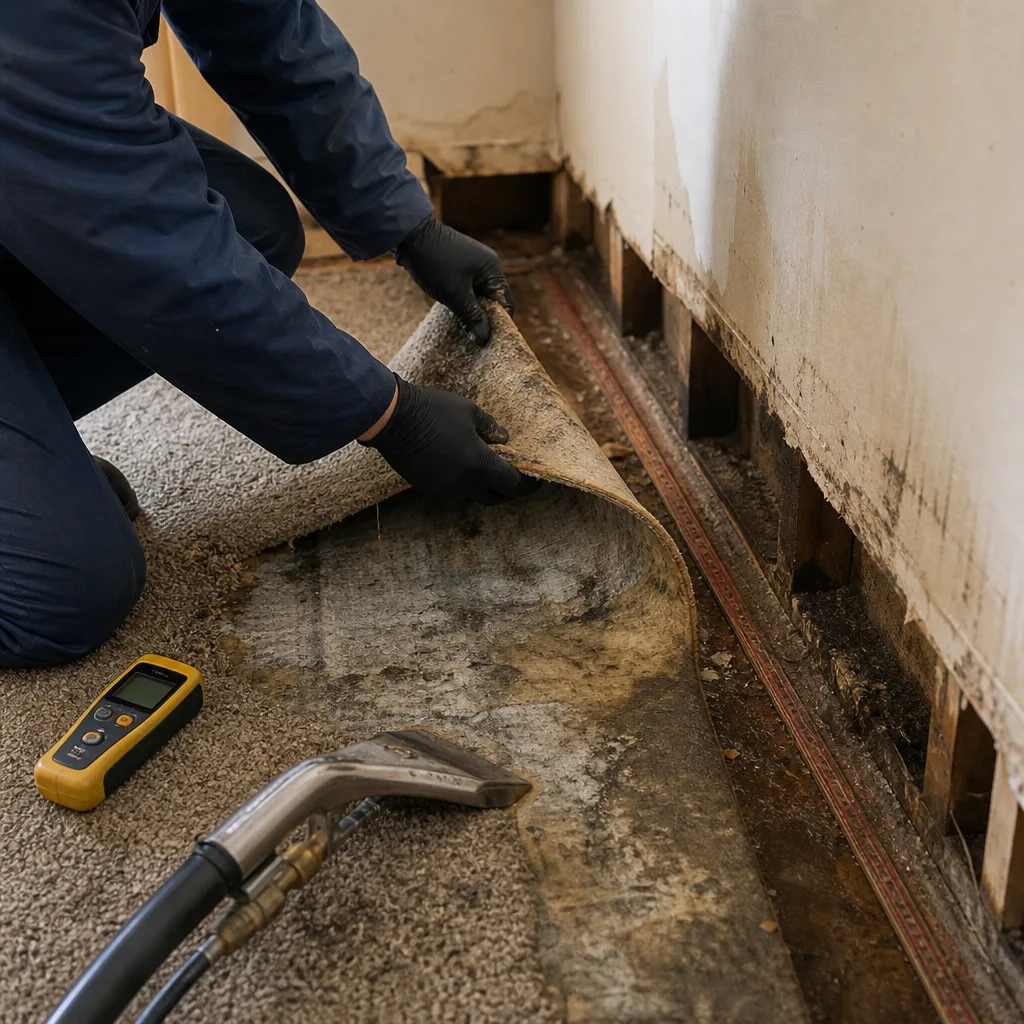
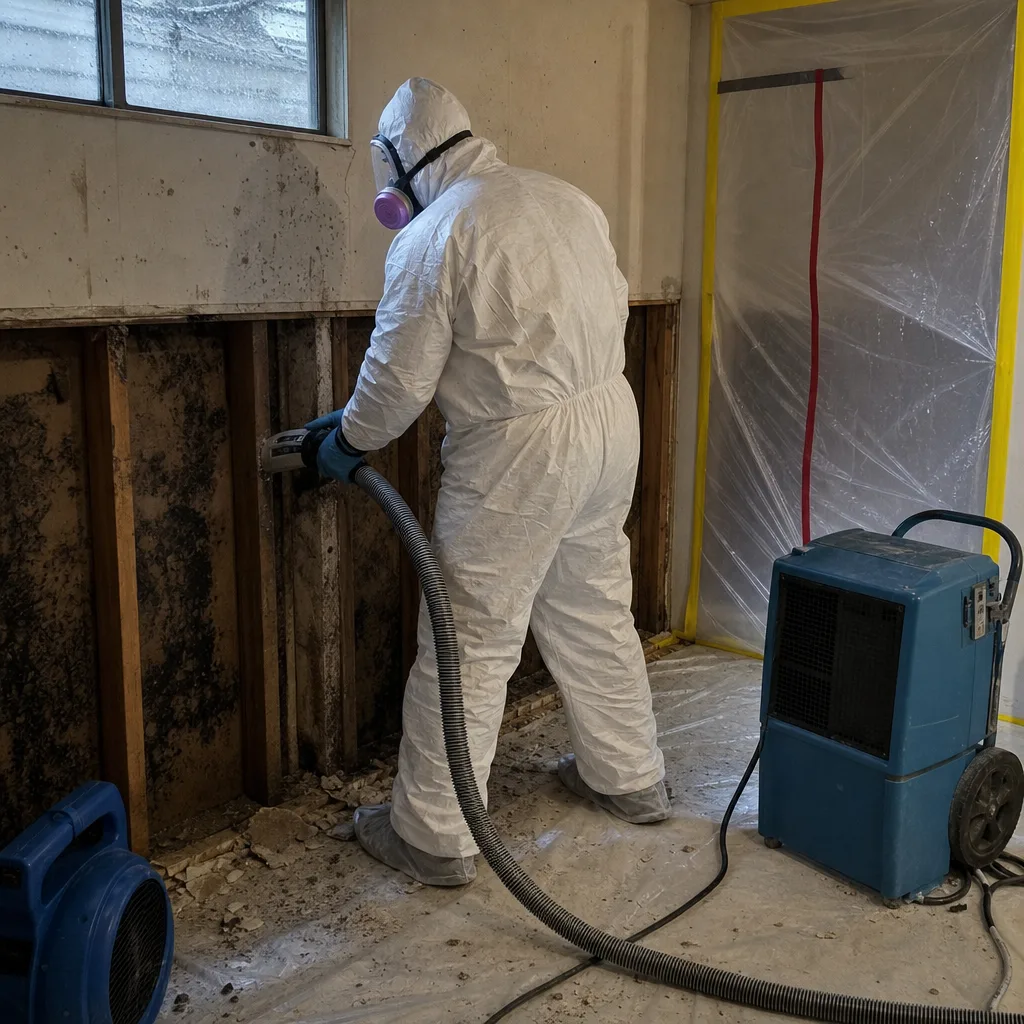
Mold removal in Washington Square is different from mold removal in a drywall house in the suburbs. The walls here are load-bearing brick, the plaster is original, and the LPC has a say. We remove contaminated material surgically, preserving what’s structurally sound and historically significant. HEPA-filtered negative air containment runs throughout, and affected material leaves in sealed bags.
Black Mold Remediation
Stachybotrys, the mold commonly called black mold, grows on materials that have been wet for days, not hours. In Washington Square basements with chronic seepage or repeated sewer backups, we find it on drywall, wood framing, and the back side of plaster. Remediation requires full containment, negative air, and clearance testing after the work. We handle it the same way every time: document, contain, remove, dry, verify.
Air Quality Restoration
After mold is removed, the air is still carrying spores until it’s scrubbed. We run HEPA air scrubbers sized to the affected volume, then test to confirm airborne levels have returned to baseline. In pre-war apartments with shared ventilation and tight floor plans, this step is non-negotiable. The air you breathe in one room came through the walls of another.
Crawl Space Treatment
Washington Square’s converted carriage houses and some rowhouse extensions sit over shallow crawl spaces with dirt floors and no vapor barrier. That’s a mold factory waiting to be switched on. We install moisture barriers, seal vents where appropriate, and run dehumidifiers sized to the space. The goal is to get the crawl space to a moisture level that won’t support microbial growth.
What happens when you call
- 1
A real person answersNo phone trees - you reach a local pro.
- 2
You get an upfront price rangeHonest numbers before anyone is dispatched.
- 3
A background-checked tech heads outLicensed & insured, dispatched right away.
- 4
You approve before work beginsNothing starts until you say go.
Mold Remediation Costs in Washington Square, NY
A small contained mold job in one Washington Square bathroom typically runs $1,800 to $3,200. A basement mold remediation after a sewer backup, with containment, removal, drying, and treatment, lands between $3,500 and $6,500. Black mold remediation that requires full containment, significant material removal, and clearance testing can reach $8,000 or more in larger rowhouses where mold has moved through multiple rooms or floor levels. Air quality restoration and crawl space treatment add $1,500 to $4,000 depending on square footage and access.
What moves the price in Washington Square is the building itself. Thick horsehair plaster dries slowly, which means longer equipment runtimes. LPC documentation adds labor hours before any demolition starts. Narrow doorways and stairwells add equipment handling time. None of this is padding. It’s the honest cost of doing the job right in a 200-year-old house. Insurance may cover some or all of the work if the mold was caused by a covered water loss. We help you establish that link. The free visual inspection gives you a firm scope before you commit, and the price we quote is the price we stand behind. Call (551) 348-8481 to schedule someone to walk through your place, look at what’s actually happening, and tell you what it’ll cost.
We Also Serve Cities Near Washington Square
Our crews work throughout the blocks around Washington Square and beyond. If you’re in Washington Square, we’re minutes away. We also serve Midtown West, Midtown Manhattan, Murray Hill, and the Upper West Side, with the same 24/7 live dispatch and the same 90-Day Done Right Promise on every job.
Serving Washington Square, NY - Our Local Coverage Area
We’re based in the Washington Square area and know this community well. Use the map below to see our service coverage - if you’re nearby, we can almost certainly help.
Washington Square Mold Remediation Questions, Answered
Do I need Landmarks Preservation Commission approval before mold remediation in a Washington Square rowhouse?
Yes, if the remediation involves removing or altering original interior fabric like horsehair plaster, Federal-era woodwork, or historic brick. Exterior work always requires LPC review. We document every wall section before demolition, which satisfies LPC requirements and protects you from a stop-work order.
How fast can mold grow in a Washington Square basement after a sewer backup?
Mold colonies typically establish within 48 to 72 hours in a basement with Category 3 water and typical summer humidity. The thick plaster and wood in these old buildings hold moisture longer than modern materials, extending the mold risk window. Call (551) 348-8481 as soon as you see water or smell mustiness.
Can you treat black mold inside an original horsehair plaster wall without tearing it all out?
Often yes. If the plaster is structurally sound and contamination is on the surface or in the first paper layer, we can HEPA-vacuum and treat it with an EPA-registered antimicrobial, preserving the original surface. If mold has reached the lath or the plaster keys are failing, that section has to come out, documented first for LPC and rebuilt to match.
Why do you set up containment even for a small mold patch in a pre-war apartment near Washington Square?
Because disturbing mold releases spores, and in a pre-war building with shared walls, open chases, and connected ventilation, those spores travel. Containment with negative air protects the rest of your apartment and your neighbors’ spaces. It’s the same approach we use on every size job.
Does drying old thick plaster walls take longer than modern drywall?
Yes. Horsehair plaster in Washington Square rowhouses can be up to two inches thick and holds moisture deep in the substrate. Drying takes 4 to 7 days in most cases, sometimes longer after a Category 3 event. We log daily moisture readings so you and your insurer can see the walls actually drying, not just our word for it.
Who deals with my insurance adjuster?
We do. We document the loss from the first hour, build the line-item scope, and communicate directly with your carrier. You get copied, not burdened. If the adjuster has questions about moisture readings or the necessity of the scope, we answer them with data.
Can I stay in my home during mold remediation?
For small, contained jobs, typically yes. For black mold remediation or work that involves removing large areas of contaminated material, we recommend vacating the affected area for the duration of the work. We’ll tell you plainly based on the scope and the spore counts.
What should I do in the first 30 minutes after finding mold?
Don’t disturb it. Don’t wipe it, don’t spray it with bleach, don’t run a fan on it. Close the door to the room if you can, and call us. We’ll walk you through what to check while a crew is on the way. The less mold you disturb, the smaller the problem stays.
Written by Curt Bowman, Owner at Floodline Restoration Co., serving Washington Square with certified mold remediation and full-cycle restoration.