
Free visual inspection and a written scope of work before any mitigation begins - photos, moisture readings, and drying logs go in your claim file
The scope we write is the scope we bill. Anything new gets shown to you, in writing, before we touch it.
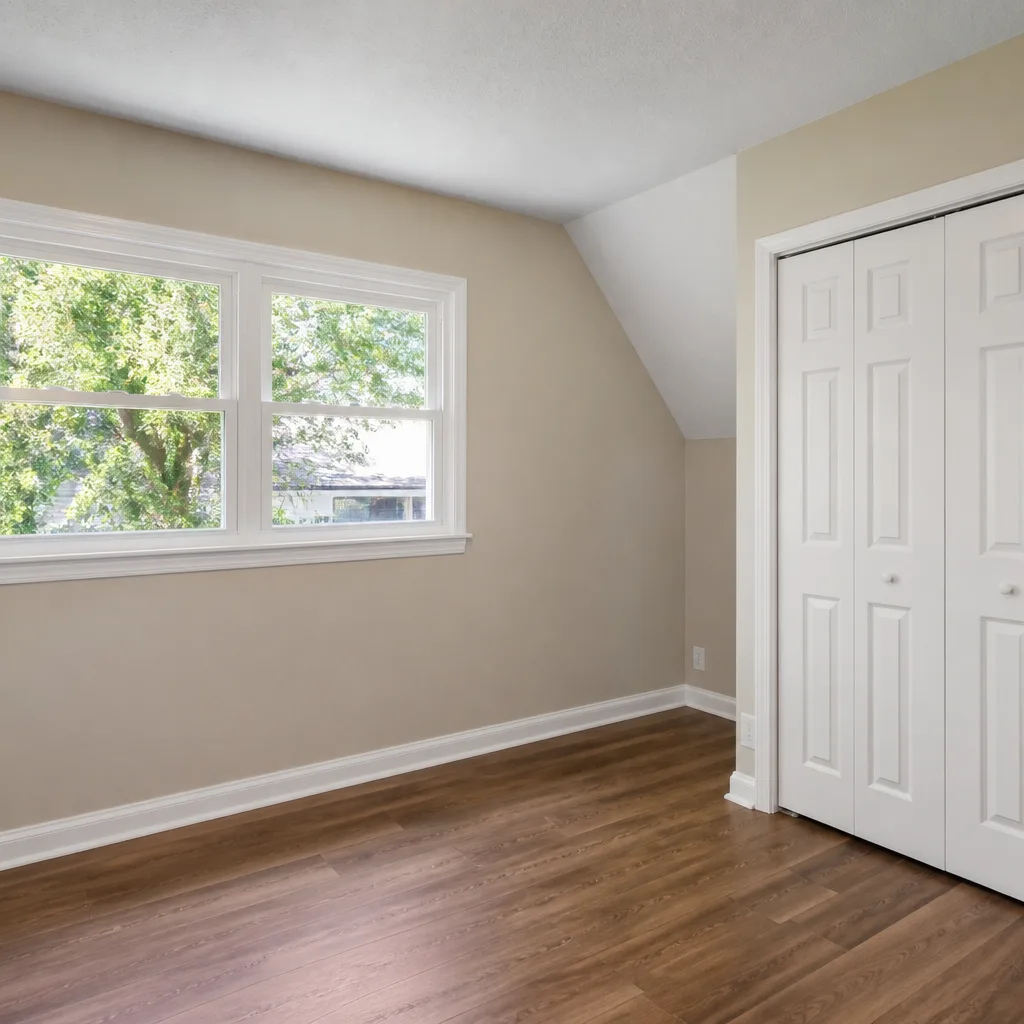

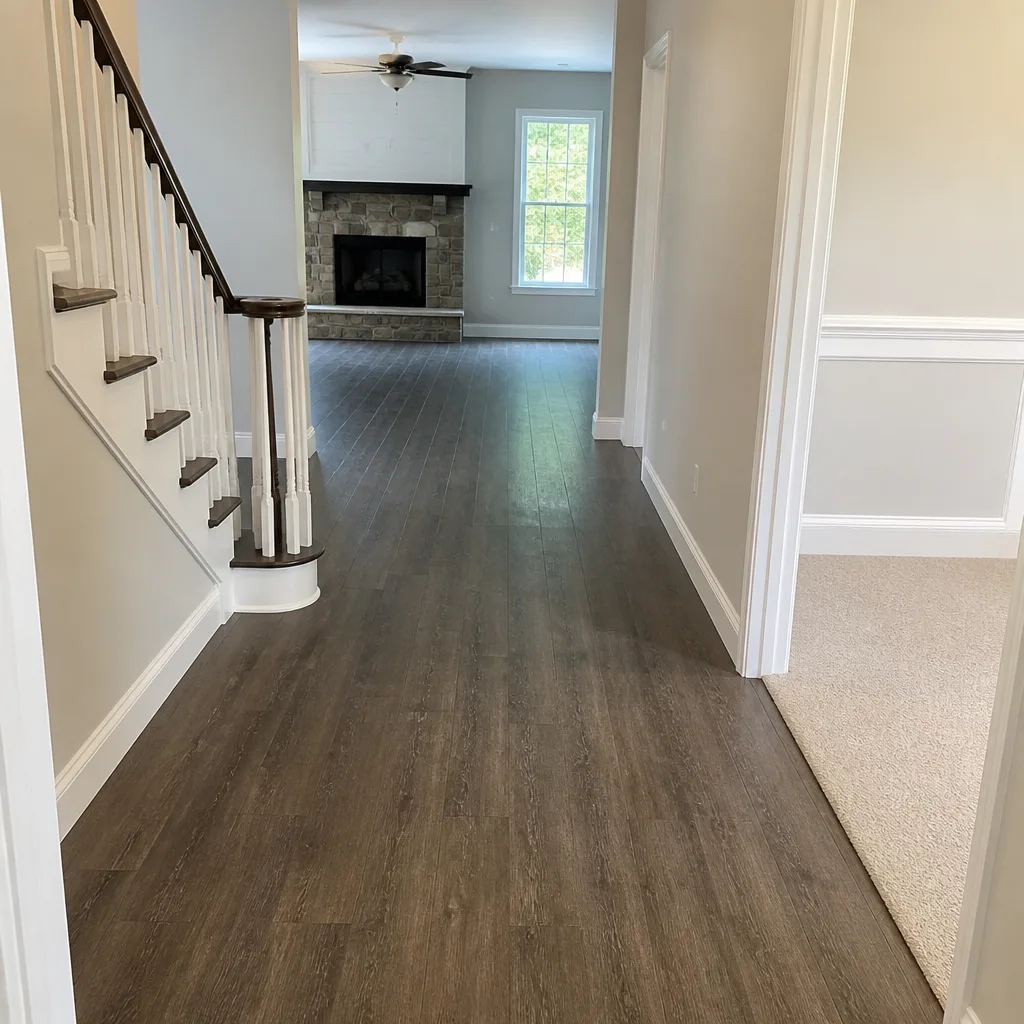

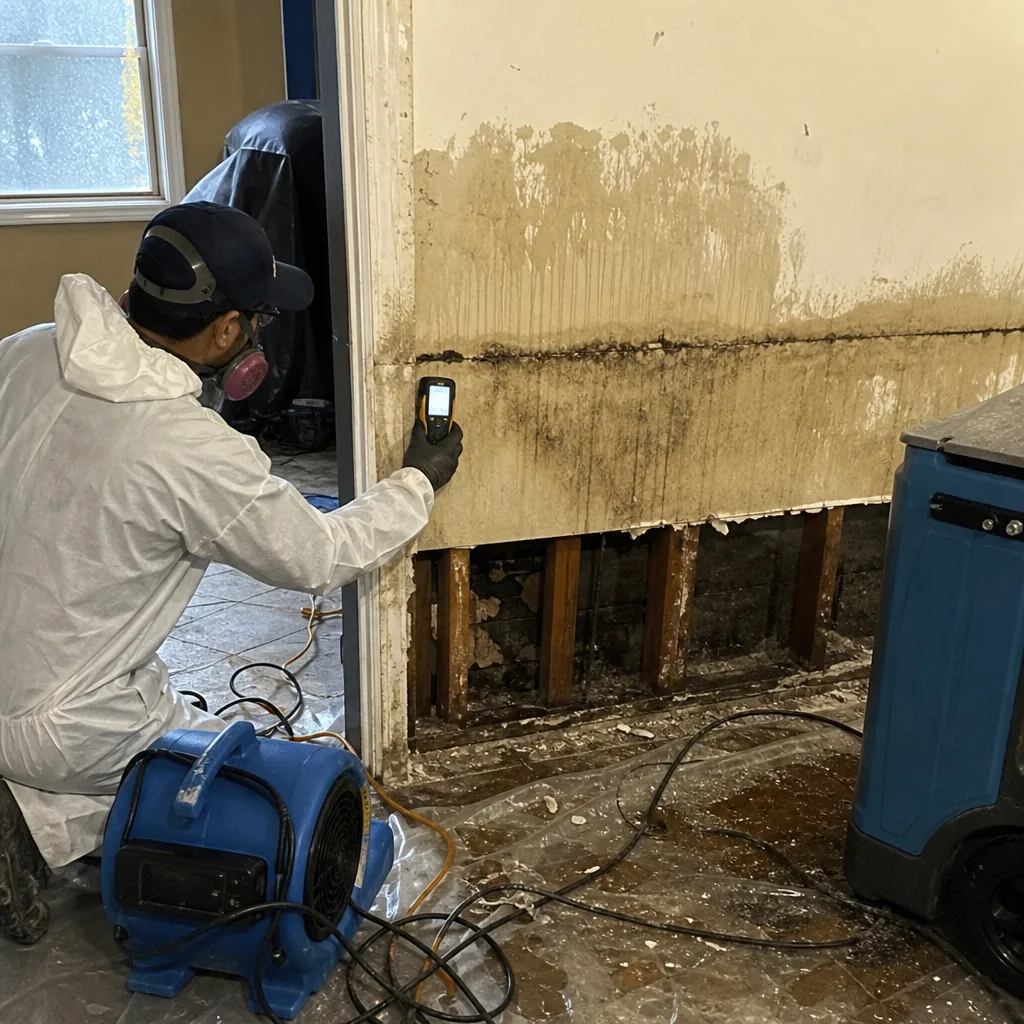 Before
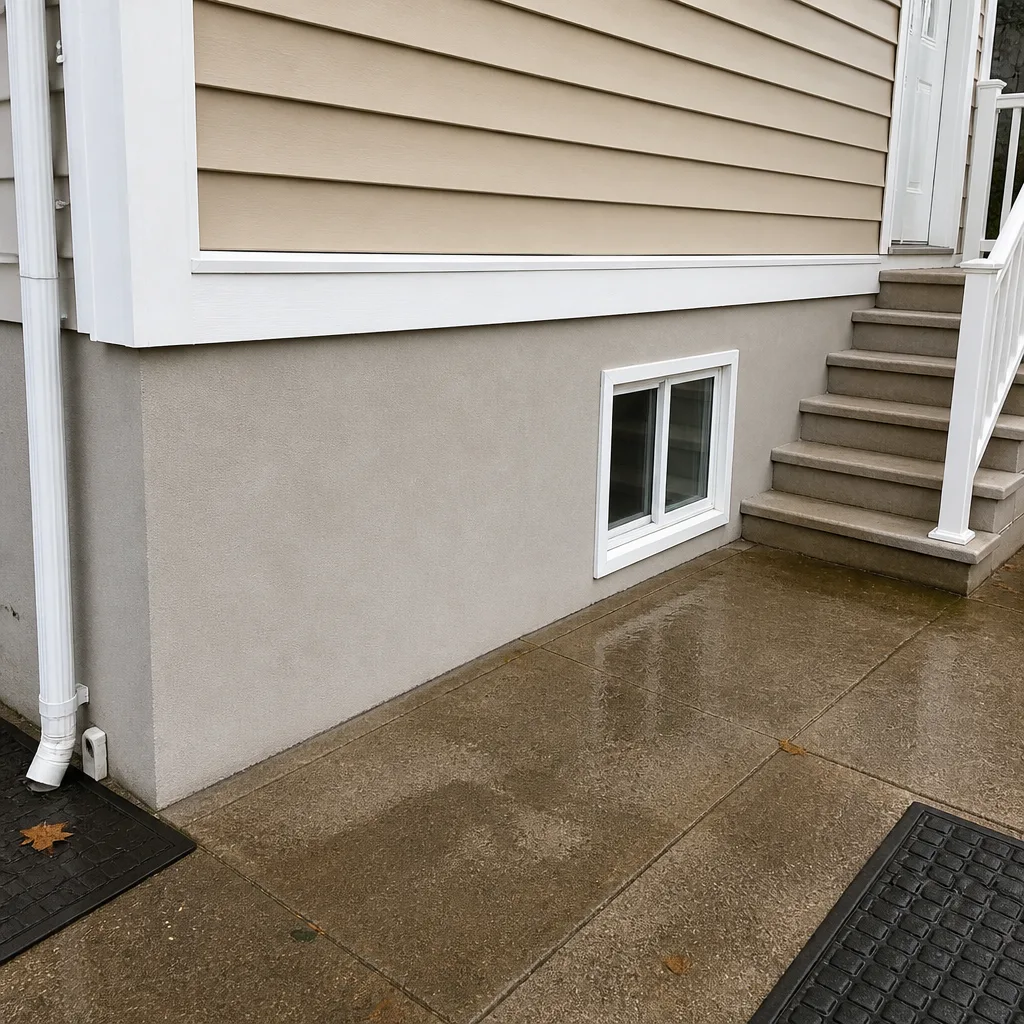 After
After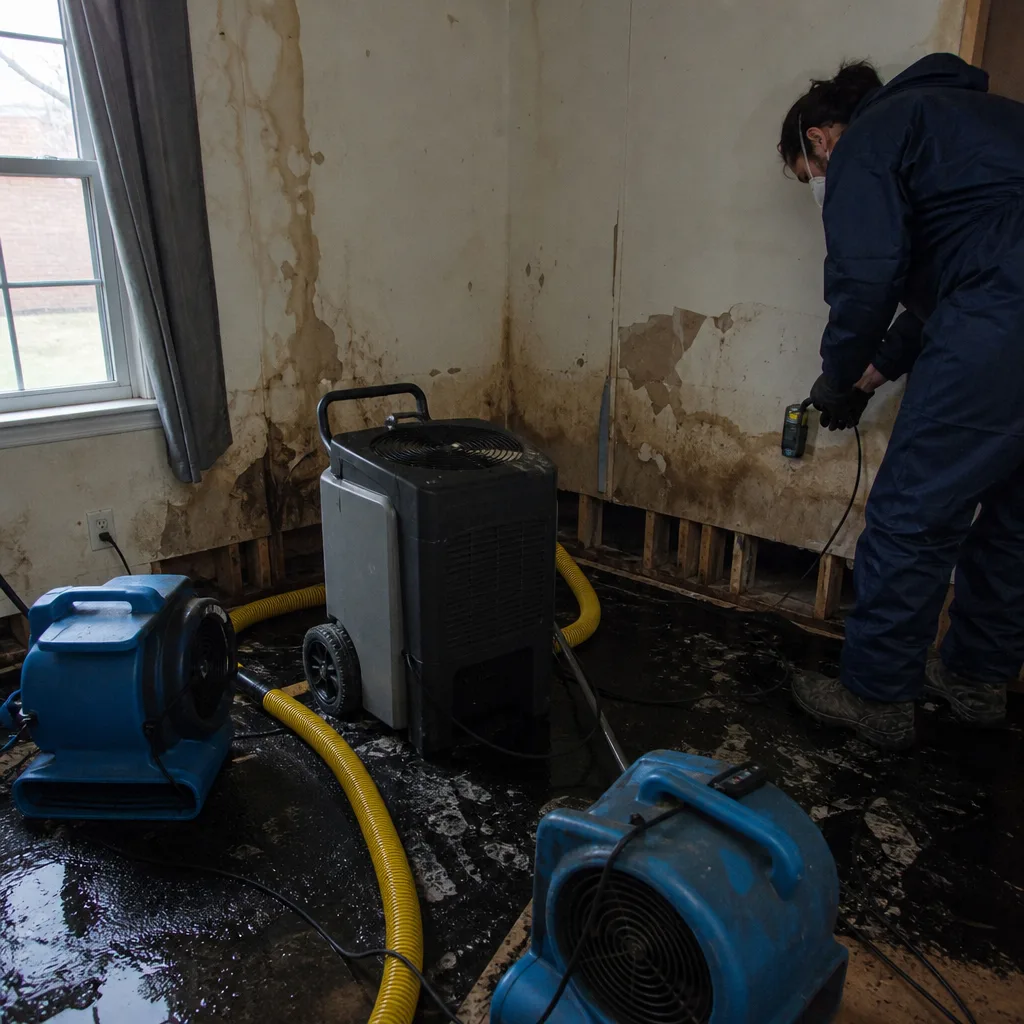 Before
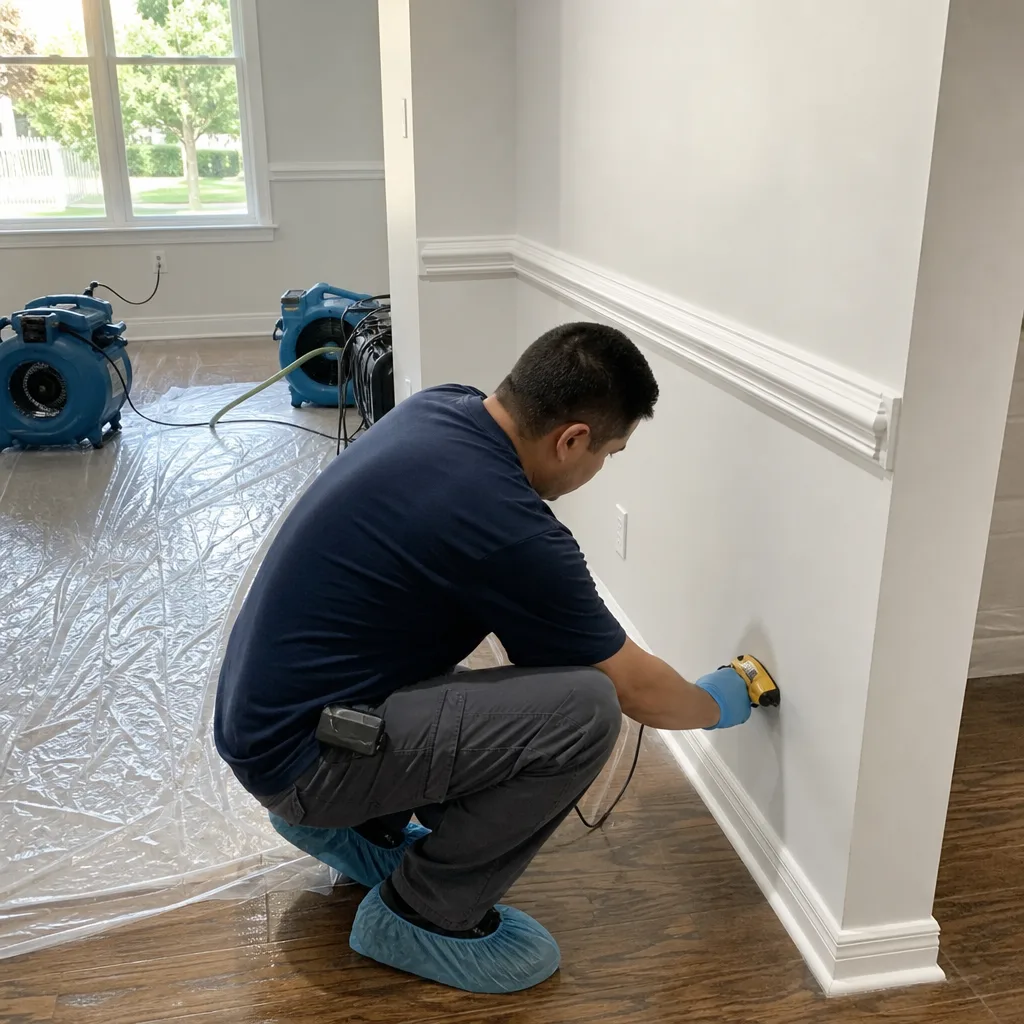 After
After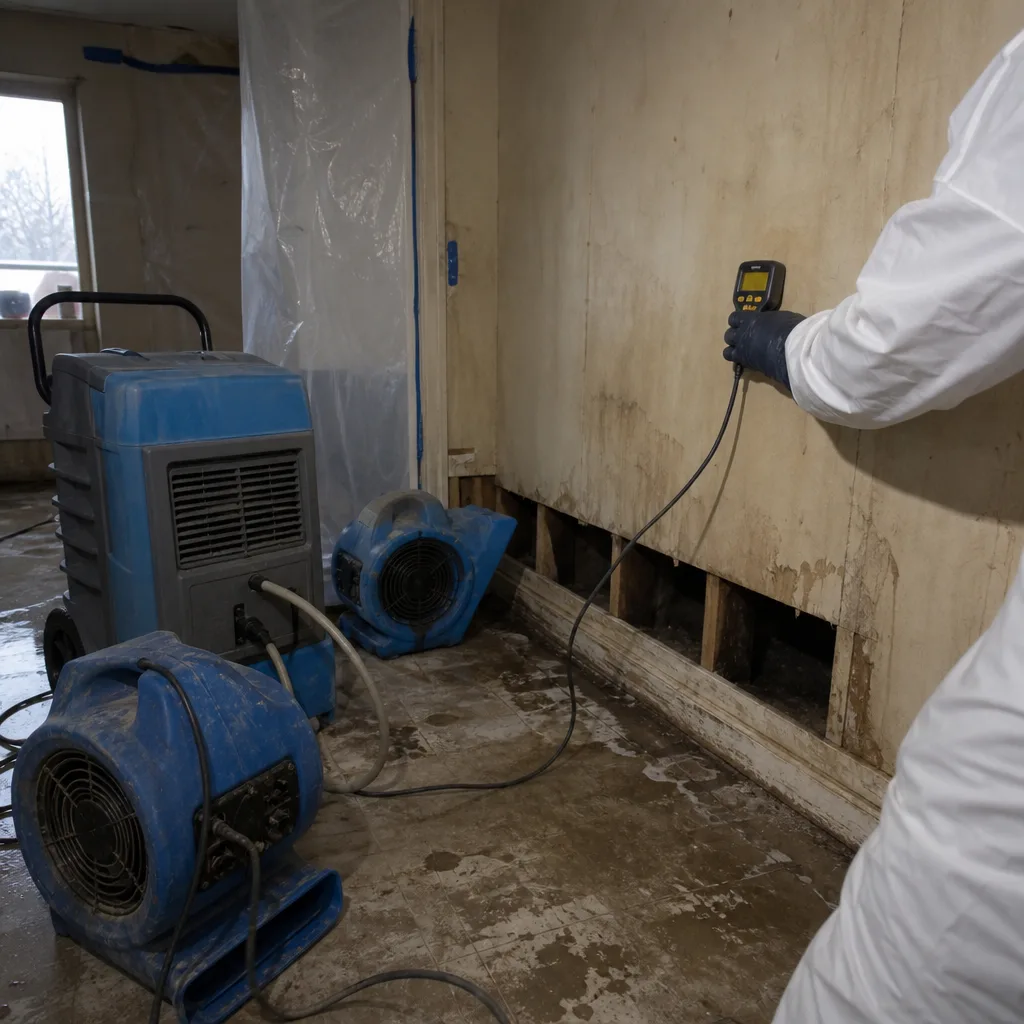 Before
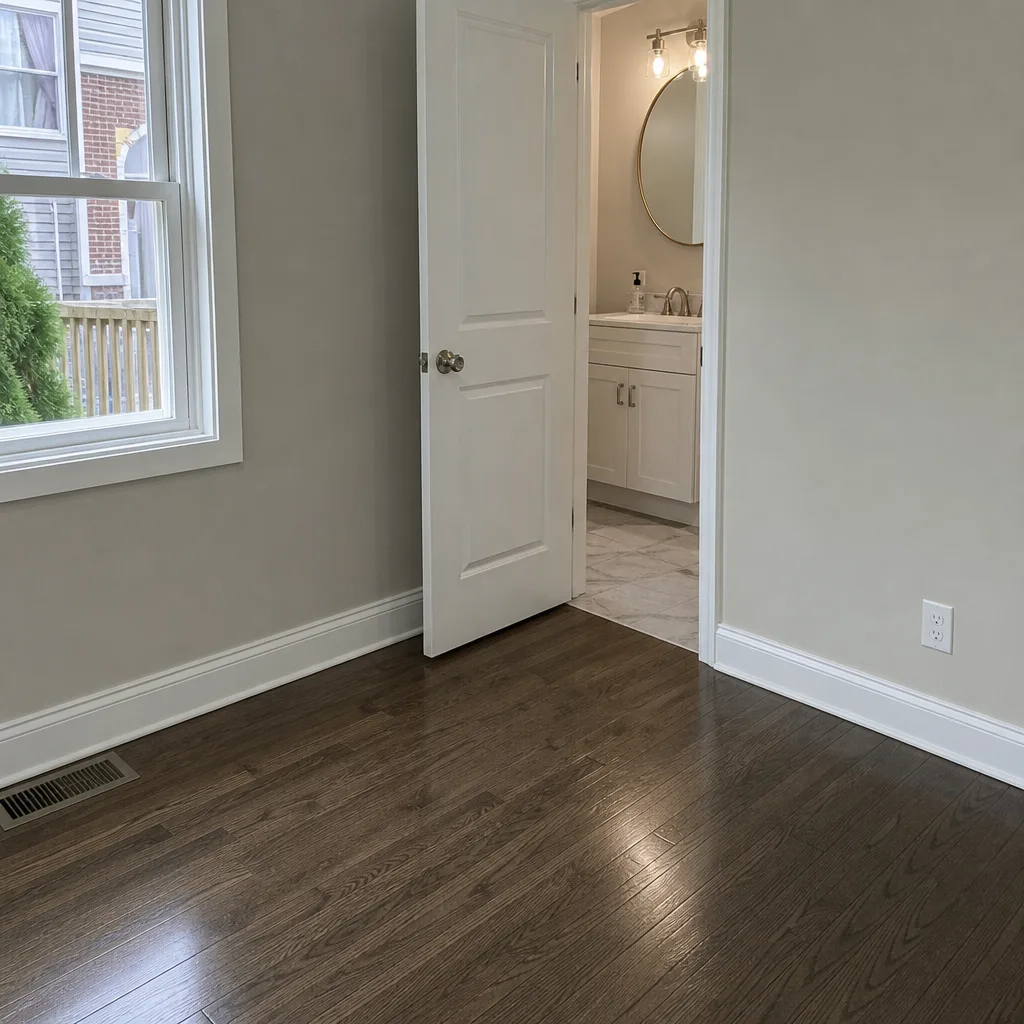 After
After24/7 Emergency Sewage Cleanup in Jersey City
Sewage backup in a Jersey City basement needs immediate extraction and biohazard treatment, not just drying. Most sewage events in this city involve Category 3 black water because of the combined sewer overflow system, which means contaminated water carries bacteria, viruses, and parasites into your living space. Our crews answer live at (551) 348-8481 around the clock and dispatch into Jersey City neighborhoods like the Heights, Journal Square, Bergen-Lafayette, and Downtown within 45 minutes. The first hour matters: every minute sewage sits, it wicks deeper into porous materials like drywall, baseboards, and subflooring, and what starts as a floor-drain backup becomes a wall-to-wall gut job. Call while the water’s still rising, not after it’s soaked in.
Understanding Sewage Cleanup Severity in Jersey City Properties
Water damage professionals classify floodwater into three categories. Category 1 is clean water from a supply line. Category 2 is gray water from washing machines or dishwashers. Category 3 is black water: sewage, toilet overflows, and any water that has contacted fecal matter or chemicals. In Jersey City, we treat almost every basement backup as Category 3 by default. Why? Because this city runs on a combined sewer system. Stormwater and raw sewage share the same pipes, and when a nor’easter or heavy coastal storm overwhelms the system, the mix backs up into basements through floor drains and toilets. That’s not a drying job; that’s a biohazard remediation. Our crews arrive in full PPE, set up negative-air containment, and remove affected porous materials rather than attempting to dry them in place. The row houses and brownstones that dominate Jersey City’s housing stock, many built before modern wastewater separation, make this worse: shared lateral lines and old cast-iron pipes fail under pressure and push sewage sideways into neighboring basements through party-wall chases. We find saturation in units that never saw standing water. That lateral migration is exactly why our process starts with moisture mapping across the full property line, not just the unit that made the call.
Why Jersey City Property Owners Choose Floodline Restoration Co.
- 45-minute response commitment. We dispatch from staging points across Jersey City and the Hudson County corridor. A crew reaches your door in under an hour, day or night, and starts extraction the same visit.
- A real person answers, 24 hours a day. You call (551) 348-8481 and a live dispatcher picks up at 2 a.m. No automated menu, no answering service that takes a message. You talk to someone who can get a truck moving immediately.
- IICRC-certified crews trained to WRT and FSRT standards. Our technicians also carry RIA and IFA certifications and use Dri-Eaz, Phoenix, and Injectidry equipment. They know the difference between a Category 2 drying job and a Category 3 sewer event, and they act accordingly.
- Free visual inspection with a written scope. Before we touch anything, we assess the full extent of the damage and hand you a line-item scope of work. You sign off before work begins. No surprises on the bill.
- Direct insurance billing. We document everything from the first hour, communicate directly with your adjuster, and bill the carrier directly. You’re never the messenger between us and the insurance company.
- One team from extraction to reconstruction. We don’t hand your job to a sub. The same certified crew that extracts the sewage dries the structure, treats the contamination, and rebuilds what was removed. When we finish, you get a moisture log and our 90-Day Done Right Promise in writing.
Our Sewage Cleanup Process
Inspection & Assessment
We arrive in boots and gloves, not with a sales pitch. Using thermal imaging and moisture meters, we map the full extent of the contamination across your Jersey City property, including adjoining unit walls if you’re in an attached row house. We identify the source, classify the water, and give you a written scope before any work starts.
Extraction & Stabilization
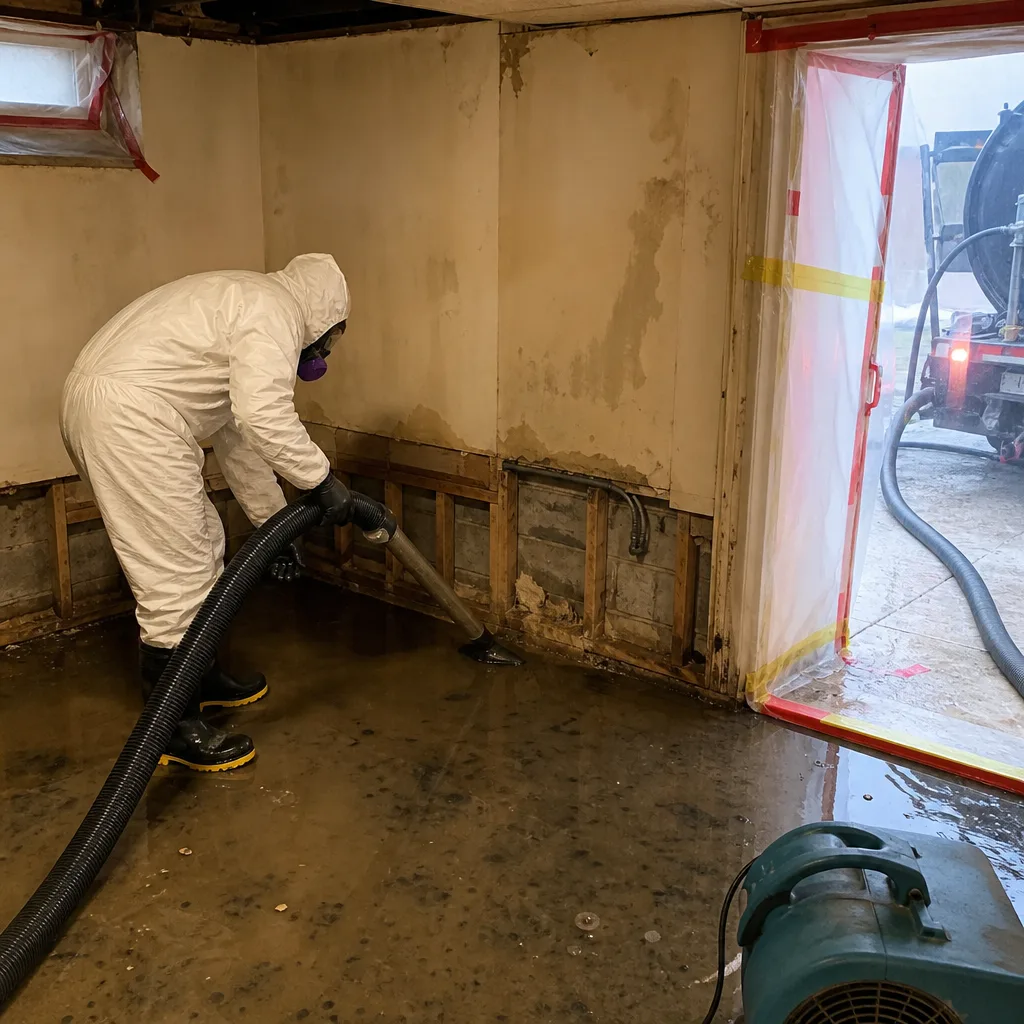
Standing sewage is removed first. We use truck mounts and submersible pumps to clear the space fast, then stabilize the area to stop migration through floor assemblies and party walls. This is where speed pays: less standing time means less material removal.
Drying & Dehumidification
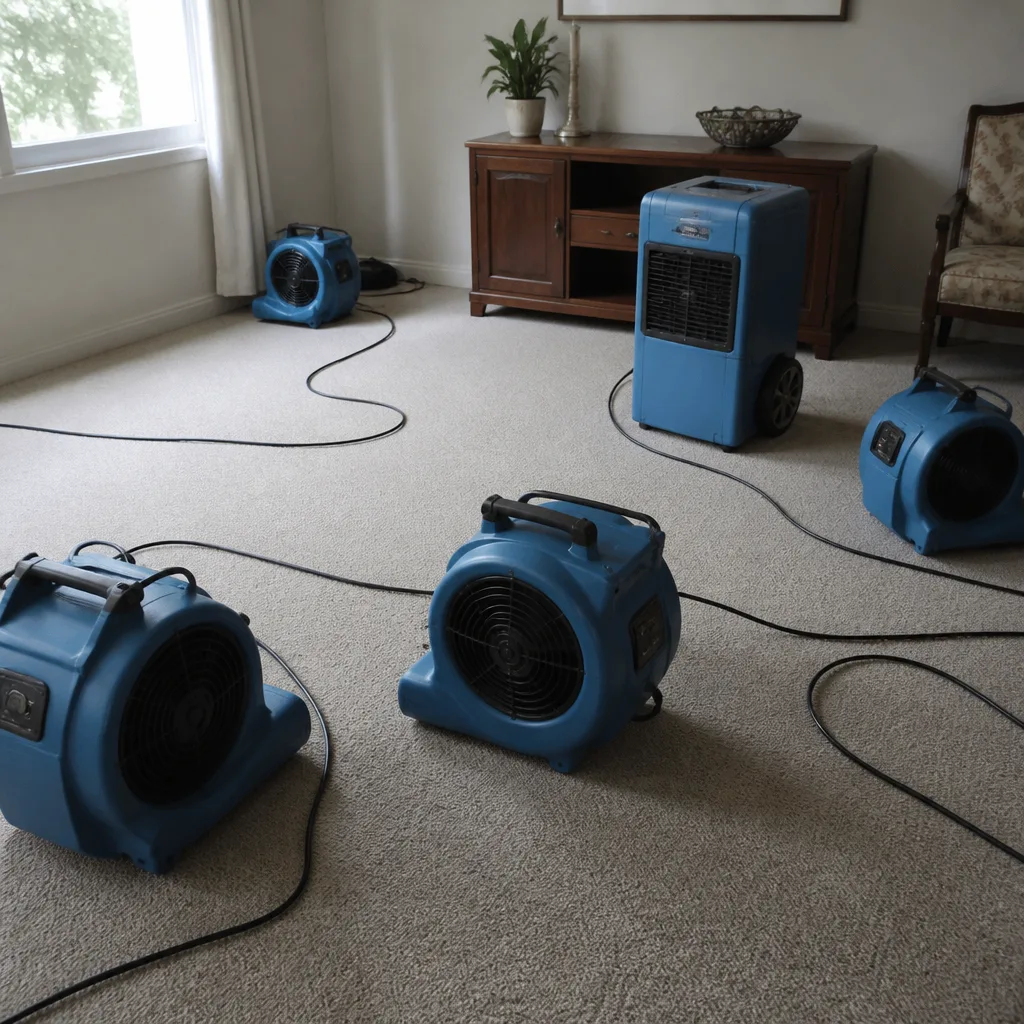
After extraction, we place high-output air movers and dehumidifiers from Dri-Eaz and Phoenix. Daily moisture readings are logged until your structure hits the dry standard. We track everything and hand you the log. No guessing, no “feels dry.”
Cleaning & Sanitization
Every affected surface gets treated with EPA-registered antimicrobials. We scrub, fog, and wipe down from ceiling to floor. For Category 3 water, this step is non-negotiable: sewage bacteria doesn’t die from drying alone.
Containment & Air Scrubbing
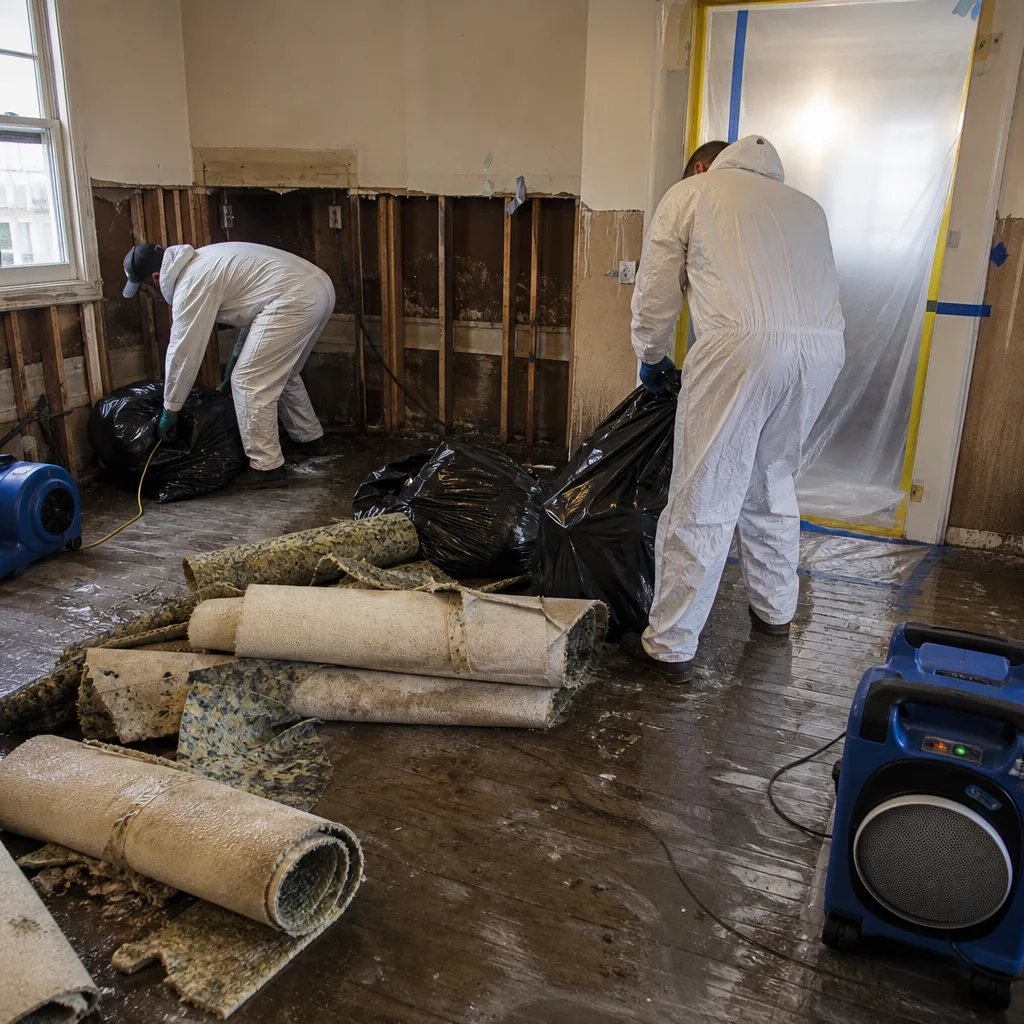
Before any drywall comes out, we set up containment barriers and run HEPA air scrubbers to capture aerosolized pathogens. This protects the rest of your home and anyone living there during the work. It’s also the step that many low-bid crews skip, and skipping it is the fastest way to a mold claim 48 hours later.
Repairs & Restoration
We remove porous materials that can’t be sanitized: baseboards, drywall, cabinet bases, carpet padding. Then we rebuild to pre-loss condition with one team, one schedule, and one point of accountability. The last thing we hand you is a moisture log and our 90-Day Done Right Promise in writing.
Need Emergency Sewage Cleanup in Jersey City Now?
Crews minutes away, answering live 24 hours a day. The sooner we start, the less it costs.
Working With Your Insurance Company
Most Jersey City homeowners carry coverage for sudden sewage backup, but carriers are careful about how they pay these claims. They want proof of source, proof of scope, and proof of dry standard. We build that file from the first hour. Every claim we handle starts with photo documentation before we move anything, then a written scope of work with line-item pricing. We communicate directly with your adjuster, send them our moisture readings and drying logs, and bill the carrier directly. You don’t translate between us. Curt Bowman built Floodline Restoration Co. around a simple principle: the homeowner should never be the middleman in their own insurance claim. When we’re done, you get a documentation package that holds up under adjuster review. If a question comes up later, we answer it. We stand behind the work.
What We Provide Your Insurer
- Thorough documentation of the loss
- Photos of all damage, room by room
- Moisture readings and drying logs
- A detailed, line-item scope of work
- Direct coordination with your carrier
Built for Jersey City’s Loss Calendar
Jersey City’s sewage backup season isn’t a season. It’s a calendar of recurring pressure points. January and February bring deep freezes that crack aging supply lines in pre-war buildings, and the water that finds the floor then mixes with whatever sits in the sewer lines. March and April thaw pushes groundwater through foundation walls in the western sections, especially in 07303 around Route 440 where fill ground sits at the water table. Summer thunderstorms overwhelm a combined sewer system that was never designed for Jersey City’s current density, so a two-inch rain sends black water up through floor drains in Journal Square basements. Nor’easters in the fall and early winter bring tide-amplified flooding along the Hudson, and every one of those events tests the same aging laterals and shared lines under the brownstones. We track all of it. Our crews stage equipment before big storms, and our dispatchers know which blocks flood first. That’s local knowledge you can’t get from a toll-free number in another state. When you call Floodline, the person who answers knows the difference between a 07302 harbor-front brownstone and a 07097 row house on the west side.
Sewage Cleanup Across Jersey City’s Neighborhoods
Downtown Jersey City, the 07302 corridor along the waterfront, sits in FEMA-designated coastal high-hazard and AE flood zones. When a nor’easter pushes the Hudson over the bulkheads, these brownstones and converted multi-family flats take storm surge that mixes with sewer overflow. Our response route down Montgomery Street and along Newark Avenue gets a crew to a Paulus Hook or Harsimus Cove basement fast. The Heights and Journal Square are different: older row houses on tighter lots, shared laterals, and basements that were never waterproofed. A backup here often starts as one unit’s floor drain and spreads to three adjoining basements through common chases. We routinely scope losses in two or three units at once on those blocks. Bergen-Lafayette and Greenville, further south and west, sit on filled marshland. Hydrostatic pressure pushes contaminated groundwater through foundation cracks every winter, even without a pipe failure. Homeowners in 07303 call us thinking they have clean seepage; our moisture mapping usually finds contamination from the city’s combined system mixed in. Understanding these patterns means we bring the right containment and the right extraction plan before we even park the truck.
One call from an owner on a brownstone block off Newark Avenue sticks with us. A common sewer line backed up and black water pushed through a basement floor drain, then migrated beneath three adjoining units through the shared party-wall chases. We ran thermal imaging and confirmed saturation spreading laterally. Full containment went up first: negative air, HEPA scrubbing. Then we extracted the standing sewage with a Dri-Eaz truck mount, removed the porous baseboard and drywall to pre-loss condition, and treated every affected surface with antimicrobials before structural drying with air movers and dehumidifiers. All three units were documented from the first moisture reading, and all three carriers received the same line-item scope. That’s what we mean when we say we keep the job whole.
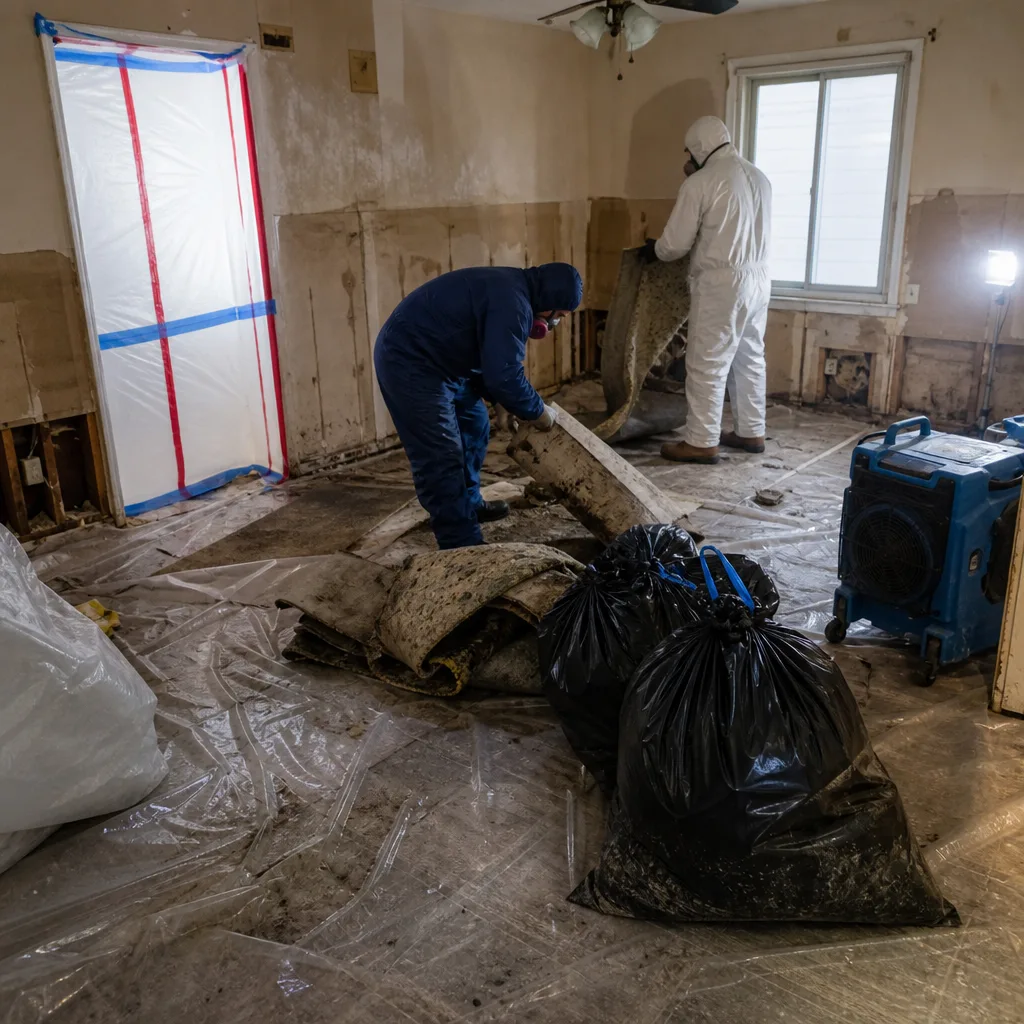
Specialized Sewage Cleanup Services We Offer in Jersey City
Sewage Backup Cleanup
When the combined sewer system fails, your basement is the release valve. We extract the black water, remove contaminated building materials, sanitize every surface, and dry the structure to the dry standard. Our default protocol in Jersey City starts with biohazard containment, because a CSO backup isn’t a drying job. It’s a contamination event. Most Jobs are completed in a single visit, with one crew handling extraction, treatment, and setup for drying.
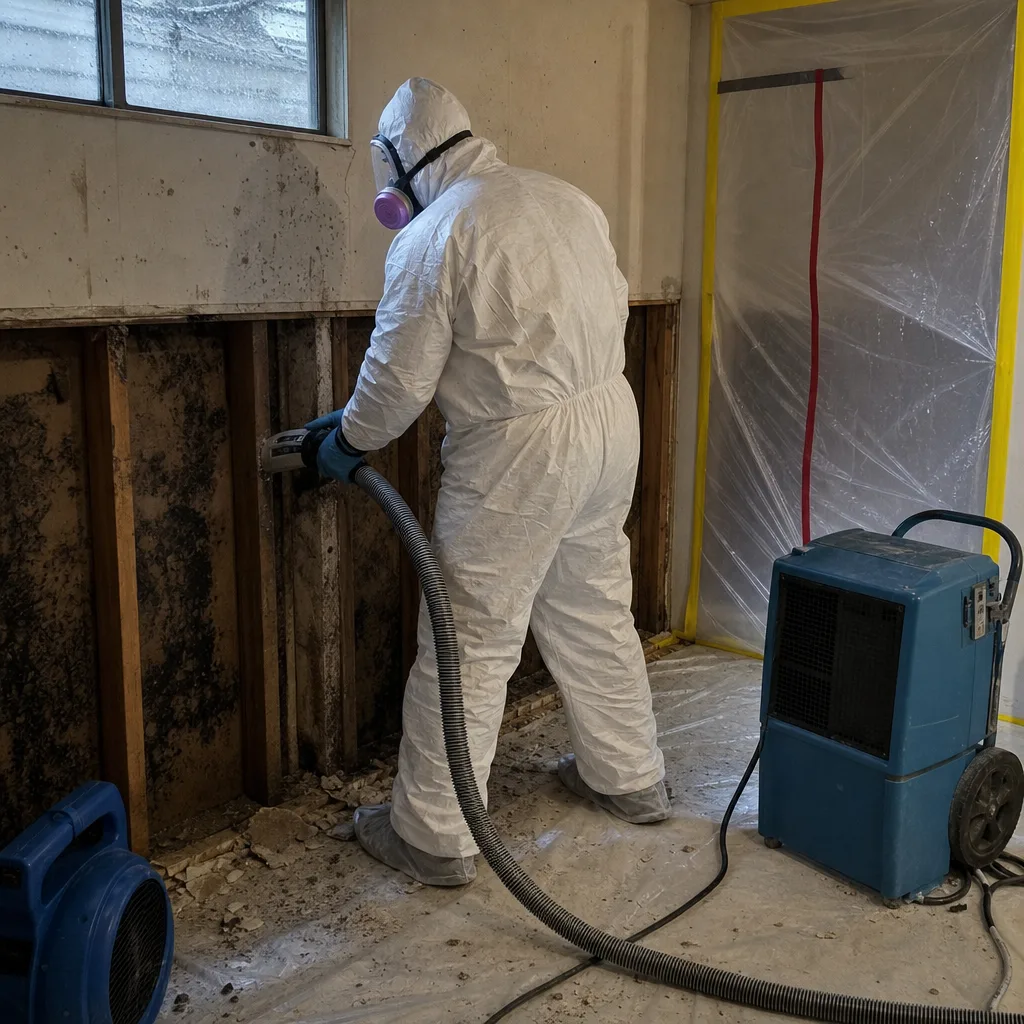
Black Water Extraction
Category 3 water doesn’t just sit on top of your floor; it soaks into concrete, wicks up drywall, and migrates under baseboards within hours. We use truck-mounted extraction systems to pull standing sewage fast, then map the moisture that isn’t visible. In attached Jersey City row houses, we check the adjoining units’ sill plates on the shared wall. Missing that lateral migration turns a contained cleanup into a multi-unit mold claim.
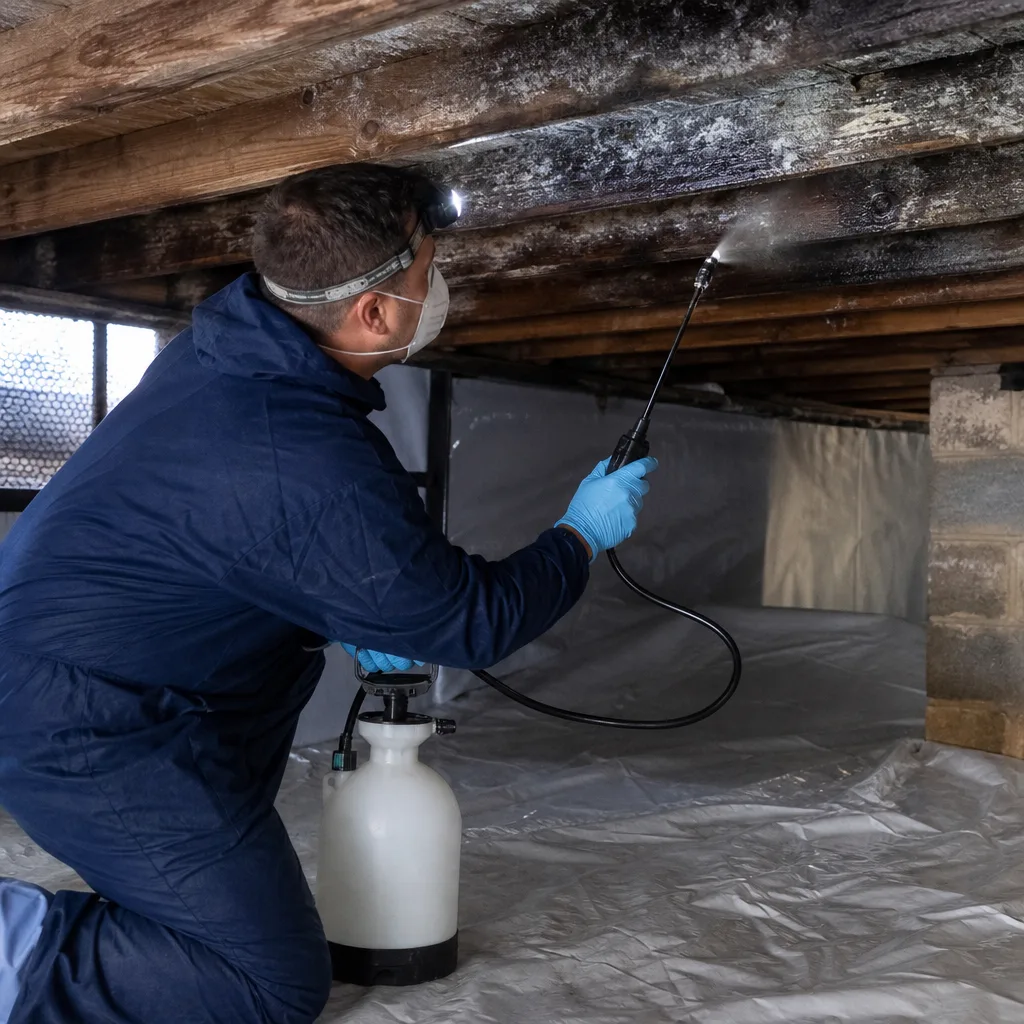
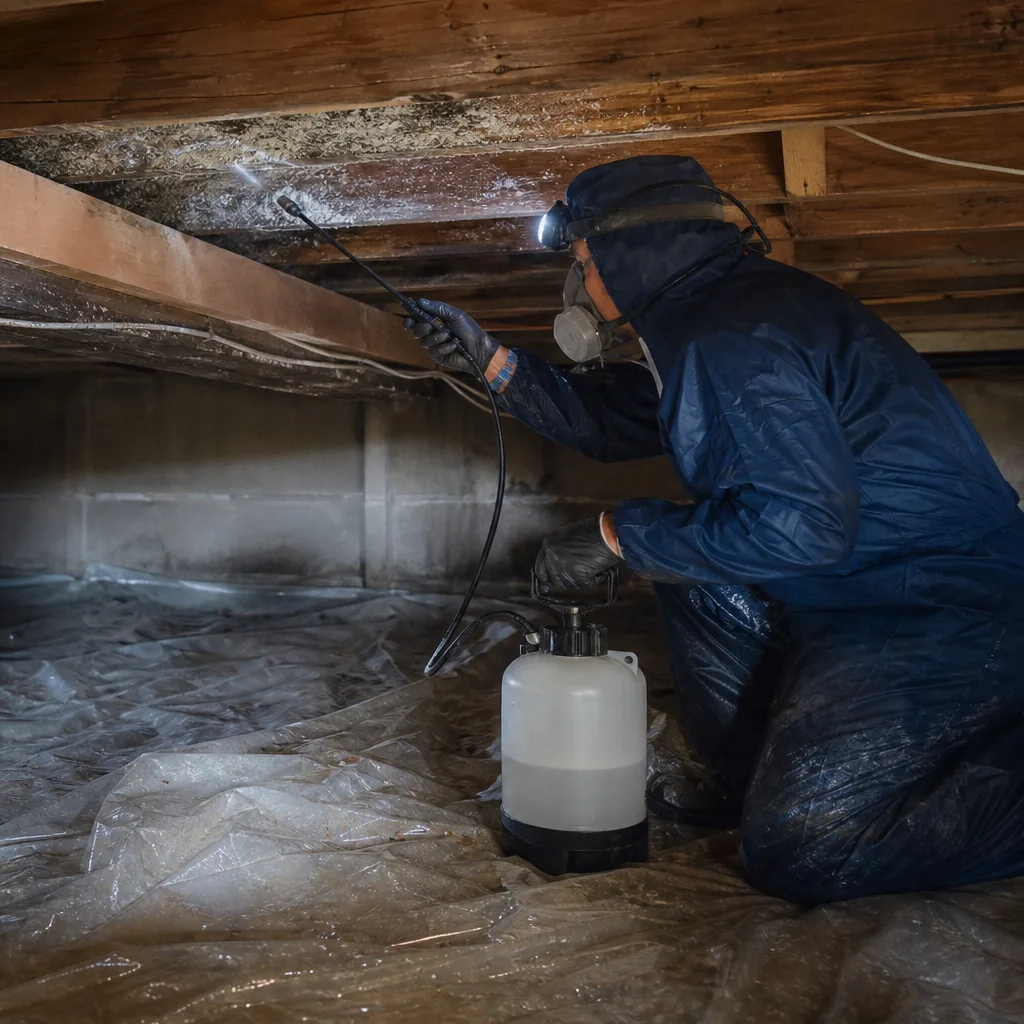
Sanitization & Disinfection
Drying equipment alone doesn’t make a sewage-contaminated basement safe. We apply EPA-registered antimicrobials to every affected surface, fog enclosed cavities, and run HEPA air scrubbers to clear airborne pathogens. This step is mandatory before any reconstruction starts, and it’s the step we document for your carrier. When the work is done, our 90-Day Done Right Promise is in your hands. Done right, and backed in writing.
What happens when you call
- 1
A real person answersNo phone trees - you reach a local pro.
- 2
You get an upfront price rangeHonest numbers before anyone is dispatched.
- 3
A background-checked tech heads outLicensed & insured, dispatched right away.
- 4
You approve before work beginsNothing starts until you say go.
Sewage Cleanup Costs in Jersey City, NJ
Sewage cleanup in Jersey City runs higher than inland Hudson County towns, and the housing stock is the reason. Attached row houses mean more containment, more cross-unit documentation, and more removed material. A straightforward toilet overflow in a single-family 07302 brownstone typically runs $1,800 to $3,400. A CSO-related basement backup with standing black water across multiple adjoining units usually falls between $4,500 and $9,500, depending on how much drywall and baseboard comes out and how far the water migrated. Septic failure cleanup on the few remaining properties with private systems runs $3,000 to $7,000. Crawl space sewage removal in the western fill sections starts around $2,200 and climbs if hydrostatic pressure is involved. What moves the price: square footage of affected material, how long the water sat, whether containment is required, and whether the loss crossed a property line. Most homeowner policies cover sudden backup events, and we bill directly. The free inspection gives you a firm written scope before you commit. Call (551) 348-8481 for an exact quote. Estimates are free.
We Also Serve Cities Near Jersey City
Our crews dispatch into Hoboken, Secaucus, Union City, and Weehawken daily. The same certified teams, the same 45-minute response commitment, and the same written documentation package. If you’re in the Hudson County corridor and water’s backing up, call (551) 348-8481. We’ll be there when we say.
Serving Jersey City, NJ - Our Local Coverage Area
We’re based in the Jersey City area and know this community well. Use the map below to see our service coverage - if you’re nearby, we can almost certainly help.
Jersey City Sewage Cleanup Questions, Answered
How do you handle sewage backup when it spreads through a shared party wall in a Jersey City brownstone?
We treat it as a multi-unit loss from the first moisture reading. We map both sides of the shared wall with thermal imaging and moisture meters, document both units’ damage, and coordinate with each carrier separately. Containment goes up before any drywall comes out, because opening a contaminated party wall releases aerosolized pathogens into the neighboring unit. We remove affected materials on both sides to the same pre-loss standard and rebuild with one crew. Call (551) 348-8481 if you suspect lateral migration. We document what your neighbor’s insurance needs to see.
Is sewage backup from Jersey City’s combined sewer system always Category 3 black water?
Almost always, yes. The combined sewer overflow system mixes stormwater with raw sewage, so any backup through a floor drain or toilet during a heavy storm carries fecal contamination. We treat every CSO-related event in Jersey City as Category 3 by default, which means full containment, antimicrobial treatment, and removal of porous materials. Drying alone leaves bacteria behind. The line the water left is where we start, but the classification is what keeps the cleanup safe.
Why do you remove baseboards and drywall instead of drying them after a sewage backup in my 07302 basement?
Because porous materials cannot be reliably sanitized after contact with Category 3 water. Two inches of drywall will wick contaminated water up to four feet inside the wall cavity. Baseboards trap sewage against the framing, and subflooring soaks it into the joists. We cut out what’s contaminated and rebuild clean. Trying to dry it in place leaves a biological residue that becomes a mold problem within 48 hours. Our K.E.Y.S. standard says it plain: Krafted right, every time.
My basement in western Jersey City gets wet every winter without any pipe leak. How does that relate to sewage cleanup?
That’s hydrostatic pressure. The western sections built on former Hackensack Meadowlands fill sit at or just above the seasonal water table. When the ground saturates in winter, groundwater pushes through foundation walls and floor cracks. The water isn’t always clean; it often mixes with contaminated soil and CSO overflow. Missing that contamination is how a “seepage” turns into a mold claim. We test, map, and treat it as potential Category 3 from the start. Call for a free inspection before the next wet season.
How fast can you start sewage extraction in Jersey City after a nor’easter backs up our basement drains?
A live dispatcher answers (551) 348-8481 24 hours a day. After a nor’easter, we stage crews in Jersey City before the storm hits, so response time is often under 45 minutes once you call. Extraction starts the same visit. The sooner the sewage is out, the less drywall, baseboard, and flooring has to come out. That’s the difference between a $3,000 cleanup and a $15,000 rebuild.
Will my homeowners insurance cover sewage backup in Jersey City?
Most standard policies in New Jersey cover sudden and accidental sewage backup, but many require a specific backup endorsement. If your loss crosses into a neighbor’s unit through a shared party wall, coordination gets more complex. We handle that. We document both units’ damage, send line-item scopes to each carrier, and bill directly. You never play messenger between us and the adjuster. Call us before you call your broker; we’ll tell you what we’re seeing and what documentation you need.
Can I stay in my home during sewage cleanup?
Usually not in the affected area. Category 3 sewage carries bacteria like E. coli, Salmonella, and Hepatitis A, and aerosolized particles are a genuine health risk. We set up containment barriers and run negative-air scrubbers, but we recommend staying out of the containment zone until sanitization and clearance are complete. If the loss is extensive, we document that for your carrier too; additional living expenses are often covered. Every job ends with a written dry-standard log and our 90-Day Done Right Promise. We stand behind it.
What should I do in the first 30 minutes after a sewage backup?
Turn off electricity to the affected area if you can do so without stepping in water. Don’t flush toilets or run sinks; that adds more volume to the backup. Move valuables and documents to a dry, uncontaminated area if it’s safe to do so. Don’t try to extract the water yourself; sewage requires PPE and professional containment. Then call (551) 348-8481. A live person answers, and a crew is on the way. The first hour decides how much gets cut out.
Written by Curt Bowman, Owner at Floodline Restoration Co., serving Jersey City with certified sewage cleanup and full-cycle restoration.