
Free visual inspection and a written scope of work before any mitigation begins - photos, moisture readings, and drying logs go in your claim file
The scope we write is the scope we bill. Anything new gets shown to you, in writing, before we touch it.
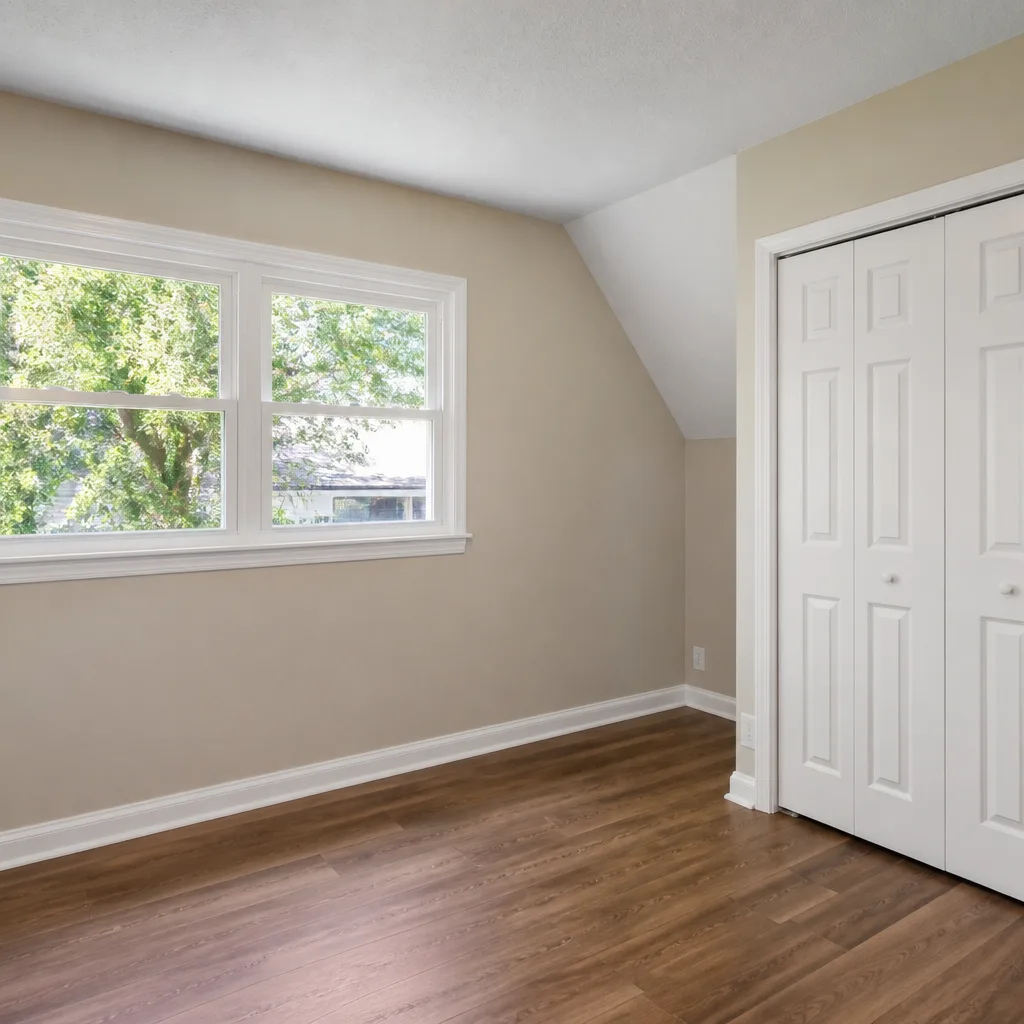
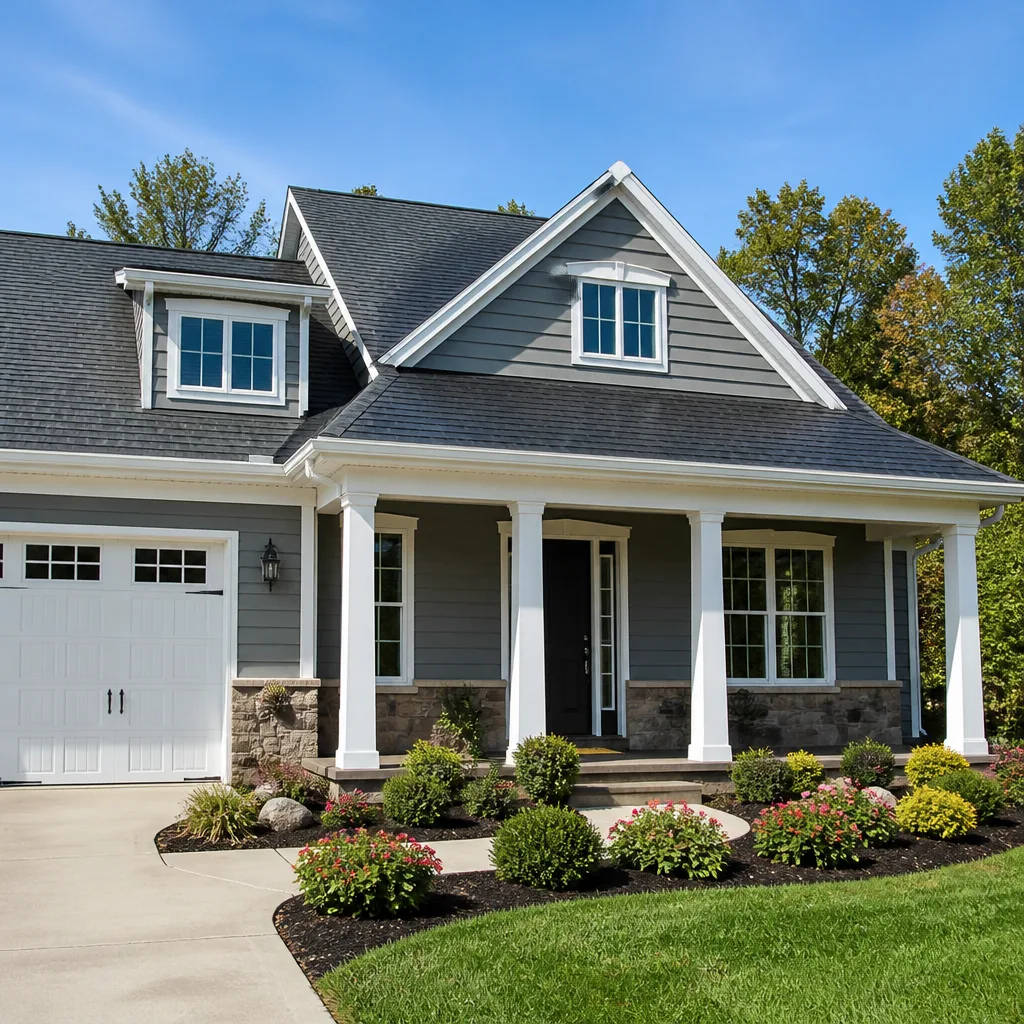
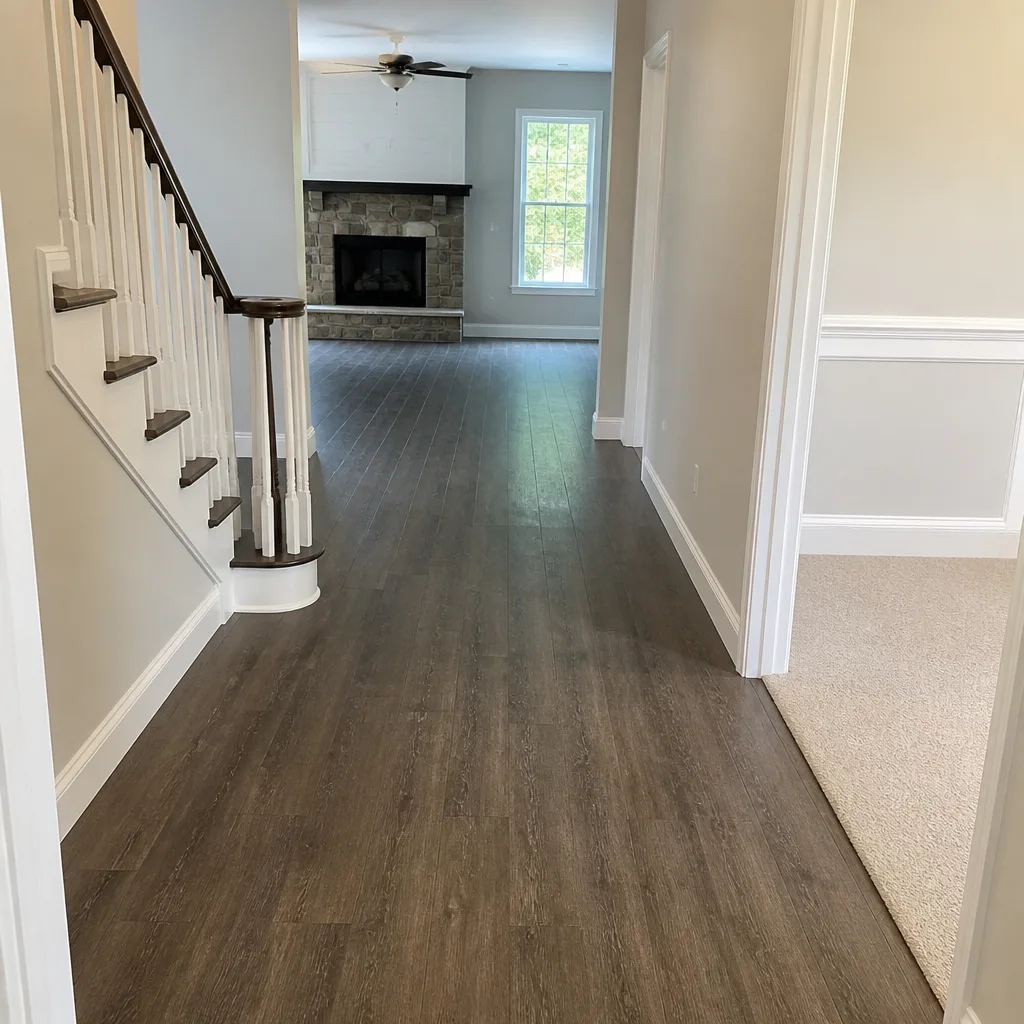
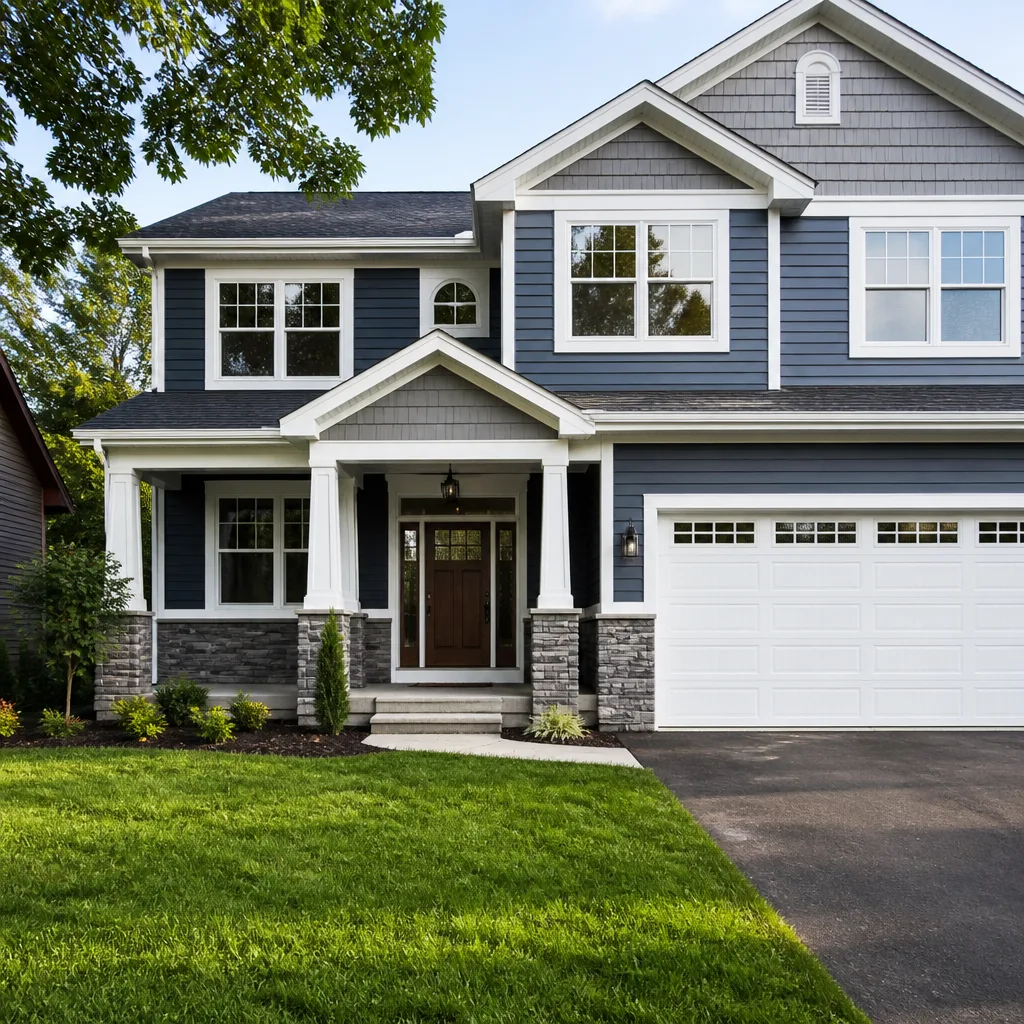
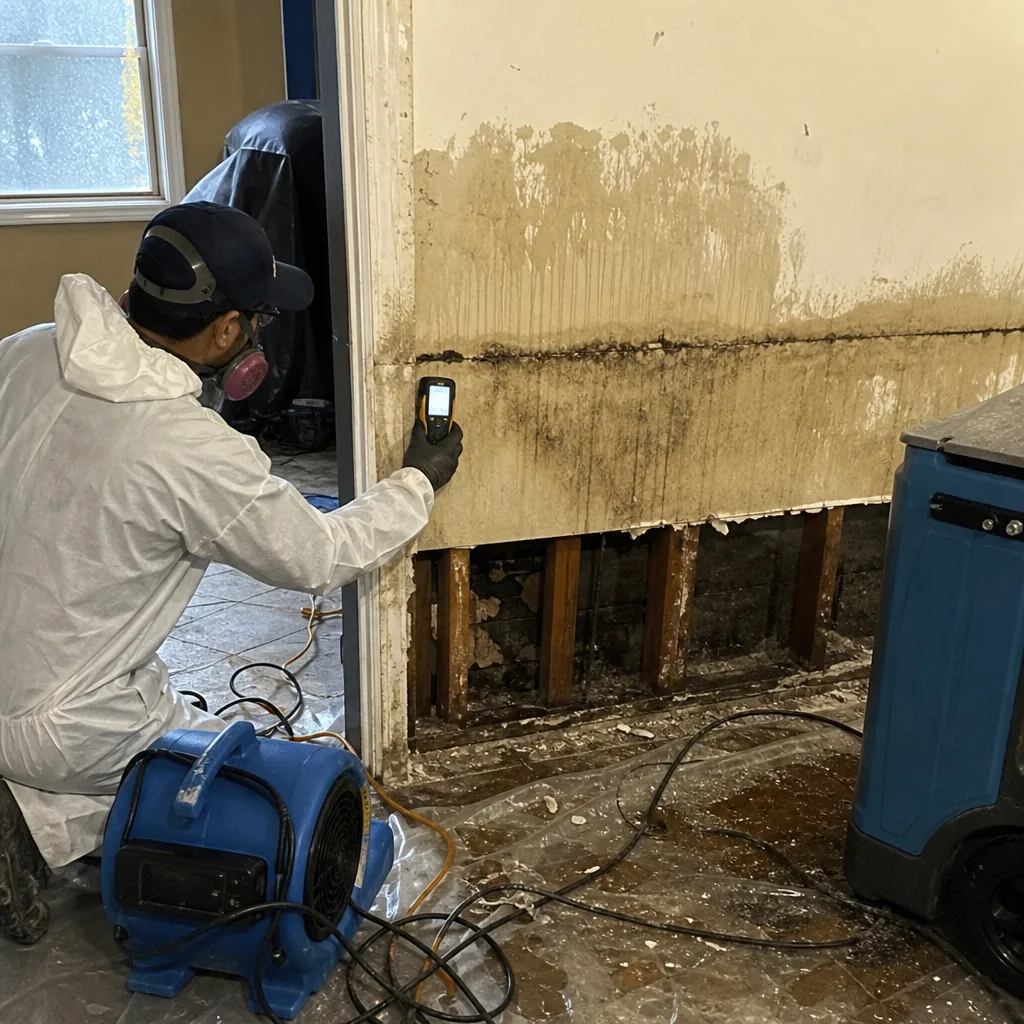 Before
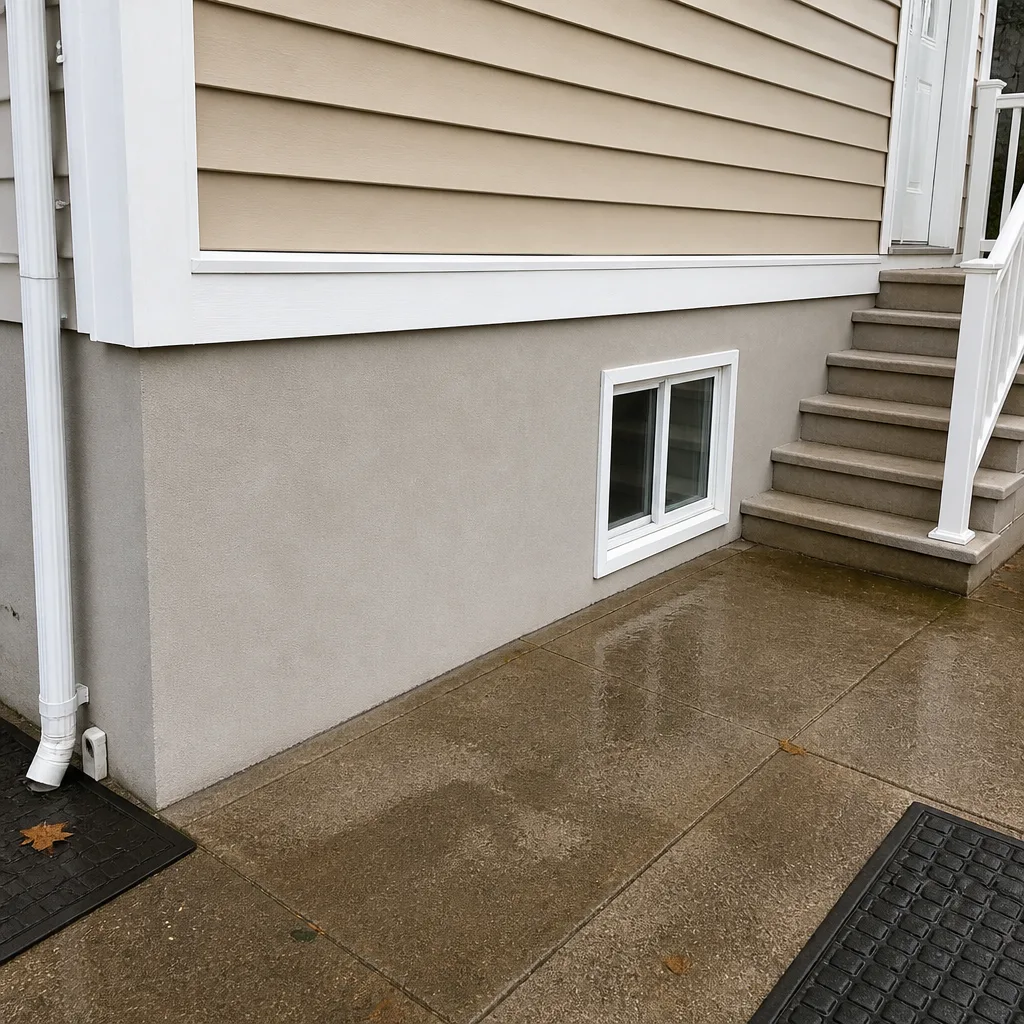 After
After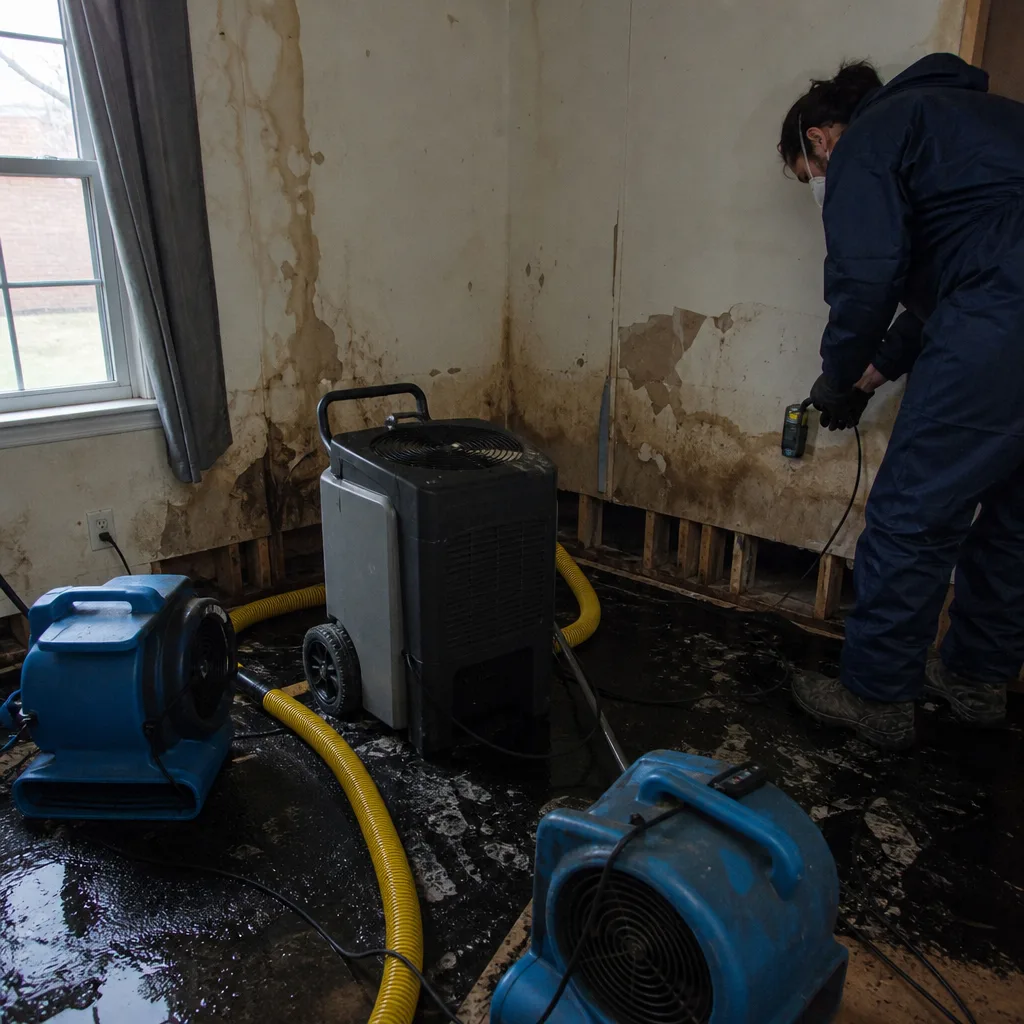 Before
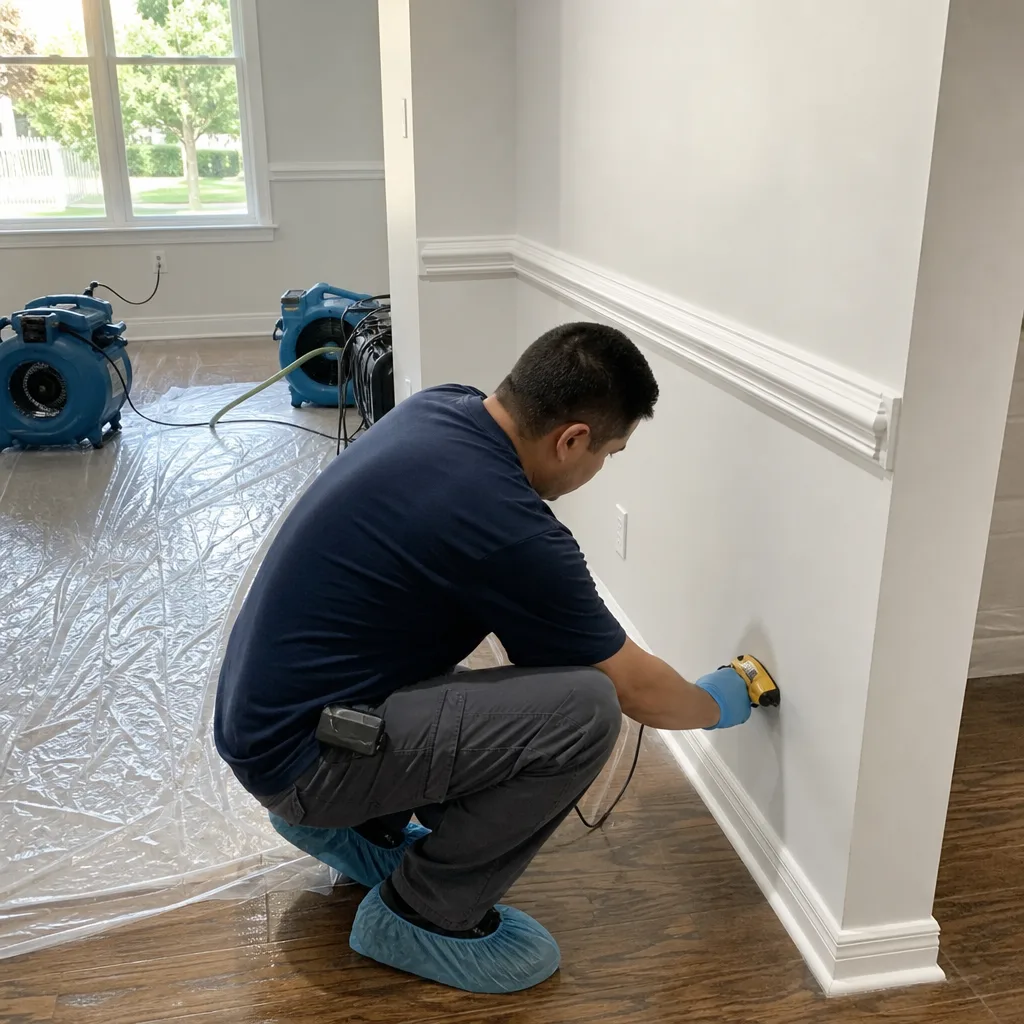 After
After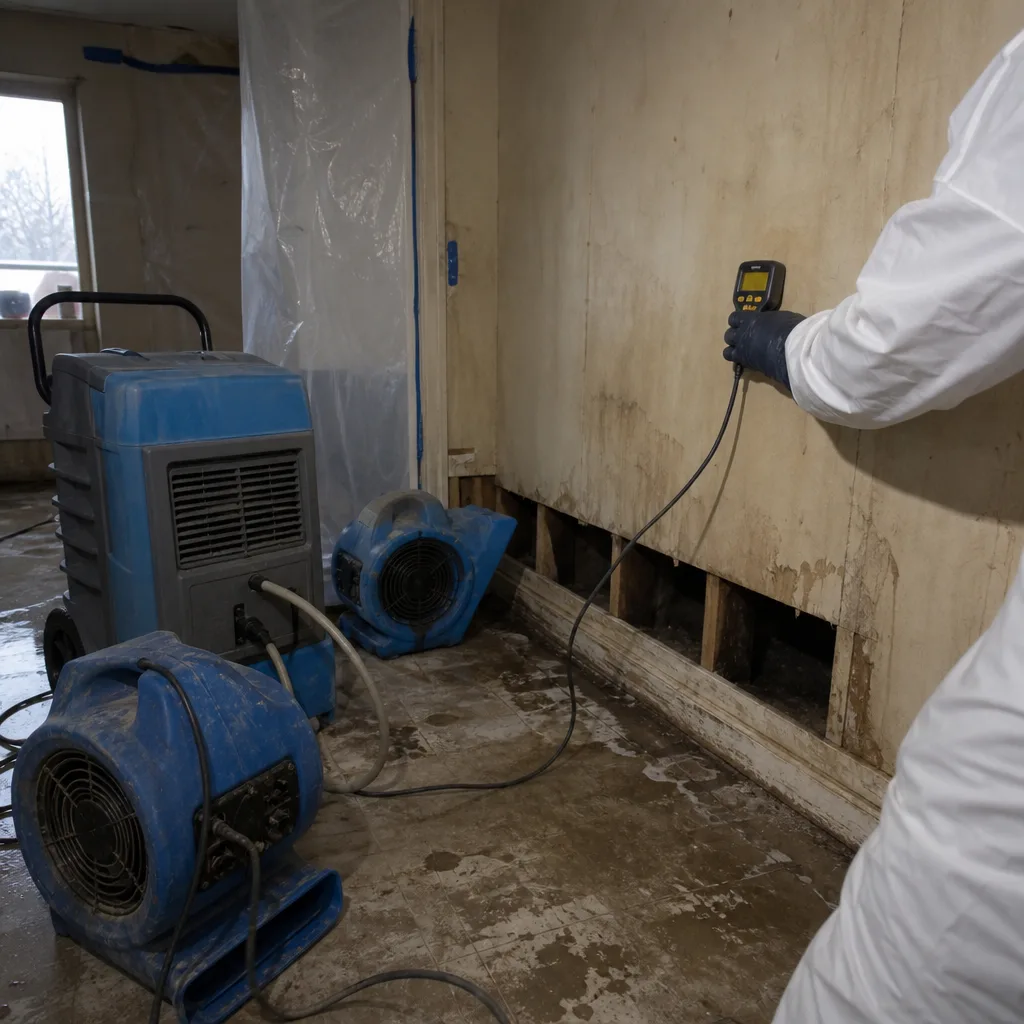 Before
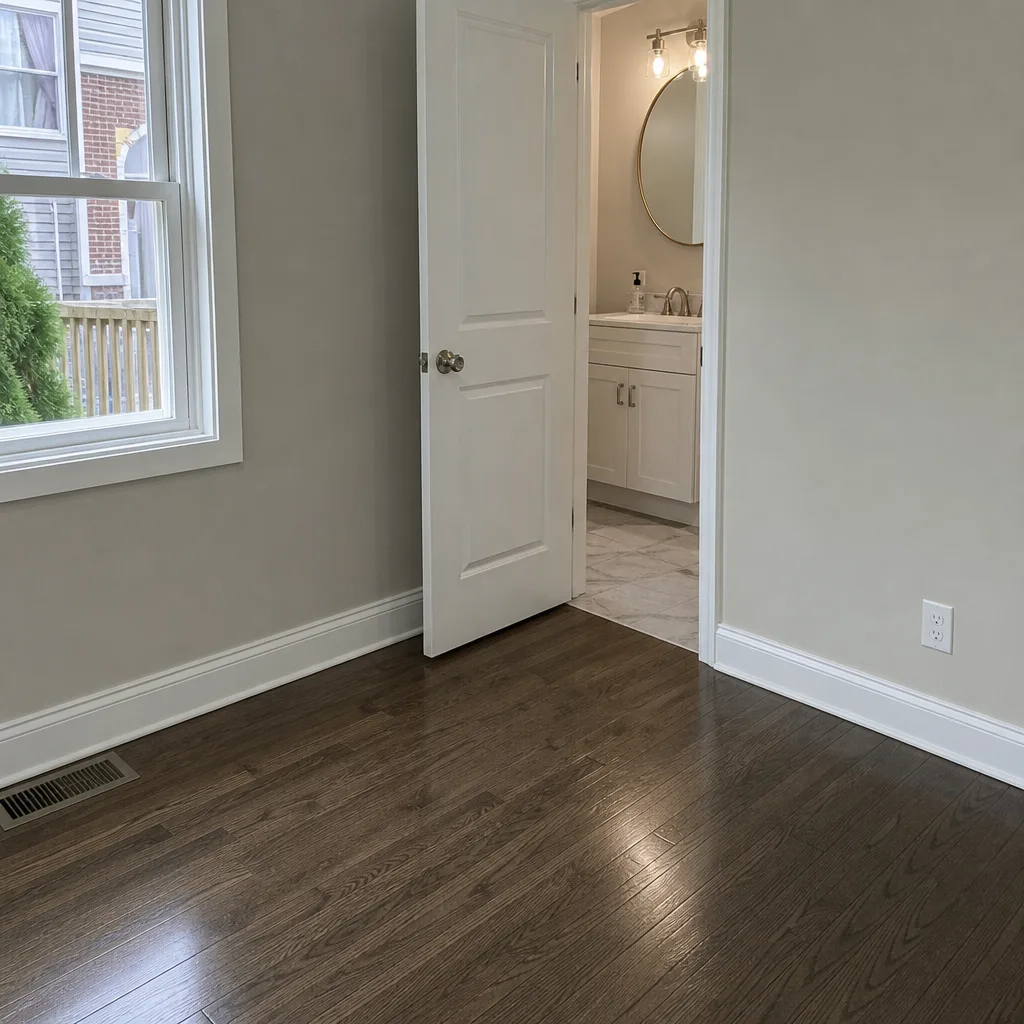 After
After24/7 Emergency Sewage Cleanup in Upper Manhattan
Sewage cleanup in Upper Manhattan typically runs $1,800-$6,500 depending on how far the category 3 water traveled and how many units are involved. Most jobs in pre-war buildings start the same day you call. Reach our live dispatch at (551) 348-8481 any hour, any day. A real person answers. No recording. No answering service. When a waste line backs up into a basement floor drain on West 145th Street or a toilet overflows on the fifth floor of a walk-up on Audubon Avenue, the first hour determines whether you’re dealing with a contained cleanup or a multi-floor remediation. Sewage is category 3 water. It carries bacteria, viruses, and parasites that spread fast through porous plaster, hardwood, and the voids between ceiling joists. Waiting even overnight lets contamination wick upward into walls and under baseboards. We dispatch crews from our New York City office directly into Upper Manhattan, and a certified technician starts extraction on the first visit, not after a bidding process.
Understanding Sewage Cleanup Severity in Upper Manhattan Properties
We classify water damage in three categories. Category 1 is clean water from a supply line. Category 2 carries contaminants, like the gray-brown water from a cracked radiator pipe that has picked up sediment and rust on its way down through four floors of plaster. Category 3 is sewage: toilet overflows, waste stack backups, black water from floor drains. Upper Manhattan’s housing stock makes category 3 events behave differently than they do in a suburban house with a PVC drain line. In a 1910 Hamilton Heights tenement, the cast-iron waste stack runs vertically through every apartment. When venting fails and backpressure builds, sewage doesn’t just back up into one toilet. It surfaces in the lowest open fixture, usually a basement floor drain, then climbs. We’ve documented category 3 water moving up two and three stories through shared stacks. The same building age that gives Upper Manhattan its plaster-and-lathe character also means those walls absorb and hold contaminated moisture differently than modern drywall. Plaster is denser, slower to dry, and often hides pockets behind lath strips where moisture meters read normal on the surface while sewage residue remains trapped underneath. That’s why we moisture-map every affected room with thermal imaging and take daily readings until the structure meets the dry standard, not just until the visible mess is gone.
Why Upper Manhattan Property Owners Choose Floodline Restoration Co.
- 45-minute response commitment. When sewage is migrating through a shared stack, every hour spreads the problem. Our crews stage in Upper Manhattan and aim to be on-site within 45 minutes of your call.
- Live answer, 24 hours a day. A dispatcher in our office picks up at 2 a.m., not a voicemail. You’ll speak to a person who can send a crew immediately.
- IICRC-certified technicians. Our crews hold WRT and ASD certifications and train to RIA and IFA standards. They understand pre-war plumbing, not just modern systems.
- Free visual inspection. We look before we quote. You get a written scope of work with line-item pricing before any invoice is generated.
- Direct insurance billing. We coordinate with your carrier, provide adjuster-ready documentation, and bill them directly where your policy allows.
- One team from extraction to reconstruction. The same certified crew that extracts the sewage also handles drying, sanitization, and the rebuild. No mid-job handoff. No inherited subcontractor.
Our Sewage Cleanup Process
Inspection & Assessment
We trace the full path of the water. In Upper Manhattan buildings, that means checking the waste stack, the building trap, and the basement lateral, not just the visible spill. Thermal imaging shows us where water traveled inside walls and under flooring that looks dry on the surface.
Extraction & Stabilization
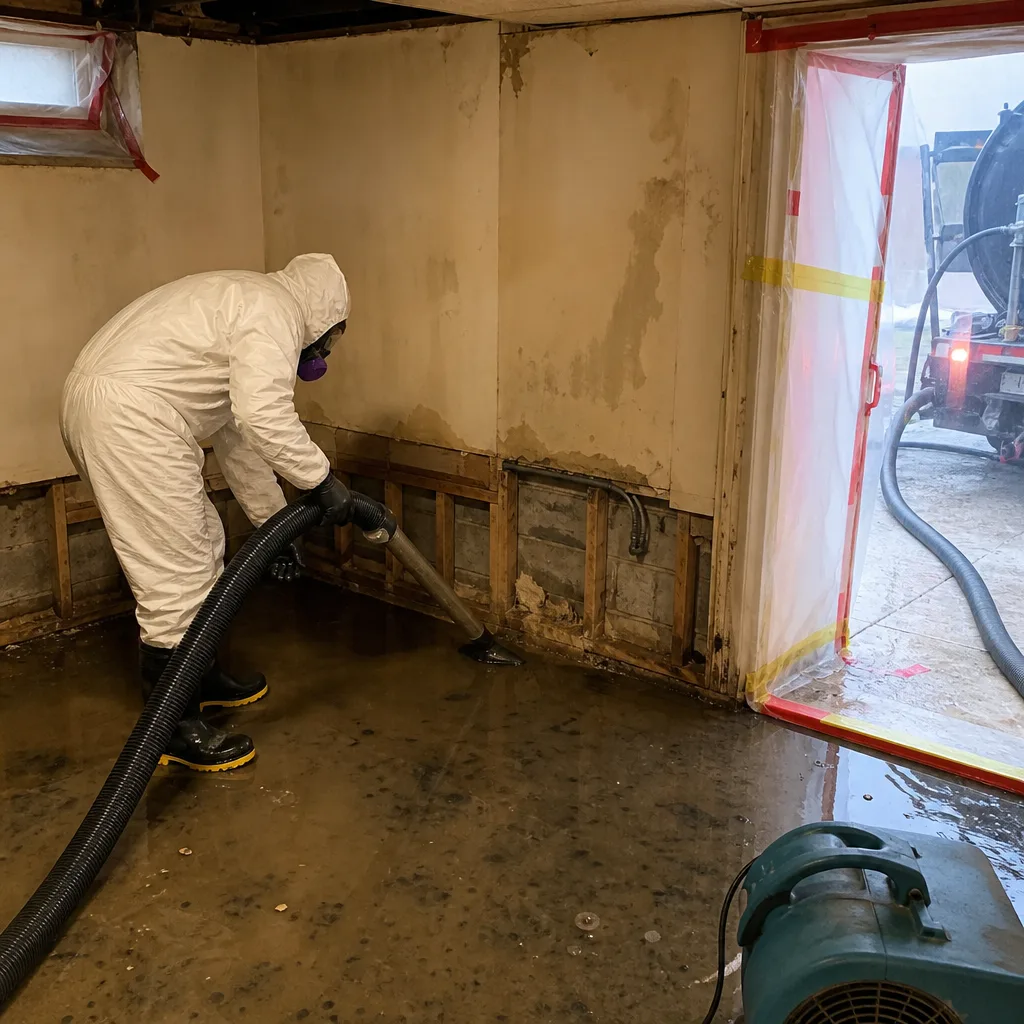
We remove standing sewage with truck-mounted extraction units and portable extractors for upper-floor access. We contain the affected areas floor by floor so tenants can remain in unaffected apartments while we work.
Drying & Dehumidification
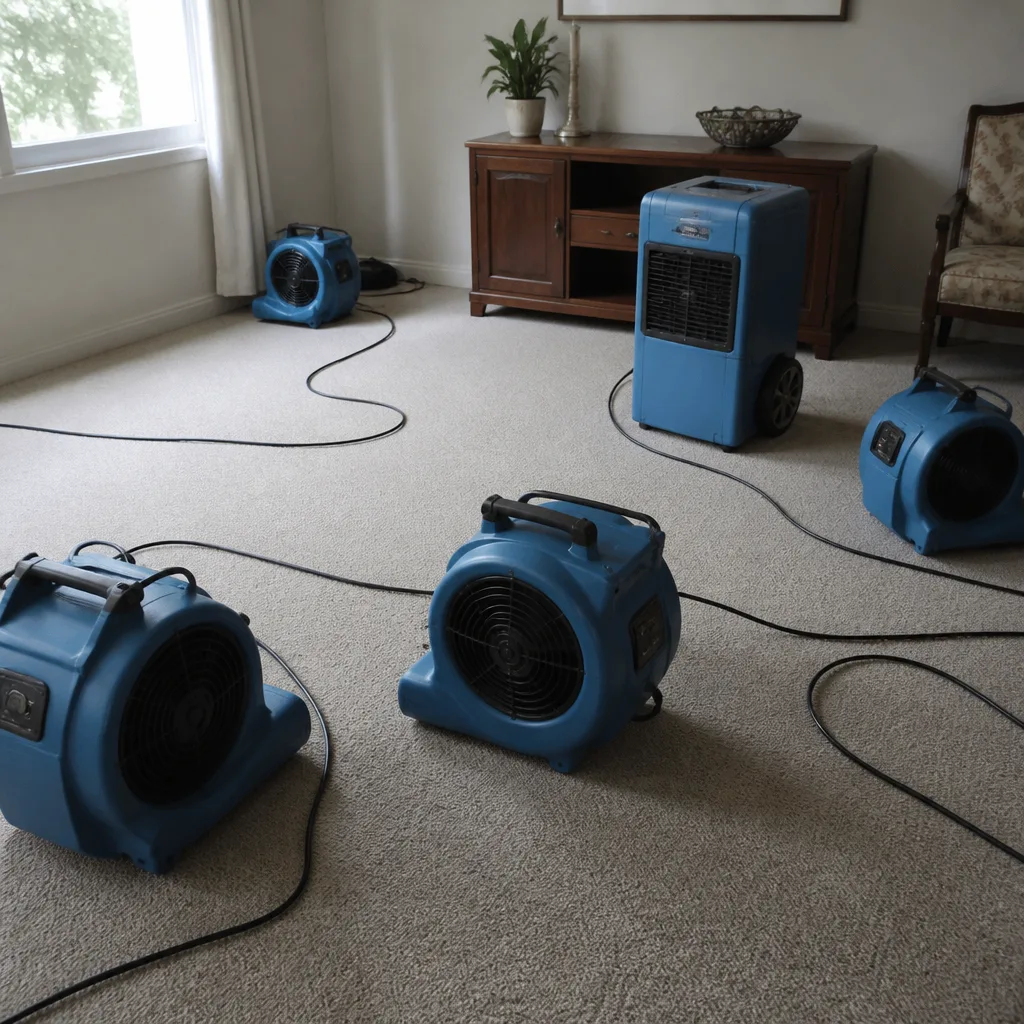
Professional-grade Dri-Eaz dehumidifiers, Phoenix air movers, and XPOWER units run continuously. In pre-war plaster walls, we use Injectidry systems to pull moisture from behind lath and plaster where surface drying alone would leave hidden pockets.
Cleaning & Sanitization
Every affected surface gets cleaned with an antimicrobial treatment rated for category 3 contamination. We treat stud cavities, subflooring, and the backsides of baseboards, not just visible surfaces.
Specialty Treatment for Pre-War Construction
Plaster-and-lathe walls, horsehair insulation, and cast-iron pipe chases require treatment protocols that modern drywall doesn’t. We address the unique absorption and retention profile of these materials to prevent secondary mold growth.
Repairs & Restoration
We restore what we had to remove: plaster skim-coating, period molding matching where needed, flooring replacement, and any structural repairs. The same crew finishes the job and hands you a moisture log and the 90-Day Done Right Promise in writing.
Need Emergency Sewage Cleanup in Upper Manhattan Now?
Crews minutes away, answering live 24 hours a day. The sooner we start, the less it costs.
Working With Your Insurance Company
Sewage backup claims in Upper Manhattan come with a specific wrinkle: when a shared stack backs up into multiple units, you may be dealing with your own policy, your neighbor’s carrier, and the building’s master policy all at once. We’ve handled that three-way coordination hundreds of times. From the first hour, we document everything your adjuster will need. Our techs photograph every affected room before extraction begins, log moisture readings daily through the drying process, and prepare a line-item scope of work using industry-standard estimating software. We communicate directly with your carrier so you’re not playing messenger between Floodline and the insurance company. If your policy includes sewage backup coverage, we bill them directly. If your building’s master policy is on the hook, we help you navigate that claim too. The goal is a covered loss with documentation strong enough that the adjuster approves the full scope without padding or short-changing the work.
What We Provide Your Insurer
- Thorough documentation of the loss
- Photos of all damage, room by room
- Moisture readings and drying logs
- A detailed, line-item scope of work
- Direct coordination with your carrier
Built for Upper Manhattan’s Loss Calendar
Upper Manhattan has a sewage and water damage seasonality you can set a calendar by. Every October and November, when building superintendents across Harlem, Washington Heights, and Inwood fire up steam boilers after months of dormancy, we see a predictable surge. The thermal shock cracks old radiator supply lines and blows corroded steam-trap fittings. Water cascades down through multiple floors overnight, and because those same buildings run shared vertical waste stacks, what starts as a clean-water radiator rupture often meets a backed-up basement drain on the way down, creating a mixed category 2 and category 3 event. Summer brings a different problem. East Harlem and lower Harlem sit close to the Harlem River and are served by aging combined sewer infrastructure. Heavy rainfall events overwhelm the system, producing basement sewer backups and ground-floor flooding in a pattern that barely touches the higher-elevation ridges of Washington Heights and Inwood. January deep freezes crack supply lines in unheated basement utility rooms and along exterior wall chases. Spring thaw brings seepage through foundation walls in buildings where hundred-year-old mortar has lost its water resistance. We carry this calendar in our dispatch planning. When the fall boiler start-up season approaches, we pre-position extraction equipment near known trouble spots. When a nor’easter is tracking toward the city, our crews review the flood-prone blocks first.
Sewage Cleanup Across Upper Manhattan’s Neighborhoods
Hamilton Heights runs on pre-war walk-ups and elevator buildings from the 1890s through the 1920s. The limestone and brick facades on West 145th Street and Convent Avenue hide cast-iron waste stacks that have been carrying sewage for over a century. When those stacks fail, the failure often starts at a basement floor drain and climbs. Harlem has a mix of 19th-century brownstones, pre-war tenement buildings, and NYCHA developments. The brownstones along Strivers’ Row and Mount Morris Park have narrower stairways and tighter access than the larger elevator buildings, which changes how we stage equipment. In East Harlem, the NYCHA high-rises present a different challenge altogether: decades of deferred maintenance mean chronic roof leaks, failing plumbing laterals, and drainage systems that were never designed for modern dehumidification loads. Washington Heights, with its dramatic elevation changes along the ridge, sees far fewer sewer backups than the low-lying areas near the Harlem River. But the pre-war elevator buildings along Fort Washington Avenue and Cabrini Boulevard still share the same vertical stack vulnerability. Inwood’s co-op buildings near the Cloisters and Isham Park face the same fall radiator start-up failures we see everywhere else in Upper Manhattan. Access matters in this trade. We know which streets allow truck parking during the day, which buildings require superintendent sign-off before we can bring equipment through the lobby, and which service entrances actually have clearance for our dehumidifiers. That’s not in a national franchise’s playbook. It’s what we learn from running hundreds of jobs in this neighborhood.
Specialized Sewage Cleanup Services We Offer in Upper Manhattan
Sewage Backup Cleanup
When a basement floor drain backs up in a Washington Heights tenement, the sewage is coming from somewhere above you. We trace the blockage to its source, whether that’s a building trap under the sidewalk or a failing lateral in the basement slab. Then we extract, contain, sanitize, and dry. We don’t just pull the water out and leave the building’s plumbing problem for someone else. Our team identifies whether the backup is a one-time clog or a structural stack failure that will happen again next month.
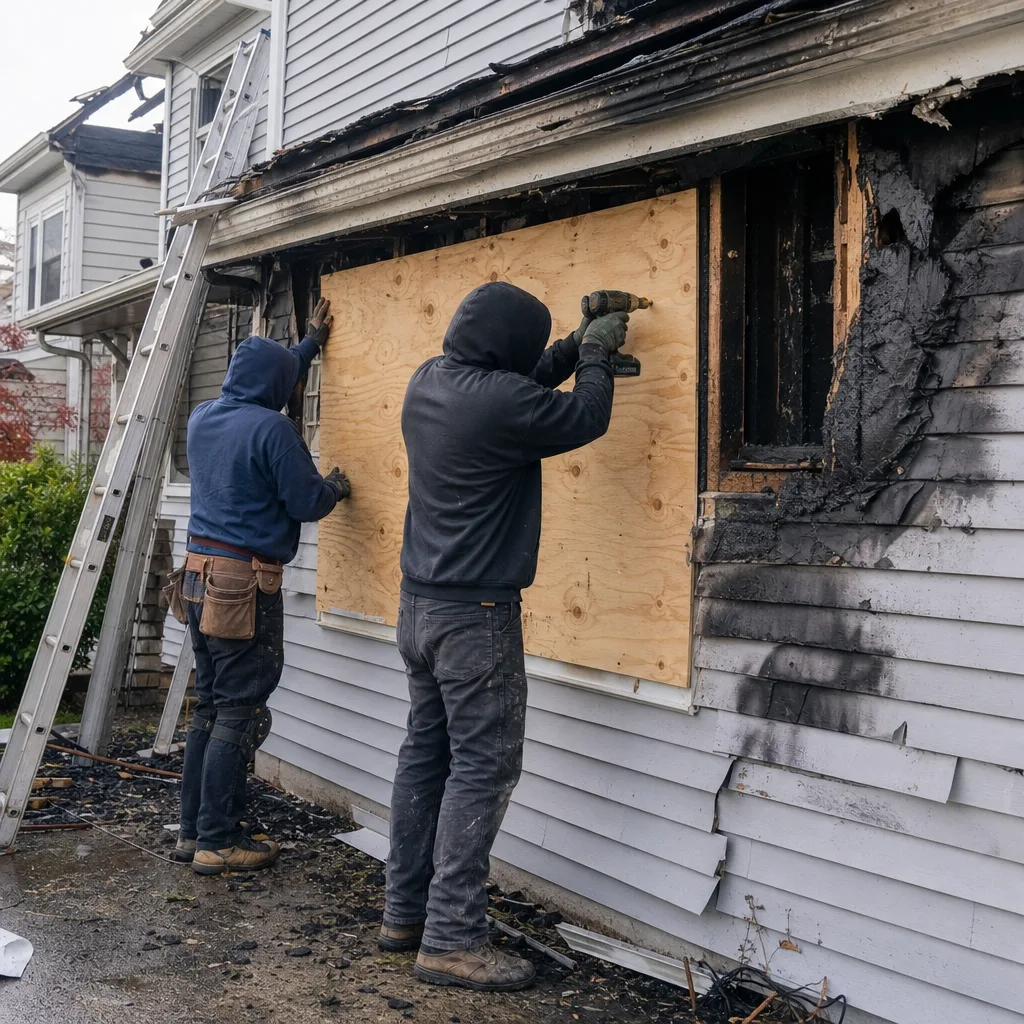
Toilet Overflow Cleanup
In pre-war buildings, a toilet overflow on an upper floor doesn’t stay on that floor. Water moves down through ceiling joists, wets the plaster below, and often reaches the tenant two or three floors down. We’ve handled overflows in Hamilton Heights walk-ups where the category 3 water surfaced in kitchens on floors well below the original fixture. Our containment protocol seals each affected floor before extraction begins, so contamination doesn’t spread through shared hallways.
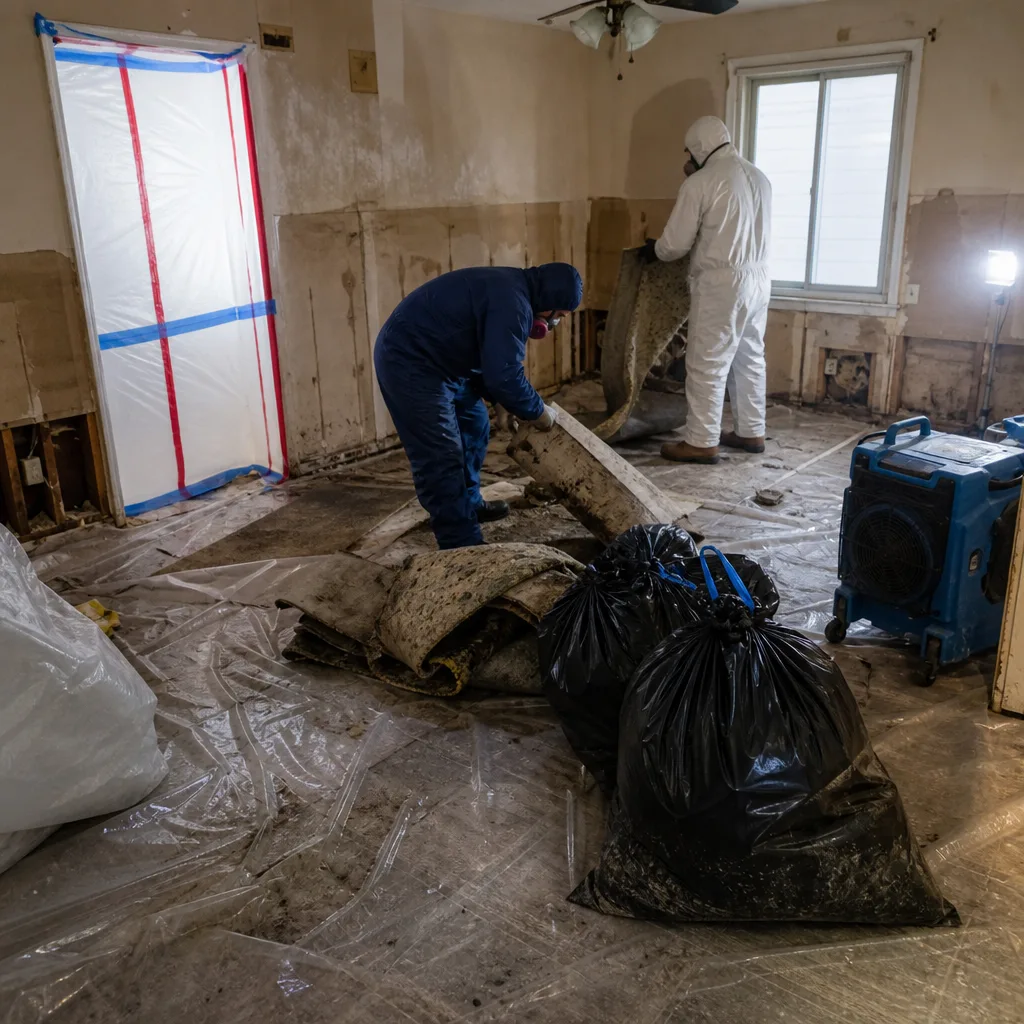
Septic Failure Cleanup
Most of Upper Manhattan is on city sewer, but a handful of older properties near the northern edge of Inwood and along the river retain legacy septic systems. When those fail, the result is the same category 3 contamination, often concentrated in crawl spaces and basement utility rooms that were never designed for modern cleanup equipment. We bring compact extractors and low-profile air movers into spaces where full-size units won’t fit.
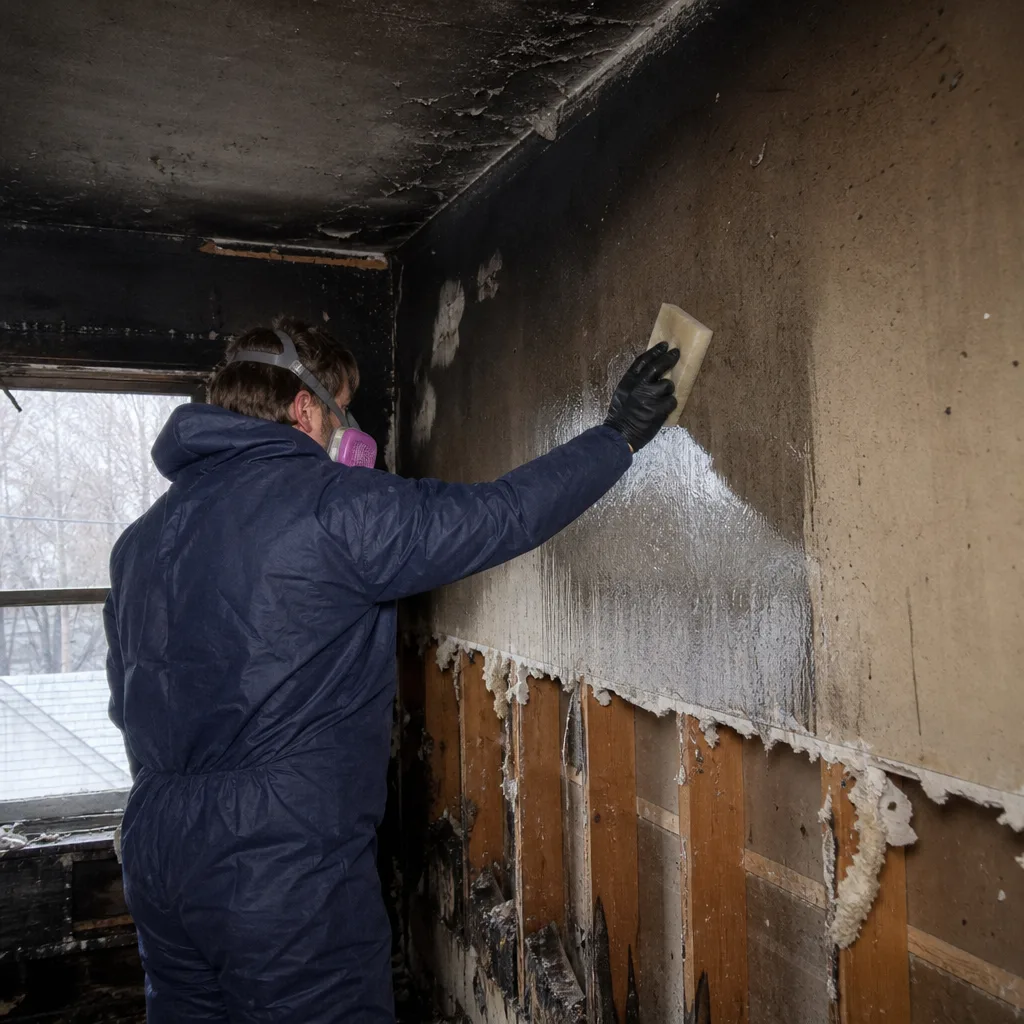
Black Water Extraction
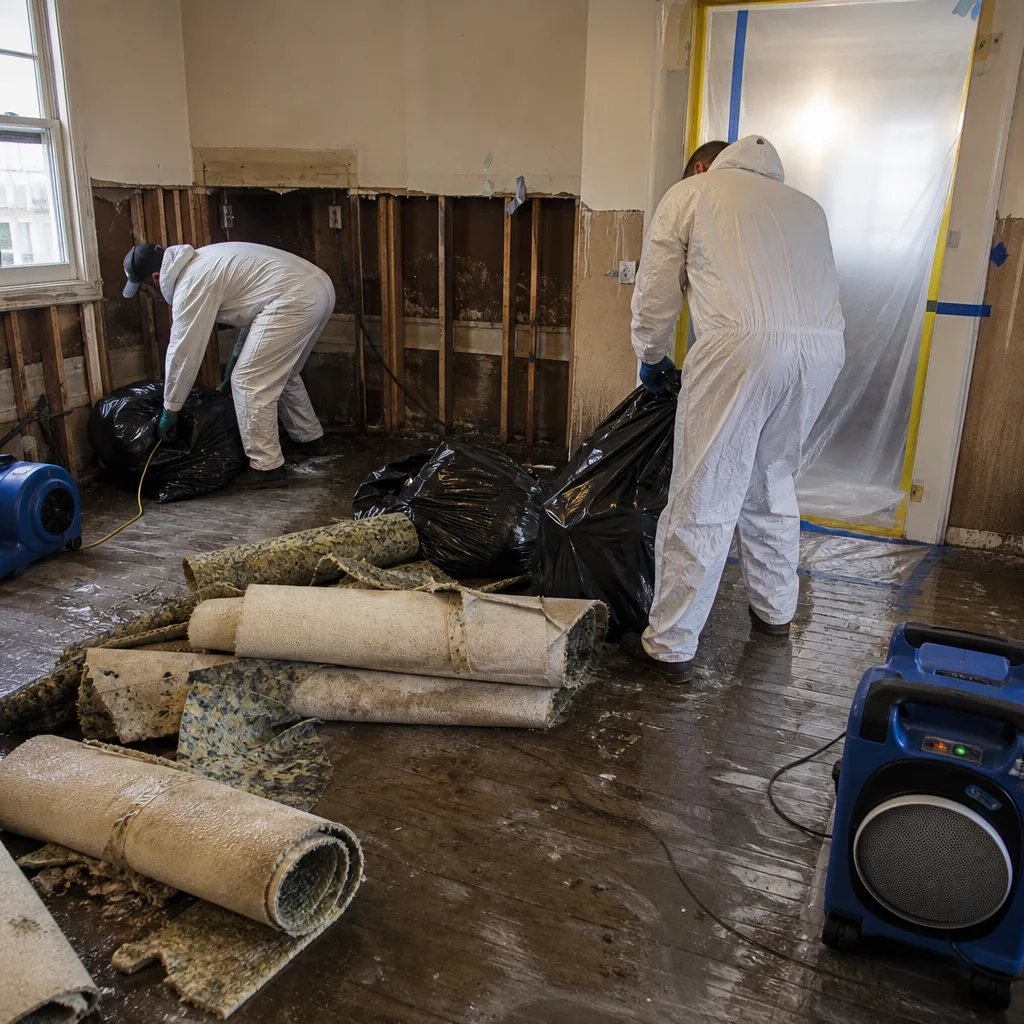
Black water is category 3 water: sewage, waste-line backups, water from a toilet that has come into contact with human waste. It cannot be dried and left in place. Every affected material that can’t be fully sanitized gets removed. That includes carpet, padding, and often sections of hardwood and plaster. We extract black water with truck-mounted units where street access allows, and with portable extractors in upper-floor units and tight basements.
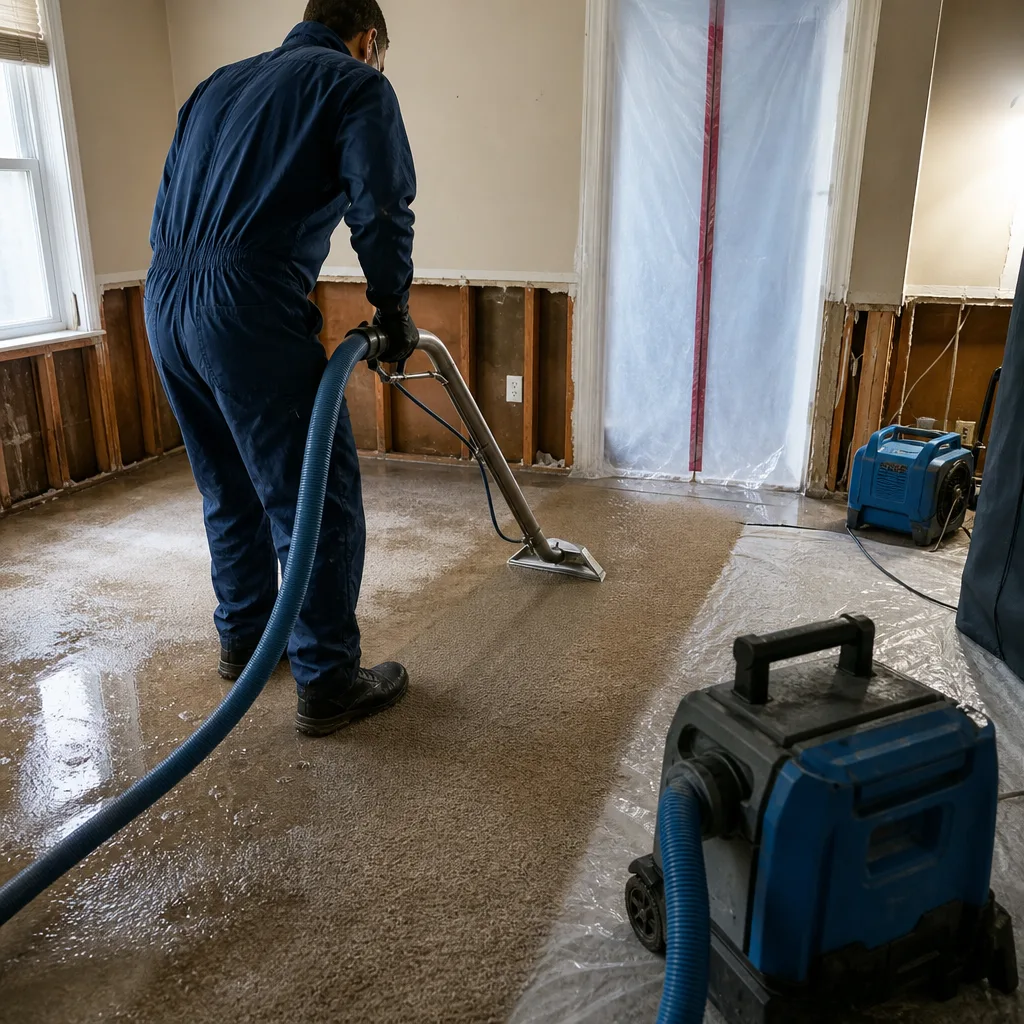
Sanitization & Disinfection
Drying alone does not make a sewage-affected apartment safe. We apply antimicrobial treatments rated for category 3 contamination to every surface the water touched, including stud cavities, subflooring, and the backside of trim and baseboards. For occupied apartments, we use EPA-registered antimicrobials that can be applied while families remain in unaffected rooms. We disclose what we’re using and where, before we spray.
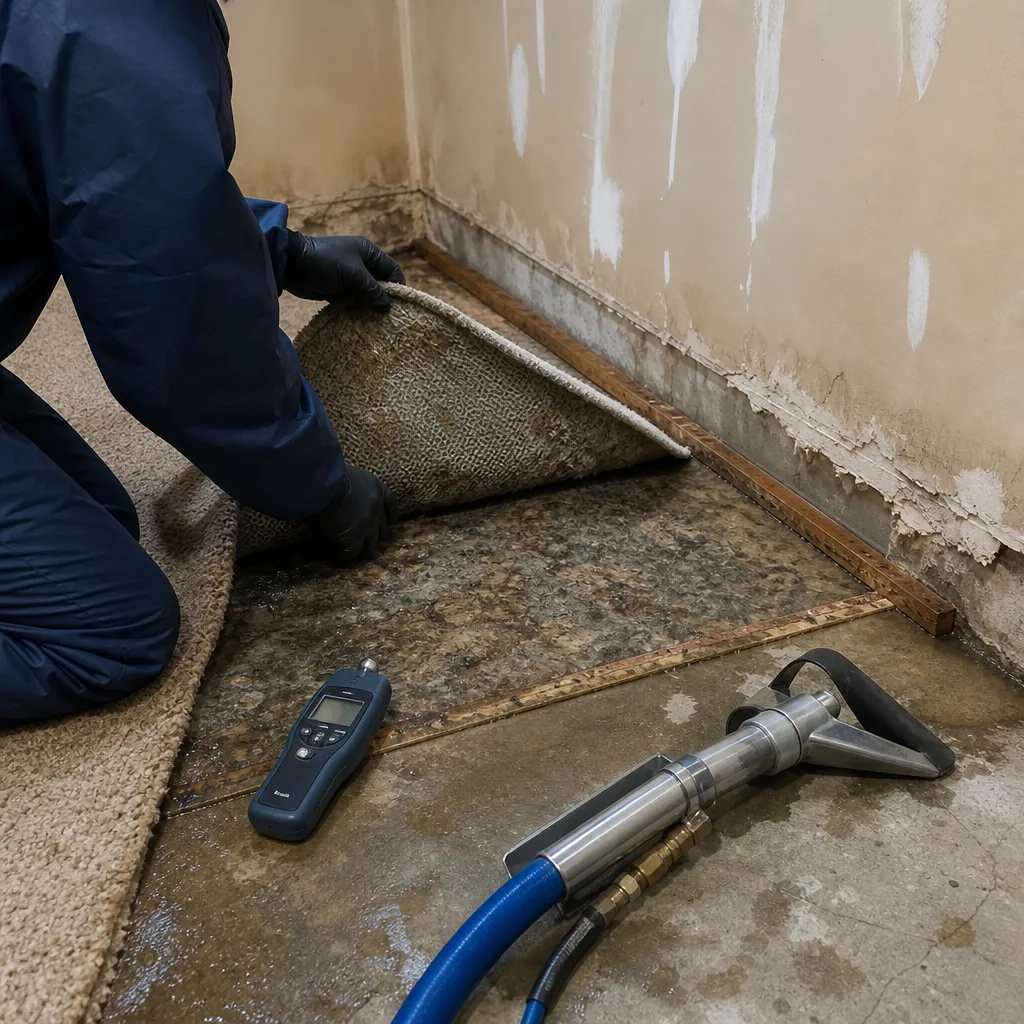
What happens when you call
- 1
A real person answersNo phone trees - you reach a local pro.
- 2
You get an upfront price rangeHonest numbers before anyone is dispatched.
- 3
A background-checked tech heads outLicensed & insured, dispatched right away.
- 4
You approve before work beginsNothing starts until you say go.
Sewage Cleanup Costs in Upper Manhattan, NY
Sewage cleanup in Upper Manhattan runs a wide range because the building stock forces big differences in scope. A contained toilet overflow in a single bathroom, caught within the hour, typically runs $1,800-$3,200 including extraction, sanitization, drying, and minor finish repair. A basement sewage backup with category 3 water across a 600-square-foot utility area and ground-floor walls runs $3,500-$6,500, depending on how much plaster and flooring has to come out. A multi-floor stack backup affecting three or more apartments in a pre-war elevator building often runs $8,000-$18,000 or more, because each floor needs its own containment, extraction, drying, and finish restoration. What moves the price: the category of water, the number of floors affected, whether plaster walls must be opened, and whether the building’s master policy covers the common areas. We provide a free visual inspection and a written line-item scope before work begins. You’ll know the number before we start cutting. For covered losses, we bill your carrier directly. For out-of-pocket work, the quote is the price. No surprises. Call (551) 348-8481 for an exact estimate.
We Also Serve Cities Near Upper Manhattan
Our crews respond throughout the surrounding area. We provide the same 24/7 live dispatch, certified technicians, and 90-Day Done Right Promise to property owners in Midtown West, Washington Square, Midtown Manhattan, and Murray Hill. If you own property in one of these neighborhoods and are dealing with a sewage backup, call the same number: (551) 348-8481.
Serving Upper Manhattan, NY - Our Local Coverage Area
We’re based in the Upper Manhattan area and know this community well. Use the map below to see our service coverage - if you’re nearby, we can almost certainly help.
Upper Manhattan Sewage Cleanup Questions, Answered
How quickly can you start sewage cleanup in an Upper Manhattan pre-war building when multiple units are affected?
In most Upper Manhattan locations, we arrive within 45 minutes and begin extraction on the first visit. Multi-unit jobs require coordination with the super and building management, which we handle on-site. The faster we start, the fewer floors the contamination reaches. Call (551) 348-8481 and we’ll dispatch immediately.
Does your sewage cleanup process differ for plaster-and-lathe walls versus modern drywall?
Yes. Plaster-and-lathe walls absorb water differently and hold it longer than modern drywall. We use Injectidry systems to pull moisture from behind lath strips and take daily readings until the structure meets the dry standard, not just until the surface feels dry. Plaster often requires longer drying timelines and more careful moisture mapping.
What causes the seasonal surge of toilet overflows and sewage backups in Harlem and Washington Heights every fall?
Every October and November, building superintendents across Upper Manhattan fire up steam boilers after months of dormancy. The thermal shock cracks old radiator supply lines and blows corroded steam-trap fittings. The resulting water flood picks up sediment and rust as it runs down through shared stacks, often mixing with backed-up sewage in basement drains. We pre-schedule crews for this every fall. Call us at (551) 348-8481 if your building gets hit.
Can you handle sewage cleanup in a NYCHA high-rise with severely deferred maintenance and limited access?
Yes. We’ve worked extensively in NYCHA developments in East Harlem and Harlem, where buildings have chronic plumbing failures and tight access. Our crews know how to stage equipment through narrow stairwells and service corridors, and how to coordinate with NYCHA maintenance staff and building management. The work takes longer, but the process is the same: contain, extract, dry, sanitize, restore.
Does your sewage cleanup include sanitization that’s safe for families in occupied apartments during the work?
Yes. We use EPA-registered antimicrobials rated for category 3 contamination that can be applied while families remain in unaffected rooms. We contain the work area, run HEPA air scrubbers, and disclose exactly what we’re applying and where before we start. The goal is full sanitization without forcing you out of your apartment unnecessarily.
Will my insurance cover sewage backup cleanup in my Upper Manhattan apartment?
Most homeowners and co-op policies in New York cover sewage backup only if you carry a specific endorsement. Many policies exclude it by default. Building master policies may cover common-area damage but not your unit’s interior. We’ll review your policy with you and coordinate directly with your carrier. We bill directly where coverage applies. For uncovered losses, our written estimate is the price you pay.
How long does sewage cleanup and drying take in a pre-war building?
Most Upper Manhattan sewage jobs run 3-7 days from first extraction to dry standard, depending on how many floors are affected and whether plaster walls must be opened. Severe multi-floor stack backups can run 10-14 days. We provide daily moisture readings and a drying log so you and your adjuster can track progress in real time. We don’t set a timer and walk away. The drying continues until the numbers say done.
What should I do in the first 30 minutes after discovering a sewage backup or toilet overflow?
Shut off the water if the overflow is from a running fixture. Don’t flush again. Don’t run water anywhere in the apartment or on floors above, because it will push more sewage out of the lowest opening. Keep people and pets out of the affected area. Turn off the electric if water is near outlets or appliances. Then call (551) 348-8481. We’ll walk you through the next steps while the crew is on the way.
Written by Curt Bowman, Owner at Floodline Restoration Co., providing Sewage Cleanup and full restoration services in Upper Manhattan since 2010.