
Free visual inspection and a written scope of work before any mitigation begins - photos, moisture readings, and drying logs go in your claim file
The scope we write is the scope we bill. Anything new gets shown to you, in writing, before we touch it.
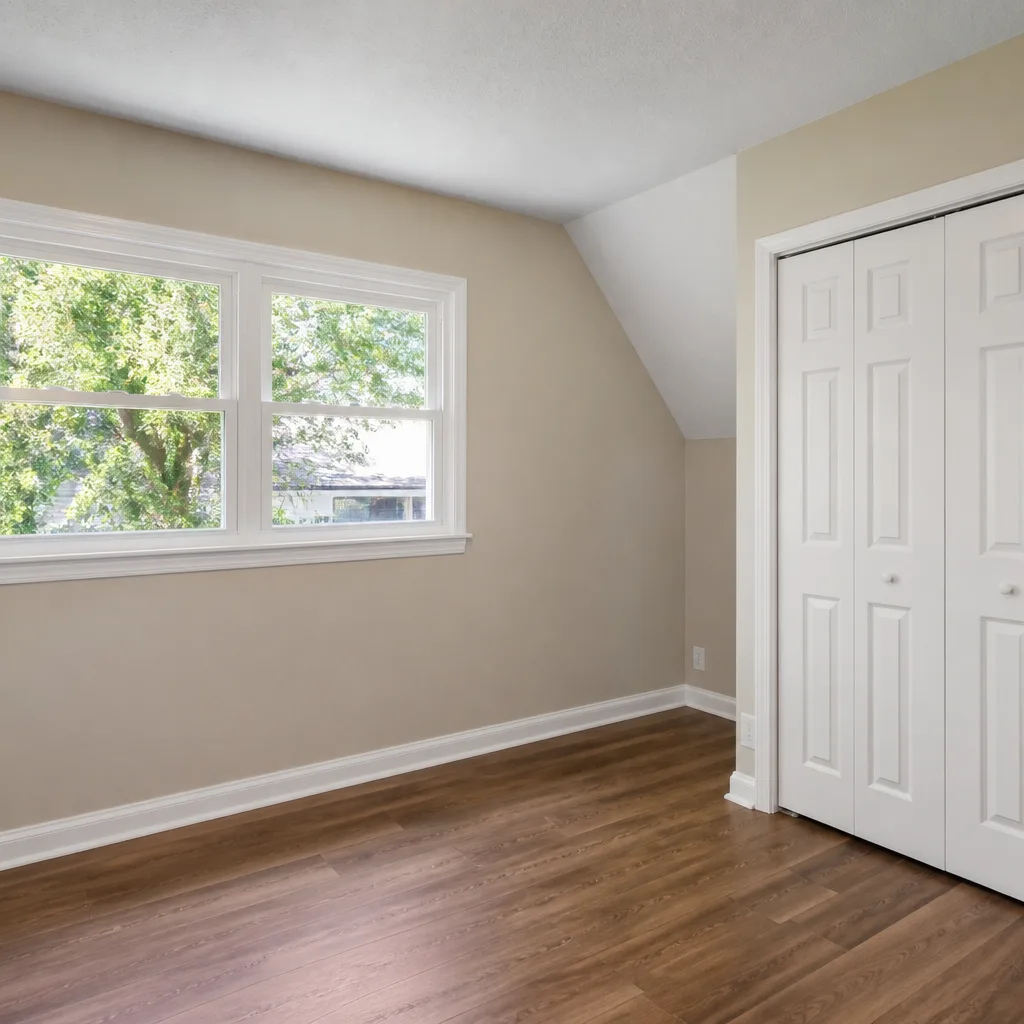
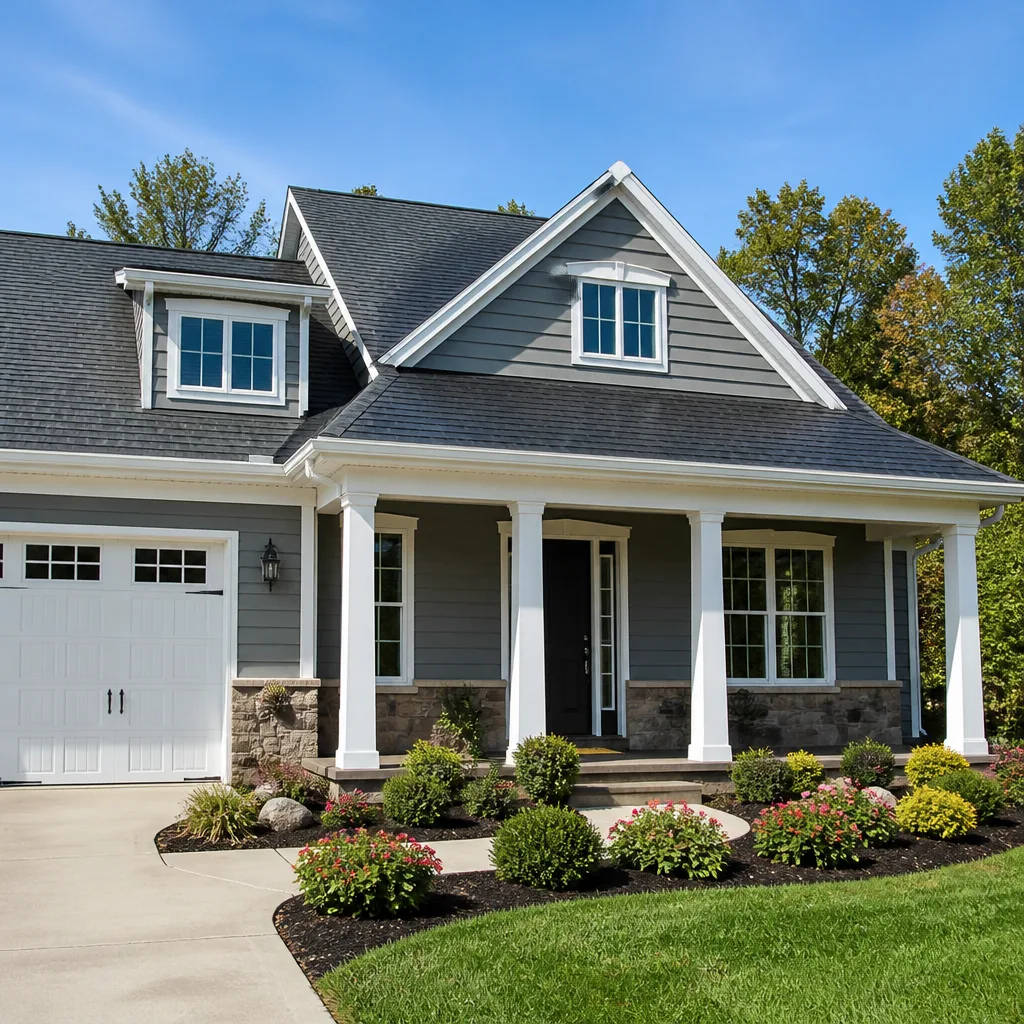
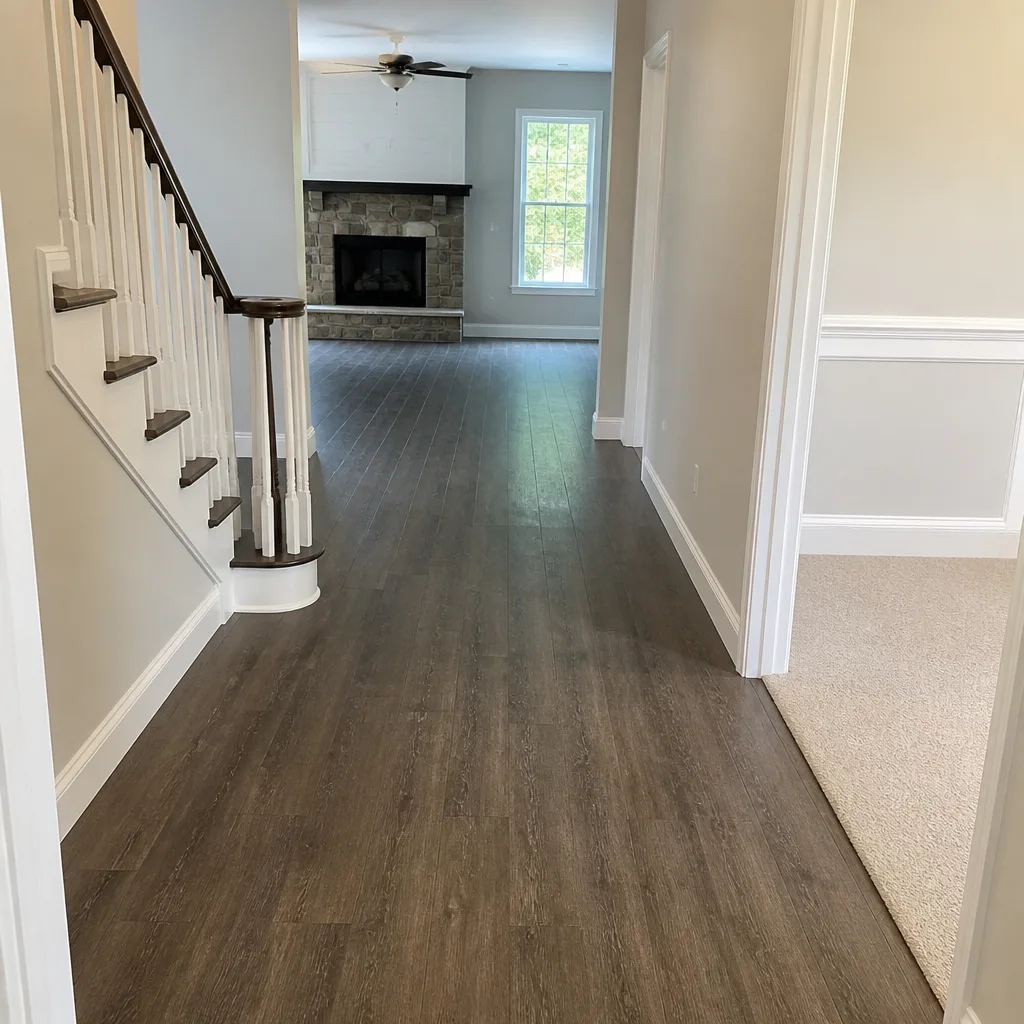
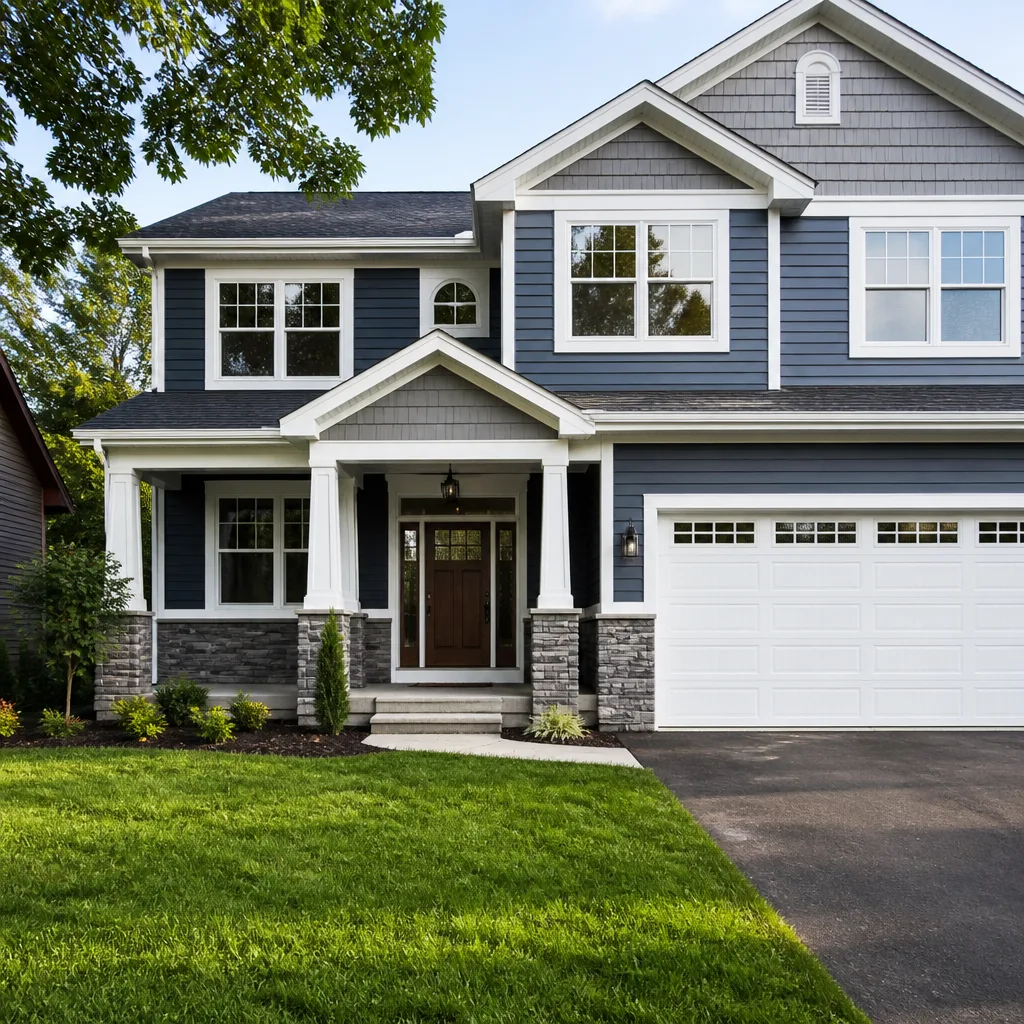
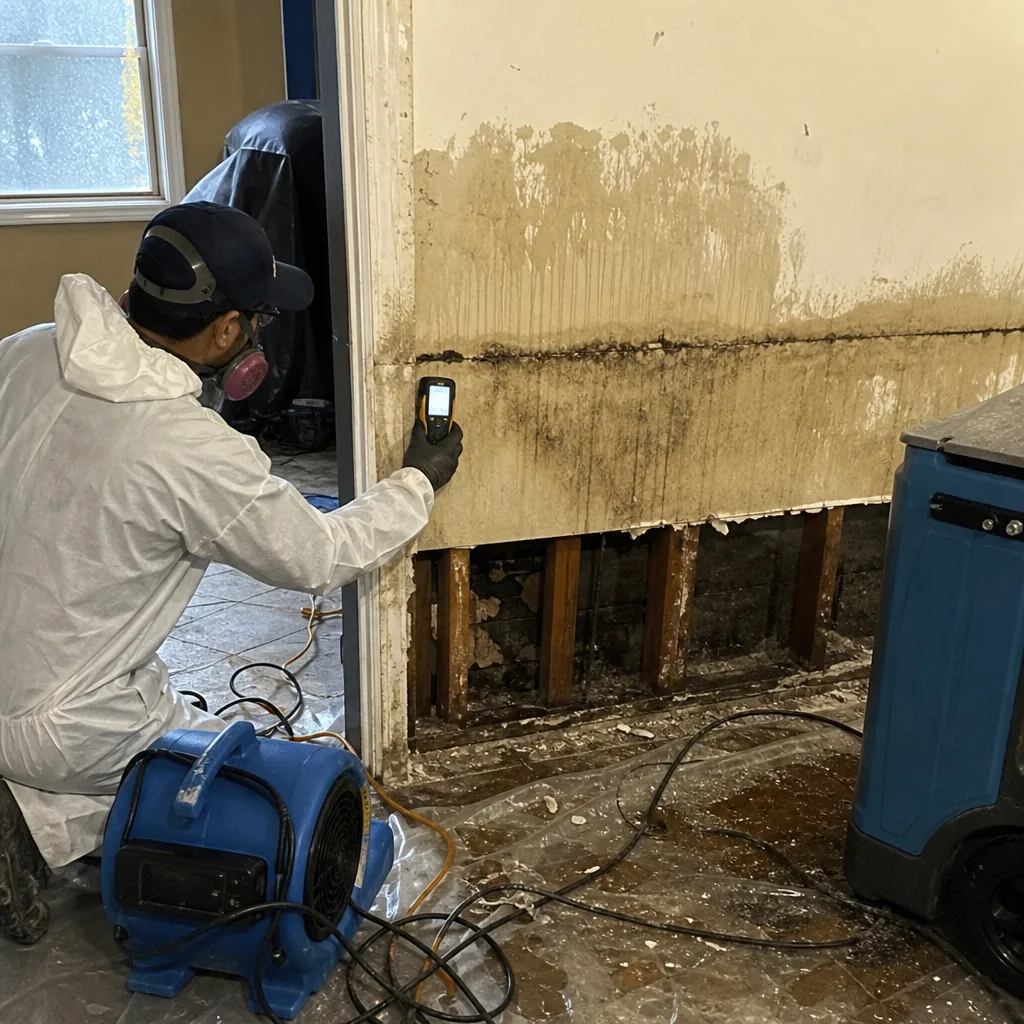 Before
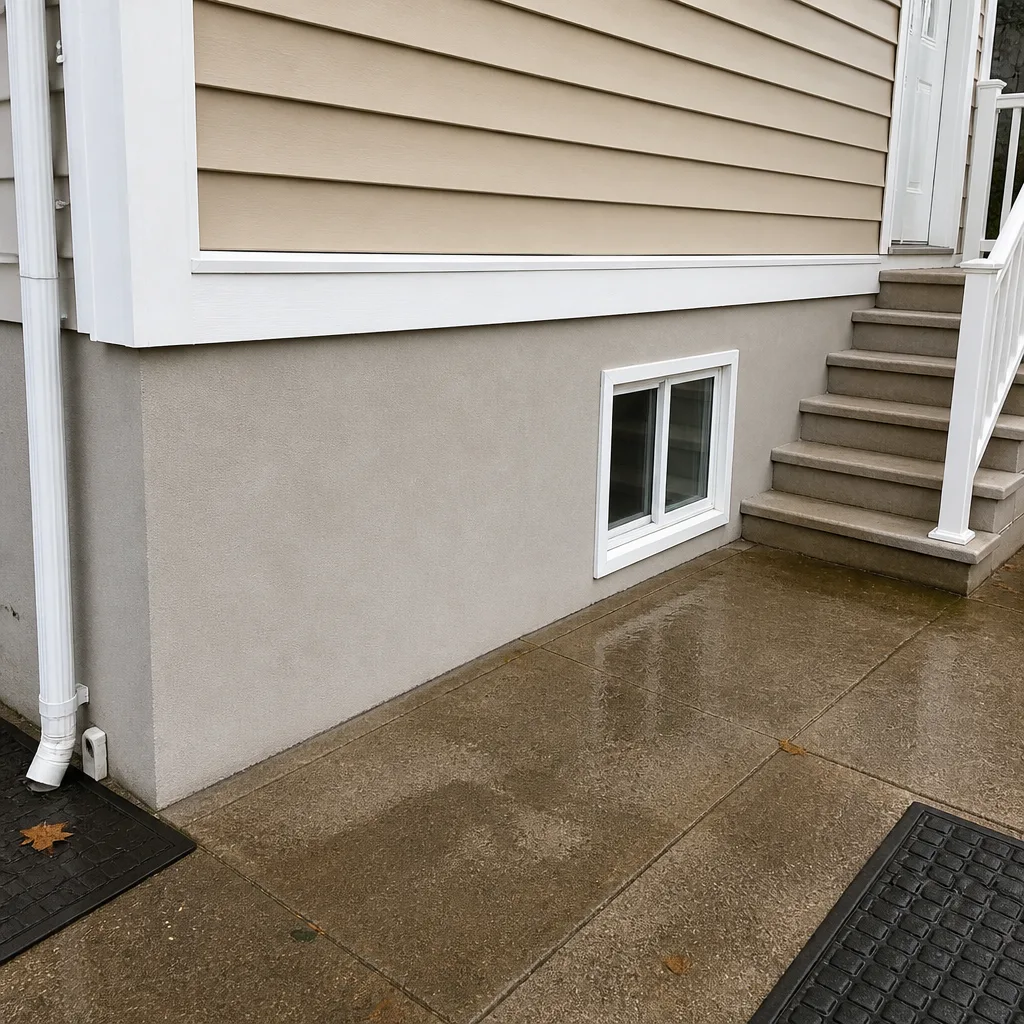 After
After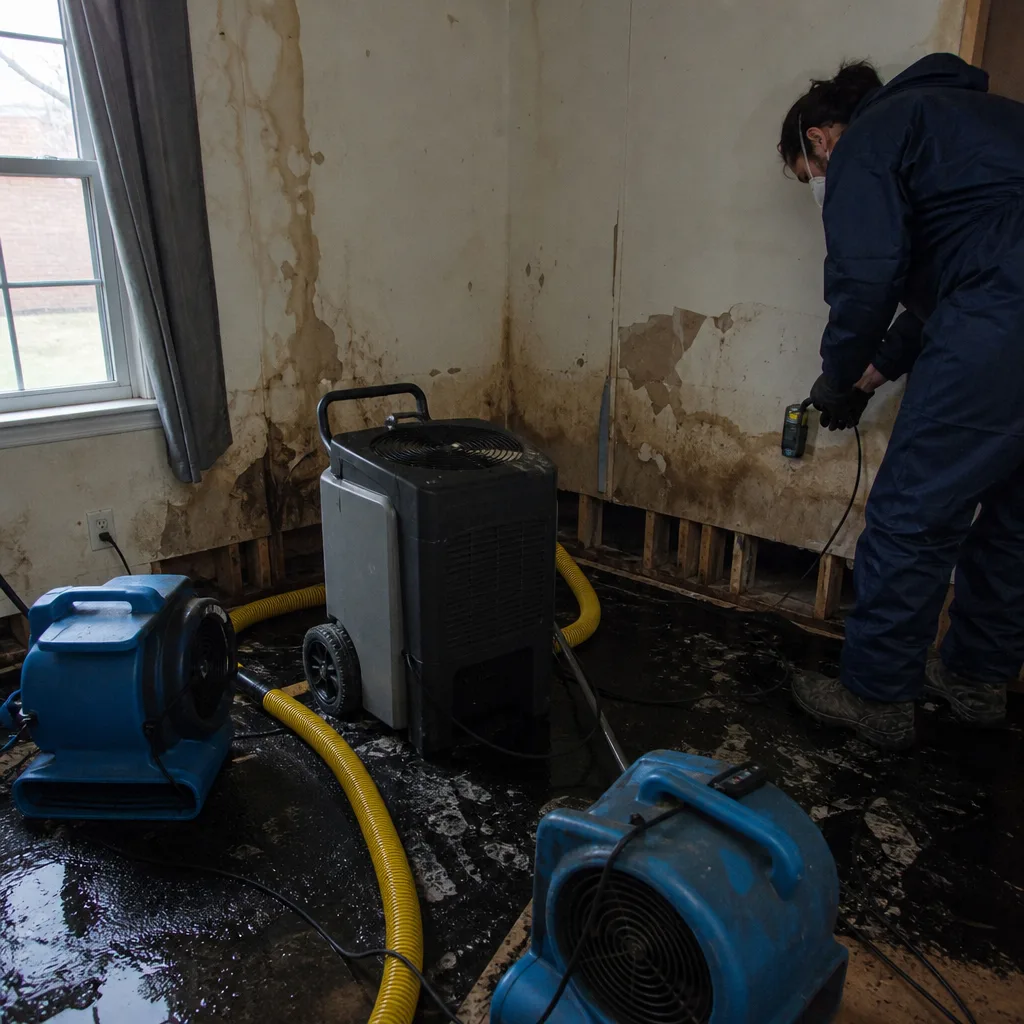 Before
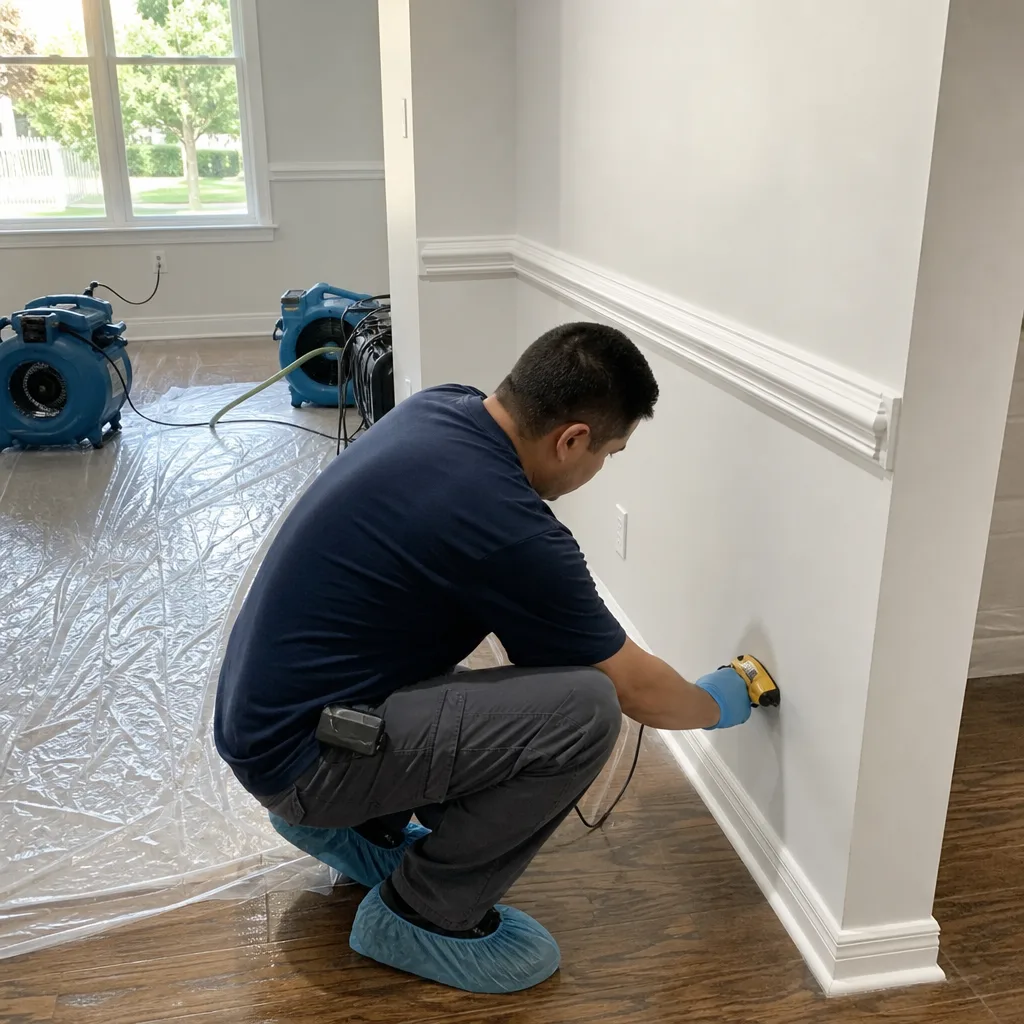 After
After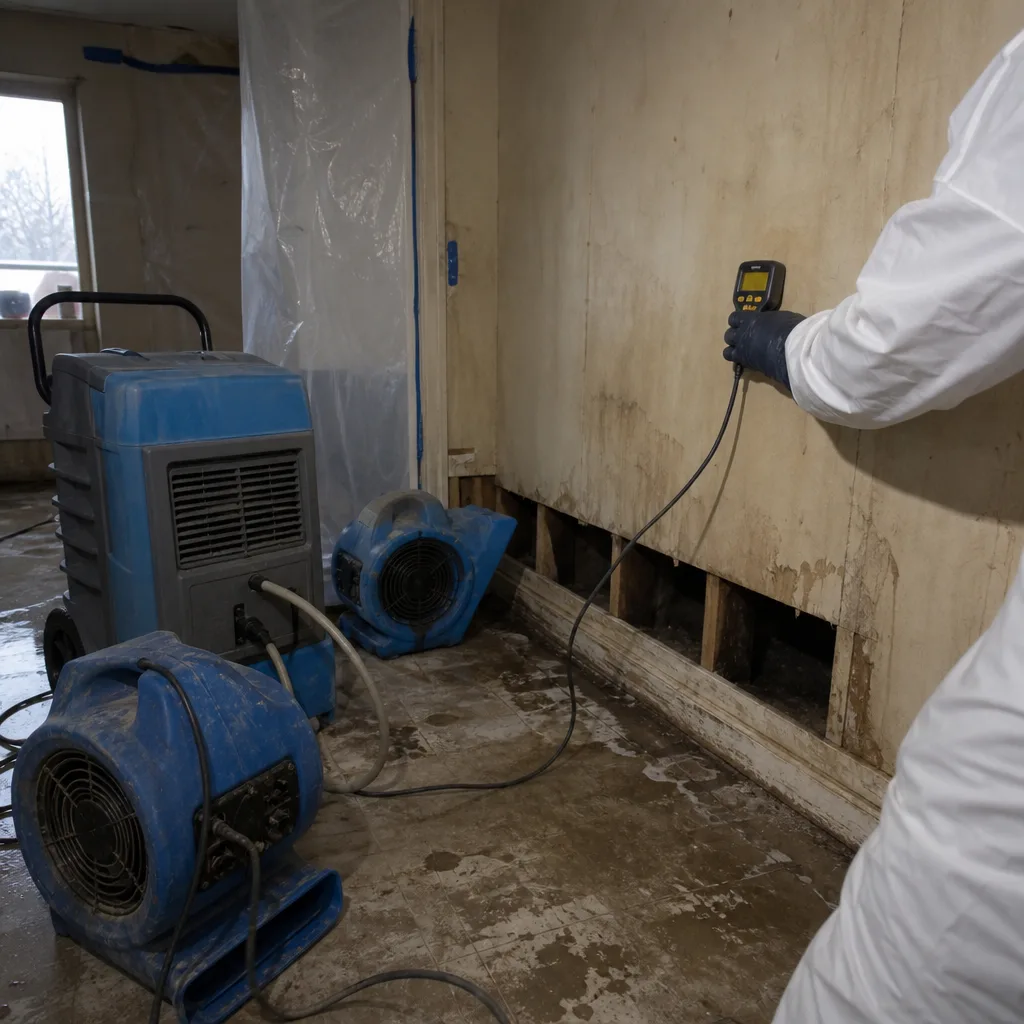 Before
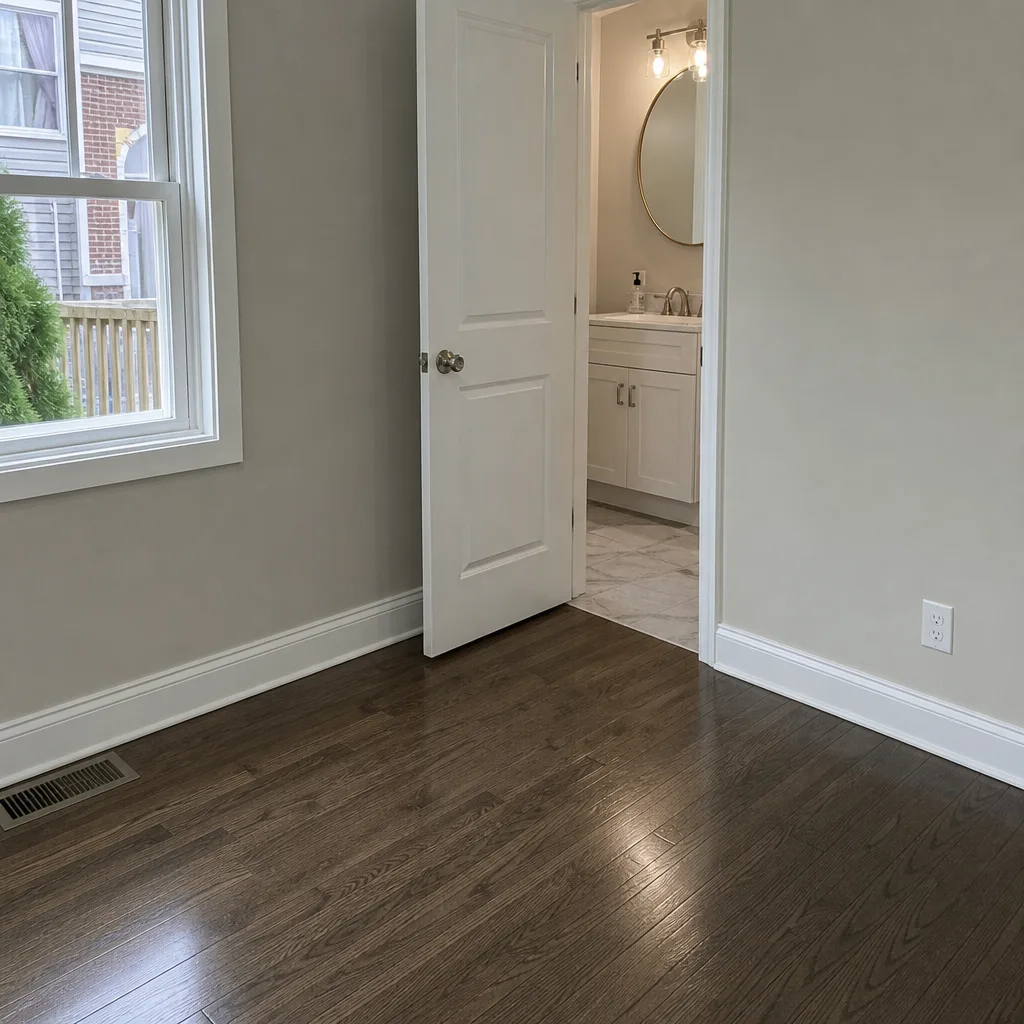 After
After24/7 Emergency Storm & Disaster Restoration in Upper Manhattan
Storm damage in Upper Manhattan is a race against water, wind, and time. When a tree comes through a roof on Fort Washington Avenue or a nor’easter pushes water into a basement on 125th Street, every hour changes the repair bill. Our crews are dispatched inside Upper Manhattan within 45 minutes of your call, and a live person answers at (551) 348-8481 around the clock. We walk the property with you, show you exactly what we found, and start mitigation the same visit. The first hour decides whether you’re drying plaster or replacing it.
Understanding Storm & Disaster Restoration Severity in Upper Manhattan Properties
Storm restoration in Upper Manhattan isn’t the same trade it is in the suburbs. The building stock here runs 1890s to 1940s brick tenements and pre-war elevator buildings, with plaster-and-lathe interiors and shared vertical plumbing stacks. Water from a storm or a failed steam pipe doesn’t stay in one apartment. It travels down through five or six stories, soaking plaster keys and lath along the way. We classify water by contamination level: Category 1 is clean supply water; Category 2 carries significant contaminants; Category 3 is grossly contaminated, typically from sewer backups or Harlem River storm surge. In Upper Manhattan, a Category 1 leak left unaddressed behind thick plaster can degrade to Category 2 in under 48 hours because the material holds moisture deep inside while the surface reads deceptively dry. Moisture mapping with thermal imaging and hygrometers tells us what’s really wet before we touch a wall. Structural drying in pre-war buildings takes longer than modern drywall construction, and that’s not a shortcut we’ll take.
Why Upper Manhattan Property Owners Choose Floodline Restoration Co.
- 45-minute response commitment: We dispatch from our New York City office and have crews staged near Upper Manhattan neighborhoods so the truck rolls fast when you call.
- 24/7 live answer. A real person picks up at two in the morning. No automated system, no voicemail tree. You speak to a dispatcher who can send a crew.
- IICRC-certified crews. Our techs carry WRT and ASD certifications, plus FSRT for fire and smoke work, so the drying plan matches the structure, not a one-size-fits-all checklist.
- Free visual inspection. We assess the damage, explain the scope, and hand you a written plan before any work begins. No obligation.
- Direct insurance billing. We bill your carrier directly and coordinate with your adjuster so you don’t play messenger between us and them.
- One team, start to finish. Extraction, drying, rebuild. The same crew reads the moisture map on day one and hands you the finished space at the end.
Our Storm & Disaster Restoration Process
Inspection & Assessment
We walk the full property, map moisture with thermal imaging and hygrometers, and identify every affected surface. In Upper Manhattan multi-floor losses, that means checking adjacent apartments below and above the source.
Extraction & Stabilization
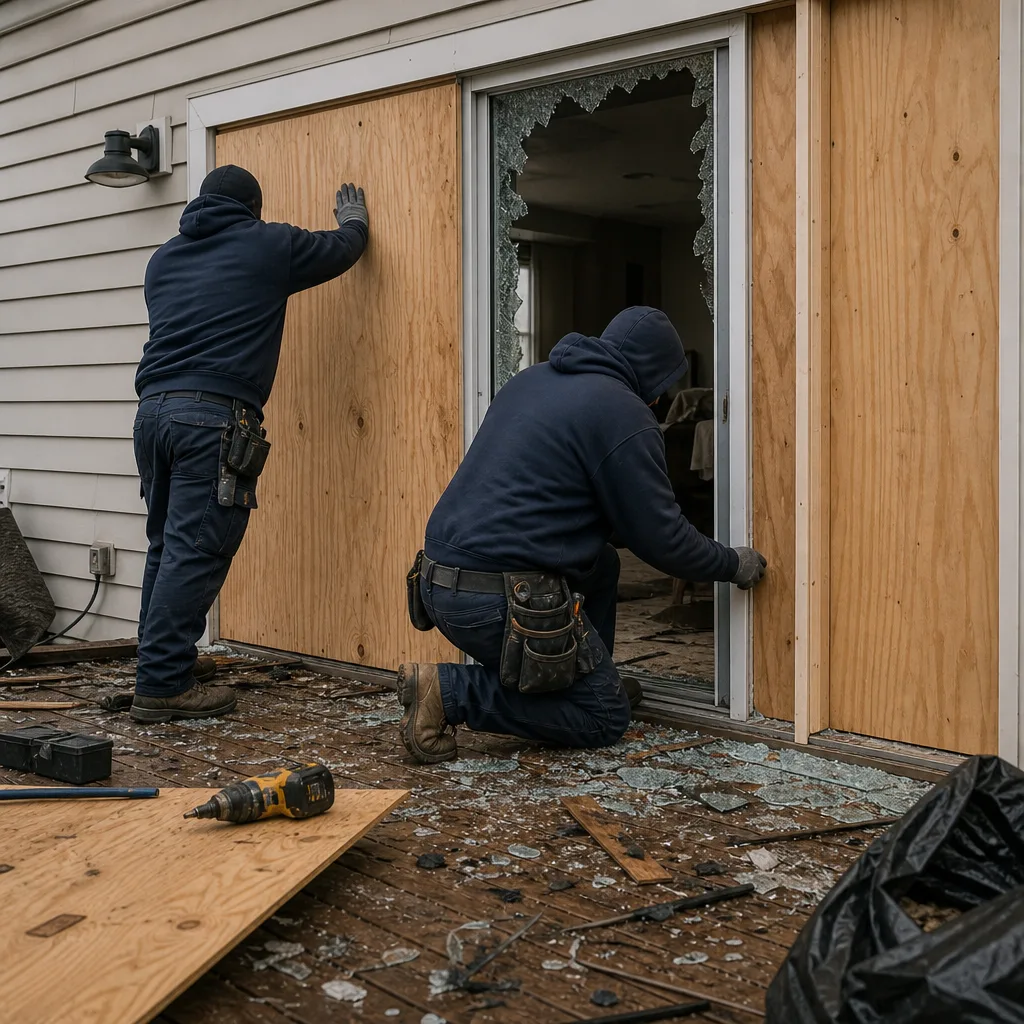
Standing water comes out first with truck-mounted extractors and submersible pumps. We board up broken windows, tarp open roofs, and shut off water or power where it’s unsafe to leave live.
Drying & Dehumidification
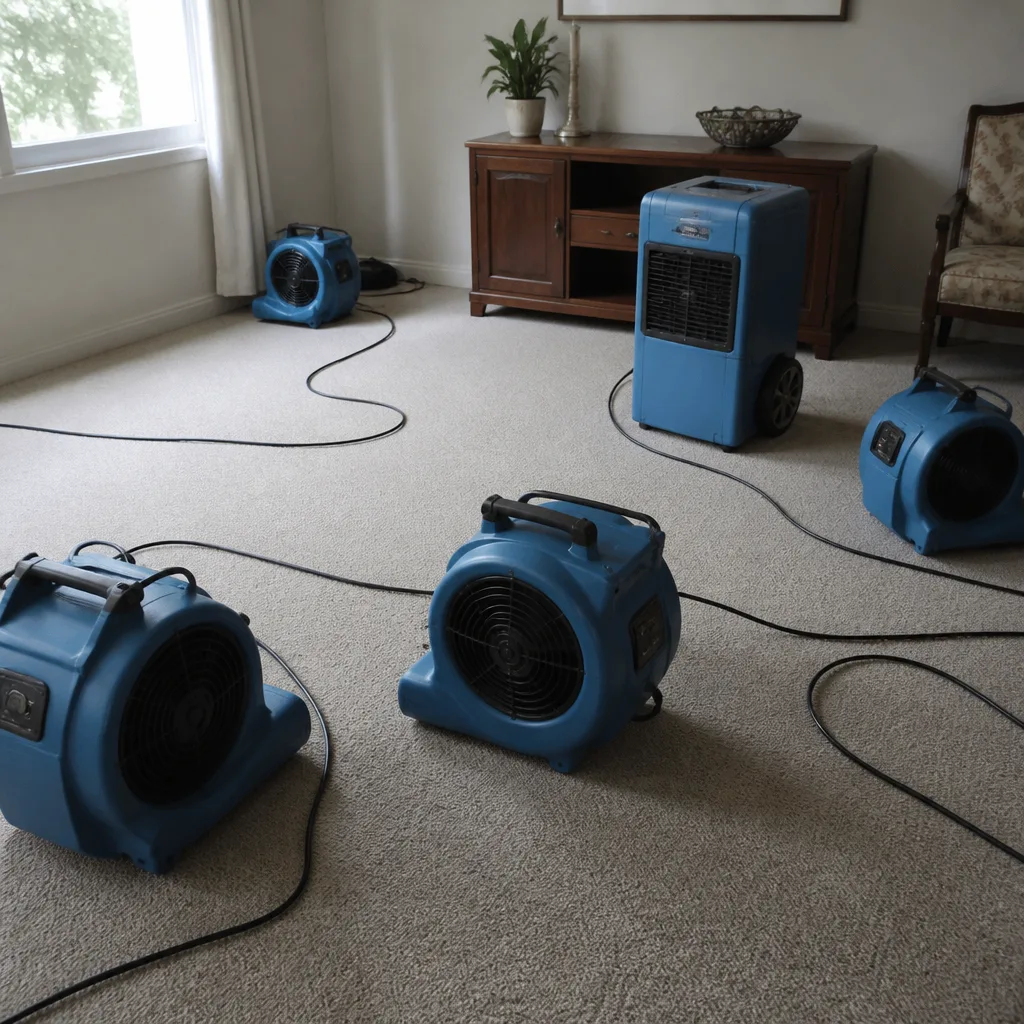
We run professional-grade Phoenix LGR dehumidifiers and XPOWER axial air movers sized to the building’s volume and the stack effect of the stairwell. Daily readings go into a drying log until the dry standard is met, not before.
Cleaning & Sanitization
Contaminated surfaces get antimicrobial treatment. Category 3 water requires containment and controlled demolition of saturated porous materials before any finish work.
Plaster & Millwork Salvage
In pre-war buildings, we work to save plaster skim-coats and period moldings. That means phased drying and careful removal rather than gutting walls that can’t be replaced with modern material.
Repairs & Restoration
The same crew that did extraction rebuilds what was removed. Trim, flooring, paint, plaster skim-coating. We hand you the drying log, the moisture readings, and the finished space.
Need Emergency Storm & Disaster Restoration in Upper Manhattan Now?
Crews minutes away, answering live 24 hours a day. The sooner we start, the less it costs.
Working With Your Insurance Company
Insurance claims in Upper Manhattan storm losses get complicated fast, especially when a single event touches multiple apartments and two or three different policies. We handle the paper trail from hour one. Our crew photographs everything before demolition starts, logs moisture readings on every affected floor, and produces a line-item scope your adjuster can actually read. If your carrier has questions, we talk to them directly. You shouldn’t have to translate a drying log into insurance language at midnight. That’s our job.
What We Provide Your Insurer
- Thorough documentation of the loss
- Photos of all damage, room by room
- Moisture readings and drying logs
- A detailed, line-item scope of work
- Direct coordination with your carrier
Built for Upper Manhattan’s Loss Calendar
Upper Manhattan’s storm and disaster calendar has a rhythm if you’ve been watching it as long as we have. January deep freezes burst supply lines in exposed exterior walls of pre-war buildings, especially along the Fort Washington Avenue ridge where the wind comes off the Hudson. Spring thaw pushes groundwater into basements through fieldstone foundations in Hamilton Heights. Summer thunderstorms dump rain faster than the combined sewers under East Harlem and lower Harlem can move it, and basement backups follow. But the big one in Upper Manhattan is fall. Every October and November, building superintendents fire up steam boilers that have sat cold since April. Thermal shock cracks old radiator pipes and blows corroded steam-trap fittings. The water runs down through the stack, flooding multiple floors overnight. It’s so predictable we pre-schedule crews for it. When a super in Inwood or Washington Heights calls at 6 a.m. with a steam line break, we already know what we’re walking into.
Storm & Disaster Restoration Across Upper Manhattan’s Neighborhoods
Every Upper Manhattan neighborhood has its own failure pattern. In Washington Heights, the pre-war elevator buildings along Fort Washington Avenue and Cabrini Boulevard run deep with plaster-and-lathe walls that hide moisture for days. Our Storm & Disaster Restoration teams know to check the apartment below the visible leak, not just the one that called. Harlem’s brownstones and five-story walk-ups along Adam Clayton Powell Jr. Boulevard and Frederick Douglass Boulevard have narrow stairwells and courtyard-facing apartments where underpowered dehumidifiers lose to the stack effect. We size drying equipment to the building, not the room. Inwood’s co-ops on Seaman Avenue and Post Avenue sit close to the Harlem River and its rising water table, so basement seepage after heavy rain isn’t rare. East Harlem and lower Hamilton Heights flood through combined sewer backups when the system overloads. And the NYCHA high-rises scattered through East Harlem and Harlem add another layer: deferred maintenance, aging roof membranes, and chronic plumbing failures. Each of these neighborhoods needs a different access plan, different drying strategy, and a different conversation with building management. One template doesn’t work here.
Specialized Storm & Disaster Restoration Services We Offer in Upper Manhattan
Flood Damage Restoration
Floodwater in Upper Manhattan carries whatever it touched on the way in: river silt, street runoff, sewage from combined overflows. We treat every flood as potentially contaminated until testing and inspection say otherwise. Extraction starts the same visit, containment goes up where needed, and the drying plan accounts for the building’s vertical stack and plaster construction. In multi-floor losses, we run drying logs on every affected apartment and coordinate with building management so adjacent units get checked even if they didn’t call us.
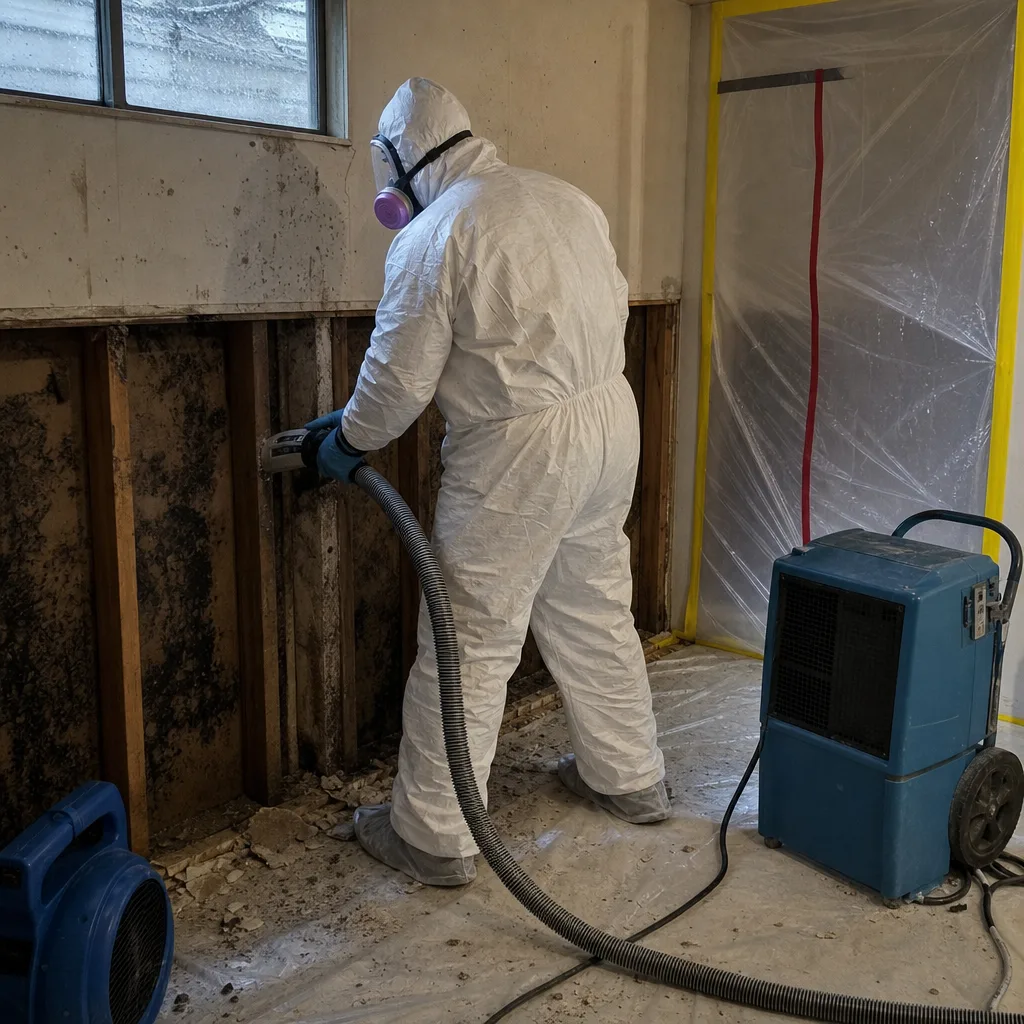
Storm Damage Cleanup
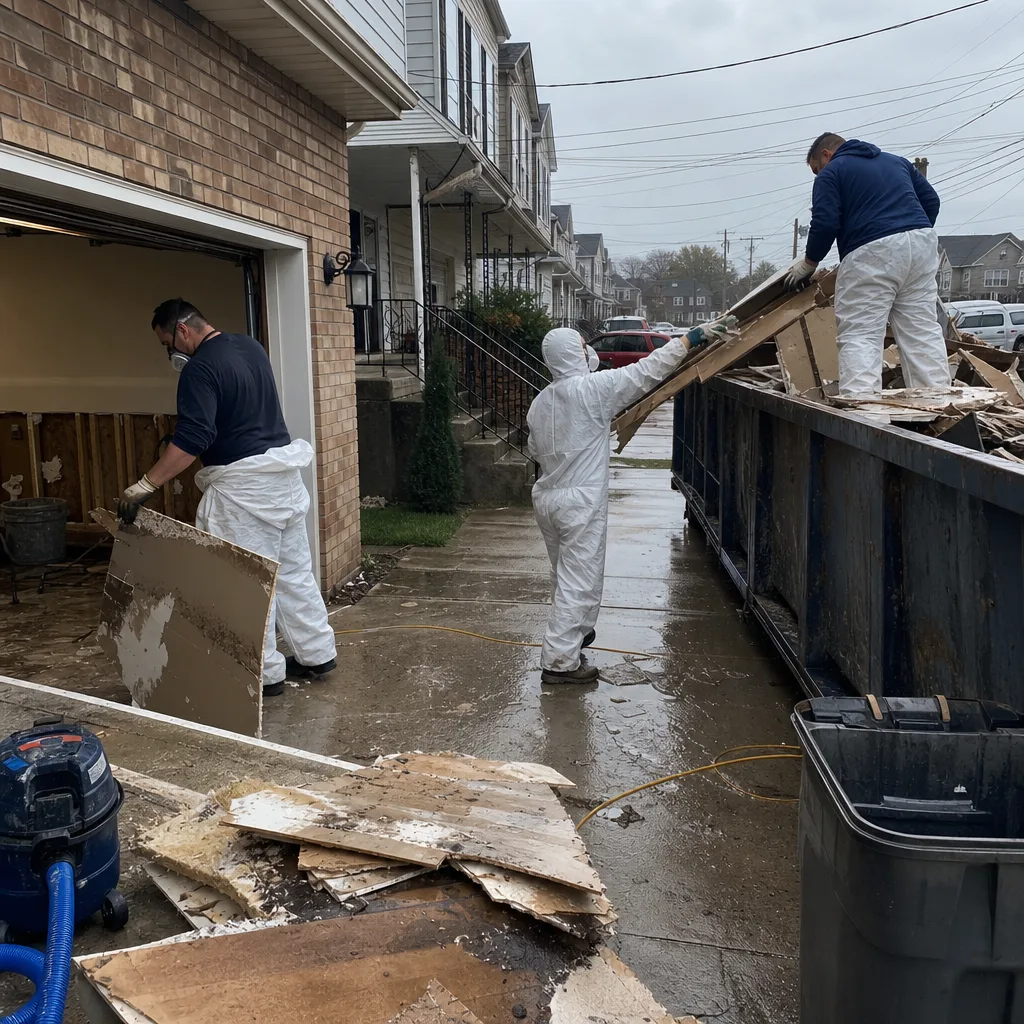
Letting storm debris and saturated materials sit in an Upper Manhattan apartment compounds the damage. Wet plaster wicks moisture upward. Saturated lath rots behind paint. We remove what can’t be saved, stabilize what can, and keep the workspace contained so dust and spores don’t migrate through the shared hallways of a pre-war building. Debris leaves the site properly, not piled on the sidewalk for days.
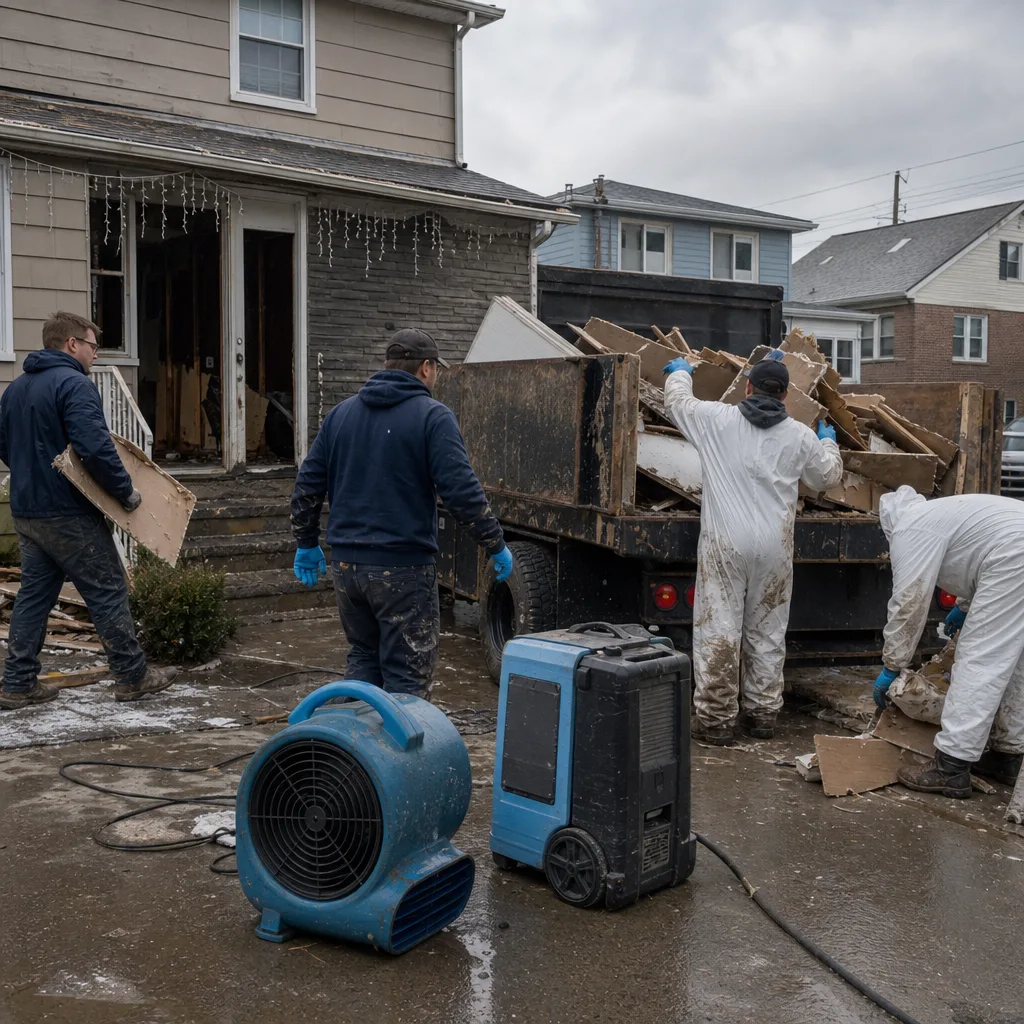
Emergency Board-Up
Broken windows and opened roofs in Upper Manhattan can’t wait for a contractor’s business hours. We board and tarp within hours of the loss, using materials sized to the window openings and rooflines of pre-war buildings. Security matters here too: a boarded-up first-floor window on a Harlem side street is an invitation. Our board-up is solid, sealed, and neat enough that building management won’t get complaints from the neighbors.
Roof Tarping
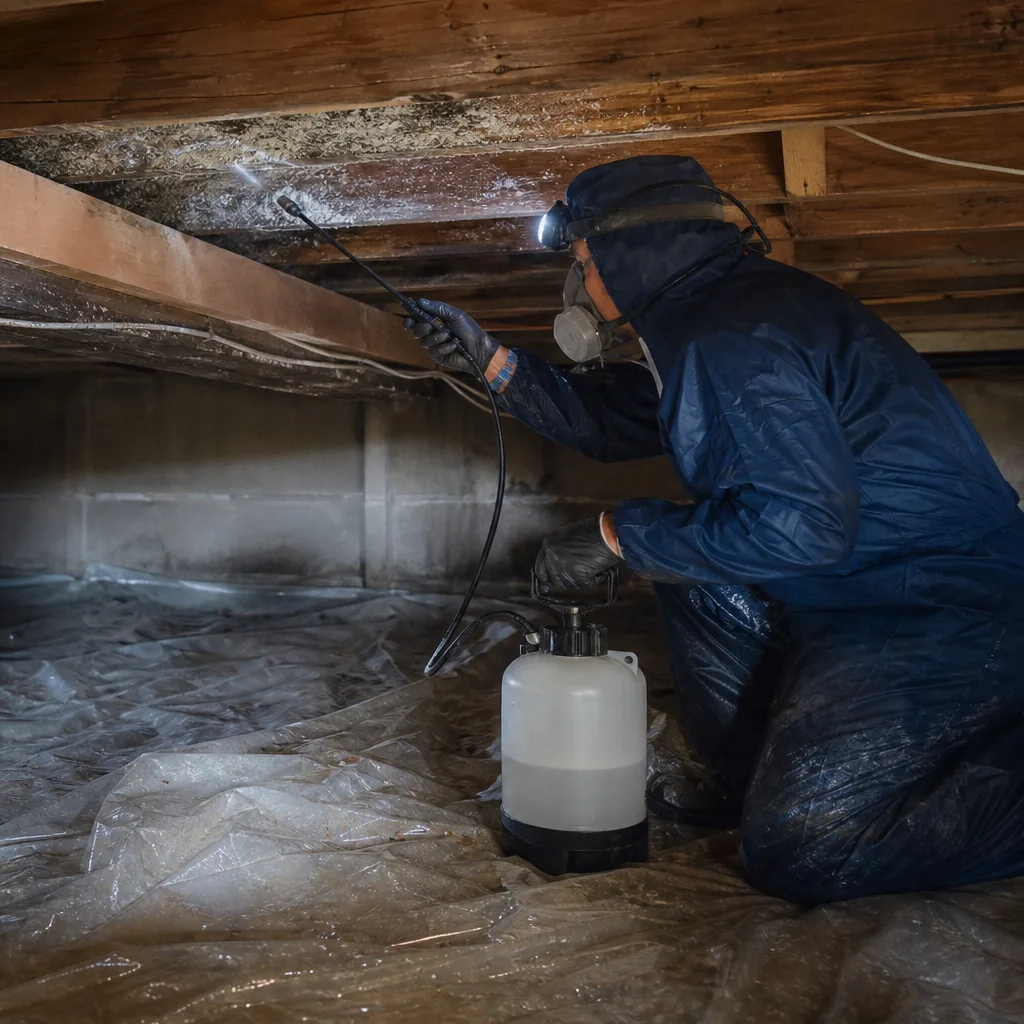
Storm-damaged roofs on flat-topped pre-war buildings and pitched rowhouse roofs both need immediate tarping to stop water from traveling down through multiple floors. We secure tarps with battens and seal edges, because a loose tarp in a nor’easter wind becomes a hazard for the whole block. The tarp buys time for a permanent roof repair while we dry the interior.
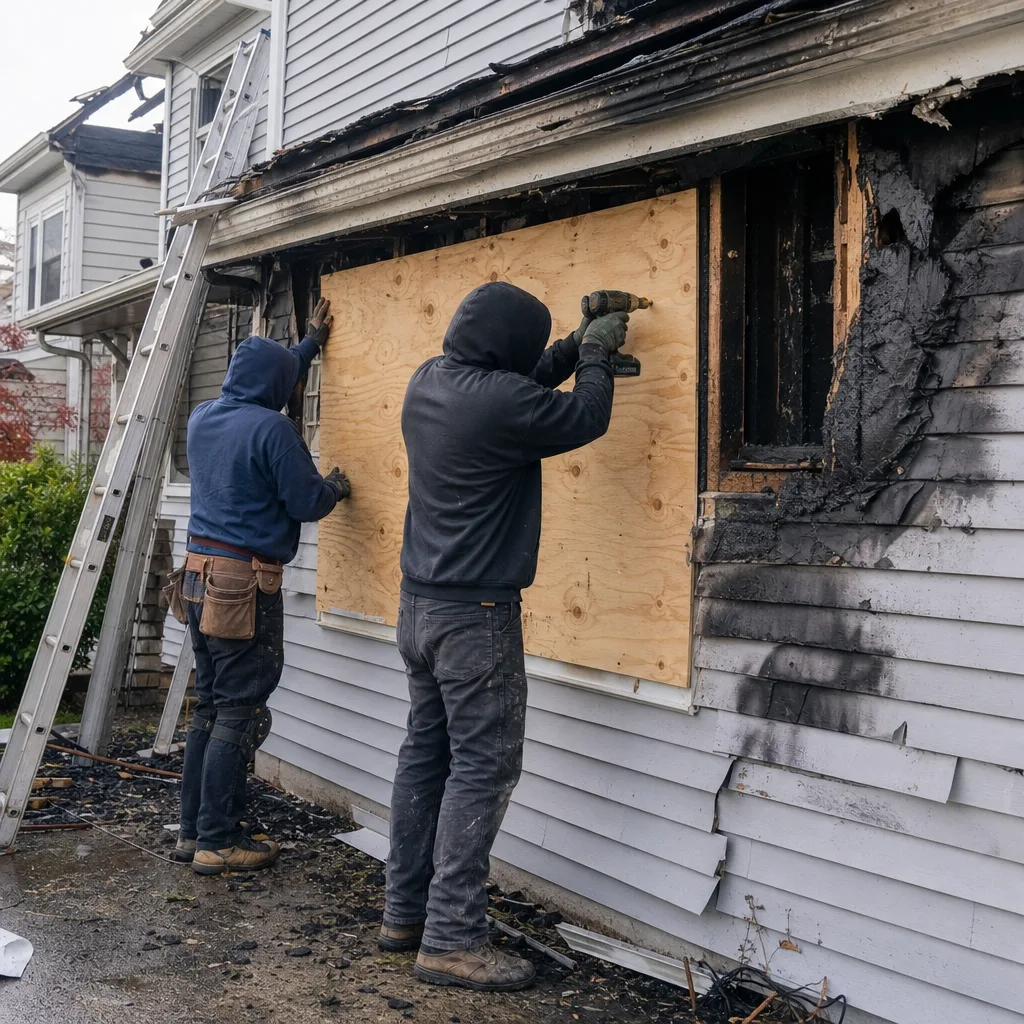
Debris Removal
Storm debris in Upper Manhattan often means more than tree limbs. Collapsed plaster ceilings, soaked carpet, ruined furniture, and construction debris from wind damage all have to come out before drying can work. We handle removal, proper disposal, and documentation of everything that left the property so your claim file is complete.
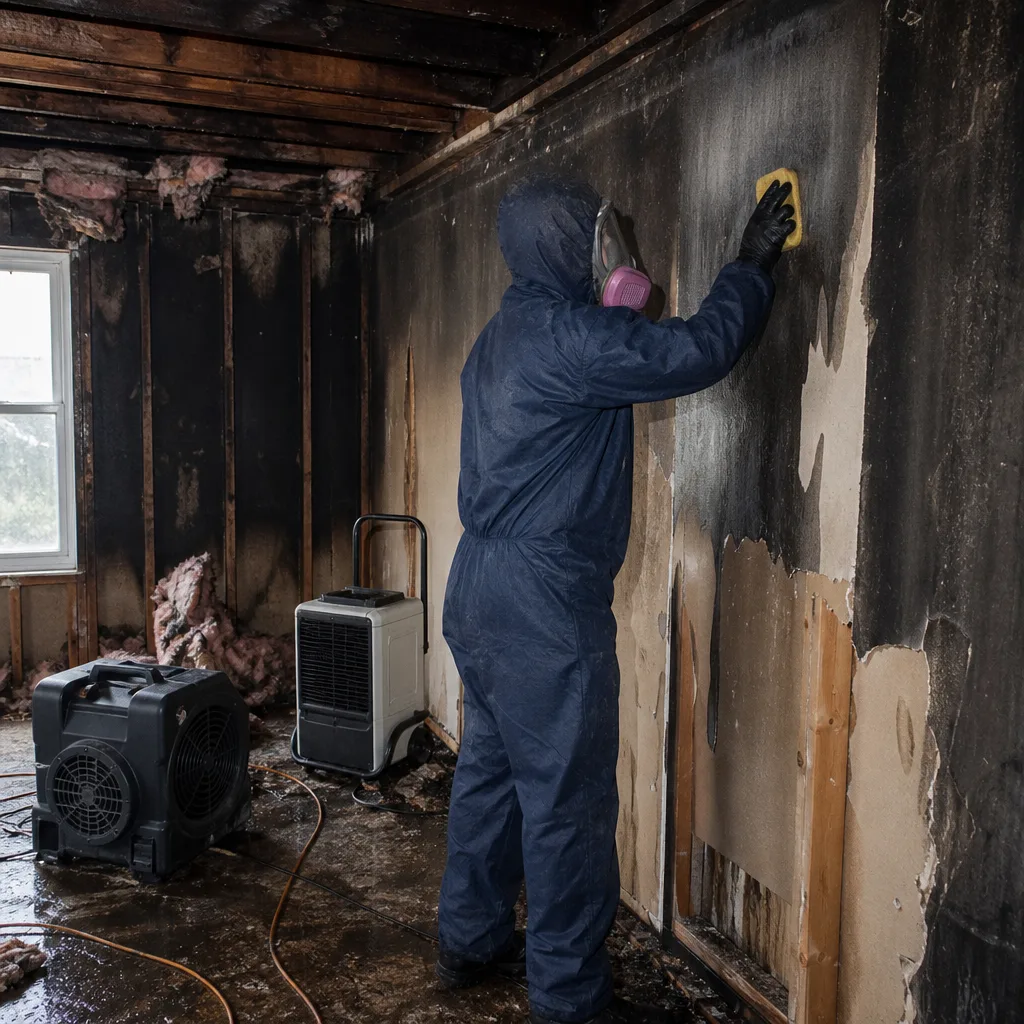
What happens when you call
- 1
A real person answersNo phone trees - you reach a local pro.
- 2
You get an upfront price rangeHonest numbers before anyone is dispatched.
- 3
A background-checked tech heads outLicensed & insured, dispatched right away.
- 4
You approve before work beginsNothing starts until you say go.
Storm & Disaster Restoration Costs in Upper Manhattan, NY
Honest numbers for Upper Manhattan work. Emergency board-up and tarping typically runs $400-$900 depending on the number of openings and roof access. Flood damage restoration with extraction, containment, and structural drying in a pre-war apartment usually lands between $2,800 and $7,500, but a multi-floor steam-pipe failure involving three or more apartments can run $15,000-$40,000 because of the containment, phased drying, and plaster restoration involved. Sewer backup cleanup in East Harlem basements runs $3,000-$8,000 depending on the square footage and contamination level. Debris removal after storm damage runs $500-$2,500. The variables are the number of floors affected, the thickness of the plaster, access through narrow stairwells, and whether building management requires off-hours work. Most storm and water losses are covered by insurance, minus your deductible. We offer a free visual inspection with a written scope before you commit to anything, and we bill your carrier directly.
We Also Serve Cities Near Upper Manhattan
Our crews also respond to storm, flood, and disaster losses in the surrounding area: Midtown West, Washington Square, Midtown Manhattan, and Murray Hill. Same live answer, same 45-minute response commitment, same written guarantee.
Upper Manhattan Storm & Disaster Restoration Questions, Answered
How does steam-heat pipe failure in a pre-war Upper Manhattan building differ from a typical water leak?
Steam-heat failures send pressurized hot water and steam through walls and down into apartments below, often before anyone sees the leak. The water is Category 1 but travels through old pipe chases and plaster walls, spreading across multiple floors and soaking lath deep behind the plaster surface. The drying plan must account for the building’s vertical stack effect and the slow release of moisture from plaster and lath, which can extend drying timelines well beyond a modern drywall equivalent. Call (551) 348-8481 the moment a steam leak is suspected.
Do I need building management approval before you start mitigation in my Upper Manhattan co-op or condo?
In most co-ops and condos, you need building management’s okay before any structural work begins, but emergency mitigation like water extraction and boarding up broken windows usually falls under immediate-safety rules. We coordinate with your building’s management and super from the first call so the work proceeds without violating your building’s rules or delaying the emergency response.
How do you handle water that’s run down through multiple apartments in a Washington Heights tenement?
We treat it as a multi-floor structural drying project, not a single-unit cleanup. That means containment on every affected floor, moisture mapping across the full vertical path of the water, and drying logs for each apartment. We check the units below the visible damage, even if those tenants haven’t reported a problem, and coordinate access through the landlord or property manager.
What’s different about drying plaster-and-lathe walls after a storm backup in Harlem?
Plaster-and-lathe reads deceptively dry on the surface while the lath behind it holds enough moisture to rot. We use penetrating moisture meters and thermal imaging to see behind the plaster, not just on it. Drying is slower and requires lower humidity targets than drywall, and we run daily readings until the dry standard is met, not until the surface feels dry to the touch.
Why do basement sewer backups cluster in East Harlem and lower Harlem after heavy rain?
East Harlem and lower Harlem sit near the Harlem River on aging combined sewer infrastructure. When rainfall overwhelms the system, storm runoff and sewage share the same pipes, and the pressure backs up into the lowest drain in the building, usually the basement. This is a geographic and infrastructural pattern specific to lower-lying Upper Manhattan neighborhoods, and it’s why ground-floor and basement flood restoration is a regular part of our work here.
How long does storm damage restoration take in Upper Manhattan?
Emergency response is same-day. Board-up and tarping happen within hours. Structural drying in a plaster-and-lathe pre-war building typically takes 5 to 10 days, depending on the number of floors affected and the thickness of the walls. Full reconstruction, including plaster restoration and finish work, runs 2 to 6 weeks depending on scope. We give you a written timeline before work starts.
Can we stay in our apartment during restoration?
That depends on the severity and category of the water. Category 1 water from a clean supply line often allows you to stay during drying, though the equipment noise and lower humidity targets make it uncomfortable. Category 3 water or extensive mold growth requires containment and often temporary relocation. We’ll tell you honestly on the first visit what’s safe and what isn’t.
What should I do in the first 30 minutes after storm damage in Upper Manhattan?
Shut off the water or electrical source if it’s safe to reach. Move valuables out of the water’s path. Call (551) 348-8481. Don’t run fans or household dehumidifiers, don’t tear out wet plaster yourself, and don’t wait to see if it dries on its own. In Upper Manhattan’s pre-war buildings, the water is already traveling through the wall cavities while you’re watching the surface. The first call sets everything in motion.
Serving Upper Manhattan, NY - Our Local Coverage Area
We’re based in the Upper Manhattan area and know this community well. Use the map below to see our service coverage - if you’re nearby, we can almost certainly help.
Ready When Upper Manhattan Needs Us
Every October, when the boilers fire up across Washington Heights and Inwood and Harlem, the calls start coming. Steam pipe cracks. Water runs down through six floors. A super calls us at 5:30 in the morning because he knows we answer. That’s the work we’ve built this company around for over 42 years. We answer live at (551) 348-8481, we dispatch inside Upper Manhattan within 45 minutes, and we hand you a written scope before we touch anything. Floodline Restoration Co. has been led by Curt Bowman, and the standard hasn’t changed: done right, backed in writing, with a 90-Day Done Right Promise on every job. If you’re standing in water or watching a ceiling sag, call now. The first hour is the cheapest one.
Written by Curt Bowman, Owner at Floodline Restoration Co., serving Upper Manhattan and surrounding neighborhoods.