
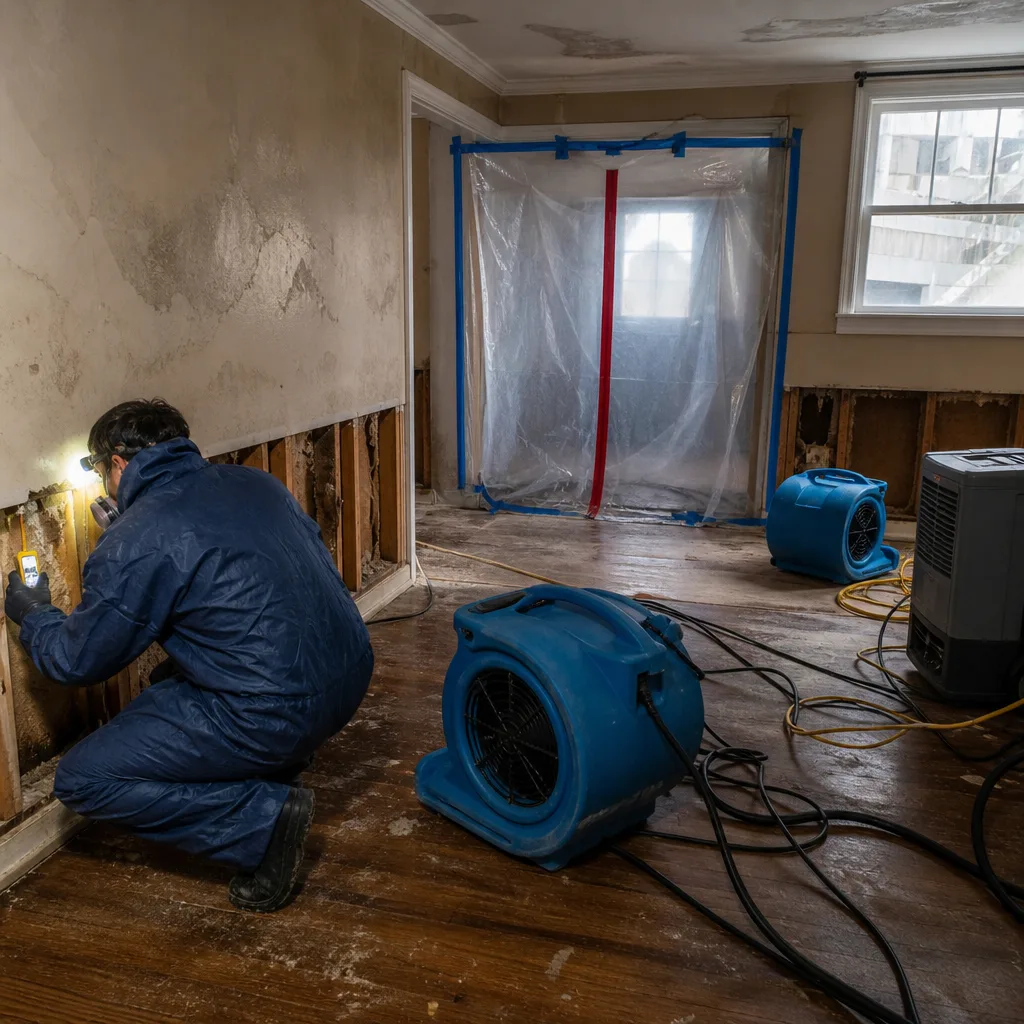
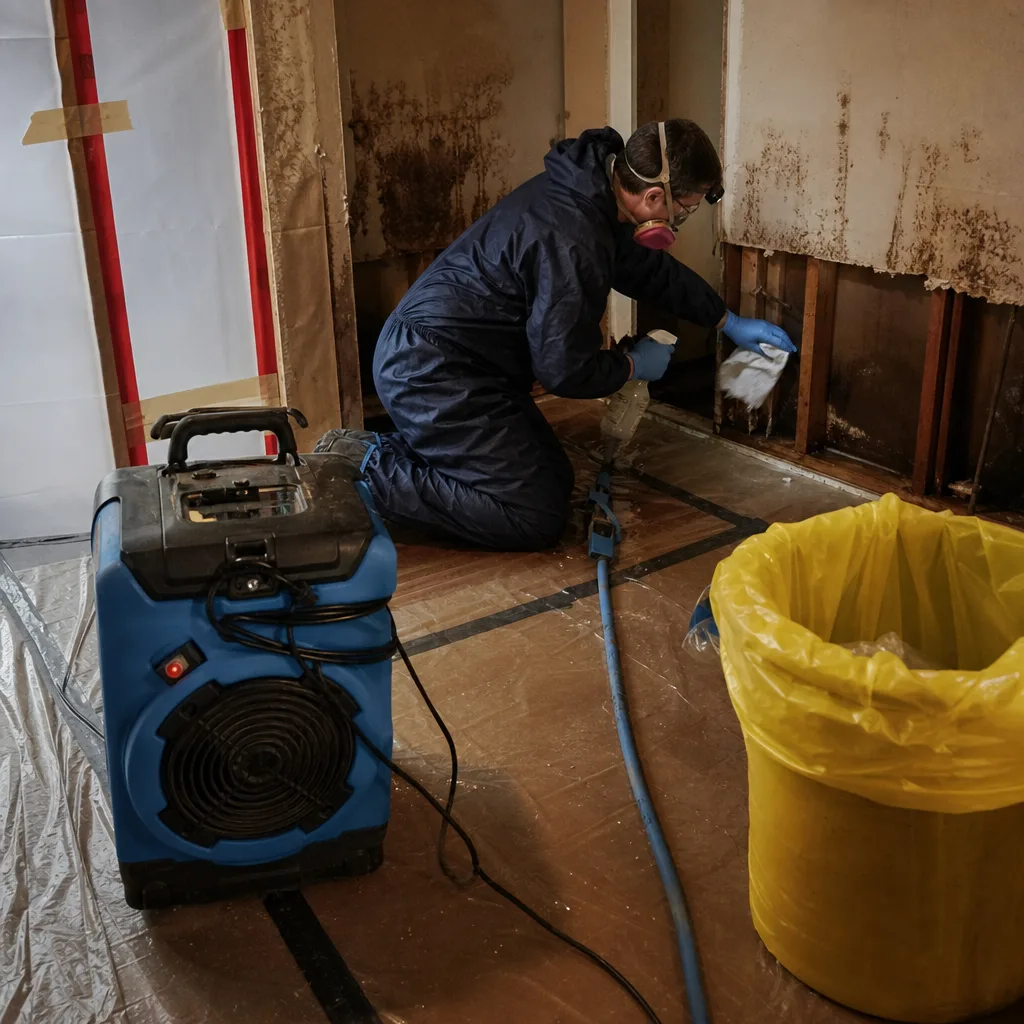
Free visual inspection and a written scope of work before any mitigation begins - photos, moisture readings, and drying logs go in your claim file
The scope we write is the scope we bill. Anything new gets shown to you, in writing, before we touch it.
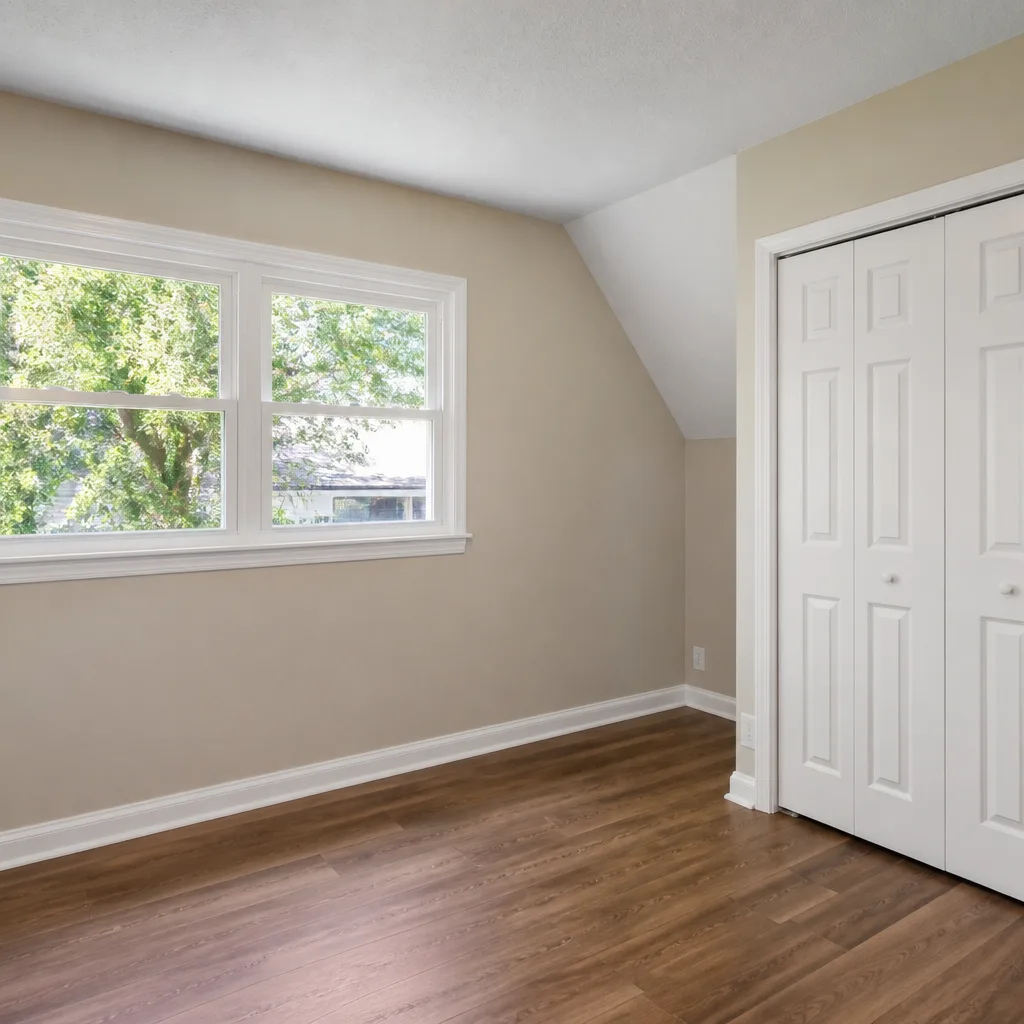
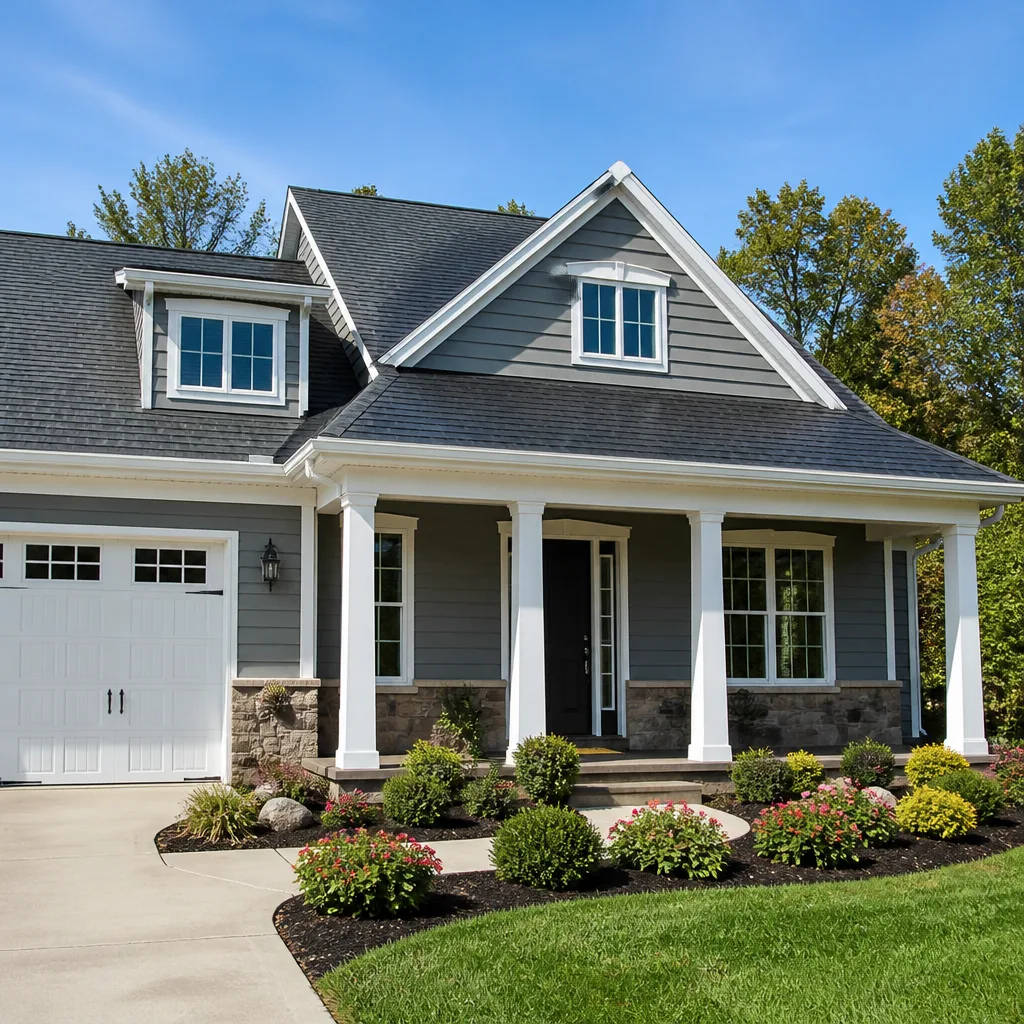
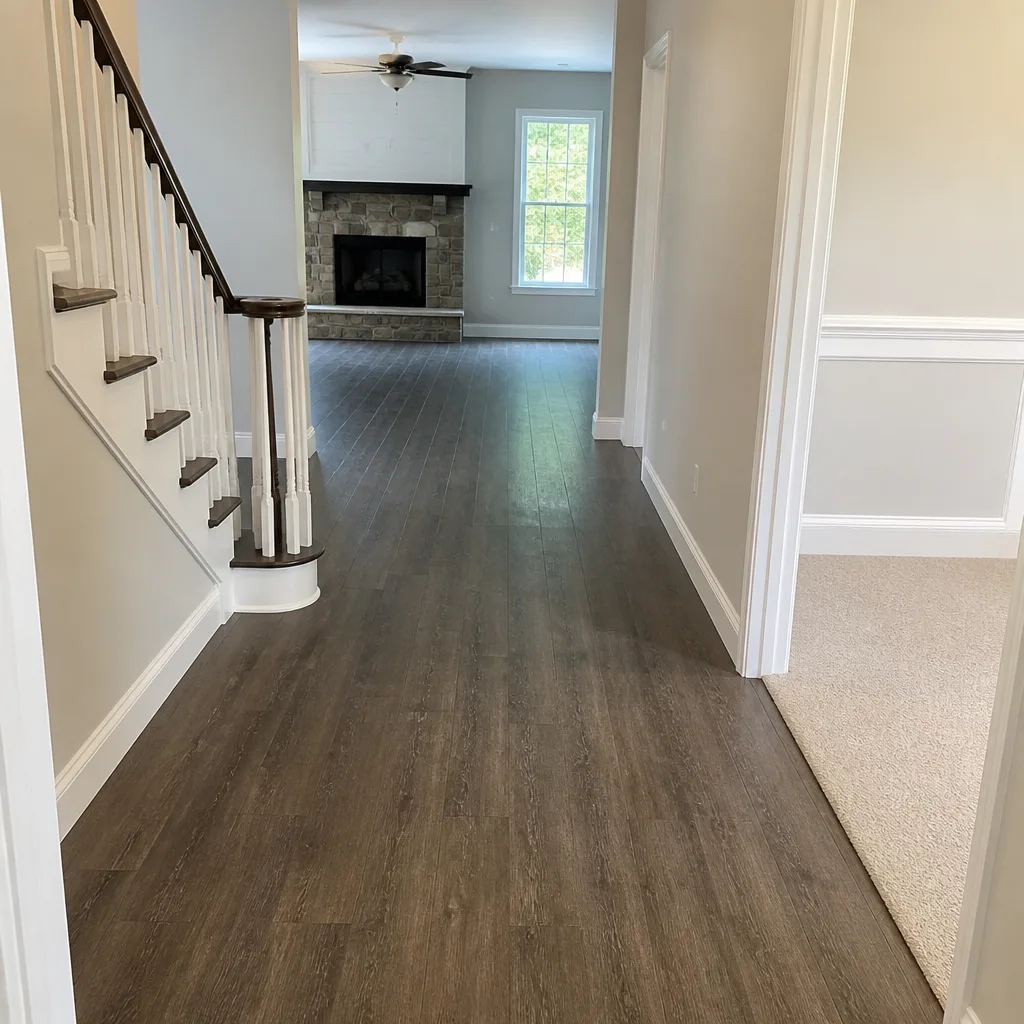
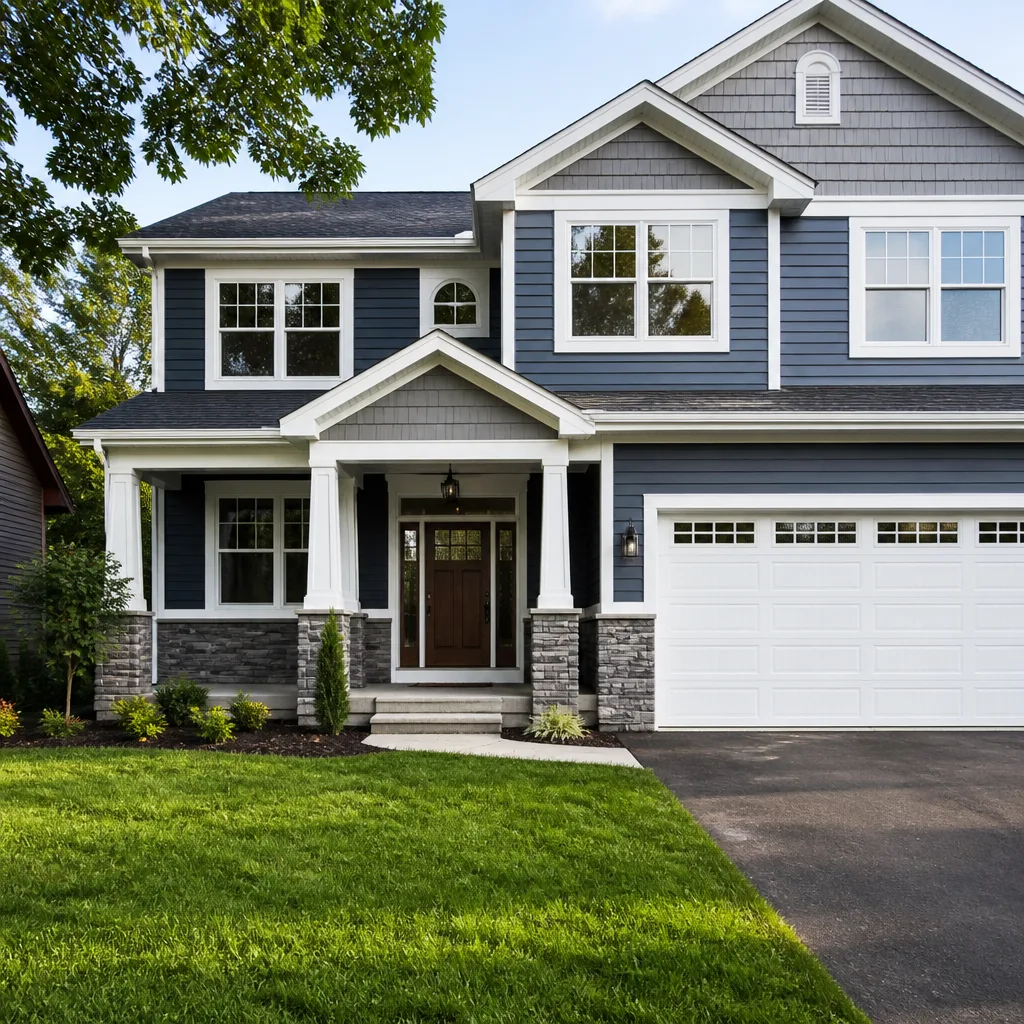
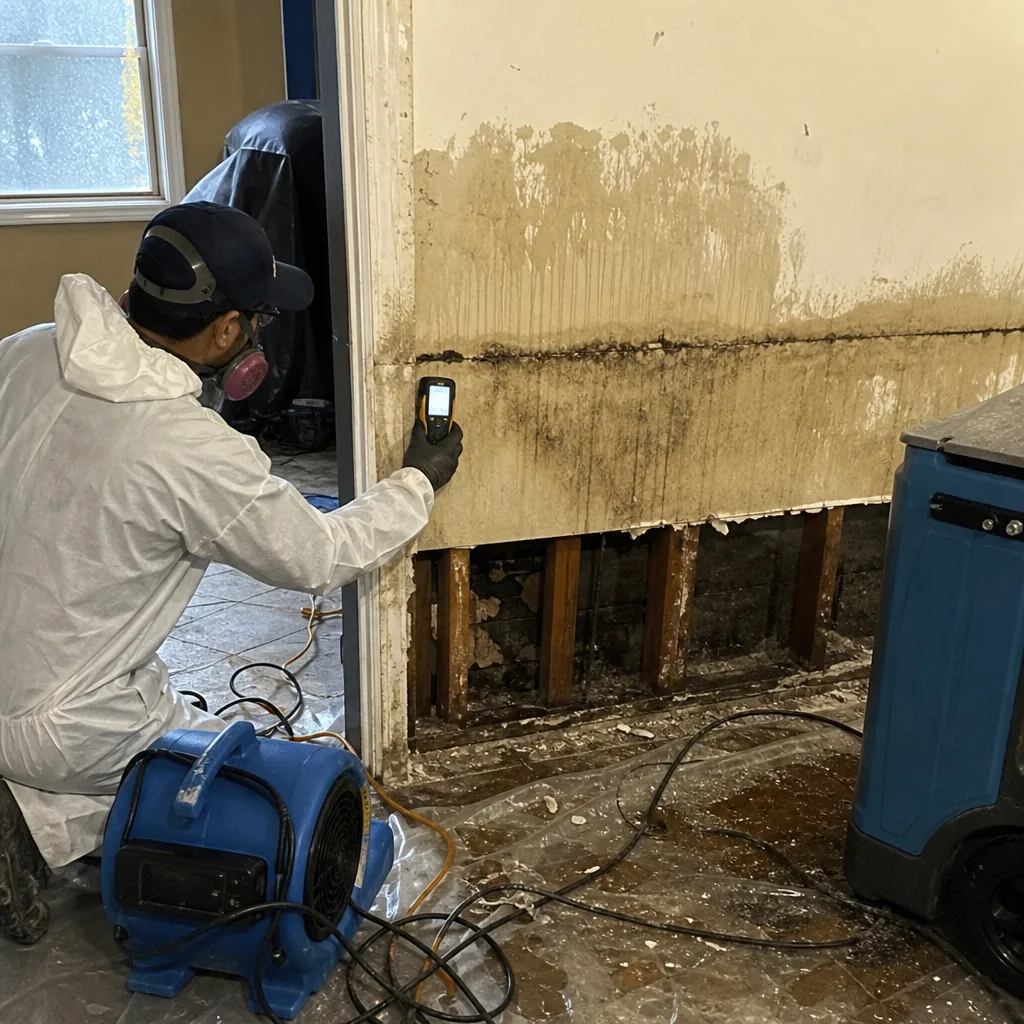 Before
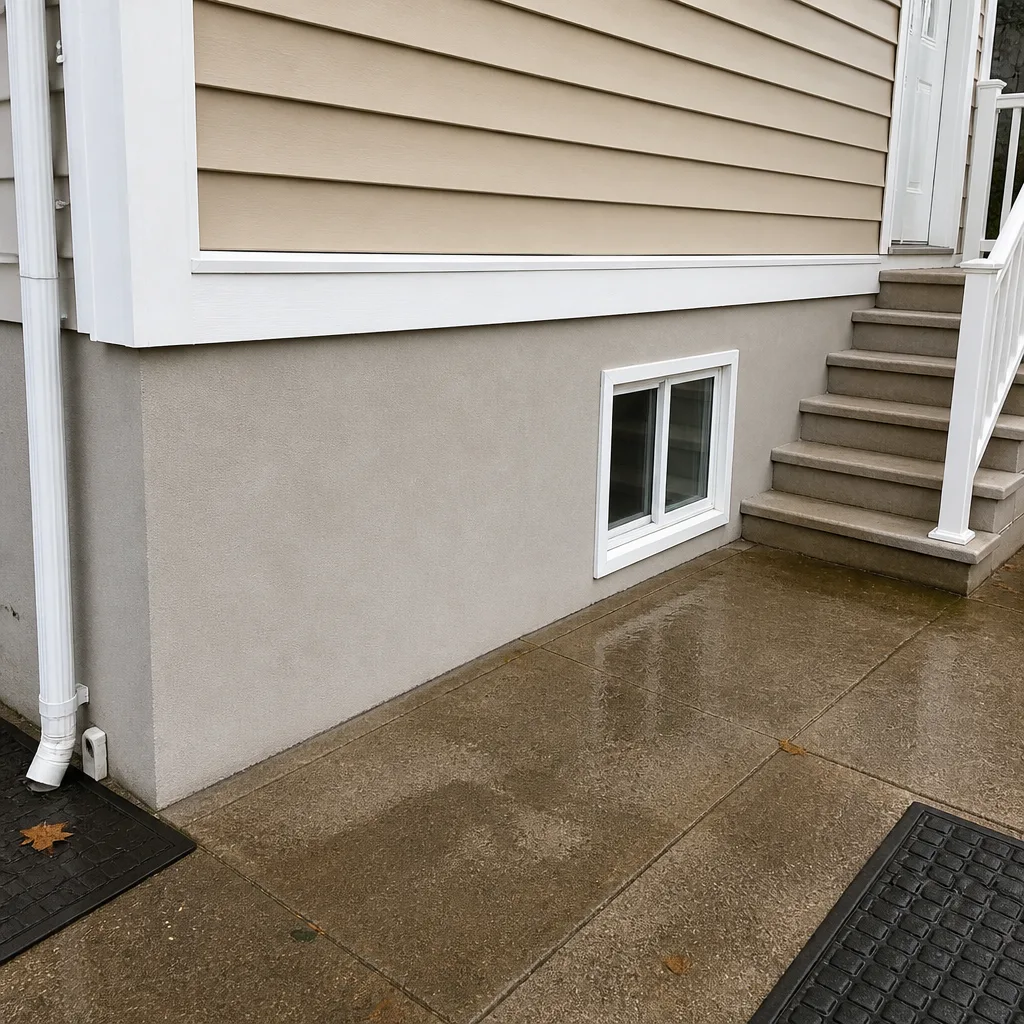 After
After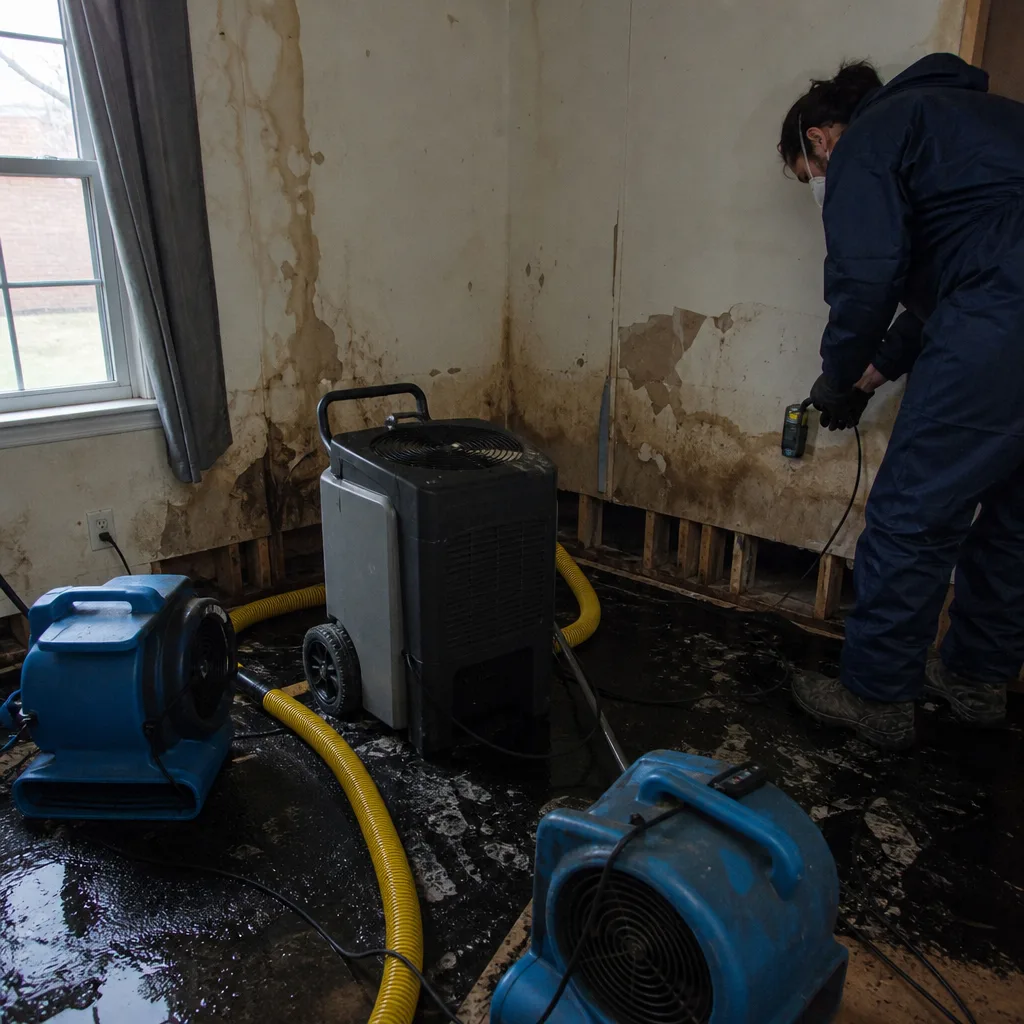 Before
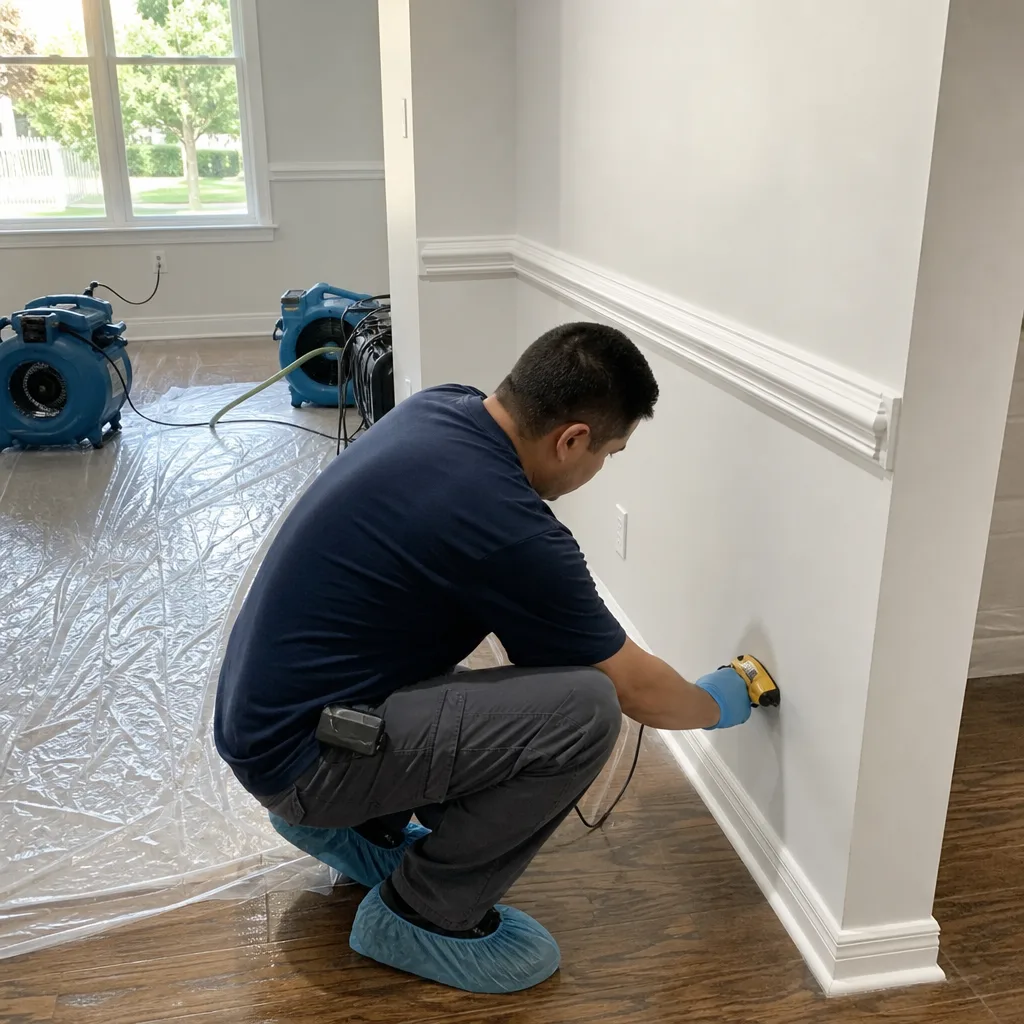 After
After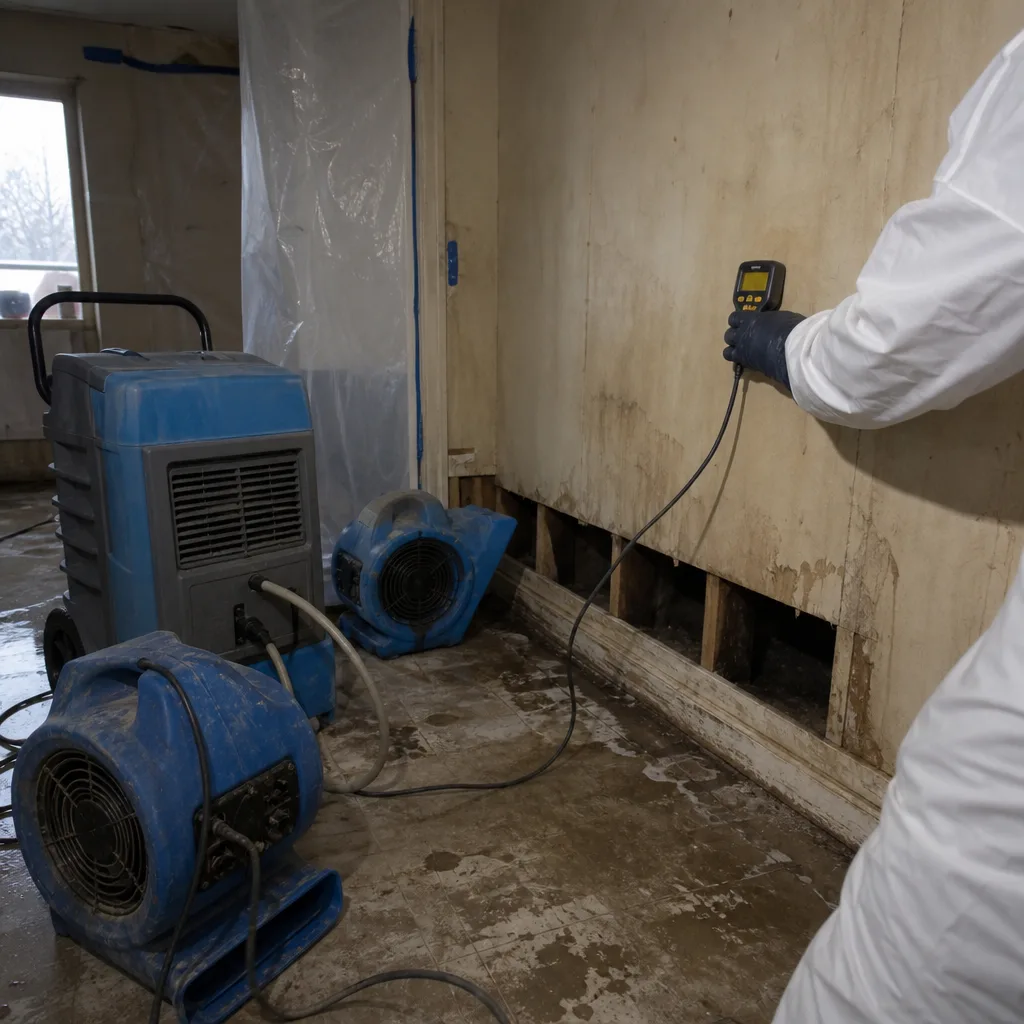 Before
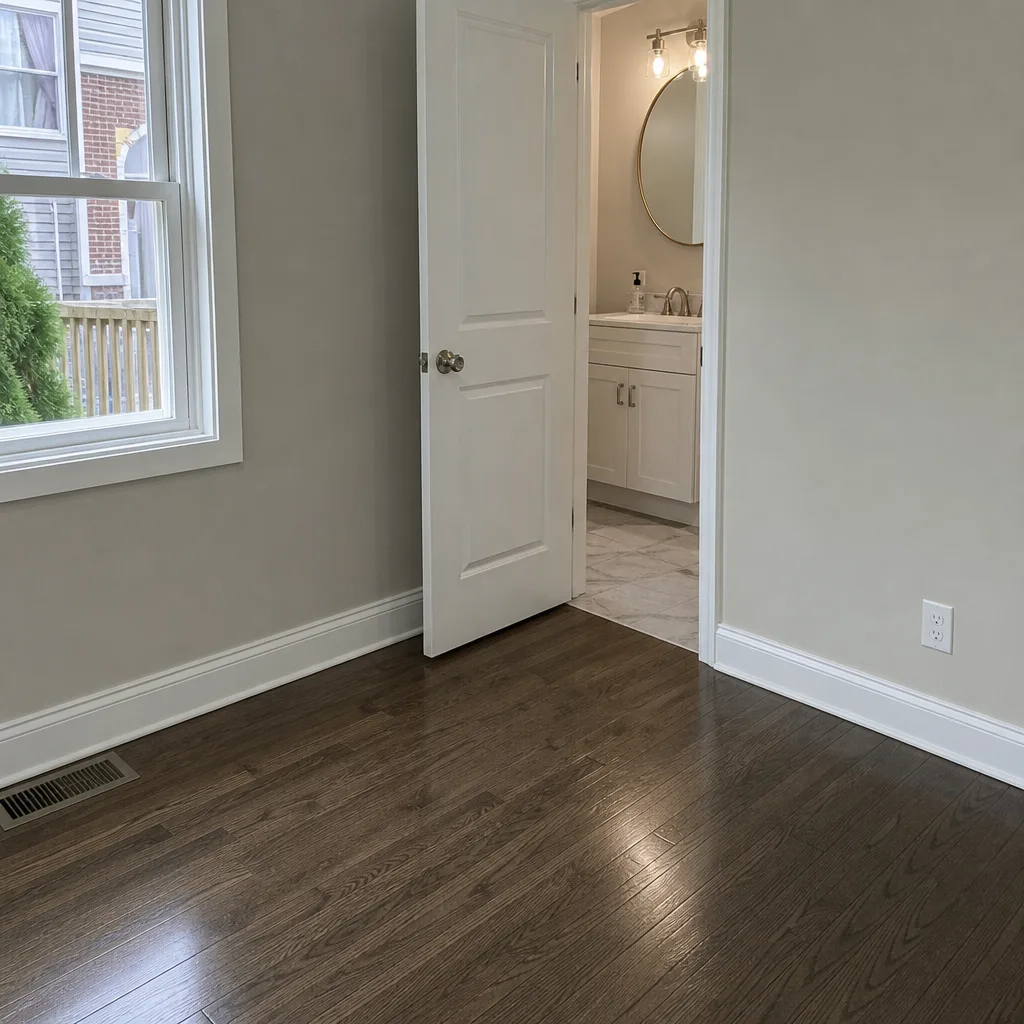 After
After24/7 Emergency Biohazard & Crime Scene Cleanup in Lower Manhattan
A biohazard or crime scene in a Lower Manhattan building cannot wait for business hours. Bloodborne pathogens, bodily fluids, and decomposition fluids begin breaking down into porous surfaces within minutes, and in the dense below-grade spaces common below Wall Street and Battery Park City, humidity accelerates that process. Floodline Restoration Co. answers live around the clock at (551) 348-8481. Our certified technicians dispatch into Lower Manhattan neighborhoods immediately, and every job starts with a free visual inspection so you know the scope before any work begins.
Understanding Biohazard & Crime Scene Cleanup Severity in Lower Manhattan Properties
Lower Manhattan’s building stock complicates biohazard remediation in ways a single-family-home cleanup never faces. The Financial District’s pre-war Art Deco towers and Tribeca’s converted 19th-century cast-iron lofts share vertical utility chases, freight elevators with restricted hours, and deep mechanical sub-basements that trap humidity. When blood, bodily fluid, or decomposition residue sits in these environments, aerosolized pathogens can migrate between floors through shared air returns and conduit penetrations. That’s why our crews establish negative air pressure and containment before disturbing any contaminated material. In spaces below grade near Con Edison vaults, we treat any visible moisture as potentially Category 3 water, because it is. Saltwater intrusion from past surge events has left behind hygroscopic salts in masonry and subflooring, which pull moisture back into the space and reactivate biological contaminants even after visible cleanup. Severity here is never just about the biohazard itself. It is about the building envelope around it.
Why Lower Manhattan Property Owners Choose Floodline Restoration Co.
- 45-minute response commitment. Our Lower Manhattan crews stage locally, so when you call, we are not driving in from another borough. We commit to a 45-minute dispatch window on emergency biohazard calls.
- Live answer, 24/7. A real person picks up at (551) 348-8481 at 2 a.m. Not a recording. Not a call center script. A dispatcher who knows Lower Manhattan’s building access challenges.
- Certified crews trained to IICRC, RIA, and IFA standards. For biohazard work, that means AMRT and OSHA bloodborne-pathogen training, not a general handyman with gloves from a hardware store.
- Free visual inspection. We walk the space, assess the contamination category, check surrounding utility chases and subflooring, and give you a written scope before anything gets removed.
- Direct insurance billing. We coordinate with your carrier and your adjuster, and we bill them directly. You are not a courier between us and the insurance company.
- One team from first extraction to final repair. The same uniformed, background-checked crew that handles the decontamination also handles any structural repair. No mid-job handoff to an unknown subcontractor.
Our Biohazard & Crime Scene Cleanup Process
Inspection & Assessment
We arrive, walk the affected space and the immediately adjacent areas, and identify the contamination category. In Lower Manhattan, this includes checking shared vertical chases, floor penetrations, and any signs of prior water intrusion beneath the biohazard itself. We document everything before we touch anything.
Containment & Stabilization
We establish containment using 6-mil poly barriers and set up HEPA-filtered negative air machines to prevent cross-contamination into hallways, shared air returns, and neighboring units. This step is non-negotiable in multi-unit buildings where airflow moves between floors.
Removal & Disposal
Contaminated porous materials: carpet, padding, drywall, insulation, and affected personal property are removed under containment and double-bagged for regulated biohazard disposal. We coordinate with building management on freight elevator scheduling so removal does not stall overnight.
Cleaning & Sanitization
Remaining structural surfaces are cleaned with antimicrobial and disinfectant agents appropriate to the contamination type. We use HEPA vacuums and professional-grade equipment from Dri-Eaz and Phoenix to capture particulates rather than push them into the air column.
Drying & Moisture Control
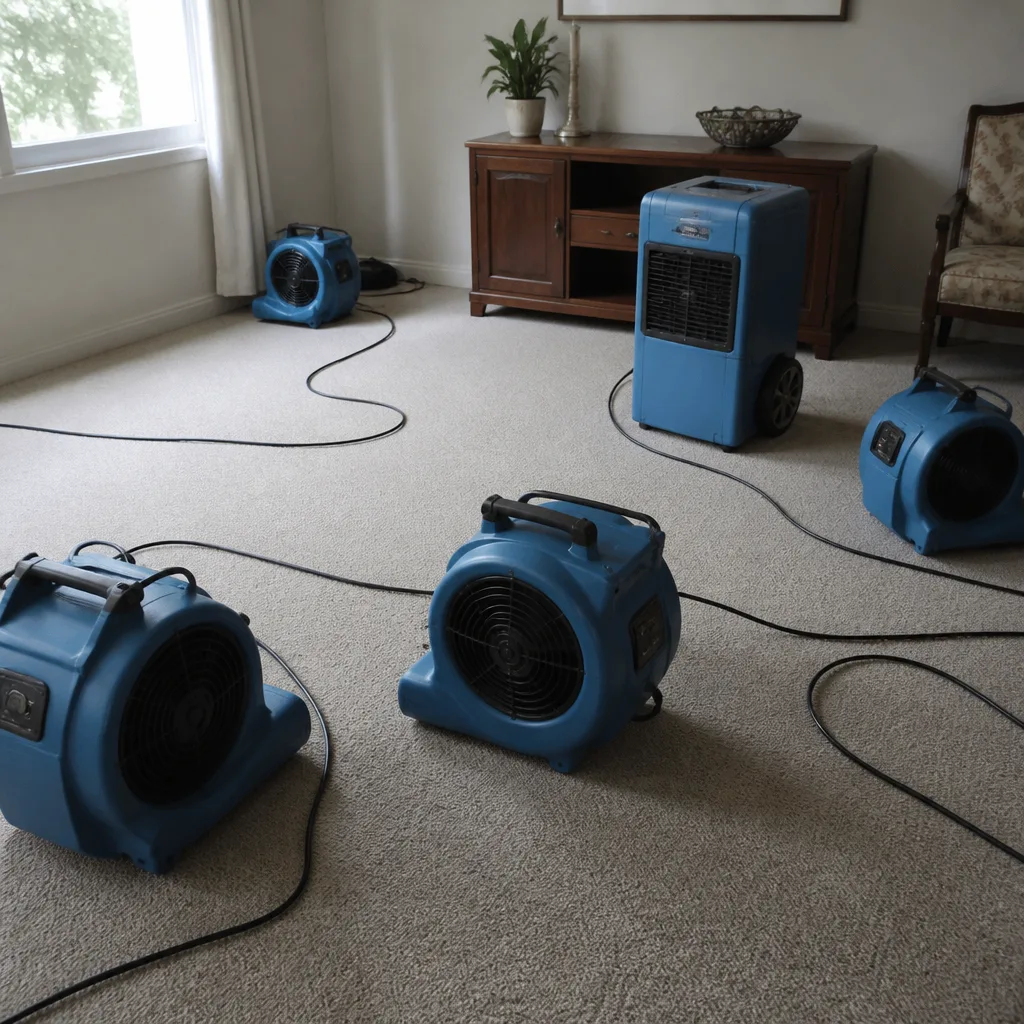
Lower Manhattan’s sub-basements and slab-on-grade floors hold moisture. We take moisture readings with hygrometers and thermal imaging, place dehumidifiers and air movers where readings demand, and log daily numbers until the dry standard is met. That log goes to you and your insurer.
Verification & Restoration
We re-test surfaces to confirm decontamination, then handle any necessary repairs: drywall replacement, paint, subfloor work, trim. One crew, start to finish. The 90-Day Done Right Promise applies to the entire job, in writing.
Need Emergency Biohazard & Crime Scene Cleanup in Lower Manhattan Now?
Crews minutes away, answering live 24 hours a day. The sooner we start, the less it costs.
Working With Your Insurance Company
Most homeowners and condo policies in New York cover biohazard remediation when the loss is sudden and accidental, which includes crime scenes and unattended deaths. The challenge in Lower Manhattan is that carriers sometimes question contamination in shared building systems: a vertical chase, a sub-basement conduit, a freight elevator shaft. That’s where documentation decides the claim. We photograph every affected surface before removal, log moisture readings daily, and write our scope in the same line-item language adjusters expect. We send that documentation directly to your carrier and handle their follow-up questions, so you are not spending your week on hold with an insurance company. If your policy has a biohazard exclusion or a high deductible, we will tell you plainly before work starts, and we will give you a firm number so you can make the call with your eyes open.
What We Provide Your Insurer
- Thorough documentation of the loss
- Photos of all damage, room by room
- Moisture readings and drying logs
- A detailed, line-item scope of work
- Direct coordination with your carrier
Built for Lower Manhattan’s Loss Calendar
Biohazard work in Lower Manhattan does not happen on a tidy schedule, but the conditions that complicate it do follow a pattern. January and February freeze-thaw cycles stress aging supply lines in pre-war buildings, and when a pipe lets go in an empty unit, the water that pools for days before discovery becomes a Category 3 contamination source requiring biohazard protocols alongside water extraction. Spring brings nor’easters and the first tidal pushes into Battery Park City street vaults and PATH infrastructure, sending contaminated water into sub-basements that later become the setting for trauma or unattended death scenes. Summer thunderstorms overwhelm the combined sewer system along the East River edge, backing sewage into lower-level mechanical rooms. September and October are the months when building management in Lower Manhattan discovers what the summer’s humidity left behind in spaces no one entered. Whenever the call comes, our dispatchers know the access map: which buildings on Water Street, Broadway, and West Street share freight elevators, which loading docks close after certain hours, and how to get HEPA equipment onto a 14th floor through a single service corridor. That local knowledge cuts hours off every job.
Biohazard & Crime Scene Cleanup Across Lower Manhattan’s Neighborhoods
We run biohazard calls across the full sweep of Lower Manhattan, and each corner of the map has its own set of rules. In the Financial District, pre-war towers along Broadway, Wall Street, and Exchange Place share one or two freight elevators, and building management typically requires COI paperwork before equipment rolls in. We carry that documentation inbound. In Tribeca, converted cast-iron lofts with original timber framing and exposed brick create thousands of square feet of porous surface area. Blood or decomposition fluids wicked into historic masonry need more than surface wiping; we remove and treat at the substrate level. Battery Park City presents a different challenge: all of it sits on 1970s landfill at sea level, so below-grade spaces are constantly humid, and subfloors that absorbed saltwater during Hurricane Sandy are still reactivating moisture in some units today. The South Street Seaport district and the blocks around City Hall mix 19th-century masonry with mid-century commercial buildings, and the access patterns change block by block. One crew cannot treat Canal Street like it treats Stone Street. We know the difference.
Specialized Biohazard & Crime Scene Cleanup Services We Offer in Lower Manhattan
Crime Scene Cleanup
After police release the scene, our crews handle blood, bodily fluid, and fingerprint-dust removal under full containment. In a Financial District condo or a Tribeca loft, that means sealing supply and return vents that share air with neighboring units before any contaminated material is disturbed. We remove affected flooring, drywall, and trim to local building code, then sanitize and rebuild.
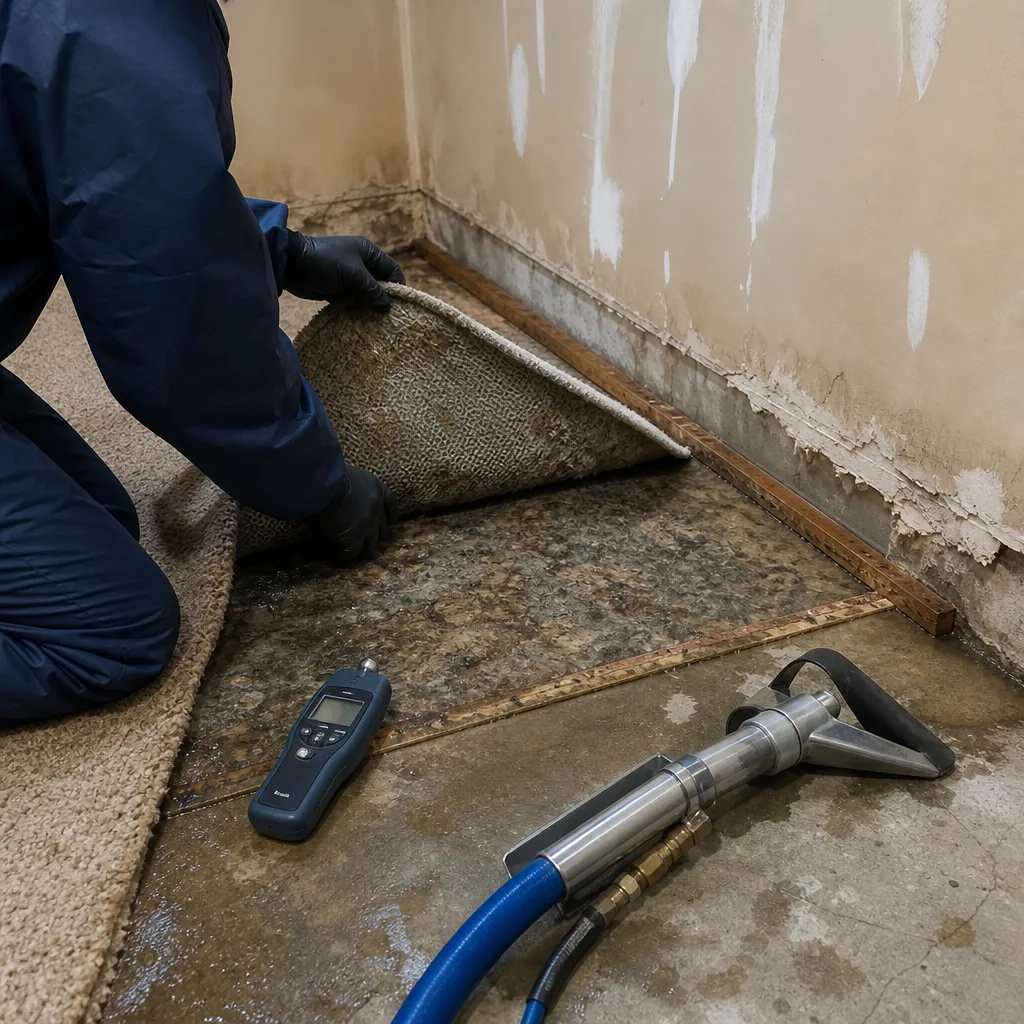
Trauma & Unattended Death Cleanup
Decomposition fluids migrate downward and outward, and in Lower Manhattan’s older buildings, they seep into subflooring and wick along masonry. Our crews trace that migration with moisture meters and thermal imaging, not guesswork. We remove all affected porous material, treat the structural substrate, and return the unit to a condition where it does not smell, test, or look like anything happened there.
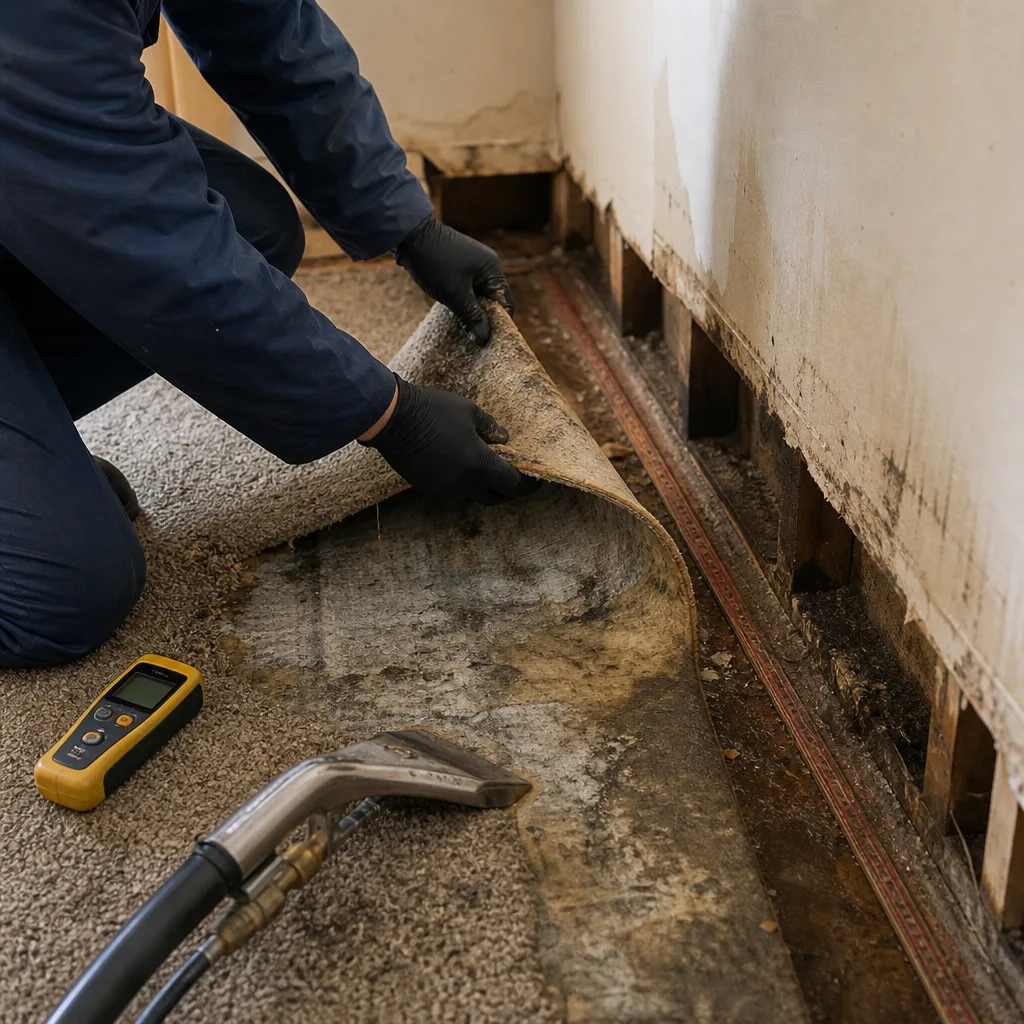
Hoarding Cleanup
Hoarding scenes in Lower Manhattan are complicated by building code and fire safety overlays. In converted loft buildings with original wood joists, the accumulated load can hide structural damage, vermin contamination, and blocked egress. We work with building management and, when needed, a structural assessment, separating salvageable property from biohazard waste and clearing the unit to a clean, serviceable state.
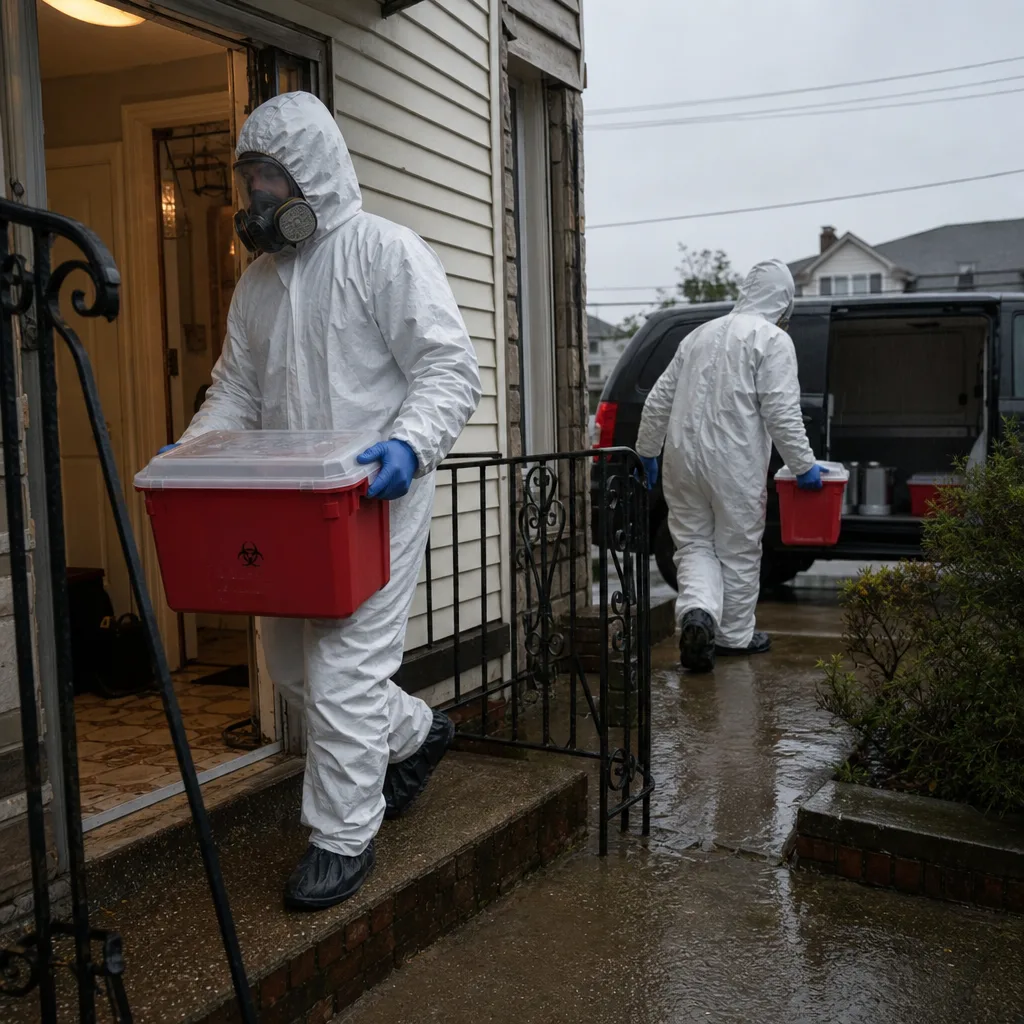
Blood & Bodily Fluid Cleanup
This is the most common call. Blood carries bloodborne pathogens including Hepatitis B, Hepatitis C, and HIV, and standard cleaning products do not satisfy OSHA or IICRC standards for biohazard decontamination. Our technicians hold bloodborne-pathogen certifications and use hospital-grade disinfectants with appropriate dwell times, followed by post-clean verification.
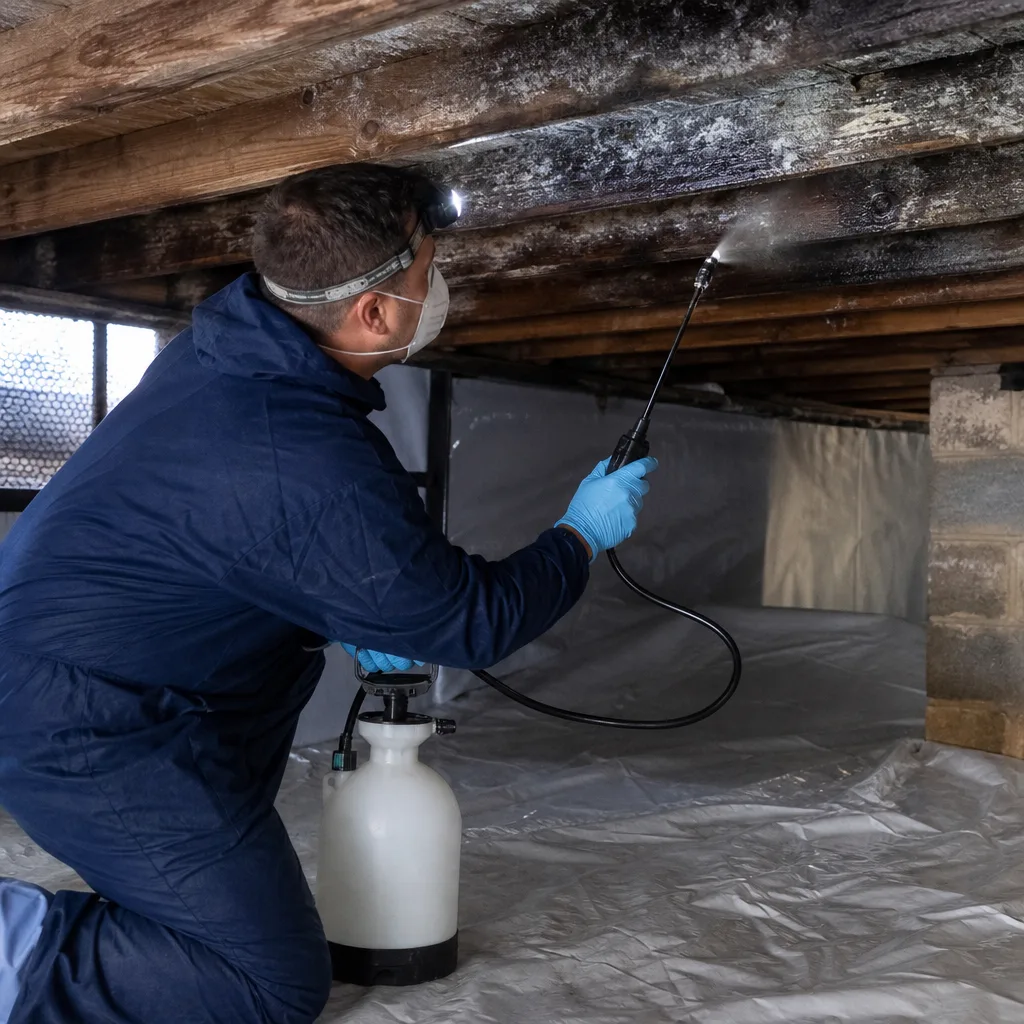
Infectious Disease Disinfection
When a Lower Manhattan household faces an infectious disease event: COVID, influenza, norovirus, MRSA, or something else, our crews apply EPA-registered disinfectants to all touch surfaces and soft surfaces where applicable, using fogging and wiping protocols that match the specific pathogen. This is not a one-size spray job. We match the product to the organism and document the process for the building’s records.
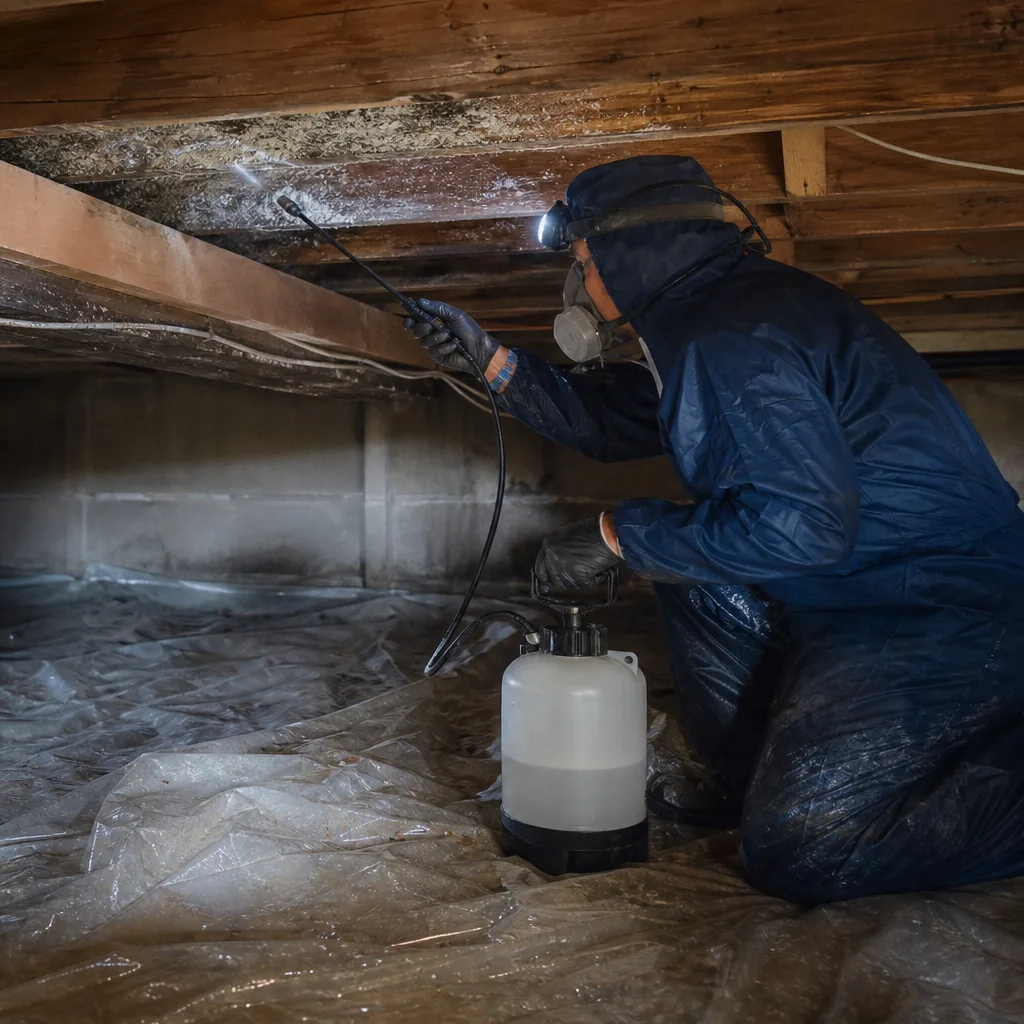
What happens when you call
- 1
A real person answersNo phone trees - you reach a local pro.
- 2
You get an upfront price rangeHonest numbers before anyone is dispatched.
- 3
A background-checked tech heads outLicensed & insured, dispatched right away.
- 4
You approve before work beginsNothing starts until you say go.
Biohazard & Crime Scene Cleanup Costs in Lower Manhattan, NY
In Lower Manhattan, a typical blood or bodily fluid cleanup in a single room runs $1,500 to $4,000 depending on how far contamination migrated and what gets removed. An unattended death scene spans wider: removal of affected flooring, subfloor treatment, odor control, and structural repair typically lands between $4,000 and $12,000 in this market. Hoarding cleanups vary the most, from $3,000 for a cluttered studio to $30,000 or more for a full one-bedroom in a Tribeca loft with structural and vermin issues. What moves the price in Lower Manhattan specifically is access: freight elevator scheduling, building COI requirements, and how far above street level the affected unit sits. Insurance covers most criminal and unattended death scenes under standard property policies. The fastest way to a firm number is a free visual inspection. We will walk the space, measure the affected area, and hand you a written scope before any work begins.
We Also Serve Cities Near Lower Manhattan
Our biohazard and crime scene crews also serve the neighborhoods and districts immediately north and around Lower Manhattan: Midtown West, Washington Square, Midtown Manhattan, and Murray Hill. Each area has its own building stock and access patterns, and our personnel know them all.
Lower Manhattan Biohazard & Crime Scene Cleanup Questions, Answered
In a Financial District condo built before 1930, how do you contain biohazard cleanup when the building’s air returns run through shared vertical chases?
We seal the supply and return registers in the affected unit before disturbing any contaminated material, which prevents aerosolized pathogens from entering the shared chase. Negative air machines with HEPA filtration run throughout the job to keep air pressure in the unit lower than the surrounding hallway, so nothing migrates outward. In older Financial District buildings where the chases have open penetrations around pipes and conduit, we seal those openings too, often with fire-rated materials that satisfy the building’s own safety requirements.
After a death in a Battery Park City apartment, how do you handle the carpeting if the building’s subfloor was previously soaked by Hurricane Sandy?
We remove the carpet and pad entirely because they are porous and cannot be reliably decontaminated from decomposition fluids. Then we test the subfloor below with moisture meters before deciding whether it can be treated or must be pulled. In Battery Park City, subfloors in lower units frequently absorbed saltwater during Sandy, and that residual moisture can reactivate biological contaminants and hold odors. If readings show elevated moisture, we pull the subfloor, treat the joists or slab below, and install dry material before new flooring goes down.
Can tear gas used during a protest near Wall Street leave residue that requires more than standard crime scene cleanup?
Yes. Tear gas and pepper spray are chemical irritants, not biological contaminants, and they deposit fine particulate residue that settles into every porous surface: drywall, upholstery, fabrics, painted trim, and HVAC filters. Standard biohazard wiping will not remove it. In the streets around Wall Street, Broad Street, and the Exchange Place corridor, chemical residue from these events can enter storefronts, lobby spaces, and residential units through open windows and building air intakes. Cleanup requires a different chemistry set and a different process from crime scene blood work, and we handle that specific need.
What extra steps do you take for an unattended death in a basement that shares a wall with a Con Edison vault in the Financial District?
We treat any water in that basement as potentially contaminated, because vault breaches can push Category 3 water through shared conduit penetrations into adjacent building sub-basements. The sequence is: full containment and negative air, then assessment of water source and contamination category, then removal of the biological and water contamination together. Treating the unattended death scene without addressing contaminated water from the vault would leave behind a secondary contamination source. We use moisture mapping to trace where vault water has traveled and dry those areas after decontamination.
How do you move biohazard waste out of a Tribeca loft with historic cast-iron columns and no service elevator?
We use the freight access the building has, which in many Tribeca loft buildings means a narrow passenger elevator or a stairwell. Biohazard waste is double-bagged and sealed at the point of generation, then carried out in covered, leak-proof containers. In stairwells, we lay floor protection along the route and coordinate with building management to minimize tenant contact. The cast-iron columns and original woodwork mean we protect surfaces with corner guards and barrier film on the full egress path, and we clean that path before we leave.
How fast can a certified biohazard crew reach my Lower Manhattan address?
Our crews stage locally in the New York City area and commit to a 45-minute dispatch window on emergency biohazard calls in Lower Manhattan. Call (551) 348-8481 any hour, any day. A live dispatcher answers, takes the address and the scope, and gets a crew moving immediately.
Is biohazard cleanup in a condo covered by my own insurance, or the building’s?
It depends on the source and the governing documents. Contamination inside your unit from an event within your walls falls under your personal condo or co-op policy. Contamination that originated in a shared chase, a sub-basement, or a building mechanical system may fall under the building’s master policy. Our team documents the source and the affected area in a way that makes that determination cleaner for both carriers. We bill your insurer directly and coordinate with building management when both policies are involved.
What should I do in the first 30 minutes before your crew arrives?
Close the door to the affected space, turn off the HVAC system if you can do so safely, and keep people and pets out. Do not touch or move anything in the affected area, and do not attempt to clean it yourself. Biohazard contaminants are a health risk, and the wrong cleaning action can spread them further. Call us at (551) 348-8481. We will talk you through exactly what to do, and what not to do, until the crew reaches your door.
Why Lower Manhattan’s Infrastructure Makes Biohazard Cleanup Different
Most generic biohazard cleanup guidance assumes a standalone structure where one family controls the space and the air. Lower Manhattan does not work that way. The Financial District sits atop one of the densest below-grade utility grids in North America. Con Edison high-voltage vaults run beneath nearly every block, and their conduit penetrations connect those vaults to building sub-basements through shared walls. When a surge event or a sewer backup floods those passages, the water that reaches a sub-basement has already traveled through utility infrastructure. That water is not clean. If a biohazard cleanup crew arrives at an unattended death in a sub-basement and treats only the biological contamination, while leaving contaminated water pooled against a shared vault wall untreated, the space will not be safe. Biohazard & Crime Scene Cleanup in Lower Manhattan is inseparable from the Category 3 water assessment that comes before it. This is not a technicality. It is the difference between decontaminating a space and leaving a secondary contamination source behind a wall.
We saw this firsthand at a pre-war Art Deco condominium at 20 Exchange Place. We were called after an unattended death in a lower-level utility room. Our crew set up containment and negative air before any water extraction began, then traced moisture from the shared conduit penetration back toward an adjacent Con Ed vault that had flooded during a prior surge event. The moisture map showed water had wicked into the room’s perimeter, not from rainfall or plumbing, but from the vault side. Using professional-grade Dri-Eaz and Phoenix drying equipment, plus antimicrobial treatment matched to the contamination category, we restored the room to pre-loss condition. The entire job ran through building management on freight-elevator scheduling, COI paperwork, and floor protection on the service corridor. No handoff. One crew, start to finish, with the 90-Day Done Right Promise in the client’s hands when we left.
Serving Lower Manhattan, NY - Our Local Coverage Area
We’re based in the Lower Manhattan area and know this community well. Use the map below to see our service coverage - if you’re nearby, we can almost certainly help.
Call Floodline Restoration Co. for Biohazard & Crime Scene Cleanup in Lower Manhattan
If you are dealing with a crime scene, an unattended death, or any biohazard contamination in a Lower Manhattan building, call us now. Our crews serve all of Lower Manhattan, from Battery Park City to the Seaport to Tribeca and the Financial District. We answer live, 24 hours a day, and we arrive with the right containment, the right certifications, and the right documentation for your building and your insurer. The first hour matters. The estimate is free. Call (551) 348-8481 and we will walk you through it.
Written by Curt Bowman, Owner at Floodline Restoration Co., serving Lower Manhattan, NY.