
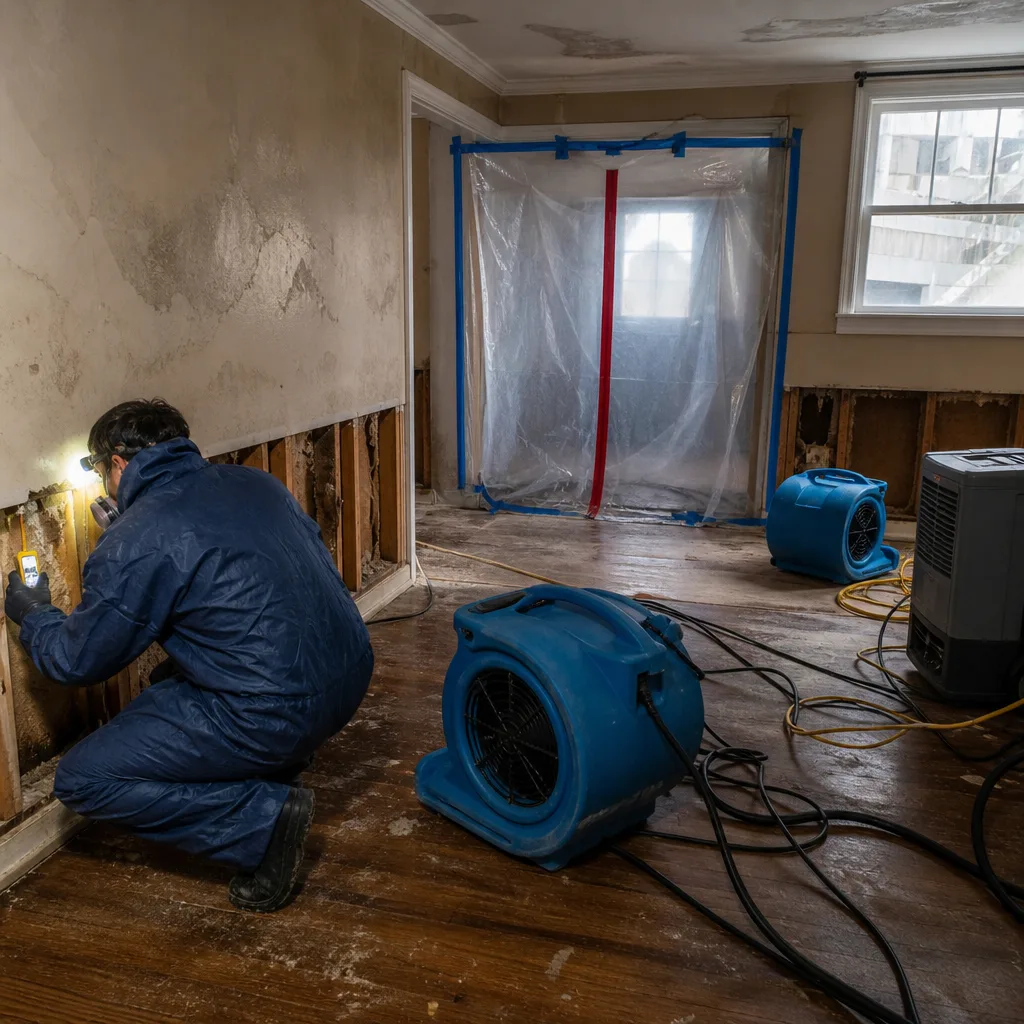
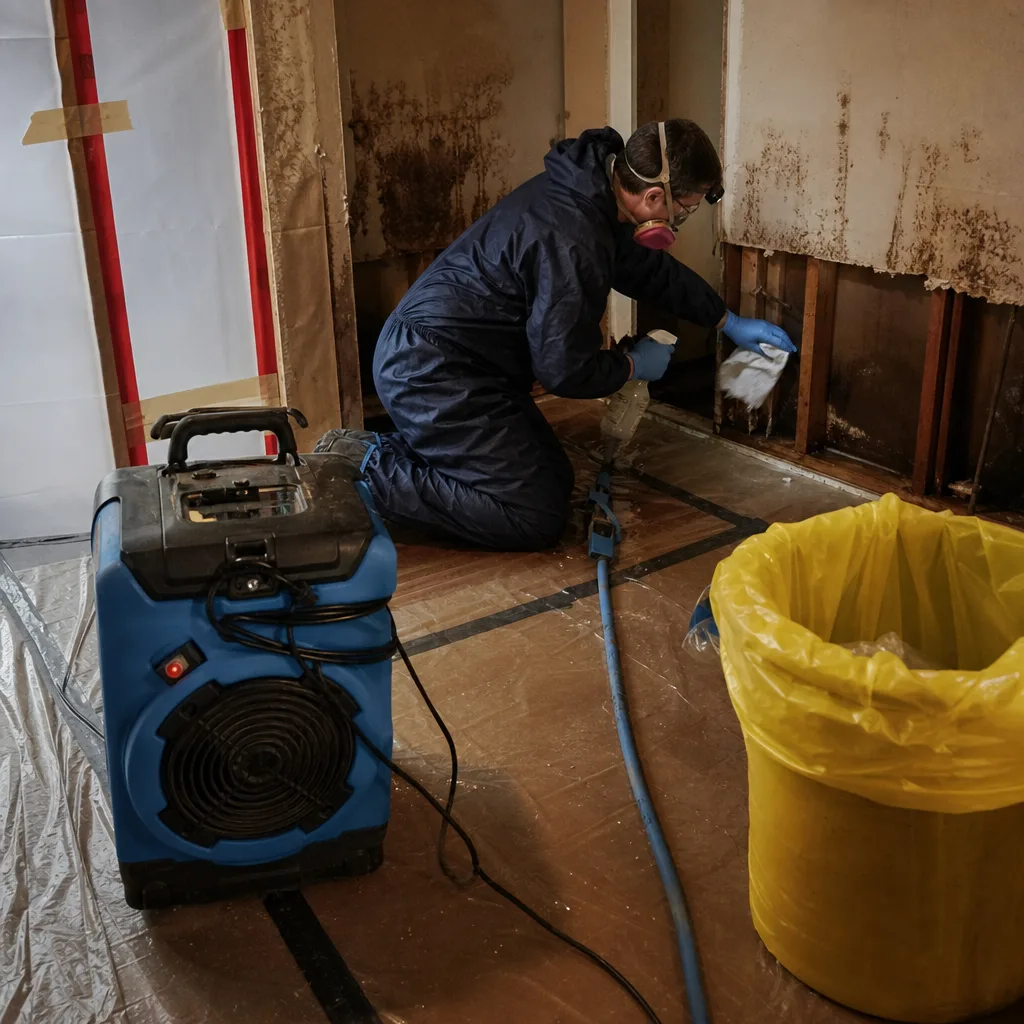
Free visual inspection and a written scope of work before any mitigation begins - photos, moisture readings, and drying logs go in your claim file
The scope we write is the scope we bill. Anything new gets shown to you, in writing, before we touch it.
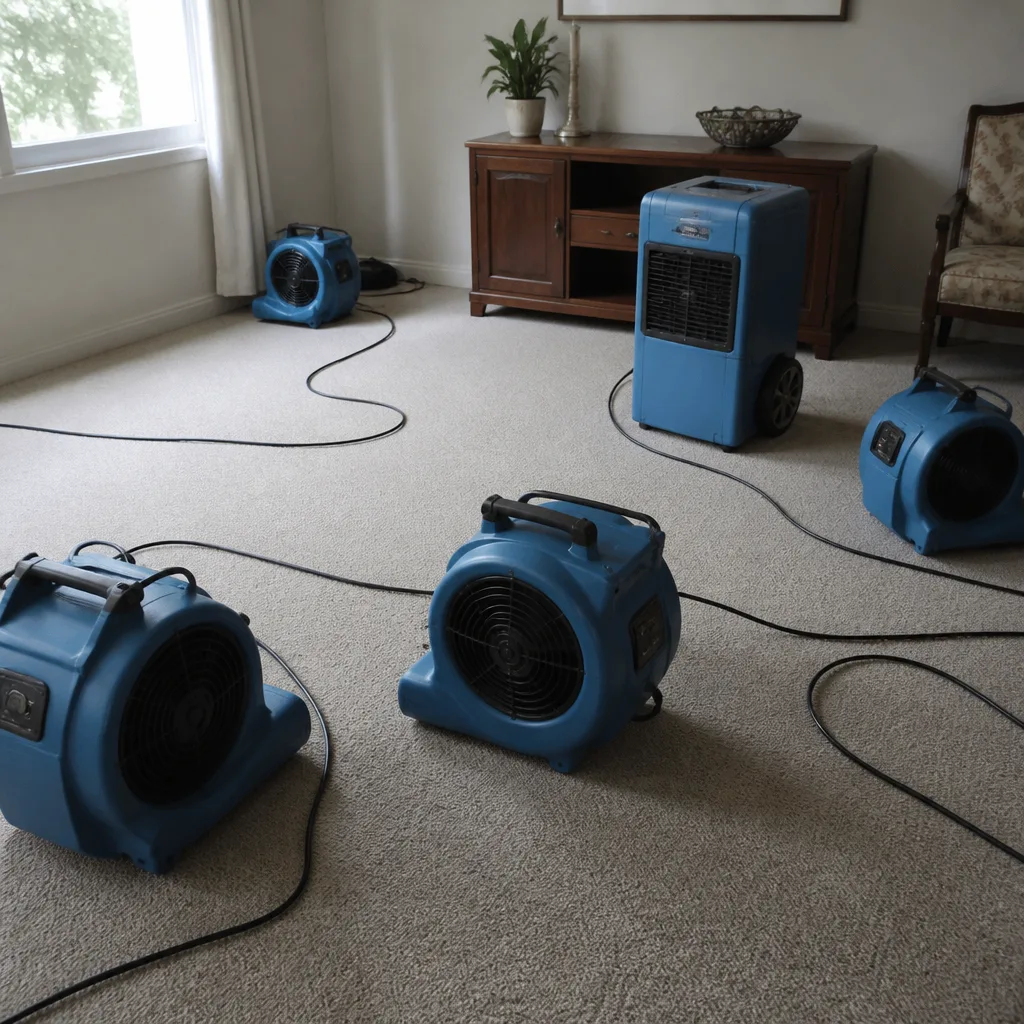
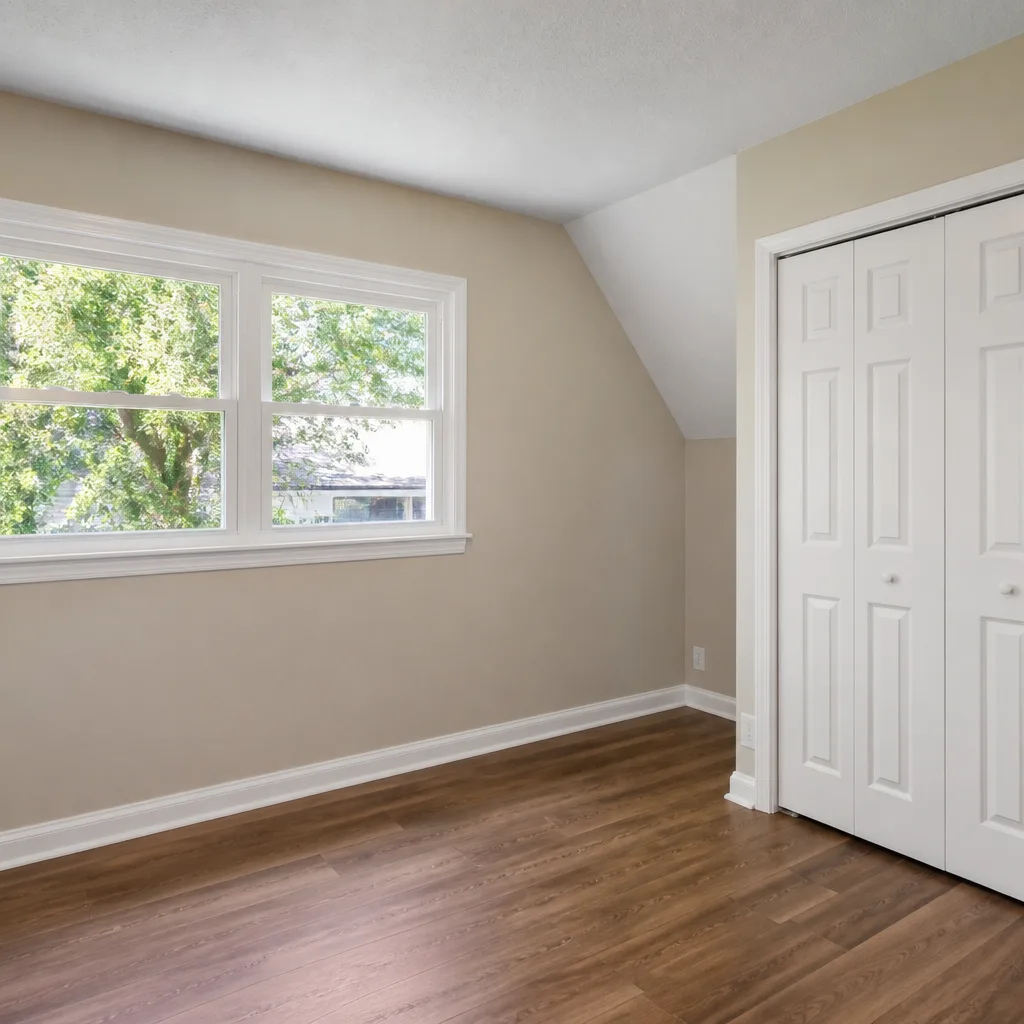
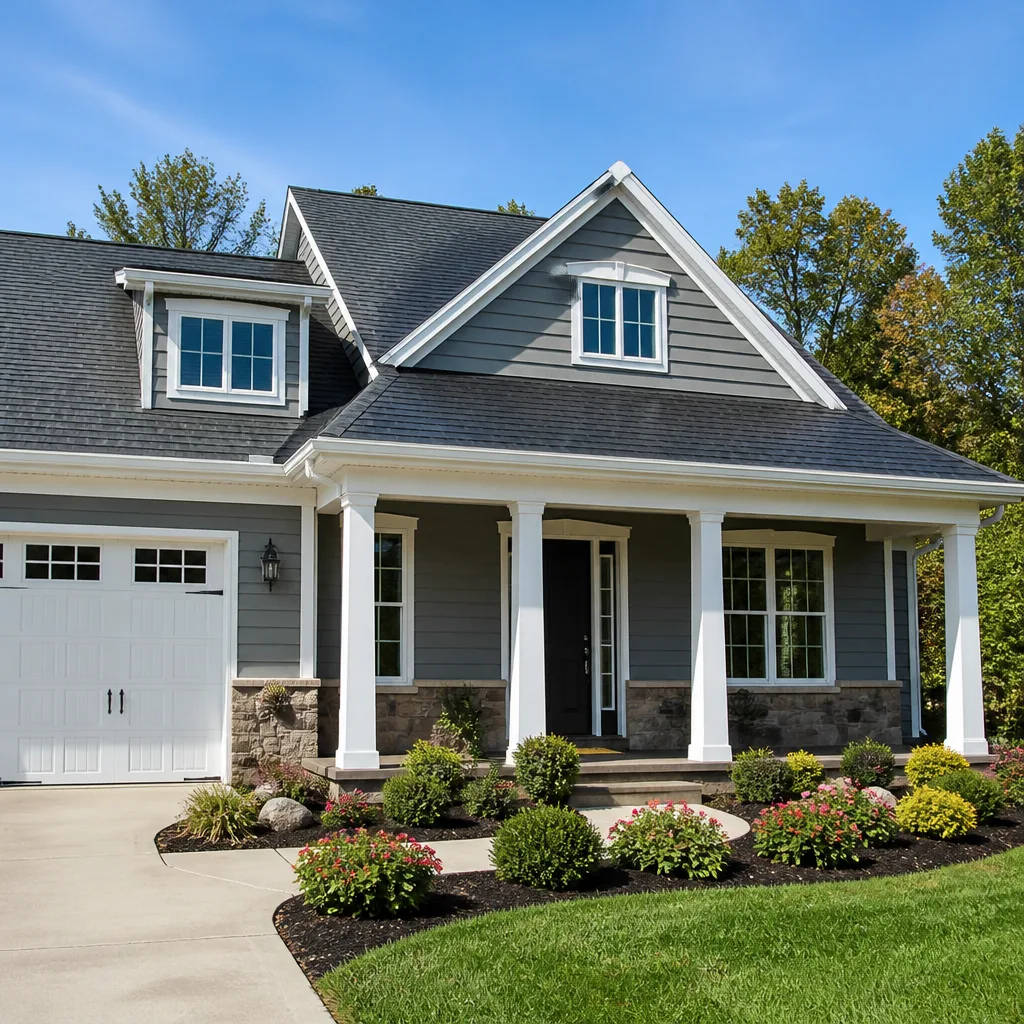
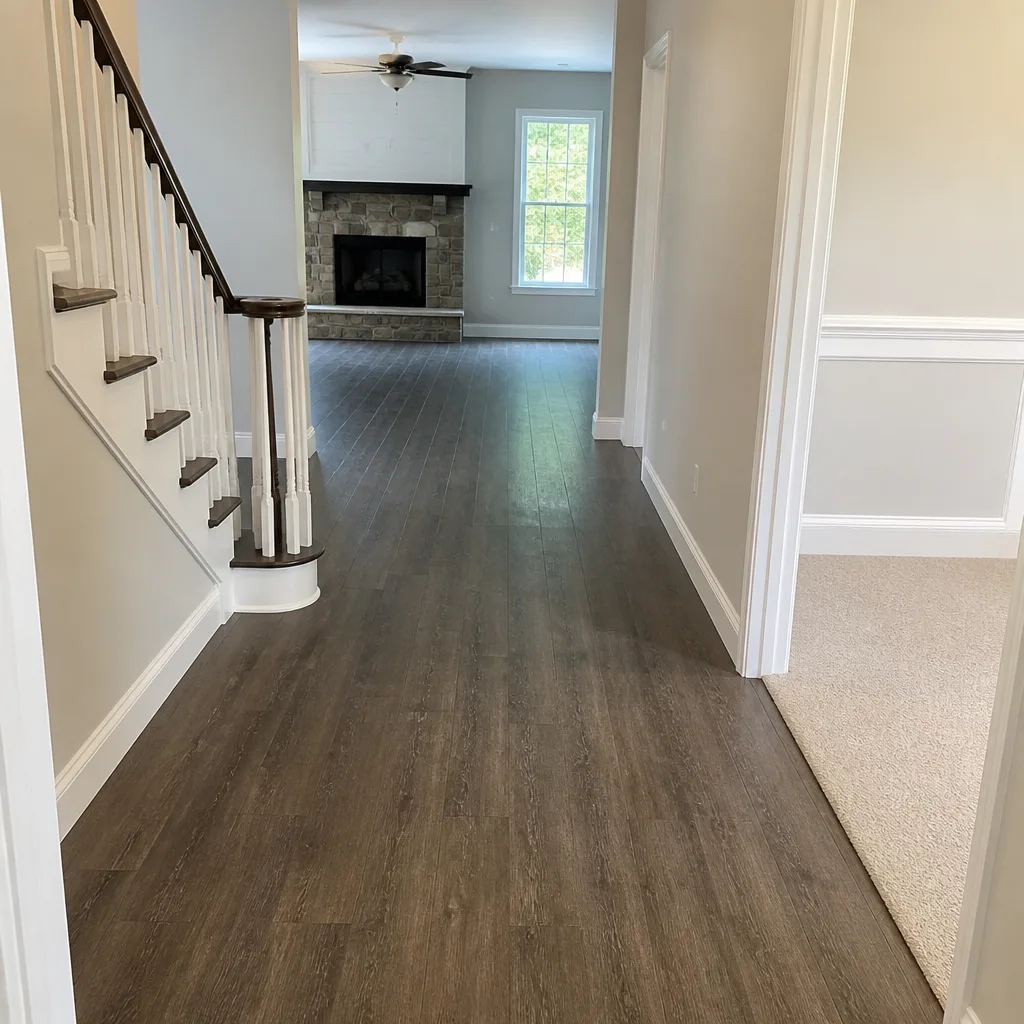
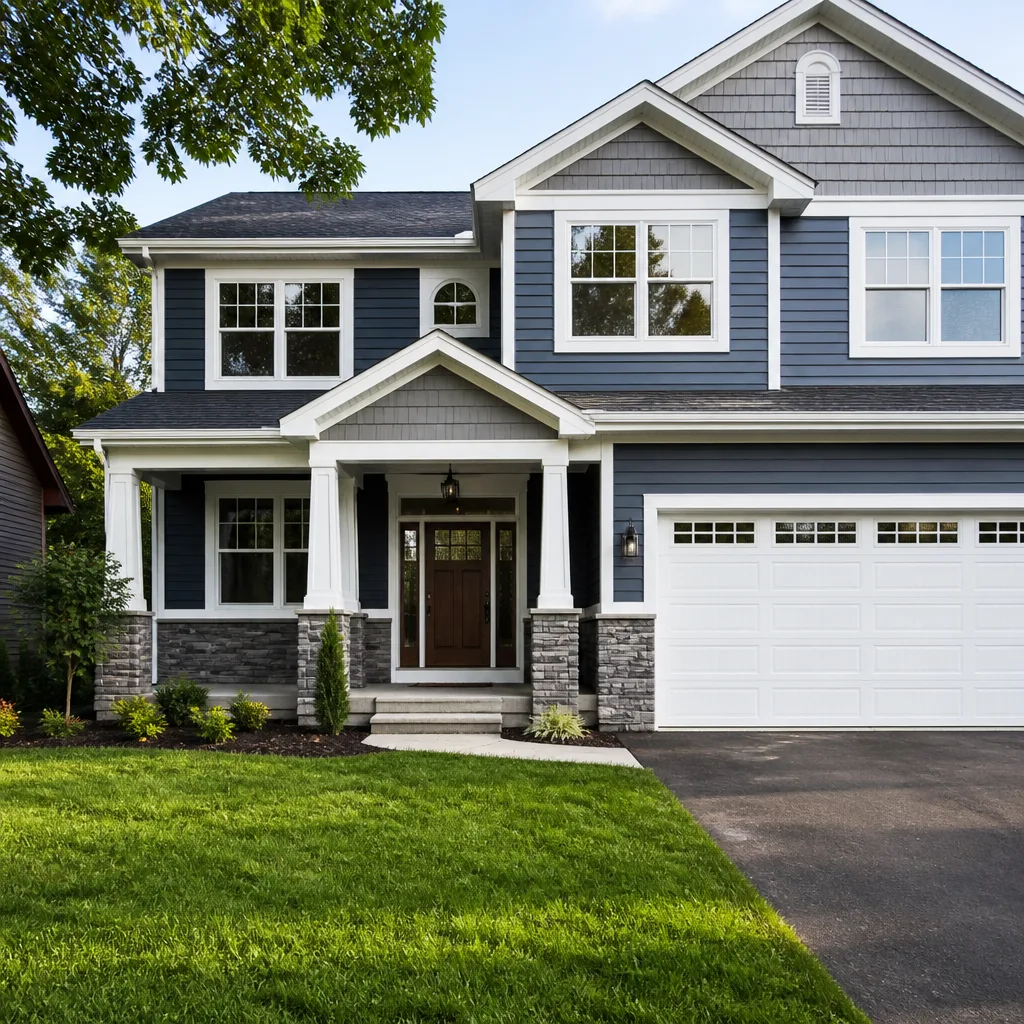
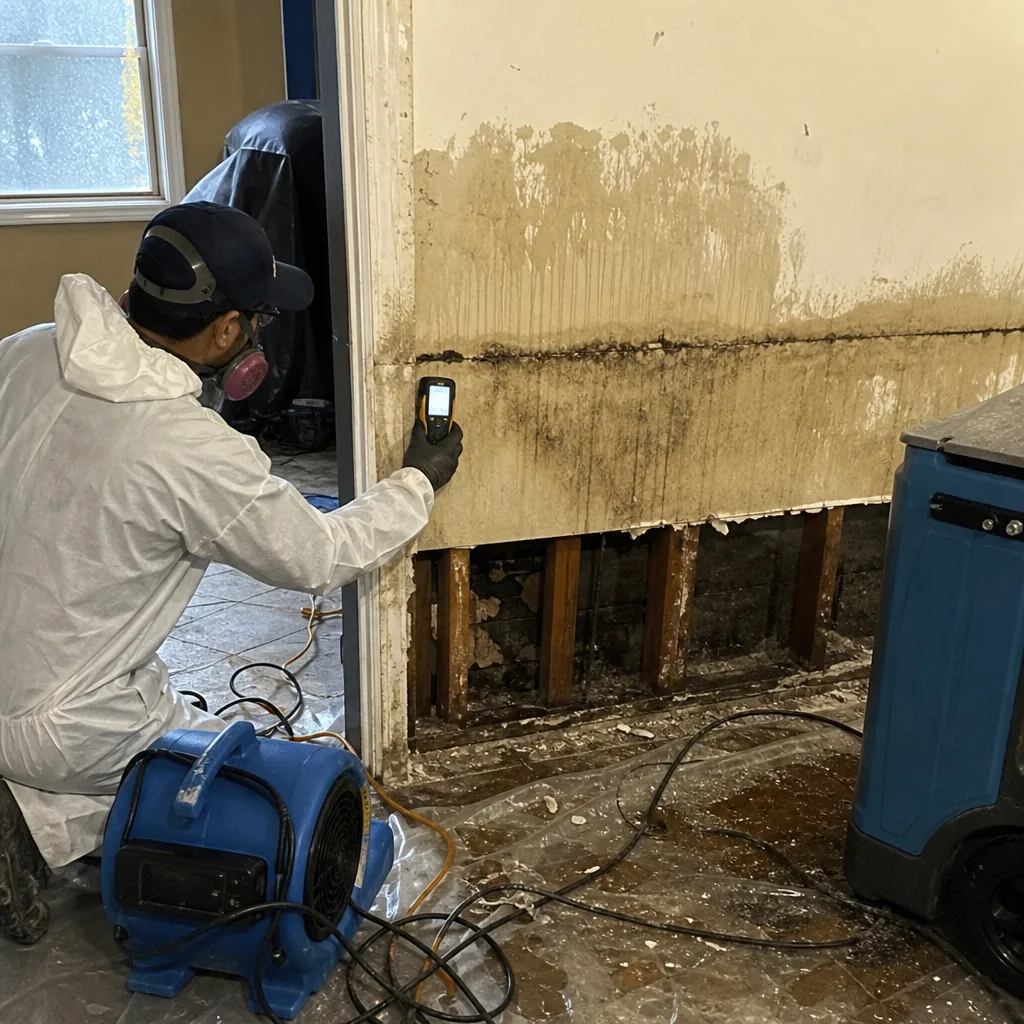 Before
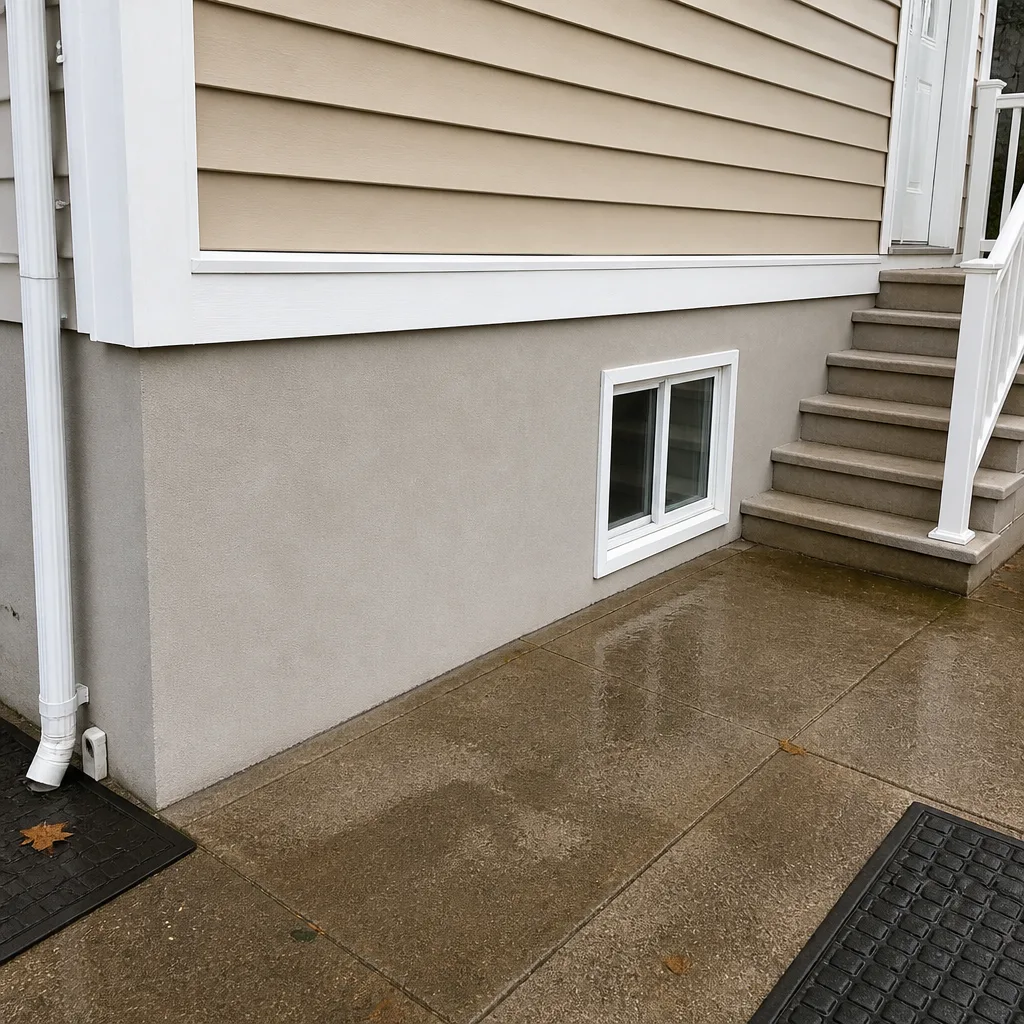 After
After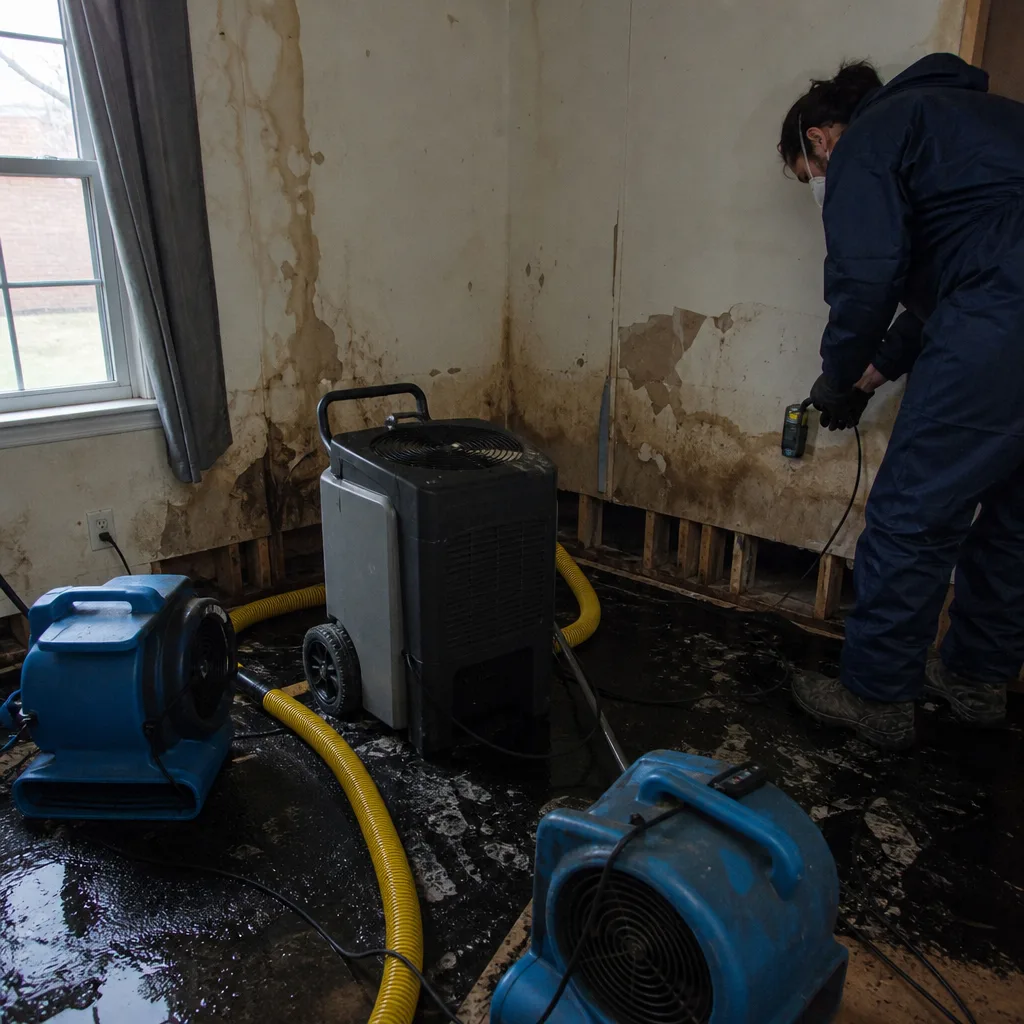 Before
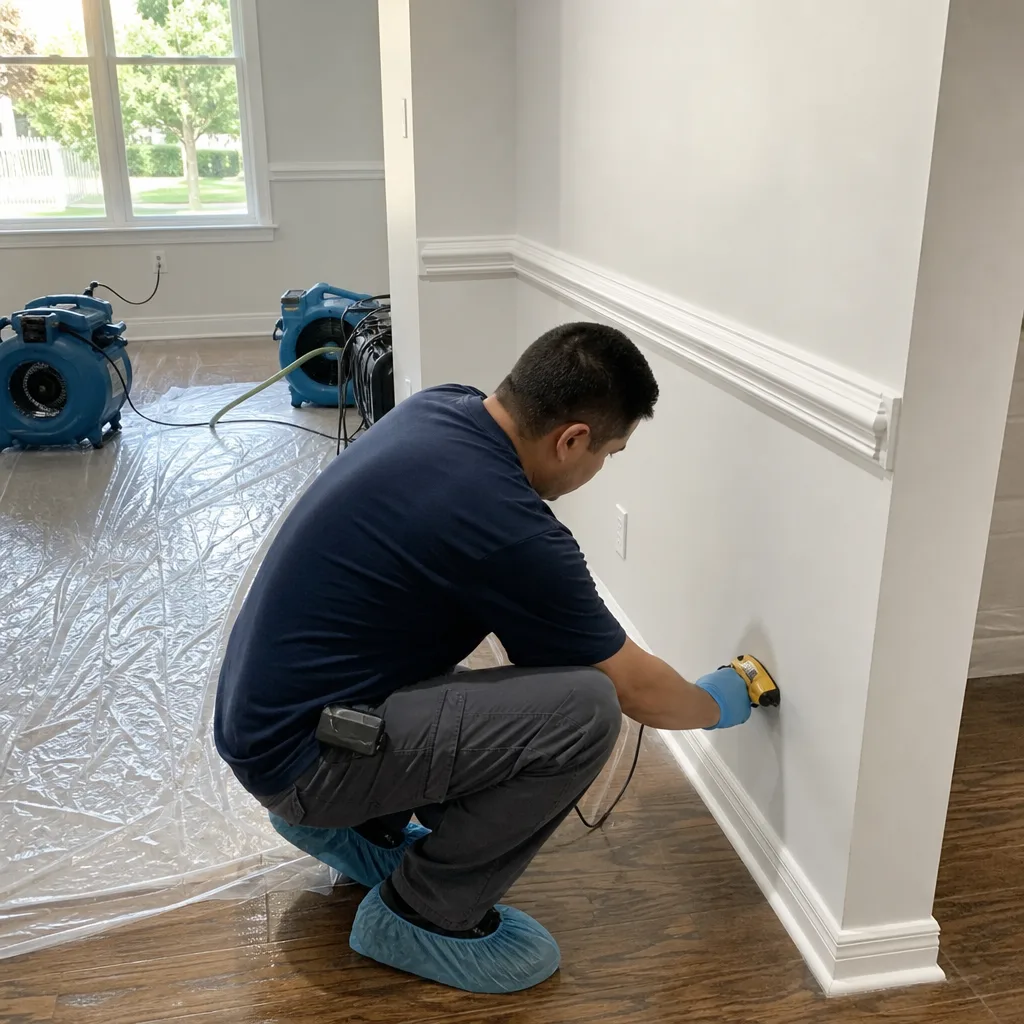 After
After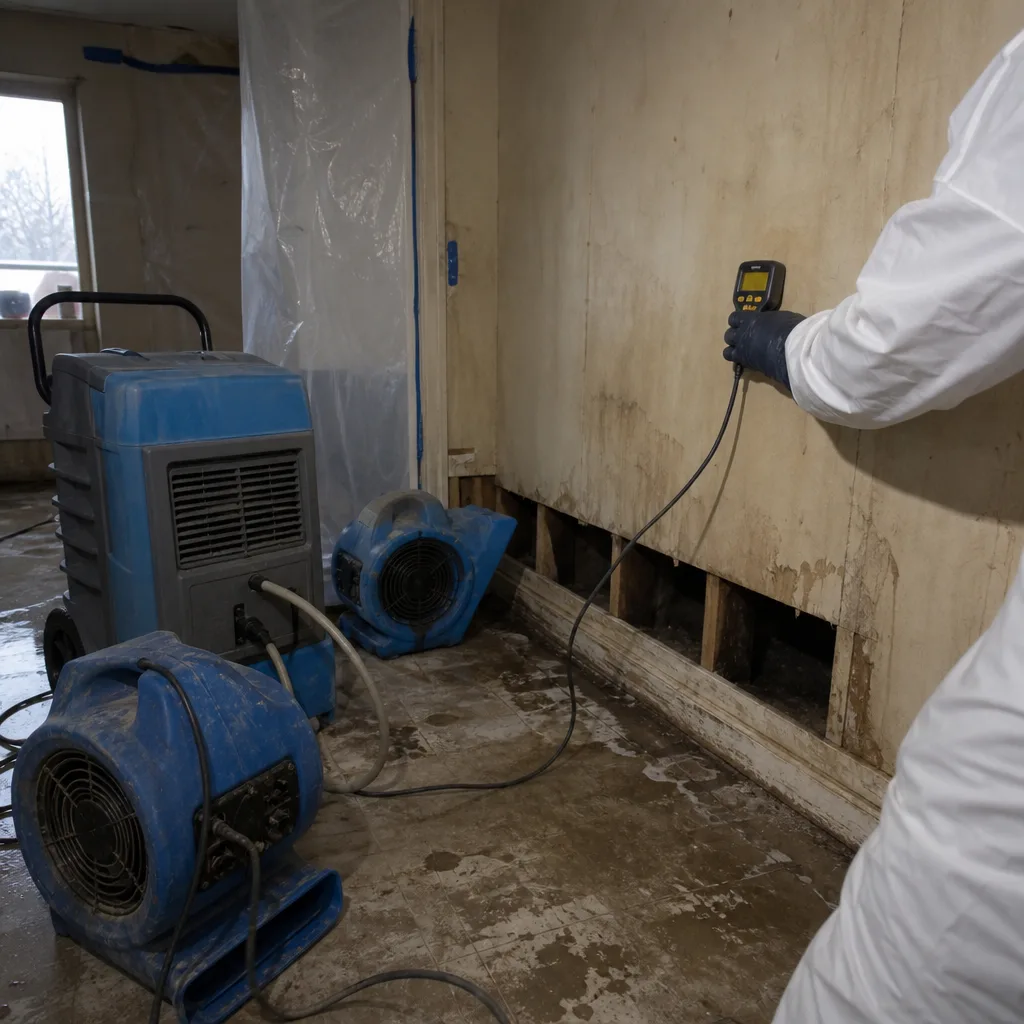 Before
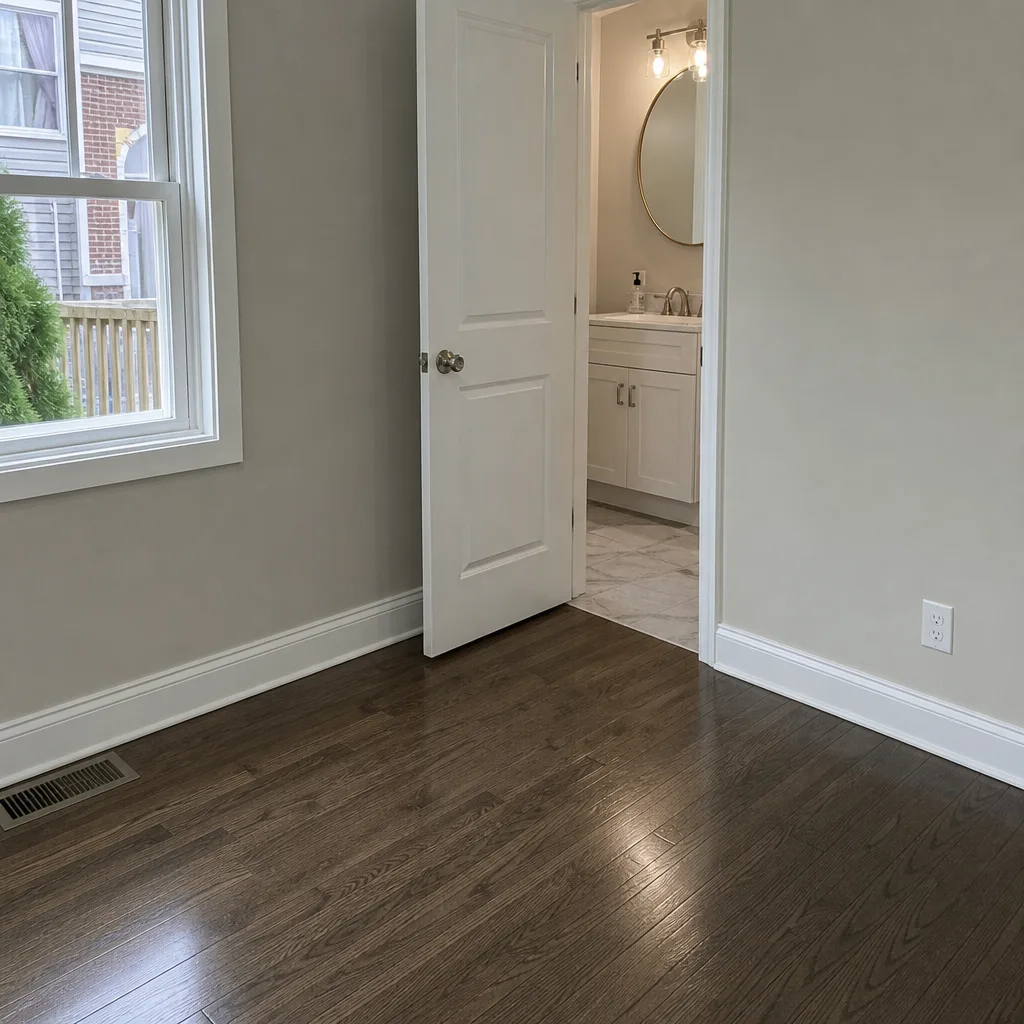 After
After24/7 Emergency Biohazard & Crime Scene Cleanup in Washington Square
Biohazard and crime scene cleanup in Washington Square typically runs $1,800-$6,500 for a contained single-room trauma or unattended death cleanup, and $3,500-$15,000+ when contamination has spread through walls, floors, or into a basement sewer backup. Floodline Restoration Co. answers live at (551) 348-8481 around the clock, every day. A background-checked, IICRC-certified crew can reach most Washington Square addresses within 45 minutes because our dispatch runs from the New York City office, not a national call center. The first hour matters most in biohazard work: blood and bodily fluids begin breaking down immediately, odors penetrate horsehair plaster within hours, and pathogens from a Category 3 sewage backup or an unattended death can move through shared rowhouse walls faster than most property owners expect. Call now and a real person picks up. We’ll walk you through what to do, what not to touch, and get a crew rolling toward Washington Square while you’re still on the line.
Understanding Biohazard & Crime Scene Cleanup Severity in Washington Square Properties
Washington Square’s housing stock is some of the oldest in Manhattan: Federal and Greek Revival rowhouses from the 1820s through 1850s along Washington Square North, pre-war apartment buildings with original horsehair plaster walls up to two inches thick, and cellar levels that sit below the neighborhood’s aging combined sewer lines. That changes how we classify and handle biohazard severity. A blood spill on a modern drywall wall is one job. The same spill on horsehair plaster is another: the plaster is porous, alkaline, and absorbent, and blood can wick into it quickly, requiring containment, HEPA air scrubbing, and antimicrobial treatment that will not stain or deteriorate the historic fabric. For unattended death and decomposition, we categorize the affected zone the same way we do for water: if it’s isolated to a single surface, we clean and verify with ATP testing. If fluids have migrated through floorboards, sill plates, or wall cavities, we open the area under containment, remove what cannot be decontaminated, and run clearance testing before releasing the space. In Washington Square cellars, Category 3 blackwater from sewer backups is the most common severe biohazard we handle, and it frequently wicks into adjoining mortar, brick, and floor joists, spreading well beyond the visible spill.
Why Washington Square Property Owners Choose Floodline Restoration Co.
- 45-minute response commitment to Washington Square addresses. Our crews stage from the New York City office, so a trauma or biohazard call on MacDougal Street or Washington Square North gets a truck rolling immediately, not “sometime tomorrow.”
- 24/7 live answer, every time. A dispatcher picks up at 2 a.m., not a recording. You’ll speak to a person who can authorize a crew and start the paperwork while the call is still live.
- IICRC-certified biohazard and water technicians. Our crews hold IICRC certifications including WRT, ASD, and AMRT, plus RIA and IFA training. That matters when your Washington Square co-op board or Landmarks Preservation Commission asks who is doing the work.
- Free visual inspection before any work begins. We assess the scene, document what we find, and give you a written scope with honest pricing. No pressure, no vague estimates.
- Direct insurance billing. We work with your carrier from day one, send them the line-item estimate, and handle the adjuster calls. You never play messenger.
- One crew from first extraction to final clearance. The same uniformed technicians who set containment are the ones who run HEPA scrubbers, take daily readings, and close the job with clearance documentation. No mid-job handoff, no inherited strangers.
Our Biohazard & Crime Scene Cleanup Process
Inspection & Assessment
We arrive, suit up, and walk the scene without disturbing anything. For Washington Square properties inside the Greenwich Village Historic District, we photograph and sample original horsehair plaster, period wood trim, and any feature that predates the loss before any work begins. This documentation protects you from stop-work orders later.
Containment & Stabilization
We set physical containment barriers and negative air pressure using HEPA-filtered air scrubbers. Blood, bodily fluids, and sewage aerosols cannot leave the work zone. In rowhouses with shared walls, we check adjacent cavities and seal any openings where contamination could migrate.
Removal of Contaminated Materials
Anything that cannot be decontaminated to a safe standard comes out under controlled conditions: saturated horsehair plaster sections, affected floorboards, porous textiles. Every removed piece is photographed, bagged, and logged. We never demo more than necessary, especially where LPC oversight applies.
Cleaning & Antimicrobial Treatment
We clean all affected surfaces with EPA-registered antimicrobials and hospital-grade disinfectants appropriate for the material. On period plaster and original wood, we select treatments that kill pathogens without staining, bleaching, or deteriorating the historic surface. Bloodborne pathogen protocols follow OSHA 29 CFR 1910.1030 standards.
Drying & Dehumidification
If fluids or Category 3 water have penetrated walls or floors, we dry in place where safe using low-grain refrigerant dehumidifiers and air movers. Daily moisture readings are logged until the dry standard is met. This is where most DIY attempts fail: hidden moisture behind horsehair plaster keeps the odor and the pathogen load alive.
Clearance Testing & LPC Documentation
When cleaning and drying are done, we run ATP surface sampling and, where the scope requires it, third-party clearance testing. For Washington Square properties with LPC jurisdiction, we hand you a complete documentation package: pre-loss photos, material samples, treatment logs, and final condition reports. You get clean air, clean surfaces, and a paper trail that satisfies the Landmarks Preservation Commission.
Need Emergency Biohazard & Crime Scene Cleanup in Washington Square Now?
Crews minutes away, answering live 24 hours a day. The sooner we start, the less it costs.
Working With Your Insurance Company
Most biohazard and crime scene cleanup in Washington Square is at least partially covered by homeowners, co-op, or commercial property policies, especially when the loss stems from a covered peril like a sewage backup, an unattended death, or a crime scene that required police involvement. We handle the claim from the first call. Our team documents everything: photos of the scene before we touch it, the line-item scope of work, daily moisture readings where drying is part of the job, and ATP clearance results at the end. We send that package directly to your adjuster and talk to them on your behalf. If your Washington Square co-op or condo association is involved, we coordinate with the building’s carrier too. The 90-Day Done Right Promise applies to every job: if something isn’t done right, we make it right in writing, no arguing. That promise goes in your hand at the end of the job, same as the moisture log and the LPC documentation.
What We Provide Your Insurer
- Thorough documentation of the loss from the first hour
- Photos of all damage, room by room, before and after
- Moisture readings and drying logs when drying is part of the scope
- A detailed, line-item scope of work tied to IICRC standards
- Direct coordination with your carrier and adjuster
Built for Washington Square’s Loss Calendar
Biohazard and crime scene cleanup in Washington Square follows a seasonal rhythm, driven by the neighborhood’s 19th-century infrastructure and Manhattan’s weather patterns. January and February bring deep freezes that burst aging galvanized supply lines in pre-war buildings, sending water through shared walls and onto neighbors, sometimes mixing with sewage when a drain line cracks at the same time. Spring thaw pushes groundwater into basements and cellars that sit below the combined sewer grade, and heavy rain events overwhelm the aging pipes beneath Washington Square’s streets, forcing Category 3 blackwater into low-level units. Summer thunderstorm flash flooding does the same, often in under an hour. Nor’easters in fall and early winter push storm surge and backed-up sewers together. But the biohazard calls we answer in Washington Square do not follow a weather map. Trauma scenes, unattended deaths, hoarding conditions, and blood or bodily fluid incidents happen in real time, all year. That’s why our live dispatch runs 24/7, and why our crews know the rowhouse layouts, co-op entry rules, and LPC documentation requirements specific to Washington Square before they ever step off the truck.
Biohazard & Crime Scene Cleanup Across Washington Square’s Neighborhoods
The Washington Square we serve runs from Washington Square North’s landmarked rowhouses down through the village side streets to the co-op and rental buildings along the park’s south and east edges. On Washington Square North, we work inside Federal and Greek Revival homes where every wall section is a preservation asset: our crews document horsehair plaster and original millwork before any contamination is touched. Over on MacDougal Street and Sullivan Street, the pre-war walk-ups have shared drain stacks and thin party walls, so a sewage backup in one unit can push Category 3 water into three or four adjoining apartments within hours. Around the NYU campus and the park’s southern edge, we handle co-op and condominium biohazard calls where the building’s board and management company want a certified crew with full documentation, not a cash cleanup. The streets around Washington Mews and University Place bring a mix of 19th-century row houses and converted carriage houses, where basement levels often have dirt floors and ancient brick foundations that wick sewage upward into the flooring system above.
Specialized Biohazard & Crime Scene Cleanup Services We Offer in Washington Square
Trauma & Unattended Death Cleanup
When a death goes undiscovered in a Washington Square rowhouse or apartment, decomposition fluids penetrate floors, walls, and the cavities beneath. Our crews treat the entire affected zone under containment, remove what cannot be decontaminated, and dry the structure to a standard that eliminates odor and pathogen reservoirs. We’ve done this work on Washington Square North, where preserving original plaster and wood was as critical as the biohazard cleanup itself. We handle the containment, the LPC documentation, and the insurance paperwork so you don’t have to stand in that room again.
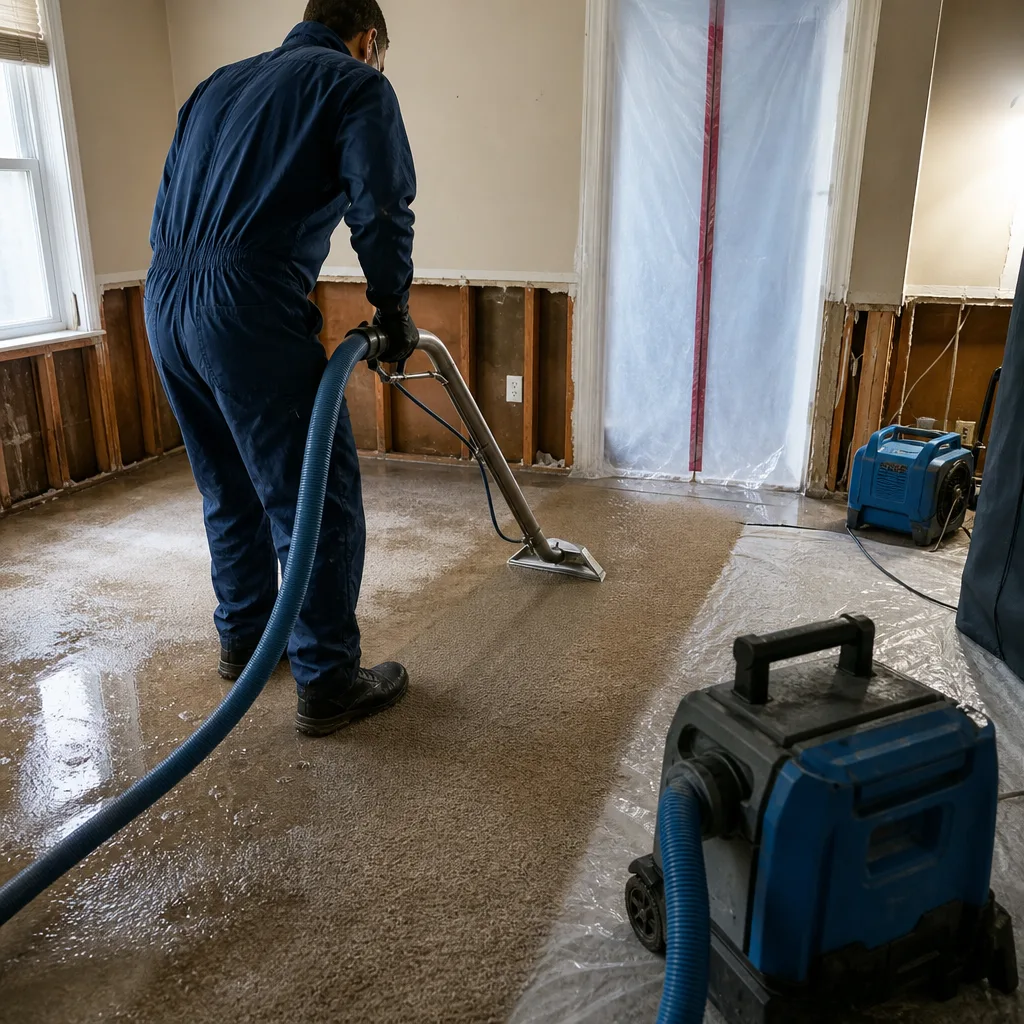
Blood & Bodily Fluid Cleanup
Blood spills on original wide-plank hardwood, horsehair plaster, or period tile demand a different approach than a modern drywall apartment. Our Washington Square crews use cleaning agents that break down blood proteins without scorching or staining old finishes. We set containment even for smaller spills because blood can aerosolize during improper cleaning and settle into cracks, grout lines, and the gaps between floorboards. Every surface gets ATP verification after treatment.
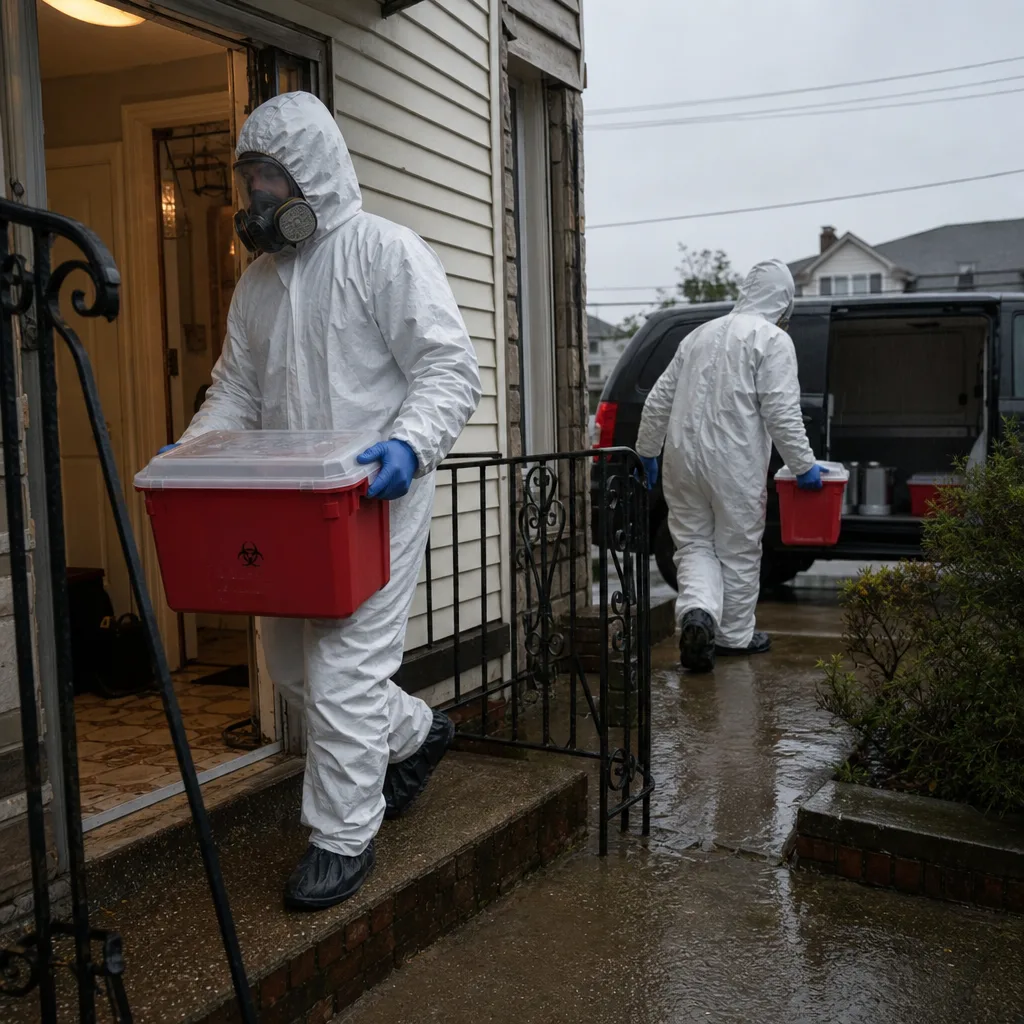
Tear Gas & Chemical Cleanup
Tear gas and chemical agents used in Washington Square, whether from a protest, a police action, or a residential incident, leave residue that penetrates porous surfaces and stays active for weeks. We handle decontamination of tear gas and related chemical compounds in apartments, rowhouses, and commercial spaces. The process includes HEPA air scrubbing, surface washing with neutralizing agents, and HVAC inspection where the system has pulled contaminated air through the building.
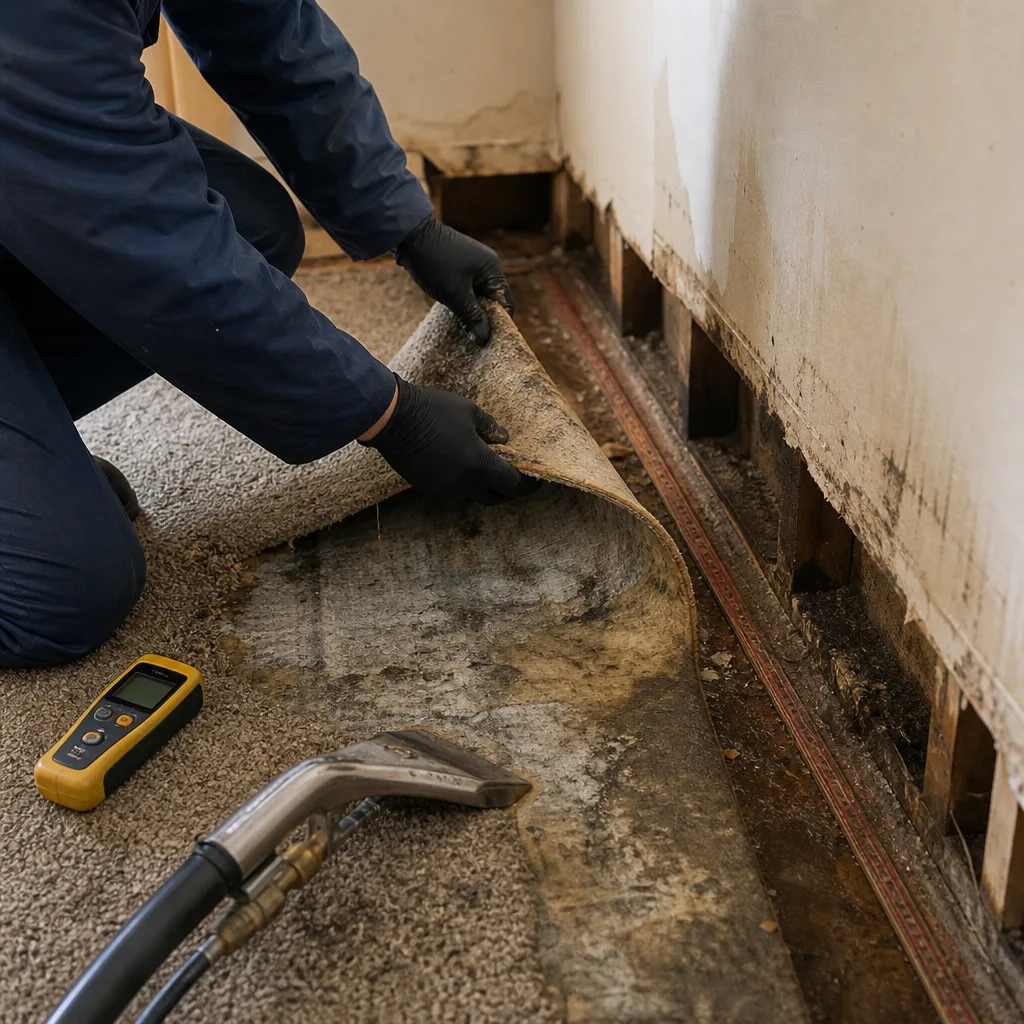
Hoarding Cleanup
Hoarding conditions in Washington Square’s older buildings present layered hazards: biohazardous waste, mold, rodent or insect infestations, and structural stress on floors and joists that were never designed for that load. We work carefully and respectfully, sorting what can be salvaged, removing what cannot, and decontaminating the space to a livable standard. Our crews are trained to the IICRC and RIA standards for trauma and hoarding environments, and we coordinate with co-op boards and building management on entry and disposal logistics.
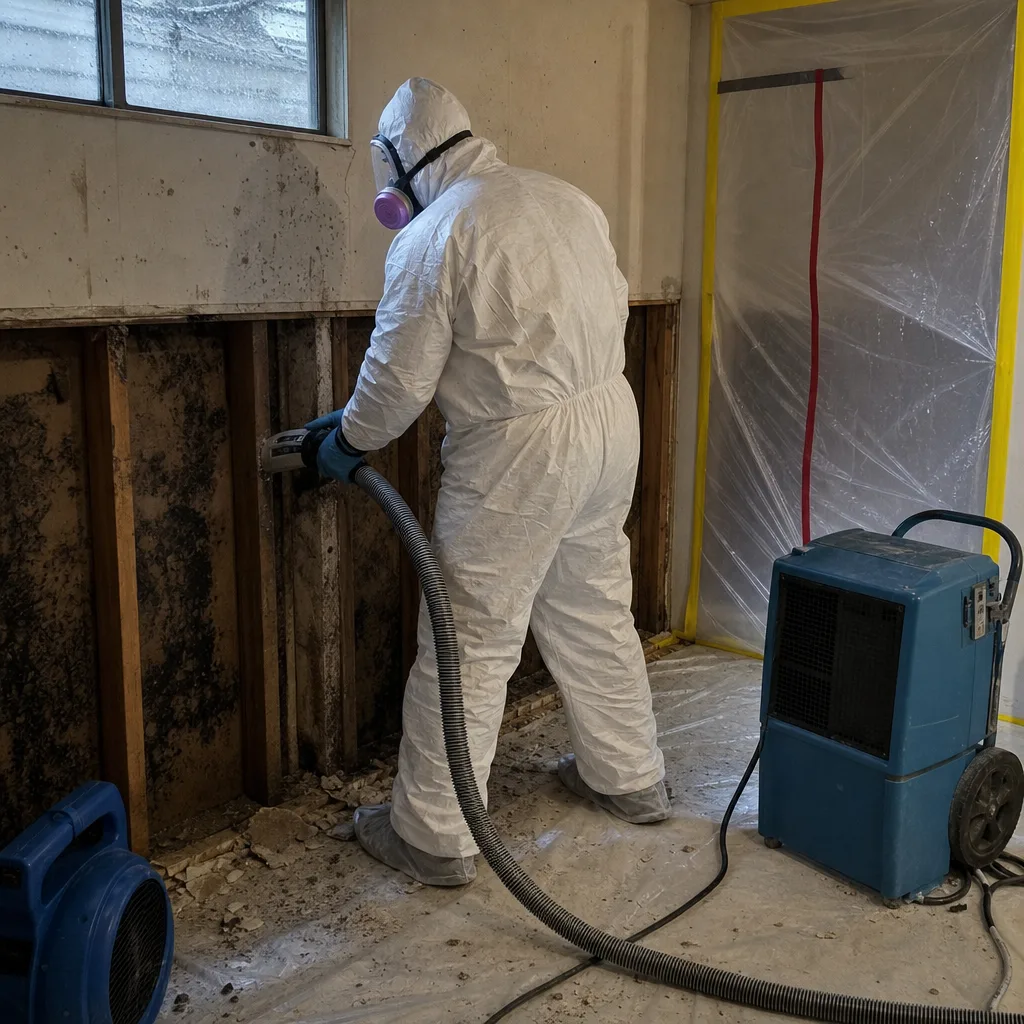
Infectious Disease Disinfection
When a Washington Square resident or tenant has a confirmed infectious disease, the contaminated surfaces are not always visible. Our disinfection service uses EPA-registered hospital-grade disinfectants applied to all high-touch surfaces, plus air scrubbing where aerosolized transmission is a concern. The thick horsehair plaster walls common in Washington Square rowhouses absorb and retain airborne particles differently than modern drywall, so we treat the wall surfaces as a porous reservoir, not just a flat finish. This service is documented for your insurer and your building’s records.
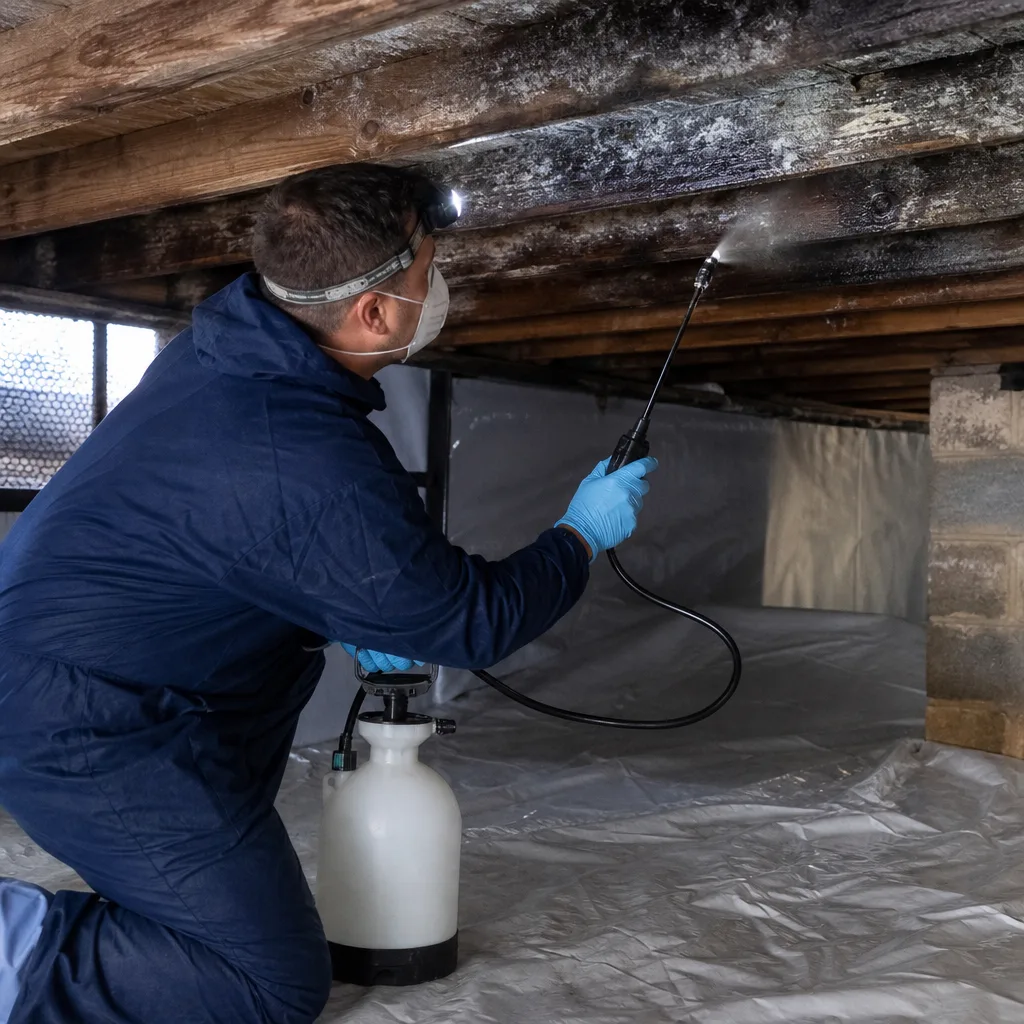
What happens when you call
- 1
A real person answersNo phone trees - you reach a local pro.
- 2
You get an upfront price rangeHonest numbers before anyone is dispatched.
- 3
A background-checked tech heads outLicensed & insured, dispatched right away.
- 4
You approve before work beginsNothing starts until you say go.
Biohazard & Crime Scene Cleanup Costs in Washington Square, NY
In Washington Square, a contained blood or bodily fluid cleanup on a single surface runs $1,800-$4,200. A full trauma or unattended death cleanup in one room, including containment, HEPA air scrubbing, removal of affected materials, antimicrobial treatment, and clearance testing, generally falls between $3,500 and $6,500. When fluids have migrated through a floor system, behind horsehair plaster walls, or into an adjacent unit, the range climbs to $8,000-$15,000 or more. A tear gas or chemical decontamination for a small apartment starts around $2,500. What moves the price in Washington Square specifically: LPC documentation requirements, the number of historic surfaces that must be preserved rather than replaced, shared-wall access issues in pre-war buildings, and whether a basement involves Category 3 sewage rather than clean water. Many of these jobs are covered by insurance. We bill your carrier directly, and our free visual inspection gives you a firm line-item scope before any work starts. Call (551) 348-8481 and we’ll walk you through exactly what your situation will cost.
We Also Serve Cities Near Washington Square
Our Biohazard & Crime Scene Cleanup crews cover Washington Square and the surrounding Manhattan neighborhoods, including Midtown West, Midtown Manhattan, Murray Hill, and the Upper West Side. If you’re managing a property near the park or in an adjacent zip code, we can reach you quickly, with the same LPC-aware protocol for historic buildings.
Washington Square Biohazard & Crime Scene Cleanup Questions, Answered
Does biohazard cleanup in Washington Square require Landmarks Preservation Commission approval if the contamination is behind plaster walls?
If the contamination is behind horsehair plaster walls and the work involves cutting into, removing, or altering that plaster, yes, LPC review is almost always required in Washington Square. Because the neighborhood sits almost entirely within the Greenwich Village Historic District, any visible interior alteration or exterior repair triggers Landmarks Preservation Commission oversight. We photograph, sample, and document the plaster before any cutting begins, which is exactly what the LPC wants to see. If unapproved work is done and it triggers a stop-work order, the property owner is responsible for restoring the original condition at their own cost. Our Biohazard & Crime Scene Cleanup team handles that paperwork before the saw comes out.
Can you clean a Category 3 sewage backup in a basement without removing the original brick or stone foundation?
In most Washington Square basements, yes. Category 3 blackwater can often be extracted and the surrounding stone, brick, and mortar decontaminated without removing the original foundation material. The key is speed, containment, and the right antimicrobial treatment. If sewage has soaked deep into a dirt floor or penetrated crumbling mortar joints, some excavation or repointing may be unavoidable. We assess that on-site and document everything for LPC and insurance purposes before any structural material is touched.
What happens if a crime scene cleanup in a Washington Square co-op requires removing a cast-iron pipe in a shared wall?
Removing a cast-iron pipe inside a shared wall of a Washington Square co-op triggers a building-wide conversation. The pipe may serve multiple units, and the wall may contain original plaster and lath that fall under LPC review. We stake out the exact affected section, document it photographically, and coordinate with the co-op board, the building’s engineer, and the Landmarks Preservation Commission before any cutting starts. The goal is to remove only the pipe section that is contaminated or failed and restore the wall to its pre-loss condition, using period-appropriate materials where LPC requires it.
How do you handle bloodborne pathogen cleanup on original wide-plank hardwood floors without sanding or replacing them?
On original wide-plank floors in Washington Square rowhouses, we treat blood and bodily fluid contamination as a surface and seam problem first. Blood proteins are broken down with enzymatic cleaners that do not bleach or discolor old wood. We then work the cleaner into the gaps between planks, where fluids settle, and verify removal with ATP testing. If fluids have wicked into the tongue-and-groove seams or beneath the floor, we may lift individual boards under containment rather than sanding the entire floor. Sanding original wide-plank flooring inside the Greenwich Village Historic District would trigger LPC review and permanently reduce the floor’s thickness. We avoid it whenever possible.
Does your infectious disease disinfection service account for the thick horsehair plaster walls common in Washington Square rowhouses?
Yes. Horsehair plaster absorbs and retains airborne particles and moisture differently than modern drywall, so a standard disinfectant wipe-down leaves pathogens in the wall’s porous surface. We treat horsehair plaster as a reservoir: applying hospital-grade disinfectants that reach into the surface pores, then running HEPA air scrubbers long enough to pull any aerosolized particles from the room air. This matters in Washington Square because the plaster in most of these rowhouses is original and cannot be removed wholesale without triggering LPC review. We clean it in place, properly.
How fast can someone actually get to Washington Square for a biohazard emergency?
Most Washington Square addresses are within 45 minutes of our crews. We stage from the New York City office and our dispatch is live 24 hours a day, so the clock starts the moment you call (551) 348-8481. A real person answers, confirms your address, and gets a certified crew moving. For trauma, unattended death, or sewage backup calls, we treat response time as part of the remediation: the faster we get containment set, the less contamination spreads through the old walls and floors.
How long does biohazard and crime scene cleanup take in a Washington Square property?
A contained single-room cleanup typically takes one to two days from start to clearance testing. If the scope includes drying after fluid penetration, LPC documentation for plaster or original wood, or coordination with a co-op board, the job may run three to five days. Hoarding cleanups and full tear gas decontaminations can take longer. We give you a written timeframe after the free visual inspection, and we hit it. The 90-Day Done Right Promise backs the finished result in writing.
What should I do in the first 30 minutes after discovering a biohazard situation in Washington Square?
Do not touch or attempt to clean the area. Keep people and pets out of the room. If it’s a crime scene, call the police first and wait for them to release the scene. Then call us at (551) 348-8481. We’ll advise you on whether to stay in the unit, whether to shut doors and vents, and what to tell your building management. Until we arrive, close the door and leave the area untouched. Anything you move or wipe down can spread contamination and complicate both the cleanup and the insurance claim.
Serving Washington Square, NY - Our Local Coverage Area
We’re based in the Washington Square area and know this community well. Use the map below to see our service coverage - if you’re nearby, we can almost certainly help.
Get a Free Biohazard & Crime Scene Cleanup Estimate in Washington Square
If you’re standing in the middle of a biohazard situation in Washington Square, call (551) 348-8481 now. A live dispatcher answers 24/7, and our IICRC-certified crew will reach you fast, document everything properly, and walk you through the scope before any work begins. If you’re a property manager, co-op board member, or family member handling this for someone else, the same number gets you the same live answer. We handle the LPC documentation, the insurance claim, and the actual cleanup, so you don’t carry any of it alone. Done right, and backed in writing.
Written by Curt Bowman, Owner at Floodline Restoration Co., serving Washington Square and the surrounding Manhattan neighborhoods.