
Free visual inspection and a written scope of work before any mitigation begins - photos, moisture readings, and drying logs go in your claim file
The scope we write is the scope we bill. Anything new gets shown to you, in writing, before we touch it.
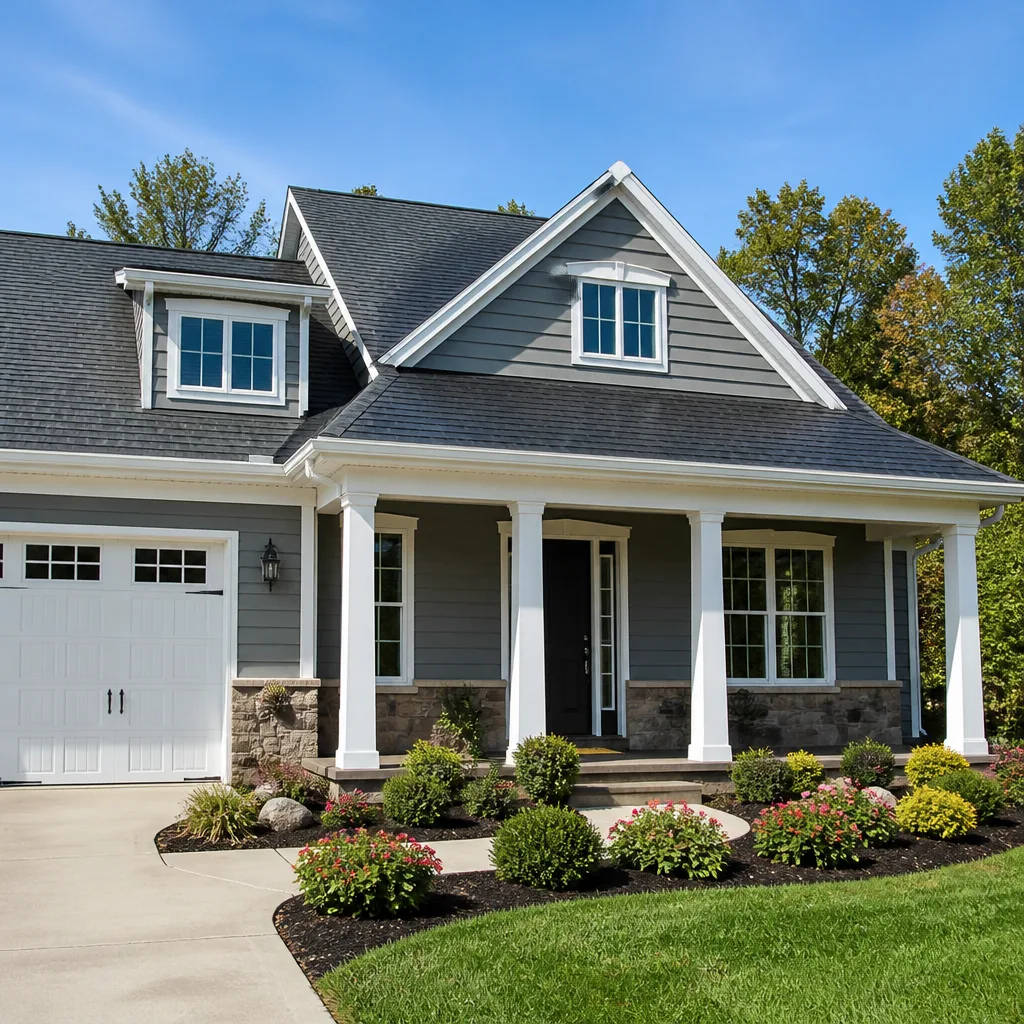
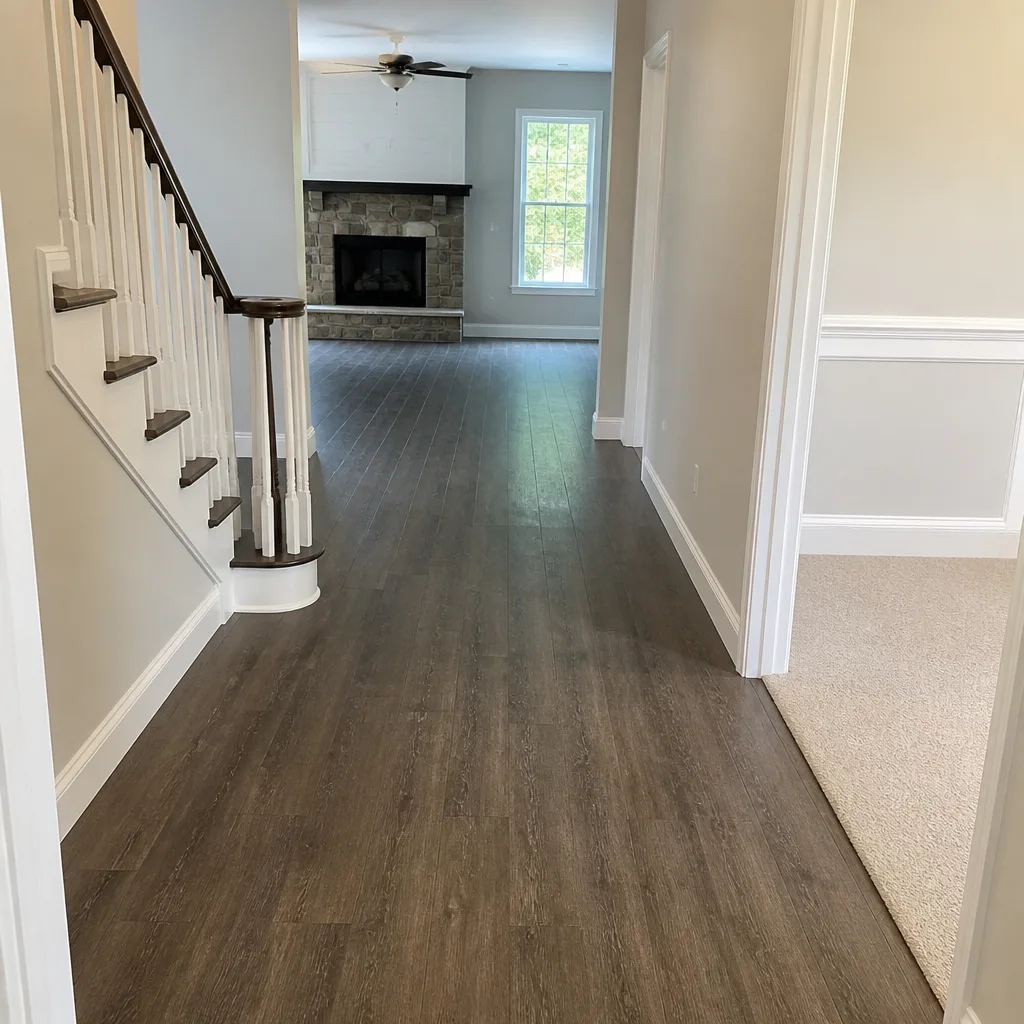
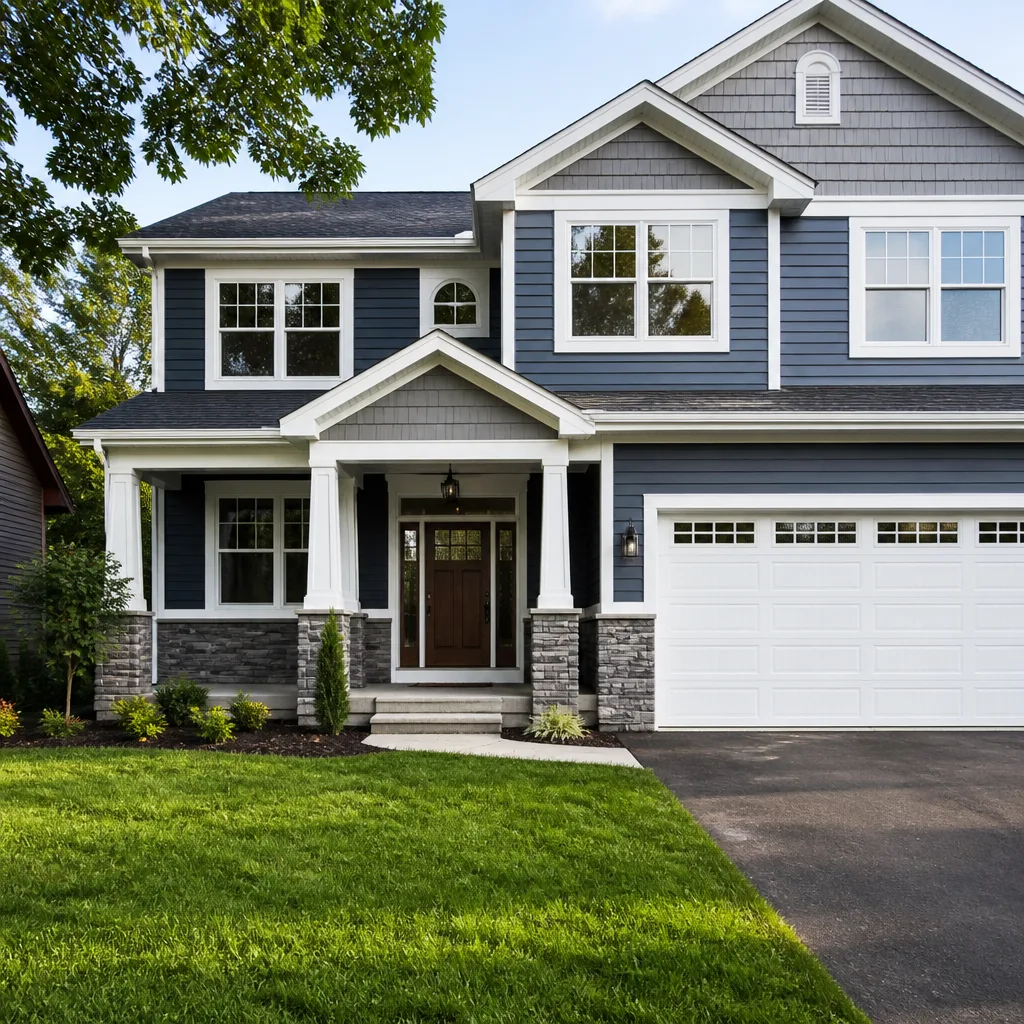
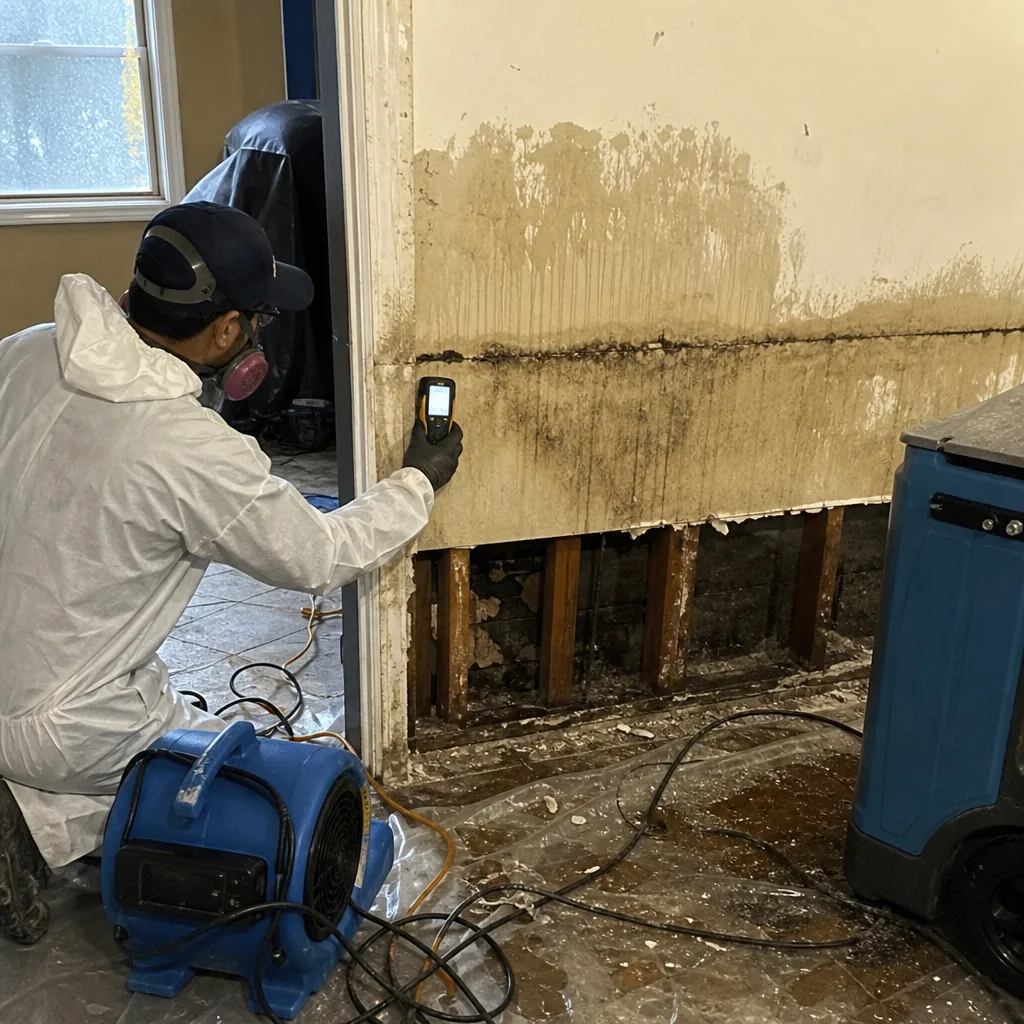 Before
 After
After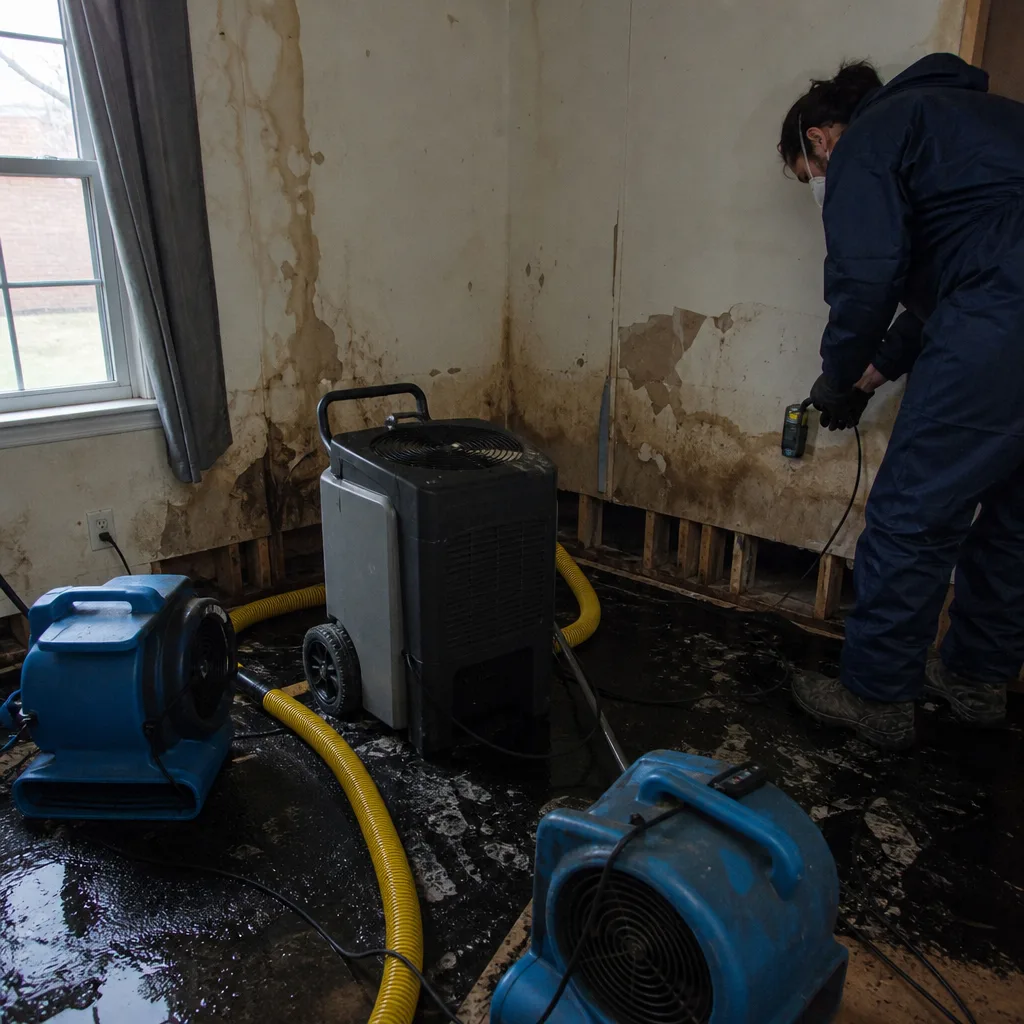 Before
 After
After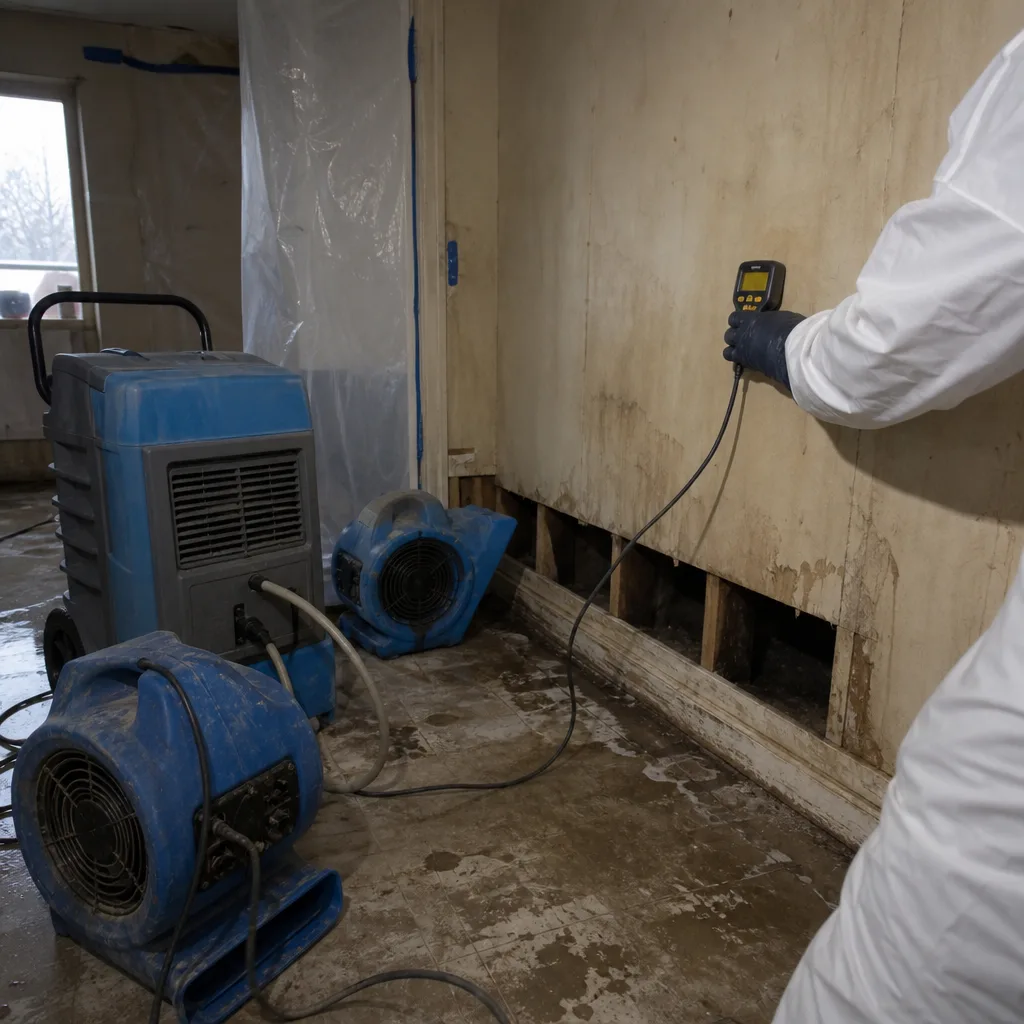 Before
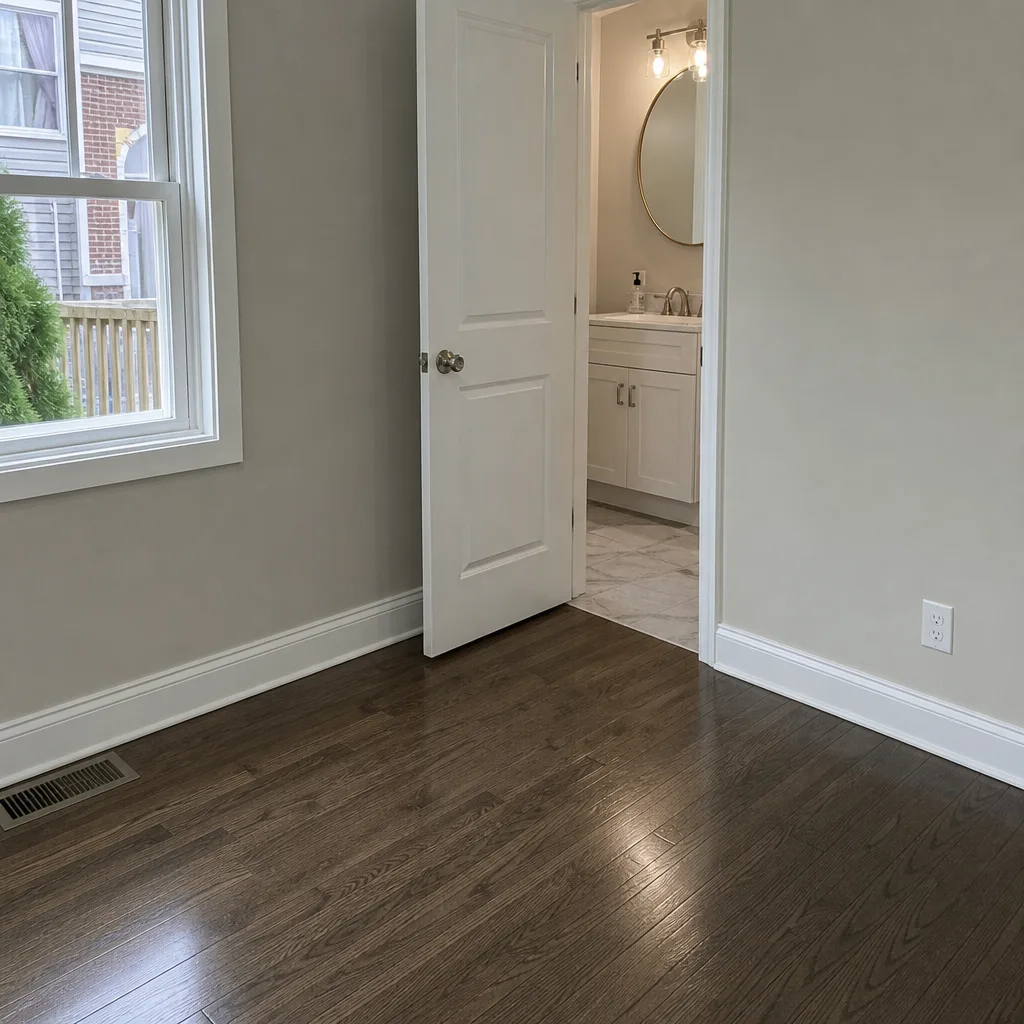 After
After24/7 Emergency Mold Remediation in Lower Manhattan
Mold takes hold fast after water gets in, and in Lower Manhattan the clock starts before you even see the stain. Our crews answer live at (551) 348-8481 any hour of any day, and we dispatch into Battery Park City, Tribeca, the Financial District, and every corner of Lower Manhattan inside 45 minutes. The first hour matters, because mold starts colonizing wet drywall within 24 to 48 hours, and by the time you smell it, it’s already releasing spores into the air you breathe. We start with a free visual inspection, moisture mapping, and a straight answer about what you’re dealing with. No sales desk, no callback roulette. A live dispatcher picks up, and a uniformed crew gets moving.
Understanding Mold Remediation Severity in Lower Manhattan Properties
Not every mold job is a tear-out, and knowing the difference saves you money. In Lower Manhattan, we classify severity by moisture source, square footage of visible growth, and what the moisture mapping tells us behind walls. A Category 1 leak from a supply line in a Tribeca loft conversion, caught early, often needs only source repair, localized containment, and HEPA air scrubbing. Category 3 water, the kind that enters from storm surge or a backed-up sewer line, carries bacteria and salt, and it changes the job completely. That water saturates drywall, wicks up through galvanized steel studs, and hides in the shared utility chases that run through nearly every pre-war and converted commercial building downtown. In our experience across Lower Manhattan’s three dominant building types, the cast-iron loft buildings of Tribeca, the Art Deco condo conversions in the Financial District, and the planned landfill development of Battery Park City, the common thread is vertical risers and freight-elevator-only access. Moisture travels in all three well before it shows up on a living-room wall.
Why Lower Manhattan Property Owners Choose Floodline Restoration Co.
- 45-minute response commitment across Lower Manhattan. A crew is dispatched the moment you call, not after a callback.
- 24/7 live answer. A person picks up at 2 a.m. Not a phone tree, not a recording.
- IICRC-certified technicians trained to WRT, FSRT, and AMRT standards, the certifications that matter for water, fire, and mold work.
- Free visual inspection with moisture mapping and a written scope before any work starts. You know the number before we touch a wall.
- Direct insurance billing. We document everything, bill your carrier directly, and you never play messenger between us and the adjuster.
- One crew from extraction to reconstruction. The same people who dry the building are the ones who rebuild it. No mid-job handoff, no inherited crew.
Our Mold Remediation Process
Inspection & Assessment
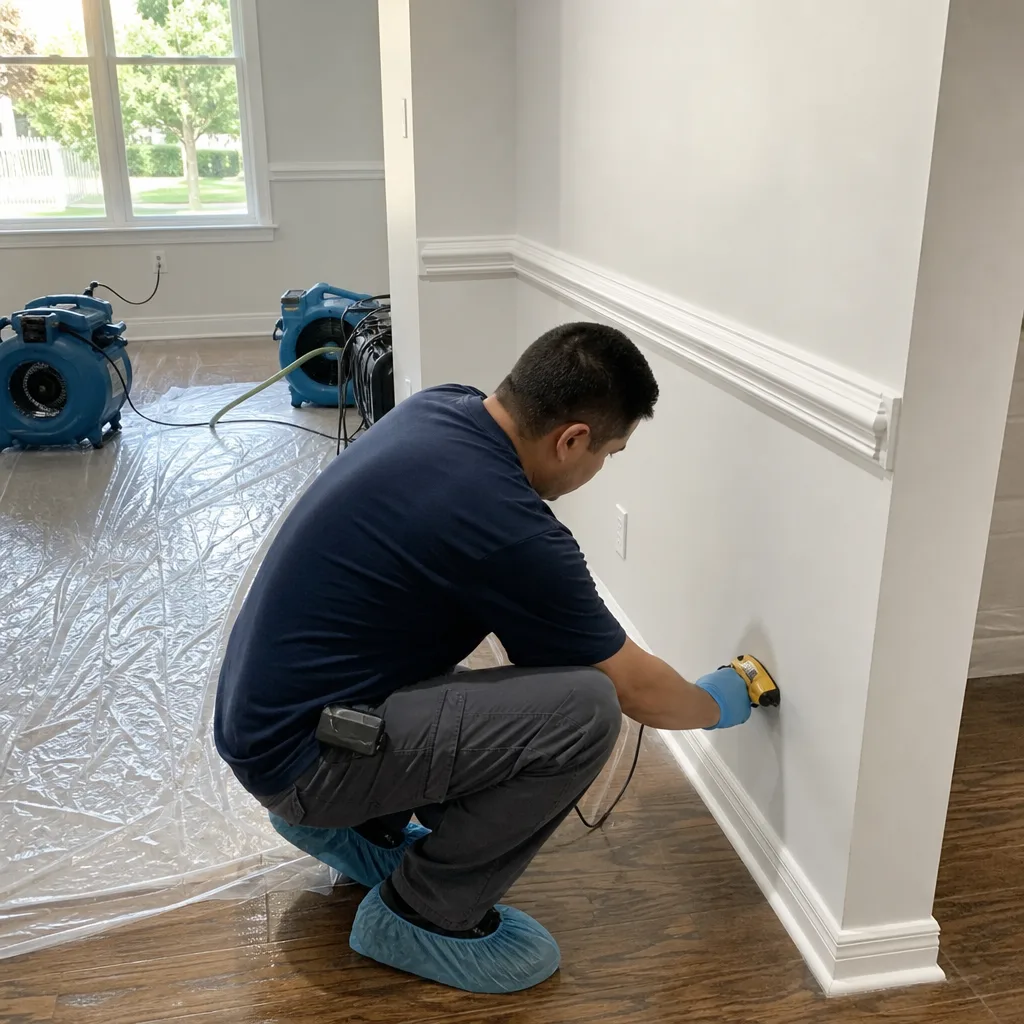
We start with thermal imaging and hygrometer readings to find moisture that isn’t visible. In Lower Manhattan high-rises, that often means scanning shared walls and the ceiling below a neighbor’s bathroom or mechanical chase.
Extraction & Source Control
If standing water remains, we extract it with professional-grade equipment and stop the source, whether that’s a supply line, a drain stack, or a building-level penetration in the sub-basement.
Drying & Dehumidification
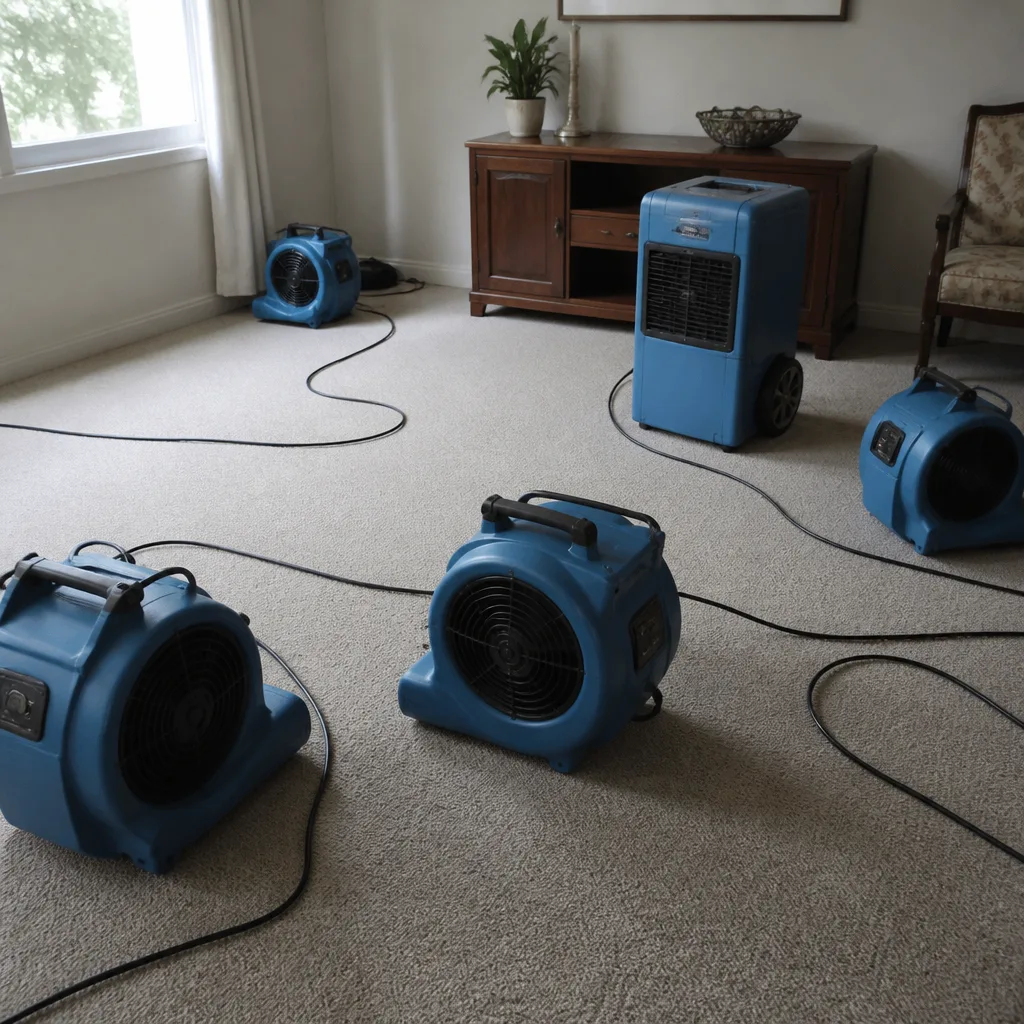
Dri-Eaz dehumidifiers and XPOWER air movers run under negative pressure until we hit the dry standard. We log readings daily and hand you the moisture log. That log matters for your insurance file.
Cleaning & Sanitization
HEPA air scrubbers run throughout containment, and all exposed surfaces get antimicrobial treatment. Saltwater intrusion changes this step, because chlorides linger in drywall and framing and feed future mold. We treat for that specifically.
Specialty Treatment
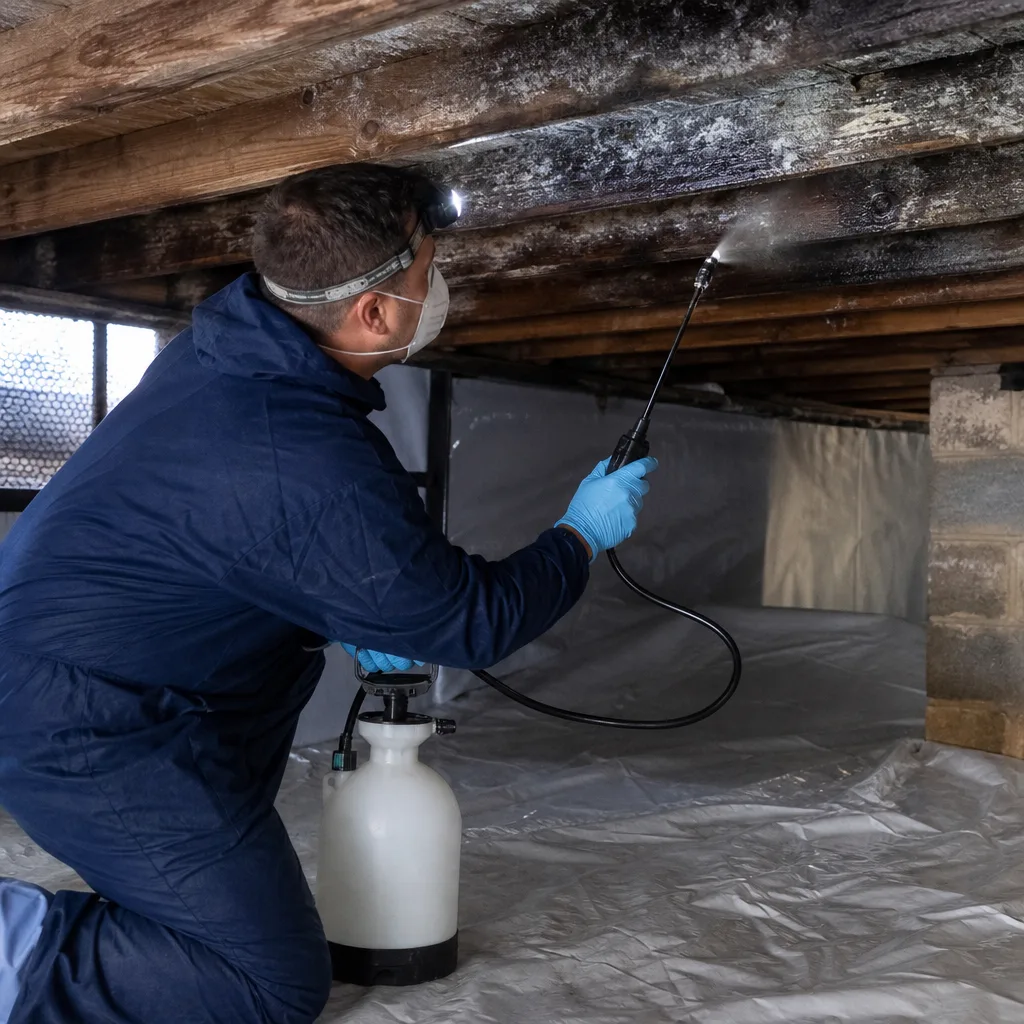
For black mold and Category 3 water losses, we run full containment with negative air pressure, remove and bag contaminated materials, and treat the framing. In cast-iron lofts with original wood beams, that means careful abrasive cleaning, not chemical drenching.
Repairs & Restoration
Mold remediation ends with rebuilding what we removed. Because we handle full Mold Remediation and reconstruction in-house, the same crew that dried your walls puts them back, schedules and all.
Need Emergency Mold Remediation in Lower Manhattan Now?
Crews minutes away, answering live 24 hours a day. The sooner we start, the less it costs.
Working With Your Insurance Company
Insurance companies move faster when the paperwork is already done right. From the first hour, we photograph every affected room, log moisture readings in writing, and build a line-item scope that matches what your policy actually covers. This is not a favor we do at the end. It’s part of the job from the minute we arrive. We talk directly with your adjuster, send documentation the same day, and bill the carrier directly, so you aren’t fronting thousands of dollars and hoping for reimbursement. After a storm surge claim in Lower Manhattan, the adjuster’s biggest questions are usually about Category 3 water, saltwater corrosion, and whether hidden moisture got into the building envelope. We answer those questions with data, not opinions.
What We Provide Your Insurer
- Thorough documentation of the loss
- Photos of all damage, room by room
- Moisture readings and drying logs
- A detailed, line-item scope of work
- Direct coordination with your carrier
Built for Lower Manhattan’s Loss Calendar
Lower Manhattan’s mold season doesn’t follow a tidy calendar. What drives it is saltwater and old building systems. Nor’easters from late fall through early spring push tidal surge into street-level vaults and basement mechanical rooms across the Financial District and Battery Park City, even when the storm never makes the news. Spring brings heavy rain that finds every cracked foundation and roof drain in converted cast-iron loft buildings in Tribeca. Summer thunderstorms overload roof drains on pre-war towers, sending water down interior chases and into ceiling cavities that haven’t been opened in decades. And the deep freeze of January and February snaps aging supply lines in buildings where the plumbing predates modern insulation. Year-round, the issue is the same: water gets into a confined, humid space below grade or behind a wall, and mold follows within two days. The buildings are old, dense, and surrounded by water on three sides. This is a peninsula with a moisture problem built into its geography.
Mold Remediation Across Lower Manhattan’s Neighborhoods
Different blocks mean different access, different building systems, and different failure patterns. In Battery Park City, the issue is almost always storm surge and the landfill the neighborhood sits on. The water table is right there, and brackish surge finds its way into parking levels and sub-basements off South End Avenue before it ever touches a living unit. In the Financial District, we’re often working in Art Deco conversions like those along Pine Street and Exchange Place, where Con Edison vaults sit beneath the sidewalks and moisture wicks into adjacent sub-basements through shared conduit penetrations. Tribeca cast-iron lofts have exposed brick, original wood beams, and mostly straightforward floor plates, but the freight elevator access and landmark restrictions add coordination hours to any job. And around Fulton Street and the Seaport, the mix of 19th-century masonry and newer infill means every building has a different moisture signature. Our crews know the difference between a moisture problem on Water Street and one on Chambers Street. That local knowledge is part of the job.
Specialized Mold Remediation Services We Offer in Lower Manhattan
Mold Inspection & Testing
We start with thermal imaging and hygrometer readings, then take surface and air samples where the situation calls for lab confirmation. In Lower Manhattan condos and co-ops, the source is often not in your unit, it’s a neighbor’s leak, a roof drain, or a sub-basement issue below your stack. A proper inspection maps the full moisture picture, not just the visible stain.
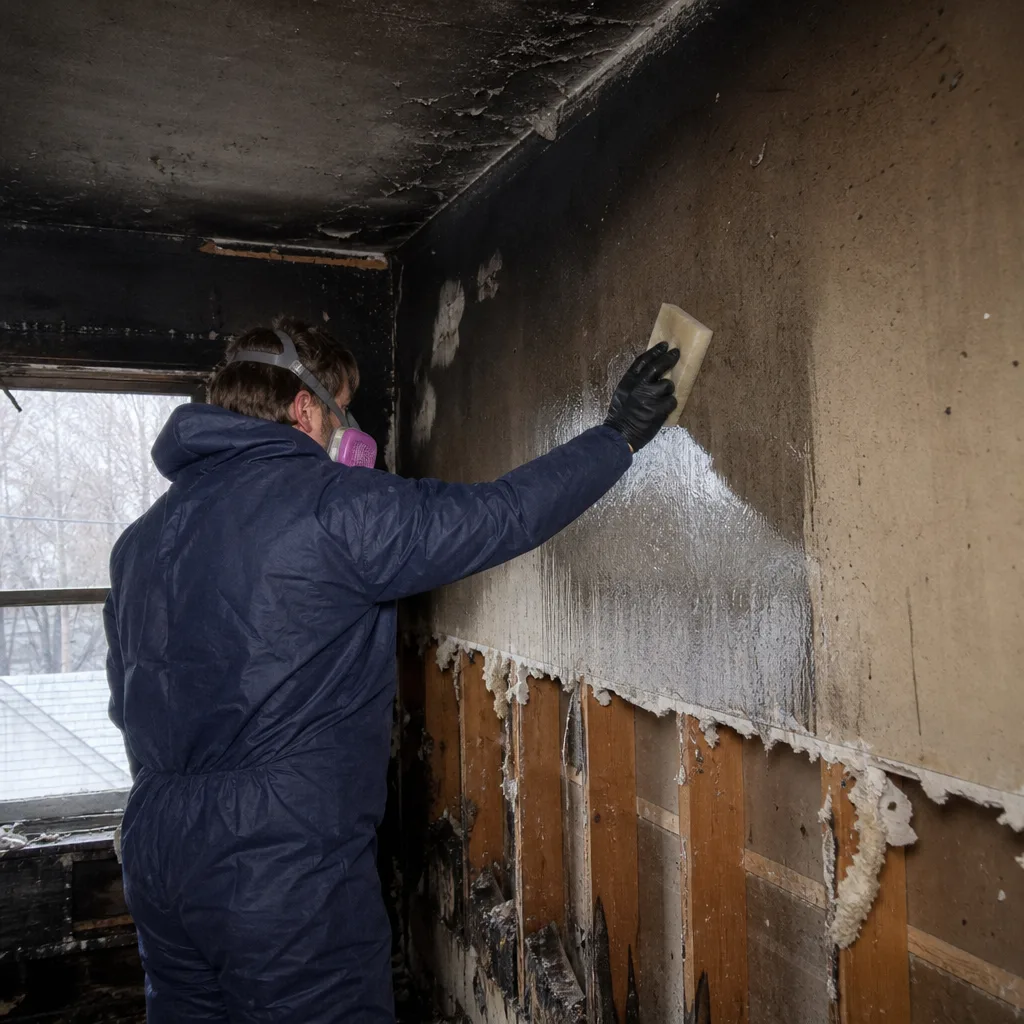
Mold Removal
Removal means physical removal, not just spraying. We contain the affected area, remove contaminated drywall and insulation, bag it, and run HEPA air scrubbers throughout the job. In a converted loft with 180-year-old wood joists, the goal is to remove the mold while preserving the original framing. That’s the difference between a trained crew and a paint-over.
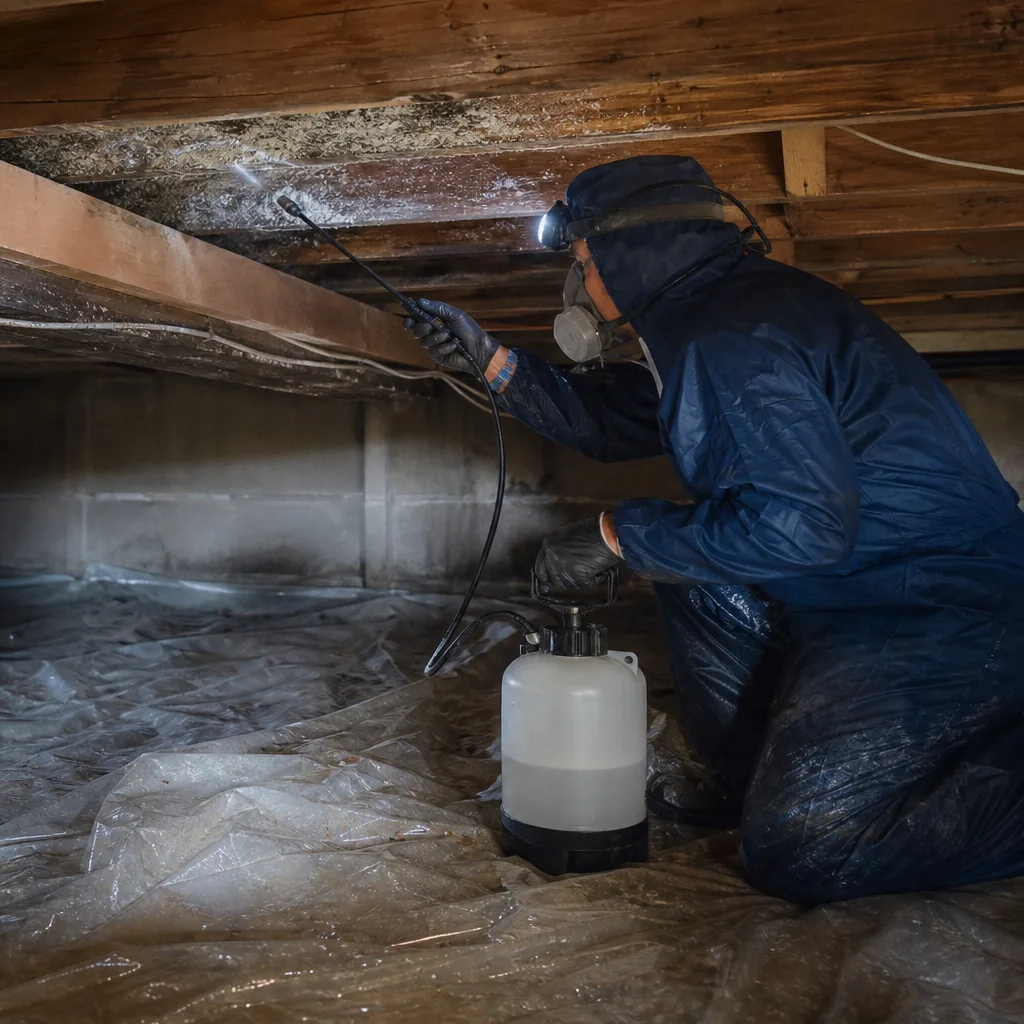
Black Mold Remediation
Black mold gets the attention, and for good reason. Stachybotrys grows on cellulose-heavy materials that stayed wet for days, which is exactly what happens behind drywall after a slow leak or a surge event. We treat every black mold job with full containment, negative air, and clearance testing at the end. No shortcuts, no treating it like surface mildew.
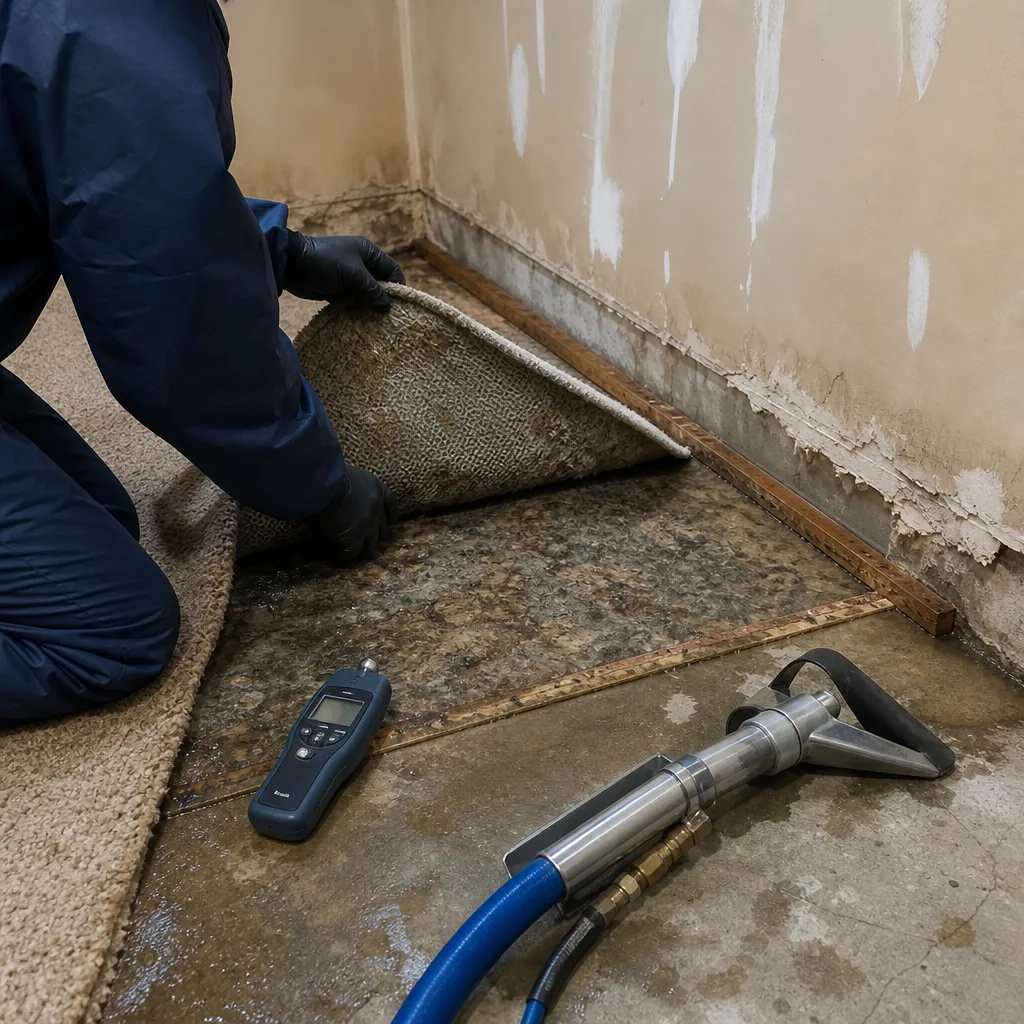
Air Quality Restoration
Once the source is removed, the air still carries spores. We run HEPA filtration and air scrubbers until post-remediation air samples come back clean. In high-rise units where a single HVAC riser serves multiple floors, air quality is not a single-unit issue. We test and treat the air in your space, and we tell you plainly if the building’s system needs attention too.
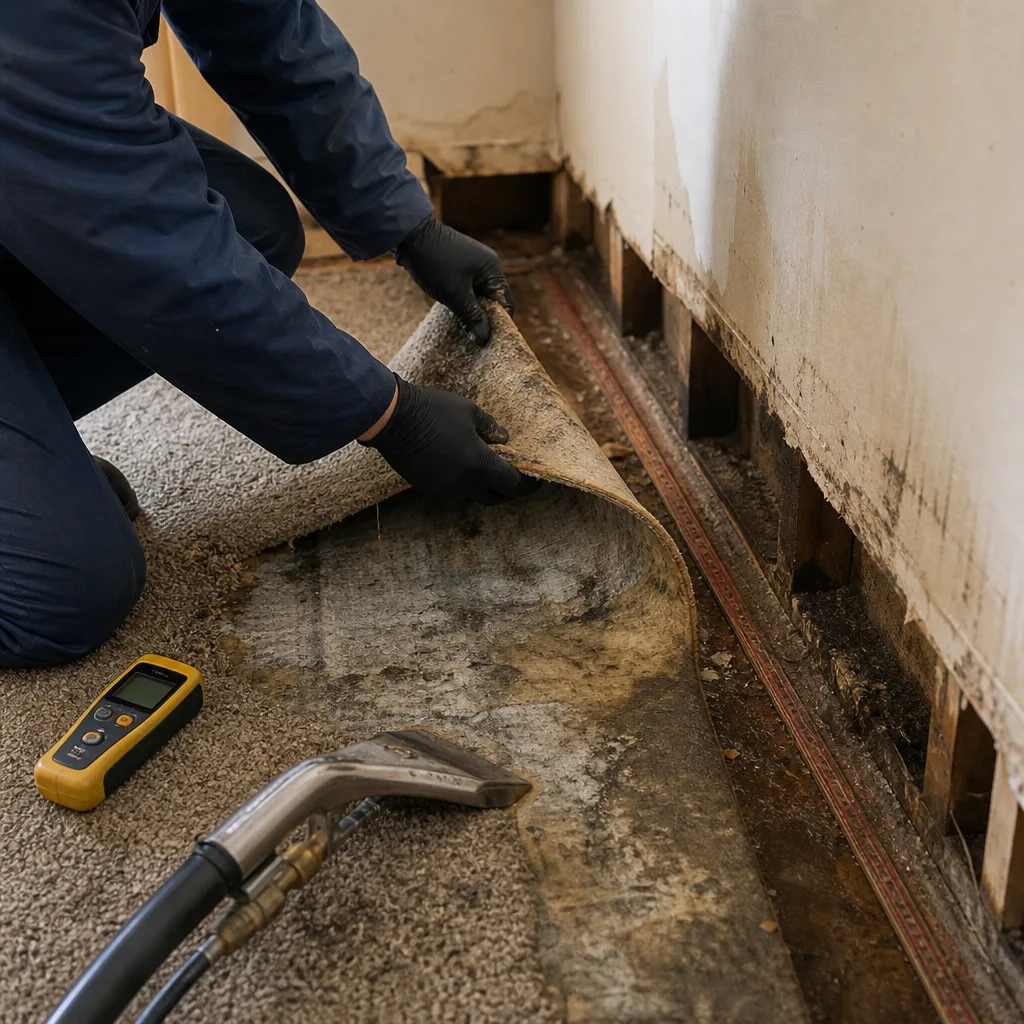
Moisture & Humidity Control
Lower Manhattan’s baseline humidity is higher than what a dehumidifier in the closet can handle. We install and calibrate drying systems that hold basement and crawl spaces at the right relative humidity. In Battery Park City ground-level units and FiDi sub-basements, this is often the difference between one mold job and a recurring problem.
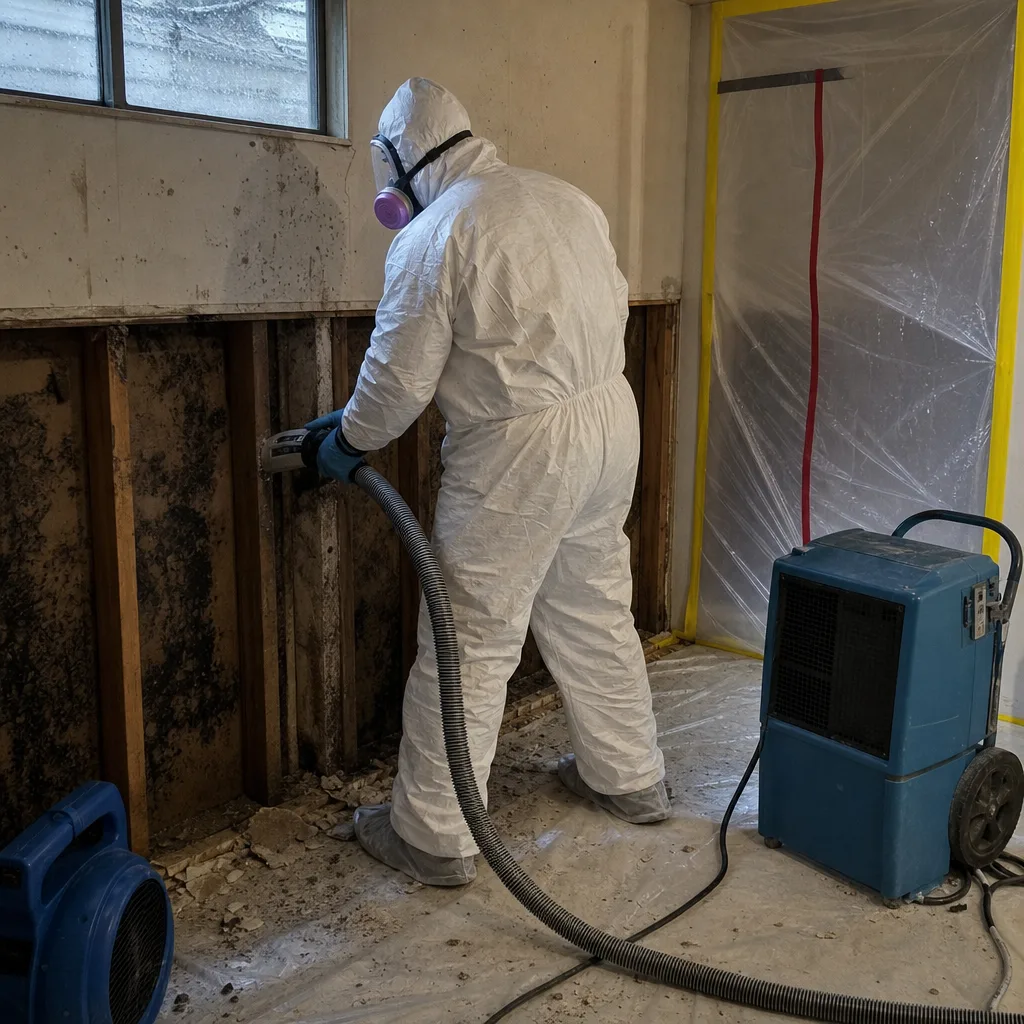
Crawl Space Treatment
In the brownstone and masonry portions of the Seaport and parts of Tribeca, crawl spaces sit directly above the water table and hold humidity year-round. We clean, treat, and seal them, and we run moisture readings before and after so you can see the change in the log.
What happens when you call
- 1
A real person answersNo phone trees - you reach a local pro.
- 2
You get an upfront price rangeHonest numbers before anyone is dispatched.
- 3
A background-checked tech heads outLicensed & insured, dispatched right away.
- 4
You approve before work beginsNothing starts until you say go.
Mold Remediation Costs in Lower Manhattan, NY
Mold remediation in Lower Manhattan runs higher than the national average, and it should. Access is harder, buildings are older, and the saltwater factor adds steps that inland jobs never see. A typical contained mold remediation project in a Battery Park City or FiDi unit runs between $2,800 and $9,500. Small jobs, a single wall of mold behind a bathroom vanity, run $1,500 to $3,200. Full-room containment with Category 3 water involvement, which is common after storm surge events, runs $8,000 to $20,000 or more depending on square footage and whether structural drying is required. Black mold remediation with clearance testing usually falls between $4,000 and $12,000. Moisture and humidity control for a sub-basement or crawl space runs $1,800 to $4,500, and a full mold inspection with lab testing runs $450 to $1,100. The free visual inspection we offer gives you a firm, written scope before any demolition happens. No numbers invented on a clipboard, no pressure.
We Also Serve Cities Near Lower Manhattan
Our crews handle mold remediation across the city, and we’re often the first call from buildings that span multiple neighborhoods. We regularly serve Mold Remediation in Lower Manhattan along with Midtown West, Washington Square, Midtown Manhattan, and Murray Hill. If you’re in a condo or co-op that sits on the edge of two districts, we’ll meet you at your door.
Serving Lower Manhattan, NY - Our Local Coverage Area
We’re based in the Lower Manhattan area and know this community well. Use the map below to see our service coverage - if you’re nearby, we can almost certainly help.
Lower Manhattan Mold Remediation Questions, Answered
How does saltwater flooding in Battery Park City change mold remediation compared to a freshwater pipe break uptown?
Saltwater leaves chlorides behind in drywall, wood, and steel framing. Those chlorides pull moisture from the air and keep feeding mold long after the surface looks dry. Remediation after brackish surge requires chloride-specific antimicrobial treatment, more aggressive drying, and often more material removal than a freshwater pipe break. In a Battery Park City unit, treating saltwater damage like a plumbing leak is how you get recurring mold six months later.
Can mold from a Con Edison vault breach spread into my Financial District condo without visible water in my unit?
Yes. The conduit penetrations that connect your building to Con Edison’s below-grade vault network can wick moisture through shared walls and into your sub-basement without a drop showing in your apartment. Moisture mapping with thermal imaging is often the only way to find it. If you smell mold and can’t find the source in a FiDi building, the problem is likely below grade.
What is the 24-48 hour rule for mold, and why is it critical in Lower Manhattan high-rises?
Mold begins colonizing wet materials within 24 to 48 hours. In Lower Manhattan high-rises, the window is tighter because central HVAC systems spread spores through shared risers faster than in a detached house. The sooner we start drying after a leak or surge, the less demolition you need. The 45-minute dispatch promise exists because that window is real.
How do you handle mold remediation in a Tribeca cast-iron loft with exposed brick and original wood beams?
Cast-iron and masonry construction breathes differently than drywall over steel studs. Exposed brick wicks moisture, and original wood beams need abrasive cleaning, HEPA vacuuming, and controlled drying, not chemical drenching that would stain or warp them. We’ve worked on lofts along Hudson Street and Greenwich Street where the framing is older than the building’s elevator. It’s careful work, and we do it in-house.
What does Category 3 water mean for mold remediation after a storm surge in Lower Manhattan?
Category 3 water is grossly contaminated: sewage, harbor water, brackish surge. It carries bacteria, and after a surge event in Lower Manhattan it also carries chlorides and petroleum residue. Any porous material saturated with Category 3 water gets removed and bagged, and the framing underneath gets treated for both microbial growth and salt damage. This is the most aggressive remediation protocol we run.
How fast can someone actually get to my building in Lower Manhattan?
We commit to 45 minutes anywhere in Lower Manhattan, including Battery Park City, Tribeca, the Financial District, and the Seaport. A live dispatcher answers (551) 348-8481 around the clock. You’ll speak to a person, not a recording, and a uniformed crew is dispatched immediately.
Will insurance cover mold remediation after a storm surge in Lower Manhattan?
It depends on your policy language, but in most cases, mold remediation is covered when it is the direct result of a covered water event, like a storm surge, pipe burst, or roof leak. The insurer’s biggest question is whether the mold was caused by a sudden event or pre-existing neglect. We document everything from the first hour, log daily moisture readings, and communicate directly with your adjuster to make the coverage decision as clean as possible. Call (551) 348-8481 and we will walk you through it.
I need mold remediation, but how do I know I’m not being oversold?
How do I avoid being oversold on mold remediation?
Ask for a written scope, not a verbal estimate. We provide a free visual inspection, show you the moisture readings, and put the scope in writing before any work starts. A square deal means you know the number first. In our 42 years of restoration work, the jobs that end badly are almost always the ones done without a written scope. That’s not how we do business. Call (551) 348-8481 for a straight answer and a free inspection.
Written by Curt Bowman, Owner at Floodline Restoration Co., serving Lower Manhattan with certified mold remediation crews and the 90-Day Done Right Promise, in writing, on every job.