
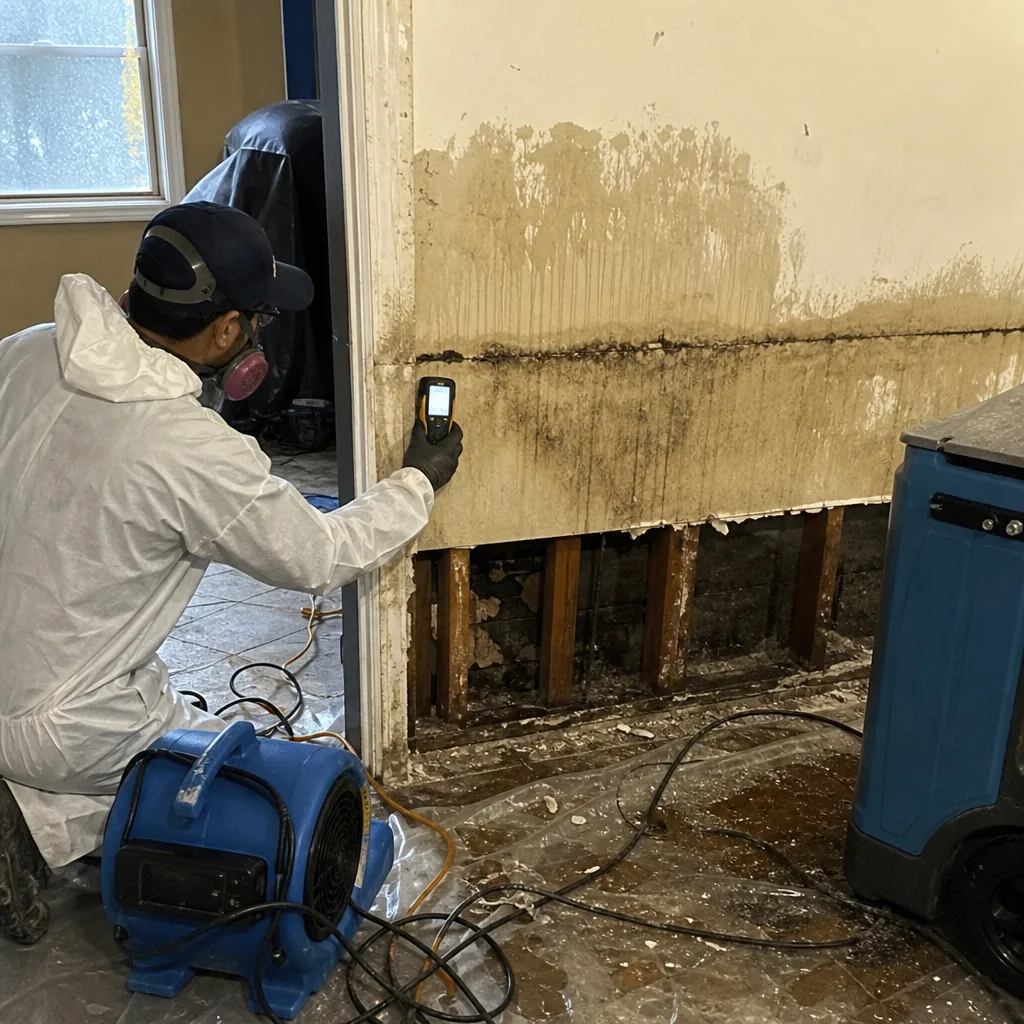
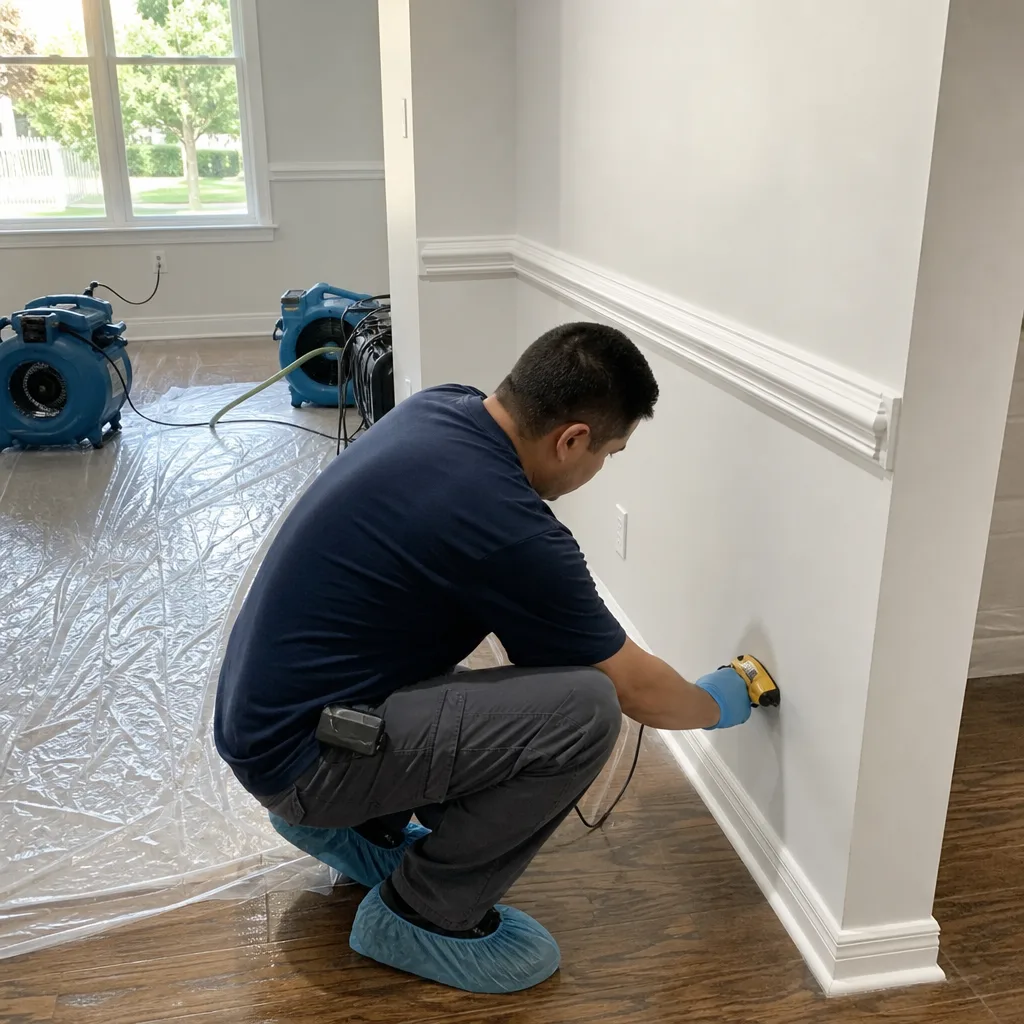
Free visual inspection and a written scope of work before any mitigation begins - photos, moisture readings, and drying logs go in your claim file
The scope we write is the scope we bill. Anything new gets shown to you, in writing, before we touch it.
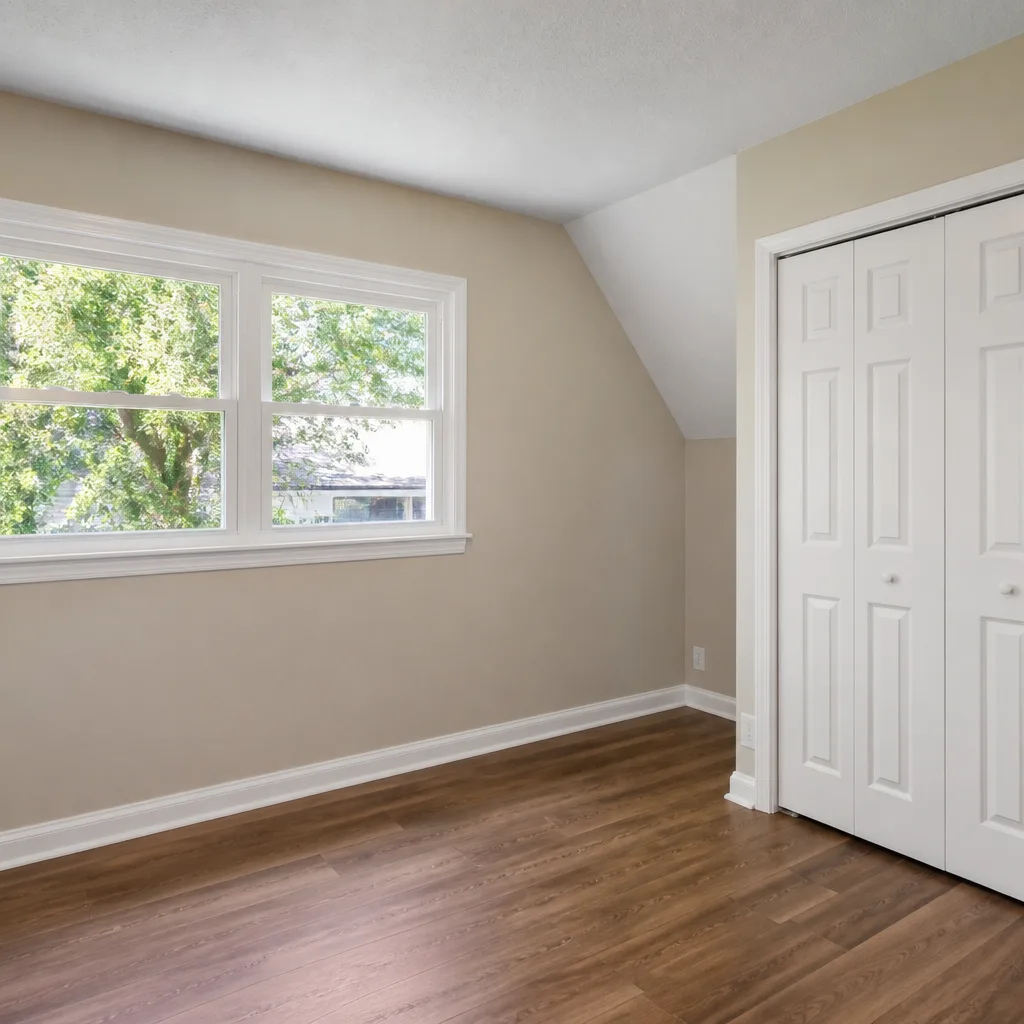
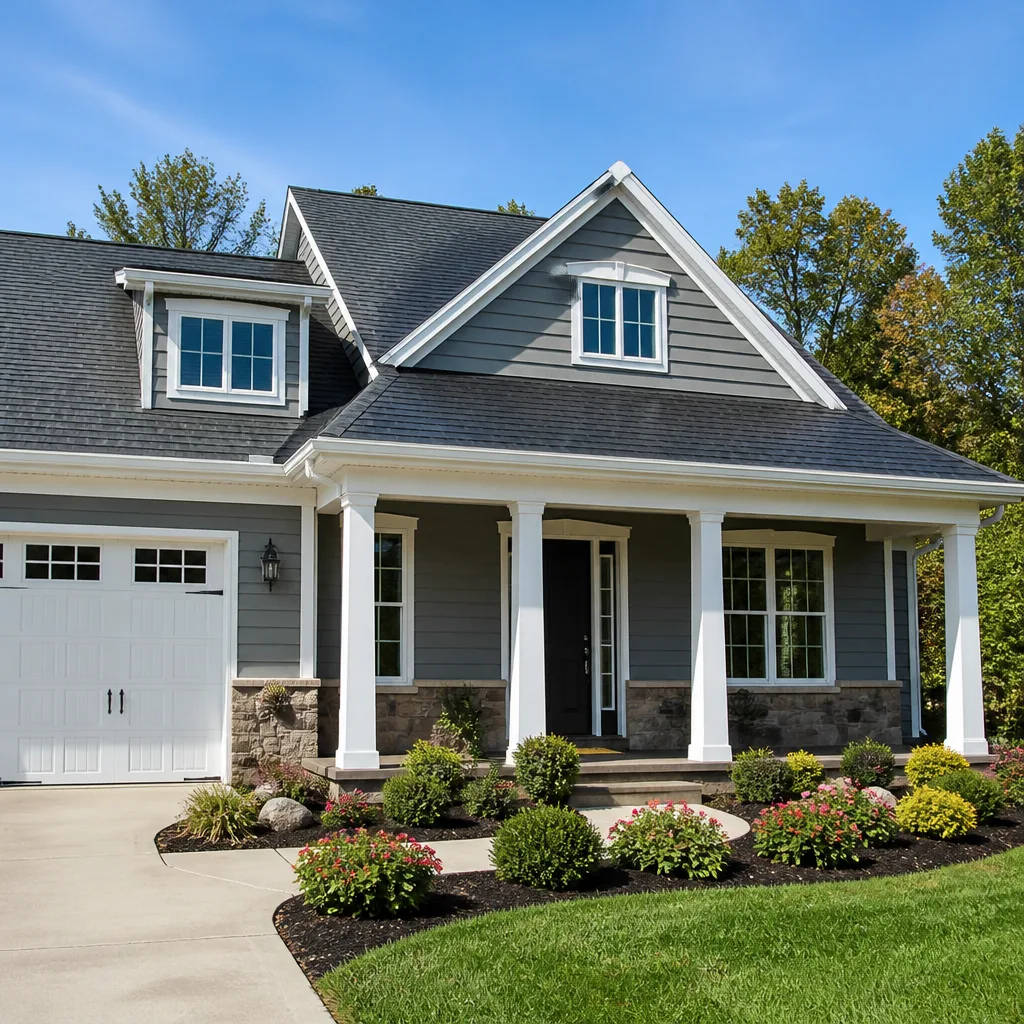
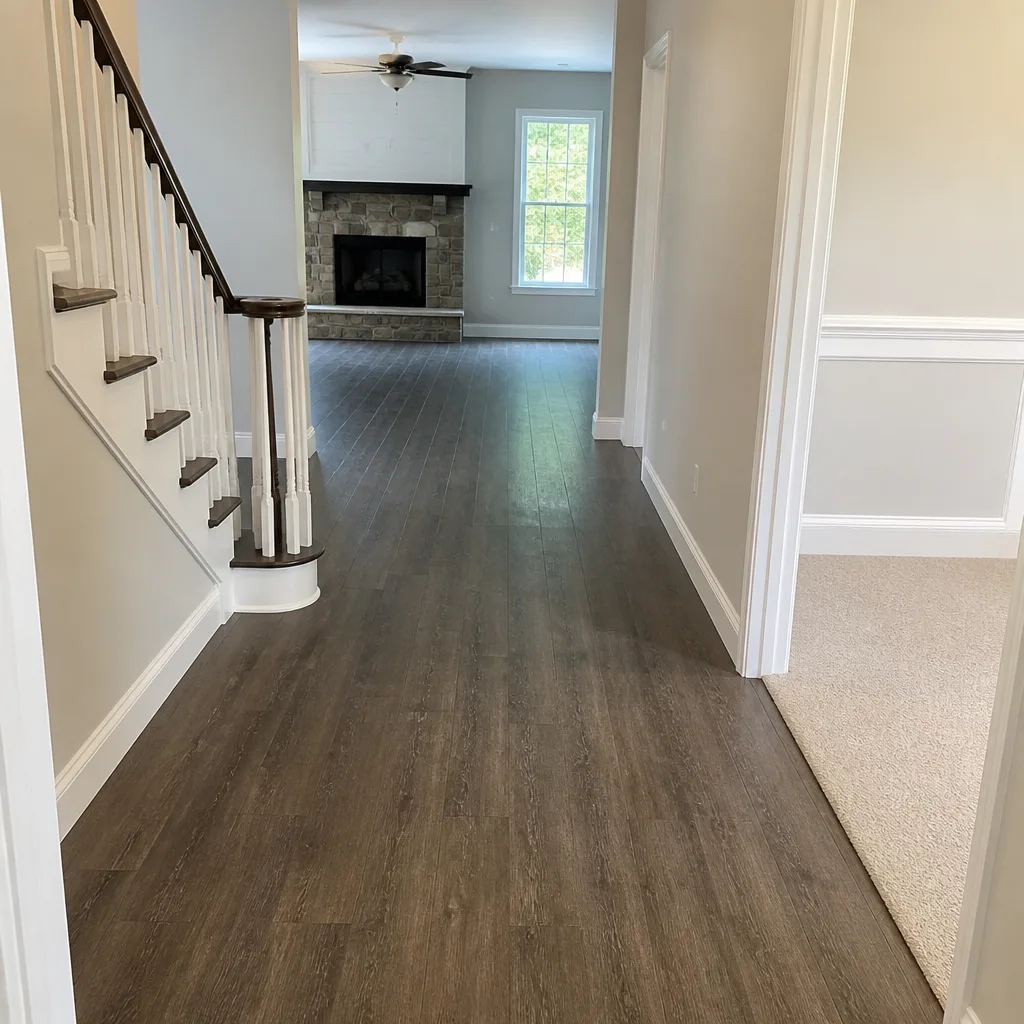
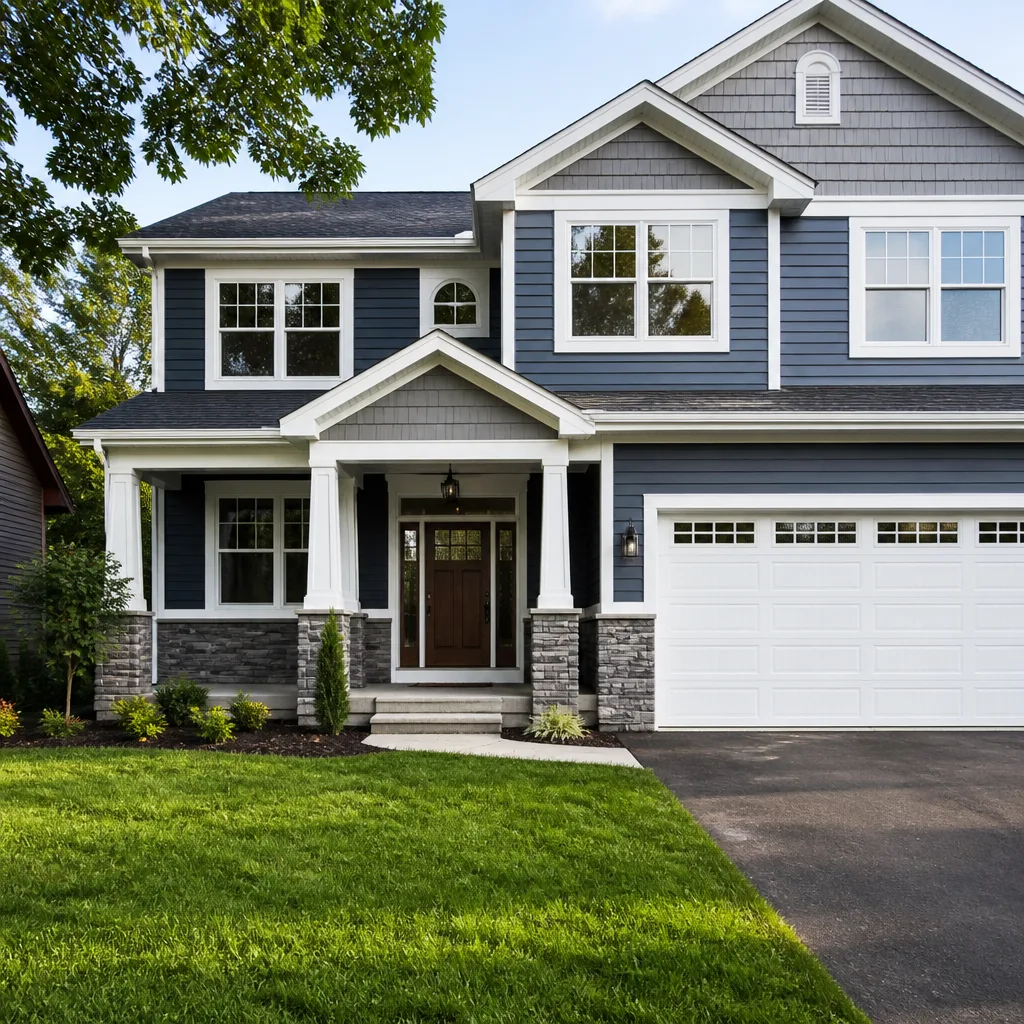
 Before
 After
After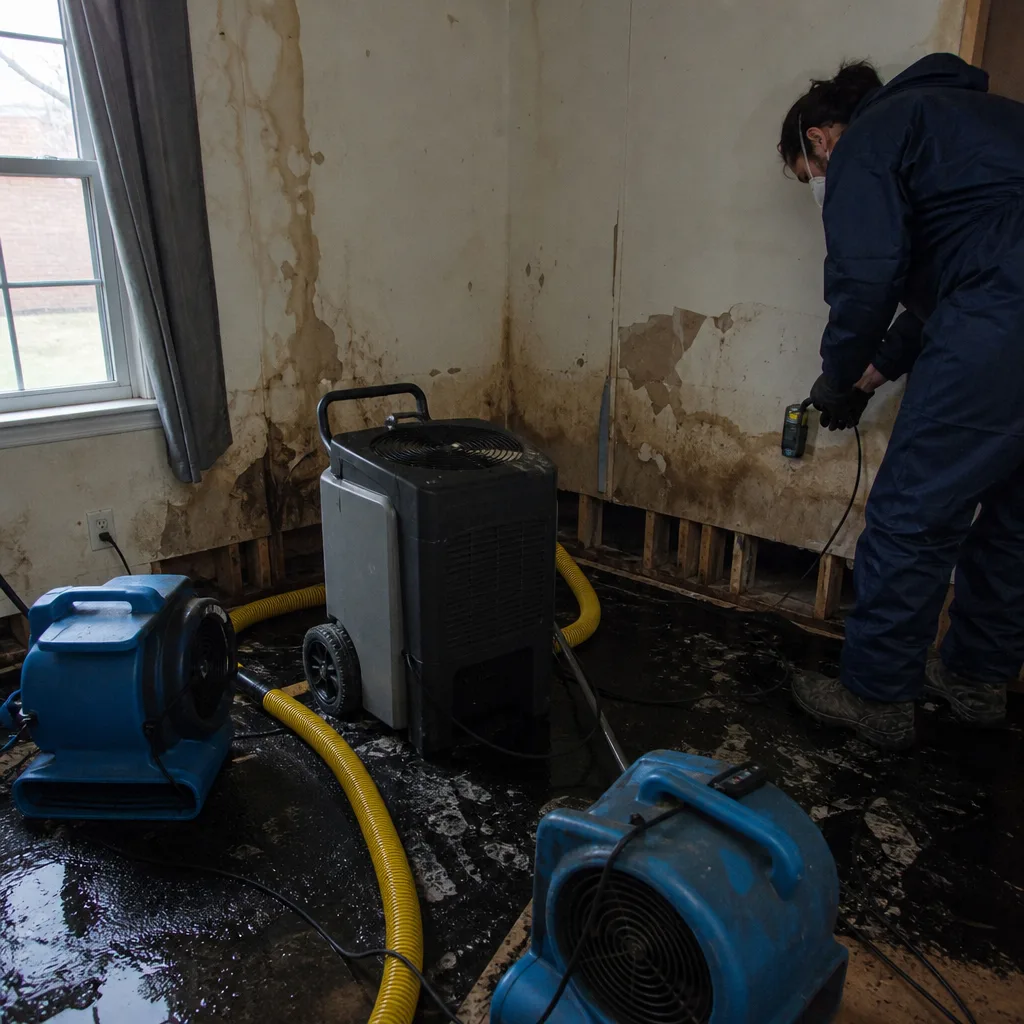 Before
 After
After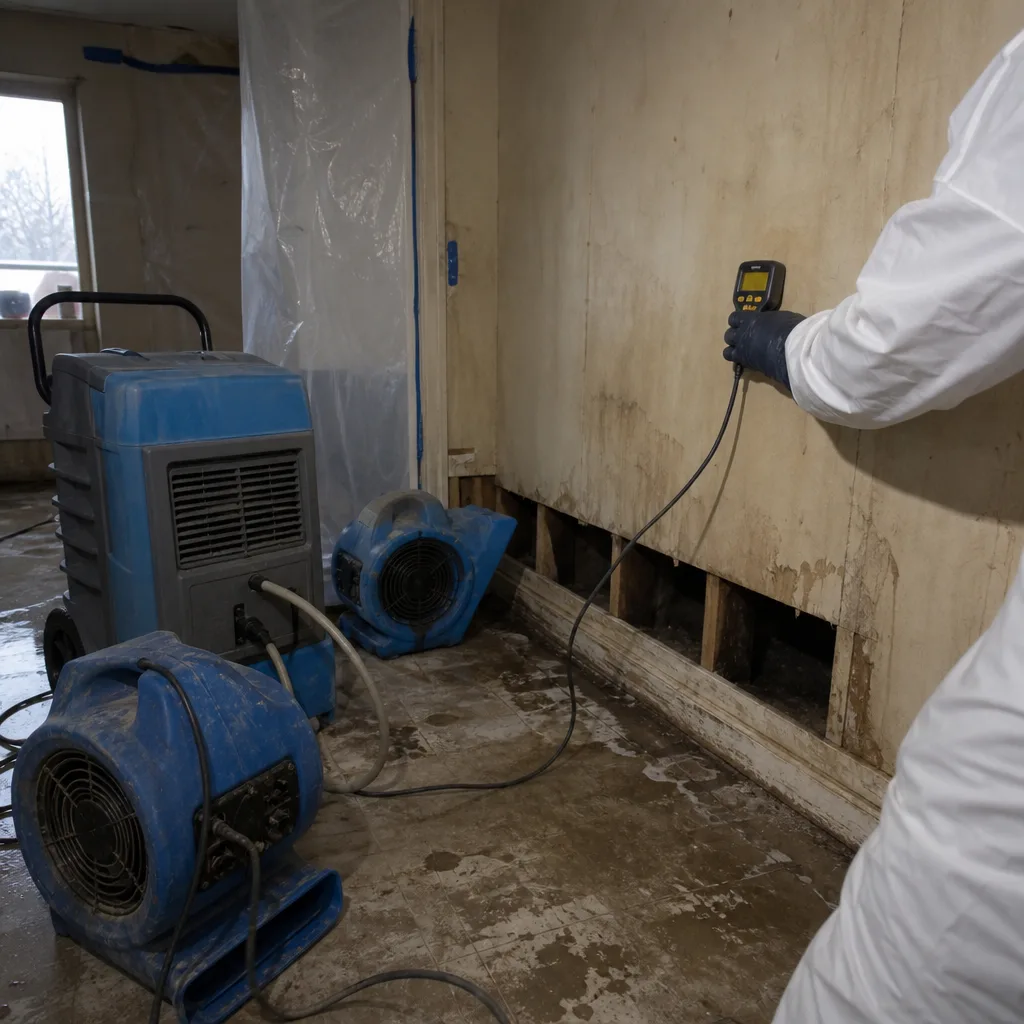 Before
 After
After24/7 Emergency Reconstruction & Cleanup in Lower Manhattan
When water, fire, or storm surge has compromised a Lower Manhattan property, the first call needs to reach a real person who can move crews immediately. We answer live around the clock at (551) 348-8481, with a dispatcher who knows the neighborhood, not a recording. Our Reconstruction & Cleanup teams are positioned to reach the Financial District, Battery Park City, Tribeca, and the Seaport within minutes, not hours. The first hour after a loss matters most: seawater left standing in a sub-basement begins corroding steel and electrical systems within that window, and wet drywall becomes a mold liability inside 48 hours. We send a certified technician for a free visual inspection the same day, every day, because reading the moisture map early is what separates a controlled restoration from a long, expensive rebuild.
Understanding Reconstruction & Cleanup Severity in Lower Manhattan Properties
Lower Manhattan’s building stock complicates every restoration in ways that rarely appear uptown. Three building types dominate: 19th-century cast-iron and masonry warehouse conversions in Tribeca, Art Deco commercial towers repurposed as condos in the Financial District, and the planned Battery Park City development built on 1970s landfill. All three feature deep mechanical sub-basements, shared vertical utility chases, and freight-elevator-only access. A Category 3 water event (seawater, sewage, river surge) in these buildings does not just wet finishes; it intrudes into conduit penetrations, elevator pits, and electrical vaults. Moisture mapping in a 70 Pine or 20 Exchange Place sub-basement requires thermal imaging and hygrometer readings across materials that never existed a mile north: steel column bases, cast-iron pipe chases, and limestone foundation walls that wick salt upward for weeks. We classify severity by water category, depth, duration, and material saturation, then build a drying plan around the structure’s actual age and mechanical layout, not a generic template.
Why Lower Manhattan Property Owners Choose Floodline Restoration Co.
- 45-minute response commitment. Our Lower Manhattan crews are staged to reach your building quickly, and we tell you exactly when we will arrive.
- 24/7 live answer, never automation. A dispatcher picks up at 2 a.m., takes the details, and starts moving a crew while you are still on the line.
- IICRC-certified crews. Technicians hold WRT, FSRT, and AMRT certifications and are trained in the saltwater-specific protocols this peninsula demands.
- Free visual inspection. Before any work begins, we assess the damage and give you a written scope, so there are no surprises on the bill.
- Direct insurance billing. We bill your carrier directly and handle adjuster communication, so you are not the messenger between us and the claim.
- One team from extraction to reconstruction. The same certified crew that reads the moisture map on day one rebuilds the walls and floors at the end.
Our Reconstruction & Cleanup Process
Inspection & Assessment
We start with thermal imaging and hygrometer readings across every affected surface, including sub-basement walls and conduit penetrations. The assessment produces a moisture map and a written scope of work before anything is torn out.
Extraction & Stabilization
Standing water comes out with truck-mounted and portable extraction units. For seawater events, we stabilize steel and electrical contact points immediately to slow corrosion while the drying plan kicks in.
Drying & Dehumidification
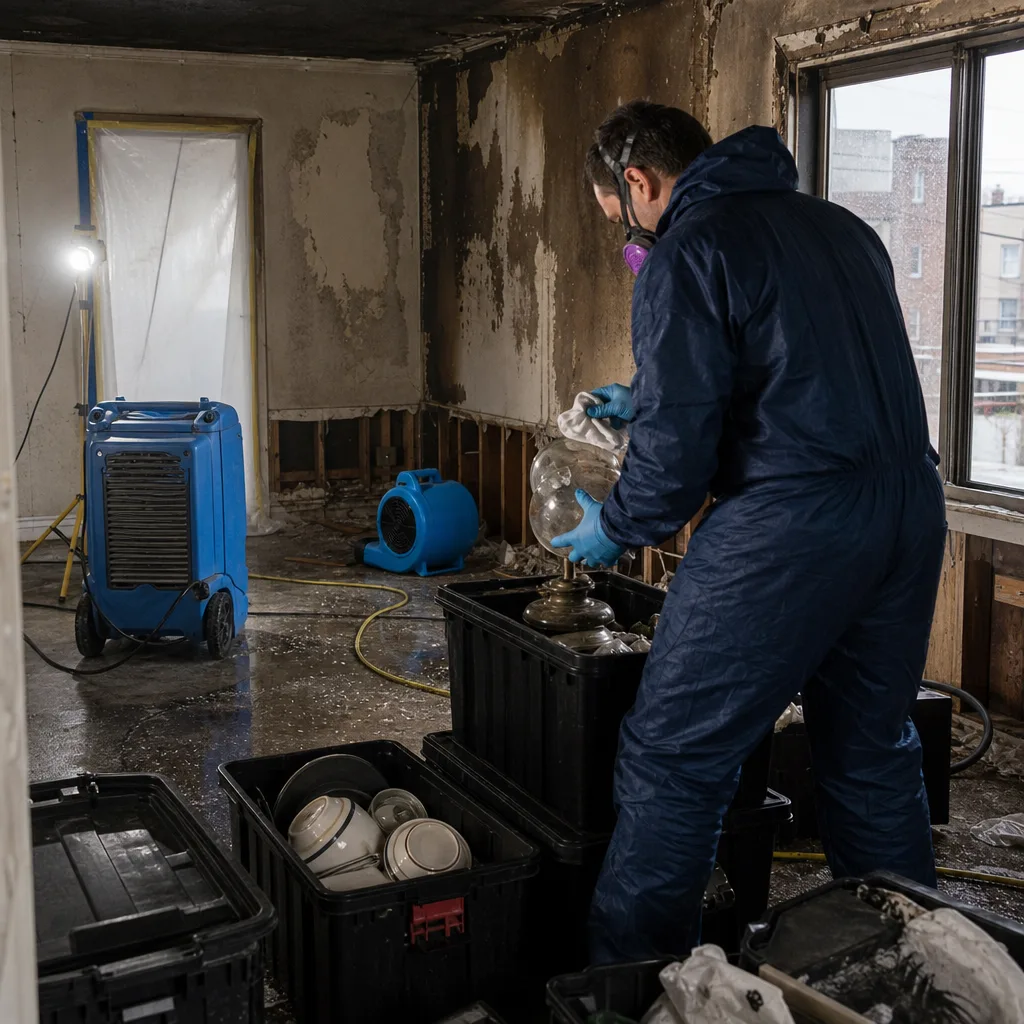
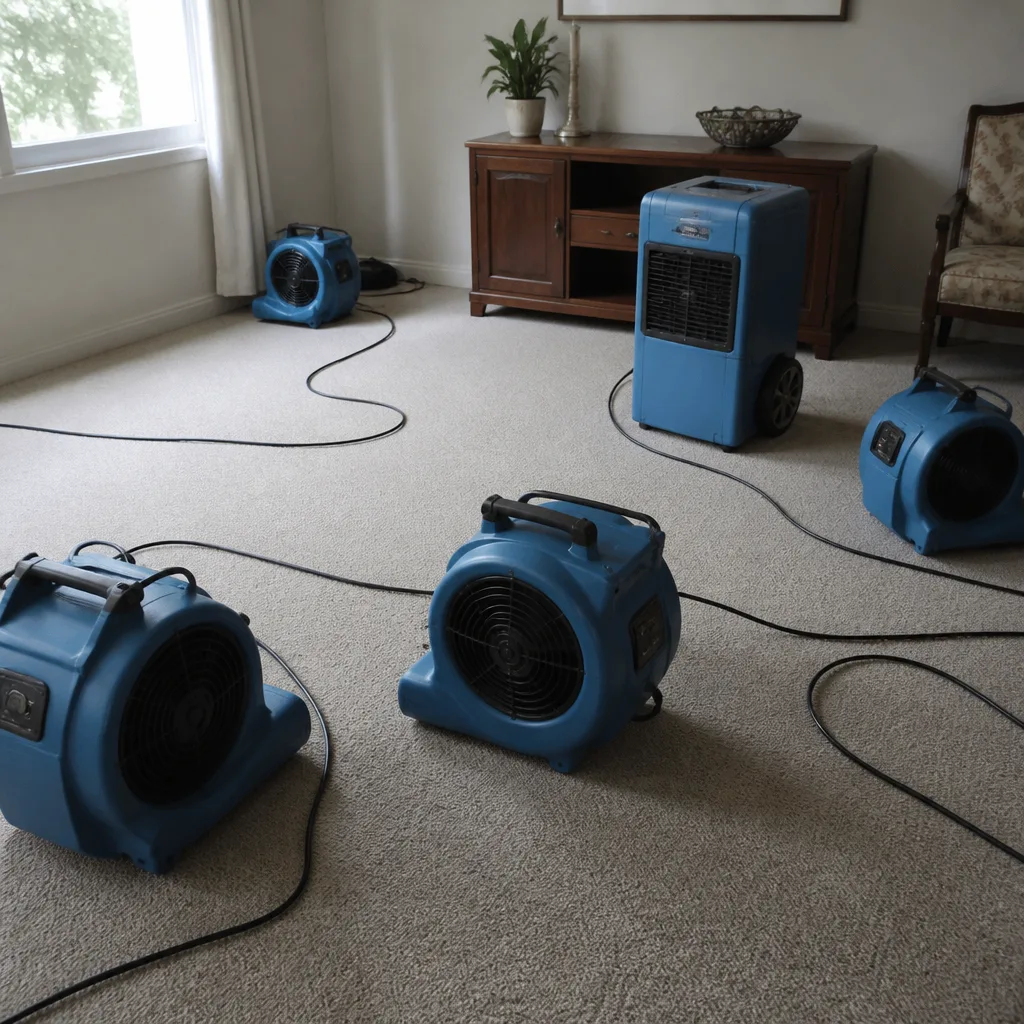
Dri-Eaz LGR dehumidifiers and air movers run continuously, with daily moisture readings logged until the dry standard is met. Saltwater jobs run longer than freshwater, and we never cut the drying phase short to stay on schedule.
Cleaning & Sanitization
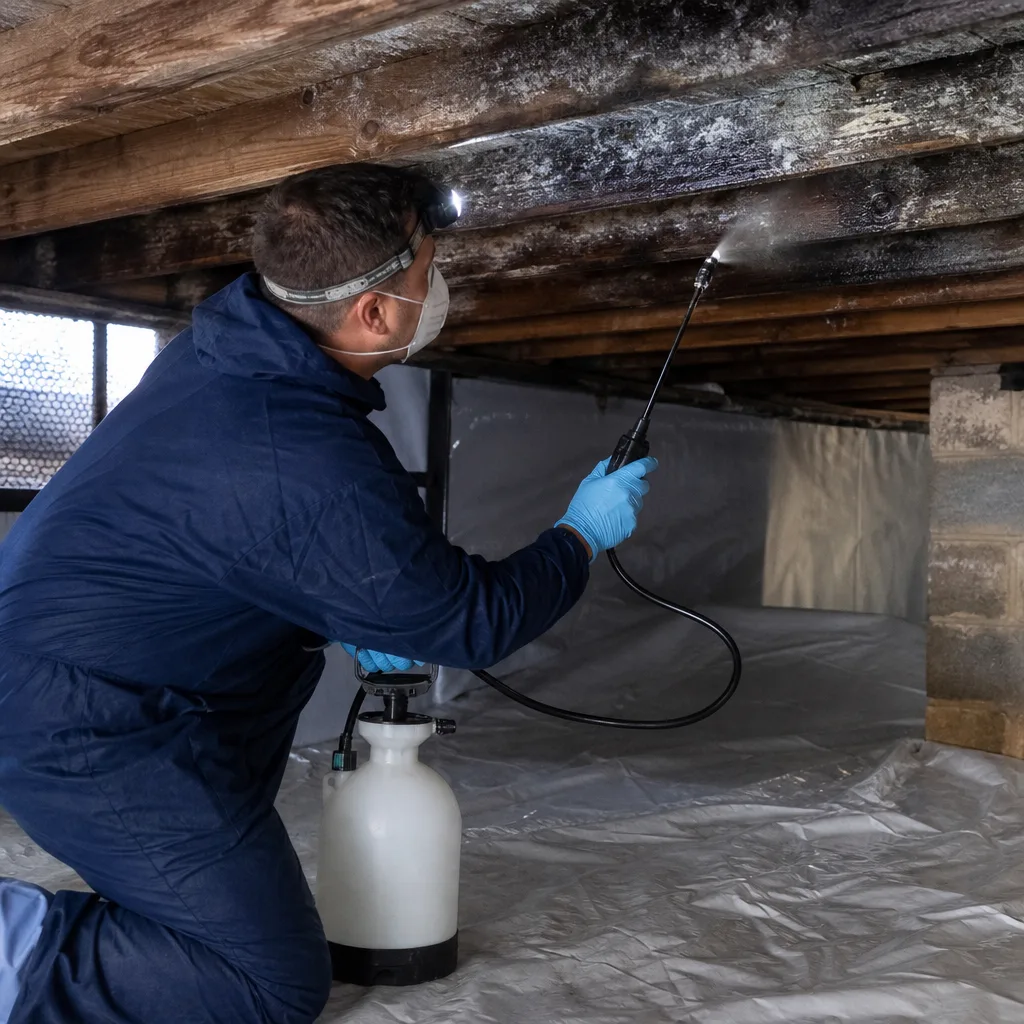
HEPA air scrubbers run during all open-wall work. We apply EPA-registered antimicrobial treatments to steel beams, conduits, and framing before any enclosed surface is rebuilt.
Antimicrobial Treatment & Corrosion Control
A Lower Manhattan-specific step. After saltwater exposure, we treat steel and electrical components to arrest corrosion before reconstruction. Skipping this is the most common cause of hidden failures six months after a flood.
Repairs & Restoration
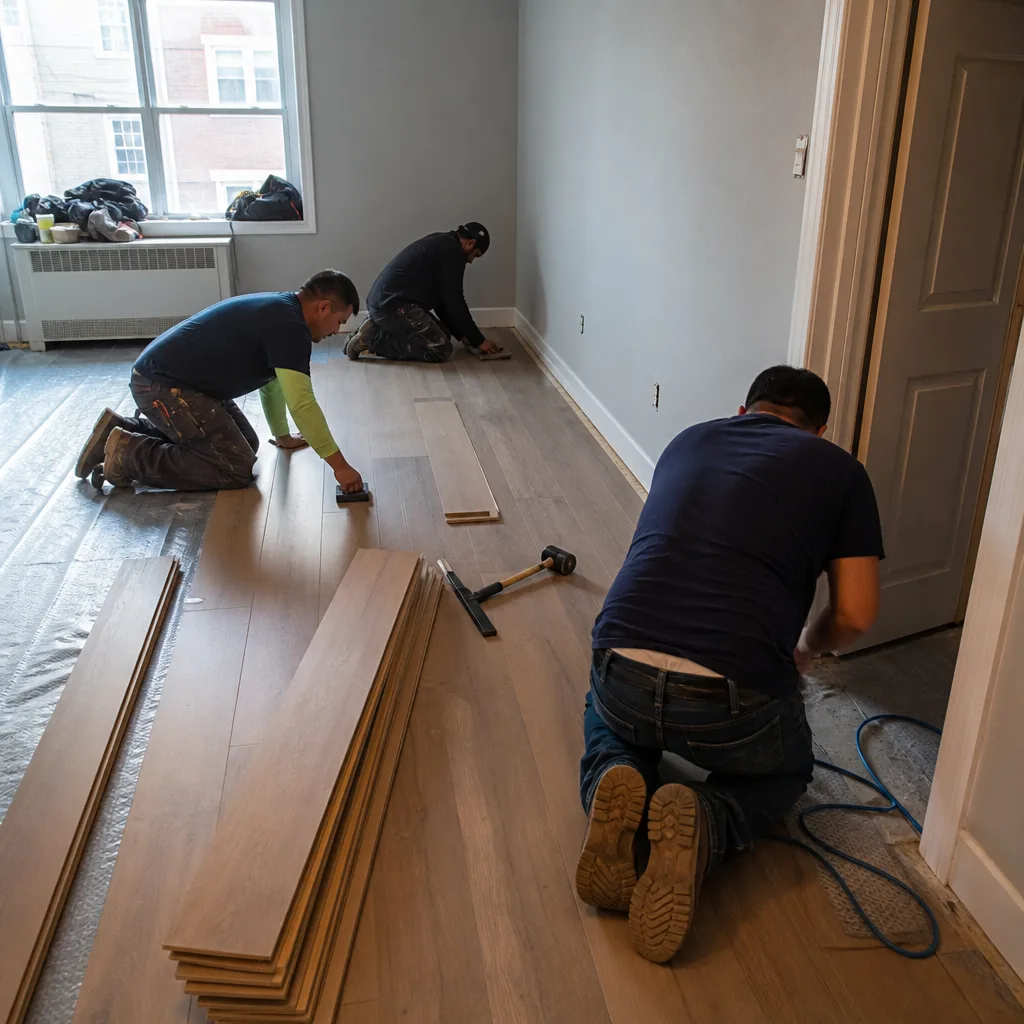
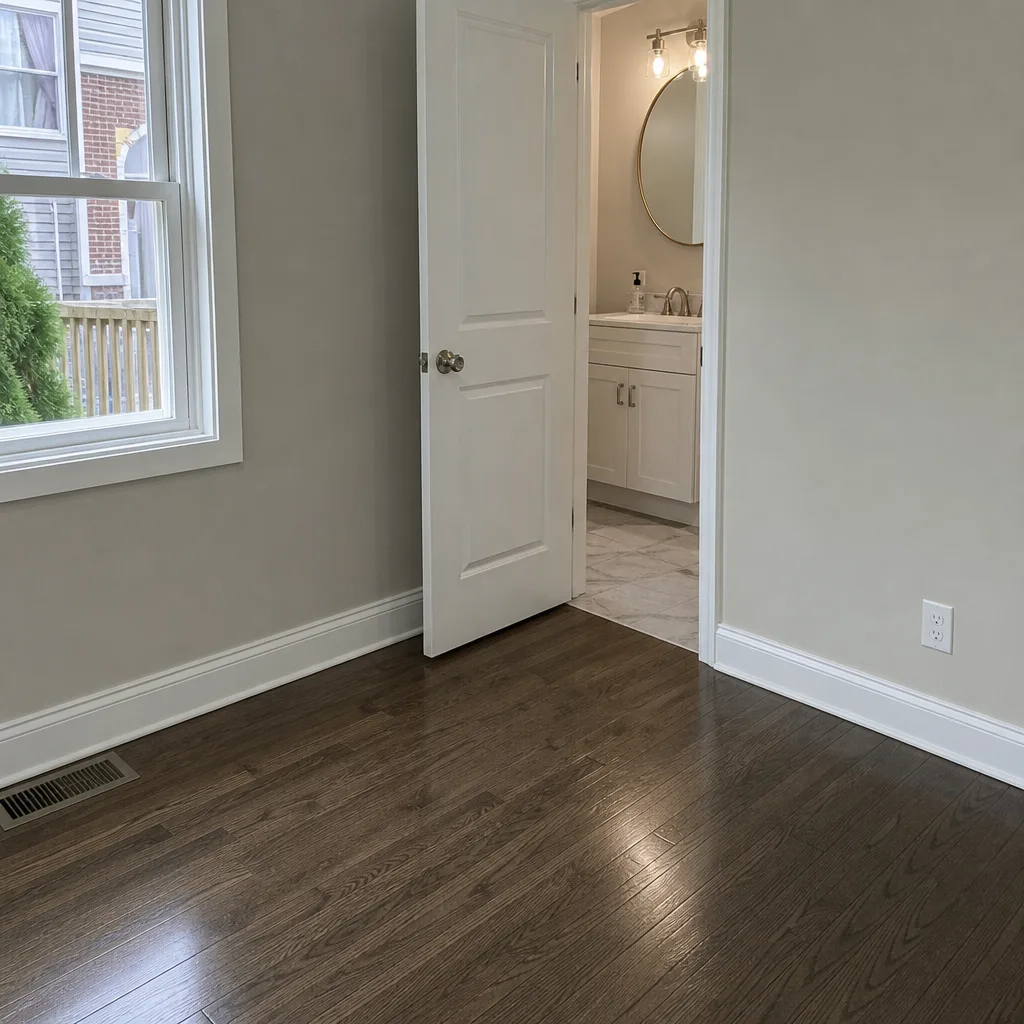
Drywall, flooring, woodwork, and finishes return by the same crew that started the job. We rebuild to NYC’s post-Sandy flood resilience code amendments, so the finished work passes inspection.
Need Emergency Reconstruction & Cleanup in Lower Manhattan Now?
Crews minutes away, answering live 24 hours a day. The sooner we start, the less it costs.
Working With Your Insurance Company
We document from the first hour, because claims adjusters trust detail. Before we pull a single sheet of wet drywall, we photograph every affected room, log initial moisture readings, and write a line-item scope that matches industry estimating standards. When the adjuster arrives, our technician walks the loss with them, pointing out what the photos show and answering questions directly. We bill your carrier for covered work and keep you informed without making you carry paperwork back and forth. A restoration claim from a saltwater event in a Lower Manhattan high-rise is complex, and we have handled enough of them to know exactly what documentation prevents delays and denials.
What We Provide Your Insurer
- Thorough documentation of the loss
- Photos of all damage, room by room
- Moisture readings and drying logs
- A detailed, line-item scope of work
- Direct coordination with your carrier
Built for Lower Manhattan’s Loss Calendar
Lower Manhattan’s damage pattern follows the waters that surround it. Nor’easters in late fall and winter push East River and harbor water into street-level vaults and sub-basements, particularly in Battery Park City and the blocks around South Street. January and February deep freezes burst supply lines in aging cast-iron and pre-war plumbing risers, flooding condos from the 20th floor down through shared chases. Summer thunderstorms overwhelm the peninsula’s storm drainage, sending water into below-grade mechanical rooms faster than sump pumps can discharge. And the hurricane season from June through November carries the memory of Sandy: saltwater surge filling elevator pits, utility vaults, and the underground PATH infrastructure that runs beneath Greenwich Street and Church Street. Reconstruction & Cleanup in Lower Manhattan means planning for salt, not just water.
Reconstruction & Cleanup Across Lower Manhattan’s Neighborhoods
Response routes matter here, and we know them block by block. In the Financial District, crews navigate narrow streets around Wall and Broad while coordinating freight elevator access with building management at converted towers like 70 Pine and 20 Exchange Place. Battery Park City work means understanding the buildings constructed on WTC-excavation landfill, where groundwater infiltration and surge vulnerability are constant concerns. Tribeca’s cast-iron loft conversions present a different challenge: shared vertical chases that channel water from an upper-floor pipe rupture down through multiple units, requiring moisture mapping across floors we have never seen before. The South Street Seaport district, with its historic masonry and low-lying streets, floods faster than anywhere else on the peninsula. And the blocks around Washington Market Park, with their mixed 19th-century and modern construction, demand an adaptive approach: no two buildings dry the same way.
Specialized Reconstruction & Cleanup Services We Offer in Lower Manhattan
Full-Service Reconstruction
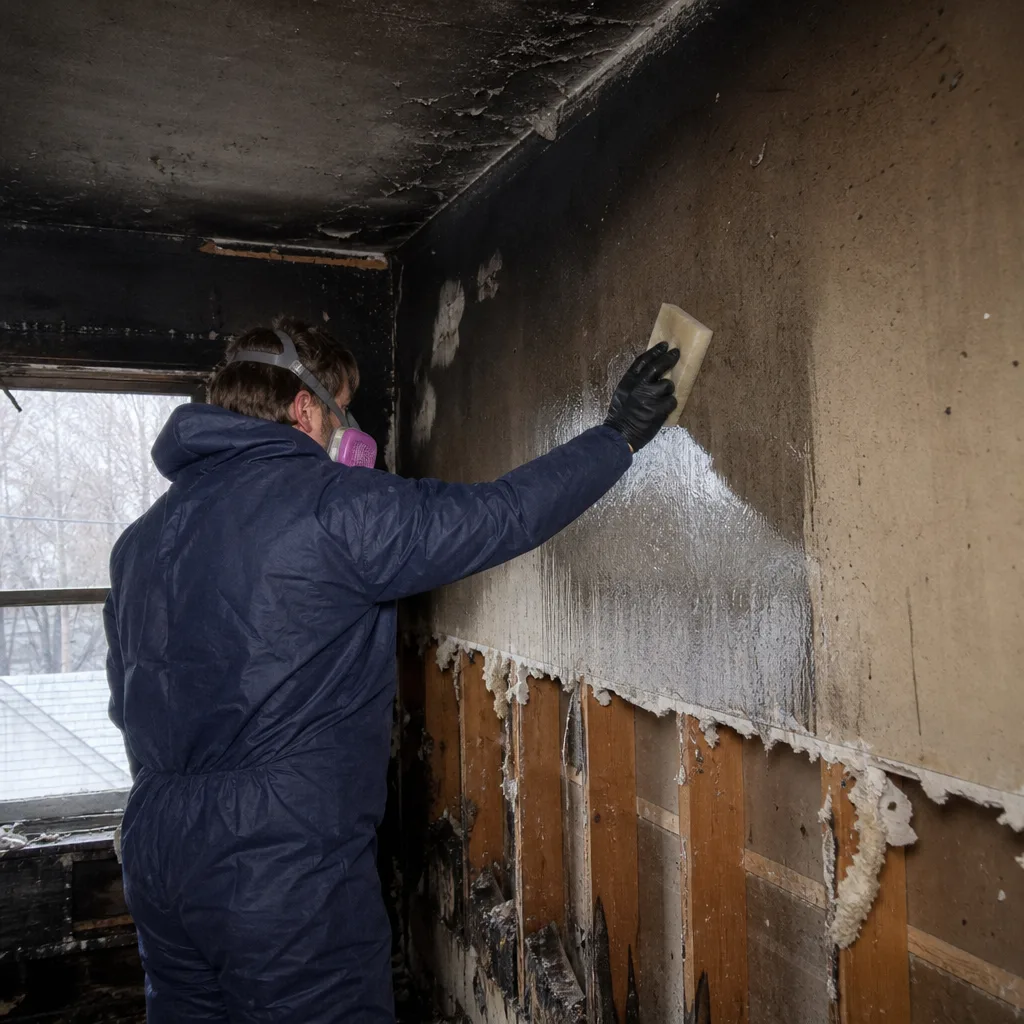
A surge event or a 20th-floor pipe rupture takes out drywall, flooring, and often built-in millwork. We rebuild to the exact finish level your condo or loft had before the loss, from custom plasterwork to wide-plank flooring. The crew that extracted and dried is the crew that rebuilds, so nothing is lost in a handoff.
Insurance Claim Documentation
For a Lower Manhattan property owner facing a saltwater claim, documentation determines the outcome. We provide photo logs, moisture maps, daily drying records, and line-item estimates formatted for carrier review. When your adjuster has questions, we answer them directly, with the technical detail that moves the claim forward.
Antimicrobial Treatment
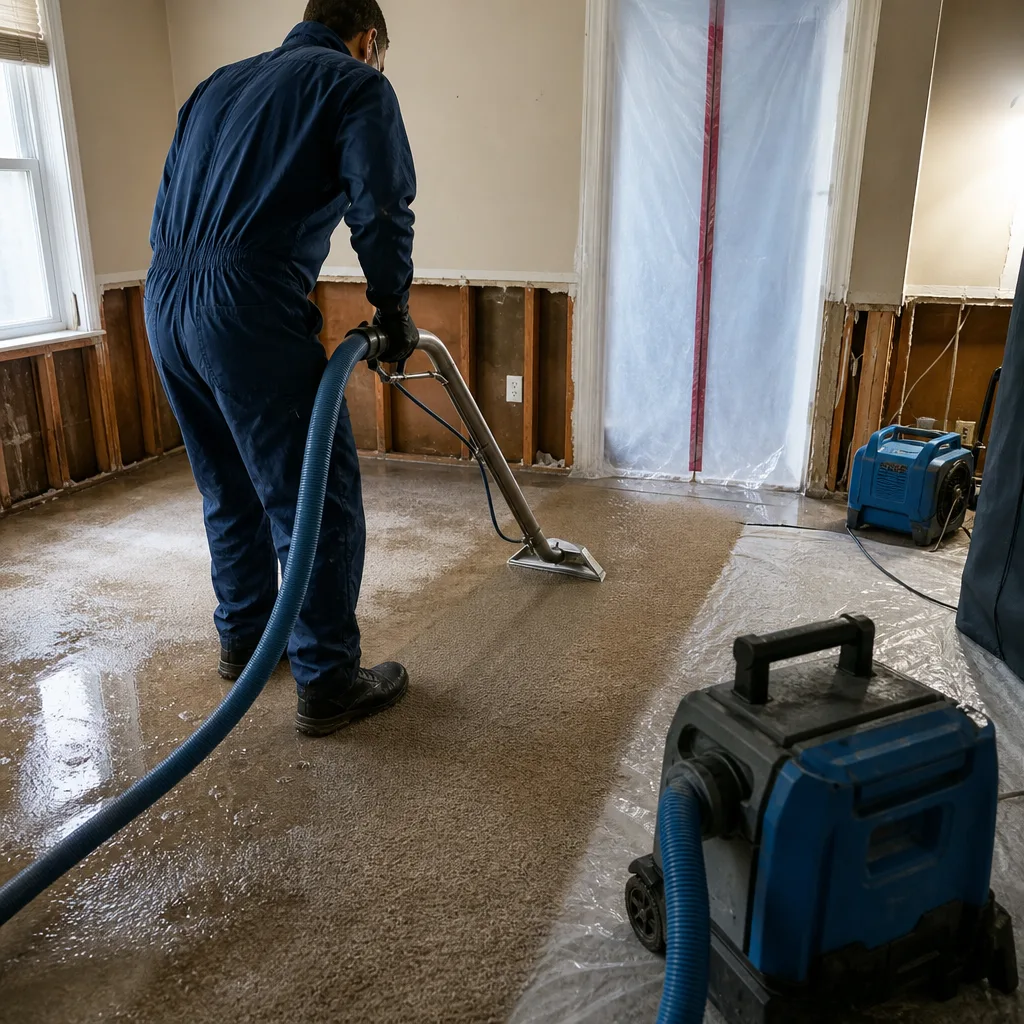
Saltwater and contaminated floodwater leave biological residue in porous materials and on steel surfaces. We apply EPA-registered antimicrobials to framing, conduits, and structural steel before any enclosure. This step is why our rebuilt sub-basements do not develop odor or hidden corrosion failures months after the claim closes.
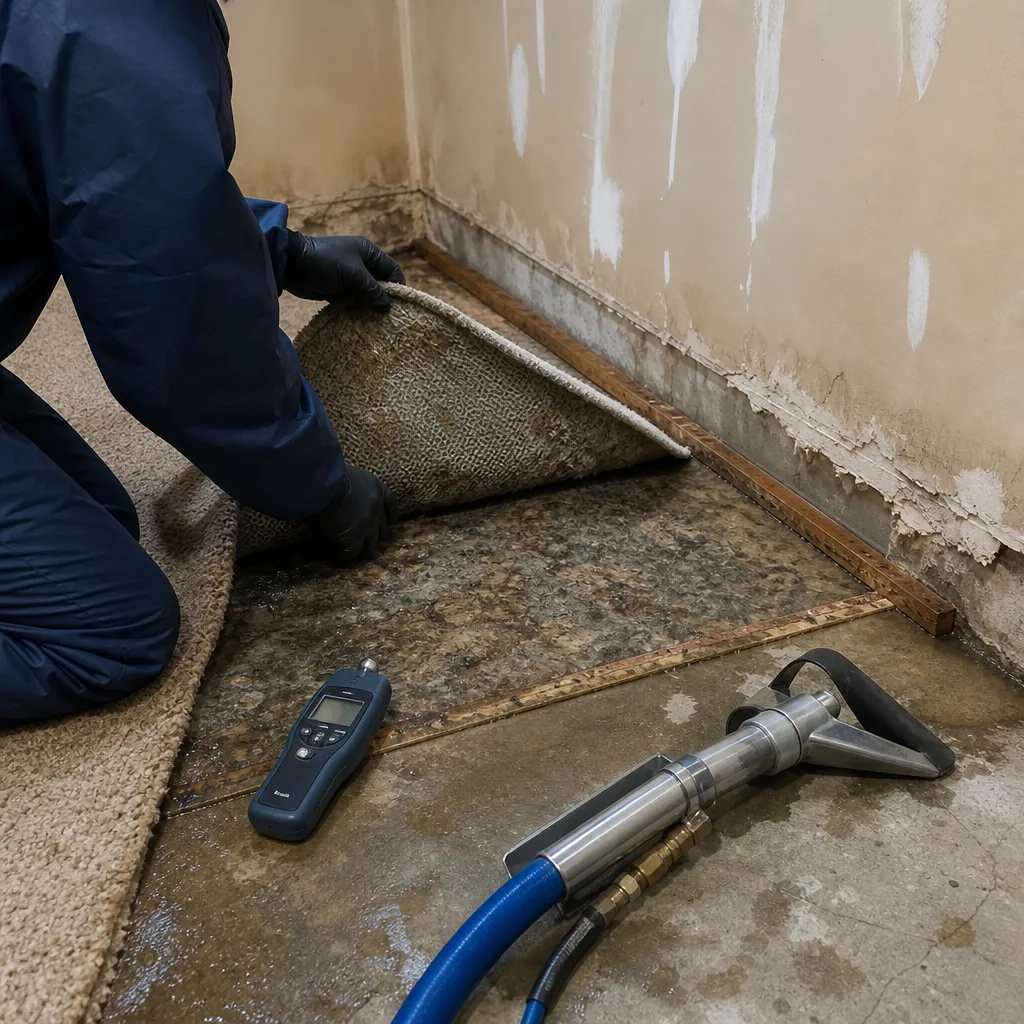
Drywall & Flooring Repair
From water-damaged ceiling trays in Battery Park City to swollen herringbone floors in Tribeca, we match materials and finishes rather than installing the nearest available alternative. Custom flooring and plaster take time to source, and we schedule reconstruction accordingly, not around a rush.
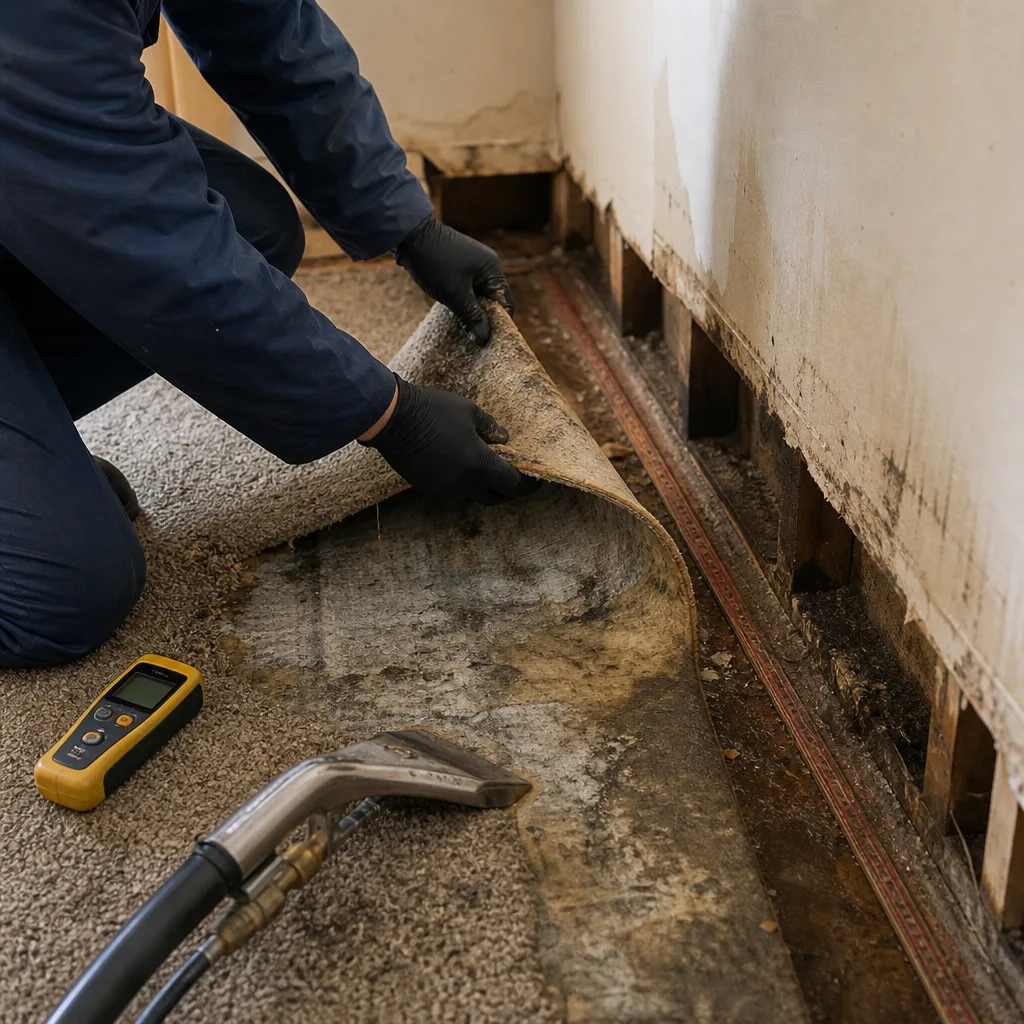
Contents Restoration & Pack-Out
Furniture, art, clothing, and electronics get packed, inventoried, cleaned, and stored while structural work proceeds. We use a contents-tracking system so a Tribeca loft’s artwork or a FiDi condo’s wine collection returns to the right room, accounted for.
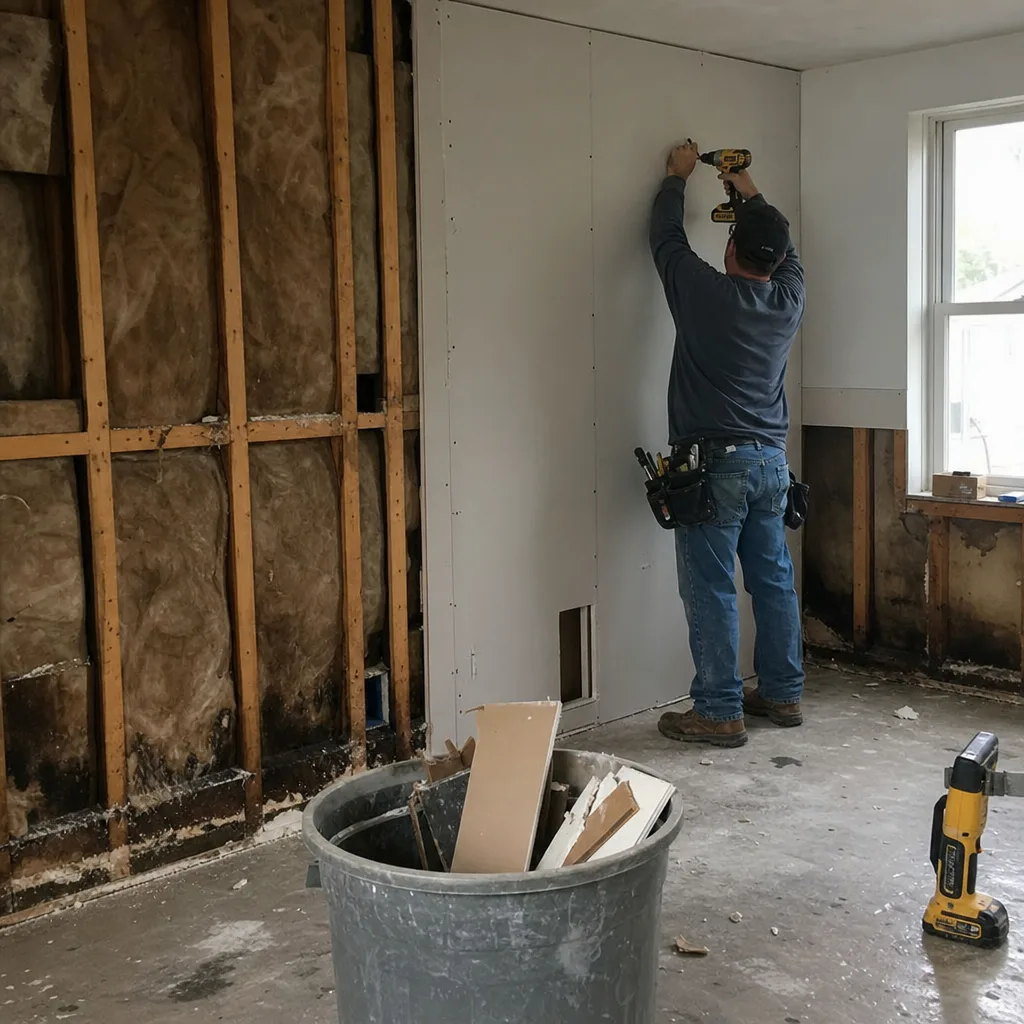
Post-Construction Cleanup
When we finish a rebuild, we leave the space clean enough to move back into. HEPA vacuuming, surface sanitization, and a final walkthrough with the 90-Day Done Right Promise in writing.
What happens when you call
- 1
A real person answersNo phone trees - you reach a local pro.
- 2
You get an upfront price rangeHonest numbers before anyone is dispatched.
- 3
A background-checked tech heads outLicensed & insured, dispatched right away.
- 4
You approve before work beginsNothing starts until you say go.
Reconstruction & Cleanup Costs in Lower Manhattan, NY
What You Can Expect to Pay
- Water extraction and structural drying: $1,800-$4,500 for a typical Lower Manhattan condo or loft.
- Full drywall and flooring reconstruction: $8,000-$25,000 depending on square footage and finish grade.
- Saltwater remediation and corrosion treatment: $3,500-$12,000 for sub-basement mechanical rooms and conduit work.
- Contents pack-out, cleaning, and storage: $2,500-$9,000 including inventory and return delivery.
- Post-construction cleanup and sanitization: $800-$2,200 for a full condo or loft space.
These ranges reflect Lower Manhattan’s real costs: freight elevator coordination, union building requirements, and the specialized saltwater protocols that don’t exist in most restoration pricing guides. We provide a free visual inspection and a written scope before any work begins, so you’re looking at real numbers, not vague estimates. Many of these costs fall under covered insurance claims, and we bill your carrier directly.
We Also Serve Cities Near Lower Manhattan
Floodline Restoration Co. provides Reconstruction & Cleanup across the neighborhoods that surround Lower Manhattan, including Midtown West, Washington Square, Midtown Manhattan, and Murray Hill. Our crews understand the differences between a pre-war Fifth Avenue co-op and a Battery Park City tower, and we dispatch accordingly. Call (551) 348-8481 to reach a live person 24 hours a day from anywhere in the area.
Serving Lower Manhattan, NY - Our Local Coverage Area
We’re based in the Lower Manhattan area and know this community well. Use the map below to see our service coverage - if you’re nearby, we can almost certainly help.
Lower Manhattan Reconstruction & Cleanup Questions, Answered
How does saltwater from a Lower Manhattan flood affect reconstruction differently than freshwater?
Saltwater corrodes steel, electrical systems, and HVAC components far more aggressively than freshwater, which means reconstruction must begin with corrosion control, not just drying. We apply antimicrobial treatment and corrosion-arresting agents to structural steel and conduit before any rebuild work starts.
Can Floodline Restoration Co. handle reconstruction in a high-rise with only freight elevator access?
Yes. We coordinate freight elevator scheduling with building management before crews arrive, and our equipment is selected for vertical movement through narrow service corridors. This is standard practice for us in the Financial District and Battery Park City, where freight elevators and loading docks control every job.
Do you document moisture readings for post-Sandy flood insurance claims in Lower Manhattan?
We document every reading in a daily drying log, with photo evidence and a moisture map that tracks progress against the dry standard. This log goes to your carrier alongside the line-item scope, and we walk the adjuster through it in person when they visit.
What Category of flood water is typical in Battery Park City basements after a nor’easter?
After a nor’easter, Battery Park City basements typically show Category 3 water, meaning it contains seawater, sewage, or other contaminants from street-level vaults and storm drains. Category 3 water requires full containment, antimicrobial treatment, and disposal of all saturated porous materials like drywall and insulation.
How quickly does mold appear after a Lower Manhattan flood, and do you guarantee mold-free reconstruction?
Mold can establish within 24 to 48 hours on wet drywall and organic materials in Lower Manhattan’s humid climate. We begin extraction and drying within hours, not days, and every reconstruction is backed by our 90-Day Done Right Promise: if mold appears in a rebuilt area due to our work, we correct it in writing, no argument.
How quickly can you actually get to my building in Lower Manhattan?
Our commitment is 45 minutes or less for emergency response anywhere in Lower Manhattan. Crews are positioned near the Financial District, Battery Park City, and Tribeca, and a live dispatcher confirms the arrival time when you call (551) 348-8481.
Do I really need full reconstruction, or can you just clean and dry?
For Category 1 water from a fresh pipe burst, drying and cleaning may be sufficient. For Category 3 seawater or sewage, saturated drywall, insulation, and some flooring must be removed and rebuilt. We tell you the truth after the inspection, with a written scope that shows exactly what needs demolition and what can stay.
What should I do in the first 30 minutes after a flood or fire in Lower Manhattan?
Call (551) 348-8481 and shut off electricity only if you can do so safely and the panel is not wet. Do not enter standing water in a sub-basement. Take photos from a safe distance. Then stay on the line with our dispatcher, who will walk you through what to do while the crew is on the way.
Written by Curt Bowman, Owner at Floodline Restoration Co., serving Lower Manhattan and the greater New York City area.