
Free visual inspection and a written scope of work before any mitigation begins - photos, moisture readings, and drying logs go in your claim file
The scope we write is the scope we bill. Anything new gets shown to you, in writing, before we touch it.
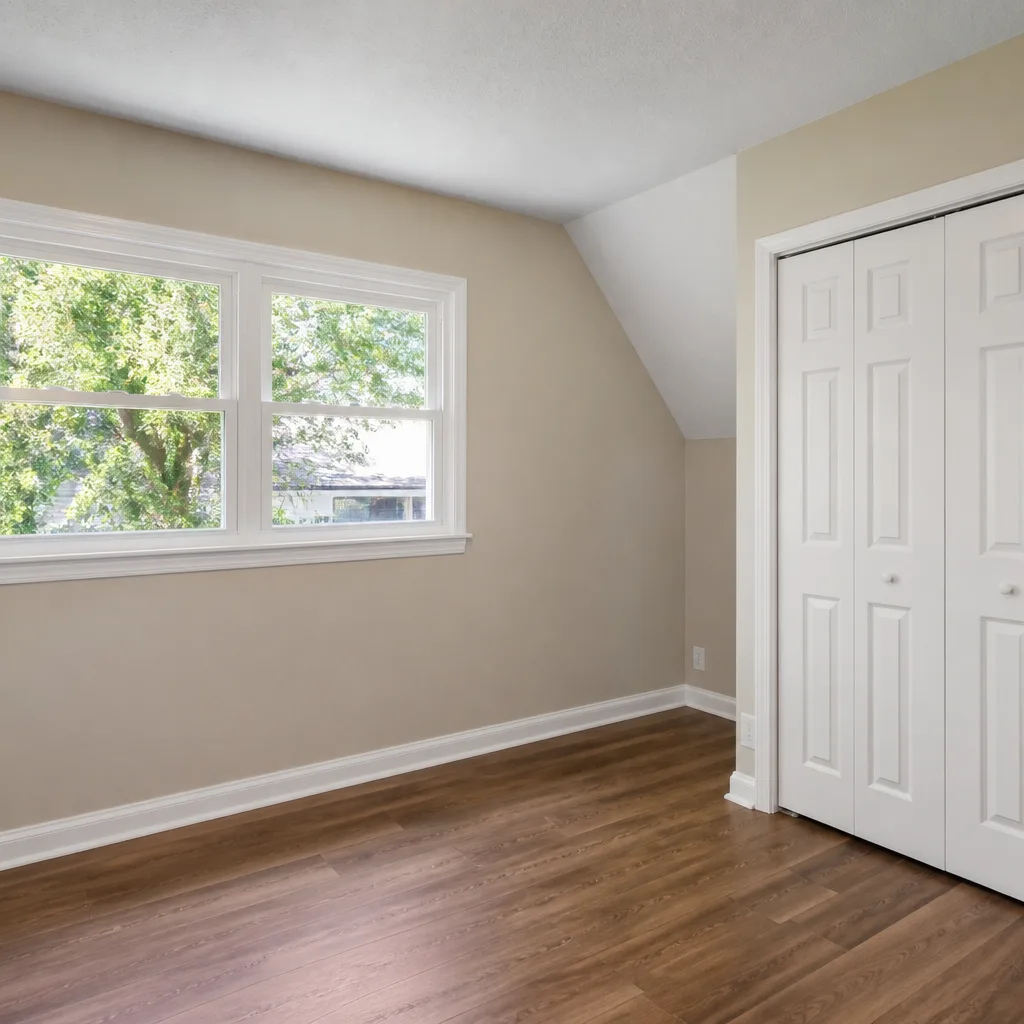
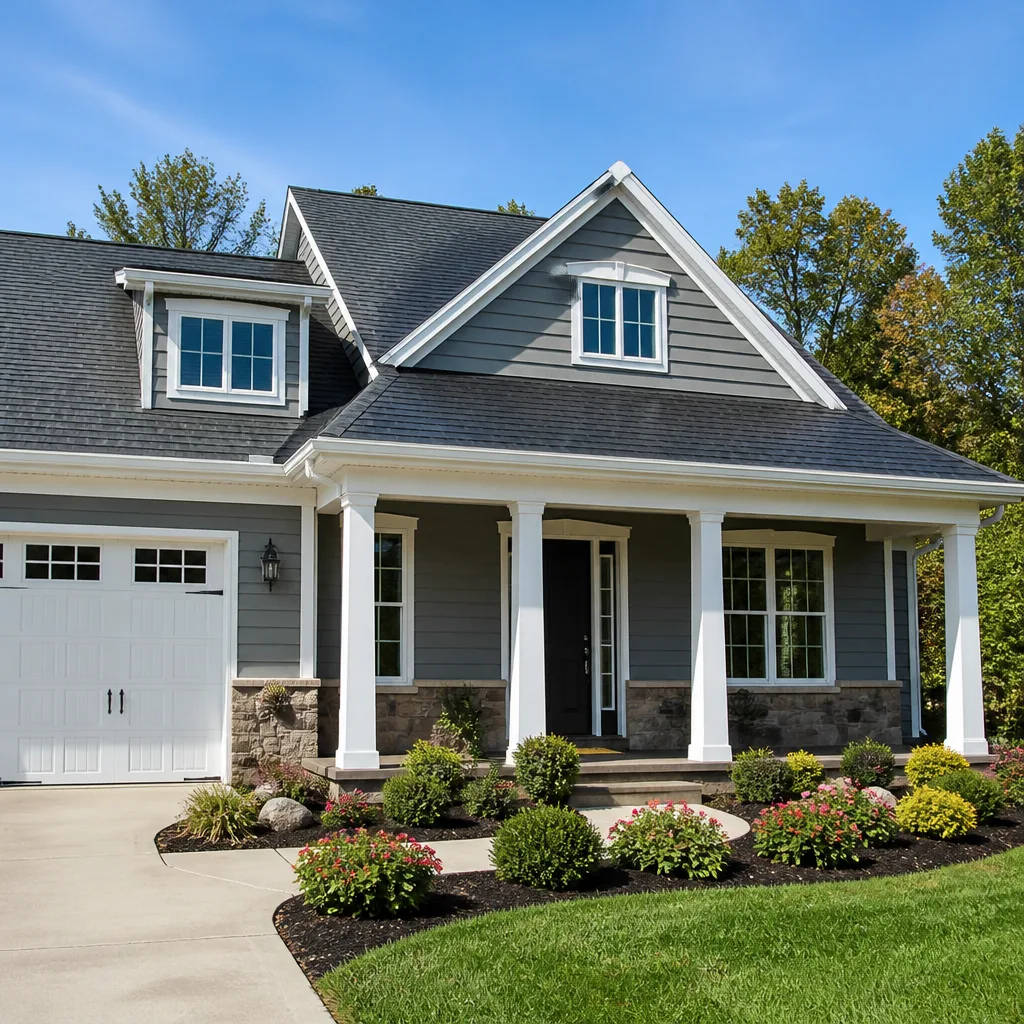
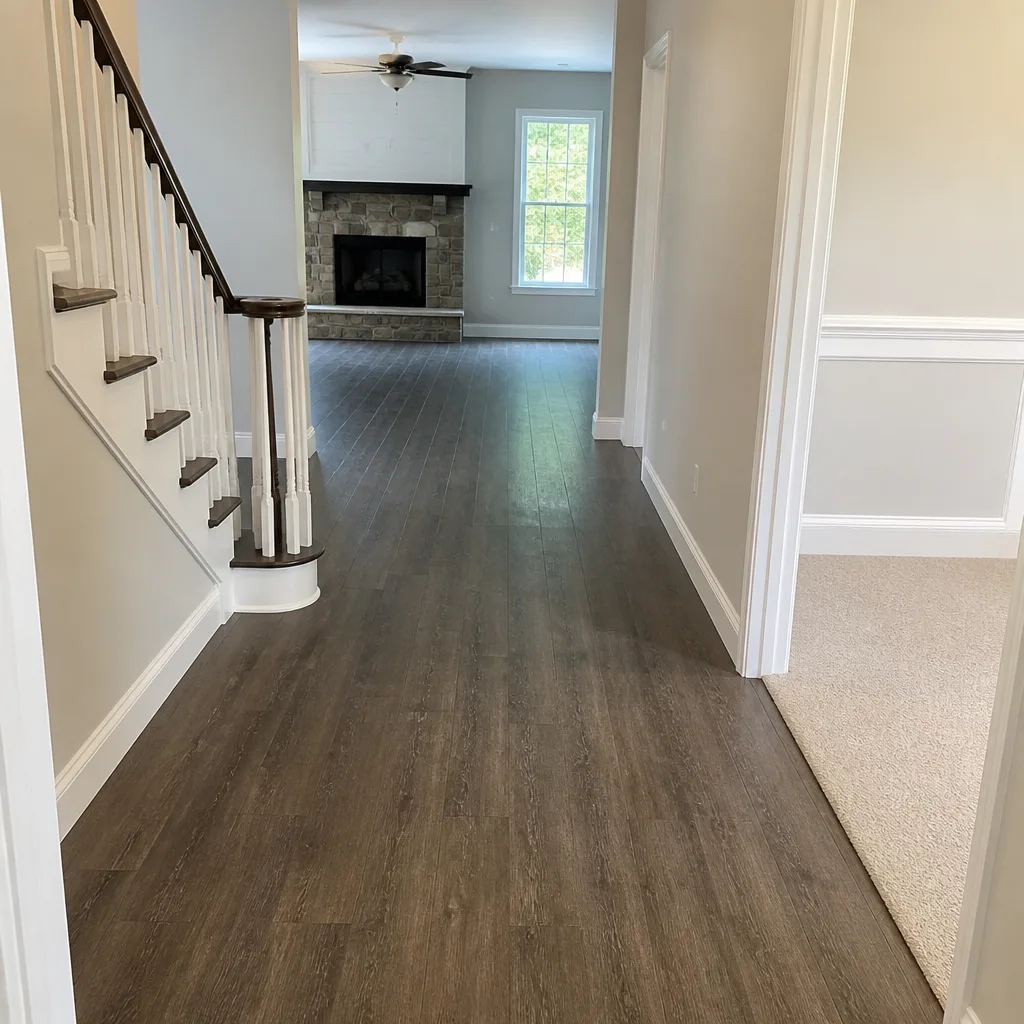
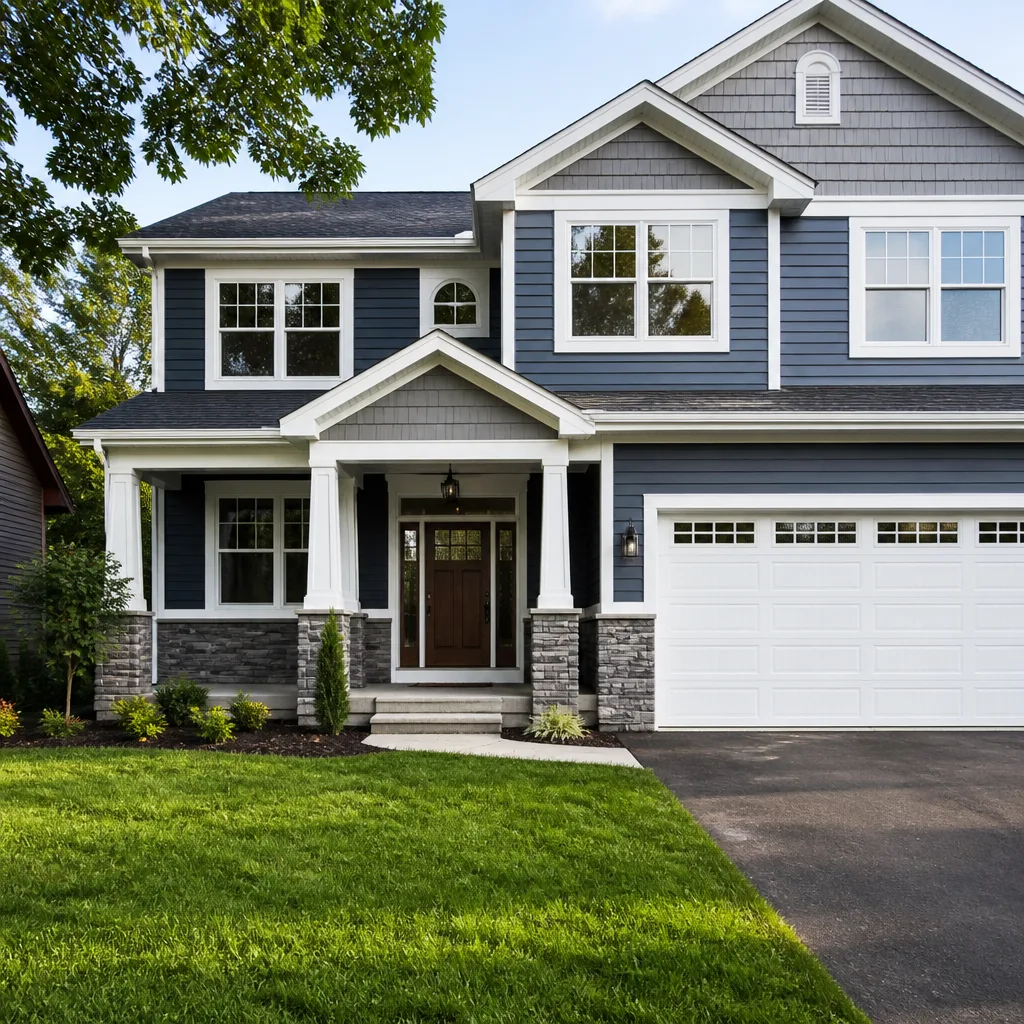
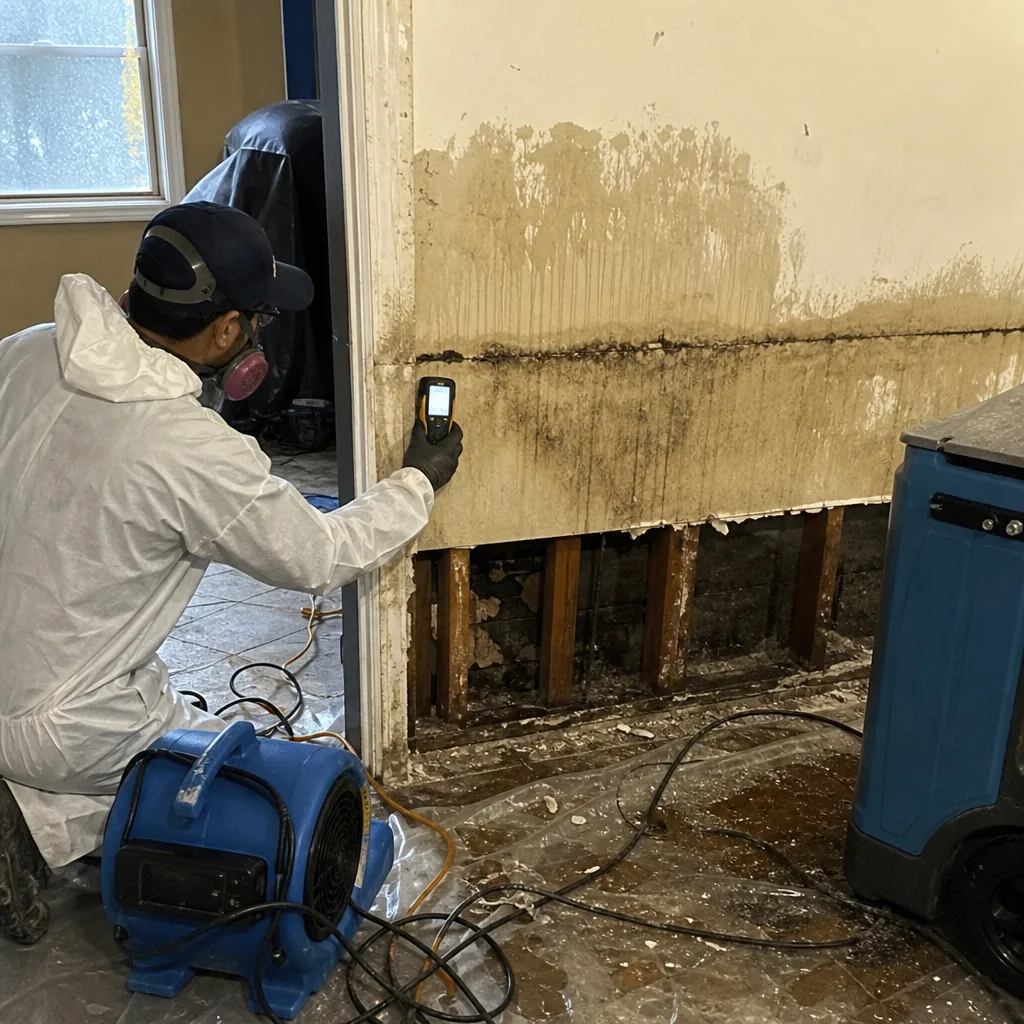 Before
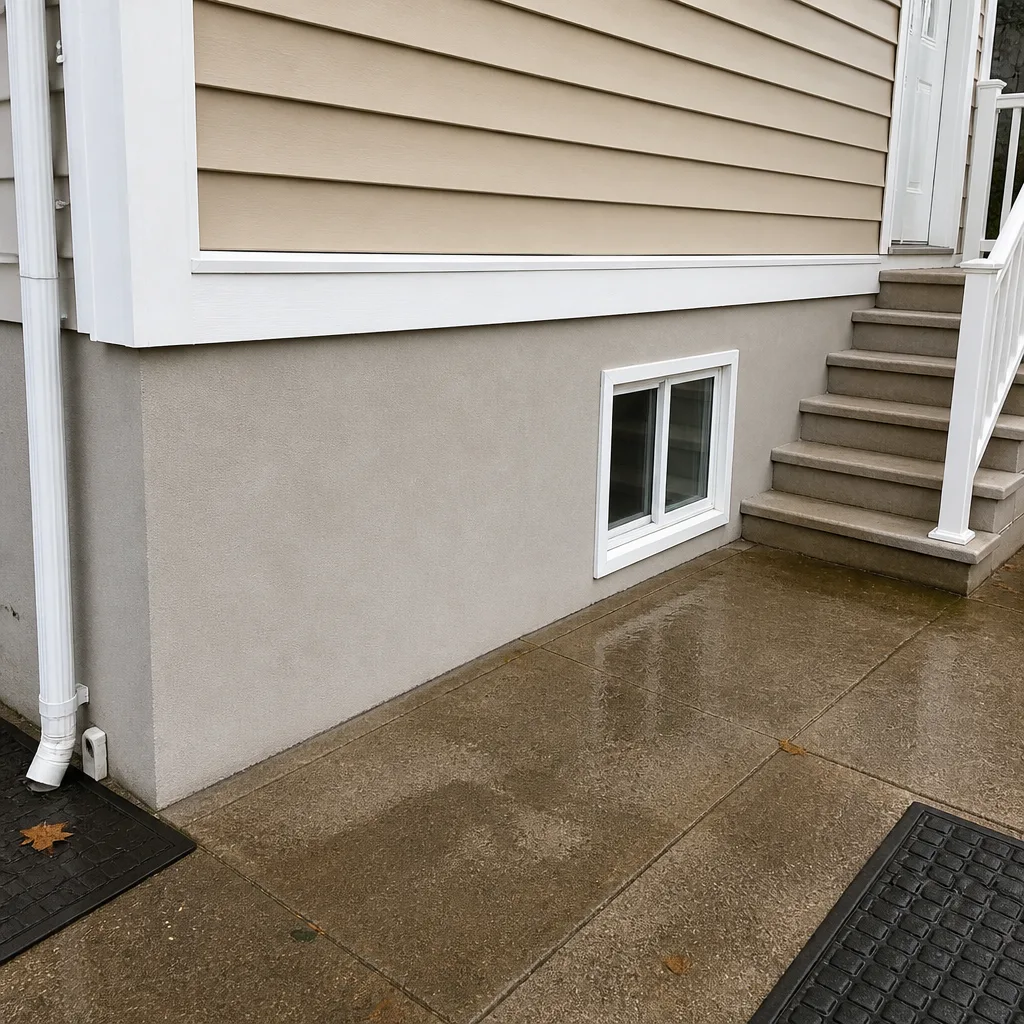 After
After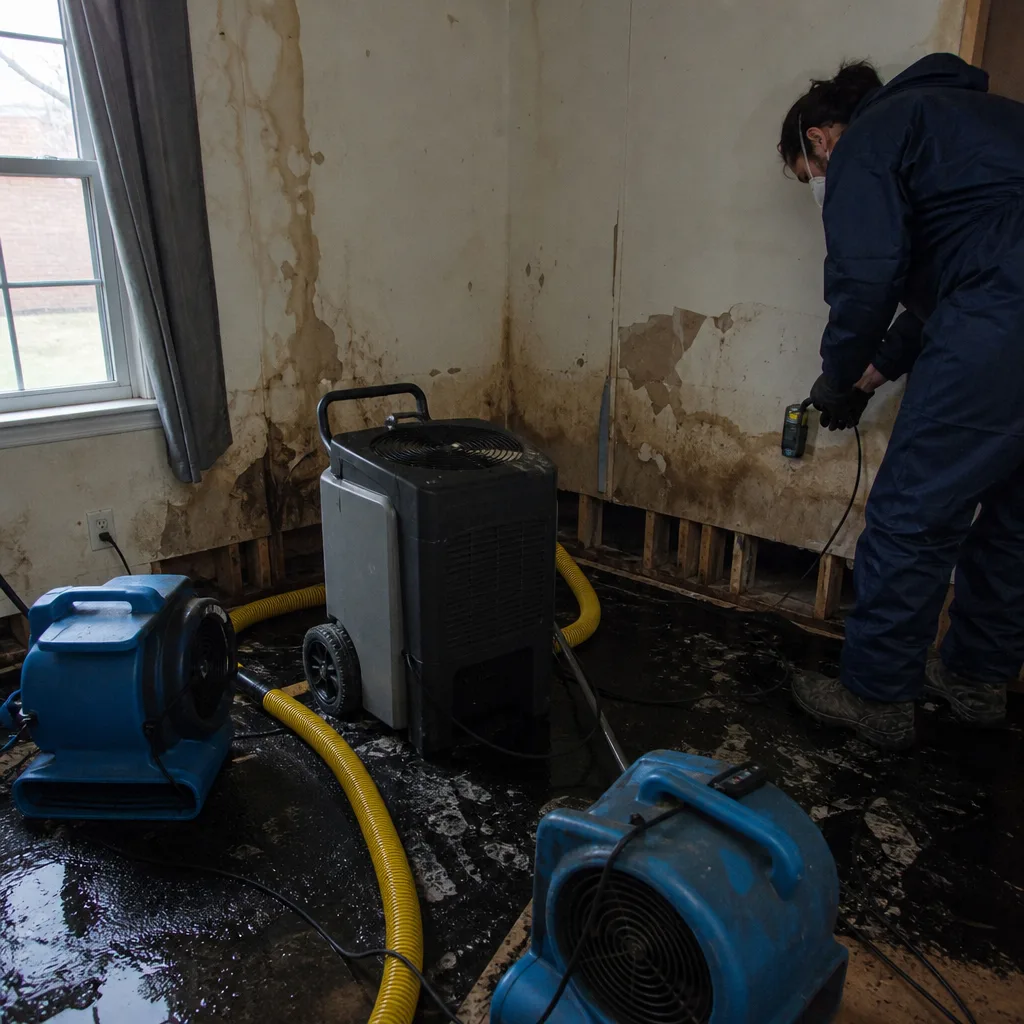 Before
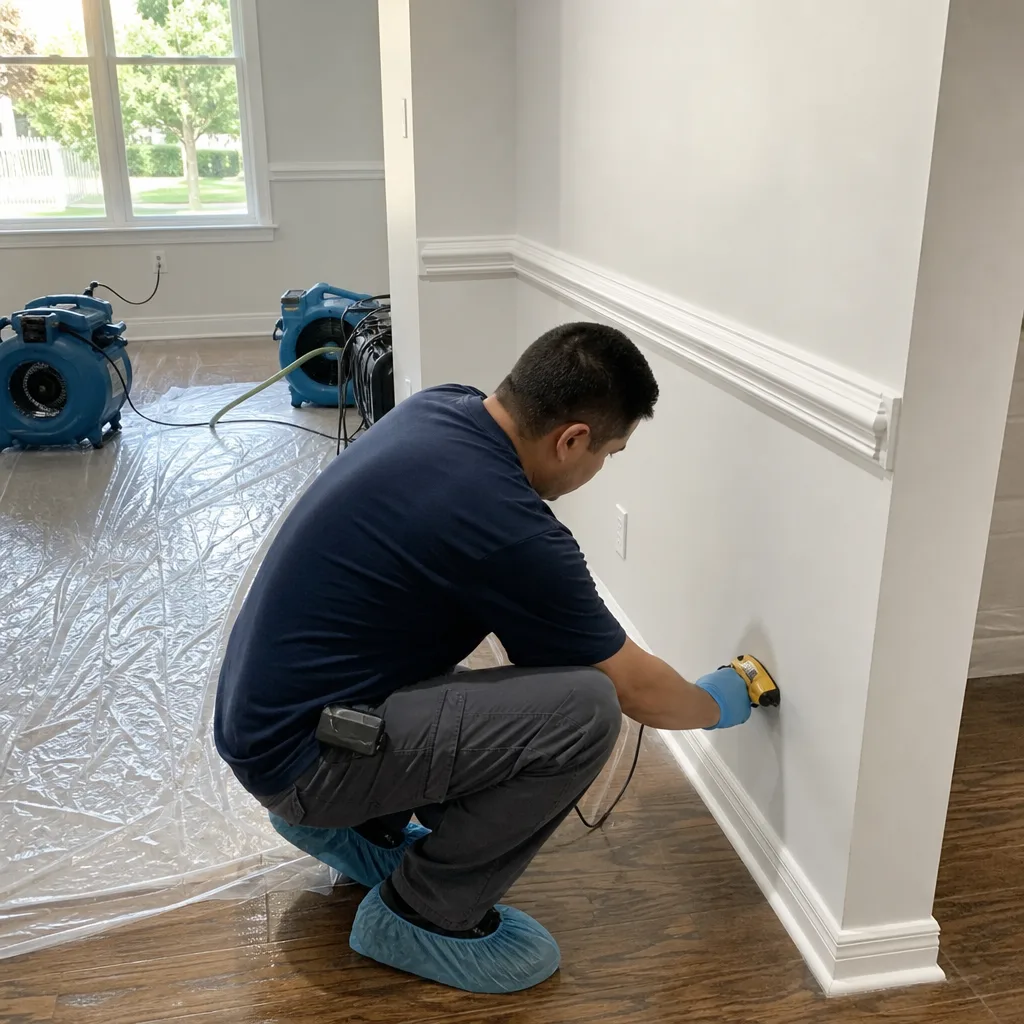 After
After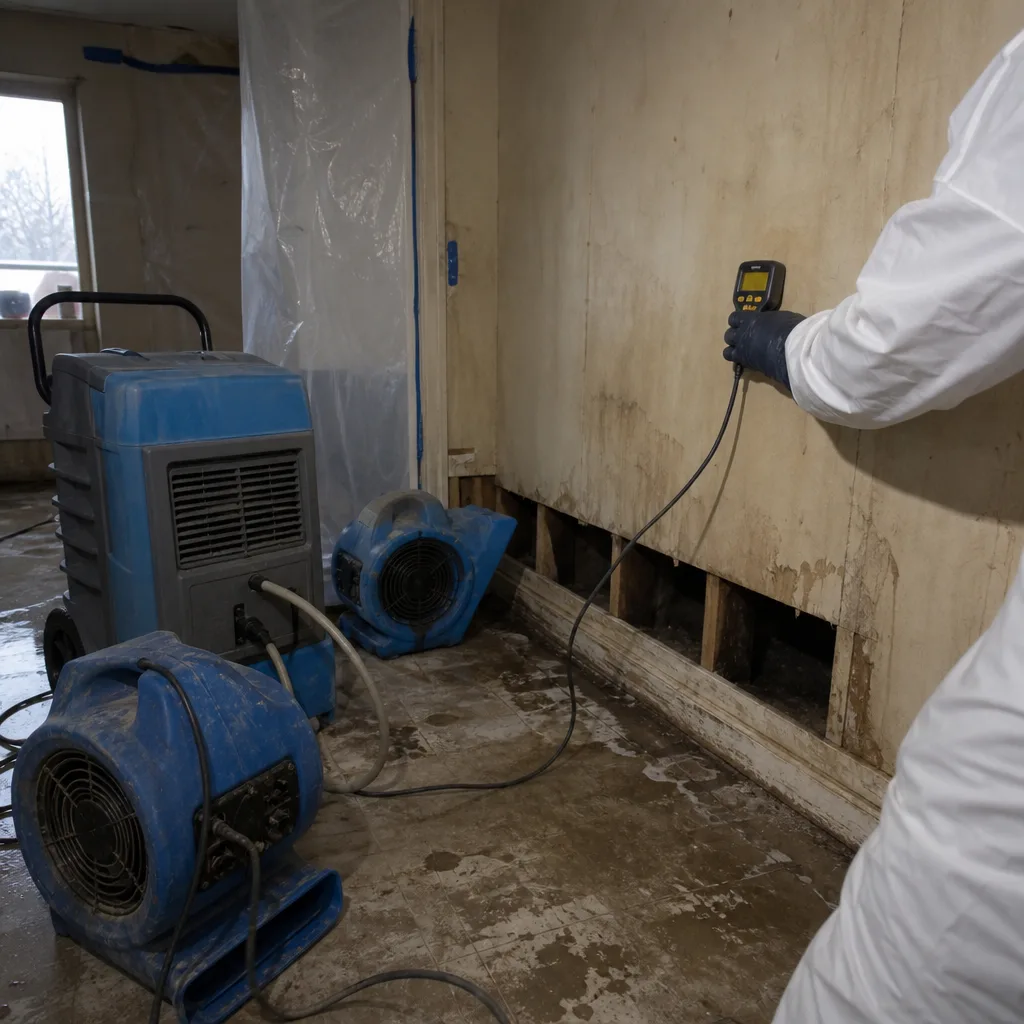 Before
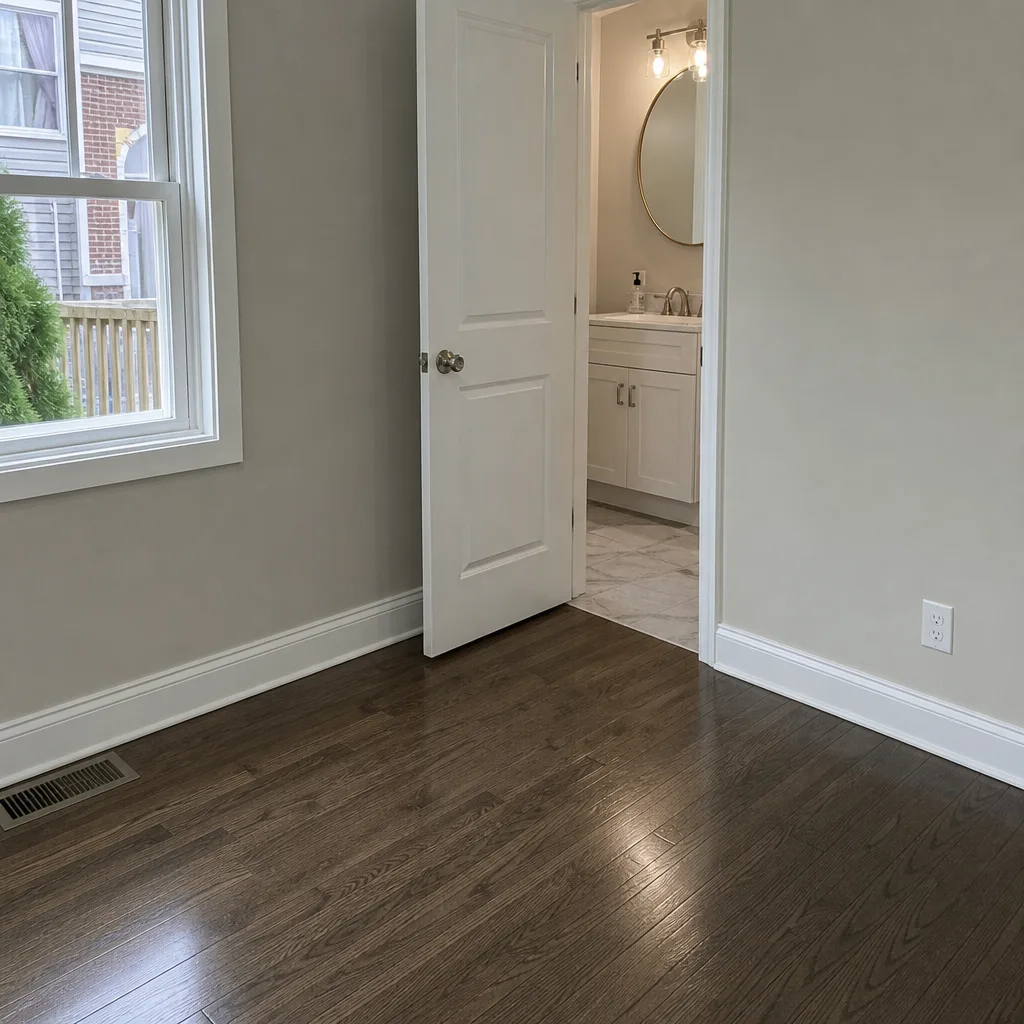 After
After24/7 Emergency Reconstruction & Cleanup in West New York
When a pipe bursts on the top floor of a six-story walk-up, the clock starts before the first tenant even sees water. Floodline Restoration Co. answers live around the clock at (551) 348-8481, and we dispatch crews into West New York within 45 minutes. The first hour determines whether you’re facing a dry-out or a full gut-and-rebuild, because water in stacked multi-unit buildings travels down and sideways through wall cavities, floor assemblies, and around steam risers long before it shows on a ceiling. A free visual inspection tells us exactly how far the damage has gone and what it will take to stop it. Every job starts with a written scope, so you know the plan before we cut anything open.
Understanding Reconstruction & Cleanup Severity in West New York Properties
Reconstruction after water or fire damage in West New York rarely means painting over a stain, which is why Water Damage Restoration - West New York starts with proper assessment. The inland blocks are dominated by pre-war brick apartment buildings from the 1920s through the 1960s, with plaster-over-lath ceilings, cast-iron supply lines, and steam-heat risers that corrode from the inside out. A slow leak behind plaster can saturate a lath assembly for weeks before anyone notices, which means moisture mapping and thermal imaging matter more than what’s visible on the surface. We classify water by its contamination level: Category 1 is clean supply water, Category 2 carries significant contaminants, and Category 3 includes sewage or floodwater from the Hudson riverfront. Structural drying needs professional-grade air movers and dehumidifiers running against the dry standard, with daily hygrometer readings logged until the assembly meets target moisture content. In the newer glass-and-steel high-rises along the waterfront, the failure modes shift to curtain-wall water infiltration, envelope leaks, and mechanical-room floods in below-grade parking and utility levels. Different building, same rule: the first reading establishes the baseline, and every reading after that tells us whether the drying curve is actually moving.
Why West New York Property Owners Choose Floodline Restoration Co.
- 45-minute response commitment - we tell you when the crew is leaving and when they’ll arrive, and a live dispatcher tracks the truck until it’s at your door.
- 24/7 live answer, always a person - at 2 a.m. during a nor’easter, you’ll talk to a dispatcher who knows the West New York street grid, not a recording.
- IICRC-certified crews - our technicians hold WRT, FSRT, and AMRT certifications, and they’re trained to RIA and IFA standards, so the scope is technically sound the first time.
- Free visual inspection - no charge to walk the property, read the moisture map, and show you exactly what we’re seeing before any work is approved.
- Direct insurance billing - we bill your carrier directly and send the documentation they need without you playing messenger between us and the adjuster.
- One team from extraction to rebuild - the same crew that sets containment on day one is the crew that hangs drywall and matches plaster profiles on day thirty. No handoffs, no inherited crews.
Our Reconstruction & Cleanup Process
Inspection & Assessment
We start with thermal imaging and moisture meters on every affected surface, plus every floor below the source unit. In a pre-war walk-up off Bergenline Avenue, we inspect stacked units floor by floor because the damage always travels further than the visible stain suggests. You get a written scope with line items and a drying plan before demolition starts.
Extraction & Stabilization
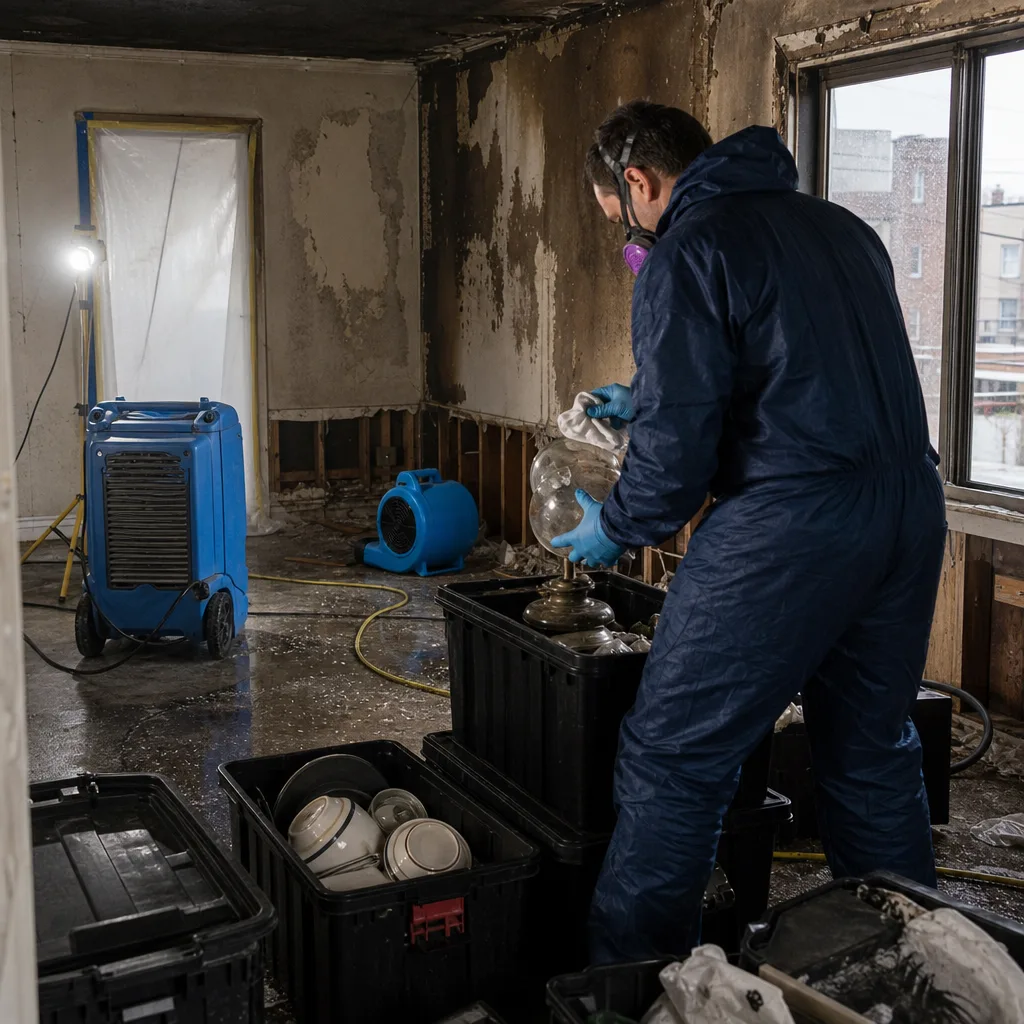
Standing water comes out first with truck-mounted extraction, followed by structural stabilization of any compromised assemblies. We isolate the affected areas with containment so construction dust and airborne contaminants don’t migrate into occupied units.
Drying & Dehumidification
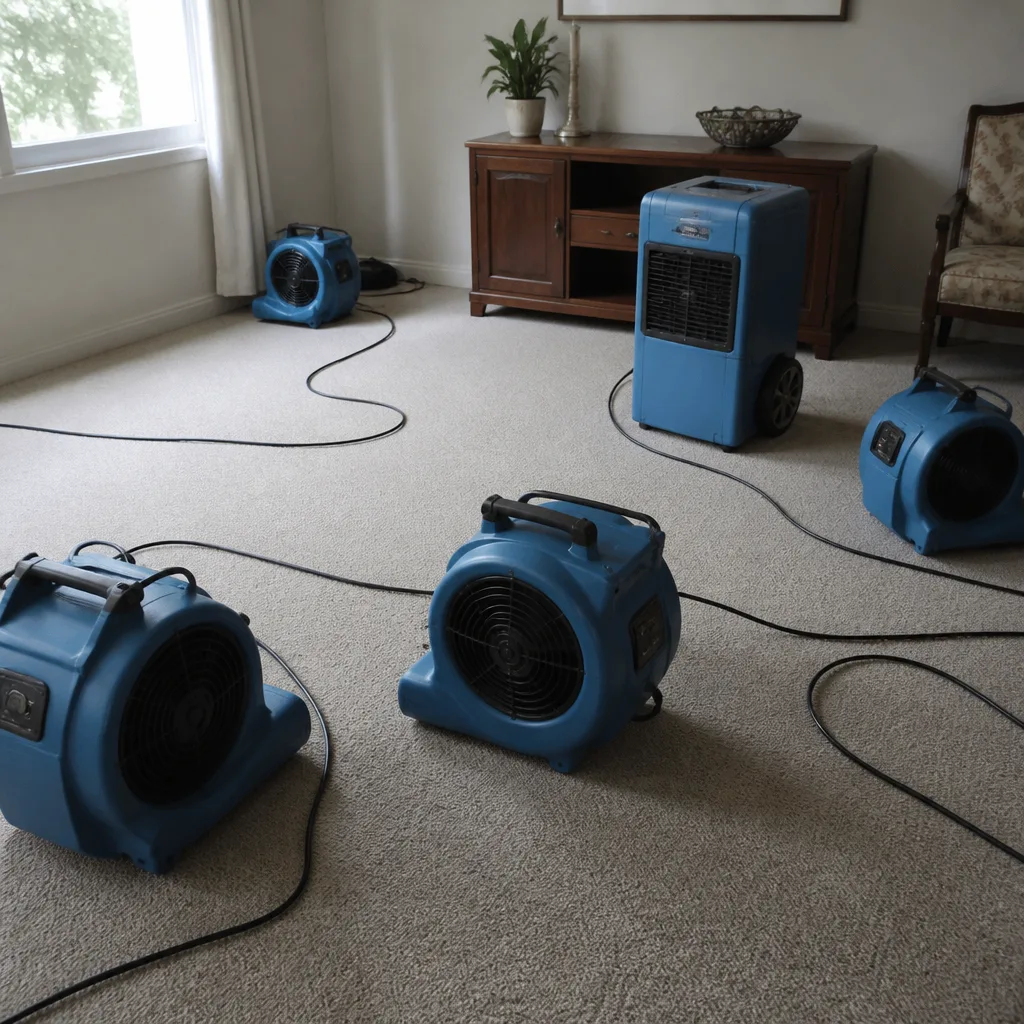
Professional-grade Dri-Eaz and Phoenix air movers and dehumidifiers run continuously, with daily moisture readings logged against the dry standard. In West New York’s older plaster-and-lath assemblies, we extend drying time rather than accepting a surface-dry reading that hides moisture behind the wall.
Cleaning & Sanitization
Affected surfaces are cleaned with appropriate antimicrobial treatments, and we run HEPA air scrubbers to clear airborne particulates. Category 2 and 3 water events get the appropriate sanitization protocol documented in writing before rebuild begins.
Contents Restoration & Pack-Out
Salvageable contents are inventoried, packed out, and restored off-site when necessary. In densely occupied apartment buildings, we coordinate pack-out logistics so stairwells and elevators stay clear for residents.
Repairs & Restoration
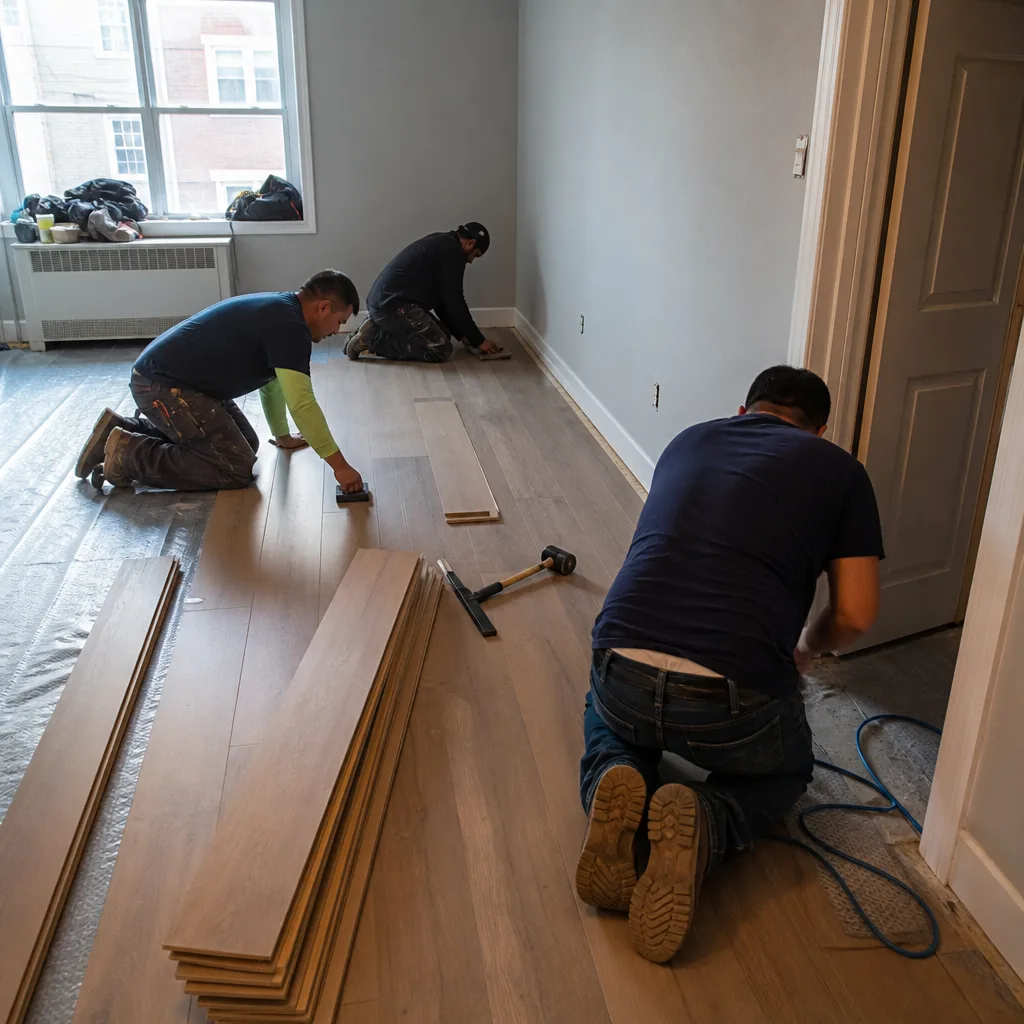
Drywall, flooring, and finish carpentry are rebuilt to match the surrounding condition. For pre-war apartments, that means matching historic plaster profiles, not patching with generic drywall and walking away.
Need Emergency Reconstruction & Cleanup in West New York Now?
Crews minutes away, answering live 24 hours a day. The sooner we start, the less it costs.
Working With Your Insurance Company
We’ve spent over fifteen years handling reconstruction claims in multi-unit buildings, and we know what adjusters need to see: documentation from the first hour, not a narrative pieced together after demolition. Our team photographs every affected surface room by room, logs moisture readings per floor before any material is removed, and produces a line-item scope of work that matches industry-standard estimating software. When damage crosses multiple tenants in one West New York building, we document each unit separately so no claim gets tangled. We communicate with your adjuster directly, answer their questions, and bill your carrier so you don’t front the cost while paperwork crawls.
What We Provide Your Insurer
- Thorough documentation of the loss
- Photos of all damage, room by room
- Moisture readings and drying logs
- A detailed, line-item scope of work
- Direct coordination with your carrier
Built for West New York’s Loss Calendar
West New York’s loss calendar follows a pattern that local crews know by heart. January deep freezes burst supply lines in unheated stairwells and vacant upper-floor units, sending water down through stacked apartments before anyone notices. Spring thaw and heavy rain drive basement seepage into pre-war foundations along the lower-elevation blocks east of Boulevard East, where the Palisades slope concentrates stormwater runoff toward the Hudson riverfront. Summer thunderstorms overwhelm aging roof drains on flat-roof walk-ups, and water finds the path of least resistance down through ceiling assemblies. Nor’easters in fall and winter push water against the riverfront high-rises, testing curtain-wall seals and below-grade parking levels. The common thread across every season: water moves fast in multi-unit buildings, and the visible damage on one ceiling is almost never the full story. That’s why our crews inspect every floor below the source before scoping any reconstruction job in West New York.
Reconstruction & Cleanup Across West New York’s Neighborhoods
The building stock changes neighborhood by neighborhood, and so does the reconstruction approach. Along Boulevard East, the pre-war co-ops and condos command views of the Manhattan skyline and demand finish matching that respects original plaster, wood floors, and period millwork. Down in the flats around 60th Street and Broadway, the dense walk-up blocks east toward River Road present the classic stacked-unit scenario: a top-floor supply line failure saturates four or five ceilings below, and every floor needs its own moisture map and its own scope. The waterfront high-rises north of Port Imperial Boulevard are a different animal entirely, with mechanical rooms in below-grade levels, curtain-wall envelope leaks, and building management protocols that intersect with our reconstruction work. Bergenline Avenue properties add a commercial dimension: West New York Commercial Restoration covers street-level storefronts with residential units above, where a single water event means coordinating business interruption claims alongside residential rebuilds. And in the quieter residential pockets near 51st Street and Palisade Avenue, the older single-family and two-family wood-frame homes carry their own set of challenges: balloon framing that channels water from attic to basement, detached garages with outdated electrical, and crawlspaces that hold moisture against floor joists. Each of these profiles demands a different scoping conversation, and we’ve had most of them before.
Specialized Reconstruction & Cleanup Services We Offer in West New York
Full-Service Reconstruction
When a West New York apartment needs full reconstruction after a fire or a category 3 flood, we handle the entire scope: demolition, structural repair, electrical and plumbing coordination, drywall or plaster restoration, flooring, and finish work. One crew, one supervisor, one written scope. No subcontracted handoffs, no surprises at the final invoice.
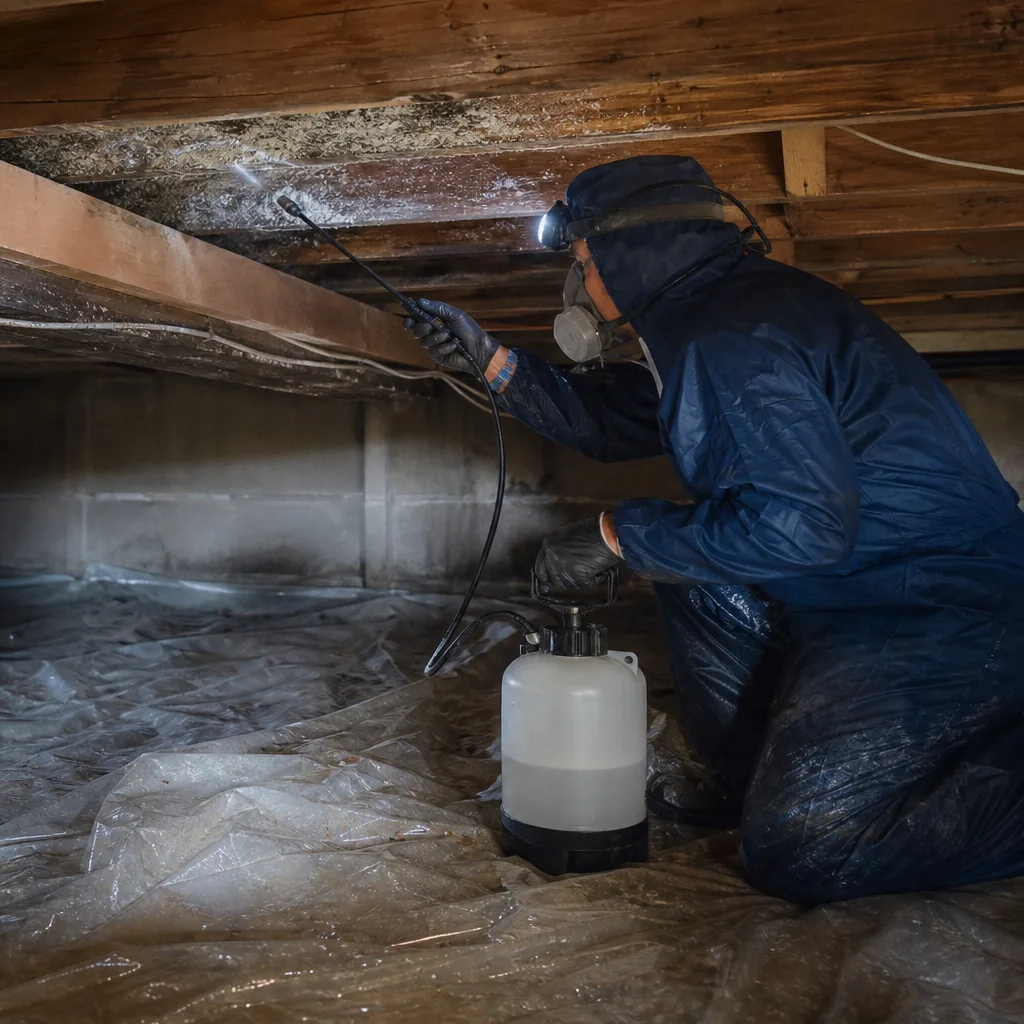
Drywall & Flooring Repair
This is where West New York’s older housing stock separates experienced crews from the rest. Pre-war plaster-over-lath assemblies crack along historic key lines when patched with modern drywall and joint compound, because the substrate expands and contracts differently. We match plaster profiles with appropriate lime-based or veneer systems, then repair or refinish hardwood floors with moisture readings confirming the subfloor is actually dry before sanding and sealing.
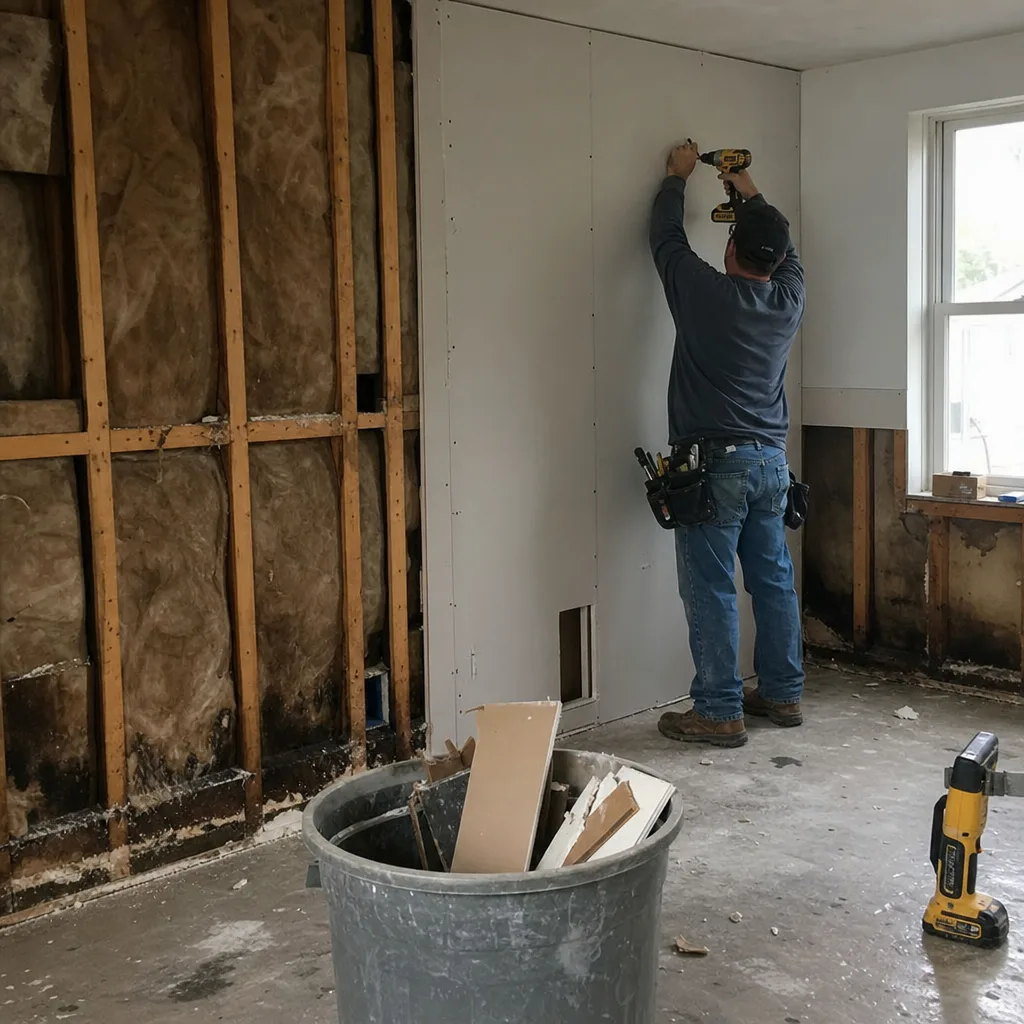
Contents Restoration & Pack-Out
In a densely occupied multi-unit building, you can’t pile tenant belongings in the hallway. We inventory, photograph, and pack contents for off-site restoration, coordinating with building management so elevators and stairwells stay clear. Contents restoration includes cleaning, deodorizing, and repairing salvageable furniture, clothing, electronics, and documents.
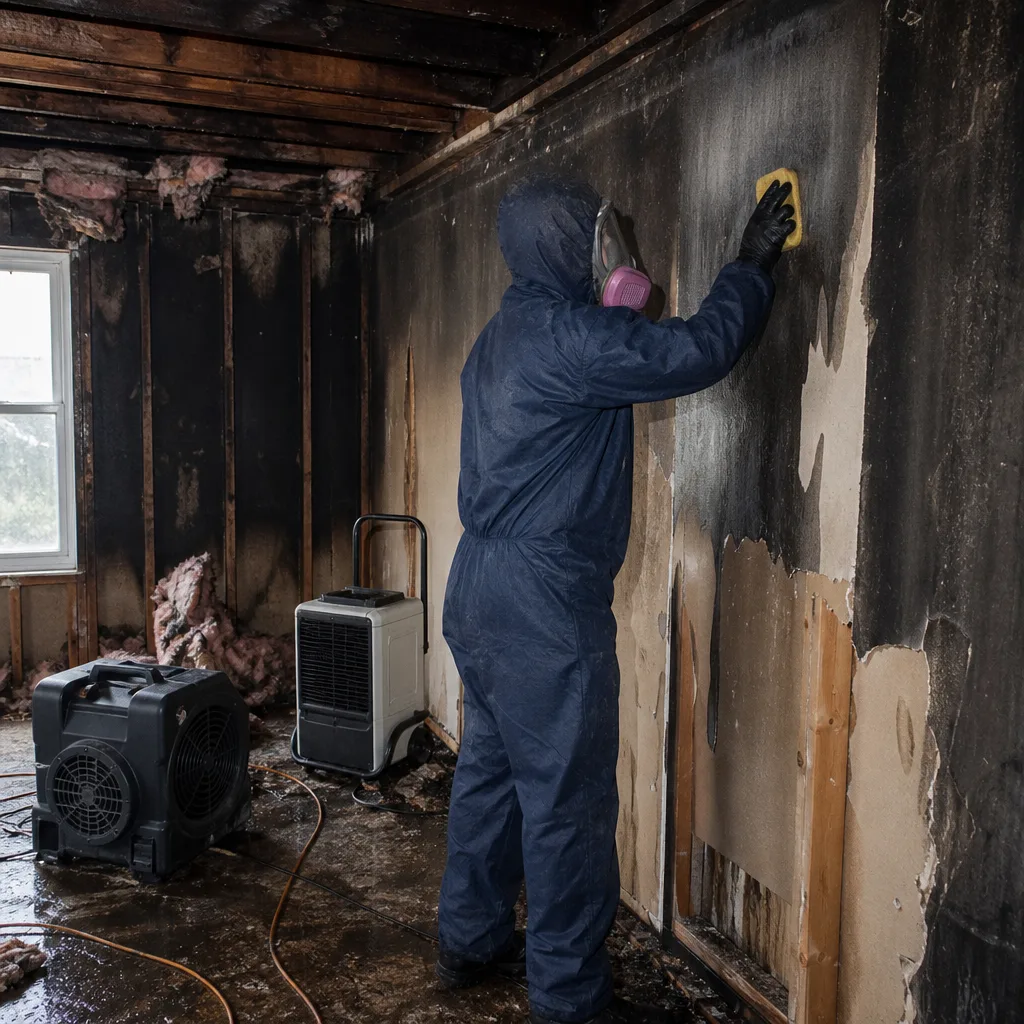
Carpet & Upholstery Cleaning
After a water event, carpet and upholstery need more than a surface clean. We extract with professional-grade equipment, apply appropriate antimicrobial treatments where warranted, and dry to standard with air movers and dehumidifiers. In West New York apartments where replacement carpet may be on the landlord’s timeline, a thorough cleaning often buys time while the full scope is determined.
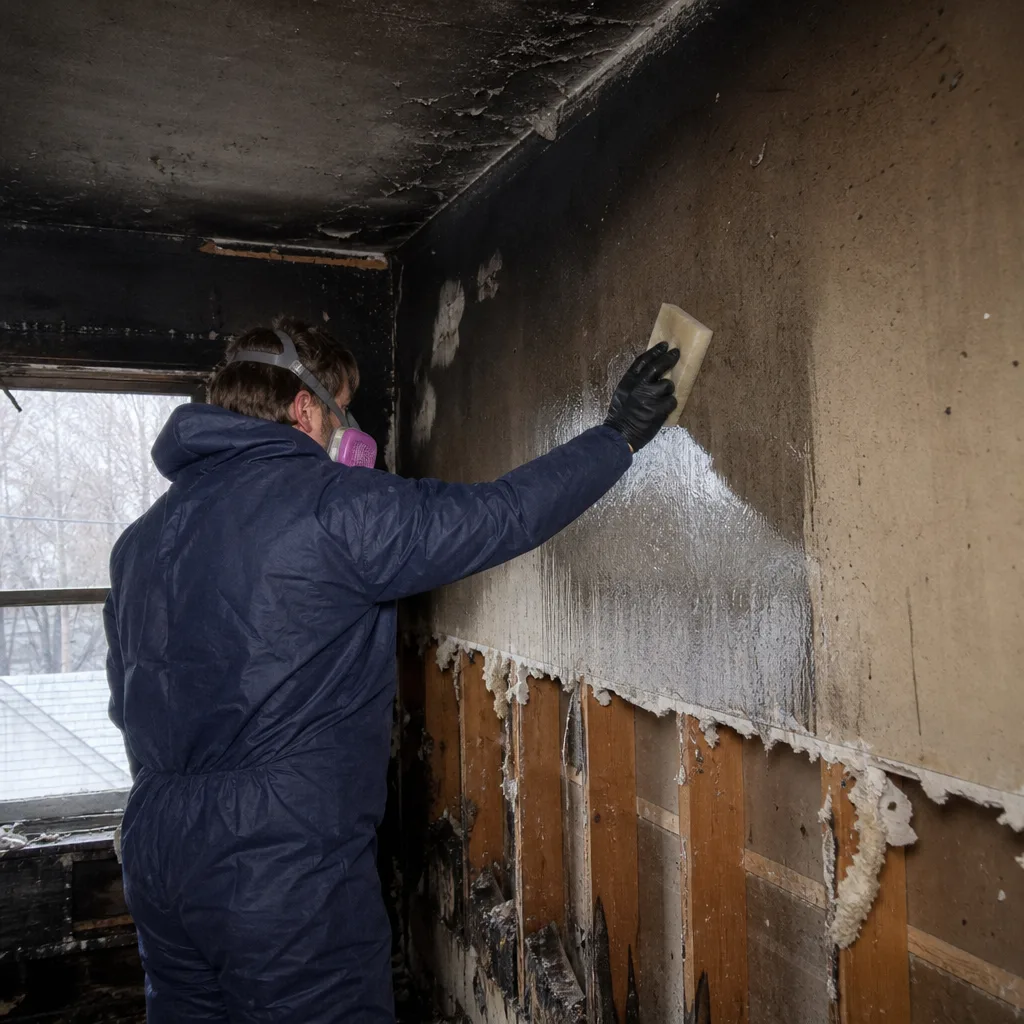
Post-Construction Cleanup
After the rebuild is done, the apartment shouldn’t look like a construction zone. We remove dust, debris, and construction residue, run HEPA air scrubbers to clear fine particulate, and clean every surface so residents can move back in without breathing drywall dust. This is included in our reconstruction scope, not billed as a surprise add-on.
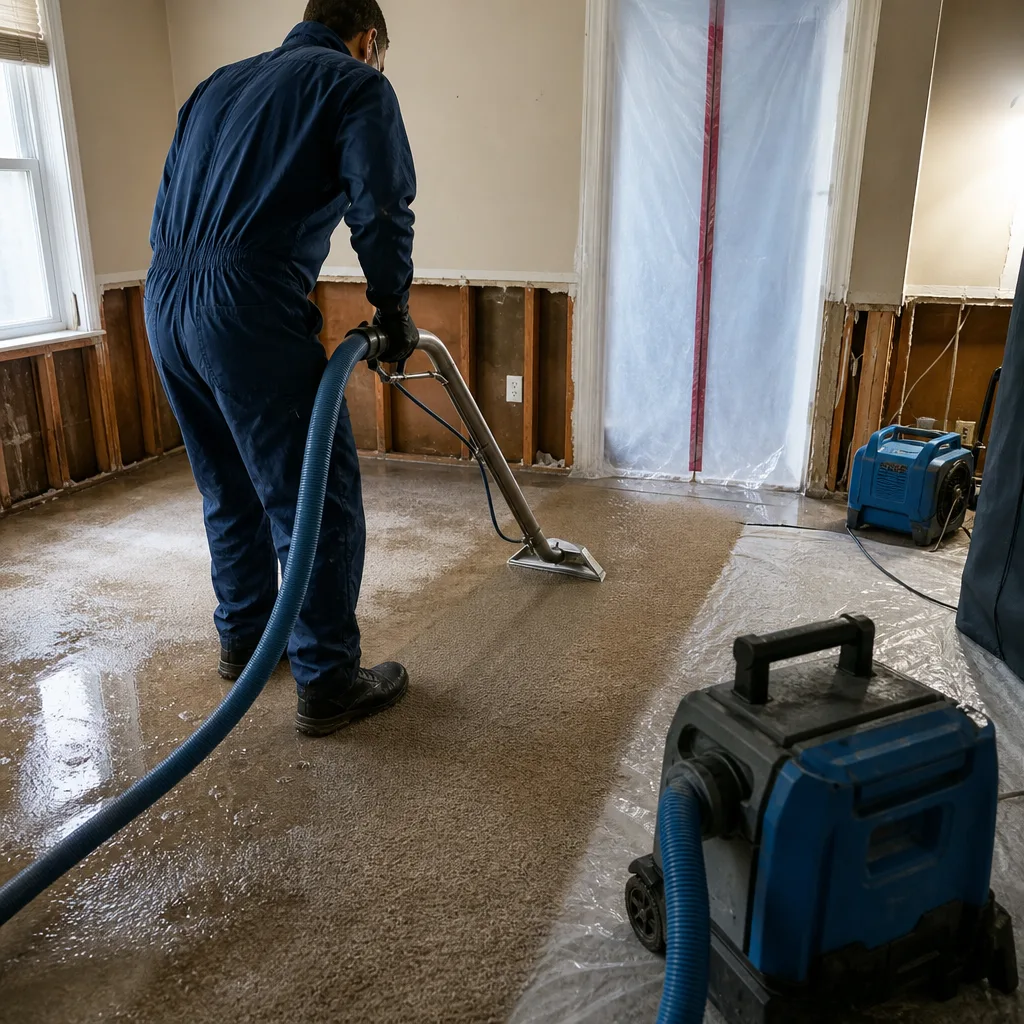
Insurance Claim Documentation
Cross-unit water or fire damage in a West New York building with multiple tenants and multiple policies is a documentation challenge. We create a separate evidence file for each affected unit: pre-demolition photos, moisture readings per floor, drying logs, and a line-item scope. That documentation goes directly to each carrier, which keeps claims moving and prevents disputes over pre-loss condition from stalling the rebuild.
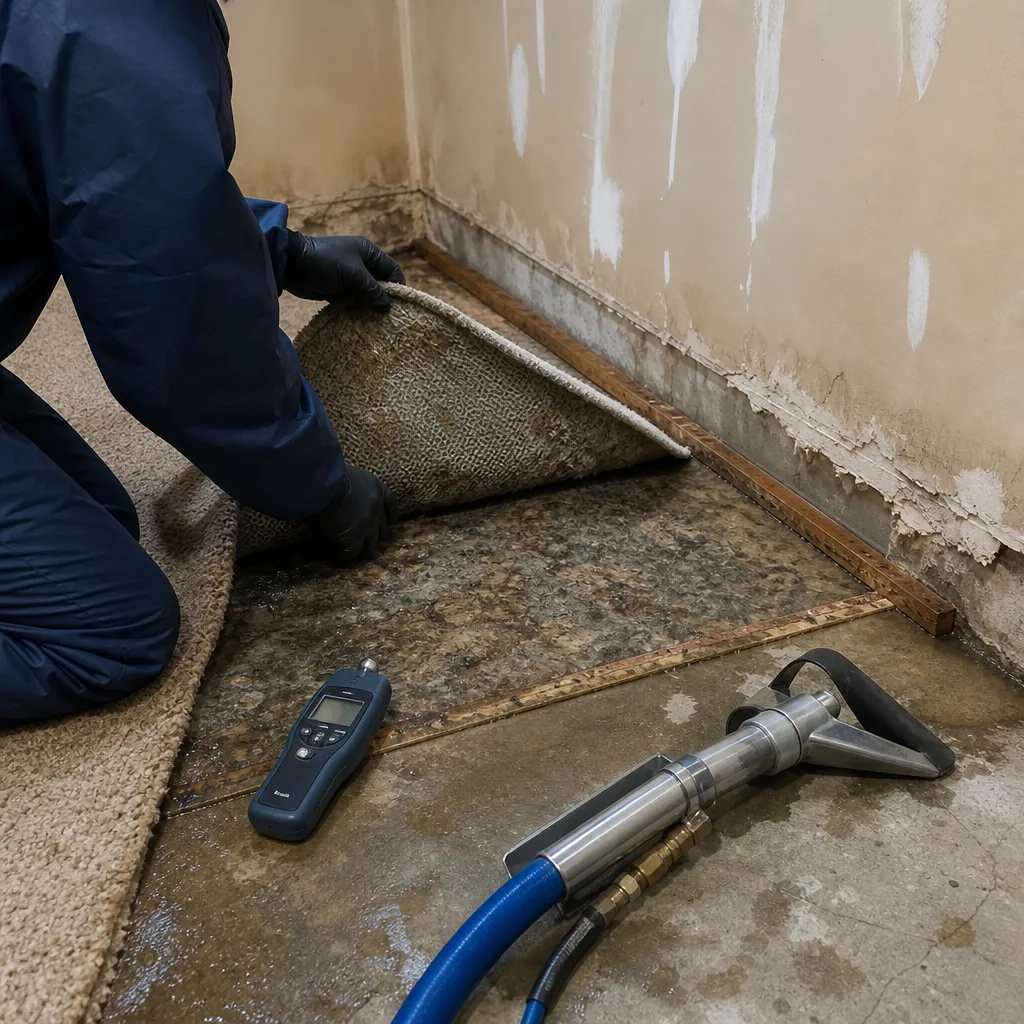
What happens when you call
- 1
A real person answersNo phone trees - you reach a local pro.
- 2
You get an upfront price rangeHonest numbers before anyone is dispatched.
- 3
A background-checked tech heads outLicensed & insured, dispatched right away.
- 4
You approve before work beginsNothing starts until you say go.
Reconstruction & Cleanup Costs in West New York, NJ
Reconstruction costs in West New York reflect the density and the building stock. A single-unit drywall and flooring repair after a supply line failure typically runs $4,500 to $12,000, depending on how many ceilings are opened and whether finish matching is required. Full reconstruction of a fire-damaged apartment with kitchen and bath rebuild generally falls between $35,000 and $90,000. Contents pack-out and restoration for an entire stacked-unit water loss adds $8,000 to $25,000 depending on volume. Carpet and upholstery cleaning after a category 1 water event runs $400 to $1,800 per unit. The variables that move the price: number of floors affected, whether we’re matching historic plaster profiles or hanging modern drywall, code requirements for electrical or plumbing upgrades, and how quickly drying begins. Insurance typically covers the reconstruction when the loss is sudden and accidental; the $89 Seasonal Tune-Up and Senior & Veteran 5% discount apply to non-claim work, and $50 off any repair over $250 applies to approved scopes. A free inspection gives you a firm written estimate before anything is torn out. Call (551) 348-8481 and we’ll schedule a walkthrough.
We Also Serve Cities Near West New York
Floodline Restoration Co. runs crews throughout Hudson County, including Union City, Weehawken, North Bergen, and Hoboken. The same 45-minute response commitment and the same written scope apply wherever your property sits.
Serving West New York, NJ - Our Local Coverage Area
We’re based in the West New York area and know this community well. Use the map below to see our service coverage - if you’re nearby, we can almost certainly help.
West New York Reconstruction & Cleanup Questions, Answered
How do you scope reconstruction in a 1920s brick walk-up where a top-floor leak has soaked multiple stacked units?
We start with thermal imaging and moisture mapping on every floor below the source, not just the unit where the water first appeared. In pre-war brick walk-ups, water travels through wall cavities, around steam risers, and down through plaster-and-lath assemblies, so by the time a ceiling shows a stain, the moisture has usually spread three or four floors down. We cut open test holes in each affected unit, log moisture readings per floor, and produce a written scope that accounts for the full travel path before any demolition begins. That scope goes to your carrier with photos and drying plans, so the claim reflects the actual loss, not just the visible one. Call (551) 348-8481 and we’ll walk the building with you.
Does a category 3 water event in a basement mechanical room require full drywall removal, or can some assemblies be saved?
Category 3 water, which includes sewage and floodwater, requires Mold Remediation in West New York protocols and removal of porous materials that cannot be fully cleaned and dried: drywall, insulation, carpet pad, and often the lower sections of wall framing. Non-porous assemblies like concrete and some masonry can often be cleaned, sanitized, and sealed. In West New York’s below-grade mechanical rooms, the real issue is that drywall wicks moisture upward well beyond the visible water line, so partial removal usually leaves contaminated material behind. The right call depends on moisture readings, material type, and how long the water sat. Our crew will show you the readings and explain exactly what has to come out and what can stay. Estimates are free.
How do you document reconstruction for insurance claims when damage crosses multiple tenants in one West New York building?
We create a separate evidence file for every affected unit: pre-demolition photos, moisture readings per floor, drying logs, and a line-item scope for that specific unit. Then we coordinate with each carrier separately, so a tenant’s claim doesn’t get delayed because a neighboring unit’s claim is stuck. In practice, this means the adjuster can walk each unit with us, compare the documentation to the physical damage, and approve the scope without back-and-forth. We handle the communication directly and bill each carrier for its unit’s work. Call (551) 348-8481 for a free walkthrough.
What is the protocol for restoring original plaster ceilings in a West New York pre-war apartment after a slow leak?
First, we confirm the assembly is fully dry with moisture readings taken behind the plaster, because restoring a damp ceiling just traps moisture and cracks the new work. Then we assess the plaster’s structural condition: if the keys are still holding, we stabilize, patch, and skim-coat with a compatible lime-based or veneer plaster. If the lath is compromised, we remove the failed section, match the profile with new lath where needed, and re-plaster with a compatible system. The finish is matched to the surrounding texture and profile, not skimmed flat with joint compound. This is slower than hanging drywall, and it costs more, but it keeps a 1920s ceiling looking like a 1920s ceiling. Free estimates at (551) 348-8481.
Can you handle pack-out and contents restoration inside a densely occupied West New York apartment building without blocking stairwells or elevators?
Yes. We coordinate pack-out logistics with building management in advance, so the moving schedule doesn’t conflict with residential elevator use. Contents are inventoried, photographed, and moved in batches, with crews using service entrances and freight elevators where available. In buildings with a single narrow stairwell, we run pack-out in off-peak hours to keep the stairs clear for residents. Everything gets documented for the claim, and restored contents are returned once the unit is rebuilt. Call (551) 348-8481 and we’ll coordinate with your building manager.
How quickly can you reach West New York?
We commit to 45 minutes from the time you call (551) 348-8481 to the time a crew reaches your building. Our dispatchers know the West New York street grid, the one-ways, and the fastest routes from our dispatch points. In a stacked multi-unit building, those 45 minutes matter: a top-floor supply line failure can saturate five ceilings in under an hour, and the faster we start extraction and set containment, the less gets torn out and rebuilt. We answer live at any hour, every day.
Are your technicians certified for reconstruction work in Hudson County?
Our technicians are background-checked, uniformed, and certified to IICRC standards, including WRT, FSRT, and AMRT where relevant, with additional training to RIA and IFA standards. In West New York’s pre-war buildings, that certification matters because the failure modes are structural and the drying protocols are stricter. The certifications also mean our documentation holds up with insurance carriers and building inspectors.
What should I do in the first 30 minutes after I find water or fire damage?
Call (551) 348-8481 first, because the first hour determines the scope. If it’s water, shut off the supply valve nearest the source if you can reach it safely. If it’s electrical or gas, don’t touch anything, and don’t enter standing water. If it’s fire, don’t re-enter until the building is cleared. Take photos of the visible damage on your phone if it’s safe. Then let our crew document everything properly, because the pre-demolition evidence is what your insurance claim rests on. We’re on the way.
Written by Curt Bowman, Owner at Floodline Restoration Co., serving Reconstruction & Cleanup in West New York with certified crews and a 42-year tradition of standing behind the work.