
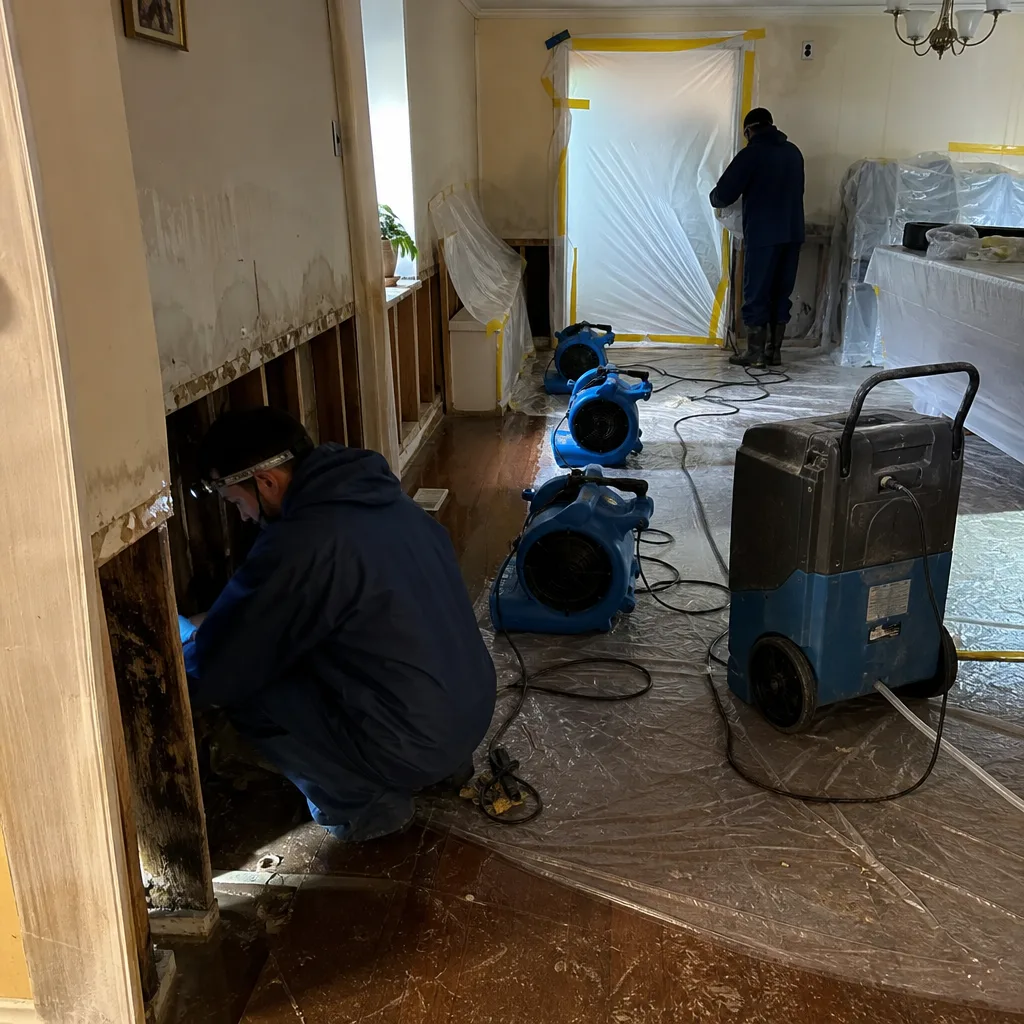
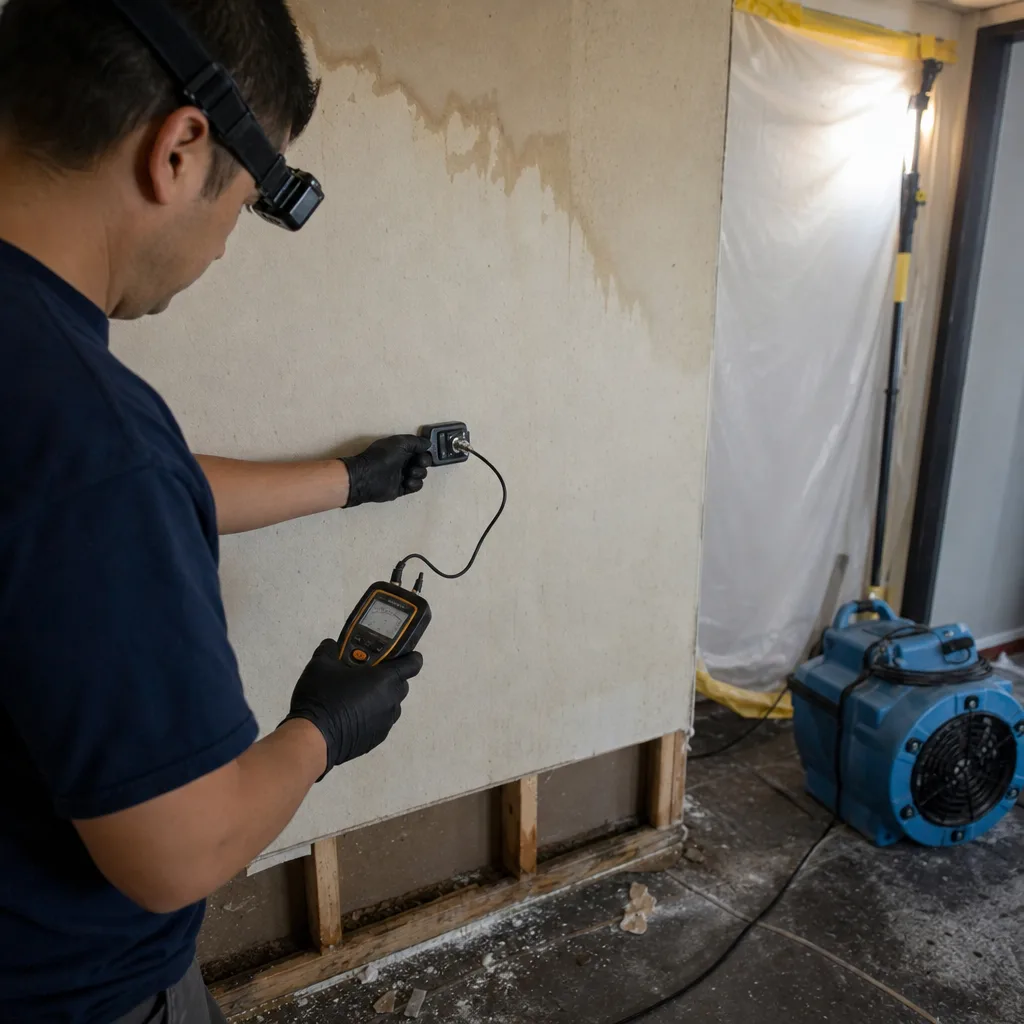
Free visual inspection and a written scope of work before any mitigation begins - photos, moisture readings, and drying logs go in your claim file
The scope we write is the scope we bill. Anything new gets shown to you, in writing, before we touch it.
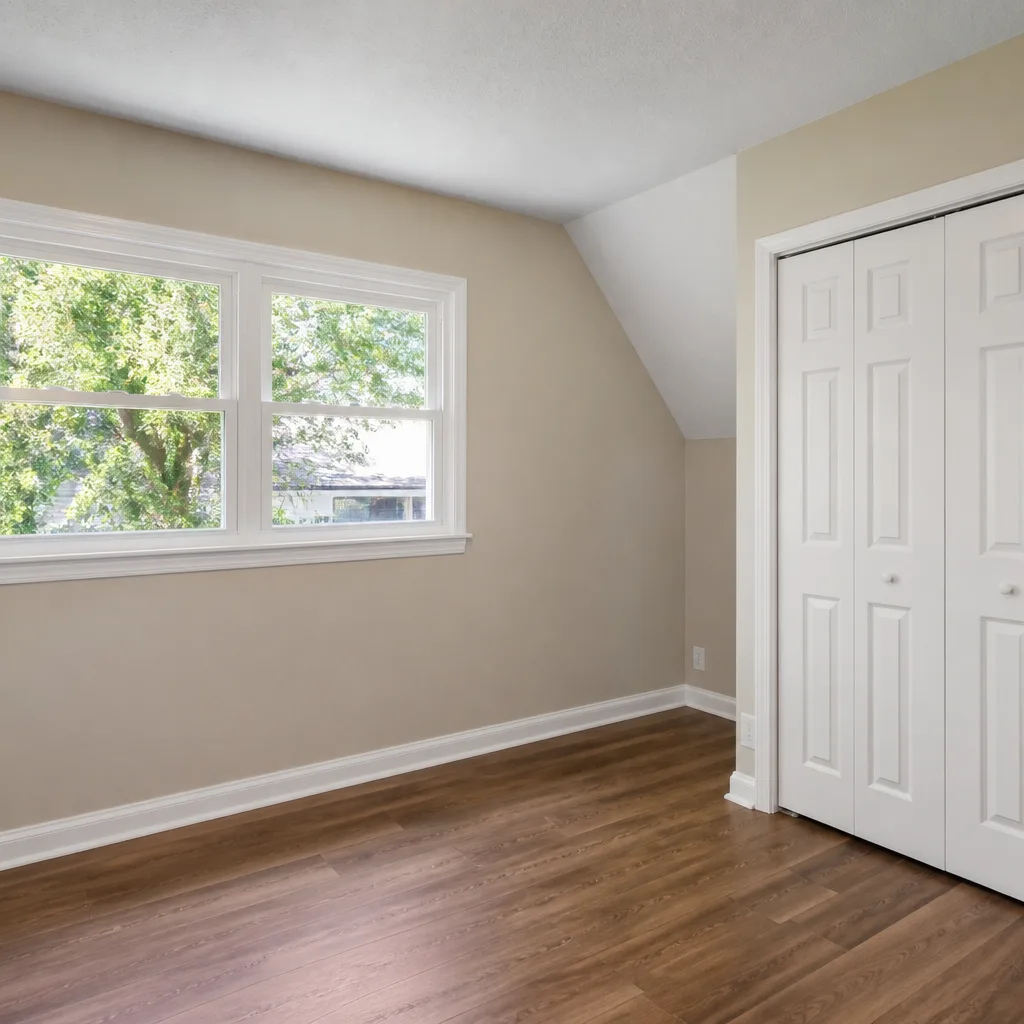
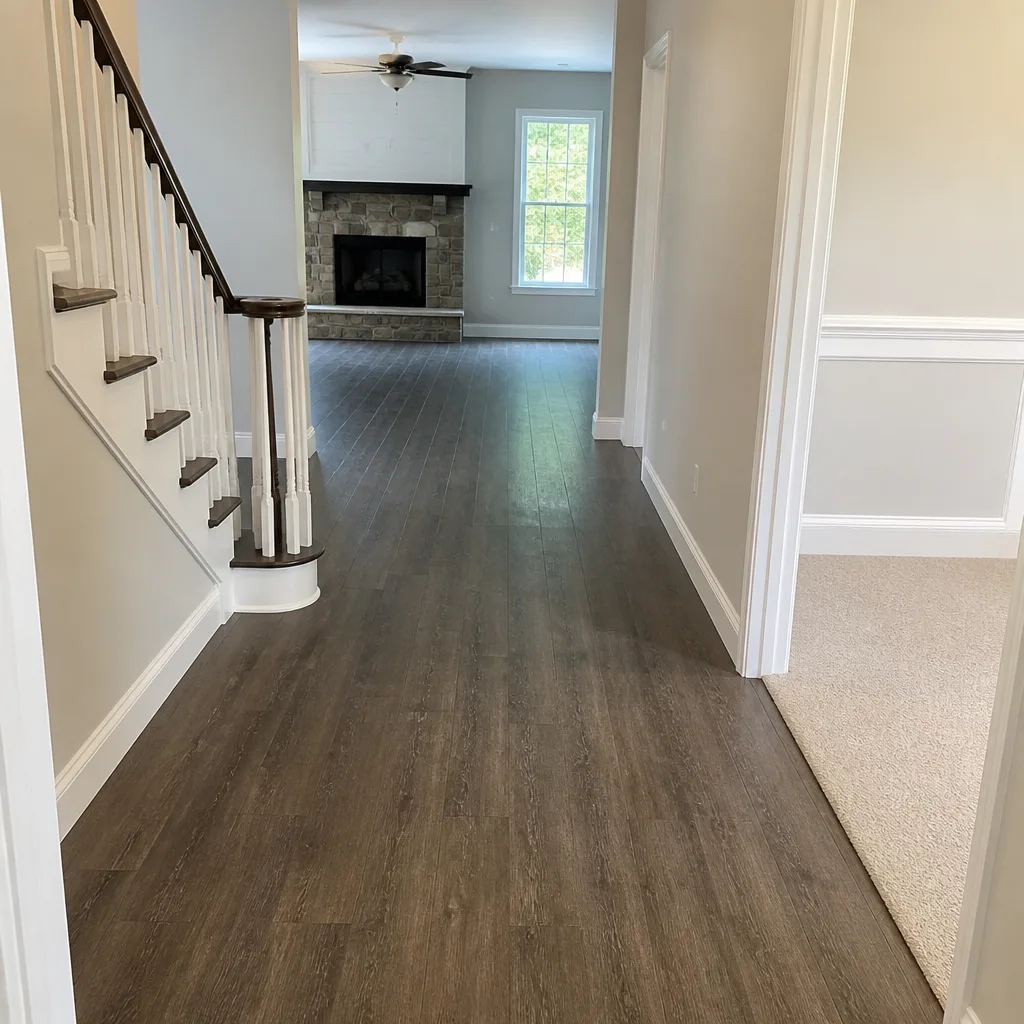
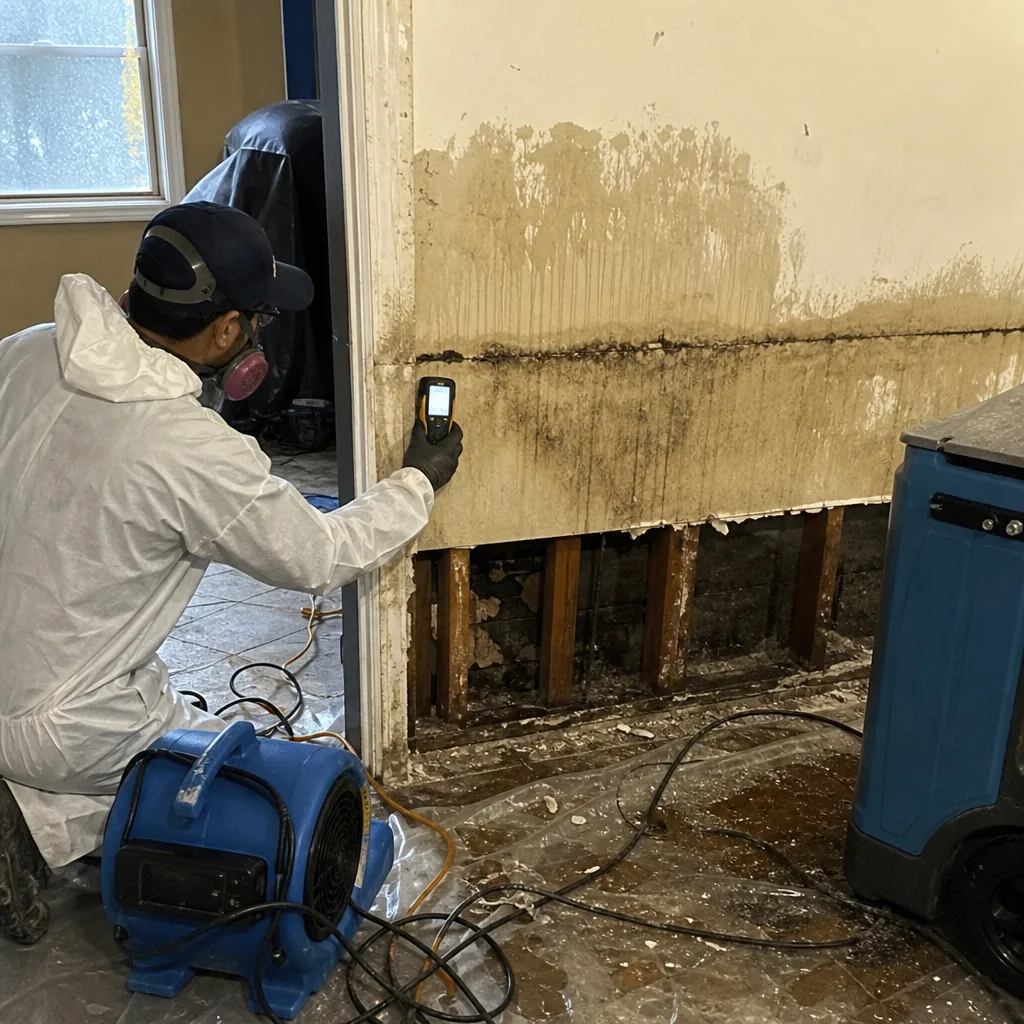 Before
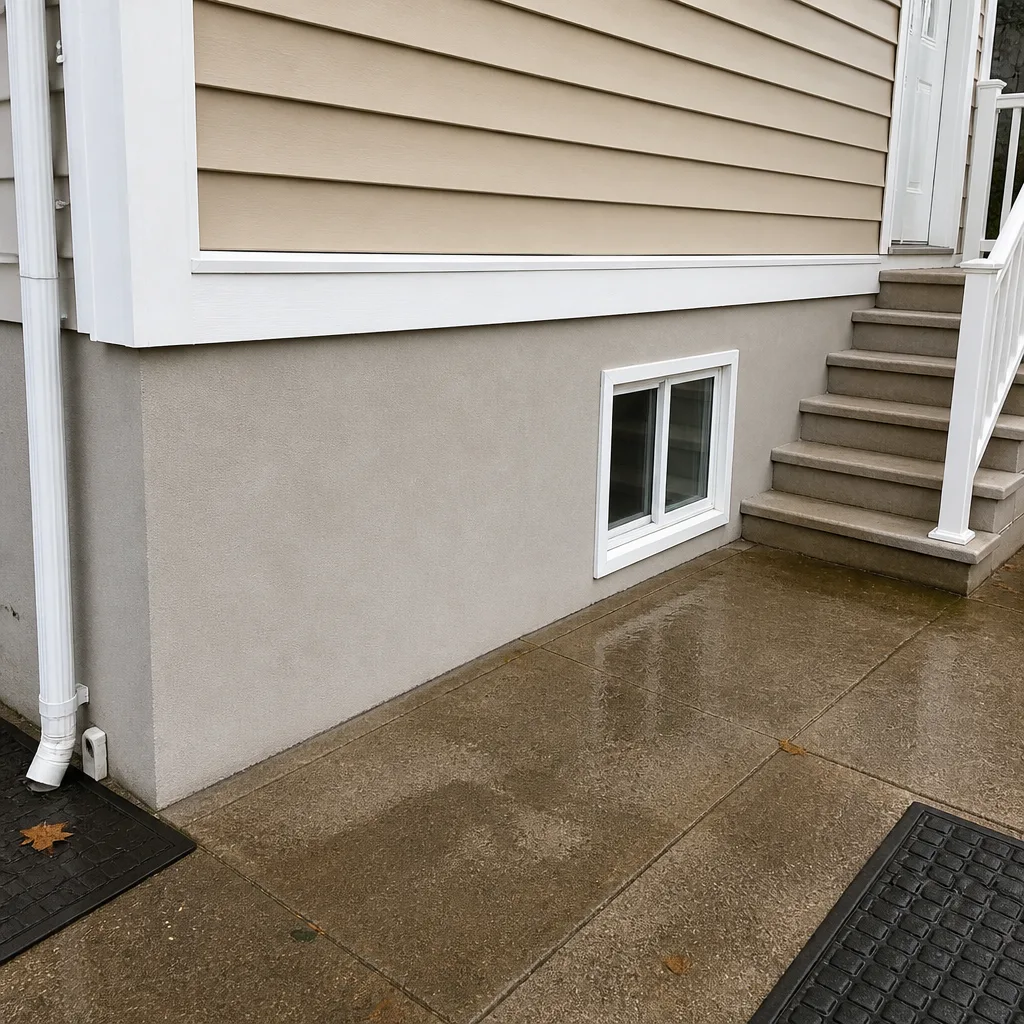 After
After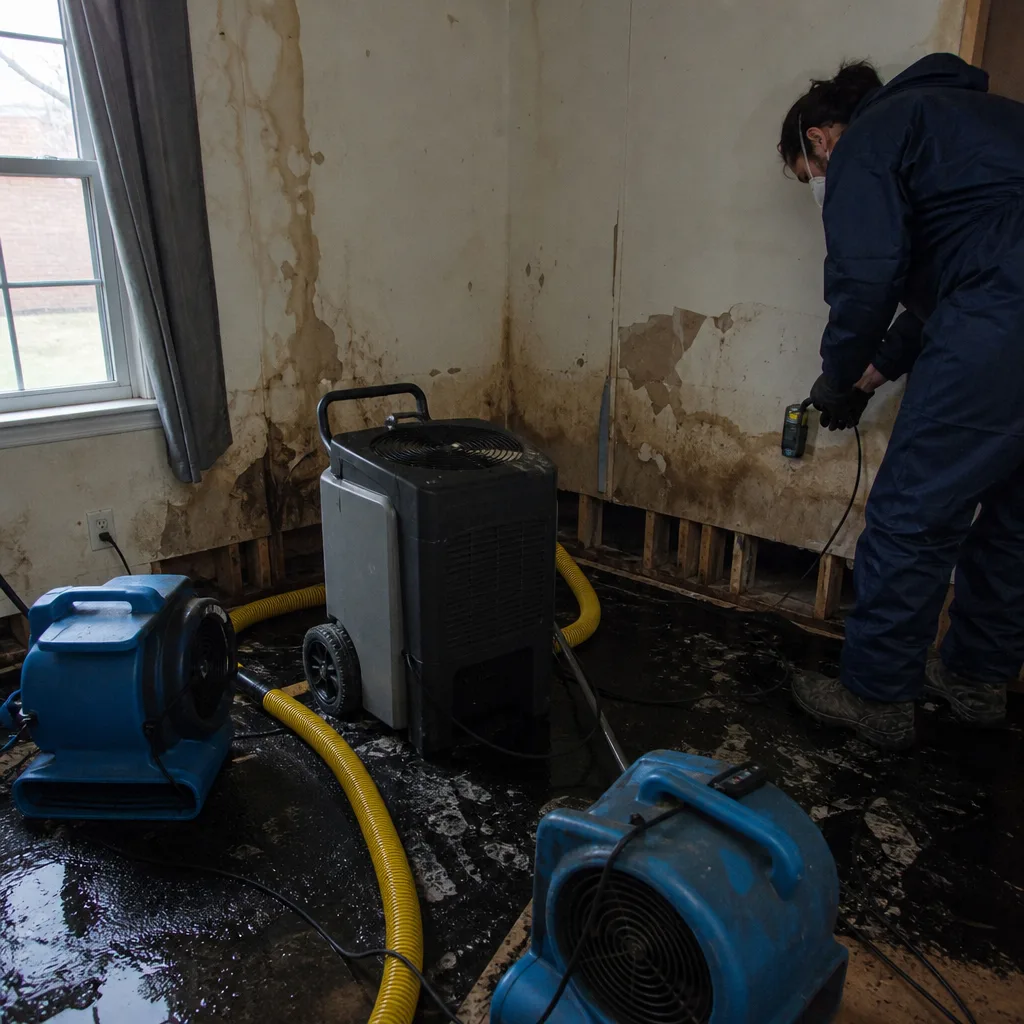 Before
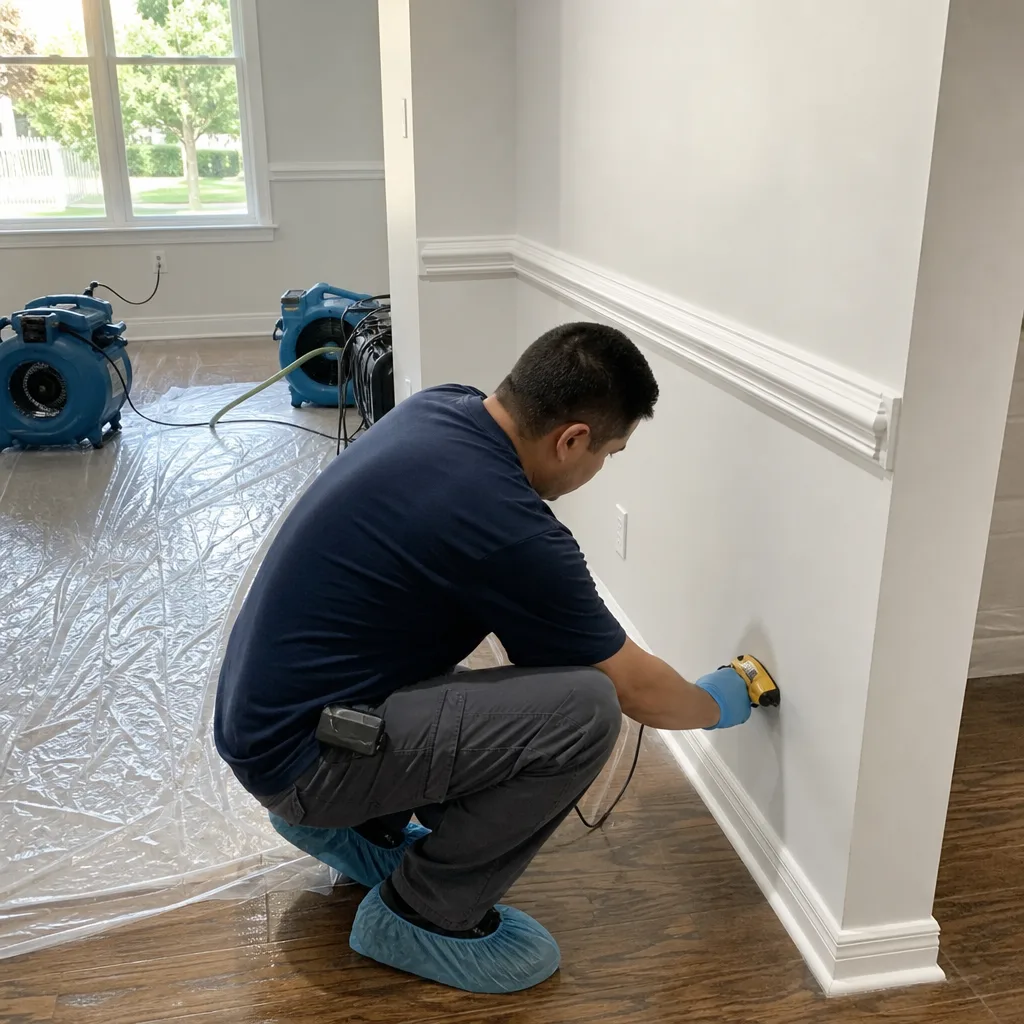 After
After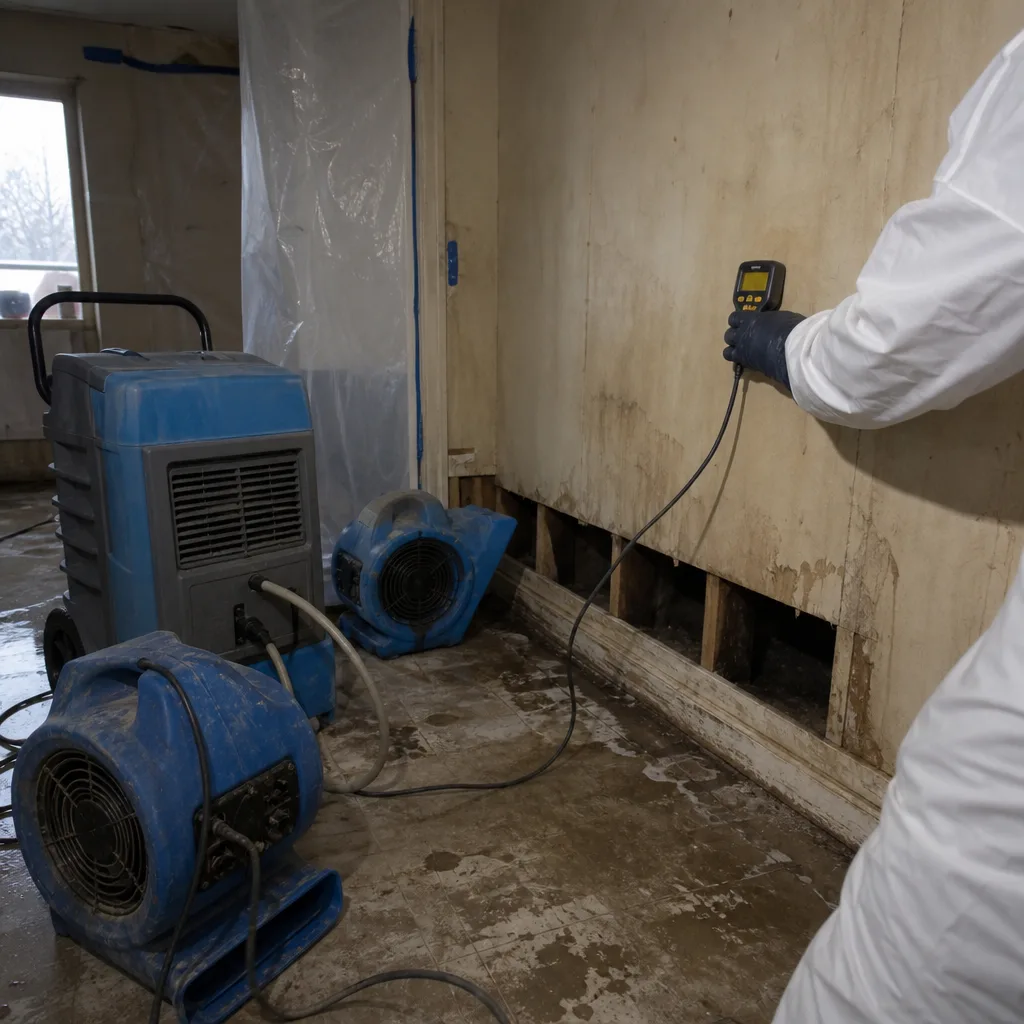 Before
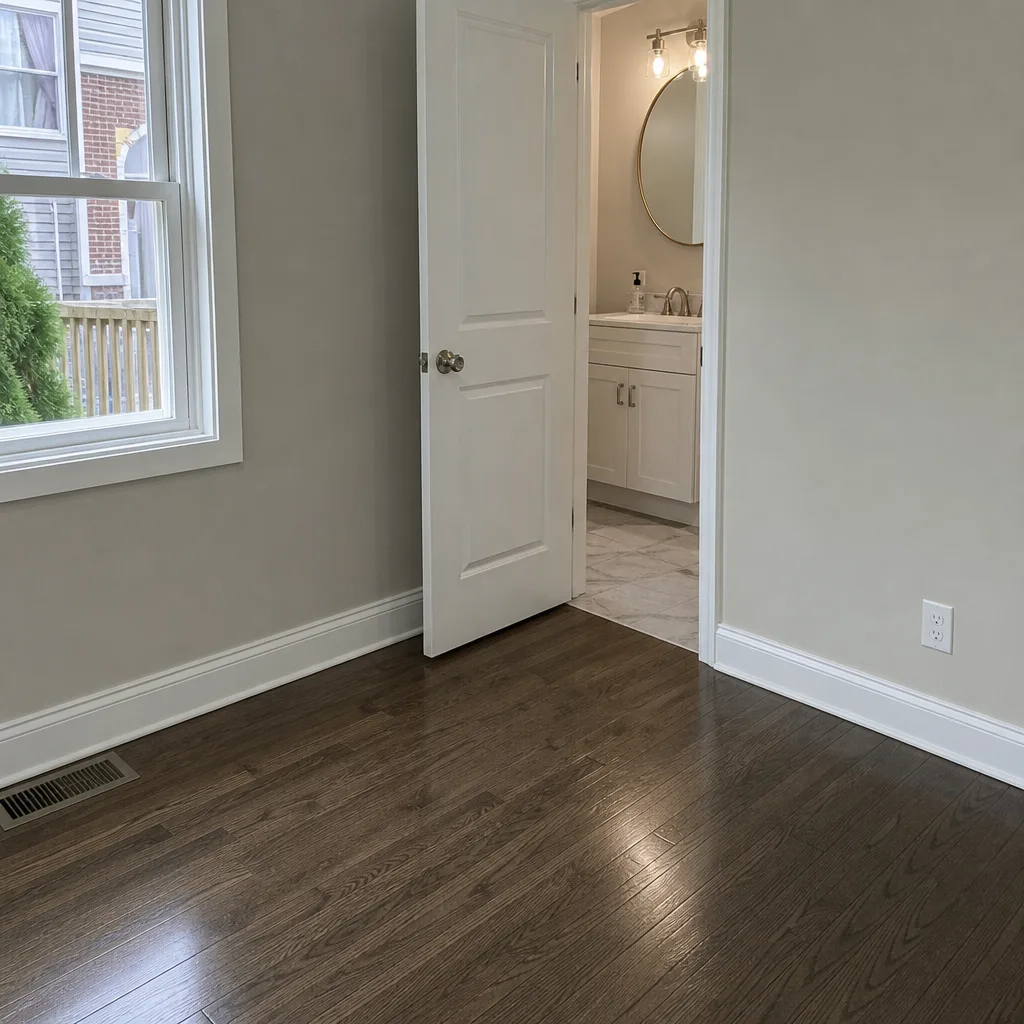 After
After24/7 Emergency Commercial Restoration in West New York
Commercial restoration in West New York most often means responding to a burst supply line on the fifth floor of a 1920s brick walk-up and knowing the water is already four floors below before anyone made the call. Our Commercial Restoration team answers live at (551) 348-8481 any hour, and a certified crew reaching your building the same visit begins extraction while the water is still category 1, not category 2 and heading toward mold. The first hour decides how many floors, how many tenants, and how many insurance claims this becomes. We dispatch into West New York neighborhoods daily, and the visual inspection is free.
Understanding Commercial Restoration Severity in West New York Properties
West New York’s building stock splits into two very different restoration profiles. The inland blocks running up toward Boulevard East are dense with 1920s through 1960s brick multi-unit walk-ups: plaster-over-lath ceilings, steam-heat risers, and galvanized supply lines that have outlived their intended service life by two decades. Water in those assemblies travels as category 2 within hours, wicking into lath and chases where mold colonization starts inside 48 hours if structural drying hasn’t begun. The waterfront high-rises along River Road and Port Imperial present the opposite failure profile: curtain-wall infiltration, mechanical-room floods in below-grade parking levels, and envelope water that moves through common areas and multiple tenant spaces at once. Neither profile forgives residential-grade equipment. A below-grade parking level in a glass-and-steel tower needs commercial containment, moisture mapping, and high-capacity dehumidification in the first visit, because the ambient humidity off the Hudson River against the Palisades cliff face does not give you a grace period.
Why West New York Property Owners Choose Floodline Restoration Co.
- 45-minute response commitment across West New York. From 60th Street walk-ups to the waterfront towers, our crews stage locally and arrive fast when a live dispatcher confirms the address.
- 24/7 live answer, never a recording. A real person picks up at two in the morning, every day, and a certified crew is routed to your building the same visit.
- IICRC-certified crews trained to WRT and FSRT standards. Background-checked, uniformed technicians who know the difference between drying a plaster-over-lath assembly and a gypsum-and-steel high-rise wall.
- Free visual inspection and honest scoping. We inspect every floor below the source before writing the scope. The visible damage never tells the truth in West New York’s stacked buildings.
- Direct insurance billing. We coordinate with your carrier, your HOA’s carrier, and your adjuster so you never play messenger between parties.
- One team from extraction to reconstruction. The same crew that reads the moisture map on day one handles daily readings, dries the structure, and rebuilds what needs rebuilding.
Our Commercial Restoration Process
Inspection & Assessment
We walk the entire loss path, not just the visible damage. In a West New York walk-up that means inspecting every stacked unit below the source, plus steam-heat riser chases and common hallways. Thermal imaging and hygrometers map where water actually traveled, not where the ceiling stain suggests it went.
Extraction & Stabilization
We pull standing water immediately and secure the site. That includes water shut-down verification in older buildings where the riser valves haven’t been exercised in years and may not fully close.
Drying & Dehumidification
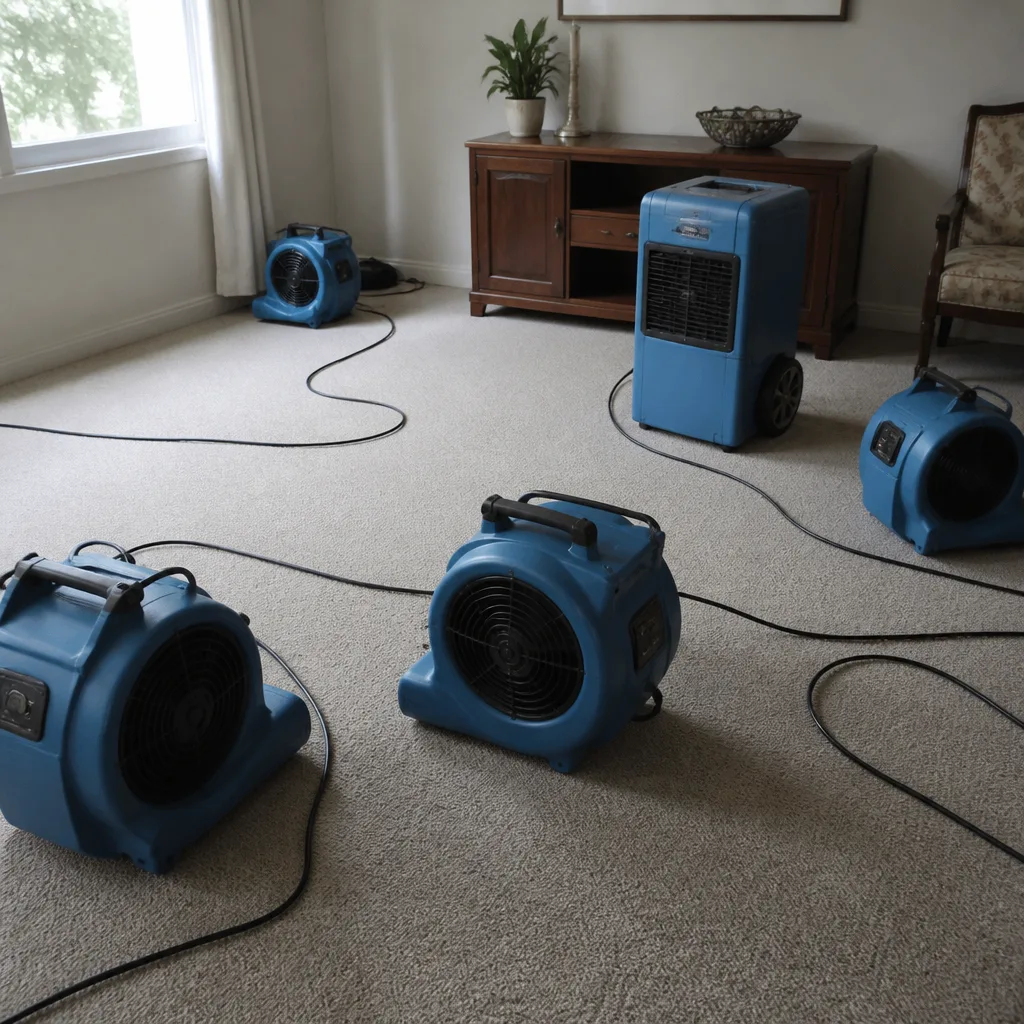
Dri-Eaz air movers and Phoenix dehumidifiers run on a moisture map that is logged daily. In West New York’s ambient Hudson humidity, we hold units on below-grade and waterfront levels longer than inland averages before the dry standard is confirmed.
Cleaning & Sanitization
Affected assemblies are treated with antimicrobial agents where the water category requires it. HEPA air scrubbers run during demolition and drying to protect tenants and employees from airborne particulates.
Large-Loss & Multi-Unit Coordination
Buildings with multiple affected floors need coordination, not just drying. We stage containment per floor, manage pack-outs for tenant inventory, and keep HOA and carrier adjusters working from the same drying logs and scope documents.
Repairs & Restoration
We rebuild what needs rebuilding with materials that match the building’s character: pre-war plaster repairs where feasible, proper steam-riser chase closure, and code-compliant replacement of what cannot be saved. The job isn’t done until the building is back in service.
Need Emergency Commercial Restoration in West New York Now?
Crews minutes away, answering live 24 hours a day. The sooner we start, the less it costs.
Working With Your Insurance Company
Most commercial restoration losses in West New York involve at least two policies: the property owner’s carrier and the commercial tenant’s carrier, and in condo or co-op buildings the HOA master policy sits in the middle. We document from the first hour so every carrier gets the same answer, backed by the same photos, the same moisture readings, and the same line-item scope. Our estimators write industry-standard files that speak the carrier’s language, and our team coordinates directly with adjusters so you aren’t relaying messages between three parties while your building sits wet. The goal is a claim file that supports the work done and the work needed, without delays caused by missing documentation or handshake estimates.
What We Provide Your Insurer
- Thorough documentation of the loss
- Photos of all damage, room by room and floor by floor
- Moisture readings and drying logs
- A detailed, line-item scope of work
- Direct coordination with your carrier
Built for West New York’s Loss Calendar
West New York’s commercial restoration losses follow a calendar that any property manager here knows by heart. January and February bring deep freezes that burst supply lines in the older brick buildings, especially along 49th through 61st Streets where original plumbing hasn’t been updated. The January 2025 cold snap kept restoration crews running for three straight weeks in stacked walk-ups. Spring brings the thaw and the Palisades runoff, when snowmelt and seasonal rain channel down the slope toward the lower-elevation eastern blocks and find every crack in a foundation that hasn’t seen waterproofing in decades. Summer thunderstorm season floods the below-grade parking and utility levels of the waterfront towers, where a single mechanical-room flood can knock out power, elevators, and multiple commercial tenants at once. Late summer and fall bring nor’easters that pressure the river-facing envelope of the glass-and-steel high-rises. None of these are surprises. They are the local calendar, and we build response plans around it.
Commercial Restoration Across West New York’s Neighborhoods
Our crews run different routes depending on which West New York you’re standing in. The inland blocks between Bergenline Avenue and the Palisades are the older brick five- and six-story walk-ups, and those jobs are almost always vertical: a top-floor source saturating stacked units below. We know before we arrive that we’ll be working on multiple floors and coordinating with multiple tenants. Down near the waterfront in the Port Imperial area, the newer towers present a different call pattern: mechanical-room floods, curtain-wall leaks, and common-area saturation across multiple commercial units on the same floor. Along 60th Street and the cross streets running east toward the river, we see a mix of both profiles within a few hundred feet, which means every dispatch gets a conversation first: is this a 1938 brick building or a 2014 glass tower? Boulevard East runs along the cliff edge and sees the runoff flooding that the lower blocks receive, but its buildings sit above the water table and dry faster. No two West New York restoration calls look alike, and we plan for that.
Specialized Commercial Restoration Services We Offer in West New York
Multi-Unit & HOA Restoration
In West New York, a single water loss routinely becomes a six-unit, three-floor, two-insurer event. We run containment per floor, treat each affected unit as its own scope, and keep the HOA board and each carrier working from one drying log and one schedule. The job isn’t done until every stacked unit below the source tests dry, not just the one that called us.
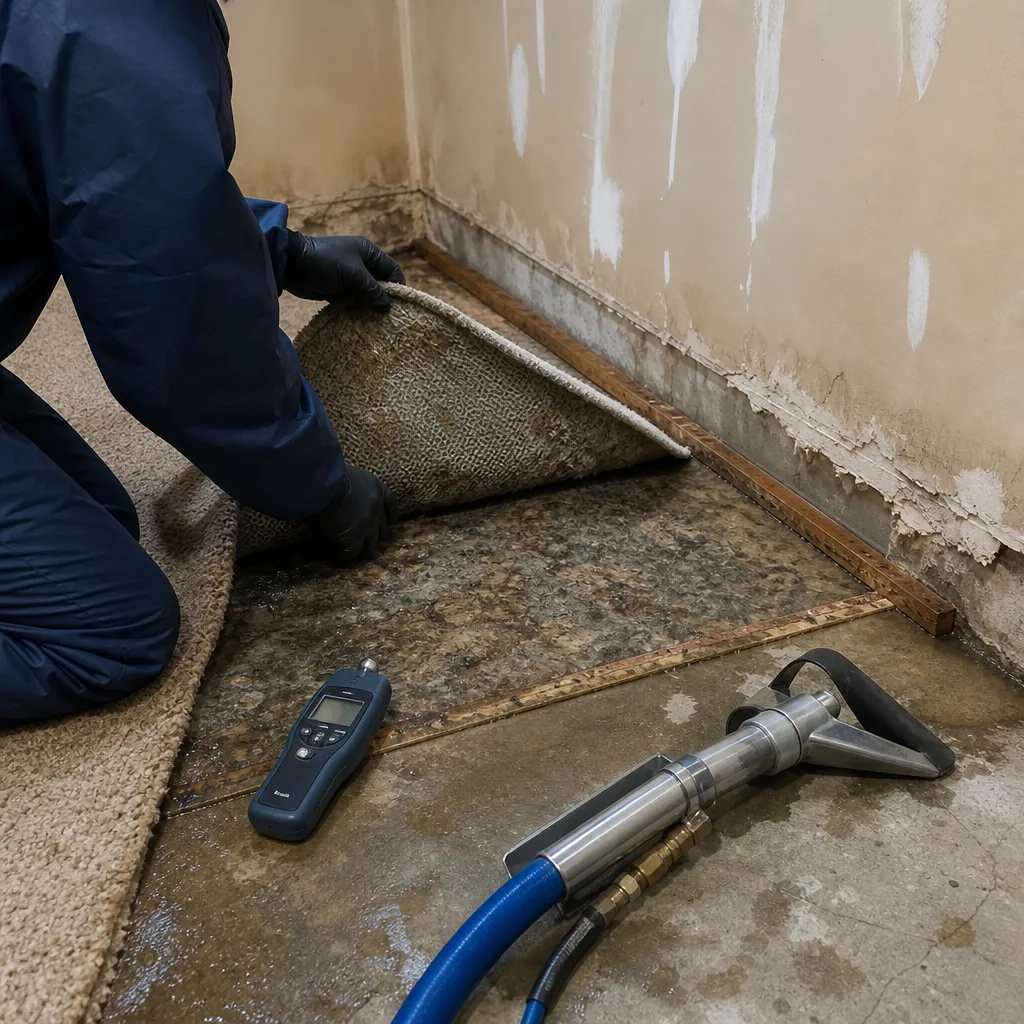
Business Interruption Minimization
When the first floor of a Bergenline Avenue commercial storefront floods, every closed day is lost revenue. We prioritize the extraction and drying sequence to get storefronts, offices, and building common areas reopened on the fastest honest schedule. Same-visit extraction and staged drying means the tenant misses days, not weeks.
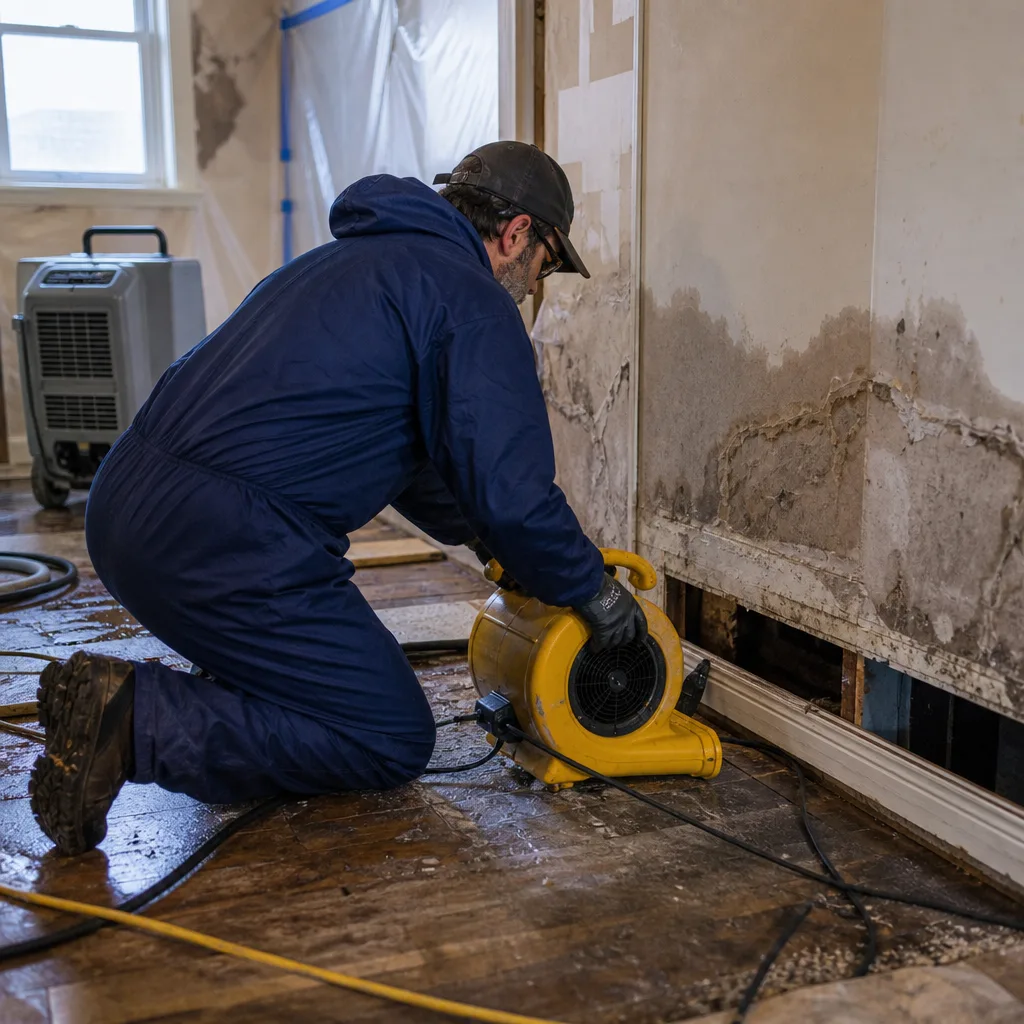
Large-Loss Response
Below-grade flooding in a waterfront tower, a burst riser main that saturates eight floors, or a fire that takes out multiple commercial units: West New York’s density means some losses are large by definition. We run commercial-grade air movement with Dri-Eaz and Phoenix equipment sized for common-area square footage, not apartment-sized rooms, and we staff the job until the dry standard is met.
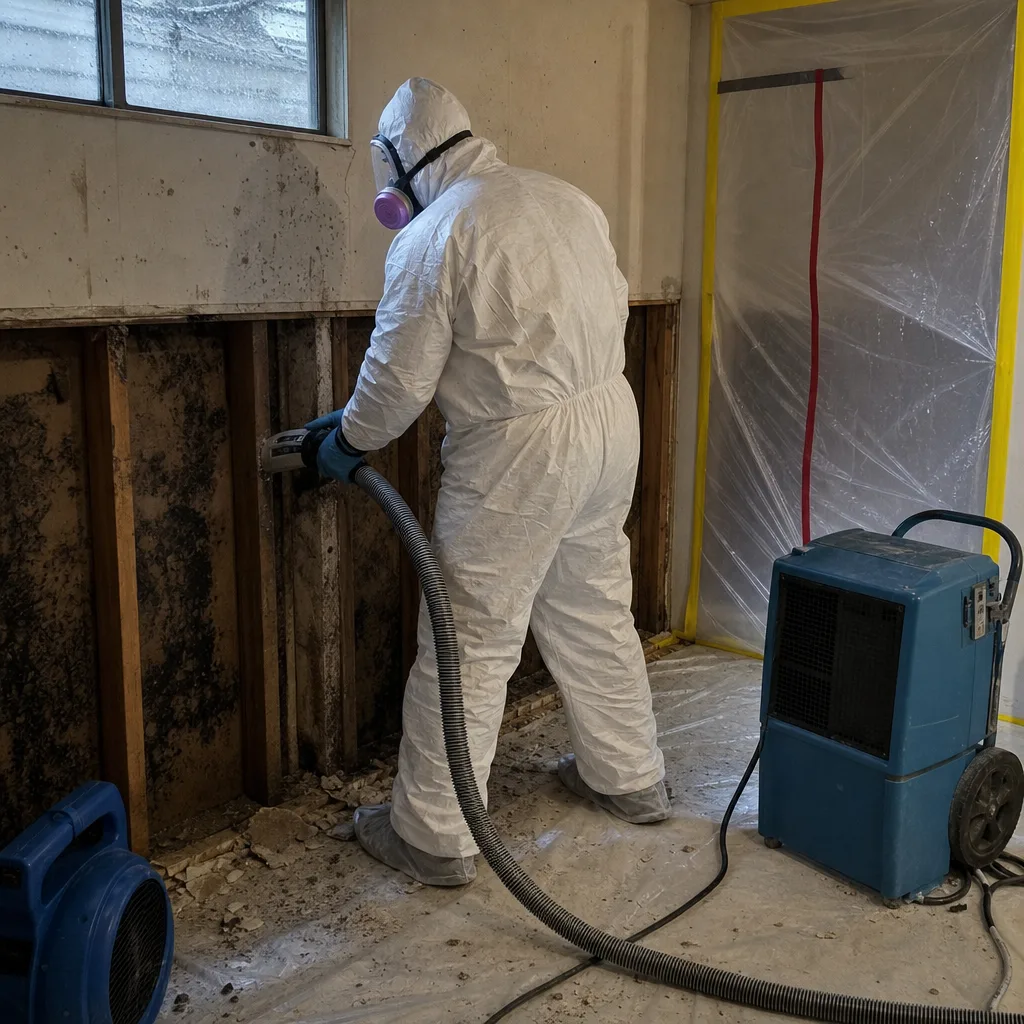
Office & Retail Restoration
Medical offices on 60th Street, retail storefronts under residential floors on Bergenline Avenue, professional suites in Port Imperial towers: each has different re-open priorities. We sequence the work so operational spaces come back first while tenant areas dry behind containment.
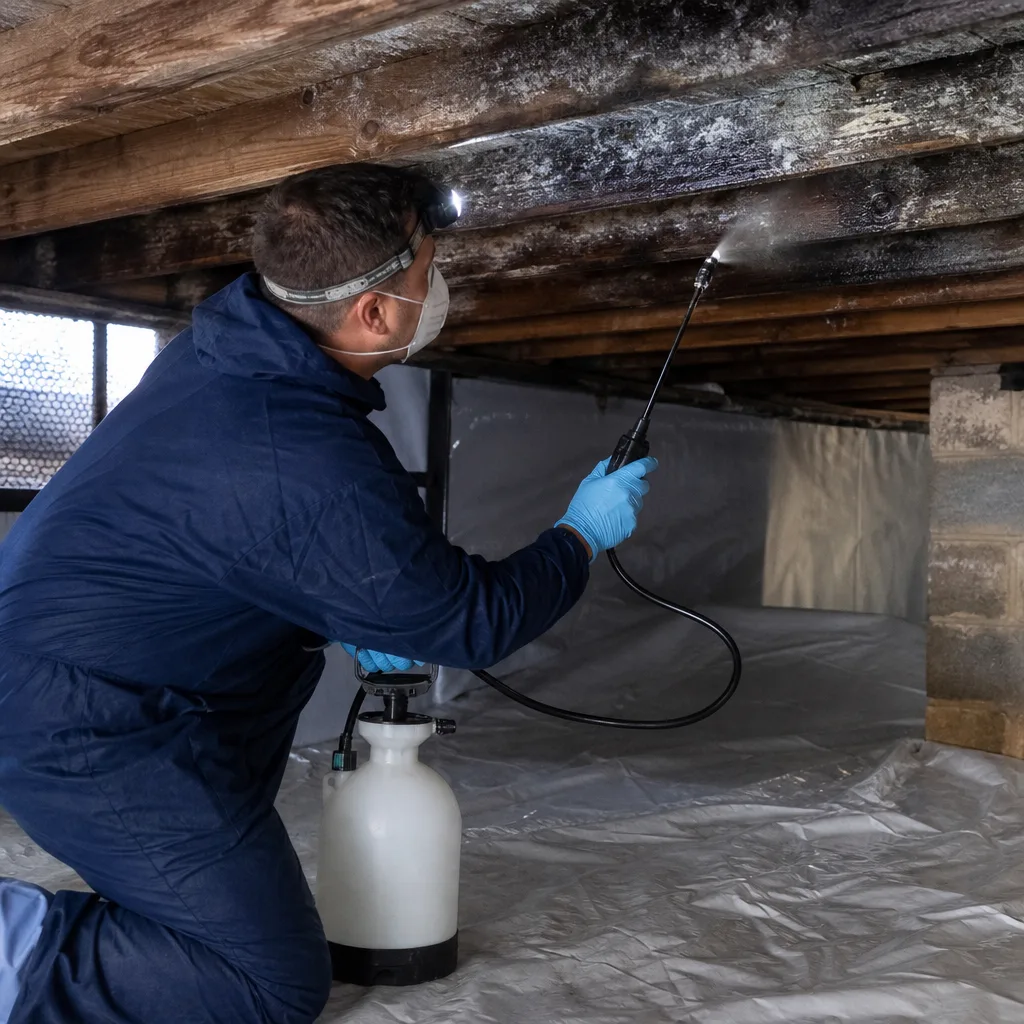
Document & Inventory Recovery
Paper records, electronics, inventory, and tenant property: after the water stops, recovery is a logistics job. We coordinate pack-out, document what needs specialty drying, and track every item through the claims process so nothing is lost between the loss and the rebuild.
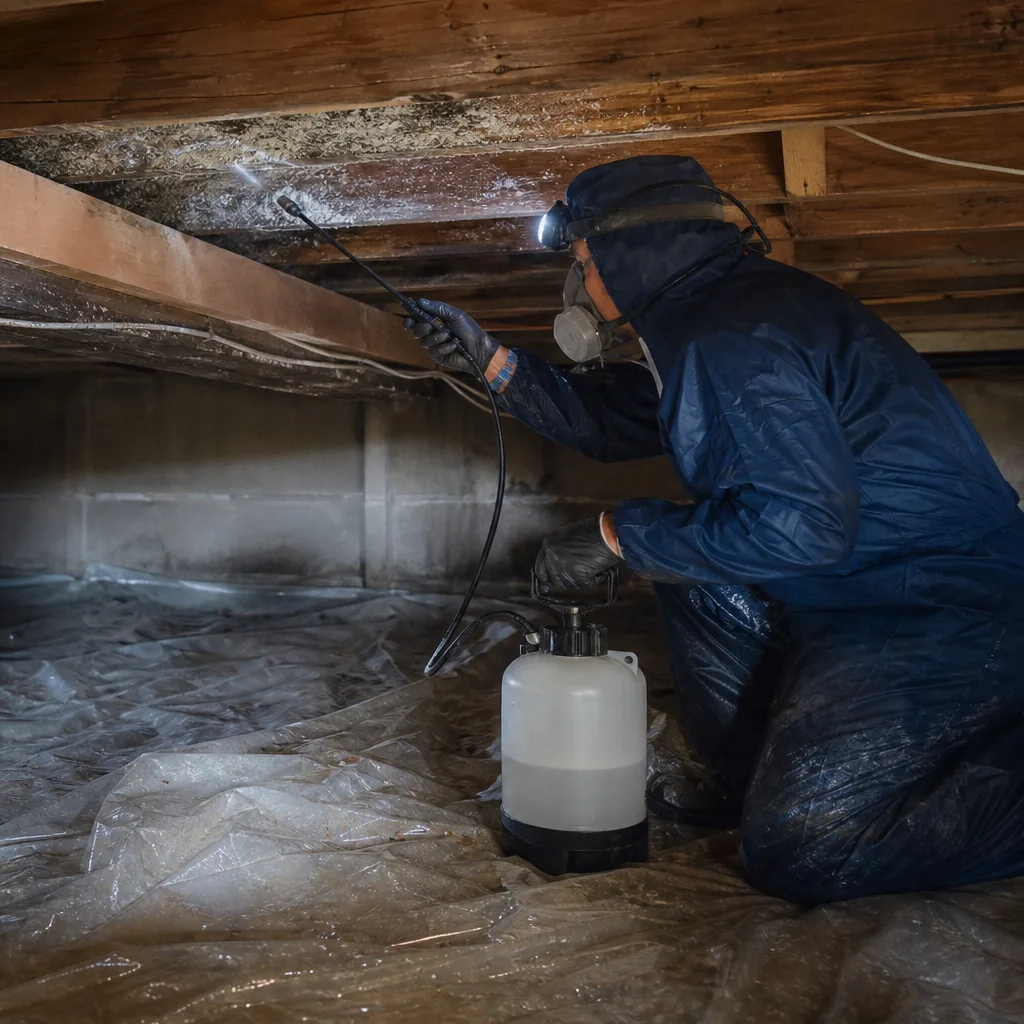
What happens when you call
- 1
A real person answersNo phone trees - you reach a local pro.
- 2
You get an upfront price rangeHonest numbers before anyone is dispatched.
- 3
A background-checked tech heads outLicensed & insured, dispatched right away.
- 4
You approve before work beginsNothing starts until you say go.
Commercial Restoration Costs in West New York, NJ
A single-floor commercial water loss in a West New York retail space typically runs $3,500 to $9,000 for extraction, drying, and repairs. A stacked multi-unit loss in a pre-war walk-up, where water traveled through three or more floors, commonly lands between $8,000 and $28,000 depending on the number of affected units and what assemblies need replacement. Below-grade mechanical-room floods in waterfront towers run $10,000 to $40,000 or more, because those jobs require commercial air movement, longer drying cycles, and common-area reconstruction. What moves the price: how many floors the water traveled, whether plaster-over-lath can be saved or must be replaced, and whether asbestos testing is triggered in older buildings. Insurance covers most commercial restoration claims, and with direct billing you aren’t carrying the cost while the claim processes. The free visual inspection is the fastest way to a firm, written scope and an honest number.
We Also Serve Cities Near West New York
Floodline Restoration Co. responds to commercial restoration calls throughout North Hudson County. We serve property owners and businesses in Union City, Weehawken, North Bergen, and Hoboken with the same live dispatch and the same one-team model from extraction through rebuild. Our Commercial Restoration in West New York coverage area extends to all surrounding communities.
Serving West New York, NJ - Our Local Coverage Area
We’re based in the West New York area and know this community well. Use the map below to see our service coverage - if you’re nearby, we can almost certainly help.
West New York Commercial Restoration Questions, Answered
When a pipe bursts on the top floor of a West New York five-story walk-up, how many floors do you actually need to inspect before scoping the job?
Every floor below the source, without exception. In stacked pre-war and postwar buildings, water from a fifth-floor supply line routinely saturates four or more unit ceilings before anyone notices, because it travels through plaster-over-lath assemblies and steam-heat riser chases that don’t stain visibly for days. We inspect every stacked unit below the source before writing the scope, and our drying logs include readings from each affected floor. Call (551) 348-8481 and we’ll walk the full loss path before any equipment goes in.
Do commercial restoration crews need different equipment for West New York’s older brick walk-ups versus the glass-and-steel waterfront high-rises?
Yes, and using the wrong equipment is how jobs get under-scoped. A pre-war walk-up with plaster-over-lath needs Dri-Eaz air movers and dehumidifiers sized to chase moisture out of dense assemblies. A below-grade parking level in a waterfront tower needs commercial-scale Phoenix dehumidifiers and more contained air movement than a residential unit would ever require. Credentials matter too: our crews are trained to IICRC, RIA, and IFA standards, and we match the equipment to the building, not the other way around.
How does West New York’s high density affect the number of insurance claims on a single commercial restoration job?
Most jobs in West New York involve at least two claims and often more. The property owner’s policy, the commercial tenant’s policy, and frequently the HOA or condo association master policy all come into play on one loss. We document from the first hour and coordinate directly with every adjuster, so each carrier works from the same photos, moisture readings, and scope documents. You’re never the one relaying messages between insurers.
Is it true that West New York’s waterfront blocks are still experiencing moisture problems from Superstorm Sandy?
The direct storm surge from 2012 hit the low-lying Hudson riverfront hard, and some of those properties still carry moisture intrusion in slab assemblies and below-grade walls that never fully dried. The elevated ambient humidity off the river presses against the Palisades cliff face and accelerates mold colonization in any assembly that stays damp. Waterfront property owners in West New York should treat persistent basement or mechanical-room moisture as an active restoration issue, not a cosmetic one, and our free inspection will tell you where the moisture is coming from.
What is the biggest difference between commercial restoration in West New York and in a nearby city like Hoboken or Union City?
West New York’s density and verticality. Neighboring cities have more low-rise and single-family stock, where a water loss stays on one floor. In West New York, the same loss becomes a six-floor, multi-tenant, multi-insurer event in a 1920s brick building, and the Palisades runoff pattern adds a second flooding profile that the flatter cities don’t share. We plan for both profiles on every dispatch.
How long does commercial restoration take in West New York?
Extraction starts the same visit. For a single-unit water loss with no structural damage, drying typically runs three to five days before the dry standard is confirmed. A stacked multi-floor loss in a pre-war walk-up may run seven to fourteen days because multiple assemblies need daily reading and confirmation. Below-grade mechanical-room floods in waterfront towers can run longer, and we hold those units on the drying program until the moisture log says dry, not until a calendar date says done.
Can tenants and employees stay in the building during restoration?
Often yes, and that’s a real advantage of proper containment and staged drying. Unaffected floors and units can remain in service while we run contained drying on the affected levels. Where water category or air quality requires temporary closure, we sequence the work to minimize days out of operation, and we communicate the schedule so every tenant and HOA board member knows what’s happening and when.
What should I do in the first 30 minutes after a commercial water loss in West New York?
Call (551) 348-8481 and get a live dispatcher on the phone. Then, if you can do so safely, shut the water at the riser valve or the main. Don’t run fans or residential equipment in the affected space, and don’t open walls to “see how bad it is,” because that moves moisture and contaminates the drying scope. Our crew arrives with the right equipment, inspects every floor below the source, and starts extraction the same visit.
Written by Curt Bowman, Owner at Floodline Restoration Co., serving West New York and the surrounding North Hudson communities.