
Free visual inspection and a written scope of work before any mitigation begins - photos, moisture readings, and drying logs go in your claim file
The scope we write is the scope we bill. Anything new gets shown to you, in writing, before we touch it.
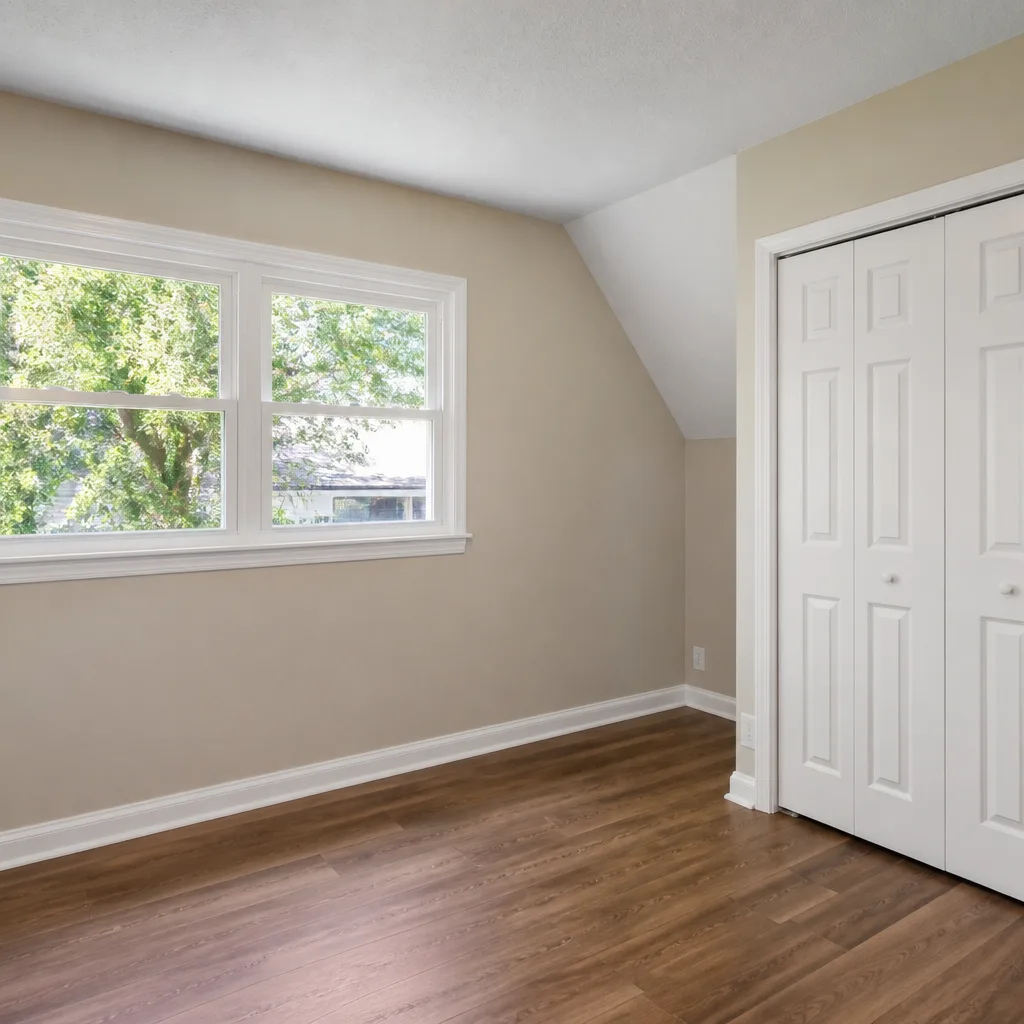
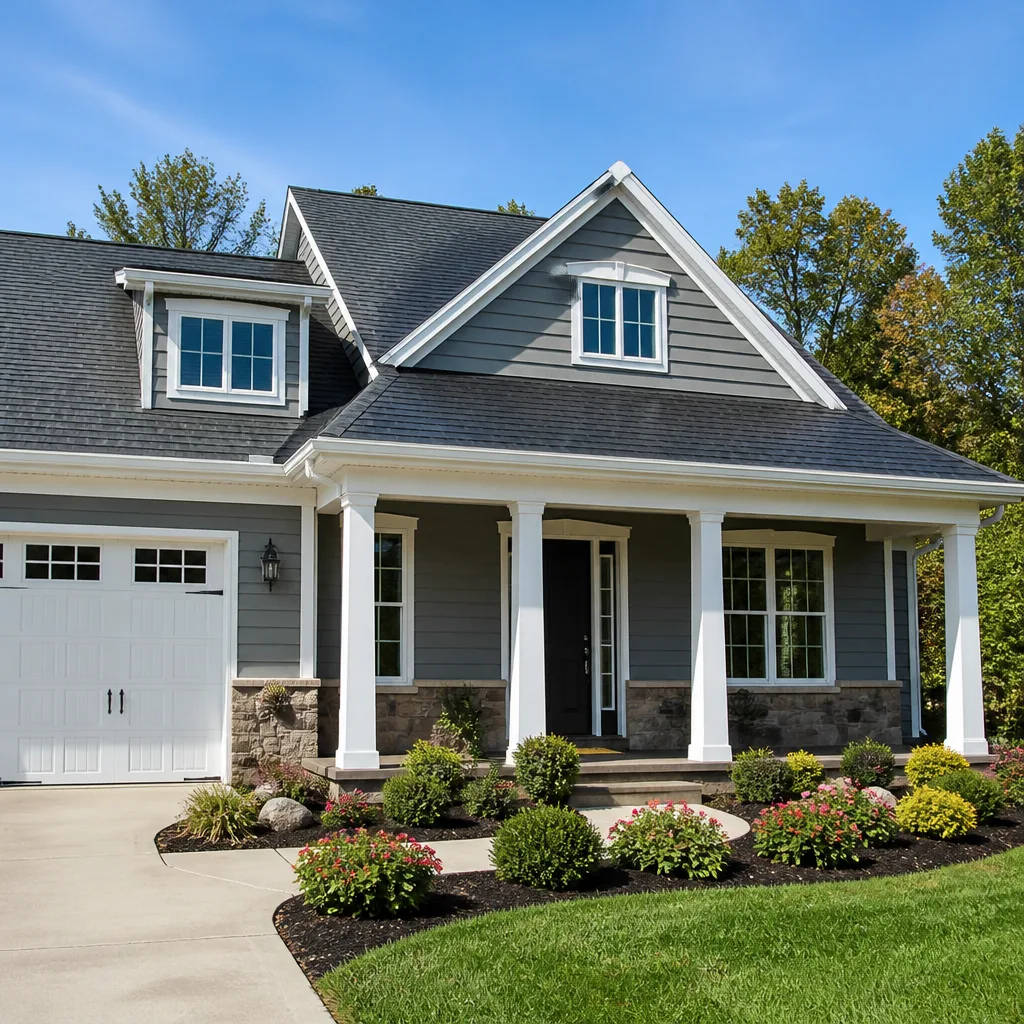
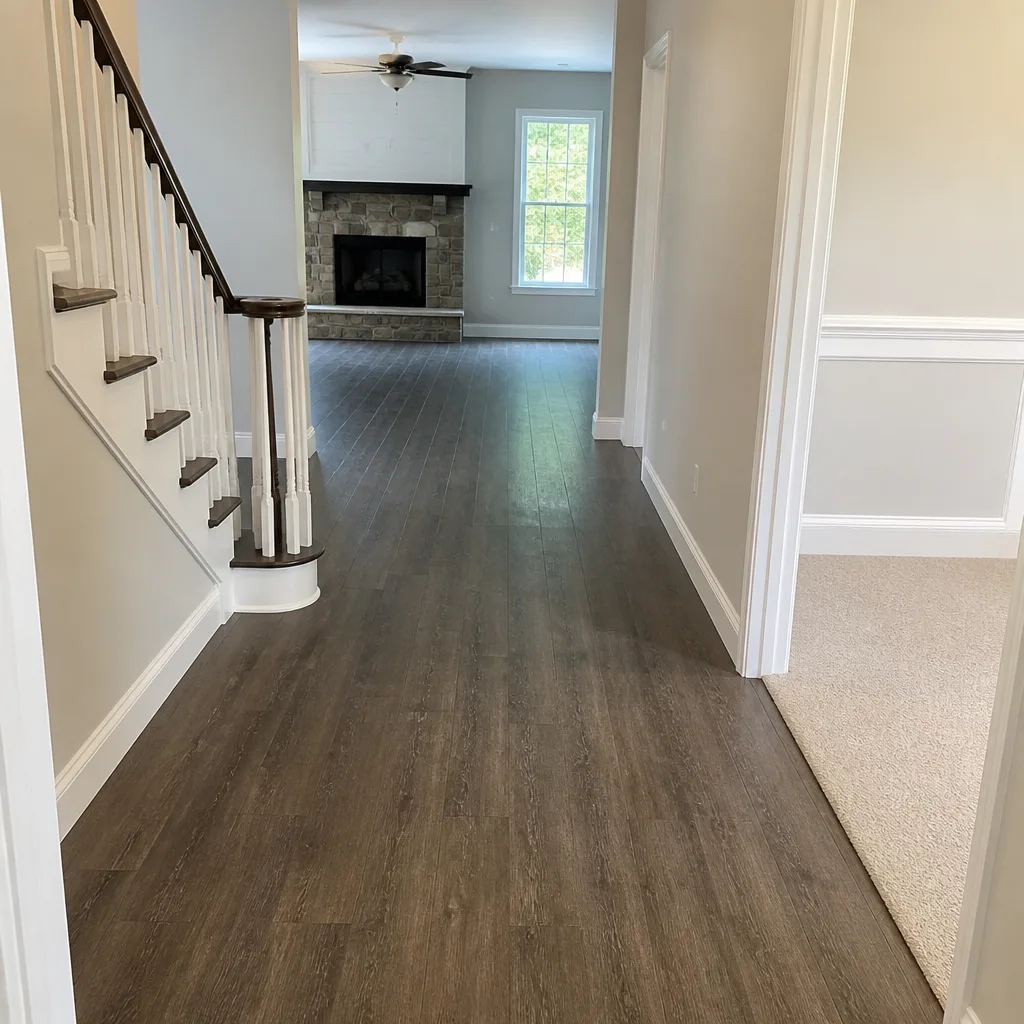
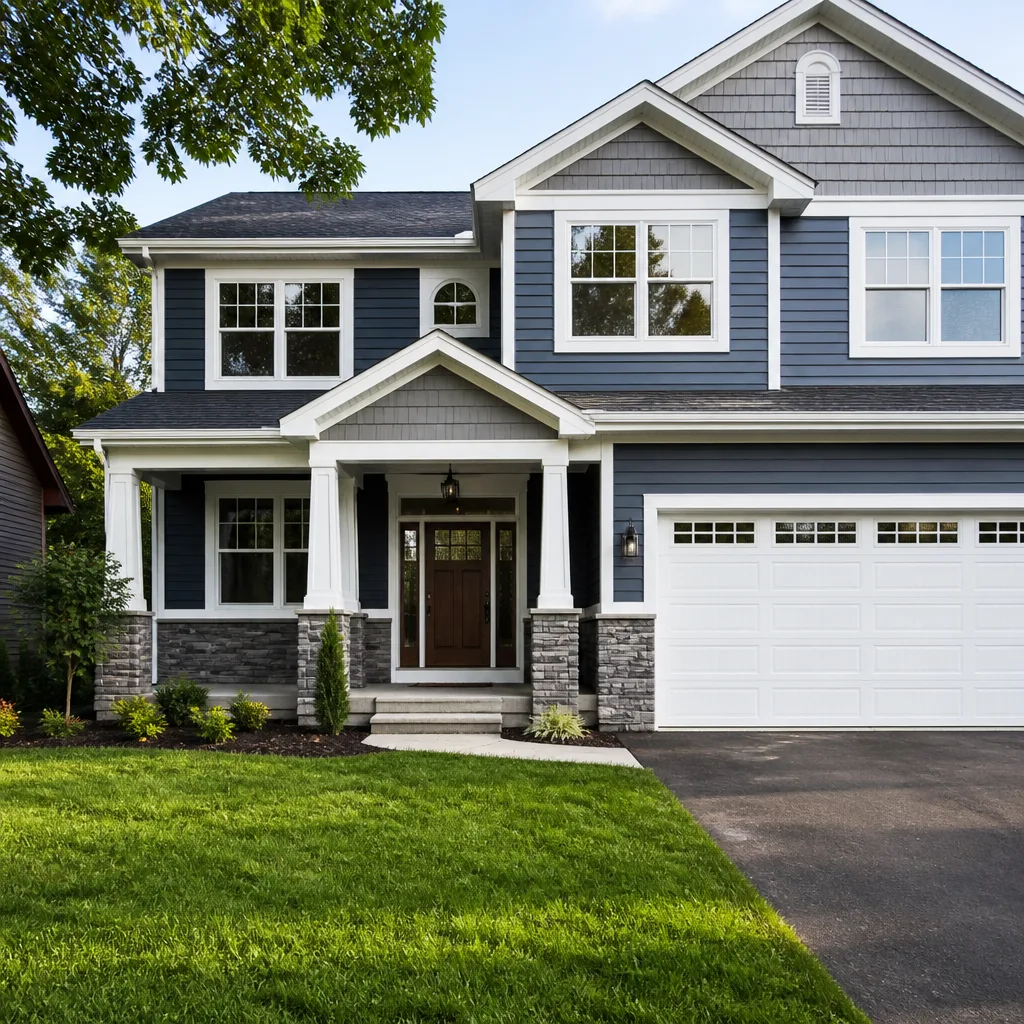
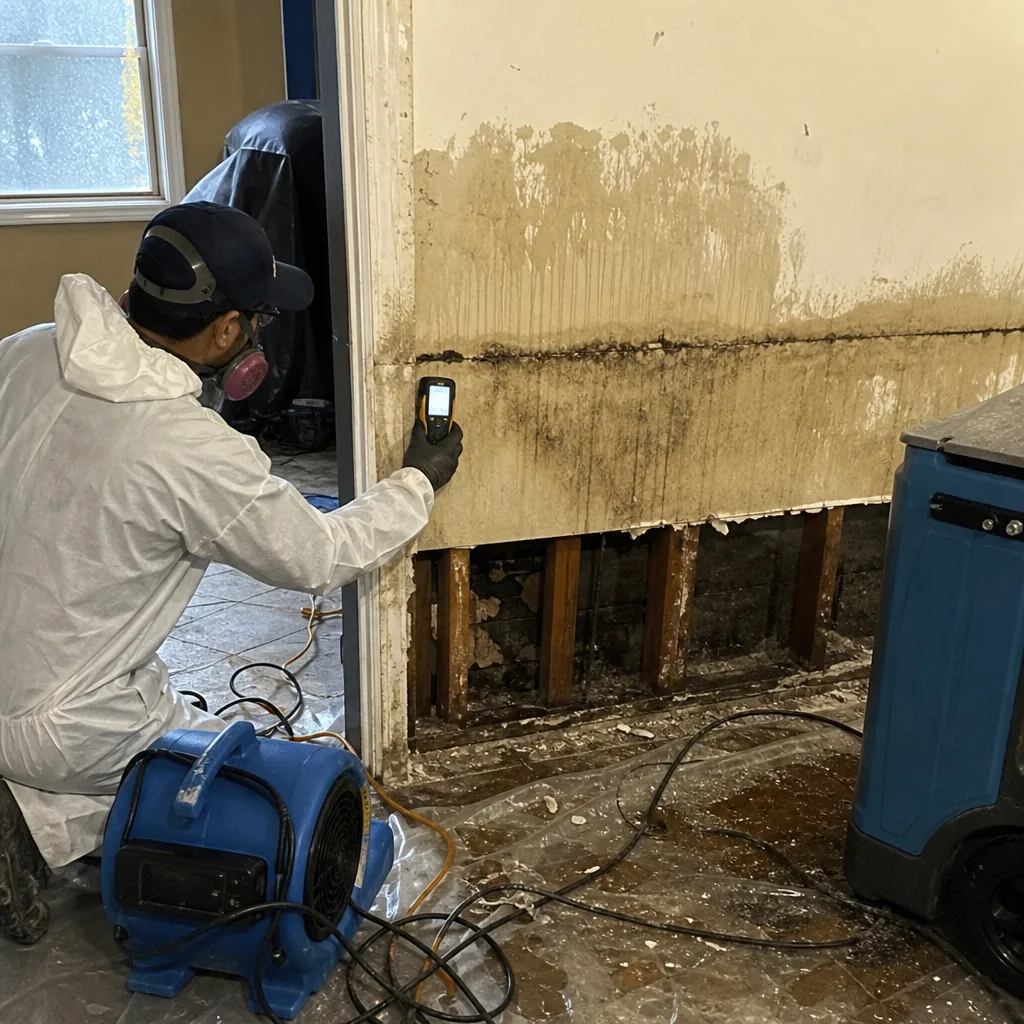 Before
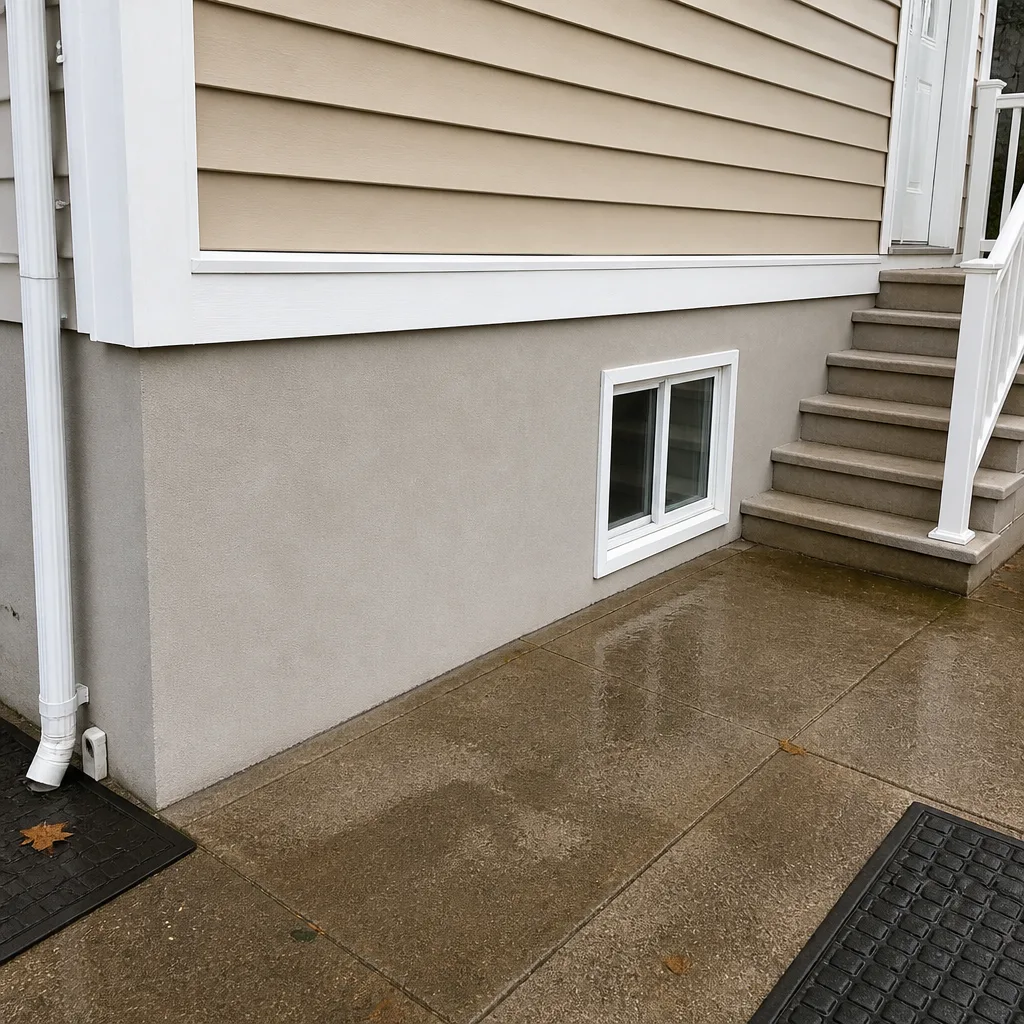 After
After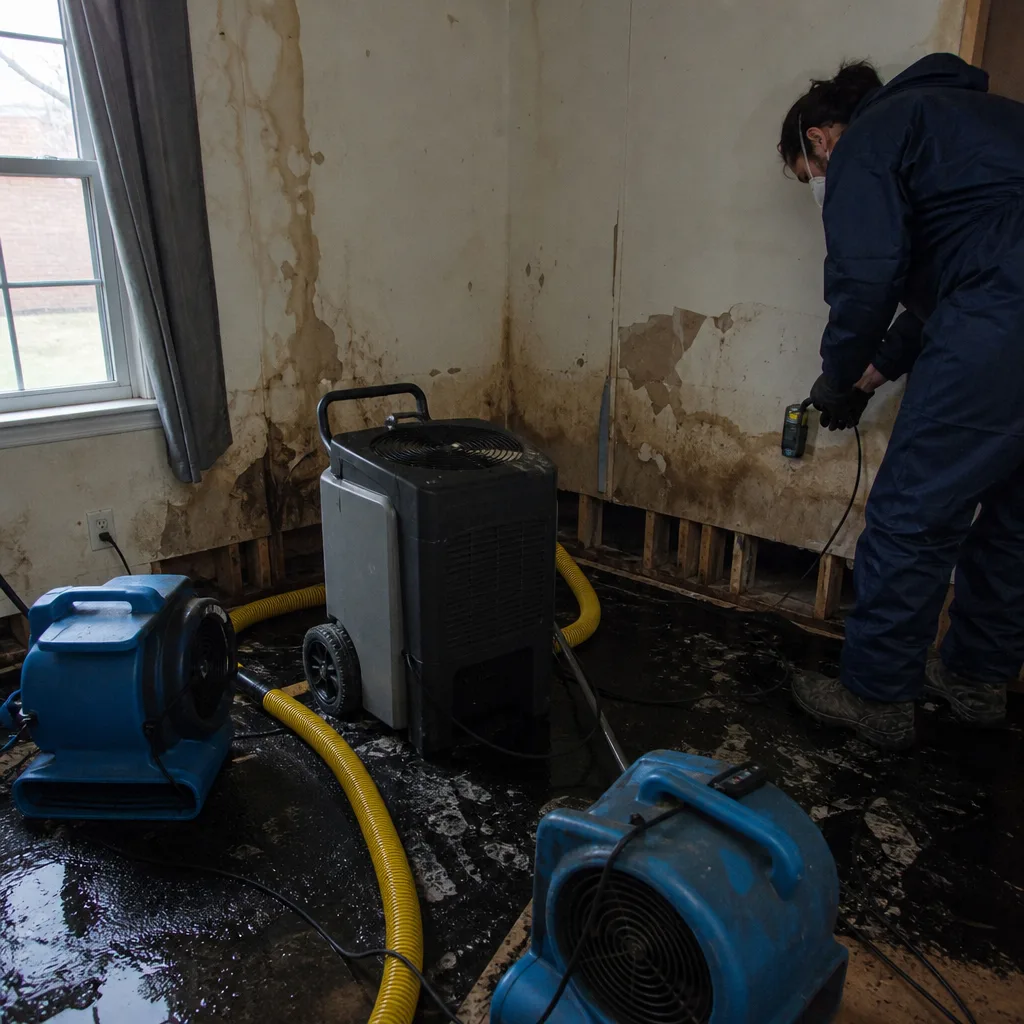 Before
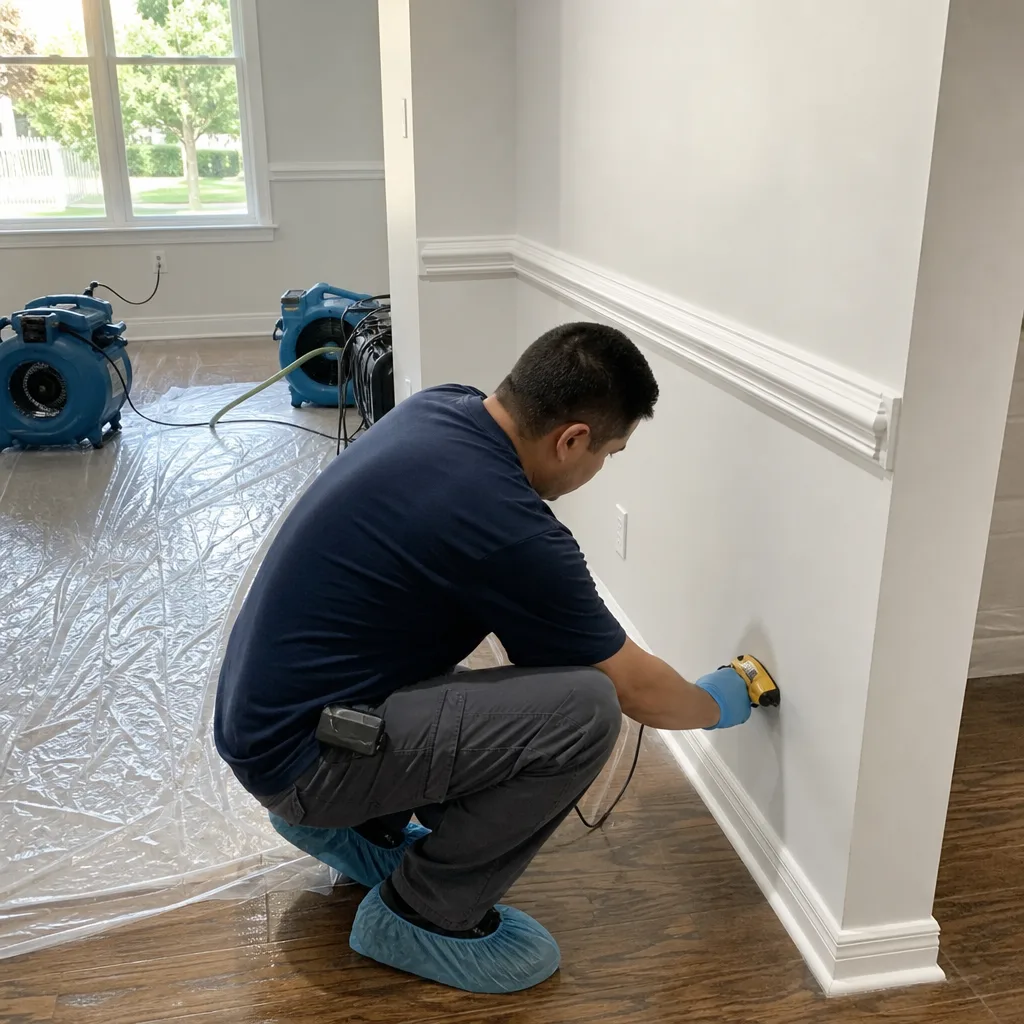 After
After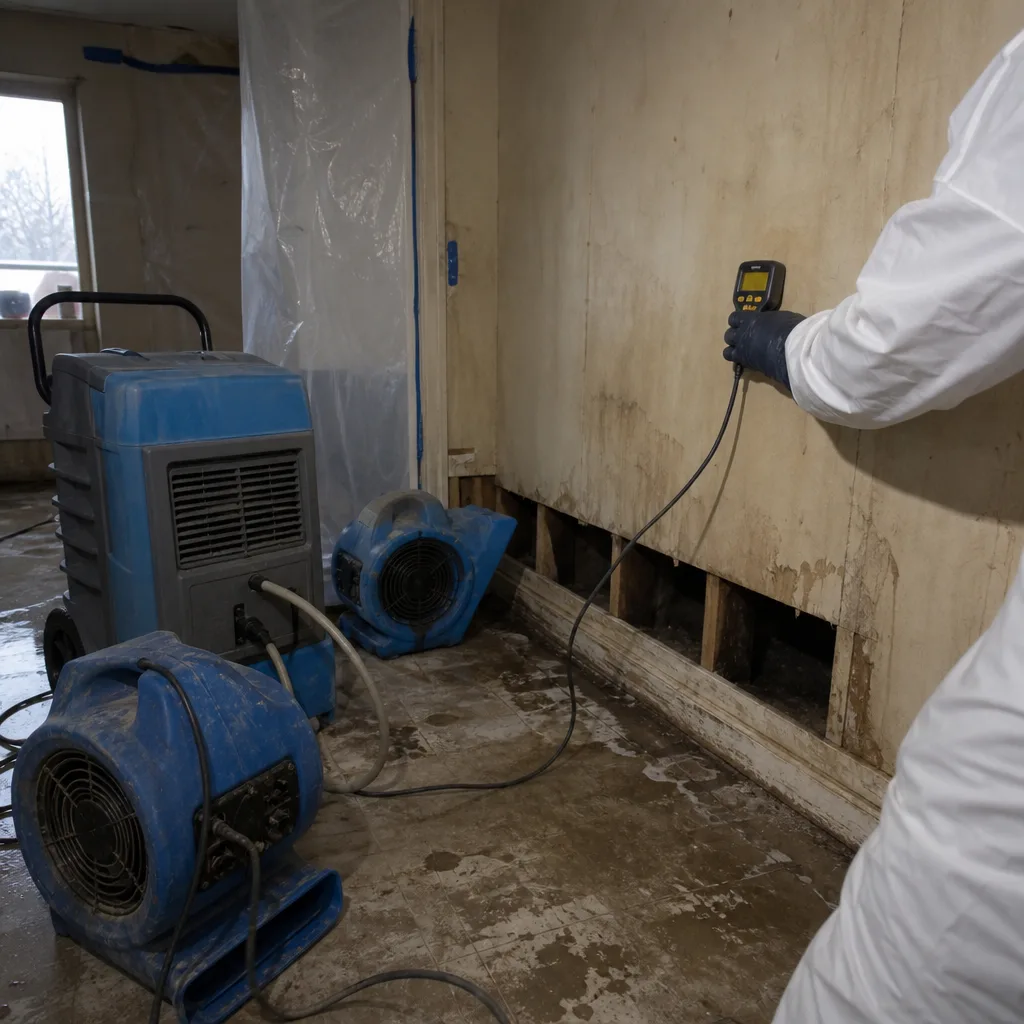 Before
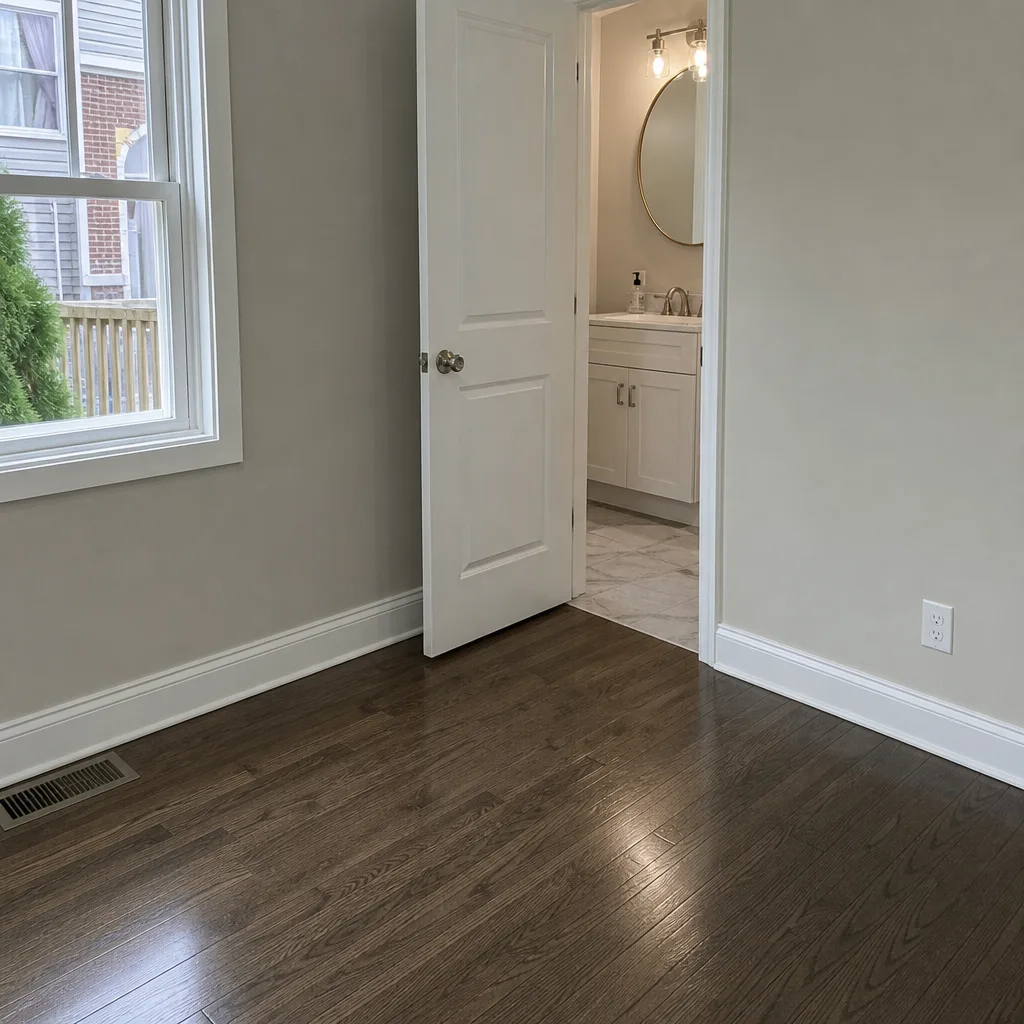 After
After24/7 Emergency Storm & Disaster Restoration in West New York
Storm and disaster restoration in West New York means answering the phone at 3 a.m. when a nor’easter pushes Hudson River water into a Blanc Street basement, then having a certified crew on-site with extraction running before sunrise. Our Storm & Disaster Restoration team coordinates dispatch from our New York City office, with crews staged minutes from the West New York waterfront and inland blocks. Call (551) 348-8481 right now and a live dispatcher answers. Not a recording. Not a callback queue. The first hour after a storm breach determines whether you’re drying plaster or replacing it. We start the clock when you call.
Understanding Storm & Disaster Restoration Severity in West New York Properties
In a stacked five-story walk-up off Bergenline Avenue, a failed roof membrane during a nor’easter pushes Category 2 water, storm runoff with contaminants, down through interior brick chases and open pipe runs. By the time a tenant sees staining on a fourth-floor ceiling, the water has already followed the plaster-over-lath and steam-riser paths into floors three, two, and sometimes one. Moisture mapping with thermal imaging shows us what the eye can’t: saturated lath assemblies, water trapped inside wall cavities, and elevated moisture content held against the brick by the Hudson River’s ambient humidity. Those pre-war buildings from the 1920s through the 1960s hold water differently than the glass-and-steel waterfront towers built since the 2000s. Different envelope, different drying protocol. We scope for what the building is, not what a generic playbook says.
Why West New York Property Owners Choose Floodline Restoration Co.
- 45-minute response commitment - crews staged near Bergenline Avenue and the waterfront reach any West New York address inside 45 minutes, day or night, storm or clear sky.
- 24/7 live answer, a real person - Curt Bowman’s dispatch board is staffed around the clock by someone who takes your address and starts the truck, not a machine that takes a message.
- IICRC-certified field crews - our technicians hold WRT and ASD certifications from the IICRC, with RIA and IFA training layered in. Uniformed, background-checked, and named on the work order.
- Free visual inspection, no sales pressure - we don’t charge to tell you what you’re dealing with. We walk the unit, we moisture-map the floors below the source, and we hand you a written scope before any work starts.
- Direct insurance billing - we bill your carrier directly, send adjusters our daily readings and photo logs, and you never play messenger between us and the claim desk.
- One team from extraction to reconstruction - the tech who reads the moisture log on day one is the same tech reading it on day six. No handoff to a sub, no inherited crew.
Our Storm & Disaster Restoration Process
Inspection & Assessment
We start with a full inspection of the source unit and every floor below it, using thermal imaging and moisture probes. In West New York’s stacked brick walk-ups, the visible damage almost never tells the full story. You get a written scope before we touch anything.
Extraction / Stabilization
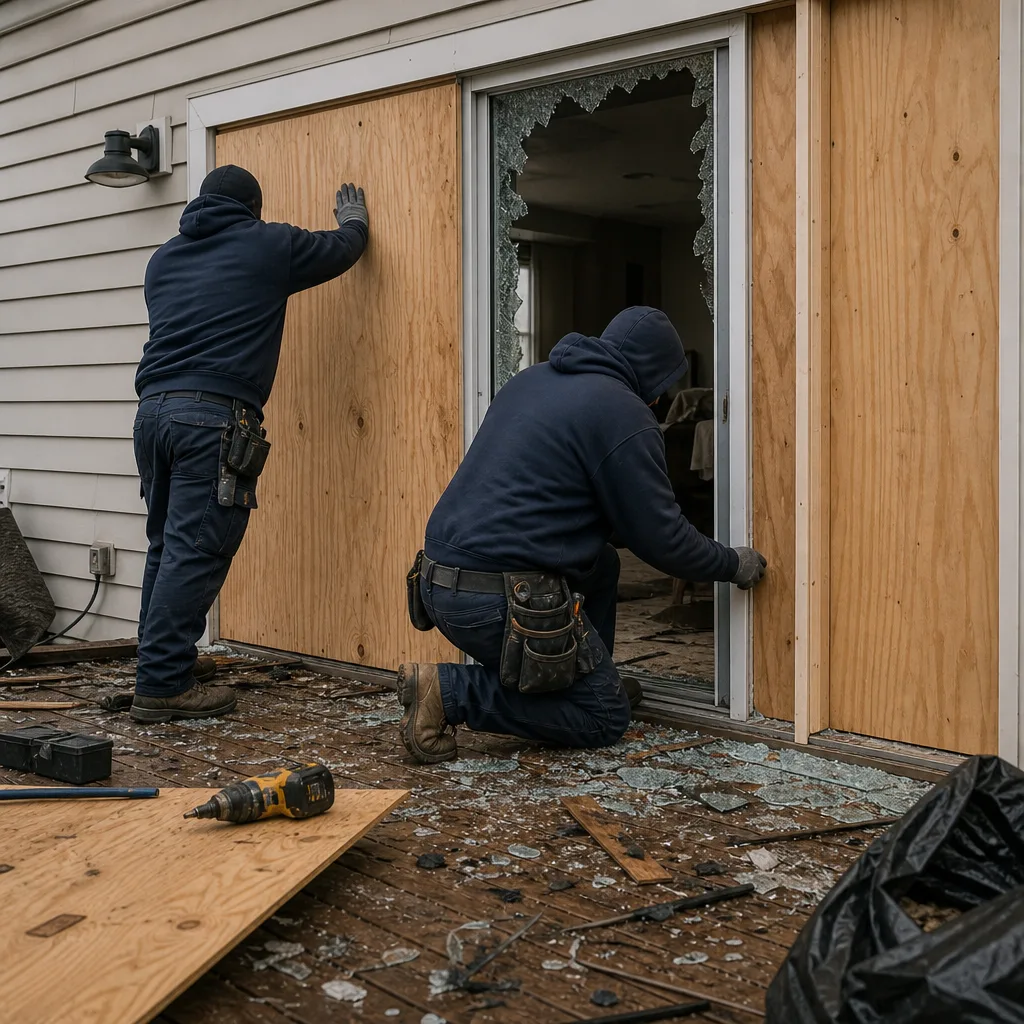
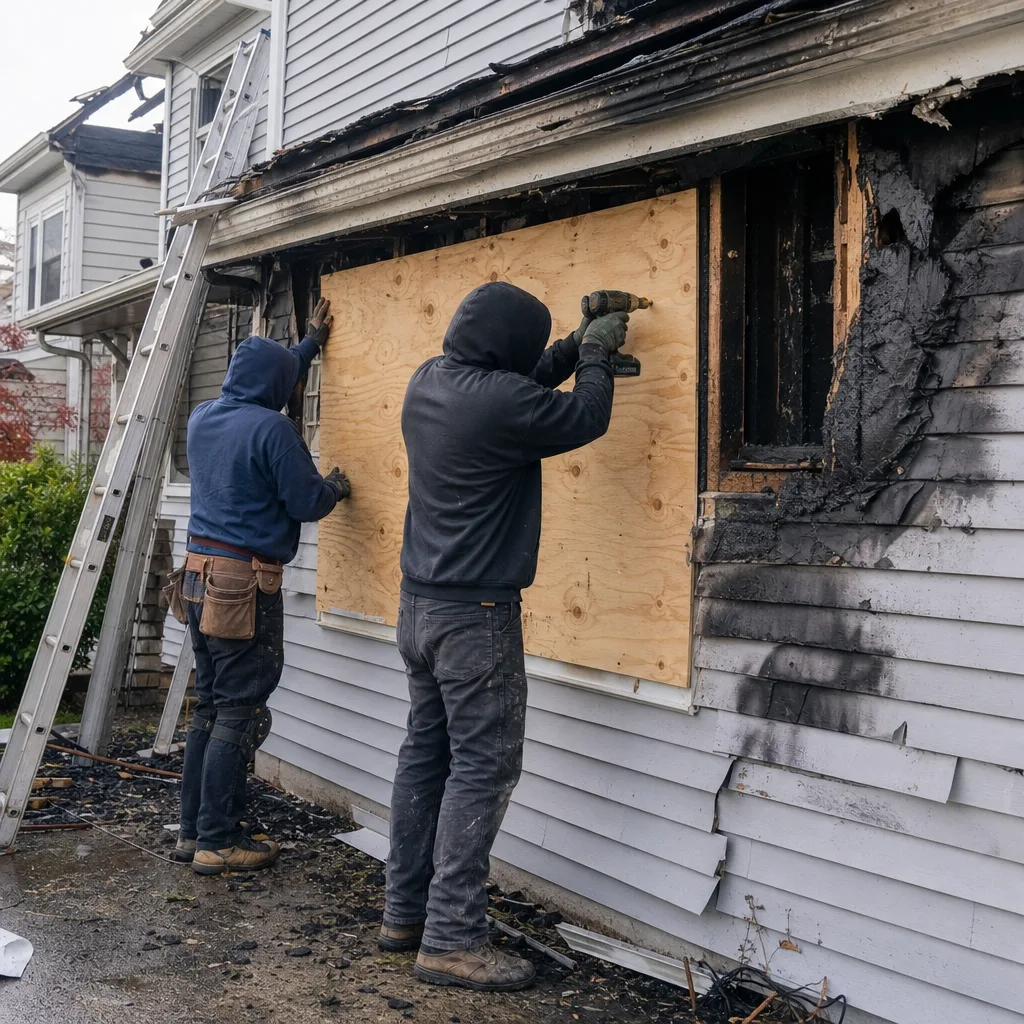
Standing water comes out first, using truck-mounted extraction on flooded basements and portable units for upper-floor losses. If the storm compromised windows or roof sections, we board up and tarp immediately to stop further water entry.
Drying & Dehumidification
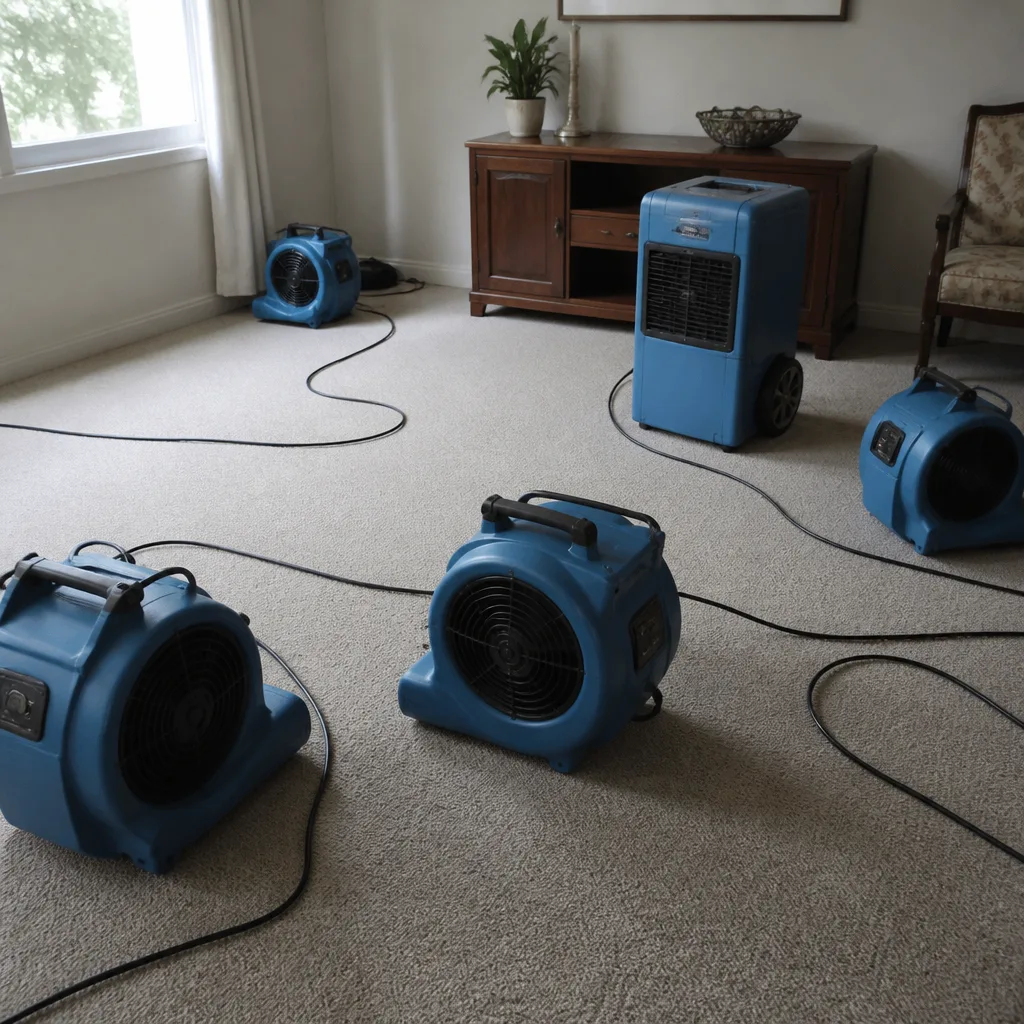
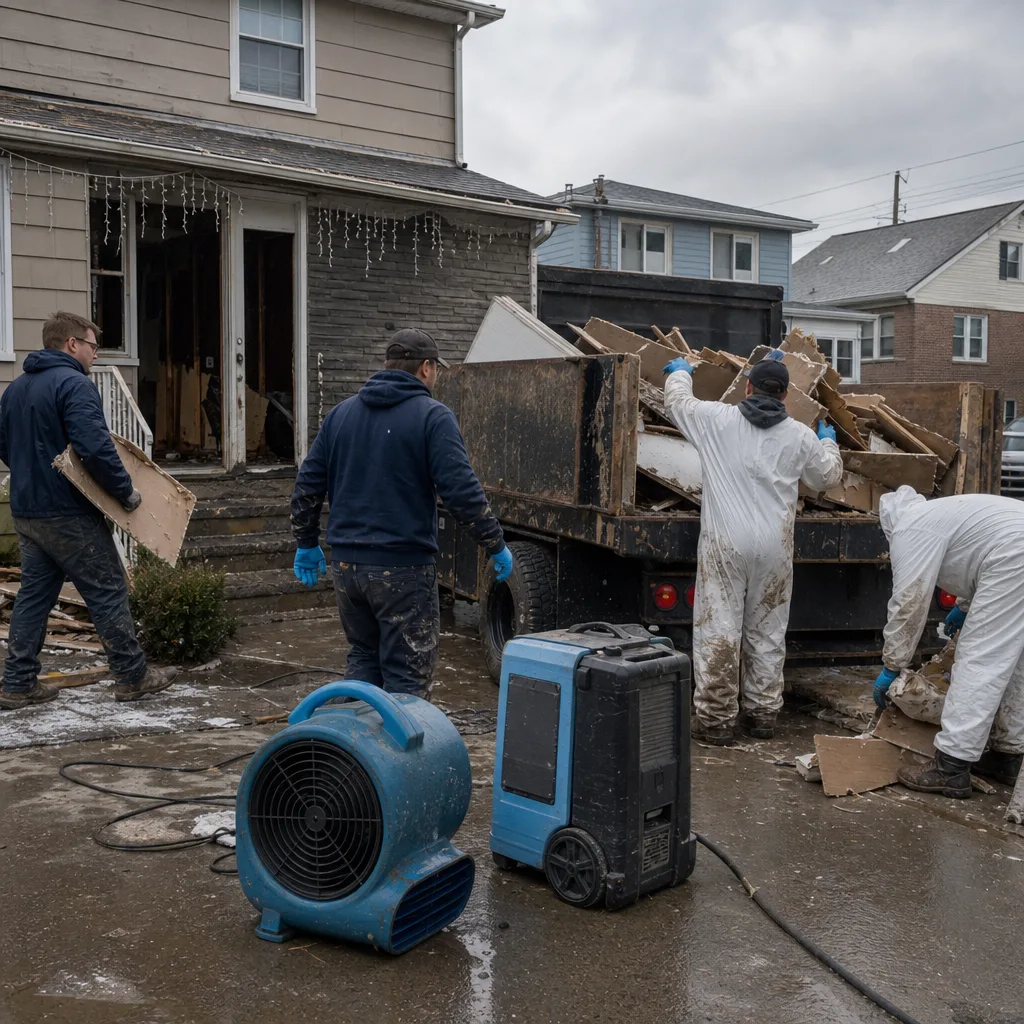
Professional-grade Dri-Eaz dehumidifiers, Phoenix air movers, and XPOWER ventilation are positioned to pull moisture from plaster assemblies, subfloor cavities, and brick chase interiors. Daily readings logged until every material hits its dry standard.
Cleaning & Sanitization
Storm water carries river sediment, sewage overflows, and street debris. We sanitize all affected surfaces with EPA-registered antimicrobials as part of our Sanitization Services in West New York, remove contaminated plaster and insulation, and install containment so cleaning doesn’t cross-contaminate dry units.
Specialty Storm Treatment
For West New York’s waterfront towers, this means envelope-specific drying behind curtain-wall systems and mechanical-room flood recovery. For inland walk-ups, it means Injectidry mats on plaster ceilings and cavity drying tied to each steam riser run.
Repairs & Restoration
Once the moisture log reads dry, the same certified crew handles Reconstruction & Cleanup - West New York style: rebuilding what was removed with plaster patches, new drywall, baseboards, paint, and whatever else the storm took. You get a finished home and a documented drying record for your carrier.
Need Emergency Storm & Disaster Restoration in West New York Now?
Crews minutes away, answering live 24 hours a day. The sooner we start, the less it costs.
Working With Your Insurance Company
Storm losses in West New York are rarely single-claim events. A top-floor failure in a six-unit building means six tenant policies, one building policy, and multiple adjusters asking the same questions. We’ve handled this for over four decades, since Curt Bowman founded Floodline Restoration Co. in 2010. Our crew documents from the first hour: moisture readings on arrival, daily logs through drying, and photographs of every affected room before and after equipment placement. The adjuster gets an industry-standard line-item scope with specific equipment counts and drying-days projections. We speak directly with your carrier so you don’t have to translate restoration terminology into insurance language. The paperwork goes in the claim file, not on your kitchen table.
What We Provide Your Insurer
- Thorough documentation of the loss
- Photos of all damage, room by room
- Moisture readings and drying logs
- A detailed, line-item scope of work
- Direct coordination with your carrier
Built for West New York’s Loss Calendar
West New York’s storm damage follows a rhythm only a local crew really knows. January and February push sub-freezing air against the Palisades cliff face, and the pre-war buildings on the inland blocks spring supply-line failures in attics and top-floor units. When a cast-iron pipe lets go at 3 a.m. on a 17-degree night, the water travels down through four occupied apartments before anyone calls. March and April bring thaw and the first heavy spring rains, which overwhelm the storm-water infrastructure on the lower-elevation eastern blocks near Boulevard East. Summer thunderstorms hit fast and hard, flash-flooding basement levels of the Hudson-front towers and knocking out sump pumps in older mechanical rooms. Late summer into fall brings the nor’easters and tropical remnants, the events that put salt water where it shouldn’t be. Each season has a signature. We plan for all of them.
Storm & Disaster Restoration Across West New York’s Neighborhoods
The response route to a Donnelly Park walk-up looks different from one to a 60th Street waterfront tower, and so does the job. In the dense inland blocks between Bergenline Avenue and JFK Boulevard East, our crews work the five- and six-story brick walk-ups where a single roof failure cascades through stacked ceilings. Response means working around narrow one-way streets, coordinating parking so a truck-mounted extractor can get close, and clearing debris chutes that block entrances. Over on the Boulevard East cliff line, the address may look the same on paper but the building is a mid-century mid-rise with steam risers running through every unit. Further east, at the foot of the cliff toward the river, the post-2000 towers present mechanical-room flood events, curtain-wall envelope failures, and elevator pits that flood during surge events. We don’t send the same playbook to a 1930s five-flat on 56th Street that we’d send to a luxury high-rise on the Hudson. The building tells us what it needs. The address just tells us where to park.
Specialized Storm & Disaster Restoration Services We Offer in West New York
Flood Damage Restoration
Hudson River surge and nor’easter-driven flooding hit West New York’s lower-elevation blocks hard during Sandy, and every waterfront property owner since then has a healthy respect for what brackish water does to a building. We extract the standing water, remove contaminated materials, dry the structure to its pre-loss moisture standard, and rebuild what the flood took. Salt water gets treated differently than clean-water intrusion because it leaves corrosive residue behind.
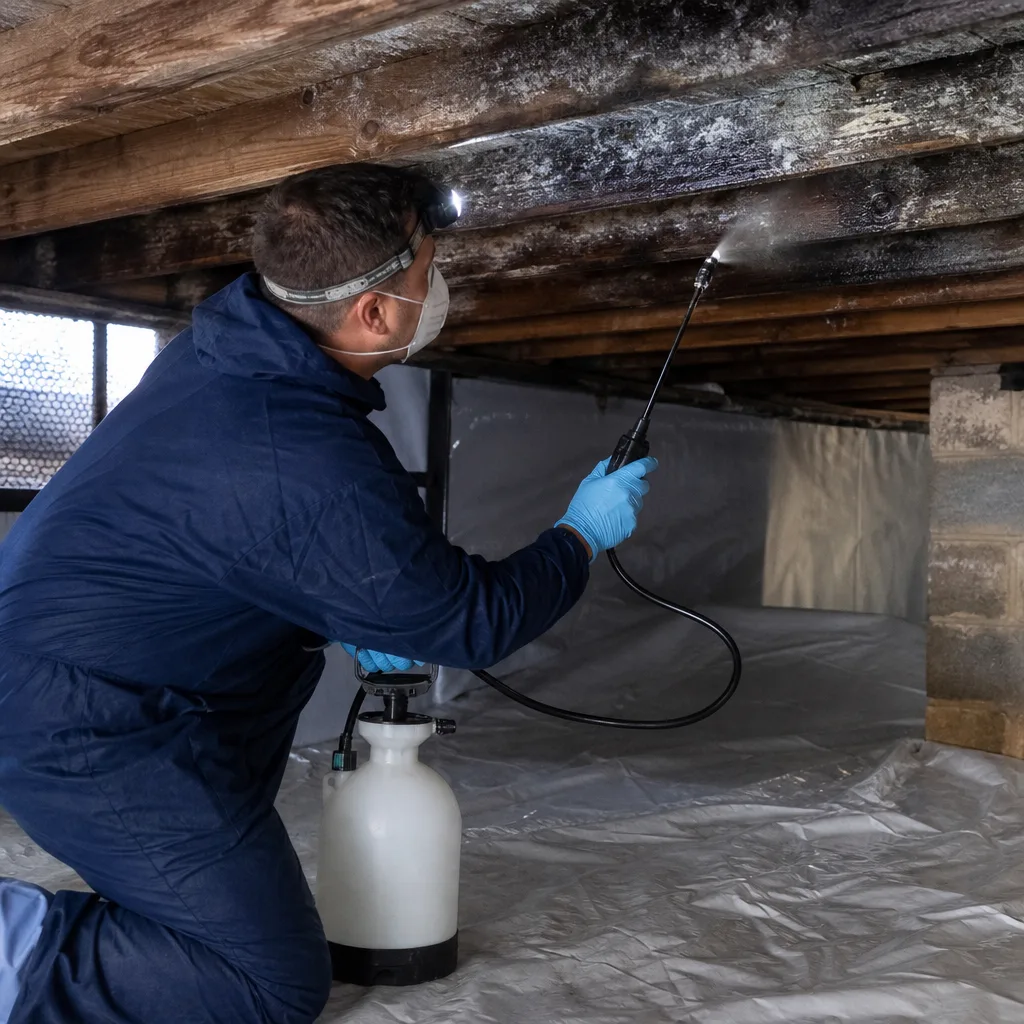
Emergency Board-Up
A storm-blown window or a compromised roof opening in a multi-unit building is a security and liability problem for every tenant below. We secure openings with plywood cut to fit West New York’s older window dimensions, tarp roof breaches quickly, and make sure the building is weather-tight before we do anything else. On a mid-storm night, board-up happens before extraction, because everything else is pointless if water keeps coming in.
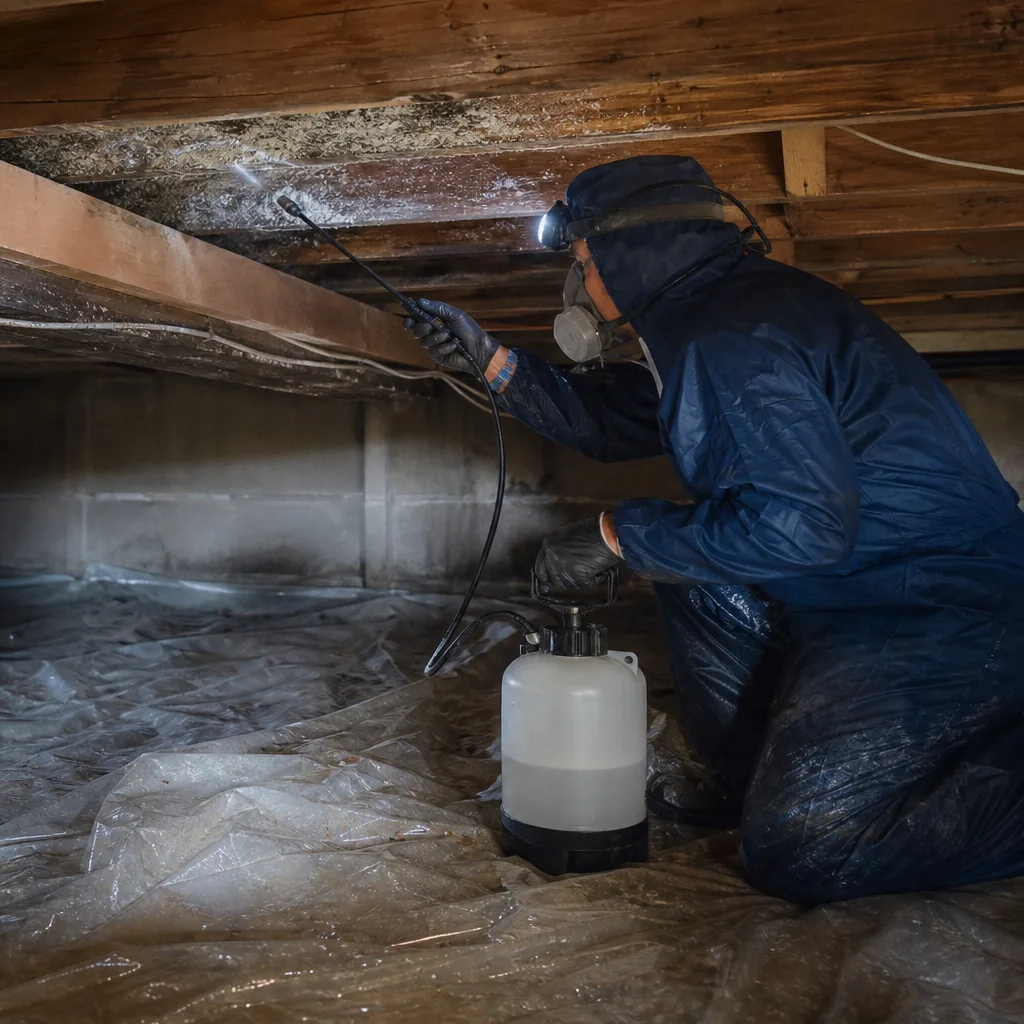
Debris Removal
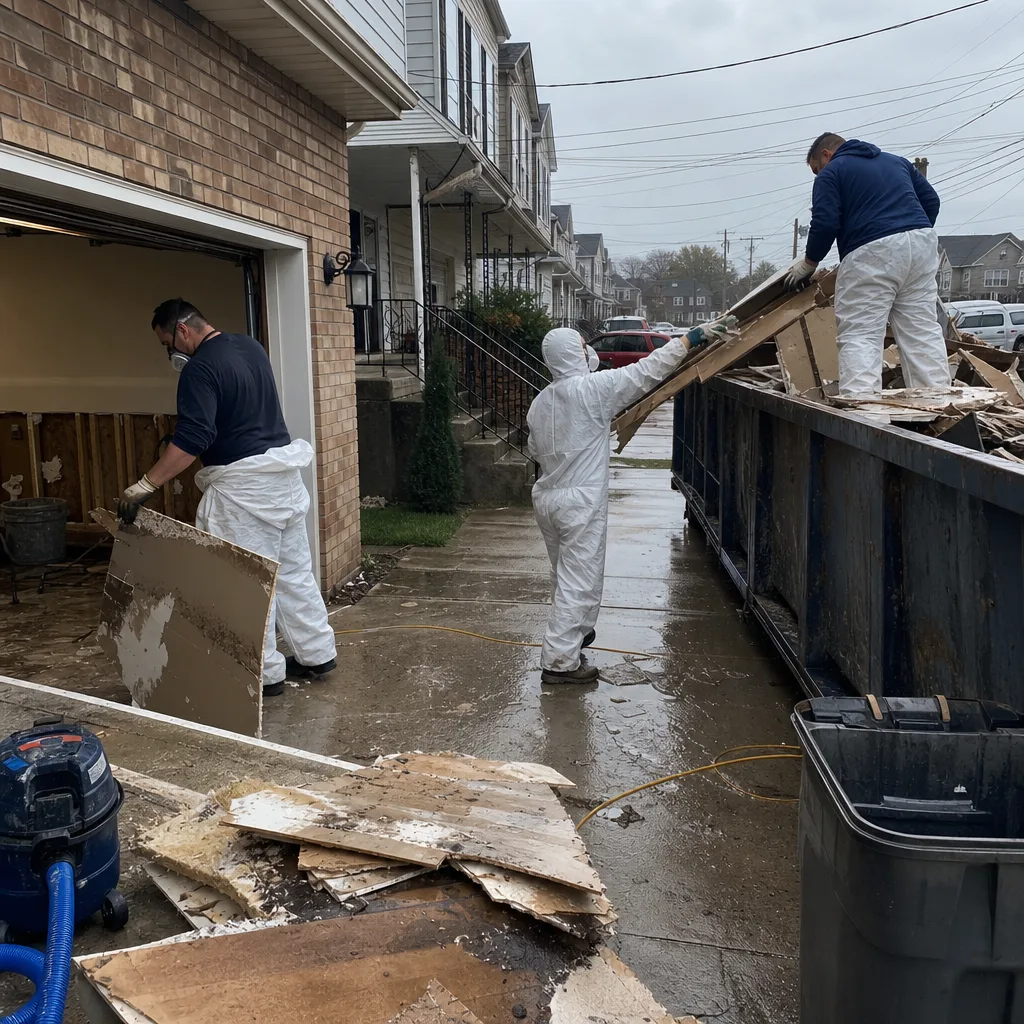
Storm debris in West New York’s narrow streets is a different animal than in a suburban subdivision. A blocked Bergenline Avenue side street means tenants can’t get out and emergency vehicles can’t get in. Our crews coordinate with building owners to clear chutes, remove wind-blown construction debris, and keep access paths open while the restoration work continues. We don’t leave a dumpster where it blocks a fire lane or a neighbor’s front door.
What happens when you call
- 1
A real person answersNo phone trees - you reach a local pro.
- 2
You get an upfront price rangeHonest numbers before anyone is dispatched.
- 3
A background-checked tech heads outLicensed & insured, dispatched right away.
- 4
You approve before work beginsNothing starts until you say go.
Storm & Disaster Restoration Costs in West New York, NJ
A typical water extraction and drying job for a single flooded apartment in one of West New York’s older brick walk-ups runs $2,800 to $6,500, depending on how many floors the water traveled and how much plaster has to come out. A multi-floor cascade event in a five-story building, where we’re setting containment on three or four stacked units, typically lands between $12,000 and $35,000, more if structural framing or flooring across multiple apartments needs replacement. Emergency board-up and roof tarping for a storm breach usually runs $600 to $1,800 as a standalone service. The variables that move the price: number of floors affected, whether plaster-over-lath must be removed or can be dried in place with Injectidry, whether asbestos abatement is triggered in pre-1970 buildings, and how fast the loss was reported. Insurance covers most storm-related water and wind damage under standard policies; direct billing to your carrier means you’re not fronting cash waiting on a check. Call (551) 348-8481 for a free visual inspection. You’ll get a firm, written scope before any work starts, not an estimate that grows after we open the wall.
We Also Serve Cities Near West New York
Floodline Restoration Co. crews reach West New York and its neighboring Hudson County communities with the same 45-minute response and live-answer dispatch: West New York, Union City, Weehawken, North Bergen, and Hoboken. The Palisades cliff line doesn’t stop a storm, and it doesn’t stop our trucks either.
West New York Storm & Disaster Restoration Questions, Answered
How quickly does mold start in West New York’s older brick apartments after a storm leak?
Mold colonization in a water-damaged pre-war building in West New York can begin within 48 to 72 hours, often faster in the humid months when the Hudson River keeps ambient moisture elevated against the cliff face. Plaster-over-lath ceilings in those buildings hold water against the wood lath, creating exactly the warm, dark, moist conditions mold needs. That’s why our crews set drying equipment on the same visit, not the next day. Call (551) 348-8481 and we’ll have a tech on-site before that window opens.
Why do crews inspect every floor below a leak in West New York walk-ups?
Because water follows the path of least resistance through the building’s structure. In a five-story walk-up, a burst supply line or roof breach on the top floor travels down through the wall cavities, pipe chases, and steam-riser runs. It saturates each ceiling below the source. The visible damage on the top floor almost never reflects the true extent of water travel. Our standard protocol on West New York’s inland blocks is to moisture-map every floor below the source unit before we scope the job. Skipping that step means missing saturated plaster and insulation, and that means mold and a second claim in a month.
What is the difference between Category 1, 2, and 3 water in a West New York flood?
Category 1 is clean water from a broken supply line or rainwater without contaminants. Category 2 is water with significant contamination, like sump pump discharge or storm runoff that has traveled across roofs and streets. Category 3 is grossly contaminated water, including sewage, river surge from the Hudson, or street floodwater that carries bacteria and chemicals. West New York’s storm events often push Category 2 water into basements and mechanical rooms, and surge events from the river bring Category 3 water into anything below the storm line. Categories 2 and 3 require Biohazard & Crime Scene Cleanup in West New York-level antimicrobial treatment and contaminated-material removal, not just drying. We assess the water category on every job and document it for your carrier.
Do West New York waterfront high-rises need different restoration after a nor’easter than inland blocks?
Yes. The post-2000 towers along the Hudson have curtain-wall envelope systems, below-grade mechanical rooms, and elevator pits that behave completely differently from the brick-and-plaster walk-ups inland. Water entering the curtain wall can travel horizontally between floors, not just vertically. Below-grade parking levels flood through utility penetrations and foundation seams. Restoration means envelope-specific drying, not just ceiling and wall drying. Our techs scope waterfront towers with a different protocol, because the failure modes are different. Same equipment, different placement logic.
Can you handle pack-out for tenants in a multi-unit West New York building after a storm?
We can. When a storm loss makes a unit uninhabitable during drying or repair, we inventory, photograph, pack, and store tenant belongings. On a recent five-story walk-up off Bergenline Avenue, a nor’easter-driven roof failure sent water down through floors three, two, and one. Our techs set containment on each floor, ran Injectidry mats on the plaster ceilings, and logged moisture readings every four hours. We also packed out two third-floor units so the tenants could stay with family while their ceilings dried. The building was back to pre-loss condition before the owner even knew the top-floor apartment was flooded. That’s the job, done right.
How fast can you actually get to a West New York address during a storm?
Our standard response commitment is 45 minutes from your call to our crew’s arrival at a West New York address. During a declared emergency or major storm event, heavy conditions can push that, but our dispatching model keeps trucks staged near the Palisades corridor so we’re not fighting bridge traffic from a distant yard. A live dispatcher answers your call at 2 a.m. and a crew is rolling before you hang up.
Will my insurance cover storm damage if I call a restoration company before my adjuster arrives?
Yes, your policy covers storm and water damage regardless of the order of calls. In fact, calling a restoration company first is almost always the smarter move, because mitigation work limits the total loss. We document everything from the first hour and coordinate directly with your adjuster. We bill your carrier directly. You do not need adjuster permission before calling us. You need the water out and the drying started. Call (551) 348-8481 now and we’ll handle the carrier after the extraction is running.
What should I do in the first 30 minutes after I notice storm water in my West New York home?
Call (551) 348-8481. Then, if you can do so safely, shut off the water at the main supply valve if the source is a burst pipe. Turn off electricity at the panel if water is near any outlet or appliance, but don’t stand in water to reach the breaker. Don’t enter a flooded basement or mechanical room if the water may be energized or contaminated. Document with photos from a safe distance. Then wait for our crew. We’ll take it from there.
Storm Damage in West New York? We’re Already on the Way.
Live dispatch, certified crews, direct insurance billing. Call now for a free visual inspection.
Serving West New York, NJ - Our Local Coverage Area
We’re based in the West New York area and know this community well. Use the map below to see our service coverage - if you’re nearby, we can almost certainly help.
Storm & Disaster Restoration in West New York: What You Actually Need to Know
Most storm restoration pages give you generic advice: remove standing water, dry the area, call a professional. That’s fine for a suburban ranch house outside Topeka. It’s borderline useless for a five-story brick walk-up at 53rd Street and Palisade Avenue, where a roof failure sends water through four occupied floors and the visible damage is a quarter of the actual loss. This page exists to give you the on-the-ground West New York protocols that a generic storm page never mentions: floor-by-floor moisture mapping in stacked walk-ups and envelope-specific drying for waterfront towers.
West New York is one of the most densely populated municipalities in the United States. The housing stock is overwhelmingly multi-unit: pre-war and postwar brick apartment buildings from the 1920s through the 1960s on the inland side, and glass-and-steel luxury towers from the 2000s onward along the Hudson. The older buildings have plaster-over-lath ceilings, galvanized or cast-iron supply lines, and steam-riser chases that act as built-in water distribution channels during a storm or pipe failure. A burst cold-water line in a sixth-floor kitchen on a January night doesn’t stay in that kitchen. It runs down the riser chase, soaks the plaster on five stacked ceilings, and by morning there are water stains in four apartments and an angry tenant group in the lobby.
Our standard protocol on these blocks reflects that. We do not scope the visibly wet unit and stop. We moisture-map every floor below the source before we write the scope, because the water that matters is usually the water you can’t see. Thermal imaging and moisture probes read behind the plaster, inside the wall cavities, and through the lath. We set containment on every affected floor, run Injectidry mats on the plaster ceilings, and log moisture readings every four hours until the structural drying hits the dry standard. That’s not a sales pitch. It’s the only way to actually fix a stacked-building water loss without leaving a mold problem waiting on the fourth floor.
The waterfront is a different world. Those towers have curtain-wall systems that leak horizontally between floors, mechanical rooms below grade that flood through utility penetrations, and elevator pits that go under water in surge events. An old building’s failure is vertical; a new tower’s is lateral and mechanical. We scope them differently, with an eye on the envelope and the mechanical spaces rather than just the apartment ceiling. If a below-grade mechanical room floods and the building’s elevators and parking ventilation go down, every resident above is affected, not just the unit owner.
What ties both building types together in West New York is the Palisades. The cliff topography concentrates and accelerates stormwater runoff toward the eastern waterfront blocks during nor’easters and heavy rain. The lower-elevation streets near the river flood when the elevated inland blocks just a few hundred feet west stay dry. It’s a geographic fact of life here, and it means some addresses are structurally more exposed than others. If you live on a lower block near Boulevard East and the river, your basement is the one that floods first. We plan accordingly.
The 90-Day Done Right Promise, what we call the Keystone Standard, applies to every storm restoration job we do in West New York. It’s in writing. If what we repaired isn’t done right, we make it right without arguing about it. The K.E.Y.S. values code behind it: Krafted right, Every time, Your home first, Standing behind it. That’s not marketing language. It’s the document you get when the job is done.
We answer the phone with a person at 2 a.m. We arrive with background-checked, uniformed technicians trained to IICRC, RIA, and IFA standards. We use Dri-Eaz, Phoenix, XPOWER, B-Air, and Injectidry equipment because that’s what’s on our trucks. We bill your carrier directly and send them the daily readings so you don’t have to. And we don’t hand your job to a different crew after extraction. The same team that reads the moisture map on day one rebuilds the wall on day eight.
We’re Floodline Restoration Co. We’ve been doing this since 2010. Curt Bowman built the company around a dispatch board, not a sales desk. The phone rings, a person answers, and a crew is sent. Call (551) 348-8481 and we’ll be there when we say.
Written by Curt Bowman, Owner at Floodline Restoration Co., serving Storm & Disaster Restoration in West New York with live-answer dispatch and certified crews.