
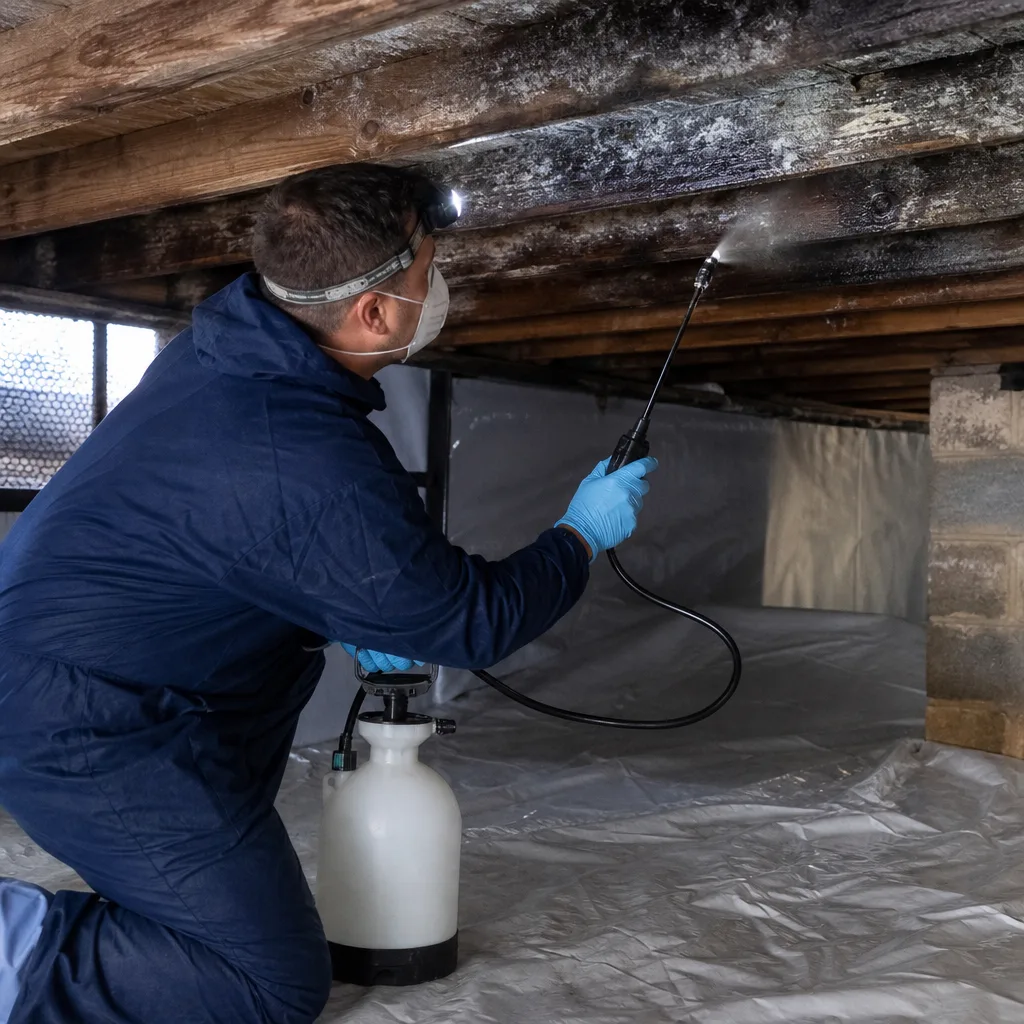
Free visual inspection and a written scope of work before any mitigation begins - photos, moisture readings, and drying logs go in your claim file
The scope we write is the scope we bill. Anything new gets shown to you, in writing, before we touch it.
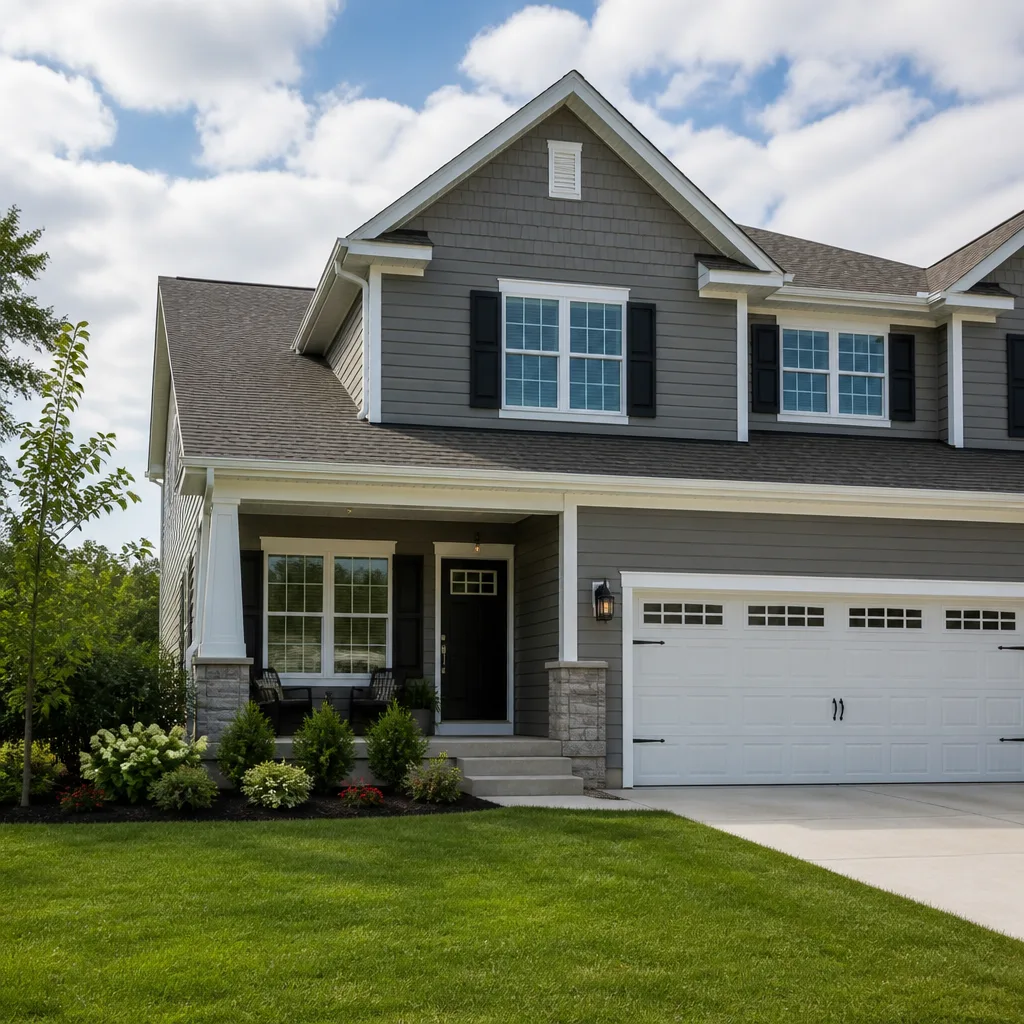
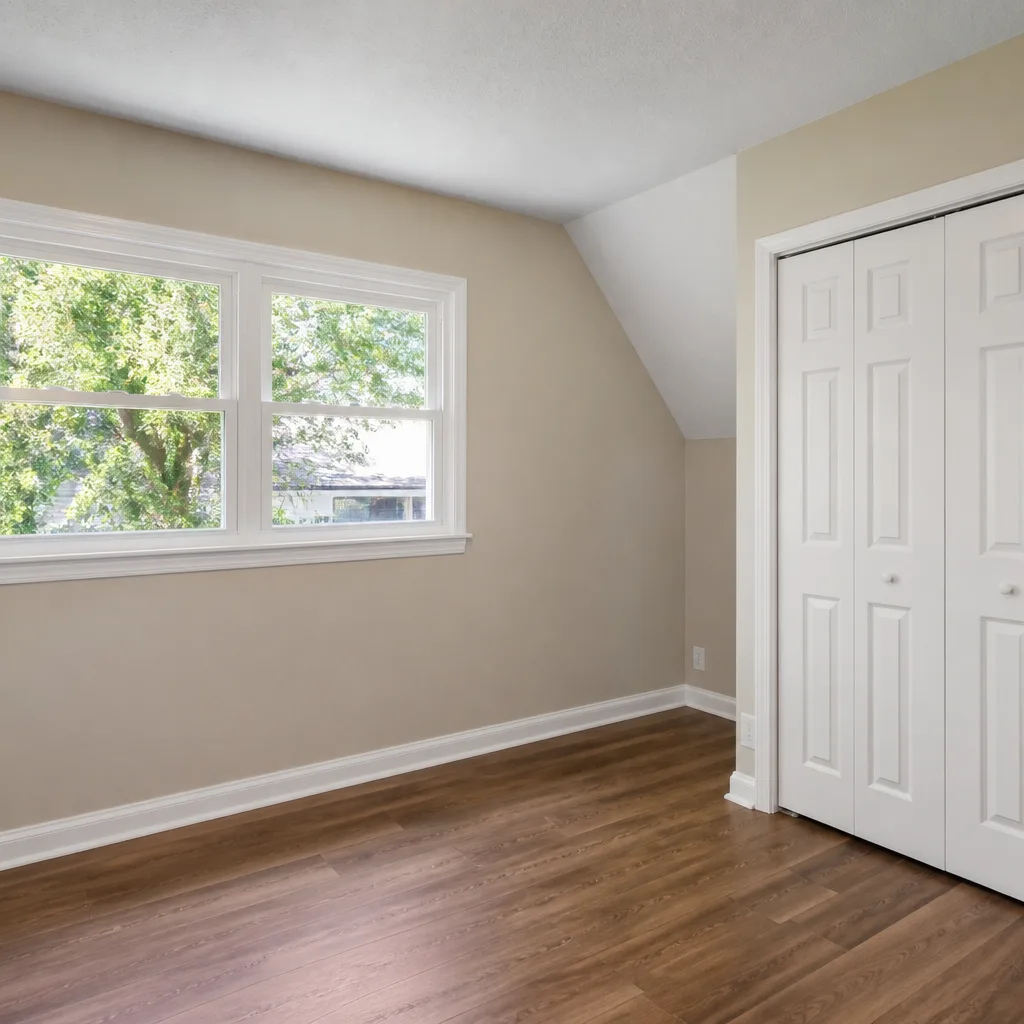
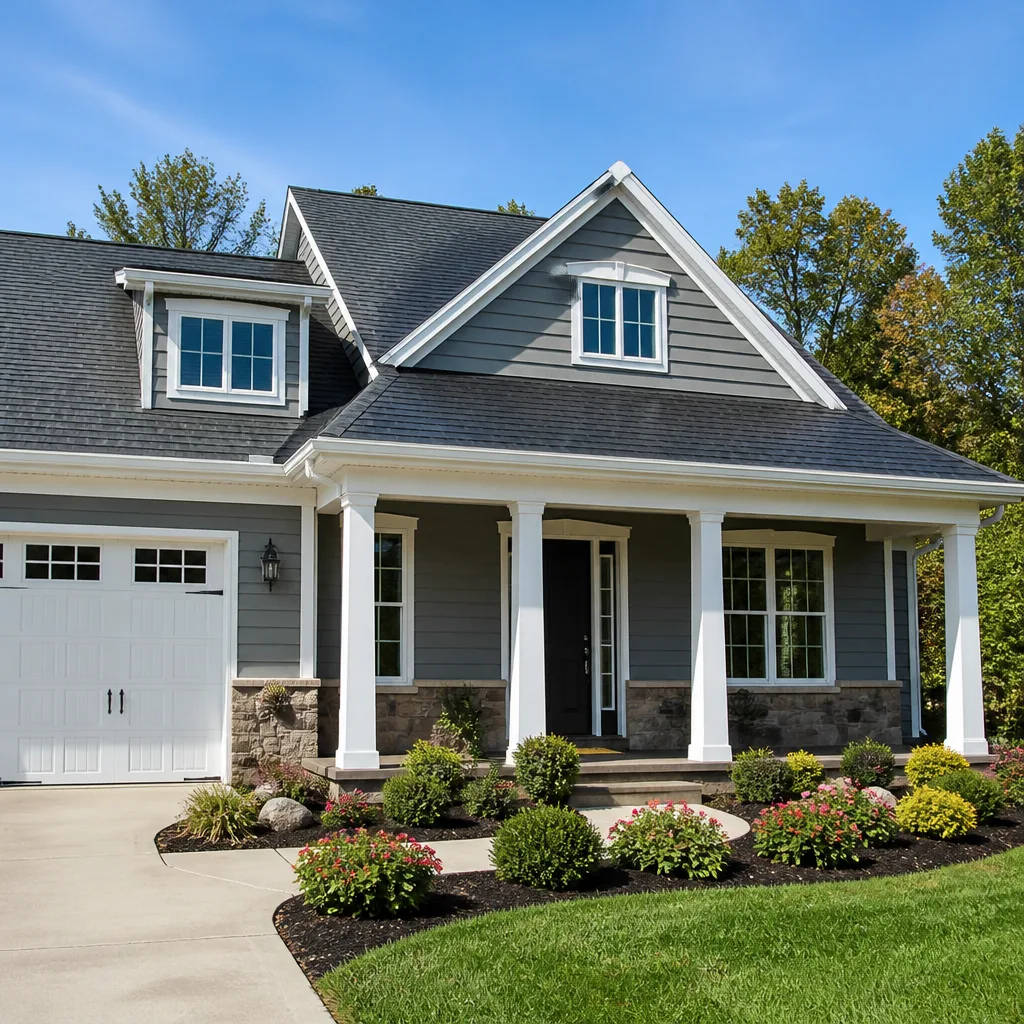
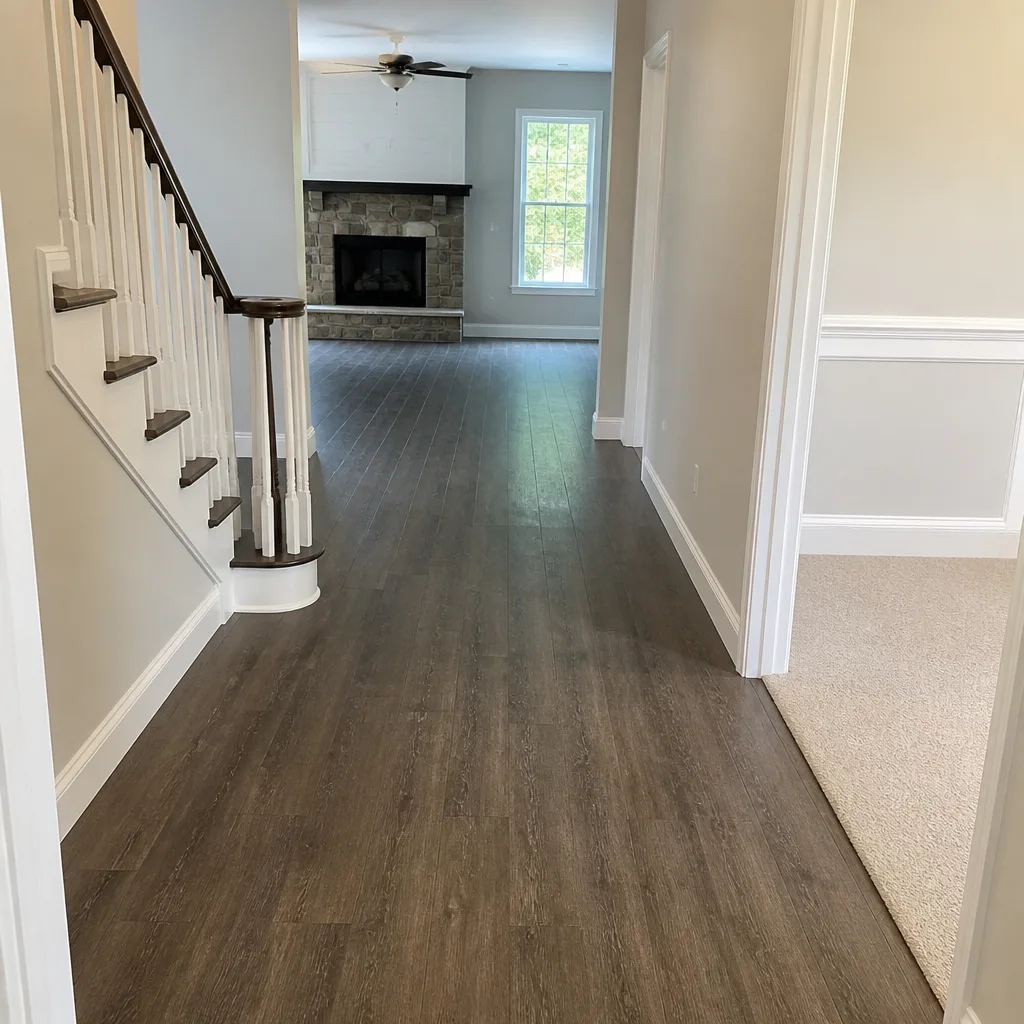
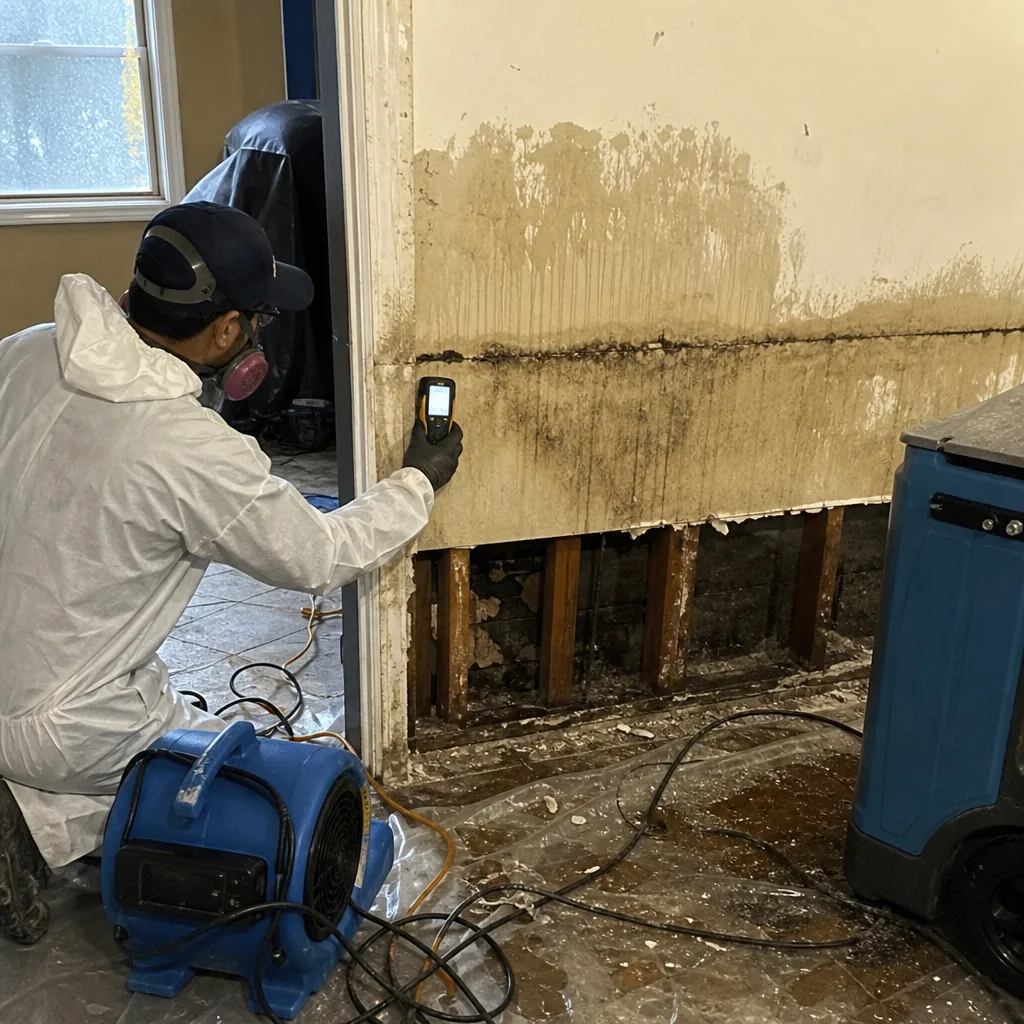 Before
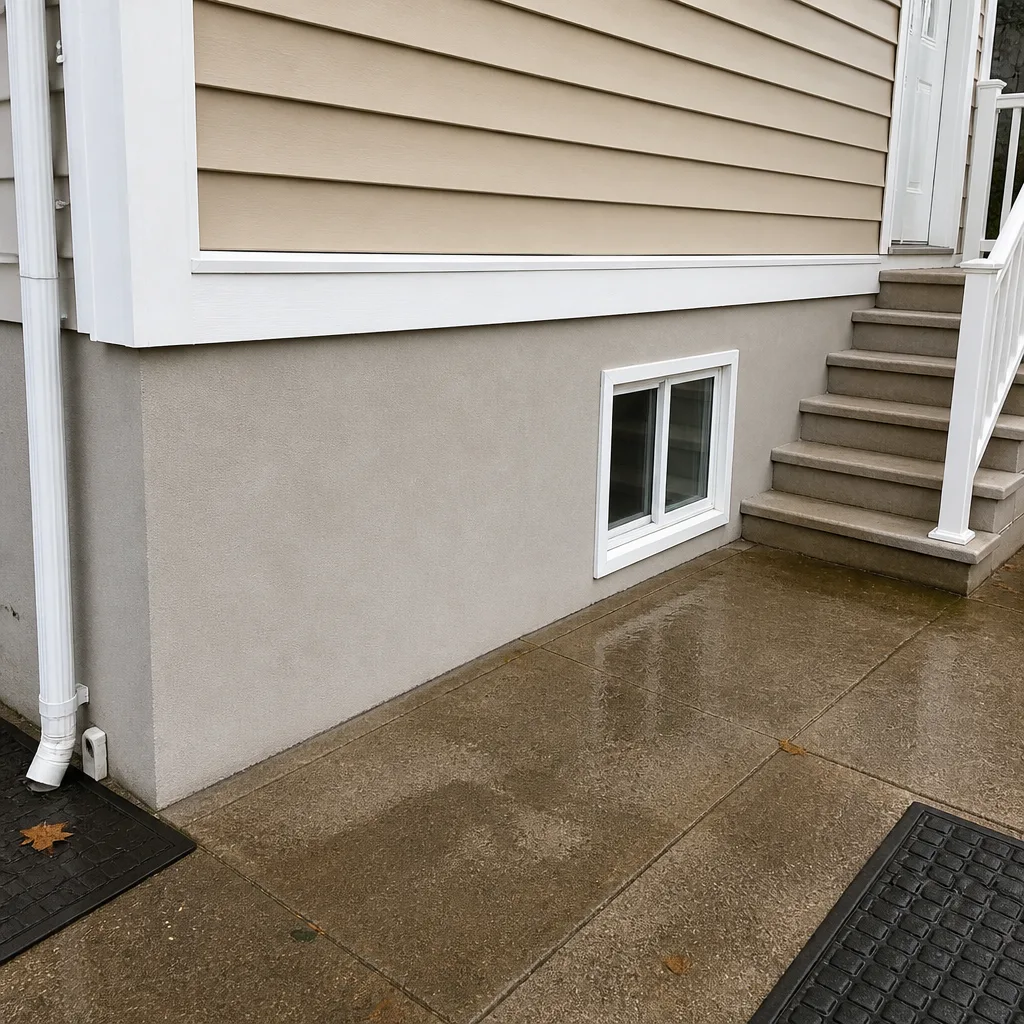 After
After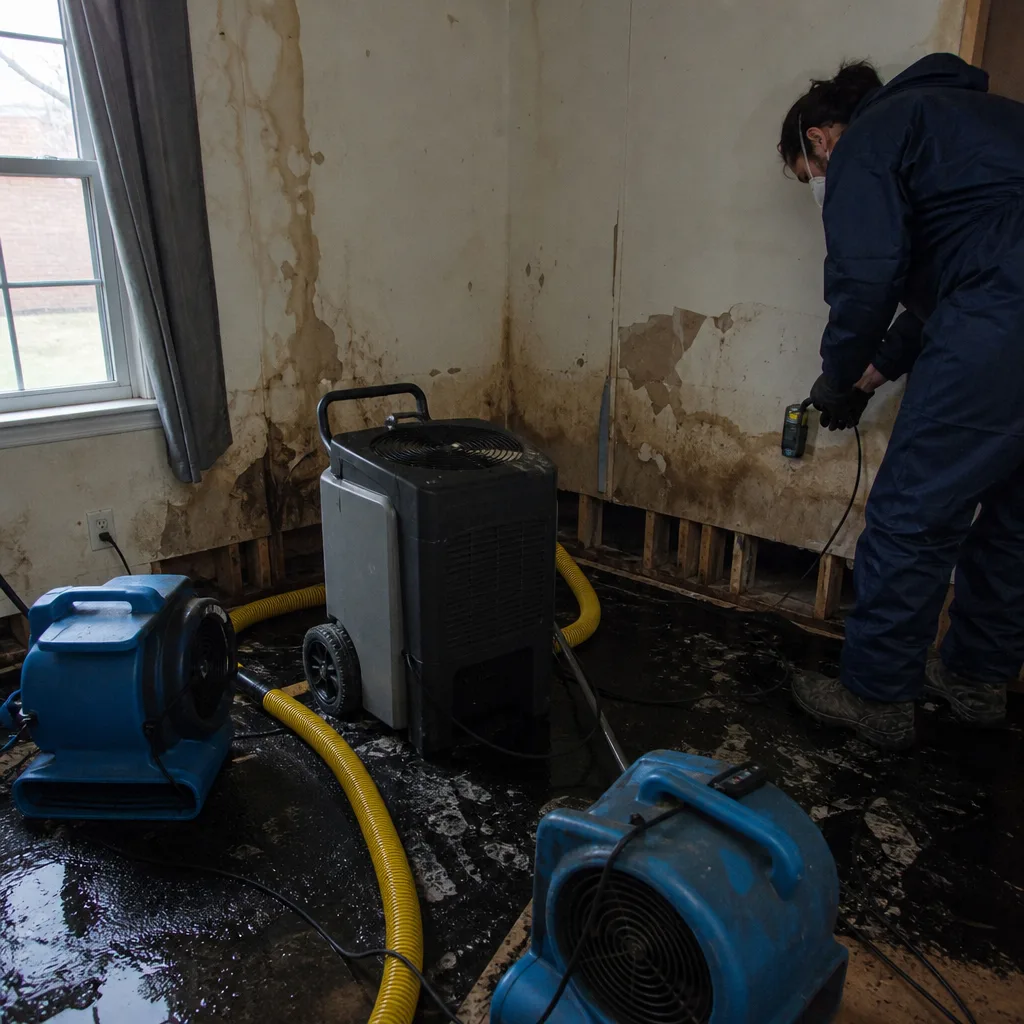 Before
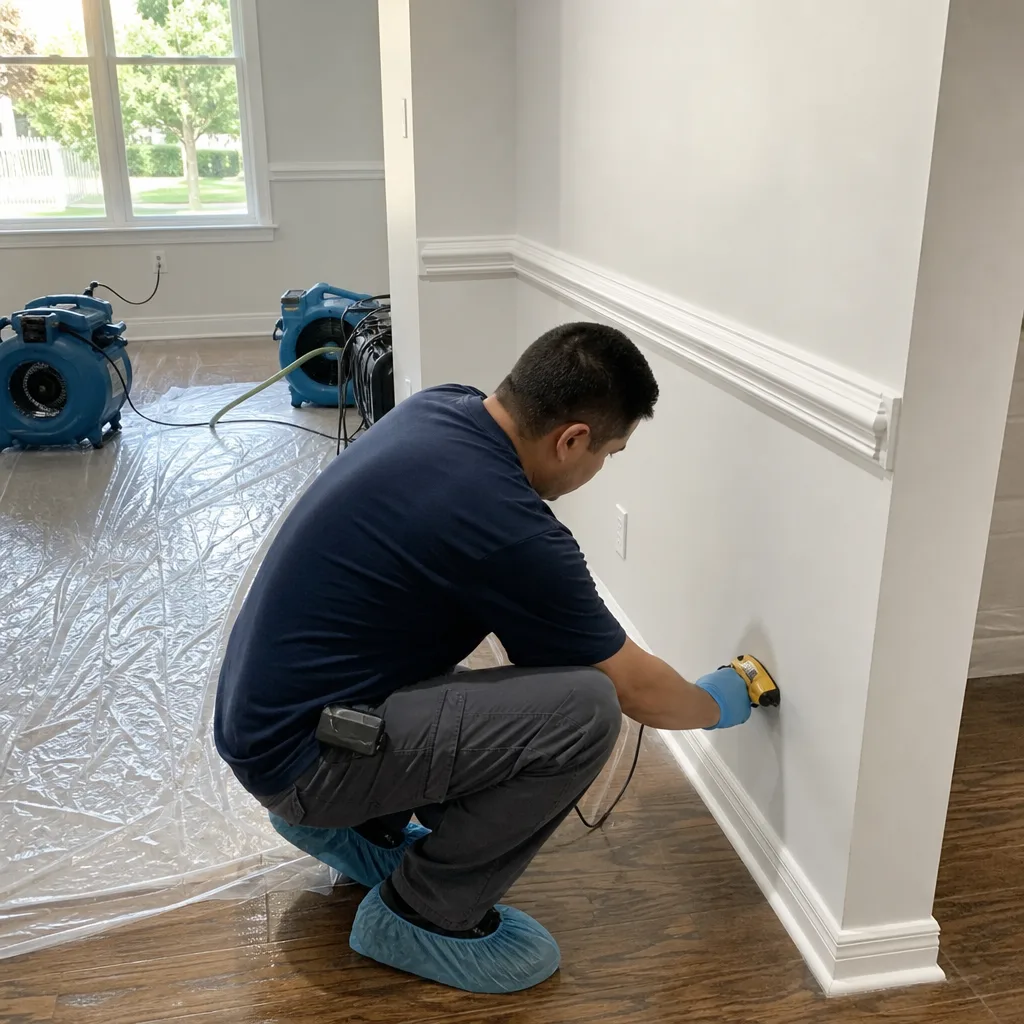 After
After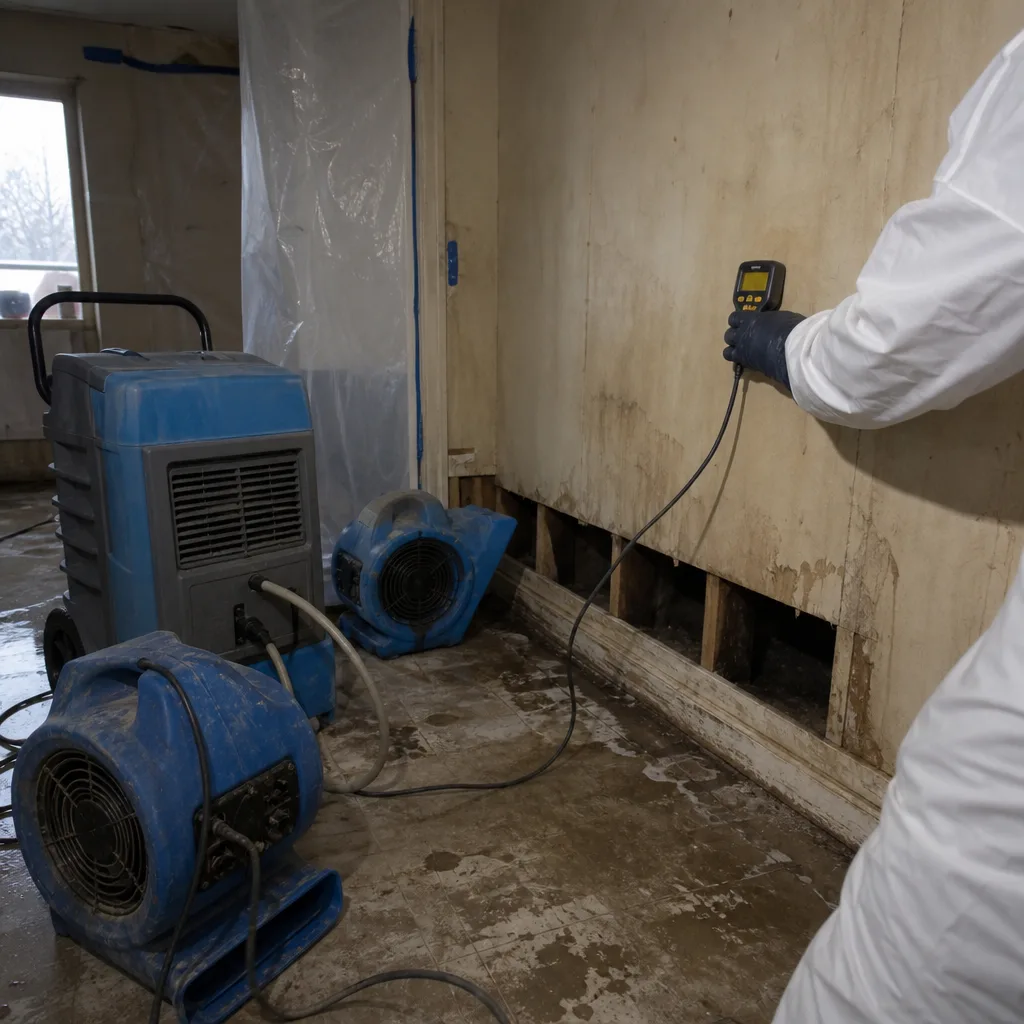 Before
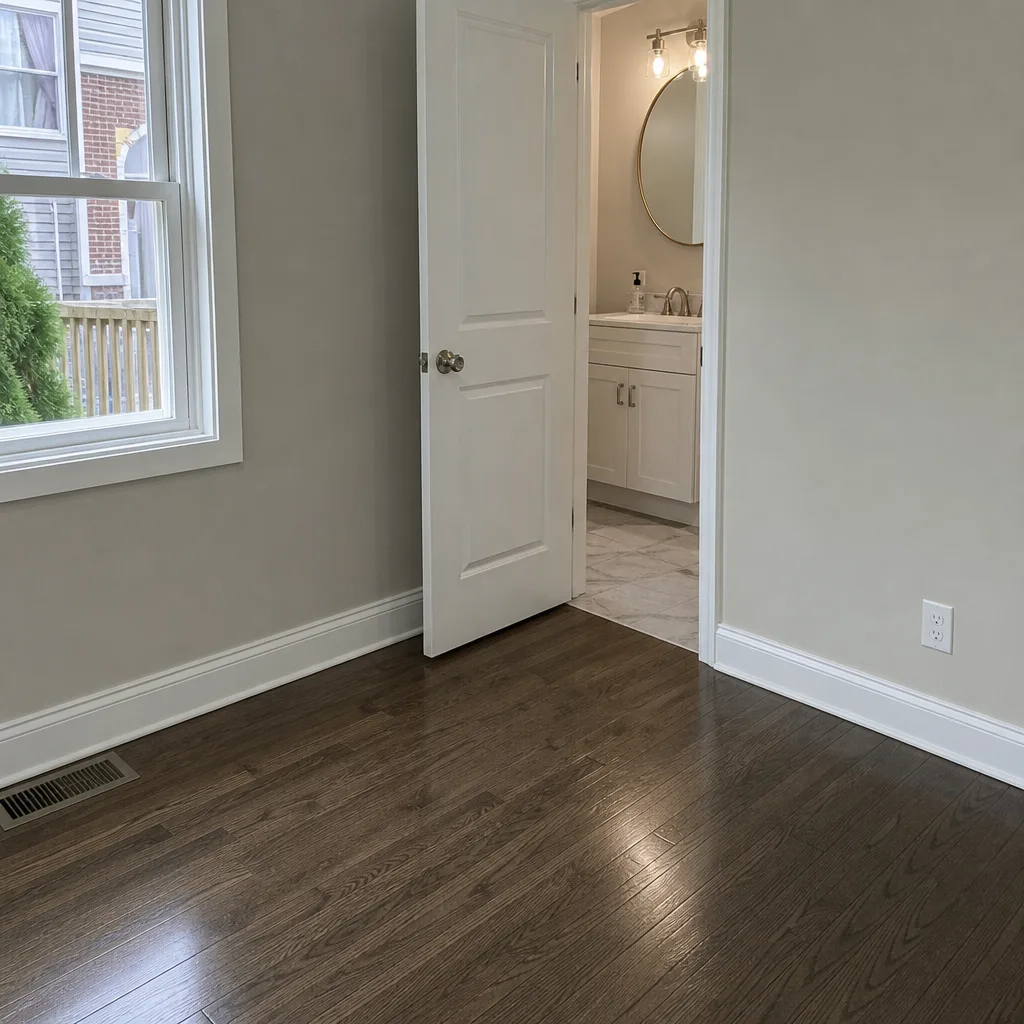 After
After24/7 Emergency Mold Remediation in West New York
Mold remediation in West New York typically runs $1,800-$6,500 for a contained single-unit job, and most calls we handle involve stacked units in the town’s dense brick apartment buildings, not freestanding houses. We answer the phone live at (551) 348-8481 around the clock, and a background-checked, uniformed crew can be at your door in West New York within 45 minutes for a free visual inspection. The first hour matters because mold colonies double every 24 to 48 hours once moisture is present, and in West New York’s older walk-ups, a slow leak on the fifth floor can saturate ceilings down to the first before anyone notices the smell.
If you’re seeing discoloration on plaster, smelling a persistent musty odor, or dealing with a recent water event in a pre-war brick building near Bergenline Avenue or along the Hudson waterfront, call us now. We’ll scope the full extent of the damage, set containment where it’s needed, and start drying the same visit. No answering service. No callback queue. A live dispatcher picks up at two in the morning, every day of the year.
Understanding Mold Remediation Severity in West New York Properties
Mold severity breaks into three practical tiers, and in West New York the tier is rarely obvious from the first room you look at. Tier 1 is surface colonization on non-porous materials: light growth on bathroom ceilings, window sills, or around a poorly vented kitchen exhaust. Tier 2 involves porous materials like drywall, plaster over lath, or carpet underlayment, where the mold has rooted into the material itself and requires removal, not scrubbing. Tier 3 is the dangerous one in West New York: hidden mold inside wall cavities, between stacked unit ceilings, and behind steam-heat riser chases where cast-iron or galvanized supply lines have been weeping for months. We contain Tier 3 with negative air pressure, HEPA air scrubbing, and full removal of saturated material before structural drying begins.
West New York’s housing stock makes the Tier 3 scenario more common than anywhere else in Hudson County. The inland blocks off Palisade Avenue are dominated by five- and six-story brick walk-ups built between the 1920s and 1960s. Those buildings share a single structural skeleton across multiple units, so water and mold travel vertically through common chases, plaster ceilings, and floor assemblies. The newer Hudson-front high-rises present a different profile: curtain-wall envelope leaks and mechanical-room failures in below-grade parking levels. Both profiles demand moisture mapping across floors, not just in the unit where the stain showed up.
Why West New York Property Owners Choose Floodline Restoration Co.
- 45-minute on-site response in West New York: Our live dispatcher routes the nearest certified crew the moment you call (551) 348-8481, and we arrive with containment and drying equipment on the truck.
- Live answer, 24 hours a day, 7 days a week: You’ll speak to a person, never an automated phone tree, even at 2 a.m. when a burst supply riser has flooded four floors of your building.
- IICRC-certified mold remediation crews: Our technicians hold AMRT (Applied Microbial Remediation Technician) and WRT (Water Damage Restoration Technician) certifications, trained to IICRC, RIA, and IFA standards.
- Free visual inspection with written scope: We document what we find, walk you through it, and put a line-item scope in writing before any work begins. No pressure. No surprises on the bill.
- Direct insurance billing and adjuster coordination: We send photo documentation, moisture logs, and our detailed scope straight to your carrier, and we talk to your adjuster so you don’t have to play messenger.
- One team from first assessment to finished repairs: The same Floodline Restoration crew that sets containment and dries your West New York building handles the rebuild, so there’s no mid-job handoff to a subcontractor you’ve never met.
Our Mold Remediation Process
Inspection & Assessment
We start with a free visual inspection, then use thermal imaging and moisture meters to map the true water path through walls, ceilings, and floor assemblies. In West New York’s stacked walk-ups, this means checking every unit below the source, not just the one that called us.
Containment & Source Control
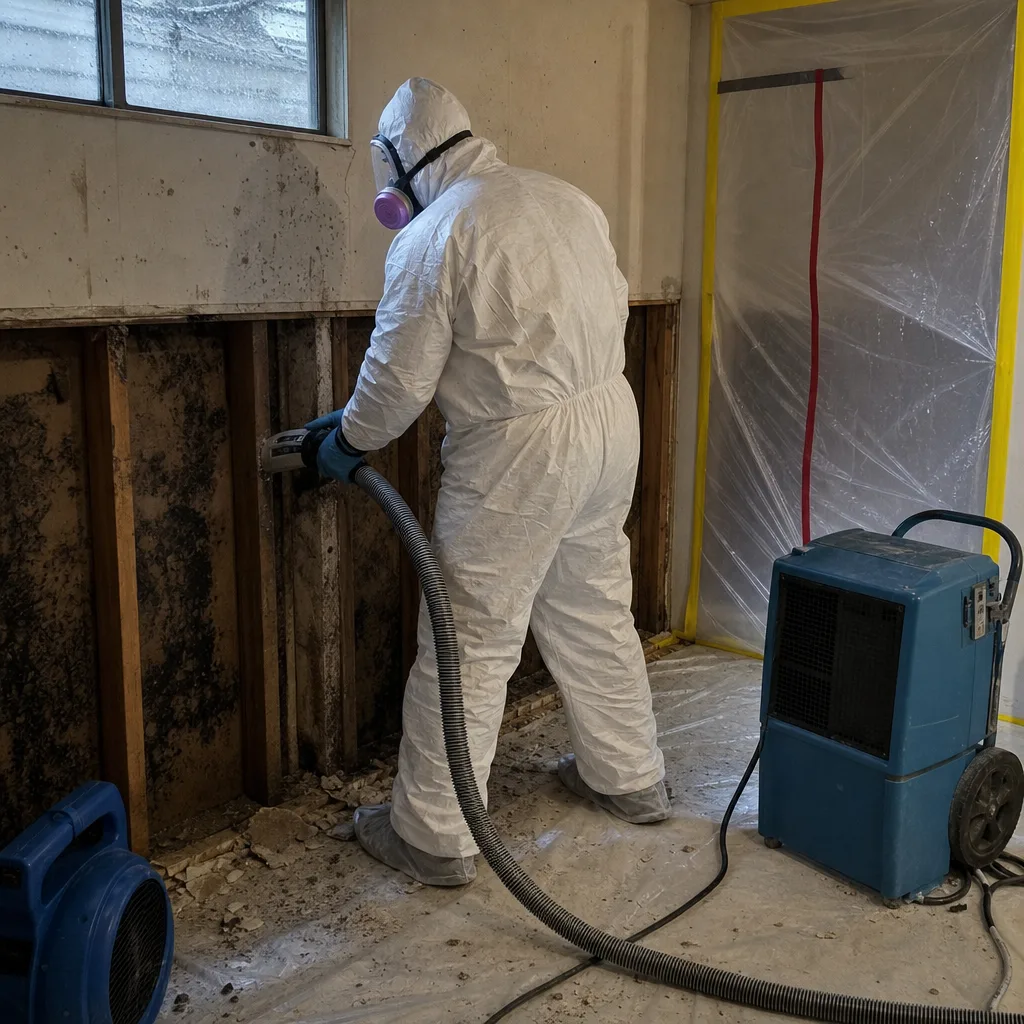
We stop the moisture source first: a leaking supply riser, a failed gasket, a curtain-wall weep. Then we seal the affected areas with 6-mil poly barriers and set up negative air pressure with HEPA air scrubbers so mold spores can’t cross into occupied units during removal.
Drying & Dehumidification
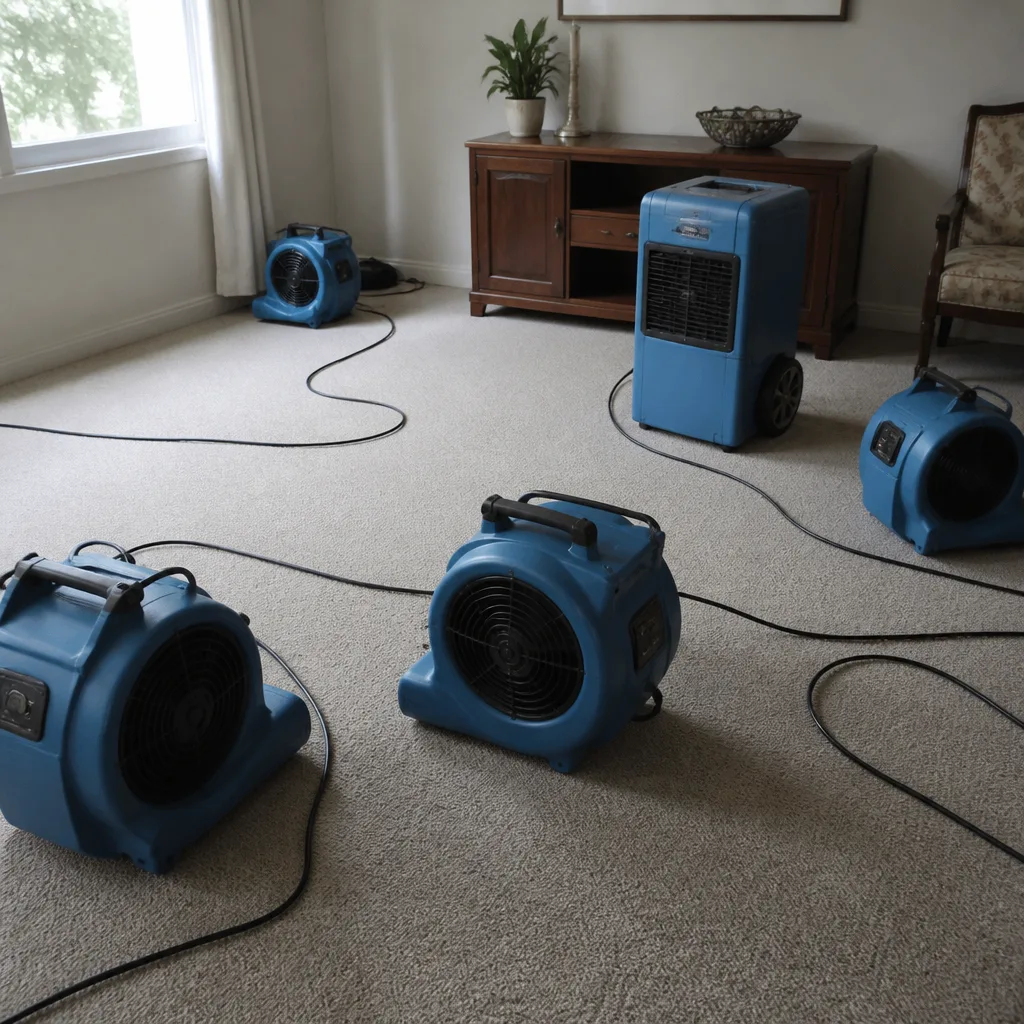
We run Phoenix dehumidifiers and XPOWER air movers continuously, with daily moisture readings logged until every affected assembly reaches dry standard. Near the Hudson riverfront, where ambient humidity runs high, we adjust the drying plan to prevent regrowth in masonry and plaster.
Removal & Cleaning
Mold-rooted porous materials, including plaster over lath and saturated drywall, are removed under containment and bagged for disposal. Non-porous surfaces are HEPA-vacuumed, scrubbed with antimicrobial treatments, and tested before containment comes down.
Air Quality Restoration
We run HEPA air scrubbers throughout the remediation and post-removal, and we perform clearance testing to confirm spore counts are back to normal background levels for the building before we call the job done.
Repairs & Restoration
Once the affected areas are dry and clear, our same crew rebuilds what was removed: new drywall, plaster repair, paint, and trim. The Keystone Standard applies to the finished result: done right, and backed in writing for 90 days.
Need Emergency Mold Remediation in West New York Now?
Crews minutes away, answering live 24 hours a day. The sooner we start, the less it costs.
Working With Your Insurance Company
We’ve handled thousands of mold claims in Hudson County, and the pattern is always the same: carriers pay more, faster, and with less resistance when the documentation is built from hour one. We photograph every affected room before work begins, log moisture readings daily, and write a line-item scope of work your adjuster can verify against industry standards. We coordinate directly with your carrier, and we bill them directly where your policy allows. You’re never the one running between your building, your adjuster, and our crew.
What We Provide Your Insurer
- Thorough documentation of the loss, from first inspection to clearance testing
- Photos of all damage, room by room and unit by unit
- Moisture readings and drying logs from day one through dry standard
- A detailed, line-item scope of work with materials and labor broken out
- Direct coordination with your carrier, including adjuster meetings on-site
Built for West New York’s Loss Calendar
West New York’s mold losses follow a rhythm, and the rhythm is set by the town’s geography. January and February deep freezes burst aging galvanized supply lines in the inland walk-ups, sending water through plaster ceilings and into the units below. Spring thaw, combined with the Palisades bluff’s stormwater runoff, pushes groundwater toward the lower eastern waterfront blocks, flooding basements in buildings just off River Road. Summer thunderstorms overwhelm the town’s combined sewer system, backing up into below-grade mechanical rooms of the Hudson-front high-rises. And nor’easter season, October through December, drives water through aging window seals and parapet flashing on buildings facing the river. Each of these events leaves moisture in wall cavities, and moisture left unaddressed for more than 48 hours becomes a mold job. We’ll be there when we say, any month of the year.
Mold Remediation Across West New York’s Neighborhoods
West New York is small by square mileage but dense in building types, and the mold protocol shifts block by block. Around Bergenline Avenue, the five- and six-story brick walk-ups built before 1960 share steam-heat risers and cast-iron supply lines that have been in service for 60 to 90 years; when one leaks, the water path runs straight down through stack unit ceilings, so we inspect every floor below the source before we scope the job. Over in the waterfront high-rises near Port Imperial Boulevard, the profile flips: curtain-wall envelope leaks and mechanical-room failures bring moisture into framed interior assemblies, and we remediate behind glass façades without tearing out the wall system. The blocks along Palisade Avenue and near Washington Park hold some of the town’s older brick buildings on hillside lots, where runoff from the bluff above finds its way into foundations during heavy rain. And in the small residential enclave near 60th Street and Grant Place, we see the classic Hudson County pattern: top-floor bathroom supply leaks that saturate four or five stacked unit ceilings before the first call comes in. Each area gets a plan built around its actual construction, not a template.
Specialized Mold Remediation Services We Offer in West New York
Mold Inspection & Testing
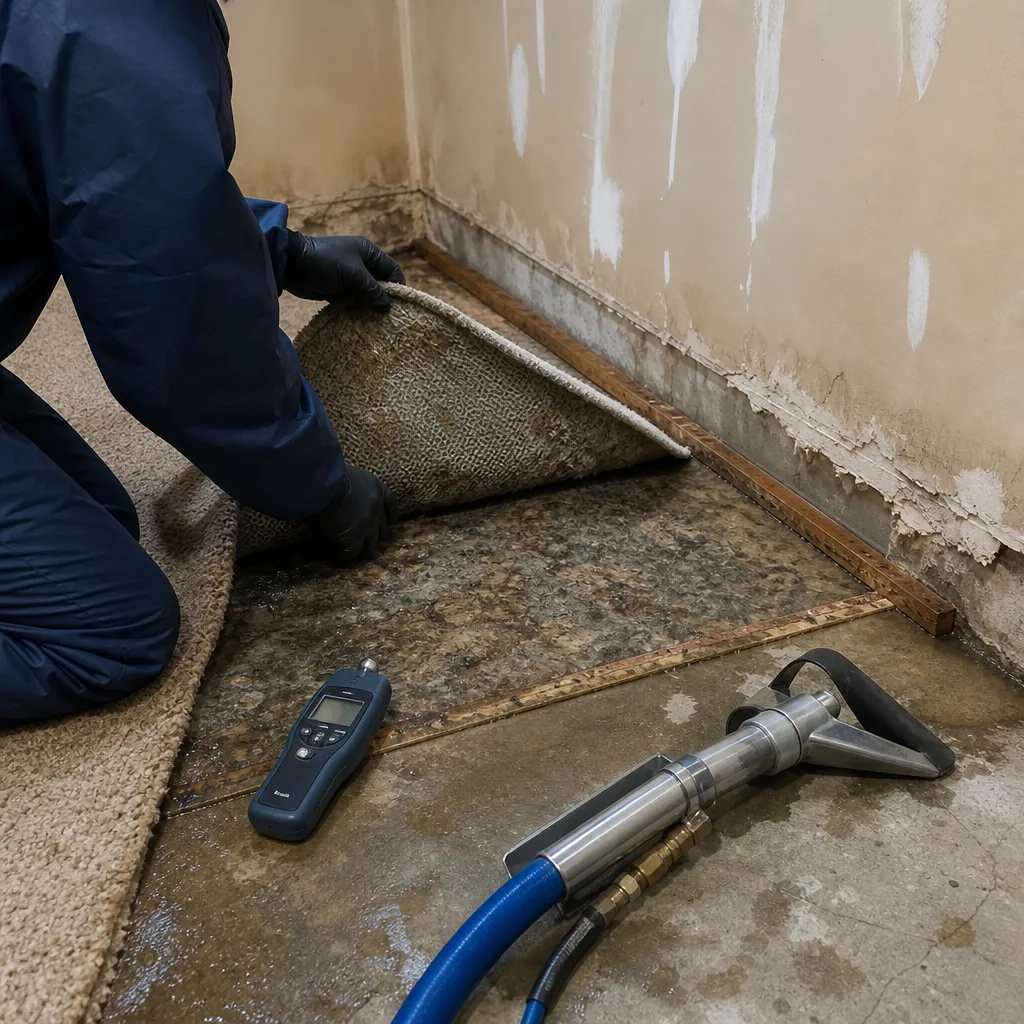
Before any remediation in West New York starts, we determine what’s mold, what’s just staining, and where the moisture source is. We use thermal imaging and moisture meters to find hidden water in wall cavities and between stacked units, then we take surface or air samples where it matters and send them to a certified lab so you know exactly what you’re dealing with.
Mold Removal
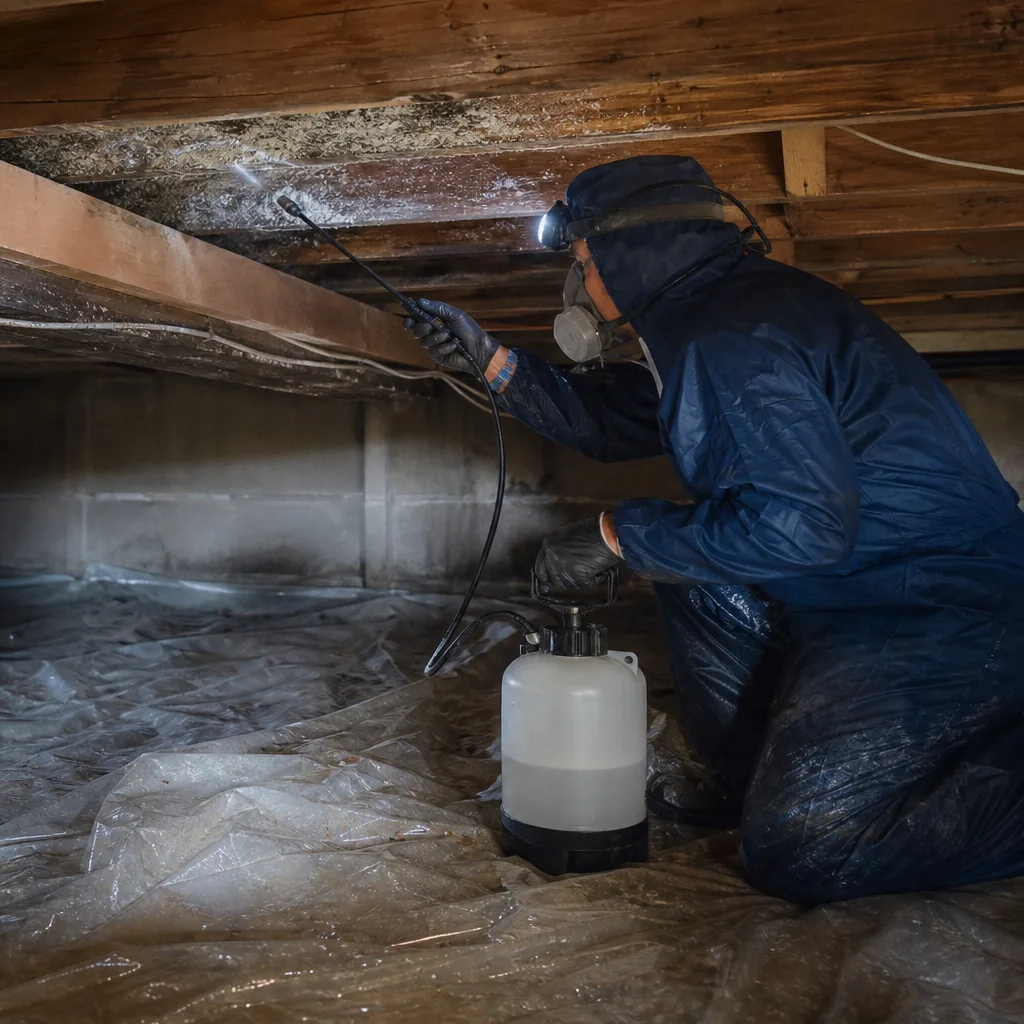
We remove mold-rooted porous materials: plaster over lath in the older walk-ups, drywall in newer construction, carpet underlayment, and cabinet materials. Everything removed is bagged and disposed of under containment, and every surface that remains is HEPA-vacuumed and treated. In multi-unit buildings, we coordinate access with owners and tenants so remediation doesn’t stall mid-job.
Black Mold Remediation
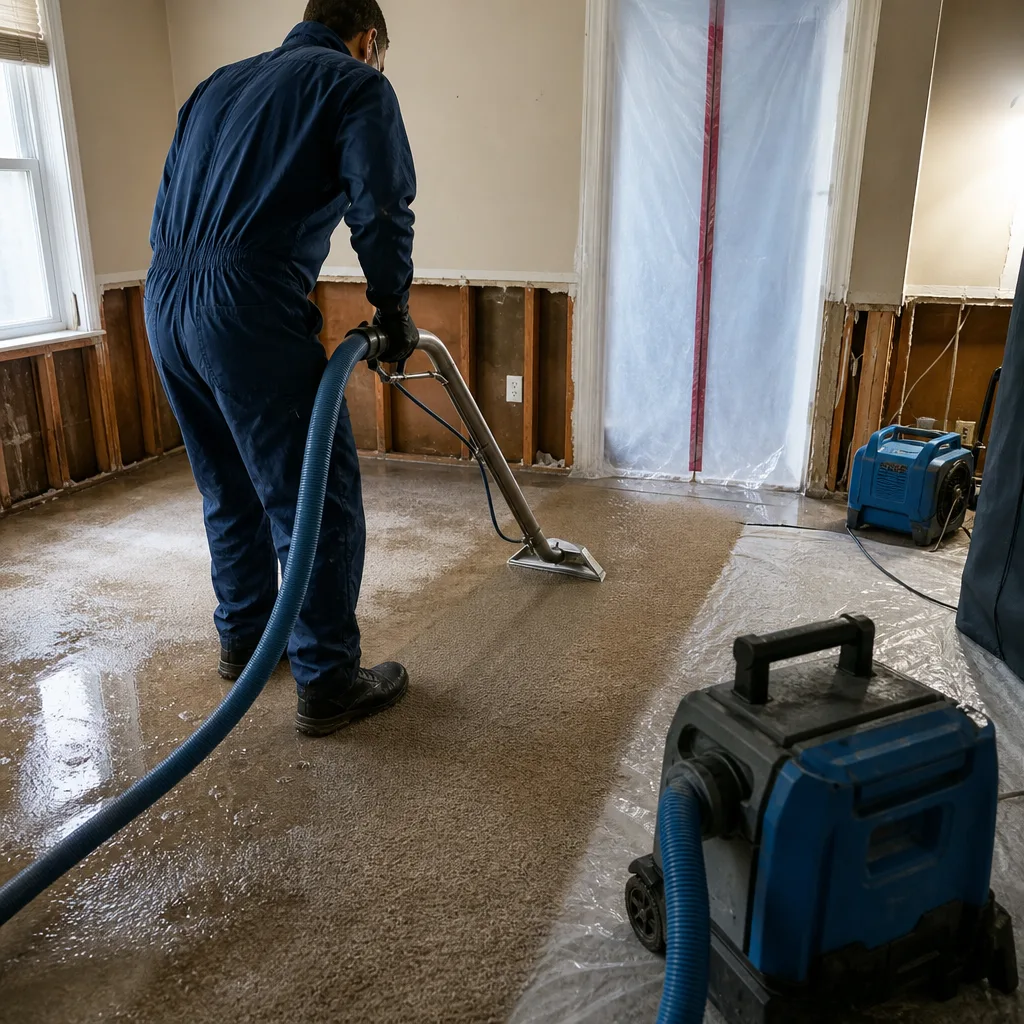
Stachybotrys, often called black mold, shows up in West New York where moisture has been persistent for weeks or months: behind leaky supply risers, under failed waterproofing, inside soffits below leaking parapets. We treat it with full containment, negative air pressure, and complete removal of affected materials, then we run clearance testing before anyone reoccupies the space.
Air Quality Restoration
After any mold removal in a West New York building, airborne spore counts need to come back to normal background before the job is closed. We run HEPA air scrubbers during and after remediation, then complete post-remediation verification. For buildings near the Hudson waterfront, we pay particular attention to ambient humidity levels that keep spores viable in plaster and masonry.
Crawl Space Treatment
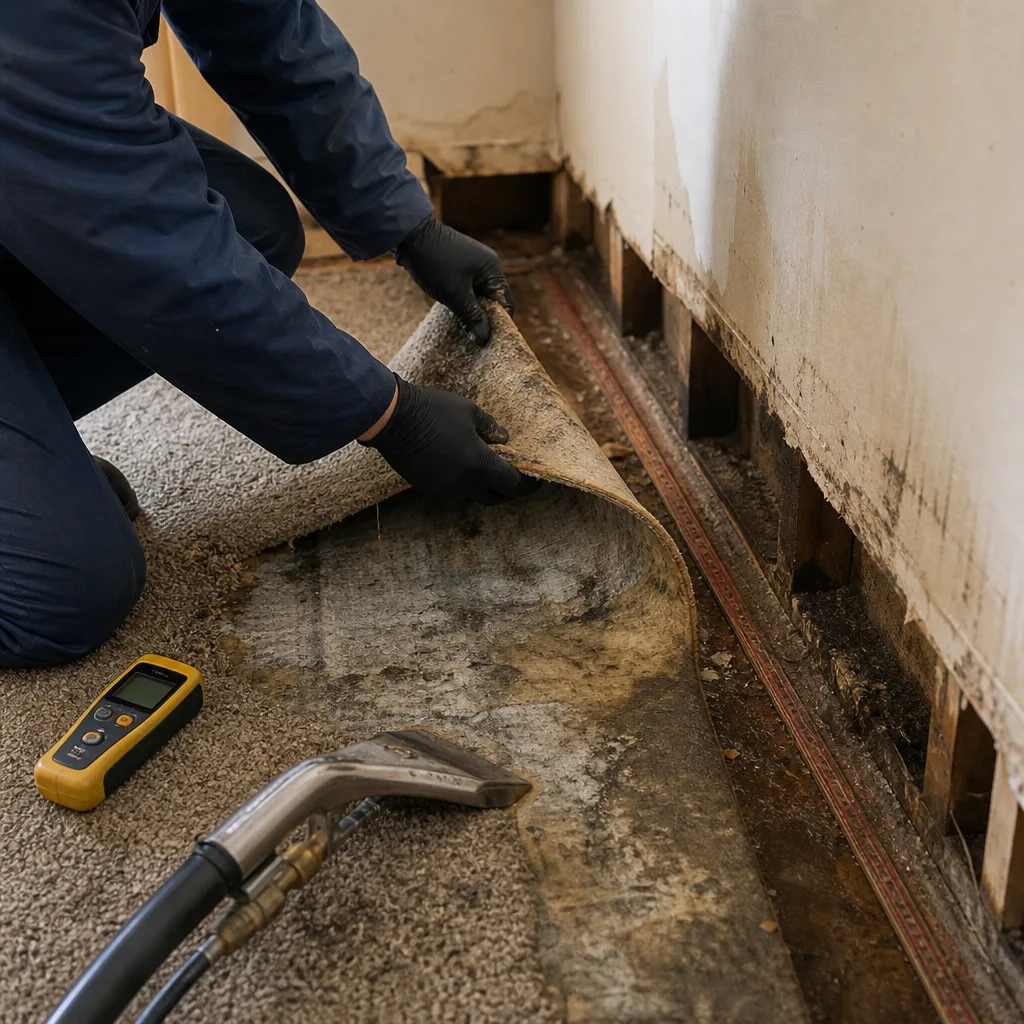
Some of West New York’s older brick buildings have small crawl spaces or raised first-floor assemblies above poured or rubble foundations, and they’re chronically damp from the town’s high water table and stormwater runoff. We install vapor barriers where appropriate, treat visible mold, and set up moisture control measures to keep the space from becoming a mold reservoir that feeds the units above.
What happens when you call
- 1
A real person answersNo phone trees - you reach a local pro.
- 2
You get an upfront price rangeHonest numbers before anyone is dispatched.
- 3
A background-checked tech heads outLicensed & insured, dispatched right away.
- 4
You approve before work beginsNothing starts until you say go.
Mold Remediation Costs in West New York, NJ
A typical single-unit Mold Remediation in West New York runs $1,800-$6,500, depending on how many assemblies are involved and whether multiple stacked floors need containment. Small, contained bathroom or closet jobs near Bergenline Avenue can start around $1,500-$2,500. A full-floor remediation across multiple units in a pre-war brick walk-up, with containment on three or four levels, typically runs $8,000-$18,000. Air quality testing adds $300-$600 when done independently. Mold inspection with thermal imaging and moisture mapping runs $250-$500, and we credit that fee toward remediation work if you hire us. What moves the price: the square footage of affected material, whether lath and plaster need full removal, the number of containment zones, and whether structural framing needs drying and treating. The free visual inspection is the fastest path to a firm, written scope we agree on before any work starts.
We Also Serve Cities Near West New York
Floodline Restoration Co. provides mold remediation across Hudson County. Our crews regularly respond to jobs in West New York, plus Union City, Weehawken, North Bergen, and Hoboken. If you’re in a neighboring town and dealing with mold from a water event, call (551) 348-8481 and we’ll route the nearest available crew your way.
Serving West New York, NJ - Our Local Coverage Area
We’re based in the West New York area and know this community well. Use the map below to see our service coverage - if you’re nearby, we can almost certainly help.
West New York Mold Remediation Questions, Answered
In West New York’s older brick apartment buildings, how do you know if mold has spread to floors below the source?
We inspect every floor below the source unit, not just the one that called. Water from a leaking supply riser in a pre-war walk-up travels down through common chases, plaster ceilings, and floor assemblies, so we run moisture mapping and visual inspection in each stacked unit beneath the source before we scope the job.
Can mold from a waterfront high-rise envelope leak be remediated without tearing out the curtain wall?
Usually, yes. The mold that grows inside a high-rise from a curtain-wall leak is typically in the interior drywall, insulation, and framing, which we access from the inside of the unit. We coordinate with building engineers so the envelope repair is addressed separately, and our remediation work stays inside the occupied space without opening the exterior wall system.
How fast does mold actually start growing in a West New York basement after Sandy-type flooding?
Mold colonization can begin within 24 to 48 hours in West New York’s waterfront blocks, where ambient humidity from the Hudson keeps materials damp longer than inland areas. That’s why we push for same-day extraction and drying after any flood event, and why containment goes up early if visible mold is already present.
Does your mold remediation meet the insurance requirements for stacked units in West New York?
Yes. We document every step: photos before, during, and after; daily moisture readings; a line-item scope of work; and clearance testing results. Our documentation is built to match what Hudson County carriers and building managers expect for multi-unit claims, and we coordinate directly with your adjuster throughout the job.
Do I need to vacate other apartments while you remediate mold in my West New York building?
Not typically. We set containment with negative air pressure and HEPA air scrubbers, so affected areas are sealed off and airborne spores are captured continuously. Neighboring units usually remain occupied. If a unit is directly affected and requires significant material removal, we’ll recommend a temporary accommodation plan and document everything for the carrier.
How fast can you actually get to a mold job in West New York?
We commit to 45-minute on-site response in West New York. Our dispatcher routes the nearest available certified crew the moment you call, and we arrive with containment materials and drying equipment already on the truck.
Will my insurance cover mold remediation in West New York?
Coverage depends on the source of the moisture and your policy language. Mold from a sudden, covered water event like a burst supply line is frequently covered; mold from long-term seepage or deferred maintenance may not be. We’ll review your situation, document everything for your carrier, and bill them directly where your policy allows.
What should I do in the first 30 minutes after I find mold or a water leak in my West New York apartment?
Call (551) 348-8481 immediately. Stop the water source if you can do so safely, shut off any affected electrical circuits, and don’t disturb visible mold since that can release more spores. Move any dry belongings away from the damp area if possible. Then let our crew handle the rest.
Written by Curt Bowman, Owner at Floodline Restoration Co., serving West New York with full-cycle mold remediation, water damage restoration, and rebuild services.