
Free visual inspection and a written scope of work before any mitigation begins - photos, moisture readings, and drying logs go in your claim file
The scope we write is the scope we bill. Anything new gets shown to you, in writing, before we touch it.
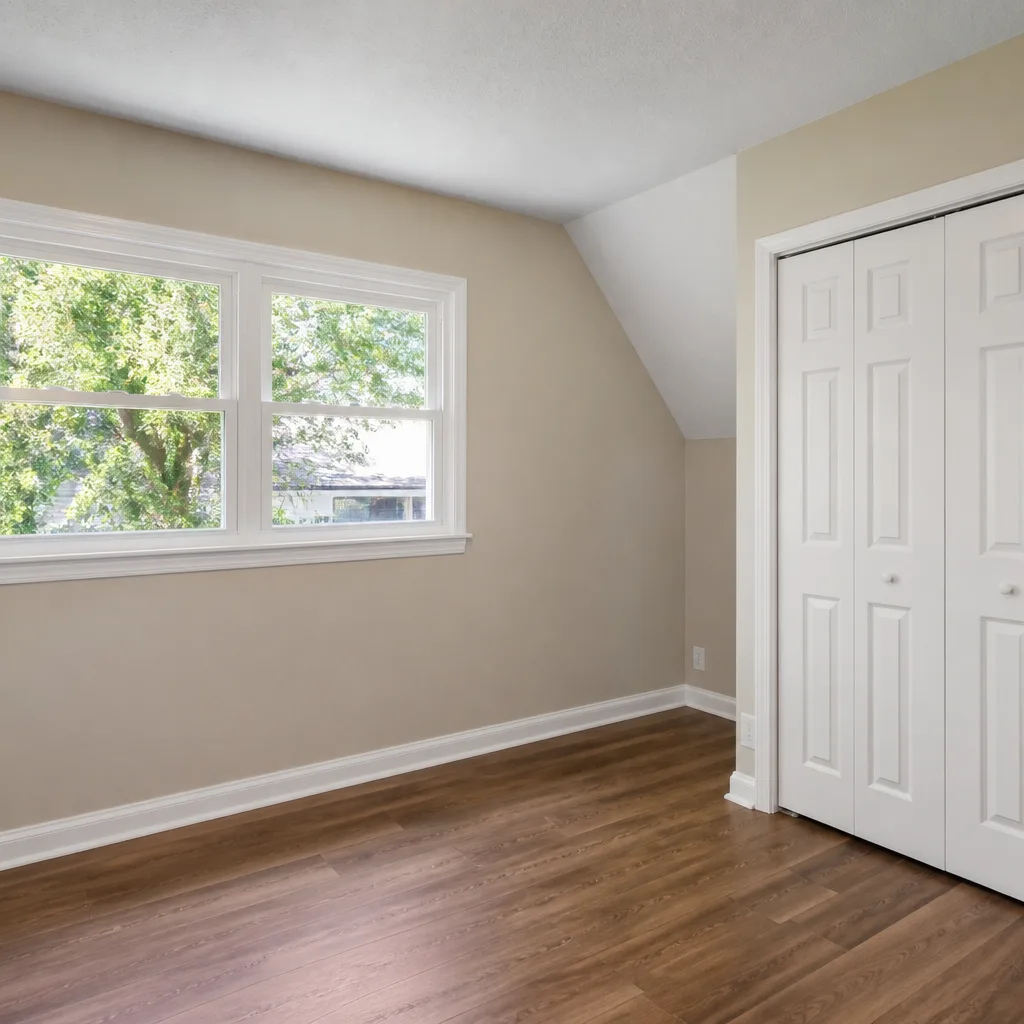
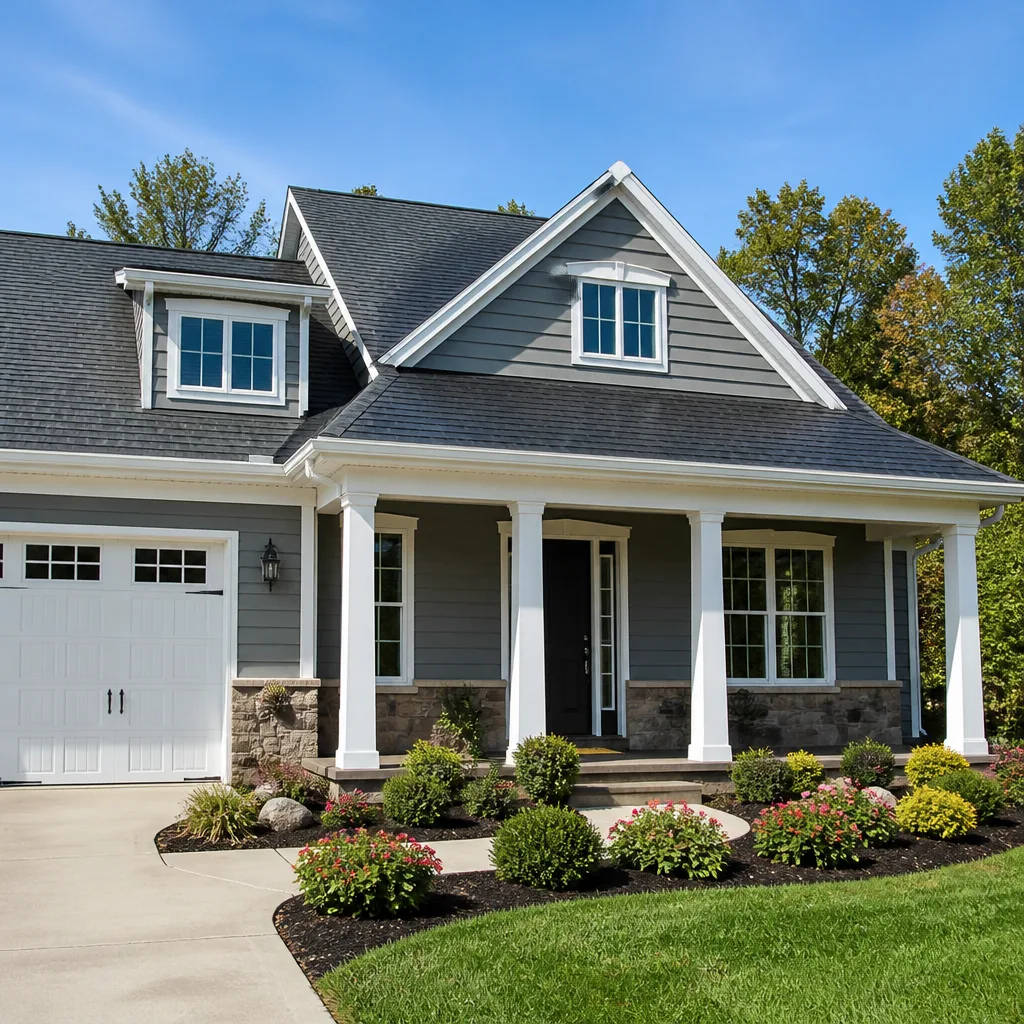
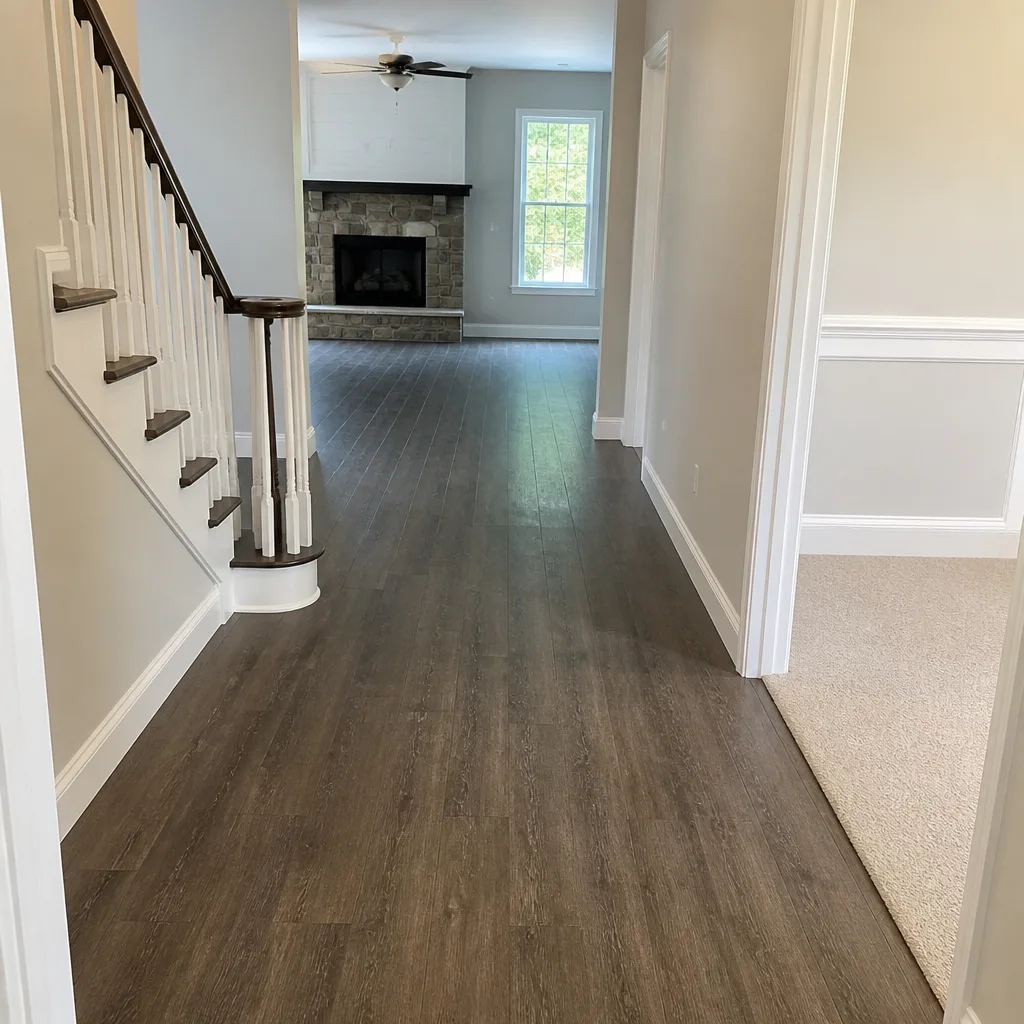
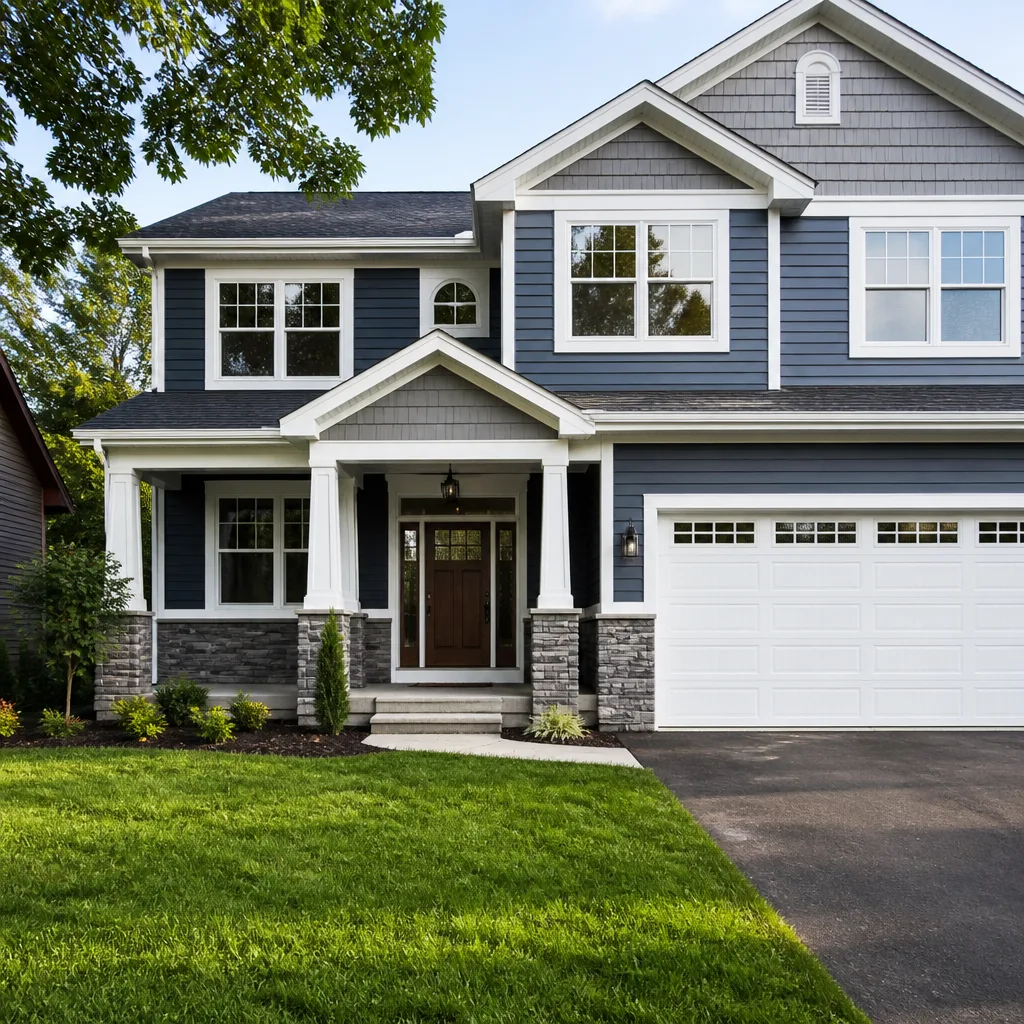
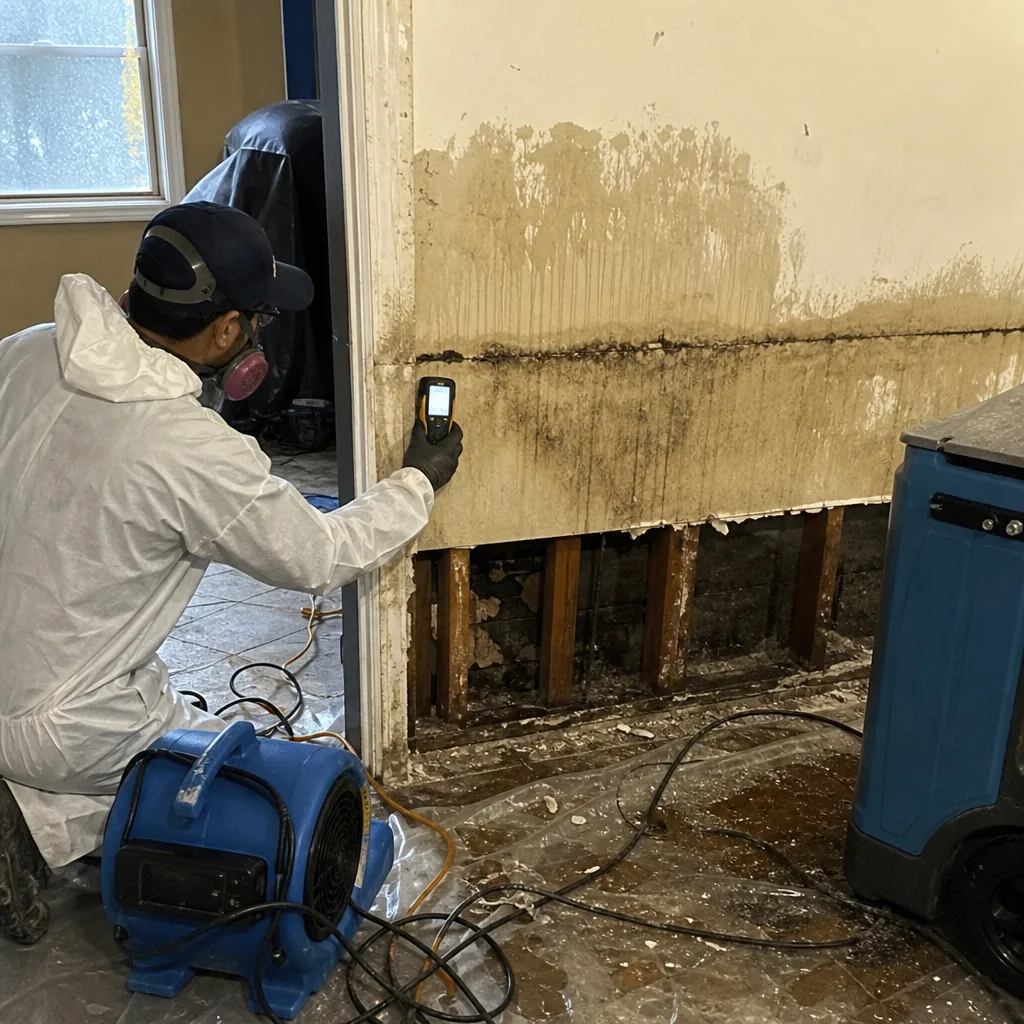 Before
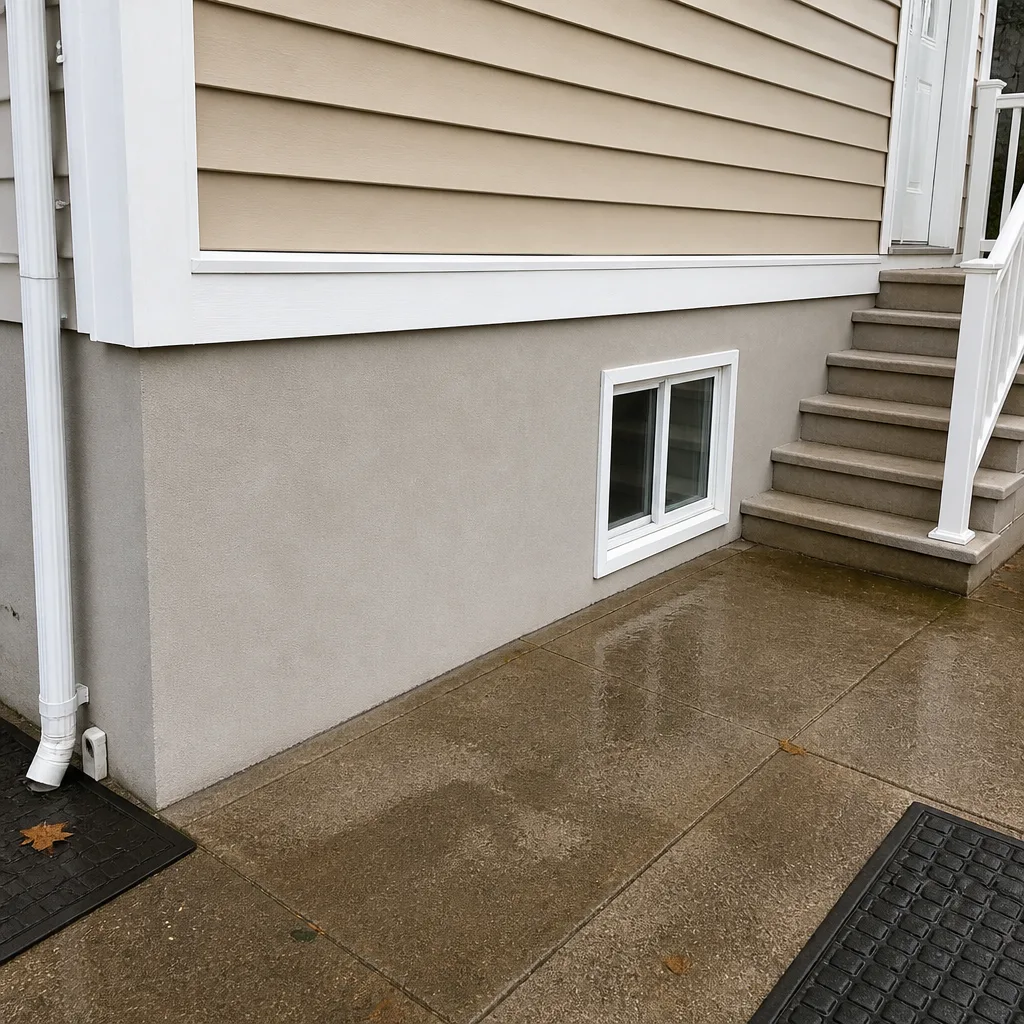 After
After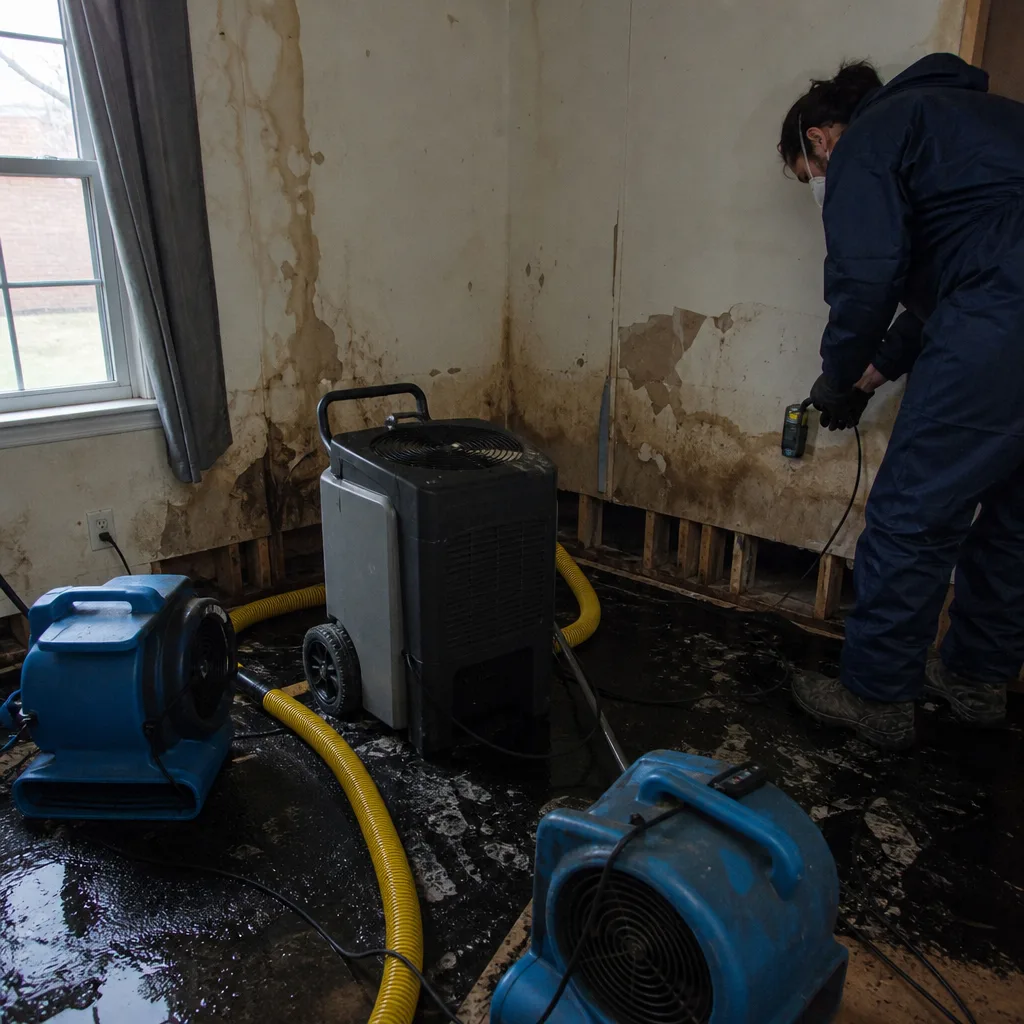 Before
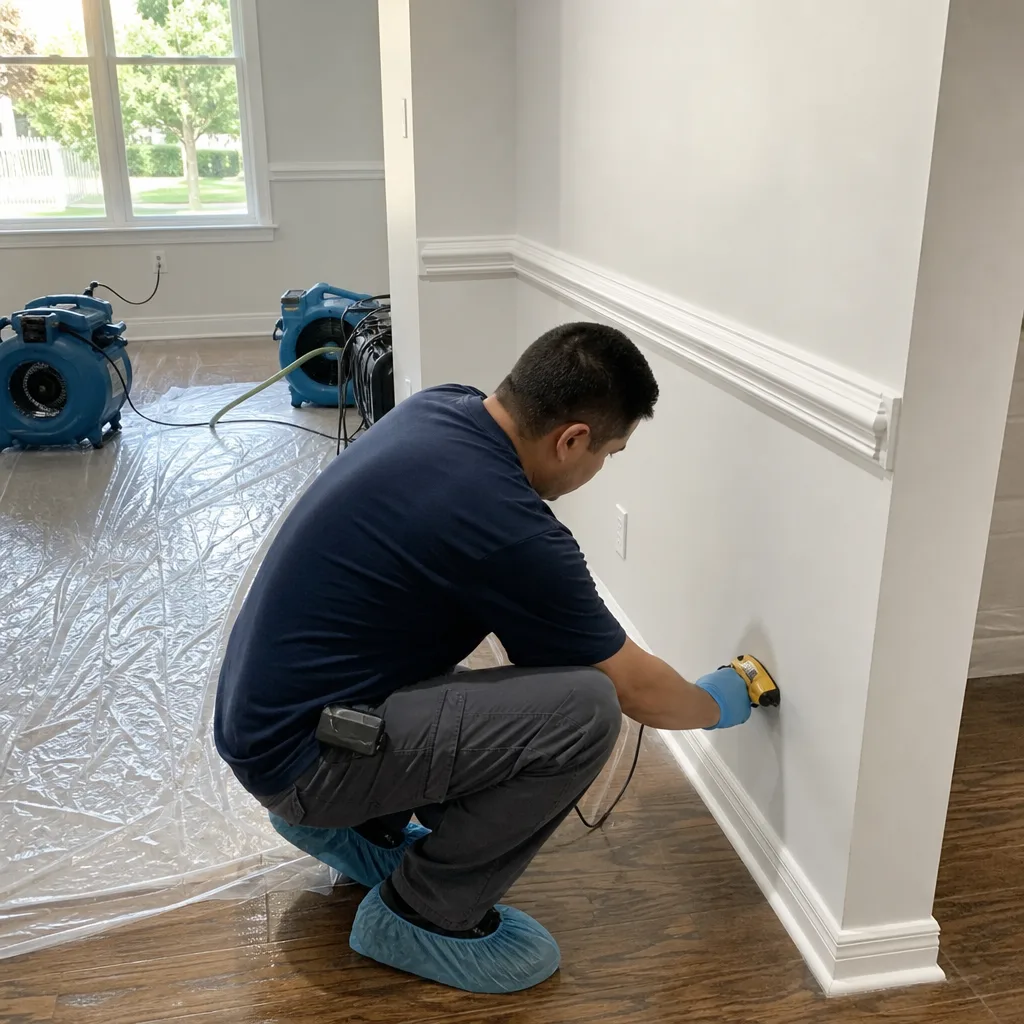 After
After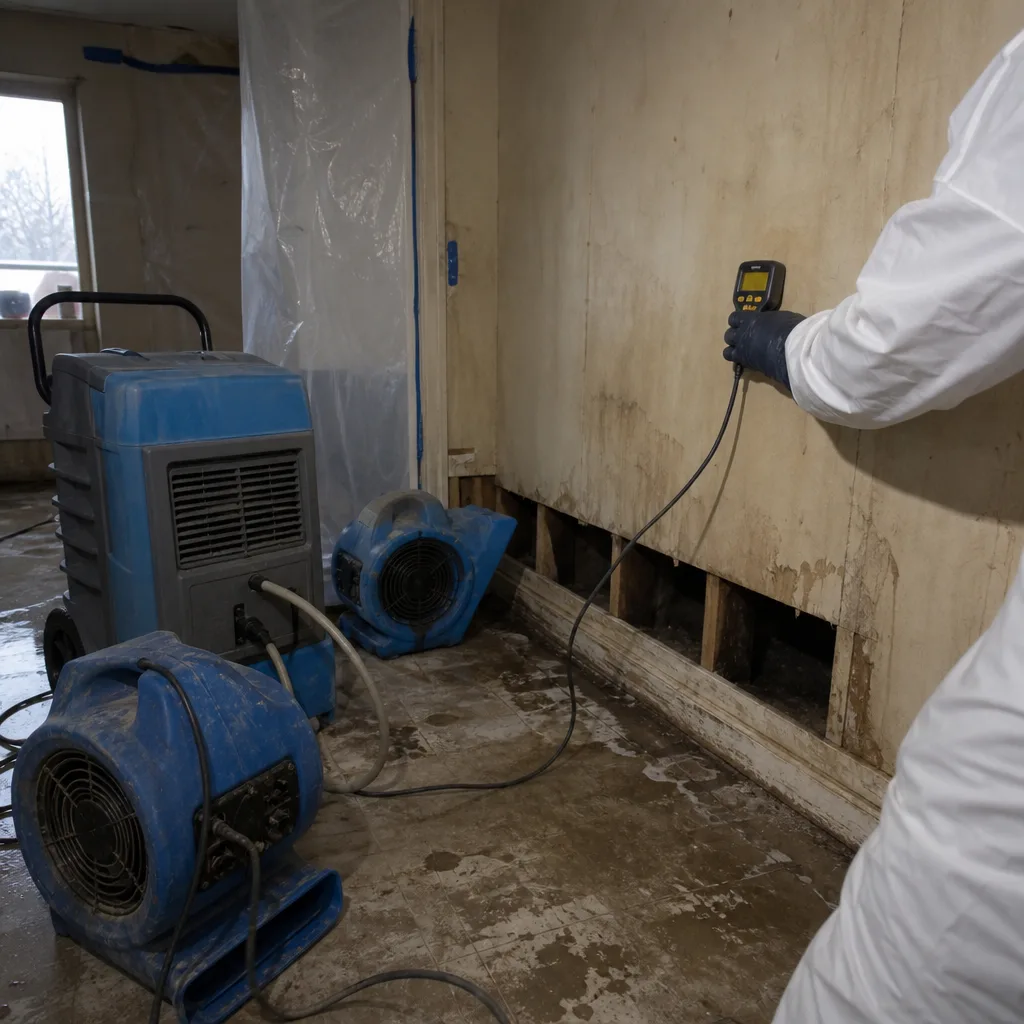 Before
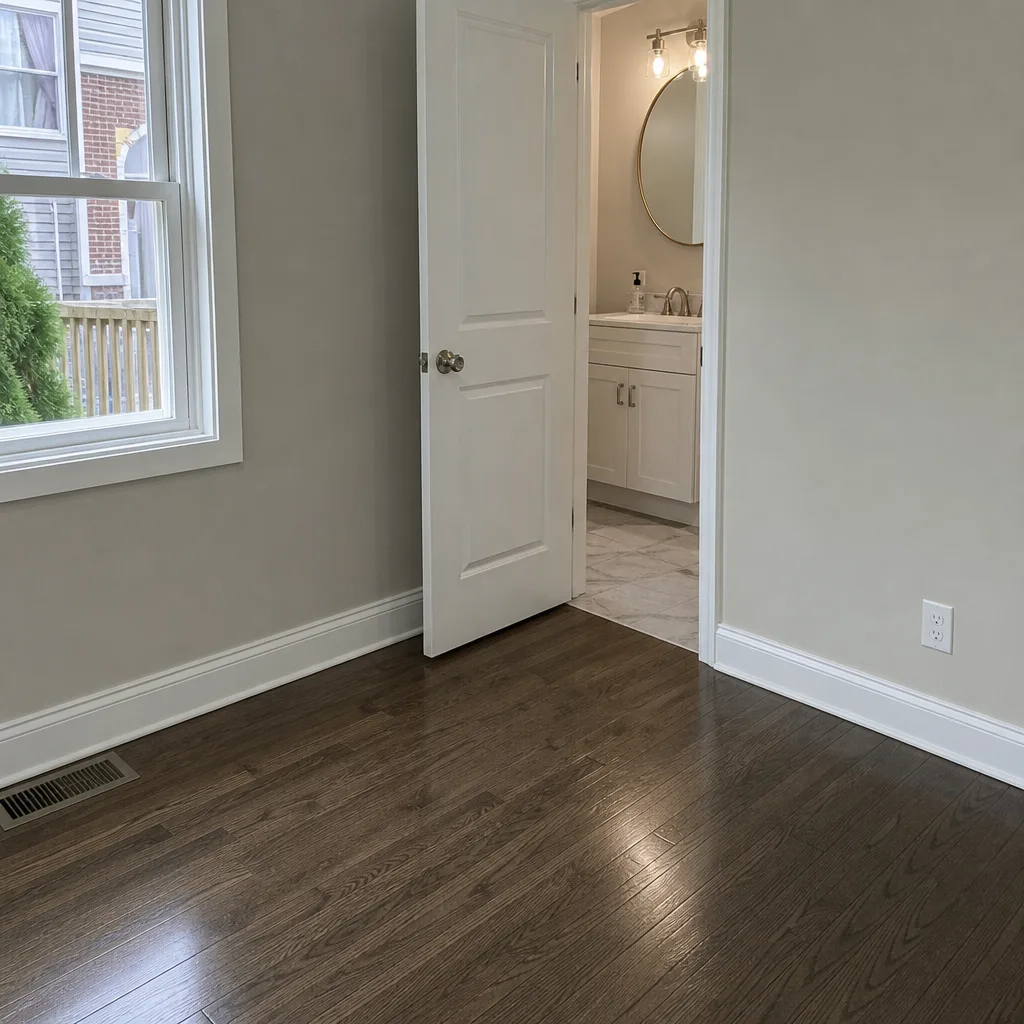 After
After24/7 Emergency Sewage Cleanup in West New York
Sewage cleanup in West New York typically costs $1,200-$4,500 depending on how far the Category 3 water traveled through stacked units, and a certified crew can be on site within 45 minutes of your call. We answer the phone live at (551) 348-8481 around the clock, every day of the year, because sewage doesn’t wait for business hours and neither do we. A sewage backup in West New York’s dense apartment buildings doesn’t stay in one place. It drops through ceilings, saturates floor assemblies, and crosses unit boundaries within minutes. The first hour determines whether we’re cleaning one bathroom or gutting four stacked units. That’s why dispatch is live at 2 a.m., and why our crews run extraction equipment the same visit, not the next morning.
Understanding Sewage Cleanup Severity in West New York Properties
We classify water damage by category, and sewage is always Category 3: grossly contaminated, carrying bacteria, viruses, and parasites that make people sick. West New York’s housing stock makes Category 3 water especially dangerous. The pre-war brick walk-ups on streets like 60th and 61st have plaster-over-lath ceilings that hold water like a sponge. A waste line failure in a top-floor bathroom doesn’t just flood that unit; it saturates the ceiling cavities, drips through every floor below, and pools in basement utility rooms where cast-iron waste lines run through the slab. The newer Hudson riverfront high-rises present a different problem: sewage overflows hide in below-grade parking and mechanical rooms, where envelope leaks mix with black water and the smell is often the first sign anything’s wrong. Moisture mapping with thermal imaging and calibrated hygrometers shows us where the water actually went, not just where the stain is. In West New York, the visible damage almost never reflects the full extent of travel.
Why West New York Property Owners Choose Floodline Restoration Co.
- 45-minute response commitment. Our crews are dispatched from the New York City office and positioned to reach West New York fast. You won’t wait hours while sewage keeps spreading.
- 24/7 live answer. Every call to (551) 348-8481 rings a real dispatcher at our board, not a recording. At 3 a.m. on a Sunday, a person picks up and a crew gets moving.
- IICRC-certified technicians. Our crews hold WRT and AMRT certifications, trained to IICRC, RIA, and IFA standards. They’re background-checked and uniformed on every job.
- Free visual inspection. We walk the full loss with you and give a straight read on scope before any work begins. No pressure, no mystery bill.
- Direct insurance billing. We coordinate with your adjuster, submit the documentation, and bill the carrier directly. You don’t play messenger between us and the insurer.
- One team from extraction to rebuild. The same certified crew that runs the Dri-Eaz extractors also hangs the new drywall. No mid-job handoff to a crew you’ve never met.
Our Sewage Cleanup Process
Inspection & Assessment
We start with a full visual walkthrough plus thermal imaging and moisture meters. In West New York’s multi-unit buildings, this means cutting containment and inspecting every floor below the source, because sewage travels down and sideways faster than most people expect.
Extraction & Stabilization
We extract standing black water with truck-mounted and portable extractors. In dense West New York buildings, we get extraction running the same visit, then set up floor-by-floor containment to stop cross-contamination of unaffected units.
Drying & Dehumidification
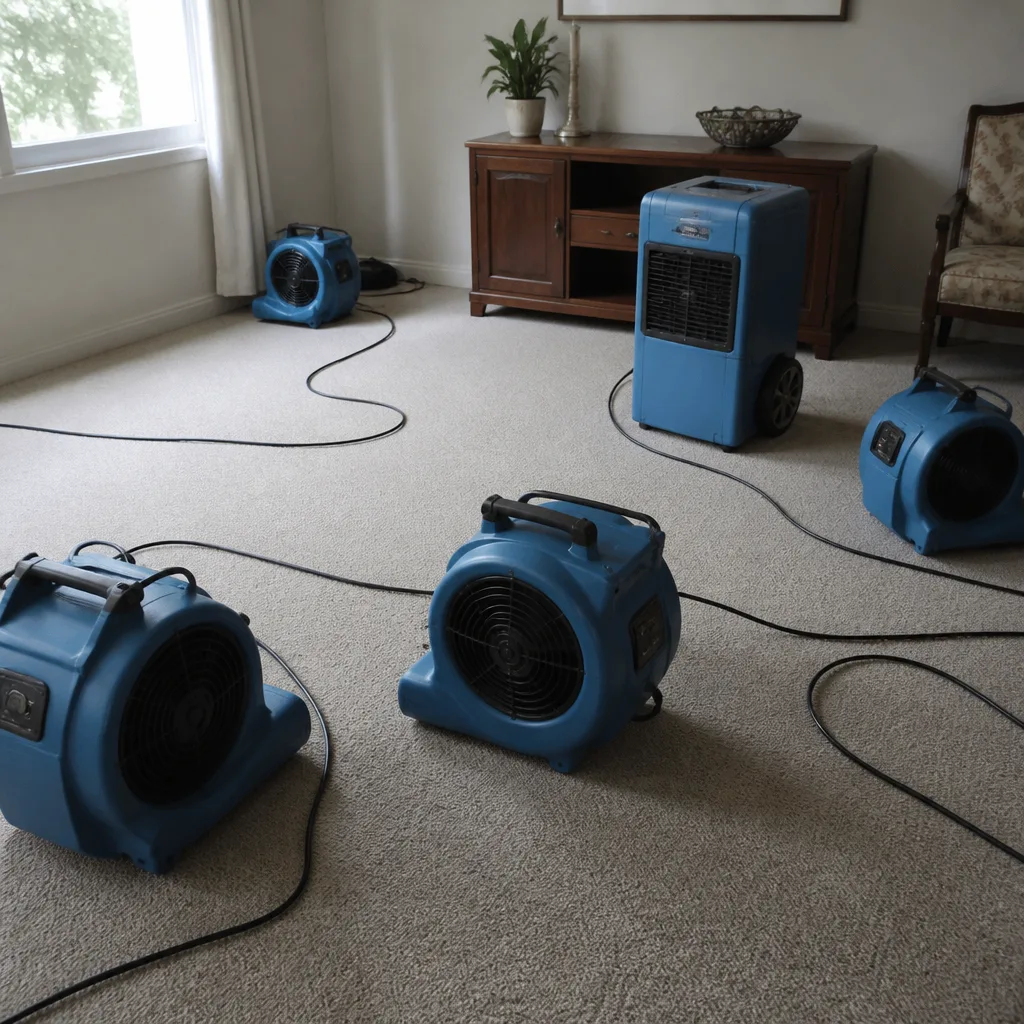
Dri-Eaz air movers and Phoenix dehumidifiers run until structural materials hit the dry standard. In older plaster-over-lath assemblies, drying takes longer because those materials hold water deep. We log moisture readings daily until the numbers prove it’s dry.
Cleaning & Sanitization
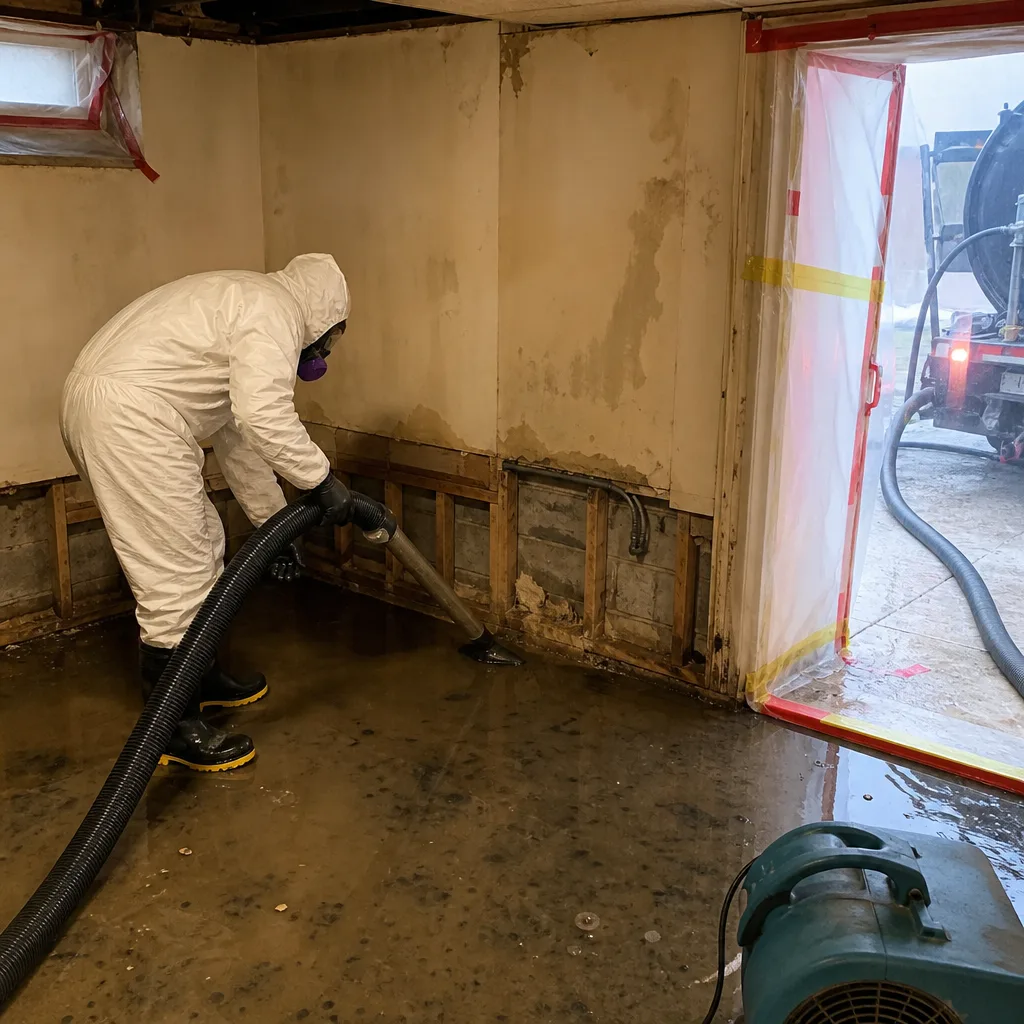
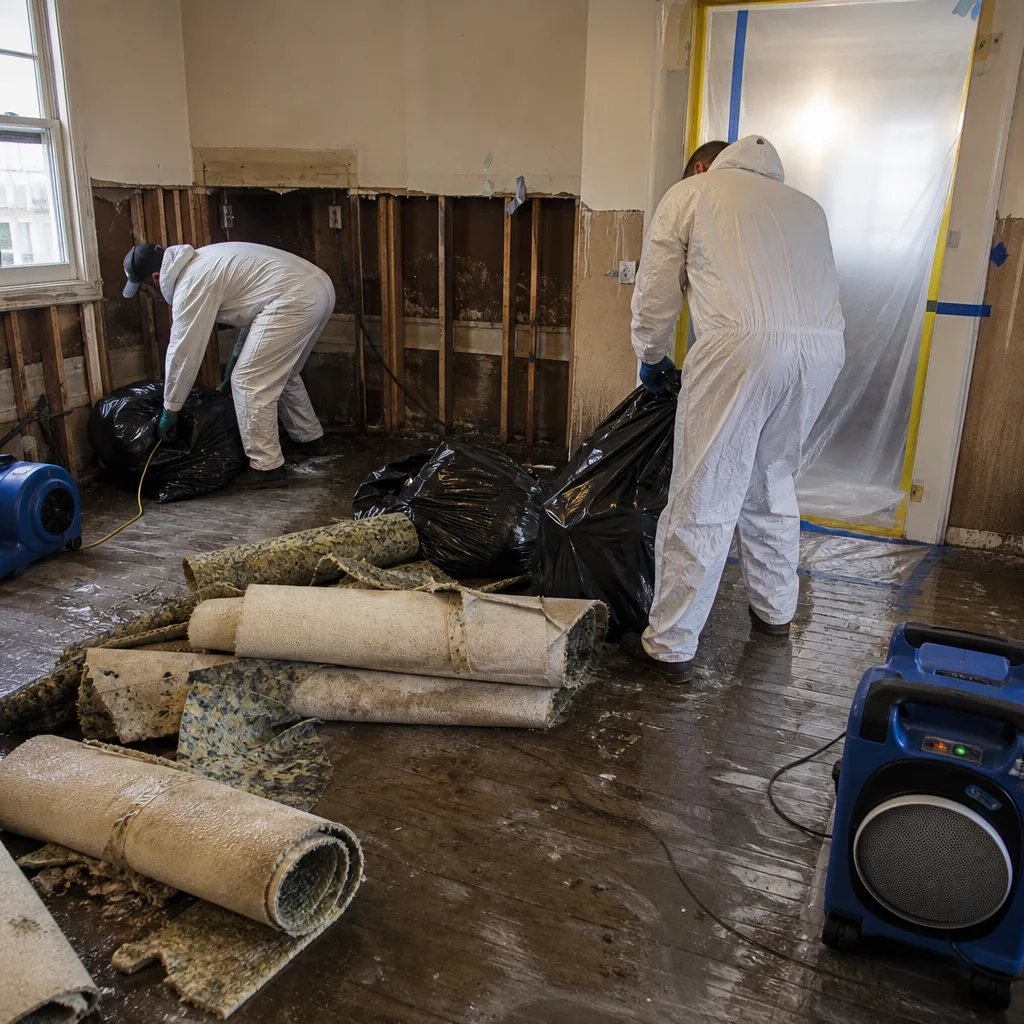
All affected surfaces get cleaned, disinfected, and treated with EPA-registered antimicrobials. We remove and dispose of unsalvageable porous materials like saturated carpet, pad, and damaged drywall, per IICRC guidelines for Category 3 losses.
Odor & Air Quality Treatment
Sewage smell lingers in wall cavities and under subfloors. We run HEPA air scrubbers and, where needed, hydroxyl generators to neutralize odor at the source, not mask it. Clearance readings confirm the air is safe before we call the job done.
Repairs & Restoration
The same crew replaces drywall, refinishes plaster, reinstalls flooring, and rebuilds what was torn out. Your home gets restored to pre-loss condition by people who saw it from day one, backed by our 90-Day Done Right Promise in writing.
Need Emergency Sewage Cleanup in West New York Now?
Crews minutes away, answering live 24 hours a day. The sooner we start, the less it costs.
Working With Your Insurance Company
Most West New York homeowners and building owners have coverage for sudden sewage backups, but the claim lives or dies on documentation. From the first hour on site, our team photographs every affected surface, logs moisture readings room by room, and writes a line-item scope that your adjuster can verify line by line. We talk directly with your carrier, so you’re not the one explaining why Category 3 water required demolition instead of just a cleaning. After 42 years in restoration, we know what adjusters need to approve a claim without stalling. If the cause was a storm-surge backup or a failed sewer under the street, we document that too, because coverage often depends on where the water came from.
What We Provide Your Insurer
- Thorough documentation of the loss
- Photos of all damage, room by room
- Moisture readings and drying logs
- A detailed, line-item scope of work
- Direct coordination with your carrier
Built for West New York’s Loss Calendar
West New York’s sewage losses follow a predictable rhythm. January and February deep freezes cause municipal sewer mains to contract and crack, sending backups into basement-level units and utility rooms. Spring thaw and heavy rain shift the ground around aging cast-iron waste lines, and the Palisades bluff topography accelerates stormwater runoff toward the lower-elevation eastern blocks near the river, loading the older combined sewer lines until they back up into the lowest drains. Summer thunderstorms bring flash flooding to streets like Bergenline Avenue and Boulevard East, overwhelming the system in minutes. And every nor’easter pushes storm surge against the Hudson riverfront, where below-grade mechanical rooms in the newer high-rises are already fighting envelope leaks. The pattern is clear: when West New York floods, sewage follows. When sewage follows, speed and containment are everything.
Sewage Cleanup Across West New York’s Neighborhoods
West New York is one of the most densely populated municipalities in the entire United States, packed with stacked multi-unit apartment buildings. That density changes everything about how we run a Sewage Cleanup job. On the inland blocks around 60th Street and Bergenline Avenue, the five- and six-story pre-war walk-ups share waste lines that run through multiple units. A backup in one apartment is rarely one apartment’s problem. Our crews know to open the ceiling of the unit below the source before we scope the job, because the visible damage almost never matches the true extent of travel. Over by the waterfront along Boulevard East and River Road, the newer high-rises present a different set of problems: mechanical rooms below grade, long horizontal runs of waste pipe, and sewage that mixes with stormwater infiltration. The response routes differ, the building systems differ, and the containment strategy differs. What doesn’t differ is the first call: (551) 348-8481, answered by a live person.
Specialized Sewage Cleanup Services We Offer in West New York
Sewage Backup Cleanup
A backed-up waste line in a West New York pre-war building means Category 3 water moving through floor cavities fast. We extract, contain, and dry every affected unit, then treat all contaminated surfaces with EPA-registered antimicrobials. We also inspect the units below, because in these older buildings, gravity does the spreading for you.
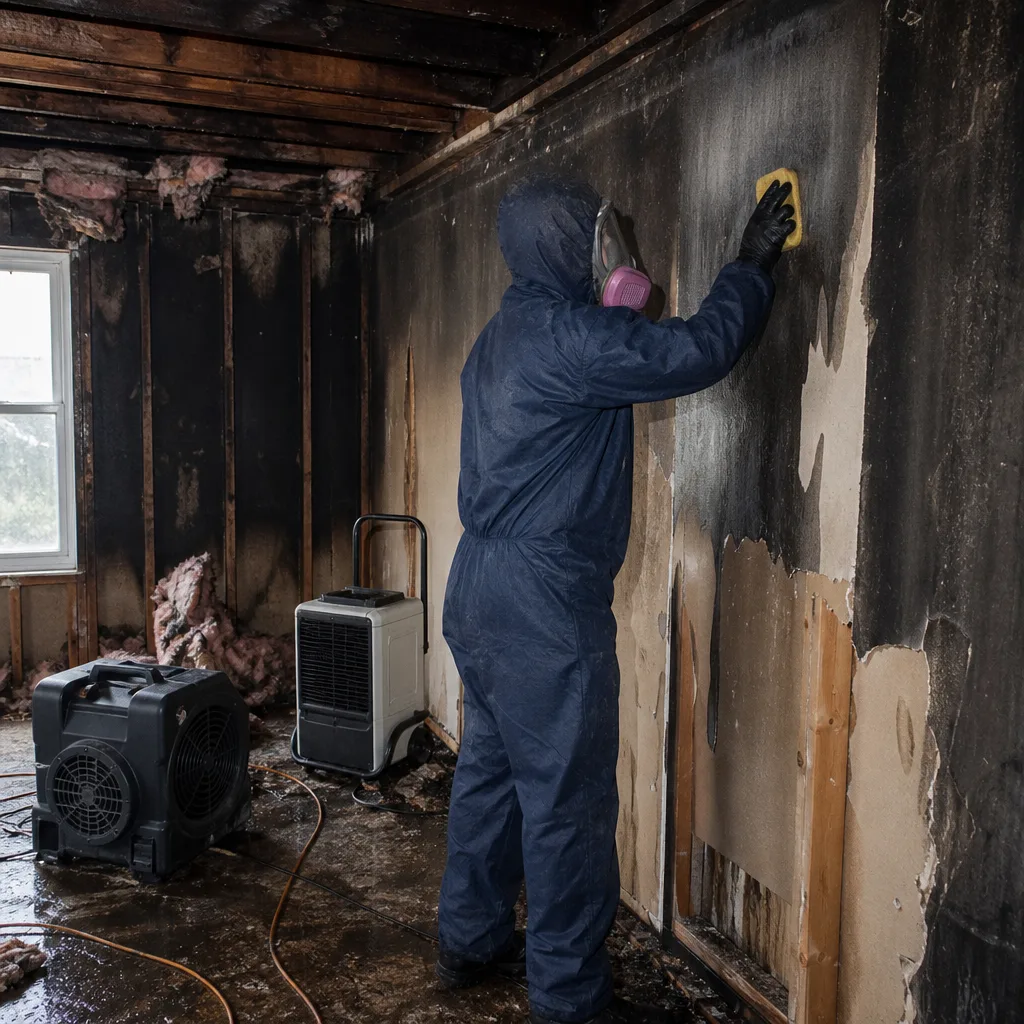
Black Water Extraction
Black water from sewage carries pathogens that demand full PPE and containment. Our crews run truck-mounted extractors and Dri-Eaz equipment to remove standing water, then dispose of contaminated materials to IICRC standards. In West New York’s tight basement utility rooms, this work requires careful equipment staging and ventilation.
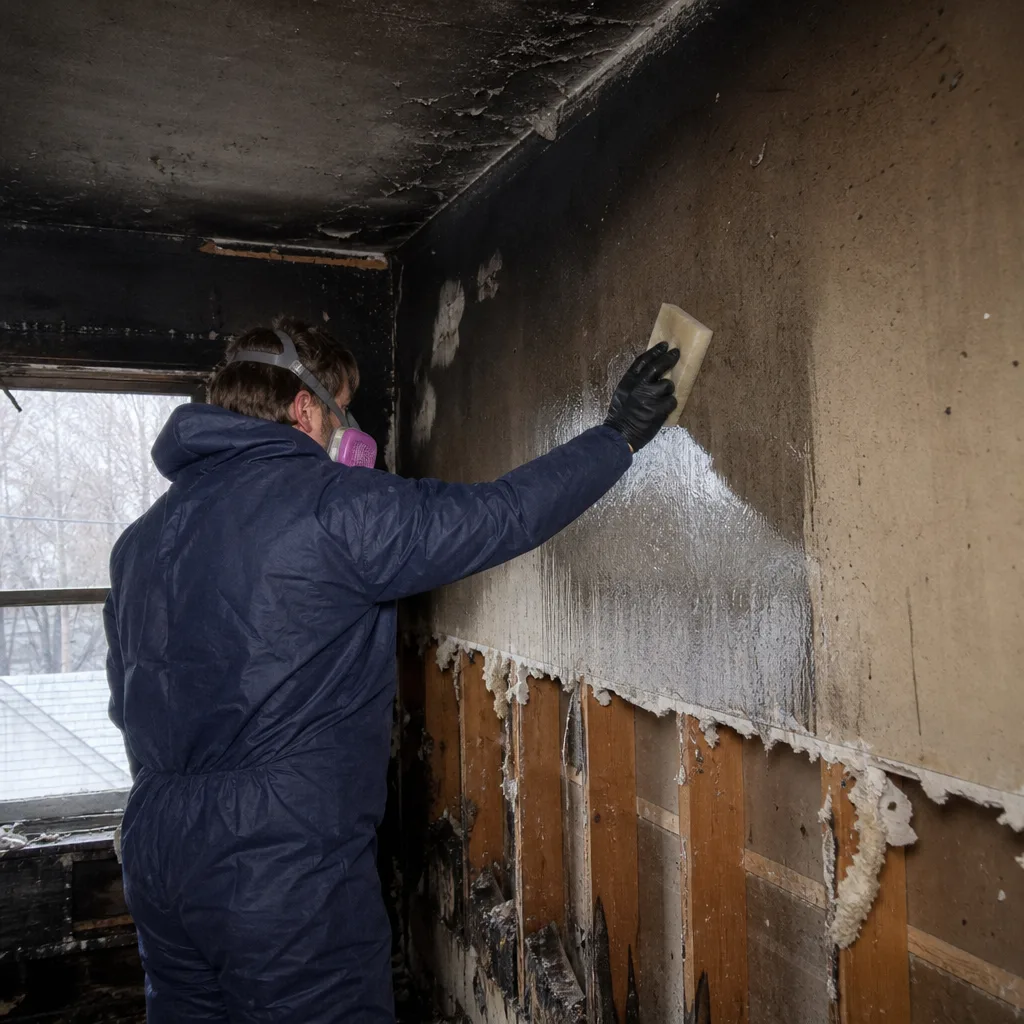
Toilet Overflow Cleanup
A toilet overflow in a high-rise unit can saturate the ceiling below within minutes. We respond fast, set containment on both floors, and dry the assembly before mold takes hold. If the overflow reached common areas, we coordinate with building management and the carrier to scope the full loss.
Septic Failure Cleanup
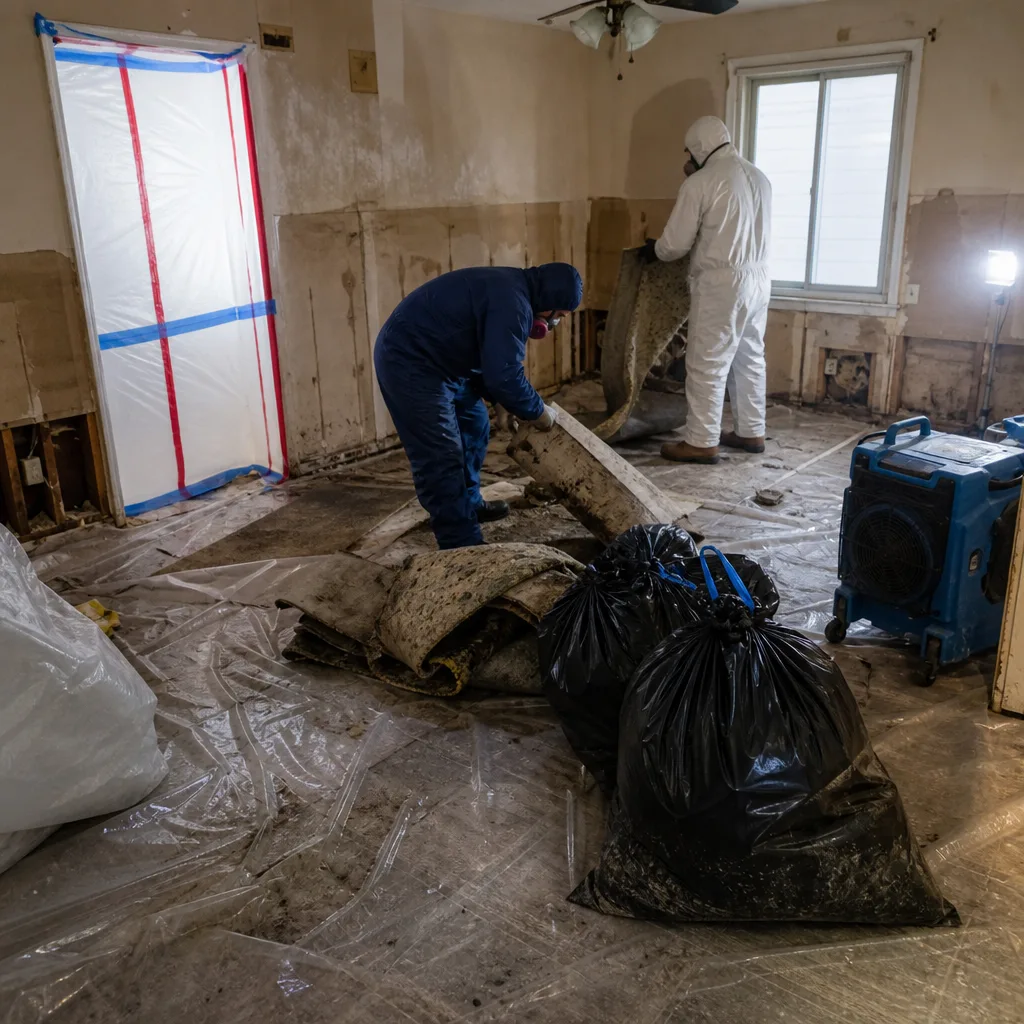
Some older West New York properties still run on aging septic systems, particularly on the inland blocks closer to the Palisades. Septic failure means saturated soil and slow-draining waste that backs up into the lowest fixtures. We handle extraction, sanitization, and full restoration of affected areas.
Sanitization & Disinfection
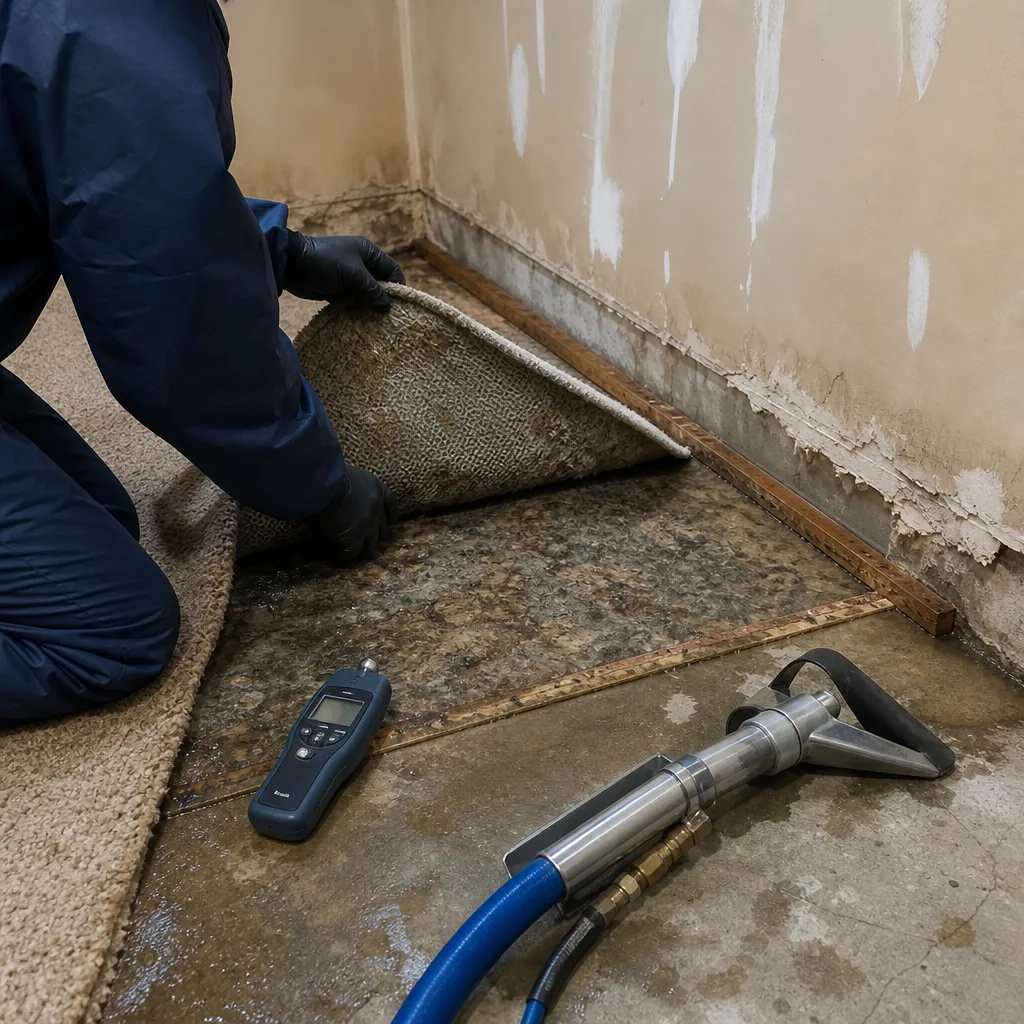
Sewage contamination means every affected surface needs disinfection, not just cleaning. We apply EPA-registered antimicrobials to framing, subfloors, and salvaged materials, then verify with moisture readings and surface testing. The goal is a home you can live in again without wondering what’s left behind.
Crawl Space Sewage Removal
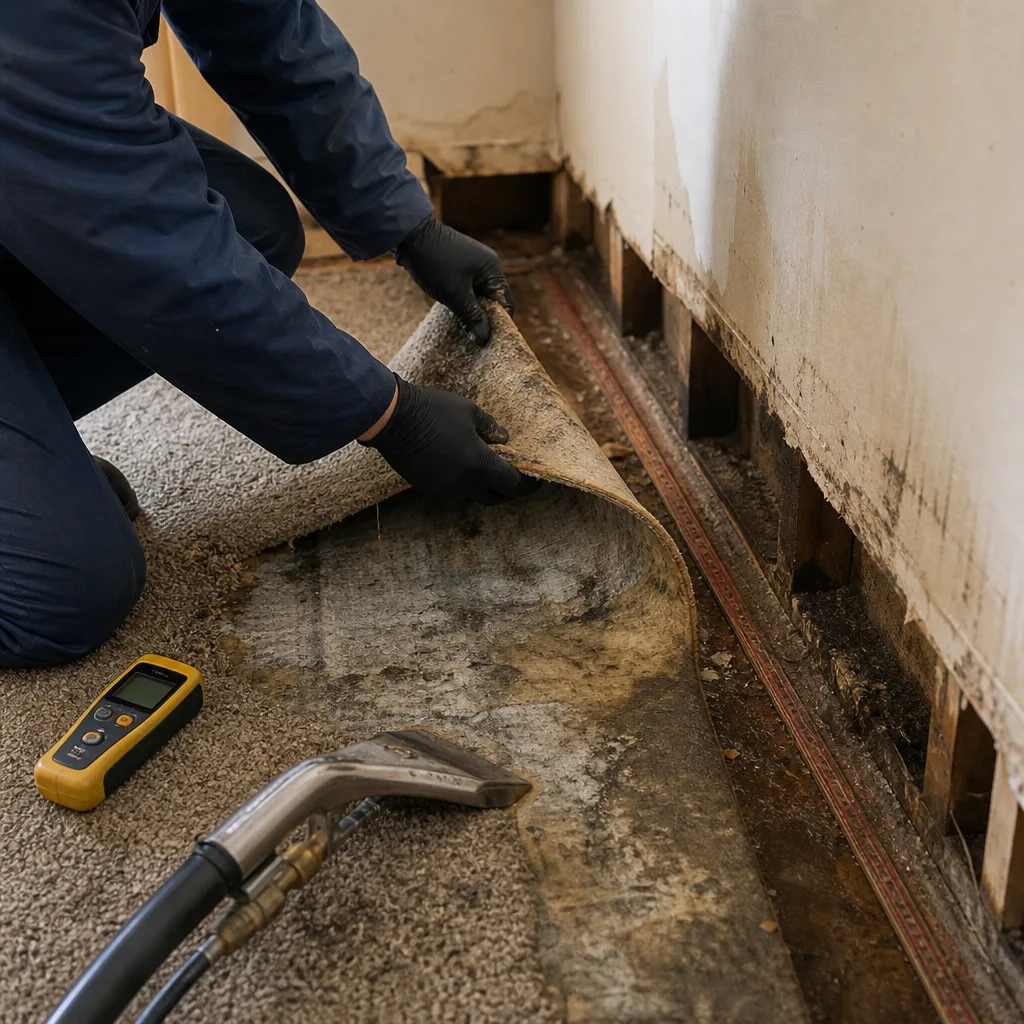
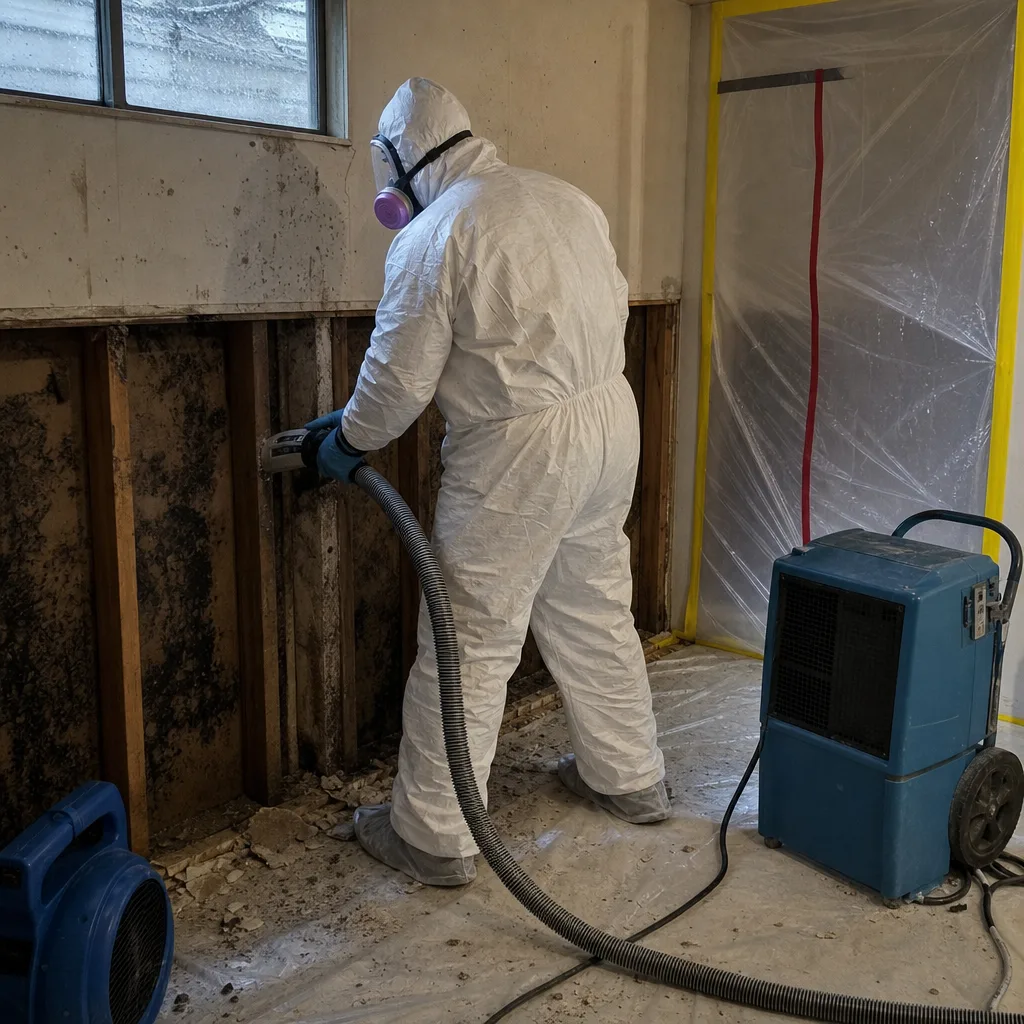
Older West New York buildings with crawl spaces under the first floor present a nasty sewage cleanup scenario. Contaminated water pools in low-lying areas, wicks into floor joists, and spreads odor through the building. We use extractors, HEPA air scrubbers, and targeted drying to make those spaces clean and dry again.
What happens when you call
- 1
A real person answersNo phone trees - you reach a local pro.
- 2
You get an upfront price rangeHonest numbers before anyone is dispatched.
- 3
A background-checked tech heads outLicensed & insured, dispatched right away.
- 4
You approve before work beginsNothing starts until you say go.
Sewage Cleanup Costs in West New York, NJ
In West New York, a small toilet overflow cleanup in a single apartment typically runs $1,200-$2,000. A sewage backup affecting one unit with moderate floor and drywall damage usually lands between $2,500 and $4,500. A full multi-unit loss in an older walk-up, where sewage traveled through three or four stacked ceilings, commonly reaches $6,000-$12,000 or more depending on the square footage of affected framing. Costs in West New York run slightly higher than the inland suburbs because access is tighter, containment requirements are more complex in occupied multi-unit buildings, and demolition debris must be removed through narrow stairwells. Insurance covers most sudden and accidental sewage backups, and we bill the carrier directly. All three of our standing offers apply to this work: $50 off any repair over $250, the $89 seasonal tune-up, and a standing 5% senior and veteran discount. Call (551) 348-8481 for a free visual inspection and a firm written scope before any work begins.
We Also Serve Cities Near West New York
Our crews regularly cross the border to help property owners in Union City, Weehawken, North Bergen, and Hoboken with the same 45-minute response commitment and live 24-hour dispatch. If you’re just outside West New York, call us and we’ll route the nearest available certified crew to you.
West New York Sewage Cleanup Questions, Answered
How quickly can sewage from a West New York high-rise reach floors below?
Sewage from a failed waste line or overflowing toilet in a West New York high-rise can reach the floors below in under ten minutes, especially in pre-war buildings with plaster-over-lath ceilings and open plumbing chases. The water follows the path of least resistance through wall cavities, around pipe penetrations, and through the ceiling assembly itself, so by the time you see a stain on the ceiling below, the water has already been traveling. In the 1920s brick six-story walk-ups on streets like 60th Street near Bergenline Avenue, a single cast-iron waste line failure routinely saturates three stacked bathrooms before the first call comes in. That’s why our scope of work starts with cutting containment and inspecting every unit below the source. Call (551) 348-8481 and we’ll be on site within 45 minutes.
Do West New York waterfront buildings have unique sewage cleanup challenges after heavy rain?
Yes. The Hudson riverfront high-rises along Boulevard East and River Road sit on low-lying ground that absorbed a direct hit from Superstorm Sandy’s storm surge in 2012, and many have below-grade parking and mechanical rooms where stormwater infiltration mixes with sewage overflows. During heavy rain or nor’easters, those rooms accumulate Category 3 water that hides behind equipment and in utility pits, and the ambient humidity against the Palisades cliff face accelerates mold if drying is delayed. We approach waterfront jobs with dehumidification running from day one, not after extraction is done. Direct insurance coordination is standard on these losses because the claims often involve multiple carriers and building management.
Why is moisture mapping essential in older West New York apartment buildings?
Older West New York apartment buildings hide water in ways that visible inspection cannot catch. Plaster-over-lath ceilings absorb sewage and hold it like a reservoir, dripping slowly for days after the original backup. Steam-heat risers and aging galvanized supply lines run through shared walls, creating pathways that carry water across unit boundaries. Without moisture mapping using thermal imaging and calibrated hygrometers, you’d only dry the visible stain and leave the real saturation behind. We map the full extent of water travel in every affected unit, log daily readings until the dry standard is met, and hand that log to you and your carrier. It’s the difference between a job done and a job done right.
Can you perform sewage cleanup in a West New York building without displacing all tenants?
In most cases, yes. We set up floor-by-floor containment with plastic sheeting and negative air pressure so that only the affected units are sealed off from the rest of the building. Tenants in adjacent apartments can usually stay, though tenants in directly affected units may need to relocate temporarily depending on the extent of demolition and drying. For occupied multi-unit buildings, we coordinate with property management to schedule noisy work during reasonable hours and keep hallways passable. The goal is to restore every affected unit to pre-loss condition while minimizing the disruption to everyone else.
What should I do if sewage backs up in my West New York apartment on a weekend?
Call (551) 348-8481 immediately. We answer live 24 hours a day, seven days a week, including weekends and holidays. While you wait, stop using any plumbing in the unit, close doors to unaffected rooms, and keep children and pets away from the affected area. Don’t try to plunge or flush repeatedly, because that often forces contaminated water deeper into wall cavities and floors below. The first 30 minutes matter more than the next 30 hours. A live dispatcher picks up at 2 a.m. on a Sunday, and a certified crew reaches your building fast.
Will insurance cover sewage cleanup in West New York?
Most homeowners and building policies cover sudden and accidental sewage backups, but coverage depends on the source of the water and the specific endorsements on the policy. Storm-surge backups and municipal sewer failures sometimes fall under different provisions than a broken waste line inside the building. We document everything from the first hour: photos, moisture readings, line-item scopes, and the cause of the loss. Our team coordinates directly with your adjuster and bills the carrier directly, so you’re not the middleman in a claim dispute.
How long does sewage cleanup and drying take in West New York?
Extraction starts on the first visit, and most single-unit West New York sewage losses are dry within 3 to 5 days. Multi-unit losses in older buildings with plaster ceilings and shared wall cavities can take 7 to 10 days to hit the dry standard, because those materials release moisture slowly. The full restoration, including drywall replacement, painting, and flooring, runs longer depending on the scope. We keep you informed with a written timeline before work begins, and we update it as the job progresses. No mystery schedules, no disappearing crews.
What certifications do your West New York sewage cleanup crews hold?
Our technicians are certified to IICRC, RIA, and IFA standards, with WRT (Water Damage Restoration Technician) and AMRT (Applied Microbial Remediation Technician) credentials. Every team member is background-checked and uniformed. The same certified crew that runs the Dri-Eaz extractors and Phoenix dehumidifiers handles daily moisture readings, logs the results, and rebuilds what needs rebuilding. That’s how we stand behind the result in writing, with the 90-Day Done Right Promise.
Serving West New York, NJ - Our Local Coverage Area
We’re based in the West New York area and know this community well. Use the map below to see our service coverage - if you’re nearby, we can almost certainly help.
Get Sewage Cleanup Done Right in West New York
Last February our crew responded to a sewage backup in a 1920s brick six-story walk-up on 60th Street near Bergenline Avenue. A cast-iron waste line failure flooded three stacked bathrooms with Category 3 water. We set up containment floor-by-floor, used Dri-Eaz air movers and Phoenix dehumidifiers for structural drying after extraction, and applied antimicrobial treatment to all affected plaster-over-lath ceilings before restoring each unit to pre-loss condition. The homeowner didn’t play messenger with their carrier; we handled the adjuster coordination and the billing. If you’re dealing with sewage backup, black water extraction, or any Category 3 loss in West New York, call (551) 348-8481 now. A live person answers, a certified crew lands within 45 minutes, and the job gets done right, backed in writing.
Written by Curt Bowman, Owner at Floodline Restoration Co., serving West New York and surrounding communities since 2010.