
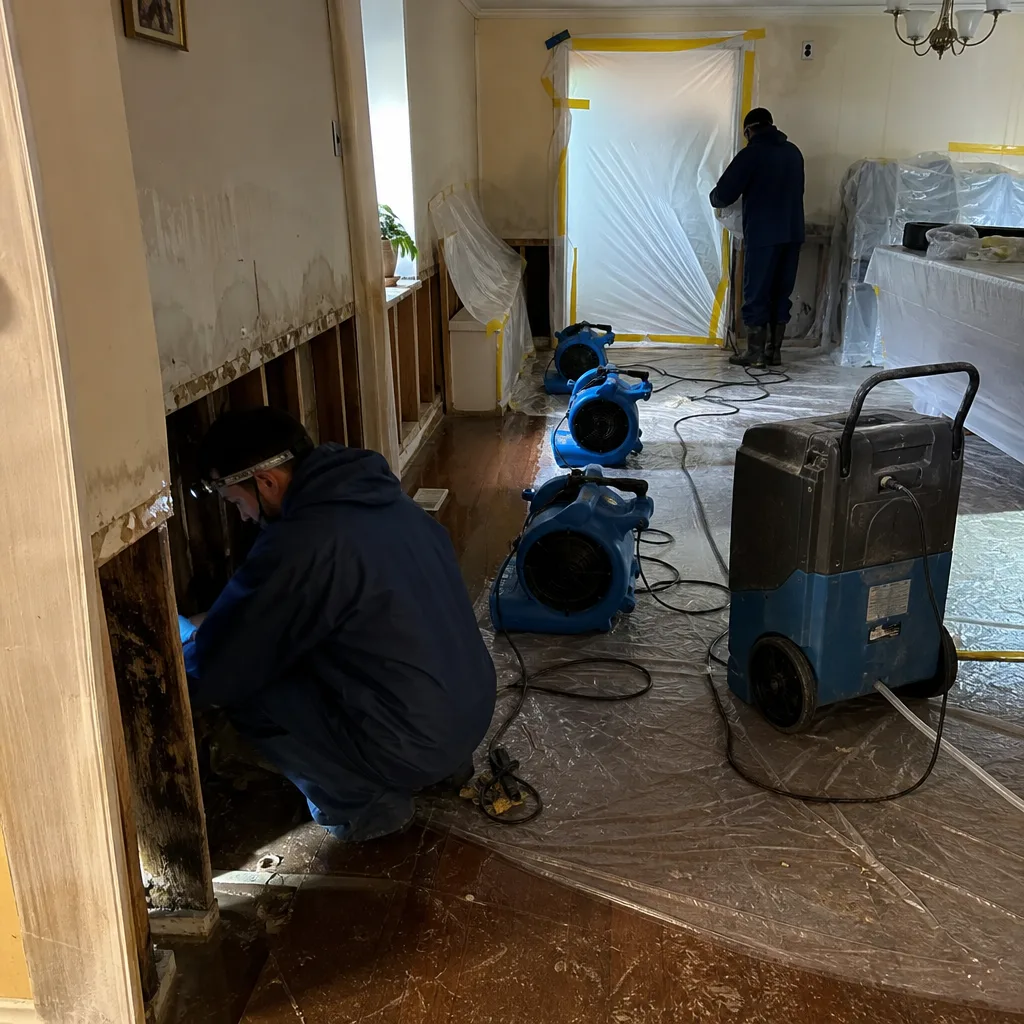
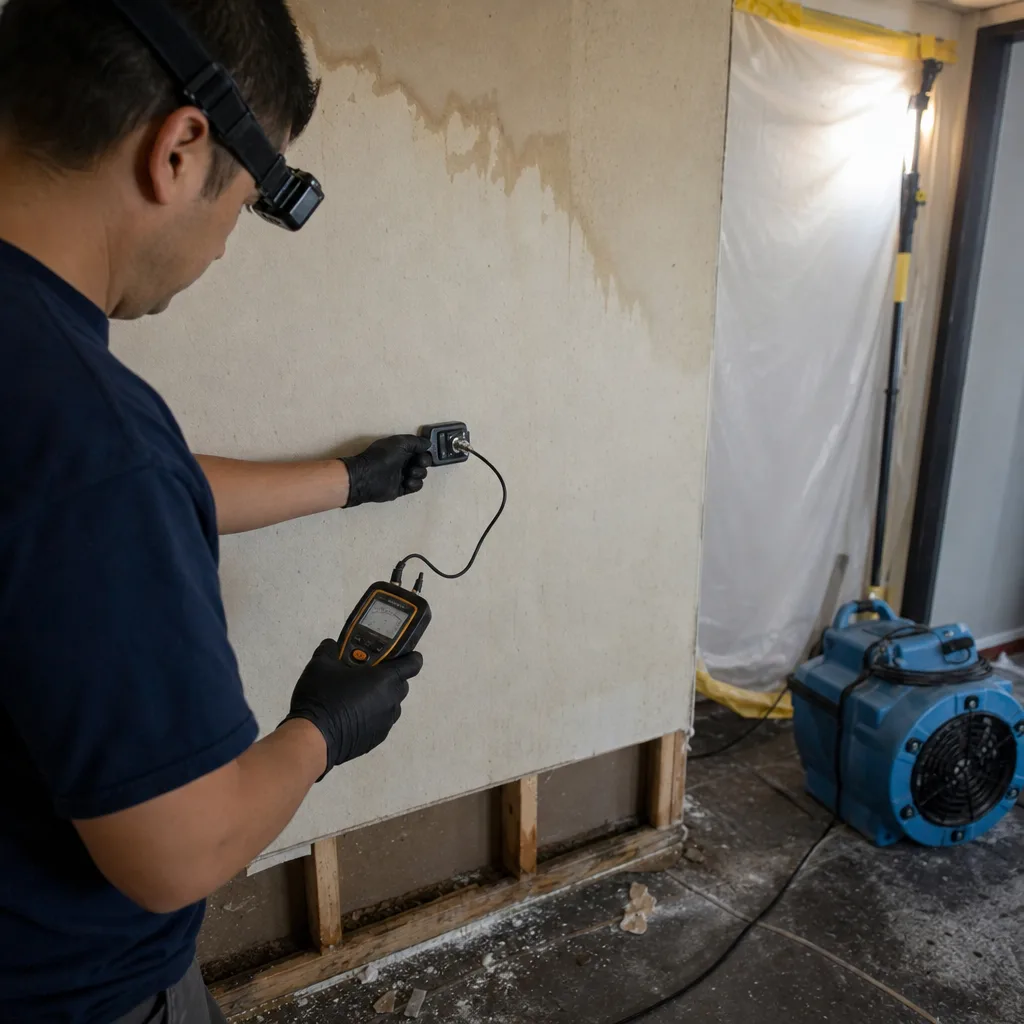
Free visual inspection and a written scope of work before any mitigation begins - photos, moisture readings, and drying logs go in your claim file
The scope we write is the scope we bill. Anything new gets shown to you, in writing, before we touch it.
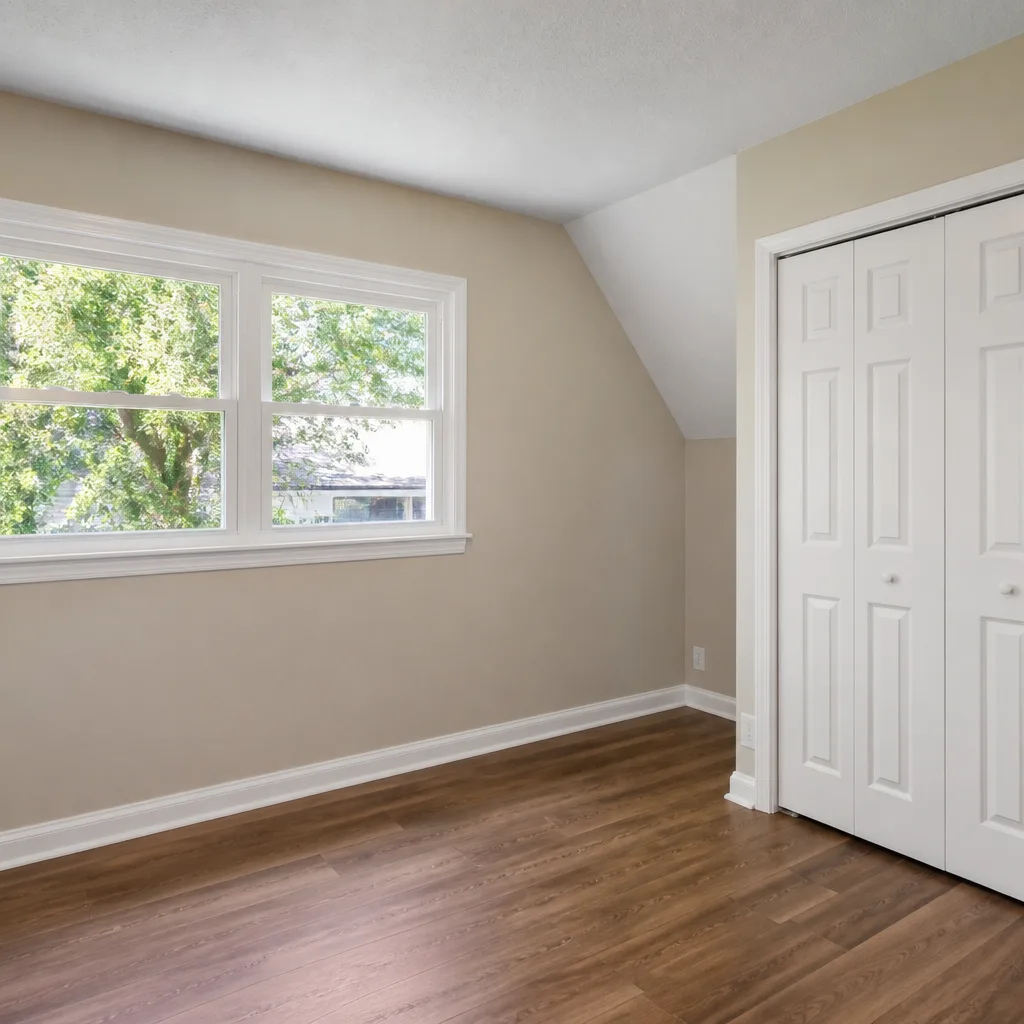
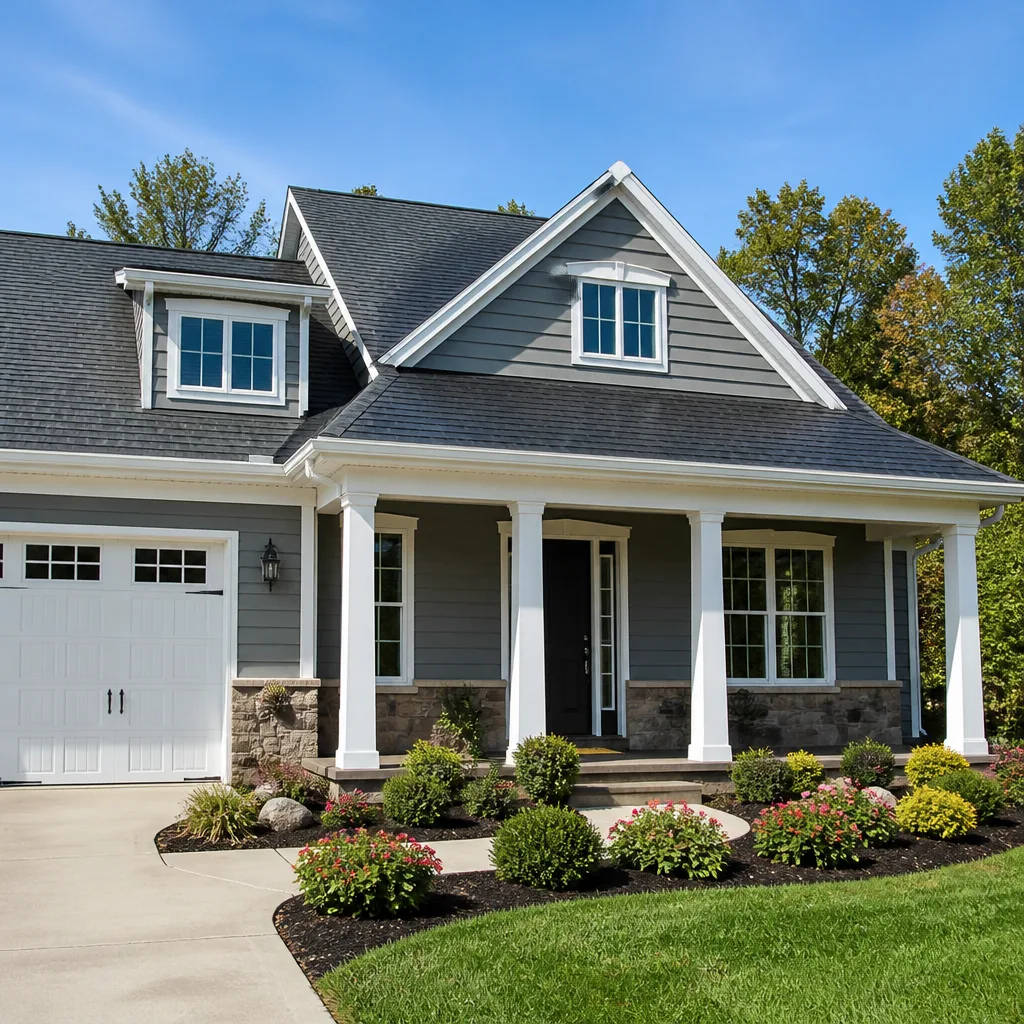
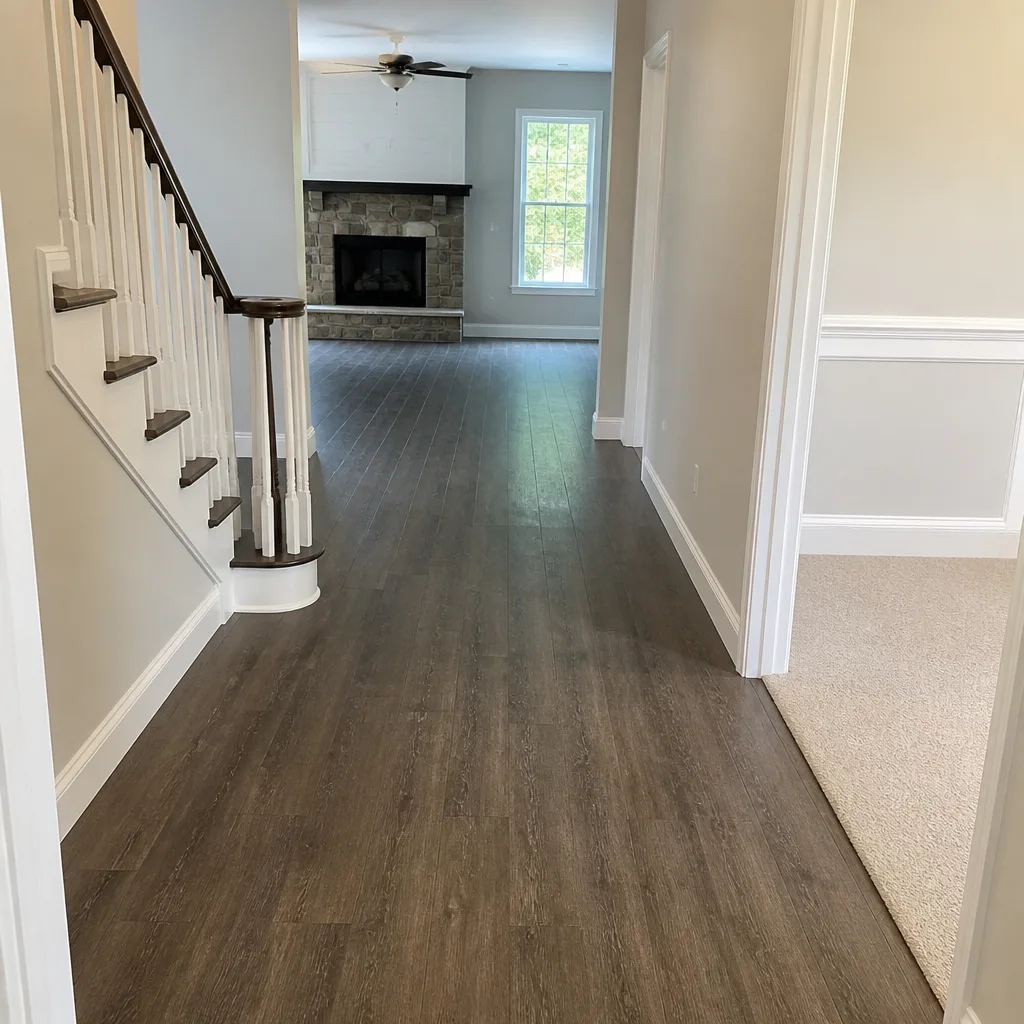
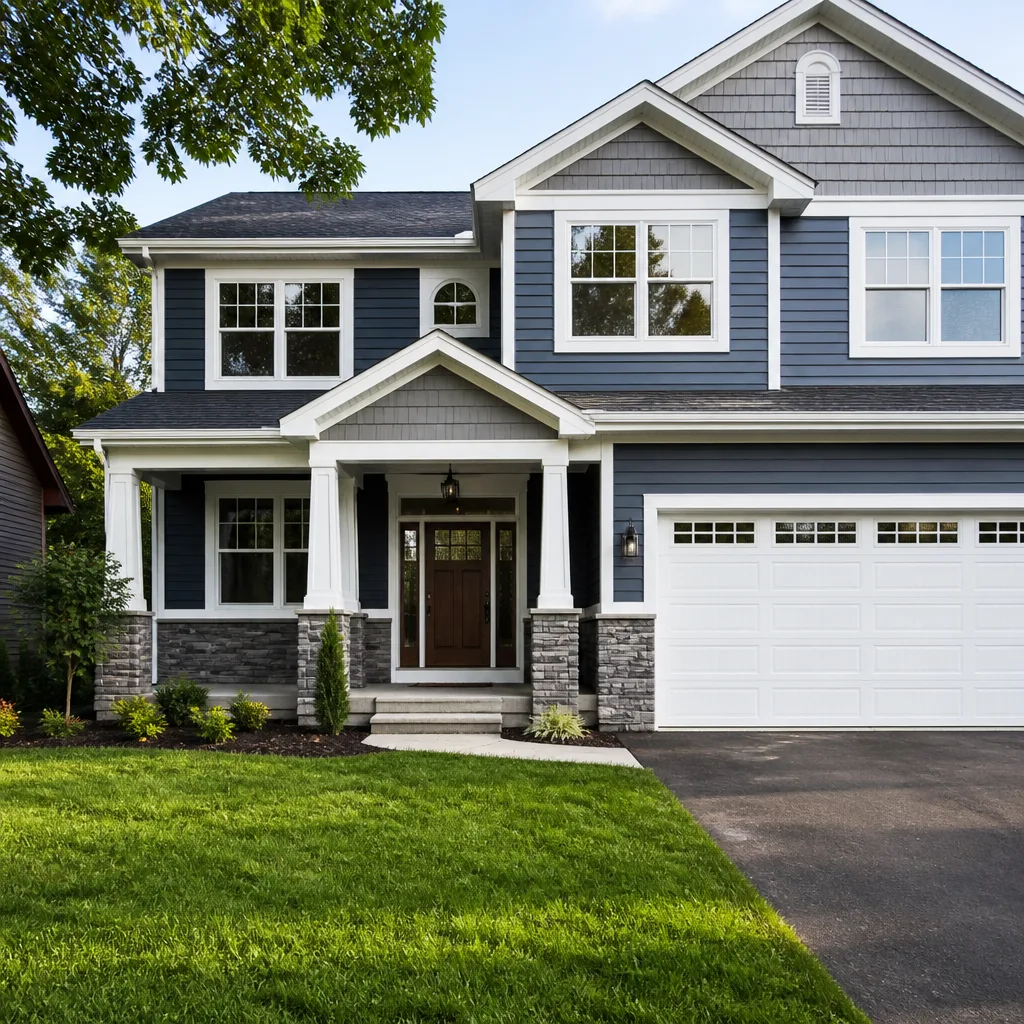
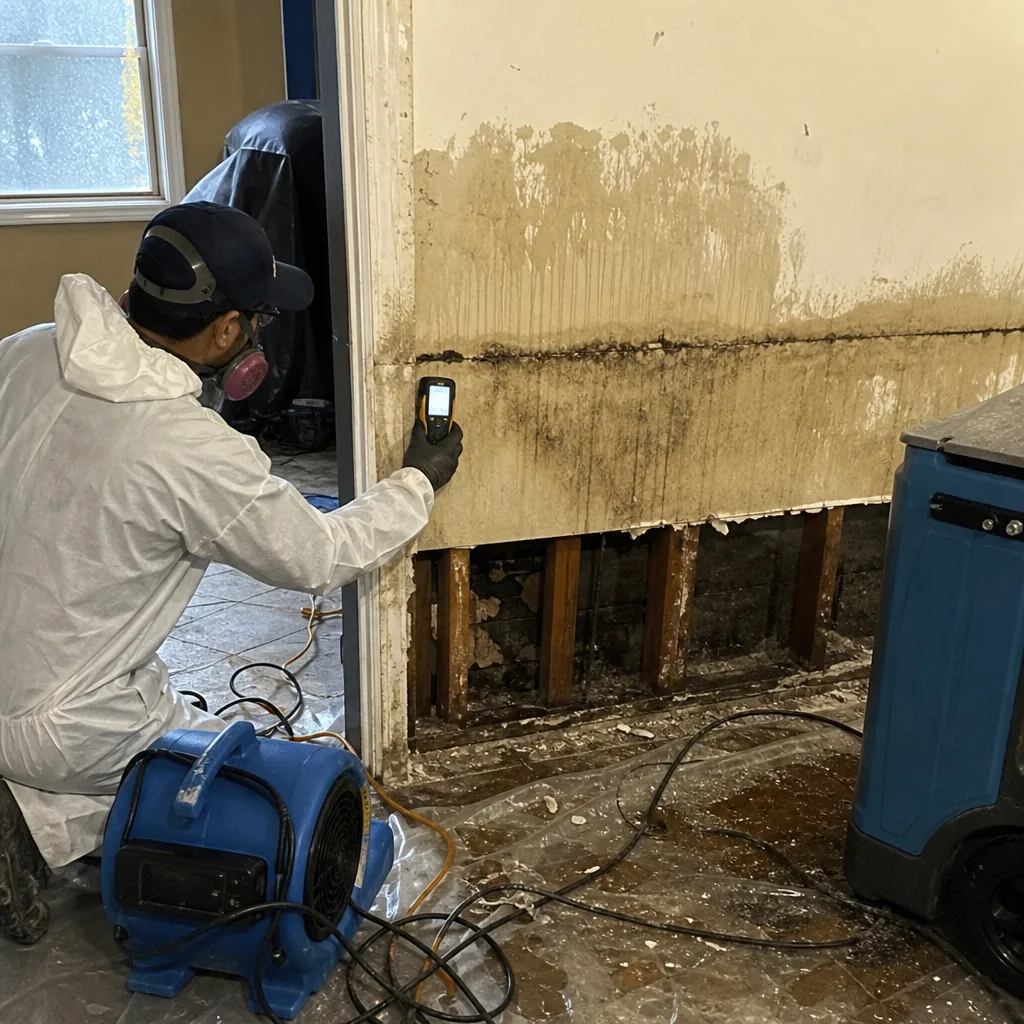 Before
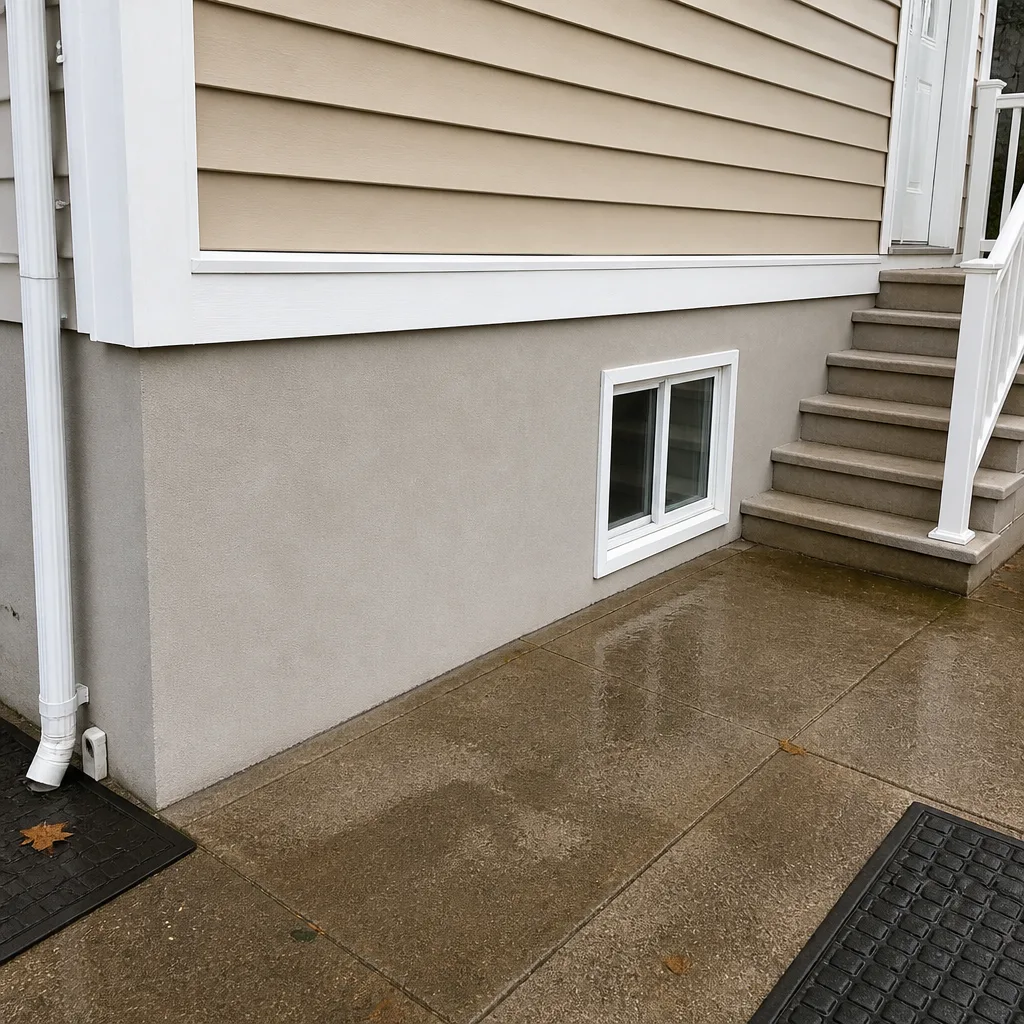 After
After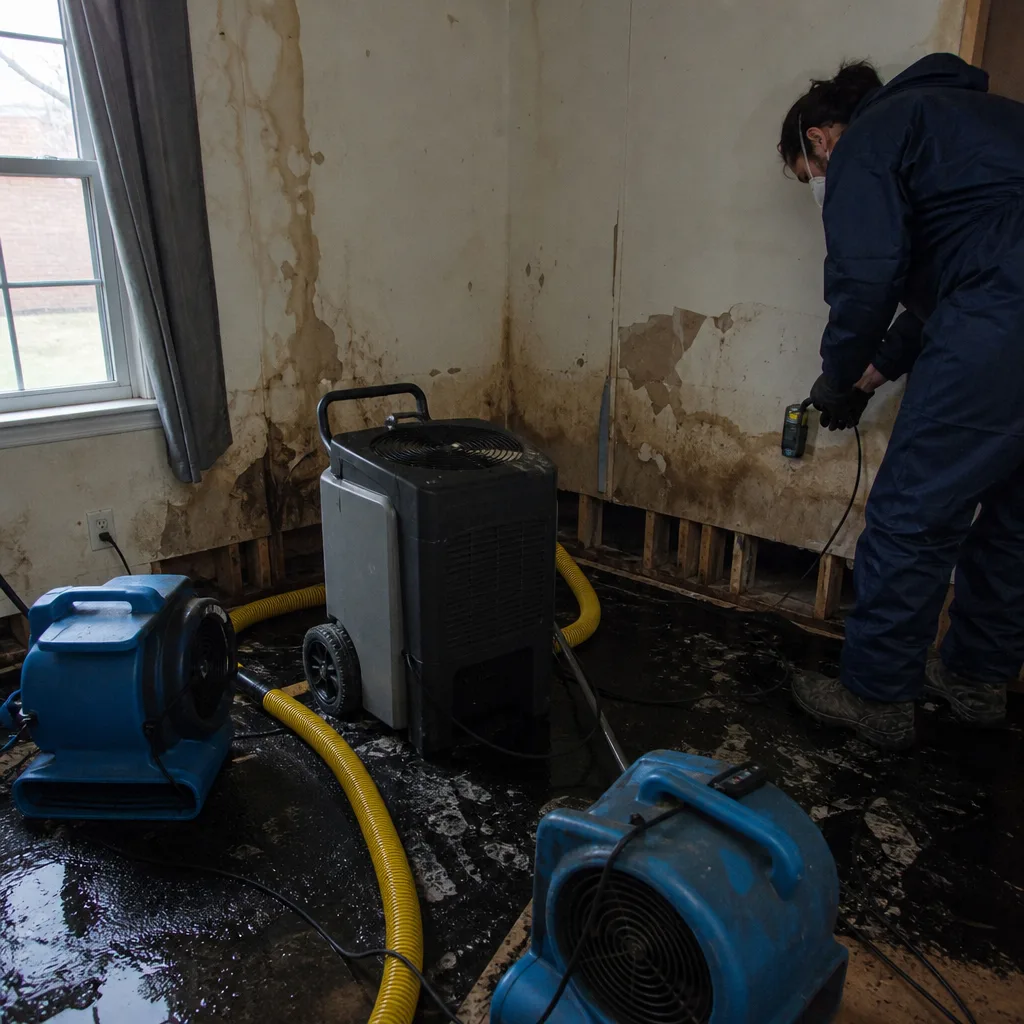 Before
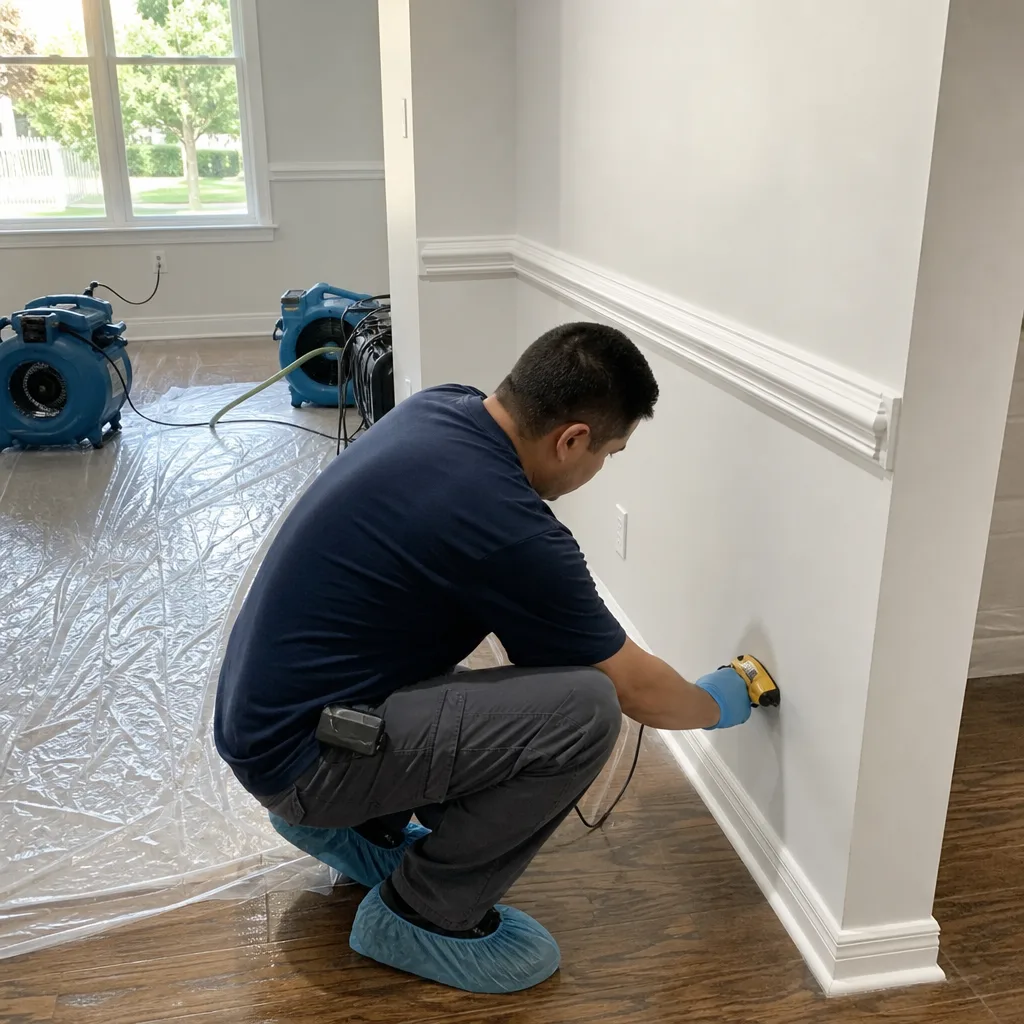 After
After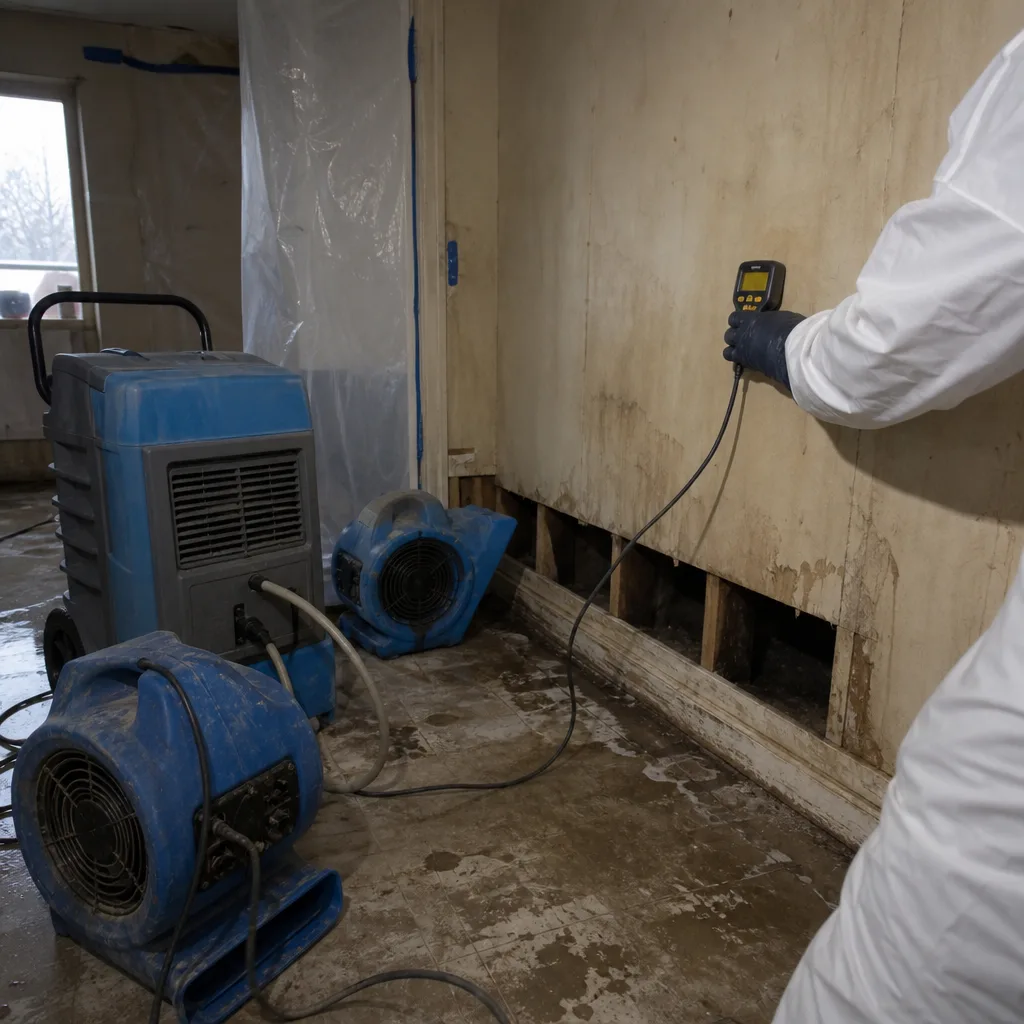 Before
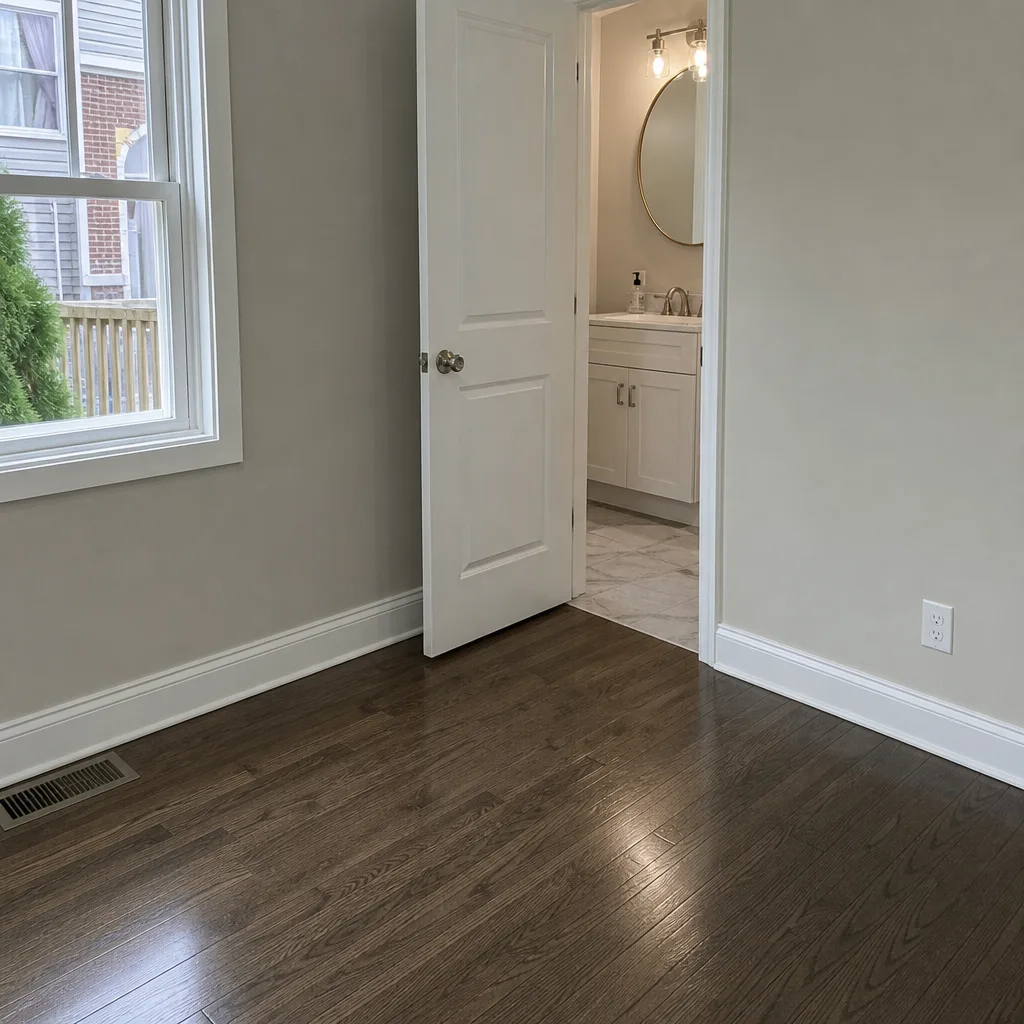 After
After24/7 Emergency Commercial Restoration in Lower Manhattan
Storm & Disaster Restoration in Lower Manhattan starts with one thing above all: saltwater. When the Hudson or East River pushes into a Financial District sub-basement, the clock starts before the water stops moving. Floodline Restoration Co. answers live at (551) 348-8481, any hour, and dispatches a certified crew into Lower Manhattan the same visit. We arrive already carrying moisture-mapping equipment and containment supplies, because a three-hour delay in a Battery Park City mechanical room is the difference between drying a space and replacing every relay panel in it. The first call is free, the visual inspection is free, and the first extraction starts while you’re still on the phone with your insurance carrier. If the water is rising or already in, call now. We’ll be there when we say.
Understanding Commercial Restoration Severity in Lower Manhattan Properties
Not all water is equal, and in Lower Manhattan the category matters more than anywhere else in the city. Category 1 water is clean supply-line water from a burst riser on the 40th floor. Category 2 contains significant contamination, like condensate overflow or washing-machine discharge. Category 3 is what we deal with after tidal surge: water that has traveled through street-level debris, sewage, and the contents of a flooded Con Edison vault before it reaches your building. The distinction drives every protocol we use. Moisture mapping tells us where water has migrated behind walls and under slab edges; structural drying then removes it to a documented dry standard, logged daily, not guessed at. In Lower Manhattan’s pre-war commercial stock, with its shared vertical chases and sub-grade mechanical rooms, water follows conduit penetrations between tenant spaces. A Category 1 leak in one suite becomes a Category 3 intrusion three floors down inside forty minutes. We read the building as a system, not a single room.
Why Lower Manhattan Property Owners Choose Floodline Restoration Co.
- 45-minute response commitment to Lower Manhattan. We staff crews specifically for the Financial District, Tribeca, and Battery Park City radius, so dispatch is measured in blocks, not boroughs.
- A live person answers, 24/7, not a recording. Curt Bowman built the company around a dispatch board in 2010. At 2 a.m., you talk to a person who can send a crew. Not a voicemail tree.
- IICRC-certified crews with the right codes for commercial work. Our technicians hold WRT (Water Damage Restoration), FSRT (Fire & Smoke Restoration), and AMRT (Applied Microbial Remediation) certifications, plus RIA and IFA standards training. The certification on the truck matches the work in the building.
- Free visual inspection and a written scope before work starts. No one touches your tenant’s space until we walk it, photograph it, and hand you a line-item scope. The square deal, in writing.
- Direct insurance billing. We bill the carrier. We deal with the adjuster. You talk to us once, and not as a messenger.
- One team from first extraction to final rebuild. The same certified crew that reads the moisture map on day one handles daily readings, hands the log to you and your carrier, and rebuilds what needs rebuilding. No mid-job handoff to a subcontractor you’ve never met.
Our Commercial Restoration Process
Inspection & Assessment
We arrive, walk the space, and run thermal imaging and moisture probes across walls, floors, and sub-basement perimeter. The goal is a moisture map, not a guess. You get findings in plain language and a written scope.
Extraction & Stabilization
Professional-grade extraction pulls standing water from floors, elevator pits, utility chases, and mechanical rooms. We stabilize compromised materials and contain contamination zones so damage stops spreading.
Drying & Dehumidification
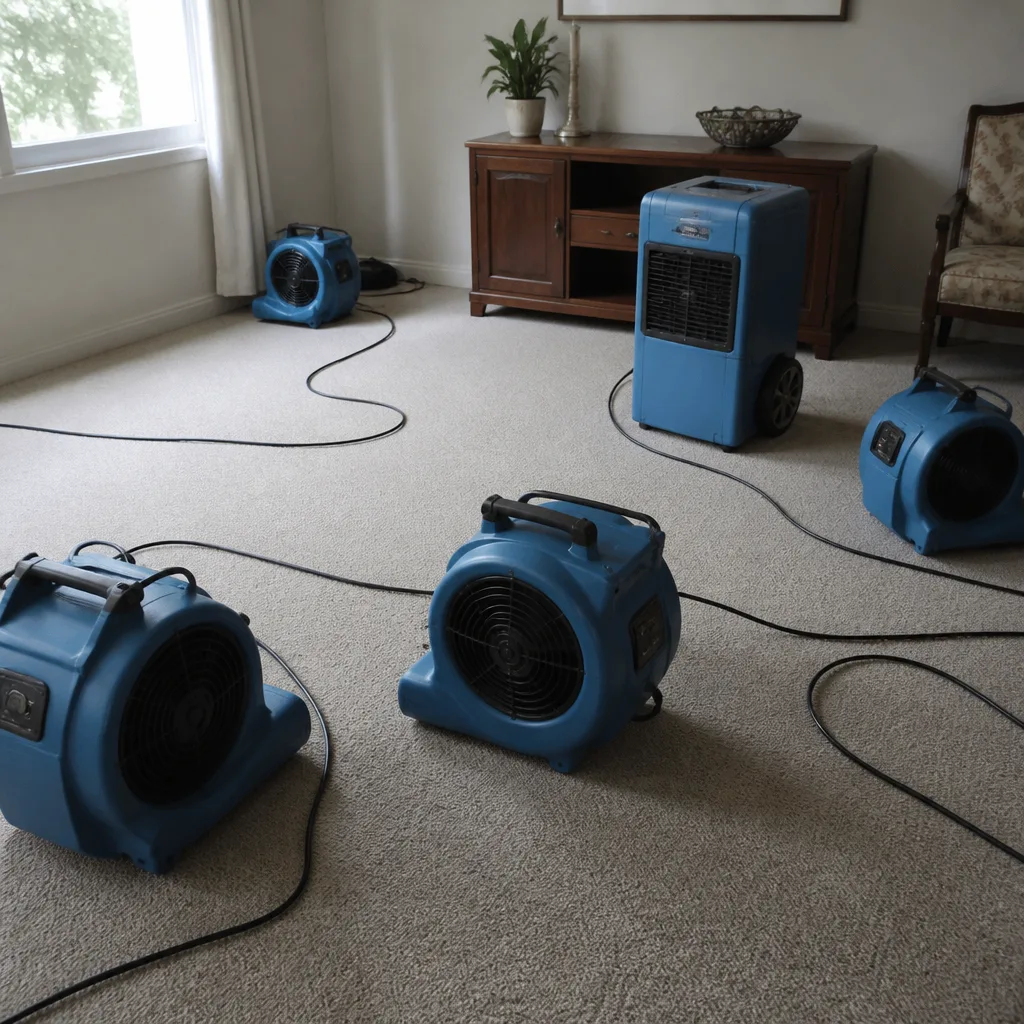
Dri-Eaz and Phoenix dehumidifiers, plus XPOWER air movers, go to work. Daily hygrometer readings document progress until the dry standard is met. The log goes to you and your carrier.
Cleaning & Sanitization
Category 3 water demands antimicrobial treatment. We clean and sanitize every affected surface, including inside wall cavities and under slab edges exposed by water track lines.
Vault & Conduit Specialty Treatment
In Lower Manhattan, we inspect Con Edison penetration points and utility chases for wicking moisture. Injectidry systems force air into cavities behind conduit runs and through wall assemblies that standard drying can’t reach.
Repairs & Restoration
We rebuild walls, replace electrical components, restore flooring, and pull permits where NYC code requires, including full Lower Manhattan Fire & Smoke Damage Restoration when needed. The scope we wrote in step one is the scope we execute, and the 90-Day Done Right Promise stands behind all of it.
Need Emergency Commercial Restoration in Lower Manhattan Now?
Crews minutes away, answering live 24 hours a day. The sooner we start, the less it costs.
Working With Your Insurance Company
The carrier needs evidence, not argument. We document from the first hour: photos of standing water and saturation, moisture readings by room, drying logs updated daily, and a line-item scope tied to industry-standard pricing. For Lower Manhattan commercial claims, especially tidal surge and nor’easter damage, adjusters respond to precision. We coordinate directly with your adjuster, provide the documentation the insurer asks for, and bill the carrier directly. You never play messenger between us and the insurance company. Our restoration teams have handled hundreds of claims in this exact market, and our documentation stands up to the scrutiny that comes with below-grade commercial losses.
What We Provide Your Insurer
- Thorough documentation of the loss
- Photos of all damage, room by room
- Moisture readings and drying logs
- A detailed, line-item scope of work
- Direct coordination with your carrier
Built for Lower Manhattan’s Loss Calendar
January brings deep freezes that burst aging supply risers inside 1960s commercial towers on Water Street. March and April thaw brings seepage through foundation perimeters of the 19th-century cast-iron buildings in Tribeca, where original brick and masonry still shrug against groundwater. Summer thunderstorms turn catch basins upside down and overwhelm drainage along Church Street and West Broadway, sending flash water into below-grade retail. Then come the nor’easters. In Battery Park City and blocks surrounding the World Trade Center, where streets sit barely above sea level on 1970s excavation fill, even a moderate nor’easter pushes tidal water into mechanical vaults and freight elevators. The repeat surge cycles are what catch unprepared building managers: the water recedes, they breathe, and the next tide brings it back. We keep crews staged in Lower Manhattan through every storm watch, because the window between first receding water and second surge is when containment decisions get made or missed.
Commercial Restoration Across Lower Manhattan’s Neighborhoods
The Financial District runs on below-grade utility vaults packed beneath nearly every block. Water moves between buildings through shared conduit penetrations that predate modern waterproofing standards. Our crews know which buildings on Liberty Street, Williams Street, and Maiden Lane share vault access, and we coordinate with Con Edison before running extraction in those sub-basements. Battery Park City, built entirely on landfill from the World Trade Center excavation, presents a different challenge: buildings sit at or below sea level, and every storm surge works the perimeter sealants hard. Tribeca’s converted warehouse stock, with timber beams behind masonry party walls and freight elevators originally built for textiles rather than modern equipment, means we schedule building management access carefully and calculate load limits for equipment staging. Along Broadway and Wall Street, commercial office towers from the 1920s Art Deco build-out share vertical chases that carry water between tenant floors faster than the elevators move. No two blocks in Lower Manhattan respond to water the same way, and restoration crews without that block-by-block familiarity waste the first hours figuring out what we already know.
The Commercial Restoration team responds inside the quarter-hour mark for high-rise mechanical failures, retail flood events, and tenant-space emergencies across the district. For an owner managing a full-building loss, we work from the Lower Manhattan response map, not a generic citywide dispatch schedule. It changes how fast the first extraction pump runs.
Specialized Commercial Restoration Services We Offer in Lower Manhattan
Office & Retail Restoration
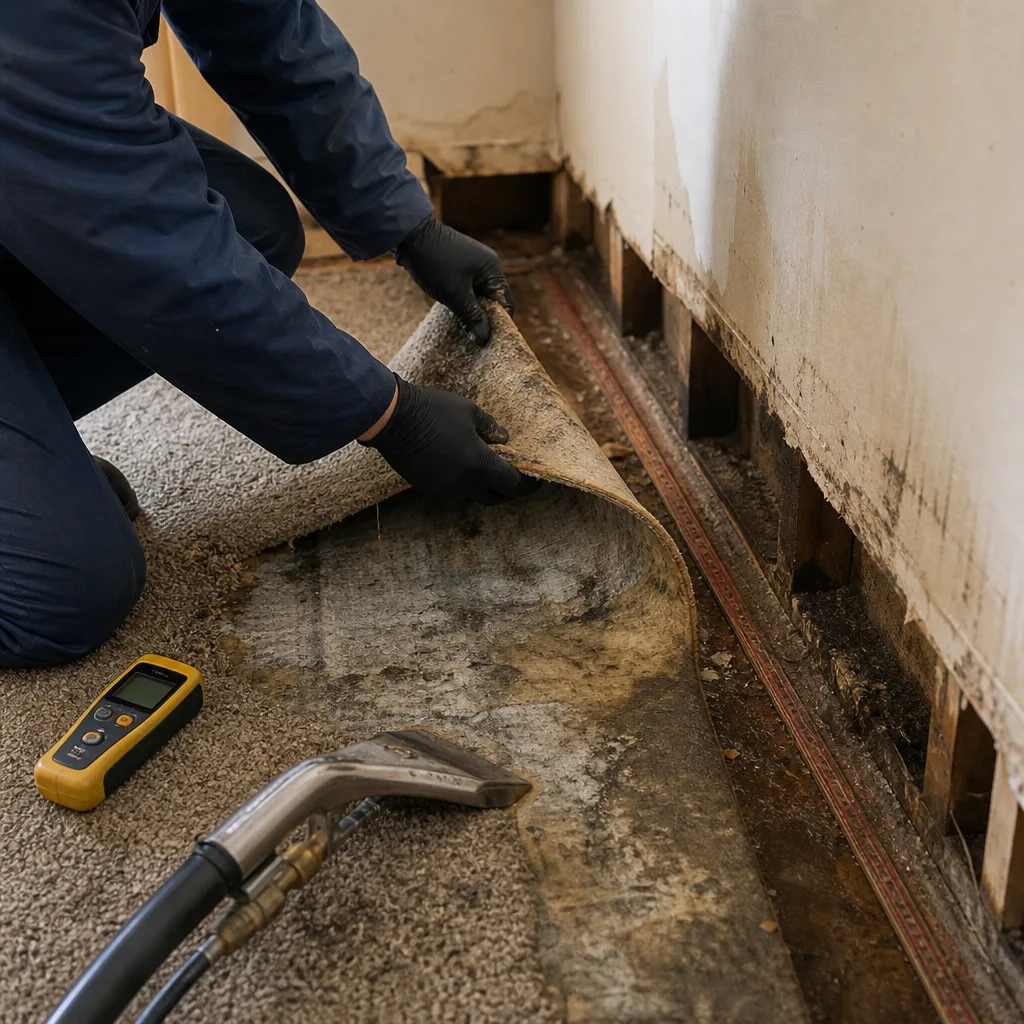
A retail space on Fulton Street with wall-to-wall Mold Remediation - Lower Manhattan risk from Category 3 water can’t wait for a Monday crew. We extract, contain, and start structural drying the same day the call comes in. Display fixtures and inventory get packed out with a photographed inventory log, so you can file without reconstructing what was ruined.
Multi-Unit & HOA Restoration
When one line fails in a 40-unit condo in the Financial District, three floors get wet. We work through the building’s management office or HOA board to coordinate access, communicate with every affected unit owner, and run one moisture map across the whole stack. The written scope covers shared chases, common areas, and individual units separately, so the association’s insurance and each owner’s policy get the right documentation.
Industrial Facility Cleanup
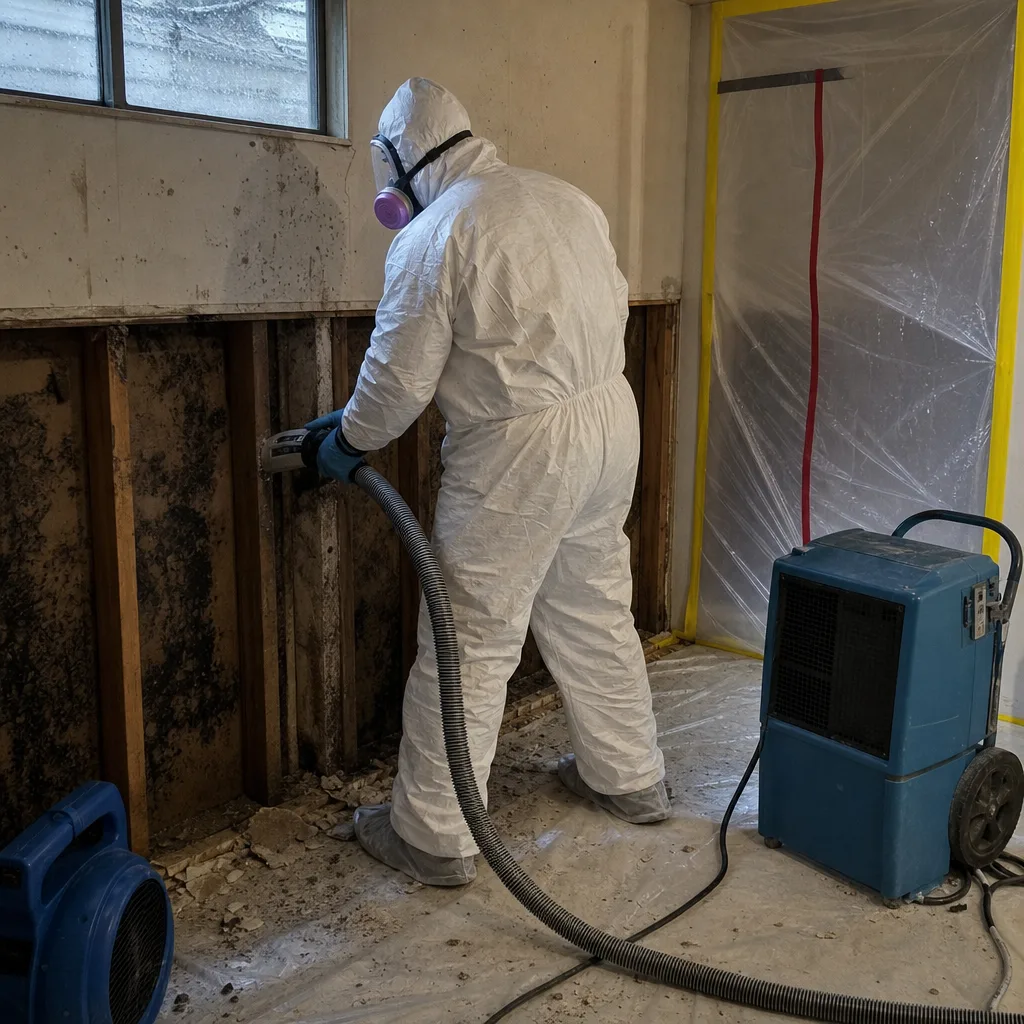
Print shops, commercial kitchens, and small manufactories in Lower Manhattan’s older industrial corners face a different burden: Category 2 and 3 water mixing with process waste and machine oils. We handle containment, decontamination, and equipment stabilization with HEPA air scrubbing and antimicrobial protocols designed for industrial surfaces, not just drywall.
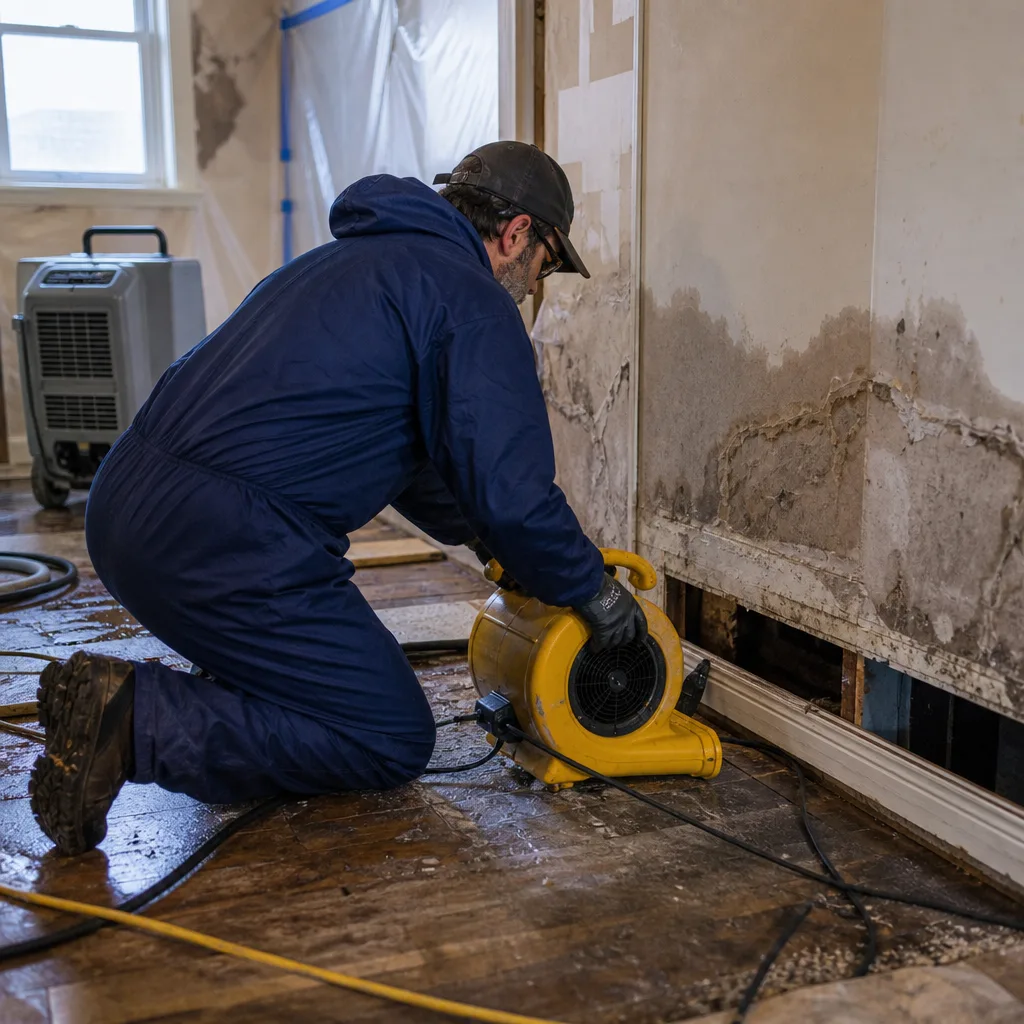
Large-Loss Response
A full-floor commercial loss inside a Trinity Place tower cannot be handled with ten air movers and a box of fans. We stage equipment outside the freight entrance, coordinate with building engineers, and deploy desiccant and LGR dehumidification at commercial scale. Large-loss response in Lower Manhattan means managing the building’s logistics as much as the water.
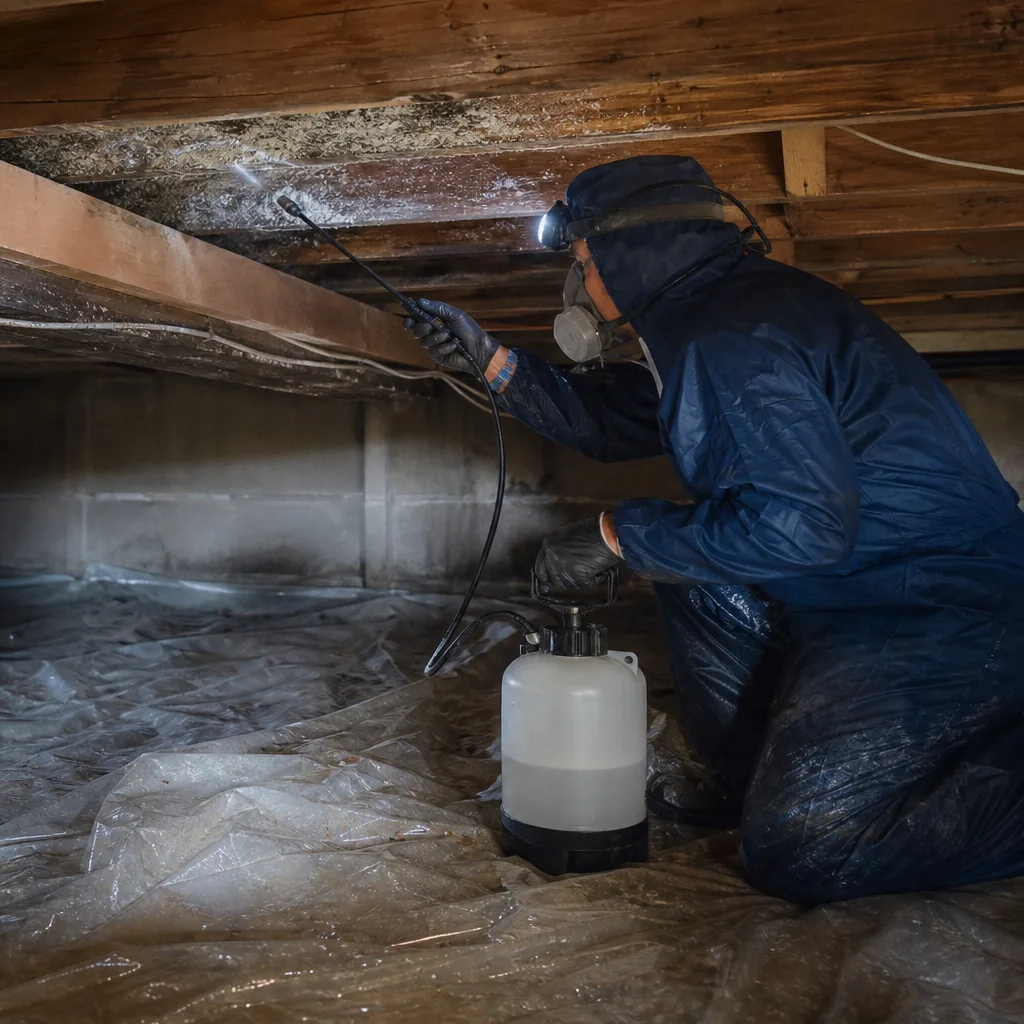
Business Interruption Minimization
A retail tenant on John Street doesn’t care why the water came. They need to know if they can open Saturday. We structure containment so that a section of the space remains operational while we dry the rest, where floor plans and fire code allow. We document everything for the business interruption claim, and the drying log proves the disruption wasn’t longer than it had to be.
What happens when you call
- 1
A real person answersNo phone trees - you reach a local pro.
- 2
You get an upfront price rangeHonest numbers before anyone is dispatched.
- 3
A background-checked tech heads outLicensed & insured, dispatched right away.
- 4
You approve before work beginsNothing starts until you say go.
Commercial Restoration Costs in Lower Manhattan, NY
A small office water extraction in a Tribeca loft building typically runs $1,800 to $4,500. Retail space restoration after a nor’easter surge, with pack-out and structural drying, lands between $6,000 and $22,000 depending on square footage and contamination category. Full-floor commercial losses in Financial District towers, where sub-basement vault seepage requires conduit treatment and rebuild, commonly range from $35,000 to $180,000 or more. What moves the price: category of water, freight-elevator access delays, whether Con Edison vault coordination is required, and the age of the building’s electrical systems. Saltwater intrusion always costs more than freshwater, because the corrosion begins inside walls and behind panels immediately. Insurance covers the vast majority of these claims; the free inspection gives your carrier the documentation it will ask for anyway. Call (551) 348-8481 for a scope, not a guess.
We Also Serve Cities Near Lower Manhattan
Our crews serve commercial property owners in Lower Manhattan and the surrounding corridor: Midtown West, Washington Square, Midtown Manhattan, and Murray Hill. If your building sits within twenty minutes of our Lower Manhattan dispatch zone, the same certified team responds.
Lower Manhattan Commercial Restoration Questions, Answered
Why do Lower Manhattan restoration crews need to coordinate with Con Edison before beginning commercial water extraction?
Because Con Edison’s below-grade high-voltage vaults sit beneath most Financial District blocks, and when storm surge floods those vaults, contaminated water wicks through shared conduit penetrations into neighboring commercial sub-basements. Beginning extraction without Con Edison coordination risks pulling water that is still electrically energized, and without understanding the vault-adjacent wicking pattern, crews misread the moisture map as a simple Category 1 intrusion. We coordinate before extraction, document the vault adjacency on our moisture map, and treat the water as Category 3 until proven otherwise. Call (551) 348-8481 if your building has any vault-adjacent mechanical space.
Can our commercial tenant space stay open while you handle pack-out and structural drying?
Often yes, with proper containment. We build plastic-sheet containment walls with negative air pressure using HEPA-filtered air scrubbers, isolating the drying zone from the rest of the space. If your Lower Manhattan retail footprint allows a temporary partition, your doors can stay open for business while we work behind the containment. We design the containment plan with your floor layout and your landlord’s fire code in mind. Ask for a same-day containment assessment when you call (551) 348-8481.
What are wind-rated door failure signs we should look for in our Financial District commercial property before the next nor’easter?
Look for daylight visible at the door header or threshold, buckling in the door skin, loose hinges that allow the door to shift out of plane, and weatherstripping that has pulled away from the frame. In a Lower Manhattan nor’easter, an unrated or failing door is a direct opening for wind-driven rain and street-level surge. Commercial door replacement in NYC flood zones often requires wind-load documentation under post-Sandy code amendments. If your exterior doors show any of these signs, call us at (551) 348-8481 for a pre-storm assessment; the inspection is free, and reinforcement is cheaper than a flood claim.
How soon after a tidal surge hits our Battery Park City retail space should we start dehumidification?
Dehumidification should begin within 4 to 6 hours of the first receding water, and ideally within the same visit that extraction starts. Battery Park City sits on artificial landfill at or slightly above sea level, so the building envelope holds moisture longer than on higher ground, and tidal cycles can re-introduce water within hours. The longer structural materials stay saturated, the deeper the salt wicks into sheetrock, insulation, and floor underlayment. We stage our Phoenix and Dri-Eaz dehumidifiers on the truck during any storm watch, ready to go the moment water recedes. Call (551) 348-8481 the moment you see the first water inside.
Does NYC’s post-Sandy code require wind-load documentation for commercial door replacement in Lower Manhattan?
Yes, in most cases. NYC’s flood-resilience amendments to the building code adopted after Hurricane Sandy require documentation that replacement doors in flood zones meet specified wind-load ratings, and Lower Manhattan is almost entirely within those zones. A commercial door replacement without proper wind-load documentation can fail inspection and delay your certificate of occupancy. We handle the permit paperwork, source rated doors, and stand behind the installation with the 90-Day Done Right Promise. Call (551) 348-8481 before you replace an exterior commercial door.
How fast can you actually get a crew to a commercial building in Lower Manhattan?
We commit to 45 minutes for emergency response across our Lower Manhattan service area. Our dispatch board is live around the clock, and the person who answers the phone has crew locations in front of them. For a Financial District high-rise, that often means a certified technician is walking the space within the hour, and extraction equipment follows on the same truck. Call (551) 348-8481, now, and we’ll tell you the exact ETA for your address.
Will my commercial insurance cover Lower Manhattan flood damage from a nor’easter or tidal surge?
Most commercial property policies cover water damage from wind-driven rain and storm surge, but the documentation burden is real. Carriers want proof of the water source, the category of contamination, and a drying log showing progress to the dry standard. We produce all of that for direct submission to your adjuster, and we bill the carrier directly. If your policy has a flood-sublimit or separate flood endorsement, we flag it in the first phone call so there are no surprises on the bill. Call (551) 348-8481 and we’ll walk your policy with you.
What should a building manager do in the first 30 minutes after discovering water in a Lower Manhattan commercial sub-basement?
First, do not enter standing water if any electrical panels, conduits, or vault-adjacent areas are in the space. The Con Edison vault risk in the Financial District is real and lethal. Second, call (551) 348-8481. Third, shut down power to the affected area if the panel is dry and accessible, and note the time the water appeared. Fourth, document with phone photos. The first 30 minutes determine whether this is a drying job or a rebuild. We’ll be on the phone with you while you’re still standing there.
Serving Lower Manhattan, NY - Our Local Coverage Area
We’re based in the Lower Manhattan area and know this community well. Use the map below to see our service coverage - if you’re nearby, we can almost certainly help.
The Lower Manhattan Restoration Knowledge Most Companies Don’t Have
In the Financial District, Con Edison’s high-voltage vault network creates a failure point that generic restoration guides never cover. When storm surge floods a vault, water moves laterally through the same conduit penetrations that carry power and data cables into neighboring commercial sub-basements. The water that emerges on your side of the wall passed through street-level saltwater, utility debris, and vault infrastructure. It is Category 3 contamination, but it presents visually like a slow wall seep. A crew without this local utility-grid fluency runs fans and calls it a day. Six months later, the corrosion and microbial growth appear behind the baseboard. Our team reads Lower Manhattan moisture maps with the Con Edison grid in mind, because we have pulled water out of enough vault-adjacent basements to know exactly where it travels. That is the Commercial Restoration standard we brought to every block south of Chambers Street.
One recent response captures the difference. Our crew responded to a 12-story commercial building on Maiden Lane after a nor’easter pushed tidal water into the below-grade mechanical room. We found Con Edison vault moisture wicking through the building’s conduit penetrations, leaving Category 3 water spreading under our air movers. Using our moisture readings and Injectidry systems, we contained the intrusion, set structural drying across all vault-adjacent storage areas, and had the property’s retail tenants back in operation within six days. The building manager told us two other contractors had quoted for a simple drying job and missed the vault entirely. The water was never clean. The fix was never simple.
Owners of commercial property in Commercial Restoration in Lower Manhattan deal with freight-elevator-only access, shared vertical chases, and storm-surge cycles that repeat within one tide. The crews who master those local constraints are the crews who keep tenant spaces open and claims paid. Floodline Restoration Co. has been that crew since Curt Bowman founded the company in 2010. We answer with a live person, we dispatch to Lower Manhattan in under an hour, and we stand behind every job with the 90-Day Done Right Promise, in writing.
If water is in your building, or you saw the first warning signs before a storm, call (551) 348-8481 now. The inspection is free. The scope is written. The crew that starts is the crew that finishes. Done right, and backed in writing.
Written by Curt Bowman, Owner at Floodline Restoration Co., serving Lower Manhattan commercial properties with certified crews and live dispatch since 2010.