
Free visual inspection and a written scope of work before any mitigation begins - photos, moisture readings, and drying logs go in your claim file
The scope we write is the scope we bill. Anything new gets shown to you, in writing, before we touch it.
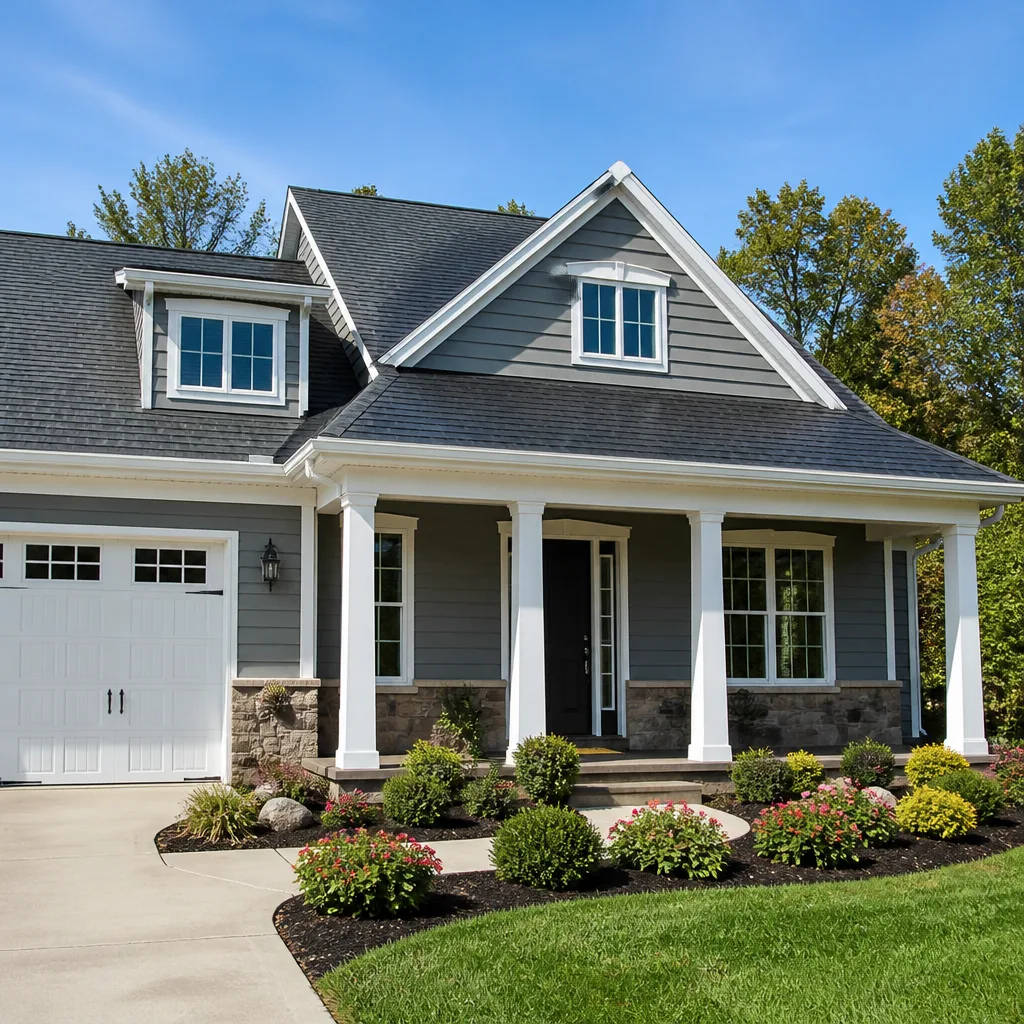
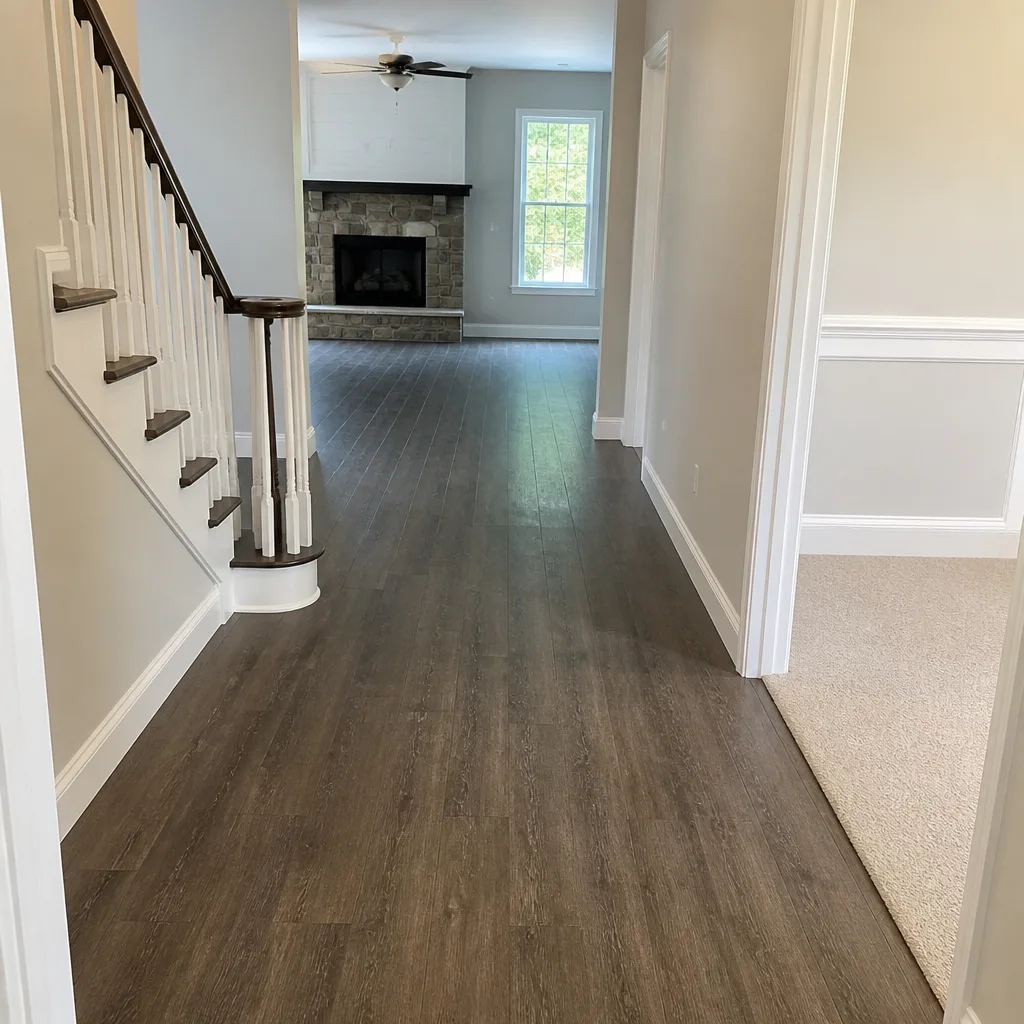
 Before
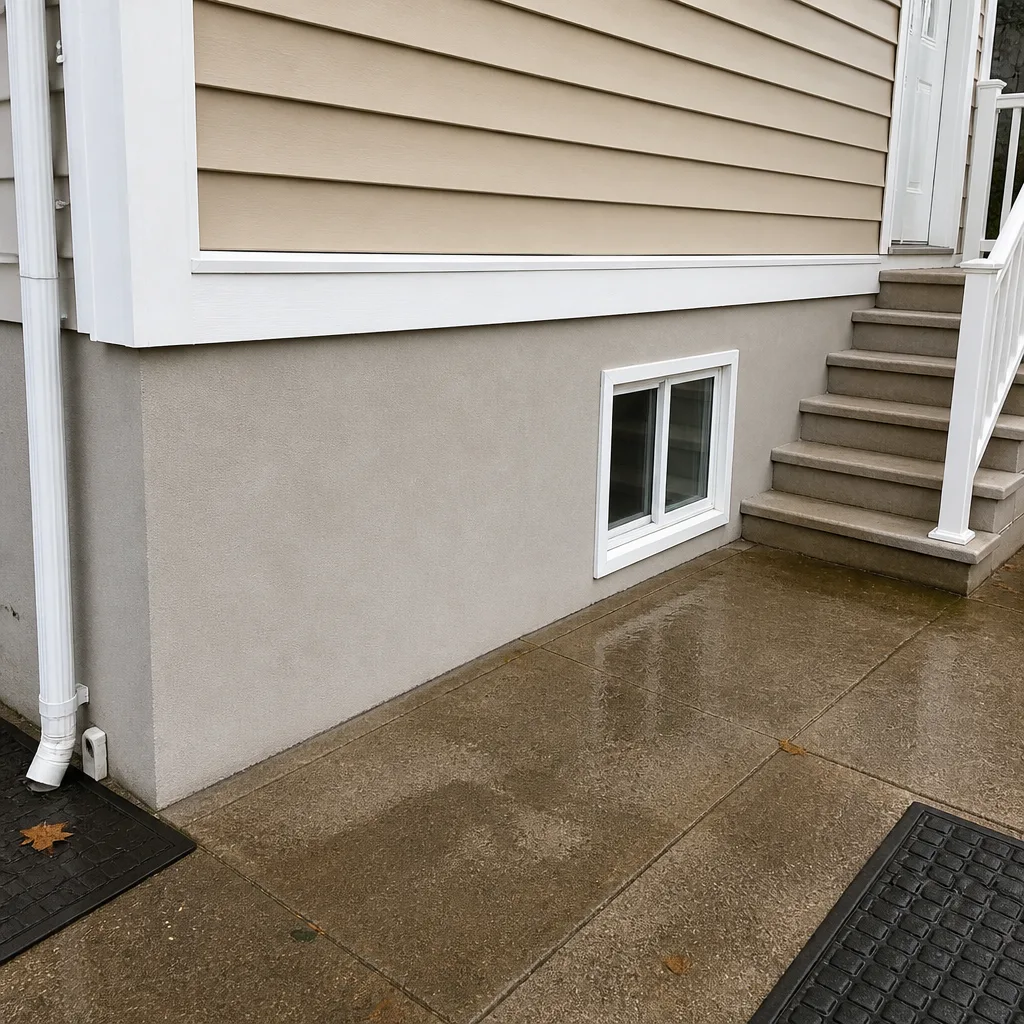 After
After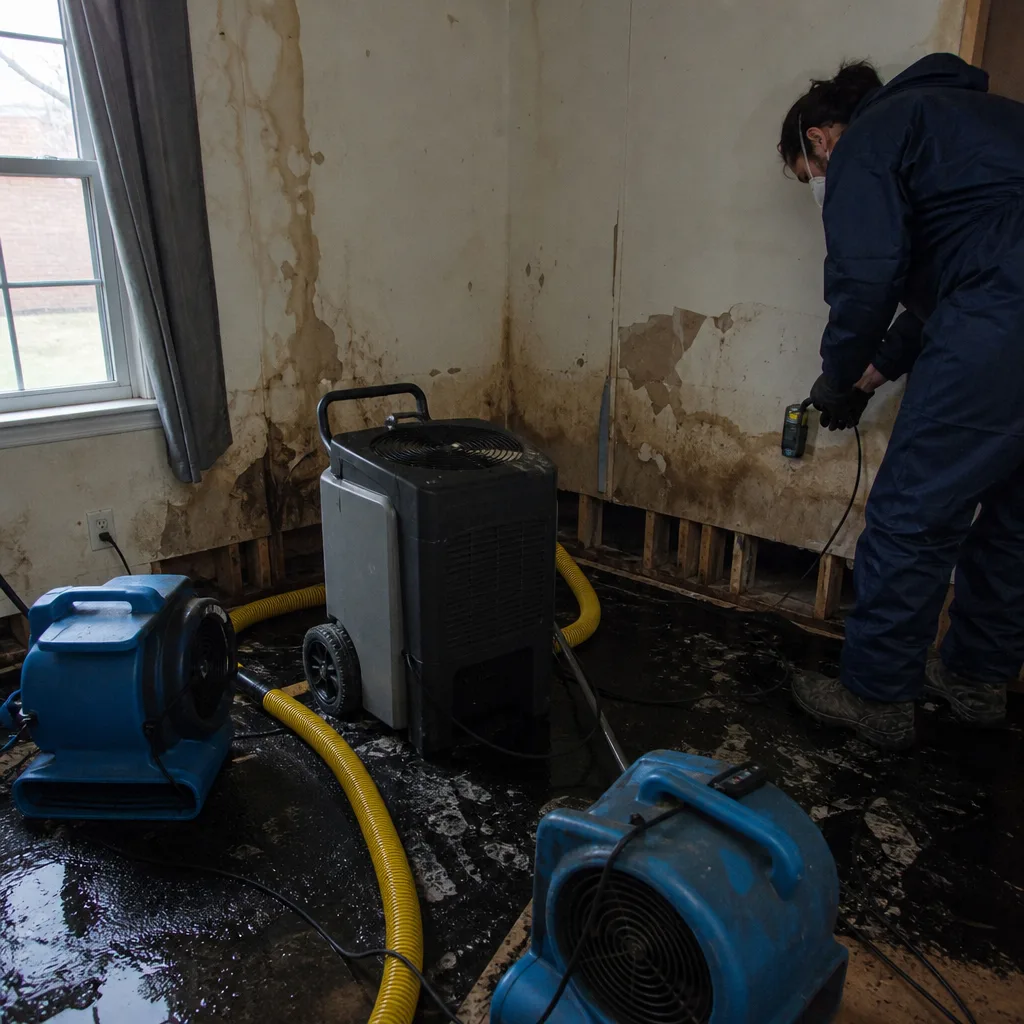 Before
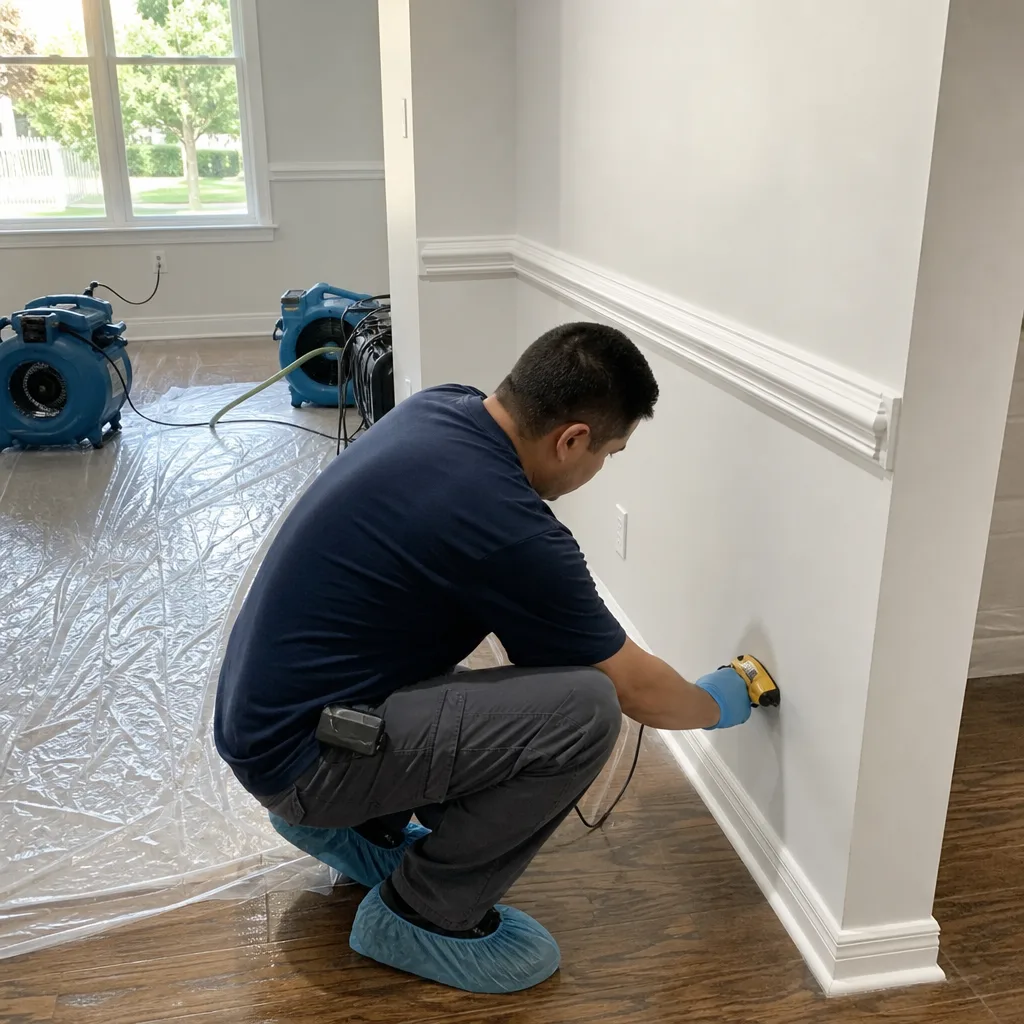 After
After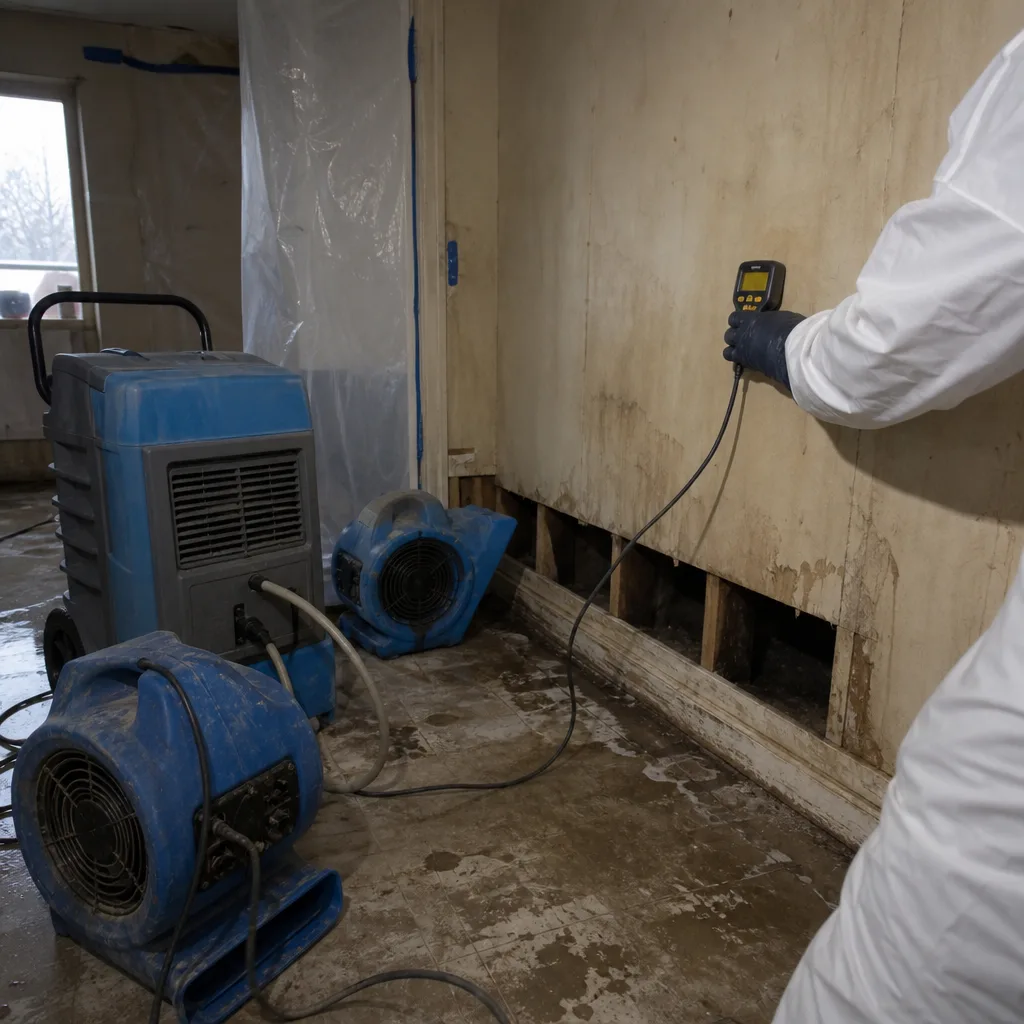 Before
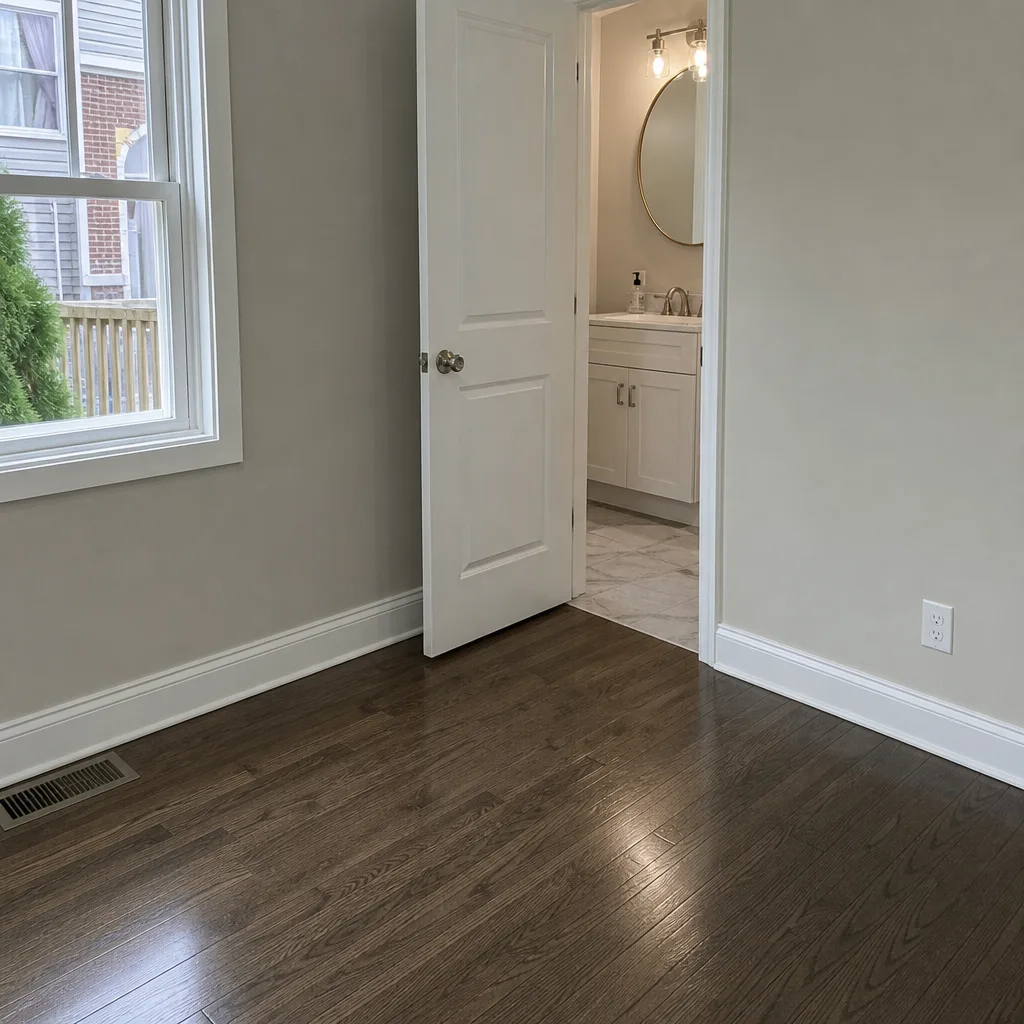 After
After24/7 Emergency Fire & Smoke Damage Restoration in Lower Manhattan
Fire and smoke damage in Lower Manhattan demands a faster response than almost anywhere else in the city. The salt air off the Hudson and East Rivers corrodes exposed steel within days, and smoke travels through shared elevator shafts and pipe chases in ways that make the first 48 hours decisive. We answer live around the clock at (551) 348-8481. A certified crew can be dispatched into Lower Manhattan within 45 minutes, and every job starts with a free visual inspection so you know the true extent before any work begins.
The first hour matters because soot is chemically active. It etches glass, stains grout, and drives odor into porous surfaces. In a converted loft on Greenwich Street or a Battery Park City high-rise, the same soot behaves differently than in a suburban house. Crews that understand those local failure modes stop damage from spreading. That is exactly what we do, and we have been doing it in Lower Manhattan long enough to know what the first walk-through reveals.
Understanding Fire & Smoke Damage Restoration Severity in Lower Manhattan Properties
Not every fire leaves the same residue. The severity of smoke and soot damage breaks down by what burned and how it traveled. Light residue from a stovetop grease fire sits on surfaces and responds to dry-cleaning sponges and HEPA vacuuming. Protein smoke from food fires is nearly invisible but grips paint and cabinetry with an odor that lingers for years if not chemically treated. Structural fires that consume plastics, adhesives, and synthetic flooring leave oily, hydrocarbon-rich soot that requires aggressive chemical action and repeated air scrubbing.
Lower Manhattan’s building stock sharpens these distinctions. The 19th-century cast-iron lofts of Tribeca, the Art Deco towers repurposed as condos around Exchange Place, and the planned developments of Battery Park City all share deep mechanical sub-basements and vertical utility chases. Smoke in those common spaces migrates far beyond the unit where the fire started. A kitchen fire on the 14th floor of a Financial District tower can push soot into the walls, ceilings, and corridors of floors above and below through pipe penetrations and elevator shafts. Our Fire & Smoke Damage Restoration team maps that migration before cleaning begins, because missing one chase means odor complaints for months.
Why Lower Manhattan Property Owners Choose Floodline Restoration Co.
- 45-minute response commitment to Lower Manhattan addresses, with a live person confirming dispatch and ETA from the first call.
- 24/7 live answer from a real dispatcher, not a recording. A person picks up at 2 a.m. and a crew gets moving.
- IICRC-certified crews trained to FSRT and OCT standards for fire and smoke restoration, plus RIA and IFA protocols.
- Free visual inspection with a written scope before any work starts. No pressure, no surprises on the bill.
- Direct insurance billing with photo documentation and line-item estimates sent to your carrier for you.
- One team from board-up to rebuild. The same uniformed, background-checked crew handles every phase.
Our Fire & Smoke Damage Restoration Process
Inspection & Assessment
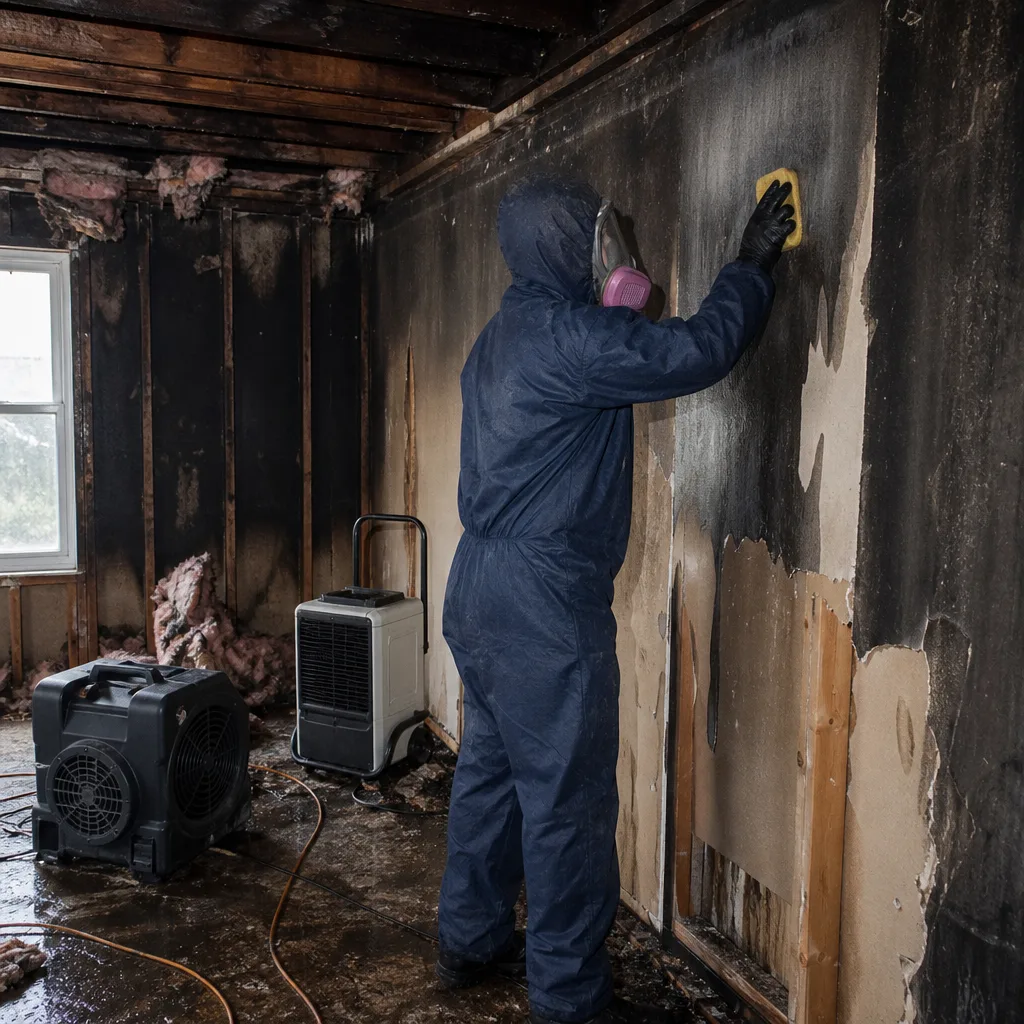
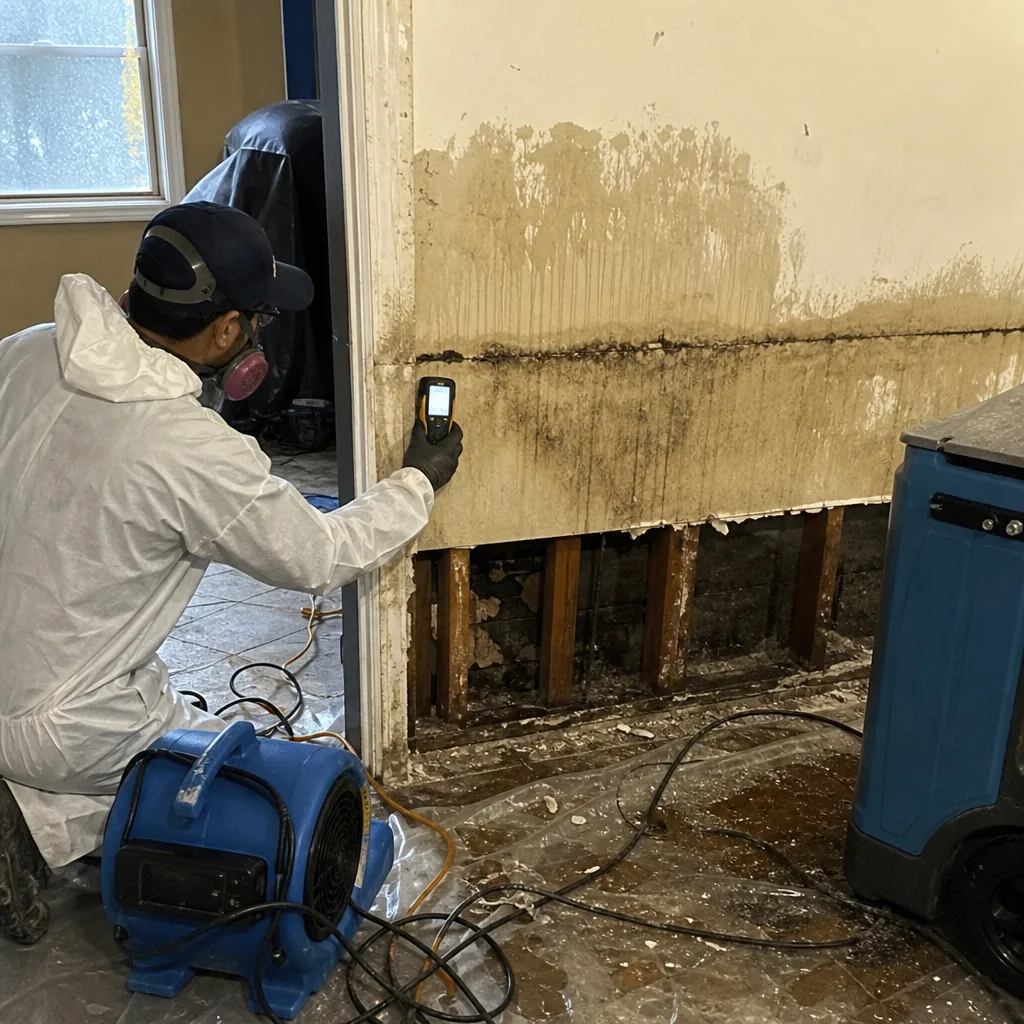
We walk the full path of smoke migration, not just the room where the fire started. Thermal imaging and hygrometers map moisture from firefighting water. In Lower Manhattan, that includes checking common corridors, elevator lobbies, and adjacent units that share a wall or chase.
Extraction & Stabilization
Standing water from fire suppression comes out first with truck-mounted extraction. We remove charred, unsalvageable materials and stabilize openings with board-up and tarping so the property is secure against weather and entry.
Drying & Dehumidification
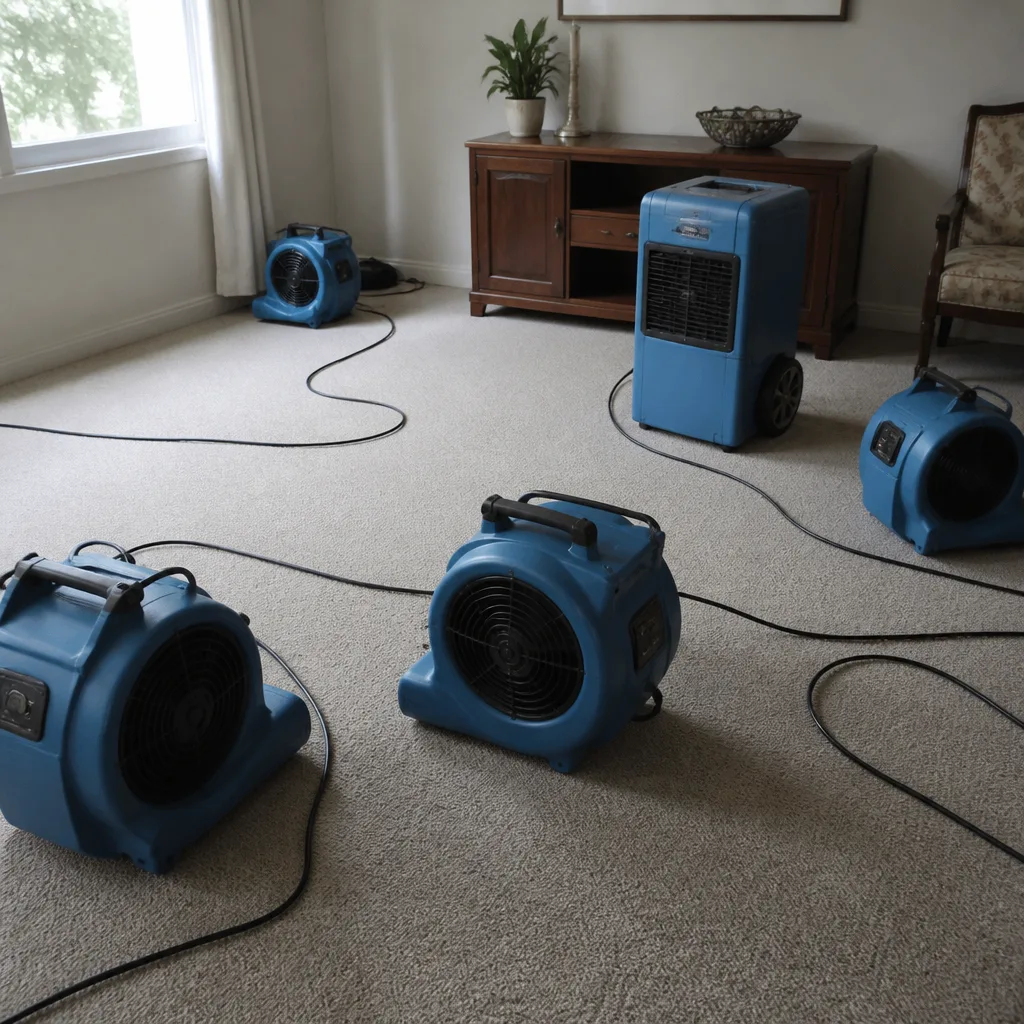
Dri-Eaz dehumidifiers and Phoenix air movers are placed according to the moisture map. In sub-basement mechanical rooms, the same protocol that handles saltwater intrusion also handles firefighting water. Daily moisture readings are logged until the dry standard is met.
Cleaning & Sanitization
HEPA air scrubbers run continuously to pull suspended soot from the air. Surfaces are cleaned with the appropriate chemistry for the residue type, and antimicrobial treatment is applied where firefighting water sat against steel studs or wood framing.
Odor Removal & Specialty Treatment
Smoke odor is treated at the source, not masked. That means hydroxyl generators or ozone in unoccupied spaces, thermal fogging for porous materials, and sealants on studs and subfloors where needed. Original brick and timber in landmarked loft buildings get gentler, non-abrasive treatments.
Repairs & Restoration
Drywall, trim, flooring, and paint return the property to pre-loss condition. If the fire damaged structural elements or the building requires Landmarks Preservation Commission review for exterior work, we coordinate that directly. The job ends with a written 90-Day Done Right Promise.
Need Emergency Fire & Smoke Damage Restoration in Lower Manhattan Now?
Crews minutes away, answering live 24 hours a day. The sooner we start, the less it costs.
Working With Your Insurance Company
We handle insurance the way a restoration contractor should: direct and documented. From the first hour, our crews photograph every room, log every moisture reading, and write a line-item scope that your carrier can actually process. We speak directly with your adjuster so you are not relaying technical questions between parties. That is a standing policy at Floodline Restoration Co., not a favor we do for certain customers.
Most fire and smoke claims in Lower Manhattan are covered under standard homeowners or condo policies, but the specifics depend on whether the damage came from a unit you own or a common area. We help you sort that out with your carrier. Direct billing keeps you out of the middle of the paperwork.
What We Provide Your Insurer
- Thorough documentation of the loss
- Photos of all damage, room by room
- Moisture readings and drying logs
- A detailed, line-item scope of work
- Direct coordination with your carrier
Built for Lower Manhattan’s Loss Calendar
Fire damage in Lower Manhattan does not follow one season. It follows the built environment and the weather that presses against it. Deep-winter cold snaps strain aging electrical systems in prewar Financial District towers, and space heaters pressed into service in drafty Tribeca lofts account for a sharp rise in unit fires every January and February. Spring brings the first thunderstorms, and lightning strikes on rooftop mechanical equipment in Battery Park City high-rises send smoke cascading down stairwells. Summer heat loads air conditioners and window units in buildings never designed for them, pushing old wiring past its limits. Autumn is nor’easter season, and when tidal water reaches street-level vaults around Water Street and South Street, electrical fires follow. No month is quiet. We run a year-round crew schedule and keep an emergency line that answers when those calls come in, because in Lower Manhattan, the next fire loss is always closer than the calendar suggests.
Fire & Smoke Damage Restoration Across Lower Manhattan’s Neighborhoods
The response route changes by neighborhood, and so does the work. In Tribeca, crews navigate narrow streets and freight elevators in cast-iron buildings where original timber beams absorb smoke into their grain. On Greenwich Street and Hudson Street, we coordinate with building supers before bringing equipment through common lobbies. In the Financial District, repeated high-rise fires show one consistent pattern: smoke travels through pipe chases and elevator shafts, and containment has to happen at every opening, not just the unit door. Around Water Street and Pearl Street, our work often begins in a sub-basement mechanical room where Con Edison vault smoke has wicked through shared conduit penetrations. In Battery Park City, high winds off the Hudson change how quickly a broken window becomes a bigger problem, so board-up response is measured in minutes. Each of these areas has its own coordination requirements, and our crews know who to call and where to stage before the first truck arrives.
Specialized Fire & Smoke Damage Restoration Services We Offer in Lower Manhattan
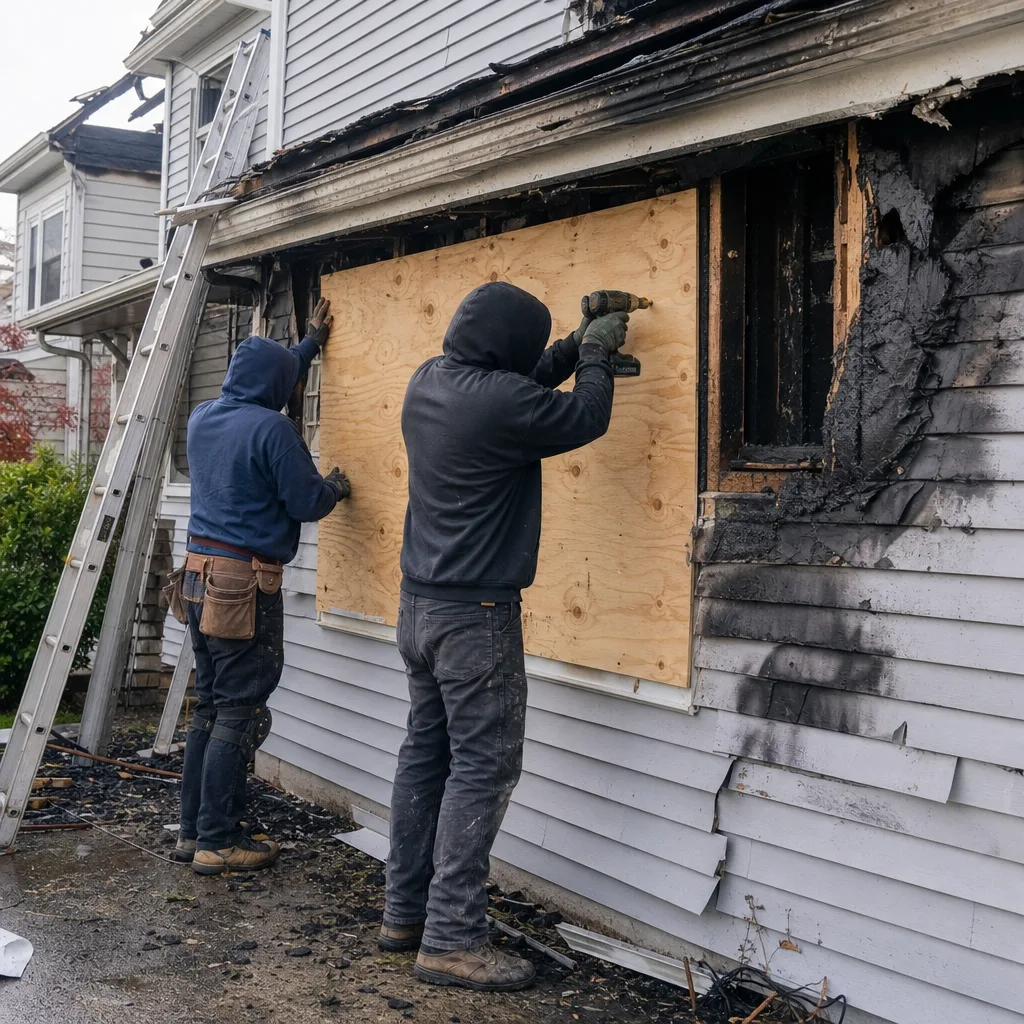
Emergency Board-Up & Tarping
After a fire, a broken window or compromised entry in Lower Manhattan is not just a security issue. It is a wind load problem. In Battery Park City, sustained winds off the Hudson can drive rain into exposed interiors within hours. We board up openings the same visit and tarp roof penetrations so the building envelope is sealed before the next weather system arrives.
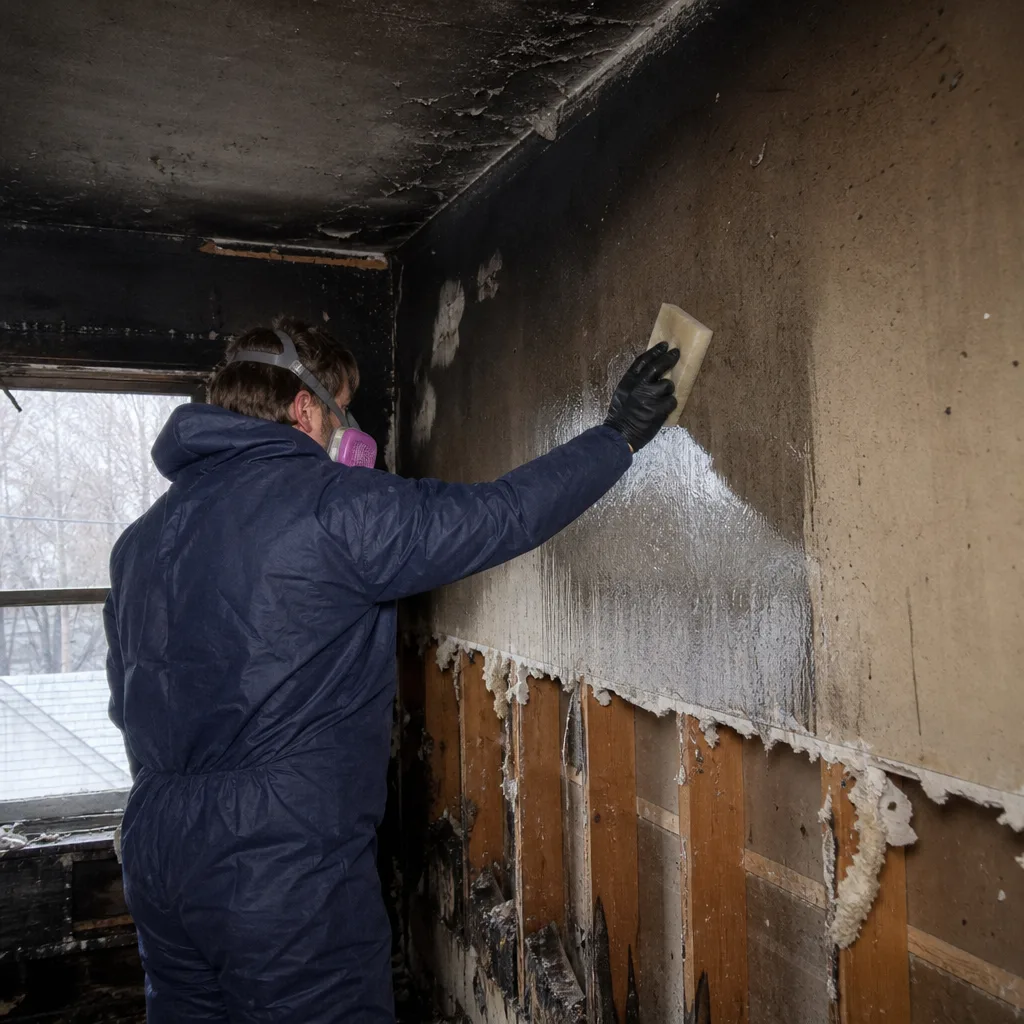
Smoke & Soot Removal
Soot behaves differently depending on what burned. We test residue types and use the right chemistry for each surface. The brick and timber that define Tribeca and SoHo demand methods that remove soot without eroding historic materials, and our crews are trained to do exactly that.
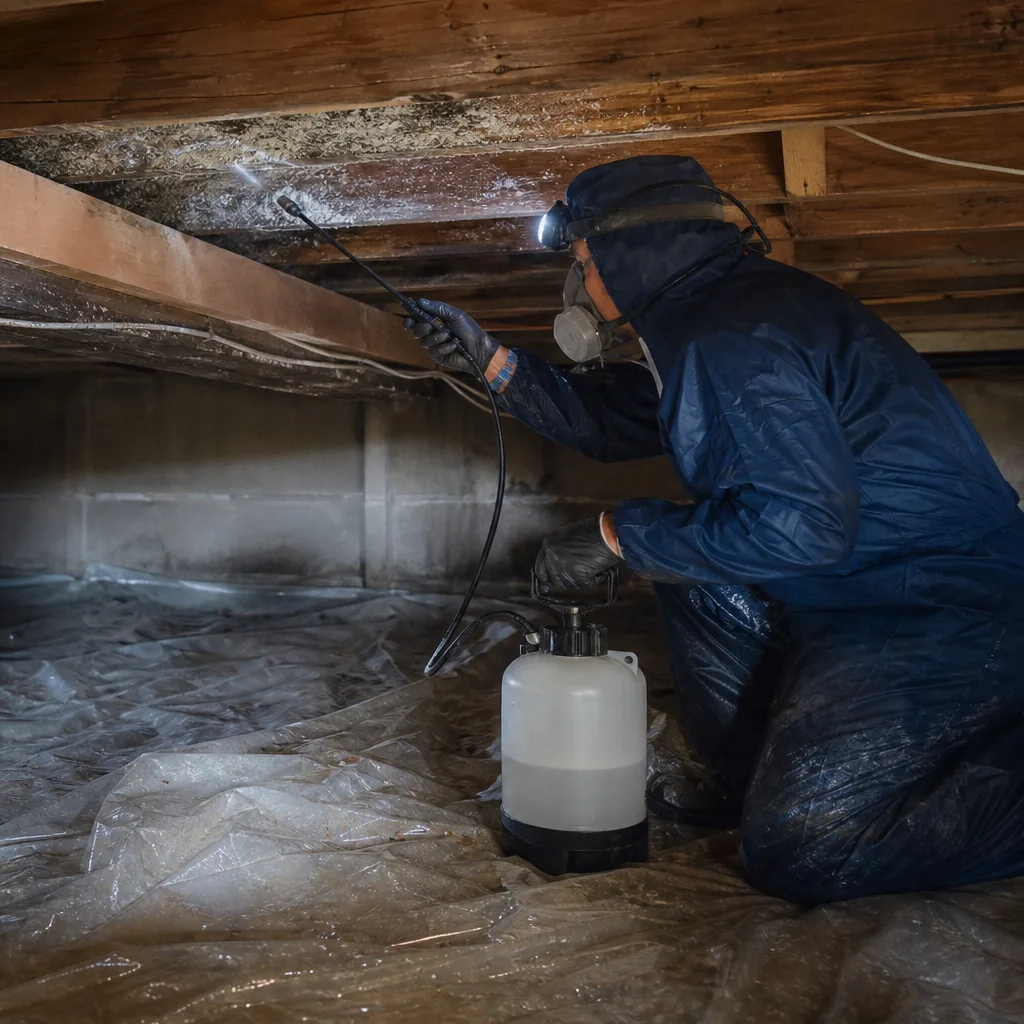
Odor Removal & Deodorization
Masking smoke odor is not restoration. We locate the source, treat it with hydroxyl or ozone technology, and seal surfaces that cannot be fully cleaned. In high-rise buildings, that means addressing the full migration path, including common corridors and adjacent units, so the smell does not return through a shared chase.
Contents Cleaning & Pack-Out
Soft goods, clothing, books, and art absorb smoke fast. We inventory, photograph, and pack out contents for cleaning and storage, then return everything once the unit is restored. In landmarked buildings where on-site space is limited, staged pack-out keeps your belongings protected and the building’s access rules intact.
What happens when you call
- 1
A real person answersNo phone trees - you reach a local pro.
- 2
You get an upfront price rangeHonest numbers before anyone is dispatched.
- 3
A background-checked tech heads outLicensed & insured, dispatched right away.
- 4
You approve before work beginsNothing starts until you say go.
Fire & Smoke Damage Restoration Costs in Lower Manhattan, NY
Fire and smoke restoration in Lower Manhattan runs higher than in the outer boroughs, and the building stock explains why. A standard smoke and soot cleanup in a one-bedroom Financial District condo typically lands between $2,800 and $6,500. Full content pack-out with off-site cleaning adds $3,000 to $10,000 depending on volume and fabric types. Emergency board-up and tarping on a Battery Park City high-rise averages $400 to $1,200 on the day of the loss. Odor removal for a unit where smoke traveled through shared chases runs $1,800 to $5,000 when hydroxyl, thermal fogging, and sealants are required. Structural fire repair with drywall replacement and rebuild in a Tribeca loft can reach $15,000 to $45,000 or more when original materials and Landmarks compliance are involved.
Insurance covers most of these costs when the loss is sudden and accidental. The first step is the free visual inspection, which turns into a firm, written scope before any work starts. Call (551) 348-8481 for exact pricing on your specific loss.
We Also Serve Cities Near Lower Manhattan
Our crews work throughout the surrounding area, including Midtown West, Washington Square, Midtown Manhattan, and Murray Hill. The same 45-minute response commitment and direct insurance billing apply everywhere we work.
Lower Manhattan Fire & Smoke Damage Restoration Questions, Answered
After a fire in our Financial District condo, how long until smoke odor from the shared elevator shaft becomes permanent?
Smoke odor that has penetrated a shared elevator shaft can become permanent within 72 hours if the shaft is not sealed and treated. The porous surfaces in older towers absorb smoke deeply, and the constant air movement through the shaft drives it into paint, carpet, and drywall on every connected floor. Containment with negative air pressure plus hydroxyl treatment inside the shaft addresses the problem before it settles in. Call (551) 348-8481 and we can assess the shaft’s condition the same day.
Does a small kitchen fire in a Tribeca loft still require pack-out of all contents?
Often yes, even when visible damage looks minor. Protein smoke from a kitchen fire leaves a nearly invisible film that bonds to fabric, paper, and leather. If those contents stay in the loft during cleaning and deodorization, the odor re-contaminates the space. We photograph and inventory everything, pack it out in stages, clean and deodorize off-site, and return it once the unit passes a final odor check.
How do we restore smoke-damaged original brick and timber in a landmarked Tribeca building without violating Landmarks rules?
Landmarks Preservation Commission rules govern changes to protected exterior and interior elements, but cleaning and restoration fall under standard maintenance in most cases. We use non-abrasive cleaning methods on original brick and timber: dry-ice blasting or soft chemical sponges rather than sanding or wire brushing. When an LPC permit is required, we prepare the application and coordinate directly with the commission. The goal is preservation, not replacement. Call (551) 348-8481 and we will walk you through what your specific building requires.
Can you dry out our sub-basement mechanical room after firefighting water from a high-voltage vault fire near Water Street?
Yes. We treat firefighting water in a below-grade mechanical room the same way we treat saltwater intrusion, which Lower Manhattan basements are no stranger to. That means extraction, antimicrobial treatment on steel and concrete, and Dri-Eaz dehumidifiers with daily moisture readings until the dry standard is met. The critical step is acting before those surfaces sit wet long enough to corrode, and our crews can be on Water Street within 45 minutes of your call.
How quickly can you board up a broken window after a fire in Battery Park City, where high winds off the Hudson can cause further damage?
We commit to 45-minute response in Battery Park City, and board-up happens on the first visit. The Hudson River wind exposure means a broken window is a breach that will get worse fast. Our trucks carry plywood, poly sheeting, and fastening systems sized for high-rise window openings. We secure the opening the same day and follow up with a written scope for the permanent repair.
Will my condo insurance or coop policy cover fire and smoke restoration in a Financial District high-rise?
Most condo and coop policies cover fire and smoke damage to the interior of your unit, including contents and improvements. Damage to common areas like elevator shafts or corridors usually falls under the building’s master policy. When the source is a shared system, like a Con Edison vault fire, the utility’s liability coverage may apply. We document everything, file to the correct policy, and coordinate directly with the carrier and the building’s adjuster. Call (551) 348-8481 and we can help determine which policy covers your specific loss.
What certifications should I look for in a fire and smoke restoration contractor in Lower Manhattan?
Look for IICRC Fire and Smoke Restoration Technician certification, which covers soot identification, odor control, and cleaning chemistry. RIA and IFA credentials add layers of industry-standard training. Our technicians hold IICRC, RIA, and IFA certifications and run crews that have handled losses in cast-iron lofts, Art Deco towers, and Battery Park City high-rises. Credentials matter, but so does local experience with this specific building stock.
What should I do in the first 30 minutes after a fire in my Lower Manhattan apartment or condo?
Call your building’s front desk or super. Call your insurance carrier. Do not turn on HVAC systems or fans, which spread soot. Do not wipe walls or surfaces, which drives residue deeper. Keep foot traffic to a minimum. Then call us at (551) 348-8481. We will get a crew dispatched and start assessing smoke migration paths immediately. The first hour determines how much surface area the damage claims.
Serving Lower Manhattan, NY - Our Local Coverage Area
We’re based in the Lower Manhattan area and know this community well. Use the map below to see our service coverage - if you’re nearby, we can almost certainly help.
The One Local Insight That Shapes Everything We Do in Lower Manhattan
Lower Manhattan’s Financial District sits atop one of the densest below-grade utility grids in the country. Con Edison high-voltage vaults run beneath nearly every block, and when a fire or smoke event touches those vaults, the shared conduit penetrations between them and adjacent building sub-basements become smoke conduits. Particulate and contaminated air wick through those openings into mechanical rooms, storage areas, and sometimes the lower floors of residential towers. Crews working a mile north in Midtown will never see this. We see it regularly. The protocol is containment first: negative air pressure at every conduit penetration, HEPA scrubbing in the affected sub-basement, and sealant on openings that should have been sealed long ago. Skipping that step means smoke keeps finding its way back into the building, and the odor complaints never stop. If your building near Water Street, Pearl Street, or Broadway has a sub-basement and a vault nearby, this failure mode is on your map.
One field vignette says it plainly. After a kitchen fire in a converted cast-iron loft on Greenwich Street in Tribeca, our crew set up containment around the freight elevator shaft to stop smoke from migrating through the building’s shared vertical chases, then ran HEPA air movers and Dri-Eaz dehumidifiers for 72 hours to lift soot from the original brick and timber beams before repacking the resident’s contents in a staged pack-out. That is the work, and it is the only way to do it right in this part of the city.
Written by Curt Bowman, Owner at Floodline Restoration Co., serving Lower Manhattan with certified fire and smoke restoration crews.