
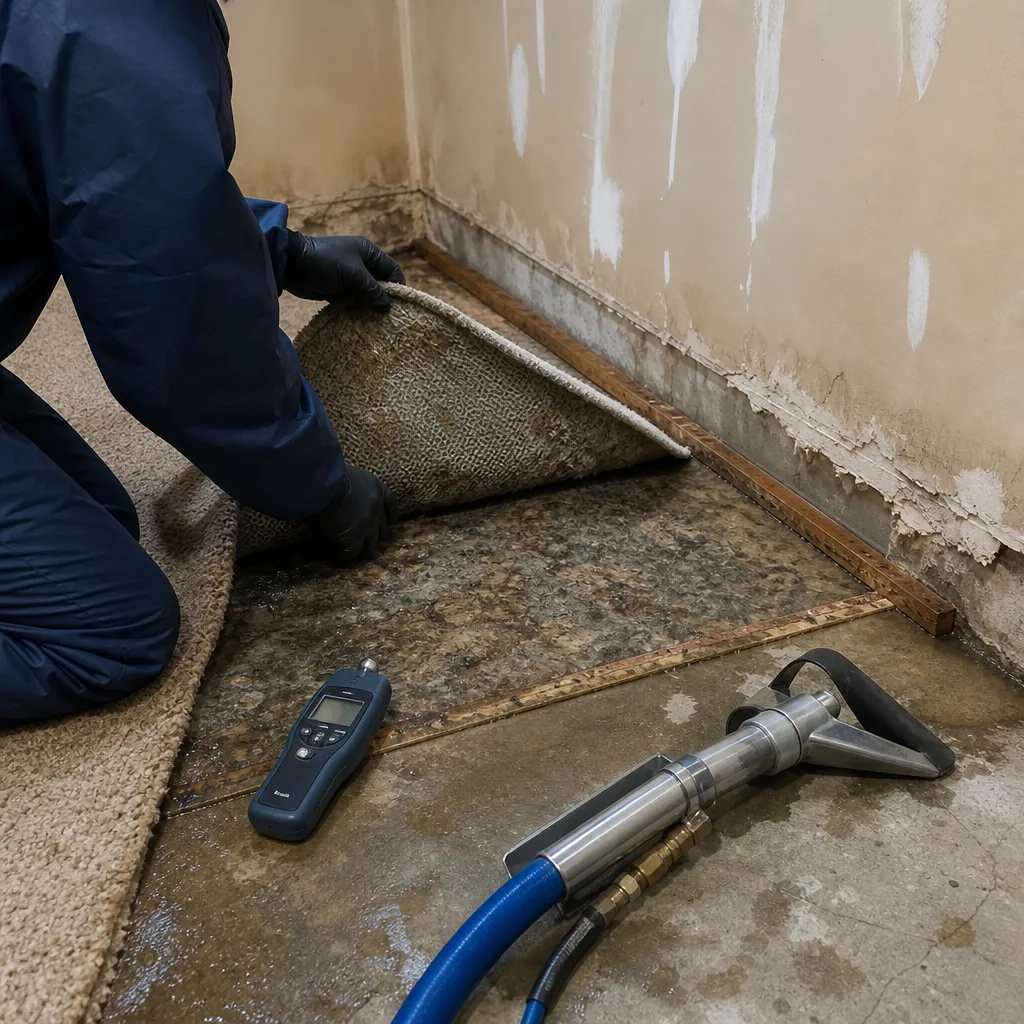
Free visual inspection and a written scope of work before any mitigation begins - photos, moisture readings, and drying logs go in your claim file
The scope we write is the scope we bill. Anything new gets shown to you, in writing, before we touch it.
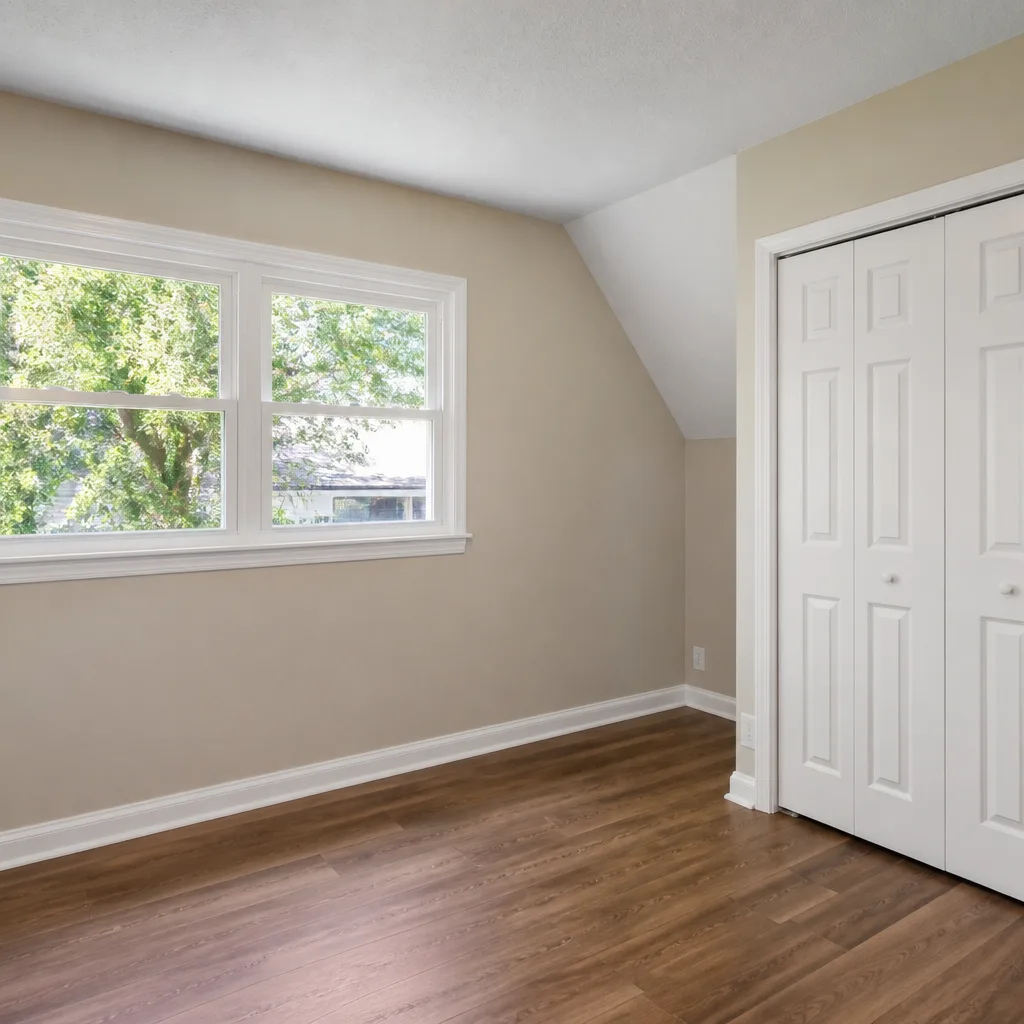
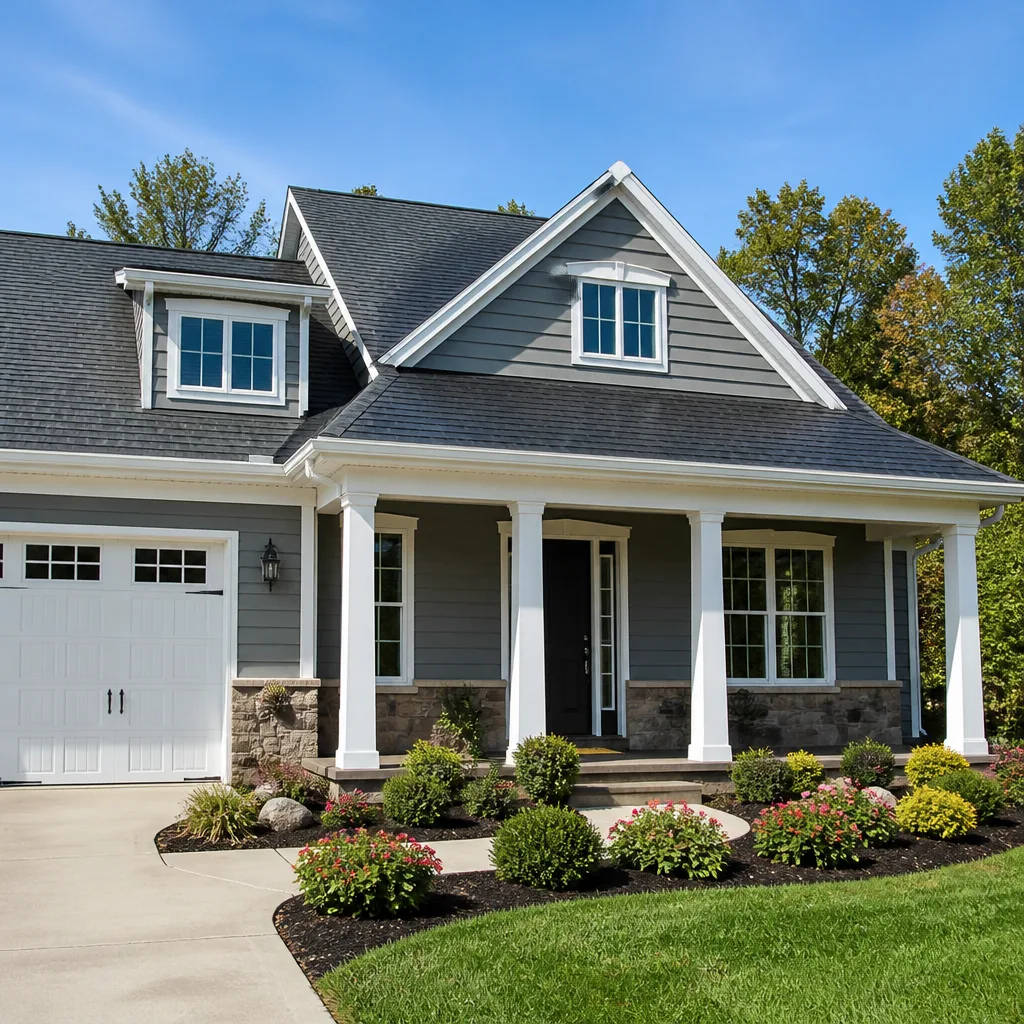
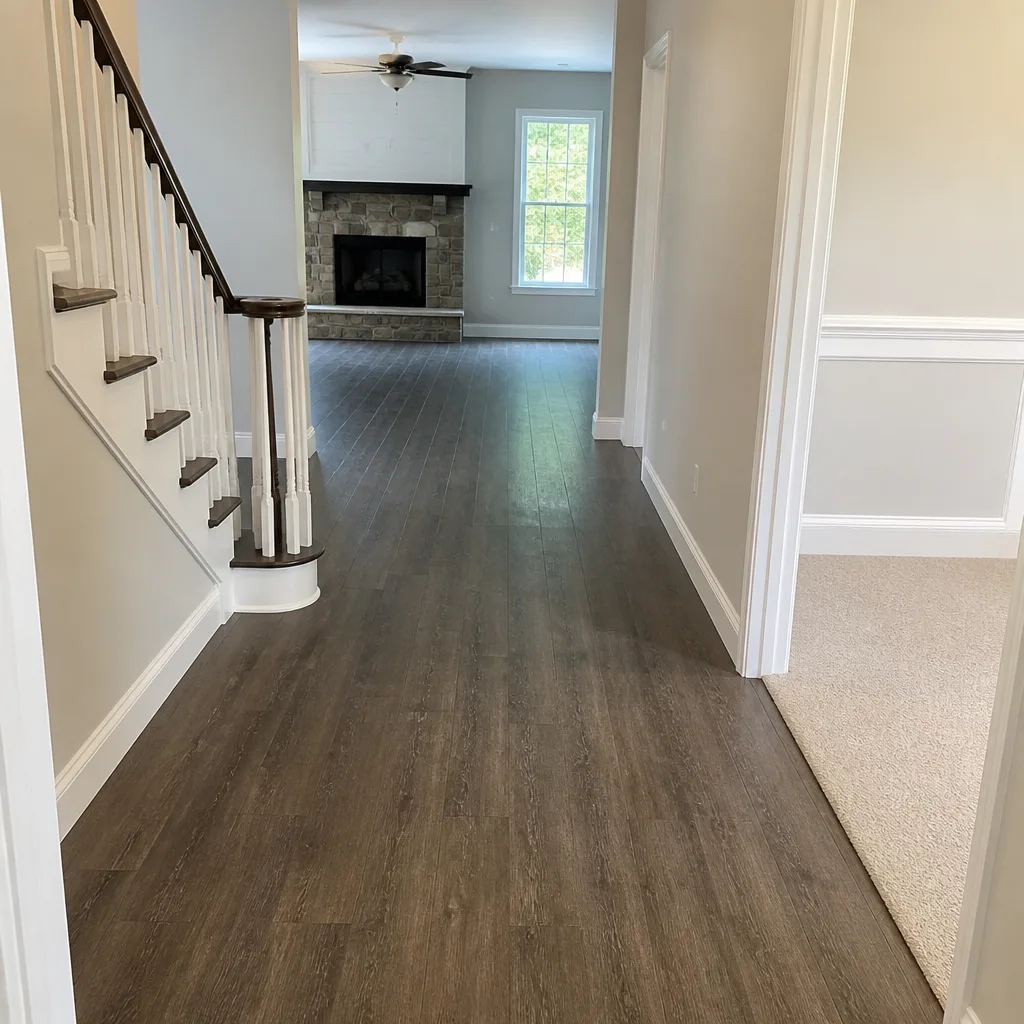
 Before
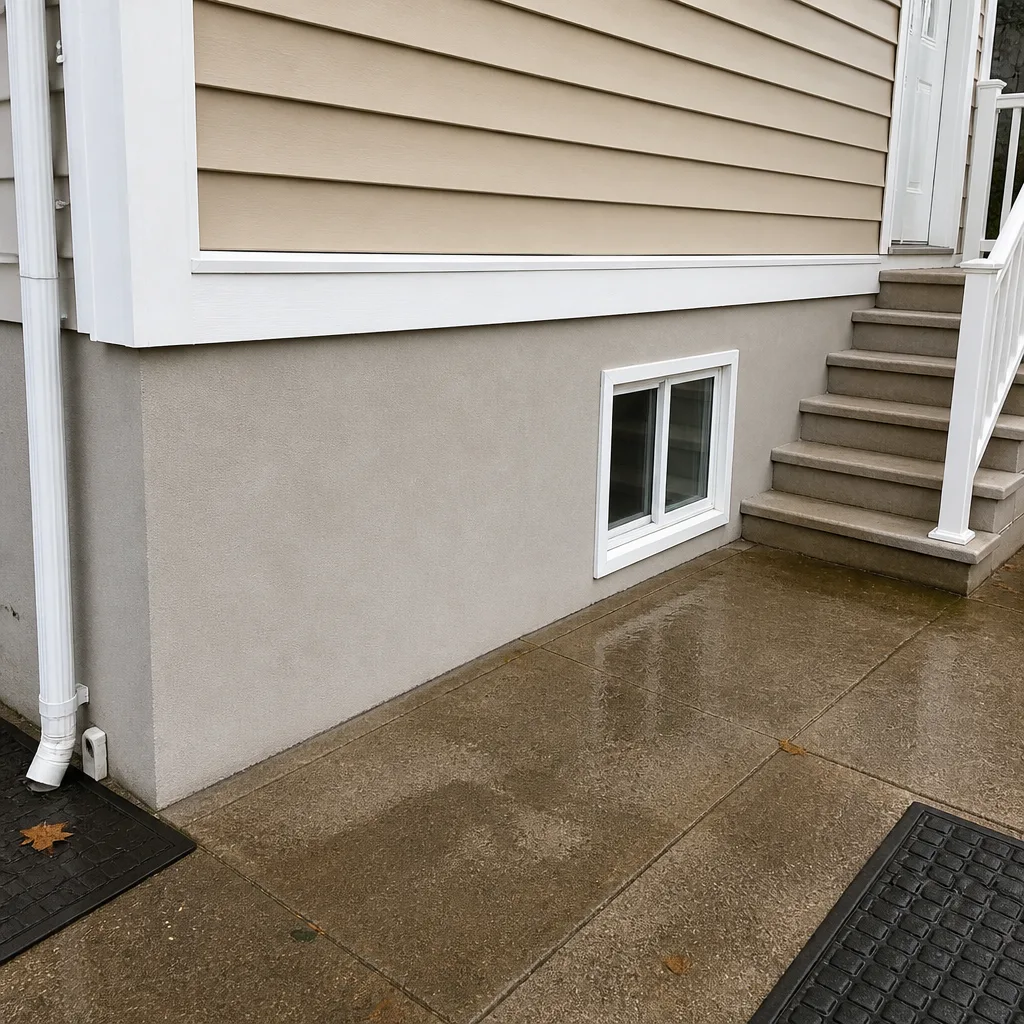 After
After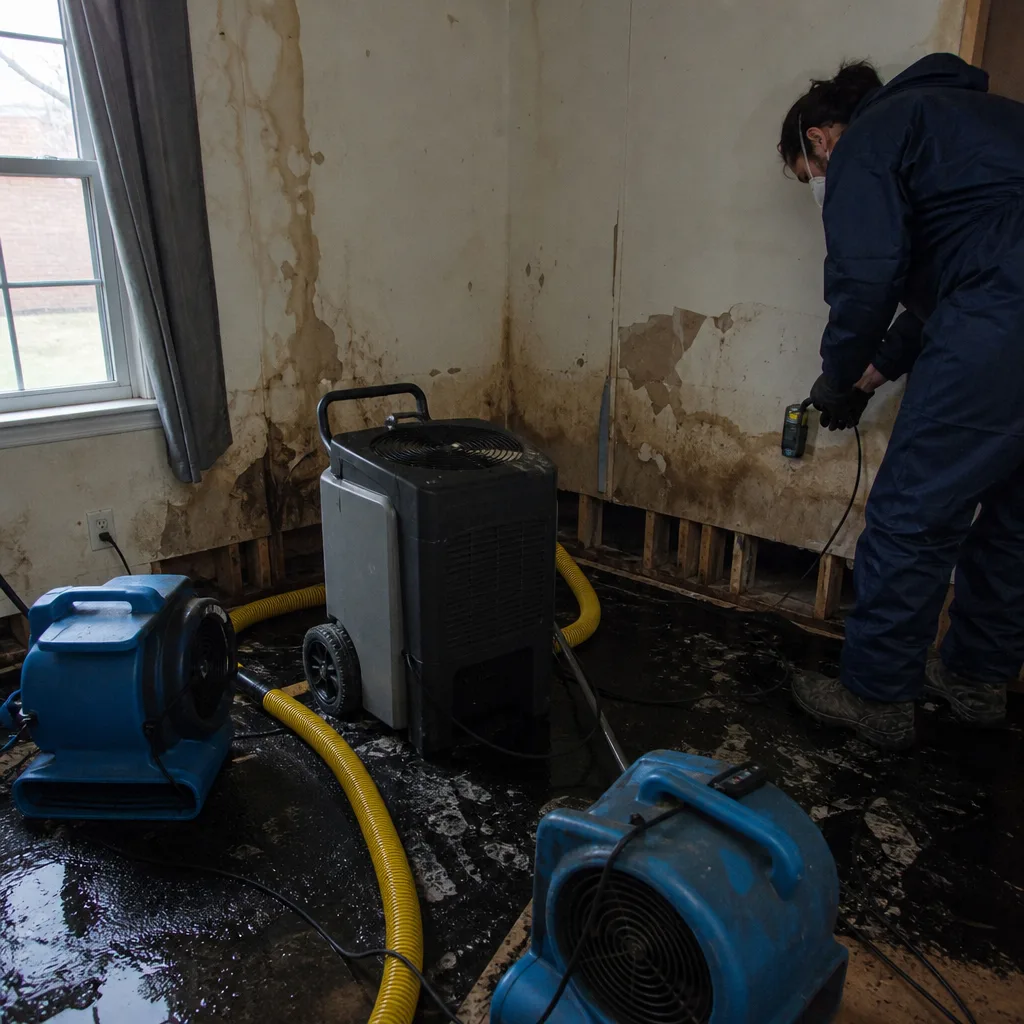 Before
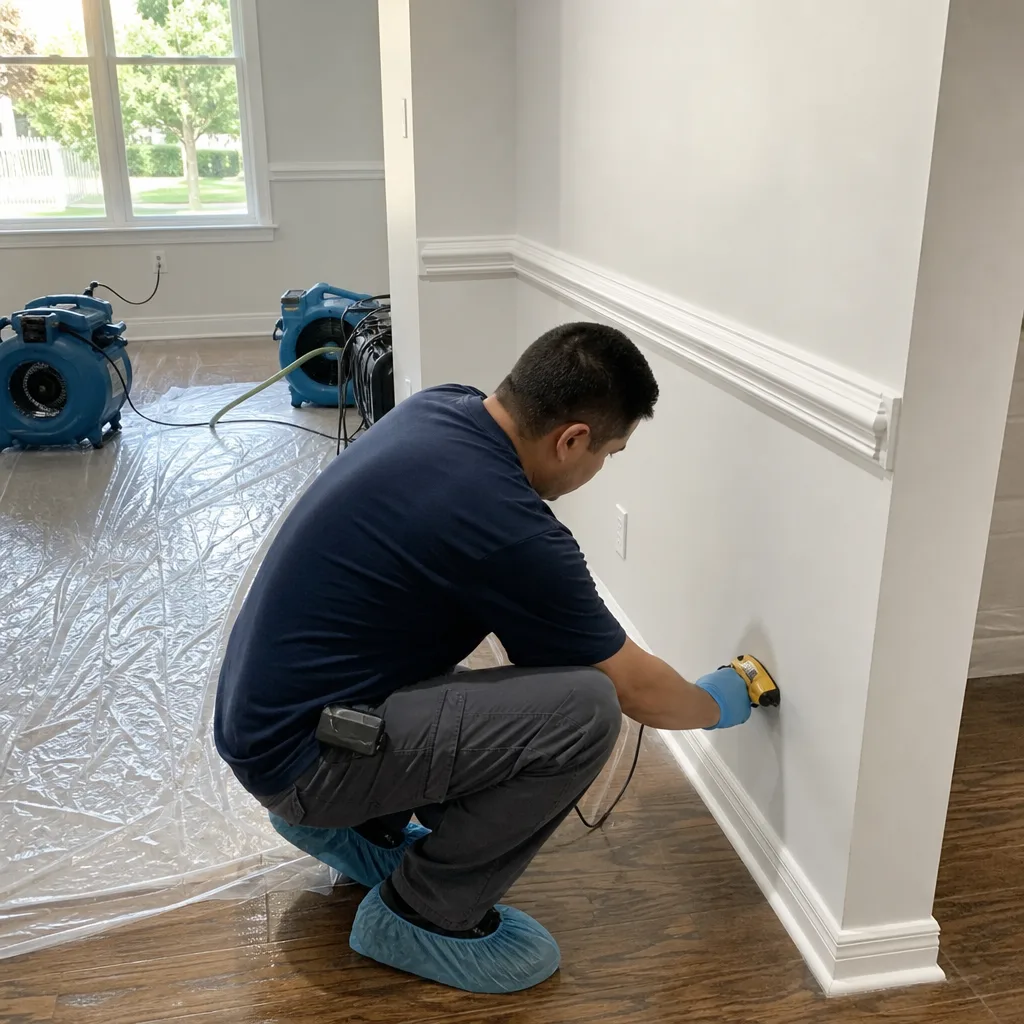 After
After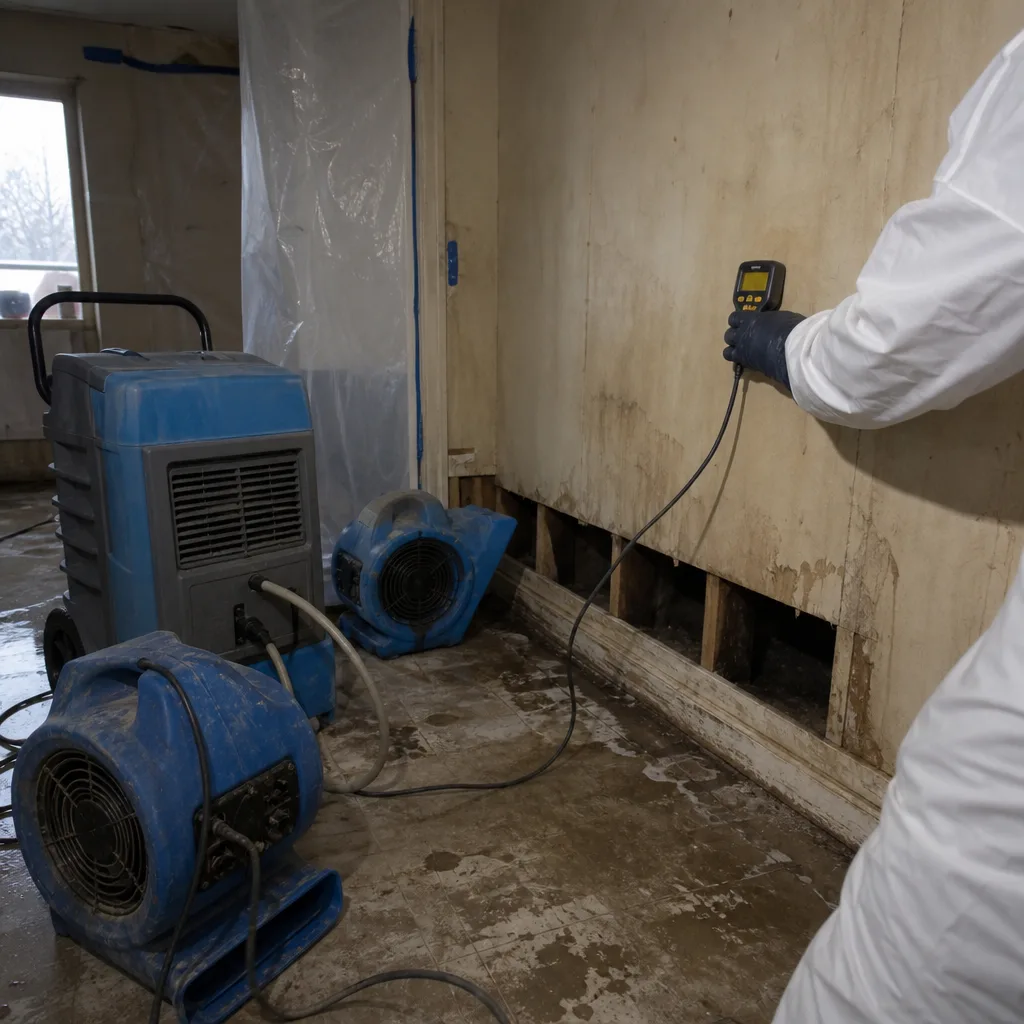 Before
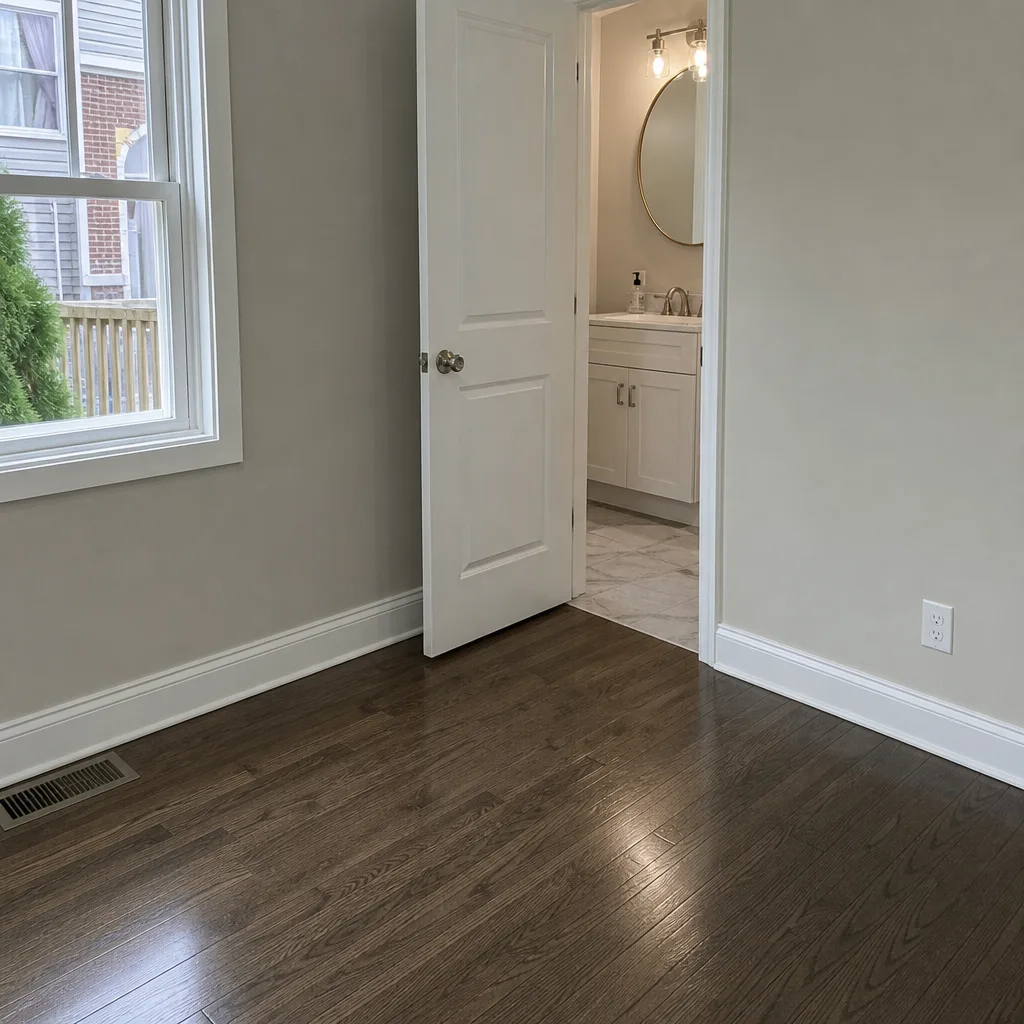 After
After24/7 Emergency Water Damage Restoration in West New York
Water damage in West New York moves fast, especially in the older brick walk-ups and waterfront towers that define this town. A burst supply line on the top floor can saturate four or five stacked ceilings before you even see the first stain. We answer live, 24 hours a day, and dispatch crews into West New York within 45 minutes. Call (551) 348-8481 the moment you spot water. The first hour determines whether you’re dealing with a dry-out or a full reconstruction. Our Water Damage Restoration team starts with a free visual inspection, moisture mapping on every affected floor, and a plan we put in writing before any equipment gets unloaded.
Understanding Water Damage Restoration Severity in West New York Properties
Not all water behaves the same way, and West New York’s building stock makes severity assessment trickier than most. Water damage professionals classify water into three categories. Category 1 comes from clean supply lines. Category 2 carries contaminants from appliances or sump failures. Category 3, often called black water, comes from sewage backups, Hudson River flood surge, or standing water that has picked up bacteria. In West New York’s pre-war walk-ups, cast-iron and galvanized supply lines introduce a complication: what looks like a clean-water pipe burst often carries rust, scale, and pipe corrosion by-products that push it toward Category 2. We test water during the initial assessment rather than assuming. That single step changes the entire scope of sanitization, material removal, and drying protocol. Waterfront high-rises add another layer: Hudson River humidity against the cliff face accelerates mold colonization within 24 to 48 hours if structural drying is delayed. In the older walk-ups, plaster-over-lath ceilings hold water differently than drywall, wicking moisture horizontally across lath strips and into adjacent wall cavities. That’s why our crews map moisture across every floor below the source, not just the room where the leak appeared.
Why West New York Property Owners Choose Floodline Restoration Co.
- 45-minute response commitment. When you call about standing water in a West New York basement or a ceiling stain spreading across your living room, a crew is dispatched to your address immediately and typically arrives within 45 minutes.
- 24/7 live answer, never an automated system. A real dispatcher picks up at 2 a.m. on a Sunday. You’ll never press through a phone tree while water spreads.
- IICRC-certified crews. Our technicians hold WRT (Water Damage Restoration Technician) and ASD (Applied Structural Drying) certifications, trained to IICRC, RIA, and IFA standards.
- Free visual inspection. We arrive, assess, and tell you what we found. The inspection costs nothing, and you get a written scope before any work starts.
- Direct insurance billing. We deal with your carrier directly, from the first moisture log to the final invoice. You don’t play messenger.
- One team from extraction to reconstruction. The same Floodline crew that extracts the water, dries the structure, and logs daily readings also handles repairs and rebuild. No mid-job handoff to a different company.
Our Water Damage Restoration Process
Inspection & Assessment
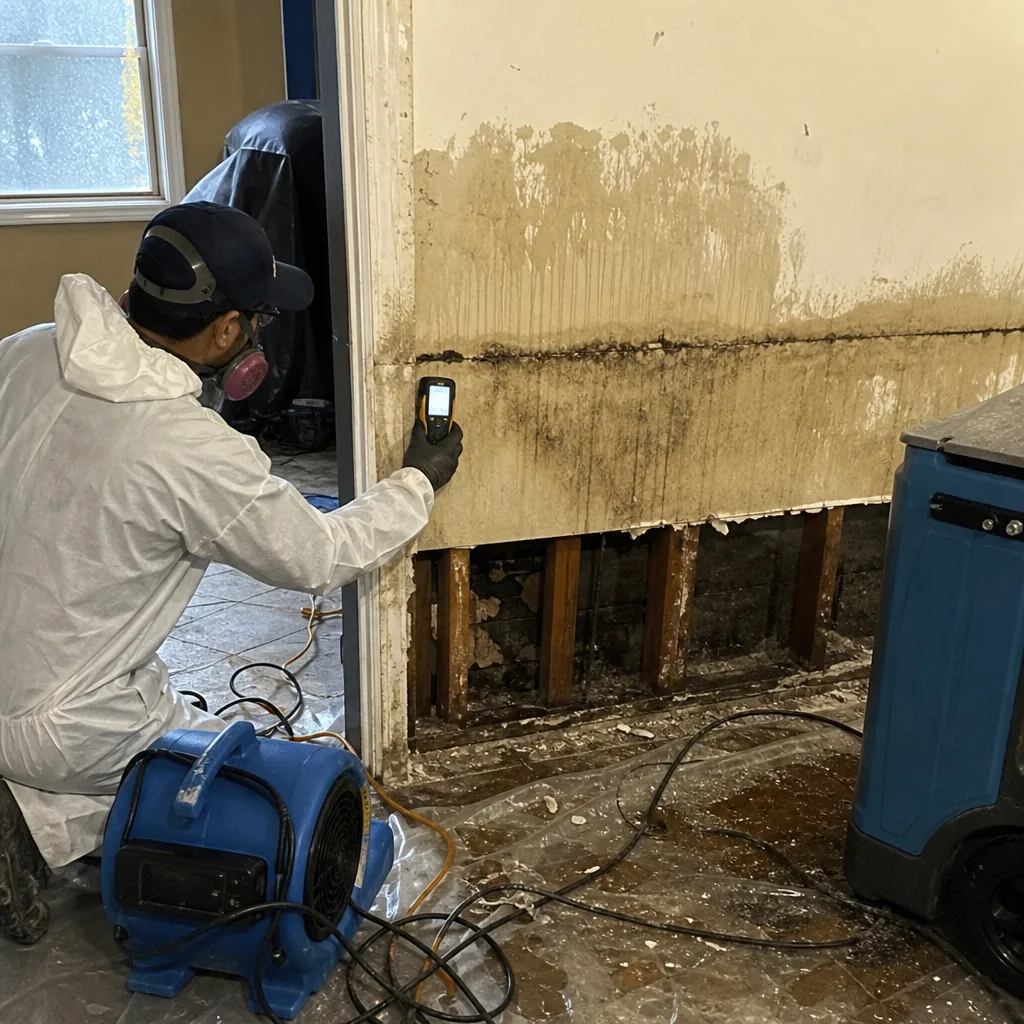
We walk every affected room and every floor below it, using thermal imaging and penetrating moisture meters to map water travel through walls, ceilings, and subfloor assemblies. In West New York walk-ups, this almost always means inspecting multiple stacked units. You receive a written scope and a firm price before we touch anything.
Extraction & Stabilization
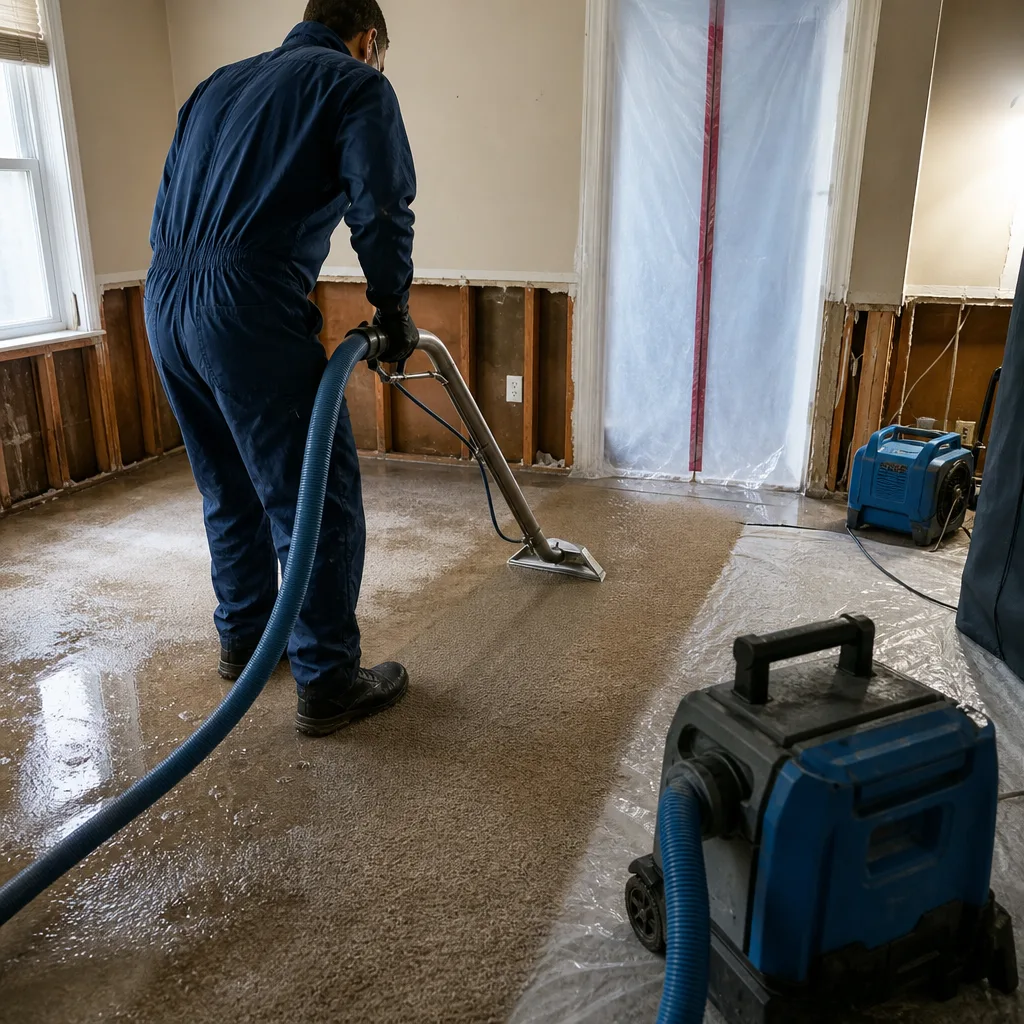
Standing water gets pulled immediately using truck-mounted and portable extraction units. In basement floods near the waterfront, we stabilize the area with temporary containment and remove saturated materials that cannot be dried. The goal in the first hour is to stop active water movement.
Drying & Dehumidification
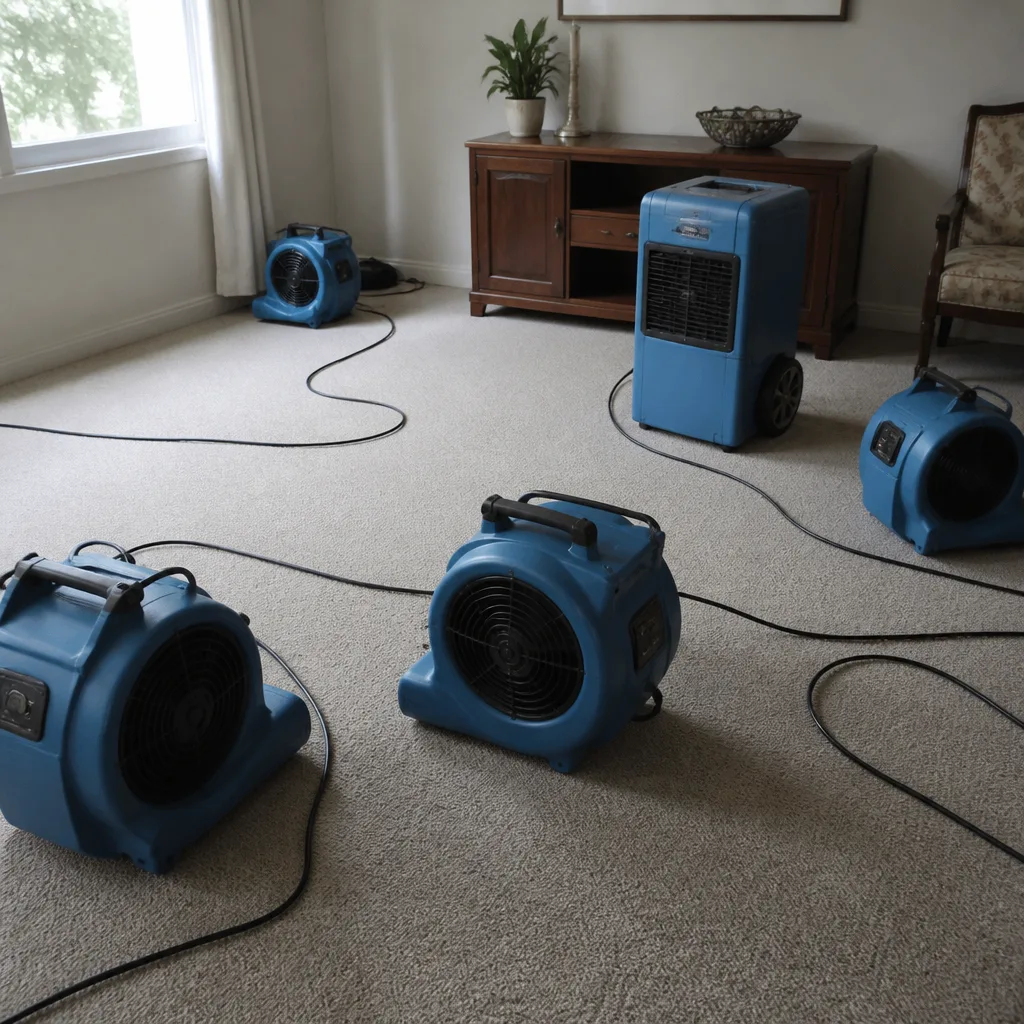
We place Dri-Eaz and Phoenix air movers along with high-output dehumidifiers to create engineered airflow across every wet surface. In plaster-over-lath ceilings and older masonry walls, this often requires Injectidry drying mats applied directly to the surface to pull moisture through dense materials. We log daily moisture readings until every assembly meets the dry standard.
Cleaning & Sanitization
Every affected surface gets cleaned with antimicrobial and antibacterial treatments appropriate to the water category. Category 2 and 3 water require more aggressive sanitization and, in some cases, removal of porous materials. We document every step for your carrier.
Specialty Treatment for West New York Structures
Older brick buildings need targeted attention: steam-heat riser chases, plaster keys, and wall cavities that hold hidden moisture. Waterfront high-rises require accelerated drying timelines to beat Hudson River humidity. We adjust equipment, airflow, and drying goals based on the building type, not a generic template.
Repairs & Restoration
The same Floodline crew that dried your home rebuilds what was removed. Drywall, plaster, trim, flooring, paint. Our 90-Day Done Right Promise applies to every repair, in writing. If it’s not done right, we make it right. No arguing.
Need Emergency Water Damage Restoration in West New York Now?
Crews minutes away, answering live 24 hours a day. The sooner we start, the less it costs.
Working With Your Insurance Company
Most water damage claims in West New York involve either a sudden pipe burst or a slow hidden leak that finally revealed itself. Both are common covered losses, but carriers want documentation from the first hour. We provide it. Our team photographs every affected room, logs moisture readings daily, and generates industry-standard estimates your adjuster can review without friction. We communicate directly with your carrier, walking them through the scope and answering technical questions about drying protocols. You stay informed, but you don’t do the negotiating. Direct insurance billing means we invoice the carrier for covered work, which keeps your out-of-pocket exposure clear from the start. If you’ve already filed a claim, tell us the claim number when you call. We’ll handle the rest.
What We Provide Your Insurer
- Thorough documentation of the loss
- Photos of all damage, room by room
- Moisture readings and drying logs
- A detailed, line-item scope of work
- Direct coordination with your carrier
Built for West New York’s Loss Calendar
West New York’s water damage season never really ends. January and February bring deep freezes that burst supply lines in the older walk-ups along Bergenline Avenue and Park Avenue, where galvanized pipes from the 1930s have spent 90 years under pressure. March brings spring thaw and the first heavy rains, when the Palisades bluff funnels stormwater runoff toward the lower-elevation eastern blocks near Boulevard East and the waterfront. Summer thunderstorms dump inches of rain in an hour, overwhelming roof drains and basement sumps in the older buildings. Fall brings nor’easters that hammer the riverfront high-rises with wind-driven rain, testing every curtain wall and window seal. Through it all, the stacked-unit construction of West New York means one small leak becomes a building-wide event. A slow drain pan on the fifth floor is a ceiling stain on the second floor two weeks later. That’s the reality we plan for.
Water Damage Restoration Across West New York’s Neighborhoods
West New York packs roughly 50,000 people into just over one square mile, and the damage patterns shift block by block. Along Boulevard East, the waterfront high-rises face wind-driven rain and curtain-wall failures, with mechanical rooms and below-grade parking levels that flood during heavy storms. Hudson River humidity makes fast drying a non-negotiable here. Over on Bergenline Avenue, the commercial and residential mix includes older apartment buildings with steam-heat risers and cast-iron supply lines that have outlived their design life. Burst pipes here routinely cascade downward through four or five floors. The blocks near 60th Street and Hudson Avenue are dominated by 1920s and 1930s brick walk-ups, where plaster-over-lath ceilings hold water in ways drywall never does. Closer to Donnelly Memorial Park and the central residential streets, pre-war masonry buildings share walls and floor assemblies, so a leak in one unit migrates laterally into the neighbors. Our crews know these routes. We know which buildings have basement sumps that fail and which have supply lines that freeze first. That local pattern knowledge saves hours during an emergency.
Specialized Water Damage Restoration Services We Offer in West New York
Emergency Water Extraction
Standing water in a West New York apartment or basement has already started moving through floor assemblies and wall cavities by the time you see it. Our extraction crews arrive with truck-mounted units that pull hundreds of gallons per minute. In stacked walk-ups, we check the unit below before we call the extraction complete. Water follows gravity, and gravity in West New York means down through 90-year-old joist bays.
Structural Drying & Dehumidification
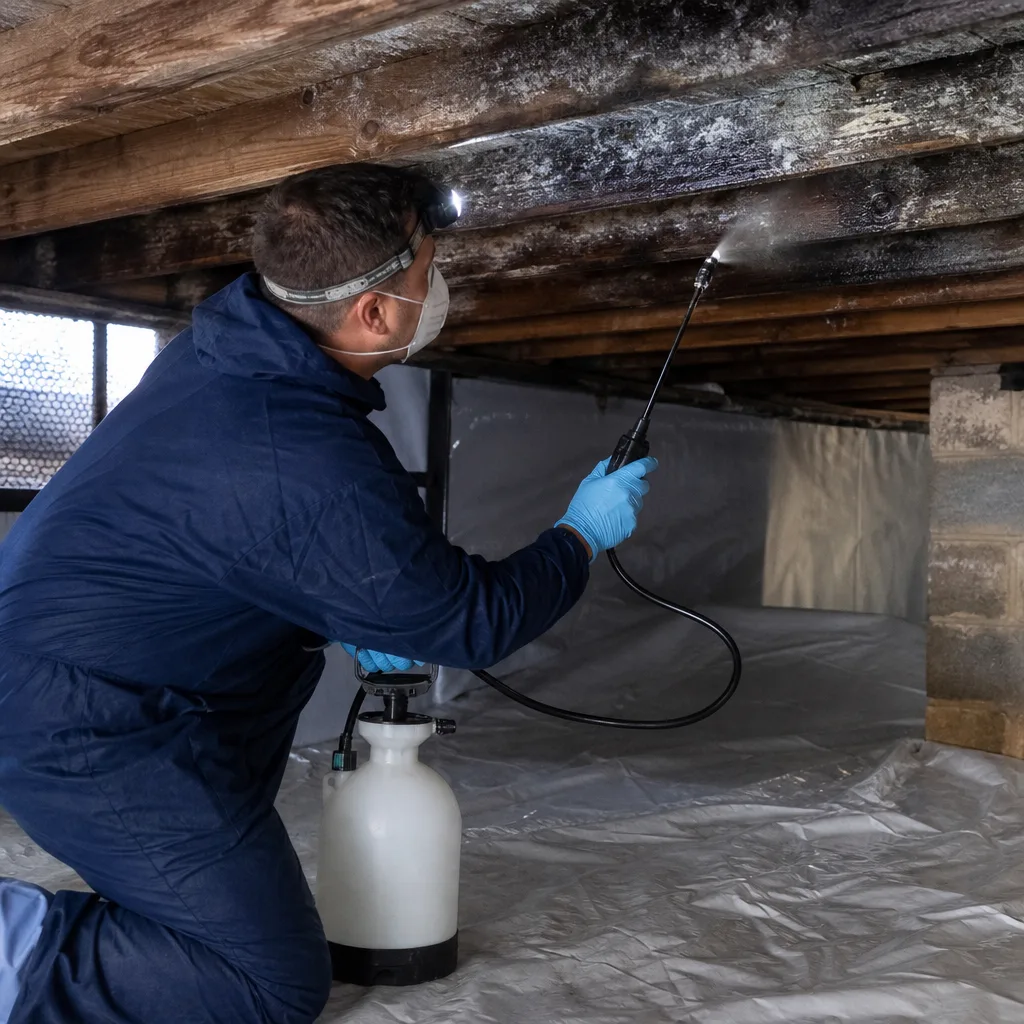
This is where West New York’s older buildings separate amateurs from professionals. Plaster over lath, brick cavity walls, and dense masonry don’t dry the way drywall does. They need engineered airflow, high-output dehumidifiers from Dri-Eaz and Phoenix, and in many cases Injectidry drying mats applied directly to the plaster surface to pull moisture through the lath. We log readings daily and keep drying until the moisture meter says the assembly is dry, not until the surface feels dry. Along the waterfront, we run equipment longer and harder, because Hudson River humidity never stops pushing moisture back into the building.
Flood Cleanup
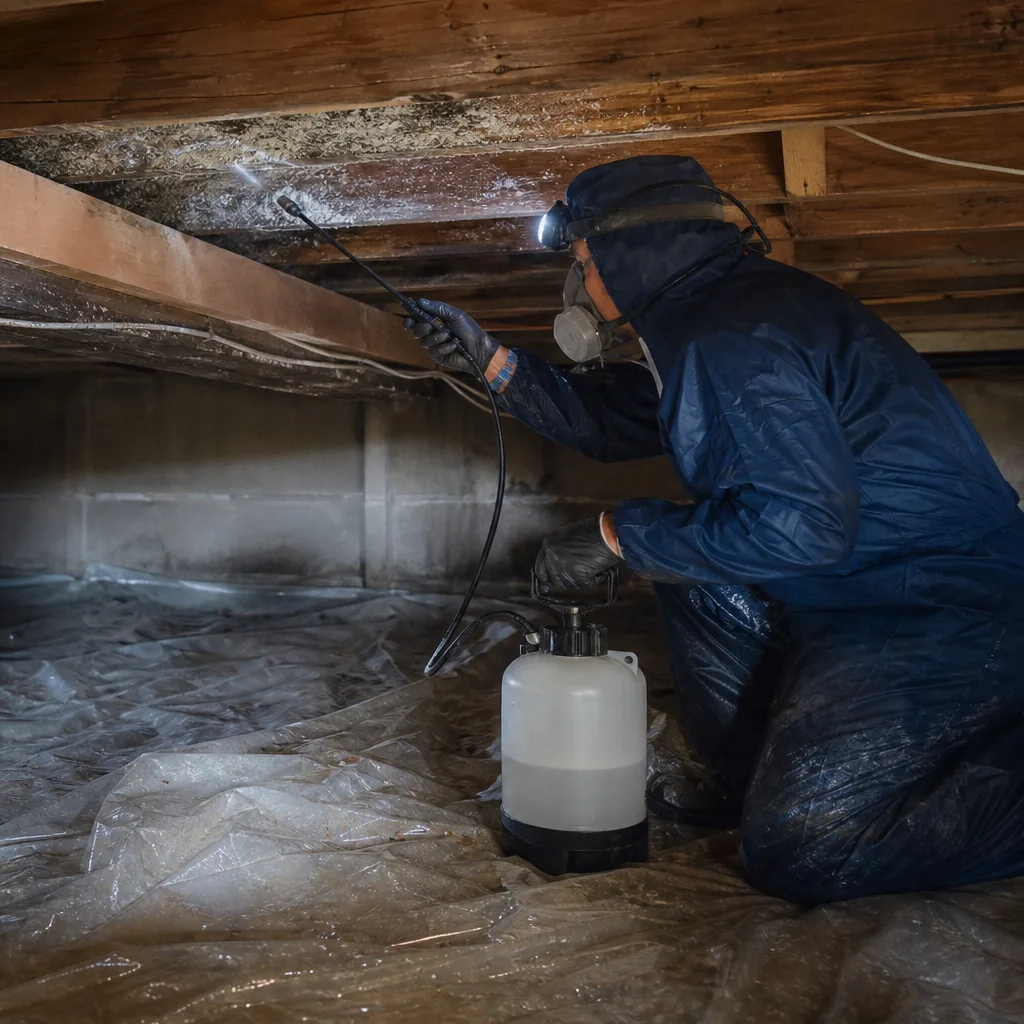
Basement flooding along the low-lying blocks near the waterfront is a recurring West New York problem. When the Palisades runoff meets backed-up storm drains, the water that enters a building is almost never Category 1. It carries sediment, road runoff, and sometimes sewage. We treat basement floods as contaminated by default, sanitizing every surface and removing saturated materials that cannot be properly dried and disinfected.
Burst Pipe Restoration
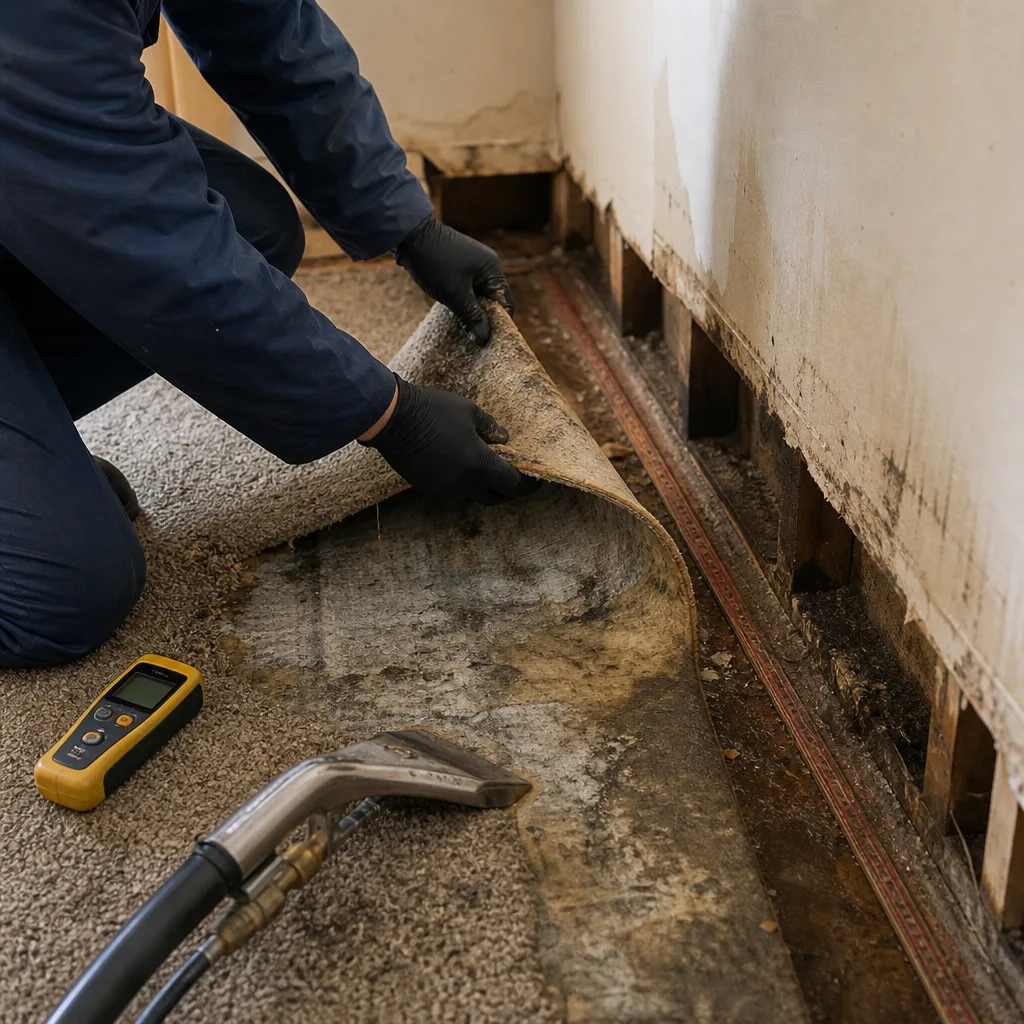
In West New York’s pre-war buildings, a burst pipe is rarely just a burst pipe. Galvanized supply lines from the 1930s and 1940s corrode from the inside, and when they finally let go, the water has traveled through decades of rust and scale. We test the water category rather than assuming clean water, and we treat the full path of water travel, not just the visible break point. That often means opening walls and ceilings in multiple stacked units to dry the stud cavities and joist bays where water hid.
Basement Water Removal
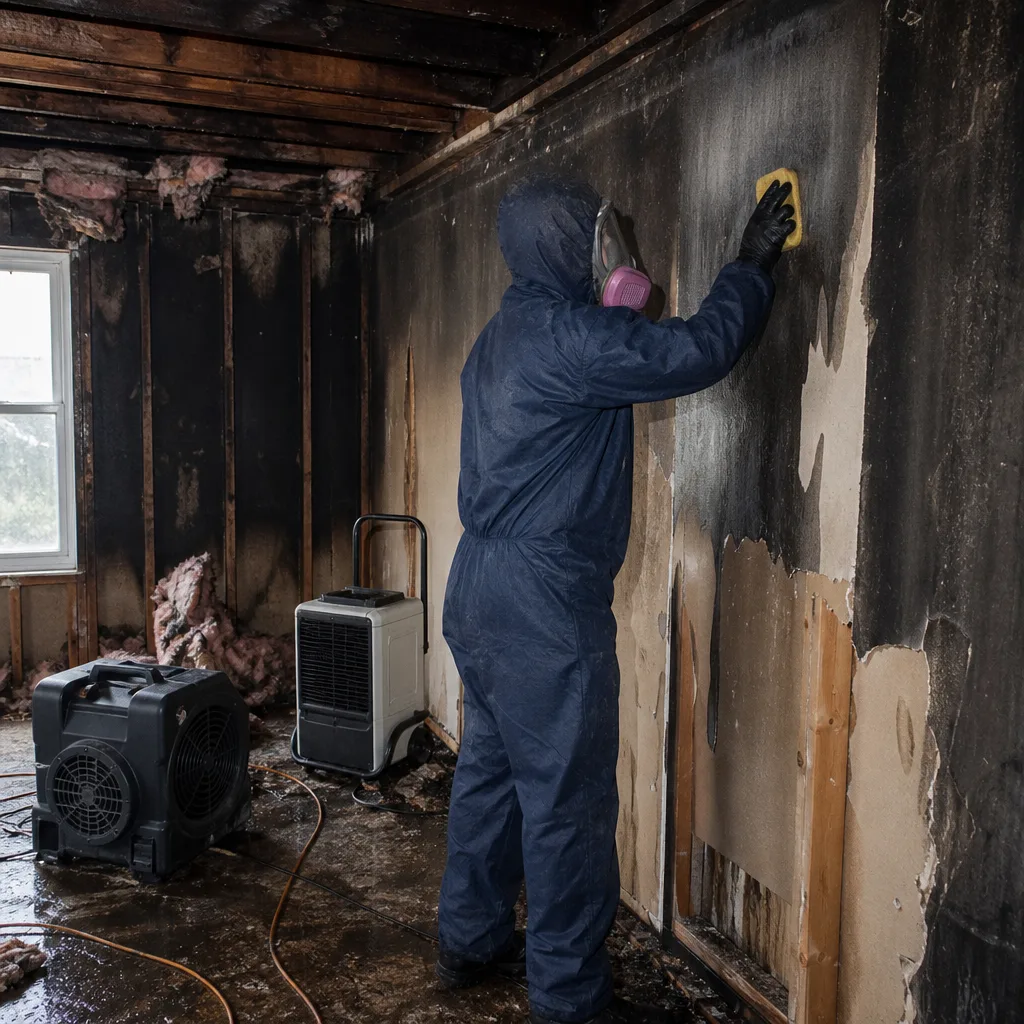
Below-grade floors in West New York face two enemies: groundwater pressure and stormwater runoff from the Palisades. Older apartment buildings and the newer waterfront towers both experience basement sump failures and foundation seepage. We extract the water, dry the space, treat for contamination, and document everything for your carrier. If reconstruction is needed, the same crew handles it.
Ceiling & Roof Leak Water Damage
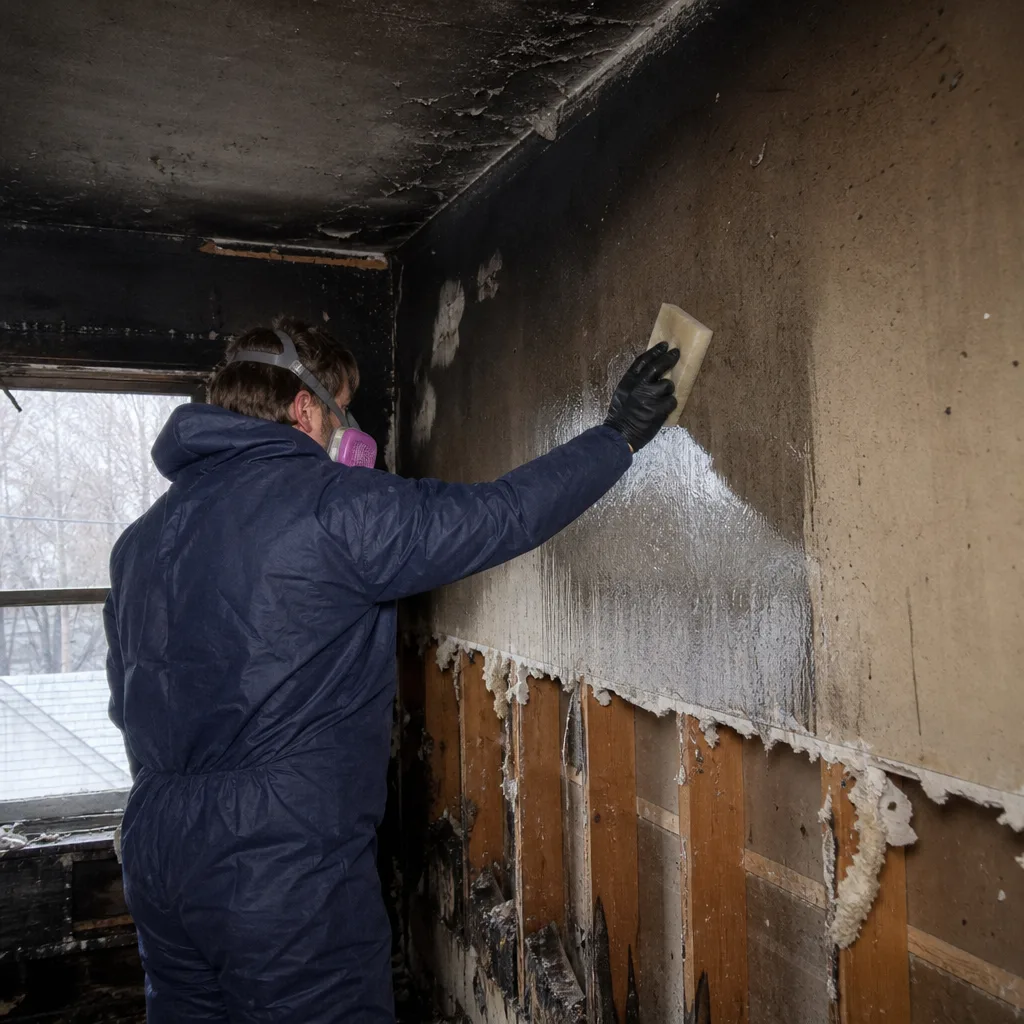
Ceiling leaks in West New York’s older buildings are rarely contained to one room. Water from a roof leak or a failed supply line travels through plaster-over-lath ceilings, saturating the lath strips and dripping into the unit below long after the source is stopped. We open only what needs opening, dry the assembly in place where possible with Injectidry mats, and minimize demolition. Less demolition means less rebuild, which means lower cost and a faster return to normal.
What happens when you call
- 1
A real person answersNo phone trees - you reach a local pro.
- 2
You get an upfront price rangeHonest numbers before anyone is dispatched.
- 3
A background-checked tech heads outLicensed & insured, dispatched right away.
- 4
You approve before work beginsNothing starts until you say go.
Water Damage Restoration Costs in West New York, NJ
West New York water damage pricing is shaped by the mixed building stock. A straightforward Category 1 burst pipe in a modern drywall condo typically runs $1,800 to $3,500 for extraction, drying, and minor repairs. The same pipe burst in a 1930s walk-up with plaster ceilings and multiple affected units runs $6,000 to $14,000 because of the multi-floor scope. Basement flood cleanup near the waterfront, where contamination is likely, runs $4,000 to $9,000 depending on water category and materials removed. Ceiling leak drying with Injectidry mats on plaster-over-lath typically runs $2,200 to $3,800 per room including containment and daily monitoring. Every job starts with a free visual inspection. You get a line-item scope in writing before anything is done. Most covered losses are handled through direct insurance billing, and our $50 Off Any Repair Over $250 offer applies to the repair portion of any out-of-pocket work. Seniors and veterans always receive a 5% discount.
We Also Serve Cities Near West New York
Floodline Restoration Co. crews serve the surrounding Hudson County communities with the same 45-minute response commitment. We regularly handle water damage in West New York and neighboring Union City, Weehawken, North Bergen, and Hoboken. If you’re in any of these towns and water is where it shouldn’t be, call the same live dispatcher at (551) 348-8481.
West New York Water Damage Restoration Questions, Answered
Why does water damage in West New York walk-ups almost always affect multiple units?
Because stacked construction shares floor and wall assemblies between units. A burst pipe on the top floor of a five-story brick walk-up routes water downward through joist bays, plumbing chases, and plaster ceilings, routinely saturating four or five units before the first visible stain appears. Our standard protocol for any leak above the ground floor in West New York is to inspect every floor below the source before scoping the job. Call (551) 348-8481 the moment you suspect a leak. The sooner we map the migration, the less demolition you pay for.
How quickly can mold start growing after water damage in a waterfront high-rise?
Within 24 to 48 hours in the waterfront towers along Boulevard East, where Hudson River humidity keeps ambient moisture elevated against the cliff face. Mold spores are always present in indoor air. What they need is moisture and a food source, and wet drywall or insulation provides both. In West New York’s riverfront buildings, we treat any water event as a potential mold event and start structural drying immediately, often running dehumidifiers at higher capacity than inland jobs require. If you’ve had water sitting for more than a day, call (551) 348-8481 for an assessment and drying plan.
Does West New York’s Palisades topography make some blocks more flood-prone than others?
Yes, meaningfully. The Palisades bluff concentrates stormwater runoff and sends it downhill toward the eastern waterfront blocks. During nor’easters and heavy rain events, the lower-elevation streets near Boulevard East and the riverfront see significantly more basement flooding than inland blocks just a few hundred feet west. That runoff also picks up road sediment and contaminants, which means floodwater in these blocks almost always requires Category 2 or Category 3 treatment. If your basement floods during a storm, call (551) 348-8481. We’ll test the water and treat it accordingly.
What water categories do you handle, and why does it matter for a burst pipe in an older building?
We handle all three categories. Category 1 is clean water from supply lines. Category 2 carries contaminants from appliances or sump failures. Category 3 is black water from sewage or flood surge. In West New York’s older buildings, a burst galvanized pipe technically starts as Category 1 but often carries rust, scale, and pipe debris that pushes it toward Category 2. We test the water rather than assuming, because that changes the sanitization protocol, the materials we remove, and the documentation your carrier requires. For help with any category, call (551) 348-8481.
How do you handle ceiling leaks in plaster-over-lath ceilings without causing more damage?
We dry them in place whenever possible. Plaster-over-lath ceilings in West New York’s pre-war buildings are dense and slow to dry, but they hold up better than drywall when dried properly. We apply Injectidry drying mats directly to the plaster surface, which pulls moisture through the lath strips from the room side without opening the ceiling. We cut access holes only where the plaster is already damaged or where moisture mapping shows saturated cavities we can’t dry from the surface. This approach minimizes demolition, which reduces rebuild cost and gets you back home faster. For a free inspection of a ceiling leak in your West New York apartment or home, call (551) 348-8481.
How fast can someone actually get to my West New York address?
Typically within 45 minutes from your call. Floodline Restoration Co. runs a live dispatch board 24 hours a day, 7 days a week. A real person answers the phone, takes your address, and routes the nearest available certified crew to you immediately. In West New York’s dense streets, our crews know the parking realities of Bergenline Avenue, the one-way patterns near Boulevard East, and the best approach to each block. No call centers, no waiting for a call-back. Call (551) 348-8481 and a crew is on the way.
Can I stay in my home during the drying process?
It depends on the water category and the extent of damage. For a contained Category 1 leak in one room, most people stay in place while our equipment runs. For Category 2 or 3 water, or a multi-floor event where containment barriers and negative air machines are running, we recommend temporary relocation until the affected areas are dried and sanitized. In West New York’s stacked apartments, a Category 3 loss in one unit often forces temporary relocation in adjacent units too. We document everything for your carrier, and many policies cover additional living expenses. We’ll give you an honest recommendation during the inspection. Call (551) 348-8481 for a free assessment.
What should I do in the first 30 minutes after discovering water damage?
First, stop the water source if you can do so safely. Shut off the supply valve or the main water line. Second, call (551) 348-8481. The faster our extraction crew arrives, the less water migrates through floors and walls. Third, if water is near electrical outlets or appliances, shut off power to that area at the breaker panel. Do not enter standing water to retrieve belongings if the water may be in contact with electricity. Move what you can safely move to a dry area. Take photos of everything before anyone disturbs the scene. Then let us handle the rest, from extraction to documentation to direct insurance billing.
Serving West New York, NJ - Our Local Coverage Area
We’re based in the West New York area and know this community well. Use the map below to see our service coverage - if you’re nearby, we can almost certainly help.
What Sets Floodline Restoration Co. Apart in West New York
West New York’s building stock demands restoration crews who understand what’s inside the walls before they open them. We responded to a slow galvanized supply-line leak in a 1930s brick walk-up on 60th Street near Hudson Avenue. Moisture mapping showed water had traveled through plaster-over-lath ceilings into three units below, so we set containment on each floor, ran Injectidry drying mats on the saturated plaster, and logged moisture readings daily until all assemblies returned to pre-loss condition. That’s how we work in West New York. Led by Curt Bowman, our company was founded in 2010 around a dispatch board, not a sales desk. We train technicians to IICRC, RIA, and IFA standards, and every job is backed by the 90-Day Done Right Promise, our Keystone Standard, given in writing with no paperwork battles and no arguing. A square deal: no surprises on the bill. The line the water left is where we start.
Call (551) 348-8481 for a free estimate on water damage restoration in West New York, NJ. A live dispatcher answers now.
Written by Curt Bowman, Owner at Floodline Restoration Co., serving West New York and Hudson County.